
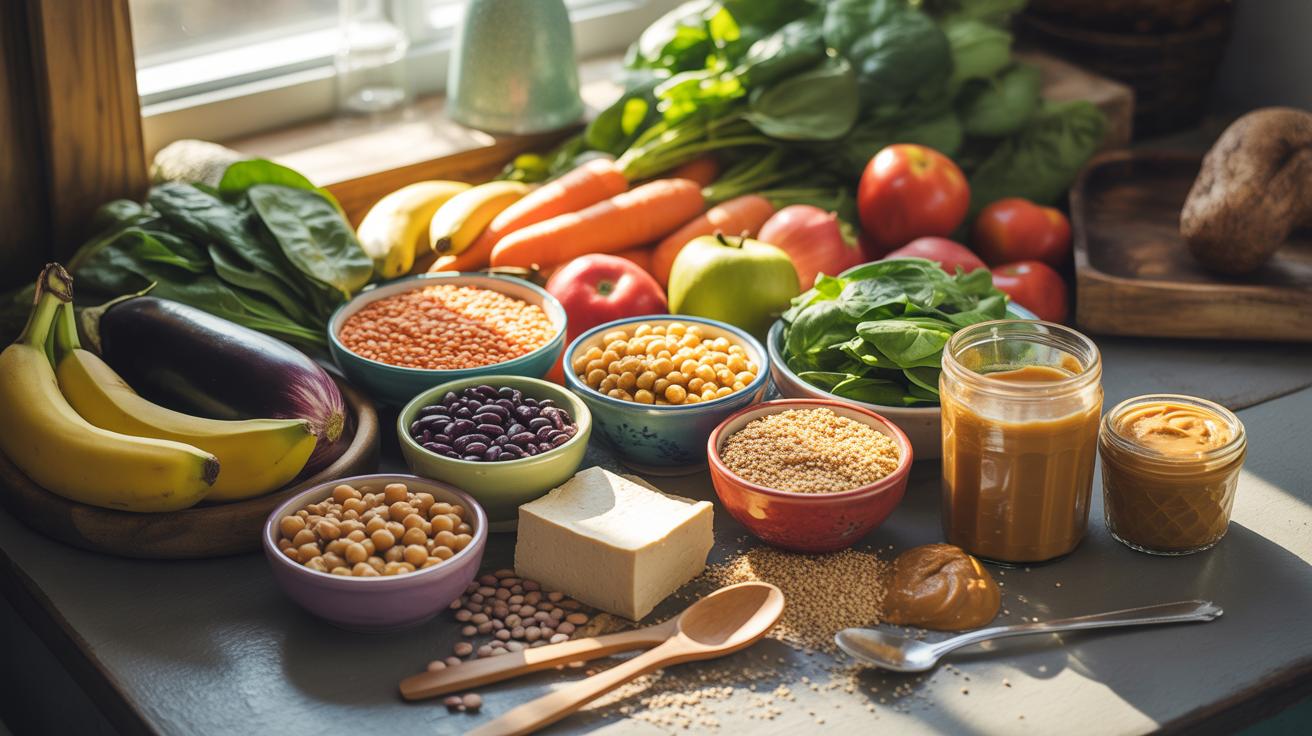
Why Plant Based Protein Sources Are Worth Adding To Your Diet

The Nutritional Case For Getting Protein Not From Meat
Plant protein offers more than just amino acids. Animals get their nutrients from plants first. When you eat plants, you cut out the middleman. You avoid the saturated fats and dietary cholesterol found in animal products. This swap lowers your risk for heart disease and hypertension. Plants provide essential micronutrients and antioxidants that animal tissues simply do not contain.
Modern nutrition focuses on the entire package, not just protein grams. Plant sources contain high amounts of fiber. Most people fail to get enough fiber every day. Fiber regulates your blood sugar and improves your gut health. Choosing legumes and grains ensures you get complex carbohydrates for steady energy. This nutritional profile creates a more balanced internal environment for your organs to function.
How Plant Proteins Support Satiety, Muscle, And Long Term Health
Protein from plants keeps you full for a long time. The high fiber content slows down your digestion. This prevents the energy crashes that happen after eating processed meats or simple sugars. You feel satisfied with fewer calories, which helps you manage your weight. This metabolic efficiency is a tactical advantage for maintaining a lean physique without feeling hungry all day.
You can build significant muscle using only plant sources. Soy and quinoa provide all nine essential amino acids your body needs. Other plants work together to create complete profiles through your daily diet. Scientific studies show that plant protein supports muscle repair just as well as whey or beef. Shifting to these sources reduces systemic inflammation. This leads to faster recovery times after hard physical training.
Lentils One Of The Most Powerful Plant Protein Foods You Can Buy
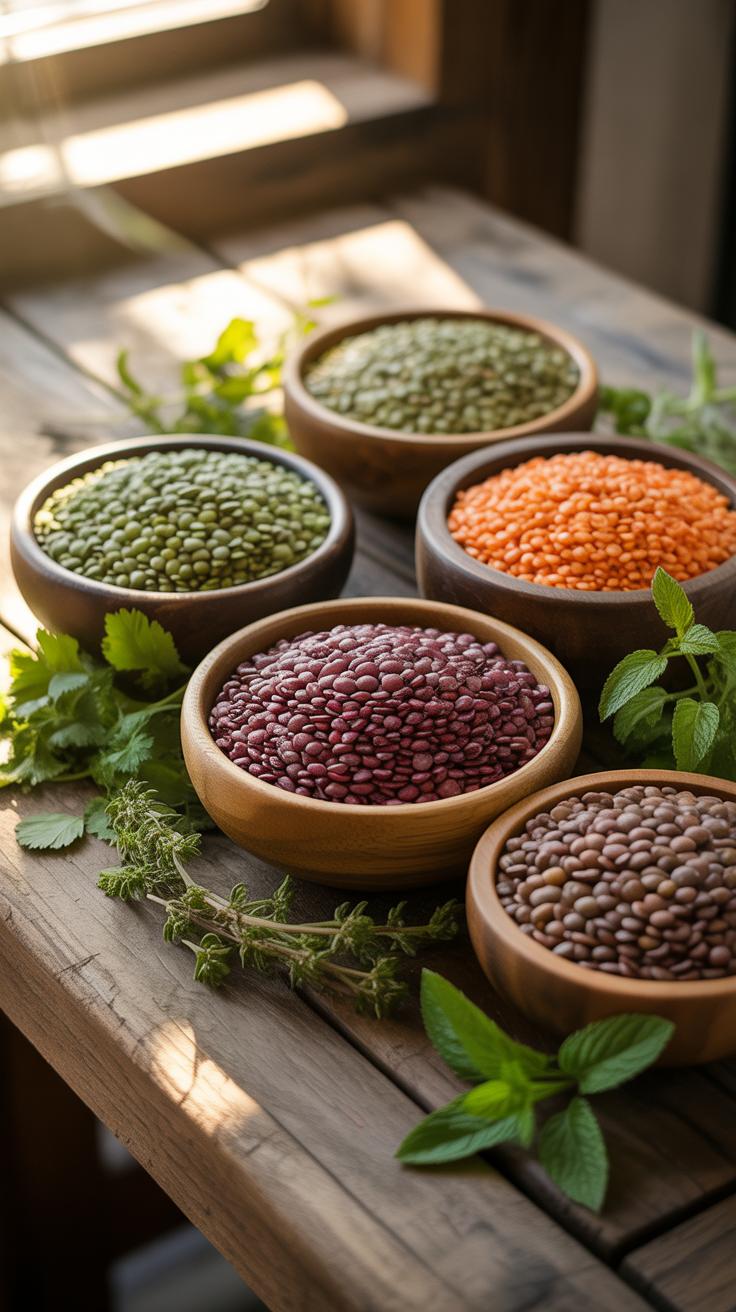
How Much Protein Do Lentils Actually Contain Per Serving
One cup of cooked lentils provides approximately 18 grams of protein. This makes them a primary plant based protein source for muscle maintenance. Lentils contain high concentrations of lysine. This amino acid is often missing in other grains. You get a dense nutrient profile for a low price point. They outperform most other legumes in protein density per gram of dry weight.
Lentils offer more than just raw protein numbers. One serving contains 15 grams of dietary fiber. This fiber slows digestion and prevents insulin spikes. You get a steady release of energy instead of a crash. The combination of protein and complex carbohydrates creates a highly efficient fuel source. These legumes provide a cost effective way to meet daily protein requirements without expensive supplements.
Simple And Affordable Ways To Cook Lentils For Maximum Fullness
Boil lentils in a two to one water ratio for twenty minutes. Use red lentils for thick soups because they break down quickly. Use green or black lentils for salads because they hold their shape. Adding fat or acidic ingredients like lemon helps nutrient absorption. This method ensures you stay full for hours. It is the most efficient way to prep bulk meals.
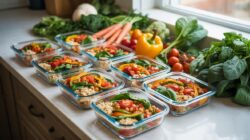
Batch cooking lentils saves time and reduces your weekly food costs. Store cooked lentils in the fridge for up to five days. You can add them to ground meat to stretch your budget. You can also use them as a meat replacement in tacos or pasta sauce. This strategy increases the volume of your meals without adding significant cost. Use spices to vary the flavor profiles easily.
Chickpeas And Beans Budget Friendly Staples On Any Plant Based Protein List
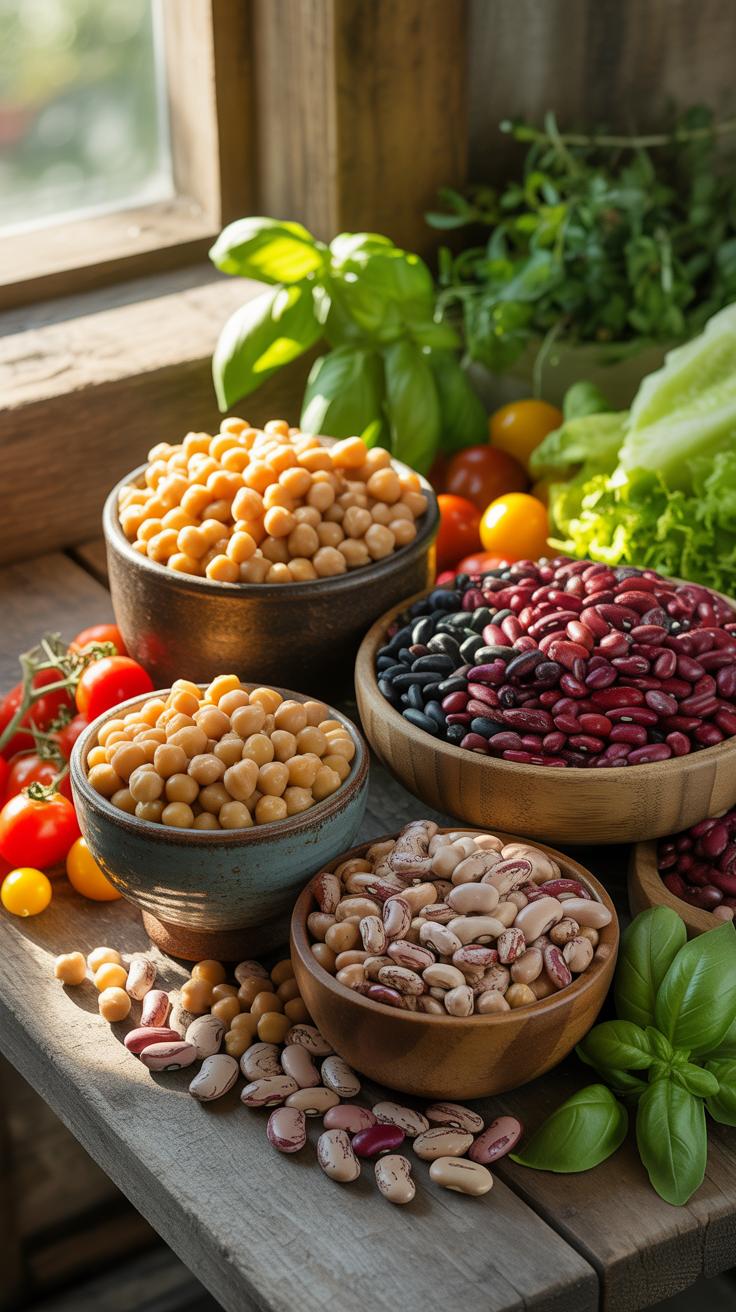
Black Beans, Kidney Beans, And Chickpeas Compared By Protein Content
Legumes serve as a primary pillar for plant based protein sources due to their high density and low cost. Kidney beans lead this specific group with approximately 15 grams of protein per cooked cup. Black beans follow closely with 15 grams per cup and offer significant fiber counts. Chickpeas provide roughly 14.5 grams per cooked cup. These differences are marginal but influence meal planning for high-protein targets.
Amino acid profiles vary slightly across these three options. All three contain high levels of lysine but remain low in methionine. You must pair them with grains like rice or corn to create a complete protein profile. These staples provide consistent results for muscle maintenance and satiety. They outperform most processed meat alternatives in both price and micronutrient density. Choose these for reliable and steady energy levels.
Canned Vs. Dried Beans: Which Is More Cost Effective For Everyday Meals
Dried beans offer the lowest price point per gram of protein. Buying in bulk reduces the cost significantly compared to pre-cooked versions. One pound of dry beans yields about six to seven cups of cooked food. This makes dried legumes the most strategic choice for high-volume meal prep. You save nearly seventy percent by processing the beans yourself at home using water and heat.
Canned beans offer speed and convenience for immediate consumption. They require no soaking or long boiling times. This saves labor and energy costs during busy schedules. However, you pay a premium for the canning process and added liquids. Most canned varieties also contain added sodium to maintain texture and shelf life. Weight the time savings against the increased unit price to determine your best tactical approach.
Tofu And Tempeh Versatile Vegan Protein Sources That Fit Any Budget
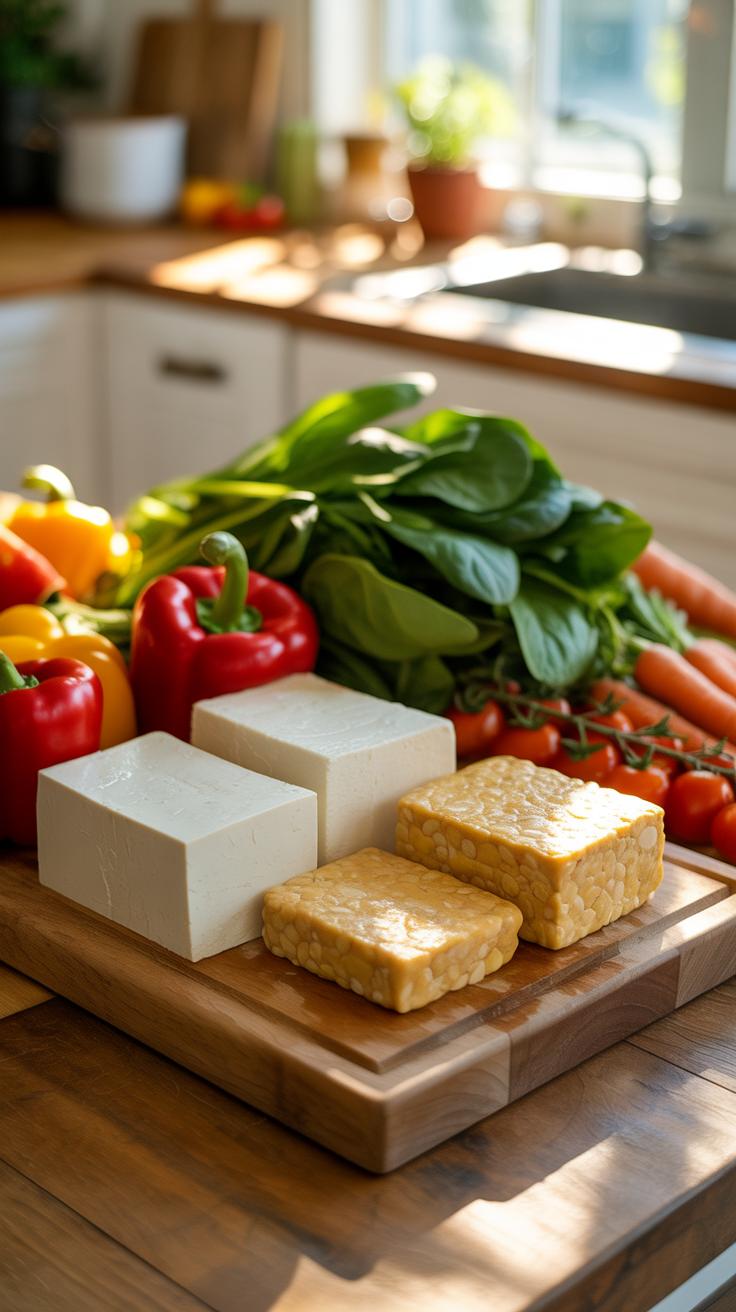
Understanding The Protein Difference Between Tofu And Tempeh
Tofu and tempeh both come from soybeans but offer different nutritional profiles. Tofu results from coagulating soy milk and pressing the curds into blocks. Tempeh uses whole fermented soybeans. This fermentation process makes tempeh denser and higher in protein. One cup of tempeh provides about 31 grams of protein. One cup of firm tofu provides roughly 20 grams. Choose tempeh for maximum protein density.
Calorie counts also differ significantly between these two staples. Tempeh contains more fiber and calories because it uses the entire bean. Tofu is lower in calories and fat because the process removes the soybean skins and fiber. Athletes often prefer tempeh for muscle recovery due to its amino acid concentration. Budget shoppers favor tofu because it usually costs less per pound in most grocery stores.
How To Cook Tofu And Tempeh So They Are Actually Filling And Delicious
Texture determines how satisfying these proteins feel during a meal. Press tofu for at least twenty minutes to remove excess water. This step allows the block to absorb marinades and crisp up when heated. Searing tofu in a hot pan creates a firm exterior. Use cornstarch for a crunchier coating. This mechanical change makes the soft curd feel substantial and helps you stay full longer.
Tempeh requires moisture to improve its natural nutty flavor. Steam the block for ten minutes before frying or baking it. This process removes the bitter edge often found in fermented soy. Break the tempeh into small crumbles to mimic the texture of ground meat. High heat develops a savory crust through the Maillard reaction. Use bold sauces like soy or vinegar to penetrate the dense structure.
Whole Grains That Deliver More Vegan Protein Than Most People Realize

Quinoa: The Complete Protein Grain With All Nine Essential Amino Acids
Quinoa stands out because it is a complete protein source. This means it contains all nine essential amino acids your body cannot produce itself. Most plant foods lack at least one of these acids. Quinoa provides about eight grams of protein per cooked cup. It behaves like a grain but is technically a seed. This makes it a vital tool for strict vegan or vegetarian diets.
You can use quinoa as a direct replacement for rice or pasta to increase nutritional value. It cooks fast and stays shelf-stable for long periods. Farmers have grown this crop in the Andean region for thousands of years. It handles poor soil and harsh climates well. This resilience keeps global supplies steady. Use it as a base for bowls to hit your protein targets without buying expensive supplements.
Oats, Brown Rice, And Farro As Underrated Affordable Protein Foods Vegetarian Diets Rely On
Oats and brown rice offer significant protein for a very low cost. One cup of cooked oats provides roughly six grams of protein. Brown rice offers about five grams per cup. These grains are cheaper than processed meat alternatives. They provide fiber which keeps you full for longer periods. You can buy these in bulk to lower your cost per meal significantly while maintaining amino acid intake.
Farro is an ancient grain that offers even more power. It contains about seven grams of protein per half-cup serving. It has a chewy texture that works well in soups and salads. Combining these grains with legumes creates a full amino acid profile. This strategy is the most cost-effective way to build a plant-based diet. Stick to these whole grains to keep your grocery budget low and your energy levels high.
Nuts And Seeds A Compact Vegan Protein Chart Worth Knowing
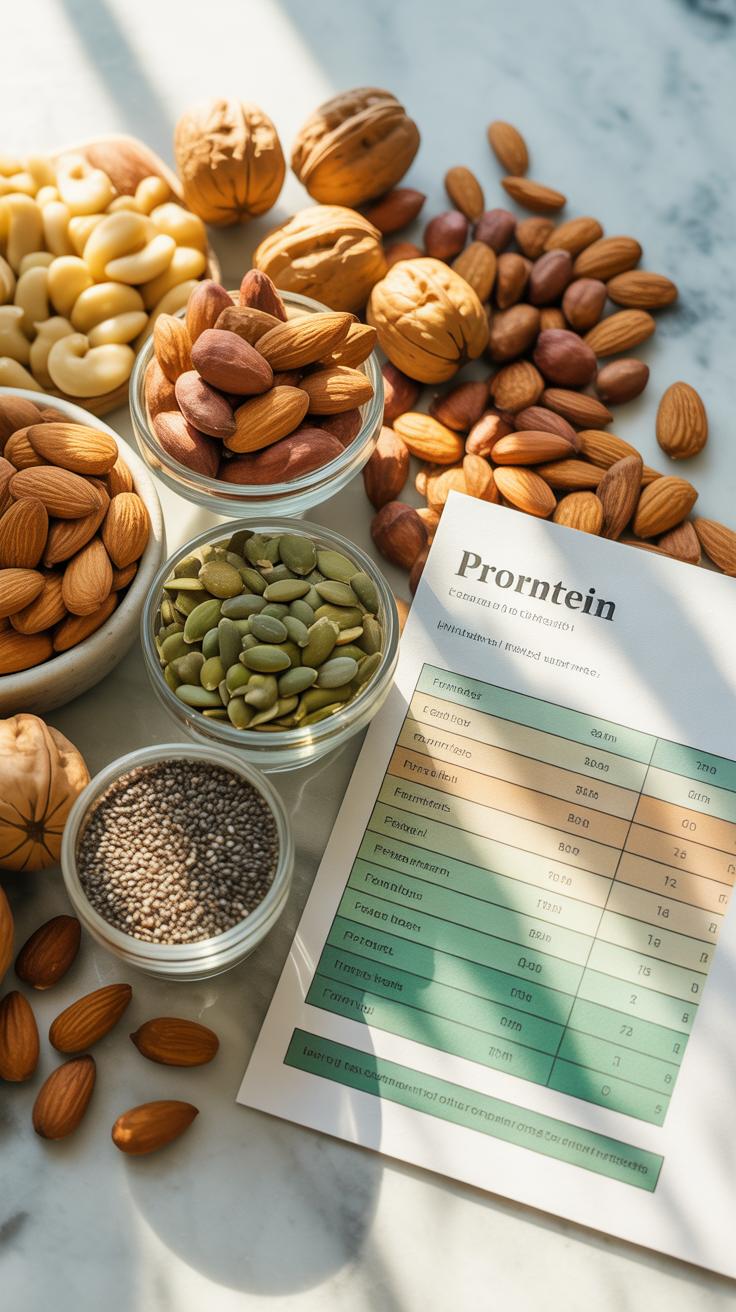
Hemp Seeds, Pumpkin Seeds, And Sunflower Seeds Ranked By Protein Per Serving
Nuts and seeds offer a high concentration of amino acids in small volumes. These plant based protein sources serve as effective boosters for daily intake requirements. You must focus on the protein-to-weight ratio to get the best value. Choosing seeds over expensive nut butters often yields more grams of protein for every dollar spent. Tracking these specific values ensures your nutritional targets remain met.
- Hemp Seeds: These provide roughly 10 grams of protein per 3-tablespoon serving. They contain all nine essential amino acids, making them a rare complete plant protein. This profile rivals many animal sources for muscle repair.
- Pumpkin Seeds: Also known as pepitas, these deliver about 9 grams of protein per ounce. They are high in magnesium and zinc, supporting overall metabolic health. Their dense structure provides a significant satiety factor compared to lighter snacks.
- Sunflower Seeds: These offer 6 grams of protein per quarter-cup serving. They are the most cost-effective option for those on a tight budget. They provide high amounts of Vitamin E and healthy fats along with their protein content.
- Chia Seeds: You get 5 grams of protein in two tablespoons of these seeds. They absorb liquid to create a gel, which helps with digestion and hydration. They are ideal for thickening meals without adding expensive processed powders.
- Flax Seeds: These contain 4 grams of protein per 2-tablespoon serving. You must grind them to access their internal nutrients and protein. They provide high levels of alpha-linolenic acid, which serves as a critical plant-based omega-3 fatty acid.
Efficiency depends on quality and quantity. Use these seeds as foundational elements rather than mere garnishes to maximize impact. High-protein seeds like hemp and pumpkin outperform most common grains in density. Prioritize raw and bulk-purchased versions to keep costs low. This strategic selection allows for a high-performance diet without reliance on expensive processed supplements or meat alternatives.
How To Use Nuts And Seeds In Everyday Meals Without Overspending
Buy seeds and nuts in bulk containers to avoid the high markup of small packages. Avoid pre-roasted or flavored varieties because they cost more and contain unnecessary additives. Store your purchases in airtight containers in a cool space to prevent oil spoilage. This method preserves the protein quality and taste for several months. Strategic purchasing reduces the unit price significantly over time.
Integrate these sources into staple foods like oatmeal, rice, and salads. One ounce of pumpkin seeds added to a meal changes the entire nutritional profile immediately. Use sunflower seeds as a crunchy topping instead of expensive croutons or breadcrumbs. Blend cheaper seeds into sauces to create creamy textures without using dairy. These tactical substitutions increase protein density while keeping your grocery bill manageable and predictable.
Edamame And Peas Fresh And Frozen Vegan Protein Sources On A Tight Budget

Why Edamame Is One Of The Most Protein Dense Whole Foods Available
Edamame provides a complete amino acid profile rarely found in plants. These young soybeans offer eighteen grams of protein per cup. They contain all nine essential amino acids necessary for muscle repair. This makes edamame a superior choice to many grains or vegetables. You get high protein density without the processing found in meat substitutes. It is a raw power source for vegans.
Frozen edamame maintains its nutrient profile and costs very little. Buy it in bulk to lower your price per serving. You can steam or boil these beans in minutes. This speed allows for efficient meal prep during a busy week. The fiber content also slows digestion to keep you full. Tactical eaters use edamame as a primary protein base to save money and time.
A simple bowl of beans and rice is a humble feast that warms the soul and fuels the body. It reminds us that the most sustaining gifts from the earth have always been within our reach.
Green Peas And Split Peas As Overlooked Filling Protein Options
Green peas contain more protein than most common vegetables. One cup delivers eight grams of protein and high levels of leucine. Leucine triggers muscle protein synthesis effectively. Most people view peas as a side dish, but they function as a core protein source. You can buy them frozen for year-round availability. They provide cheap energy and essential vitamins with zero prep work.
Split peas offer even higher protein rewards for budget-conscious shoppers. These dried legumes contain sixteen grams of protein per cooked cup. They do not require soaking like other dried beans. This saves hours of preparation time. Use them in soups or stews to create a dense meal that suppresses hunger. They remain one of the cheapest shelf-stable proteins on the market today.
How To Build Balanced Meals Using A High Protein Vegan Foods Chart Approach

Combining Plant Proteins Throughout The Day To Meet Your Daily Needs
You do not need to eat every essential amino acid in a single sitting. Your body maintains an amino acid pool to build proteins over time. Modern nutrition science confirms that eating a variety of plant based protein sources across twenty-four hours satisfies human biological requirements. Focus on total daily intake rather than complex food combining at every meal. This approach simplifies meal prep and reduces stress.
Prioritize density and volume to hit your targets. Legumes, grains, and nuts offer different nutrient profiles that complement each other throughout the day. A morning serving of oats followed by a lentil lunch ensures a complete profile. This strategy allows you to buy ingredients in bulk. It makes your diet more efficient. Consistent intake of diverse whole foods prevents gaps in your nutrition without requiring expensive supplements.
Budget Meal Planning Tips To Make The Most Of Cheap Plant Based Protein Sources
Tactical meal planning centers on high-yield, low-cost staples. Buying dried goods instead of canned versions slashes your per-serving cost significantly. Focus on base ingredients that serve multiple purposes across your weekly menu. You must treat protein as the foundation of your grocery list. This strategy ensures you meet your macros while keeping your food budget low and your kitchen inventory highly functional.
- Bulk Dried Legumes: Lentils and beans are the cheapest protein sources available per gram. Buying them dried instead of canned saves fifty percent or more on cost. They have a shelf life of years and form the base of soups, stews, and salads.
- Whole Grains In Large Bags: Brown rice, quinoa, and oats provide significant protein when eaten in large portions. Purchase heavy bags from wholesale clubs or ethnic grocery stores to reduce the unit price. Grains provide the necessary calories to stay full longer.
- Seasonal Frozen Vegetables: Peas and spinach contain more protein than many realize. Frozen options are picked at peak ripeness and cost less than fresh produce out of season. They prevent spoilage waste and add easy micronutrients to any cooked protein dish.
- Store Brand Soy Foods: Tofu and soy milk offer complete proteins at a fraction of the meat price. Choose generic store brands to save money. Tofu is shelf-stable in aseptic packaging or lasts weeks in the fridge, making it a reliable backup option.
- Peanut Butter And Seeds: Sunflower seeds and peanut butter provide dense calories and protein for very little money. Use these as toppers or base ingredients for sauces. They offer healthy fats that increase satiety and improve the overall flavor of bland bulk grains.
Standardize your shopping list to avoid high-cost impulse buys. Use a rotational system to finish what you buy before it expires. This discipline prevents food waste and keeps your cost per meal predictable. Inventory your pantry every week to see which plant based protein sources you already own. Smart planning turns basic ingredients into fuel. Control your supply chain to control your health and your bank account.
Common Myths About Vegan Protein That May Be Holding You Back
Is Plant Protein Inferior To Animal Protein? What The Evidence Actually Shows
Critics claim plant protein lacks quality because of amino acid profiles. This is a misunderstanding of biology. While some plants have lower levels of specific amino acids, your body pools these nutrients throughout the day. You do not need every essential amino acid in a single meal. Legumes and grains consumed over twenty-four hours provide a complete profile. Evidence shows plant sources support muscle growth effectively.
Plants offer dietary fiber and phytonutrients that animal products lack. These components improve digestion and heart health. Choosing plant sources also reduces your intake of saturated fats and cholesterol common in meat. High-quality research proves that total protein intake matters most for physical performance. You can meet all physiological requirements without consuming animal tissue. Efficiency comes from variety and total daily caloric intake.
Do You Need Supplements If You Rely On Plant Based Protein Sources Alone
Eating a diverse range of plants provides enough protein for most people. Athletes and manual laborers can hit high targets using lentils, beans, and soy. Whole foods are cheaper and more filling than processed powders. You do not need expensive tubs of whey or pea isolate to build strength. Focus on caloric density and meal frequency to reach your goals. Natural sources supply necessary nitrogen for tissue repair.
Vitamin B12 is the only nutrient plants cannot reliably provide. This is a separate issue from protein content. You should monitor your B12 and Vitamin D levels regardless of your diet. However, extra protein shakes are rarely a requirement for health. Most people get more protein than they actually utilize. Stick to bulk staples like peanuts and chickpeas to save money. These options offer superior nutrition per dollar spent.
Frequently Asked Questions

What are the best plant-based protein sources for someone just starting out?
If you are new to meatless meals, lentils, chickpeas, and black beans are the best plant-based protein sources to start with. They are incredibly versatile, easy to prepare, and offer a hearty texture that satisfies your hunger. These staples are packed with fiber and essential nutrients, making them a perfect foundation for anyone looking to transition toward a more sustainable and health-conscious way of eating without feeling deprived.
How can I easily incorporate more plant protein into my daily meals?
One of the simplest ways to boost your intake is by swapping half of your ground meat for cooked lentils or finely chopped mushrooms and walnuts. You can also sprinkle hemp seeds on avocado toast or blend silken tofu into your morning smoothies for a creamy texture. Adding these plant-based protein sources to your favorite soups, stews, and salads is an effortless way to increase nutrition while keeping your meals exciting and diverse.
Is it actually possible to eat high-protein on a very tight budget?
Absolutely! Eating a plant-forward diet is often much cheaper than buying meat. Buying dried beans, peas, and whole grains in bulk is the most cost-effective strategy. These pantry staples stay fresh for months and cost only pennies per serving. By focusing on affordable options like oats, peanut butter, and frozen edamame, you can easily meet your nutritional goals and stay full throughout the day without overspending at the grocery store.