

Why Vegetarian Meal Prep For The Week Is A Game Changer For Busy Lifestyles
The Time And Cost Benefits Of Planning Your Meals In Advance
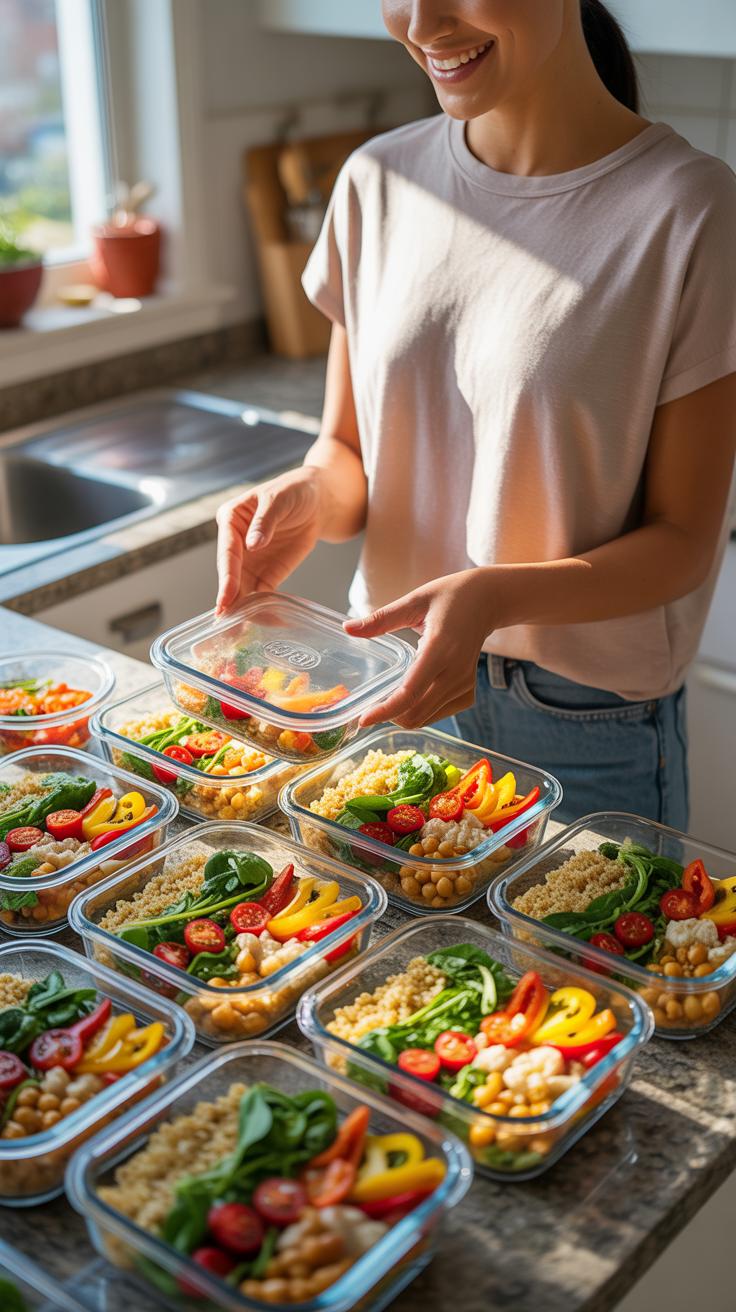
Weekly vegetarian meal prep reduces daily decision fatigue and eliminates the need for mid-week grocery runs. You save hours by consolidating chopping and cooking into one session. Buying bulk plant-based staples like lentils and grains drops the cost per serving significantly. Strategy replaces impulse buys. You stop paying a premium for convenience foods or last-minute takeout orders that drain your monthly budget.
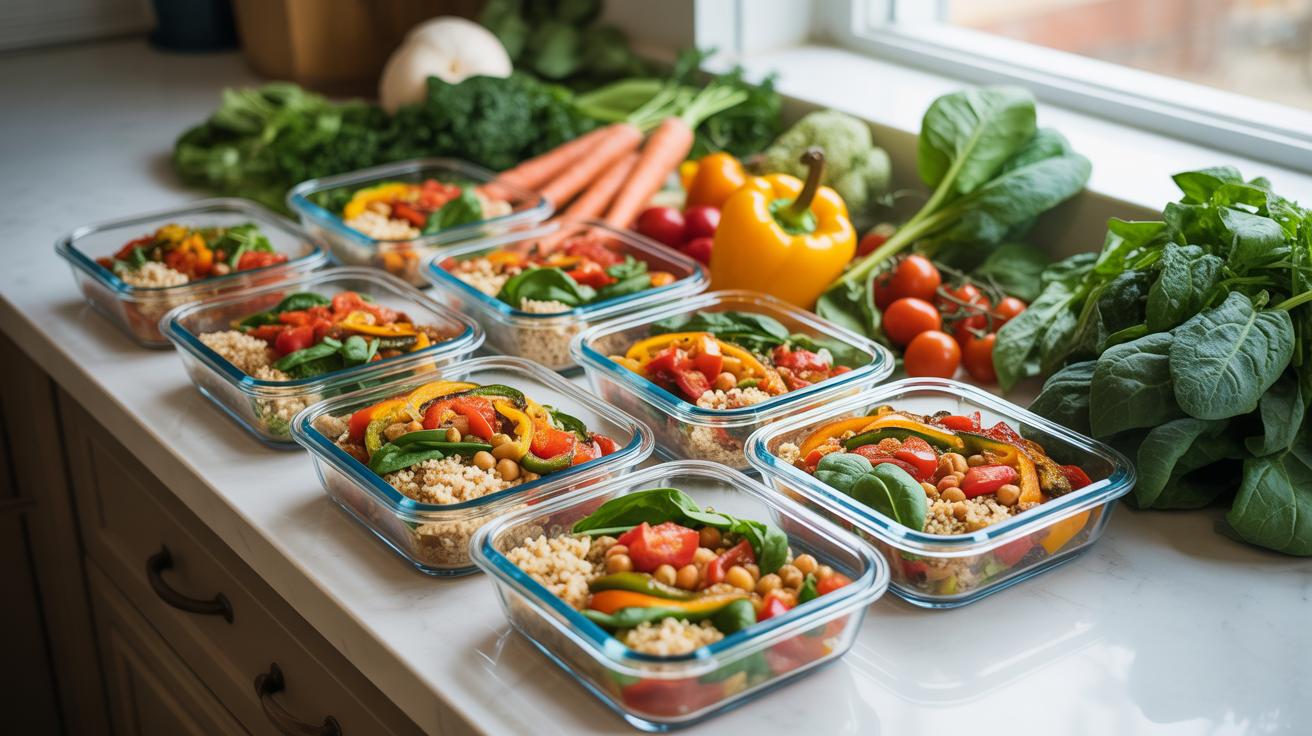
Execution relies on a rigid scheduling strategy. Deducting time from your weekend ensures you reclaim time during busy workdays. Financial gains come from utilizing low-cost proteins like beans and tofu. These ingredients have a high nutritional yield compared to their price point. Planning ensures you use every item you buy. Efficiency becomes your primary driver. You gain control over your schedule and your financial resources.
How Batch Cooking Reduces Food Waste And Keeps Ingredients Fresh Longer
Batch cooking prevents fresh produce from rotting in your crisper drawer. You process vegetables immediately after purchase to lock in nutrient density. Cooking large portions of base ingredients like quinoa or roasted roots ensures you use the entire unit of produce. This method stops the common cycle of buying ingredients for one meal and discarding the unused halves. Strategic preparation maximizes the utility of every purchase.
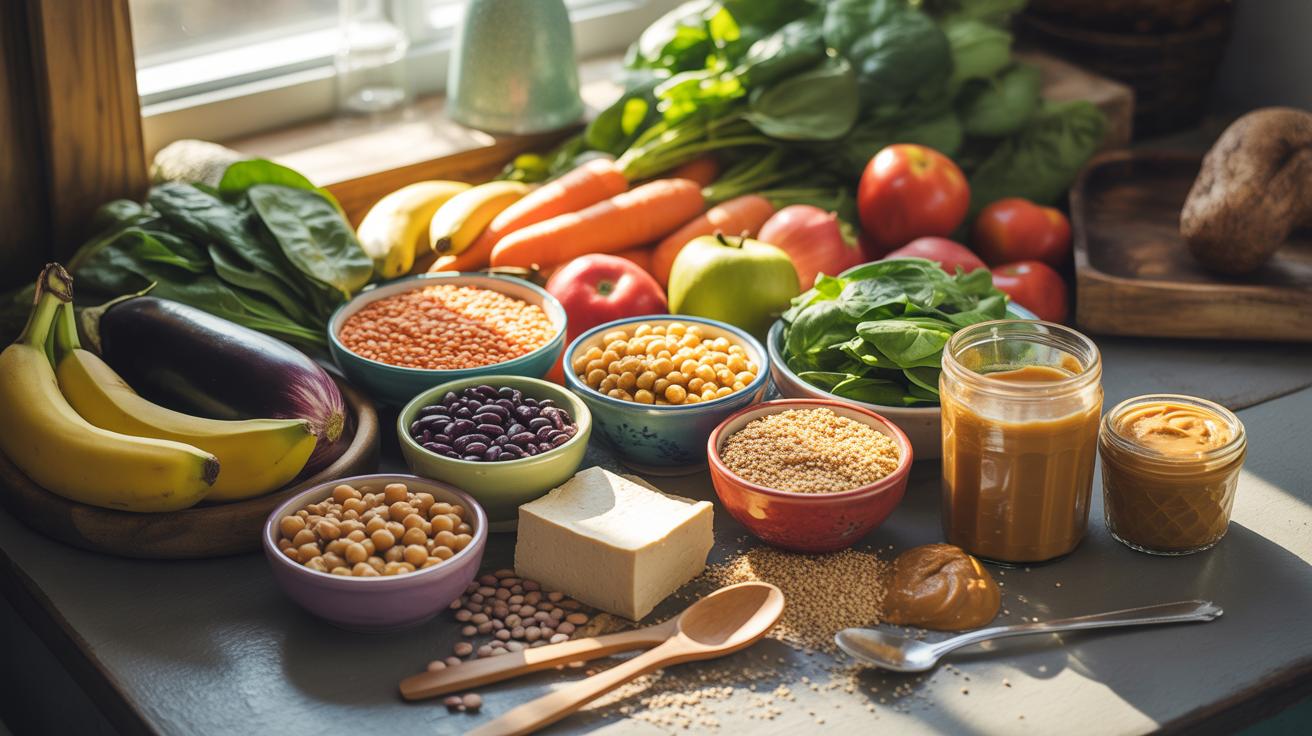
Storage technology is a critical component of freshness. Using airtight glass containers prevents oxidation and cross-contamination in the refrigerator. Pre-cooking components like legumes increases their shelf life compared to raw, wet storage. You control the environment of each ingredient. This precision prevents spoilage and maintains flavor profiles throughout the week. Tactical storage ensures your last meal on Friday is as safe and edible as your first.
Essential Kitchen Tools And Storage Tips For Easy Healthy Vegetarian Meal Prep

Must Have Containers Utensils And Appliances That Make Prep Day Effortless
Successful weekly vegetarian meal prep depends on industrial efficiency. You need high quality tools to handle bulk processing of dense vegetables and hard grains. Cheap plastic fails under the pressure of repeated heating and cooling. Standardize your equipment to save time on searching for lids or matching parts. Investing in professional grade gear reduces physical strain and speeds up the entire cooking process.
- Glass Airtight Containers: Borosilicate glass withstands thermal shock during transitions from freezer to oven. Non porous surfaces do not absorb odors from garlic or onions. Clear walls allow for instant inventory checks in a crowded refrigerator without opening lids.
- Commercial Grade Chef Knife: A sharp eight inch blade is the most important tool for plant based prep. It handles heavy squashes and delicate herbs with equal precision. High carbon stainless steel maintains its edge longer through hours of repetitive chopping.
- Large Sheet Pans: Heavy duty aluminum pans ensure even heat distribution for roasting multiple vegetables at once. Large surface areas prevent steaming by allowing moisture to evaporate quickly. Choose rimmed versions to contain oils and juices during high temperature roasting sessions.
- Digital Kitchen Scale: Precision measurements ensure consistent results when batch cooking grains or legumes. Measuring by weight is faster and more accurate than using volume cups. This tool helps you maintain exact portion sizes for balanced nutrition throughout the entire week.
- High Speed Blender: This appliance is vital for creating smooth plant based sauces and creamy dressings. It emulsifies fats and liquids into stable mixtures that do not separate in storage. Strong motors easily pulverize nuts and seeds for dairy free protein alternatives.
Electric pressure cookers reduce the active time required for cooking dried beans and tough grains. They eliminate the need for overnight soaking and constant monitoring on the stove. This automation allows you to focus on manual tasks like slicing and dicing while the base proteins cook. Integrated timers prevent overcooking and ensure your staples have a consistent texture every single time.
How To Store Prepped Vegetables Grains And Proteins To Maximize Freshness
Moisture is the primary enemy of freshness for prepped produce and grains. Store leafy greens with a dry paper towel to absorb excess humidity that causes rot. Harder vegetables like carrots and celery stay crisp when submerged in filtered water. Keep raw and cooked items in separate airtight containers to prevent cross contamination. Label every container with the date to track freshness and prioritize older items.
Cooked grains and legumes require rapid cooling before refrigeration to prevent bacterial growth. Spread hot grains on a flat tray to release steam quickly before sealing them. Store dressed salads separately from the greens to maintain a firm texture. Tofu and tempeh should stay in their original liquid until use or be pressed and sealed tightly after cooking. Proper airflow management keeps your vegetarian ingredients palletable for the full five day cycle.
Building A Balanced Weekly Grocery List For Vegetarian Meal Preps

Core Pantry Staples Every Vegetarian Meal Prepper Should Always Have On Hand
Successful weekly vegetarian meal prep relies on a high inventory of dry goods. You must stock various legumes like lentils, chickpeas, and black beans. These provide the necessary protein base for most meatless dishes. Large bags of whole grains such as quinoa, brown rice, and farro ensure you have complex carbohydrates ready. These items have a long shelf life and reduce your weekly shopping stress.
Fat and acid sources are also critical for flavor and nutrition. Keep high quality olive oil, coconut milk, and various vinegars in your cabinet. Nut butters and seeds provide healthy fats and extra texture to your recipes. Having these items on hand allows you to focus your weekly spending on fresh items. A well stocked pantry means you can pivot recipes if fresh ingredients are unavailable at the store.
How To Choose Seasonal Produce That Keeps Well Throughout The Week
Select vegetables based on their structural integrity and water content. Harder vegetables like cabbage, carrots, and beets last much longer in the refrigerator than leafy greens. Buy produce that is currently in season to ensure peak nutrient density and lower costs. Local harvests usually reach the store faster and stay fresh for more days. Avoid buying pre cut vegetables because they oxidize and spoil quickly.
Storage capability dictates your meal prep success. Pick hearty greens like kale or collards instead of delicate spinach for long term storage. These greens hold up better when dressed or stored in containers for five days. Check for firm skins and heavy weights when picking fruit or squash. This density indicates high water content and freshness. Proper selection at the grocery store prevents food waste and ensures your Friday meals taste good.
Vegetarian Meal Prep Lunches That Are Satisfying Portable And Full Of Flavor
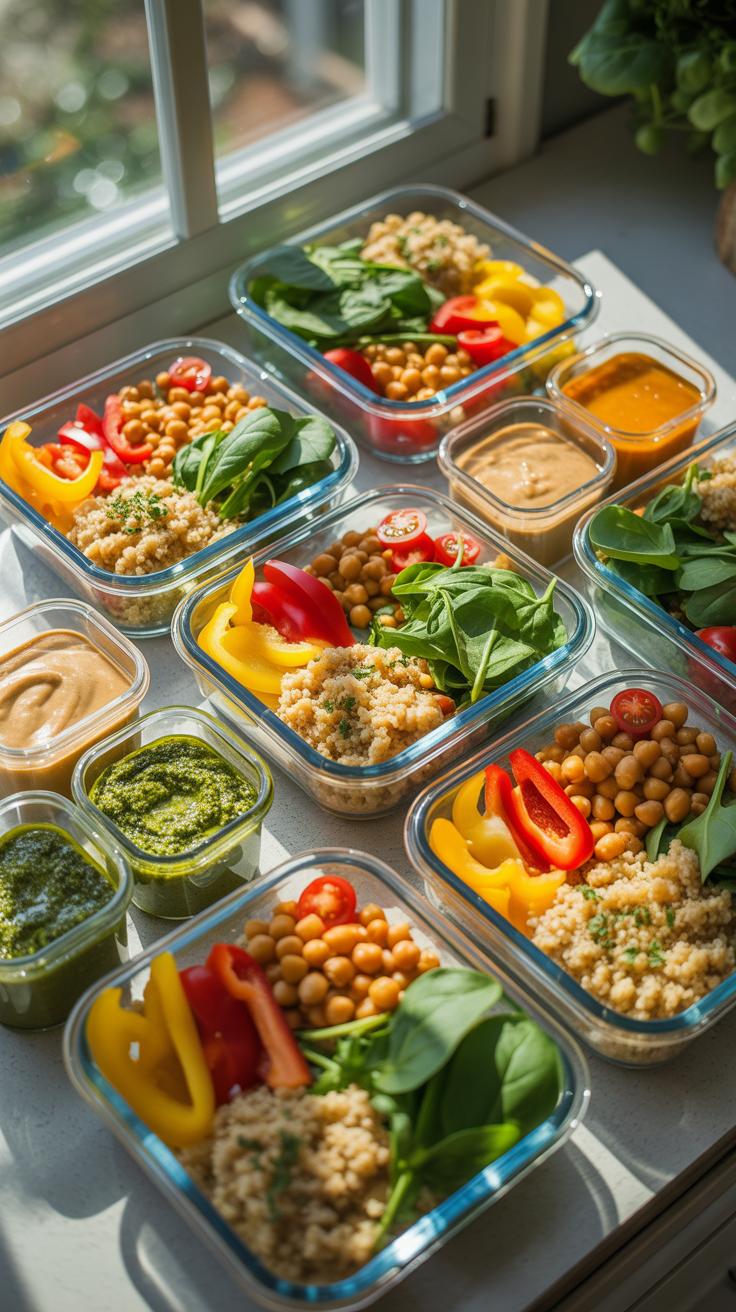
Hearty Grain Bowls With Roasted Vegetables And Protein Rich Legumes For Midday Meals
Grain bowls dominate meal prep because they resist sogginess better than leafy salads. Choose sturdy base grains like farro, quinoa, or brown rice. These complex carbohydrates provide sustained energy without insulin spikes. Roast dense root vegetables like sweet potatoes or beets to ensure they maintain texture throughout the week. Fiber from these vegetables keeps you full and supports digestive health during long work days.
Add legumes like chickpeas or black beans for a complete amino acid profile. Dressings should contain a fat source like tahini or olive oil to help absorb fat-soluble vitamins. Store the dressing in a separate small container to keep the grains firm. Pack your bowls in glass containers to allow for safe reheating in microwave ovens. Consistent portioning prevents midday energy crashes and controls your overall food costs.
Make Ahead Wraps And Sandwiches That Hold Up Well In The Fridge For Days
Structuring wraps for longevity requires strategic layering of ingredients. Place dry barriers like cheese or sturdy greens against the bread or tortilla. This prevents moisture from sauces or vegetables from migrating into the starch. Use high-protein flour tortillas or sprouted grain breads for better structural integrity over several days. Tightly wrapped foil or wax paper maintains the shape and prevents the edges from drying out.
Avoid using watery vegetables like sliced tomatoes or cucumbers directly against the bread. Substitute these with roasted peppers or pickled onions which have less free water. Hummus and nut butters serve as excellent binders that do not separate over time. Choose dense fillings like baked tofu or mashed chickpeas to keep the wrap substantial. These methods ensure your lunch remains fresh and structurally sound from Monday through Friday.
Vegetarian Recipes Meal Prep Lunch Ideas Centered Around Plant Based Proteins
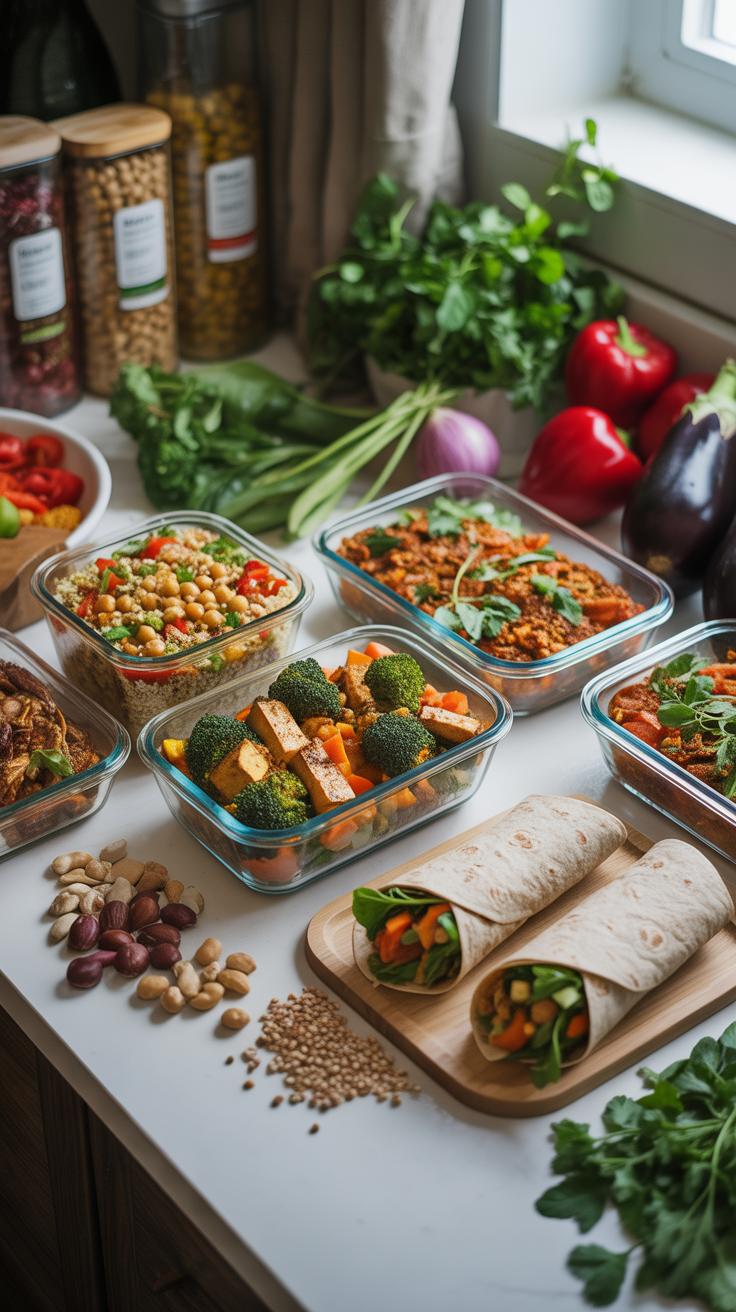
Chickpea, Lentil, And Black Bean Dishes That Are Easy To Batch Cook In Large Quantities
Legumes provide the backbone of efficient weekly vegetarian meal prep due to their shelf stability and low cost. Large batches of chickpeas and black beans cook quickly in pressure cookers or large stockpots. You can prepare five pounds of dried beans for the price of two cans. Salt your water early to ensure deep seasoning. These proteins do not degrade when stored in the refrigerator for five days.
Lentils offer the fastest turnaround for high volume cooking. Red lentils break down into thick bases for soups and dahls within twenty minutes. Green and brown varieties maintain their shape for cold salads and grain bowls. Always rinse your dried legumes to remove dust and debris before boiling. Use a ratio of three parts water to one part beans. Drain well to prevent soggy textures in your final lunch containers.
Tofu And Tempeh Prep Techniques That Deliver Maximum Flavor With Minimal Effort
Efficiency with soy proteins requires removing moisture to improve texture. Press extra firm tofu for at least fifteen minutes to squeeze out excess liquid. This creates space for marinades to penetrate the dense protein structure. Cut the block into uniform cubes for even cooking. Roasting at high temperatures on a sheet pan creates a chewy exterior without the need for constant monitoring or active frying.
Tempeh requires a different strategy due to its fermented density and slight bitterness. Steam tempeh strips for ten minutes before marinating to open the pores and soften the flavor profile. Coat the pieces in a high smoke point oil and soy sauce mixture. Bake until the edges turn crisp. This method allows you to process multiple blocks at once. Stored soy proteins stay firm and hold their flavor throughout the entire work week.
Meal Prep Vegetarian Breakfasts To Power Your Mornings Without Daily Cooking
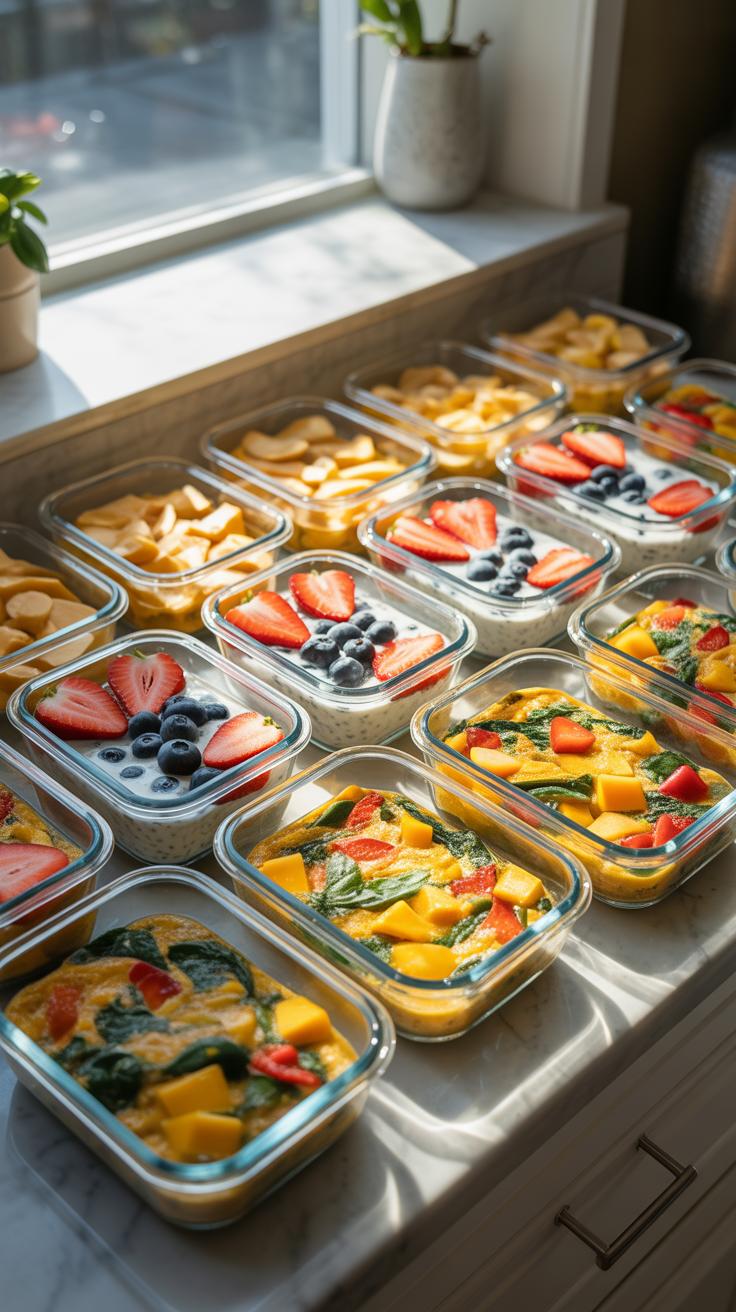
Overnight Oats, Chia Puddings, And Egg Muffins You Can Prepare In One Sitting
Overnight oats and chia puddings utilize cold soaking to break down starches and fibers. This process requires zero heat and happens while you sleep. Use glass jars to maintain a tight seal and prevent oxidation. One batch of dry ingredients serves as a base for multiple flavor profiles. This method removes the need for active morning preparation or cleaning heavy breakfast pans twice.
Egg muffins offer a warm alternative that survives reheating without losing structural integrity. Whisk eggs with dense vegetables like spinach or bell peppers to ensure even distribution. Bake them in a greased silicone tray for easy removal. These portable units stay fresh in the refrigerator for five days. They provide a standardized portion size which helps track your nutrient intake throughout the work week.
The smell of simmering vegetables and fresh herbs reminds us that nourishing our bodies is the ultimate act of self-care. Preparing your week with nature’s harvest is like folding a love letter to your future self.
— Alice Waters
High Protein Vegetarian Breakfast Options That Keep You Fuller Through The Morning
Protein slows gastric emptying to prevent energy crashes before lunch. Lean into Greek yogurt and cottage cheese for high protein density per gram. These dairy products require no cooking and pair well with seeds or nuts for added texture. Choose plain versions to control sugar levels and avoid insulin spikes. This strategic selection keeps blood glucose stable and maintains focus during high pressure work hours.
Tempeh and tofu scrambles offer plant based protein that mimics the texture of eggs. Press the tofu to remove excess water before cooking to ensure it absorbs seasoning effectively. These soy products contain all nine essential amino acids required by the body. Prepare large quantities on Sunday and store them in airtight containers. Reheat them quickly in a microwave for a reliable and efficient morning meal.
Easy Meal Prep Lunches Vegetarian Style Sheet Pan And One Pot Wonders
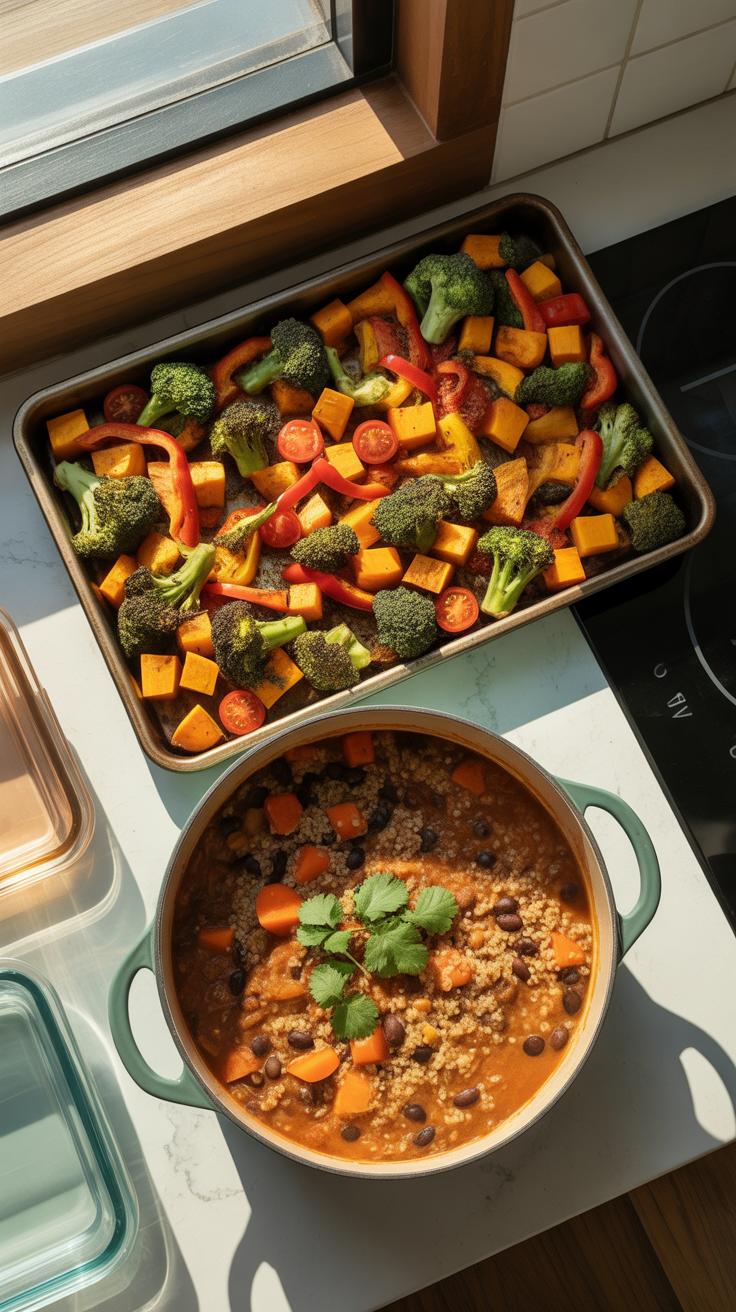
Sheet Pan Roasted Vegetables And Grains That Come Together With Almost No Cleanup
Sheet pan cooking maximizes efficiency by using conductive heat to caramelize vegetables while you focus on other tasks. High heat between four hundred and four hundred twenty-five degrees Fahrenheit triggers the Maillard reaction. This process creates deep flavor without complex sauces. Use heavy rimmed baking sheets to prevent warping and ensure even heat distribution across all ingredients during the roasting cycle.
Technical success requires grouping ingredients by density to ensure everything finishes at the same time. Roast hardy roots like sweet potatoes first before adding softer greenhouse vegetables. Combine these roasted components with pre-cooked grains like quinoa or farro in airtight containers. Use parchment paper or silicone mats to eliminate scrubbing. This method provides high-volume output with minimal physical labor or kitchen equipment maintenance.
One Pot Soups Stews And Curries That Taste Even Better The Next Day
One-pot meals work because long simmering times allow flavors to meld through molecular diffusion. Legumes and starches release natural thickeners into the liquid during the cooking process. This creates a cohesive texture that improves after refrigeration. Prepare large batches of lentil dal or vegetable chili on Sundays. These dishes maintain structural integrity and nutritional density over five days of cold storage.
Aromatics like garlic and onions provide a foundational flavor profile that intensifies over time. Acidic components should be added just before serving to maintain brightness. Use heavy bottomed pots like enameled cast iron for superior heat retention and distribution. This hardware prevents scorching during long reductions. Reheating these meals in a microwave or on a stovetop requires little effort for a high-protein vegetarian lunch.
Easy Nutritious Vegetarian Meals For Dinner That Reheat Perfectly All Week
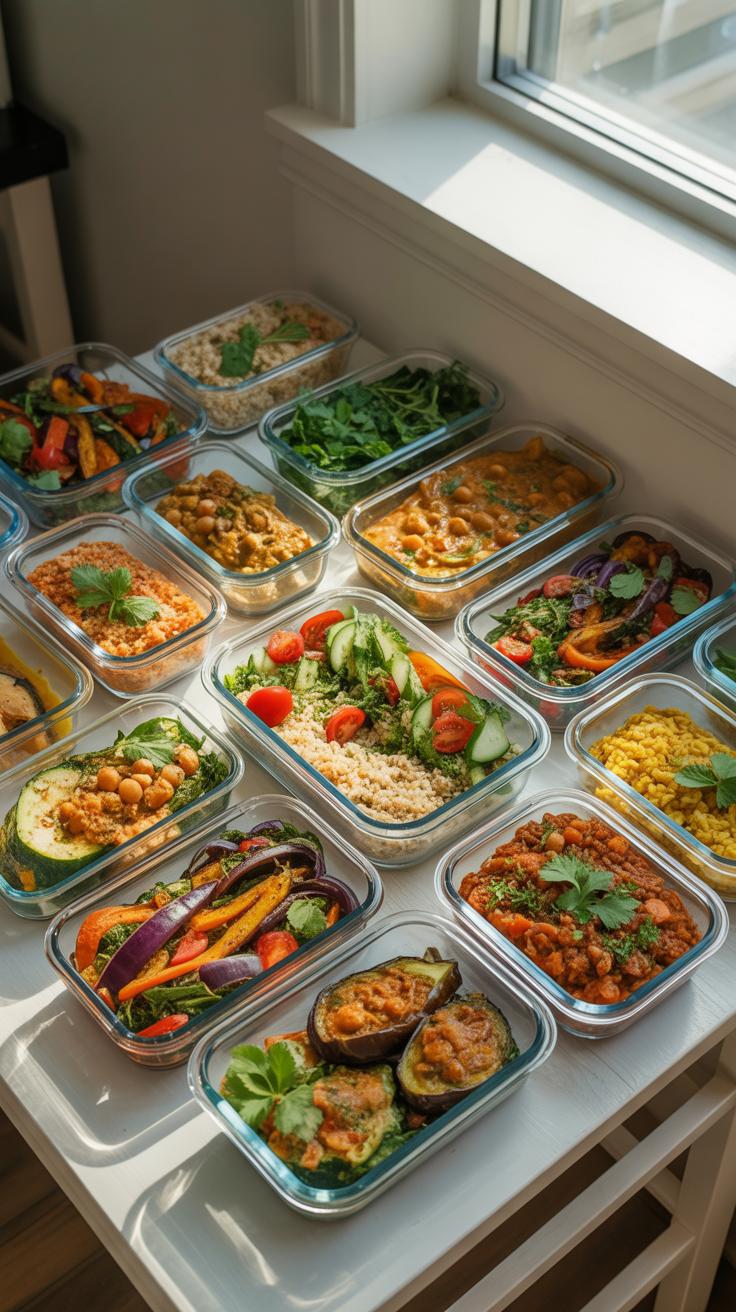
Stuffed Peppers Casseroles And Grain Based Bakes That Freeze And Reheat Beautifully
Bell peppers and dense casseroles serve as ideal vessels for meal prep because they maintain structural integrity during reheating. Fill peppers with quinoa, black beans, and hard cheeses to prevent sogginess. These ingredients withstand high temperatures without losing flavor or texture. Use glass containers to store these meals. Glass distributes heat more evenly than plastic when you use a microwave or oven later in the week.
Vegetarian lasagnas and grain bakes improve after a day of storage. Resting allows the sauces to penetrate the grains and pasta deeply. Choose hearty grains like farro or bulgur for bakes because they do not turn to mush like white rice. Ensure you undercook vegetables slightly before freezing his ensures they reach the perfect consistency during the final reheat. This strategy keeps your weekly vegetarian meal prep professional.
How To Use One Base Ingredient Across Multiple Dinners To Keep Meals Varied And Interesting
Efficiency requires choosing one versatile base ingredient to anchor several different flavor profiles. Prepare a large batch of roasted sweet potatoes or chickpeas on Sunday. Use these for Mediterranean bowls on Monday and spicy tacos on Tuesday. This method reduces cooking time while preventing flavor fatigue. It allows you to buy in bulk which shifts your focus from prep work to assembly during busy weeknights.
Switching your sauces and spices transforms the same base protein or vegetable into a new meal. Apply peanut sauce to your roasted base for an Asian inspired dish. Use balsamic glaze or pesto for an Italian theme the next night. This tactical approach keeps your weekly vegetarian meal prep high in variety but low in labor. Strategic ingredient overlap is the only way to manage a successful kitchen.
Meal Prep For The Week Vegetarian A Step By Step Sunday Prep Day Routine
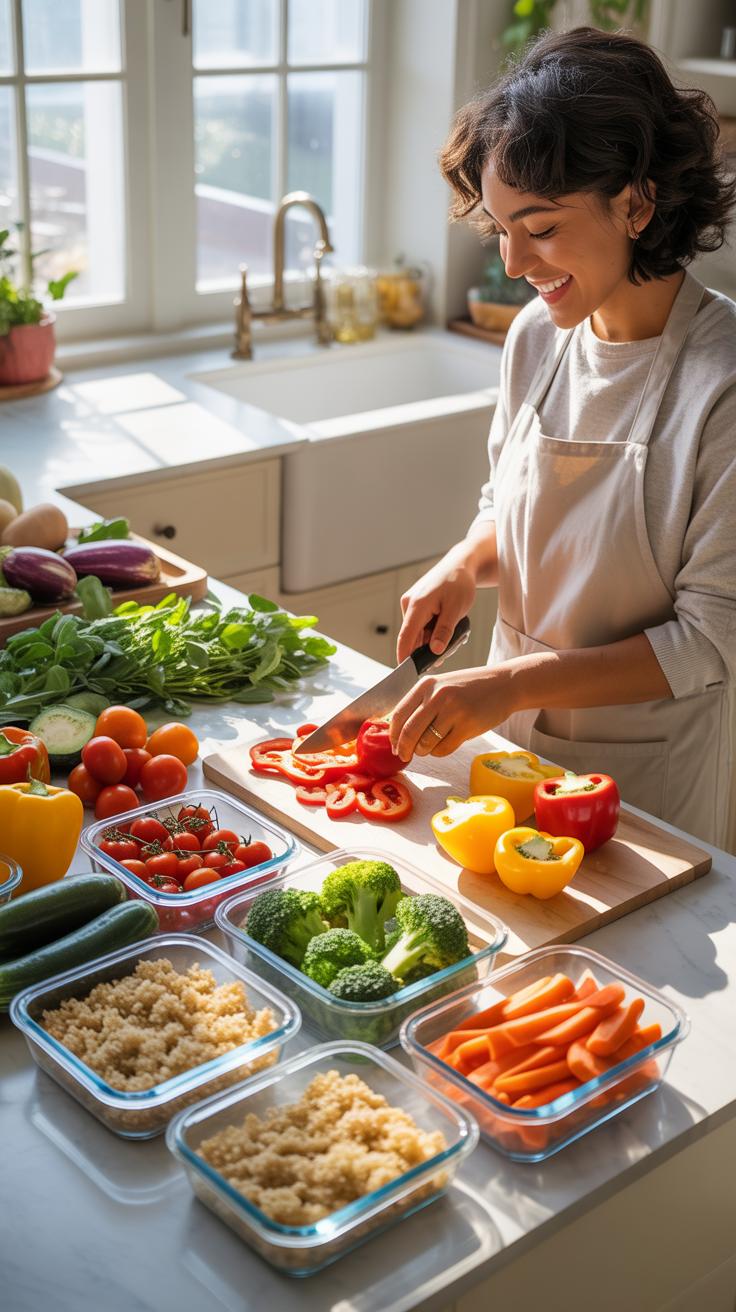
How To Structure Your Prep Sessions From Chopping To Cooking In The Right Order
Efficiency depends on heat management and task grouping. Start by preheating your oven and starting water boils immediately. Process all vegetables at once to minimize cleaning time for knives and boards. Grouping tasks reduces mental fatigue and prevents cross-contamination between raw produce and cooked grains. Always prioritize the longest cooking items first to ensure the kitchen remains productive throughout the entire session.
- Roast Long-Lead Vegetables: Start dense root vegetables like sweet potatoes and carrots in the oven first. These require high heat and long durations. Use parchment paper to reduce cleanup time and prevent sticking without excess oil usage.
- Simmer Grains and Legumes: Set timers for quinoa, brown rice, or lentils on the stovetop. These items are largely passive and free you up for active tasks. Use a distinct timer for each pot to prevent overcooking into mush.
- Execute Active Sautéing: Cook aromatics like onions and garlic while other items roast or simmer. Use this time to prepare tofu, tempeh, or beans for protein bases. Focus on high-volume batches that serve multiple different recipes across the week.
- Process Raw Produce: Wash and chop salad greens or snack vegetables last. Keeping these items away from heat sources preserves their crisp texture. Use a salad spinner to remove all moisture, which prevents premature wilting in storage containers.
- Final Assembly and Cooling: Portion hot foods into shallow containers to speed up cooling. Rapid cooling prevents bacterial growth and maintains food safety standards. Do not seal lids until the steam stops rising to avoid soggy textures from trapped condensation.
Manage your workspace by cleaning as you go. Wipe surfaces after each major transition to maintain a clear staging area for finished meals. Once food reaches room temperature, move everything to the refrigerator at once. This systematic approach reduces your total kitchen time by 40 percent. A disciplined sequence ensures you finish the entire week of food in under two hours.
Labeling, Portioning, And Organizing Your Fridge So Every Meal Is Grab And Go Ready
Portioning requires standardized containers for accurate calorie and nutrient tracking. Use clear glass or BPA-free plastic bins to make contents visible at a glance. Place meals intended for later in the week at the back of the fridge where temperatures stay coldest. Leave snacks and Monday meals in the front row for immediate access. This layout prevents food waste and stops you from digging through shelves.
Label every container with the dish name and the date you prepared it. Use masking tape and a permanent marker for a waterproof solution that peels off easily. Organize your shelves by category to keep dressings near salads and proteins near grains. This logical structure ensures you grab the right components during busy mornings. Proper organization turns a chaotic refrigerator into a functional inventory system for your health.
Keeping Your Weekly Vegetarian Meal Prep Exciting By Rotating Flavors And Cuisines

Drawing Inspiration From Mediterranean, Asian, And Latin Vegetarian Food Traditions
Vegetarian meal prep often fails because of flavor fatigue. You must look to established culinary traditions that prioritize plant proteins. Mediterranean cuisine relies on chickpeas and lentils paired with olive oil and lemon. These staples provide fiber and healthy fats without heavy processing. Use these regional profiles to guide your shopping list. This strategy ensures your meals remain nutritionally dense and culturally distinct.
Asian and Latin traditions offer varied textures to prevent boredom. Focus on stir frying tofu with ginger and soy for East Asian profiles. Switch to black beans and cumin for Latin American dishes. These regions have used these ingredients for centuries as primary protein sources. Rotating these cuisines weekly changes the sensory experience while keeping the base work consistent. You reduce decision fatigue by following these established frameworks.
Simple Sauce And Seasoning Swaps That Transform The Same Base Ingredients Into New Meals
Efficiency requires using a single base ingredient across multiple dishes. You can roast five pounds of sweet potatoes and divide them into three flavor profiles. Apply smoked paprika and chili powder for a smoky profile. Use curry powder and turmeric for a South Asian variation. Small changes in dry spices alter the chemical perception of the meal. This tactic saves time during the initial cooking phase.
Sauces provide the final layer of variety for prepped containers. A tahini lemon dressing creates a Middle Eastern lunch bowl. The same roasted vegetables become a Thai dish when topped with a peanut lime sauce. Fat and acid are the primary drivers of flavor change. Always keep three distinct bottled or homemade sauces in the fridge. This keeps your weekly vegetarian meal prep from tasting the same every single day.
Frequently Asked Questions

How do I begin with meatless meal planning if I am a beginner?
Starting a weekly vegetarian meal prep routine is easiest when you focus on familiar flavors. Begin by selecting two or three versatile base ingredients, like quinoa or roasted sweet potatoes, that can be used in different dishes. Preparing these staples in advance allows you to assemble diverse bowls or wraps quickly throughout the week, ensuring you stay consistent without feeling overwhelmed by complex recipes or long hours in the kitchen.
What are the best ways to keep prepped vegetables fresh for several days?
To maintain peak freshness during your weekly vegetarian meal prep, storage techniques are key. Harder vegetables like carrots and bell peppers should be stored in airtight glass containers with a damp paper towel to retain moisture. If you are prepping leafy greens, wash and dry them thoroughly before storing. For the best texture, wait to add dressings or sauces until you are ready to eat, preventing your vibrant ingredients from becoming soggy.
Is it possible to prep plant-based meals on a tight monthly budget?
Absolutely! Achieving a nutritious lifestyle is very affordable when you prioritize bulk staples like dried beans, lentils, and brown rice. These pantry essentials are significantly cheaper than processed meat substitutes and offer excellent shelf lives. By focusing your shopping list on seasonal produce and versatile grains, you can create delicious, high-protein recipes that make your meal planning both economical and sustainable for the long term without sacrificing any flavor.