
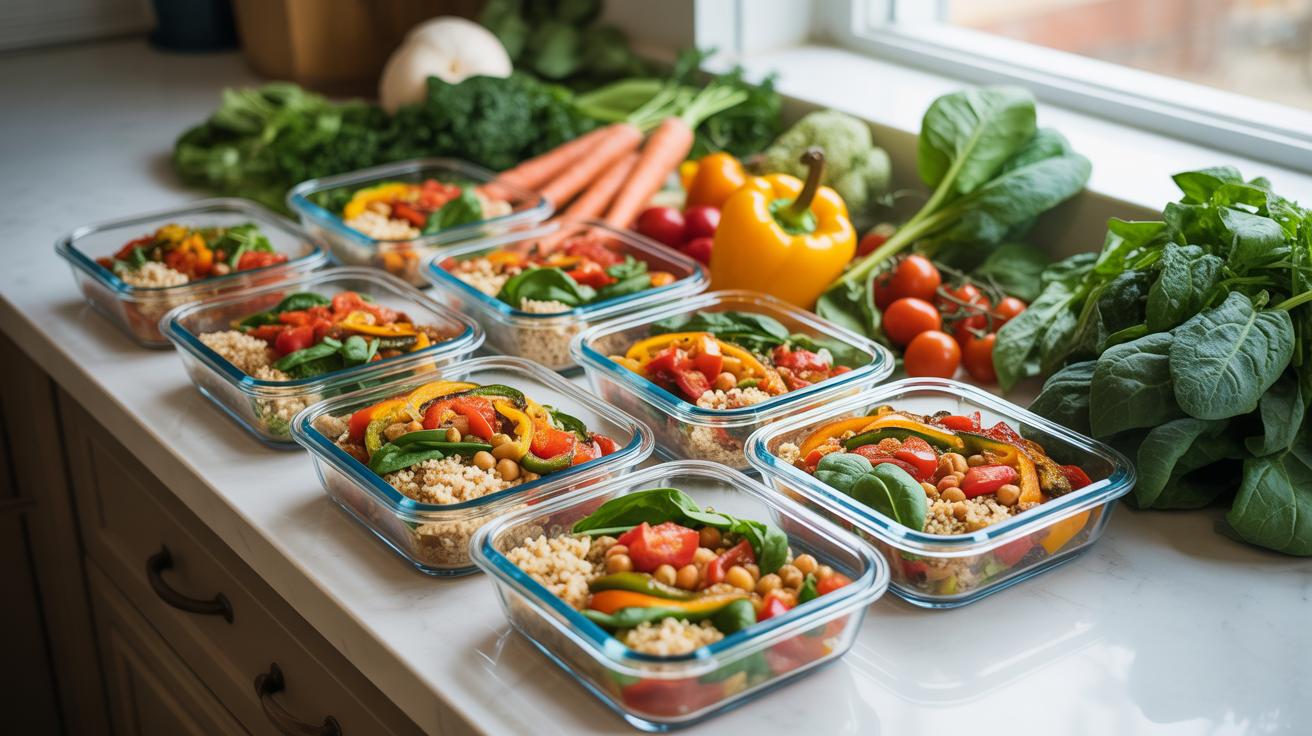
Why Easy Vegan Meal Prep Saves You Time And Money Every Week
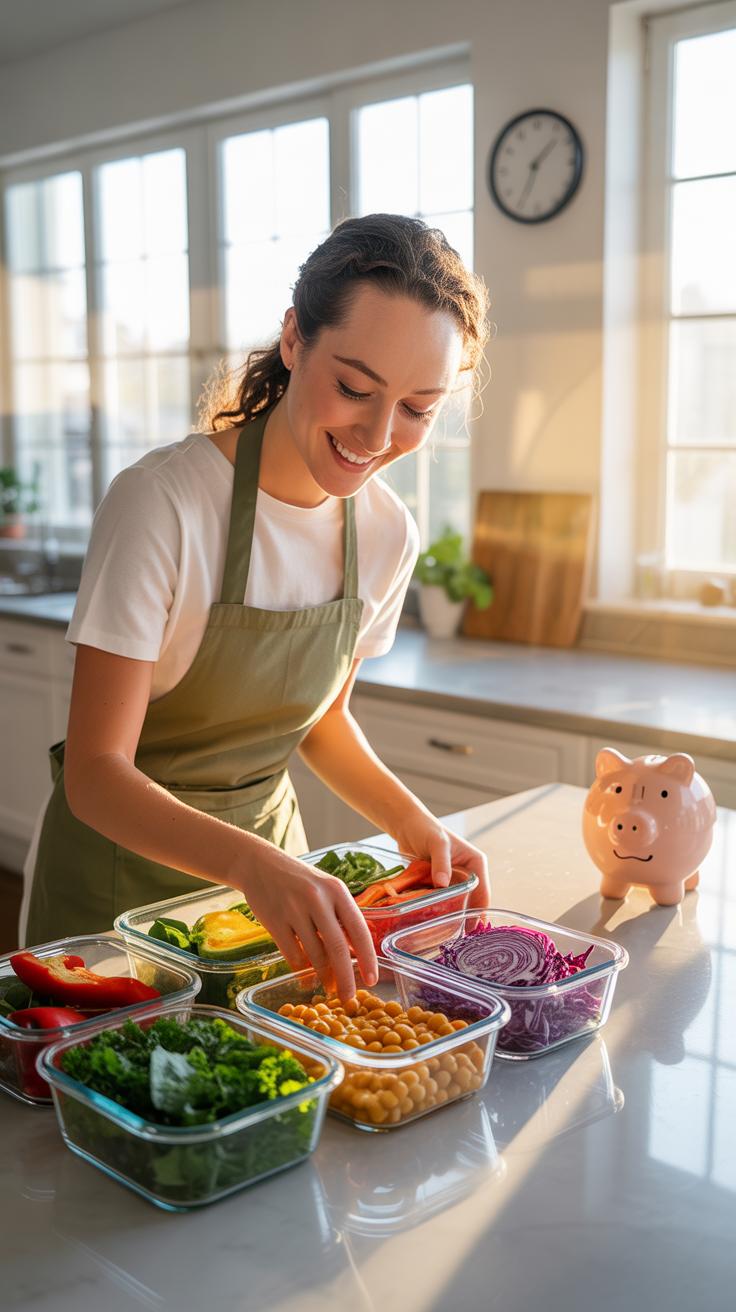
The Real Cost Savings Of Prepping Plant Based Meals In Advance
Buying vegan staples in bulk reduces the unit price of your protein and carbohydrates. Dried beans, lentils, and grains cost significantly less than processed meat alternatives or pre-packaged frozen dinners. When you prep these items in large batches, you eliminate the need for expensive convenience foods during the work week. You stop paying for the packaging and marketing of brand-name vegan products.
Strategic preparation prevents high-cost impulse buys at the grocery store. You follow a specific list based on your weekly menu requirements. This discipline stops you from purchasing unnecessary snacks or duplicate ingredients you already own. By cooking at home, you also avoid the heavy markups found at restaurants and cafes. Each meal you prep brings your average cost per serving down to a baseline level.
How Batch Cooking Reduces Food Waste And Grocery Spending
Batch cooking forces you to use every ingredient before it spoils. Fresh produce often goes bad because it sits in the crisper drawer with no plan. When you prep immediately after shopping, you convert those raw vegetables into stable meals. This process extends the shelf life of your groceries. You maximize your investment by ensuring nothing ends up in the trash bin at the week’s end.
Consolidated cooking sessions also save money on utility costs. Heating your oven or stove once to cook several portions is more efficient than daily use. You save water and soap by cleaning all your cookware in one cycle. Efficient resource management is the foundation of a low-budget lifestyle. Practical preparation turns a chaotic kitchen into a streamlined production line that protects your monthly food budget and saves hours of labor.
Vegan Meal Prep For Beginners Setting Up Your Kitchen And Pantry
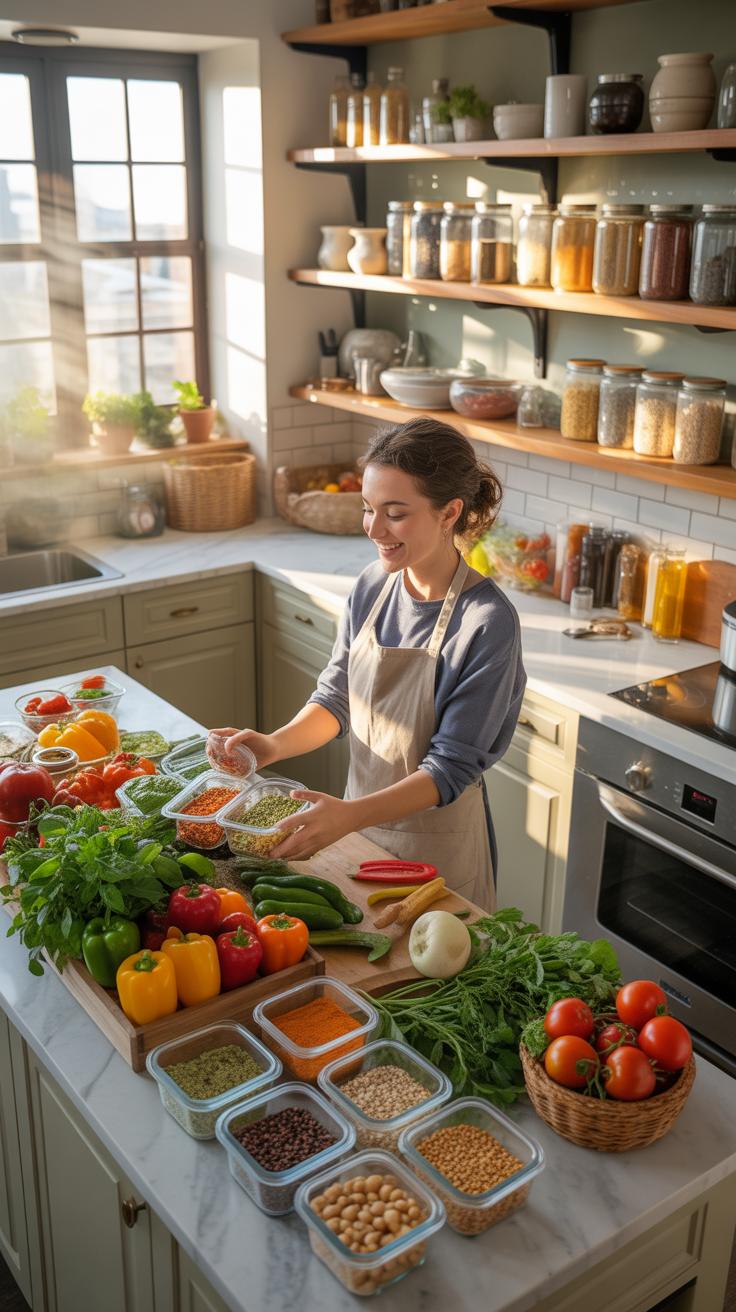
Essential Budget Friendly Pantry Staples Every Vegan Meal Prepper Needs
A strategic pantry reduces cost per meal. Buying in bulk lowers the unit price of core calories. Dry goods have a long shelf life and provide the foundation for most plant based recipes. You must prioritize high protein and high fiber ingredients to ensure satiety. These items stay fresh for months and eliminate the need for frequent or expensive grocery trips.
- Dried Beans and Lentils: These are the cheapest protein sources available today. Buying them dry instead of canned saves roughly fifty percent on the total cost. They provide essential fiber and iron for a balanced diet.
- Brown Rice and Oats: These whole grains offer complex carbohydrates and long lasting energy. Buying twenty pound bags reduces the price significantly over time. They serve as a neutral base for diverse flavor profiles and meal types.
- Nutritional Yeast: This inactive yeast provides a savory cheese flavor and vital B vitamins. It replaces expensive vegan cheeses in many recipes. Store it in a cool dark place to maintain its nutritional integrity and flavor profile.
- Soy Sauce or Liquid Aminos: These liquids provide the salt and umami flavor necessary for plant based cooking. They are shelf stable and highly concentrated. A small amount adds depth to grains and legumes without adding significant cost.
- Peanut Butter: This calorie dense spread provides healthy fats and protein at a low cost. Use it in sauces, breakfasts, or snacks. Choose natural versions without added oils to maintain the best nutritional value for your budget.
Organization prevents food waste and duplicate spending. Use clear glass jars to track your inventory levels at a glance. Label every container with the purchase date to ensure you use the oldest stock first. Rotation is a key tactic in professional kitchens that applies to your home pantry. Keeping an organized space allows for faster meal assembly and more accurate shopping lists.
Must Have Kitchen Tools That Make Vegan Meal Prep Easier And Faster
Efficiency requires the right mechanical advantage. You do not need expensive gadgets to prep food well. Focus on high quality basics that handle heavy volume. A sharp chef knife is your most important asset. It reduces prep time and prevents injuries caused by dull blades. Pair this with a large wooden cutting board to protect your knife edge and provide ample workspace.
Quality storage containers maintain food safety and texture throughout the week. Choose glass containers with airtight lids to prevent leaks and oxidation. Glass transitions safely from the fridge to the microwave or oven. Large baking sheets allow you to roast multiple vegetables simultaneously. This technique is called sheet pan cooking. It maximizes oven space and minimizes the total time spent standing over a stove.
How To Build A Vegan Weekly Meal Prep Plan That Fits Your Budget
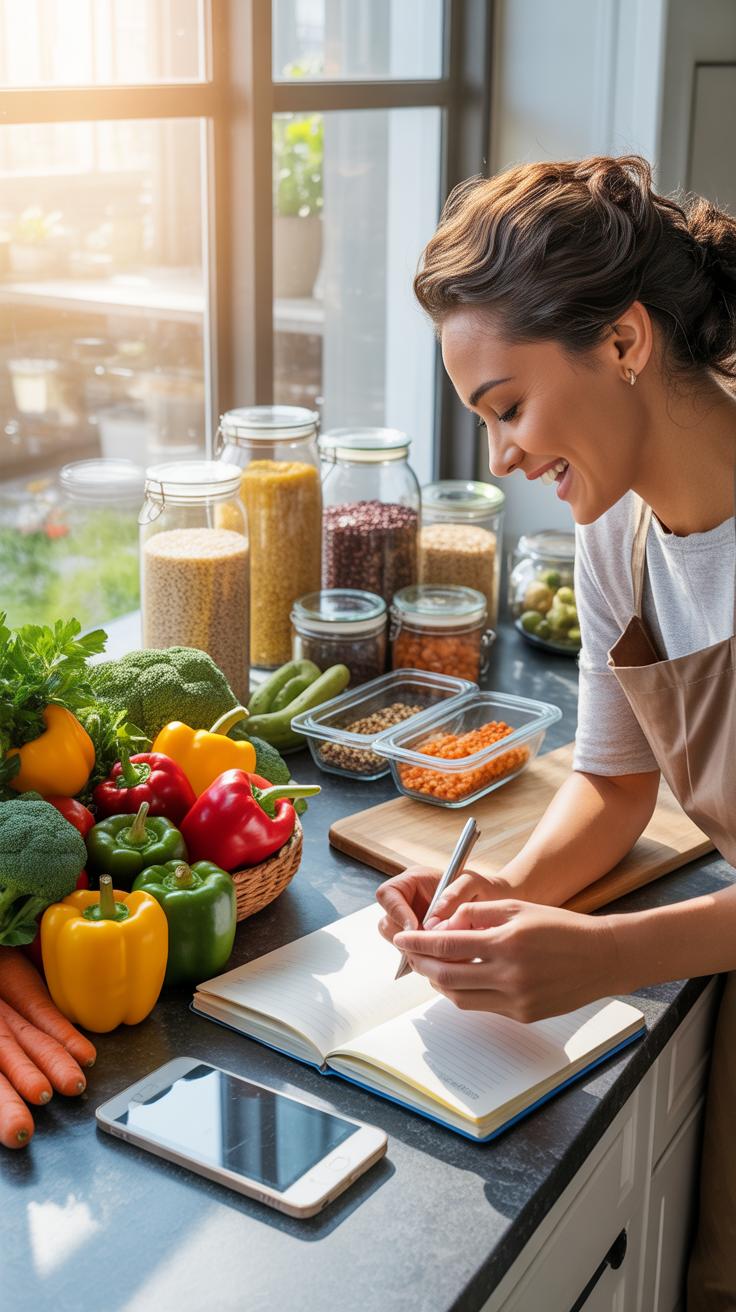
How To Map Out A Full Week Of Vegan Meals Before You Grocery Shop
Successful planning starts with an inventory of your current pantry. Check for existing staples like rice, beans, and spices before writing a list. This prevents double spending on items you already own. Focus your plan on three core recipes that use overlapping ingredients. This strategy reduces waste and ensures you use every item you buy. High volume purchasing of dry goods lowers your cost per serving significantly.
Choose recipes based on seasonal produce prices. Root vegetables and cabbage cost less in winter while greens are cheaper in summer. Map your meals by cooking time to maximize efficiency. Use one oven session to roast multiple trays of vegetables and proteins simultaneously. Prepare large batches of grains in a single pot. This tactical approach saves money on utilities and cuts your total time in the kitchen.
Balancing Macronutrients On A Budget: Protein, Carbs, And Healthy Fats
Prioritize dry legumes as your primary protein source to keep costs low. Lentils, chickpeas, and black beans provide essential amino acids and fiber for pennies per meal. Avoid expensive processed meat substitutes which drain your budget quickly. Combine these legumes with whole grains like brown rice or oats. This combination creates a complete profile of nutrients. It keeps you full and fueled for high performance throughout your work day.
Select whole food fats to maintain your health without overspending. Seeds and peanut butter offer better value than high end oils or imported nuts. Use frozen spinach or broccoli to get micronutrients at a fixed price point. These items stay fresh longer than raw produce and carry the same nutritional weight. Calculate your portions to avoid overeating expensive calorie sources. Precision in your macro tracking ensures your body and your wallet stay balanced.
Smart Grocery Shopping Strategies For Plant Based Recipes On A Budget
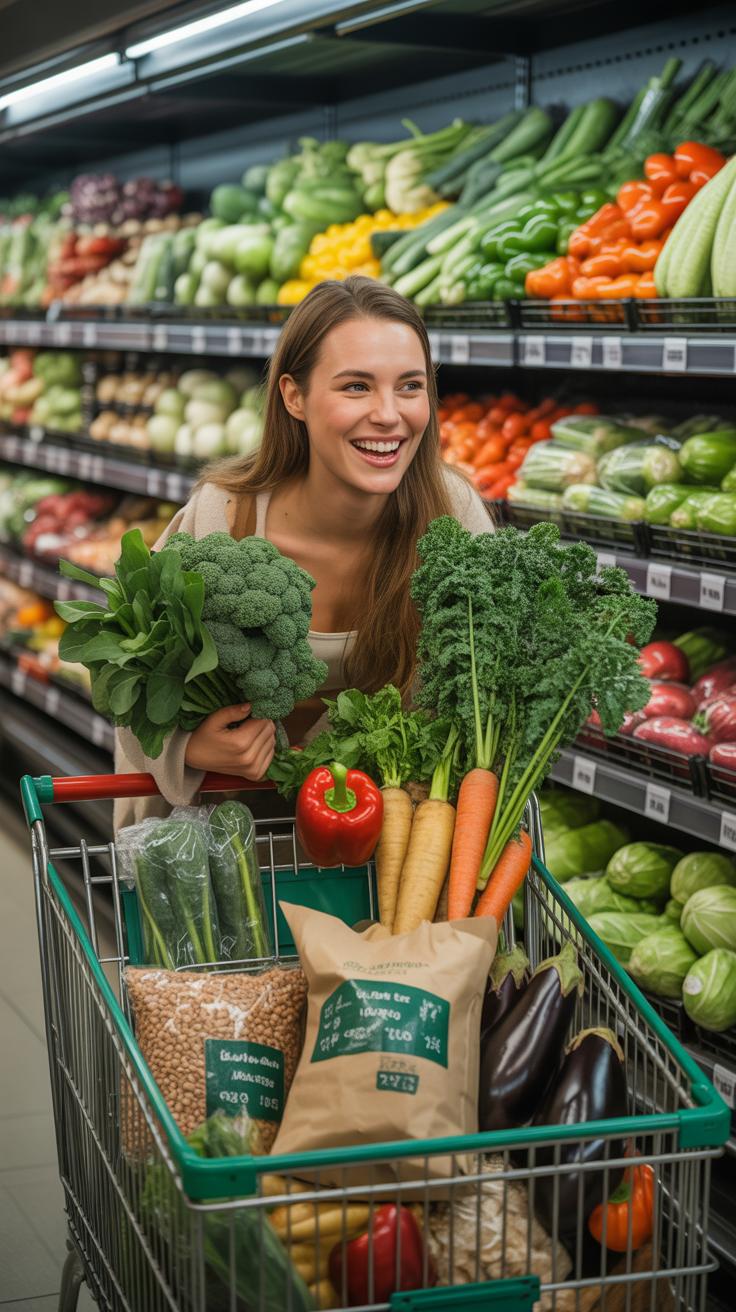
How To Shop Seasonally And Use Frozen Produce To Cut Costs
Buying produce in season reduces costs because supply is at its peak. Farmers and retailers lower prices to move inventory before it spoils. Shopping this way also ensures you get the best nutrient density and flavor. Track local harvest calendars to identify when crops like squash or berries are cheapest. Plan your weekly meal prep around these specific low-cost items to minimize your total receipt.
Frozen vegetables and fruits offer the same nutritional value as fresh options. Processors pick and flash-freeze them at peak ripeness to lock in vitamins. These items cost less per pound because they have a longer shelf life and zero waste from spoilage. Use frozen spinach or peas in stews and stir-fries to save time and money. This strategy eliminates the risk of throwing away rotten fresh produce.
The simplest meals, made from the earth’s most humble ingredients, often nourish our hearts just as much as our bodies. Planning with care brings the warmth of a home-cooked harvest to every day of the week.
Buying Legumes, Grains, And Nuts In Bulk To Maximize Your Savings
Dry goods like lentils, beans, and rice are the foundation of cheap plant based diets. Buying these in bulk bins or large sacks reduces the price per unit significantly. Wholesale clubs and ethnic grocery stores often provide the best rates on these staples. Storing these items in airtight containers prevents pests and preserves freshness for months. This inventory allows you to build meals without paying high convenience markup prices.
Nuts and seeds are often the most expensive part of a vegan diet. purchasing these items from bulk sections prevents you from paying for expensive brand packaging. You can buy only the exact weight you need for a recipe to avoid overspending your weekly budget. Store nuts in the freezer to prevent the natural oils from becoming rancid over time. This tactic ensures your high-value protein sources remain edible and affordable.
Top Vegan Meal Prep Recipes That Cost Under 3 Per Serving

High Protein Budget Vegan Recipes Built Around Lentils, Chickpeas, And Beans
Dry legumes provide the best return on investment for plant proteins. One pound of dry brown lentils costs less than two dollars and yields seven servings. This makes lentil dal or hearty stews the most cost-effective meal prep option. You must soak beans to reduce cooking times and save on energy costs. These staples offer high fiber and essential amino acids for pennies.
Legumes like chickpeas and black beans replace expensive meat alternatives in most recipes. Use canned chickpeas only when time is more valuable than money. Otherwise, buy in bulk and cook large batches in a pressure cooker. Season these beans with cumin, garlic, and chili powder to create versatile bases for tacos or salads. Beans maintain their texture and nutritional profile well after several days in the refrigerator.
Whole Grain And Vegetable Based Vegan Meal Prep Recipes For The Full Week
Brown rice and oats offer cheap bulk and necessary complex carbohydrates for a full week. Buy these grains in large bags to drop the price per serving significantly. A simple stir-fry using frozen vegetables and rice costs less than one dollar fifty per portion. Focus on seasonal produce like cabbage, carrots, and potatoes to keep costs low. These items stay fresh longer than leafy greens.
Potatoes and sweet potatoes serve as durable bases for budget meal prepping. Roast them in large batches to use in bowls throughout the week. Mix them with roasted broccoli or cauliflower for texture and micronutrients. Use simple dressings made from oil, vinegar, and mustard to add flavor without high costs. Preparing these starch-heavy meals ensures satiety and prevents expensive impulse purchases of snacks between your main scheduled meals.
Vegan Meal Prep Ideas For Breakfast Lunch And Dinner On Any Budget
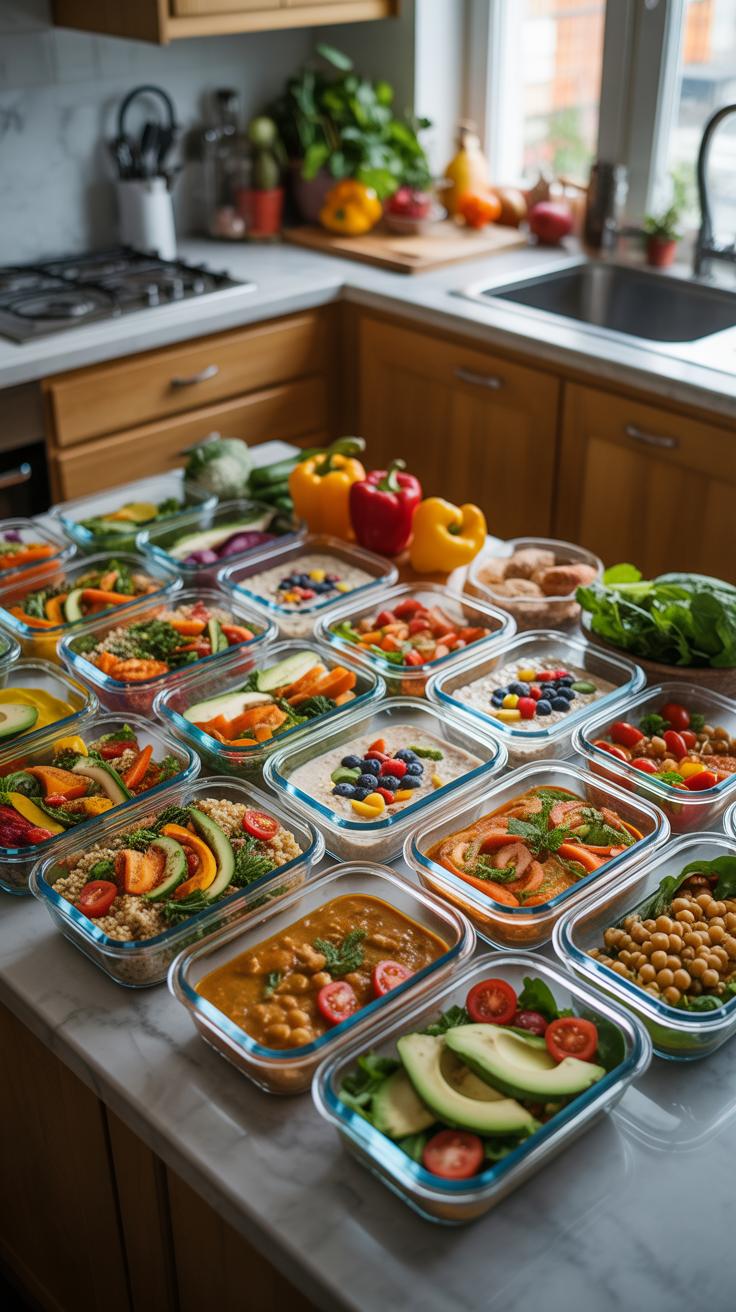
Make Ahead Vegan Breakfasts That Keep You Full Without Breaking The Bank
Bulk buying rolled oats and chia seeds reduces your cost per serving to pennies. Overnight oats provide a stable base for cheap nutrition. Store these in glass jars to maintain freshness and prevent spoilage. Use tap water or homemade oat milk instead of expensive store brands. This strategy ensures you have a ready meal every morning. It eliminates the urge to buy expensive convenience food.
Savory options like tofu scrambles utilize high protein blocks that cost very little. Press the tofu to remove water before cooking to improve texture and shelf life. Add turmeric for color and black salt for a sulfurous flavor profile. Portion the scramble into airtight containers for the entire week. Reheat these quickly in a microwave or pan. This method provides consistent energy without a mid-morning sugar crash.
Affordable Vegan Lunch And Dinner Prep Ideas You Can Mix And Match All Week
Modular meal prepping saves time and prevents food waste. Cook large batches of grains, legumes, and roasted vegetables separately. Store these components in the fridge to combine them in different ways daily. This technique allows you to change flavors using different dry spices without cooking new meals. You control the portions and the nutritional macro breakdown for every single serving you eat.
- Brown Rice and Black Beans: This classic combination provides a complete protein profile using the cheapest shelf stable ingredients. Cook the beans from dry to save seventy percent compared to canned versions. Add cumin and garlic for flavor.
- Roast Root Vegetable Trays: Potatoes, carrots, and onions cost very little and provide essential carbohydrates and fiber. Roast them at high heat with minimal oil to create a firm texture. These vegetables stay fresh for five days in storage.
- Red Lentil Stews: Lentils cook faster than other legumes and require no pre-soaking. They thicken naturally to create a filling meal that freezes perfectly. Use bulk curry powder to provide a complex flavor profile for a very low price.
- Cabbage and Peanut Slaw: Cabbage is one of the most affordable vegetables per pound and lasts weeks in the fridge. Mix it with a homemade peanut butter sauce for healthy fats. This dish adds a necessary crunch to your meal rotation.
- Textured Vegetable Protein Tacos: Rehydrate dry soy crumbles with vegetable bouillon for a cheap meat alternative. This shelf stable protein costs significantly less than frozen vegan meats. Season heavily with chili powder and oregano to mimic traditional taco fillings.
Effective meal prep relies on using versatile sauces to prevent taste fatigue. Make a large batch of lemon tahini or spicy peanut dressing at the start of the week. Apply these sauces only when you are ready to eat. This prevents your prepped grains and vegetables from becoming soggy. Consistent execution of these simple steps leads to significant financial savings and better health outcomes.
Meal Prep For The Week Vegan Storage Portioning And Food Safety Tips
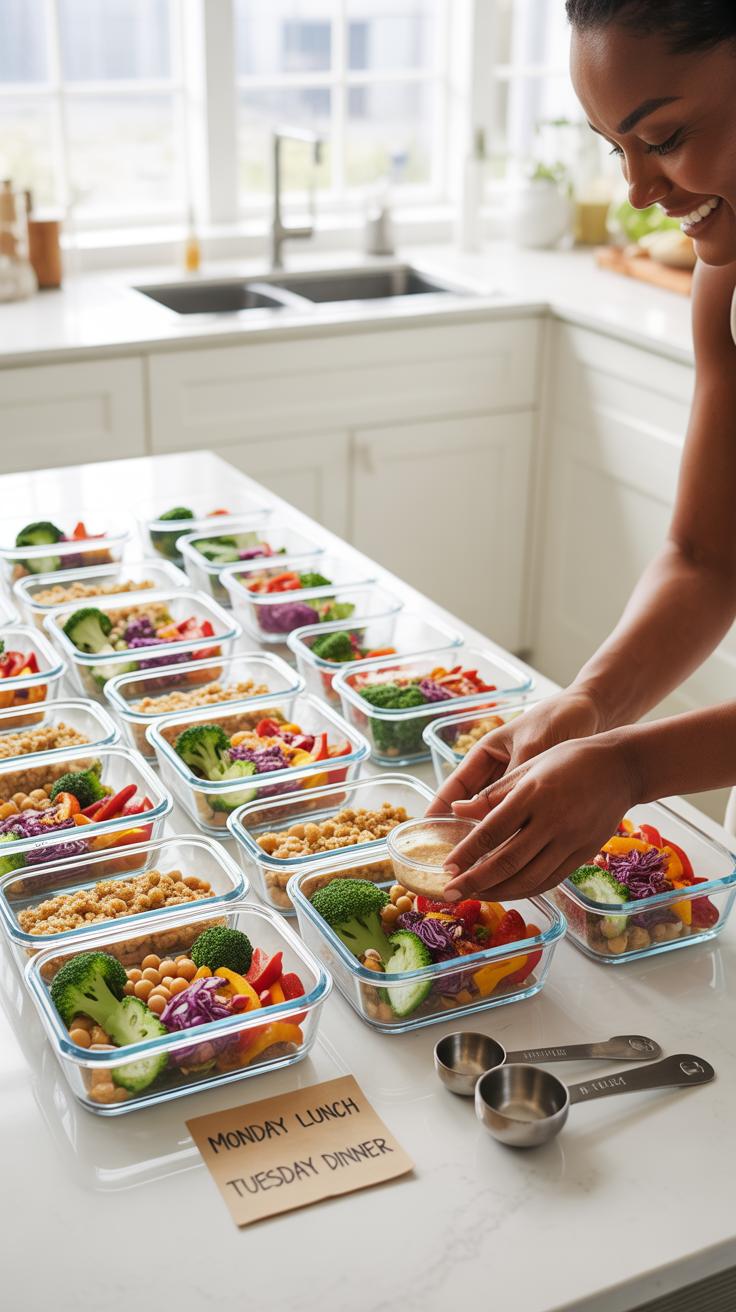
How Long Prepped Vegan Meals Actually Last In The Fridge And Freezer
Standard vegan proteins like beans and lentils stay safe for four days in the fridge. Cooked grains follow the same timeline. Starchy vegetables last slightly longer than leafy greens. You must cool food quickly to stop bacterial growth. Move hot food into shallow containers for faster cooling. Do not leave meals on the counter for more than two hours. Food safety dictates these strict time limits.
Freezing extends the life of vegan prep for three months. Low moisture items like tofu and seitan freeze better than watery vegetables. Label every container with the date and contents. Use a first in first out system to avoid waste. Thaw meals in the fridge overnight rather than on the counter. Proper rotation saves money by preventing freezer burn. Consistency in these habits ensures your budget stays intact.
Best Containers And Portioning Methods To Keep Budget Meals Fresh Longer
Glass containers offer the best durability and safety for reheating. They do not leach chemicals or hold food odors. Ensure your lids have airtight silicone seals to prevent oxidation. This keeps your produce crisp and your grains from drying out. Avoid cheap plastic if you plan to microwave your meals often. Quality gear prevents food spoilage and protects your long term investment in bulk ingredients.
Portioning according to your caloric needs prevents overeating and waste. Use a kitchen scale for precise results. Pack sauces and dressings separately to keep salads from getting soggy. Layer hearty ingredients like chickpeas at the bottom of jars. Put delicate greens at the top. This vertical stacking method maximizes freshness. Correct portioning allows you to track your budget accurately while maintaining a consistent and healthy vegan diet.
Plant Based Meals On A Budget Staying Nutritionally Complete While Spending Less
Key Nutrients To Monitor On A Budget Vegan Diet: Iron, B12, Calcium, And Zinc
Budget vegan diets fail when shoppers ignore essential micronutrients. Vitamin B12 is the only nutrient you cannot get from unfortified plants. You must buy a cheap B12 supplement or eat fortified nutritional yeast to avoid nerve damage. Iron and zinc are also critical. Plant iron absorbs less efficiently than meat iron. Use vitamin C from citrus to increase absorption during your meals.
Calcium requires equal attention to maintain bone density. Many budget meal preppers rely too heavily on pasta and bread. These foods lack the calcium found in dark leafy greens or fortified plant milks. You must rotate your protein sources to ensure a full amino acid profile. Track these specific nutrients weekly to ensure your low-cost plan remains physically sustainable for the long term.
Affordable Whole Foods That Naturally Cover Your Vegan Nutritional Needs
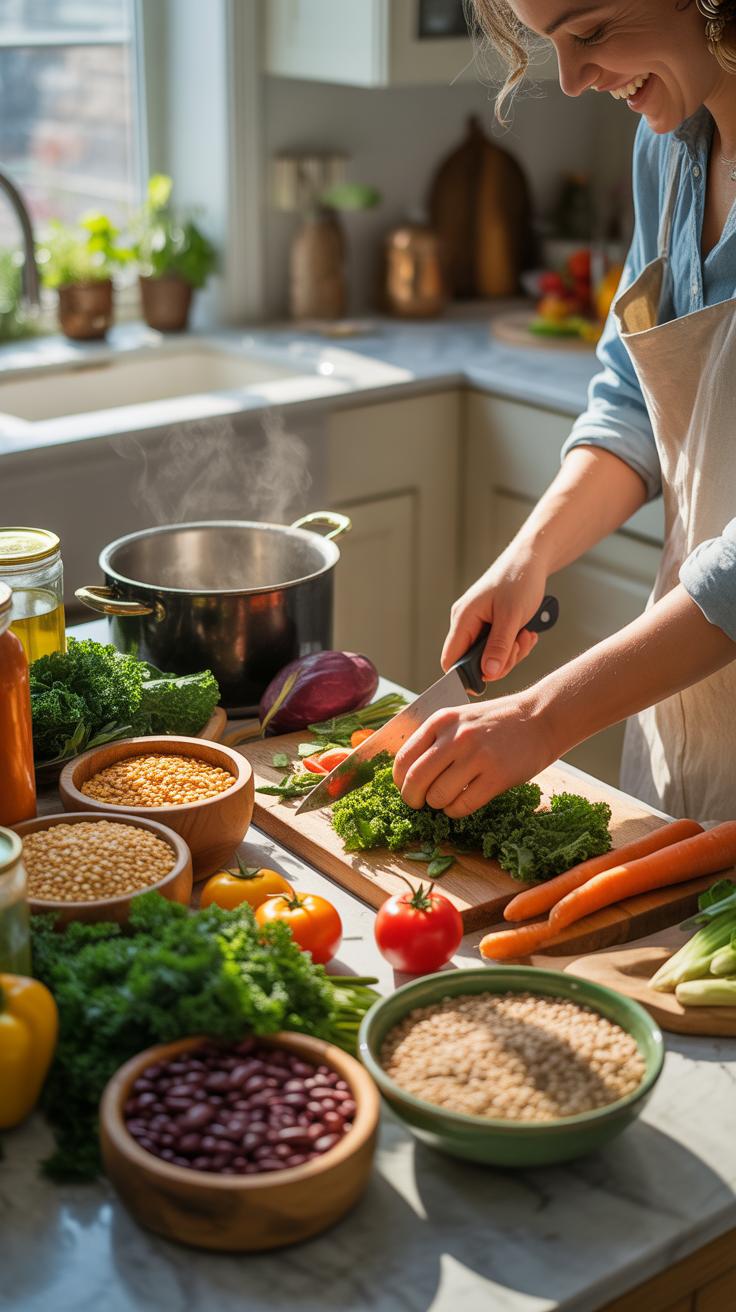
Dry beans and lentils are the backbone of a cheap vegan diet. They provide massive amounts of protein and fiber for pennies per serving. Buy them in bulk bags to avoid the markup of canned versions. Lentils cook fast and do not require soaking. This saves you time and electricity. These staples provide the foundational calories needed to stay full and energized.
Potatoes and oats offer cheap, high-quality carbohydrates. Potatoes contain significant potassium and vitamin C. Oats provide iron and keep blood sugar stable. Pair these with frozen spinach or kale to get your greens at a fraction of the fresh price. Frozen vegetables are frozen at peak ripeness. This process preserves the vitamins. These items form a complete nutritional profile without needing expensive specialty health products.
Frequently Asked Questions

How do I start vegan meal prepping if I am a total beginner?
Starting your journey into vegan meal prep on a budget is easier than it looks. Begin by choosing just two or three simple recipes that share common ingredients, like beans, rice, and seasonal greens. Invest in a few durable, airtight containers to keep your food fresh. By focusing on bulk staples and preparing them in advance on Sundays, you can save hours of kitchen time during a busy work week.
What are the best ways to keep prepped plant-based meals fresh all week?
To maintain flavor and texture, store your heartier grains and proteins at the bottom of containers and keep delicate leafy greens on top. If you are mastering vegan meal prep on a budget, consider freezing half of your portions mid-week to ensure nothing goes to waste. Use squeeze bottles for dressings and keep them separate until you are ready to eat, which prevents your vegetables from becoming soggy or unappealing.
Is it possible to eat high-quality vegan meals without spending a fortune?
Absolutely! The secret to affordable plant-based eating is focusing on whole foods rather than expensive processed meat alternatives. Dry lentils, chickpeas, and oats are incredibly cheap and nutrient-dense. Shopping at ethnic grocers or buying in the bulk aisle can significantly lower your grocery bill. With a little planning, you will find that a thoughtful plant-based lifestyle is often much more affordable than a traditional diet filled with animal products.