

What Is The Alkaline Diet And How Does It Work

The Science Behind PH Levels And The Alkaline Diet
The alkaline diet monitors the metabolic byproduct of food during digestion. Every food item leaves behind an ash residue after metabolism. Chemists categorize this ash as acidic or alkaline based on its mineral content. Proponents track the potential renal acid load to determine how specific foods impact urine pH. This process focuses on internal chemical reactions rather than the initial state of the food.

Strict biological systems maintain blood pH within a narrow range between 7.35 and 7.45. This diet does not change blood acidity levels because the body regulates that balance through the lungs and kidneys. Instead, the strategy focuses on reducing the workload of these organs. By choosing specific foods, you change the acidity of your urine. This method provides a data point for tracking dietary intake.
Why Choosing Alkaline Food Over Acidic Food Matters For Your Health
Standard modern diets rely heavily on processed grains, dairy, and high-protein meats. These items increase acid production during the metabolic process. Constant acid production forces the body to pull minerals from other sources to maintain balance. This chemical stress can impact bone density and muscle mass over long periods. Transitioning to an alkaline diet meal plan focuses on restoring these vital mineral reserves effectively.

Tactical food selection prioritizes leafy greens, root vegetables, and specific fruits. These foods contain high levels of potassium, magnesium, and calcium. These minerals neutralize metabolic waste products before they stress the kidneys. Shifting your intake reduces systemic inflammation and improves cellular function. This strategy promotes long-term metabolic efficiency. You gain more energy by removing the biological burden of high-acid food sources from your daily routine.
The Essential Alkaline Foods List What To Stock In Your Kitchen
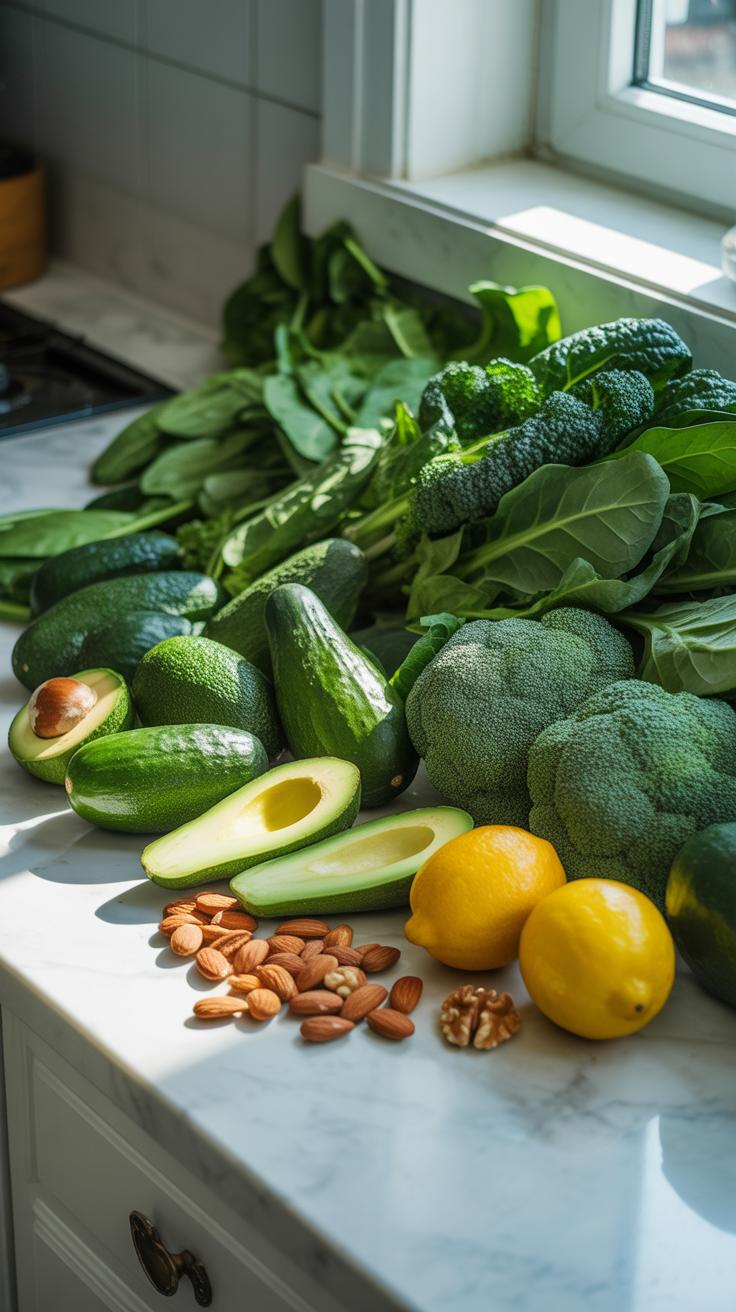
Top Alkaline Foods To Always Have On Hand
Success with an alkaline diet meal plan requires immediate access to high pH ingredients. You must prioritize nutrient dense vegetables and minerals that counteract metabolic acid loads. Keeping these staples in your pantry ensures you can prepare compliant meals without hesitation. Focus on raw produce and specific seeds that maintain their alkaline integrity during digestion. This tactical approach eliminates guesswork during meal preparation.
- Leafy Greens: Spinach and kale provide high concentrations of chlorophyll and minerals. These greens act as the primary base for most alkaline meals due to their low glycemic index and high magnesium content.
- Cruciferous Vegetables: Broccoli and cauliflower contain vital phytonutrients that support systemic balance. These vegetables provide the necessary fiber to maintain gut health while delivering a strong alkalizing effect after consumption.
- Root Vegetables: Beets and sweet potatoes offer a reliable source of complex carbohydrates. These roots provide sustained energy and contain essential trace minerals that help neutralize acidic compounds in the body effectively.
- Lemons and Limes: These citrus fruits have an acidic taste but produce an alkaline ash during metabolism. Adding their juice to water or meals provides a quick way to adjust the potential renal acid load.
- Raw Almonds: Unlike most nuts, almonds are significantly more alkalizing. They provide healthy fats and protein without the heavy acid load found in walnuts or cashews, making them an ideal snack for this protocol.
Organize your kitchen by placing these items at eye level. Use clear containers to track your inventory of seeds and nuts. Freshness determines the potency of the alkalizing minerals. Batch prep your greens by washing and drying them immediately after purchase. This strategy reduces the friction of cooking and keeps you on track with your daily nutritional goals.
Acidic And Neutral Foods To Limit Or Avoid On The Alkaline Foods List
You must identify and reduce foods that leave an acidic residue. High protein animal products, processed sugars, and refined grains increase the body’s acid load significantly. Most dairy products and caffeinated beverages also contribute to this metabolic shift. Removing these triggers is as important as adding alkaline foods. Small dietary changes produce the most significant impact on your overall pH balance.
Neutral foods like quinoa and certain legumes provide necessary caloric depth. You do not need to eliminate these items entirely, but you must balance them with alkaline sides. Aim for a plate composition of eighty percent alkaline and twenty percent neutral or acidic foods. This tactical ratio prevents mineral depletion and supports long term health. Monitor your intake of processed salts and artificial sweeteners to maintain this balance.
Getting Started Alkaline Diet For Beginners Made Simple
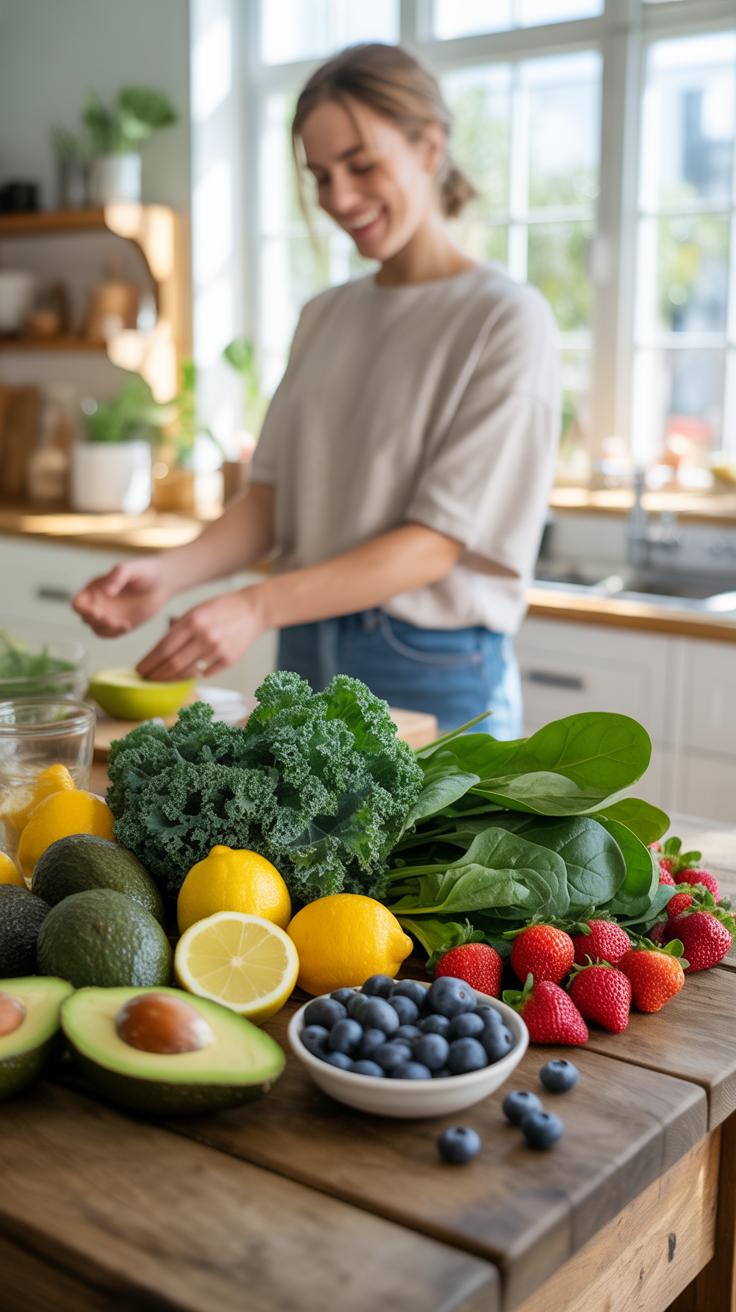
How To Transition Into The Alkaline Diet For Beginners Without Overwhelm
Effective transitions require a phased approach rather than an overnight overhaul. Start by substituting one acidic food for an alkaline alternative during every meal. Focus on high-impact swaps like replacing processed grains with quinoa or swapping soda for lemon water. This method prevents metabolic shock and reduces the likelihood of cravings. Consistency beats intensity when your goal is long-term adherence to this specific nutritional framework.
Hydration plays a critical role in stabilization during the first week. Drink mineral-rich water to support the kidneys as they manage pH balance. Increase your intake of leafy greens and cruciferous vegetables gradually to allow your digestive system to adapt to higher fiber loads. Maintain a ratio of eighty percent alkaline-forming foods to twenty percent acid-forming foods. This balance provides flexibility while ensuring you reach your physiological targets efficiently.
Common Mistakes Beginners Make And How To Avoid Them
Many beginners confuse citric acid content with metabolic effect. Lemons and limes are acidic in their natural state but leave an alkaline ash after digestion. Do not skip these fruits based on taste alone. Another error involves ignoring the impact of stress and lack of sleep. These lifestyle factors contribute to systemic acidity regardless of your food intake. Address your environment to maximize the efficacy of your new meal plan.
Relying too heavily on processed alkaline supplements instead of whole foods is a tactical failure. Synthetic powders cannot replace the complex nutrient profiles found in fresh vegetables and seeds. Watch out for hidden sugars in store-bought dressings and sauces. These additives trigger acidic responses that negate your progress. Track your intake rigorously for the first fourteen days to identify these hidden disruptors. Precision in the early stages prevents plateaus later.
Day By Day Alkaline Diet Meal Plan A Full Week Of Eating
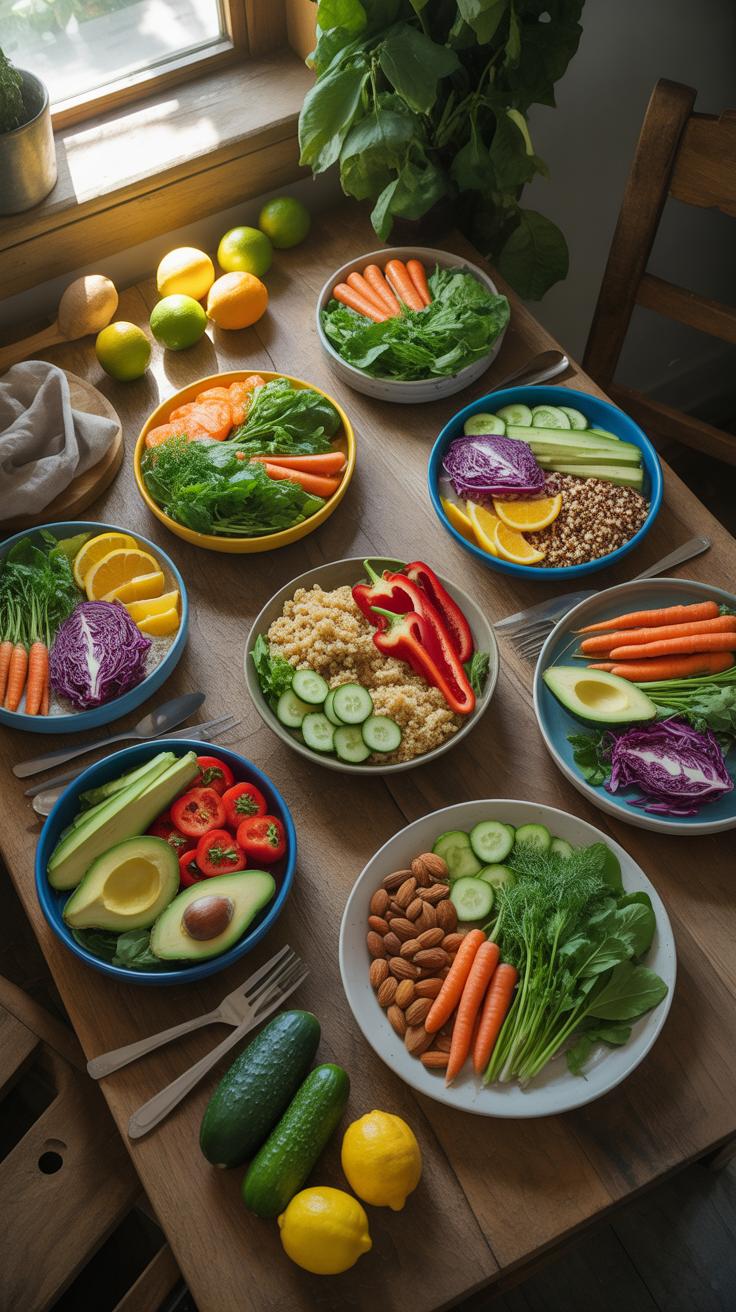
Monday Through Wednesday: Kickstarting Your Alkaline Diet Meal Plan
Monday begins with high-water content foods to flush the system. Focus on green smoothies with spinach, cucumber, and lemon for breakfast. Lunch requires large raw salads topped with avocado and pumpkin seeds. Dinner shifts to lightly steamed broccoli and quinoa. This sequence prioritizes fiber and minerals. It sets a baseline for the blood pH support that the protocol seeks to achieve through mineral-heavy intake.
Tuesday and Wednesday emphasize root vegetables and cruciferous plants. Swap grains for sweet potatoes or millet to reduce the potential acid load. Use cold-pressed olive oil for fats instead of butter. Keep snacks limited to raw almonds or celery sticks. Hydration must include lemon water to maintain an anionic state. Consistent intake of these foods reduces the reliance on stored alkalizing minerals like calcium and magnesium.
Thursday Through Sunday: Maintaining Momentum With Your Meal Plan
Thursday and Friday focus on protein transition using plant sources. Lentils and chickpeas provide necessary amino acids without the acidifying effects of red meat. Integrate kale or Swiss chard into every meal to maximize chlorophyll levels. Use ginger and turmeric to season dishes instead of heavy salt. These spices provide anti-inflammatory properties while keeping the meal profile firmly in the alkaline category on the PRAL scale.
The weekend requires strict adherence to prevent social eating setbacks. Saturday focuses on zucchini noodles with pesto and walnuts. Sunday utilizes a slow-cooker vegetable stew to prep for the coming week. Avoid all processed sugars and fermented vinegars during these final days. Stick to herbal teas like dandelion or peppermint. This disciplined approach ensures the body maintains a steady state of alkalinity after the initial three-day start.
Healthy Alkaline Recipes For Breakfast To Power Your Morning
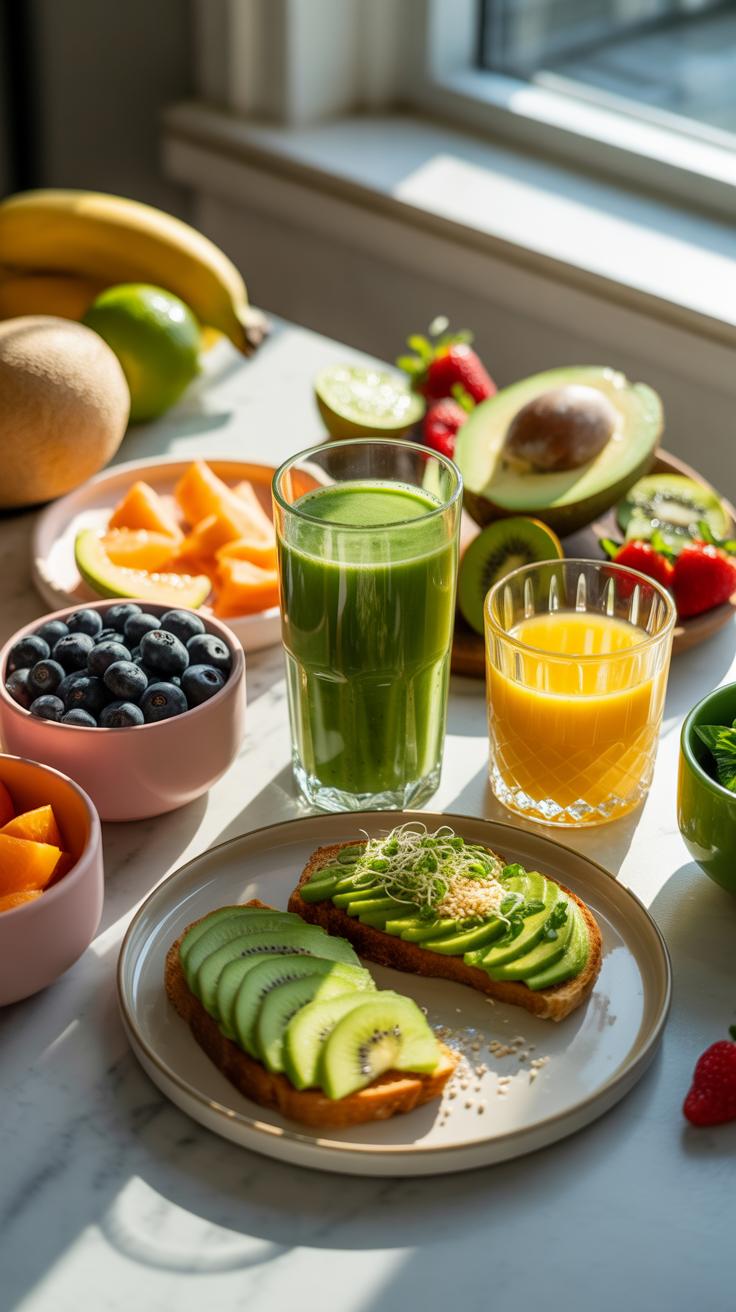
Green Smoothie Bowls And Other Healthy Alkaline Recipes To Start The Day
Green smoothie bowls focus on high-chlorophyll ingredients to stabilize morning pH levels. Start with a base of spinach or kale for magnesium and potassium. Add cucumber and celery to increase water content and provide electrolytes. Use ripe avocado to create a thick texture without using dairy or bananas. This combination delivers dense micronutrients while keeping the digestive system in an alkaline state.
Preparation requires a high-speed blender to break down plant cell walls for better nutrient absorption. Top your bowl with raw pumpkin seeds and chia seeds for protein and healthy fats. These toppings add texture and slow down glucose absorption. Avoid sweetened toppings or dried fruits that contain processed sugars. Stick to fresh berries if you need extra flavor. This breakfast keeps you alert and full for hours.
Quick Alkaline Breakfast Ideas For Busy Weekday Mornings
Efficiency is essential for maintaining an alkaline diet meal plan during the work week. Overnight chia pudding serves as a reliable fuel source. Mix three tablespoons of chia seeds with unsweetened almond milk and a dash of cinnamon. Prepare this the night before to save time. Chia seeds expand and create a gel that supports gut health and provides steady energy throughout the morning.
Sliced avocado on sprouted grain bread offers another fast option. Sprouted grains are easier to digest and have a lower acidic load than traditional wheat bread. Season with sea salt and red pepper flakes instead of processed spreads. If you have no time to cook, grab a handful of raw almonds and a green apple. These items require zero prep but provide the necessary fiber and minerals.
Alkaline Diet Recipes For Lunch Light Nourishing And Satisfying
Fresh Salad And Grain Bowl Alkaline Diet Recipes For Midday Meals
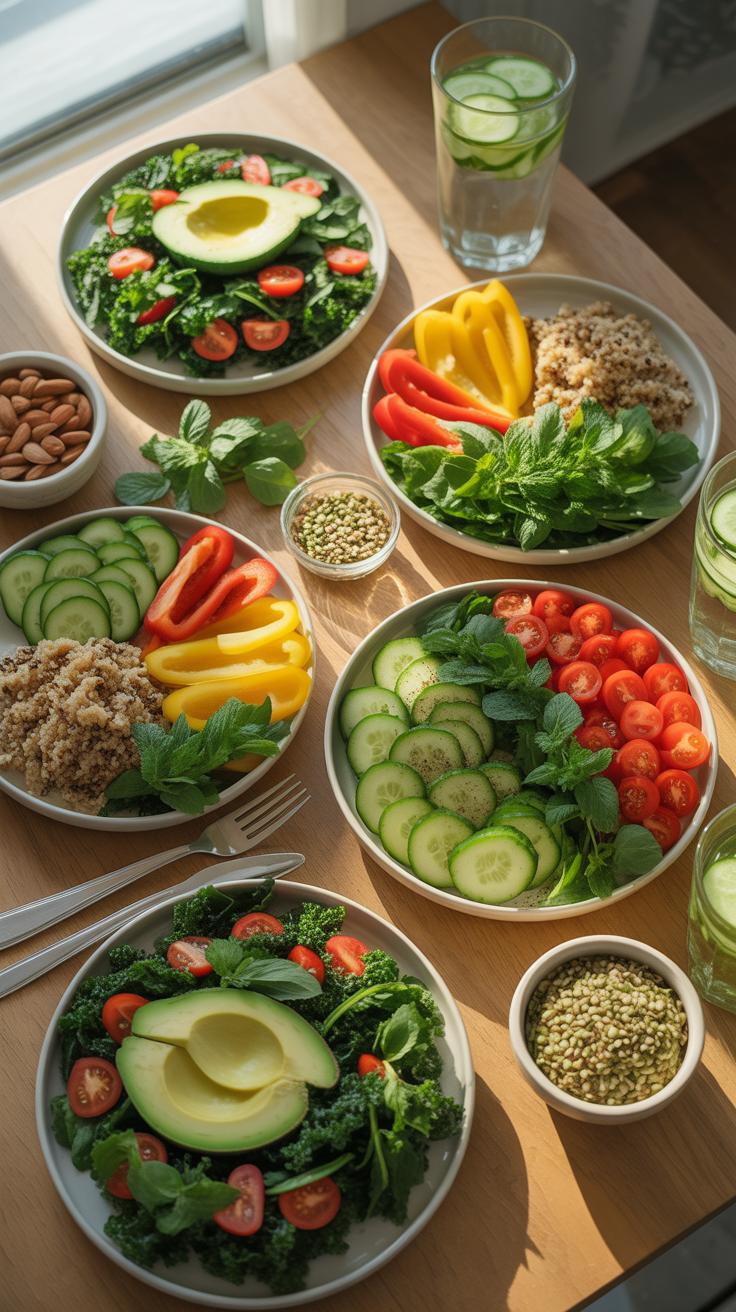
Midday meals must focus on nutrient density to sustain energy without causing metabolic sluggishness. Base your salad on dark leafy greens like kale or spinach to provide essential minerals. Add cucumbers and celery to increase cellular hydration through high water content. Use cold-pressed olive oil or avocado as healthy fat sources. These fats help your body absorb fat-soluble vitamins from the raw vegetables.
Grain bowls require pseudocereals like quinoa or buckwheat to maintain an alkaline profile. Standard grains like wheat are acid-forming and disrupt the dietary goal. Combine cooked quinoa with roasted root vegetables and a lemon-tahini dressing. This combination provides a complete amino acid profile while keeping the blood pH level stable. Avoid heavy dairy dressings or processed toppings that introduce high sodium and preservatives.
Each thoughtfully planned plate is a return to the natural balance our ancestors once knew. Feeding your body with the harmony of the earth is the purest way to honor your vitality every single day.
Alkaline Diet Recipes For Beginners: Simple Lunches With Minimal Prep
Beginners should prioritize raw vegetable wraps using large collard green leaves as the base. Spread a thin layer of almond butter or mashed avocado to provide structure and flavor. Fill the leaves with shredded carrots, bell peppers, and sprouts for crunch. This approach eliminates the need for cooking during a busy workday. It ensures you consume a high volume of enzymes that support better digestion.
Zucchini noodles offer another fast lunch option that requires no heat. Use a spiralizer to create the noodles and toss them with a pesto made from basil and walnuts. Walnuts provide magnesium and healthy fats while the basil adds antioxidants. Prepare the sauce in advance to reduce lunch preparation time to under five minutes. This simple meal avoids the acidity found in traditional pasta and heavy tomato sauces.
Alkaline Dinners Flavorful Evening Meals That Support Your Goals
Warm And Hearty Alkaline Dinners Featuring Vegetables And Plant Proteins
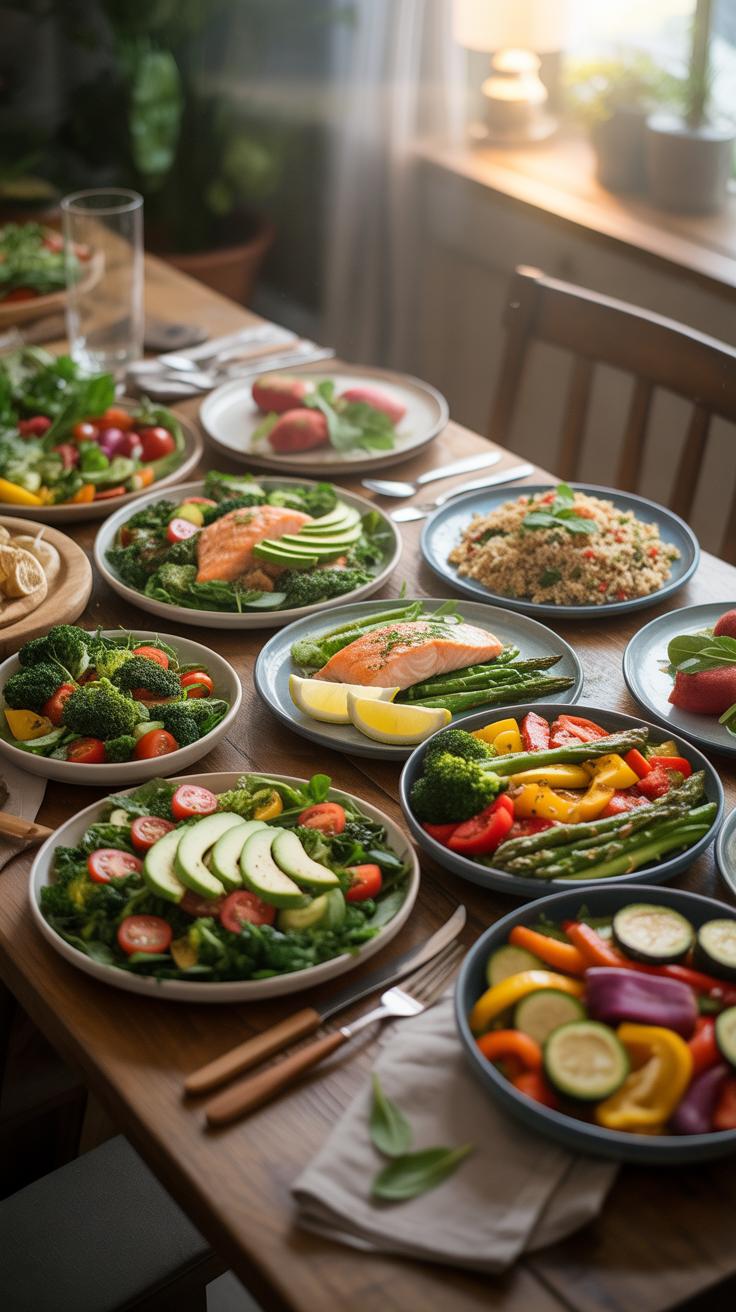
Effective alkaline dinners rely on density and thermal heat without acidic additives. Use a base of root vegetables like sweet potatoes or beets to provide complex carbohydrates. Combine these with plant proteins like lentils or chickpeas. These ingredients maintain a high mineral content after cooking. Professional chefs use dry roasting or steaming to preserve these nutrients. Avoid heavy oils that oxidize at high temperatures.
Strategic seasoning replaces the need for salt and processed sauces. Use fresh ginger, turmeric, and garlic to enhance flavor and support digestion. High-alkaline greens like kale or Swiss chard integrate well into stews and stir-fries. Adding these leaves at the end of the cooking process preserves their chlorophyll and enzymatic value. Proper preparation ensures these meals provide satiety while keeping the body in a balanced state.
30 Minute Alkaline Dinners For Weeknights When Time Is Short
Speed is the priority for weeknight alkaline cooking. Utilize high-heat stir-frying or quick steaming to prepare meals in under thirty minutes. Use pre-washed greens and canned beans to reduce preparation labor. Focus on one-pot methods to minimize cleanup and maintain efficiency. This approach ensures you stick to the diet even during high-stress periods. Consistency requires a low barrier to entry for daily meal preparation.
- Zucchini Noodle Stir-Fry: Use a spiralizer to create noodles from fresh zucchini. Flash cook them in a pan with sliced bell peppers, broccoli florets, and a splash of coconut aminos. This dish mimics traditional pasta without the acid-forming grains or heavy gluten found in wheat.
- Quinoa and Avocado Power Bowl: Boil quinoa for twelve minutes while chopping fresh cucumbers and radishes. Top the warm grain with sliced avocado for healthy fats and a squeeze of lime juice. This combination provides a complete protein profile while maintaining a high alkaline load on the body.
- Lentil and Spinach Soup: Use red lentils because they cook faster than green or brown varieties. Simmer them with vegetable broth and cumin for fifteen minutes. Stir in three cups of fresh spinach at the very end until it wilts to maximize mineral density and flavor.
- Cauliflower Steaks with Tahini: Slice a cauliflower head into thick slabs and sear them in a cast iron skillet. Drizzle with a sauce made from raw tahini, lemon, and garlic. This meal provides a meaty texture and satiating fats while strictly adhering to alkaline dietary principles.
- Stuffed Bell Peppers: Halve large peppers and fill them with a mixture of cooked cauliflower rice and black beans. Bake them at high heat for twenty minutes until the peppers soften. This method utilizes common pantry staples to create a filling, mineral-rich dinner with minimal active time.
Tactical meal planning prevents the temptation to order processed food. Keep these five ingredients in your kitchen: lemons, kale, quinoa, lentils, and avocados. They serve as the foundation for nearly every fast alkaline meal. Mastering these simple combinations allows you to maintain your goals without spending hours in the kitchen. Efficiency is the key to long-term success with any restrictive nutritional roadmap.
Alkaline Snacks And Hydration Staying On Track Between Meals
Best Alkaline Food Snack Options To Curb Cravings The Healthy Way
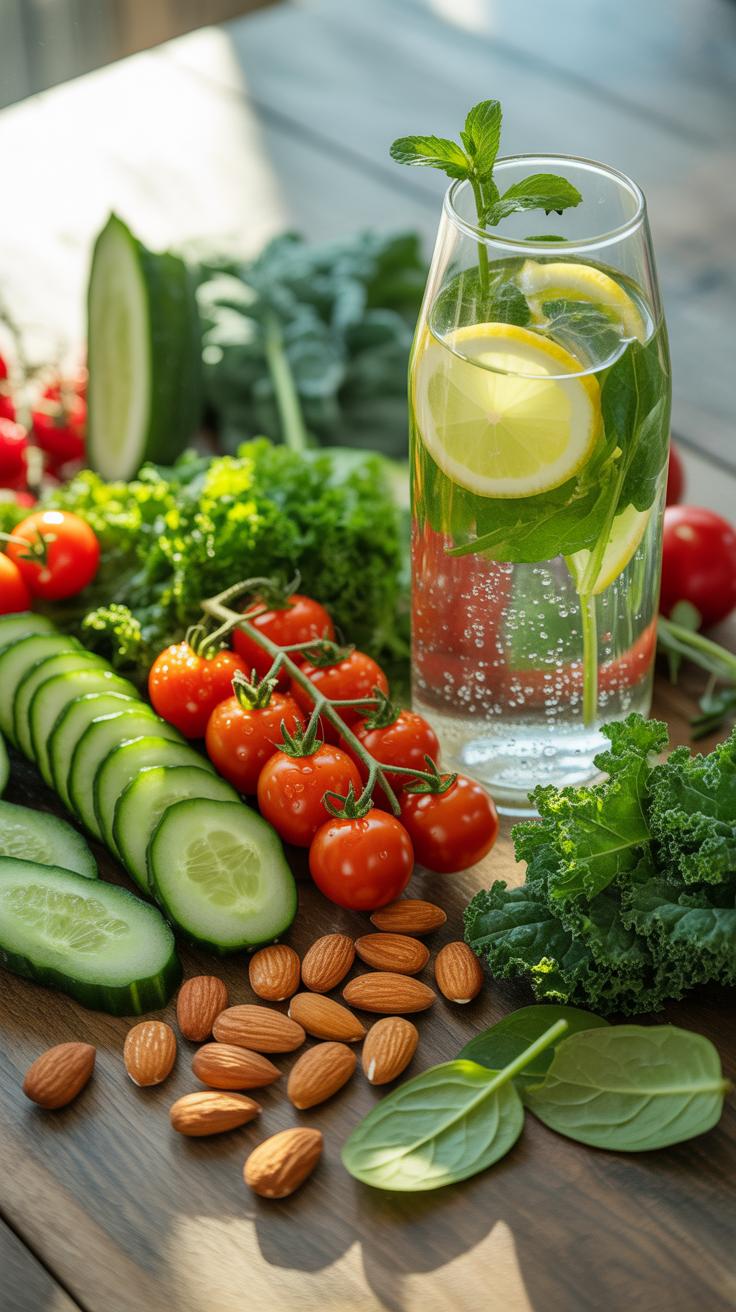
Strategic snacking prevents blood sugar drops that lead to acidic food choices. Raw almonds and pumpkin seeds provide essential fats and minerals without triggering acid production. These options satisfy hunger while maintaining your internal pH balance. Keep portion sizes small to ensure quick digestion. Avoid processed snack bars containing refined sugars or artificial sweeteners. Those ingredients cause immediate metabolic acidity and ruin your progress.
Fresh vegetables serve as the primary tool for midday hunger management. Sliced cucumbers and celery sticks contain high water content and alkalizing minerals. Pair these with homemade tahini or avocado mash for added satiety. Avoid pre-packaged dips often loaded with preservatives and excess sodium. Simple whole foods require less energy to break down. This approach keeps your energy levels stable and supports the overall alkaline diet meal plan.
How Hydration And Alkaline Water Support Your Alkaline Diet
Water acts as the primary transport system for flushing acidic waste from your cells. Proper hydration supports kidney function and assists in toxin removal. Drinking enough water prevents the buildup of metabolic byproducts that disrupt your pH levels. Aim for consistent intake throughout the day rather than large amounts at once. This ensures your body maintains a steady state of equilibrium and high cellular efficiency.
Alkaline water provides supplemental minerals like magnesium and calcium to neutralize acidity. You can create this at home by adding lemon or lime juice to filtered water. While these citrus fruits are acidic in their natural state, they have an alkalizing effect once metabolized. Avoid sugary beverages and caffeinated drinks that cause dehydration. Pure water remains the most effective tool for maintaining a healthy and balanced internal environment.
Meal Prepping Your Alkaline Diet Plan Tips For Long Term Success
How To Batch Cook Alkaline Foods For The Week Ahead
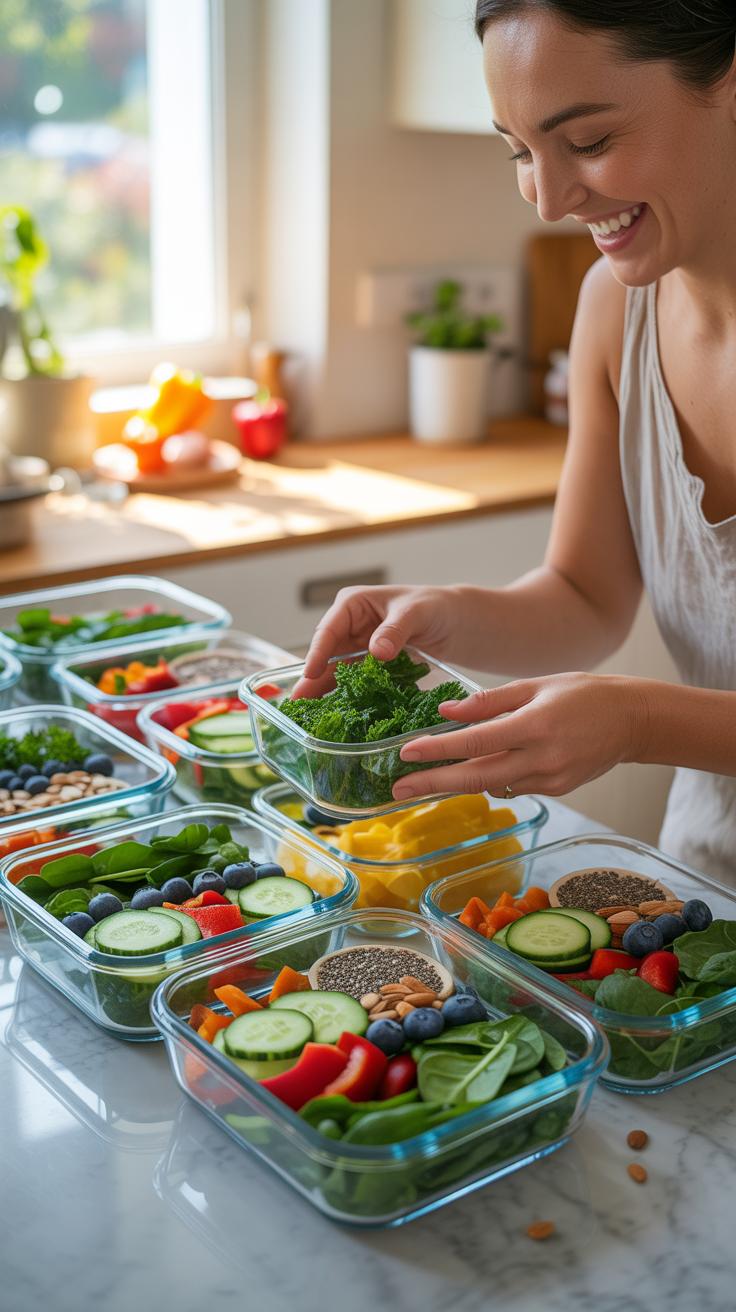
Effective batch cooking requires focusing on base ingredients that neutralize acid. Prepare large quantities of quinoa, wild rice, or amaranth on Sundays. These grains serve as the foundation for your daily bowls. Roast root vegetables like sweet potatoes and beets in bulk using avocado oil. Store these components in airtight glass containers to maintain freshness and prevent chemical leaching from plastic.
Prepare your greens by washing and drying them immediately after purchase. Chop sturdy vegetables like kale, broccoli, and peppers for quick sautéing or raw consumption. Blend large batches of alkaline dressings using lemon juice, olive oil, and herbs. Portion these into small jars. This strategy eliminates daily decision fatigue. It ensures you have high-pH fuel ready when your schedule becomes intense or unpredictable.
Keeping Your Alkaline Diet Sustainable, Affordable, And Enjoyable
Sustainability depends on smart sourcing and seasonal shopping. Buy alkaline staples like lemons, spinach, and cucumbers in bulk or from local markets to lower costs. Frozen organic vegetables offer a cost-effective alternative when fresh options are out of season. Focus on whole foods rather than expensive branded alkaline waters or processed supplements. Most tap water becomes alkaline by adding a few drops of fresh lemon.
Variety prevents burnout and keeps the diet enjoyable. Rotate your protein sources between lentils, chickpeas, and seeds like hemp or chia. Use fresh herbs and spices instead of salt to enhance flavor profiles without increasing acidity. Track your progress to stay motivated. If you simplify the process, you will maintain the lifestyle. Efficiency is the key to sticking with this nutritional framework over many years.
Frequently Asked Questions

What are the best foods to include when starting an alkaline diet?
When starting out, focus on incorporating plenty of leafy greens like spinach and kale, as well as root vegetables, nuts, and seeds. Most fruits are also excellent choices despite their initial acidity. Following an alkaline diet meal plan doesn’t mean you have to give up flavor; instead, transition slowly by replacing processed grains and heavy dairy with vibrant, whole-food alternatives that help your body maintain its natural, healthy equilibrium.
How can I successfully prep an alkaline diet meal plan for a busy week?
Consistency is key to success, so try batch-prepping your ingredients on Sundays. Wash and chop your vegetables, roast chickpeas for snacks, and prepare a large pot of quinoa or wild rice ahead of time. Having these base components ready makes it effortless to assemble a balanced alkaline diet meal plan during hectic workdays. Portionalizing your meals into glass containers ensures you have nourishing, pH-balancing options available whenever hunger strikes throughout the week.
Is it possible to follow this eating style on a tight budget?
Absolutely! You do not need expensive “superfoods” or specialty supplements to see results. Focus on affordable staples like dried lentils, seasonal vegetables, bananas, and bulk-bought citrus fruits. Buying frozen organic greens is often more cost-effective than fresh and offers the same nutritional benefits. By prioritizing simple, whole ingredients found at any local grocery store, you can maintain an effective wellness routine without overspending on your weekly food shop.