
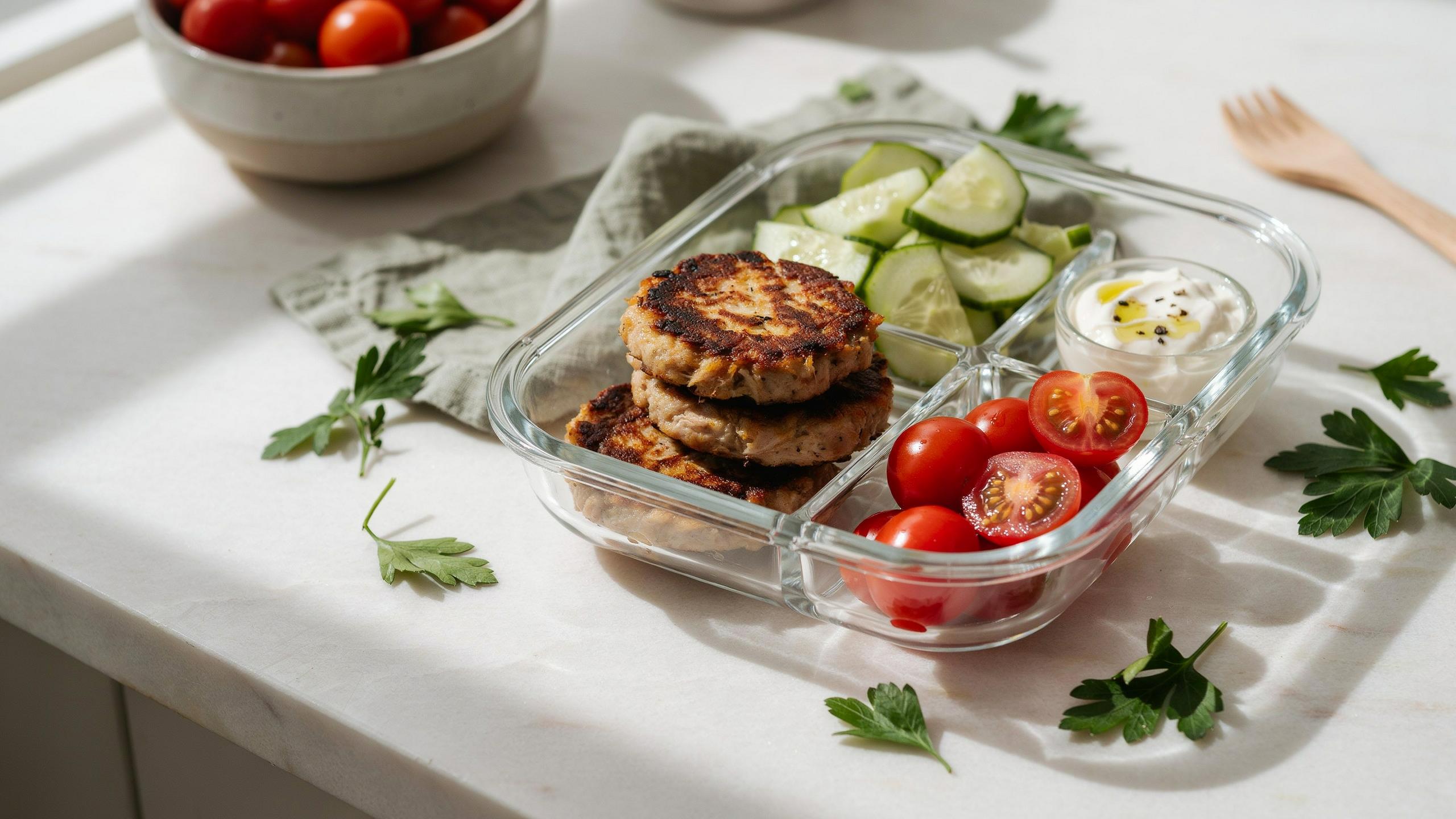
The Optimized Protein Protocol Beyond Basic Tuna Patties
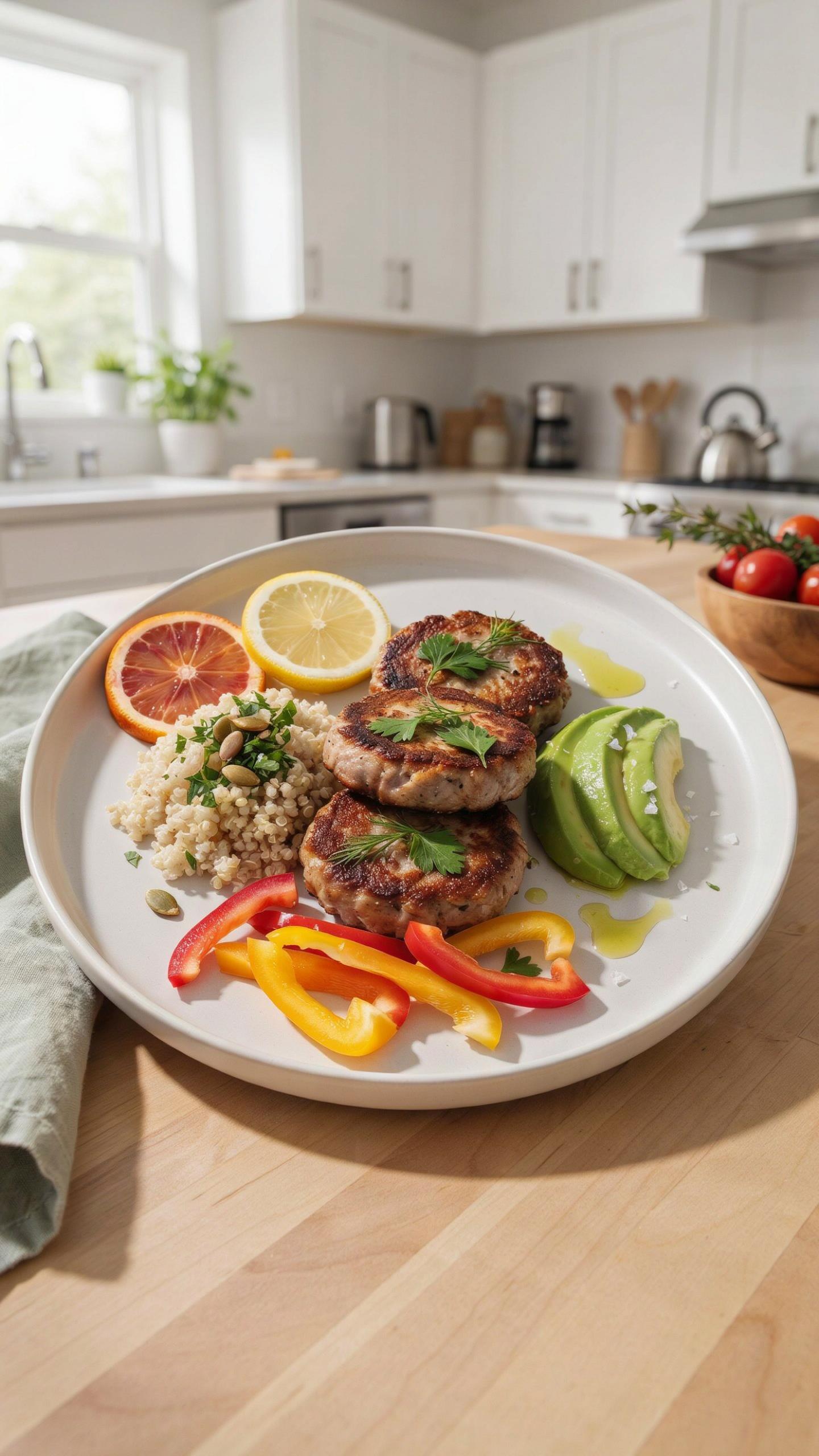
Shift From Convenience To Strategic Nutrition
You want tuna patties to feel like a shortcut when they’re actually the opposite. Most people treat meal prep as time-saving theater, not nutritional architecture. The real mechanism is this: tuna patties only work if you reverse-engineer them from your actual protein target, not from what fits in a container. You decide the protein density first. Then you build the patty around it. Everything else follows.
Canned tuna sits around 25 grams of protein per 100 grams of drained content. That’s your starting material. Most meal prep approaches treat this number as fixed and add fillers around it. Wrong direction. You need to calculate backwards from your daily protein requirement, determine how many grams one patty must deliver, then adjust binder ratios and portion size to hit that number precisely. This isn’t obsessive. It’s the difference between a prep system that works and one that wastes your time every week.
High Protein Density Not Just Protein
Think of tuna patties through the lens of materials science, where efficiency means maximum strength at minimum weight. Your constraint is not total protein per week, it’s protein per ounce of food you’ll actually eat without fatigue. A standard patty might deliver 18 grams of protein in a 90-gram package. That’s 20 percent protein density. Weak. You’re eating filler that displaces nutrients and triggers appetite rebound hours later.

Protein density climbs when you minimize binder volume. Most recipes use breadcrumbs or oats at a 1:1 ratio to tuna. Cut it in half. Replace half the remaining carb binder with an egg yolk and a small amount of mustard powder for binding and flavor. You now compress more protein into less weight. A 75-gram patty can hold 22 grams of protein instead of 18. Over a week of five patties, that’s 20 grams of additional protein with zero additional volume. The protocol: measure your target protein per patty, weigh your tuna, subtract the weight, fill the gap with minimal binder, cook to firmness, then never vary the ratio.
Deconstructing The Healthy Myth What Your Tuna Patties Arent
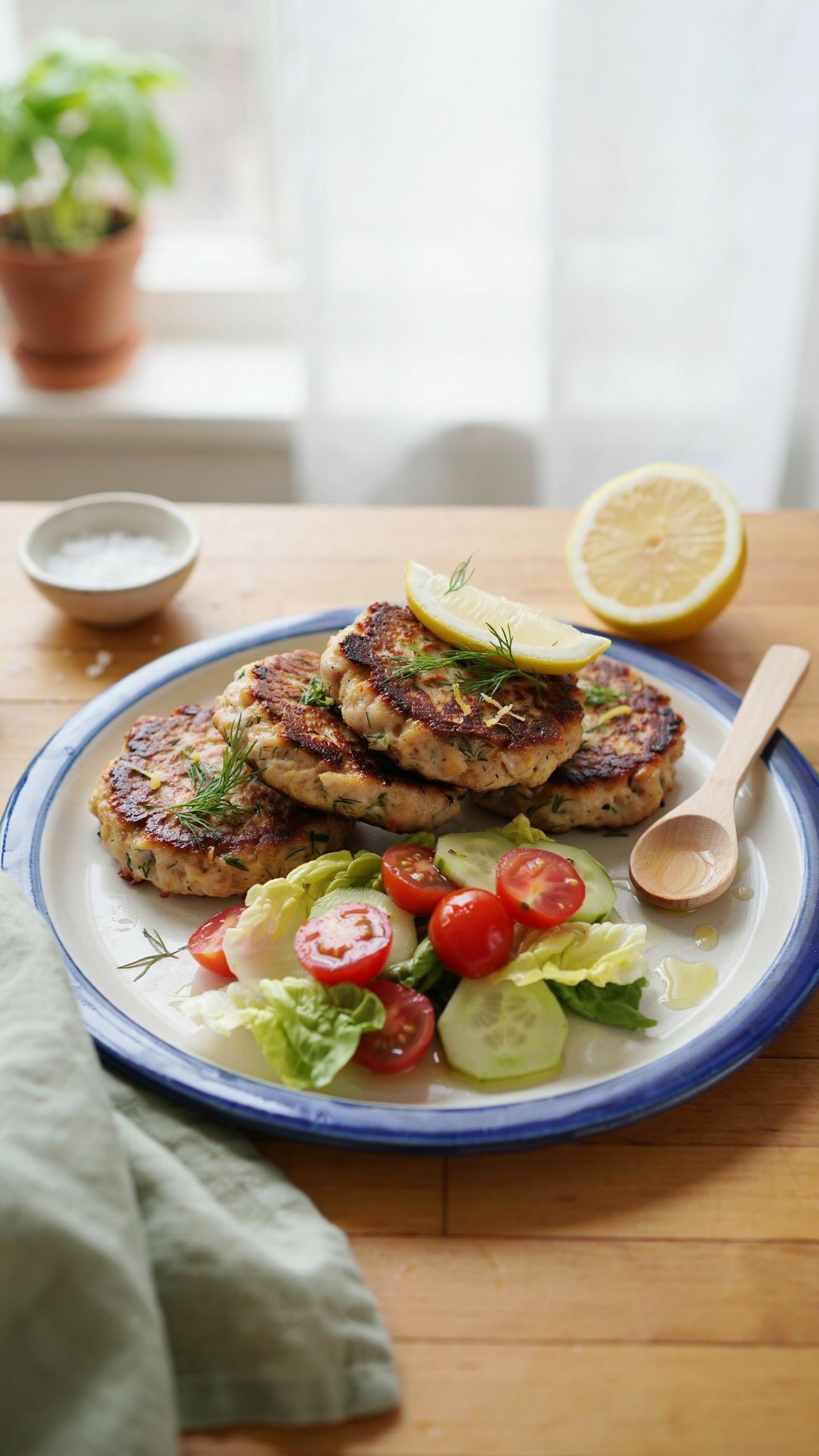
The Oil Problem Nobody Mentions
You want to believe tuna patties are clean. That’s the real pull here. But the mechanism that destroys their value happens before you cook them. Think of thermodynamics: energy transforms. When you bind canned tuna with breadcrumbs and eggs, you need fat to hold it together. Most recipes and commercial versions use vegetable oil or mayo loaded with omega-6 polyunsaturated fats. These oxidize when heated, creating compounds your body treats as damage. You’re eating inflammation wrapped in the appearance of protein.
The bind matters more than the protein. Cheap commercial patties use soy oil and cellulose filler to stretch the tuna further. This cuts the actual fish content by 30 to 40 percent while keeping calories stable. You think you’re eating tuna. You’re eating seed oil and filler with tuna flavoring. Making your own solves this only if you use the right fat. Butter, ghee, or avocado oil stay stable under moderate heat. Everything else oxidizes and works against you.
The Filler Trap And What Actually Matters
Common advice says breadcrumbs give structure. Partially true, but incomplete. The real issue is that breadcrumbs are filler disguised as necessity. They dilute your protein-per-calorie ratio without adding nutritional density. A standard recipe calls for one pound of tuna and half a cup of breadcrumbs. That breadcrumbs is 200 calories and mostly carbohydrate. You’ve just cut your protein efficiency by 15 percent for texture you don’t need.
Use almond flour or psyllium husk instead. Almond flour adds fat soluble vitamins and stays low-glycemic. Psyllium adds fiber and requires less liquid to bind. Both reduce the calorie tax per patty. The binding mechanism works on moisture, not carbohydrate bulk. Test your mixture: if it holds shape when cold, the binder is sufficient. Form patties, freeze solid before cooking, then sear high heat with minimal fat. This protocol preserves protein integrity and removes the inflammatory filler component entirely.
Strategic Sourcing For Superior Tuna Quality As A Non Negotiable
Mercury Levels And Sustainable Choices
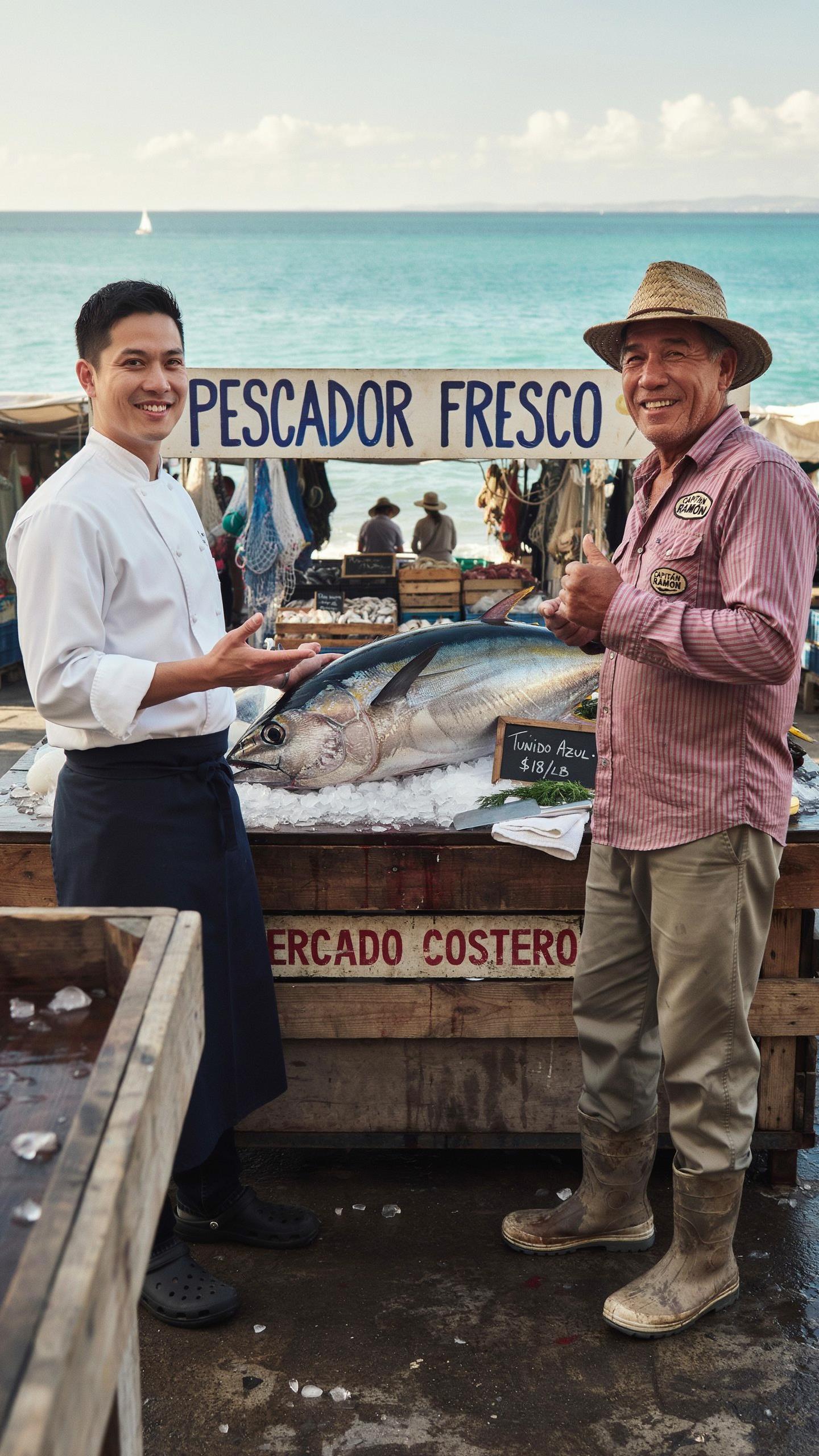
You care about this because you don’t want to poison yourself while thinking you’re eating healthy. The mechanism is simple: larger tuna species accumulate mercury over their lifetime, and canned products vary wildly in which species they contain because labeling regulations don’t require specificity.
Canned light tuna comes primarily from skipjack, a smaller species with lower mercury accumulation. Albacore, marketed as white tuna, is larger and contains roughly three times the mercury. The FDA hasn’t set a hard limit for canned tuna consumption, but the practical rule is straightforward: rotate your protein sources instead of eating the same tuna product daily. If you’re prepping tuna patties three or four times weekly, stick with light tuna and vary your other protein days with chicken, beef, or plant sources.
Nutritional Profiles By Species
From a biochemistry standpoint, different tuna species have different amino acid compositions and micronutrient density, similar to how different fuel types produce different engine output. Skipjack delivers reliable protein with minimal variability, while albacore offers marginal gains in omega-3s that most people overstated.
- Skipjack (Light Canned Tuna): 25g protein per 100g, lower mercury, consistent quality across brands, most affordable for meal prep volume.
- Albacore (White Canned Tuna): 29g protein per 100g, higher omega-3 content, elevated mercury levels, best used sparingly not as a prep staple.
- Yellowfin (Fresh or High-Quality Canned): 26g protein per 100g, moderate mercury, superior taste profile, higher cost limits practical meal prep scaling.
- Bluefin (Premium Fresh): 29g protein per 100g, highest mercury accumulation, expensive, irrelevant for meal prep economics and health risk calculus.
- Tongol (Lesser-Known Canned): 25g protein per 100g, lower mercury than albacore, underutilized option, check ingredient labels as availability varies by region.
For meal prep at scale, light tuna solves the problem without creating new ones. You get sufficient protein density, predictable mercury exposure, and pricing that doesn’t force you to choose between consistency and budget. Buy the same brand consistently so your patties taste identical batch to batch, which matters for actually eating them instead of finding them in the back of your fridge in week three.
The Flavor Engineering Matrix Elevating Simple And Easy Tuna Patties
Spice Pairings Beyond The Salt Shaker
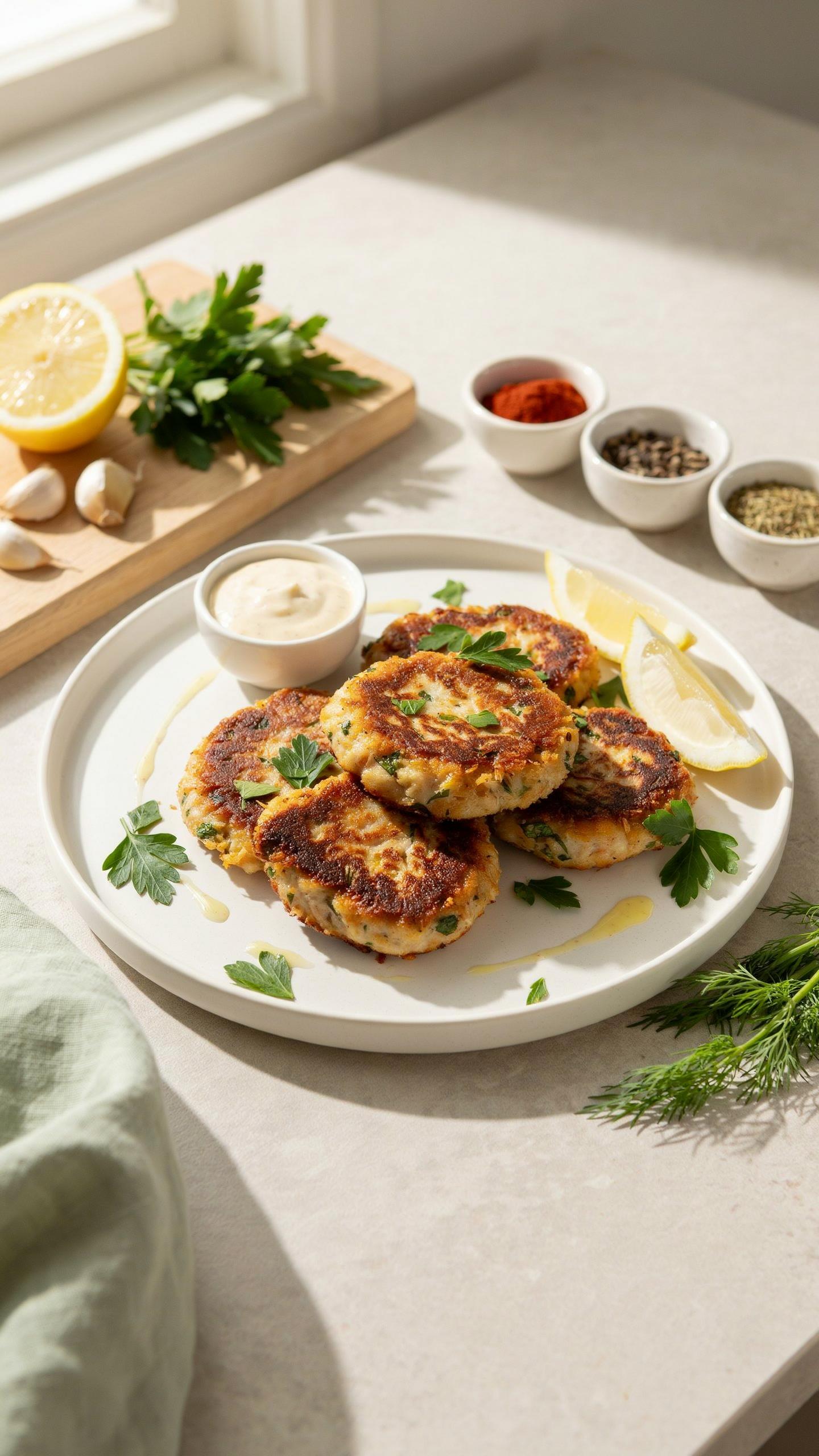
You want your tuna patties to taste expensive without the work, which means you need contrast instead of blandness. The real mechanism is this: spice doesn’t add flavor, it amplifies what’s already there by triggering different taste receptors. Fish needs heat and acid to open up. Cayenne, black pepper, and smoked paprika work because they push tuna’s natural oils forward instead of burying them under breadcrumbs.
Forget the tired “add old bay” advice. Old Bay is ground spice blend noise for people who didn’t season properly the first time. Instead, layer two spices intentionally. Toast your pepper in a dry pan for 90 seconds before mixing into the patty base. Add one teaspoon of ground ginger per can of tuna to trigger salivation and cut through richness. The ginger-cayenne combination creates complexity that makes people think you brined the fish.
Umami Density Without The Fillers
Tuna patties get bland because most recipes treat umami as optional. Umami is the mechanism that keeps your mouth interested past the first bite. Anchovies, miso, and Worcestershire sauce don’t taste fishy in quantity, they taste savory. One teaspoon of white miso paste per two cans of tuna rewires the entire flavor profile. This hits the glutamate pathway directly, which is why it works faster than salt alone.
Stop adding mayo as filler. Mayo masks flavor instead of building it. Replace half your binder with a mixture of miso paste and low-sodium soy sauce, two parts miso to one part soy per can of tuna. Mix this into your drained tuna before adding breadcrumbs. Cook the patty until the surface browns at medium-high heat, which caramelizes the umami compounds and creates a crust that holds moisture inside. The texture changes from mushy to firm, and the flavor compounds concentrate.
Macro Hacking Keto Tuna Patties Recipes For Peak Performance
Fat To Protein Balance In Keto Patties
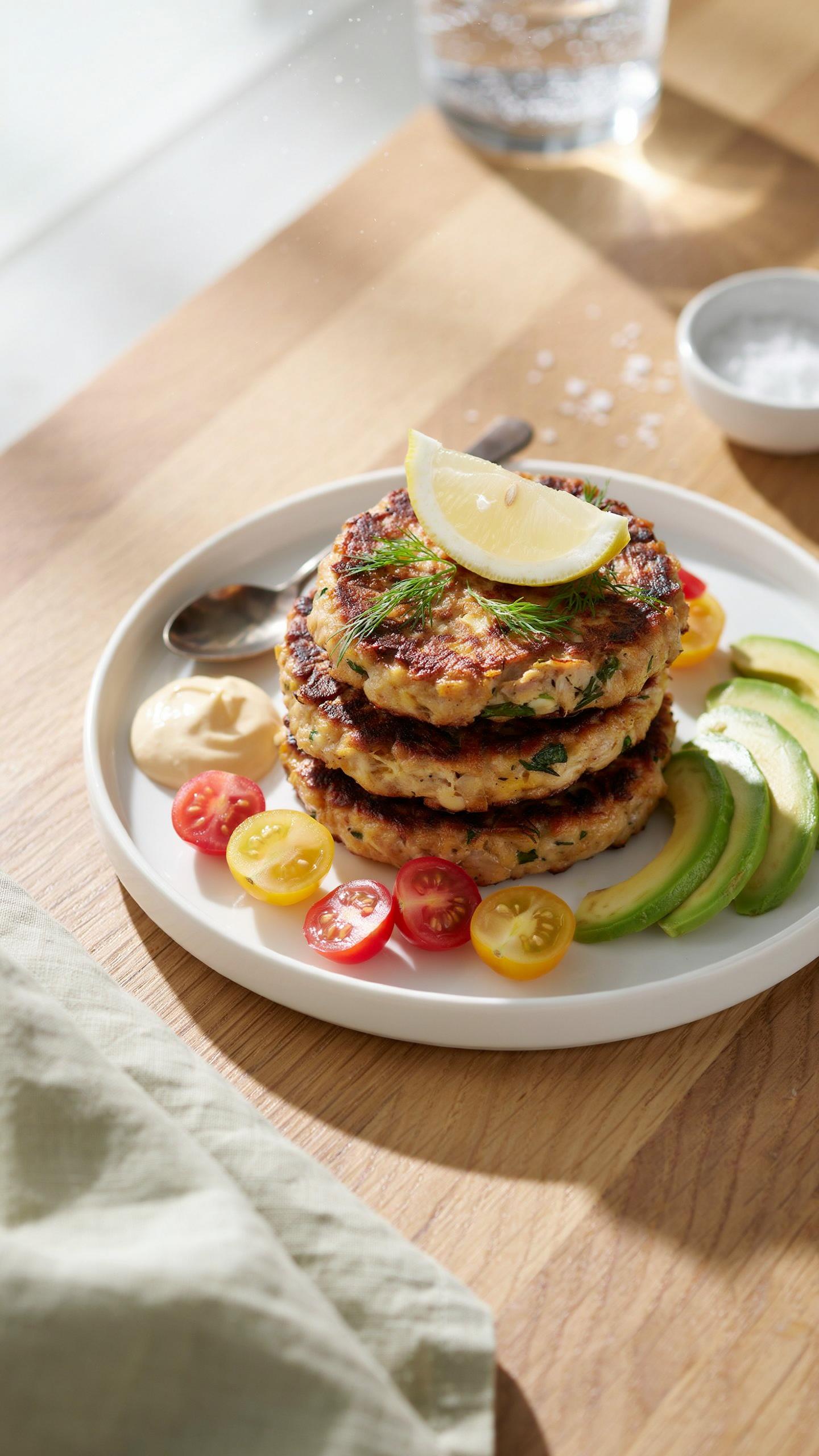
You want the metabolic edge without admitting you’re chasing it. Here’s the mechanism: ketosis demands a specific fuel ratio, and tuna patties either support that state or sabotage it. Borrowed from biochemistry, substrate utilization works like fuel selection in an engine. Your body picks glucose first, then fat. A properly formulated tuna patty forces fat metabolism by starving the glucose pathway.
Standard tuna patties fail because they’re protein-forward with no strategic fat. The correct ratio sits at roughly 1.5 to 2 grams of fat per gram of protein for strict ketosis. Canned tuna in water has almost no fat. Canned tuna in oil delivers 3 to 5 grams of fat per ounce, shifting the equation toward ketone production. Mix canned tuna in oil with egg yolks and mayonnaise, not just egg whites. This single swap moves your patties from gluconeogenic liability to keto-compatible fuel.
Substitutions For Strict Ketone State Maintenance
Most meal prep advice about keto tuna patties misses the point entirely. People swap breadcrumbs for almond flour and call it keto. That’s incomplete. The real problem is ingredient density and carbohydrate creep. Traditional binding agents hide carbs. Almond flour contains 3 grams of carbs per ounce. Coconut flour has 3.5 grams. Neither belongs in a strict keto patty designed for daily consumption.
Egg is your binder. Use two to three eggs per one pound of tuna and fat. This creates structural integrity without carbohydrate load. Skip cream cheese and use full-fat mayo instead. Mayo is pure fat and egg, zero net carbs. Salt, pepper, and garlic powder are your seasonings. Cook patties in ghee or beef tallow, not coconut oil which contains trace carbs. The mechanism is caloric density and metabolic state. You compress more fuel into fewer ingredients while maintaining ketosis through ingredient selection alone.
The Texture Game Baked Tuna Patties Vs The Fry Trap
Achieving Optimal Crispness Without Deep Frying
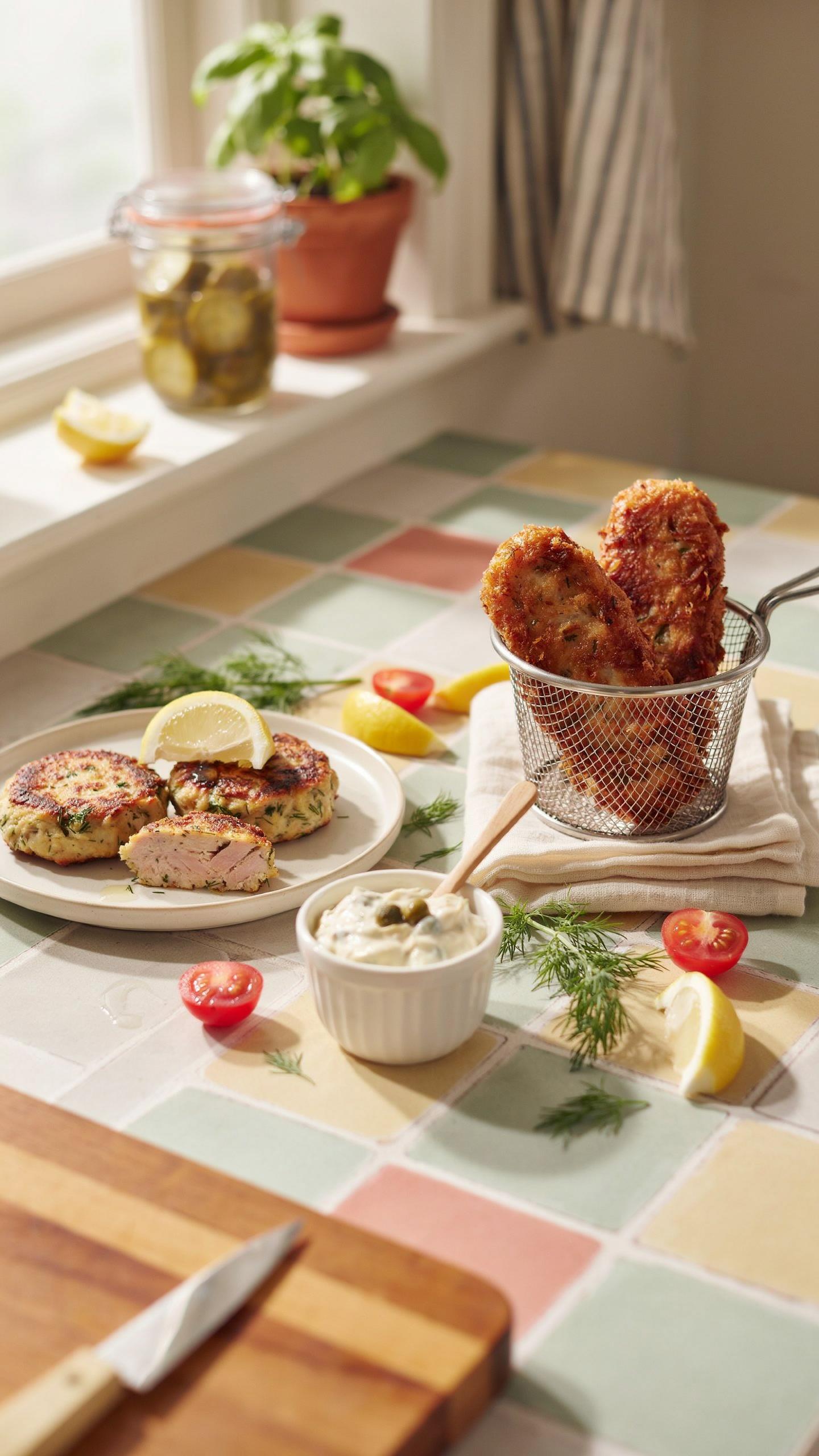
You want the crispy exterior without looking like you’re deep-frying everything at home because it signals poor self-control. Here’s the mechanism: surface moisture evaporates faster than interior moisture migrates outward, so you need heat concentrated where the patty touches the pan. Baking alone won’t deliver this. Your patty needs direct contact with a preheated surface that exceeds 350 degrees Fahrenheit. The Maillard reaction, borrowed from chemistry, describes protein and carbohydrate interactions under high heat that generate browning and crust formation on tuna patties without oil saturation. A cast iron skillet preheated in a 425-degree oven for five minutes, then used on the stovetop at medium-high for two minutes per side before finishing in the oven, creates the texture depth that deep-frying promises but meal prep actually requires.
Everyone says “just bake them,” which is incomplete advice. Baking alone produces a dense, pale disc with rubbery edges. You need the sear first. The sear creates the Maillard reaction on the surface while the oven finish cooks the interior evenly without drying it further. Spray or brush the patties lightly with oil before searing to reduce sticking and promote browning. This hybrid method takes twelve minutes total and delivers the textural contrast that makes tuna patties worth eating across five days of meal prep instead of abandoning them by Wednesday.
Moisture Retention For Baked Patties
Baked patties dry out because people skip the binding step or underbind their mixture. If your tuna patty falls apart during cooking, you have too little binder. If it tastes like wet cardboard, you have too much moisture in your tuna base and not enough structure to hold it. The threshold is simple: one egg plus one-quarter cup panko per one pound of canned tuna, drained well. Undrained canned tuna introduces liquid that steam-cooks the patty from inside out, destroying texture.
Mayonnaise adds fat that insulates the patty interior during baking and slows moisture loss through the surface. Two tablespoons of mayo per pound of tuna creates a stable emulsion that keeps the patty tender rather than chalky. Bake patties at 400 degrees for fourteen minutes on a parchment-lined sheet, which reflects heat more evenly than direct metal contact. Pull them at fourteen minutes exactly, not sixteen. The carryover cooking continues after removal. Let them sit uncovered for three minutes, then transfer to an airtight container only after they cool to room temperature.
Gluten Free Tuna Cakes An Unseen Advantage
Why Flour Alternatives Actually Matter
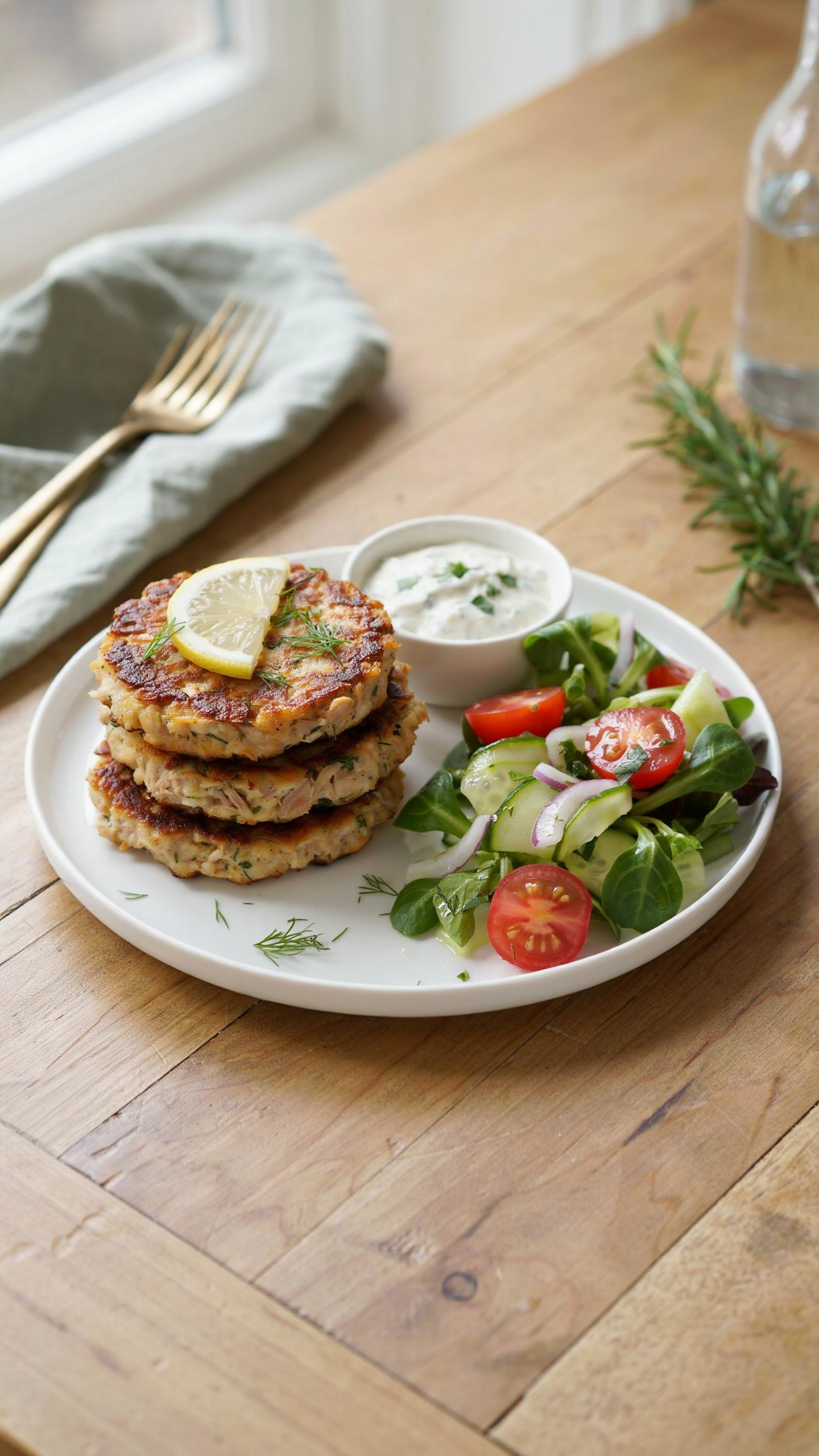
You want gluten-free tuna patties because you think it’s healthier, but the real reason you should care is that flour doesn’t bind tuna protein efficiently anyway. In materials science, the binding agent determines structural integrity. Here, it’s the same: the wrong binder causes your patty to disintegrate during cooking or storage.
Traditional wheat flour absorbs moisture and creates gluten networks. Tuna releases liquid as it cooks, which flour can’t always manage. Almond flour, crushed pork rinds, or egg-based binders work because they trap moisture without turning to paste. They also add protein instead of empty carbs. Use one part binder to four parts tuna by weight.
Digestion Works Faster Without The Filler
The common advice is that gluten-free is automatically easier to digest. That’s incomplete. What actually matters is removing the inflammatory starch load that sits in your gut while your body processes high protein. Your digestive system treats tuna and refined flour differently: tuna breaks down into amino acids within hours, while flour ferments slowly, feeding gut bacteria that produce inflammatory compounds.
Gluten-free tuna patties with egg or almond flour binders move through your system faster because you eliminate the carbohydrate fermentation process. Your body gets the protein signal sooner, triggers satiety hormones faster, and your blood sugar remains stable. Make your binder 70 percent egg and 30 percent almond flour for optimal transit time and nutrient absorption.
The Effortless Execution Framework Tuna Patty Recipe Easy Mastery
Batching And Freezing For Ultimate Efficiency
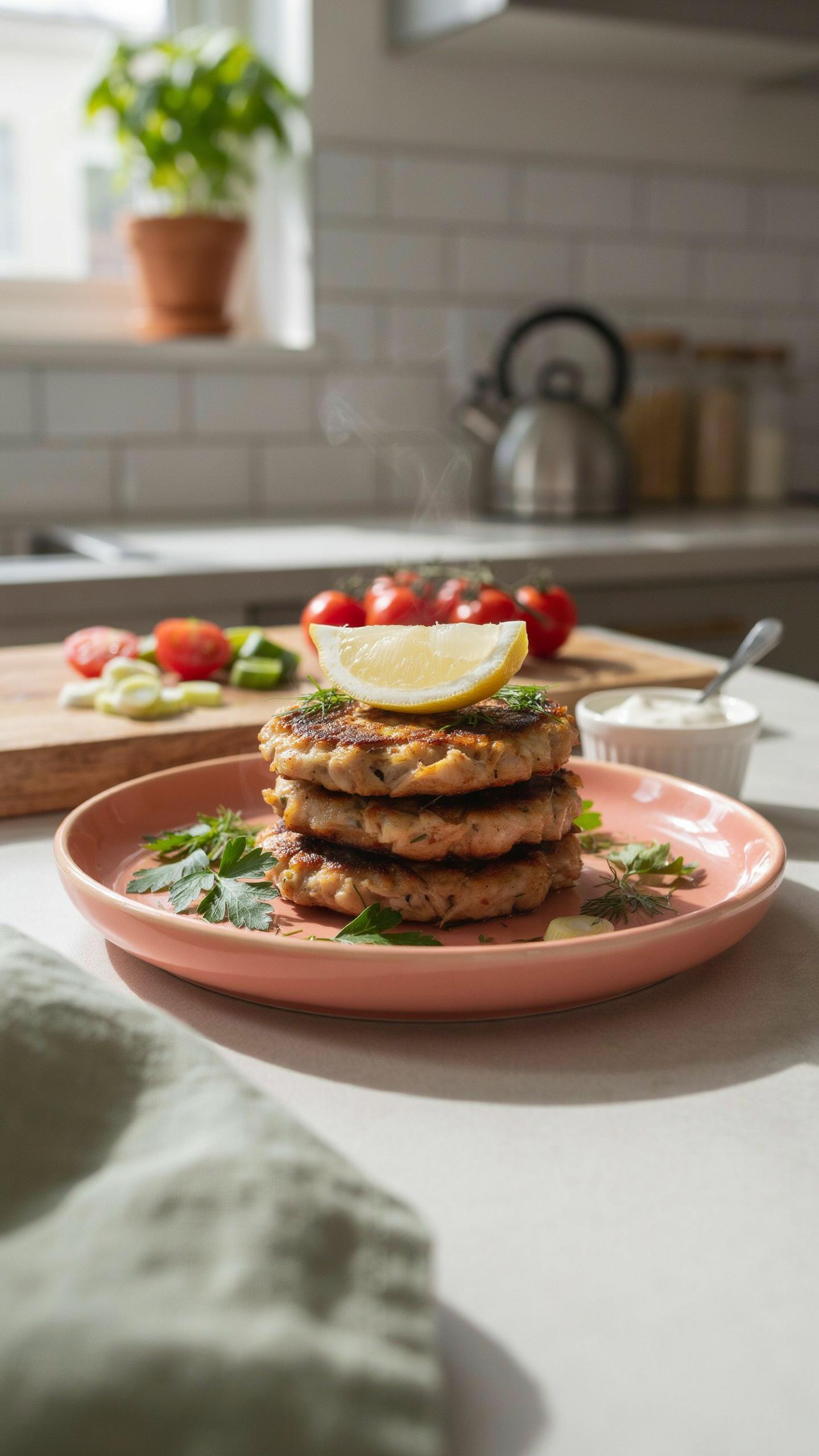
You want to believe meal prep saves time. It doesn’t, unless you batch like a manufacturing line instead of cooking like a home chef. The mechanism is velocity—in logistics, batch processing reduces per-unit cost by eliminating setup friction between cycles. With tuna patties, you compress all prep work into one window, freeze the output, then execute reheats on demand. One mixing session beats five.
- Mix All Ingredients At Once: Combine canned tuna, breadcrumbs, egg, seasoning, and binders in a single large bowl. This single act replaces five smaller mixing sessions spread across the week. Reduce cognitive load and cleanup burden simultaneously.
- Form And Freeze Unbaked: Shape all patties on a sheet tray. Flash freeze for two hours minimum until solid, then transfer to freezer bags. This prevents them from sticking together and lets you grab exact portions.
- Freeze In Portions Of Five: Divide into bags of five patties each. This matches most meal windows and prevents repeated thawing of the entire batch, which degrades texture and protein integrity.
- Label With Date And Cook Method: Write the freeze date and your intended cooking method (pan-fry, bake, air fryer) directly on the bag. Remove ambiguity during execution and track rotation without guessing.
- Cook From Frozen, Add Two Minutes: Skip thawing. Pan-fry or bake directly from frozen and add ninety to one hundred twenty seconds to cook time. The center reaches target temperature while edges stay intact.
Freezing unbaked patties is the real lever. You eliminate the decision fatigue of “do I cook today or reheat?” and compress all labor into one session. Frozen patties cook reliably because ice creates an insulating buffer that prevents the exterior from drying while the center stays moist.
Minimalist Kitchen Tools For Maximum Output
You don’t need a food processor, stand mixer, or specialty equipment. The common advice says kitchen tools save effort. They save nothing if you’re washing more equipment than you’d use your hands for. Three tools execute all tuna patty prep with zero dead weight.
A large mixing bowl, a measuring cup, and your hands complete the entire operation. Combine wet and dry ingredients in the bowl. Use the cup to portion meat mixture into equal patties. Shape by hand in thirty seconds per patty. Paper towels and a sheet tray for freezing complete the setup. Nothing else belongs in this workflow. Everything else is overhead that delays execution and creates cleaning friction you’ll avoid next time, killing consistency.
Integration Dynamics Tuna Mashed Potato Patties And Beyond
How Your Plate Actually Functions
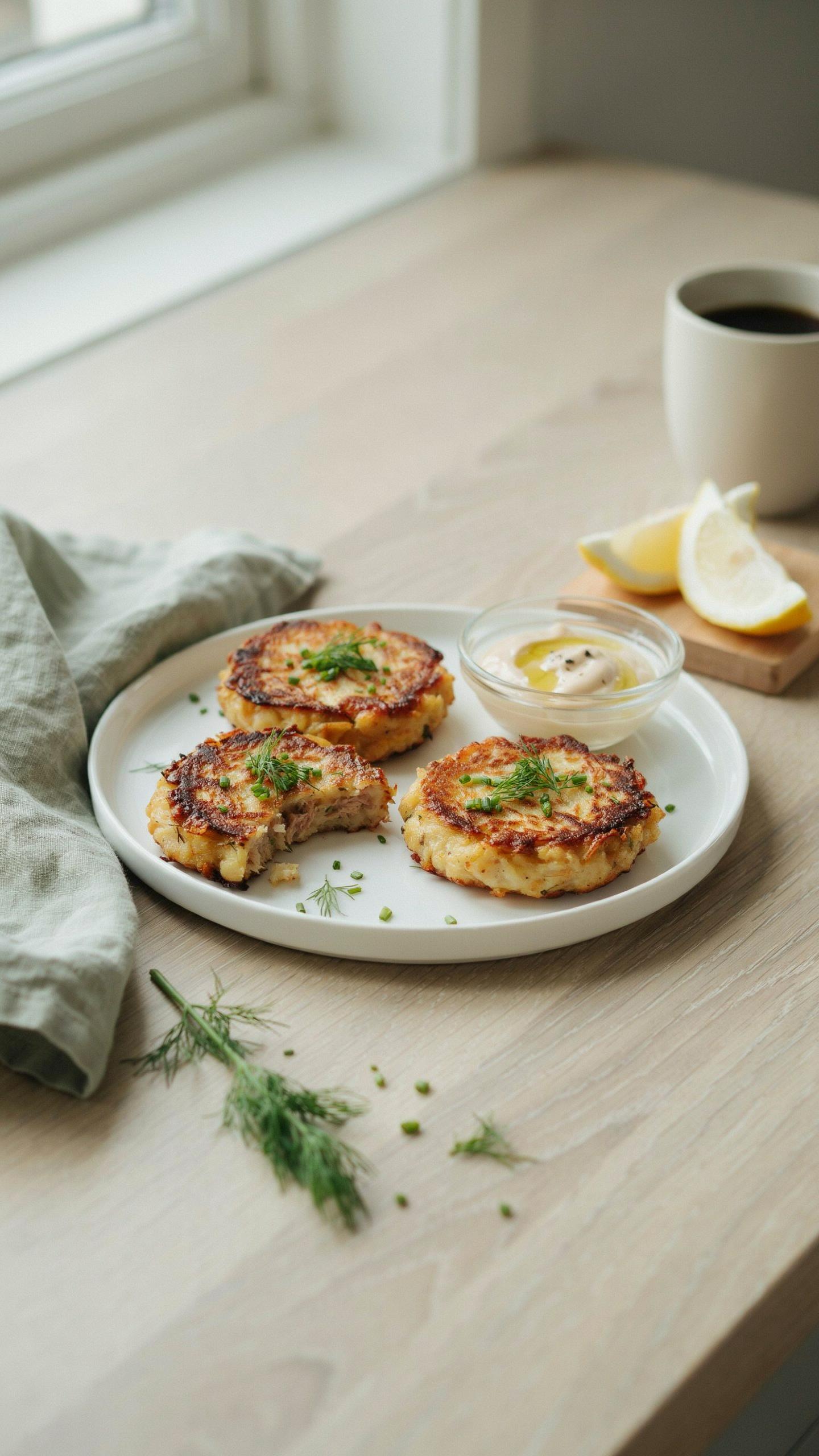
You want to believe a tuna patty is just protein, but what you really want is permission to stop thinking about meal construction. The mechanism isn’t about the patty itself. It’s about how tuna patties interact with everything else on your plate to regulate satiety and blood sugar. Think of systems theory from biology: one organism doesn’t survive alone in an ecosystem. It survives through resource exchange with its environment. Your tuna patty is the organism. Mashed potatoes, vegetables, and fats are the ecosystem.
Without complementary macros, a tuna patty becomes a protein spike that leaves you hungry two hours later. Pair it with resistant starch from cooled mashed potatoes and you extend satiety by stabilizing glucose absorption. Add fat from mayo or olive oil and you slow digestion further. The patty doesn’t work in isolation. It works through what surrounds it. Build your plate as a system, not a collection of foods.
Macro Timing And Sequential Absorption
The common advice says “just hit your macros.” That’s incomplete. What matters is the order and speed at which your body absorbs them. Eat tuna patties first, before vegetables, and your blood sugar spikes harder than if you eat them alongside fat or fiber. Reverse the sequence and your glucose response flattens. The mechanism is straightforward: fat and fiber slow gastric emptying, so nutrients enter your bloodstream at a controlled rate instead of all at once.
Mashed potatoes after cooling develop resistant starch, which your small intestine can’t fully digest. This resistant fraction feeds your colon bacteria and extends satiety without spiking insulin. Layer your plate deliberately. Start with fat or fiber, follow with protein, finish with refined carbs if needed. This sequencing costs nothing but attention. Your body’s response is measurable within days if you track hunger and energy levels between meals.
From Batch Cook To Bio Optimization Tuna Patties Recipes For The Ruthless
Measure What Actually Matters
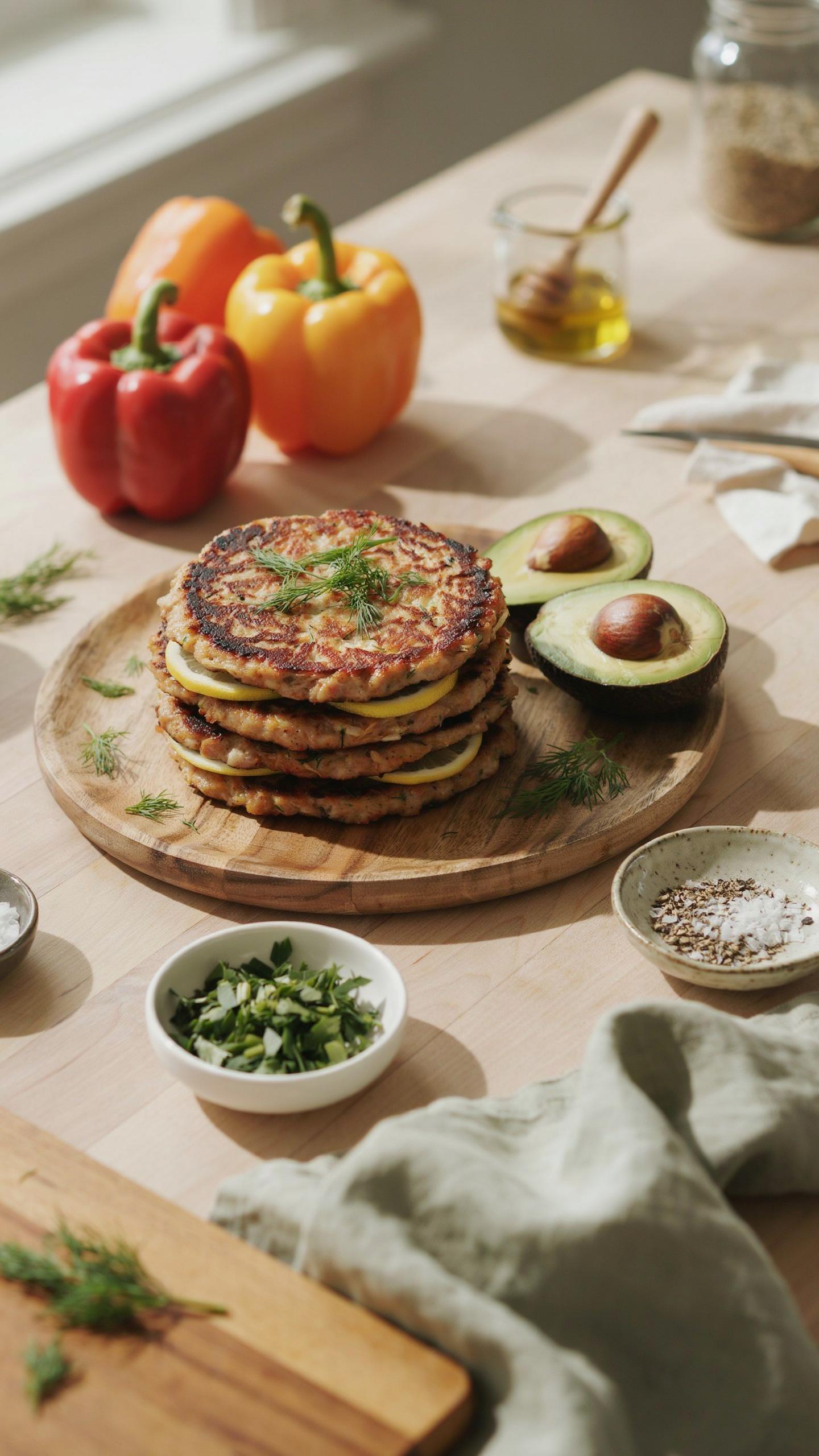
You want to feel productive without changing anything. That’s the real reason you’re reading this. The mechanism is simple: most people track inputs they can’t control, not outputs they can. You batch cook tuna patties, count them, then wonder why your body composition stalls. Track satiety duration, hunger timing, and energy crashes instead. These are the variables tuna patties actually influence. Your macros matter less than whether you’re hungry two hours later or four.
Weight the patties before cooking to establish a baseline. Weigh them after cooking to understand moisture loss and actual serving size. Record energy levels at one hour and three hours post consumption. This creates a feedback loop that separates real results from guesswork. Most people skip this step because it feels tedious. It’s the only step that works.
Dial In Your Protein Load
Biology uses the concept of satiation threshold, the point where protein intake produces maximum fullness per calorie consumed. For tuna patties, this threshold depends on your individual digestive capacity, not generic protein percentages. Your coworker thrives on two 100 gram patties. You might need 120 grams or 80 grams. The common advice is to eat more protein. The real answer is to find your personal satiation load through systematic testing.
Start at a baseline serving for one week. Track hunger, cravings, and workout performance. Increase by 10 grams the following week. Continue for three weeks. The week where your hunger signals flatten and energy peaks is your threshold. Document it. Build meal prep around that number, not around what fitness influencers claim works universally. Your metabolism isn’t their metabolism.
The real obstacle isnt the recipe its your willingness to transcend convenience for uncompromising strategic nutritional autonomy

Most people fail at tuna patties meal prep because they choose the illusion of control over actual control. You can read ten articles or you can spend two hours this Sunday batching a week’s worth. The difference between those who transform their body and those who don’t isn’t genetics or time. It’s the decision to stop negotiating with yourself. Make your first batch today, not tomorrow. Your future self doesn’t negotiate with your present self, and neither should you.