
Why Meal Prep For One Person Is Worth The Effort
The Real Benefits Of Prepping Individual Meals For One At Home
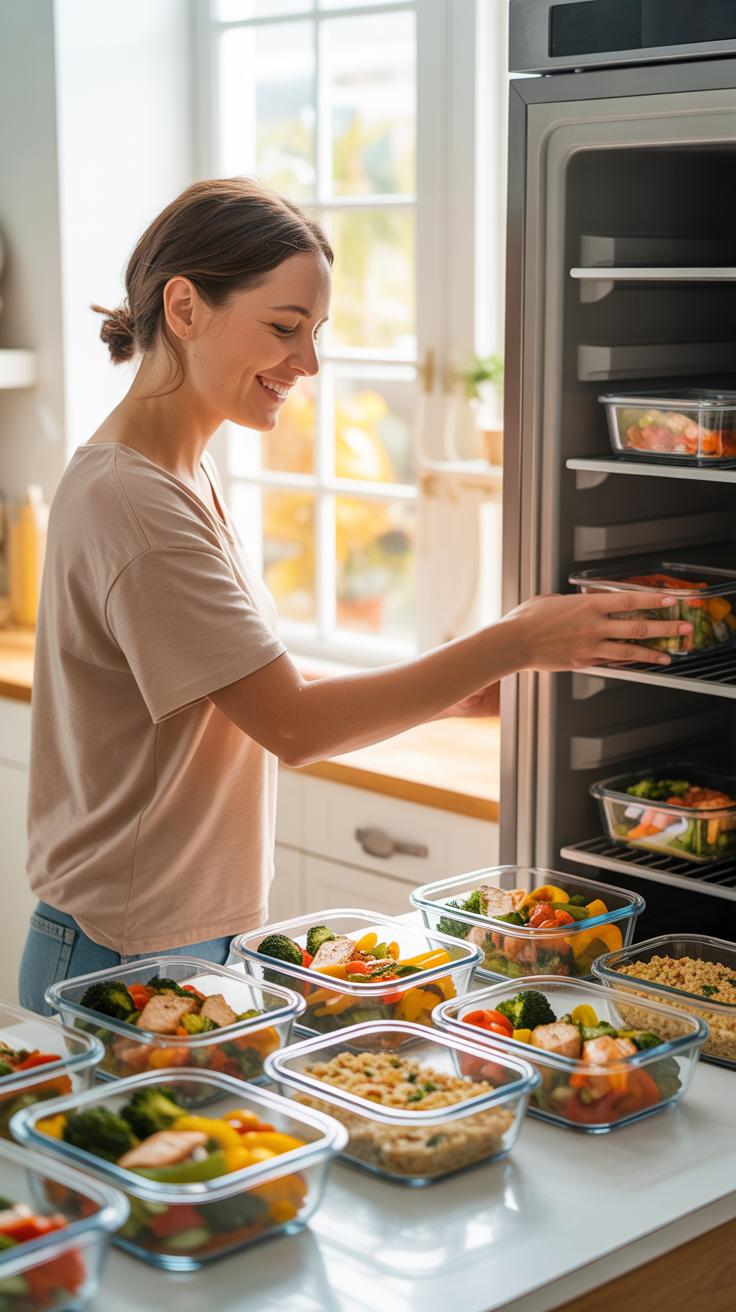
Cooking for one often leads to significant food waste because grocery stores sell items in bulk. Prepping individual meals solves this by using every component of a perishable item across multiple dishes. You control your portions and your ingredients. This method ensures you eat high quality food without relying on expensive takeout. Small batch cooking also preserves flavor and texture better than industrial frozen meals.
Strategic planning allows you to maximize your kitchen equipment. You use the oven or stove once to prepare proteins and grains for the entire week. This reduces your total time spent cleaning dishes and managing kitchen logistics. You gain several hours of free time during your busy work week. Efficiency is the primary goal. You turn a chaotic daily chore into a predictable system.
How Solo Meal Prep Reduces Grocery Bills And Daily Decision Fatigue
Decision fatigue drains your mental energy every afternoon. You lose focus when you must decide what to eat while hungry. Having a prepared meal removes this choice entirely. You follow a set plan rather than making reactive decisions. This discipline keeps your nutrition on track and your stress levels low. You act on logic instead of impulse or cravings.

Shopping with a specific list for one person prevents overbuying. You only purchase what you will actually consume before it spoils. Retailers design store layouts to encourage extra spending, but a meal prep plan acts as a shield. You save money by eliminating duplicate purchases and unused ingredients. Cost per meal drops significantly when you buy basic staples and process them yourself at home.
Getting Started Essential Tools For Easy Meal Prep For One Person Healthy Habits
Must Have Kitchen Tools And Containers For Single Serving Prep
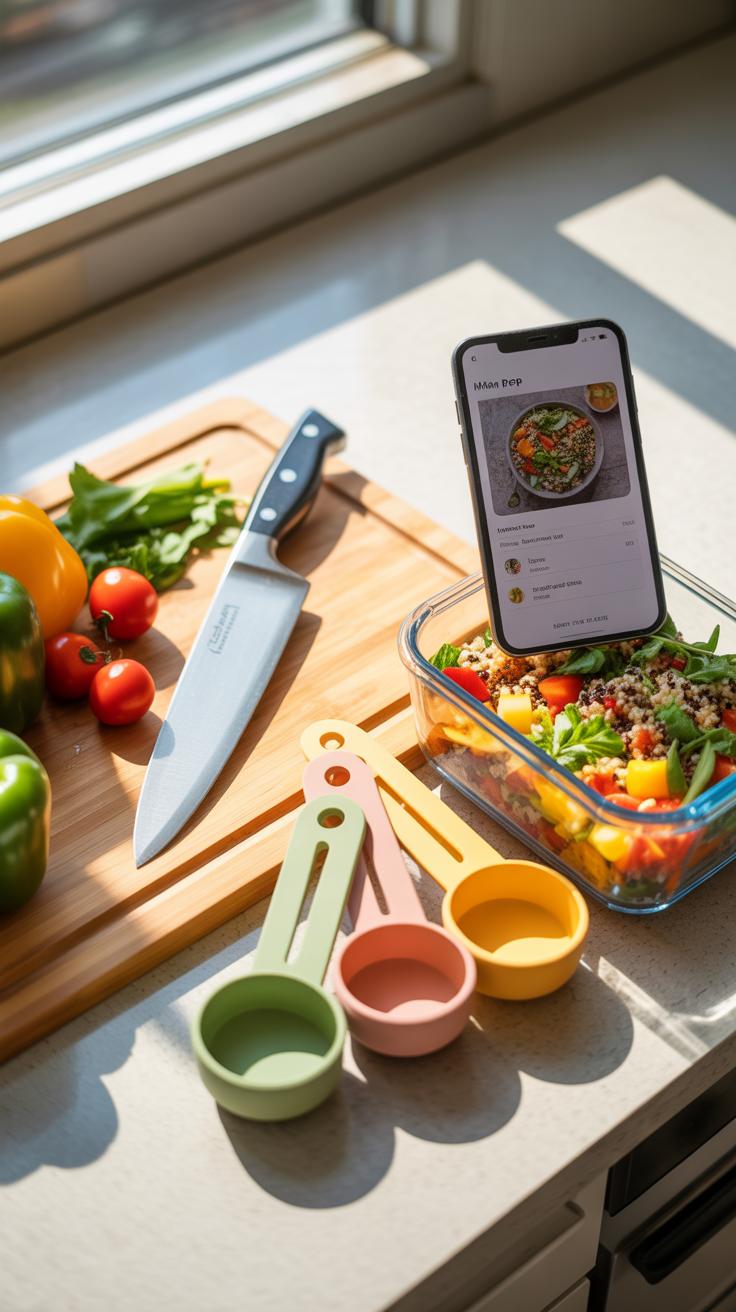
Meal prep for one person requires specialized equipment to prevent food spoilage and manage small portions. Standard cookware often causes heat distribution issues when cooking tiny amounts of protein or grains. You need tools that scale down effectively. Quality containers are the most important investment for solo cooks. They maintain food texture and safety over several days. Select modular sets to maximize fridge space.
- Glass Meal Prep Containers: Borosilicate glass resists thermal shock and does not absorb food odors or stains. Choose containers with airtight locking lids to extend the shelf life of prepped ingredients. These allow you to transition from the freezer to the oven safely.
- Digital Kitchen Scale: Precision is vital when prepping for one to avoid excessive leftovers and food waste. A scale ensures you portion out exactly what you need for a single serving. It removes the guesswork from complex recipes that usually serve four or more.
- Small Cast Iron Skillet: A six or eight inch skillet provides superior heat retention for single proteins. This material lasts a lifetime and develops a natural non-stick surface. It works perfectly for searing one chicken breast or frying a single egg without wasting oil or energy.
- Individual Silicone Bags: These reusable bags replace single-use plastic and work for sous vide or snack storage. They collapse when empty to save kitchen drawer space. Use them to freeze individual portions of sauces or chopped vegetables to use later in the week.
- Quarter Sheet Pans: Standard half-sheet pans are too large for most single-person ovens and meal sizes. The quarter sheet pan allows you to roast a complete balanced meal of protein and vegetables simultaneously. It fits easily into small dishwashers and tight storage cabinets.
Small-batch cooking relies on speed and consistency. Using the wrong size pan leads to burnt food or uneven cooking. Invest in a high-quality chef knife to reduce prep time significantly. Sharper blades ensure clean cuts and decrease accidents. Proper tools turn a chore into a fast routine. You save money by avoiding unnecessary gadgets that clutter your space. Focus on these core items for maximum efficiency.
How To Set Up Your Kitchen Space To Support A Solo Prep Routine
Your kitchen layout dictates your efficiency. Designate specific zones for cleaning, chopping, and cooking to minimize movement. Clear your primary counter space of all non-essential items. A clean workspace reduces mental fatigue and speeds up the physical prep process. Keep your most used tools within arm reach of your cutting board. Use vertical storage to keep surfaces open for active work.
Organize your pantry and fridge by expiration date. Place newer items in the back to ensure you use older stock first. This system prevents waste and saves money. Group ingredients by meal type or prep day to find them quickly. Use clear bins to see exactly what you have on hand. A logical setup allows you to finish your weekly prep in under sixty minutes. Standardized systems create lasting habits.
Smart Grocery Shopping Strategies For One Person Meals
How To Build A Weekly Grocery List That Minimizes Waste For Solo Cooks
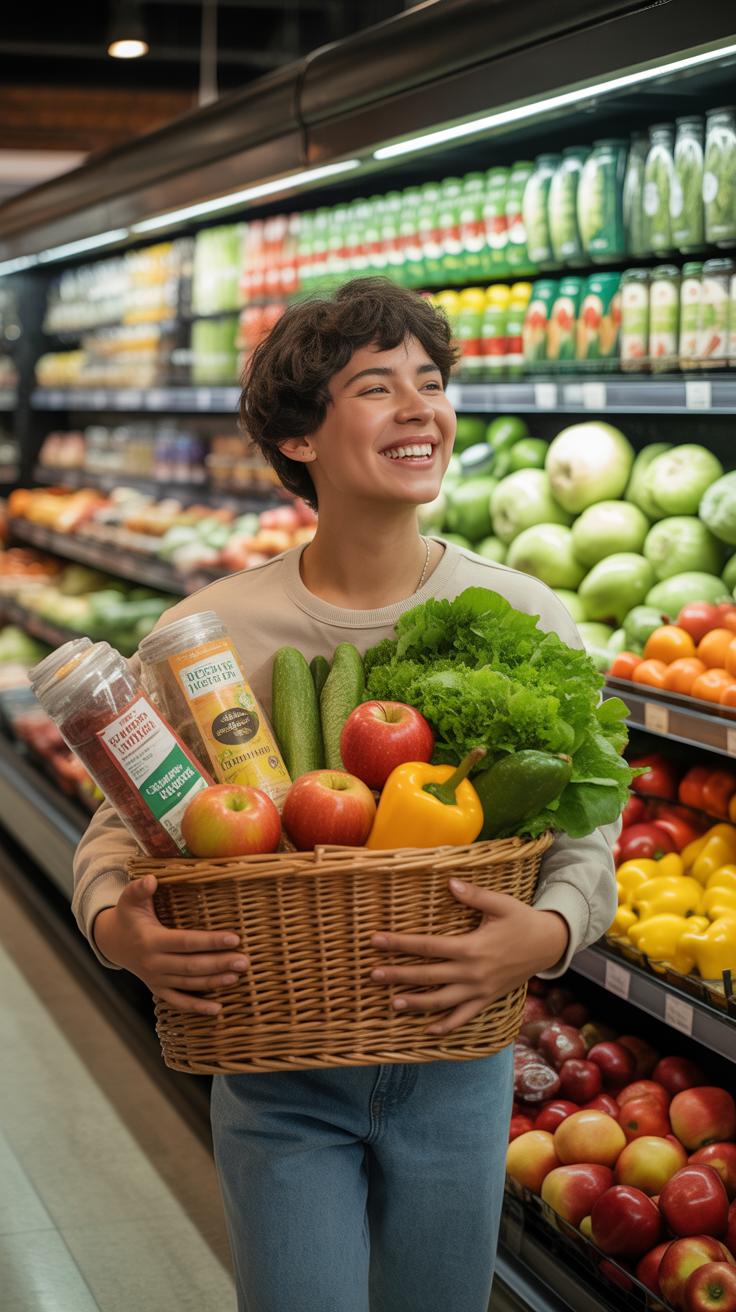
Solo cooks must audit their pantry before writing a single word. Check your current stock of dry goods and spices to avoid duplicate purchases. Review your calendar for social events or work lunches that reduce your at-home meal count. This prevents overbuying perishable items that will rot by Friday. Plan your list around three core ingredients that work across multiple different recipes.
Write your list according to the physical layout of your local grocery store. Group produce together to avoid backtracking and impulsive decisions in the middle aisles. Stick to precise quantities instead of vague units. Buy two loose carrots rather than a full three-pound bag if the recipe only calls for two. This disciplined approach ensures every item on your list has a specific purpose and destination.
Buying In Bulk Vs. Buying Small: What Actually Works For Single Serve Meals
Bulk buying only saves money if you actually consume the product before it expires. Focus bulk purchases on non-perishables like rice, dried beans, or oats. These items have a long shelf life and provide a cheap base for many meals. Avoid buying large bags of fresh greens or soft fruits. These items degrade quickly and often end up in the trash, which negates any initial price discount.
Utilize the bulk bins for nuts, seeds, and specific grains. This allows you to buy exactly forty grams of a product instead of a pre-packaged box. Small-scale buying is the superior tactic for proteins and dairy. Individual portions prevent the fatigue of eating the same meal for six days straight. Pay the slight premium for smaller containers to ensure the food stays fresh and high quality.
Zero Waste Cooking Techniques For Healthy Meals For One
How To Use Every Part Of An Ingredient To Eliminate Food Waste
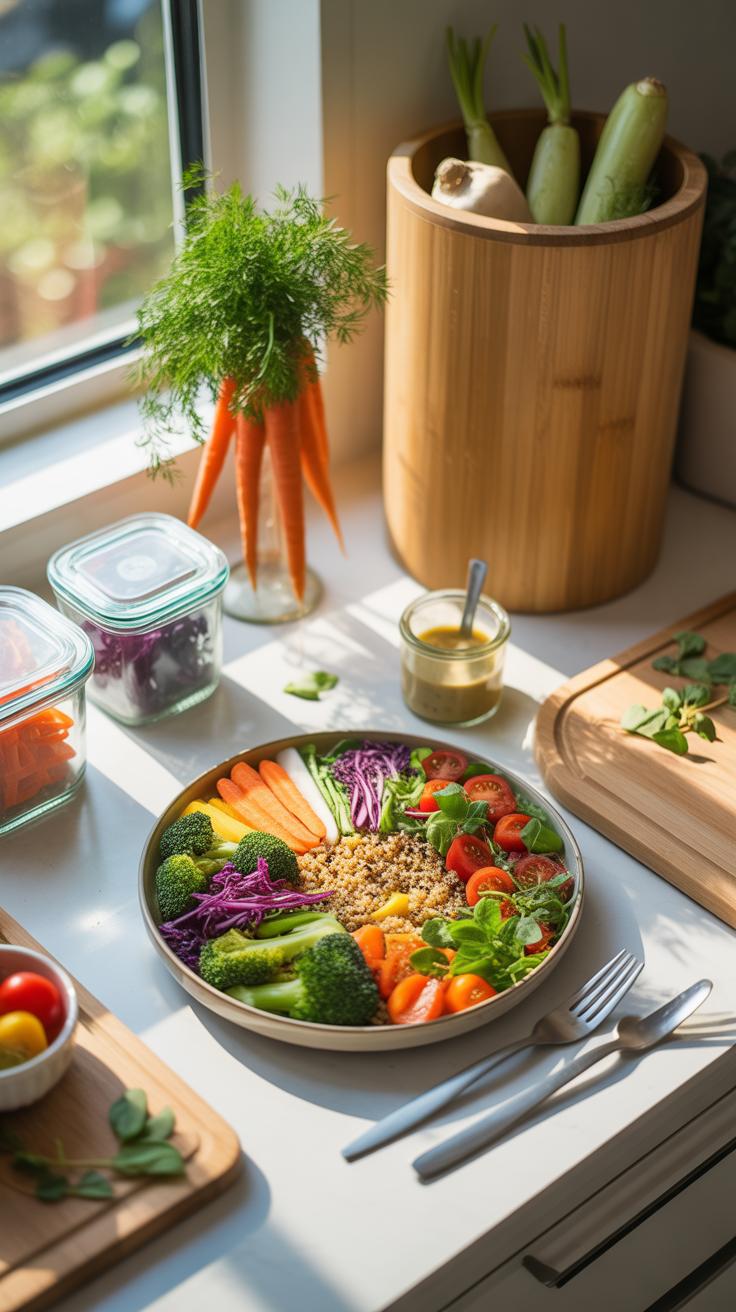
Maximize every ingredient by rethinking what constitutes trash. Stems from greens like kale or chard provide crunch when sauteed. Broccoli stalks contain the same nutrients as florets. Peel the tough outer layer and slice the core for stir fries. Save onion ends, carrot peels, and celery tops in a freezer bag. Boil these scraps later to create a custom vegetable stock for future soups.
Root to stem cooking reduces your grocery bill and trash output. Use herb stems in sauces or pestos instead of discarding them. Citrus peels add zest to dressings or flavor to water. If bread goes stale, toast it for croutons or grind it into breadcrumbs. Small shifts in preparation prevent the loss of usable calories. This approach turns potential waste into functional components for your next meal prep.
Proper Food Storage Methods That Keep Single Serving Recipes Fresh Longer
Correct storage extends the life of your prep and prevents early spoilage. High moisture levels cause vegetables to rot quickly. Place a dry paper towel in containers with leafy greens to absorb excess water. Store hardy vegetables like carrots in water to maintain their crisp texture. Glass containers offer airtight seals that outperform plastic. They also prevent odors from transferring between different meal components in the fridge.
Manage your freezer to handle portions you cannot eat within four days. Label every container with the date and contents to avoid mystery meals. Use flat freezer bags for sauces or grains to save space and speed up defrosting. Blanch vegetables before freezing to stop the enzymes that cause loss of flavor and color. Proper cold chain management ensures your single injections of effort last the entire week.
Best Single Serving Recipes To Anchor Your Weekly Meal Prep
Protein Packed Single Serve Meals That Reheat Well Throughout The Week
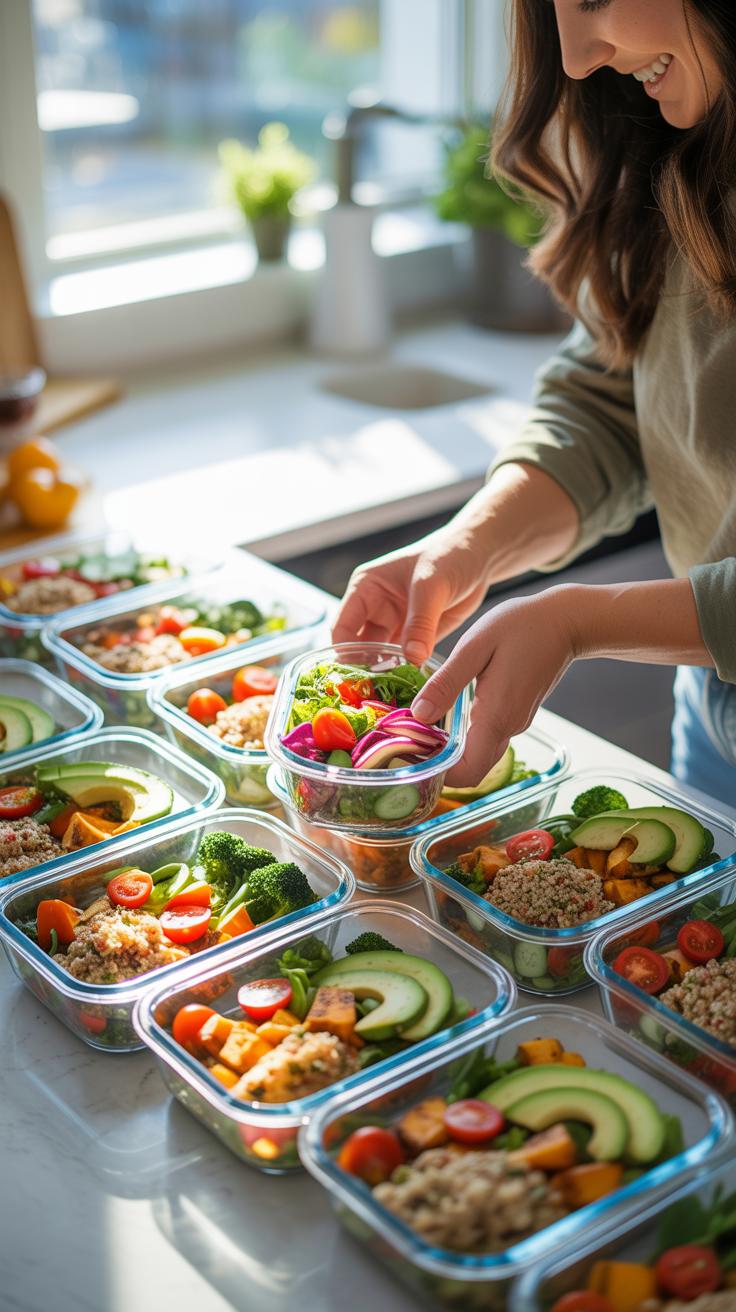
Braised meats and stews provide the best structural integrity for reheating. Lean proteins like chicken breast often dry out during a second microwave cycle. Use chicken thighs or pork shoulder instead. These cuts contain more connective tissue. This tissue breaks down into gelatin during the initial cook. It keeps the meat moist when you heat it up later in the busy week.
Glass containers are superior to plastic for storage and heating. Plastic can warp or leach chemicals under high heat. Glass maintains a neutral flavor profile. It supports even heat distribution during recovery. Portions should remain between four and six ounces of cooked protein per meal. This size ensures the center reaches safe temperatures without overcooking the outer edges. Consistent portioning prevents food waste.
Cooking for oneself is a small, quiet act of self-care that honors both the harvest and the home. There is a deep, nostalgic peace in turning every scrap into a second chance and every simple ingredient into a gift for your future self.
Plant Based And Grain Bowl Ideas That Double As Easy Meals For One
Grain bowls rely on durable bases like farro or quinoa. These grains do not turn into mush after three days in the refrigerator. Soft grains like white rice lose moisture quickly and harden. Use a ratio of two parts grain to one part fibrous vegetable. This balance provides fiber and keeps you full. Store sauces separately to prevent the base from getting soggy before consumption.
Legumes like chickpeas and black beans offer stable shelf lives and high protein. Roasted chickpeas maintain their texture better than boiled beans in prepped bowls. Add fresh greens only on the day you eat the meal. Heavy cruciferous vegetables like roasted broccoli or charred cabbage hold up well for four days. These choices minimize the risk of expensive produce rotting in your crisper drawer.
Easy Dinners For One You Can Prep In Under 30 Minutes
Weeknight Dinner Prep Strategies That Fit A Busy Solo Schedule
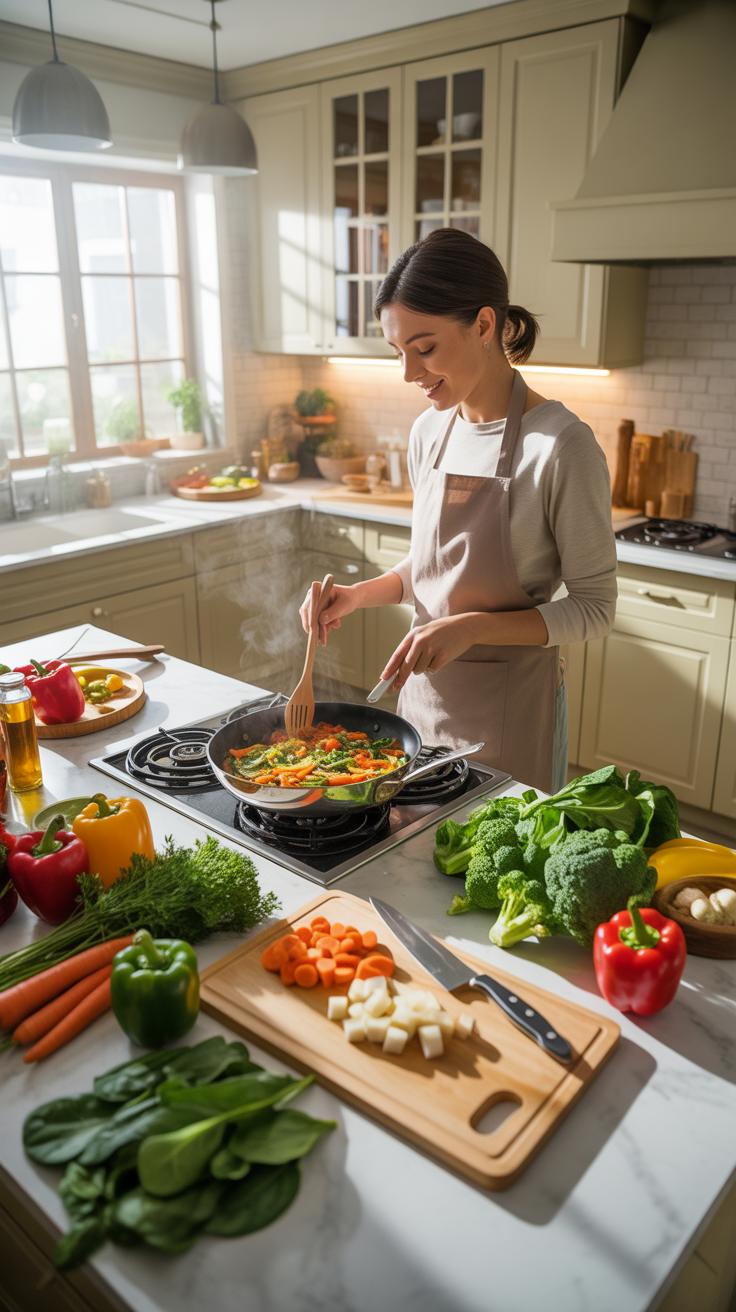
Solo prep requires a focus on speed and minimal cleanup. Traditional meal prep often wastes hours on Sundays. Instead, use the 15-minute buffer strategy after you get home. Chop vegetables for two nights at once. Wash all greens immediately after purchase. These small actions reduce the mental load during the work week. You avoid the decision fatigue that leads to expensive takeout orders.
Focus on high-heat cooking methods like sautéing or broiling. A cast iron skillet transfers heat faster than glass bakeware. Thinly sliced proteins cook in less than five minutes. Keep a stock of quick-cooking grains like couscous or parboiled rice. These bases hydrate in minutes and require zero active attention. This approach ensures you spend more time eating than standing over a hot stove or cleaning multiple pans.
How Batch Cooking One Base Ingredient Creates Multiple Easy Dinners For One
Batch cooking for one person does not mean eating the same meal five times. Cook one large portion of a neutral protein or starch. Roast three pounds of chicken thighs or boil a large pot of quinoa. Use these components as building blocks for different flavor profiles. This tactic prevents palate fatigue while utilizing bulk pricing at the grocery store. You save money and reduce food waste by using every ounce.
Transform your base ingredient using distinct sauces and textures. Turn roasted chicken into tacos with lime and cilantro on Monday. Toss that same chicken with pesto and pasta on Tuesday. Use the remaining portion in a cold salad with vinaigrette on Wednesday. This method keeps your kitchen time under ten minutes for the actual assembly. You maintain variety without the need to cook from scratch every single night of the week.
Scaling Recipes Down Turning Easy Meals For Two Into Perfect Solo Portions
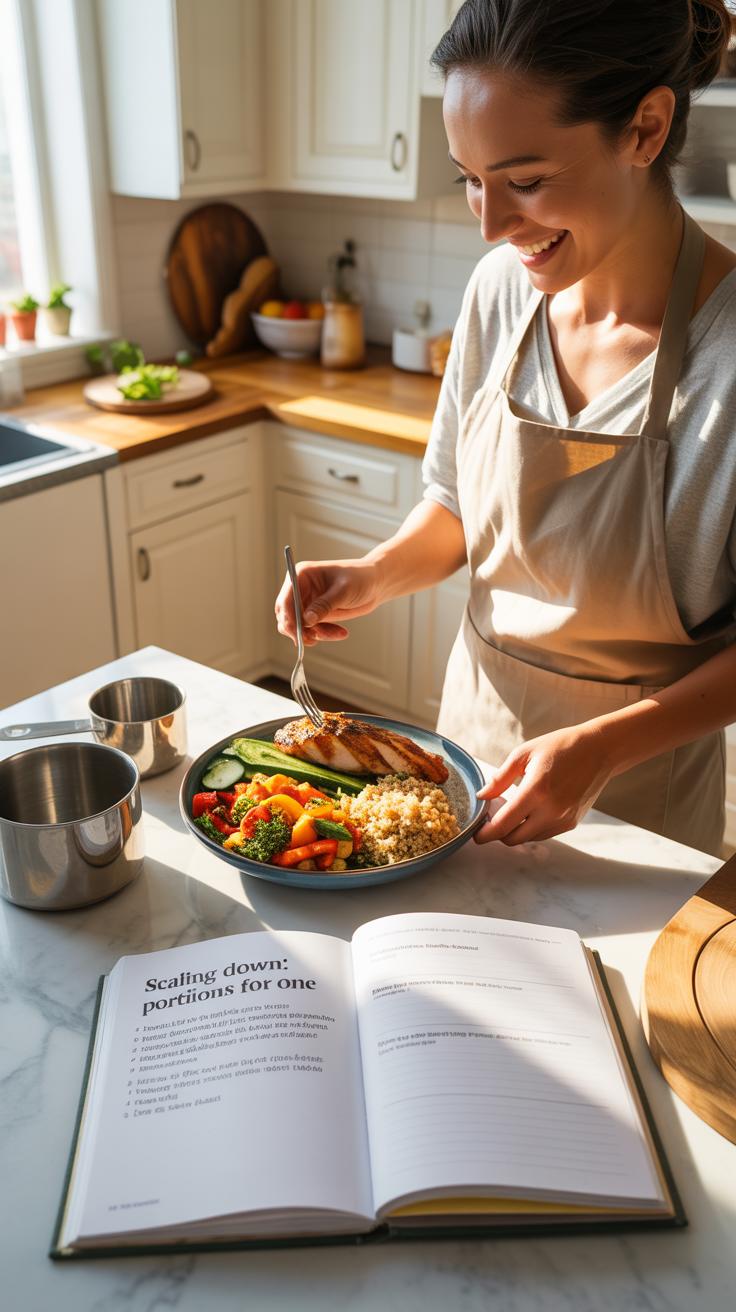
A Practical Guide To Halving Recipes Without Losing Flavor Or Texture
Standard recipes use large pans and high heat. Halving these recipes changes how heat moves through your food. You must use smaller vessels like a six-inch skillet or a one-quart saucepan to prevent moisture from evaporating too quickly. Large pans cause thin layers of liquid to burner or disappear. Smaller pans keep the surface area proportional to your ingredients for consistent results.
Timing is the most critical variable when you cut a recipe in half. Food cooks faster because there is less mass to heat up. Check for doneness five to ten minutes earlier than the original instructions suggest. Use a meat thermometer to ensure accuracy instead of relying on the clock. Precise measurements and temperature control prevent dry meat and mushy vegetables in solo portions.
Common Scaling Mistakes To Avoid When Adapting Easy Meals For Two Into One
Many solo cooks fail because they do not adjust their seasonings or pan sizes. Scaling down is more complex than just dividing every ingredient by two. You must account for physics and chemistry changes in the pan. Small portions lose heat faster but also overcook more easily if you do not pay attention. Effective scaling requires a tactical approach to heat and volume.
- Over-seasoning: Salt and potent spices do not always scale linearly. Adding half the salt to half the volume can sometimes taste too strong because of evaporation. Start with one-third of the spice and taste before adding more at the end.
- Incorrect Pan Size: Using a twelve-inch skillet for a single chicken breast leads to burnt drippings. The empty space in a large pan allows oils and juices to smoke and bitter. Always match your cookware size to the volume of the food.
- Egg Measurement Errors: Dividing a single egg is difficult but necessary for baking. Beat the egg in a small bowl and measure out exactly two tablespoons for a half-portion. Guessing the amount leads to rubbery textures or structural failure in your meals.
- Liquid Evaporation Rates: Liquids evaporate faster in shallow pans than in deep pots. When you halve a soup or sauce recipe, you might need slightly more than half the liquid to keep it from drying out. Monitor the moisture levels throughout the cooking process.
- Neglecting Carryover Cooking: Small portions have less thermal mass and cool down quickly after you remove them from the heat. However, they can also overcook in seconds if left in a hot pan. Transfer your food to a plate immediately after it reaches the target temperature.
Avoid these errors by treating every halved recipe as a new experiment. Document what works so you do not repeat the same mistakes next time. Precision matters more when you have less room for error. Consistent results come from measuring accurately and watching the clock. Stick to these rules to ensure your single-serve meals maintain high quality and taste.
Building A Balanced Weekly Meal Plan With Easy Meals For One
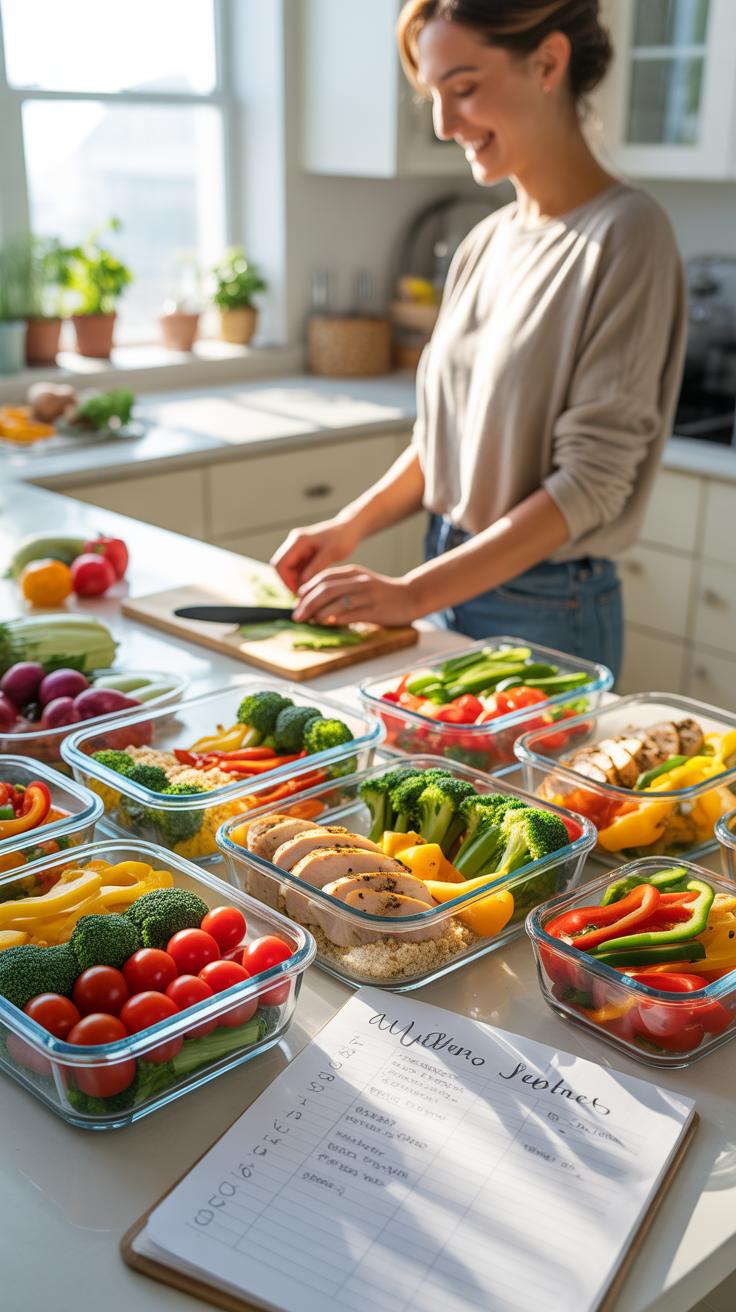
How To Structure Breakfast, Lunch, And Dinner Prep Into One Weekly Session
Efficient meal prep for one person requires a ninety minute execution window. Start by roasting dense vegetables and proteins on large sheet pans. These items form the core of your lunches and dinners. Boil a batch of eggs or grains simultaneously on the stove. This multi zone approach ensures you finish all cooking tasks at once. It eliminates mid week kitchen labor.
Focus your session on component cooking rather than finished recipes. Prepare two base grains and three distinct proteins. Wash and chop all raw greens for quick salads. Portionality is the key to success here. Store these elements in clear glass containers. This visibility helps you track inventory. It stops food waste before it begins. You now have a modular system for every meal.
Keeping Your Meal Plan Flexible So Solo Eating Never Feels Repetitive
Avoid flavor fatigue by used varied sauces and spices for each serving. One sheet pan of chicken becomes Mediterranean on Monday and Mexican on Tuesday. You use the same base ingredient but change the profile. This strategy keeps your palate engaged without extra cooking. It allows you to eat fresh flavors every day. Variety comes from assembly rather than starting from scratch each night.
Keep a rotation of dry goods to pivot your meal plan quickly. Use tortillas, pasta, or rice bowls to repurpose your prepped components. A single protein works in a wrap for lunch and a stir fry for dinner. This flexibility prevents the boredom of eating the same leftovers. It also accommodates late work nights or social changes. You maintain control over your nutrition through simple adjustments.
Staying Consistent Long Term Habits For Easy Meal Prep For One Person Healthy Living
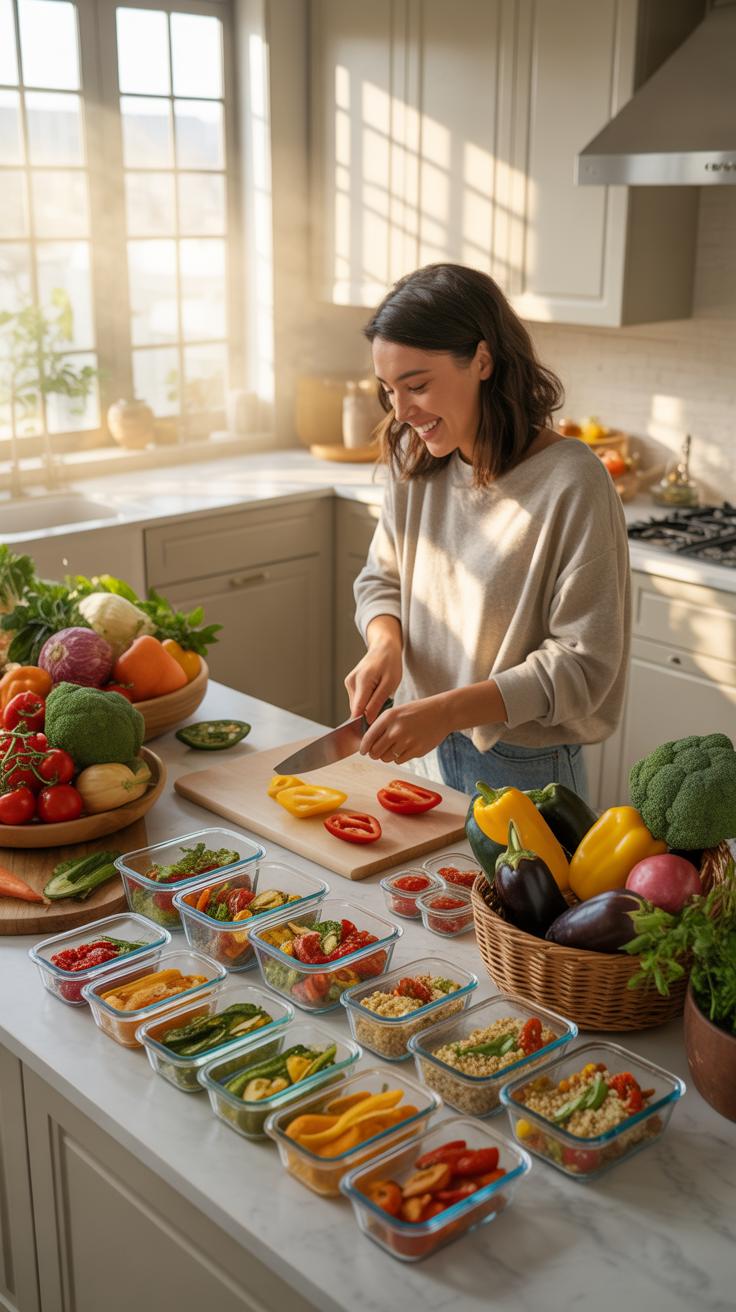
How To Build A Sustainable Solo Meal Prep Routine That Sticks Over Time
Consistency requires a fixed schedule that fits your weekly workflow. Pick one specific day for shopping and another for cooking. Batching tasks reduces cognitive load and prevents decision fatigue. Use the same base ingredients across different meals to minimize waste. This approach simplifies your inventory management. It also ensures you actually use the food you buy before it spoils.
Solo cooking fails when the process becomes a burden. Keep your kitchen tools accessible and clean. Invest in high-quality containers that stack easily to optimize fridge space. Do not attempt complex recipes during your first few weeks. Start with three familiar meals and rotate them regularly. Mastery of a simple system leads to long term adherence. Success depends on repeatable actions rather than intense effort.
Tracking Progress And Adjusting Your Approach As Your Nutritional Needs Evolve
Monitoring your energy levels and hunger patterns provides data for adjustments. Take notes on which meals leave you full and which cause midday crashes. Your body requires different fuel as your activity levels or age change. Adjust portion sizes based on these observations to maintain your health goals. Tracking prevents you from eating the same volume out of habit when your actual requirements shift.
Review your food waste monthly to identify buying errors. If you consistently toss greens or bread, buy smaller quantities or switch to frozen versions. Rotate your protein sources to prevent nutrient gaps and palate fatigue. Flexibility is the core of a lasting strategy. Refine your system every ninety days to ensure it still serves your lifestyle. Tactical pivots keep the routine efficient and effective.
Frequently Asked Questions

How do I start meal prepping if I live alone without wasting food?
Getting started with meal prep for one person begins with a “cook once, eat twice” mindset. Instead of making massive batches of a single dish, focus on prepping versatile base ingredients like roasted vegetables, grains, and proteins. This strategy allows you to mix and match components throughout the week, ensuring you enjoy flavor variety while significantly reducing the likelihood of fresh produce wilting in your refrigerator before you can use it.
What are the best ways to store individual portions to keep them fresh?
To master meal prep for one person, invest in high-quality, airtight glass containers in various sizes. For a zero-waste approach, use reusable silicone bags for snacks and glass jars for layered salads. Labeling each container with the date helps you track freshness. If you find you cannot finish a portion, most prepped meals can be frozen immediately, extending their shelf life and providing a quick “fast food” option for later.
Is it actually cheaper to meal prep for one than to buy frozen meals?
Absolutely. While frozen meals are convenient, they are often pricier per serving and come with excessive plastic packaging. Buying staples like beans, rice, and seasonal produce in bulk is much more cost-effective. By choosing versatile ingredients that work across multiple recipes, you maximize your grocery budget. You’ll save money significantly over time while enjoying healthier, home-cooked portions tailored specifically to your appetite and nutritional needs.