
What Is Meal Prep And Why It Works As An Easy Week Meal Plan
Understanding The Basics Of Meal Prepping
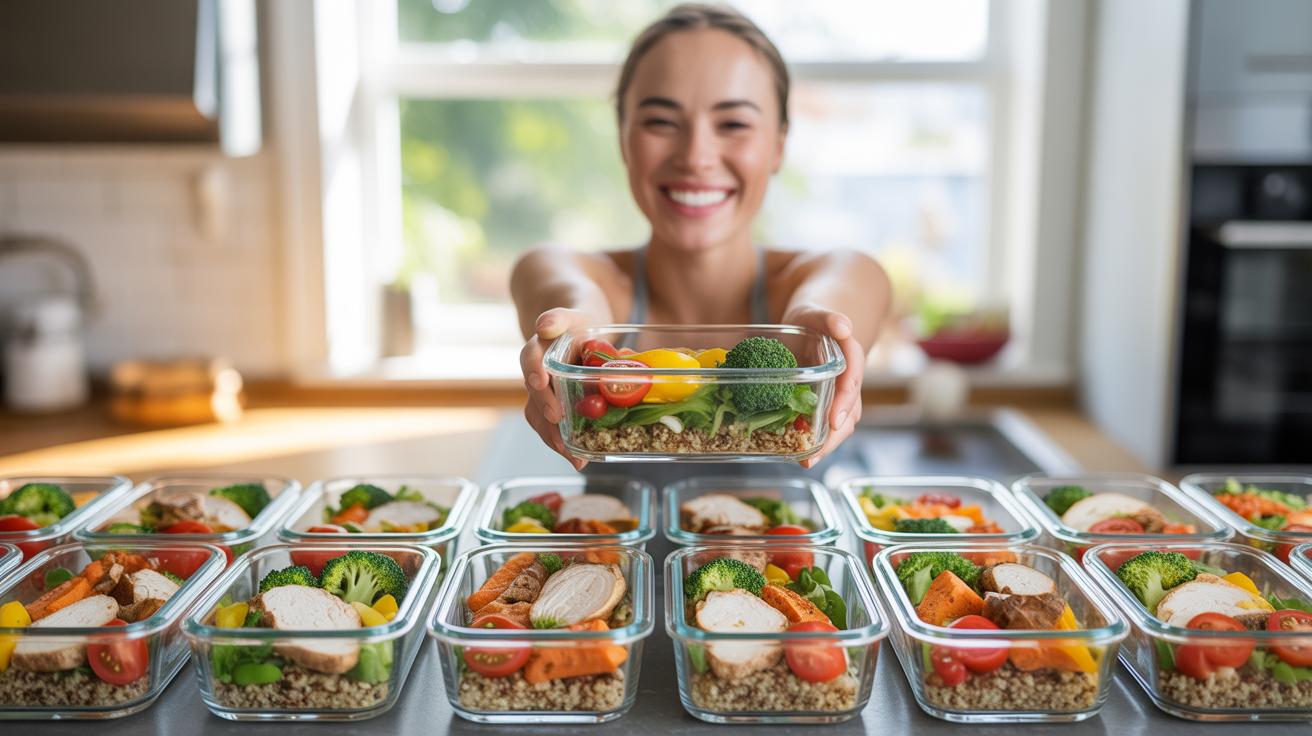
Meal prepping is the tactical process of preparing whole meals or specific ingredients ahead of schedule. This strategy eliminates daily decision fatigue regarding food. You prepare items in bulk during a single block of time. This approach ensures you have ready-to-eat options during a busy work week. It shifts your focus from reactive cooking to proactive execution. You control every ingredient in your diet.

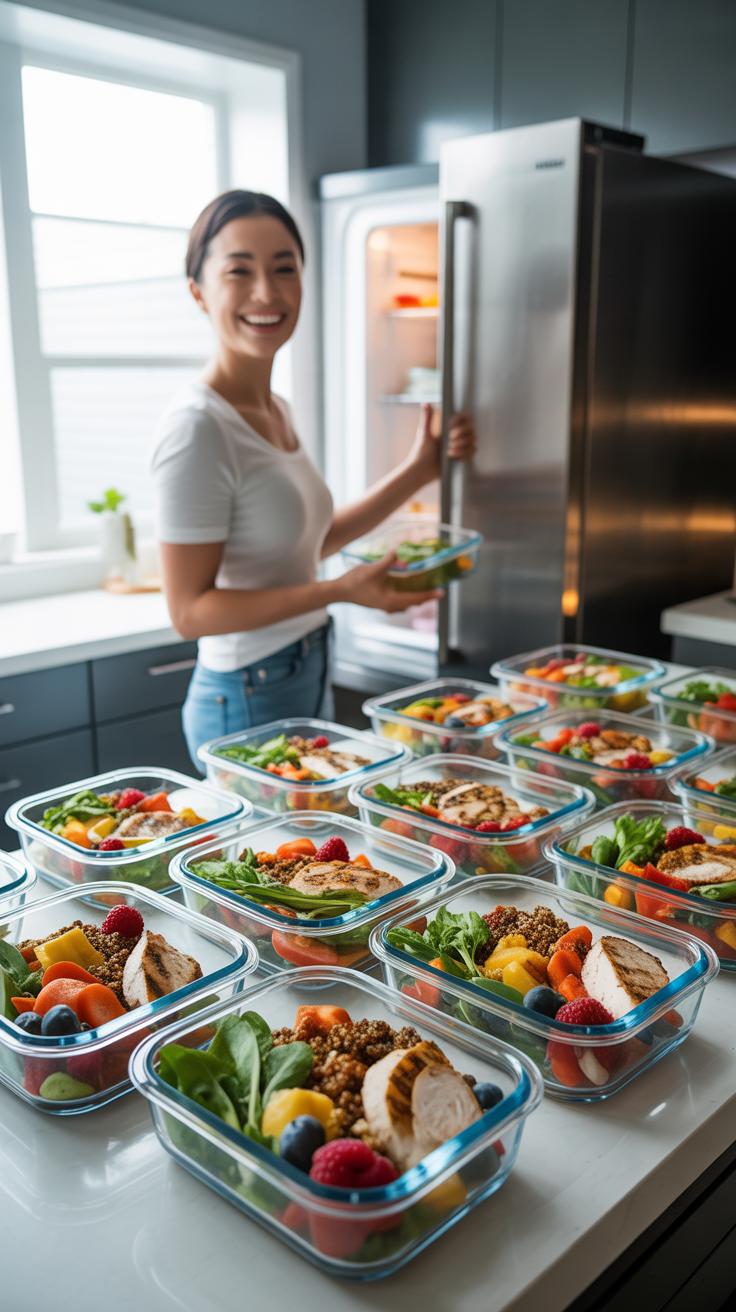
There are three primary methods for meal prepping. Buffet style involves cooking large batches of proteins, grains, and vegetables to mix later. Pre-portioned meals involve packing complete dishes into individual containers for grab-and-go access. Low-prep assembly focuses on pre-cutting raw ingredients to reduce active cooking time. Successful prepping requires functional containers and clear refrigerated storage systems. Use glass or BPA-free plastic to maintain food quality.
The Real Benefits Of Planning Your Meals One Week At A Time
A weekly meal prep guide provides a roadmap for your grocery spending. Planning seven days at once reduces impulse buys at the supermarket. You buy exactly what your recipes require. This precision lowers total food waste and cuts your monthly food budget significantly. It also protects your time on weekdays. You trade a few hours on Sunday for hours of free time every evening.

Consistency is the main driver of health results. When you plan weekly, you remove the temptation to order expensive takeout. Your nutritional intake becomes predictable and measurable. This systems-based approach ensures you hit your protein and fiber targets without effort. It transforms your kitchen into an efficient assembly line. Relying on a fixed schedule builds a sustainable habit that lasts for years.
How To Build Effective Meal Prep Plans That Actually Stick
Choosing A Meal Prep Style That Fits Your Lifestyle
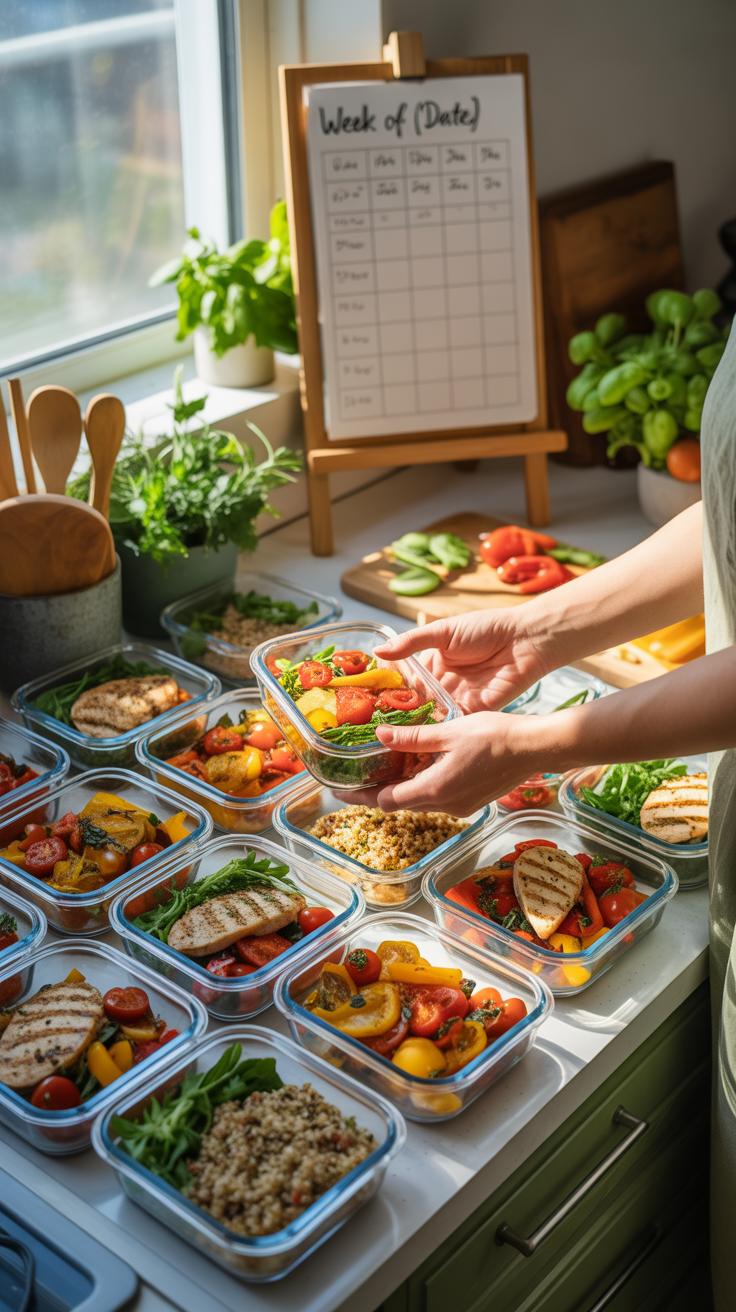
Select a method based on your available time and kitchen skills. Buffet style prep involves cooking large batches of individual components like roasted vegetables, grains, and proteins. You store these items in separate containers. This style allows for variety throughout the week. You mix and match ingredients to create different meals daily. This approach prevents meal fatigue and works well for families with different tastes.
Full meal prep involves portioning complete dishes into individual containers. This method mirrors the frozen dinner model but uses fresh ingredients. It is the most efficient choice for busy professionals who need to grab a meal and go. You spend more time upfront on a single day. However, you eliminate all decision making during the work week. Choose this style if you possess limited time for daily assembly.
Setting Realistic Goals For Your Weekly Meal Prep Routine
Success depends on honest assessments of your schedule and cooking ability. Do not attempt to prep twenty one meals during your first week. Start by prepping only lunches or just three dinners. This limited scope prevents burnout and allows you to master the workflow. Increase your volume only after you successfully complete two consecutive weeks. Tactical scaling ensures long term adherence to the new routine.
Audit your kitchen inventory before you create a shopping list. Use existing pantry staples to reduce costs and waste. Schedule your prep session for a time when you feel most energized. Most people choose Sunday afternoons for this task. Ensure you have enough airtight containers before you begin cooking. Reliable gear is just as important as the food itself. Tracking your progress helps you identify bottlenecks in your system.
Getting Started With Easy Weekly Meals For Absolute Beginners

Simple Recipes Beginners Can Prepare In Under 30 Minutes
Speed determines consistency for new meal preppers. Focus on assembly rather than complex cooking techniques. Use efficient heat sources like a skillet or air fryer to reduce active kitchen time. Choose protein sources like ground turkey or canned chickpeas that cook or heat rapidly. Simplify your seasoning by using pre-mixed spice blends. This approach minimizes decision fatigue and ensures you finish your preparation quickly.
Efficiency requires high-heat cooking methods and narrow ingredient lists. Searing thin-cut proteins such as chicken breast or shrimp takes less than ten minutes. Steaming vegetables in the microwave or a single pan preserves nutrients and saves cleanup time. Avoid recipes that require multiple pots or long simmering periods. Tactical preparation means selecting dishes where you can cook one large batch and distribute it into separate containers immediately.
How To Build Balanced Easy Weekly Meals Around Whole Foods
Structure every meal around a primary protein, a fiber-rich vegetable, and a complex carbohydrate. This framework ensures caloric density and nutritional balance without needing a formal recipe. Use authentic whole foods like brown rice, sweet potatoes, and cruciferous vegetables. These ingredients provide sustained energy levels and keep you full longer. Avoid processed fillers that add empty calories and spike insulin levels during your busy work week.
Historical nutrition standards emphasize the plate method for simple scaling. Devote half your container to non-starchy vegetables to increase volume and fiber. Fill one quarter with a lean protein to support muscle maintenance. Use the final quarter for a whole grain or starchy tuber to fuel brain function. This repeatable ratio eliminates the need for calorie counting. It allows you to swap ingredients easily based on seasonal availability.
How To Use A Meal Planner Template To Organize Your Week
What To Include In Your Weekly Meal Planner Template
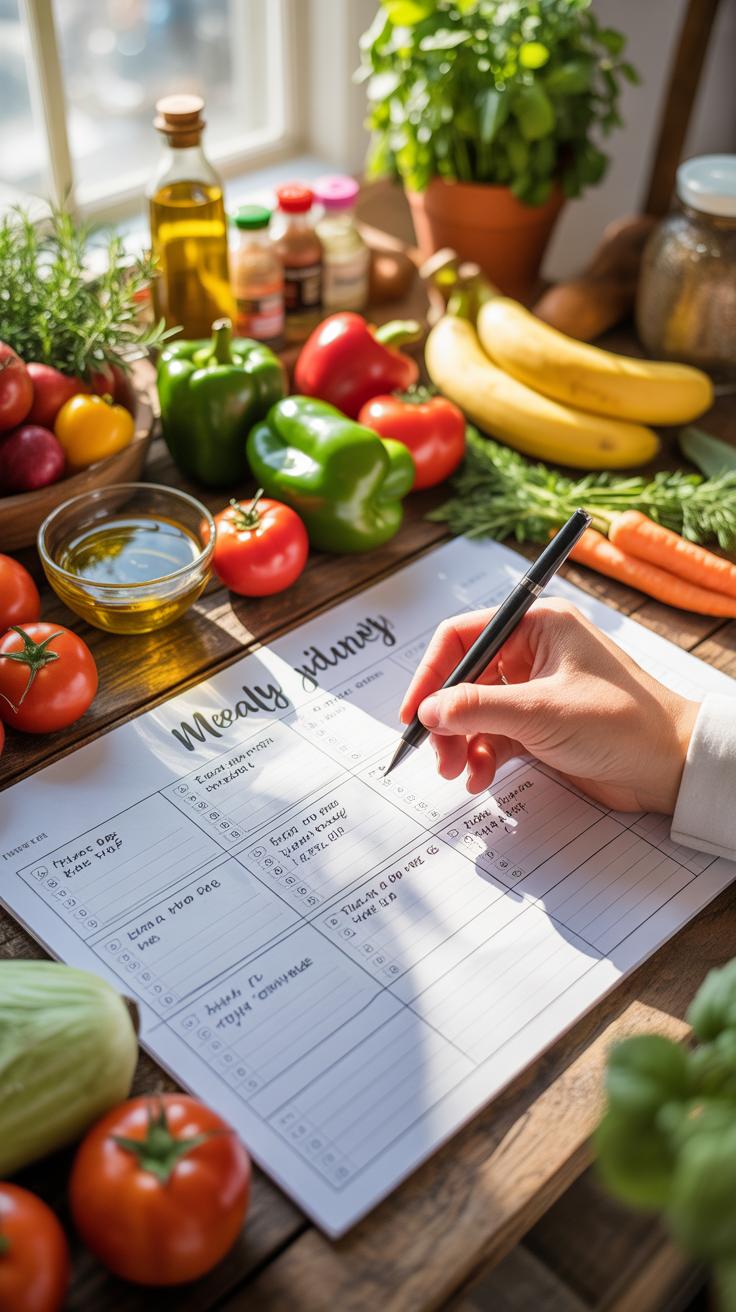
A functional meal planner template must track every eating occasion. You must include columns for breakfast, lunch, dinner, and snacks. This layout prevents gaps in your caloric intake. A dedicated space for a grocery list is also vital. Linking meals to specific ingredients ensures you buy only what you need. This tactical approach turns your template into a master control document for the entire week.
Your template must designate a specific day for preparation. Label this section to hold yourself accountable to the schedule. Tracking your current inventory within the template prevents duplicate purchases. List proteins, grains, and frozen vegetables already in your pantry. Use these existing items to anchor your recipes. This strategy maximizes your resources. It simplifies your shopping trip and keeps your prep sessions focused and efficient.
How A Meal Planner Template Reduces Decision Fatigue And Food Waste
Decision fatigue occurs when you make too many choices in one day. By choosing your meals on Sunday, you eliminate small daily stresses. You no longer wonder what to cook after a long workday. Your template provides the answer immediately. This psychological hack preserves your mental energy for more important tasks. You follow a preset plan rather than reacting to hunger or impulses.
Food waste happens when you buy ingredients without a clear purpose. A meal planner forces you to assign every vegetable and protein to a specific dish. This ensures the food leaves the fridge and reaches your plate. You stop throwing away wilted greens and expired meats at the end of the week. Precise planning leads to significant cost savings. You optimize your budget and maintain a lean, efficient kitchen.
A Step By Step Approach To Meal Prep For The Week
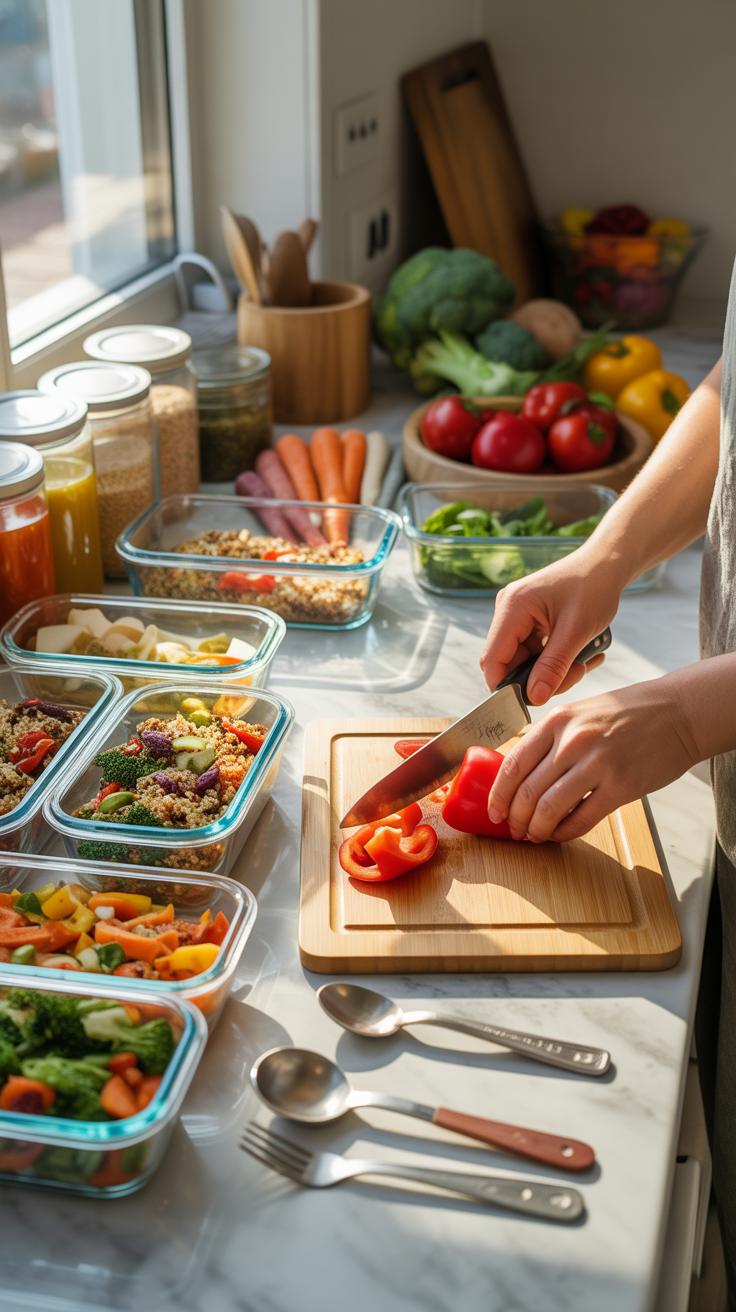
How To Pick One Prep Day And Make The Most Of It
Sunday is the industry standard for meal prep because it precedes the traditional work week. Consistency reduces metabolic decision fatigue and ensures high compliance with your nutritional goals. You must block three hours for this task. Treat this window as a non-negotiable appointment. Successful prep requires a clear start and end time to prevent the process from dragging into your evening.
Efficiency depends on your ability to group tasks by heat source and equipment. Use your oven for large batches of proteins while the stovetop handles grains and legumes. This parallel processing cuts total kitchen time by half. Clean your workspace as you go to maintain order. A cluttered kitchen slows your physical movement and increases the risk of cross-contamination or cooking errors during the process.
Essential Steps To Efficiently Prep Meals For The Entire Week
Start with a clean kitchen and sharp knives to ensure safety and speed. Organize all ingredients through the mise en place method before turning on any appliances. This prevents the common mistake of stopping to find a tool while food burns. Group your ingredients by cook time rather than by meal. This strategy maximizes your throughput and keeps your workflow moving forward.
- Inventory Check: Audit your pantry and refrigerator before you shop. This prevents overbuying perishable items that lead to financial waste. Use a digital list to track staples like oils, spices, and grains that you already own.
- Aggressive Pre-Chopping: Process all vegetables at once to minimize knife work later. Cut onions, peppers, and hardy greens into uniform sizes for even cooking. Store these in airtight containers if they are not going directly into a pan or a roasting tray.
- Batch Cooking Grains: Prepare large quantities of rice, quinoa, or oats in a single pot or pressure cooker. Grains serve as a versatile base for multiple dishes throughout the week. Properly cooled grains stay fresh for four to five days when stored correctly.
- Simultaneous Roasting: Use multiple sheet pans to roast different proteins and vegetables at the same temperature. Place items with longer cook times, like potatoes, on one side and quicker items on the other. This technique uses your oven volume to its maximum capacity.
- Portion Control: Divide your cooked food into individual containers immediately after cooling. Use a kitchen scale for precision if you are tracking specific macronutrients. Label each container with the date and contents to ensure you rotate your stock and maintain food safety.
Seal every container tightly to prevent oxidation and moisture loss. Place the meals for the first three days in the refrigerator and freeze the remaining portions if necessary. Proper cooling prevents bacterial growth and keeps textures firm. Use clear glass or plastic containers so you can easily identify your meals. This visual cue helps you stay committed to your plan when hunger hits.
Student Meal Prep Ideas That Are Budget Friendly And Nutritious
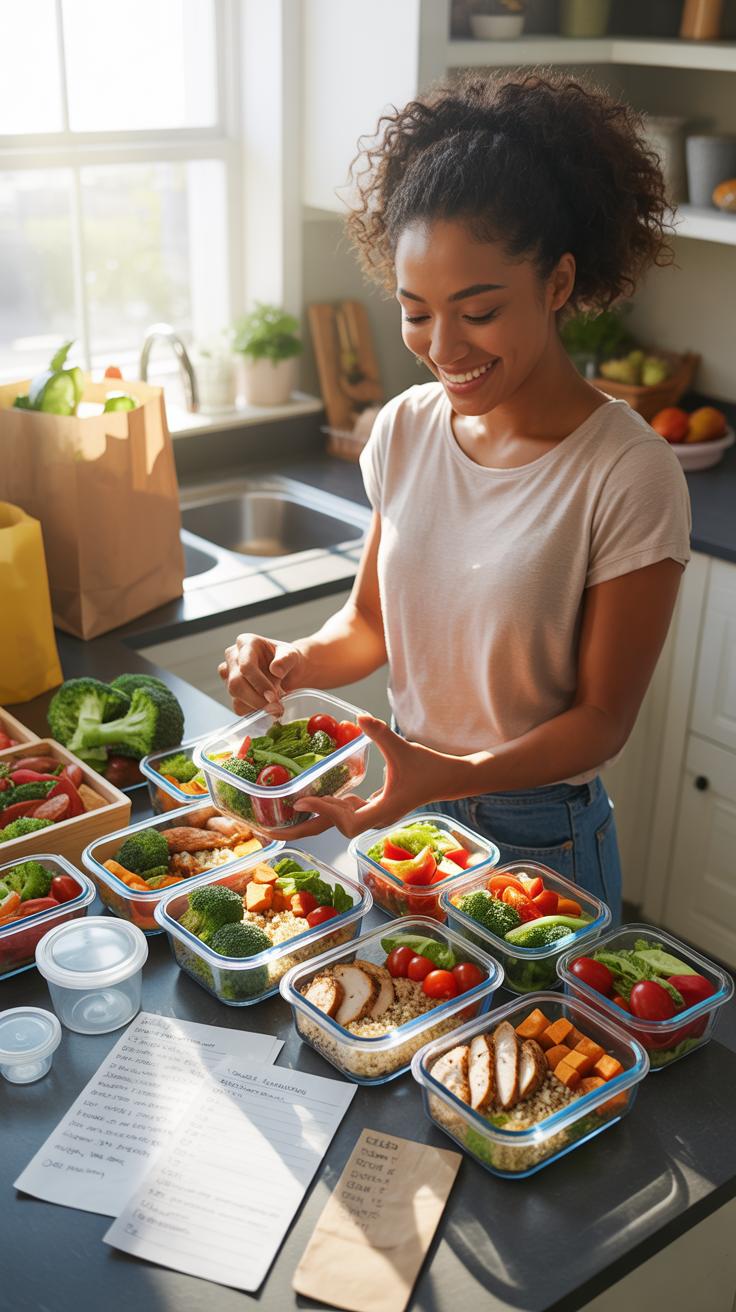
Affordable Ingredients Every Student Should Keep In Their Kitchen
Smart students prioritize shelf-stable items to minimize waste and maximize caloric value per dollar. Buying in bulk reduces the unit price of essential carbohydrates and proteins significantly. Focus on versatile foundations that adapt to various cuisines and flavor profiles. This strategy ensures you always have the components for a complete meal even when your fresh produce runs low before your next grocery trip.
- Dried Beans and Lentils: These provide high protein and fiber for pennies per serving. They store for years and serve as a reliable meat alternative in stews or salads.
- Brown Rice and Oats: Bulk grains offer complex carbohydrates for sustained energy during long study sessions. These staples are cheaper and healthier than processed cereal or pre-packaged microwave rice pouches.
- Frozen Vegetables: Flash-frozen produce retains more nutrients than canned options and prevents rot-related waste. Use these to add volume and essential vitamins to stir-fries, pastas, or morning egg scrambles quickly.
- Eggs: This low-cost protein source is incredibly versatile for any meal of the day. Hard-boil a batch for snacks or fry them to top a grain bowl for added healthy fats.
- Canned Tuna or Sardines: These offer shelf-stable omega-3 fatty acids and lean protein without requiring refrigeration until opened. They work well for quick sandwiches or as a protein boost for boxed pasta dishes.
Inventory management prevents overspending on impulse buys or redundant items. Keep a list of these core ingredients to ensure your kitchen remains functional and cost-effective. These items require minimal cooking skills but provide the building blocks for hundreds of different recipes. Relying on these basics helps maintain a consistent nutritional baseline while keeping your weekly food budget under strict control during the semester.
How Students Can Prep A Full Week Of Meals In Two Hours Or Less
Efficiency in the kitchen requires a factory mindset and simultaneous task execution. Use every heating element available to cut down on total active time. Start by roasting a large tray of vegetables and proteins in the oven at a high temperature. While the oven works, boil a large pot of water for grains or pasta on the stove. This multi-tasking approach eliminates the bottleneck of waiting for individual components.
Standardization simplifies the portioning process and reduces decision fatigue during busy weekdays. Use identical containers to ensure even portions and easy stacking in a small dormitory fridge. Group your tasks by action such as washing, chopping, and then cooking. This assembly line method minimizes tool cleanup and keeps your workspace organized. Rapid meal prep allows you to reclaim your weekend time while ensuring you eat well throughout the week.
The Right Way To Prep Healthy Meals Without Losing Flavor
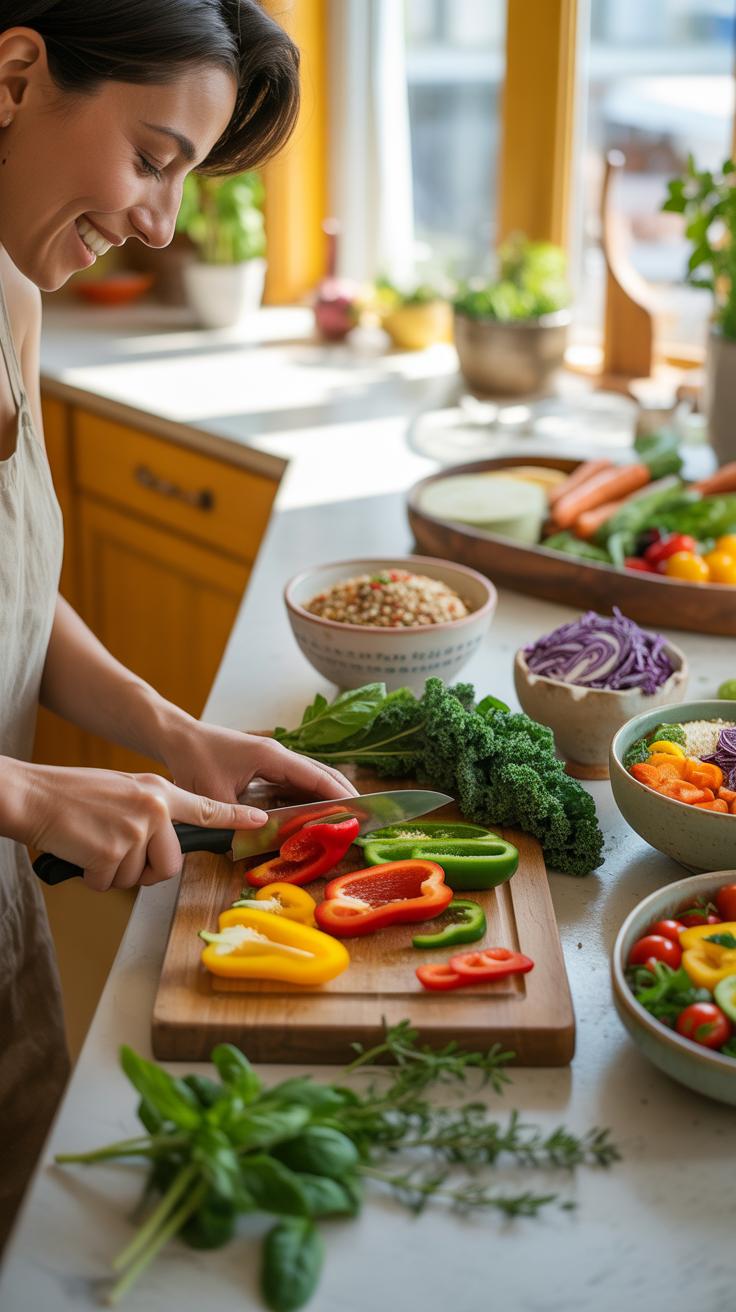
How To Season And Store Prepped Meals So They Taste Fresh All Week
Proper seasoning requires heat management and timing. Do not add fresh herbs during the cooking phase if you plan to reheat the meal later. High heat destroys delicate oils in cilantro and parsley. Use dry spices during cooking to build a flavor base. Add fresh elements and acidic brighteners like lemon juice or vinegar only when you are ready to eat.
Storage kills flavor through oxidation and moisture loss. Use airtight glass containers to prevent plastic chemical leaching and odor retention. Cool your food to room temperature before sealing the lid to avoid trapped steam. Excessive steam turns vegetables into mush during storage. Keep sauces in separate small containers. Adding sauce right before consumption prevents grains and proteins from becoming soggy over several days.
The most indispensable ingredient of all good home cooking is love for those you are catering for. Taking the time to prepare your meals for the week is simply a way of making sure that love is waiting for you at the end of every day.
Balancing Macronutrients When You Prep Healthy Meals In Batches
Systematic meal prep relies on the three pillar strategy of proteins, carbohydrates, and fats. Each container must hold a specific ratio to maintain energy levels. Aim for one portion of lean protein, one portion of complex carbohydrates, and two portions of fibrous vegetables. This structure ensures nutritional density and satiety. Use a digital scale for accuracy during the initial portioning phase to avoid caloric creep.
Macro stability changes during the cooling and reheating process. Starchy carbohydrates like potatoes and rice develop resistant starch when cooled, which lowers their glycemic index. High quality fats like olive oil or avocado should remain raw. Add these fats after reheating to preserve their chemical structure and nutritional value. Batch cooking works best when you keep each component separate until you finalise the daily assembly.
How To Pack Easy Cheap Healthy Lunches For Work Or School

Lunch Prep Ideas That Cost Less Than Five Dollars Per Serving
Focus on legumes and grains to drive costs down. Dried beans and brown rice offer high fiber and protein for pennies per serving. Buy these items in bulk to reduce the unit price. Root vegetables like carrots and sweet potatoes provide essential nutrients and stay fresh for weeks. These base ingredients create a stable foundation for any low cost meal plan.
Rotate proteins based on market sales to stay under budget. Chicken thighs cost less than breasts and contain more flavor. Canned tuna and eggs deliver high quality protein without a high price tag. Use frozen vegetables to avoid waste from spoilage. These frozen options retain nutrients and cost less than fresh out of season produce. Strategic shopping ensures your lunch stays healthy and cheap.
How To Keep Easy Cheap Healthy Lunches Fresh And Safe To Eat
Maintain food safety by using airtight glass or BPA free plastic containers. These seals prevent bacteria growth and keep food from drying out. Store cold items at or below forty degrees Fahrenheit. Use insulated bags with ice packs if a refrigerator is not available at your destination. Proper temperature control is the only way to prevent foodborne illness during the workday.
Follow the four day rule for refrigerated leftovers. Consume or freeze prepped meals within ninety six hours to ensure quality and safety. Reheat solid foods to an internal temperature of one hundred sixty five degrees Fahrenheit. Use a food thermometer to verify this temperature. Proper heating kills pathogens that may have developed. Consistent storage habits protect your health and preserve the texture of your food.
Healthy Eating Plan Tips To Keep Your Meal Prep Consistent
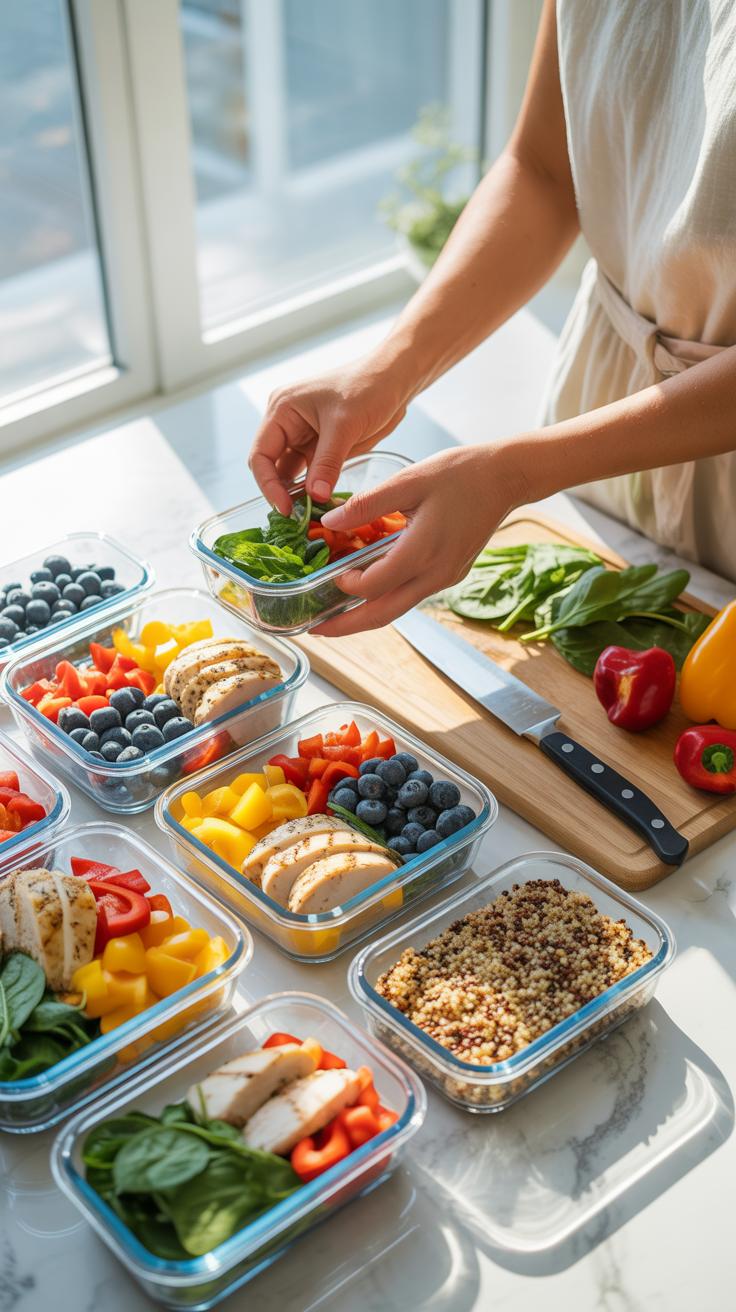
How To Avoid Meal Prep Burnout And Stay Motivated Long Term
Meal prep failure stems from overcomplication. Beginners often try to cook five new recipes in one session. This leads to physical exhaustion and decision fatigue. Limit yourself to one new recipe per week. Use familiar staples for the remaining meals. This approach reduces cognitive load. It keeps your kitchen time under two hours. Efficiency is the only way to ensure you repeat the process next Sunday.
Burnout also happens when you eat the same meal five days straight. Use component prepping to maintain variety without extra work. Roast a large batch of chicken but use different sauces each day. Change your greens or grains to keep the palate engaged. If you feel bored, you will quit. Treat meal prep as a structural foundation. It is not a cage. Flexibility within your system prevents total plan abandonment.
Adjusting Your Healthy Eating Plan Tips As Your Goals Evolve
Your nutritional needs change as your activity levels or body composition shift. A plan designed for weight loss will not support heavy strength training. Review your caloric and macronutrient requirements every four weeks. Adjust your portion sizes in your containers accordingly. Increase protein intake if you start lifting weights. Decrease dense carbohydrates if your daily movement drops. Data must drive these specific adjustments to ensure continued progress.
Seasonality affects both food cost and nutrient density. Update your ingredient list to match what is available at local markets. Winter shifts toward root vegetables and stews. Summer favors fresh greens and grilled proteins. This rotation saves money and prevents flavor fatigue. Monitor your energy levels and digestion after eating. If a specific food no longer serves your current physical state, remove it. Constant optimization keeps the plan relevant.
Essential Kitchen Tools And Storage Gear For Your Weekly Meal Prep Guide
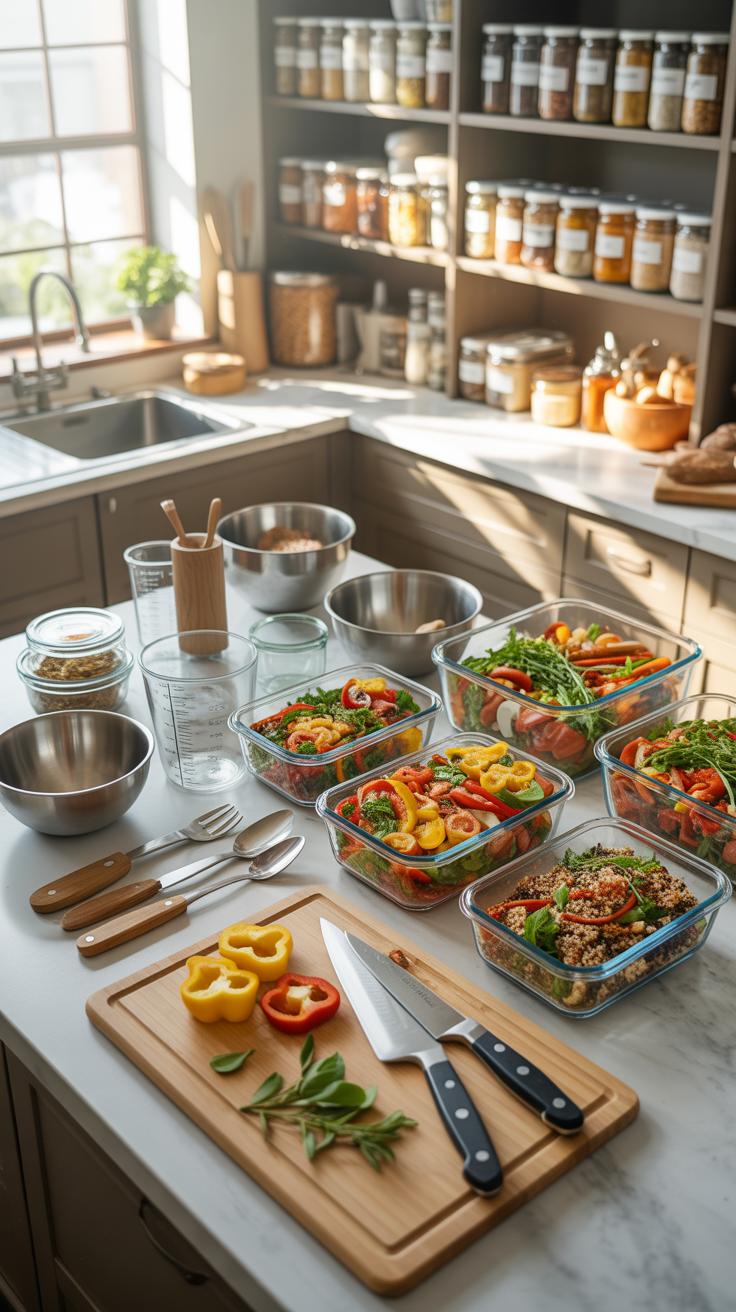
The Best Containers And Equipment To Streamline Your Prep Sessions
Efficiency starts with high quality gear. Use tempered glass containers because they resist stains and odors better than plastic alternatives. Borosilicate glass handles extreme temperature changes from the freezer to the oven without cracking. Invest in containers with airtight locking lids to prevent leaks and oxidation. Stackable designs save vital shelf space. Uniform sizes make portion control easier for every meal you plan.
Sharp knives reduce prep time and prevent accidents. A heavy chef knife and a serrated blade handle most vegetables and proteins. Use large wooden or high density plastic cutting boards to provide ample workspace. High speed blenders and food processors automate chopping and blending tasks. A digital kitchen scale ensures accurate ingredient measurements. These tools eliminate friction and help you maintain a consistent kitchen routine.
Food Safety And Proper Storage Timelines Every Beginner Must Know
Bacteria grow rapidly between 40 and 140 degrees Fahrenheit. Cool your cooked food quickly before sealing it in containers. Store most cooked proteins and vegetables for no more than four days in the refrigerator. Use the top shelves for ready to eat foods and the bottom shelves for raw items. This organization prevents cross contamination. Label every container with the date you prepared the food.
Freezing extends your food shelf life for several months. Use freezer safe bags or vacuum sealers to remove air and prevent freezer burn. Thaw frozen meals in the refrigerator instead of on the counter to keep temperatures safe. Reheat leftovers to an internal temperature of 165 degrees Fahrenheit. Following these protocols ensures your meals remain safe to eat. Proper storage protects your health and your financial investment.
Frequently Asked Questions

How do I start meal prepping if I have never done it before?
Starting your journey is easier than you think! The best way to begin is by choosing just one meal type, such as lunches, to focus on for the upcoming week. This weekly meal prep guide recommends starting with simple recipes that use overlapping ingredients to keep things manageable. By mastering the basics first, you will build the confidence needed to eventually prepare an entire week of nutritious, home-cooked food.
What are the best containers to use for storing prepared meals?
For a successful weekly meal prep guide experience, investing in high-quality, airtight containers is essential. Glass containers are a favorite because they are microwave-safe, eco-friendly, and keep food fresher for longer periods. If you prefer lightweight options, choose BPA-free plastic containers with secure, locking lids. Having a variety of sizes helps you portion out your proteins, grains, and vegetables properly, making your grab-and-go mornings completely stress-free and organized.
Is it possible to meal prep on a very tight budget?
Absolutely! Meal prepping is actually one of the most effective ways to save money on your grocery bill. To keep costs low, focus on purchasing versatile staples like beans, rice, oats, and seasonal produce in bulk. Plan your menu around what is already in your pantry and shop with a strict list to avoid impulse buys. Preparing your own meals at home prevents expensive takeout orders and significantly reduces unnecessary food waste.