
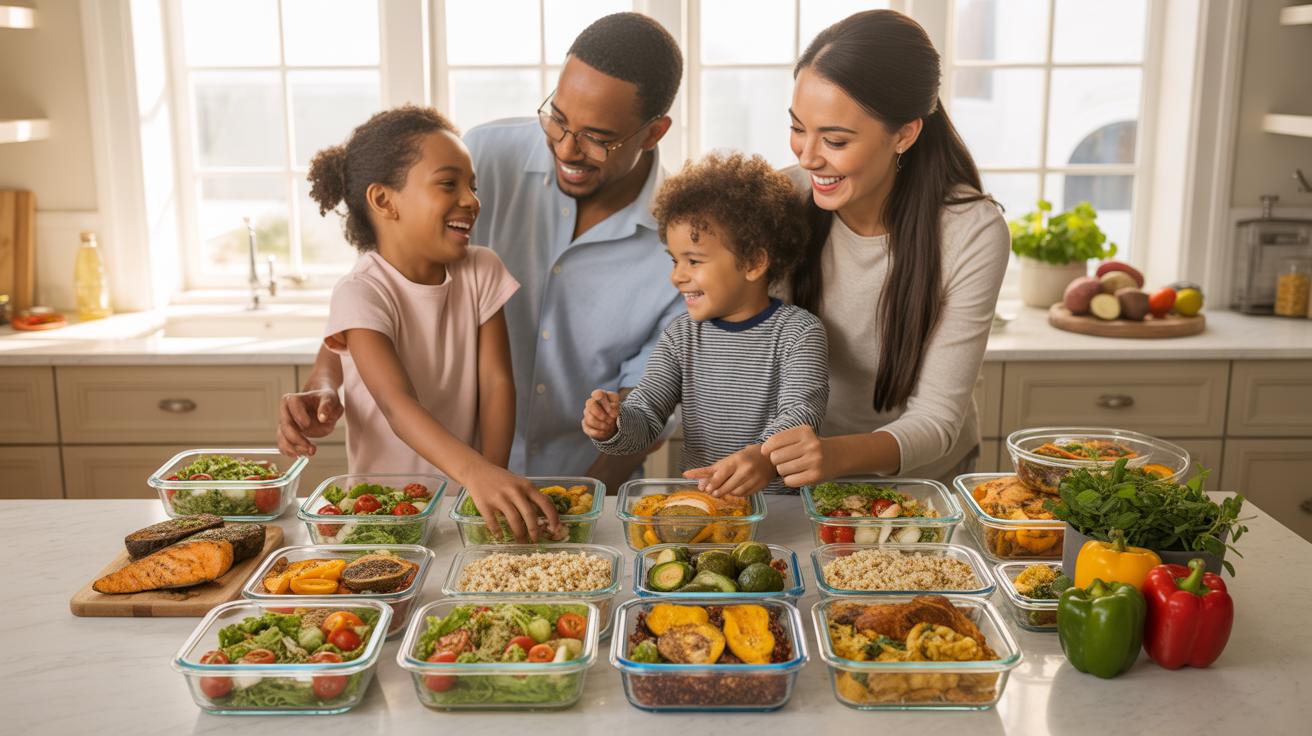
Why Meal Prep For Families Is A Game Changer For Busy Households

The Real Cost Of Not Planning Your Familys Meals Each Week
Lack of a weekly plan forces reactive spending. Families without a menu often rely on last minute grocery runs or expensive takeout services. These choices increase food costs by thirty to fifty percent due to premium pricing and delivery fees. Impulse buying also leads to excessive food waste. You buy ingredients you never use. This waste drains your monthly budget without providing any nutritional value.

Unplanned meals also damage your schedule. Deciding what to eat at six PM creates decision fatigue for parents. This delay pushes back bedtimes and homework hours. It ruins the evening routine. Planning eliminates these middle of the road choices. You secure your budget by buying only what the recipe requires. Strategic shopping turns food from a variable expense into a fixed and predictable cost for your household.
How Batch Cooking Reduces Stress And Saves Time On Weeknights
Batch cooking consolidates your kitchen labor into one block of time. You wash, chop, and cook all your proteins and vegetables at once. This approach removes the need for daily cleanup of pots and pans. You do the hard work on a Sunday so your Tuesday is simple. Efficiency increases when you handle large quantities of food. It reduces the total minutes spent in the kitchen.

This method also prevents the high stress of the evening rush. You no longer face the stove while tired from work. Prepped meals only require heating or quick assembly. This speed allows for more family time and less labor. Execution is the key to consistency. By removing the physical barrier of cooking every single night, you ensure your family eats healthy food. Your kitchen becomes a high performance tool.
How To Build A Realistic 100 Weekly Grocery Budget For A Family Of Four

Breaking Down The $100 Budget: What To Spend On Proteins, Produce, And Pantry Staples
A lean budget requires strict allocation across three main categories. Allocate thirty dollars to proteins by focusing on eggs, beans, and bulk chicken thighs. Spend twenty five dollars on seasonal produce and frozen vegetables to ensure nutrition without high costs. The remaining forty five dollars covers grains, dairy, and oils. This distribution ensures you have the necessary calories and nutrients to fuel four people for seven full days.
Prioritize dry goods like rice, oats, and pasta to provide the bulk of your caloric intake. Purchase these items in large quantities to lower the price per ounce. Limit expensive snacks and processed foods that drain the budget without providing lasting energy. Stick to high yield items that allow for multiple meal iterations. This disciplined spending strategy prevents mid week shortages and keeps the total bill under the hundred dollar limit.
The most indispensable ingredient of all home cooking is love for those you are cooking for. A simple meal shared together is where the heart truly finds its home.
Smart Shopping Habits That Stretch Every Dollar At The Grocery Store
Successful shoppers use store brands and discount retailers to reduce costs. Generic labels offer the same nutritional value as name brands for a fraction of the price. Check bottom shelves where stores place lower cost items. Shop from a specific list based on your inventory to avoid impulse buys. These small shifts in physical movement within the store prevent unnecessary spending on high margin marketing traps.
Timing and location impact the final total at the register. Visit the store during early morning hours to find meat markdowns and clearance produce. Compare unit prices instead of total prices to find the best deal on bulk staples. Use loyalty programs only for additional savings on items already on your list. Tactical shopping requires ignoring flashy displays and focusing strictly on the raw ingredients needed for your weekly meal plan.
Healthy Meal Preparation Ideas That The Whole Family Will Actually Eat

Choosing Family Friendly Recipes That Balance Nutrition And Flavor
Effective meal prep for families requires recipes with high crossover appeal. Prioritize dishes that use a single protein source in multiple ways throughout the week. Choose base ingredients that provide dense nutrition without polarizing flavors. Focus on whole grains, lean meats, and root vegetables. These items withstand refrigeration and reheating better than delicate greens. Consistent texture matters as much as taste when feeding children and adults together.
Prioritize recipes that utilize dry heat cooking methods like roasting or air frying. These techniques trigger the Maillard reaction to enhance flavor without expensive seasonings. Avoid complex sauces that mask the natural taste of fresh ingredients. Simple combinations of salt, pepper, and olive oil provide a neutral foundation. This strategy keeps costs low and ensures meals remain palatable for everyone. Focus on utility and nutrient density to maximize your weekly budget.
How To Adapt Adult Meal Prep Recipes For Picky Younger Eaters
Deconstruct complex meals into individual components during the prep process. Keep sauces, spices, and garnishes in separate containers instead of mixing them into the main batch. This allows adults to enjoy sophisticated flavors while children eat the same base ingredients plain. Serving food in raw or separate states reduces friction at the dinner table. It minimizes food waste by ensuring children only touch what they intend to consume.
Standardize the preparation of core starches and proteins to create a blank canvas. Roast a large tray of seasoned chicken thighs for adults and unseasoned portions for children simultaneously. Use the same logic for vegetables like broccoli or carrots. Separate portions before adding any aggressive heat or spice. This technical approach saves time by using one cooking method for two different flavor profiles. It ensures the entire family eats the same nutritional profile.
High Protein Food Prep Meals To Keep Your Family Fuller For Longer
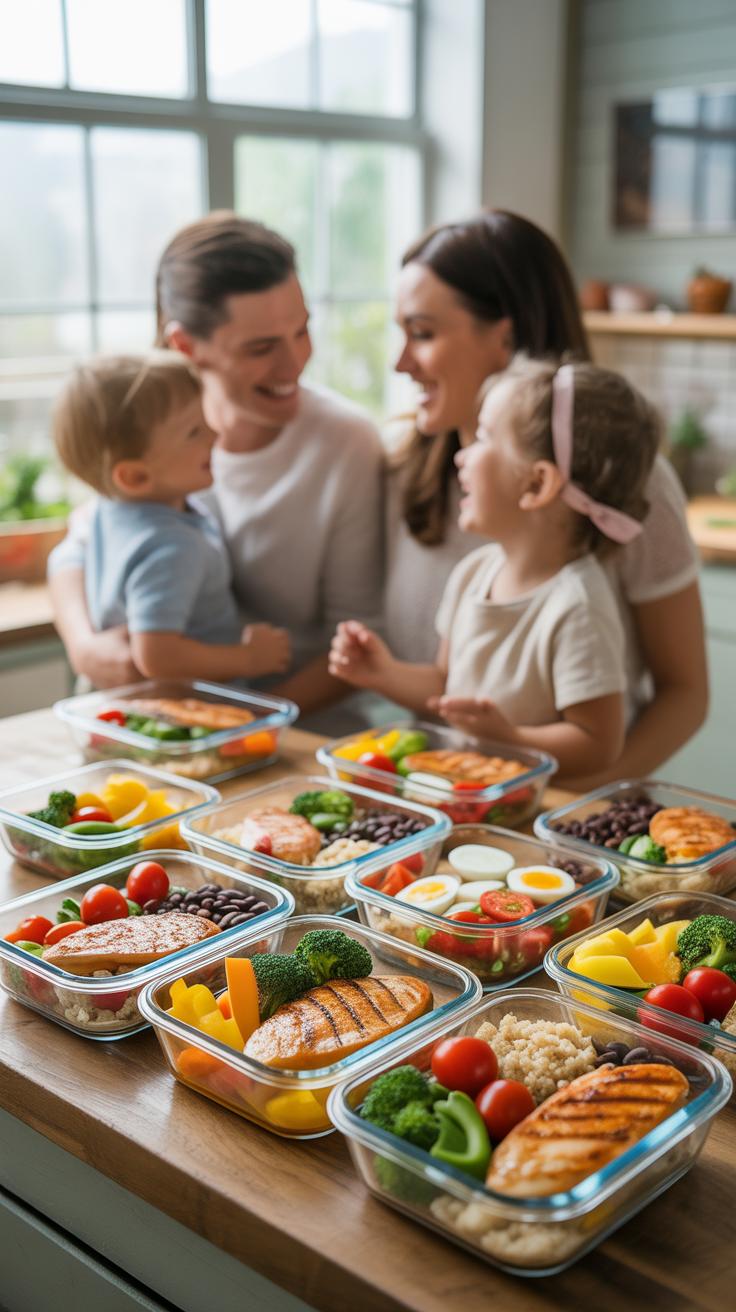
Why Protein Is An Essential Macronutrient For Growing Children And Active Adults
Protein provides the amino acids necessary for tissue repair and muscle growth. Children require constant protein intake to support skeletal development and cognitive function. Without adequate protein, blood sugar levels fluctuate rapidly. This lead to energy crashes and increased hunger shortly after eating. High protein meals stabilize these levels. They ensure children stay focused and adults remain productive throughout the workday.
Dietary protein has a higher thermic effect than fats or carbohydrates. This means the body uses more energy to process it. It also triggers the release of satiety hormones like cholecystokinin. These signals tell the brain the stomach is full. By prioritizing protein in meal prep, you reduce the need for expensive snacks. Reliable protein intake prevents overeating and maintains consistent energy for the whole family.
Affordable High Protein Ingredients To Anchor Your Familys Weekly Meal Prep
Smart meal prep requires selecting high protein sources with low price points. You should buy these items in bulk to stay under your hundred dollar budget. Lean meats and plant based proteins offer the best value per gram. Focus on versatile ingredients that work across multiple recipes. Using these staples ensures high nutritional density without draining your bank account or wasting your limited time.
- Dry Lentils and Beans: These shelf stable legumes provide massive amounts of fiber and protein for pennies per serving. You can add them to soups or use them as meat extenders to double the volume of your ground beef or turkey dishes.
- Large Packs of Chicken Thighs: Dark meat chicken is cheaper and more forgiving during the reheating process than chicken breasts. Bone-in thighs often cost less per pound and provide a rich base for stews or roasted sheet pan meals for the entire family.
- Whole Eggs: Eggs are the cheapest source of high quality complete protein available at the grocery store. Use them for hard boiled snacks or quick breakfast burritos. They anchor your meal plan when more expensive meat options are out of financial reach for the week.
- Canned Tuna or Mackerel: These tinned fish options provide essential omega three fatty acids alongside high protein counts. They require zero cooking time and work perfectly for cold lunches. Always check for sales to stock your pantry with these reliable and quick meal foundations.
- Greek Yogurt: Large tubs of plain Greek yogurt offer more protein than standard yogurt varieties. It serves as a high protein substitute for sour cream or mayonnaise in many recipes. This switch adds nutritional value to snacks and sauces without increasing your total grocery spend significantly.
Prep these ingredients in large batches on Sunday to save hours during the week. Cook your grains and proteins simultaneously using multiple burners or a slow cooker. Separate them into airtight containers immediately to prevent spoilage and maintain texture. This systematic approach guarantees that every meal you serve contains the necessary building blocks for health. Consistent protein prep is the most effective way to manage a tight food budget.
Healthy High Protein Meal Prep A Full Week Of Dinners For Four Under 100
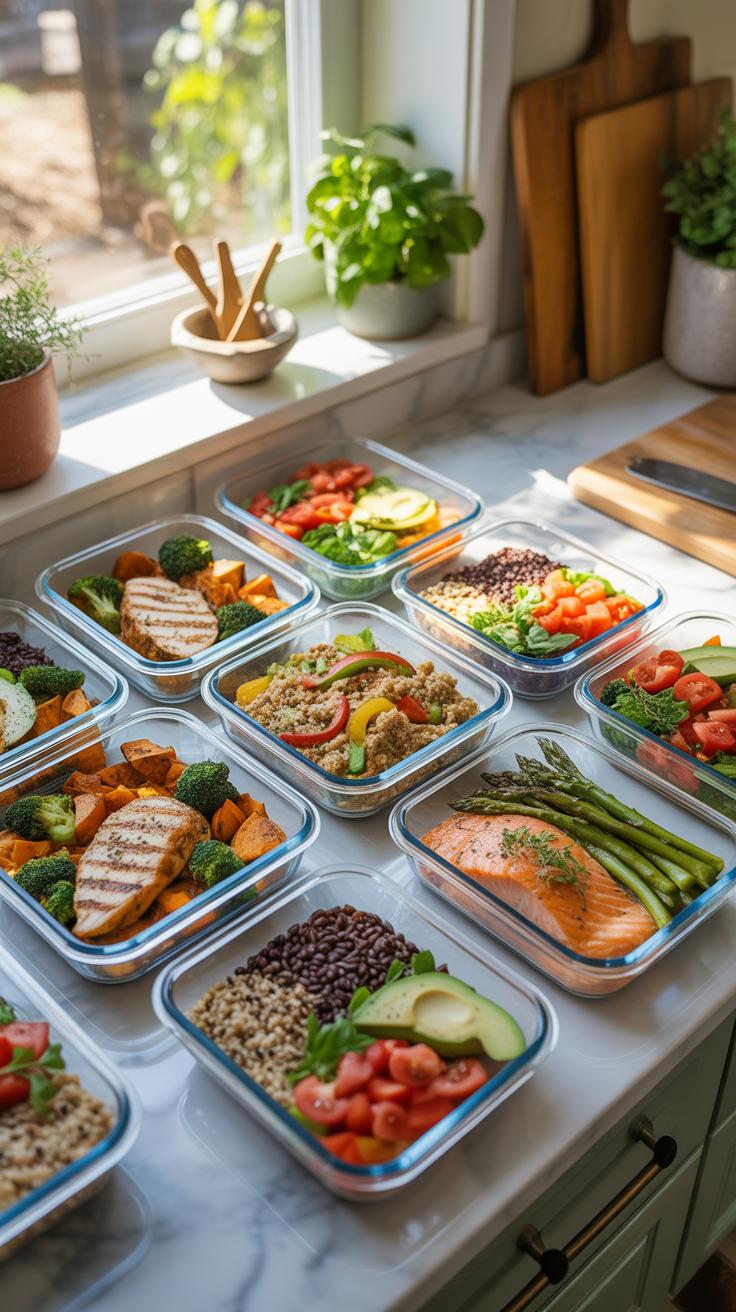
How To Plan Seven Dinners That Share Ingredients And Cut Down On Waste
Effective meal prep requires cross-utilization of ingredients. Buying five pounds of potatoes or a large bag of rice costs less per unit than buying small portions for one meal. You must select recipes that use these starch bases alongside common aromatics like onions and carrots. This strategy prevents half-used vegetables from rotting in your crisper drawer. It maximizes every dollar spent.
Standardize your flavor profiles to reduce the need for many different spices and sauces. Use a single large batch of roasted vegetables across three separate nights. Serve them as a side dish, then mix them into a grain bowl, and finally blend them into a soup. This method cuts your active cooking time in half. It ensures you use every scrap of food you buy at the store.
Sample High Protein Dinner Rotation: Chicken, Legumes, Eggs, And Lean Ground Beef
Focus on low-cost protein pillars to stay under budget. Buy family packs of chicken thighs and lean ground beef when they are on sale. Use eggs as a primary protein source for at least one dinner per week to lower the average cost per meal. Combine meat with legumes like black beans or lentils. This increases the total volume of food without compromising the protein count.
Alternate your protein sources to prevent fatigue. Serve grilled chicken on Monday and use the leftovers for a stir-fry on Tuesday. Prepare a beef chili on Wednesday that incorporates beans to stretch the meat further. Thursday can feature a vegetable frittata using eggs and leftover greens. This rotation provides essential amino acids and micronutrients while keeping the weekly grocery bill for four people under the $100 limit.
Weekly Meal Prep Lunch Ideas That Save Money And Keep Nutrition On Track
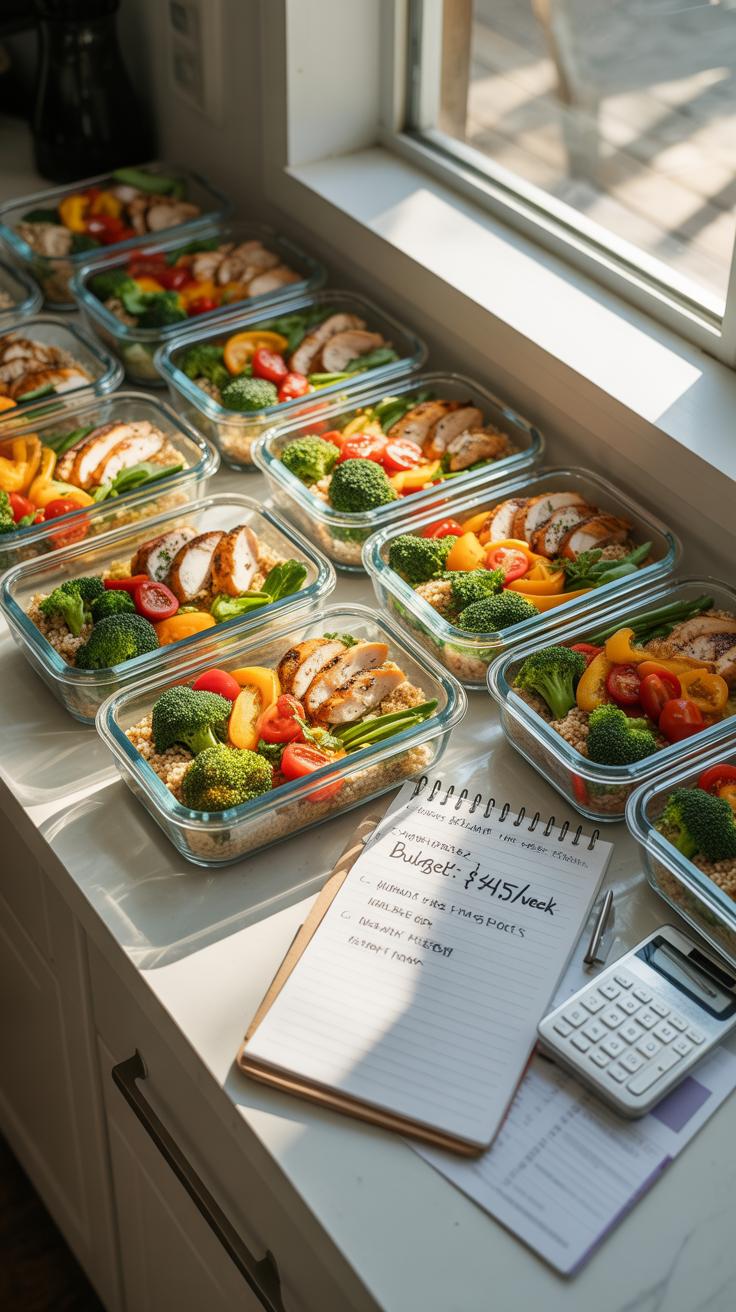
How Prepping Lunches In Bulk Eliminates The Temptation Of Costly Takeout
Daily takeout costs easily exceed fifteen dollars per person. This habit drains a family budget of hundreds of dollars every month. Prepping lunches in bulk stops this financial leak. You regain control over your spending by having meals ready before the work day begins. Decisions made under stress or hunger lead to poor financial choices. A ready meal removes the decision process entirely.
Strategic batch cooking ensures nutrition stays consistent throughout the week. You avoid high sodium and hidden sugars found in commercial fast food. Bulk prep also saves time during the busy morning rush. Grabbing a pre-portioned container takes seconds. This efficiency reduces mental load for parents and keeps the family on a strict schedule. Tactical preparation turns food into a tool for productivity rather than a source of stress.
Week Meal Prep Lunch Formulas: Grain Bowls, Wraps, And Hearty Soups That Scale Easily
Structure your lunches around three core formulas to maximize efficiency and minimize waste. Grain bowls use a base of brown rice or quinoa paired with roasted vegetables. Wraps utilize affordable flour tortillas and lean proteins. Hearty soups rely on beans and root vegetables for bulk. These methods allow you to buy ingredients in large quantities. Bulk buying drops your price per serving significantly below any restaurant price point.
Scaling these recipes requires minimal extra effort once the initial chopping is complete. Use large sheet pans to roast different vegetables simultaneously. Cook a single large pot of grains to distribute across multiple containers. This assembly line approach ensures every family member has a balanced meal. It prevents the need for individual cooking sessions during the week. Consistency in these formulas simplifies your grocery list and stabilizes your weekly food expenditure.
Healthy Prepped Lunches For School Age Kids And Work From Home Parents
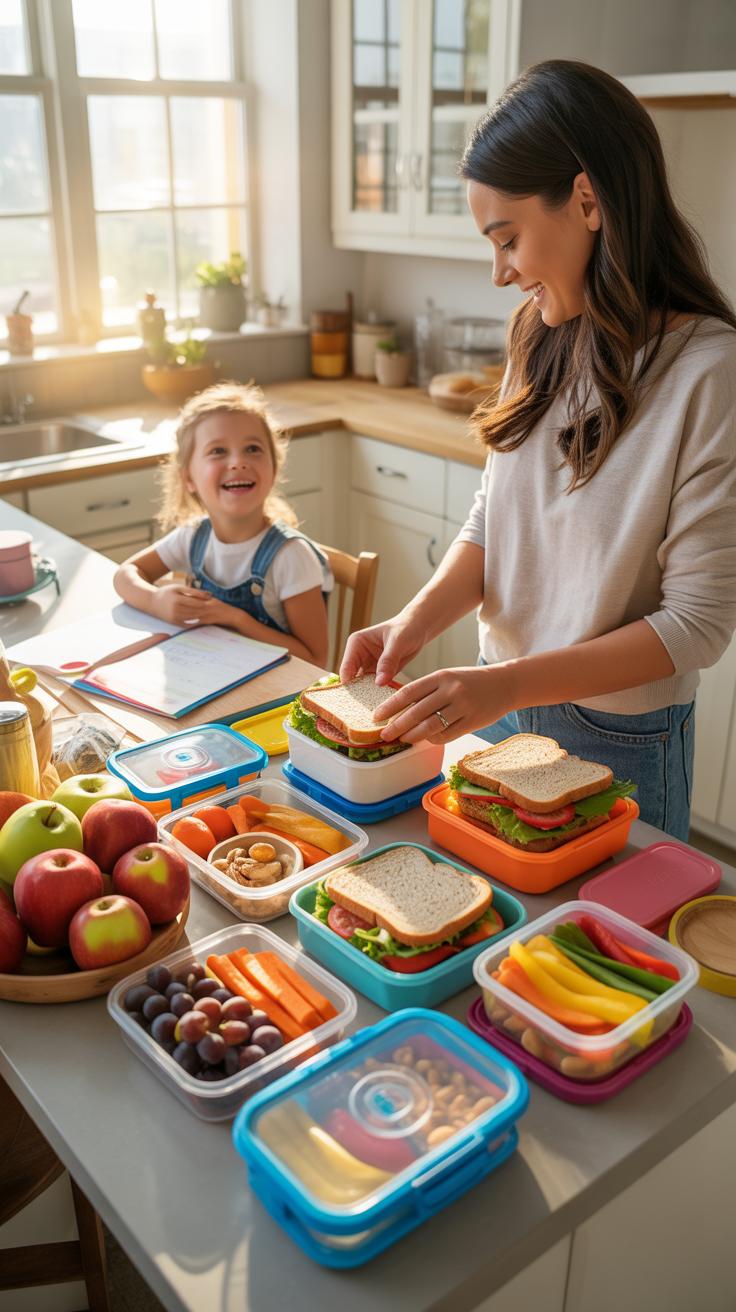
What Makes A Balanced Lunchbox For School Age Children According To Nutrition Guidance
A balanced lunchbox provides sustained energy for learning. Focus on three main components: complex carbohydrates, lean hardware proteins, and diverse fiber sources. Public health standards emphasize minimizing processed sugars and refined grains. These causing mid-day energy crashes that hinder focus. Ensure the meal contains at least one vegetable and one fruit to meet essential micronutrient requirements for growing bodies.
Tactical assembly requires portion control based on age-specific caloric needs. Lean proteins like turkey, beans, or eggs support muscle growth and satiety. Healthy fats from seeds or yogurt aid brain function. Use whole-grain bread or brown rice to provide slow-releasing glucose. This specific combination keeps blood sugar stable. Avoid pre-packaged snacks that contain high sodium levels and artificial additives to maintain long-term health.
Five Day Healthy Prepped Lunch Plan That Works For Both Kids And Adults
Efficiency demands a unified menu for both demographics to reduce prep time. Start by batch-cooking chicken breast or chickpeas on Sunday. Use these proteins as base layers for wraps on Monday and Tuesday. Add spinach and shredded carrots for texture and vitamins. Adults can add hot sauce or vinaigrettes to elevate flavor profiles. This strategy ensures everyone eats the same core ingredients.
Transition to cold grain bowls for the remainder of the week. Quinoa or farro holds up well in the refrigerator for several days. Mix in cucumbers, bell peppers, and feta cheese. These ingredients resist wilting and maintain a crunch until Friday. Portion the meals into airtight containers immediately after cooking. This practice prevents moisture buildup and keeps the food fresh for your work-from-home schedule.
Healthy Balanced Meal Prep Covering Breakfast Lunch And Dinner All At Once
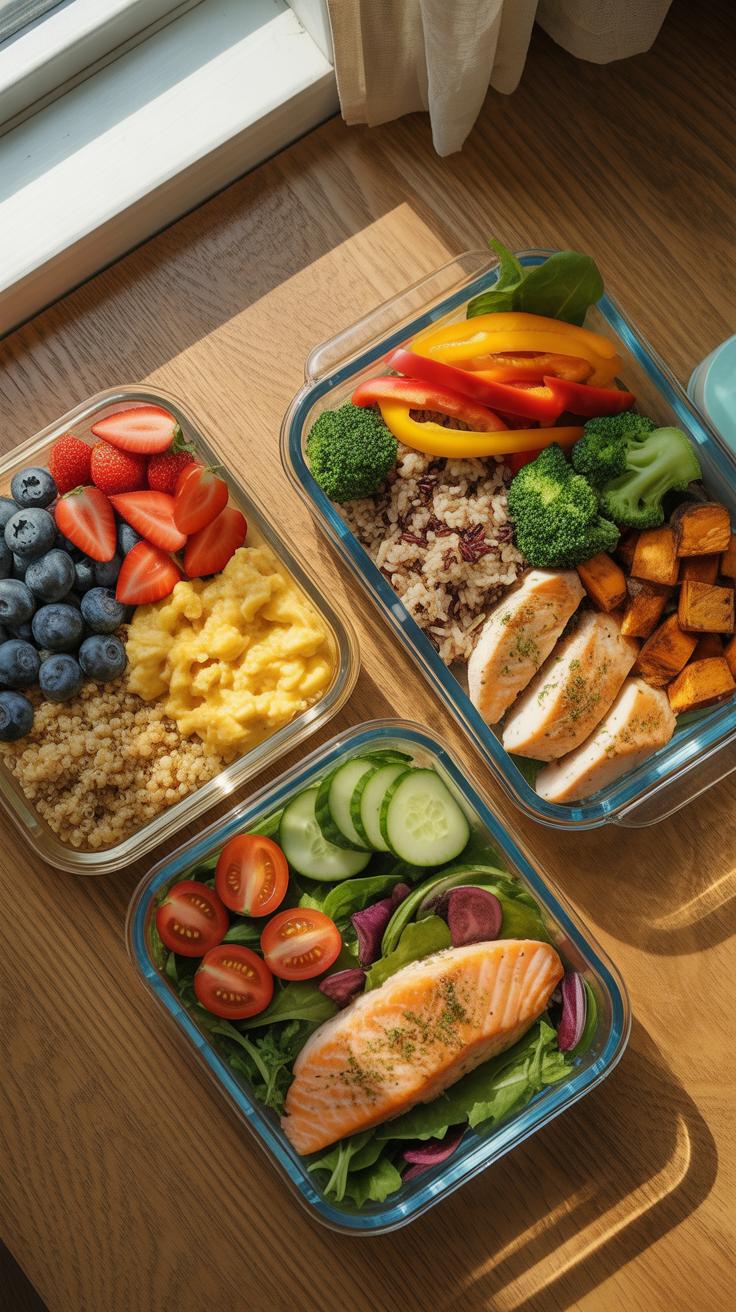
The One Day Prep Session Method: How To Cook For An Entire Week In Three To Four Hours
Efficiency requires a rigid schedule. Start by preheating your oven and boiling water immediately. Group your tasks by equipment rather than by recipe. Roasted vegetables for lunch and protein for dinner should occupy the oven at the same time. This parallel processing cuts total time. Use a timer to stay on track. This method stops you from wasting hours on single dishes.
Focus on bulk preparation during this window. Chop every vegetable for the week in one sitting. Divide these portions into containers for different meals. Cook large batches of grains and beans because they store well. Clean your workspace as you transition between tasks to prevent clutter. Final assembly happens only after every component is cooked. This system moves you from raw ingredients to finished meals quickly.
Balancing Macronutrients Across All Three Meals Without Overcomplicating Your Prep Day
Nutritional balance relies on simple math. Every meal needs a protein, a complex carbohydrate, and a fiber source. Use the same base ingredients to meet these needs across all three meals. Eggs and oats provide breakfast protein and fiber. Chicken and brown rice handle lunch and dinner. Sticking to these staples eliminates the need for complex calculations. You save money by buying these items in bulk.
Avoid unique ingredients for every dish. This complicates your prep and increases costs. Use spices and sauces to change the flavor profile of the same macronutrients. A chicken and broccoli base works for stir fry or Mediterranean bowls. This strategy ensures your family gets consistent nutrition without extra labor. Proper balance keeps energy levels stable throughout the day. Focus on raw volume to ensure everyone feels full.
Healthy Meals For One Week Food Storage Safety And Shelf Life Essentials
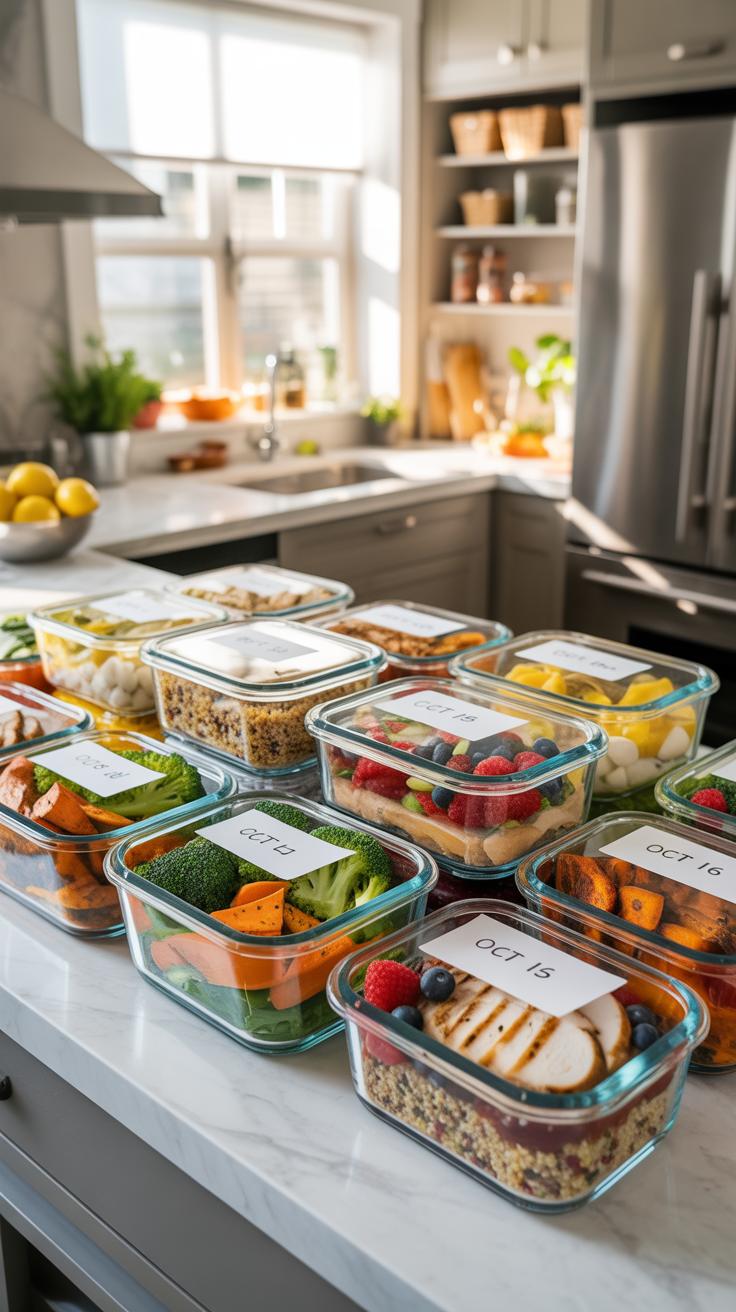
How Long Prepped Meals Safely Last In The Refrigerator And Freezer
Standard safety protocols dictate that most cooked proteins and vegetables last three to four days in a refrigerator set at forty degrees Fahrenheit or lower. Bacteria begin to grow rapidly between forty and one hundred forty degrees. You must cool food quickly before storage to prevent spoilage. Proper cooling ensures your family avoids foodborne illness while maintaining the structural integrity and taste of your prepped ingredients.
Freezing extends meal life significantly but affects texture over time. Most prepped meals remain safe to eat for three to six months in a freezer kept at zero degrees. Air is the enemy of frozen food. Use airtight seals to prevent freezer burn and ice crystal formation. Thaw meals in the refrigerator overnight rather than on the counter. This method keeps the internal temperature safe and prevents bacterial growth.
Essential Containers And Labeling Tips To Keep Your Family’S Weekly Meals Organized
Effective organization starts with selecting the right hardware for your specific storage needs. Glass containers offer superior durability and do not leach chemicals or hold onto odors from previous meals. They transition safely from the freezer to the oven or microwave. High quality plastic options are lighter for transport but require frequent replacement. Standardizing your container sizes makes stacking easier and optimizes your limited refrigerator shelf space.
- Glass Containers: These offer the best longevity and safety for reheating family meals. They are non porous and do not stain from acidic foods like tomato sauce. Use tempered glass to avoid cracking during temperature changes.
- BPA Free Plastic: This material is lightweight and ideal for kids lunches or snacks on the go. Choose containers with locking lids and silicone seals to prevent leaks. Replace these immediately if they show scratches or warping.
- Silicone Storage Bags: Use these reusable bags to replace single use plastic for snacks and frozen components. They take up less room than rigid boxes. You can wash them in the dishwasher for fast cleanup between prep cycles.
- Dissolvable Labels: These stickers wash off completely in water without leaving sticky residue on your lids. Write the meal name and the date you prepared the food. This system prevents mystery meals and reduces expensive food waste.
- Vacuum Sealers: Removing oxygen from packages prevents oxidation and doubles the shelf life of frozen meats. This tool is essential for bulk buying strategies. It keeps your expensive proteins fresh for much longer than standard freezer bags.
Labeling is the final step in a successful meal prep routine. Every container must clearly show the preparation date and the contents inside. Use a masking tape and permanent marker system if you lack specialized labels. This habit ensures you eat the oldest food first. It prevents you from wondering if a meal is still safe. Clear communication on every box keeps the entire family informed and fed.
Time Saving Tools And Appliances That Make Family Meal Prep Faster And Easier

How A Slow Cooker, Instant Pot, Or Sheet Pan Setup Transforms Your Prep Routine
Pressure cookers and slow cookers reduce active labor. An Instant Pot uses high pressure to cook tough proteins in under an hour. This cuts down the time spent at the stove. Slow cookers allow for unattended cooking during the workday. These tools handle bulk batches of beans, rice, or shredded meats. Using them ensures you have foundational ingredients ready for multiple recipes throughout the week.
Sheet pans streamline the roasting process for vegetables and proteins. You cook everything on one surface at a high temperature. This method uses dry heat to brown food quickly. It minimizes cleanup because you use fewer pots. Standard commercial rimmed baking sheets provide the best heat distribution. Using these tools together allows you to multitask. You can roast vegetables while the pressure cooker handles the main protein.
Involving The Whole Family In Prep Day To Build Healthy Habits And Cut Your Workload
Assigning specific tasks to children and partners increases efficiency. Small children can wash produce or tear greens. Older children can weigh ingredients or stir cold mixtures. This distribution of labor shortens the total prep time. It also teaches basic culinary skills and food safety. When everyone helps, the burden does not fall on one person. This makes the weekly routine sustainable for busy households.
Sharing the workload creates a sense of ownership over the meals. Children are more likely to eat food they helped prepare. This reduces food waste and saves money. Use a clear plan to direct everyone to their stations. Set a timer to keep the pace fast. Efficient family prep turns a long chore into a quick group activity. This strategy ensures the kitchen stays organized and the job finishes on time.
Frequently Asked Questions

How do I start meal prepping for a family without feeling overwhelmed?
The best way to begin meal prep for families is to start small. Instead of preparing a week of gourmet dinners, focus on “component prepping.” Roast a large tray of vegetables, cook a big batch of grains, and grill several chicken breasts on Sunday. Having these versatile staples ready to go makes assembling nutritious weeknight meals much faster and significantly reduces the daily stress of cooking for a busy household.
What are the most effective ways to organize a weekly meal prep routine?
Organization is key to successful meal prep for families. Start by auditing your pantry and freezer to avoid double-buying, then create a specific menu based on sales at your local grocery store. Dedicated “prep zones” in your fridge using clear containers help you see exactly what is ready. Assigning one specific afternoon for washing, chopping, and portioning ingredients will ensure your kitchen workflow remains efficient and manageable throughout the busy week.
Is it actually possible to feed a family of four for under $100 a week?
Yes, you can absolutely achieve this by prioritizing affordable pantry staples like beans, lentils, eggs, and seasonal produce. Buying in bulk and choosing generic brands can slash your grocery bill significantly. To stay under budget, plan meals that share similar ingredients to minimize waste. By being intentional with your shopping list and avoiding processed convenience foods, you can provide healthy, filling meals for your entire family without overspending.