
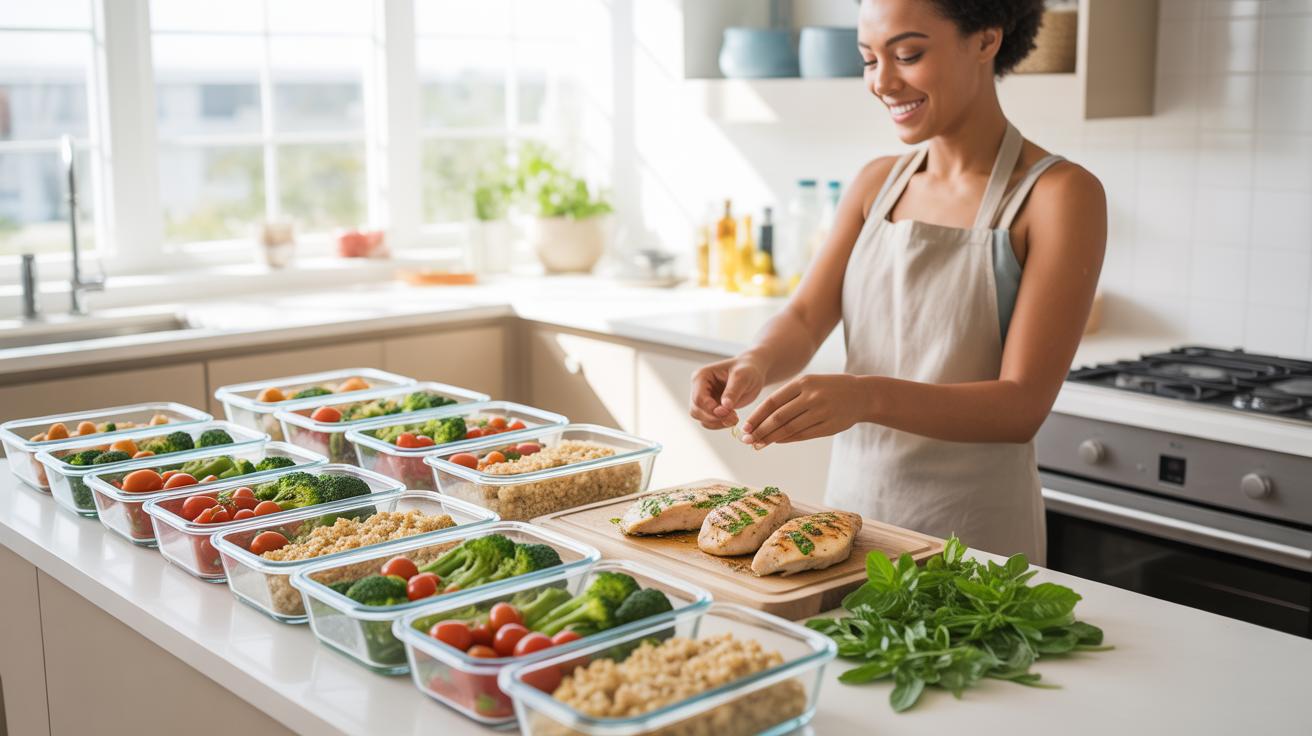
Why Chicken Breast Meal Prep Is The Ultimate Weekly Strategy
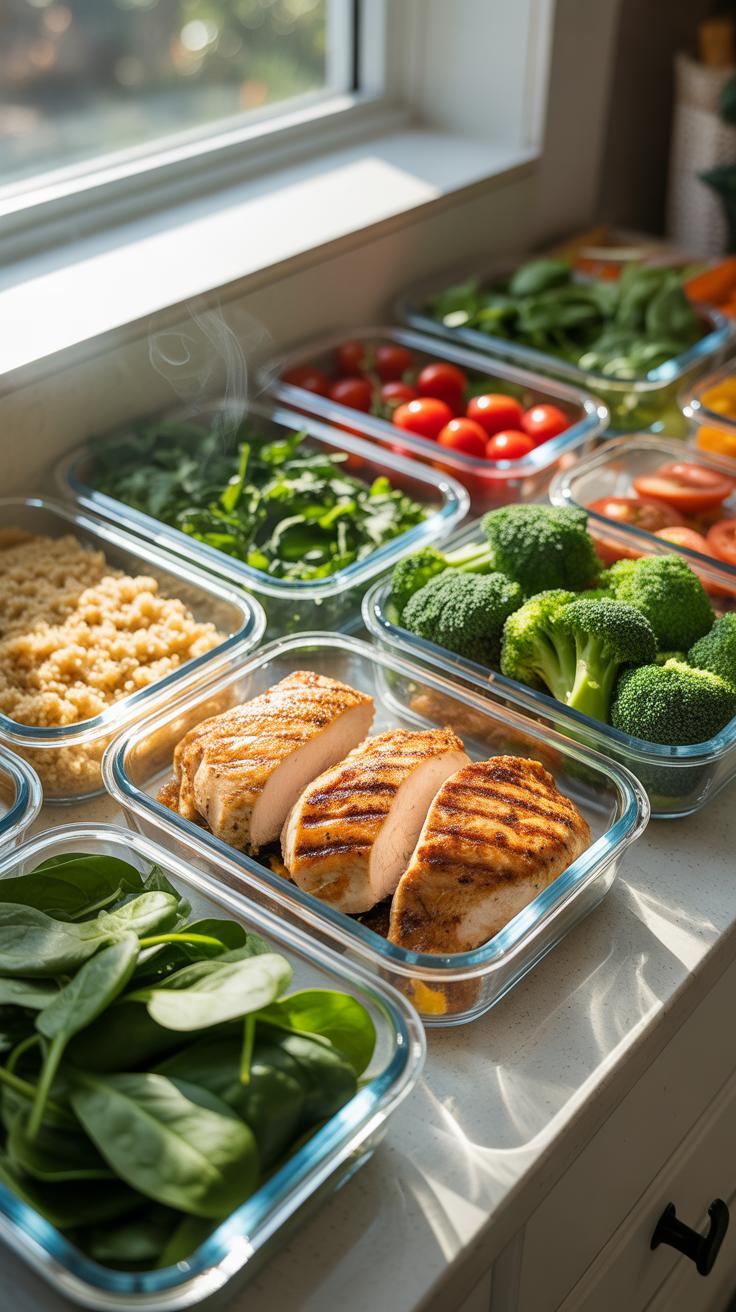
The Nutritional Case For Choosing Chicken Breast As Your Meal Prep Protein
Chicken breast offers the highest protein-to-calorie ratio of any common poultry cut. It contains all essential amino acids required for muscle repair and metabolic function. This lean protein carries minimal saturated fat compared to thighs or wings. High protein intake increases satiety and prevents overeating throughout the day. You consume pure fuel that supports physical performance without the caloric density of processed meats.
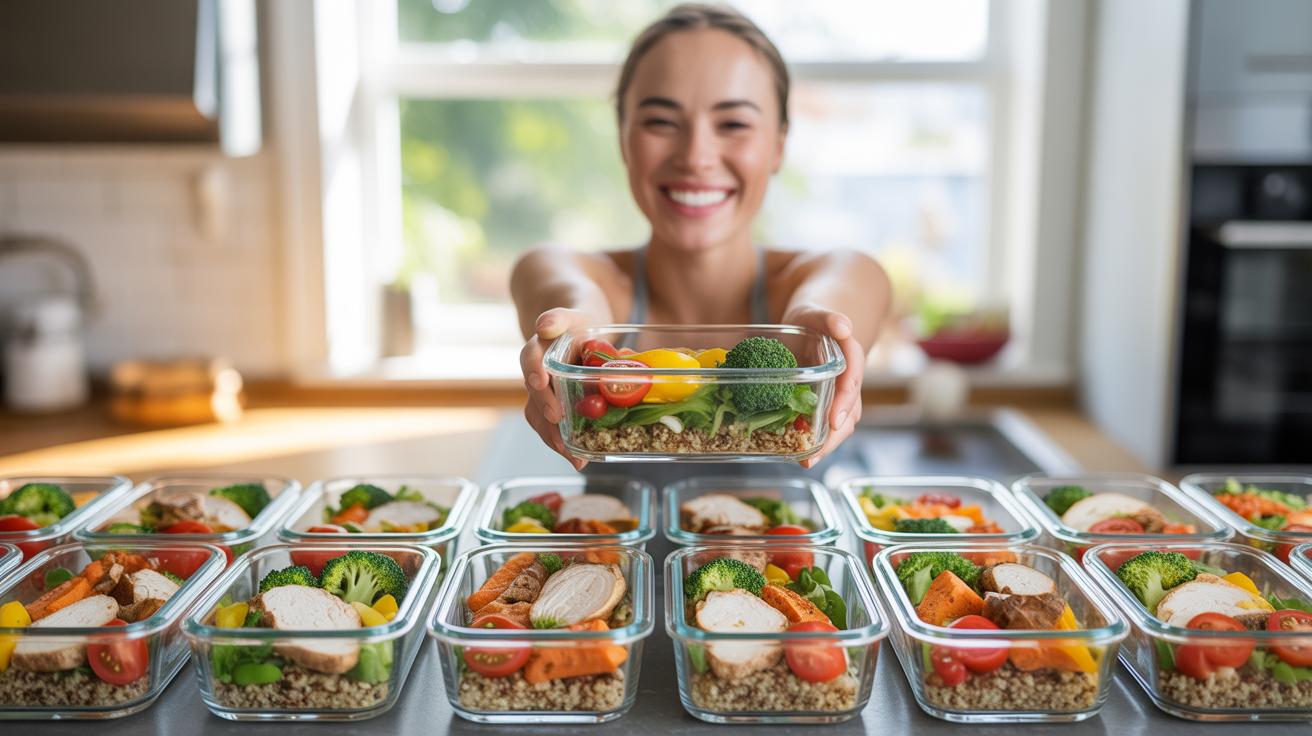
Selecting skinless breast meat ensures your macronutrient profile remains consistent. This predictability allows for precise tracking of daily caloric intake. Fitness professionals favor this cut because it adapts to various flavoring profiles without adding significant lipids. You gain control over your sodium and fat levels by preparing this meat at home. This strategy eliminates the hidden sugars and oils found in commercial pre-packaged protein sources.
How Prepping Chicken In Advance Saves You Time, Money, And Daily Decision Fatigue
Batch cooking chicken on a single day recovers hours of your work week. You stop cooking every night and start reheating prepared portions in minutes. This method eliminates the need to clean pans and utensils multiple times a day. Efficiency increases when you handle raw poultry once instead of seven separate times. You protect your schedule from evening chores that drain your energy.
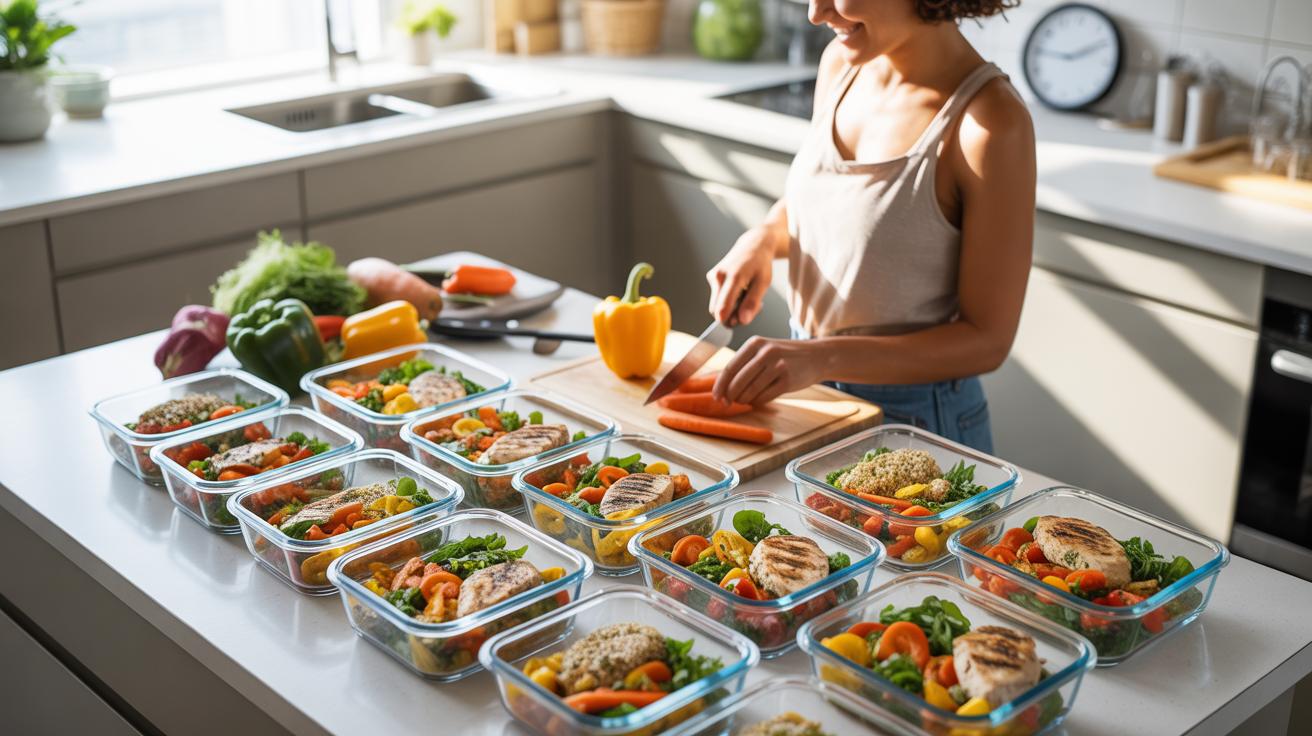
Buying chicken in bulk reduces the cost per pound significantly. You avoid the high markup of restaurant meals and convenience store snacks. Planning your protein prevents food waste because every ounce has a designated meal. This financial discipline builds a predictable food budget while ensuring high quality nutrition. You make one smart choice on Sunday to avoid twenty poor choices during a busy week.
Essential Kitchen Tools And Ingredients For Mealprep Chicken Recipes
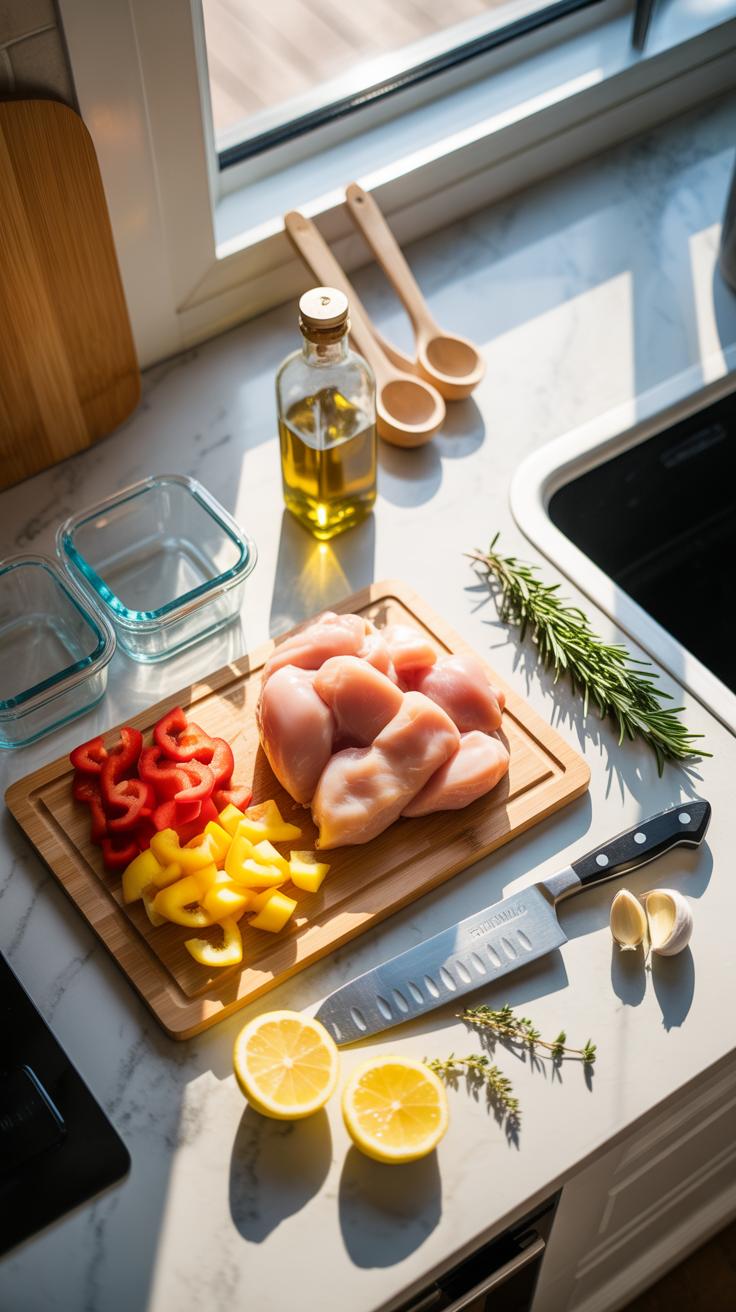
Must Have Equipment: Sheet Pans, Airtight Containers, And More
Proper gear ensures heat distribution and food safety. Heavy-duty rimmed sheet pans prevent warping and keep juices contained during high-heat roasting. Instant-read thermometers remove guesswork to ensure the chicken reaches an internal temperature of 165 degrees Fahrenheit. Quality tools reduce cooking time and improve the final texture of the protein. You need reliable items that withstand repeated weekly use.
- Heavy-Duty Sheet Pans: Aluminum pans distribute heat evenly for consistent browning across all pieces. Use rimmed versions to catch fat and juices that might otherwise leak into the oven.
- Instant-Read Digital Thermometer: This tool is the only way to verify the chicken is safe to eat without overcooking it. Pulling meat at exactly 165 degrees preserves moisture and prevents a dry result.
- Glass Airtight Containers: Glass does not leach chemicals or hold odors from previous meals like plastic does. These containers provide a superior seal to prevent oxygen from drying out the cooked chicken meat.
- Sharp Chef Knife: A sharp blade allows for clean cuts through muscle fibers and connective tissue. Clean cuts help the chicken cook at the same rate and stay juicy during the reheating process later.
- Scale and Tongs: A digital scale ensures even portioning for precise tracking of nutrition and macros. Stainless steel tongs allow you to flip and move hot chicken quickly without puncturing the meat and losing juice.
Organization requires stacking systems that maximize fridge space throughout the week. Choose containers with modular shapes to fit tightly together. Silicone mats or parchment paper prevent the chicken from sticking to metal surfaces. These liners also make cleanup faster which is vital for long-term meal prep success. Investing in durable materials saves money and improves the taste of your prepared meals over time.
Pantry Staples And Marinades That Keep Your Chicken Flavorful All Week
Liquid marinades and dry rubs serve as a protective barrier against the drying effects of refrigeration. Acids like citrus juice or vinegar break down tough proteins to improve the bite. High-smoke point oils like avocado oil or light olive oil coat the meat to lock in moisture during the roasting process. Salt is the most important ingredient because it penetrates deep into the muscle to season the meat.
Complex flavors come from a calculated mix of aromatics and spices. Garlic powder and onion powder provide a consistent base that does not burn as easily as fresh minced versions. Dried herbs like oregano and thyme hold their flavor better through the reheating cycle than fresh herbs. Store these staples in a cool dark place to maintain their potency. Effective seasoning ensures you will actually eat the meals you have worked hard to prepare.
How To Safely Buy Store And Handle Chicken For The Week
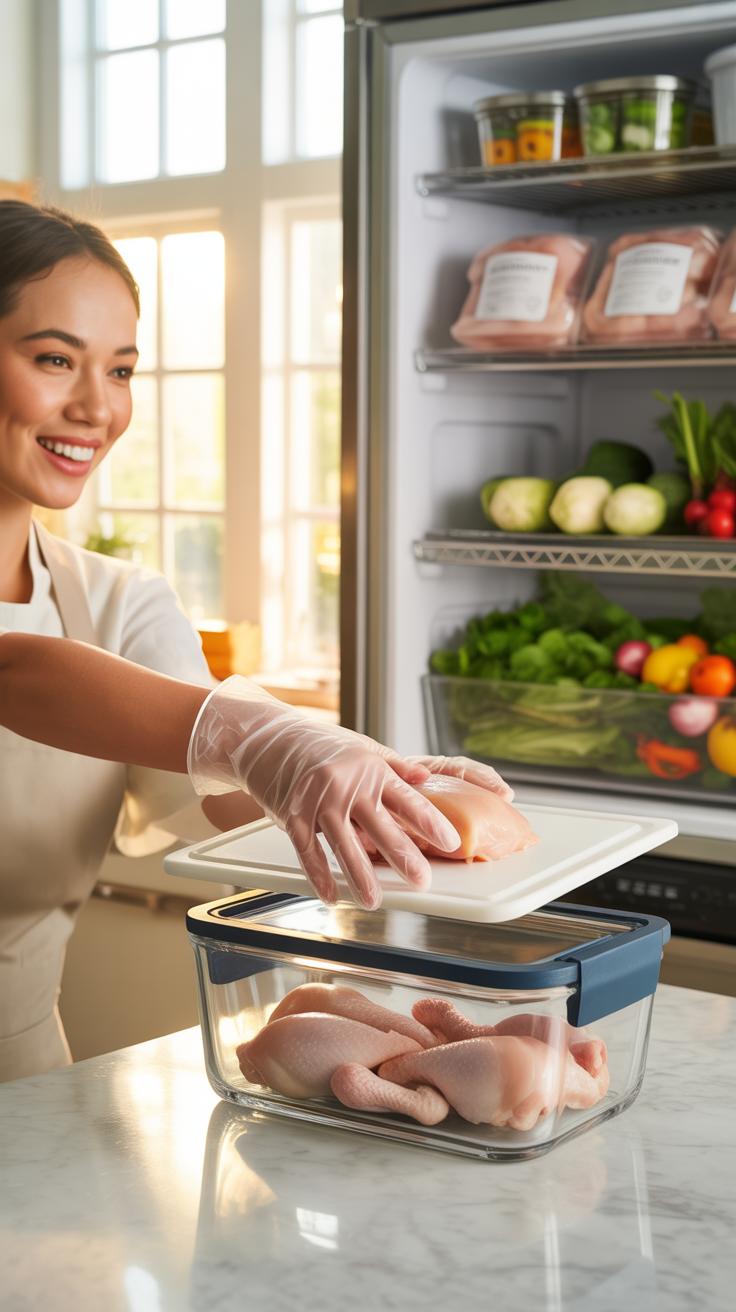
Selecting Fresh Chicken At The Store And Understanding Safe Storage Temperatures
Check the sell-by date on the package immediately. Look for meat that appears pink rather than gray or yellow. Fresh chicken should not have a strong smell or slimy texture. Cold chain management is your primary defense against bacteria. Pick up your poultry last before checking out to keep it cold. Place the package in a plastic bag to prevent cross-contamination.
Maintain your refrigerator at or below 40 degrees Fahrenheit. Use an appliance thermometer to verify this temperature daily. Bacteria grow rapidly in the danger zone between 40 and 140 degrees. Raw chicken can stay in the fridge for one to two days. If you cannot cook it within forty-eight hours, freeze it immediately. Proper thermal control ensures your meal prep chicken stays safe for consumption.
How Long Does Meal Prepped Chicken Last In The Fridge Or Freezer
Cooked chicken stays safe in the refrigerator for three to four days. Store the meat in airtight containers to prevent moisture loss and odor absorption. You must refrigerate the chicken within two hours of cooking. If the room temperature is above 90 degrees, refrigerate it within one hour. Rapid cooling prevents bacterial spores from germinating during the storage phase of your week.
Frozen cooked chicken maintains best quality for four months. Use heavy-duty freezer bags or vacuum sealers to prevent freezer burn. Label every container with the date and contents clearly. Thaw frozen meals in the refrigerator overnight rather than on the counter. Always reheat chicken to an internal temperature of 165 degrees Fahrenheit. Consistent heat levels kill pathogens and ensure your prepared meals remain healthy.
Best Cooking Methods For Healthy Meal Prep For The Week Chicken
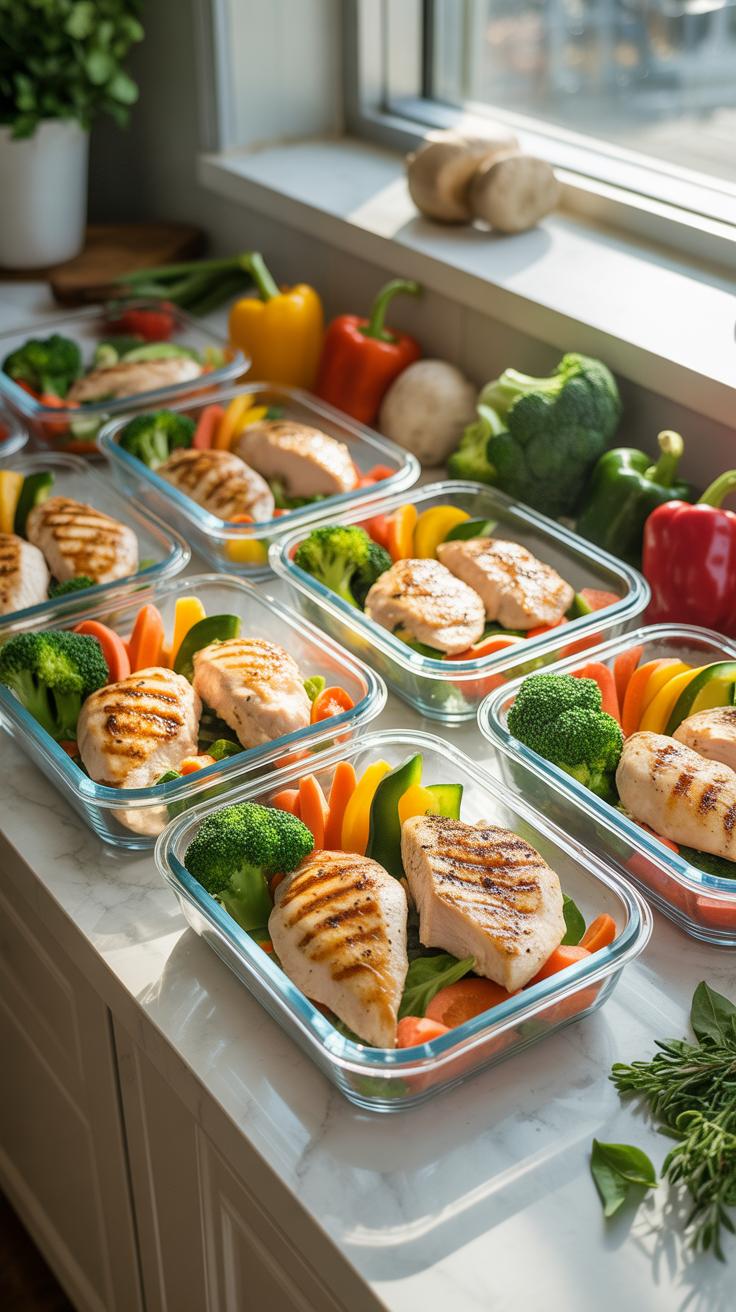
Baking, Grilling, And Stovetop: Choosing The Right Method For Juicy Results
Baking in a preheated oven at 400 degrees Fahrenheit ensures even heat distribution for large batches of chicken. Use a meat thermometer to pull the chicken at 160 degrees Fahrenheit. The internal temperature will reach the safe 165 degree mark during carrying over rest. This method prevents the protein from drying out during the cooling phase. Sheet pans allow you to cook multiple pounds of meat simultaneously.
Grilling and stovetop searing offer superior flavor through the Maillard reaction. This chemical process browns the surface and locks in moisture. High heat setups require constant monitoring to avoid charring. Use a heavy cast iron skillet for stove work to maintain steady temperatures. These methods work best for chicken thighs or thin cutlets. They provide a firm texture that holds up well when reheated in a microwave later.
Slow Cooker And Instant Pot Techniques That Make Batch Cooking Effortless
Pressure cooking in an Instant Pot reduces prep time by sixty percent. Use the manual high setting for ten to fifteen minutes depending on the weight. This environment forces moisture into the muscle fibers. It creates a soft texture that is easy to shred with forks. This method is ideal for tacos or salads. It requires minimal liquid to prevent the meat from boiling and losing all flavor.
Slow cookers excel at hands off meal prep over four to six hours. Low heat settings break down tough connective tissues in darker meat. This produces a consistent result without the risk of burning. You can set the device in the morning and have bulk protein ready by lunch. This technique works best for large quantities of frozen chicken. It ensures the meat stays tender for several days in the refrigerator.
High Protein Low Carb Chicken Meal Prep Recipes For Fitness Goals
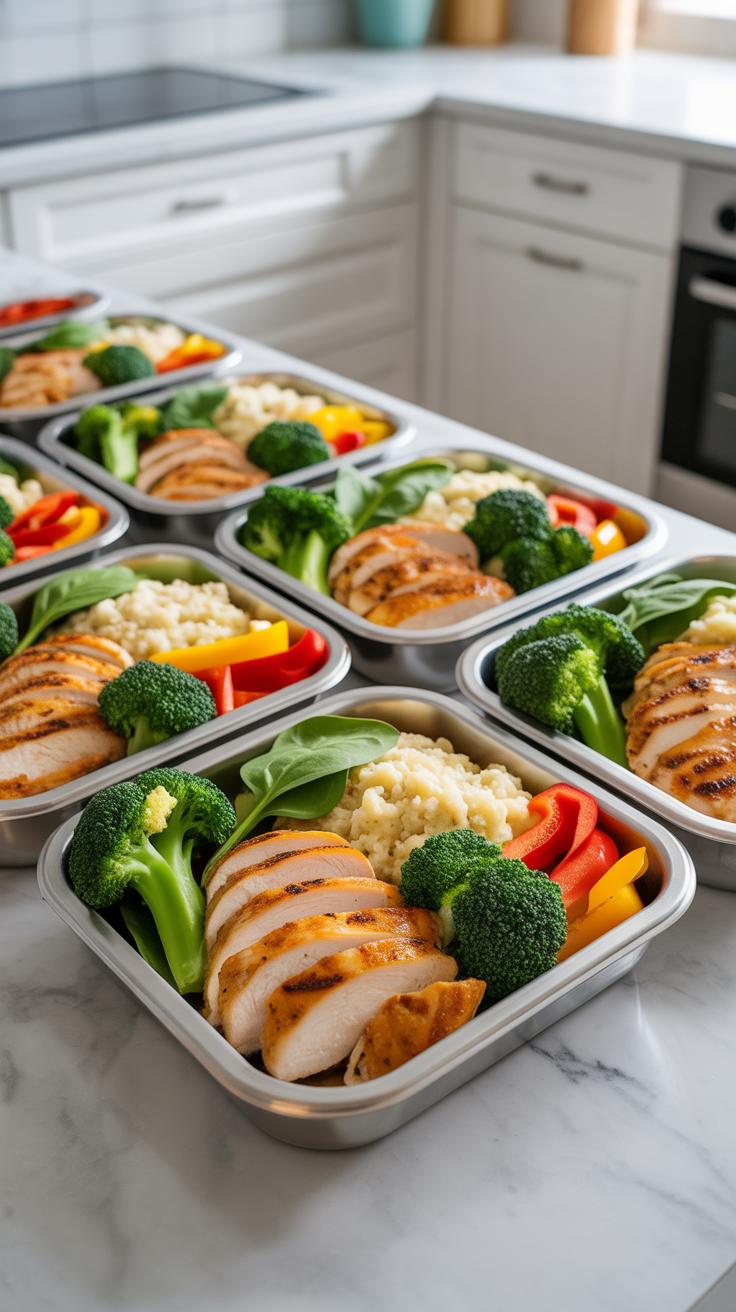
Cooking For Gains: High Protein Chicken Breast Recipes Designed To Support Muscle Growth
Muscle growth requires a high leucine content and consistent protein intake. Chicken breast provides roughly 31 grams of protein per 100 grams of meat. This makes it the most efficient lean protein source for bodybuilders and athletes. You must cook it to an internal temperature of 165 degrees Fahrenheit. Overcooking dries out the meat and makes the meal prep difficult to eat later.
Batch cooking chicken breast in an air fryer or oven preserves the macronutrient profile. Season the meat with dry rubs instead of sugary sauces to keep calorie counts low. Use salt, pepper, garlic powder, and paprika to add flavor without adding fat. Store the sliced breast in airtight containers immediately after cooling. This method ensures you have ready to eat protein for every scheduled meal.
Low Carb Chicken Bowl And Wrap Ideas That Fit A Macro Conscious Diet
Low carb meal prep focuses on replacing grains with fibrous vegetables. Use cauliflower rice or shredded cabbage as a base for chicken bowls. These substitutes provide bulk and micronutrients without the insulin spike of white rice. Top the chicken with healthy fats like avocado or olive oil to increase satiety. This strategy keeps your daily net carb count below fifty grams for fat loss.
For portable options, use large leafy greens as wraps instead of flour tortillas. Romaine hearts and butter lettuce leaves hold grilled chicken strips well. Avoid commercial dressings that contain soybean oil or added sugars. Make a simple vinaigrette using apple cider vinegar and Dijon mustard. These wraps remain crisp in the refrigerator for up to three days. This approach maintains your metabolic state while providing high quality fuel.
Meal Prep Ideas For Two People Scaling Chicken Recipes For Smaller Households
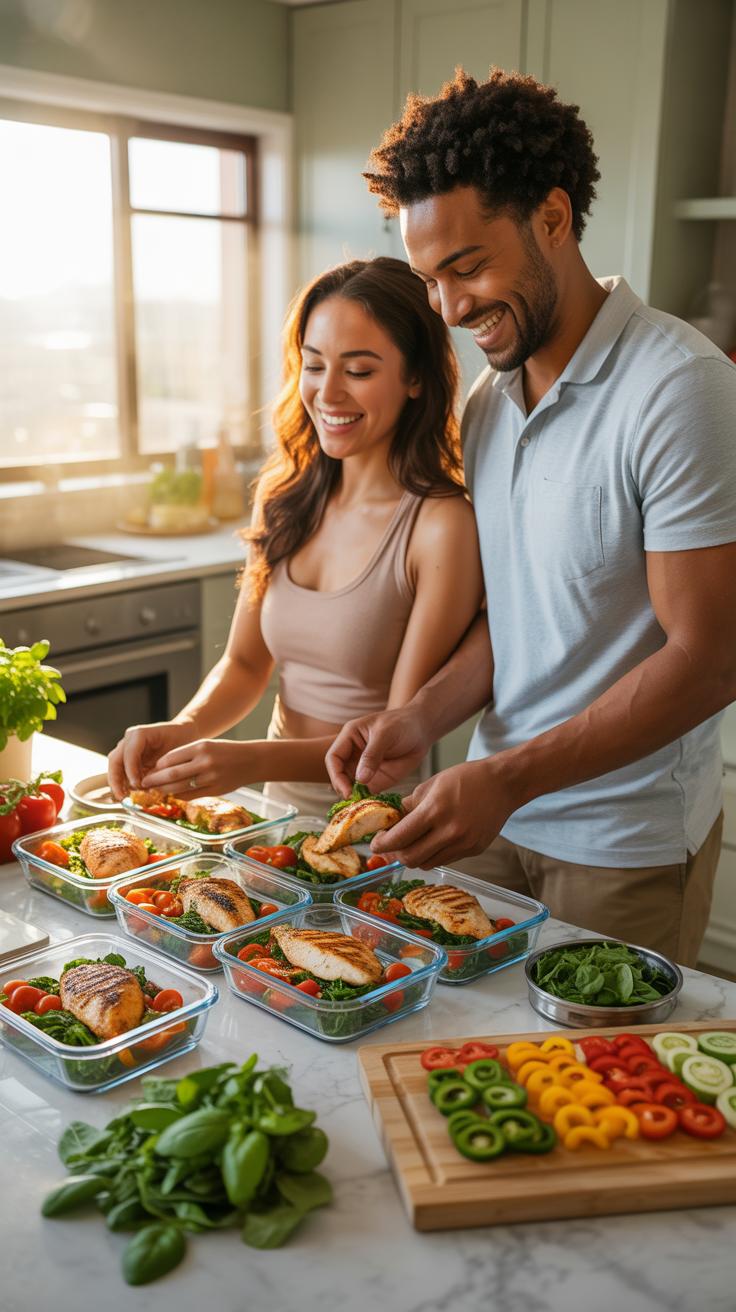
How To Portion And Store Chicken Meals Efficiently When Cooking For Two
Two people require approximately three to four pounds of raw chicken for a standard work week. Buy bulk packs to lower your unit cost per pound. Divide the meat into two separate storage containers before you start cooking. This division prevents overeating during the first few days. Use airtight glass containers to maintain meat texture and prevent cross-contamination in your refrigerator.
Precision measurements eliminate food waste in smaller households. Weigh your cooked chicken using a digital scale to ensure each person gets four to six ounces of protein. Store leftover portions in the back of the fridge where temperatures remain most stable. If you cannot finish the chicken within four days, move the remaining portions to the freezer immediately. Label every container with the date.
Taking the time to prepare a simple bird on Sunday is like tucking a little love into the fridge for your future self. It is the quiet comfort of knowing a wholesome, home-cooked meal is always waiting for you at the end of a long day.
— Julia Child
Flavor Varied Chicken Mealprep Plans So You Never Eat The Same Meal Twice
Cook your chicken with neutral seasoning like salt and black pepper to maintain flexibility. Prepare the base protein in one large batch using a sheet pan or poaching method. Divide the cooked meat into three smaller bowls. Apply different dry rubs or thick sauces to each bowl after cooking. This tactic allows you to change the flavor profile without cooking three separate meals from scratch.
Rotate your secondary ingredients to keep the palette fresh. Pair one portion of chicken with rice and soy sauce for an Asian profile. Use another portion with black beans and lime for a Mexican theme. Serve the final portion over greens with vinaigrette. This strategy prevents palate fatigue and keeps your meal plan sustainable. You get the efficiency of bulk cooking with the variety of daily cooking.
Chicken Lunch Prep Meals Building Balanced Midday Plates All Week
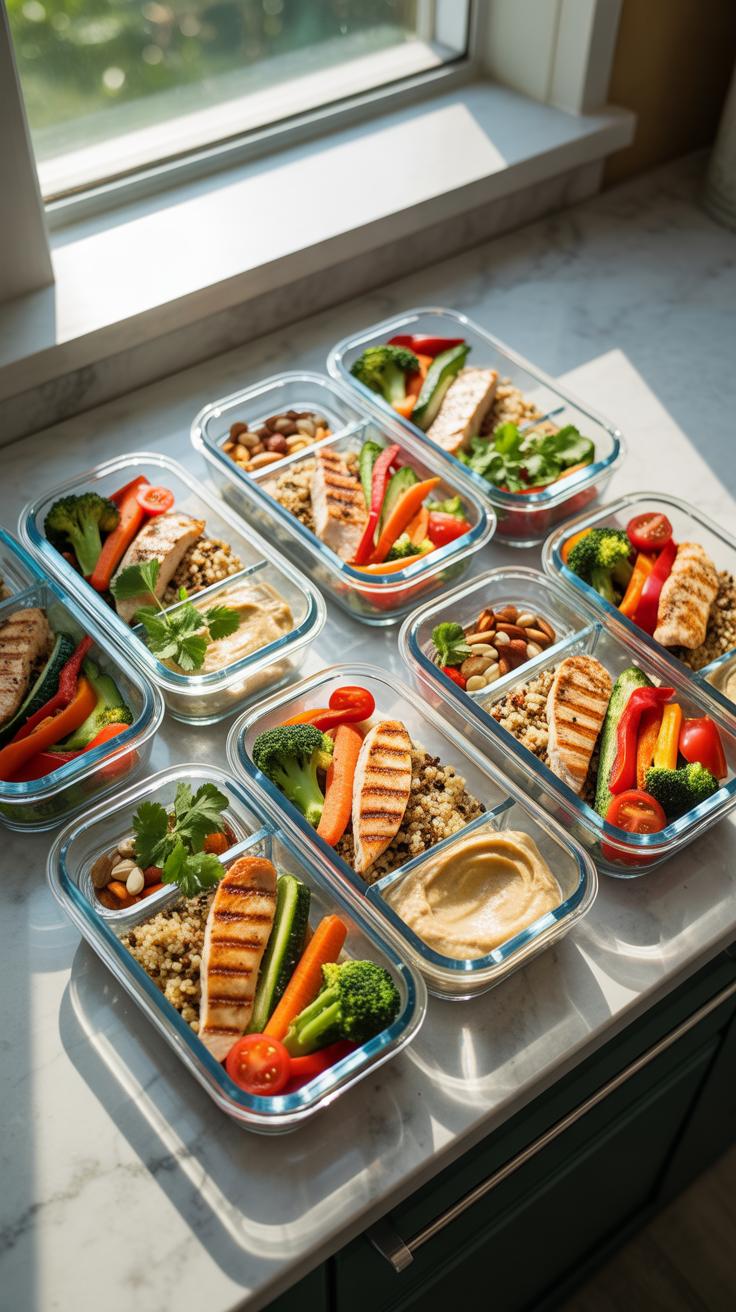
How To Build A Complete Chicken Lunch Prep Plate With Protein, Carbs, And Vegetables
Successful midday fueling requires a specific macronutrient ratio to avoid the late afternoon energy crash. You must allocate four to six ounces of prepared chicken to meet protein requirements. Pair this with a complex carbohydrate like brown rice or sweet potato for sustained glucose release. Fill the remaining half of your storage container with fiber dense vegetables to increase satiety without adding excessive caloric density.
Efficiency dictates that you choose components with similar storage lifespans. Starchy vegetables and grains hold their texture for five days in airtight containers. Avoid adding dressings or sauces directly to the greens until you are ready to eat. Use small separate containers for liquids to prevent the chicken from becoming soggy. This structural approach ensures your prepped meals remain palatable and nutritionally intact from Monday through Friday.
Five Ready To Go Chicken Lunch Ideas You Can Assemble In Under Ten Minutes
Speed remains the primary objective when assembling lunches from your prepped components. You can create variety by changing the flavor profile of the base ingredients you already cooked. These combinations utilize cooked chicken and staple pantry items to maximize your time. Use consistent portion sizes across every container to ensure your nutritional intake stays predictable and matches your fitness or health goals for the week.
- Mediterranean Chicken Bowls: Combine sliced chicken breast with canned chickpeas and pre-washed baby spinach. Add halved cherry tomatoes and a scoop of store-bought hummus. The chickpeas provide extra fiber while the spinach requires no cook time. This meal stays fresh for four days.
- Chicken Pesto Pasta: Toss cold whole grain pasta with prepped chicken and two tablespoons of jarred pesto sauce. Add sun-dried tomatoes for acidity. This dish works cold or hot. It is a dense energy source for days when you have high physical demands.
- Southwest Shredded Chicken: Layer shredded chicken over a bed of black beans and frozen corn. Use pre-shredded cabbage as a crunchy base. Pack a lime wedge and salsa on the side to provide moisture. This assembly takes less than five minutes per container.
- Chicken and Quinoa Salad: Mix cooked quinoa with diced chicken and cucumbers. Add feta cheese for salt and fat. Quinoa acts as a complete protein and absorbs the natural juices of the chicken. This combination resists wilting better than traditional lettuce-based salads during long shifts.
- Buff falo Chicken Wraps: Place buffalo sauce coated chicken into a large flour tortilla with shredded carrots and celery. Wrap tightly in foil to maintain structure. The spicy sauce adds flavor without many calories. It provides a portable option for professionals who must eat while moving.
Standardize your assembly process by lining up five containers on the counter at once. Distribute the dry ingredients first before adding the chicken to ensure even portions. Seal each lid tightly to prevent oxidation and moisture loss. Checking the seals on your containers protects the food from fridge odors. Fast assembly allows you to reclaim your Sunday evening while securing your nutrition for the entire work week ahead.
Pro Tips For Keeping Your Chicken Mealprep Fresh Tasty And Consistent
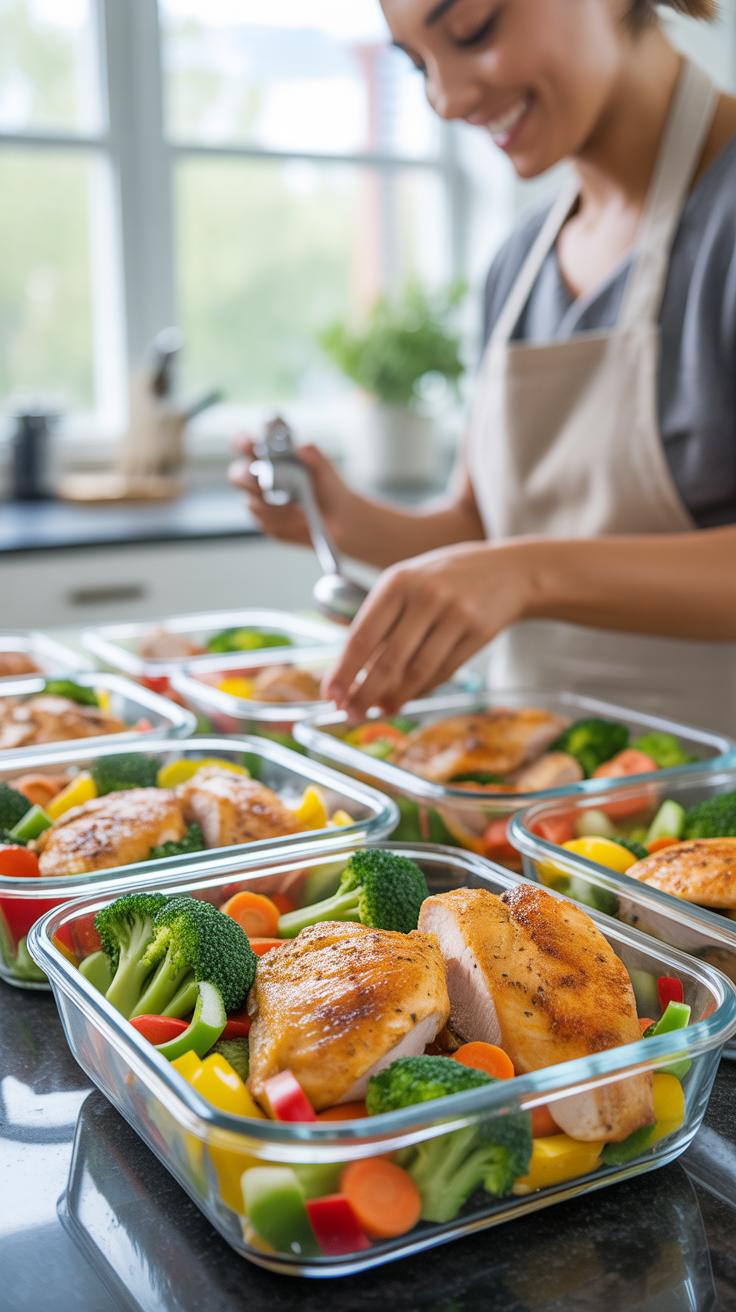
How To Reheat Meal Prepped Chicken Without Drying It Out
Reheating destroys chicken texture because high heat evaporates remaining moisture. You must use a damp paper towel when using a microwave. This method creates a steam chamber around the meat. Set your microwave to seventy percent power instead of the maximum setting. Lower power prevents the exterior from turning into rubber while the center reaches a safe temperature for consumption.
Add a small amount of liquid before heating to preserve the protein structure. Use one tablespoon of water or chicken broth per serving. This liquid replaces what was lost during the initial cook and storage. If you use a stovetop, heat the chicken over low heat with a lid. The lid traps steam and prevents the meat from hardening. Controlled heat ensures the chicken stays tender and edible.
Common Meal Prep Chicken Mistakes To Avoid And How To Fix Them
Many people cook chicken straight from the refrigerator. This results in uneven cooking where the outside burns before the inside finishes. Take the meat out fifteen minutes prior to cooking to reach room temperature. Another error is cutting the meat immediately after cooking. This causes juices to run out on the board. Let the chicken rest for ten minutes to lock in moisture and flavor.
Poor storage choices ruin meal prep quality within two days. Use airtight glass containers instead of thin plastic to prevent oxygen exposure. Oxygen causes oxidation and off-flavors in cooked poultry. Do not stack hot chicken in a deep container. This traps heat and creates a breeding ground for bacteria. Spread the meat in a single layer to cool quickly before you seal and refrigerate the batches.
Frequently Asked Questions

How long does cooked chicken stay fresh when meal prepping?
When you learn how to meal prep chicken for the week, food safety is the top priority. According to USDA guidelines, cooked poultry stays fresh in the refrigerator for three to four days. If you plan to eat your meals toward the end of the week, it is best to store those portions in the freezer immediately and thaw them overnight to ensure every bite remains delicious and safe to consume.
What is the best way to keep meal prep chicken from getting dry?
To ensure your meal prep chicken stays juicy after reheating, avoid overcooking it initially. Use a meat thermometer to pull the chicken at exactly 165°F. Another expert tip is to let the meat rest for ten minutes before slicing to lock in moisture. For even better results, store your chicken with a bit of sauce, marinade, or gravy to provide an extra layer of hydration during the reheating process.
Is meal prepping chicken an affordable option for those on a tight budget?
Absolutely! One of the biggest lifestyle benefits of this routine is the cost savings. Buying chicken in bulk or choosing whole birds and thighs rather than pre-cut breasts can significantly lower your grocery bill. Because it is such a versatile protein, you can transform one large batch into various flavors, making it the most cost-effective way to ensure you always have a healthy, homemade meal ready during a busy work week.