
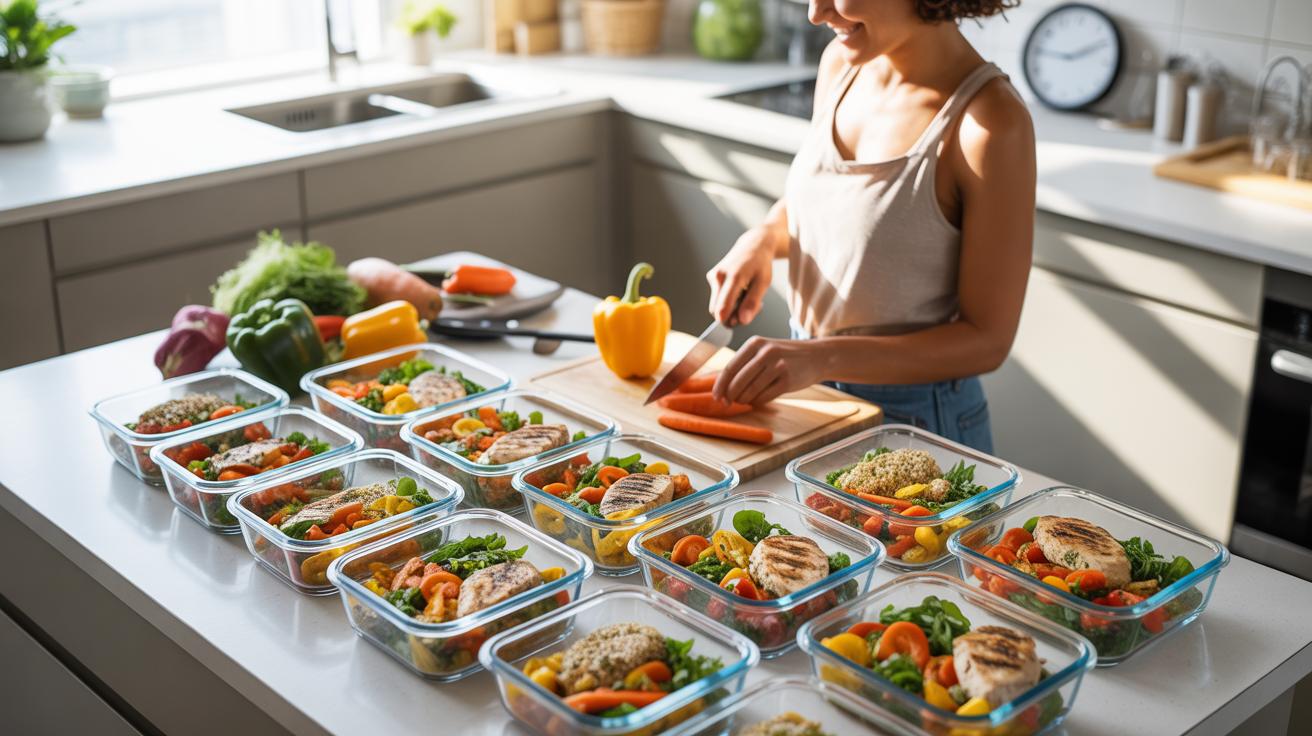
What Is Healthy Meal Prep And Why ItS Worth Your Time
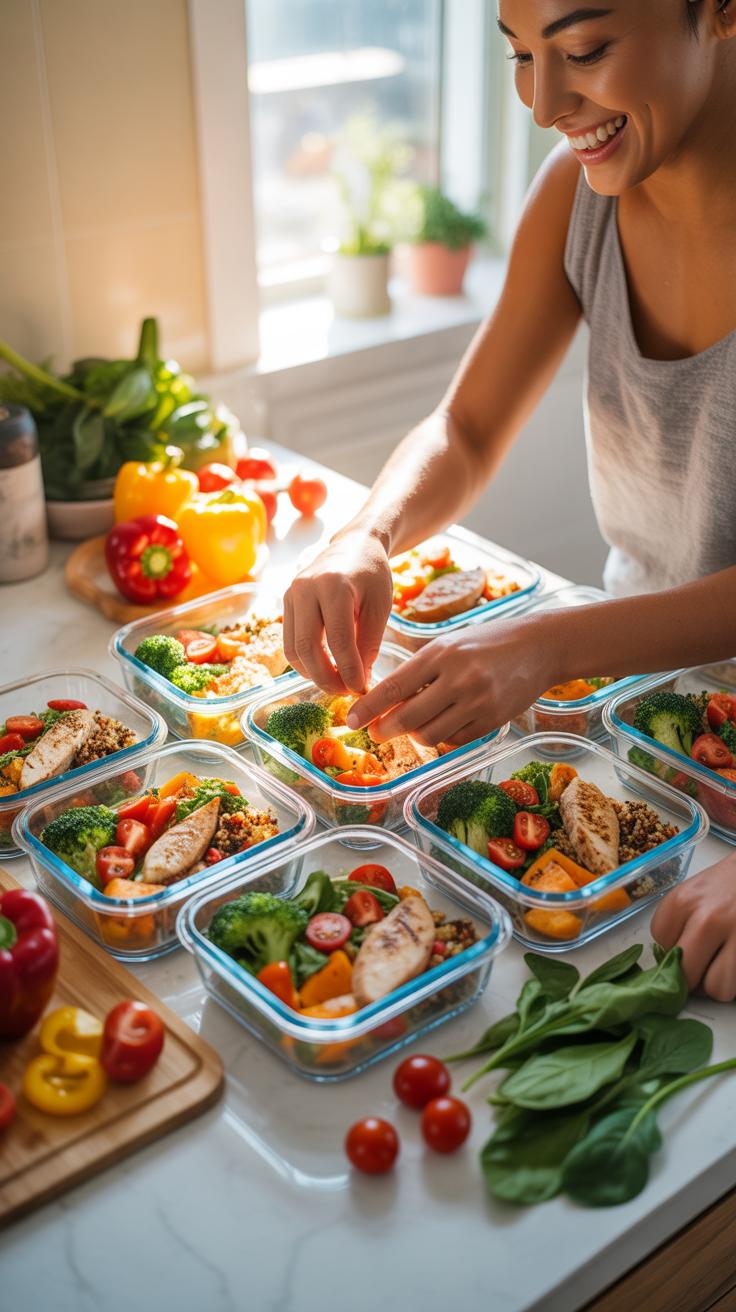
The Core Concept Behind Meal Prepping And How It Works
Meal prepping is a tactical system to prepare full meals or components ahead of schedule. You manage your kitchen as a production line to increase efficiency. This method eliminates daily decision fatigue regarding food choices. You cook in bulk during a single block of time. You then portion these items into containers for easy access throughout the week. It transitions cooking from an emotional task to a scheduled operational requirement.
Standard systems involve batch cooking proteins, grains, and vegetables. You utilize high heat and large pans to maximize output. Proper storage is a critical part of the process. You must use airtight glass or plastic containers to maintain food safety. The objective is to create a repeatable loop of preparation and consumption. You optimize your kitchen workflow to reduce the total hours spent on food management every single month.
Real Benefits: How Meal Prepping Saves Money, Reduces Stress, And Supports Better Eating
Meal prepping targets three primary waste areas: money, time, and health. You lower costs by purchasing ingredients in bulk and avoiding expensive takeout. You eliminate the stress of finding something to eat when you are tired. Prepping ensures you always have a controlled portion of food ready to consume. This control prevents overeating and stops the consumption of processed snacks. You transform your diet through better logistical planning.

Strategic preparation removes the friction between you and healthy nutrition. You make better choices because you decide what to eat while you are calm. Hungry people often make poor decisions when they lack ready options. Prepping provides a safety net against these impulses. You save roughly five to ten hours of cleanup and cooking time every week. This regained time allows you to focus on other high value personal or professional tasks.
How To Meal Prep For Beginners Setting Yourself Up For Success
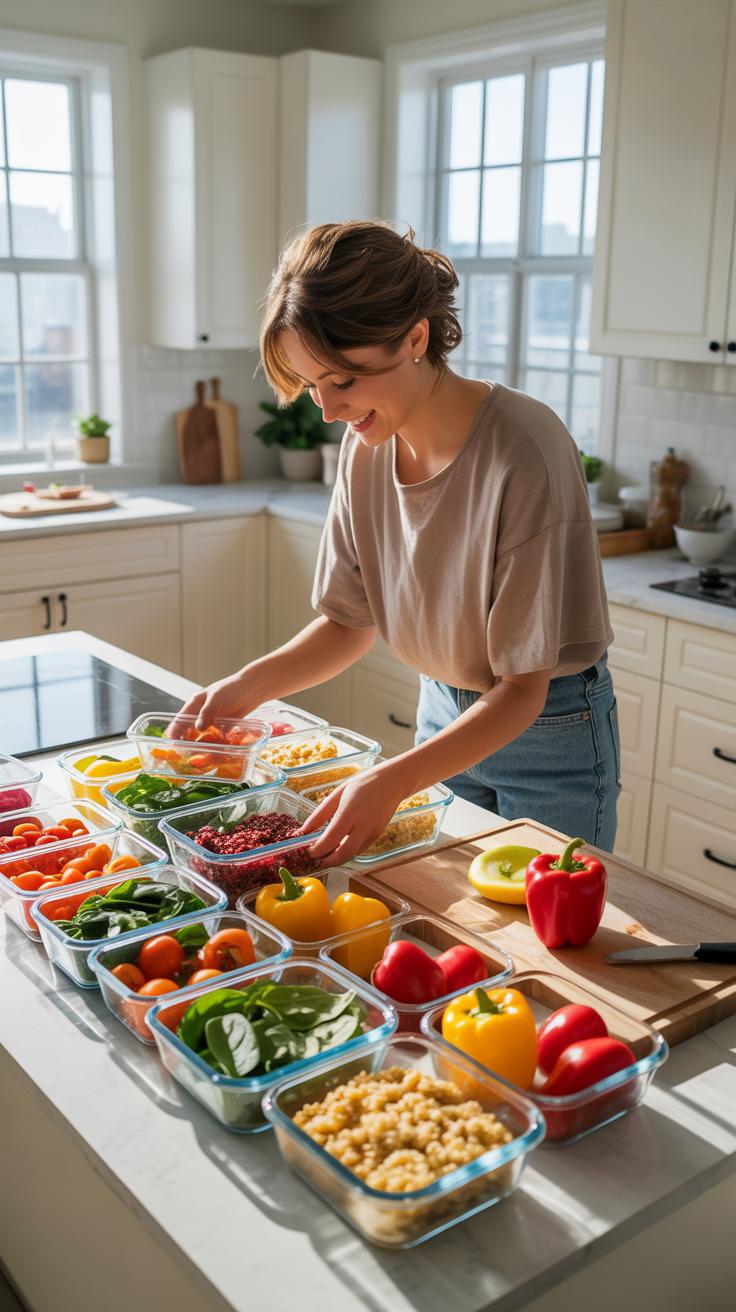
Choosing The Right Containers, Tools, And Kitchen Equipment Before You Start
Success starts with hardware. Buy glass containers with airtight locking lids. These prevent leaks and keep food fresh for five days. High-quality borosilicate glass handles heat better than plastic and does not leach chemicals. Use containers of the same size and shape. This allows for easy stacking in the refrigerator. Uniformity saves space and simplifies the portioning process during your prep session.
Invest in a digital kitchen scale and a sharp chef knife. Accuracy in measurement ensures consistent results and prevents waste. A dull blade slows you down and increases injury risk. Use large rimmed baking sheets for roasting multiple ingredients at once. High-quality stainless steel or cast iron pans retain heat effectively. Reliable tools reduce friction. Efficiency in the kitchen depends on having the right gear ready before the stove turns on.
How To Build A Realistic Meal Prep Schedule That Fits Your Lifestyle
Time management is the core of this strategy. Allocate two hours during your weekend for cooking. This block must remain non-negotiable in your calendar. Pick a day like Sunday when you have the most mental energy. Split your tasks into shopping, chopping, and cooking. Trying to do everything in one afternoon prevents burnout. Consistency is more important than complexity when you are just starting out.
Match your prep style to your daily routine. Prepare grab-and-go breakfasts if you have busy mornings. Focus on bulk-cooked proteins and grains for dinner if you prefer fresh assembly at night. Do not attempt to cook twenty different meals. Start with three core recipes that share similar ingredients. This reduces the total number of steps. A lean schedule minimizes decision fatigue and ensures you actually eat the food you prepare.
Your Step By Step Meal Prep Guide From Grocery List To Fridge In 2 Hours
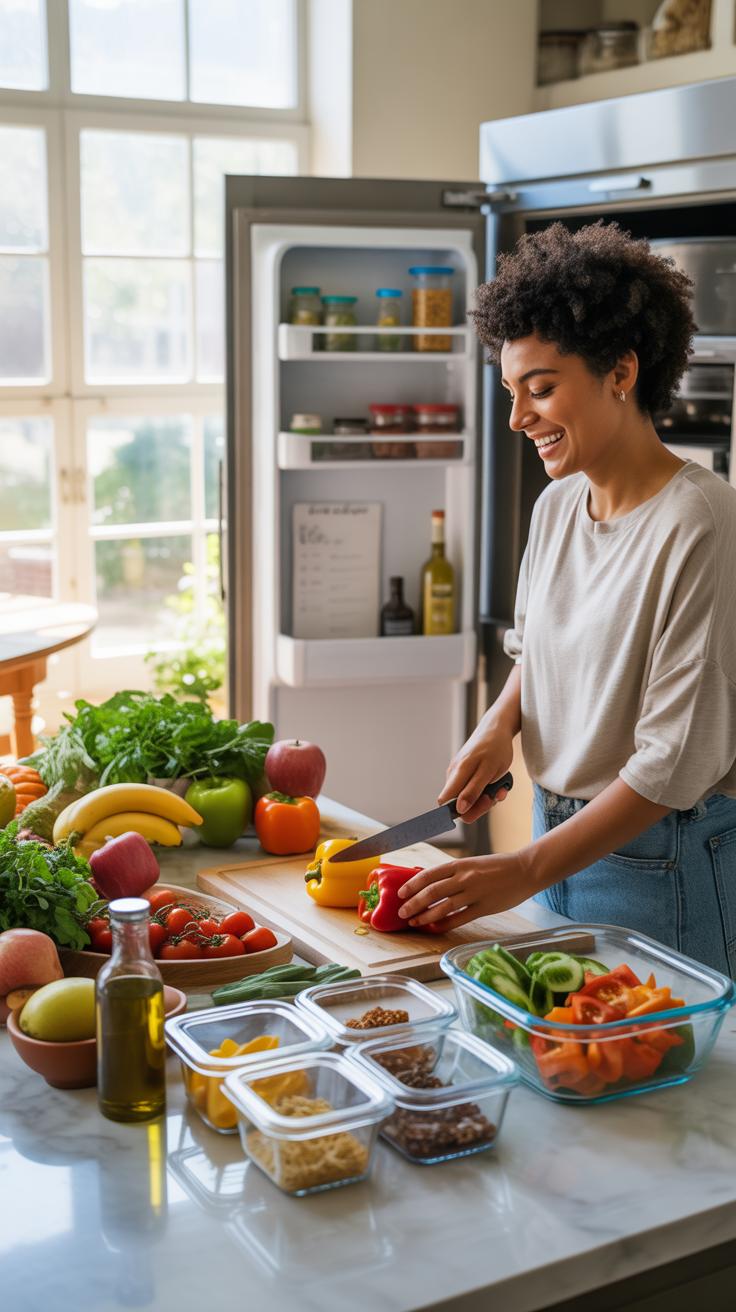
How To Plan Your Menu, Write Your Grocery List, And Shop Efficiently
Strategic meal planning requires a focused menu. Choose two protein sources, three vegetables, and two grains. This formula creates variety without increasing complexity. Analyze your pantry before writing the list to avoid buying duplicates. Categorize your grocery list by store aisle to minimize transit time inside the building. Speed is the objective here. High-quality ingredients ensure the food lasts for five days.
Execute your shopping trip during off-peak hours to avoid crowds. Early mornings or late evenings work best. Stick strictly to the list to prevent impulse buys that waste time and money. Use a single store that you know well. Fast navigation depends on knowing exactly where every item sits on the shelf. Load your bags with similar items grouped together to make unpacking at home faster.
The Exact 2 Hour Prep Workflow: What To Cook First, Second, And Last
The two-hour clock starts the moment you clear your counters. You must heat your oven and boil water immediately. Start with items that require the longest passive cooking times. This approach frees your hands for active tasks like chopping and cleaning. You are managing a production line, not cooking a single dinner. Efficiency comes from overlapping different cooking methods to maximize every minute.
- Preheat and Boil: Turn your oven to 400 degrees and start a large pot of water on the stove. These elements take time to reach temperature. Use this window to wash all produce and line your baking sheets with parchment paper for faster cleanup.
- Oven Roasting: Season your proteins and hardy vegetables like broccoli or sweet potatoes. Place them in the oven immediately. Setting a timer is critical to prevent burning while you focus on other tasks. Roasting provides the bulk of your flavor with minimal manual labor.
- Stovetop Grains: Add rice, quinoa, or pasta to the boiling water. Grains are foundational components that store well for days. Watch the clock to ensure they stay al dente. Mushy grains ruin the texture of prepped meals by the third or fourth day.
- Active Chopping: Dice your fresh vegetables and aromatics while the stove and oven do the heavy lifting. Prepare raw snacks or salad components now. Keeping your knife moving during the middle of the hour ensures you stay on pace to finish the entire process.
- Assembly and Storage: Portion your cooked items into airtight glass containers once they stop steaming. Leaving space for airflow prevents moisture buildup. Label each container with the date and contents. Proper cooling before sealing the lids helps maintain food safety and optimal texture.
Finalize your prep by cleaning as you go. Never leave a stack of dishes for the end of the session. Clean tools allow you to transition between tasks without stopping. Once the containers are in the fridge, your work for the week is complete. This disciplined workflow eliminates the need to cook or clean for the next five days. Success depends on following this specific sequence every time.
Meal Prep For The Week How To Structure Breakfasts Lunches And Dinners
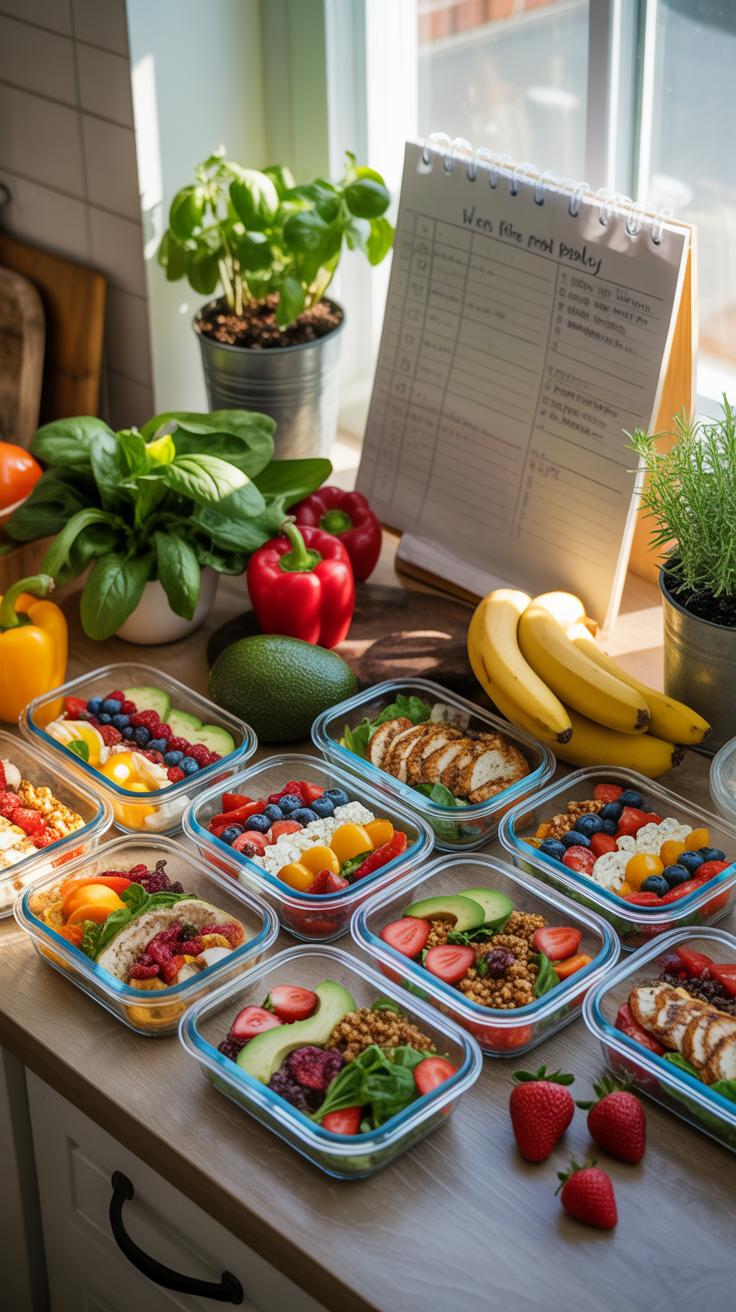
How To Prep Make Ahead Breakfasts That Are Quick, Filling, And Nutritious
Breakfast prep requires foods that maintain structural integrity over several days. Focus on complex carbohydrates and high protein sources to ensure satiety. Overnight oats and chia puddings utilize cold hydration to soften grains without heat. This method prevents the mushy texture common in reheated porridges. Use airtight glass jars to prevent oxidation. Measure dry ingredients first to maintain consistent ratios across every single serving.
Egg-based dishes like frittatas or baked egg cups provide essential fats and proteins. Bake these in silicone molds for easy removal and portion control. Avoid adding watery vegetables like raw tomatoes which ruin the texture during storage. Opt for spinach or roasted peppers instead. These items reheat well in under sixty seconds. Proper cooling before sealing containers prevents condensation. Excess moisture leads to rubbery eggs and rapid spoilage.
Prepping Lunches And Dinners That Stay Fresh And Flavorful All Week Long
Successful lunch and dinner prep relies on modular components rather than fully assembled plates. Keep proteins, grains, and fibrous vegetables in separate bulk containers or sections. This prevents flavor transfer and allows for varying textures. Harder vegetables like broccoli and carrots hold up better than leafy greens when cooked. Store dressings and sauces in small side containers. Add them only at the moment of consumption to prevent sogginess.
Tactical dinner prep involves batch cooking versatile bases. Roast two large trays of seasoned chicken or tofu to use in different meal formats. Combine these with various grains like quinoa or farro throughout the week. Vacuum seal or tightly pack containers to minimize air exposure. Modern food safety standards suggest consuming refrigerated cooked poultry within four days. Freeze leftovers on Wednesday to ensure quality for the end of the week.
Week Meal Prep Ideas Versatile Ingredients That Work Across Multiple Meals
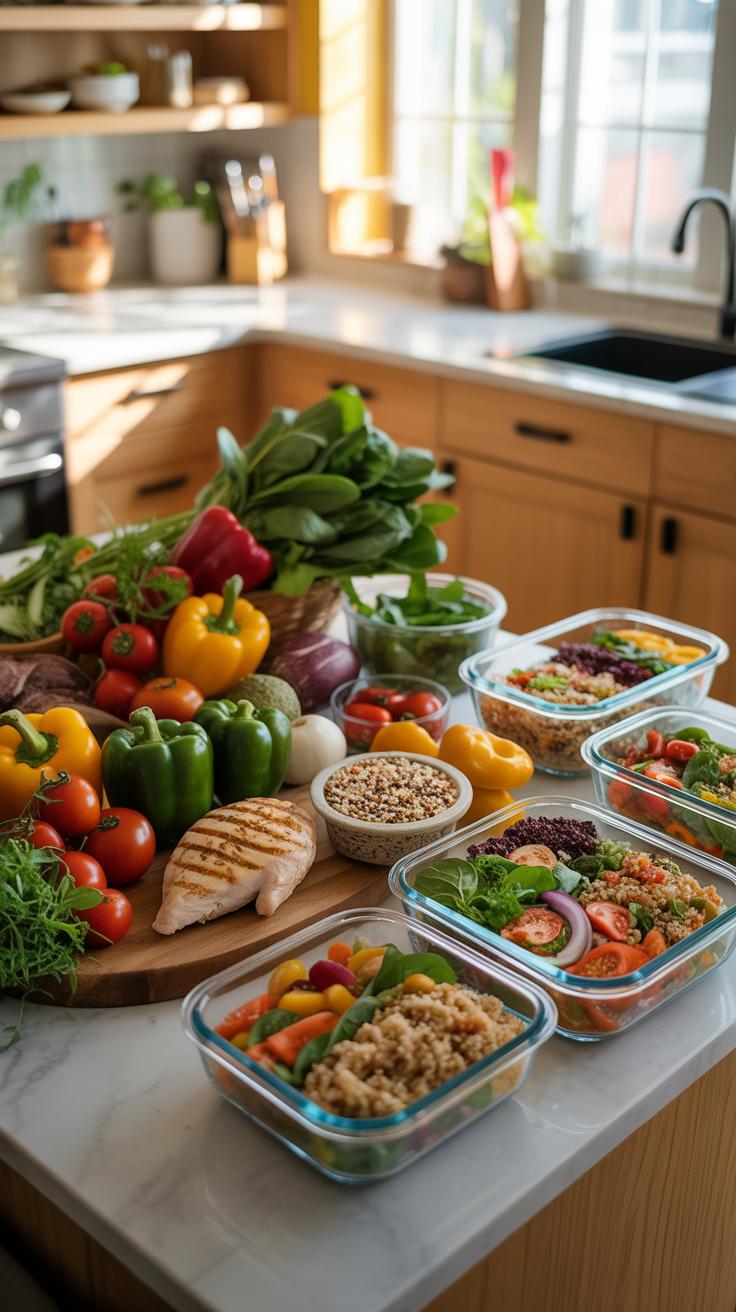
The Best Proteins, Grains, And Vegetables To Batch Cook For Maximum Flexibility
Strategic meal prep relies on neutral base ingredients. You must choose items that survive refrigeration and reheating without losing structural integrity. Focus on high-yield proteins and complex carbohydrates that pair well with different spice profiles. Efficiency improves when you cook large batches of these components simultaneously. This method reduces total kitchen time and simplifies your grocery list for the entire week.
- Chicken Thighs: Choose thighs over breasts for better moisture retention during reheating. Season them with salt and pepper only to ensure they fit into Mediterranean, Mexican, or Asian dishes later.
- Quinoa or Farro: These ancient grains offer more protein and fiber than white rice. They maintain a firm texture in the fridge. Use them as a base for warm bowls or cold salads.
- Roasted Sweet Potatoes: Cubing and roasting these vegetables provides a reliable source of healthy carbohydrates. They pair effectively with breakfast eggs, lunch salads, or dinner proteins. Their natural sweetness balances savory spices.
- Hard Boiled Eggs: Prepare a dozen eggs at once for a portable protein source. They serve as a quick breakfast or a fat-rich addition to midday greens. Peel them immediately after an ice bath.
- Cruciferous Vegetables: Broccoli, cauliflower, and Brussels sprouts hold their crunch longer than leafy greens. Roast them on sheet pans at high heat. They provide necessary bulk and micronutrients to every container you pack.
Select your seasonings strategically during the initial cook phase. Keep the base flavors simple to avoid flavor fatigue by Wednesday. Use high-quality oils with high smoke points for roasting to prevent acrid tastes. This foundation allows you to pivot your meal strategy based on daily cravings. Proper storage in airtight glass containers preserves these textures and prevents cross-contamination of scents in your refrigerator.
How To Mix And Match Prepped Ingredients To Avoid Eating The Same Meal Twice
Variety comes from sauces and assembly methods rather than cooking new proteins daily. Take your prepped chicken and grains and rotate the flavor profile using pantry staples. Monday might feature a bowl with tahini and cucumber. Tuesday uses the same chicken in a wrap with salsa and beans. This lateral thinking prevents boredom while utilizing the same bulk-cooked inventory effectively.
Change the temperature and texture of your meals to keep them interesting. Use your prepped vegetables cold in a salad one day and sauté them with soy sauce the next. Contrast soft grains with raw, crunchy toppings like nuts or fresh radishes. This tactical approach keeps your palate engaged without requiring extra time over a stove. Success in meal prepping is about smart assembly.
How To Build Balanced Meals During Your Weekly Prep Session
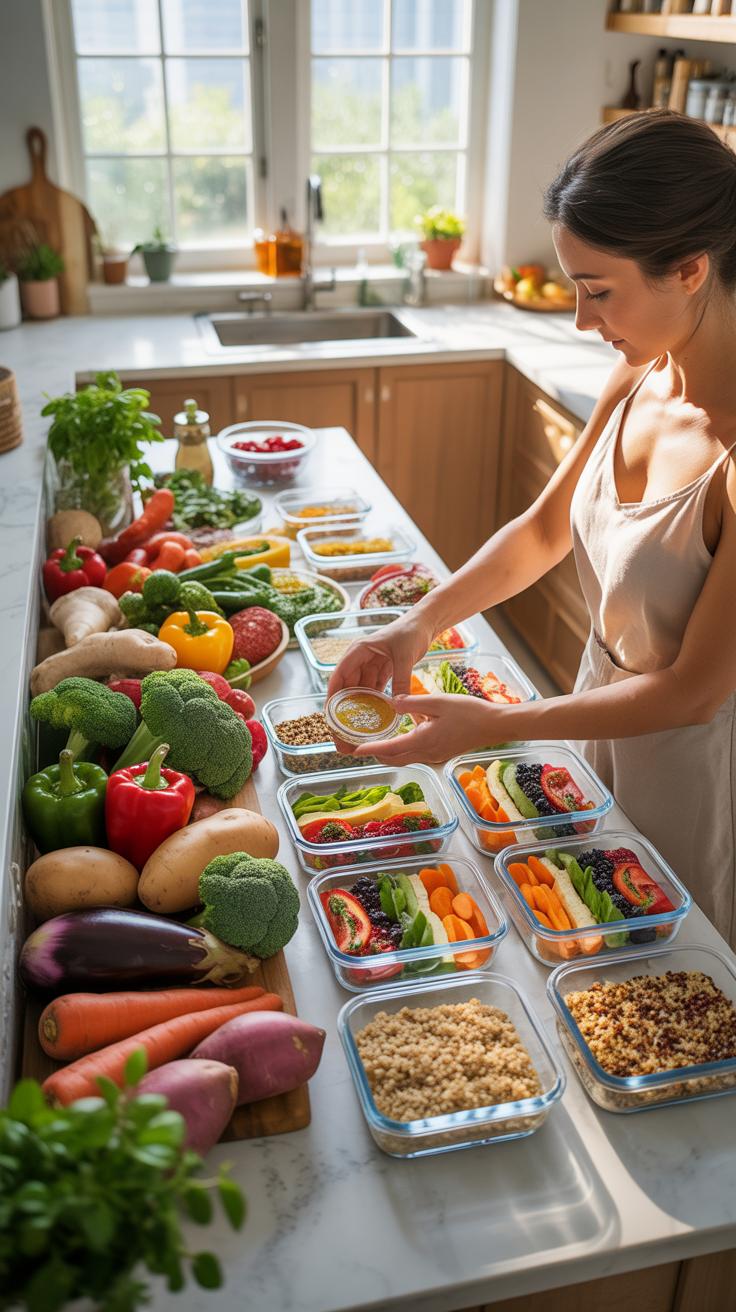
Understanding Macronutrients How To Balance Protein Carbohydrates And Fats In Each Meal
Protein serves as your primary building block for muscle repair and satiety. Aim for a palm sized portion in every container to stabilize blood sugar. Lean sources like chicken breast or tofu work best for storage because they reheat without losing texture. If you neglect protein your energy will crash by mid afternoon. High quality proteins ensure your body remains in an anabolic state throughout the work week.
Carbohydrates provide the glucose fuel for brain function and physical movement. Complex carbs like brown rice or sweet potatoes release energy slowly over several hours. Fats act as the essential carrier for vitamins A and D while keeping you full. Add healthy fats like avocado or olive oil right before eating. This strategic balance prevents the metabolic spikes associated with poorly planned processed snacks and fast food.
How Portion Control And Meal Structure During Prep Helps You Meet Your Health Goals
Standardized containers remove the guesswork from your daily nutrition. Using the same size vessel for every lunch forces you to visually recognize correct volumes. Fill half your container with fibrous vegetables to add bulk without excessive calories. This structural approach prevents overeating and ensures you hit your micronutrient targets. Discipline during the prep session eliminates emotional decision making when you are hungry and tired later.
Measuring your food during the assembly phase creates a data driven diet. Use a kitchen scale for precision if you have specific weight goals. Knowing exactly how many grams of each food group you consume allows for easy adjustments next week. If you feel sluggish increase your slow carbs. If you are hungry add more fiber. Consistent meal structure builds the habits necessary for long term body composition success.
Best Meal Prep And Batch Cooking Strategies To Save Even More Time
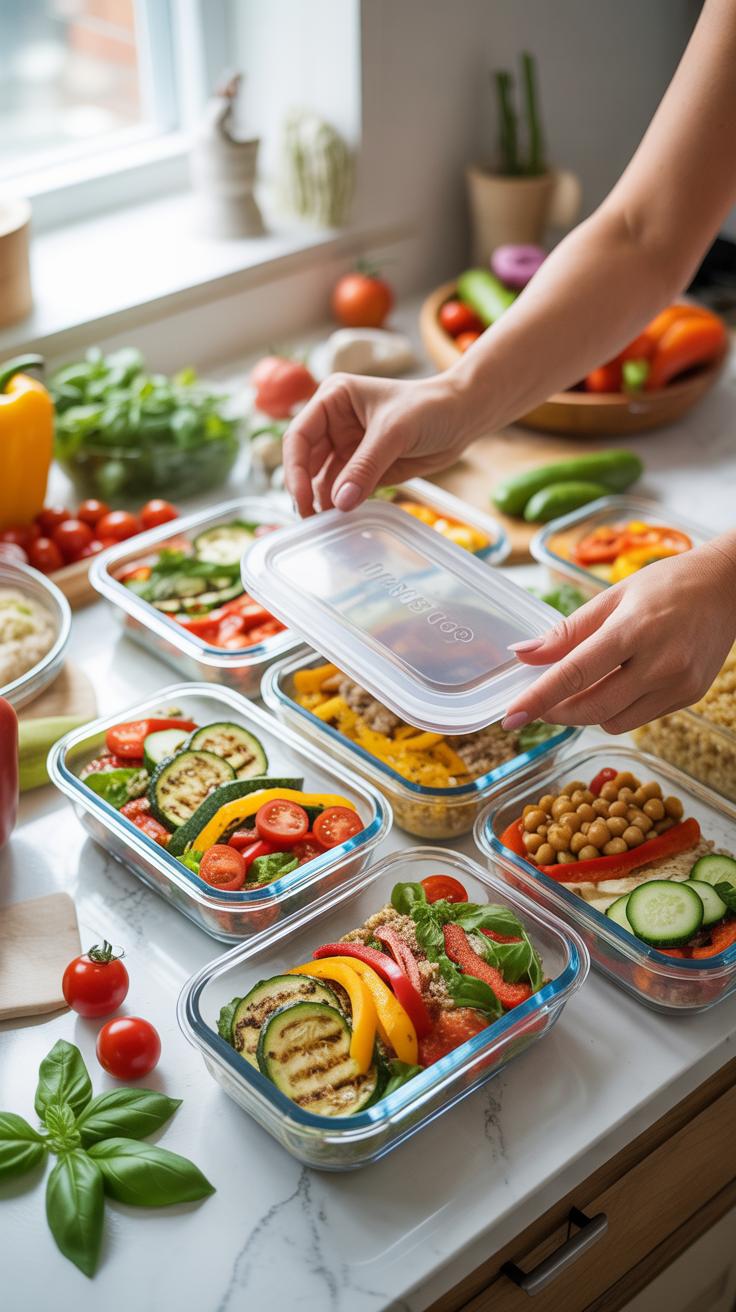
What Is Batch Cooking And How It Differs From Standard Meal Prepping
Standard meal prepping involves portioning out complete meals for the upcoming week. You cook specifically for Monday through Friday and divide everything into containers. This method ensures you have a ready meal every day but limits your flexibility. It focuses on immediate consumption within a five day window. You spend time on assembly and storage for a specific short term results.
Batch cooking focuses on quantity rather than individual portions. You prepare large volumes of specific components or full recipes to store for long periods. You might cook five pounds of chicken or two gallons of chili at once. This strategy stocks your freezer for future weeks instead of just the current one. It reduces the total number of sessions you spend in the kitchen over a month.
The greatest gift you can give your future self is the simple peace of a Sunday afternoon well spent in the kitchen. In just two short hours of steady hands and fragrant spices, you weave a weekend’s love into a whole week’s worth of soulful nourishment.
Pro Batch Cooking Tips: Doubling Recipes, Freezing Portions, And Rotating Meal Plans
Maximize your efficiency by doubling every recipe you cook. If you are already chopping onions and heating the oven, the marginal effort to cook more is low. Hardware and energy costs remain nearly identical whether you cook one pound or four pounds of meat. Use heavy duty freezer bags to prevent freezer burn. Label every container with the date and contents to avoid wasting food later.
Rotate your stock to maintain variety and prevent meal fatigue. Eat half of what you cook this week and freeze the rest. Retrieve a different meal from two weeks ago to round out your current schedule. This creates a rolling inventory of diverse options. You eventually stop cooking from scratch every single week. You simply reheat high quality meals you prepared during previous high volume kitchen sessions.
How To Store Your Meals For The Week Safely And Keep Them Fresh
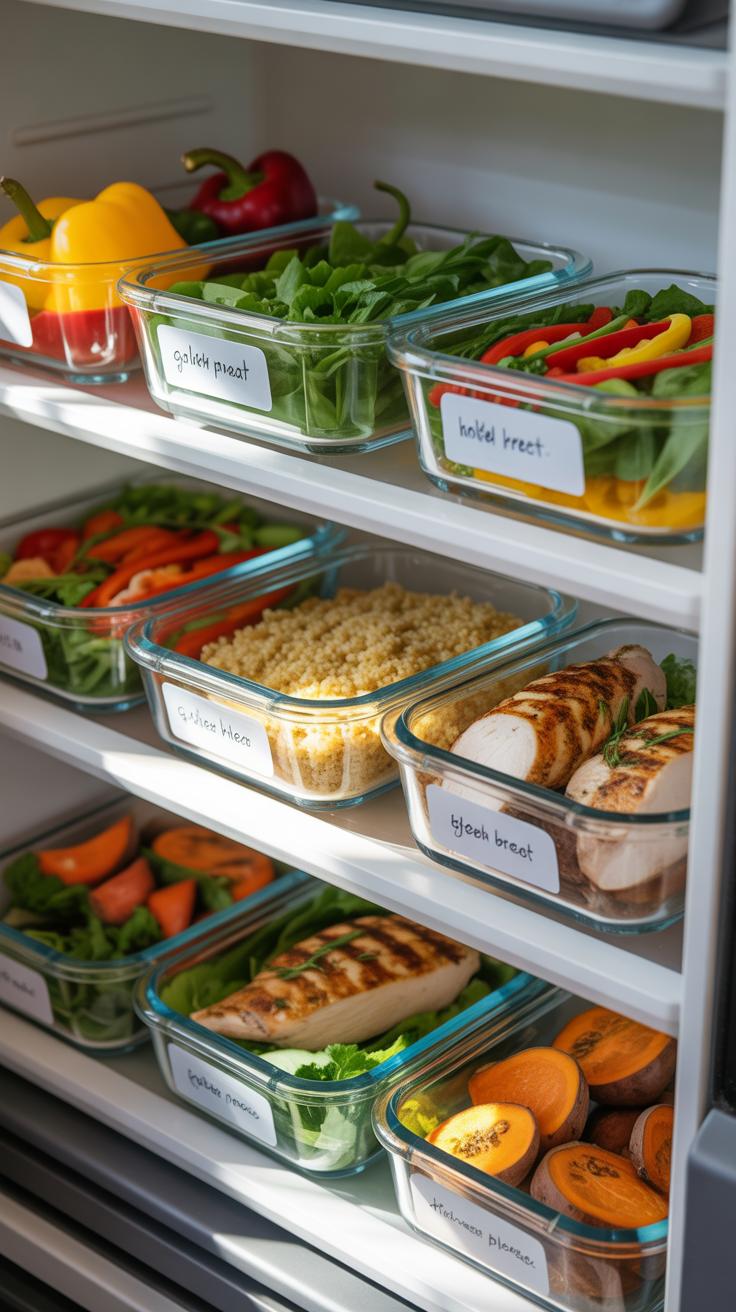
Food Safety Guidelines: How Long Prepped Meals Last In The Fridge And Freezer
You must follow the three to four day rule for refrigerated cooked foods. Bacterial growth accelerates after ninety six hours even in cold environments. Cooked poultry and ground meats spoil faster than roasted root vegetables. Keep your refrigerator at or below forty degrees Fahrenheit to stall pathogens. Use a thermometer to verify your appliance settings are accurate and consistent.
Freezing extends food life for three to six months if sealed correctly. Use airtight containers to prevent freezer burn which ruins food texture. Thaw meals in the refrigerator overnight rather than on your counter. Room temperature exposure invites rapid bacterial multiplication. High water content vegetables like lettuce do not freeze well. Stick to grains and protein for the best long term storage results.
Labeling, Stacking, And Organizing Your Fridge So Your Meals Stay Fresh And Accessible
Efficiency depends on visual organization and clear dating systems. Use masking tape or waterproof labels to mark every container with the prep date. Place the oldest meals at the front of the shelf to ensure you eat them first. This first in first out method prevents food waste. Group similar meal types together to find your lunch or dinner in seconds.
Stackable glass containers maximize vertical space and offer superior seals. Glass does not leach chemicals or hold odors like cheap plastic. Avoid overfilling your fridge because air must circulate to maintain a steady temperature. Blocked vents cause warm spots that lead to premature spoilage. Keep raw items on the bottom shelf and prepped meals on top to avoid any cross contamination risks.
Frequently Asked Questions

What are the basic essentials I need to start meal prepping?
Getting started is simpler than you might think. To learn how to meal prep for a week effectively, focus on quality airtight containers to keep food fresh and a sharp chef’s knife for quick chopping. You don’t need fancy gadgets; a large sheet pan, a sturdy pot, and a clear plan are your best friends. Start with a few versatile ingredients to keep your kitchen organized and your stress levels low.
How can I actually finish all my cooking and cleanup in just two hours?
The secret lies in multitasking and “batching” your tasks. Start by preheating your oven and getting your longest-cooking items, like grains or roasted proteins, started first. While those cook, chop all your vegetables at once. By grouping similar activities, you maximize your efficiency. Mastering how to meal prep for a week in a short window requires staying focused on the process rather than getting distracted by complex, multi-step recipes.
Is it possible to meal prep effectively on a tight monthly budget?
Absolutely! Meal prepping is one of the best ways to reduce food waste and save money. Focus on affordable staples like beans, lentils, eggs, and seasonal produce. Buying in bulk and choosing versatile proteins allows you to create multiple different flavor profiles from the same base ingredients. Planning your menu around sales at your local grocery store ensures you eat well without overstretching your finances or sacrificing nutritional quality.