
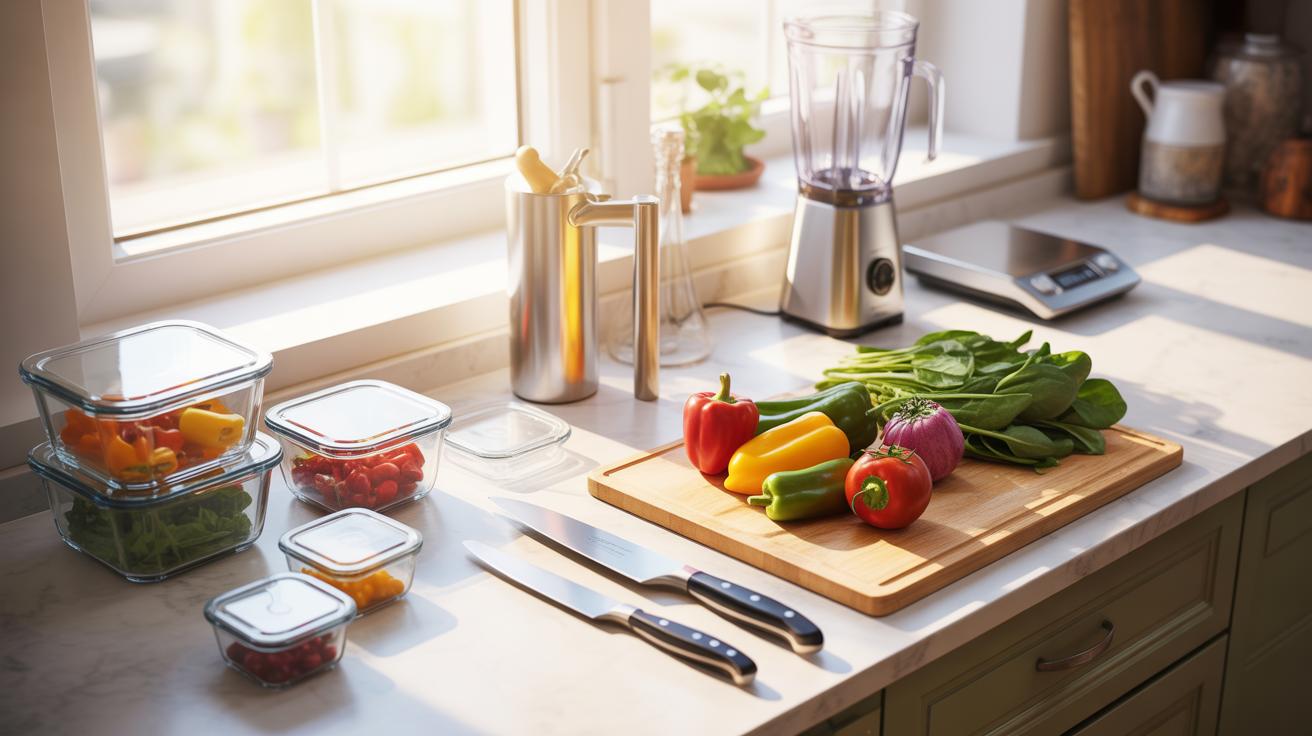
What Is Meal Prep Equipment And Why It Matters For Weekly Cooking Success
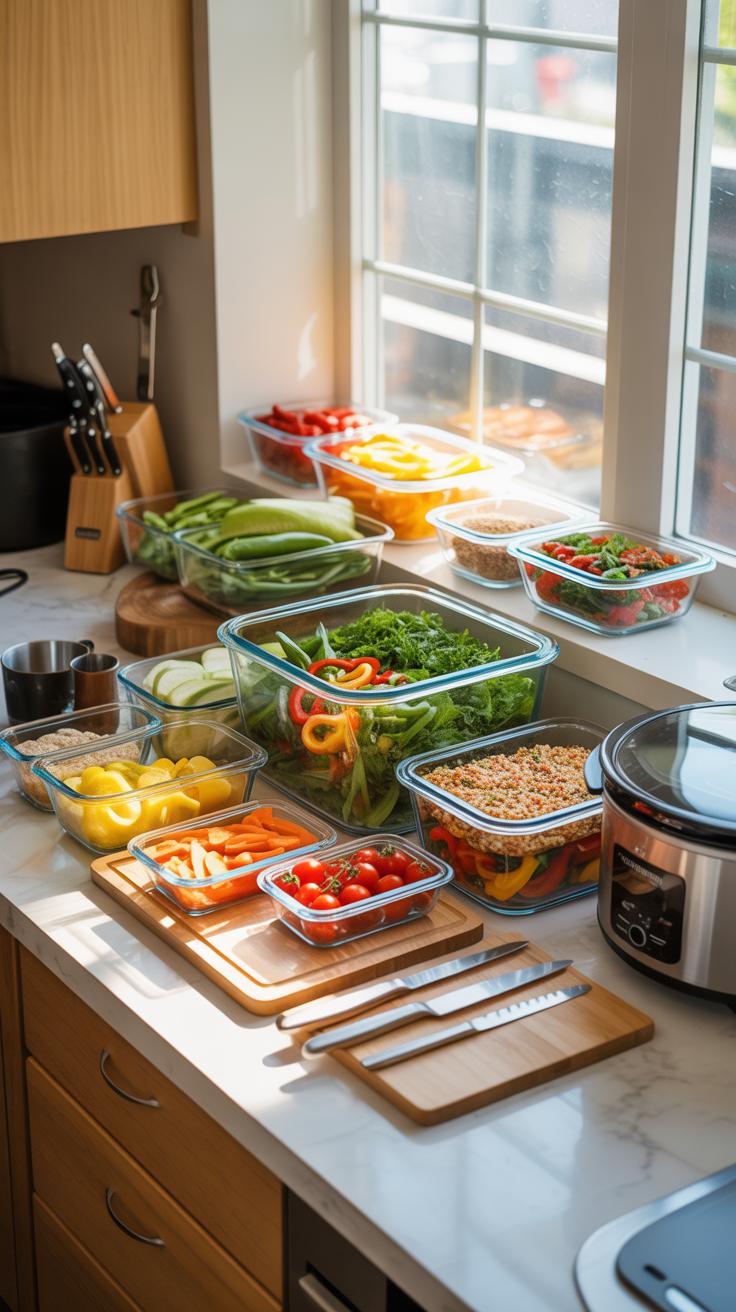
Defining Meal Prep Equipment Beyond Just Pots And Pans
Meal prep equipment includes any tool designed to streamline bulk food production. Traditional cookware handles immediate heat transfer for single meals. Prep gear focuses on high volume processing and long term storage. This category spans three main stages. You need tools for fast chopping, uniform cooking, and airtight containment. These items transform a kitchen from a daily cooking space into a small scale production line.
Specialized equipment uses industrial design principles to manage batch workflows. Borosilicate glass and BPA free plastics serve as primary materials for durability. Vacuum sealers and digital scales ensure portion control and freshness. You must view these tools as infrastructure for your nutrition strategy. They allow you to scale recipes without increasing your labor hours. Reliable gear reduces friction in the kitchen and ensures consistent meal quality every week.
How The Right Equipment Saves You Time, Money, And Food Waste
Efficiency in meal prep depends on minimizing downtime between cooking steps. High quality food processors and mandolines cut manual labor by eighty percent compared to hand knives. Uniform cuts ensure even cooking times across large batches. This precision prevents raw or overcooked food in your containers. Speed allows you to finish a week of meals in a single afternoon. You gain back hours of free time during the work week.
The right containers extend the shelf life of your ingredients. Airtight seals prevent oxidation and bacterial growth in the refrigerator. This preservation stops you from throwing away spoiled produce and expensive proteins. Proper portioning also stops overeating and controls your grocery budget. You buy exactly what you need because you have the tools to process it immediately. Efficient storage turns leftovers into viable ready to eat meals.
The Best Meal Prep Containers For Keeping Your Food Fresh All Week
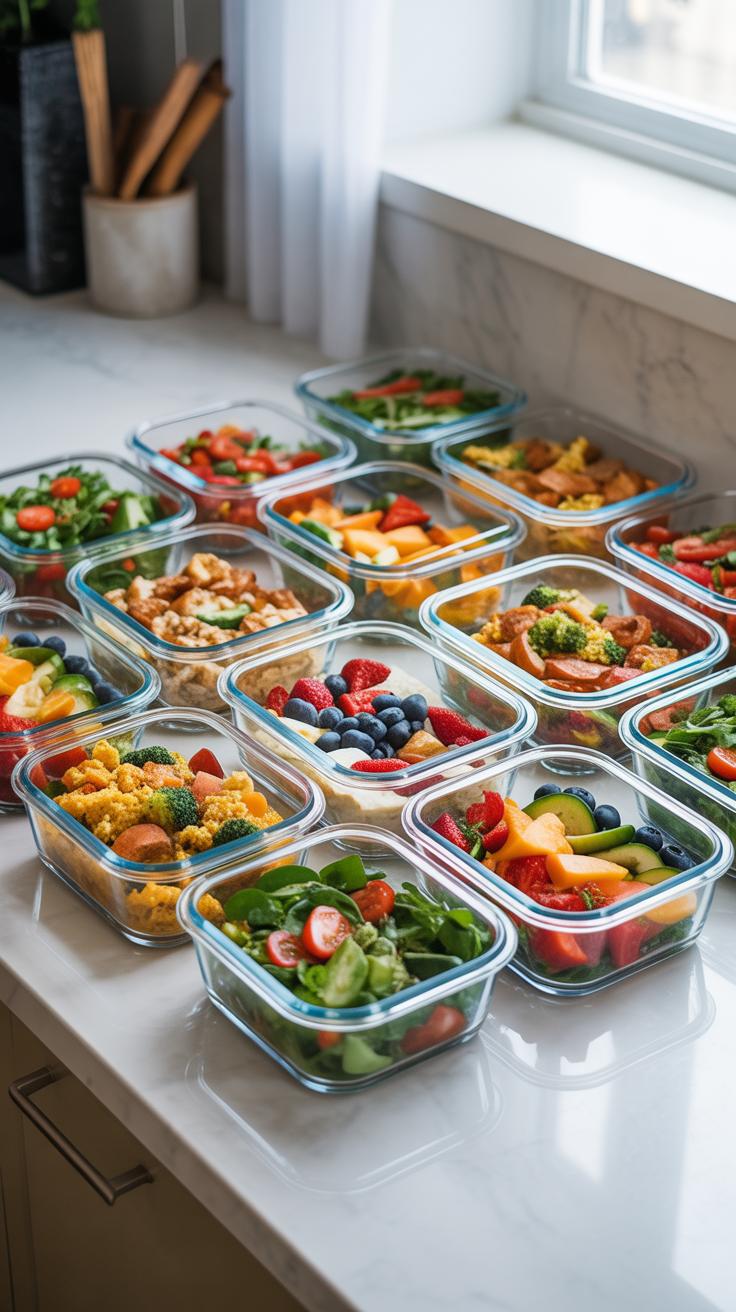
Guidance On What To Look For When Choosing The Best Meal Prep Containers
Material selection determines the lifespan and safety of your food storage system. Borosilicate glass resists thermal shock better than standard tempered glass. This allows you to move containers from the freezer to the oven without cracking. Plastic options must be BPA-free to prevent chemical leaching during heating. High-quality plastic serves well for cold snacks but degrades faster than glass when used for hot meals.
Lid design is the primary failure point for most containers. Look for locking tabs with integrated silicone gaskets. These create an airtight seal that prevents oxidation and spoilage. Avoid thin press-on lids that warp in the dishwasher. A secure seal keeps moisture in and fridge odors out. Check if the lids provide a flat surface for stable stacking to maximize your vertical shelf space.
Portion Sizes Stackability And Seal Quality That Actually Matter
Standardization is the key to an efficient meal prep workflow. Buy containers in uniform sizes to ensure they stack perfectly in your fridge and cabinet. Most adults require 28-ounce to 38-ounce containers for balanced main courses. Using the same brand and model eliminates the frustration of searching for matching lids. Uniformity speeds up the packing process and keeps your storage area organized with minimal effort.
A low-quality seal results in leaked liquids and dry, unappealing food by day four. Test the gasket by filling the container with water and turning it upside down. If air or water escapes, your food will spoil prematurely. Select containers with removable gaskets for deep cleaning to prevent mold growth. High-quality seals maintain internal humidity levels and keep your prepped vegetables crisp throughout the entire work week.
Glass Storage Containers Vs Plastic Which Is Better For Meal Prep
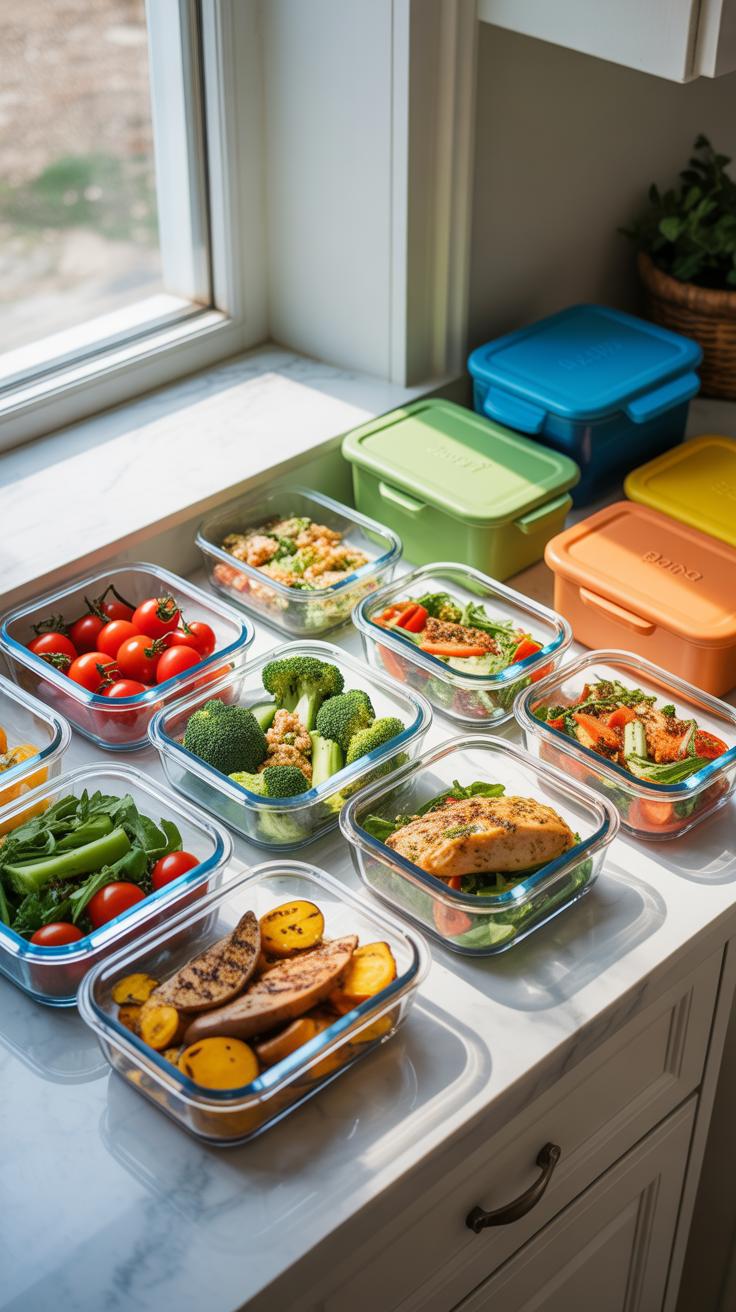
Why Glass Storage Containers Are A Durable And Health Conscious Choice
Glass containers use tempered borosilicate or soda-lime glass to withstand high heat. This material remains chemically inert when in contact with acidic or oily foods. It does not leach bisphenol compounds into your meals during microwave heating. Glass resists stains and odors that typically ruin cheaper alternatives. It provides a long-term solution for chefs who prioritize food safety and material integrity over initial costs.
The durability of glass allows for a seamless transition from freezer to oven. High-quality tempered glass handles extreme thermal shock without cracking or shattering. You can clean these containers in the dishwasher repeatedly without worrying about surface degradation or clouding. They offer a transparent view of contents which helps track inventory in the refrigerator. Choosing glass reduces your long-term equipment spending because these units do not warp or wear out.
When Plastic Containers Still Make Practical Sense For Certain Meals
Plastic containers serve a specific tactical purpose for mobile meal prep. They weigh significantly less than glass and tolerate physical impact without breaking. Modern high-quality plastic uses polypropylene to ensure flexibility and portability. This material makes sense for commuters carrying multiple meals in a single bag. It prevents heavy loads and eliminates the risk of glass shards if a bag falls or hits a hard surface.
Budget constraints often dictate your starting equipment list. Plastic allows you to buy large bulk sets for a fraction of the cost of glass. These sets often feature stackable designs that maximize vertical space in small kitchens. You should use plastic for cold meals like salads or snacks to avoid heat-related chemical leaching. Proper maintenance includes hand washing and avoiding the microwave to extend the life of these lightweight tools.
How To Choose A Food Storage Container Set That Works For Your Lifestyle
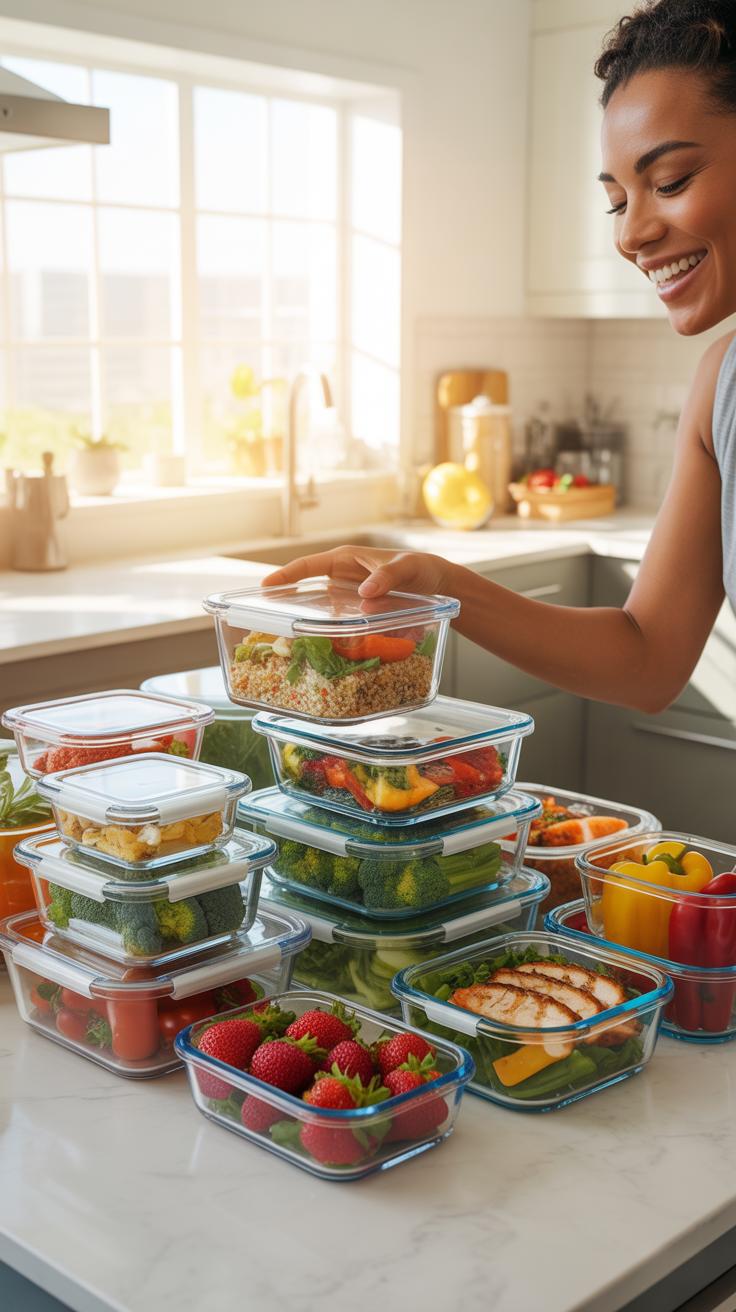
Matching Your Food Storage Container Set To Your Meal Variety And Volume
Select containers based on your specific calorie needs and food types. High volume eaters require deep vessels for bulky greens and grains. Precise portion control relies on smaller, standardized units. Measure your typical meal volume before buying a set. Consistency in container size simplifies fridge stacking and helps you visual calorie density. Do not buy mixed sets with tiny bins you will never use.
Analyze your cooking cycle to determine the necessary quantity. A five day work week needs at least ten containers for lunch and dinner. Professionals often prefer glass for long term durability and odor resistance. Families benefit from lightweight plastic for mobility and safety. Match the material to your transport method. Heavy glass works for office desks. Plastic fits better in gym bags or backpacks.
Key Features Like Leak Proof Lids Microwave Safety And Dishwasher Compatibility
Prioritize airtight seals to prevent oxidation and food spoilage. Modern silicone gaskets and locking hinges create a reliable vacuum. This prevents liquid spills during transport and keeps produce crisp. Verify the seal is removable for deep cleaning. Trapped moisture leads to mold growth in hidden crevices. Always check the bottom of the container for the food safe resin identification code before purchase.
Heat resistance is a critical safety factor for daily use. Borosilicate glass handles extreme temperature shifts from the freezer to the oven. Standard tempered glass may shatter under rapid heat changes. Ensure plastics are BPA free and labeled for microwave use to prevent chemical leaching. Dishwasher safe components save hours of manual labor over time. Buy stackable designs with nested lids to maximize limited kitchen storage space.
Meal Prep Essentials Tools Every Home Cook Should Own
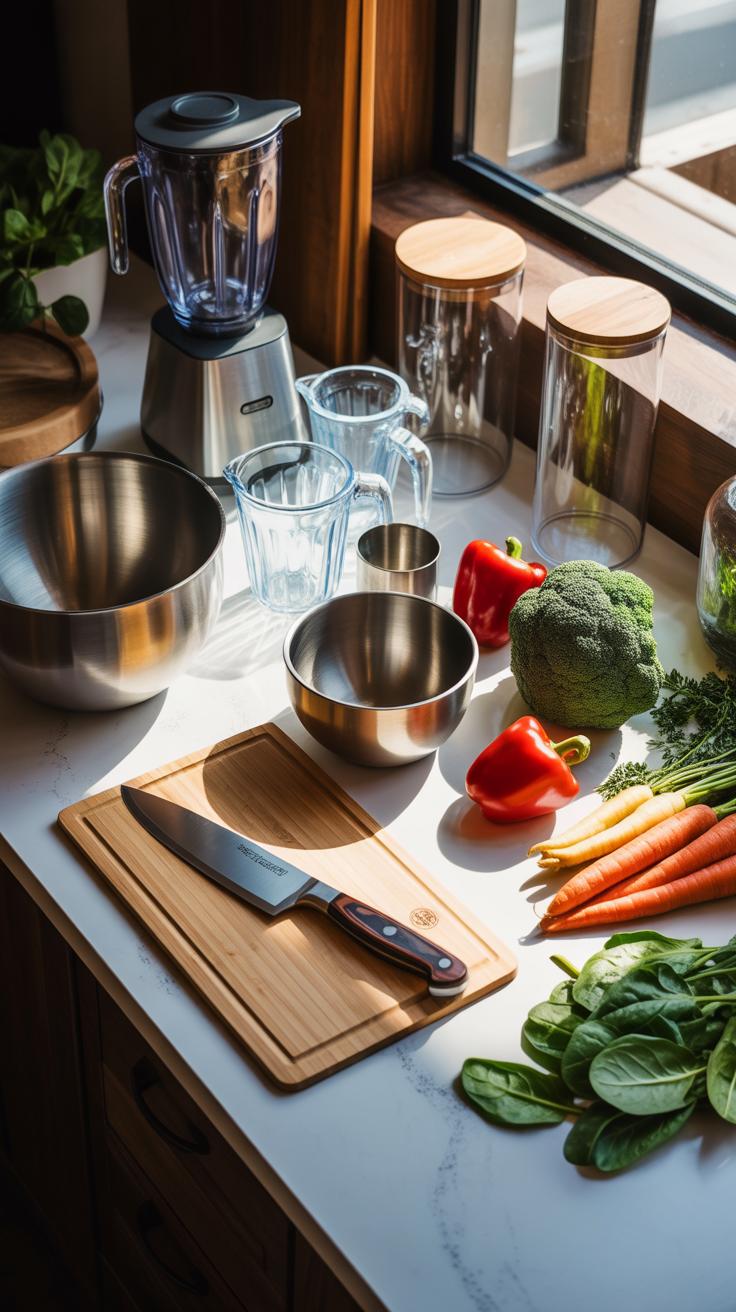
Cutting Boards, Chef’S Knives, And Mandolines That Speed Up Your Prep Work
Efficiency begins with a high-carbon stainless steel chef’s knife. This material balances edge retention with ease of sharpening. A sharp blade reduces muscle fatigue during high-volume vegetable processing. Pair your knife with a large wood or high-density plastic cutting board. Small boards restrict movement and slow down your output. Stable surfaces prevent injury and ensure every cut is precise.
Use a mandoline to achieve uniform thickness for root vegetables and hardy greens. Consistency in slice size ensures even cooking across large batches. Metal Japanese mandolines provide the sharpest blades for dense produce like sweet potatoes. Always use the safety guard to prevent accidents during rapid motion. Professional kitchens prioritize these tools to transform hours of manual labor into minutes of streamlined production work.
Must Have Meal Prep Essentials Tools For Batch Cooking Efficiency
Batch cooking requires equipment that maximizes heat transfer and surface area. You need tools that handle large volumes without crowding the pan. Overcrowding causes steaming instead of browning. This ruins the texture and flavor of your bulk ingredients. Prioritize heavy-duty materials like cast iron or 18/10 stainless steel. These materials withstand high heat and frequent use over many years.
- Half-Sheet Pans: Standard 18 by 13 inch aluminum pans distribute heat evenly. They are the industry standard for roasting large quantities of vegetables or proteins. Use commercial-grade rims to prevent warping in high-heat ovens.
- Cast Iron Skillet: Thick iron walls retain heat better than any other material. This tool is essential for searing bulk meats to develop a crust. It moves safely from the stovetop to the oven for finishing thick cuts.
- Digital Kitchen Scale: Precision is vital for portion control and consistent recipe scaling. A scale eliminates the inaccuracy of volume measurements like cups. It ensures every meal container has the exact same calorie and macronutrient count.
- Large Dutch Oven: Enameled cast iron is the best choice for slow-cooking stews or grains. It holds heat for long periods and prevents scorching on the bottom. The heavy lid locks in moisture for better results in high-volume batches.
- Spider Strainer: This wire mesh tool allows you to lift food out of boiling water or hot oil quickly. It is faster than pouring a heavy pot into a colander. This allows you to reuse the hot water for the next batch.
Invest in a high-quality digital meat thermometer to prevent overcooking lean proteins. Dry chicken and tough beef are common failures in mass meal preparation. Accurate internal temperatures ensure food safety and maintain food quality. Stop the cooking process five degrees before your target temperature. Residual heat finishes the job while the meat rests. This professional technique preserves moisture for better reheating later.
Meal Prep Tools For Cooking In Bulk Without Losing Flavor Or Nutrition
Sheet Pans, Dutch Ovens, And Slow Cookers As Core Meal Prep Tools
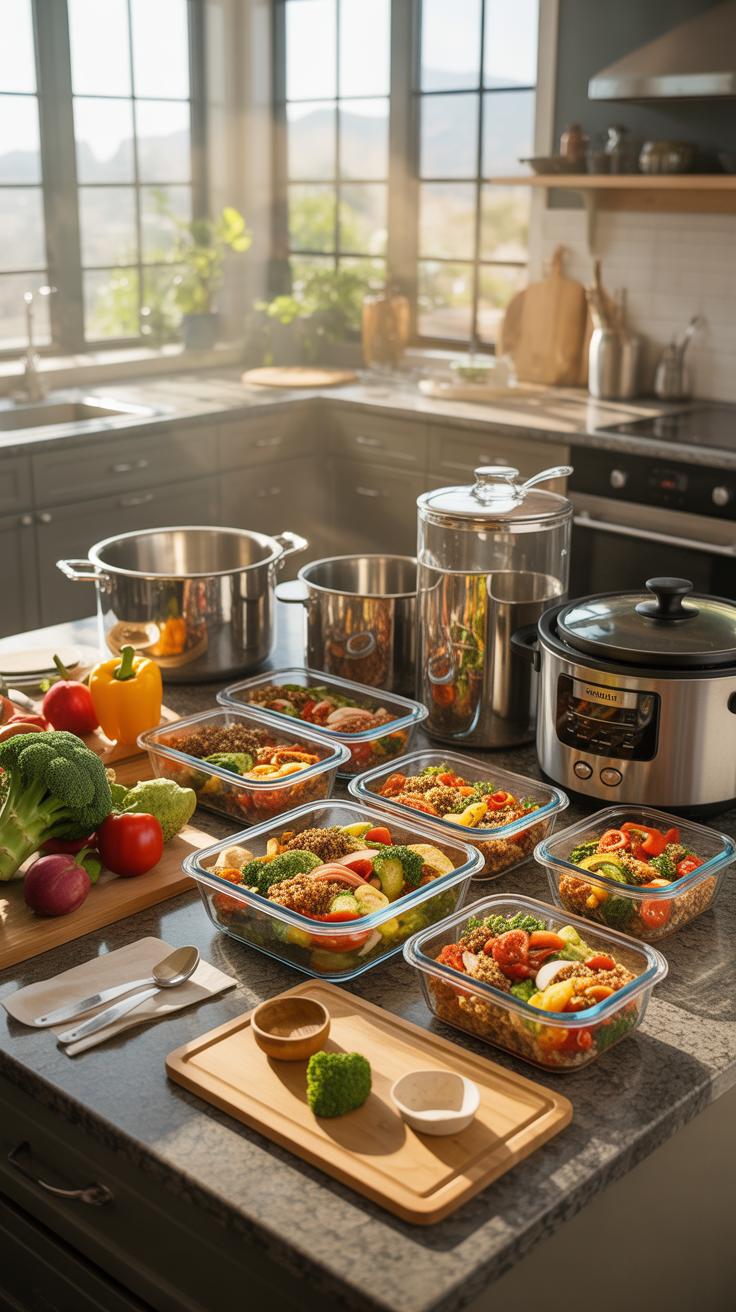
Commercial grade half-sheet pans are the foundation of high-volume meal prep. These tools allow you to roast large quantities of vegetables and proteins simultaneously. You must choose heavy-gauge aluminum to prevent warping under high heat. Proper heat distribution ensures even cooking across the entire surface. This method preserves nutrients by using dry heat to caramelize food surfaces without boiling away essential vitamins.
Dutch ovens and slow cookers manage bulk liquids and tough fibers. A heavy cast iron Dutch oven provides superior thermal mass for braising large meat cuts. This stability maintains consistent temperatures over several hours. Slow cookers offer a set-and-forget solution for stews and legumes. These tools break down collagen and connective tissues efficiently. They keep moisture locked inside the vessel to ensure your reheated meals remain tender and flavorful.
How Instant Pots And Rice Cookers Fit Into A Practical Meal Prep Routine
Electric pressure cookers reduce cooking times by up to seventy percent. This speed is vital for prepping dry beans or fibrous grains that usually take hours. High-pressure environments force moisture into the food quickly. This process retains more water-soluble vitamins than traditional boiling. You gain hours back on your weekend by automating complex tasks. The sealed environment also prevents flavoring aromatics from escaping into the air.
Dedicated rice cookers ensure consistent grain texture every time. Precise sensors detect when water is absorbed and switch to a warming mode. This prevents burning the bottom layer of your starch base. You can focus on active cooking tasks while the machine handles the bulk carbohydrates. Consistent moisture levels are necessary for grains that you intend to store and reheat later in the week. Using these machines eliminates human error in batch cooking.
Meal Prep Accessories That Make Organization And Portioning Effortless
Labels, Scales, And Measuring Tools That Keep Your Portions Consistent
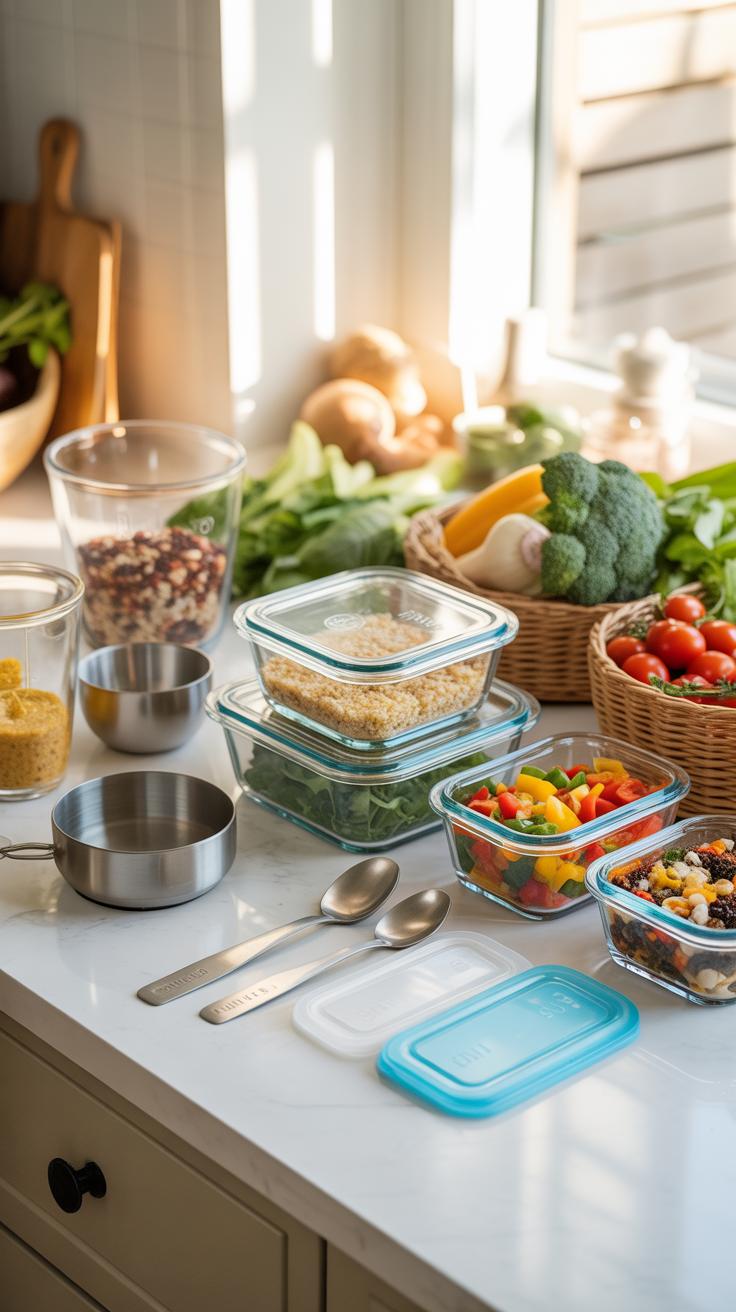
Digital scales provide the only reliable method for measuring dry ingredients and proteins. Volume measurements like cups and spoons vary based on how tightly you pack the food. A scale with a tare function allows you to subtract the weight of the container. This ensures every meal prep container holds the same amount of fuel. Precise data prevents caloric creep and saves money on expensive ingredients.
Labeling prevents wasted food and confusion in a crowded refrigerator. Use dissolvable paper labels or painter tape to mark contents and preparation dates. This practice follows professional kitchen standards to ensure first-in first-out rotation. Knowing exactly what is inside a container stops you from opening lids and exposing food to oxygen. Proper tracking reduces spoilage and keeps your nutrition plan on a strict schedule.
Bag Clips, Produce Keepers, And Other Meal Prep Accessories Worth Adding
Ethylene gas causes fruits and vegetables to rot quickly. Specialized produce keepers use carbon filters to absorb this gas and manage internal humidity levels. These bins keep greens crisp for up to two weeks. Regular plastic bags trap moisture and accelerate decay. Investing in airflow-controlled storage extends the shelf life of your bulk purchases. You spend less time shopping and more time executing your plan.
Magnetic bag clips and silicone seals maintain the integrity of dry goods. Exposure to air turns grains stale and ruins texture. Secondary organization tools like tiered shelf risers maximize vertical space in small pantries. These accessories allow you to see your entire inventory at a glance. Visual clarity prevents you from overbuying items you already own. Efficient storage systems turn a chaotic kitchen into a high-output production line.
Meal Prep Tools And Equipment For Specific Dietary Goals And Cooking Styles
Equipment Tailored For High Protein, Low Carb, And Plant Based Meal Prepping
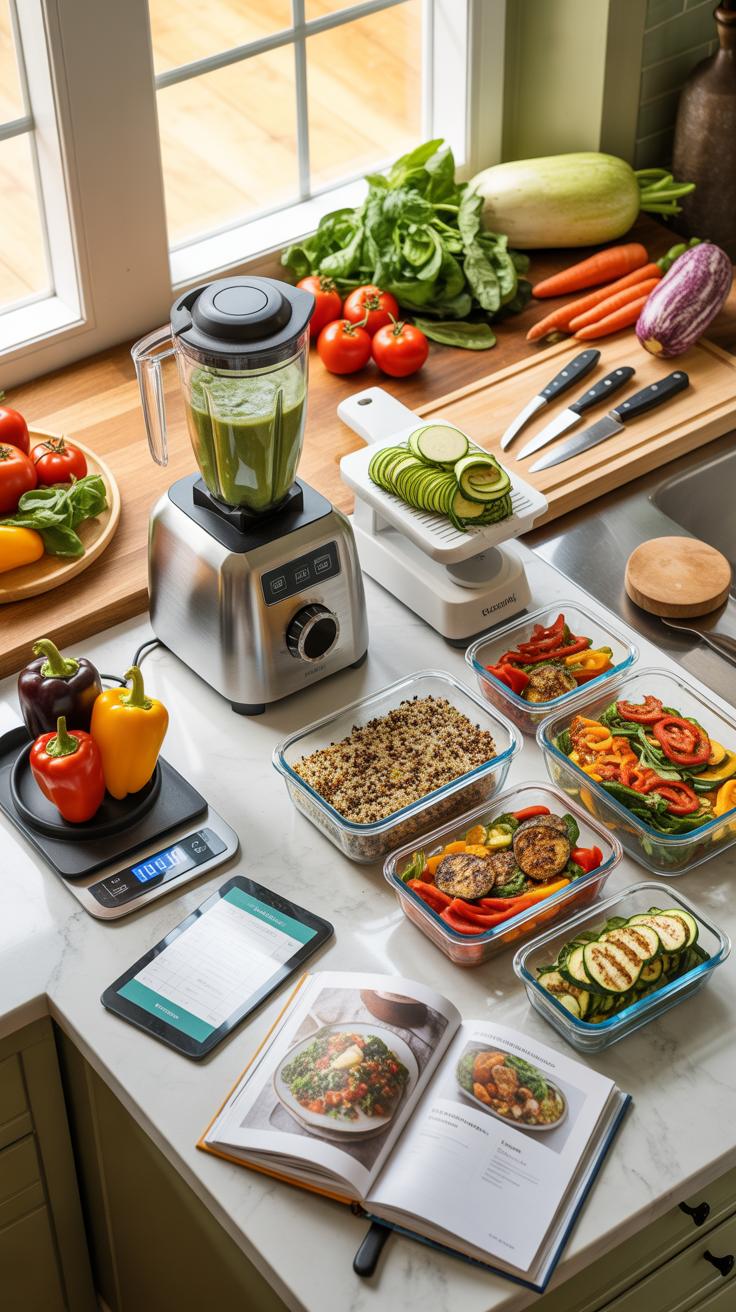
High-protein prep requires precision temperature control for meat safety and texture. Digital meat thermometers prevent overcooking lean proteins like chicken breast. Cast iron skillets provide the necessary heat retention for searing steaks or salmon effectively. Low-carb diets rely on vegetable substitutes for traditional grains. Spiralizers and mandolines transform squash or cabbage into noodles or rice. These tools ensure consistent texture across several days of refrigerated storage.
Plant-based prep focuses on high-volume processing and grain hydration. High-speed blenders emulsify nuts and seeds into dairy-free sauces or protein shakes. Food processors slash prep time for chopping dense vegetables or making legume-based patties. Pressure cookers reduce dry bean cooking times significantly while improving nutrient bio-availability. Tofu presses remove excess water to improve sear quality. These items solve specific structural issues found in plant-heavy recipes and accelerate the preparation process.
How Meal Prep Tools And Equipment Adapt To Family Sized Vs. Solo Cooking Needs
Large-scale family prep demands industrial-sized equipment and heavy-duty materials. Half-sheet pans allow for roasting massive quantities of vegetables or proteins in a single oven cycle. Eight-quart slow cookers handle high-volume stews or shredded meats for a full week of family meals. Commercial-grade food storage sets with uniform lids simplify the organization of bulk portions. Durability is critical because these tools endure more frequent use and heavier weight loads.
Solo prep prioritizes space efficiency and modular storage systems. Compact air fryers cook single-serving proteins quickly without heating a whole kitchen. Small three-cup food processors handle minor prep tasks like single-portion dressings or small batches of pesto. Glass containers with internal dividers keep different meal components separate until heating. This prevents food from becoming soggy in the fridge. These tools reduce waste and fit into smaller kitchen environments while maintaining meal variety.
Building A Healthy Meal Prep Routine With The Right Kitchen Setup
How Your Equipment Choices Directly Support A Healthy Meal Prep Lifestyle
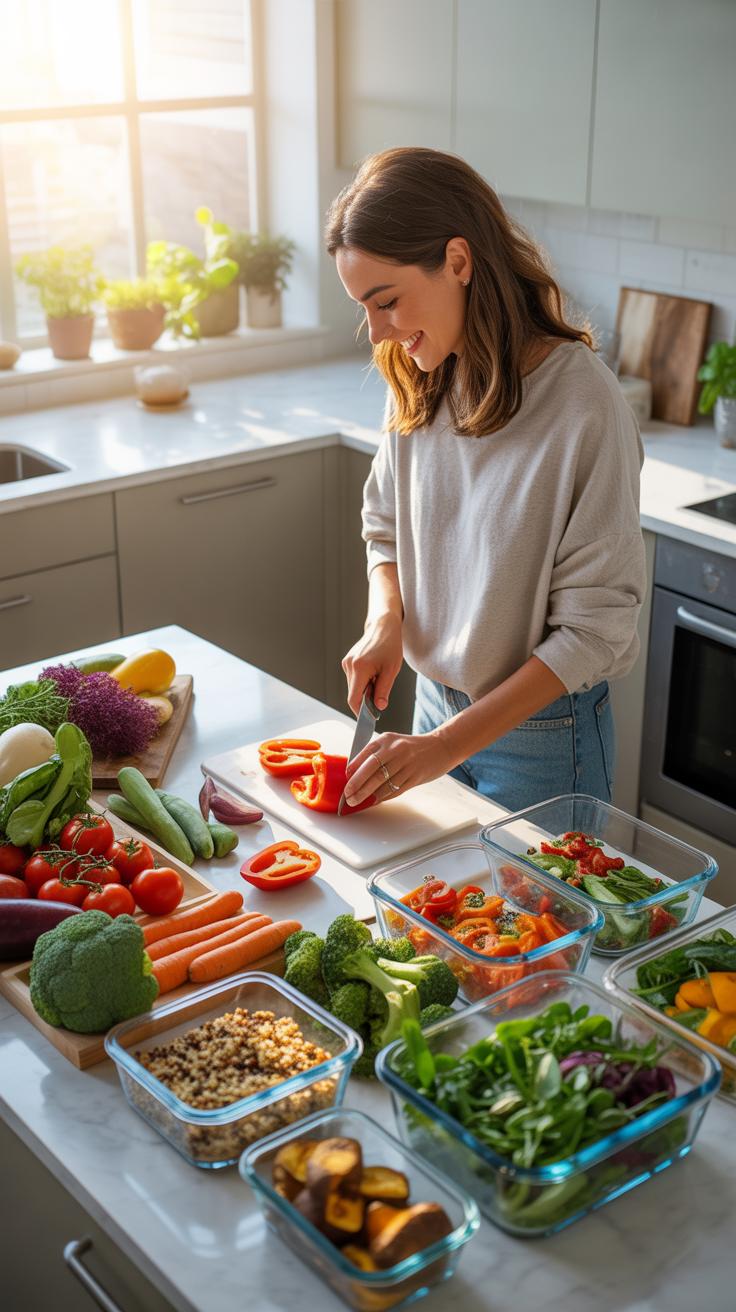
Specific tools eliminate the friction that causes diet failure. High-quality glass containers allow for visible portion control and safe reheating. These materials prevent chemical leaching found in cheap plastics. When you see your food through clear lids, you make better choices. Professional-grade knives reduce prep time by making vegetable processing efficient. Fast prep leads to consistent habits.
A heavy-duty blender enables high-fiber liquid meals during busy mornings. Using industrial-strength motors ensures smooth textures without losing nutrients to heat. Digital scales provide exact measurements to manage caloric intake accurately. This removes the guesswork from nutrition. Reliable gear builds a predictable environment for your brain. You stop fighting your kitchen and start using it as a precision health tool.
The best memories are made gathered around the table, but the simplest tools are what help us get there. You do not need a kitchen full of gadgets, just a few sturdy essentials to nourish the ones you love.
Simple Weekly Habits To Maximize Your Healthy Meal Prep Consistency
Consistency relies on a repeatable system rather than willpower. Schedule your cooking sessions for the same time every week to create a mental trigger. Group similar tasks to save time. Wash all produce at once and chop everything before starting the stove. Use a modular approach by cooking base proteins and grains in bulk for different flavor profiles.
- Inventory Check: Inspect your pantry and fridge before shopping. This prevents waste and ensures you have the necessary base ingredients like oils and spices. Knowing what you have stops you from buying duplicate items that clutter your workspace.
- Sharpen Blades: Maintain your knife edges every Sunday night. Sharp tools are safer and cut food faster. Dull blades slip and cause accidents while slowing down your vegetable preparation. Speed increases the likelihood that you will actually finish your prep.
- Pre-Wash Containers: Clean and dry all storage bins before you begin cooking. Staging your gear ensures a fast transition from the stove to the fridge. Using wet or dirty containers delays the cooling process and risks food safety issues or bacterial growth.
- Batch Labeling: Use painters tape and a marker to date every container. Clear labels remove the mystery of how long food has been stored. This habit reduces food poisoning risks and helps you prioritize which meals to eat first based on spoilage.
- Immediate Cleanup: Wash your pots while the food cools on the counter. Do not leave dishes for later. A clean kitchen at the end of a prep session prevents mental burnout. You are more likely to prep again if you do not dread the cleaning.
Standardize your containers to simplify storage and cleaning. Using one brand means all lids fit all bases without searching. Stackable designs save space in the refrigerator and help with organization. This visual order reduces stress when you reach for a meal. Design your kitchen workflow to minimize steps between the cutting board and the storage area for maximum speed.
How To Build Your Meal Prep Equipment Collection Without Overspending
Prioritizing Your First Purchases: What To Buy First And What Can Wait
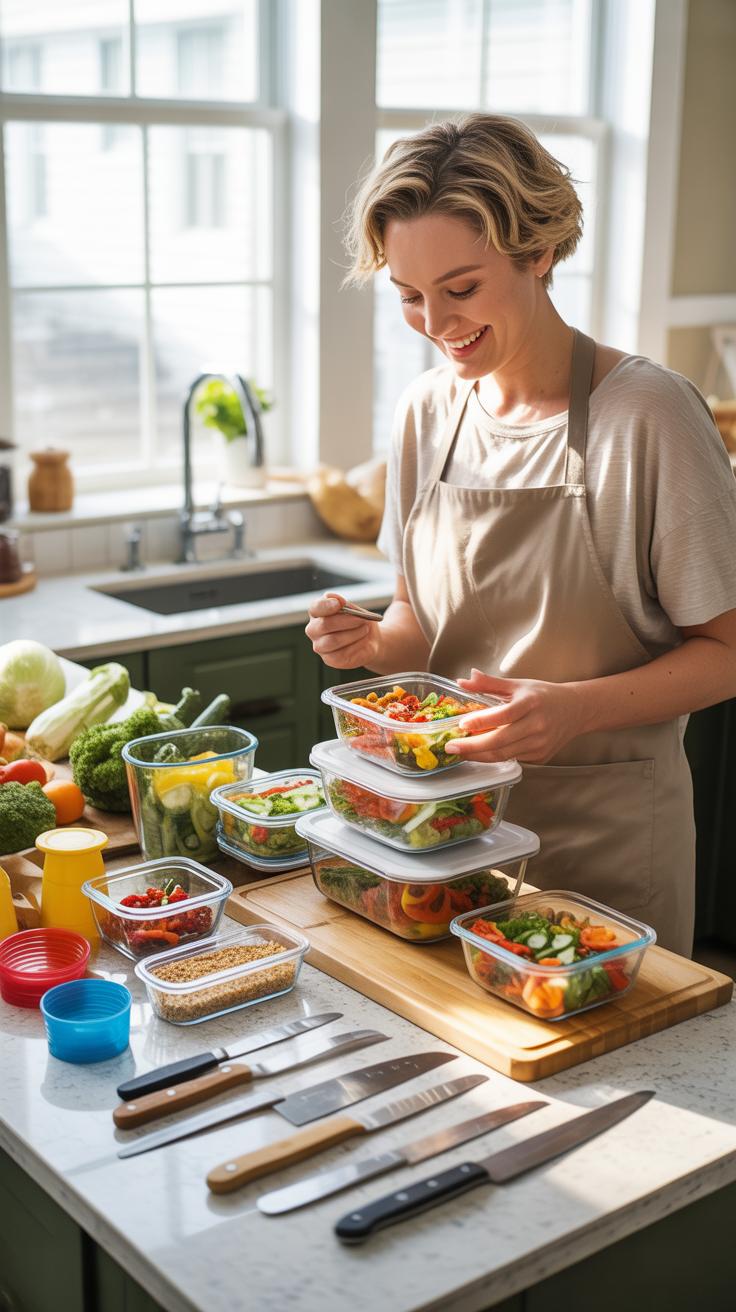
You must prioritize containers and a sharp knife first. High-quality storage keeps food fresh and prevents waste. A sharp chef knife reduces prep time and ensures safety. You do not need specialized gadgets like egg slicers or avocado cutters. These items take up space and offer low utility. Start with ten matching glass containers to simplify your storage system immediately.
Avoid buying full cookware sets at the start. Most sets include pans you will never use. Buy one large rimmed baking sheet and one six-quart stockpot. These two items handle roasting and bulk boiling tasks efficiently. Wait to buy food processors or vacuum sealers until you prep weekly for a month. Only invest in power tools once your manual workflow is fast and consistent.
Quality Vs. Budget: Finding The Right Balance For Long Lasting Meal Prep Gear
Select professional grade stainless steel or cast iron for pans. These materials last decades and handle high heat without warping. Budget aluminum pans often thin out and hot spot over time. You spend more replacing cheap gear than buying one quality item. Check restaurant supply stores for industrial tools. These shops sell durable equipment at lower prices than high-end retail brands.
Glass containers cost more than plastic but offer better value. Glass does not leach chemicals or hold food odors. It transitions from freezer to oven safely. For knives, choose forged steel over stamped metal. Forged blades hold an edge longer and provide better balance. Proper maintenance extends the life of your gear. Sharpen your knives and hand wash your wood boards to protect your investment.
Frequently Asked Questions

What is the most essential meal prep equipment for a beginner?
If you are just starting out, the most important meal prep equipment you can invest in is a high-quality set of airtight containers. Glass containers are ideal because they are microwave-safe and do not retain odors or stains. Additionally, a sharp chef’s knife and a large cutting board are fundamental tools that will make your vegetable chopping and protein portioning much faster, safer, and more efficient during your weekly sessions.
How do I choose the right containers to keep my prepped food fresh?
To keep your food tasting delicious all week, look for meal prep equipment with silicone seals and locking lids. These features prevent oxidation and leaks, which is crucial for salads or soups. It is also helpful to select a variety of sizes; smaller pots are perfect for dressings, while divided compartments help keep grains and proteins separate so nothing gets soggy before it is time to eat your scheduled midday meal.
Is it possible to meal prep effectively on a tight budget?
Absolutely! You do not need expensive kitchen gadgets to be successful. Focus on versatile basics like a large sheet pan for roasting vegetables and a sturdy stockpot for batch-cooking grains or beans. You can often find affordable, durable glass jars at discount stores that work perfectly as storage. Prioritizing multi-use tools allows you to build a functional kitchen setup without overspending while still enjoying all the time-saving benefits of preparation.