
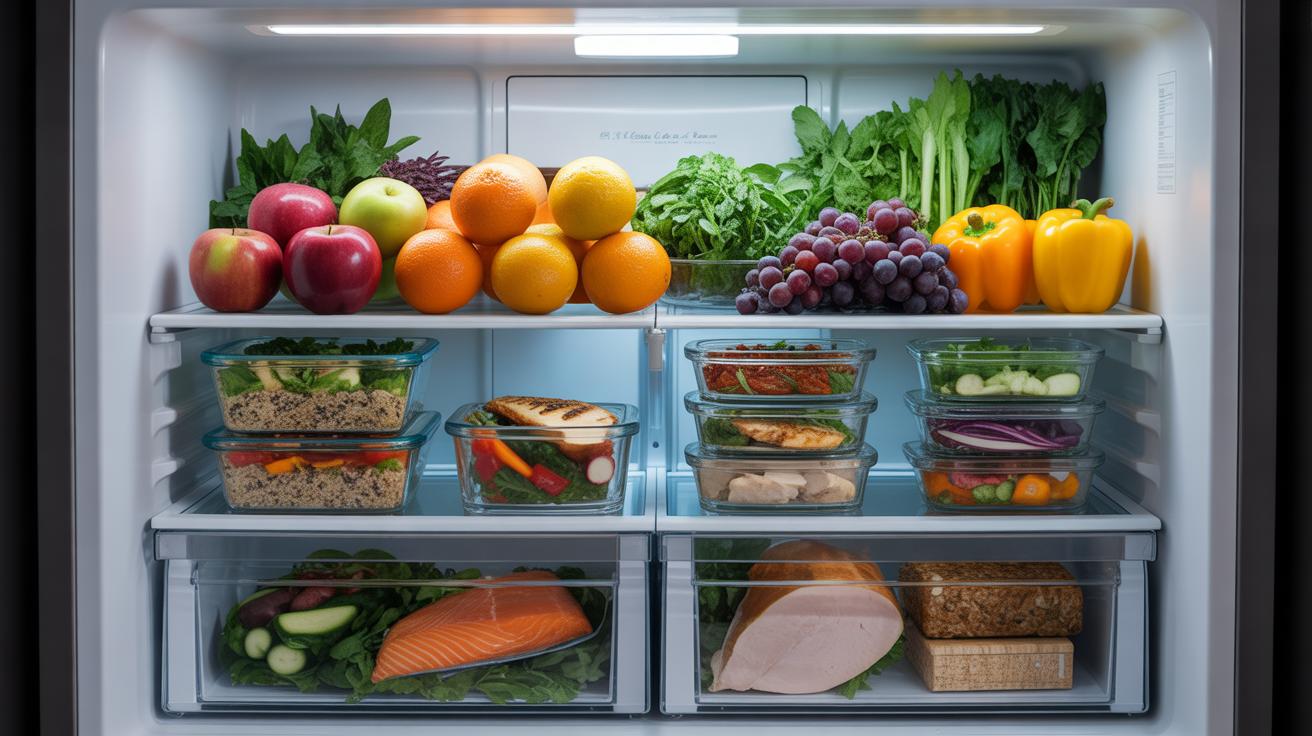
Why Learning How To Stock A Healthy Fridge Is The Foundation Of Better Eating
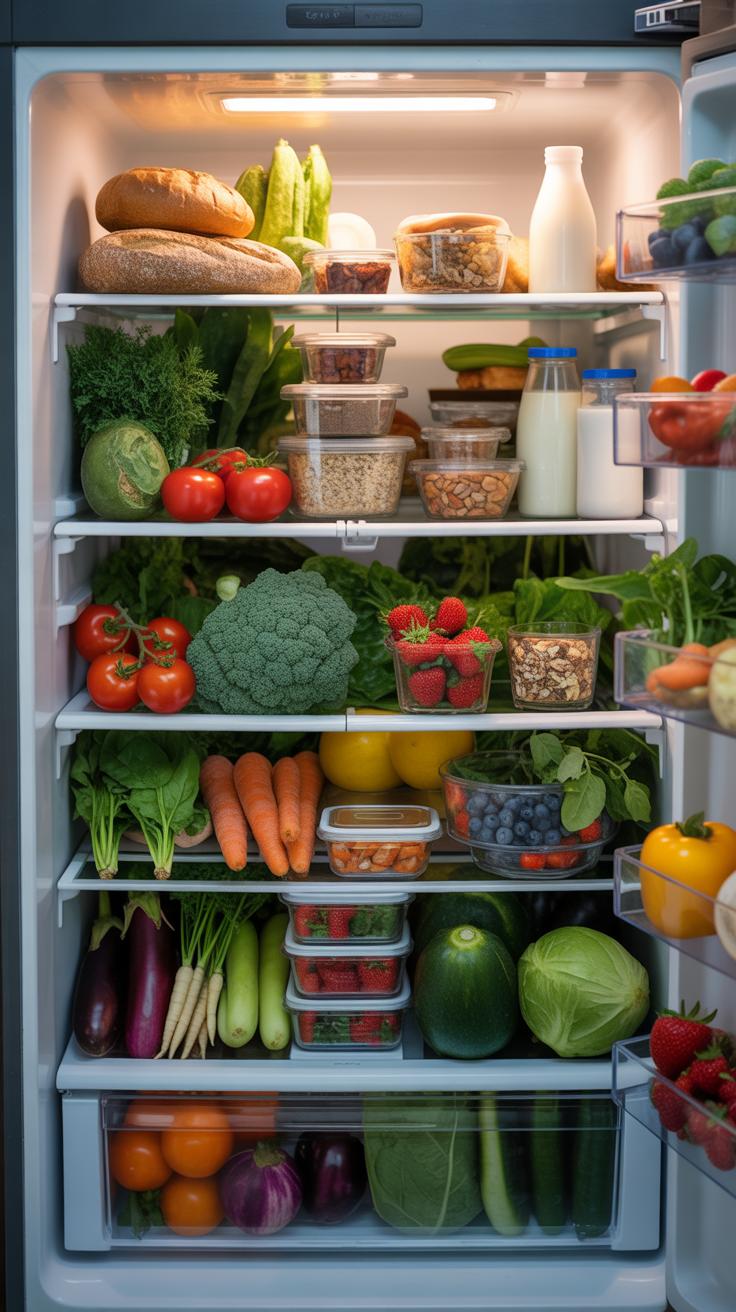
The Connection Between A Well Stocked Fridge And Consistent Healthy Eating Habits
Environmental design dictates your dietary success. A fridge filled with high-quality proteins and fresh produce creates a default path for your brain. You eliminate the need for willpower when the right choices are visible and accessible. Constant availability of meal components ensures you maintain metabolic consistency. You stop overthinking your next meal because the raw materials are already present and ready.

Consistency relies on minimizing friction between hunger and consumption. A stocked fridge functions as a command center for your health. When you organize your inventory correctly, you reduce the mental load of meal preparation. This structural preparation reinforces positive feedback loops. You eat better because your environment makes it the easiest action to take. Precise inventory management turns healthy eating from a choice into a standard.
How A Healthy Fridge Reduces Impulse Eating And Food Waste At The Same Time
Impulse eating happens when immediate options are scarce or invisible. An organized fridge stops you from ordering takeout by providing instant alternatives. You gain control over your caloric intake by removing the urgency of hunger. Strategic stocking ensures that every item has a specific purpose for your weekly nutrition. This tactical approach prevents you from buying redundant items that eventually rot or expire in the back.

Financial efficiency improves when you view your fridge as an investment tool. Proper storage techniques extend the life of your perishables and maximize your grocery budget. You stop throwing away money because you can see your entire inventory at a glance. Reduced clutter means you use ingredients before they lose their nutritional value. A lean and functional fridge system saves time and money while protecting your long-term health.
How To Stock A Fridge The Right Way Zones Temperatures And Food Safety Basics
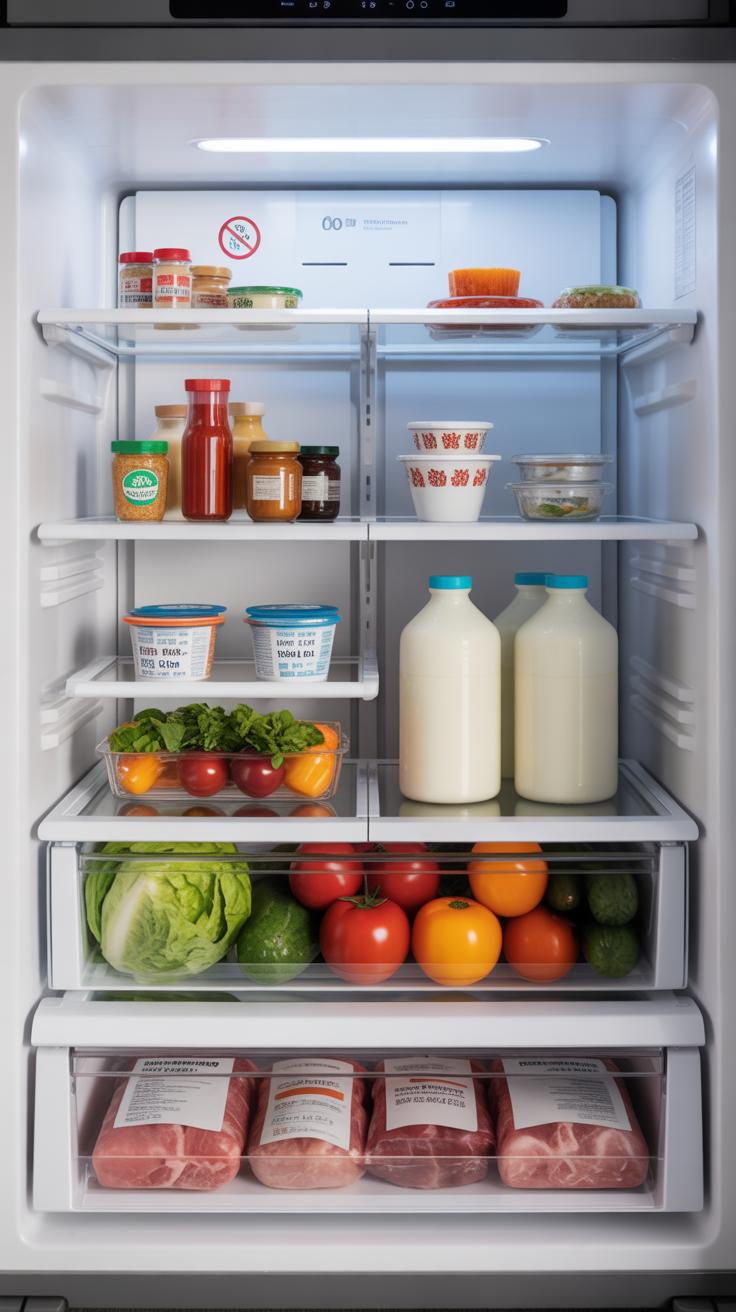
Understanding Refrigerator Temperature Zones And Where Different Foods Belong
Refrigerators have distinct microclimates based on air circulation and unit design. The upper shelves maintain the most consistent temperatures for ready to eat items. Place leftovers, drinks, and snacks here. The lower shelves are the coldest part of the unit. Reserve this space for raw meat, poultry, and fish. This placement also prevents cross contamination from drips or leaks onto other groceries below.
Humidity drawers allow you to control moisture levels for fresh produce. High humidity seals keep leafy greens crisp by preventing air flow. Low humidity settings work best for fruits that rot easily. The refrigerator door is the warmest zone because it opens frequently. Store only shelf stable condiments and juices here. Never place milk or eggs in the door if you want them to stay fresh longer.
Safe Food Storage Temperatures And Why The FDA Recommends Keeping Your Fridge At Or Below 40°F
The FDA requires refrigerator temperatures to stay at or below 40 degrees Fahrenheit. This specific setting slows the growth of harmful bacteria like Salmonella and E. coli. Pathogens multiply rapidly in the danger zone between 40 and 140 degrees. Maintaining a cold environment preserves food quality and extends shelf life. Use a standalone appliance thermometer to verify your internal temperature because built in dials are often inaccurate.
Consistent cooling prevents foodborne illness and reduces waste. When temperatures rise above the limit, bacteria can double in number every twenty minutes. Cold air must circulate freely to keep every shelf safe. Do not overstuff the compartments or block the air vents with large containers. Use shallow pans to cool hot food quickly before storage. This practice stops the internal temperature of the fridge from spiking.
Fridge Organization Strategies That Save Time And Keep Healthy Food Front And Center
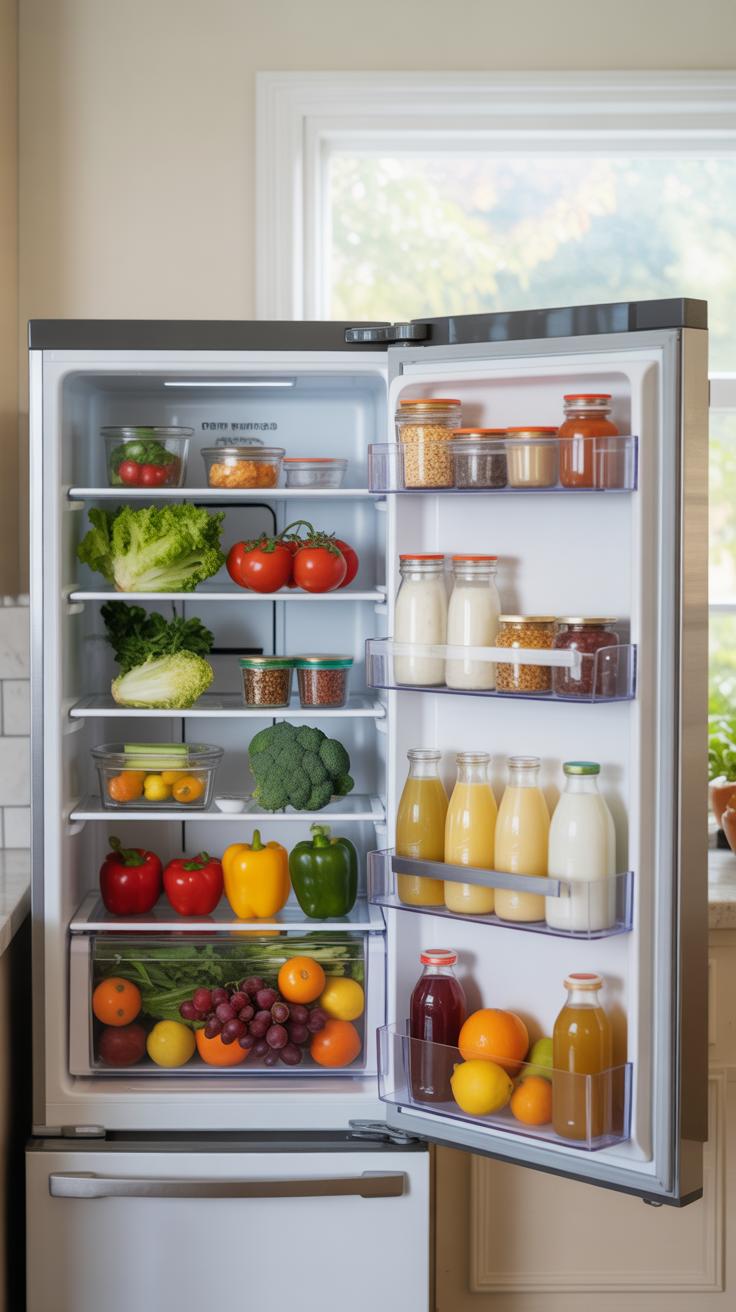
Using The Eye Level Rule To Keep Nutritious Foods Visible And Accessible
The eye level rule exploits basic human psychology to improve diet choices. Most people grab the first edible item they see when they open the fridge door. You must place prepped vegetables and high protein snacks on the middle shelves where your eyes naturally land. This visual cue reduces the mental effort required to make a healthy decision during a busy workday.
Move soda and sugary condiments to the bottom drawers or the back of the appliance. These items possess long shelf lives and do not require immediate consumption. By hiding caloric dense foods, you create a physical barrier to poor eating habits. Professional kitchens use this layout to speed up production and minimize waste. Apply this same rigor to your home inventory management system.
Fill your fridge with the vibrant colors of the harvest just as our grandmothers did, turning simple ingredients into a sanctuary of nourishment. A kitchen stocked with intention is the heartbeat of a home that prepares you for the week ahead.
Practical Fridge Organization Tools: Bins Containers And Labels That Actually Work
Clear acrylic bins allow you to see exactly what you have in stock. Visibility prevents you from buying duplicates and letting fresh produce rot in dark corners. Square or rectangular containers maximize every square inch of shelf space compared to round jars. These tools create a modular system that you can reconfigure based on your weekly meal prep requirements and specific grocery volume.
Labeling is the final step in a tactical fridge setup. Use masking tape and a permanent marker to date every container. This habit ensures food safety and helps you prioritize which meals to eat first. Tracking expiration dates reduces financial loss from spoiled food. A structured labeling system turns a chaotic fridge into a high efficiency workstation. This method keeps your nutrition goals on track.
How To Stock Your Fridge With Lean Proteins For A Full Week Of Meal Prep
The Best Lean Protein Options To Keep Refrigerated For Quick And Balanced Meals
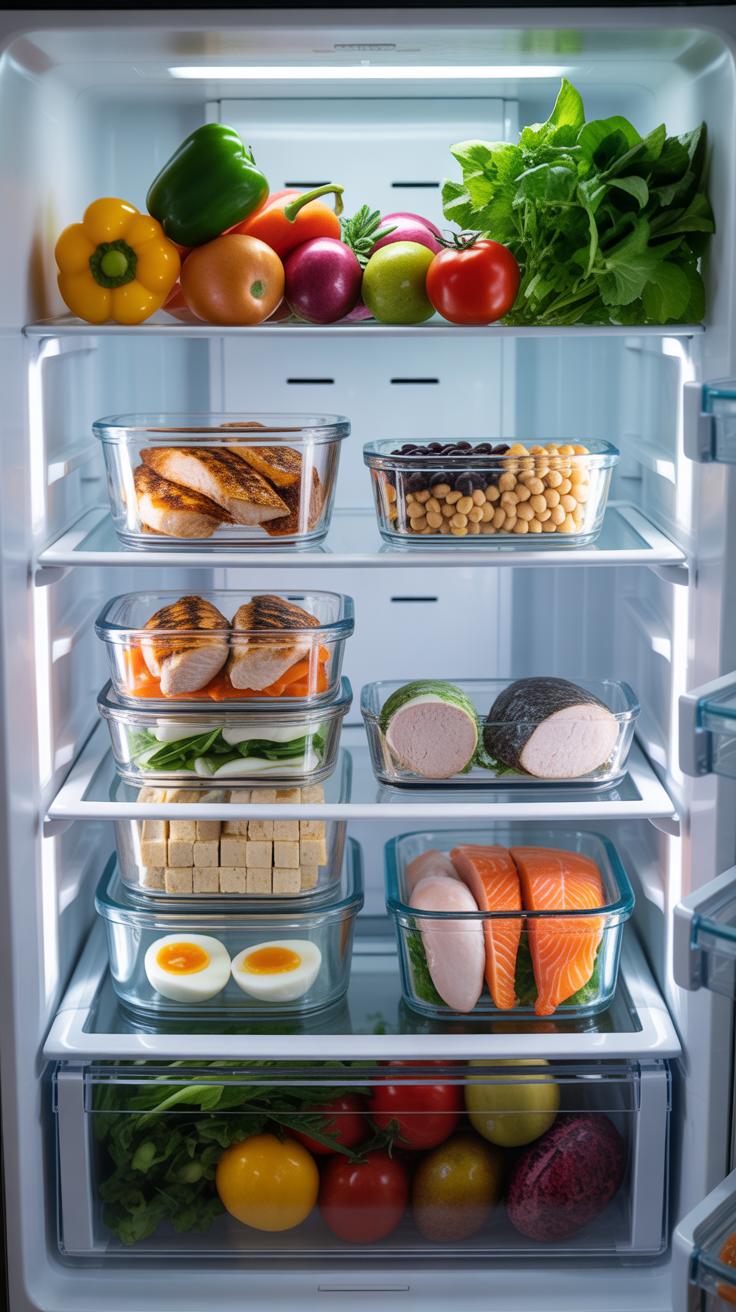
Lean proteins form the foundation of metabolic health and muscle maintenance. You must prioritize high biological value proteins that require minimal prep time during the work week. Stocking these specific items ensures you hit your daily macronutrient targets without reaching for processed snacks. Efficiency in the kitchen starts with selecting versatile proteins that pair easily with diverse vegetable bases and complex carbohydrates.
- Chicken Breast: This is the gold standard for low calorie density and high protein content. It grills or poaches quickly and maintains a firm texture for four days when stored properly in airtight glass containers.
- Greek Yogurt: Choose plain, non-fat versions to avoid hidden sugars and additives. This fermented dairy product provides probiotics for gut health and functions as a high protein base for both savory sauces and portable breakfast bowls.
- Hard Boiled Eggs: Eggs offer a complete amino acid profile and essential choline for brain function. Boiling a dozen at the start of the week provides a grab-and-go snack that stays fresh in the shell for seven days.
- Lean Ground Turkey: Opt for 93 percent lean or higher to minimize saturated fat intake. Ground poultry cooks faster than whole cuts and works effectively in meal prep containers for stir-fries, taco bowls, or protein-rich pasta sauces.
- Firm Tofu: Plant based proteins provide fiber alongside essential nutrients. Extra firm tofu holds its shape during pan-frying or baking and absorbs the flavors of your marinades, making it a reliable staple for meat-free meal prep days.
Quality control is vital when buying meat and dairy. Check expiration dates and look for clear packaging to inspect the color and moisture levels. Aim for variety to prevent palate fatigue and ensure a broad spectrum of micronutrients. Having these items ready allows you to assemble a balanced plate in under five minutes. Strategic protein stocking eliminates the need for expensive and unhealthy takeout options.
How To Store Cooked Vs. Raw Proteins Safely To Maximize Freshness And Prevent Cross Contamination
Proper refrigeration prevents foodborne illness and preserves the integrity of your meal prep. You must store raw meats on the lowest shelf of the fridge. This prevents juices from dripping onto produce or ready-to-eat items. Use leak-proof containers or rimmed trays to catch any potential runoff. Set your refrigerator temperature to 40 degrees Fahrenheit or lower to inhibit bacterial growth effectively throughout the week.
Cooked proteins require rapid cooling before refrigeration to avoid raising the internal temperature of the fridge. Divide large batches into smaller, shallow containers to speed up heat loss. Label every container with the date of preparation to track freshness accurately. Most cooked lean proteins remain safe and flavorful for three to four days. Always separate cooked items from raw ingredients by using dedicated shelves to eliminate any risk of cross-contamination.
Building A Clean Eating Fridge With Fresh Vegetables And Fruits That Last
Which Vegetables And Fruits Stay Fresh Longest In The Refrigerator And How To Store Them Properly
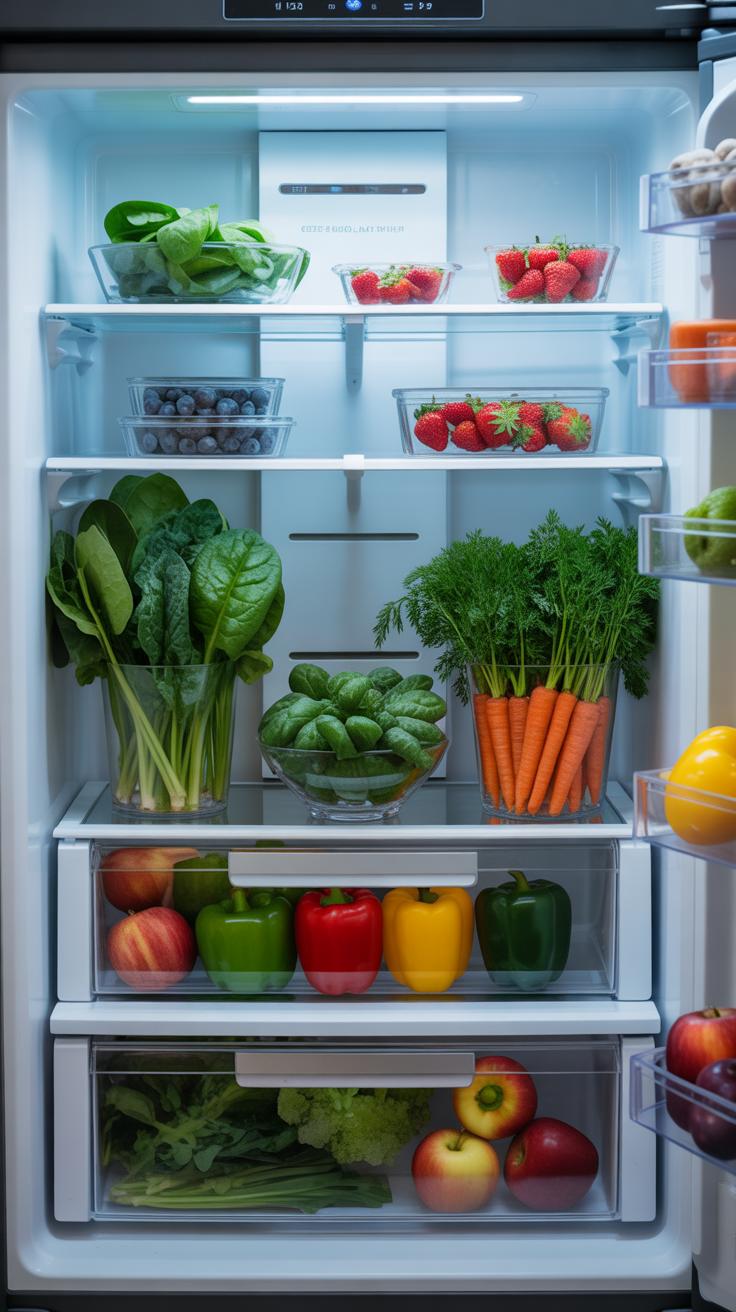
Root vegetables and hardy cruciferous greens offer the best return on investment for long term storage. Carrots, beets, and radishes maintain their structural integrity for several weeks when kept in high humidity drawers. Cabbage and broccoli also resist spoilage better than leafy greens. You must remove rubber bands and tight plastic wraps immediately. These restrictions trap moisture and cause rapid decay through bacterial growth or mold.
Proper air circulation and temperature control prevent premature rot in your produce. Store apples and citrus in the crisper drawer to extend their life by weeks compared to counter storage. Keep ethylene producing fruits like apples away from leafy greens to prevent yellowing. Ethylene gas acts as a ripening agent that accelerates spoilage in sensitive vegetables. Use perforated bags to allow gases to escape while maintaining necessary moisture levels.
Pre Washing And Prepping Produce Ahead Of Time To Support A Clean Eating Routine
Immediate processing of produce ensures you actually consume the nutrients before they degrade. Wash hearty greens like kale or collards and dry them thoroughly using a salad spinner. Excess water is the primary cause of slime and rot in stored vegetables. Place a paper towel inside the storage container to absorb residual moisture. This tactic keeps your greens crisp and ready for quick sautés or salads throughout the week.
Strategic chopping reduces the friction of daily meal preparation. Cut carrots, celery, and peppers into uniform sticks and store them in airtight glass containers. This visibility encourages healthy snacking and simplifies cooking. However, avoid pre-cutting soft fruits or delicate berries as they oxidize and soften quickly once the skin is broken. Prepare only what you will eat within three days to maintain peak flavor and vitamin content.
Fridge Staples Every Healthy Eater Should Keep On Hand For Effortless Cooking
Dairy And Dairy Alternative Staples That Add Nutrition Without Overloading On Saturated Fat
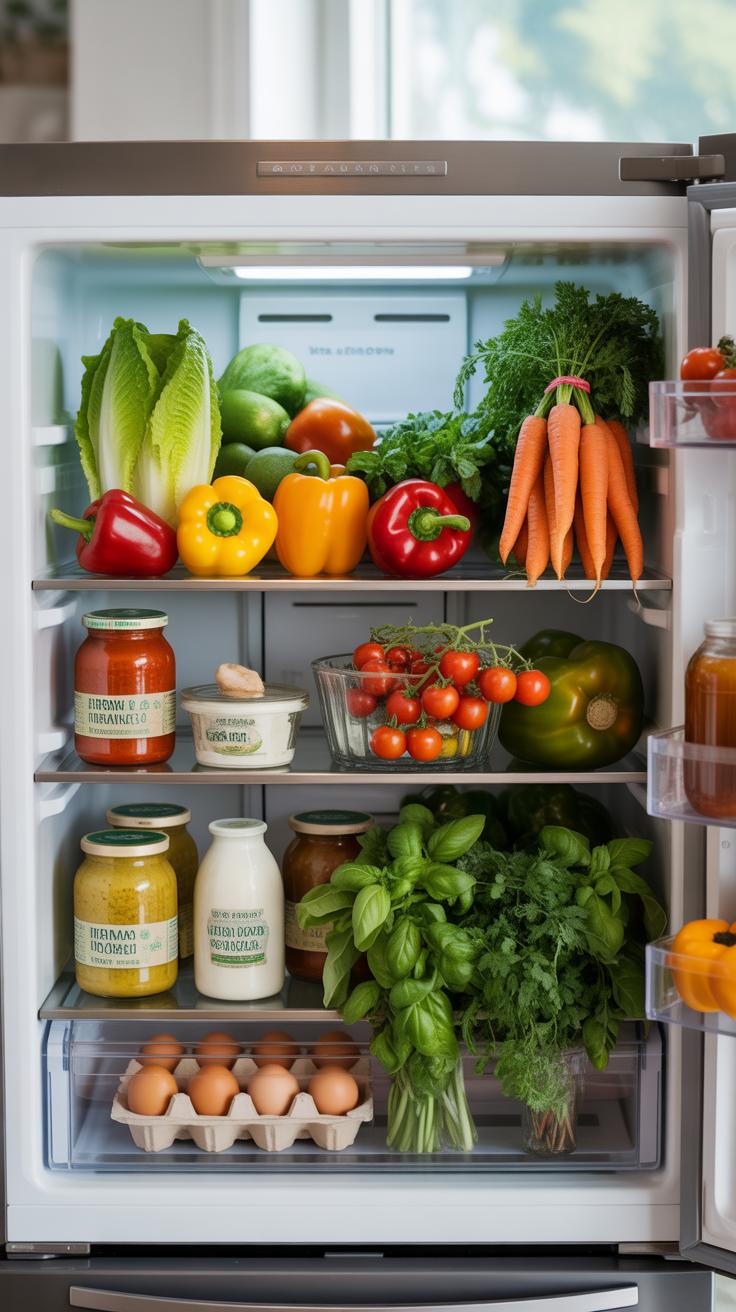
Smart dairy choices provide essential calcium and protein without excessive calories. Prioritize low fat Greek yogurt for its high protein content and probiotic benefits. It functions as a base for sauces or a protein rich breakfast. Low fat cottage cheese offers similar benefits with a high casein content. Casein digests slowly and keeps you full for longer periods during the day.
Switch to unsweetened nut milks or soy milk to reduce sugar intake. These dairy alternatives often contain added vitamin D and calcium to match cow milk profiles. Avoid flavored varieties that hide high amounts of cane sugar. Read labels to ensure the product contains minimal thickeners or gums. Focus on products that emphasize simple ingredients to maintain a clean nutritional profile in your fridge.
Condiments Sauces And Dressings Worth Keeping In A Healthy Refrigerator
Healthy condiments transform bland ingredients into flavorful meals without adding heavy oils. Most commercial dressings rely on soybean oil and high fructose corn syrup for shelf stability. Replace these with vinegar based options or fermented products to improve gut health and reduce inflammation. Keeping a targeted selection of acidic and savory liquids allows you to build complex flavors quickly and efficiently.
- Dijon Mustard: This staple provides intense flavor for almost zero calories or fat. Use it as a binder for meat rubs or mix it with lemon juice to create a sharp salad dressing.
- Apple Cider Vinegar: This fermented liquid aids digestion and helps stabilize blood sugar spikes after meals. Use it to quick-pickle vegetables or balance out heavy flavors in soups and stews throughout the week.
- Low Sodium Soy Sauce: This sauce provides essential umami flavor with less salt than traditional versions. It serves as an ideal base for lean protein marinades or quick vegetable stir-fry dishes during busy weeknights.
- Hummus: Use this chickpea spread as a fiber rich alternative to mayonnaise on sandwiches. It provides plant based protein and healthy fats from tahini while maintaining a creamy texture in your recipes.
- Salsa Fresca: Fresh salsa adds bulk and flavor to meals using only vegetables and citrus. It works as a healthy topping for grilled chicken or a low calorie dip for raw vegetable snacks.
Avoid condiments labeled as low fat because manufacturers usually replace fat with sugar. Look for short ingredient lists that focus on whole foods like peppers, garlic, and citrus juices. Stocking these items ensures you never have to rely on high calorie bottled sauces for flavor. Tactical condiment selection allows you to control your sodium and sugar intake while keeping your meal prep varied and interesting.
How To Organize Your Fridge For A Healthy Refrigerator That Supports Weekly Meal Planning
Creating A Weekly Meal Prep Rotation System That Aligns With What Is Already In Your Fridge
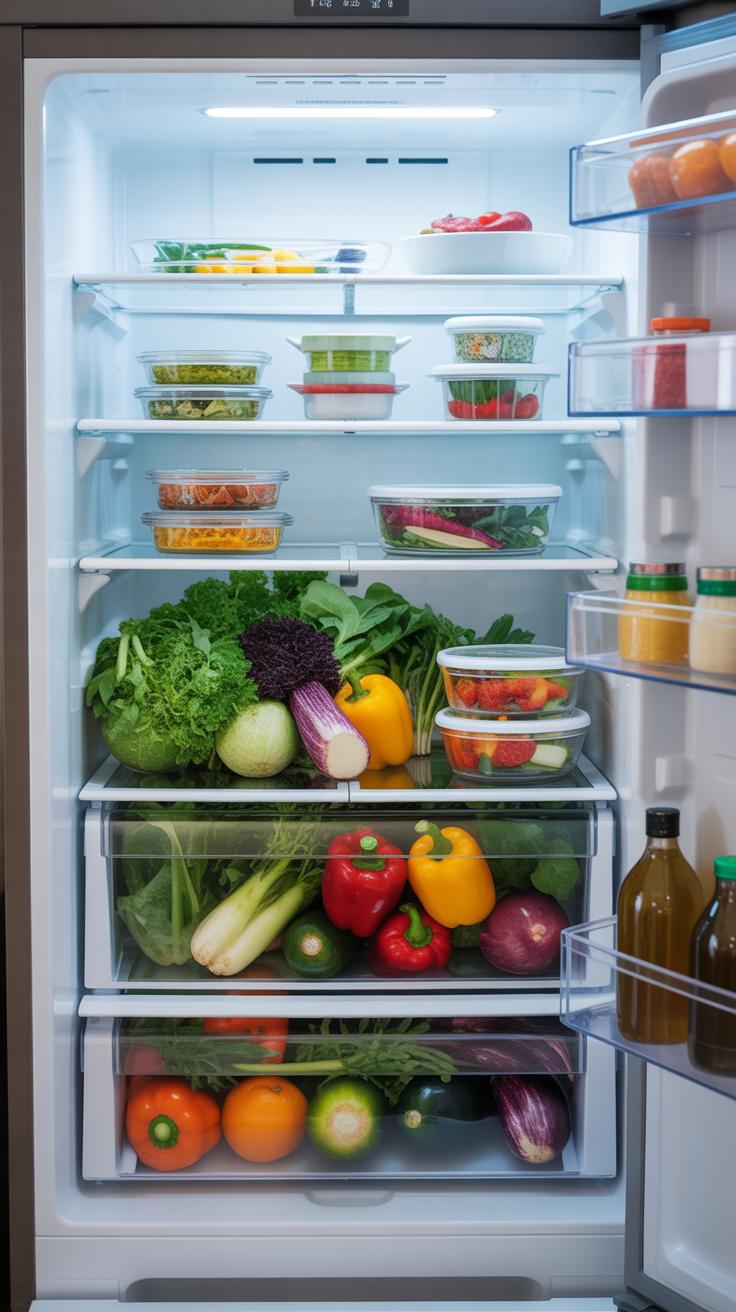
Effective meal planning starts with the inventory you already own. Most people buy new food before finishing the old stock. This creates clutter and hidden waste. You must look at your current proteins and vegetables before writing a shopping list. Build your upcoming meals around these existing items. This strategy ensures you use every ingredient and saves significant money on your weekly grocery bill.
Move older items to the front of each shelf. Professional kitchens call this First In First Out. Place your newly prepped meals at eye level. This makes healthy choices the easiest option when you are tired. Label every container with a date and name. Clear visibility prevents you from forgetting what you cooked. A disciplined rotation keeps your fridge leaning toward fresh food rather than expired leftovers.
How To Audit Your Fridge Every Week To Reduce Spoilage And Keep Your Stock Fresh
Schedule a formal fridge audit every Sunday before you shop. Empty the shelves completely to see what has moved to the back. Check the expiration dates on condiments and dairy products. Wipe down the glass surfaces to remove bacteria and spills. A clean environment prevents cross contamination and keeps produce fresh for longer periods. This routine takes ten minutes but saves hours of frustration.
Dispose of any wilting greens or soft vegetables immediately. These items release ethylene gas which speeds up the decay of nearby healthy food. If a vegetable is nearing its end but still safe, freeze it for a future soup or stew. Note which items survived the week and which went bad. Adjust your future buying habits based on these findings. Efficient stocking requires constant data on what your household actually eats.
Smart Grocery Shopping Habits That Keep Your Healthy Fridge Stock Consistent
How To Build A Grocery List Directly From Your Fridge Inventory To Avoid Overbuying
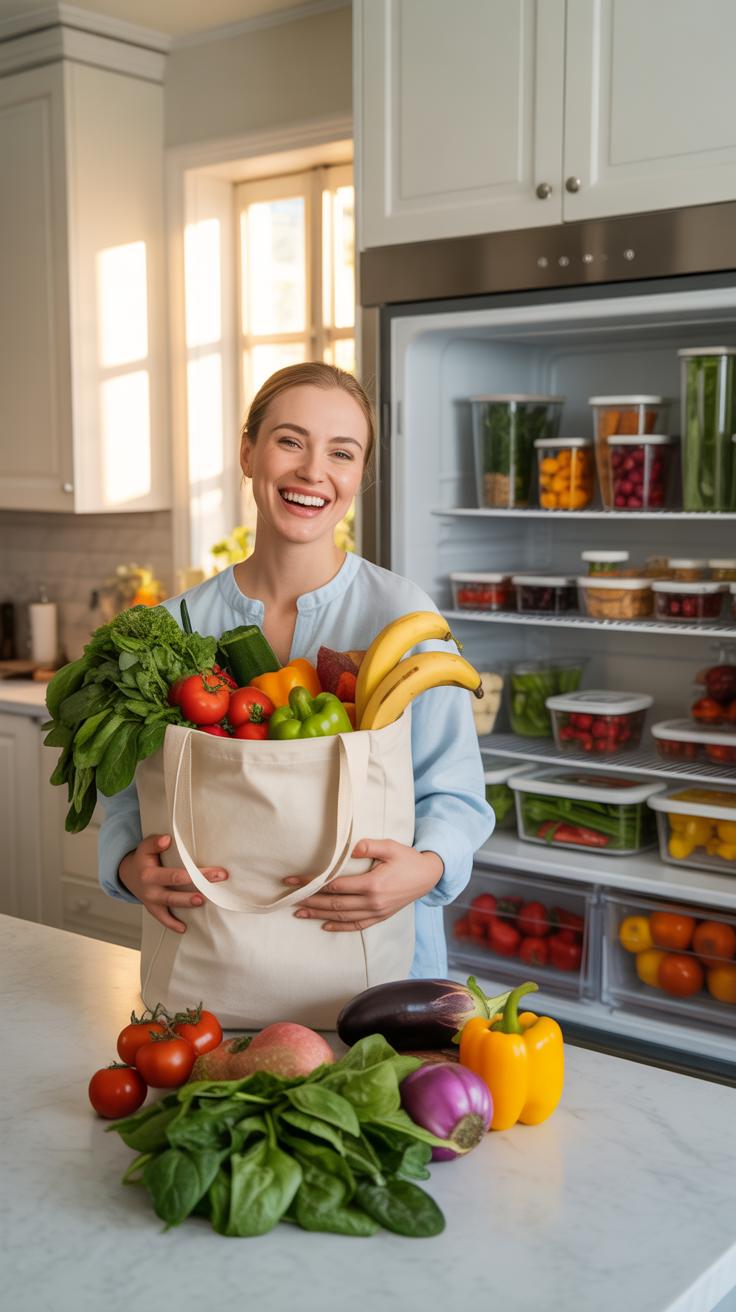
Inventory management starts with a visual sweep of every shelf. Open each drawer and move containers to see the back wall. Identify items near their expiration date or wilting greens. Note these ingredients first to prioritize them in your upcoming meals. This prevents food waste and stops you from buying duplicates of items you already have. Use a digital list for speed.
Cross-reference your current stock against your weekly meal plan requirements. Write down only the specific quantities needed to finish those recipes. This tactical approach turns your fridge into a lean supply chain. It eliminates impulse buys that clutter shelves and spoil. Strict adherence to a pre-verified list ensures your fridge stays organized and functional. You save money by only purchasing what you will consume.
Seasonal Shopping And Why Buying In Season Produce Improves Nutrition And Saves Money
Seasonal produce offers peak nutrient density because it grows in natural cycles. Farmers harvest these crops at full ripeness before shipping them short distances. This timing preserves vitamins and minerals that degrade during long transport. Out of season items often travel thousands of miles and lose nutritional value. Local seasonal cycles dictate the best fuel for your body throughout the year. Focus on what grows nearby right now.
Economics favor seasonal buying due to high supply and low logistics costs. When a crop is in peak season, prices drop significantly at the register. You get better flavor and higher quality for a lower price point. Use harvest calendars to track when specific vegetables cost the least. Plan your meal prep around these cycles to reduce your total grocery bill. Smart shopping relies on timing and local availability.
Common Mistakes To Avoid When Stocking And Organizing A Healthy Fridge For Meal Prep
Why Overstocking Your Fridge Can Actually Hurt Food Freshness And Air Circulation
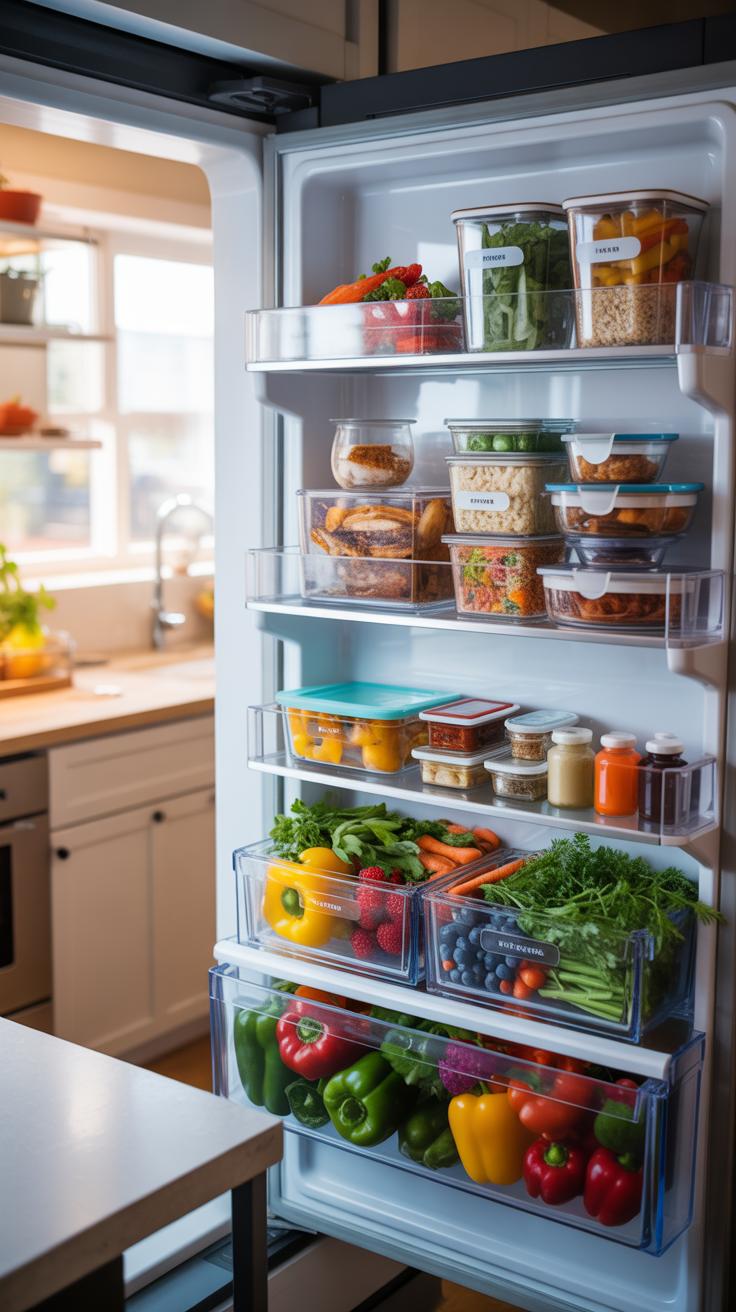
A packed fridge blocks essential airflow. Refrigerators work by circulating cold air from the cooling coils throughout the cabinet. When you cram containers and produce into every corner, you create dead zones. These spots trap heat and increase the internal temperature. This imbalance forces the compressor to work harder. Components wear out faster and electricity bills rise unnecessarily.
Overstocking also hides perishable items from view. Forgotten vegetables rot at the back of crowded shelves. This creates moisture and mold that spreads to fresh food. High density prevents the sensor from reading the true temperature. You end up with frozen lettuce near the air vent and warm milk on the door. Keep your fridge at seventy percent capacity to ensure even cooling.
Forgetting The Freezer: How Your Freezer Complements A Well Stocked Healthy Fridge
The freezer acts as an extension of your meal prep strategy. Many people treat it as a graveyard for old leftovers. This is a mistake. A healthy freezer stores pre-cut vegetables and lean proteins at peak nutrition. Frozen produce often contains more vitamins than aged fresh items. Use this space to store bulk grains and homemade sauces. This prevents spoilage in the main fridge.
Strategic freezing stops food waste and saves money. It allows you to buy in bulk without losing quality. Rotate your stock using the first-in first-out method. Label everything with dates and contents to keep inventory clear. A well-organized freezer reduces the pressure on your refrigerator shelves. Use square containers to maximize the tight dimensions. Proper freezing preserves cell structure and keeps your meal prep edible.
Frequently Asked Questions

What are the absolute essentials for a beginner starting a healthy fridge?
To begin, focus on versatile staples that form the base of multiple meals. Prioritize leafy greens, a variety of colorful vegetables, lean proteins like chicken or tofu, and low-sugar dairy or alternatives. Learning how to stock a healthy fridge starts with choosing whole foods over processed snacks. Keep a few jars of fermented foods like kimchi or sauerkraut on hand to support gut health while adding instant flavor to your weekly meal prep.
How can I organize my fridge to ensure my prepped meals stay fresh longer?
Proper zones are key to longevity. Store your prepped grains and proteins in airtight glass containers on the middle shelves where temperatures are most consistent. Keep raw produce in the high-humidity crisper drawers, but wait to wash berries until right before eating to prevent mold. Understanding how to stock a healthy fridge involves strategic placement; keep your most nutritious, ready-to-eat snacks at eye level so you reach for them first when hunger strikes.
Is it possible to maintain a healthy, meal-prep-ready fridge on a tight budget?
Absolutely. Focus on purchasing seasonal produce and bulk staples like eggs, carrots, and cabbage, which have a long shelf life and low price point. Frozen vegetables are another affordable internal secret, as they are flash-frozen at peak nutrition and won’t spoil before you use them. You can easily maintain a nutritious kitchen by prioritizing plant-based proteins like beans and lentils, proving that a wellness-focused lifestyle doesn’t require a premium grocery budget.