
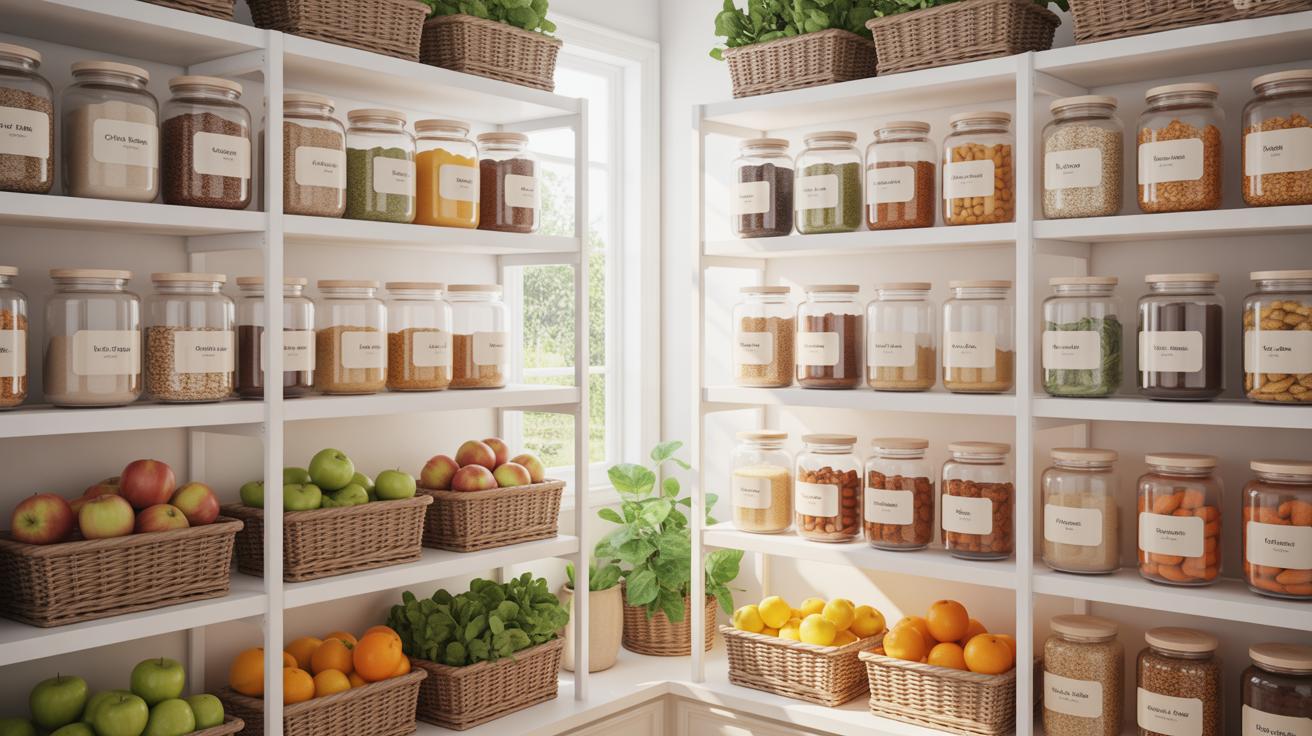
What Is A Clean Eating Pantry And Why Does It Matter
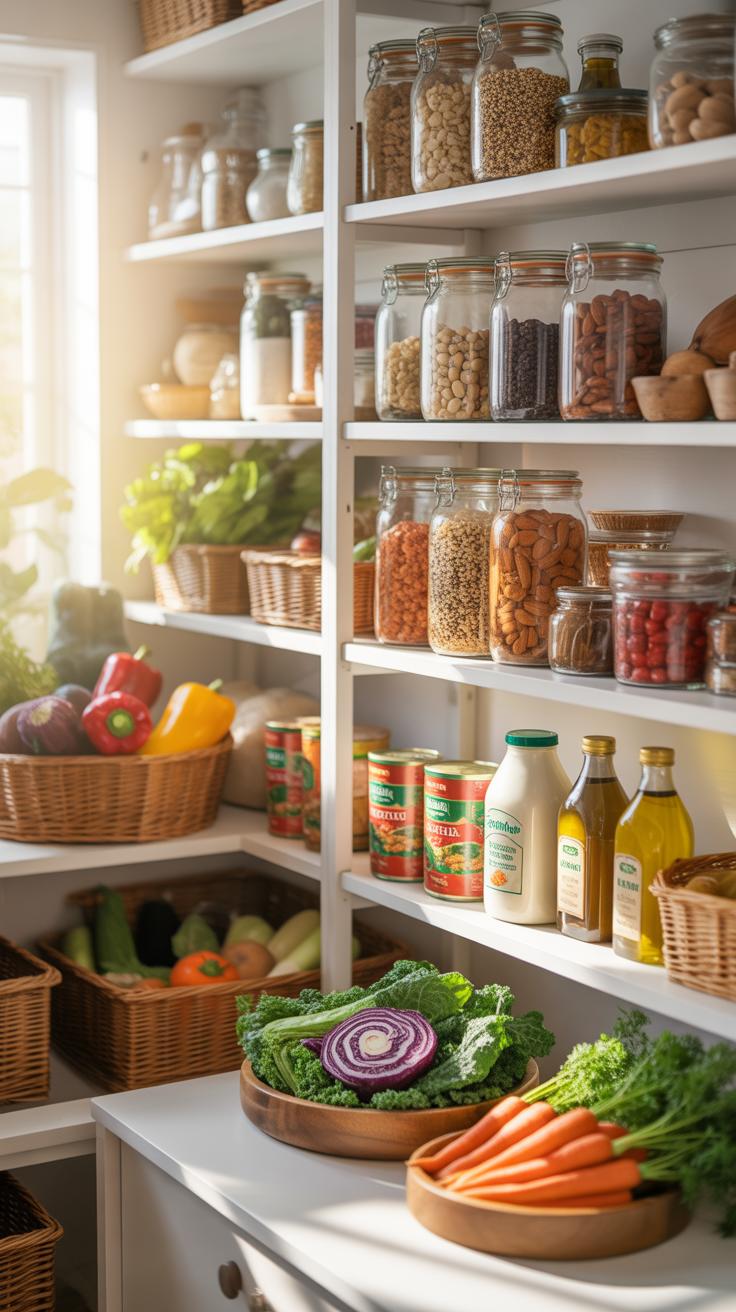
Understanding What Clean Eating Actually Means
Clean eating focuses on consuming whole foods in their most natural state. You prioritize items that undergo minimal processing before reaching the shelf. This approach eliminates synthetic additives, artificial preservatives, and refined sugars. It is a return to traditional food sourcing. You look for short ingredient lists containing recognizable food names. Avoid items engineered for long shelf life via chemical intervention and heavy sodium.

The goal is nutrient density. Whole grains, legumes, and unprocessed fats provide the fuel your body requires. Industrially produced seed oils and high fructose corn syrup have no place here. Historically, human diets relied on these simple staples until the mid-twentieth century industrial food boom. Modern clean eating reverses that trend. It removes the metabolic clutter caused by hyper-palatable laboratory ingredients. You eat for function and long-term biological health.
How Your Pantry Environment Shapes Your Daily Food Choices
Your pantry dictates your dietary success through environmental design. Humans naturally follow the path of least resistance. If you stock sugar-heavy snacks, you will eat them during moments of stress or hunger. High-visibility items get consumed first. A clean eating pantry removes these friction points. It replaces low-quality convenience with accessible whole foods. You win the battle of willpower by eliminating the temptation from your immediate environment.
Organizing your space creates a visual cue for better health. When you see jars of lentils and nuts, your brain registers these as the primary fuel source. Professional athletes and high performers use this strategy to automate their nutrition. You do not waste mental energy deciding what to eat. The system makes the right choice the easiest choice. Controlling your inventory is the most effective way to regulate your metabolic health and daily energy.
How To Start A Healthy Pantry The First Steps To A Successful Makeover
Auditing What You Currently Have: A Simple Before You Shop Strategy
Empty every shelf before you buy new items. You must see the total volume of your current inventory to identify bad patterns. Check every label for hidden sugars and industrial seed oils. Look for high fructose corn syrup and soybean oil. Discard items that contain these processed ingredients. Sorting products by category helps you visualize where you rely on convenience over whole foods.
Clean the empty shelves to remove dust and spilled grains. This step creates a physical reset for your kitchen environment. Use this time to group remaining items by their function. Move whole grains to one section and raw nuts to another. Do not keep old oils that have gone rancid. Freshness is the foundation of clean eating. Only keep ingredients that match your new nutritional standards.
Setting A Realistic Budget And Timeline For Your Pantry Overhaul
Do not attempt to replace every item in one day. Focus on shelf stable staples first to manage costs. High quality items like organic olive oil and raw honey cost more than processed versions. Allocate your budget toward these high impact fats and sweeteners first. Large initial spends often lead to waste if you do not use the items. Purchase bulk dry goods to save money over time.
A tiered approach prevents financial strain and food waste. Replace items as you finish your current supply if your budget is tight. You can complete a full transition in four to six weeks. This timeline allows you to learn how to cook with new ingredients properly. Slow transitions also help your palate adjust to less sugar and salt. Consistency matters more than speed during this structural change.
Decluttering Your Pantry What To Remove Before You Restock
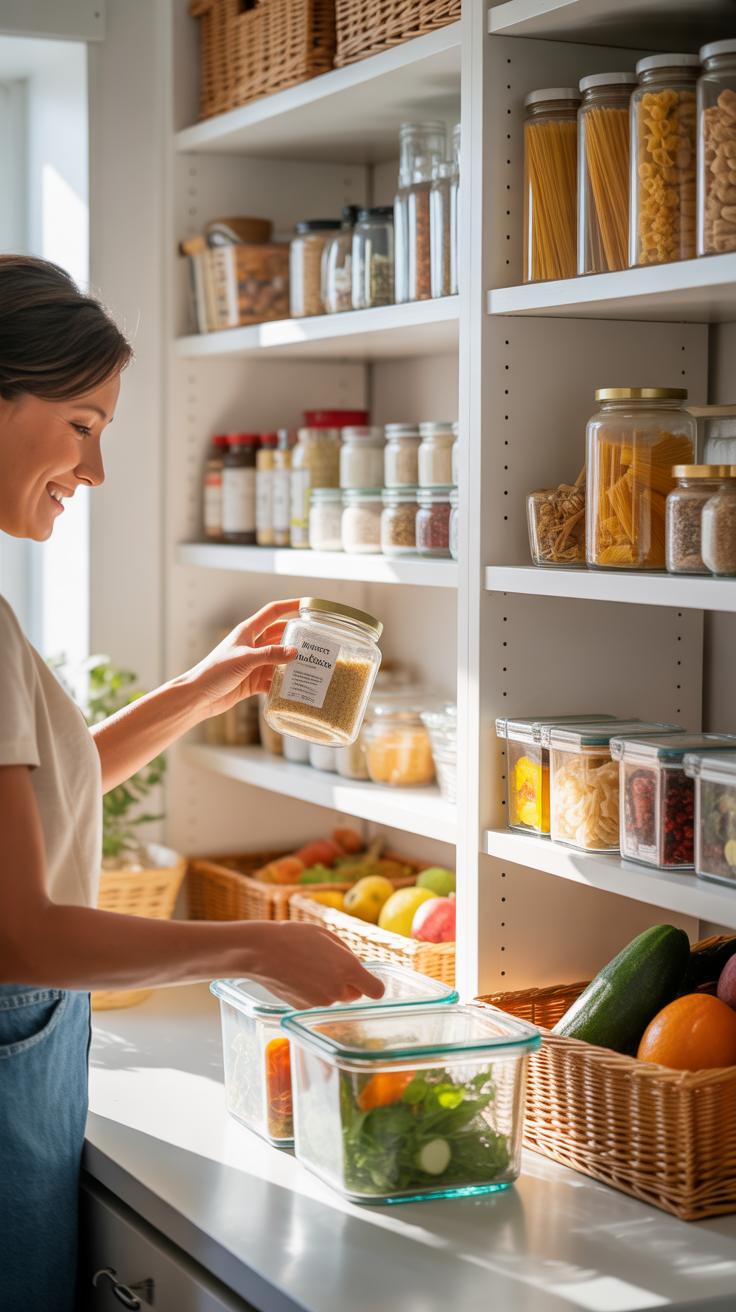
How To Read Food Labels And Spot Ultra Processed Ingredients
Labels exist to market products rather than inform consumers. Ignore the claims on the front of the box. Turn the package over and look at the ingredient list immediately. High-quality food has a short list of recognizable items. Avoid products containing chemicals you cannot pronounce. Manufacturers use technical names to hide sugar and salt. You must scrutinize every line to find the truth.
Check the serving size first to understand the math. Companies divide contents into small portions to make sugar counts look low. Look for hydrogenated oils and high fructose corn syrup. These indicate heavy processing. Search for artificial dyes and synthetic preservatives. These additives extend shelf life but decrease nutritional value. A clean pantry requires ingredients that your great-grandparents would recognize as actual food.
Donating, Discarding, And Responsibly Clearing Out Unhealthy Items
Empty your shelves completely to see the full inventory. Sort every item into three distinct categories. Throw away any products that have passed their expiration dates. Open containers of stale crackers or rancid oils must go into the trash. Be ruthless during this stage. Do not keep unhealthy food just because you already paid for it. Your health is worth more than the cost of a bag of chips.
Set aside unopened items that are still safe to eat but do not fit your goals. Take these goods to a local food bank or community shelter. This prevents waste while removing temptation from your home. Recycle the glass and plastic containers after emptying them. Wipe down the empty shelves with a wet cloth. You now have a blank slate for your new clean eating lifestyle.
Healthy Food Pantry Essentials The Foundational Ingredients To Stock First
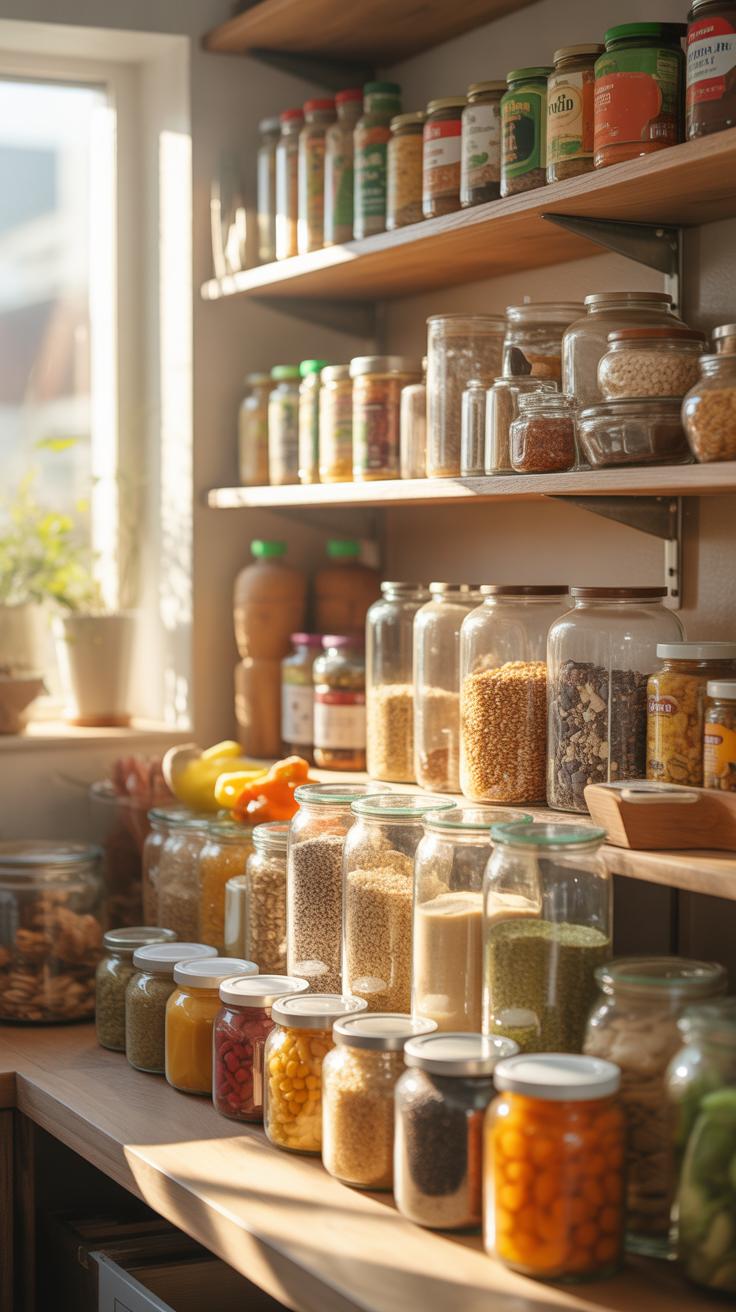
Whole Grains, Legumes, And Seeds That Form The Backbone Of Clean Eating
Whole grains and legumes provide the complex carbohydrates and fiber necessary for a clean eating pantry. These ingredients offer a long shelf life and high nutritional density. Choose intact grains like quinoa, brown rice, and farro over refined flours. These options prevent blood sugar spikes and provide sustained energy. Always verify that labels show 100 percent whole grain content to avoid hidden additives or processing.
Dry beans and lentils act as cost-effective plant proteins. They require soaking or longer cook times but lack the excess sodium found in canned goods. Seeds like chia, flax, and hemp add essential fatty acids to daily meals. Store these in airtight containers to prevent oxidation. This foundation ensures you can build a complete meal without relying on processed convenience foods or chemical-laden pre-packaged mixes.
Pantry Oils, Vinegars, And Condiments Worth Keeping On Your Shelves
Clean condiments must lack high fructose corn syrup and hydrogenated oils. Cold-pressed oils like extra virgin olive oil and avocado oil serve as primary fats for cooking and dressings. These oils retain their nutrients because manufacturers do not use high heat or chemicals during extraction. Avoid vegetable or canola oils which involve heavy processing. Proper fat sources are vital for nutrient absorption and heart health.
Vinegars and fermented liquids provide flavor without adding calories or toxic preservatives. Apple cider vinegar and balsamic vinegar add acidity to balance dishes. Check labels for added sugars or caramel coloring in cheaper balsamic brands. Natural tamari or coconut aminos replace soy sauce to reduce sodium and avoid gluten. These staples allow you to create homemade sauces that outperform processed store versions in both taste and health.
Clean Eating Staples Building A Grocery List That Supports Whole Food Living
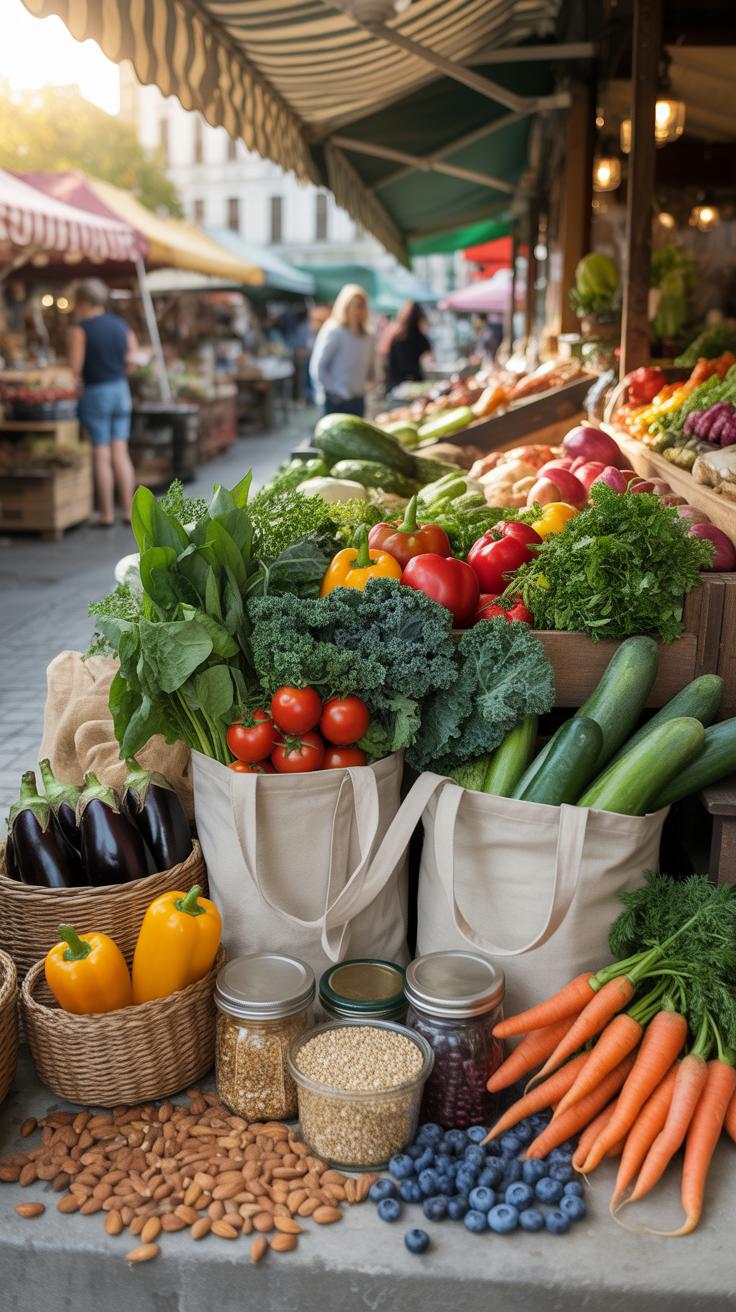
The Core Dry Goods Every Clean Eating Kitchen Should Have
A clean eating pantry relies on unprocessed foundations. You must eliminate refined flours and added sugars immediately. High-quality dry goods provide the bulk of your daily nutrition and fiber. Stocking these items ensures you can prepare a compliant meal under any circumstances. Focus on single-ingredient items that offer long shelf lives and high nutrient density to maintain consistency in your diet.
- Whole Grains: Select intact grains like quinoa, brown rice, and farro. These provide complex carbohydrates and fiber without the blood sugar spikes associated with processed white grains. They serve as a neutral base for diverse protein and vegetable pairings.
- Legumes: Keep dried or low-sodium canned beans and lentils on hand. These are essential plant-based protein sources. They contain high levels of folate, iron, and potassium. Use them to add texture and satiety to soups, salads, and grain bowls.
- Raw Nuts and Seeds: Stock almonds, walnuts, chia seeds, and flaxseeds in their natural state. Avoid roasted varieties processed with seed oils or salt. These provide healthy fats and essential minerals. They work well as portable snacks or as nutrient-dense toppers for meals.
- Healthy Fats: Prioritize extra virgin olive oil and avocado oil for cooking and dressings. These oils contain monounsaturated fats and have higher smoke points or better nutrient profiles than refined vegetable oils. Avoid blends that contain soybean or canola oil to reduce inflammation.
- Natural Seasonings: Use sea salt, black pepper, and dried herbs to build flavor without additives. Avoid pre-mixed spice packets that often contain maltodextrin, cornstarch, or anti-caking agents. Pure spices allow you to control sodium intake while maximizing the antioxidant properties of the plants.
Inventory management prevents the consumption of convenience junk food. Maintain a rotation of these staples to avoid decision fatigue during meal preparation. When you have these bases ready, you reduce the urge to order out. Treat your dry goods as the structural framework of your kitchen. Solid foundations lead to better health outcomes and lower long-term grocery costs through bulk purchasing.
How To Prioritize Organic Vs. Conventional Pantry Staples On A Budget
Smart clean eating requires strategic spending on organic certifications. Focus your organic budget on items with thin skins or high fat content. These products typically carry more pesticide residue in conventional farming. Grains and seeds often have protective husks, making them lower priorities if your budget is tight. Always read labels to ensure conventional items do not contain hidden synthetic preservatives or bleaching agents.
Bulk buying conventional dry goods is a valid tactic for saving money. Store these items in airtight glass containers to maintain freshness and prevent spoilage. If you must choose, buy organic fats and oils first because toxins concentrate in fatty tissues and oils. Prioritize quality over quantity by selecting dense, whole foods that keep you full longer. This approach maximizes your nutritional return on every dollar spent.
Healthy Pantry Snacks For Clean Eating Smarter Options For Between Meals
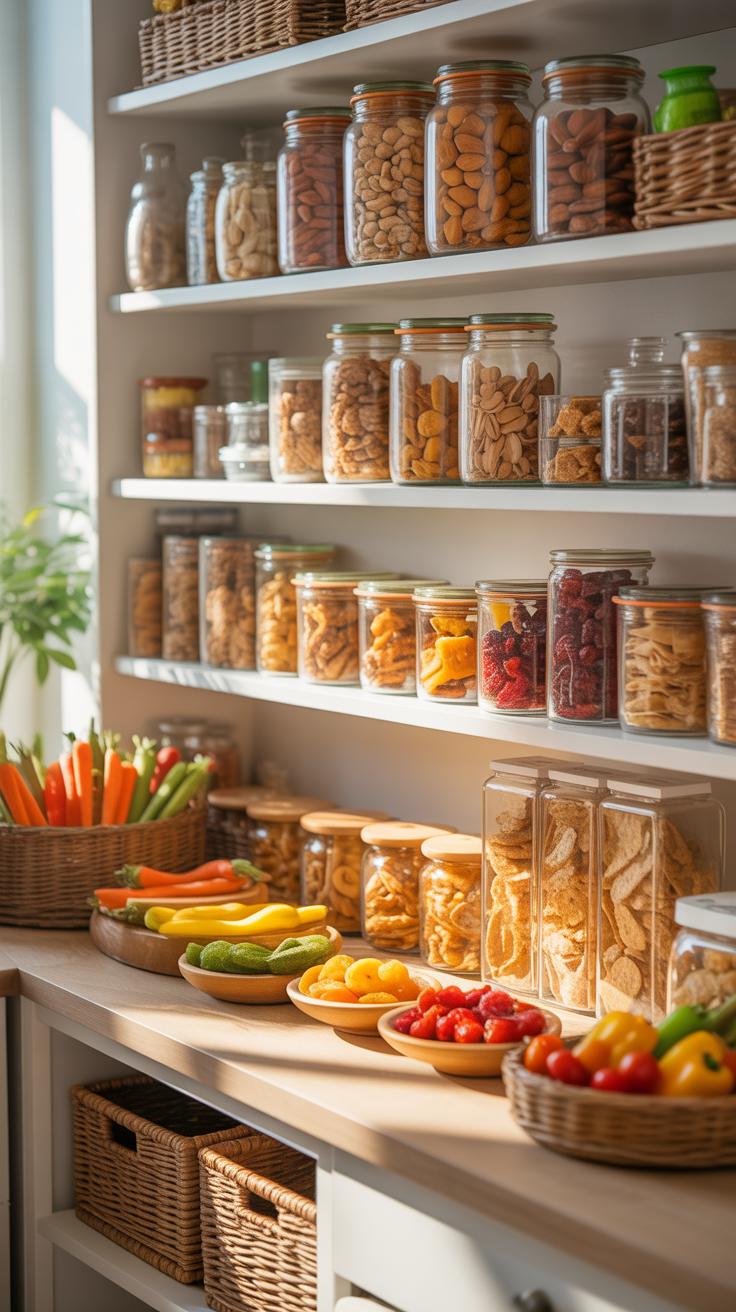
Nutrient Dense Snack Ingredients You Can Keep Shelf Stable And Ready
A clean eating pantry relies on raw nuts, seeds, and dried legumes for satiety. These items provide essential fatty acids and plant protein without the inflammatory oils found in processed snacks. Store walnuts, almonds, and pumpkin seeds in airtight glass jars to prevent oxidation. Keep roasted chickpeas and lentils on hand for a crunch that offers fiber rather than empty calories.
Prioritize single ingredient items to avoid hidden sugars and synthetic preservatives. Nut butters should contain only nuts and salt. Look for dried fruits without added sulfites or oils. Stocking these staples allows you to skip pre packaged bars that often use isolate proteins and syrups. These whole food ingredients stay fresh for months and provide stable energy throughout your workday without a crash.
The kitchen is where we create memories, and stocking it with care is the first step toward a simpler and more vibrant life. By clearing the old and inviting in the wholesome, we make room for the nourishment our families deserve.
How To Build Balanced Snacks From Whole Pantry Ingredients At Home
Building a clean snack requires a strategic mix of macronutrients to manage blood sugar. Combine a complex carbohydrate with a healthy fat or protein to slow digestion. For example, pair an apple with almond butter or top a rice cake with mashed avocado and hemp seeds. This method prevents insulin spikes and keeps you full longer than eating a simple carbohydrate alone.
Use your pantry staples to create high volume snacks with minimal effort. Mix raw nuts with unsweetened coconut flakes and cocoa nibs for a DIY trail mix. Use canned beans to whip up a quick hummus or bean dip for raw vegetables. This tactical approach ensures you always have a nutrient dense option available. It eliminates the need for convenience store purchases that compromise your clean eating goals.
Healthy Pantry Essentials Ideas Creative Ways To Organize And Use What You Stock
Pantry Organization Systems That Make Healthy Choices Easier Every Day
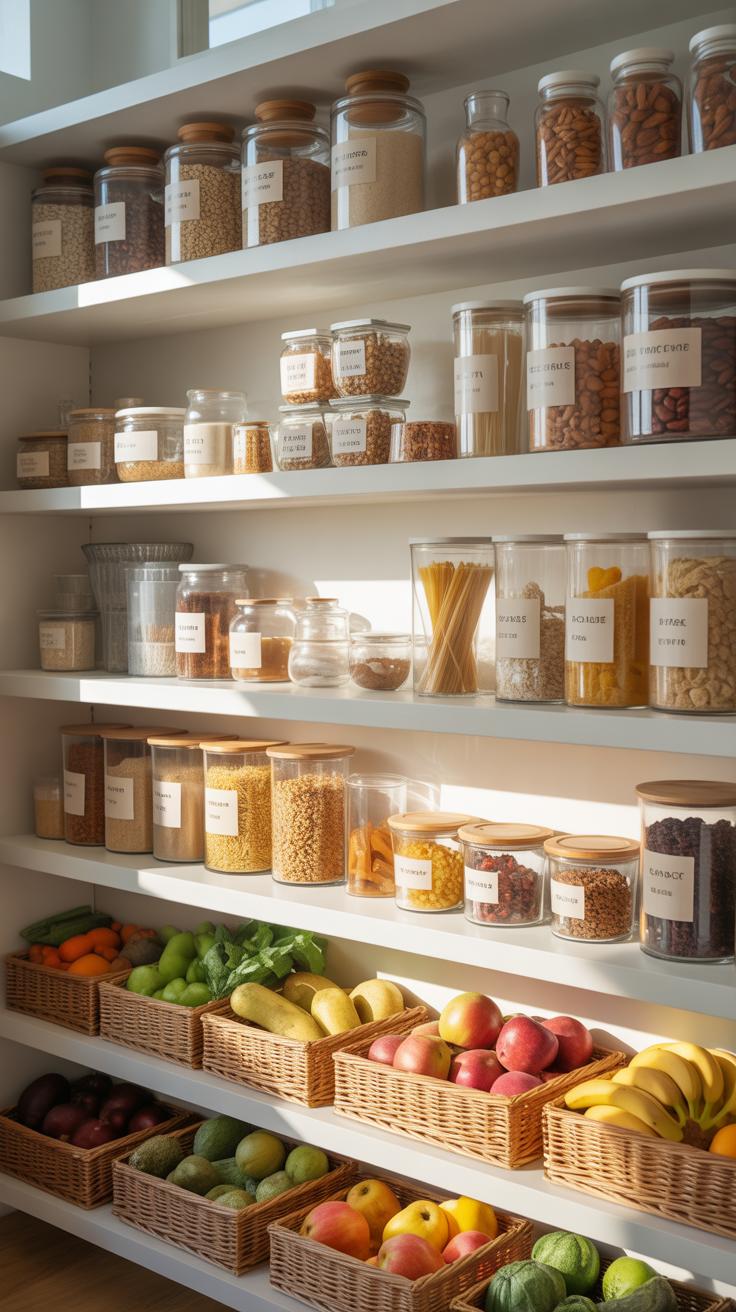
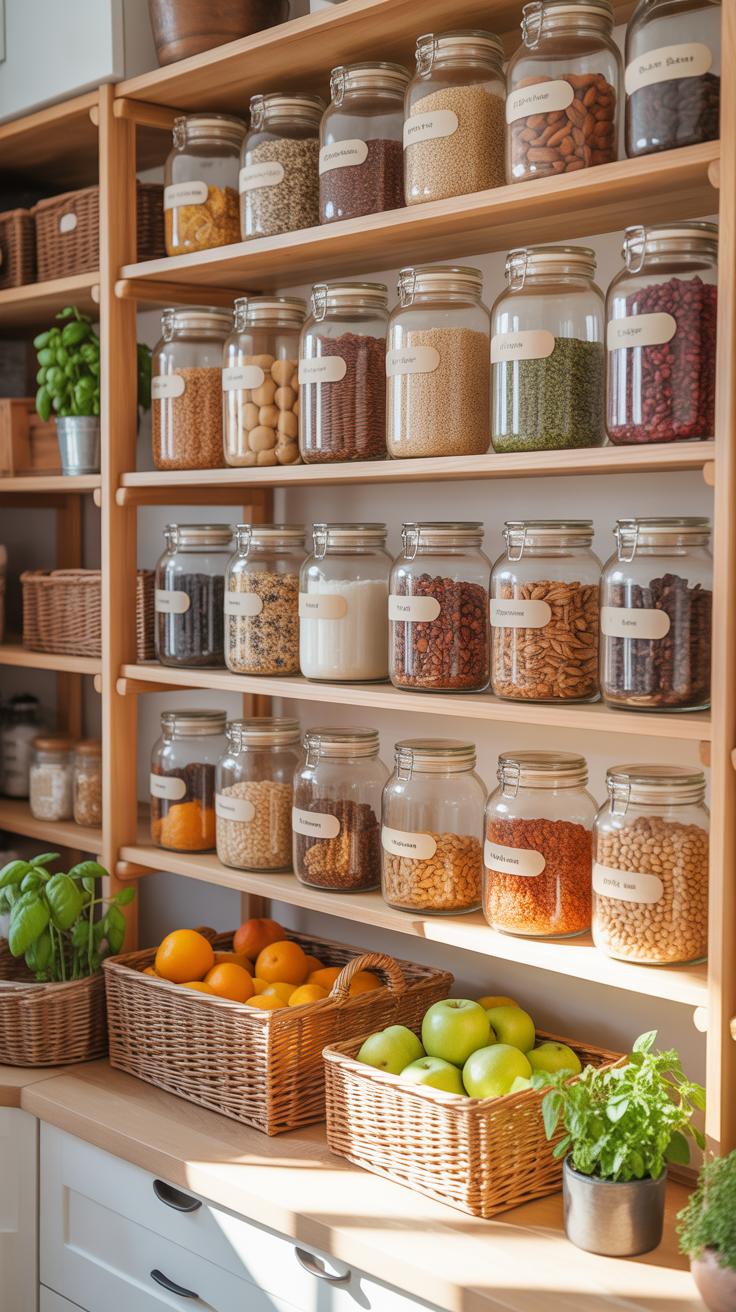
Visibility dictates consumption in a clean eating pantry. You must remove items from original packaging and place them in clear glass jars. This method comes from industrial kitchen management tactics. It allows you to see inventory levels at a glance. Place whole grains and legumes at eye level. Move processed snacks to high or low shelves. This layout uses choice architecture to reduce decision fatigue.
Group items by function rather than size. Create a dedicated baking zone with nut flours and natural sweeteners. Build a grain bowl station with quinoa, farro, and seeds. Use tiered shelving to prevent cans from hiding in the back. Use rectangular containers to maximize square footage. Efficient storage prevents food waste and ensures you use ingredients before they expire. Proper labeling with expiration dates maintains food safety standards.
Meal Prep Strategies That Maximize Your Clean Eating Pantry All Week Long
Batch cooking relies on a well stocked pantry to succeed. Prepare large quantities of dry beans and whole grains on Sundays. Store these staples in the refrigerator to build quick meals during the week. Use oils and vinegars to create dressings in bulk. This strategy bypasses the need for store bought sauces containing refined sugars. High protein pantry items like canned wild fish provide instant nutrition when time is short.
Rotate your stock using the first in first out method. This inventory technique ensures freshness and prevents nutrient degradation. Use your pantry to supplement fresh produce. Add nuts and seeds to salads for healthy fats. Combine dried lentils with root vegetables for dense stews. A strategic pantry serves as a backup system for your nutrition goals. It eliminates the excuse to order takeout when the refrigerator looks empty.
Eat To Live Pantry Stocking Ingredients That Prioritize Nutrition Over Convenience
The Nutrient Density Principle And Why It Guides Smart Pantry Choices
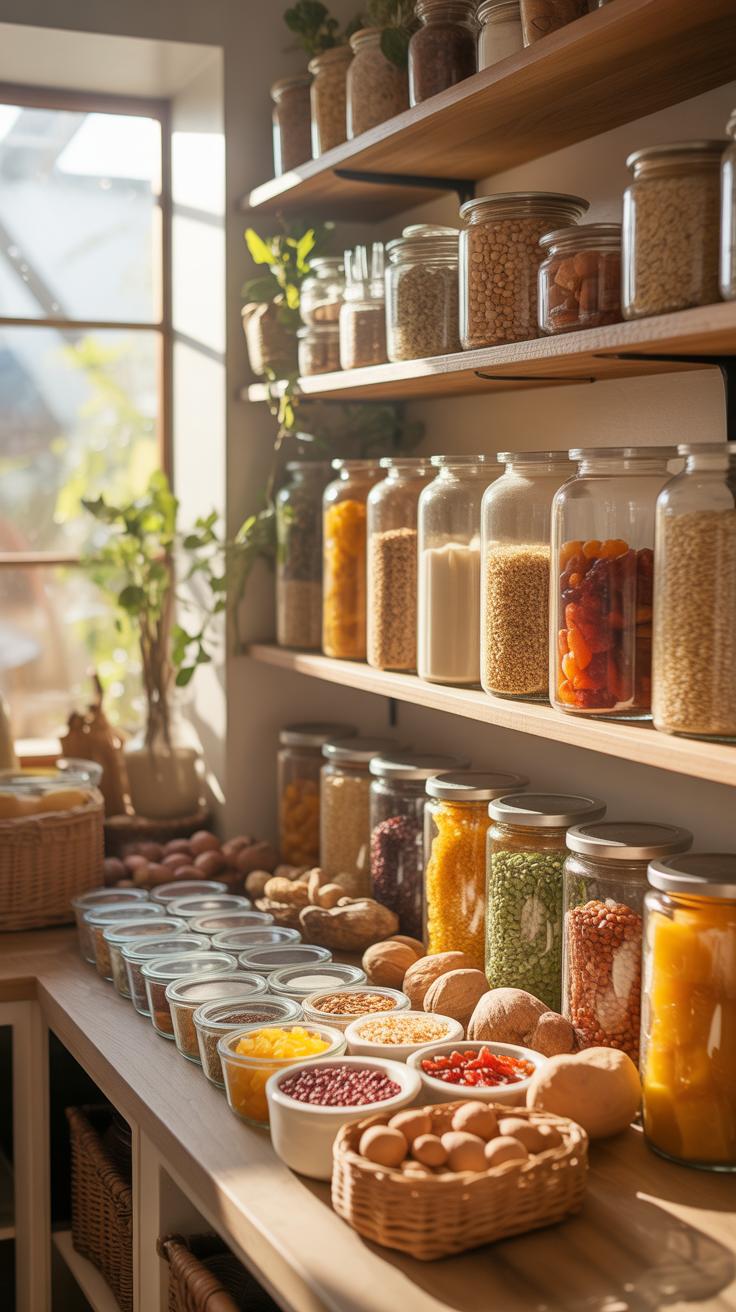
Nutrient density measures the ratio of essential vitamins and minerals to total calories. A clean eating pantry relies on this metric to eliminate empty calories. You must choose foods that provide maximum biological value per gram. Processed snacks offer high energy but low nutrition. Shift your focus to whole ingredients that support metabolic health. This strategy reduces hunger and stabilizes blood sugar levels.
Smart pantry management requires biological efficiency. You buy dry goods that retain their micronutrients over long periods. Whole grains and legumes serve as the foundation of this system. These items provide fiber and antioxidants that refined products lack. Stop viewing the pantry as a storage for treats. Treat it as a tool for long-term health and disease prevention. Strategic choices here dictate your daily performance.
Plant Based Proteins And Functional Foods To Add To Your Shelves
Plant based proteins provide stable energy without the inflammatory risks of processed meats. These staples have long shelf lives and high fiber content. You need ingredients that act as both fuel and medicine. Functional foods like seeds and seaweeds offer unique minerals. Integrating these into your daily routine ensures consistent nutrient delivery. Use these items to replace refined flour and sugary thickeners.
- Dry Lentils: These legumes provide significant iron and folate with almost no fat. They cook faster than other beans and require no soaking. Use them as a base for stews or cold salads to increase your daily protein intake without adding saturated fat.
- Quinoa: This ancient seed contains all nine essential amino acids making it a complete protein source. It acts as a versatile substitute for rice or pasta. Quinoa reaches a high nutrient density score because it offers fiber, magnesium, and B vitamins in every serving.
- Chia Seeds: These tiny seeds are rich in omega-3 fatty acids and soluble fiber. They absorb liquid to create a gel which helps with satiety and digestion. Add them to water, oatmeal, or baked goods to boost the nutritional profile of simple meals easily.
- Nutritional Yeast: This deactivated yeast provides a savory flavor and is often fortified with vitamin B12. It serves as a clean alternative to processed cheese powders. It contains all essential amino acids and supports immune function through its unique fiber content called beta-glucan.
- Pumpkin Seeds: Also known as pepitas, these seeds deliver high levels of zinc and magnesium. They provide a crunchy texture to meals without the need for processed croutons. They support heart health and help regulate sleep patterns through natural tryptophan and healthy fats.
Effective stocking means planning for biological needs instead of cravings. These proteins and functional additions create a resilient food environment. You gain control over your caloric quality when these items are available. Eliminate the temptation of convenience foods by keeping these powerful ingredients at eye level. This tactical shift ensures you eat for survival and strength. Consistency in these choices leads to measurable health improvements.
Healthy Pantry Essentials For Special Dietary Needs And Lifestyle Goals
Adapting Your Clean Eating Pantry For Gluten Free, Dairy Free, Or Vegan Diets
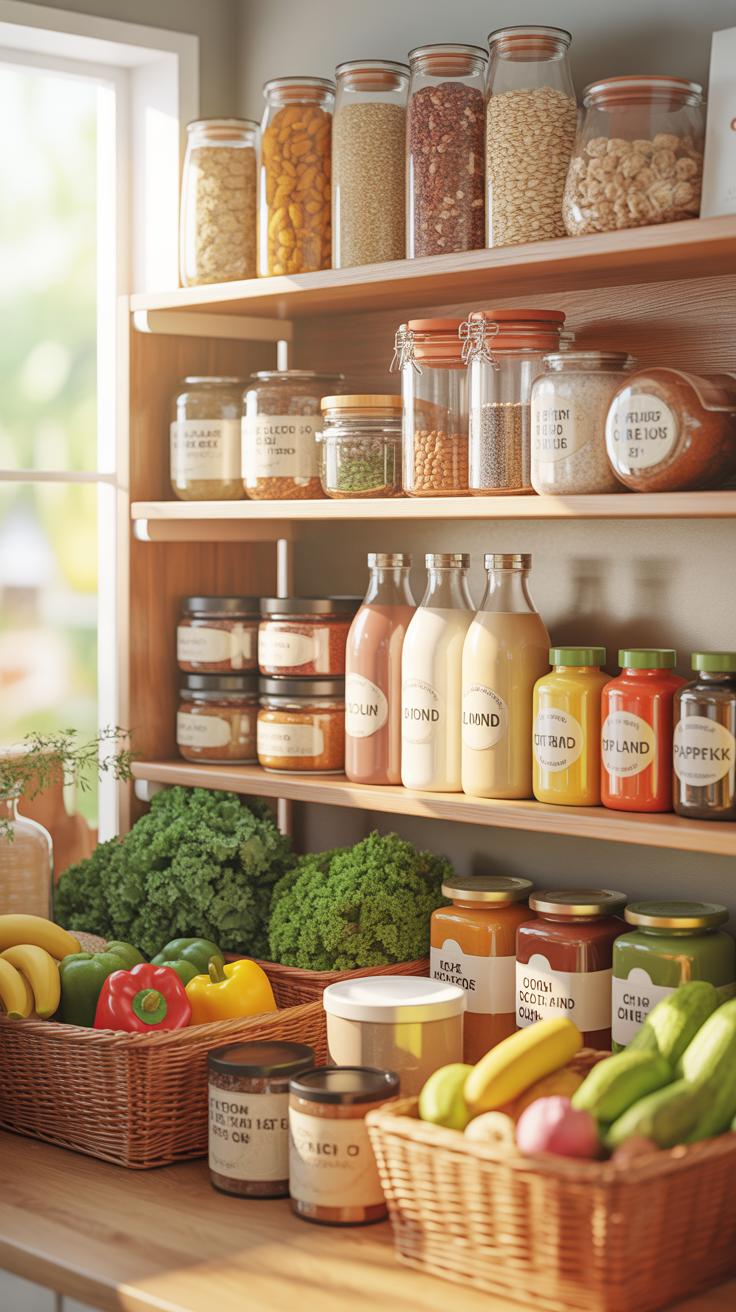
Clean eating requires specific substitutions when removing gluten, dairy, or animal products. Replace wheat flours with almond, coconut, or cassava options to maintain texture in cooking. Swap soy sauce for liquid aminos or coconut aminos to eliminate gluten and excess sodium. Nutritional yeast provides a savory flavor for those avoiding cheese. Stocking these items ensures your pantry supports a restricted diet without relying on processed boxed goods.
Read labels to avoid hidden fillers in specialty products. Many gluten free items use refined starches like corn or potato. Choose whole grain alternatives like quinoa, buckwheat, and brown rice instead. For dairy free needs, prioritize unsweetened nut milks and coconut fats. Vegan pantries must focus on plant proteins like dry lentils, chickpeas, and beans. These staples provide fiber and essential nutrients while adhering to your specific dietary restrictions.
How To Tailor Your Pantry Staples To Fit Weight Management Or Athletic Goals
Athletes and individuals focused on weight management must prioritize nutrient density. High performers need complex carbohydrates like steel cut oats and sweet potatoes for sustained energy. High protein staples such as canned tuna, hemp seeds, and pumpkin seeds support muscle repair. Avoid high calorie density items that offer little nutritional value. Focus on whole foods that satisfy hunger and provide the fuel necessary for intense physical activity.
Weight control relies on satiety and blood sugar stability. Keep high fiber items like chia seeds and flaxseeds visible to encourage use. These slow digestion and prevent energy crashes. Remove refined sugars and white flours that trigger insulin spikes. Stock vinegars and spices to add flavor without adding calories or fat. A strategic pantry layout removes temptation and simplifies the process of making healthy choices during busy or high stress times.
Clean Eating Essentials Maintaining Your Healthy Pantry For The Long Term
How To Shop Consistently And Restock Your Pantry Without Falling Back On Old Habits
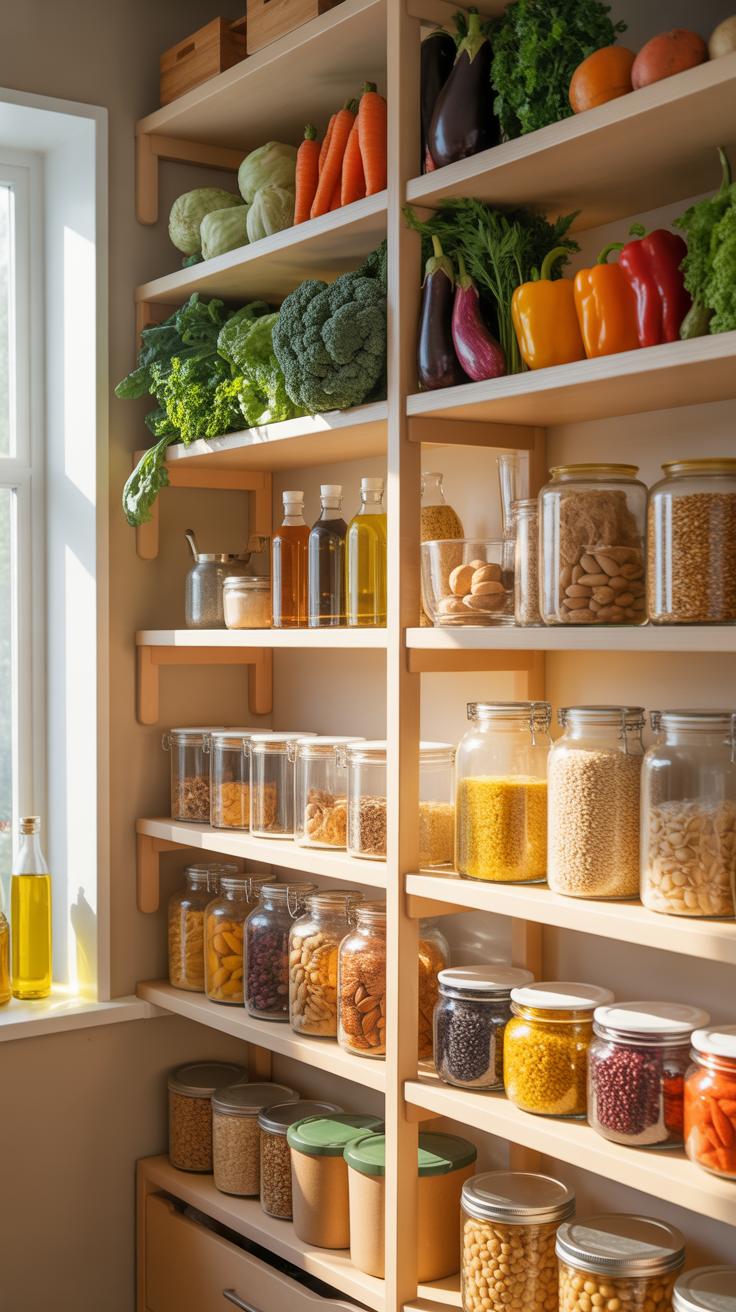
Successful pantry maintenance requires a strict inventory system. Check your stock levels before every shopping trip to prevent panic buying. Use a standard digital or paper list to track core items like bulk grains, legumes, and healthy fats. Buy these staples in volume to keep costs low and ensure you always have a clean base for meals. Never enter a store without a specific plan.
Avoid the middle aisles where manufacturers stock processed foods. Focus your physical movement on the outer edges and the bulk section. Purchase replacements only when a container reaches the bottom third. This buffer prevents you from reaching for unhealthy convenience options during a busy week. Stick to your established brands to avoid hidden additives often found in new or unfamiliar products. Consistency builds the habit of clean eating.
Seasonal Swaps And Evolving Your Clean Eating Pantry As Your Needs Change
Your pantry should reflect the current season to maximize nutritional density. Rotate your stock to include heavier grains and hearty spices during cold months. Transition to lighter seeds and vinegars when the weather warms. This strategy prevents palate fatigue and keeps your clean eating plan sustainable. Update your ingredient mix every ninety days. Remove any items that remained untouched during the previous season to keep your space functional.
Functional needs change as your activity levels or health goals shift. Adjust your protein and fiber sources based on your current physical demands. Replace low-use items with denser nutrients if your schedule becomes more demanding. Monitor how different foods affect your energy levels over time. A clean pantry is a tool that requires regular calibration. Discard expired oils and nuts promptly to prevent rancidity and ensure every calorie serves a tactical purpose.
Frequently Asked Questions

What are the first steps to transitioning my kitchen for a healthier lifestyle?
The journey begins with a thorough decluttering session to remove highly processed foods, refined sugars, and artificial additives. Replace these items with whole-food staples like ancient grains, raw nuts, and organic legumes. Transitioning to a clean eating pantry isn’t about restriction; it’s about curating a collection of nutrient-dense ingredients that make it easy to prepare wholesome, delicious meals without the hidden preservatives found in typical store-bought snacks.
How can I organize my space to encourage better eating habits?
Effective organization is key to maintaining your lifestyle goals. Start by using clear glass jars to display colorful grains, seeds, and dried fruits at eye level. This visual accessibility makes healthy choices the most convenient option. Labeling your containers also helps you track inventory easily. By intentionally arranging your clean eating pantry, you reduce cooking friction and ensure that wholesome ingredients remain the stars of your daily meal preparation routine.
Can I achieve a healthy pantry makeover if I am on a tight budget?
Absolutely! You don’t need expensive specialty brands to succeed. Focus on purchasing versatile staples like brown rice, dried beans, and oats in the bulk section of your grocery store to save significantly. Prioritize store-brand organic options for canned tomatoes or spices. A successful makeover is more about choosing whole, single-ingredient foods rather than buying pricey “health food” packaging, making a nutritious lifestyle accessible for every household budget.