
Why Cooking Oils Matter More Than You Think
How Cooking Oils Affect Flavor, Nutrition, And Health
Cooking oils act as the primary heat transfer medium in your pan. They dictate how evenly food cooks and how much fat the ingredients absorb. Beyond heat, oils carry fat soluble vitamins like A, D, E, and K into your system. Choosing the wrong oil can ruin the taste of a dish or destroy the nutritional value of your high quality ingredients.

Heat changes the chemical structure of your oil. When an oil reaches its smoke point, it breaks down and releases acrolein. This creates a bitter taste and produces harmful free radicals. You must match the oil to your cooking temperature to maintain heart health. Understanding these mechanics prevents you from turning a healthy meal into a toxic one through simple thermal degradation.
The Role Of Fatty Acids In The Cooking Oils You Choose
Fatty acids define the stability and health profile of every cooking oil. Saturated fats stay solid at room temperature and resist oxidation during high heat cooking. Monounsaturated fats provide a balance of stability and heart benefits. Polyunsaturated fats contain essential omega acids but break down quickly under heat. You must select your oil based on these specific molecular bonds to avoid inflammation.

The ratio of omega 6 to omega 3 fatty acids impacts your internal inflammatory response. Most modern diets contain too many omega 6 fats from processed vegetable oils. This imbalance links to various chronic health issues. Strategic oil selection allows you to control this ratio in your daily cooking. High quality fats support brain function and hormone production while keeping your arteries clear of oxidized lipid buildup.
Understanding The Types Of Cooking Oil Available Today
Refined Vs. Unrefined Cooking Oil: What Is The Difference?
Refined oils undergo heavy processing to remove impurities and stabilize the liquid. Producers use high heat, bleaching agents, and chemical solvents like hexane to extract the maximum amount of oil from the source. This process strips away the natural color, scent, and nutrients. It results in a neutral product with a high smoke point. These oils survive high heat without burning or breaking down quickly.
Unrefined oils are the pure extract from the seed or fruit. Producers use minimal heat and no chemicals during extraction. This leaves the natural flavors, minerals, and antioxidants intact. You get a product that tastes like its original source. These oils have lower smoke points and become unstable under high heat. Use unrefined oils for low temperature cooking or finishing dishes to preserve their chemical integrity.
Cold Pressed And Expeller Pressed Oils Explained
Expeller pressing uses a mechanical screw to squeeze oil out of raw materials. This physical pressure creates natural heat through friction. Friction temperatures often reach 120 to 200 degrees Fahrenheit. This method is cleaner than chemical extraction because it avoids toxic solvents. It is a rugged, mechanical process that yields a high quality product. Most health conscious consumers prefer this method over standard industrial refining for daily use.
Cold pressing is a specific type of expeller pressing with strict temperature controls. Producers keep the environment below 122 degrees Fahrenheit during the entire process. This prevents the heat from degrading the delicate fatty acids and vitamins. It is the most expensive and least efficient extraction method available. Choose cold pressed oils for maximum nutritional density. These oils deliver the highest concentration of polyphenols and natural plant compounds to your body.
Smoke Points And Cooking Basics Every Home Cook Should Know
What Is A Smoke Point And Why Does It Matter In Cooking
The smoke point is the specific temperature where oil stops shimmering and starts smoking. This visible smoke signals that the oil is breaking down. Chemical bonds rupture and release a substance called acrolein. This process creates a burnt, bitter taste in your food. It also destroys the beneficial nutrients and antioxidants that make certain oils healthy.
Consuming oil past its smoke point is a health risk. Heat causes oxidation and creates free radicals. These compounds can damage your cells over time. High heat also releases toxic fumes into your kitchen air. You must match your oil to your burner setting. If the pan starts smoking, discard the oil. Clean the pan and start over to ensure safety.
Use a drop of golden olive oil to finish a dish with the warmth of a Mediterranean summer, but keep the butter for the slow, slow cooking that tastes like home.
Matching The Right Cooking Oil To The Right Heat Level
Every cooking method requires a specific oil based on heat intensity. Searing meat needs an oil that stays stable at four hundred degrees. Salads and finishing touches do not require heat stability. You select the oil based on the final task. Using an expensive oil with a low smoke point for frying ruins the flavor and wastes your money.
- Refined Avocado Oil: This oil has a very high smoke point near five hundred degrees. Use it for searing steaks, grilling, and high-heat stir-frying. It remains stable under intense flame and provides a neutral flavor profile for heavy cooking.
- Extra Virgin Olive Oil: This oil has a medium-low smoke point around three hundred seventy degrees. Use it for light sauteing or low-temperature roasting. It works best for drizzling over finished dishes to preserve its delicate flavor and cold-pressed nutrients.
- Refined Coconut Oil: This oil stays solid at room temperature and smokes at four hundred degrees. It works well for baking and medium-heat frying. It offers a higher heat threshold than unrefined versions because the solids are removed during processing.
- Grapeseed Oil: This oil handles heat up to four hundred twenty degrees quite well. It is a top choice for sautéing vegetables and making quick pan sauces. The clean finish allows the natural flavors of your ingredients to stand out clearly.
- Butter: This fat has a low smoke point of three hundred fifty degrees due to milk solids. Use it for low-heat egg dishes or finishing sauces. If you need higher heat, clarify the butter to remove the solids and increase stability.
Refining processes increase an oil’s ability to withstand heat. Manufacturers remove impurities and free fatty acids to raise the smoke point. Unrefined oils contain more sediment and burn quickly. Always check the label for refined or cold-pressed status before heating. Your choice determines the success of the meal. Proper pairing prevents kitchen fires and ensures the best nutritional outcome.
The Best Oil For Cooking Healthy Everyday Meals
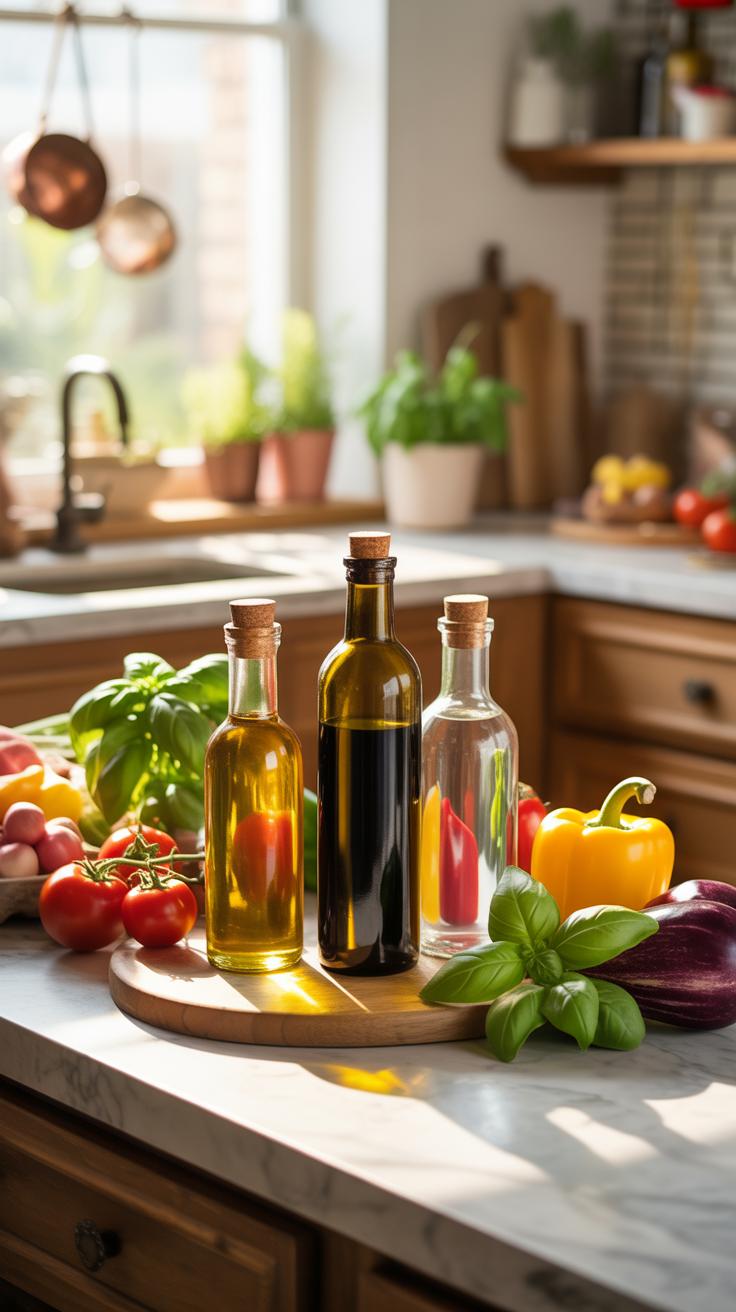
Extra Virgin Olive Oil: A Gold Standard For Heart Healthy Cooking
Extra virgin olive oil remains the top choice for daily cooking. It consists mostly of monounsaturated fats. These fats lower bad cholesterol and reduce heart disease risks. This oil is not just for cold salads. It contains high levels of polyphenols and antioxidants. These compounds protect the oil from breaking down when you apply heat during standard stovetop cooking tasks.
You can safely use this oil for most home cooking. It has a smoke point around 375 degrees Fahrenheit. This range covers sautéing, roasting, and shallow frying. Quality matters because refined olive oils lack the same protective nutrients. Always check for a harvest date on the bottle. Fresh oil provides more health benefits and better stability when you use it for meals.
Avocado Oil: A Nutrient Dense Option With A High Smoke Point
Avocado oil offers a unique fatty acid profile similar to olive oil. It contains high levels of oleic acid and lutein. These nutrients support eye health and reduce inflammation throughout the body. The extraction process uses the fruit pulp rather than the seed. This method preserves heat-stable fats. Use this oil when you need a neutral flavor that does not overpower your ingredients.
This oil handles extreme heat better than almost any other healthy fat. Its smoke point reaches 520 degrees Fahrenheit. This makes it the safest choice for searing meats or high-heat grilling. It does not oxidize easily under these harsh conditions. Choosing this oil prevents the formation of free radicals in your food. It provides a versatile tool for every high-temperature kitchen application.
Exploring Different Cooking Oils And Their Unique Benefits
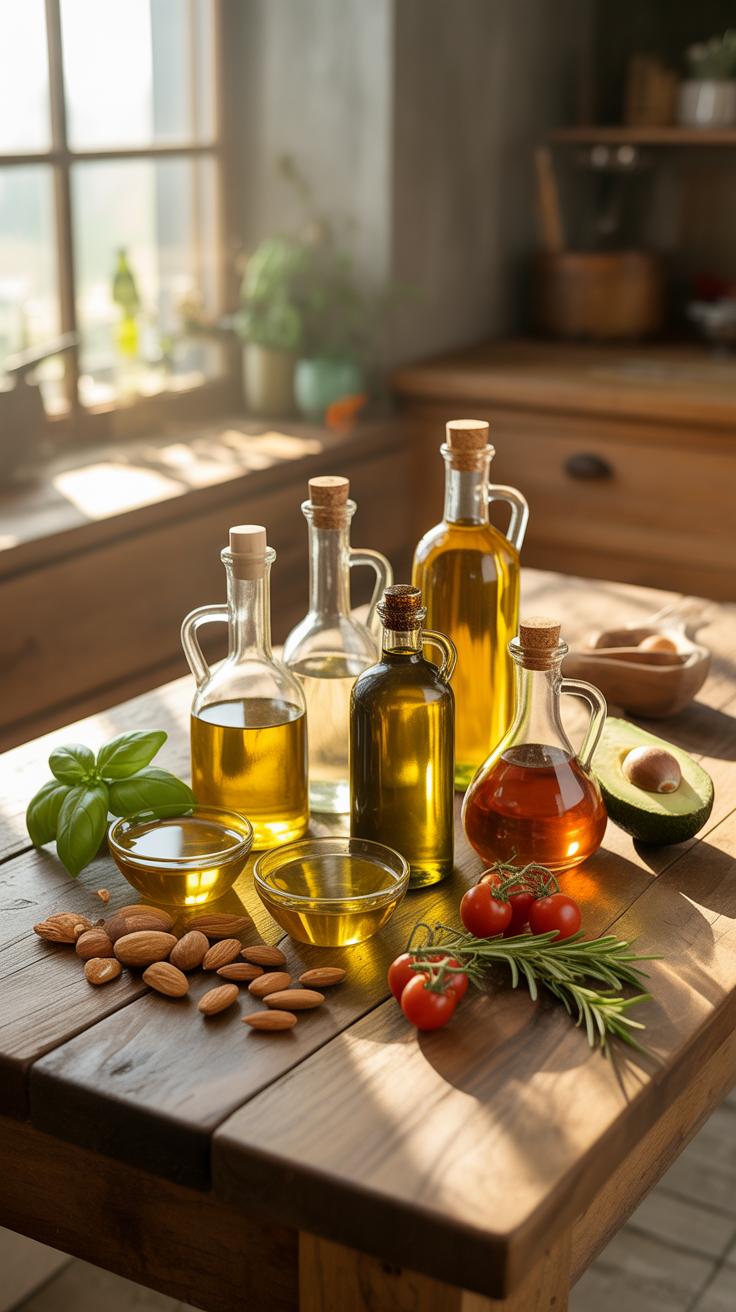
Coconut Oil: Saturated Fat, Medium Chain Triglycerides, And The Facts
Coconut oil contains high levels of saturated fat. This molecular structure stays solid at room temperature and resists oxidation. You can use it for medium-heat cooking without the oil breaking down quickly. It serves as a stable fat source for sautéing and baking. Most of its fat comes from Medium-Chain Triglycerides. These fats behave differently than long-chain fats found in other common vegetable oils.
The body processes Medium-Chain Triglycerides through the liver for immediate energy. This efficiency makes coconut oil popular in specific dietary protocols. However, refined coconut oil has a higher smoke point than unrefined versions. Unrefined oil retains a strong flavor and scent. You must choose the refined version if you want a neutral taste. Always monitor your total intake because this oil remains a dense source of saturated fat.
Flaxseed Oil And Walnut Oil: Best Used Cold For Maximum Nutrition
Flaxseed and walnut oils contain high levels of polyunsaturated fatty acids. These fats are very unstable when you expose them to heat. High temperatures destroy the nutritional value and create a bitter taste. You should never use these oils for frying or searing. They work best in salad dressings or drizzled over finished meals. Cold usage preserves the delicate omega-3 fatty acids found inside these seeds.
Keep these oils in the refrigerator to prevent rancidity. Light and oxygen cause them to spoil faster than olive or avocado oils. Look for cold-pressed versions to ensure the highest nutrient density. These oils provide specific plant-based fats that your body cannot produce on its own. Using them as finishing oils adds a nutty flavor profile to your food. Buy them in small bottles to ensure you use them before they oxidize.
Peanut Oil And Its Place Among The Best Cooking Oils
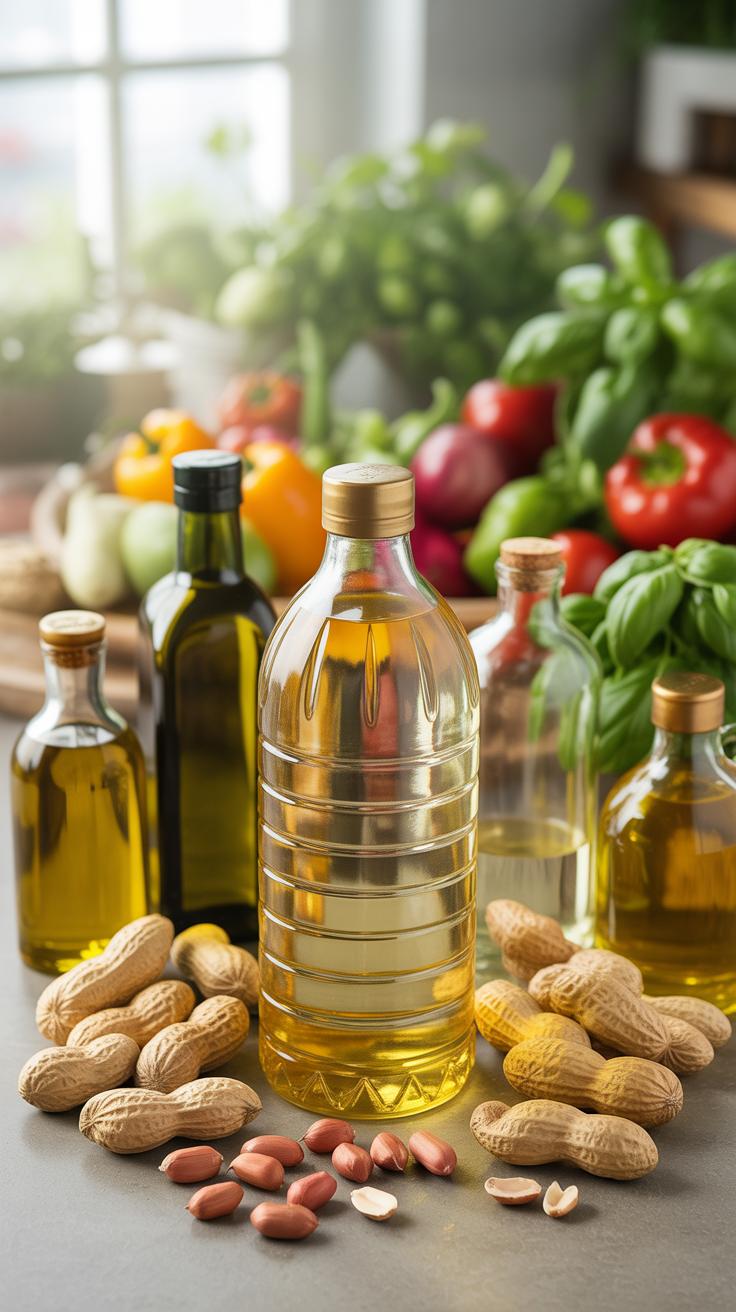
Why Peanut Oil Is A Popular Choice For High Heat And Frying Applications
Peanut oil has a high smoke point of 450 degrees Fahrenheit. This physical property makes it a primary choice for deep frying and searing. The oil stays stable at high temperatures and does not break down easily. Professional kitchens use it to produce crispy textures without over-browning food. It handles intense heat better than most vegetable oils or unrefined fats.
Industrial food service relies on peanut oil for its neutral flavor profile. It does not carry flavors between different food batches during the frying process. You can fry fish and then fries in the same vat without taste contamination. This efficiency saves money and reduces waste in high-volume settings. The oil remains liquid at room temperature which makes handling and storage simple for busy cooks.
Nutritional Profile Of Peanut Oil And What The Research Shows
Peanut oil contains a high concentration of monounsaturated fats. These fats are more stable than polyunsaturated fats when exposed to heat. Most varieties consist of roughly 50 percent monounsaturated fat and 32 percent polyunsaturated fat. It also contains Vitamin E which acts as a natural antioxidant. This chemical makeup prevents the oil from turning rancid quickly during storage or repeated heating cycles.
Research indicates that refined peanut oil is safe for most people with peanut allergies. The refining process removes the proteins that trigger allergic reactions. However, cold-pressed or gourmet peanut oils still contain these dangerous proteins. You must check the processing method before serving it to others. Its high calorie density requires portion control despite its fatty acid benefits. Stick to refined versions for safest heavy kitchen use.
Cooking Tips For Getting The Most Out Of Your Cooking Oils
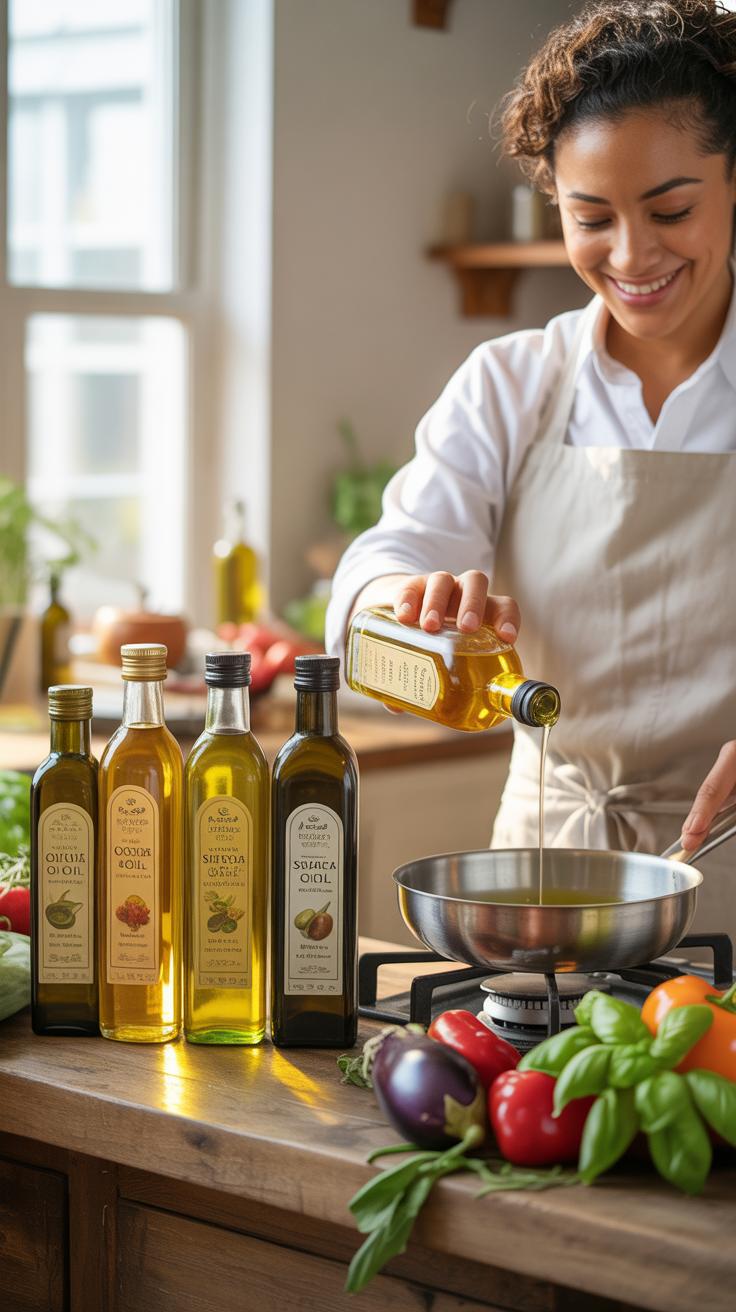
How To Store Cooking Oils Properly To Preserve Quality And Freshness
Light, heat, and air destroy oil quality through oxidation. You must store most oils in a cool and dark place. A kitchen cabinet away from the stove works best. Use dark glass or opaque containers to block ultraviolet rays. These rays trigger chemical reactions that make fats go rancid. Rancid oil tastes bitter and contains harmful free radicals that damage your body.
Always seal the cap tightly after every single use. Oxygen exposure causes essential fatty acids to break down quickly. Nut and seed oils require even more care. These oils have high levels of polyunsaturated fats. Store them in the refrigerator to extend their shelf life. Cold temperatures slow the degradation process significantly. Bring these oils to room temperature before cooking to restore their liquid consistency.
Common Mistakes To Avoid When Cooking With Oil
Many home cooks ruin high quality oils by using the wrong heat levels or poor maintenance habits. Heating an oil past its smoke point breaks down the molecular structure. This creates toxic fumes and acrid flavors. You also lose the nutritional benefits of the healthy fats. Using expensive extra virgin olive oil for high heat deep frying wastes money and destroys the oil’s delicate antioxidants.
- Exceeding the Smoke Point: Every oil has a specific temperature where it starts to burn. Refined oils usually handle higher heat than unrefined versions. Burning oil releases acrid smoke and creates carcinogenic compounds. Monitor your pan temperature carefully to prevent your oil from breaking down during the cooking process.
- Using Transparent Containers: Keeping oil in clear bottles on the counter exposes it to constant light. This exposure accelerates the oxidation of the fats. Even indirect sunlight can trigger chemical changes that turn the oil rancid within weeks. Always opt for tinted glass or stainless steel storage vessels instead.
- Reusing Oil Improperly: Reheating oil multiple times lowers its smoke point each time. Food particles left in the oil undergo carbonization and spoil the flavor of your next meal. If you must reuse oil, filter it through a fine mesh or cheesecloth first. Discard any oil that has turned dark or smells soapy.
- Overcrowding the Pan: Adding too much food at once drops the oil temperature instantly. This causes food to soak up the grease rather than searing the exterior. Your food will turn out soggy and heavy instead of crisp. Cook in smaller batches to maintain a steady and high oil temperature for better results.
- Storing Oils Near Heat: Placing oil bottles next to the oven or stove is a common error. Frequent temperature fluctuations cause the oil to age prematurely. Heat speeds up the rate of oxidation and ruins the flavor profile of delicate oils. Keep your primary cooking fats at least two feet away from heat sources.
Avoid mixing different types of oils in the same pan unless they have similar smoke points. A low smoke point oil will burn while the high smoke point oil remains stable. This creates an uneven cooking environment and ruins the taste. Always clean your pans thoroughly between uses. Leftover burnt grease from the previous meal will contaminate your fresh oil and degrade the quality of your food.
Your Healthy Cooking Oil Guide How To Build A Smarter Oil Pantry

Which Cooking Oils Are Worth Keeping On Hand For Everyday Use
You only need three types of oil to cover every culinary scenario. Keep high-quality extra virgin olive oil for low-heat cooking and finishing dishes. Its monounsaturated fats provide stability at moderate temperatures. For high-heat searing or roasting, stock avocado oil. It has a high smoke point of five hundred degrees Fahrenheit. This prevents the fat from breaking down into harmful compounds and acrid smoke.
Store your oils in a cool and dark place to prevent oxidation. Light and heat destroy the chemical bonds in fats and create rancidity. Grapeseed oil serves as a neutral alternative when you want no flavor interference in a recipe. Avoid stocking large quantities of seed oils like soybean or corn oil. These often contain high levels of omega-6 fatty acids which can promote inflammation.
Reading Labels On Cooking Oils So You Know Exactly What You Are Buying
Labels often hide the manufacturing process behind marketing terms. Look for cold-pressed or expeller-pressed on the bottle. This means the manufacturer extracted the oil using mechanical pressure rather than chemical solvents like hexane. Solvent extraction is cheaper but leaves trace residues and degrades the nutrient profile of the product. Always check the harvest date on olive oil bottles to ensure the contents remain fresh.
Avoid bottles labeled simply as vegetable oil or cooking oil. These are usually highly processed blends of cheap soy and canola oils. Look for dark glass or tin containers to protect the contents from light damage. Clear plastic bottles allow UV rays to penetrate and spoil the oil quickly. Identify the specific country of origin to verify quality standards. High-volume blends often mix oils from several different regions.
Frequently Asked Questions

What exactly makes a cooking oil healthy for daily use?
When searching for the best cooking oils, you should prioritize those high in monounsaturated fats and antioxidants while maintaining a high smoke point. Oils like extra virgin olive oil provide heart-healthy benefits, but it is crucial to match the oil to your heat level. Choosing an oil that remains stable under temperature ensures you retain the nutritional value without releasing harmful free radicals during your morning sauté or evening roast.
How do I choose the right oil for high-heat frying versus drizzling?
For high-heat methods like searing, opt for avocado oil or refined coconut oil because they won’t burn or degrade easily. If you are finishing a dish or making a dressing, extra virgin olive oil is one of the best cooking oils due to its rich flavor profile and polyphenols. Always check the smoke point on the label to ensure your chosen fat can handle the specific culinary technique you are using.
Can I find affordable healthy oils without breaking my grocery budget?
Absolutely! You do not need expensive specialty bottles to eat well. Refined sunflower oil and canola oil are budget-friendly options that offer versatility for everyday baking and frying. For a nutrient-dense boost that remains accessible, look for store-brand organic virgin olive oil or larger glass carboys of avocado oil at wholesale clubs. These provide the same essential fatty acids and performance benefits as premium brands at a fraction of the cost.