
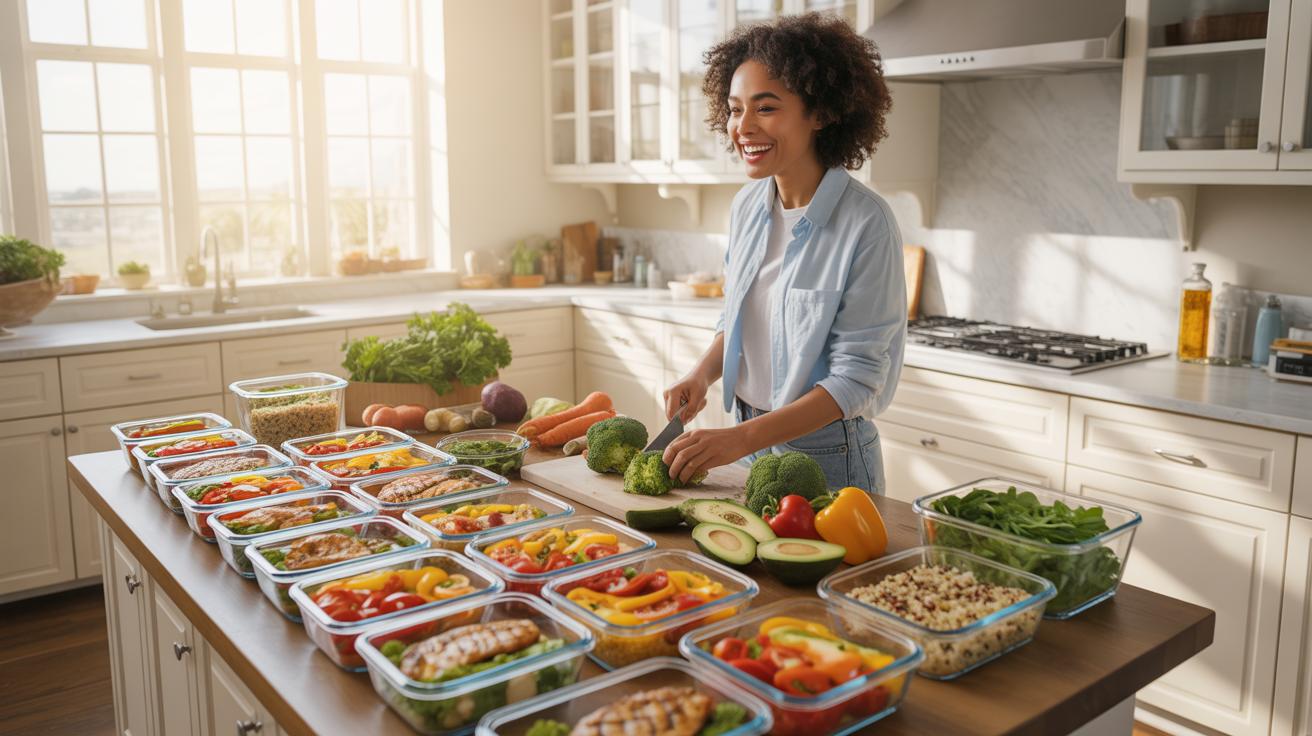
Why Meal Prep For Weight Loss Actually Works
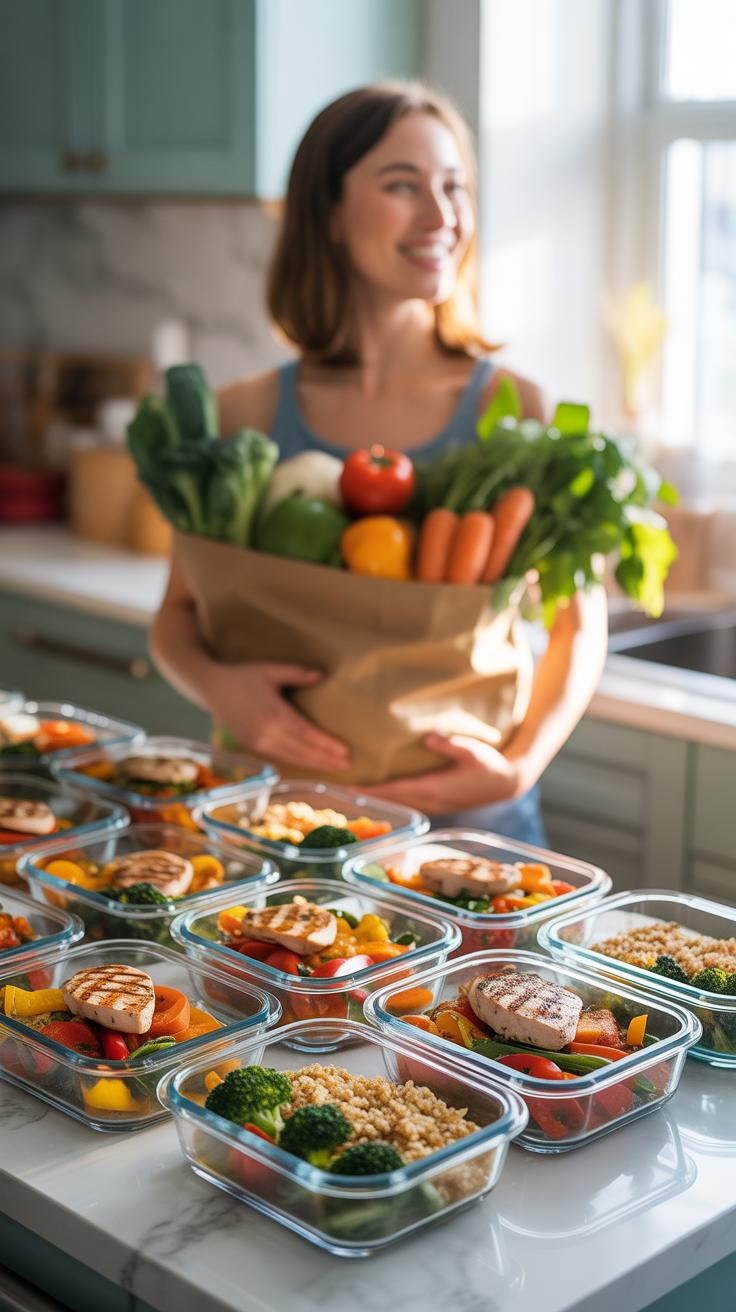
The Science Behind Planned Eating And Calorie Control
Weight loss depends on a sustained caloric deficit. When you prep meals, you calculate macros and calories before the week starts. This eliminates the need for daily estimation. Accuracy improves when you weigh ingredients at one time. This process creates a fixed energy intake. Without a plan, people regularly underestimate their calorie consumption by nearly thirty percent.

Standardizing portions prevents accidental overeating. Using identical containers ensures you consume a specific volume of food every day. This consistency regulates blood sugar levels and manages hunger hormones like ghrelin. Stable hormones prevent the metabolic crashes that lead to binge eating. Planned eating turns weight loss into a math problem rather than a daily guessing game.
How Meal Prepping Reduces Impulsive Food Choices
Decision fatigue ruins most diets. Most people make over two hundred food choices every day. As the day progresses, your willpower decreases. High stress levels trigger cravings for calorie dense foods. Meal prepping removes the need to make choices while you are tired or hungry. You eat what is already made instead of ordering fast food.

Preparing meals in advance creates a physical barrier to poor choices. You have already invested time and money into specific ingredients. This financial commitment increases your follow through rate. Having healthy food ready in three minutes beats waiting thirty minutes for delivery. Speed and accessibility are the primary drivers of food selection. Prepping ensures the healthy option is the fastest option.
Essential Meal Prep Ideas To Kick Start Your 4 Week Plan
Stocking Your Kitchen With The Right Tools And Containers
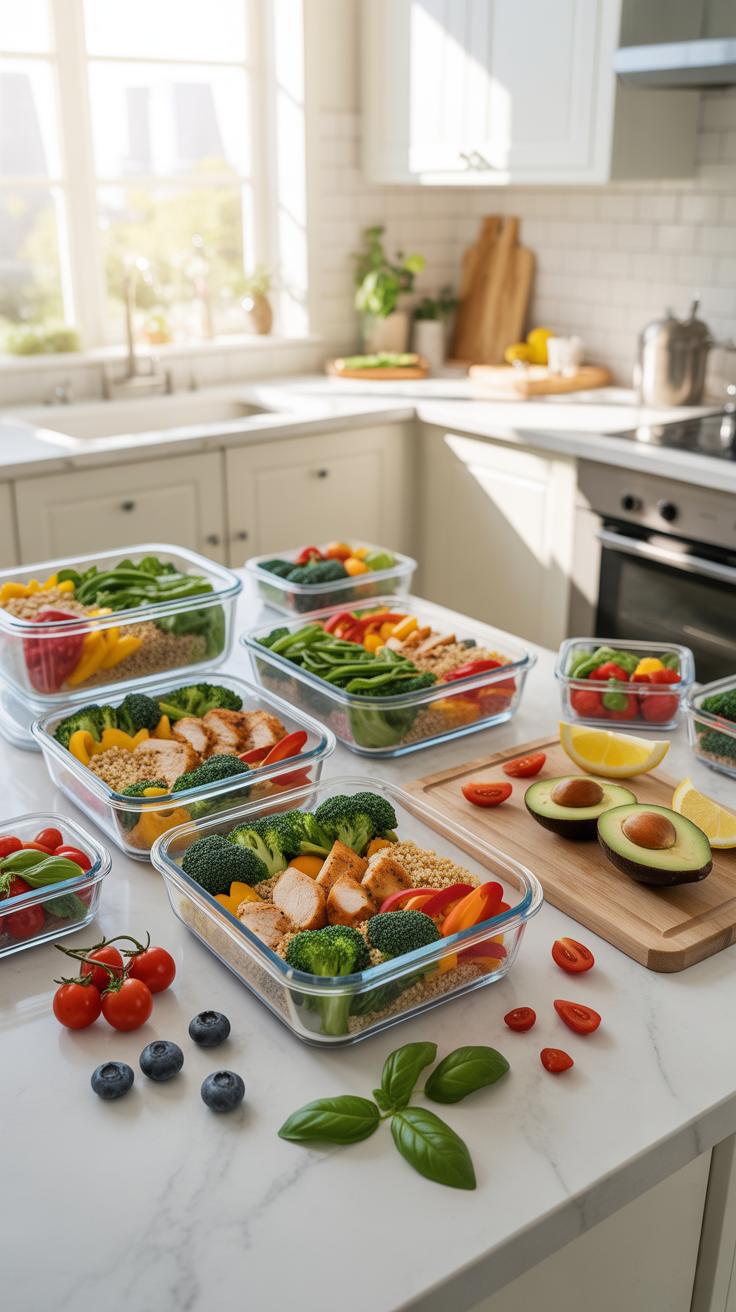
Efficiency in the kitchen depends on your equipment. High-quality tools reduce prep time and ensure food safety. You need durable items that withstand heat and cold. Proper storage prevents spoilage and keeps portions consistent. Investing in the right materials now saves hours of frustration later. Dull knives and leaking plastic bins will cause you to quit your weight loss plan within the first week.
- Glass Meal Prep Containers: Glass does not leach chemicals or absorb odors like plastic. Choose containers with airtight locking lids to maintain freshness. These are safe for the microwave, oven, and dishwasher, making them the most versatile storage option for daily use.
- Digital Kitchen Scale: Weight loss requires precise portion control. A digital scale provides exact measurements for proteins and grains. Tracking grams or ounces is more accurate than using measuring cups. This tool eliminates guesswork and ensures you stay within your caloric targets every single day.
- Large Sheet Pans: Roasted vegetables and proteins are staples of a successful plan. Heavy-duty aluminum sheet pans allow you to cook massive quantities of food simultaneously. This technique is called bulk cooking. It maximizes oven space and reduces the total time you spend standing in the kitchen.
- High-Quality Chef Knife: A sharp 8-inch blade is necessary for rapid vegetable chopping. Dull blades cause slips and slow down your workflow. Professional-grade stainless steel holds an edge longer and resists rust. Maintaining one good knife is more effective than owning a set of cheap, useless blades.
- Insulated Meal Bag: Portability keeps you on track when you are away from home. A high-quality insulated bag with ice packs maintains safe food temperatures for hours. This prevents the need for fast food traps during the workday. It is a critical logistics tool for maintaining dietary consistency.
Organization is the final step in setting up your kitchen. Group your containers by size so you can find them quickly. Clear space on your counters before you start cooking. A cluttered environment leads to mental fatigue and mistakes. Keep your tools accessible and clean. A streamlined workspace allows you to focus 100 percent on the task of preparing your programmed meals.
How To Build A Weekly Meal Prep Schedule That You Will Actually Stick To
Divide your week into three distinct phases for best results. Use Friday for grocery list creation and inventory checks. Shop on Saturday to avoid the Sunday crowds and ensure the freshest produce selection. Execute the actual cooking on Sunday afternoon. This structure prevents you from feeling overwhelmed. Breaking the process into small bites makes the massive task of prepping twenty meals feel manageable.
Consistency is more important than perfection in your scheduling. Pick a dedicated time slot and treat it like an unbreakable appointment. Start with a ninety-minute block and focus on basic tasks like boiling eggs or roasting chicken. Do not try to cook every meal from scratch on day one. Master the habit of being in the kitchen first. Build your stamina over the four-week plan to ensure long-term success.
Lunch Meal Prep Strategies For Sustainable Weight Loss
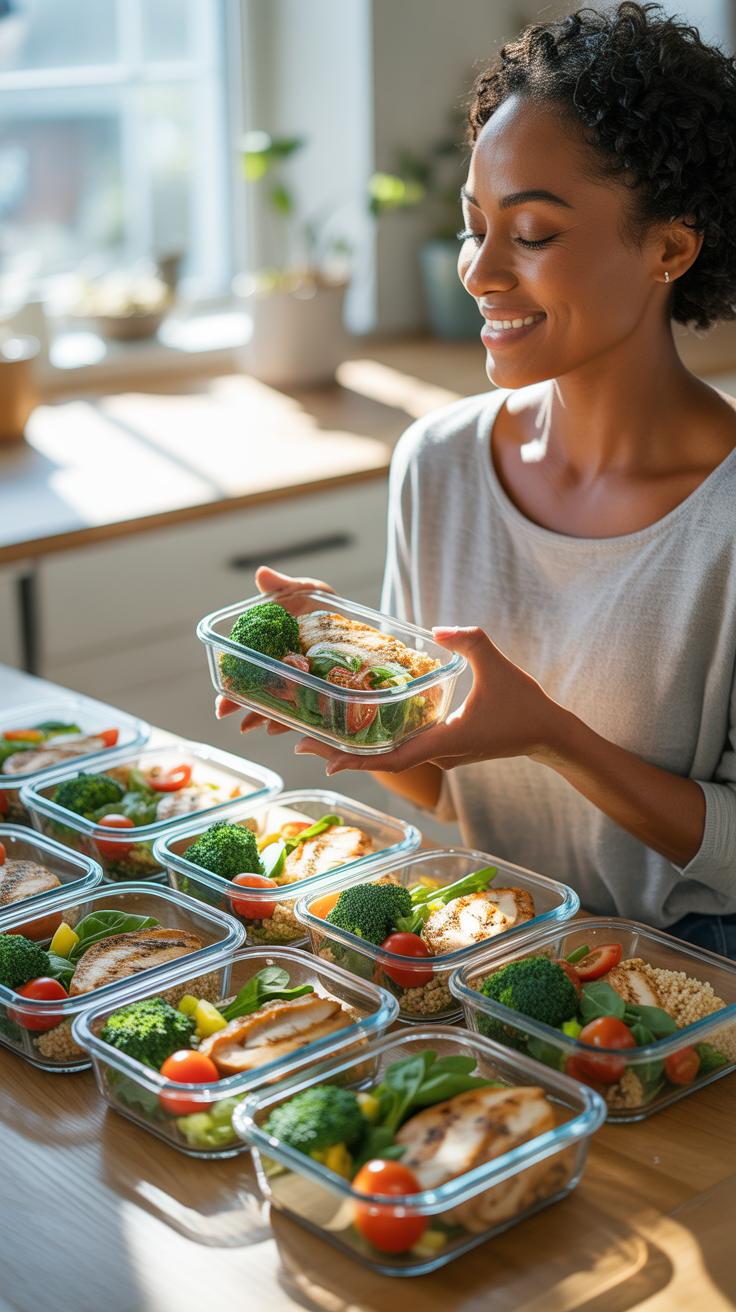
How To Portion And Store Lunches For The Entire Work Week
Effective portioning requires a digital food scale and standardized glass containers. Weigh your lean protein, complex carbohydrates, and fibrous vegetables separately before combining them. This precision eliminates guesswork and ensures your caloric intake remains consistent every day. Use airtight seals to maintain food quality. Glass containers outperform plastic because they do not leach chemicals and withstand repeated heating without degrading.
Store your meals in the coldest part of the refrigerator. Most cooked proteins stay safe and palatable for four days. If you prep for a full five-day week, freeze the final two portions immediately. Label every container with the date and contents to track freshness. This systematic approach reduces decision fatigue. It transforms your lunch into a fixed logistical task rather than a daily variable.
The secret of getting ahead is getting started, and there is no better way to care for your future self than by preparing the nourishment you need today. Breaking a complex task into small, manageable steps is how we find the strength to transform our lives.
Why A Consistent Lunch Meal Prep Routine Prevents Midday Overeating
A set lunch routine stabilizes your blood sugar levels throughout the afternoon. When you skip a planned meal, your body triggers intense hunger signals. This physiological response often leads to high-calorie binge eating or poor vending machine choices. Having a prepared meal ready prevents these reactive decisions. It keeps your insulin levels steady and your brain focused on your work instead of food.
Consistency builds a psychological barrier against external food triggers. Office snacks and fast food options lose their appeal when you have a pre-measured meal waiting. You gain total control over sodium and hidden fats that restaurants use to enhance flavor. This discipline reinforces your weight loss goals daily. A structured routine turns healthy eating into an automatic habit rather than a struggle of willpower.
High Protein Lunch Ideas That Support Fat Loss And Muscle Retention
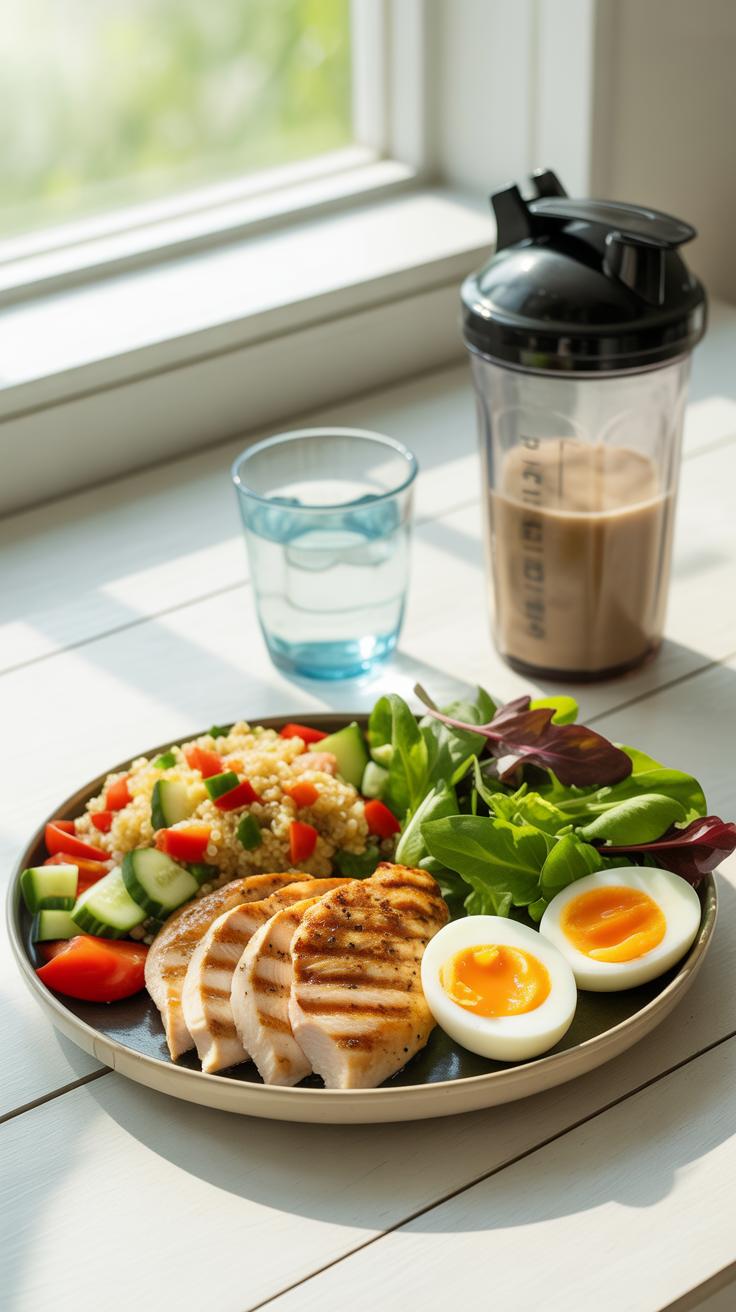
Understanding Why Protein Keeps You Fuller For Longer
Protein has the highest thermic effect of food compared to fats and carbohydrates. Your body uses more energy to digest and process protein. This metabolic demand helps maintain a caloric deficit during weight loss. More importantly, protein suppresses ghrelin, the hormone that signals hunger to your brain. High protein intake increases peptide YY levels. This hormone makes you feel satisfied after eating a meal.
Maintaining muscle mass is critical for a high metabolic rate. When you lose weight, your body often burns muscle for energy. Steady protein intake protects lean tissue from breakdown. This ensures that the weight you lose comes from body fat rather than muscle. High protein lunches prevent the late afternoon energy crash. Stable blood sugar levels reduce the urge to snack on high calorie processed foods during the day.
Best Protein Lunch Combinations To Prep In Bulk Without Losing Flavor
Lean poultry and roasted root vegetables provide a stable base for meal prepping. Chicken breast and turkey remain safe to eat for four days when refrigerated properly. You must season these meats heavily before cooking to prevent flavor loss during reheating. Use acidic marinades like lemon or vinegar to keep the meat tender. Add fibrous greens like kale or broccoli to increase meal volume without adding significant calories.
Seafood and plant based proteins offer variety for your weekly rotation. Firm tofu and chickpeas hold their texture well in storage containers. Avoid delicate white fish which becomes rubbery when you use a microwave. Instead, choose shrimp or salmon for better results. Combine these proteins with complex carbohydrates like quinoa or brown rice. These grains absorb flavors from the protein juices. This method keeps your prepped lunches moist and palatable all week.
Healthy Bowls The Ideal Meal Prep Format For Weight Loss
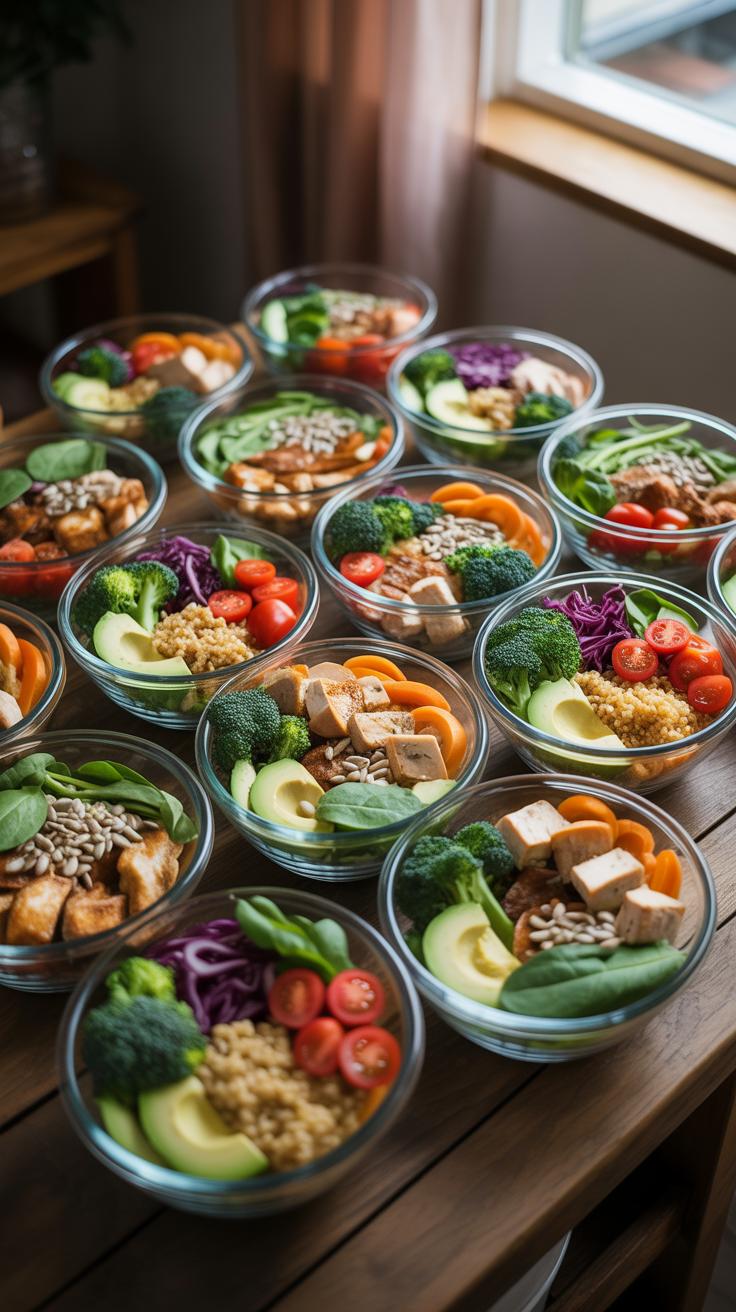
How To Build A Balanced Healthy Bowl Using The Plate Method
The plate method provides a visual blueprint for portion control without constant calorie counting. Fill half of your bowl with non-starchy vegetables to add volume and essential fiber. Fiber slows digestion and keeps you full. Dedicate one quarter of the bowl to lean proteins to preserve muscle mass. Use the final quarter for complex carbohydrates to fuel your brain and body during the day.
Precision in fat allocation is the final step. Add one thumb-sized portion of healthy fats like avocado or olive oil. Excessive fat intake stalls weight loss because fats contain nine calories per gram. This specific ratio stabilizes blood sugar levels and prevents insulin spikes. Following this structure ensures every meal prep container supports a caloric deficit while providing necessary micronutrients for metabolic health.
Grain, Protein, And Veggie Combinations That Keep Calories In Check
Selecting ingredients with low caloric density is tactical for high-volume eating. Use cauliflower rice or leafy greens as a base to replace heavy grains. Pair these with white fish, chicken breast, or tofu to keep fat content low. Roasted peppers, broccoli, and cucumbers add crunch and nutrients without significant calories. These combinations allow you to eat larger portions while maintaining a strict and effective daily energy deficit.
Successful meal prep requires rotating these components to avoid diet fatigue. Use quinoa or farro sparingly as they provide more calories than watery vegetables. Cold bowls utilize raw greens and vinegar-based dressings to eliminate cooking oils. Hot bowls benefit from steamed or air-fried vegetables to maintain texture without added grease. Stick to these verified combinations to ensure your prepared meals remain predictable, measurable, and effective for fat loss.
Healthy Stir Fry Meal Prep Fast Nutritious And Weight Loss Friendly
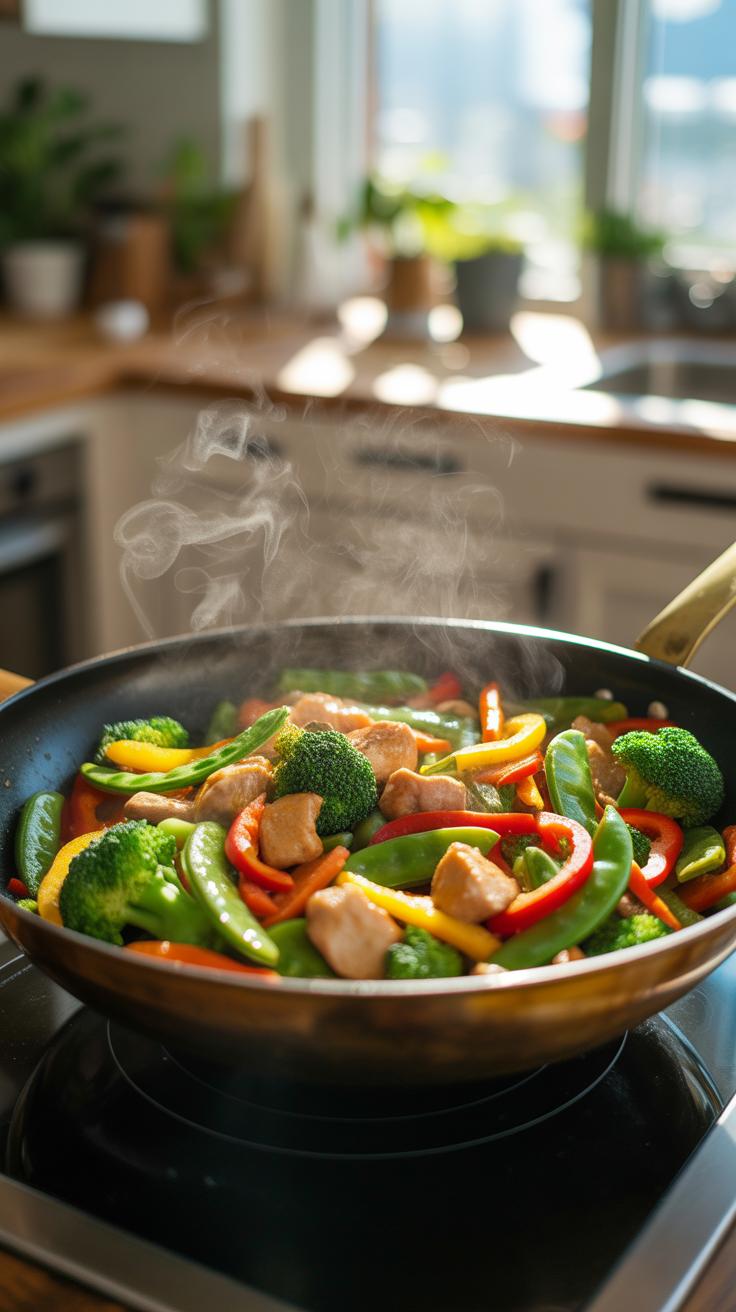
Why Meal Prep Stir Fry Is One Of The Most Efficient Batch Cooking Methods
Stir fry relies on high heat and rapid cooking. This technique preserves the texture and nutrient density of vegetables better than boiling or long roasting. You minimize time spent at the stove because the actual cooking process takes less than ten minutes. This speed makes it the most practical choice for high volume batch cooking when you have limited time on weekends.
The high heat removes moisture quickly which prevents the soggy texture often found in microwaved leftovers. You can cook multiple servings in one large wok or skillet without losing quality. This method also allows for total control over oil and sugar content. You reduce caloric density while maintaining high flavor levels through aromatics rather than heavy fats. It is a highly repeatable system.
Key Ingredients For A Meal Prep Stir Fry Healthy Enough To Eat Every Week
A successful weight loss stir fry requires a specific ratio of lean protein to fibrous vegetables. You must prioritize ingredients that hold their structure after reheating in the microwave or oven. Avoid soft greens that wilt and turn into mush. Focus on cruciferous vegetables and sturdy stalks to ensure the meal remains appetizing on the fourth day of your rotation.
- Lean Protein Sources: Use chicken breast, shrimp, or extra firm tofu to keep calorie counts low. These proteins absorb sauces well without requiring deep frying or breading. They provide the necessary satiation to prevent mid afternoon snacking while keeping your total daily protein intake on target for muscle preservation.
- Fibrous Cruciferous Vegetables: Broccoli, cauliflower, and cabbage offer high volume for very few calories. These vegetables contain significant fiber which slows digestion and keeps you full. Their dense physical structure ensures they maintain a crisp bite even after you reheat them several days later in your meal prep containers.
- Aromatic Flavor Bases: Fresh ginger, garlic, and scallions provide intense flavor without adding significant calories or sodium. Using fresh aromatics reduces your reliance on bottled sauces that usually contain high amounts of cornstarch and sugar. These ingredients also contain bioactive compounds that support metabolic health during your weight loss phase.
- Low Glycemic Grains: Brown rice or quinoa provides the necessary carbohydrates for energy while offering more fiber than white rice. Control your portion sizes strictly to stay within your caloric deficit. These grains stay firm and do not get gummy when stored alongside moist vegetables and proteins in the refrigerator.
- Low Calorie Liquid Seasonings: Coconut aminos or low sodium soy sauce provide salt and umami with fewer additives. Combine these with rice vinegar or lime juice to add acidity and brightness to the dish. Using these liquids allows you to create a thin sauce that coats ingredients without adding the empty calories found in honey.
Select a high smoke point oil like avocado oil for the cooking process. Traditional olive oil breaks down at the temperatures required for a proper stir fry and can create bitter flavors. Keep the oil measurement to one tablespoon per four servings to limit fat intake. Use a heavy bottomed pan to distribute heat evenly and prevent the ingredients from sticking or burning during the process.
Dinner Meal Prep Plans That Prevent Late Night Calorie Overload
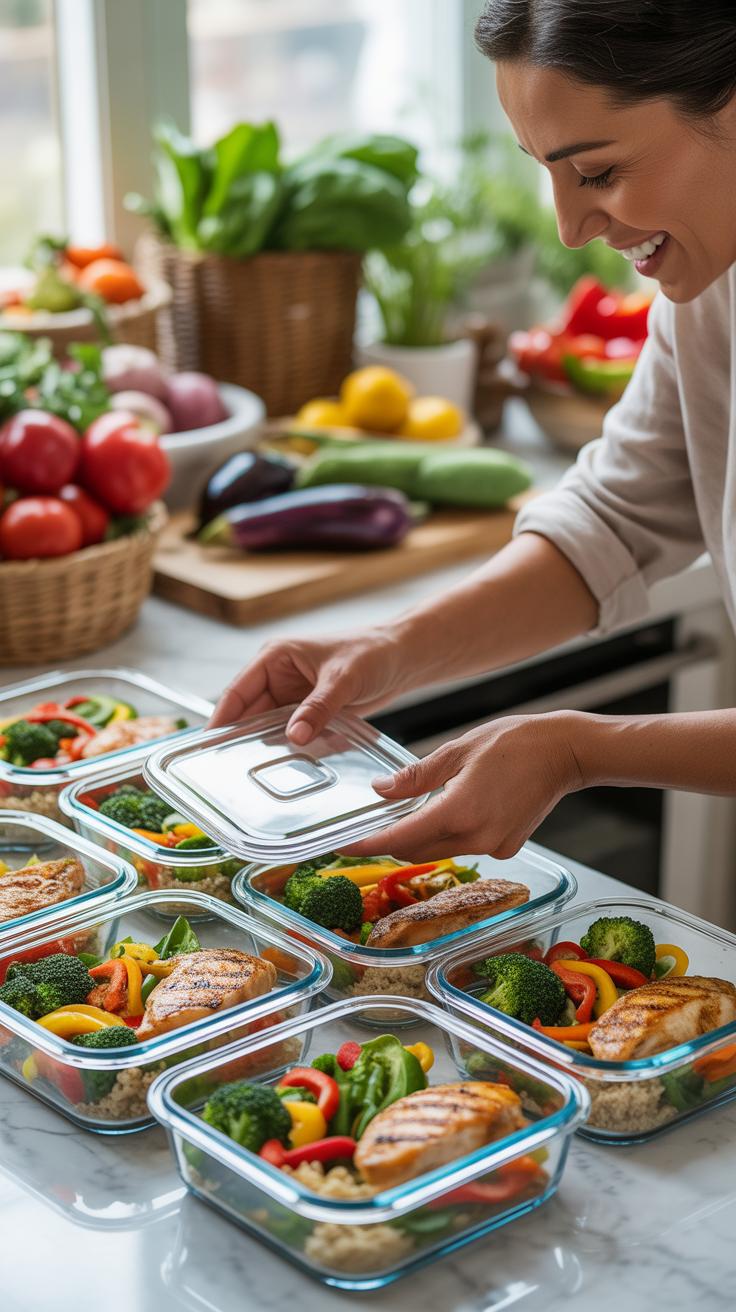
How To Prep Satisfying Low Calorie Dinners That Reduce Evening Snacking
Evening hunger stems from low protein intake and poor fiber volume. You must prioritize high volume foods that trigger physical fullness markers in the stomach. Prep large quantities of leafy greens and cruciferous vegetables to occupy physical space. Use lean proteins like chicken breast or white fish to regulate hunger hormones. These choices slow digestion and stabilize blood sugar levels throughout the late night hours.
Consistency in portion sizing prevents the common mistake of under eating at dinner. Under eating leads to a physiological drive to snack before bed. You should measure your dinner portions during your Sunday prep session. Use airtight containers to keep meals fresh and accessible. Having a predefined meal ready in three minutes removes the decision fatigue that leads to high calorie takeout orders after work.
Batch Cooking Dinner Proteins And Vegetables To Mix And Match All Week
Efficient prep requires cooking components in bulk rather than individual recipes. Roast five pounds of chicken thighs and bake three trays of broccoli simultaneously. Store these items in separate large containers. This modular approach allows you to vary flavors daily using different dry spices or low calorie vinegars. It prevents taste fatigue while maintaining a strict caloric deficit across the entire four week meal plan.
Strategic vegetable prep focuses on durability and reheating quality. Choose starchier vegetables like roasted sweet potatoes or carrots that maintain texture. Avoid overcooking green vegetables during the initial batch session. Keep them slightly firm so they reach the ideal texture during the microwave reheat phase. Cooling all cooked components completely before sealing prevents moisture buildup. This step ensures your prepped dinners do not become soggy by mid week.
Your Complete Week By Week Meal Prep For Weight Loss Breakdown
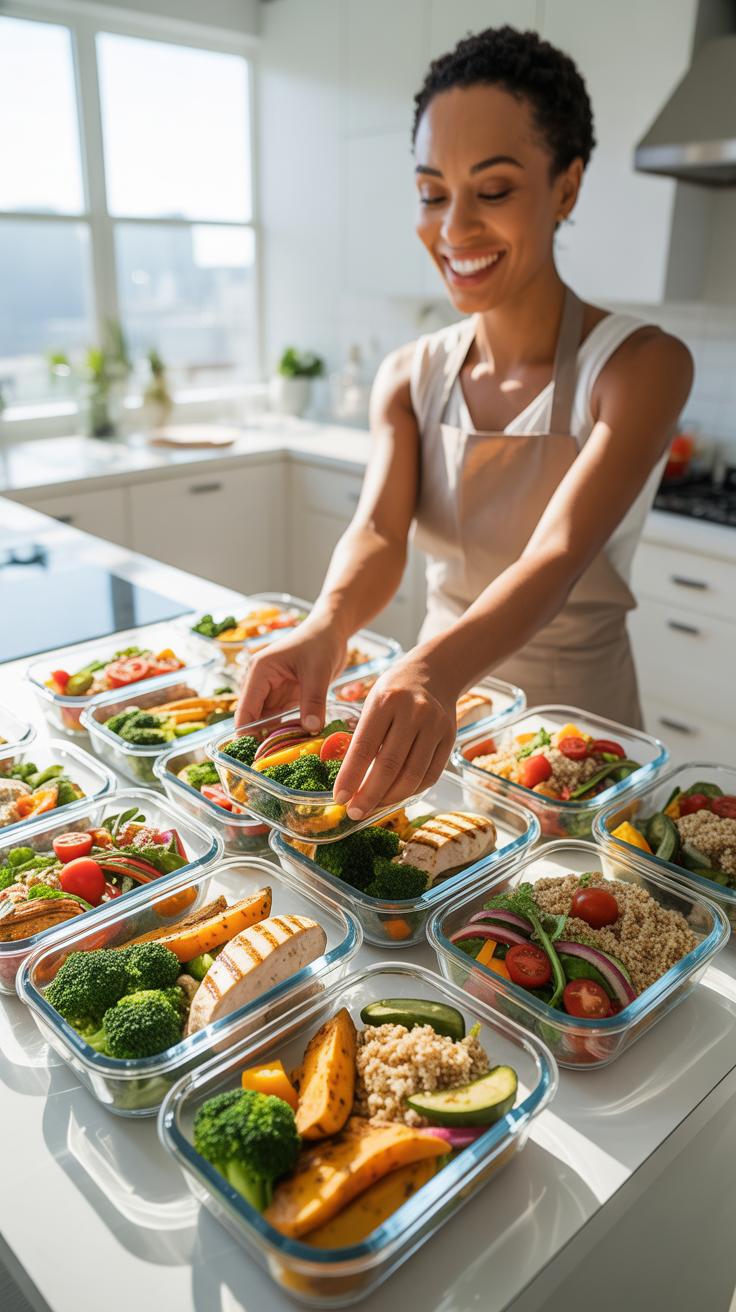
Weeks 1 And 2: Building The Foundation With Simple, Repeatable Meals
Modern fat loss strategy requires reducing decision fatigue to prevent plateaus. You will focus on two core proteins and two vegetable bases for the first fourteen days. This repetition stabilizes your blood sugar and simplifies grocery logistics. High protein intake preserves lean muscle mass while your body adjusts to a caloric deficit. Use standard tupperware containers to divide portions exactly by weight using a digital scale.
Success in these early stages depends on consistency over variety. Cook large batches of chicken breast or tofu and roast cruciferous vegetables in bulk. Seasonings should provide flavor without adding hidden sugars or oils. Prepare three days of food at once to maintain freshness and prevent spoilage. This systematic approach builds the habit of eating for utility rather than emotion. You are training your brain to accept pre-portioned fuel.
Weeks 3 And 4: Progressing To More Varied Prep And Tighter Calorie Targets
You must now decrease your caloric ceiling as your metabolism adapts to lower weight. Introduce lean ground turkey or white fish to prevent dietary boredom. Replace heavy starches with fiber-dense alternatives like lentils or cauliflower rice. These swaps maintain high food volume while lowering the actual energy density of each meal. Continue tracking every gram of fat used during the cooking process to avoid hidden surplus energy.
Precision becomes the primary driver of fat loss during the second half of the month. You will transition to prepping distinct components instead of complete mixed dishes. This modular method allows you to adjust daily intake based on activity levels. Keep sauces on the side to control sodium levels and water retention. Accurate logging in a tracking app ensures your progress stays on a downward trajectory. Finalize your prep on Sundays to secure the week.
How To Calculate Calories And Macros For Your Meal Prep Plan

Using TDEE And A Calorie Deficit To Set Realistic Weight Loss Goals
Calculate your Total Daily Energy Expenditure to find your maintenance calories. This number includes your basal metabolic rate and physical activity levels. Use a standard formula like the Mifflin-St Jeor equation for accuracy. Subtract 500 calories from this total to lose one pound per week safely. This math provides the foundation for every meal you cook and container you pack.
Avoid aggressive deficits that lead to muscle loss or metabolic slowdown. Smaller deficits ensure you stick to the plan long term. Track your weight daily and average it weekly to monitor progress. Adjust your daily calorie target if your weight stalls for more than fourteen days. Consistent tracking removes guesswork from your prep. It turns weight loss into a predictable data problem.
Balancing Carbohydrates, Fats, And Protein Across Your Prepped Meals
Protein is the most critical macro for fat loss. Aim for one gram of protein per pound of your goal body weight. This protects your muscle tissue while you eat fewer calories. High protein meals also keep you full longer and burn more energy during digestion. Divide your daily protein goal by the number of meals you prep to ensure even distribution.
Allocate the remaining calories to fats and carbohydrates based on your energy needs. Fats support hormone health and should comprise at least twenty percent of your intake. Carbohydrates fuel your workouts and brain function. Adjust these two macros to fit your personal taste and activity level. Accurate measuring ensures your prepped containers meet these targets exactly. Use a digital food scale for every ingredient.
Common Meal Prep Mistakes That Stall Weight Loss And How To Fix Them
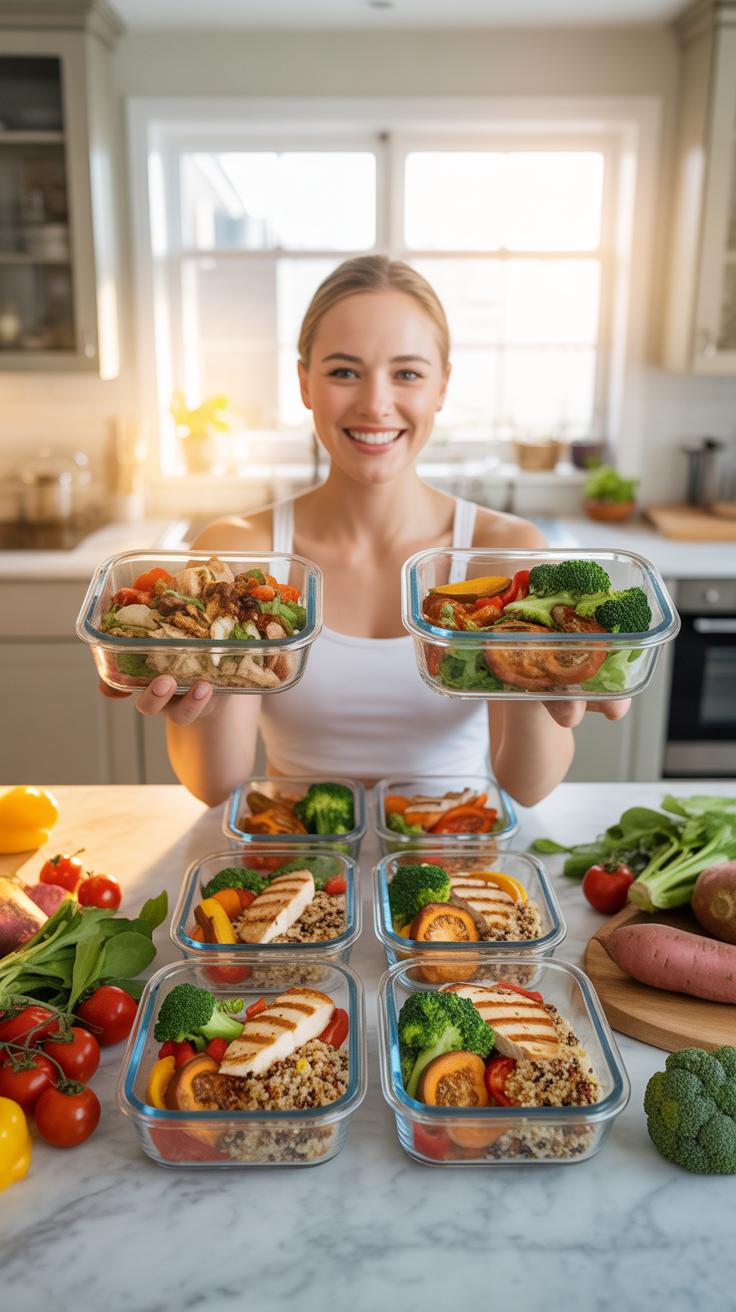
Why Prepping Too Much Variety Too Soon Leads To Burnout And Waste
New meal preppers often try to cook five different recipes in one session. This choice increases grocery costs and kitchen time. Complexity leads to mental fatigue and decision paralysis. You end up with a messy kitchen and half-finished meals. Most people quit within two weeks when the process feels like a chore. Efficiency requires a limited menu of predictable ingredients.
Success in meal prep relies on the concept of modular cooking. Prepare three bulk proteins and two vegetable types instead of complex dishes. This strategy reduces cooking time and simplifies caloric tracking. You minimize food waste by using the same base components across different meals. Stick to a simple rotation to build a sustainable habit. Consistency beats variety when your primary goal is fat loss.
How To Adjust Your Meal Prep Plan When Progress Plateaus
Weight loss stalls when your caloric intake matches your new, lower body weight. You must audit your portion sizes every four weeks. Small errors in measurement add up over twenty-one meals. Use a digital scale to verify protein weights and fat portions. Most people underestimate their intake by twenty percent. Precise tracking is the only way to identify an energy balance problem.
Increase your fiber volume to combat hunger during a plateau. Replace starchy carbs with leafy greens or cruciferous vegetables in your prepped containers. This change lowers the energy density of your meals without reducing food volume. You stay full while cutting total calories. Adjust your spice profiles instead of adding sauces or oils. High-calorie condiments often hide the extra energy that stops your progress.
Frequently Asked Questions

How do I start meal prepping if I want to lose weight?
Getting started with meal prep for weight loss begins with simple planning rather than complex cooking. Focus on choosing three nutrient-dense recipes for your first week to avoid overwhelm. By portioning out your proteins, healthy fats, and complex carbohydrates ahead of time, you eliminate the stress of daily decision-making. This structured approach helps you maintain a consistent calorie deficit while ensuring your body receives the vital nutrients it needs to thrive.
What are the best ways to keep prepped meals fresh all week?
To ensure your meal prep for weight loss stays delicious, invest in high-quality airtight glass containers. Most cooked meals remain fresh for three to four days in the refrigerator. For a full seven-day cycle, consider prepping twice a week or freezing portions immediately after cooking. Always keep sauces and dressings in separate small containers to prevent salads and grains from becoming soggy, which keeps your healthy meals appetizing until the very last bite.
Is it possible to follow a weight loss meal plan on a tight budget?
Absolutely! You can successfully manage meal prep for weight loss without spending a fortune by prioritizing seasonal produce and pantry staples like beans, lentils, and brown rice. Buying proteins in bulk or choosing affordable frozen vegetables preserves nutritional value while cutting costs significantly. Planning your meals around what is already in your pantry prevents food waste and ensures that your health journey remains both locally accessible and financially sustainable for the long term.