

Why A Budget Meal Plan Works Better Than You Think

The Real Cost Of Not Planning Your Meals Each Week
Operating without a plan forces you into reactive spending habits. You make frequent trips to the store for single items. These small trips lead to impulse buys and high markups. You lose time and fuel while paying premium prices for convenience foods. This lack of structure drains your $200 monthly limit before the third week even begins.
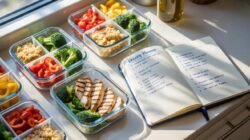
Decision fatigue leads to expensive takeout orders after long work days. You justify the high cost because you lack specific ingredients for a home meal. You pay five times the base cost of food for service and delivery fees. Planning removes the need for daily choices. It ensures every dollar spent contributes to a full week of nutrition without financial leaks.
How A Simple Budget Meal Plan Reduces Food Waste And Saves Money
Purchasing ingredients for specific recipes stops the cycle of rotting produce. Americans throw away nearly forty percent of their food supply annually. This waste represents direct capital loss for your household. A rigid plan ensures you use every items before it expires. You buy only what you need and consume everything you buy. This maximize the utility of every cent.

Inventory management is the core of successful budgeting. You must check your pantry before you shop to avoid buying duplicates. Using versatile staples like rice and beans allows for bulk purchasing at lower unit prices. This strategy lowers your average cost per meal significantly. You gain control over your finances by treating your kitchen like a lean business operation with zero inventory loss.
How To Break Down A 200 Monthly Grocery Budget By Week
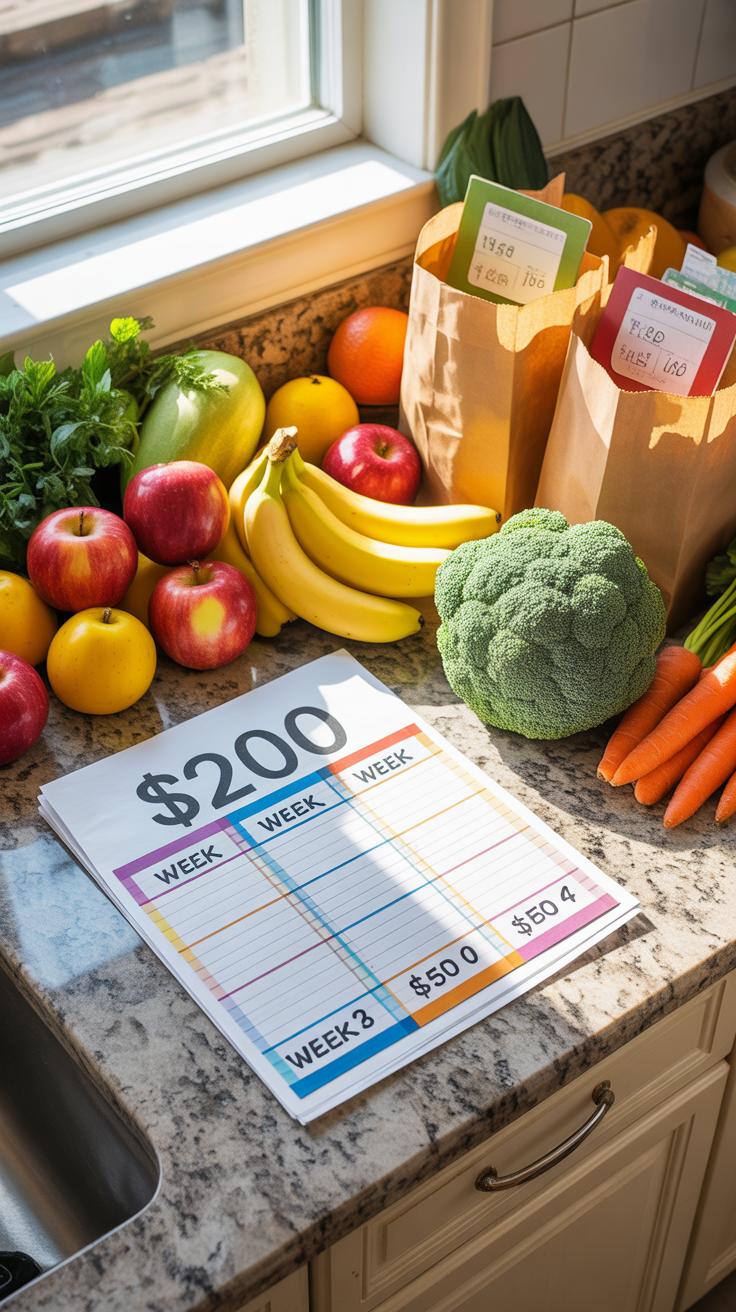
Dividing $200 Into A Realistic Week Meal Plan That Actually Works
A $200 monthly limit equals $50 per week exactly. You must split this cash into categorical buckets. Spend $20 on proteins like eggs and beans. Allot $15 for fresh or frozen produce. Use $10 for bulk grains like rice and oats. Reserve the final $5 for flavor agents like oil and spices. This ratio ensures you meet your basic caloric and nutritional needs every day.
Consistency drives success in a low budget environment. Buy versatile ingredients that appear in multiple meals throughout the seven day cycle. Using one large bag of rice for breakfasts and dinners reduces waste and cost. Ignore name brands and expensive pre cut vegetables. Focus on raw staples that require manual prep. Planning for leftovers saves time and prevents you from making expensive impulse purchases when hunger strikes.
Tracking Your Weekly Spending To Stay Within Your Monthly Limit
Keep every receipt to monitor your cash flow. Log each transaction into a simple spreadsheet or a notebook immediately after shopping. Subtract your total from the $50 weekly limit. If you overspend on Monday, you must cut costs on Thursday. This rigid tracking prevents the common mistake of running out of money by the third week. Real time data allows you to make fast course corrections.
Maintain a physical inventory of your pantry. Check your shelves before you enter the store. Purchasing items you already own wastes precious capital. Use a unit price comparison to find the best value per ounce. Larger packages often cost less overall but only if the product is a shelf stable staple. Strict oversight of your pantry and your wallet ensures you never exceed your $200 threshold.
Building Inexpensive Meal Plans Around Affordable Whole Foods
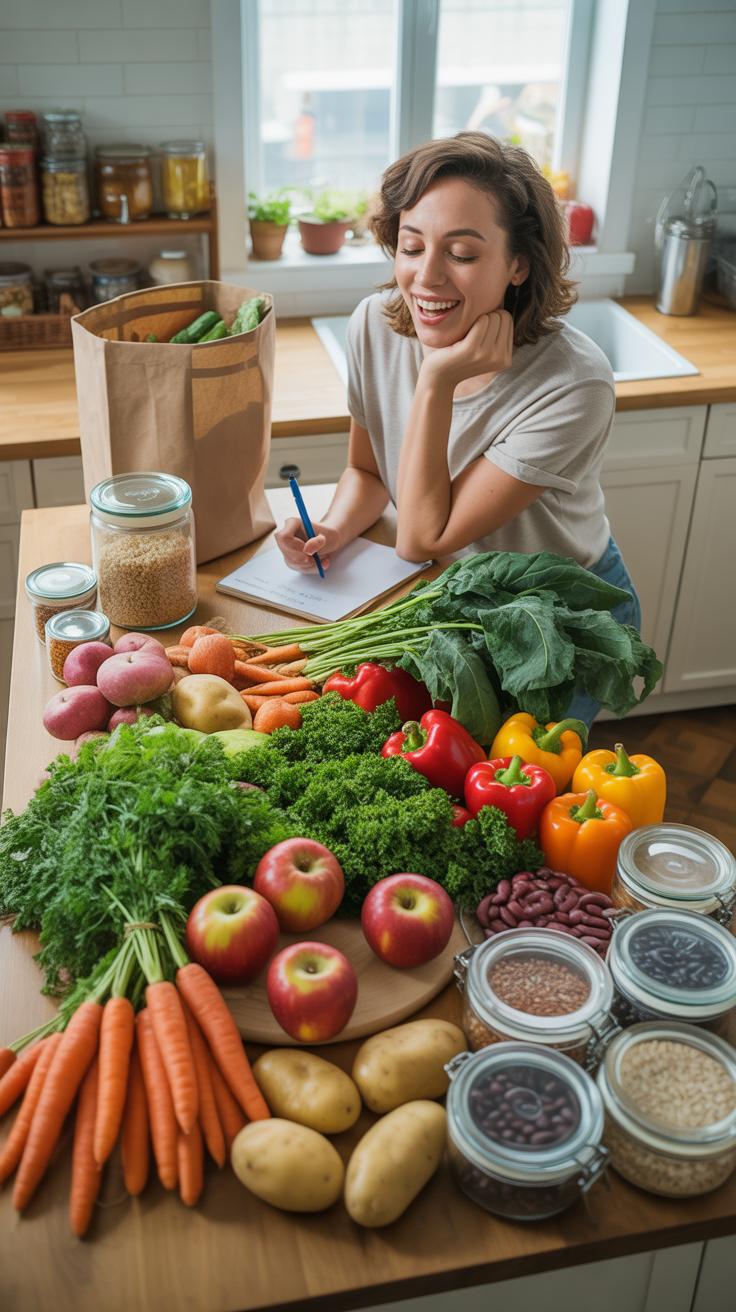
The Most Cost Effective Staple Ingredients To Always Keep In Your Pantry
Smart shoppers build their pantry before planning specific meals. Buying items in bulk reduces the cost per serving significantly. Focus on dry goods and shelf-stable items that provide high caloric density for very little money. These ingredients act as the canvas for your weekly menu. Keeping these staples on hand prevents emergency trips to the store where prices are much higher.
- Dry Brown Rice: This grain offers long-term energy and extreme versatility. Buying a twenty-pound bag drops the price to pennies per serving. It stores for months without spoiling if kept in a dry container.
- Dried Lentils: These legumes provide high protein and fiber without the need for soaking. They cook faster than beans and serve as a reliable meat substitute in stews, tacos, or salads for a fraction of the cost.
- Rolled Oats: Oats are a nutritional powerhouse for breakfast or baking. Avoid individual packets which carry a high markup for packaging. Bulk oats keep you full for hours and provide essential minerals on a tight budget.
- Peanut Butter: This provides healthy fats and protein in a shelf-stable form. It serves as a quick snack or a base for savory sauces. Always check the unit price to ensure the largest container offers the best value.
- All-Purpose Flour: Flour allows you to bake your own bread and thicken sauces locally. Making dough at home is significantly cheaper than buying pre-made loaves. It is a fundamental building block for hundreds of low-cost, filling recipes.
Pantry staples eliminate the need for expensive pre-packaged kits. You control the flavor and the nutritional content by starting from scratch. Strategic stockpiling during sales further lowers your average monthly spend. When your pantry is full of these basics, you only need to buy fresh produce and small amounts of protein to finish your meal plan.
Why Whole Foods Like Beans, Lentils, And Rice Are Budget Meal Foundations
Whole foods offer the highest nutritional return on your investment. Processed foods include costs for manufacturing, packaging, and marketing that do not feed you. Beans and rice provide a complete protein profile when eaten together. This combination has sustained populations for centuries because it is both cheap and effective. You save money by doing the simple labor of cooking these items yourself.
Relying on these foundations stabilizes your grocery bill. Meat prices fluctuate wildly based on supply chains and seasons. Dry goods remain stable and predictable throughout the year. You can feed a family for several days on the price of a single steak. Mastering the preparation of these basics is the most tactical move for anyone living on a two hundred dollar monthly budget.
Meal Plans For Two On A Budget Eating Well As A Couple For 200

How To Build A Cheap Weekly Meal Plan For Two Without Repetitive Meals
Variety requires strategic component cooking rather than making massive single-dish batches. Use a shared base protein or grain across three distinct flavor profiles. Cook a large portion of unseasoned chicken or beans early in the week. Split this base into portions for tacos, stir-fry, and salads. This method prevents taste fatigue. It allows two people to eat different meals using the same core ingredients.
Inventory your pantry before you shop to avoid duplicate purchases. Focus on versatile staples like rice, flour, and oil that last for months. Buy these items in bulk to lower the cost per ounce. Plan your menu around what is already in your kitchen. Use leftovers from dinner as a base for the next day’s lunch. This tactical approach eliminates waste and keeps the menu fresh.
To eat is a necessity, but to eat intelligently is an art. With a humble budget and a little care, you can turn simple ingredients into memories that nourish both the belly and the heart.
Cheap Healthy Meal Plan For Two: Balancing Nutrition And Cost Per Serving
High nutrition at a low price depends on plant-based proteins and seasonal produce. Lentils, chickpeas, and eggs provide essential amino acids for pennies per serving. Replace expensive meat cuts with these alternatives at least three times per week. Frozen vegetables offer the same vitamins as fresh versions but cost significantly less. They do not spoil quickly. This reduces the financial risk of buying fresh produce that might rot.
Track the cost of every ingredient to ensure the total meal stays under budget. Aim for a target price of one dollar per serving. Use spices and acidic elements like vinegar to add flavor without adding cost. Bulk grains provide the necessary caloric density to stay full. Avoid pre-packaged convenience foods that carry high markups. Controlling every ingredient ensures you meet nutritional goals while strictly adhering to the two hundred dollar monthly limit.
Meal Plan For Family Of 4 On A Budget Feeding Everyone For Less

Scaling Recipes And Portions To Fit A Family Of Four Within $200 A Month
Scaling a two hundred dollar budget for four people requires strict calorie management. You must prioritize bulk dry goods like rice, beans, and oats. These staples provide the densest nutrition for the lowest cost per ounce. Buy in twenty pound bags to lower the unit price. Map every meal to a precise serving size to prevent food waste and overeating throughout the week.
Control protein costs by using meat as a seasoning rather than the main component. Shift your focus to legumes and eggs to meet daily protein requirements. Use a kitchen scale to divide bulk packages of ground meat into four equal portions immediately after shopping. Stretching one pound of beef with two cups of lentils doubles the volume without significantly increasing the total meal cost.
Kid Friendly Budget Meals That The Whole Family Will Actually Enjoy
Feeding children on a tight budget requires simple flavors and familiar textures. Homemade flour tortillas and cheese quesadillas are cost-effective options because they use basic pantry ingredients. Making dough from scratch costs pennies compared to buying pre-packaged wraps. Serve these with black beans for a complete protein. This strategy reduces reliance on expensive processed snacks while keeping the flavor profile high.
Potato-based meals offer high satiety for a very low investment. Baked potato bars allow each family member to customize their toppings using leftovers from previous nights. Use small amounts of cheese, green onions, or sour cream to add variety without breaking the bank. Potatoes are historically one of the most reliable caloric foundations for large families. They provide essential vitamins while keeping the household full.
Meal Plan For Family Of 6 On A Budget Stretching Every Dollar Further

Meal Planning On A Budget For A Family Of 6: Where The Biggest Savings Come From
Feeding six people on a tight budget requires a shift from convenience to raw commodities. Massive savings come from eliminating pre-packaged snacks and individual servings. You must buy staples like rice, beans, and flour in twenty-five pound bags. This lowers the unit cost significantly compared to small boxes. Bulk purchasing reduces the frequency of store trips and limits exposure to impulse buys that destroy budgets.
Proteins represent the highest cost per plate for large families. Savings happen when you treat meat as a garnish rather than the main focus. Use legumes and grains to provide the necessary calories and fiber. Shop at warehouse clubs or discount grocers to find the lowest prices on eggs and whole chickens. Processing your own poultry saves more than buying pre-cut parts. Focus on calories per dollar to ensure everyone stays full.
Batch Cooking Strategies That Make Feeding Six People Affordable And Manageable
Efficiency is the primary goal for batch cooking for six. Use the largest pots available to prepare base ingredients like shredded chicken or seasoned ground beef once per week. These bases transform into multiple meals such as tacos or pasta dishes. This method reduces energy costs from oven use and cuts kitchen labor time. Cook once and eat twice to prevent expensive last minute takeout orders when you are tired.
Standardize your menu to reduce waste. A rotating two week schedule allows you to reuse bulk ingredients before they spoil. Store prepared meals in clear containers to track inventory easily. Hard freezing half of your batch ensures food safety and prevents flavor fatigue. Large families benefit from this systematic approach because it removes the daily stress of decision making. Preparation is the only way to maintain a two hundred dollar monthly limit.
Smart Grocery Shopping Habits That Support Any Budget Meal Plan

How To Use Store Sales Seasonal Produce And Unit Pricing To Cut Costs
Store sales cycles generally run every six to twelve weeks for specific items. Track these patterns to buy proteins and pantry staples at their lowest price points. Shop the perimeter for seasonal produce because high supply drives down costs. Out of season fruits and vegetables cost more due to transportation and storage fees. Buying what grows now keeps your spending low.
Unit pricing is the most critical tool for comparing value across different brands and sizes. Small packages often have higher markups than bulk options. Look at the price per ounce or gallon on the shelf tag to find the real deal. Use this data to decide between fresh, frozen, or canned goods. Smart shoppers ignore the total price and focus solely on the unit cost.
The Right Way To Use Coupons And Loyalty Programs Without Wasting Time
Digital loyalty programs provide data-driven discounts based on your actual buying habits. Most major grocers use apps that clip digital coupons directly to your phone number. This eliminates the need for physical paper and saves time at the register. Focus only on coupons for items already on your list. Buying a discounted item you do not need is a net loss for your budget.
- Digital Store Apps: Manufacturers and retailers offer instant savings through proprietary mobile applications. These apps often feature “just for u” deals that apply automatically at checkout. Using these ensures you never miss a sale on a staple item you buy every week.
- Loss Leaders: Stores price certain items below cost to get customers through the front doors. These items usually appear on the front page of the weekly circular. Buy these specific goods in bulk but avoid the high-margin displays placed strategically nearby.
- Cash Back Apps: Secondary platforms offer rebates on specific purchases after you upload a photo of your receipt. These tools work well for name-brand products that rarely go on sale. Use the earned credit to fund future grocery trips or build a small emergency food fund.
- Stacking Strategies: High-level saving involves combining a store sale with a manufacturer coupon and a rebate app. This method can reduce the price of an item to near zero. Only attempt this on items with long shelf lives like rice, beans, or pasta to maximize your ROI.
- Rain Checks: Ask for a rain check if a sale item is out of stock. Most stores provide a slip that honors the sale price once they restock the shelves. This prevents you from overspending on a more expensive substitute or missing out on a critical bulk purchase.
Loyalty programs also offer fuel points that reduce your total living expenses outside of the kitchen. Connect your grocery spend to your gas tank to see a broader return on investment. Do not chase points by spending extra money on unnecessary snacks or luxury items. Treat these programs as a passive way to reclaim a percentage of your food budget each month.
Meal Prepping Techniques That Make Your Week Meal Plan Stress Free

How To Dedicate One Day A Week To Prepping Meals That Last Through The Week
Efficiency requires a single block of time for high impact kitchen tasks. Choose a three hour window on Sunday to process all bulk items. Start by roasting large quantities of root vegetables and boiling grains like rice or quinoa. Cook all primary proteins like chicken or beans simultaneously. This concentrated effort reduces total kitchen time during your busy work week.
Batch cooking eliminates the need for daily decision making. Divide your prepared components into individual portions immediately after they cool. Use a scale to ensure equal distribution of nutrients and calories across every container. This method prevents food waste and ensures you stay within your budget. Having ready to eat meals stops you from buying expensive convenience food when you feel tired.
Proper Food Storage Methods That Keep Prepped Meals Fresh And Safe To Eat
Safety depends on proper cooling and airtight sealing. Never put steaming hot food directly into the refrigerator as it raises the internal temperature. This risk encourages bacteria growth in nearby items. Spread food out on shallow pans to cool quickly. Once food reaches room temperature you must pack it into airtight glass or plastic containers. Clear containers help you see your inventory.
Organization in the fridge prevents forgotten leftovers from rotting. Use the first in first out rule to manage your supply. Move older meals to the front of the shelf so you eat them first. Most cooked dishes stay safe for three to four days under refrigeration. Freeze any portions intended for later in the week. Proper labeling with dates ensures you maintain a safe and efficient kitchen.
Keeping Meals Nutritious Across All Your Inexpensive Meal Plans

Guidance On How To Meet Daily Nutritional Needs When Eating On A Tight Monthly Budget
Nutritional density is the only metric that matters on a tight budget. You must prioritize high-volume, low-cost staples like oats, potatoes, and brown rice to provide necessary carbohydrates and fiber. These caloric anchors prevent hunger and keep energy levels stable throughout the day. Buy these items in the largest bulk sizes available to lower your cost per serving. Avoid processed snacks that offer zero nutritional return on your investment.
Focus on frozen and canned vegetables to secure essential vitamins without the risk of spoilage. Frozen produce is picked at peak ripeness and contains comparable nutrients to fresh alternatives. Canned beans provide both fiber and plant-based protein for pennies. Rotate your vegetable choices based on what is on sale each week. This strategy ensures a diverse intake of micronutrients while keeping your total monthly spending under the limit.
Affordable Protein Sources That Support A Balanced And Healthy Budget Diet
Protein is usually the most expensive component of any meal plan. You must shift your focus toward low-cost animal and plant proteins to stay under budget. Large cartons of eggs provide high-quality protein and healthy fats for a low price. Canned tuna and sardines offer omega-3 fatty acids and store safely for long periods. These options eliminate meat waste and provide consistent nutrition throughout the entire month.
Plant proteins are your most tactical tools for cost reduction. Dried lentils and chickpeas provide massive amounts of protein and fiber for a fraction of the cost of beef. Combine these legumes with rice to create a complete amino acid profile. You can also use beans to stretch ground meat in recipes like chili or tacos. This method doubles your servings without increasing your grocery bill. Always buy dried beans instead of canned for maximum savings.
Adjusting And Sustaining Your Budget Meal Plan Over The Long Term

How To Adapt Your Monthly Meal Plan When Prices Rise Or Budgets Shift
Inflation forces immediate changes to your shopping list. Monitor the price of staples like eggs, milk, and bread weekly. When prices spike, pivot to lower-cost alternatives immediately. Replace expensive animal proteins with dried beans or lentils to maintain your caloric needs. Check store flyers for loss leaders. Use these deep discounts to build your menu for the week rather than sticking to a fixed rotation.
Track your spending every single time you exit the grocery store. Compare your actual costs against your two hundred dollar limit. If you overspend in one week, you must cut the budget for the following week. Reduce your reliance on processed convenience foods. These items carry the highest markups. Buy bulk grains and basic spices to control costs when your total budget feels the pressure of rising food prices.
Staying Motivated And Consistent With Budget Meal Planning Month After Month
Consistency relies on establishing a repeatable system. Dedicate one hour every Sunday to audit your pantry and map out every meal. Use a simple inventory sheet to avoid buying duplicates. Clear organization prevents food waste and saves money. When you know exactly what you have, you are less likely to abandon your plan. Treat your meal plan like a mandatory financial contract with yourself.
Avoid burnout by keeping recipes simple. Do not try to cook complex or new meals every night. Stick to a core group of five affordable meals that your family enjoys. Rotate these regularly to reduce decision fatigue. If you lose motivation, remember the long-term math. Saving fifty dollars a week adds up to thousands over a year. Financial discipline in the kitchen builds stability in your life.
Frequently Asked Questions

How can I successfully start a meal plan on a budget without feeling overwhelmed?
The secret to an effective meal plan on a budget is starting small and auditing your pantry first. Begin by selecting three core recipes that share similar ingredients, like beans, rice, or seasonal greens. This reduces waste and keeps your initial grocery bill low. Focus on simple, nutrient-dense meals that feel comforting rather than complex, ensuring you build a sustainable habit that fits your lifestyle and monthly financial goals.
What are the best strategies to stretch my grocery list for the entire month?
To maximize every dollar, prioritize buying bulk staples like oats, lentils, and frozen vegetables. When you create your meal plan on a budget, try “theme nights” to repurpose leftovers; for example, Sunday’s roasted chicken can become Monday’s tacos and Tuesday’s soup. This approach minimizes food waste and ensures you aren’t running back to the store mid-week for extra ingredients, which is where most overspending typically happens.
Can I really eat healthy, fresh meals on a $200 monthly budget?
Absolutely! Healthy eating is highly accessible when you focus on seasonal produce and plant-based proteins. Canned tomatoes, frozen spinach, and dried chickpeas offer the same nutritional value as fresh versions but at a fraction of the cost. By planning your meals around these affordable powerhouses, you can maintain a balanced, wholesome diet that supports your wellness goals without ever exceeding your $200 limit or sacrificing delicious, home-cooked flavor.