
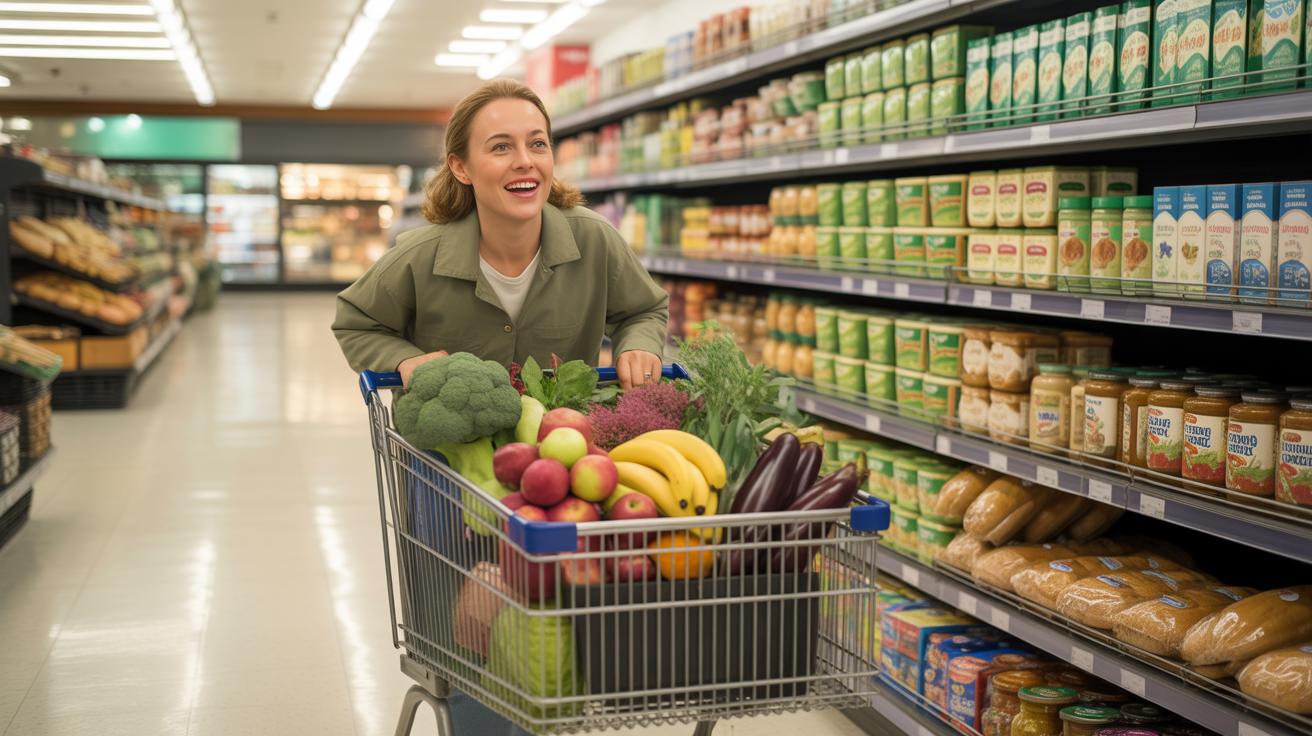
Why Building A Healthy Grocery List Before You Shop Changes Everything
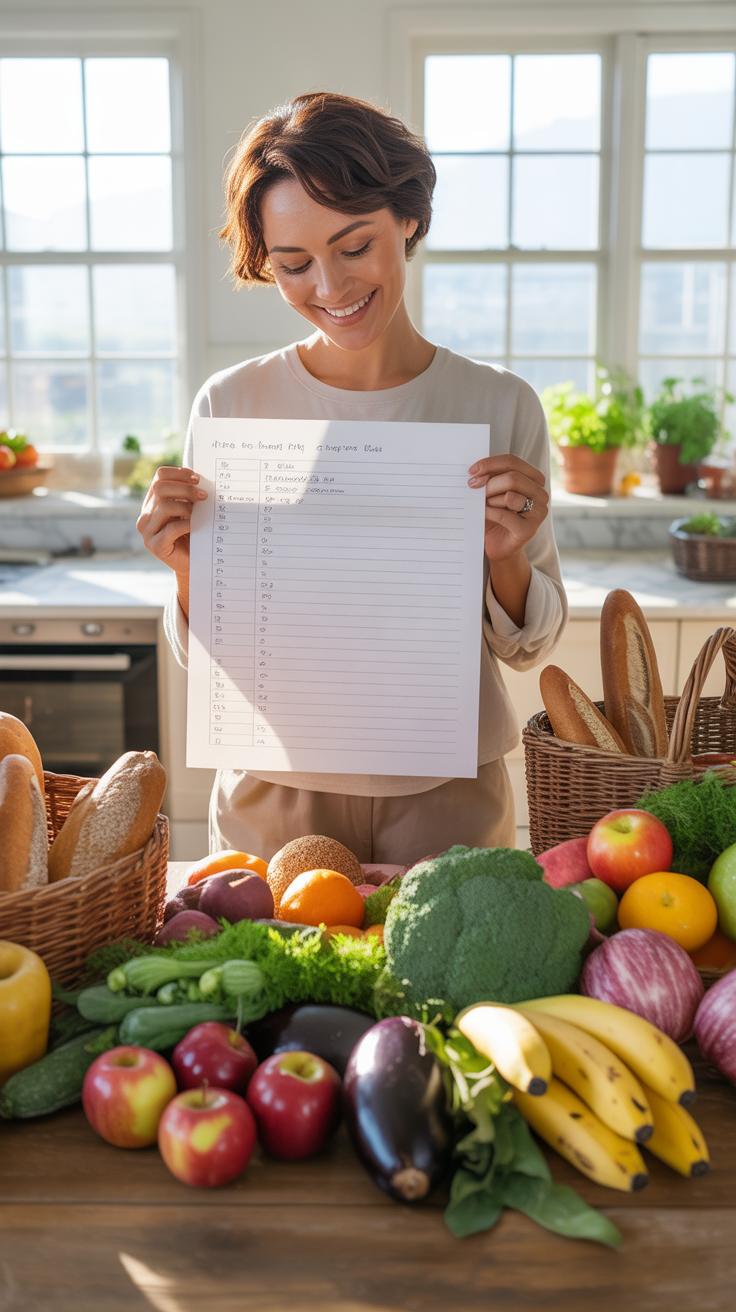
How A Written Healthy Grocery List Reduces Impulse Buying And Food Waste
A written list serves as a tactical script for the grocery store environment. Retailers design store layouts to trigger unplanned purchases through sensory cues and strategic product placement. A list creates a psychological barrier against these marketing tactics. You focus on specific items rather than browsing open shelves. This discipline prevents you from buying high-calorie processed foods that do not align with your nutritional goals.
Budget control improves when you stick to a verified list of ingredients. Food waste occurs when shoppers buy perishable items without a clear plan for consumption. Discarded produce represents lost capital and failed nutrition. A list ensures every item has a designated purpose in your kitchen. You stop buying duplicates of items you already own. Efficiency in the aisles translates directly to a leaner household budget and better health.
Matching Your Healthy Shopping List To Your Weekly Meal Plan Before Leaving Home
Syncing your list with a meal plan eliminates daily decision fatigue. You examine your recipes and identify exactly which proteins, grains, and vegetables you need. This preparation happens in a neutral environment away from store pressure. You verify your current inventory to avoid overstocking. This step confirms that your planned meals are feasible with the ingredients you are about to purchase. It turns shopping into a logistical mission.

Accurate mapping of your meals ensures you meet micro-nutrient and macro-nutrient targets. You select ingredients that serve multiple recipes to maximize your investment. This strategy reduces the total number of items needed while maintaining variety in your diet. Checking your calendar helps you adjust quantities based on busy nights or social events. Successful meal execution depends entirely on having the right raw materials available when you start cooking your planned meals.
How To Build A Healthy Meal Prep List That Saves Time And Money
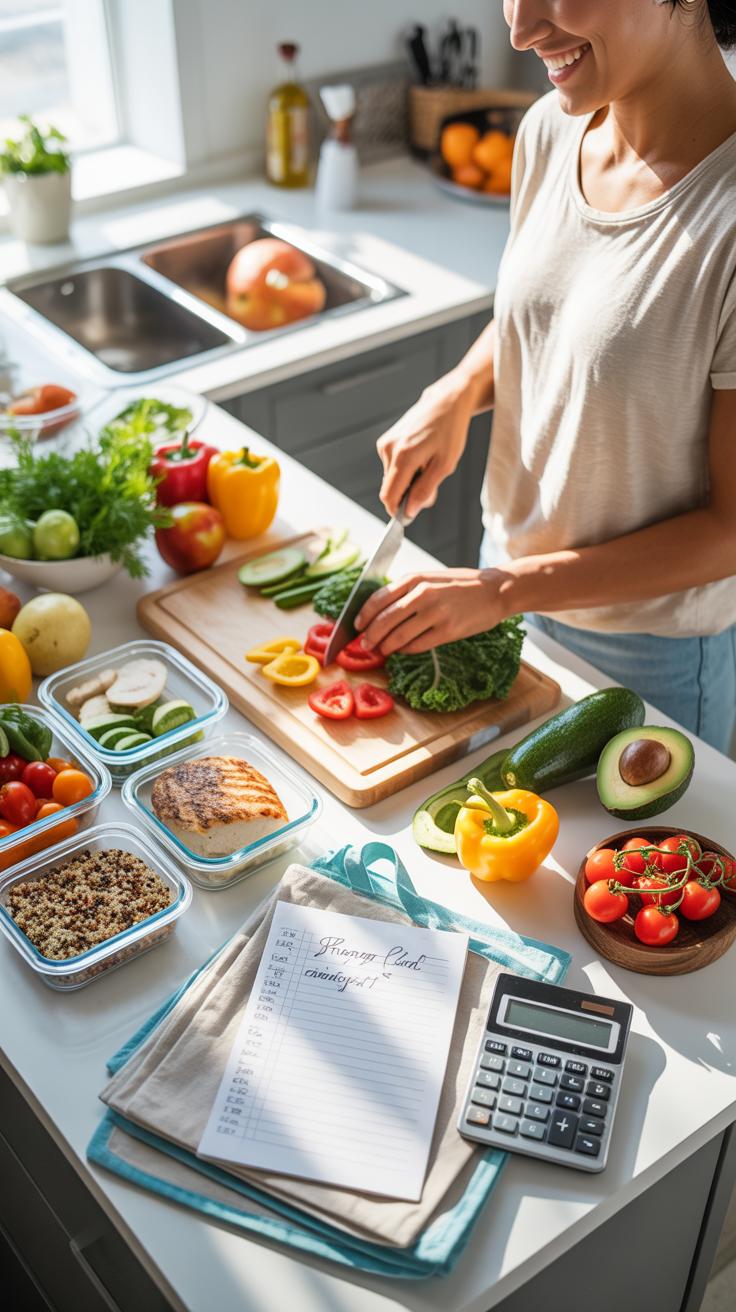
Choosing Ingredients That Work Across Multiple Meals To Maximize Your Budget
Strategic grocery shopping requires selecting versatile base ingredients. Focus on high-volume staples that adapt to various cuisines. A single rotisserie chicken or a large bag of quinoa serves as the foundation for salads, bowls, and wraps. This approach reduces the total number of items on your list. Tactical selection prevents waste and ensures you use every gram of food you buy.
Buy produce that stays fresh for more than three days. For example, cabbage and carrots last longer than spinach. Use these durable vegetables across different recipes to lower your cost per meal. Professional meal prep relies on cross-utilization of inventory. When one ingredient appears in three unique dishes, you spend less time in the store. This efficiency protects your budget and simplifies your cooking schedule.
Batch Friendly Foods To Always Include On Your Healthy Meal Prep List
Identify foods that maintain quality after reheating or cold storage. Efficiency improves when you cook large portions of dense proteins and complex carbohydrates once per week. Choose items that do not lose their structural integrity in airtight containers. These selections form the backbone of a reliable meal prep system. They ensure you have ready to eat options during high stress work days.
- Root Vegetables: Sweet potatoes and carrots withstand high heat roasting without becoming mushy. They provide essential fiber and complex carbohydrates. You can reheat them several times throughout the week while maintaining their flavor and firm texture for various lunch bowls.
- Hardy Grains: Brown rice and farro offer superior shelf life compared to pasta. These grains absorb sauces well during storage without getting soggy. They serve as a stable base for hot dinners or cold Mediterranean salads served later in the week.
- Cruciferous Vegetables: Broccoli and cauliflower stay crisp when lightly steamed or roasted in bulk. They contain high levels of nutrients and provide bulk to meals without adding excessive calories. Their sturdy cell walls prevent them from wilting quickly in the refrigerator.
- Lean Ground Proteins: Ground turkey or beef cooks quickly and distributes evenly in portioned containers. These proteins are easier to weigh and track for specific nutritional goals. They integrate seamlessly into sauces, stir fries, or taco bowls for rapid meal assembly.
- Legumes: Canned or dried lentils and chickpeas are cheap and shelf stable. They provide plant based protein and fiber that keeps you full. Legumes retain their shape in stews or salads, making them an ideal choice for budget conscious shoppers.
Organize your shopping list by the perimeter of the store first. Most batch friendly whole foods reside in the produce, meat, and dairy sections. Avoid the center aisles where processed goods increase your total bill. Stick to the items that provide the highest nutritional density for the lowest price point. Consistent execution of this list creates a sustainable and healthy eating habit.
The 54321 Method Groceries Approach To Balanced And Stress Free Shopping

What The 54321 Grocery List Method Is And How It Structures Nutritional Balance
The 54321 method is a systematic formula designed to minimize decision fatigue in the grocery aisle. It forces a specific ratio of food groups into your cart to ensure dietary diversity. This method serves as a hard constraint against impulsive buying and processed food selection. By adhering to a fixed mathematical structure, you guarantee that your pantry contains the building blocks for multiple balanced meals.
This framework prioritizes nutrient density and caloric efficiency. You choose five vegetables, four fruits, three proteins, two starches, and one shelf stable treat or flavor enhancer. This ratio aligns with standard dietary guidelines that emphasize plant intake while controlling for refined carbohydrates. It eliminates the need for complex meal planning by providing versatile ingredients that work across various cuisines and cooking styles throughout the week.
How To Apply The 54321 Method Groceries Framework To Your Weekly Shop
Execution starts with the produce section to secure your five vegetables and four fruits. Select items that offer different textures and cooking requirements to maintain meal variety. Choose a mix of leafy greens for salads and hardy root vegetables for roasting. This strategy ensures you have fresh components for every day of the work week. It prevents the common mistake of overbuying sensitive greens that spoil quickly.
Transition to the butcher and dry goods aisles for your three proteins and two starches. Select one plant based protein and two animal sources to optimize amino acid profiles. For starches, focus on whole grains like brown rice or quinoa to maximize fiber intake. Finish with your single flavor item like hot sauce or high quality olive oil. This disciplined rotation keeps your grocery bill predictable and your kitchen stocked with high utility items.
Healthy Grocery Shopping Strategies For Navigating The Store With Intention
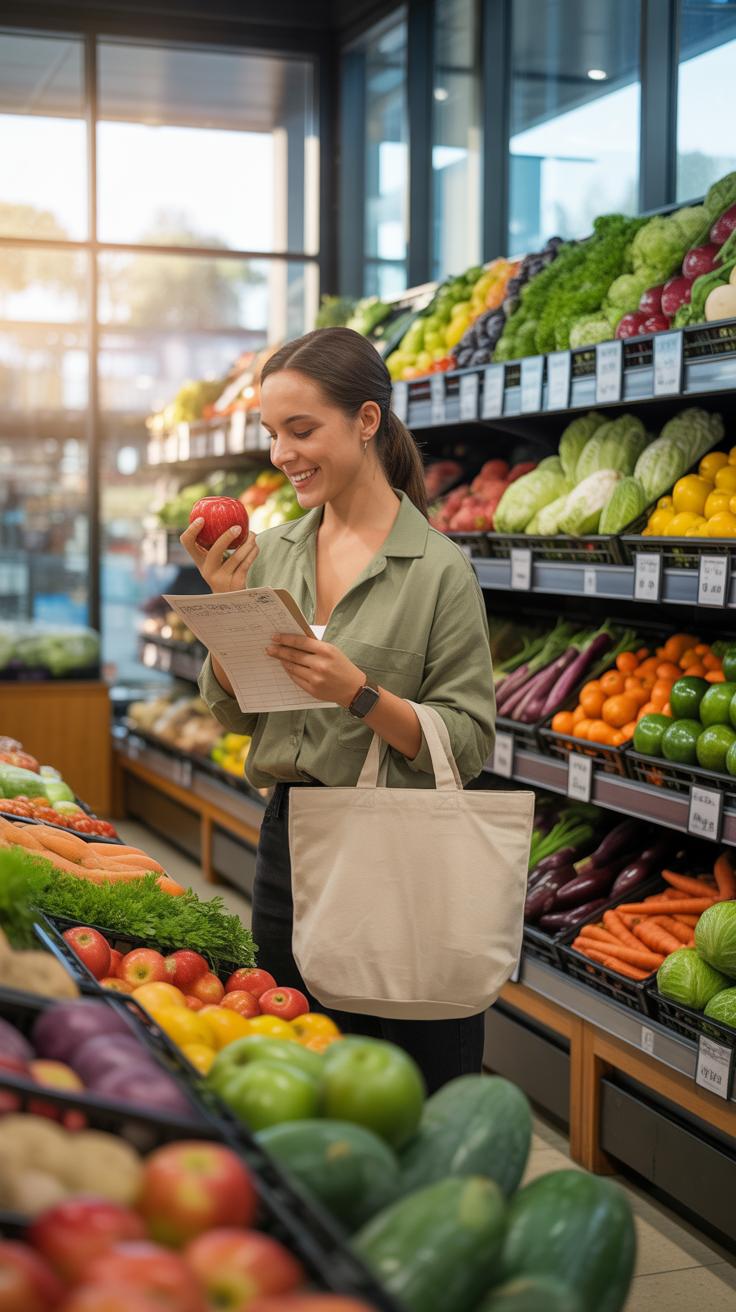
Why Shopping The Perimeter First Supports Healthier Grocery Choices
Standard grocery store layouts place fresh foods along the outer walls. This area holds produce, meat, seafood, and dairy. These items are generally whole foods with single ingredients. Staying on the perimeter limits your exposure to processed goods. You fill your cart with nutrient-dense fuel before you even face the temptation of the middle aisles. This strategy forces better meal plan compliance.
The center aisles contain shelf-stable products designed for long storage. Manufacturers pack these items with preservatives, industrial seed oils, and added sugars. These ingredients often trigger overeating. By the time you reach the middle of the store, your cart should already be full of fresh assets. Use the inner aisles only for specific staples like dry beans, spices, or coffee. Avoid wandering through these sections aimlessly.
How To Read Nutrition Labels Quickly And Confidently During Your Grocery Shop
Speed is your priority when reading labels. Ignore the marketing claims on the front of the box. These are often misleading. Turn the package over and look at the ingredient list first. Ingredients appear in order by weight. If sugar or refined grains are in the first three items, put it back. Short ingredient lists usually indicate a cleaner and more honest product.
Check the serving size and total fiber content next. Many brands manipulate serving sizes to make calorie counts look lower than they are. High fiber indicates complex carbohydrates that sustain energy levels. Low fiber often points to heavy processing. Look for at least three grams of fiber per serving for grain products. This quick scan ensures you only buy food that fits your performance goals.
Organizing Your Grocery Lists By Category To Speed Up Your Shopping Trip
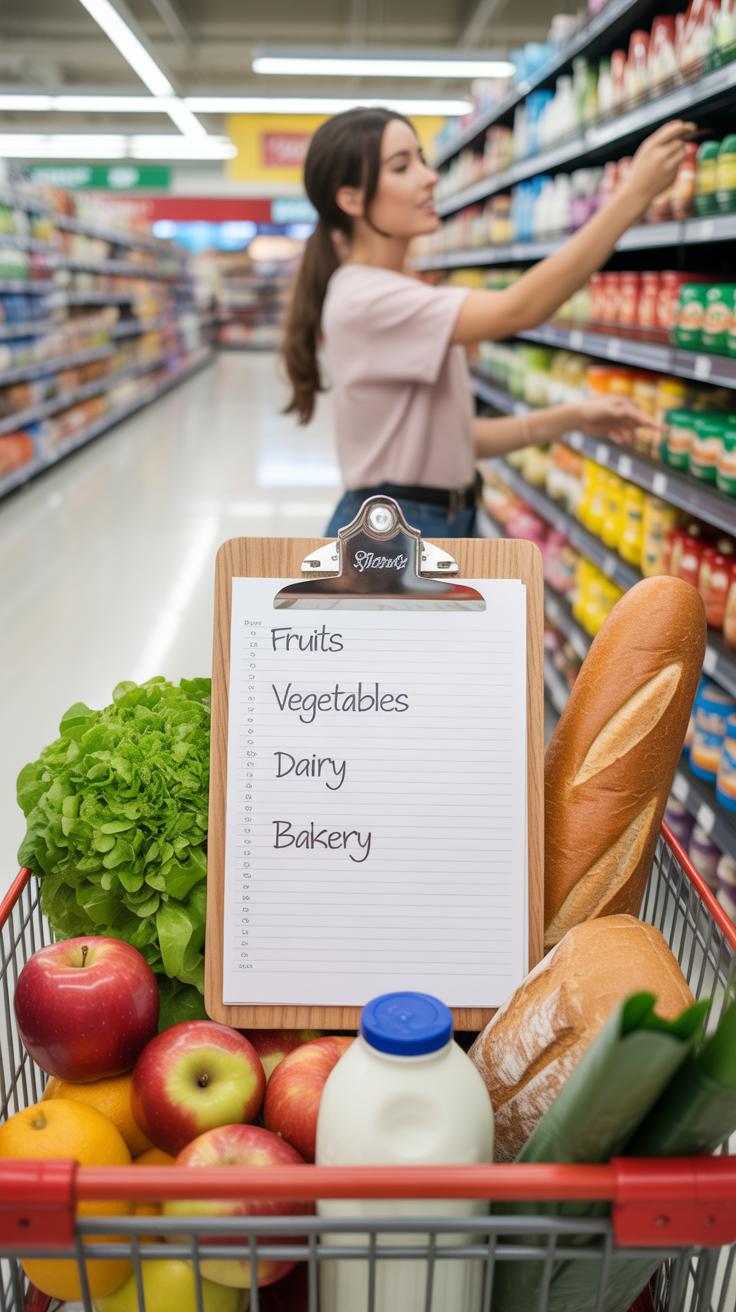
Grouping Grocery Lists By Store Section To Cut Down On Backtracking And Forgotten Items
Backtracking wastes time and triggers impulse buys. Most grocery stores use a standard layout. Produce and fresh items sit on the perimeter. Dry goods and cans fill the center aisles. You must group items on your list to match this flow. Write down all vegetables together. Keep dairy and meats in their own blocks. This method ensures you finish one section before moving to the next.
A categorized list serves as a visual map. It prevents the need to scan the entire page for one missed item. You reduce the physical distance you walk during the trip. This focus keeps you away from aisles you do not need. Efficiency reduces the mental fatigue that leads to poor food choices. Smart grouping turns a chaotic chore into a surgical strike.
The kitchen is the heart of the home, where memories are seasoned with love. To keep that heart beating steadily, walk into the market with a list in your hand and a plan in your heart.
Digital Vs. Paper Grocery Lists: Which Format Keeps You More Consistent
Paper lists offer a tactile experience that improves memory retention. You do not need a battery or an internet connection to see your items. Many shoppers find that physically crossing off an item provides a sense of progress. This psychological win helps you stick to the plan. However, paper is easy to lose and hard to share with other family members at home.
Digital apps provide superior flexibility for long-term meal planning. Most apps allow you to sync lists across multiple devices instantly. You can save recurring staple items to avoid rewriting them every week. Some apps even sort your items by category automatically using internal databases. Choose the format that fits your daily habits. Consistency matters more than the specific technology you use for your shopping.
Choosing Healthy Groceries On A Budget Without Sacrificing Nutrition
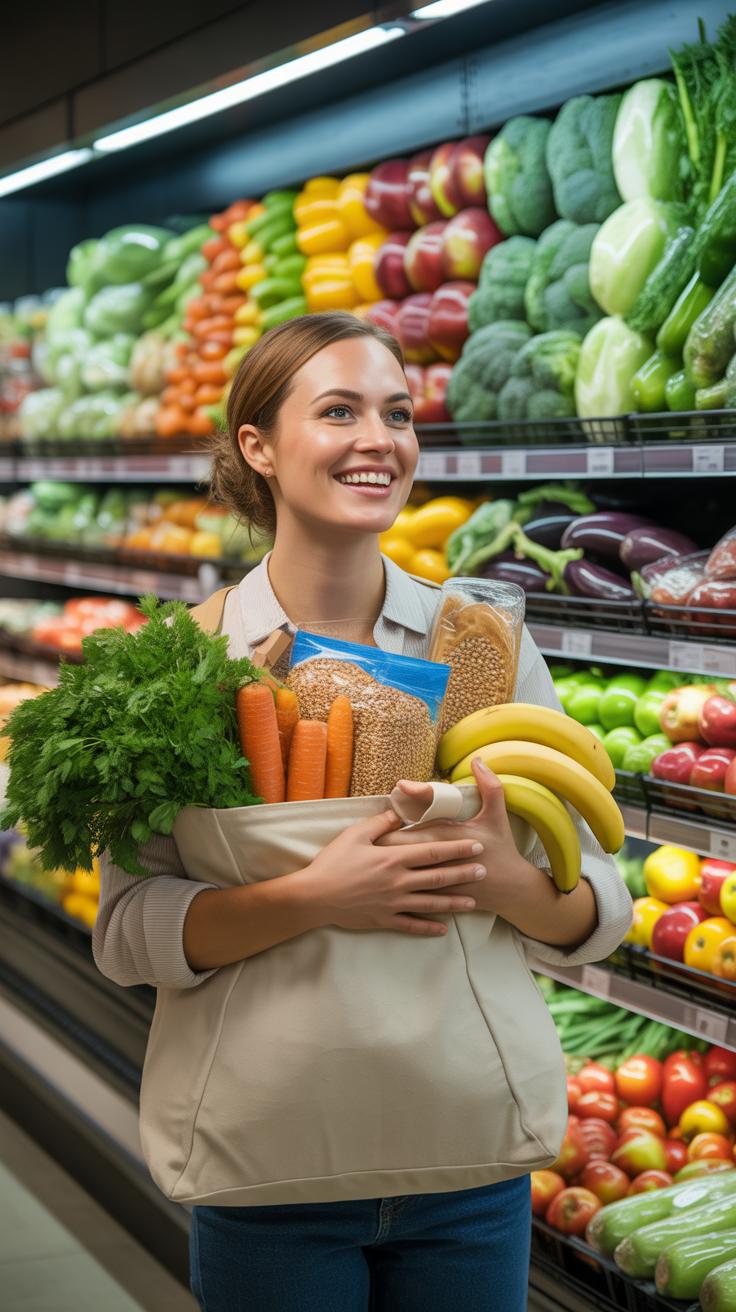
Affordable Whole Foods That Deliver High Nutritional Value For Everyday Meals
Nutrient density does not require a high price tag. Focus on shelf-stable staples that provide fiber and protein. Dry lentils, chickpeas, and black beans cost pennies per serving and last months in the pantry. Brown rice and oats offer complex carbohydrates and essential minerals. These items form a solid base for any meal plan. High-volume purchases reduce the cost per unit significantly.
Prioritize frozen vegetables over fresh out-of-season produce. Manufacturers flash-freeze these items at peak ripeness to preserve vitamins and minerals. Canned sardines and tuna offer high-quality protein and omega-3 fatty acids without the cost of fresh fish. Sweet potatoes and cabbage provide long-lasting freshness and high micronutrient counts. These choices maximize your nutritional return on every dollar spent at the grocery store.
Smart Swaps For Expensive Ingredients That Keep Your Healthy Groceries Affordable
High-cost health foods often have cheaper botanical or nutritional equivalents. Marketing often inflates the price of trendy items that provide the same benefits as basic staples. You can achieve the same dietary goals by selecting functional alternatives that fit a standard budget. Precision in selection prevents overspending on luxury labels while maintaining your physical health and meal plan consistency.
- Greek Yogurt instead of Sour Cream: Use plain Greek yogurt to replace calorie-dense sour cream in recipes. It provides a massive protein boost and probiotics while maintaining the same texture and tangy flavor profile for savory dishes.
- Frozen Berries instead of Fresh Berries: Buy frozen berries to get the same antioxidant benefits at a fraction of the cost. Fresh berries spoil quickly and cost more due to logistics. Frozen versions work perfectly in smoothies or oatmeal.
- Cabbage instead of Kale Or Arugula: Swap expensive leafy greens for green or red cabbage. Cabbage stays fresh in the refrigerator for weeks and offers high vitamin C and fiber. It provides volume and crunch to salads and stir-fries.
- Sunflower Seeds instead of Pine Nuts: Use roasted sunflower seeds for salads or pesto instead of expensive pine nuts or walnuts. They provide healthy fats and a similar nutty flavor. This swap cuts ingredient costs by over seventy percent.
- Chicken Thighs instead of Chicken Breasts: Choose bone-in or skinless chicken thighs over breasts to save money on lean protein. Thighs contain more iron and zinc. They stay moist during cooking and offer a better flavor profile for meal prepping.
Evaluate every item on your list for its cost-to-nutrient ratio. Small adjustments in your selection process prevent budget drain. If a specific produce item is too expensive, find a seasonal or frozen substitute immediately. Consistency in these swaps ensures you stick to your healthy eating plan without financial stress. Smart shopping requires discipline and a focus on essential nutrients rather than brand names.
How To Plan A Healthy Shopping List Around Seasonal And Local Produce
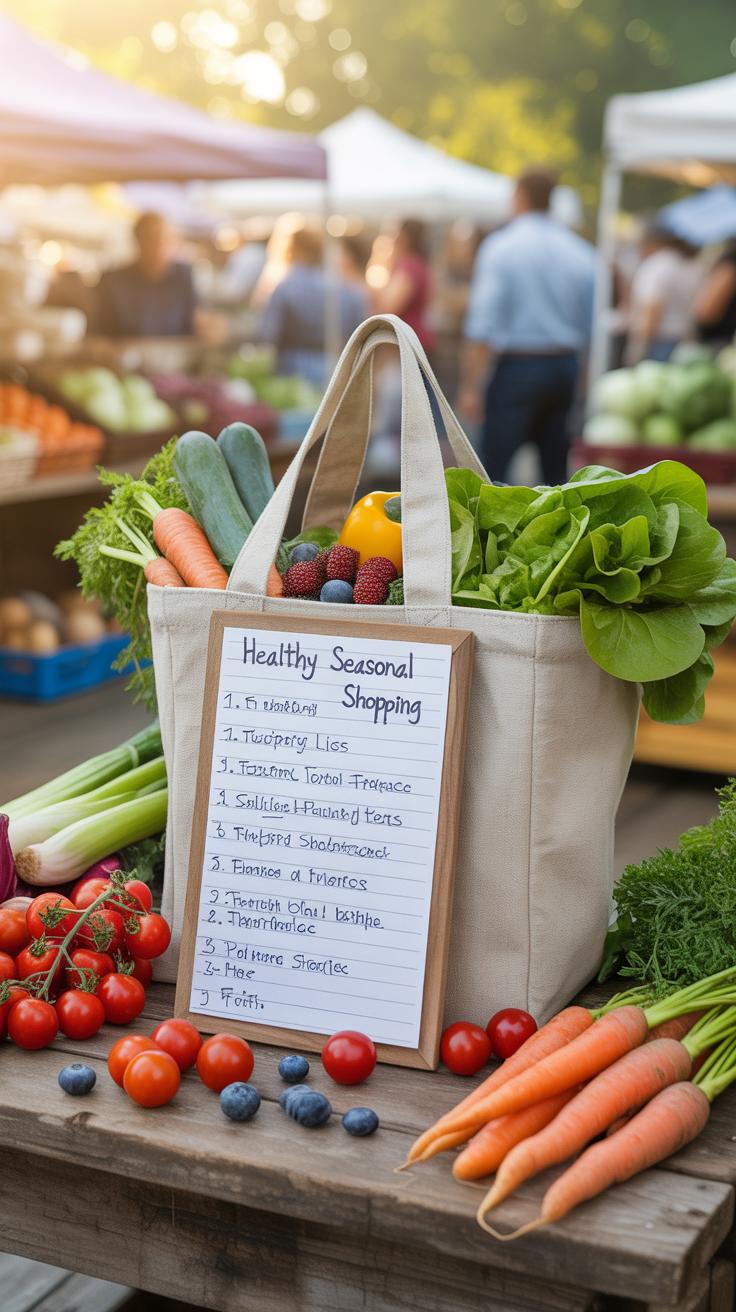
Why Seasonal Produce Offers Better Flavor, Nutrition, And Value At The Grocery Store
Seasonal produce tastes better because it ripens naturally. Farmers harvest it at peak maturity before shipping it to stores. This timing ensures the highest nutrient density. Long transport times degrade vitamins like Vitamin C and folate. Out-of-season produce journeys thousands of miles. This process requires chemical preservatives or early picking. Buying seasonal items means you get more vitamins for every dollar spent.
Prices drop when local crops are in abundance. Grocery stores lower costs to move high volumes of fresh inventory quickly. You save money by avoiding the high fuel costs of international shipping. This strategy makes grocery shopping tips healthy and affordable. It allows you to buy more organic options within a fixed budget. Focus on what grows locally to maximize your nutritional return on investment.
How To Adjust Your Healthy Shopping List Month By Month Based On What Is In Season
Specific crops define each growing window. Spring lists should prioritize greens, asparagus, and peas. Summer offers berries, stone fruits, and peppers. Fall brings squash, apples, and hearty root vegetables. Winter relies on citrus and storage crops like potatoes. Check your local regional harvest calendar before writing your list. This prevents you from planning meals around expensive or poor-quality imported goods.
Swap ingredients in your core recipes based on the current month. Use kale or cabbage in the winter instead of summer leaf lettuce. Replace expensive winter berries with citrus fruits to meet your fiber goals. This rotation keeps your meal plan interesting and nutritionally diverse. You avoid food ruts by eating with the cycles of the year. Consistent adjustments ensure your healthy shopping list remains cost-effective and fresh.
Avoiding Common Mistakes People Make During A Healthy Grocery Shopping Trip
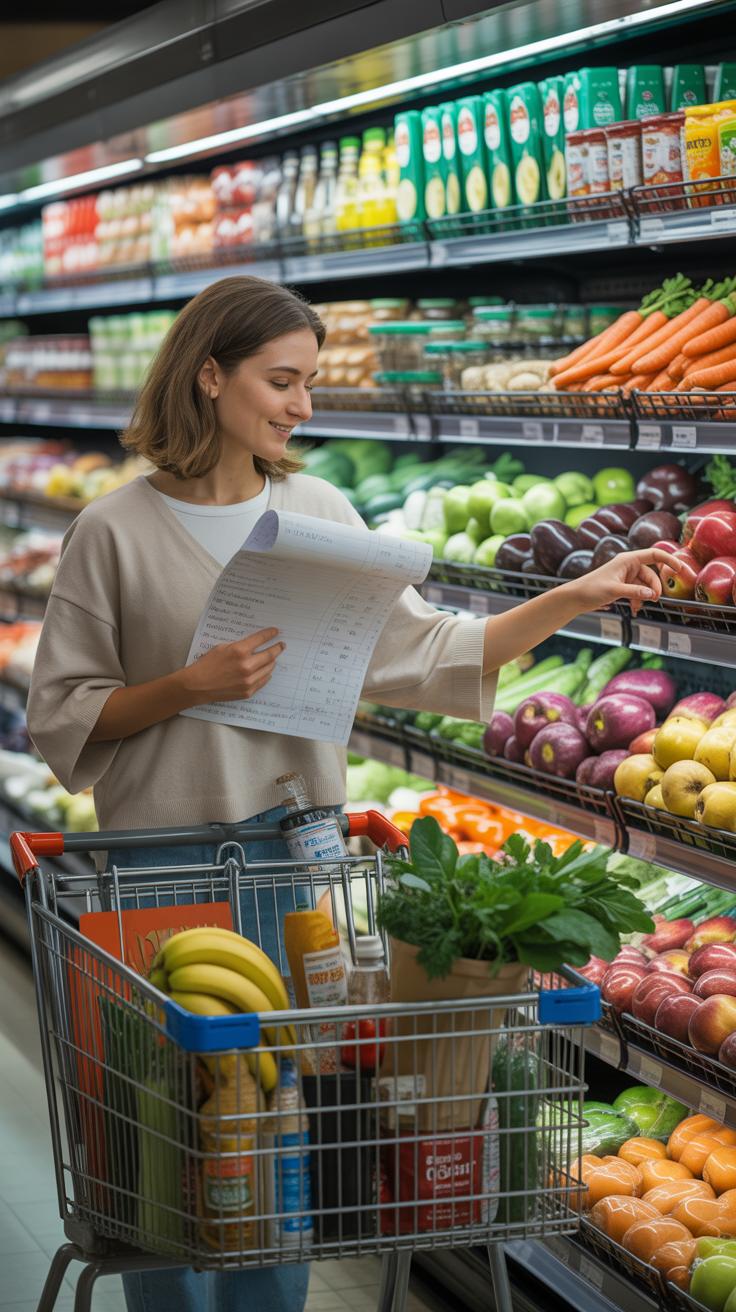
Why Shopping While Hungry Leads To Poor Choices And How To Prevent It
Hunger triggers a physiological response that prioritizes high-calorie foods. When your blood sugar drops, your brain seeks immediate glucose. This chemical drive overrides your logical meal plan. You stop looking for nutrition and start looking for energy density. Most shoppers buy more items than they actually need when hungry. These extra items are usually processed snacks instead of raw ingredients.
Avoid this mistake by eating a protein-rich snack before entering the store. High protein levels increase satiety and stabilize your blood sugar. This keeps your decision-making centers sharp and focused on your list. If you are already at the store and hungry, buy a single piece of fruit or a small bag of nuts. Eat it immediately to reset your brain before you reach the snack aisle.
How Marketing Tactics Inside The Grocery Shop Are Designed To Derail Your List
Grocery stores use specific layouts to force impulse buys. High-margin processed foods sit at eye level while cheaper staples reside on bottom shelves. End caps feature bright displays and bulk deals that suggest a bargain. Retailers place essential items like milk and eggs at the back of the store. This forces you to walk past thousands of products designed to grab your attention.
Fight these tactics by sticking to the perimeter of the store. The outer walls contain whole foods like produce, meat, and dairy. Only enter middle aisles for specific items on your list. Use a physical or digital list to stay on track. Do not look at items that are not on your plan. Every minute you spend browsing increases the chance of making a poor health decision.
Turning Healthy Grocery Shopping Into A Consistent Weekly Routine
Setting A Dedicated Shopping Day That Aligns With Your Meal Planning Schedule
Consistency reduces decision fatigue and prevents impulse buys. Pick a specific day each week for your grocery run. Sunday is a standard choice for many because it allows for immediate meal prep. However, mid-week shopping often offers shorter lines and better stock levels. Align your shopping day with the 24-hour period after you finalize your weekly meal plan to maximize efficiency and freshness.
A fixed schedule builds a psychological habit. When shopping becomes a non-negotiable appointment, you stop relying on willpower to eat well. This routine ensures your kitchen stays stocked with nutrient-dense foods. You avoid the trap of ordering takeout because you have no ingredients. Professionals treat grocery shopping like a logistics operation. Map your time, execute the plan, and maintain the cycle to see long-term health results.
How To Review And Refine Your Healthy Grocery List Each Week For Better Results
Audit your shopping list before you leave the house. Check your pantry and fridge to avoid buying duplicates of items you already own. This step saves money and reduces food waste. Look at the previous week to see which healthy items you actually ate. If certain vegetables consistently go bad, stop buying them. Replace them with frozen options or different produce that fits your actual eating habits.
Refinement turns a basic list into a high-performance tool. Focus on high-quality proteins, healthy fats, and complex carbohydrates. Adjust quantities based on your upcoming schedule. If you have late meetings, buy more pre-washed greens or rotisserie chickens for speed. Use your list to stay disciplined in the store. If an item is not on the paper, it does not go in the cart. This data-driven approach ensures your shopping supports your goals.
Frequently Asked Questions

How do I start meal planning if I have never done it before?
Starting a meal plan is all about simplicity. Begin by choosing just three or four recipes for the week to avoid feeling overwhelmed. Once you have selected your meals, write down every ingredient you need. Successful grocery shopping tips healthy eating enthusiasts swear by include checking your pantry first so you only buy what is necessary, ensuring your new routine is sustainable, organized, and perfectly tailored to your personal taste.
What is the best strategy to navigate the store without buying extra items?
The most effective strategy is to stick strictly to the perimeter of the store where fresh produce, proteins, and dairy are located. Use a categorized list to keep your movement efficient and avoid wandering into the snack aisles. By following these grocery shopping tips healthy habits become much easier to maintain, as you will focus solely on the whole foods required for your pre-planned recipes instead of falling for impulsive marketing displays.
Is it possible to follow a healthy meal plan on a very tight budget?
Absolutely! You can stick to your plan without overspending by prioritizing seasonal produce and versatile staples like beans, lentils, and brown rice. Buying in bulk and opting for frozen vegetables can also significantly lower your total cost at the register. Planning your meals around weekly sales fliers ensures you get the most nutritional value for your money while keeping your kitchen stocked with high-quality ingredients for every single meal.