

What Is A Meal Prep Schedule And Why Does It Matter
Understanding The Core Concept Of A Meal Prep Schedule
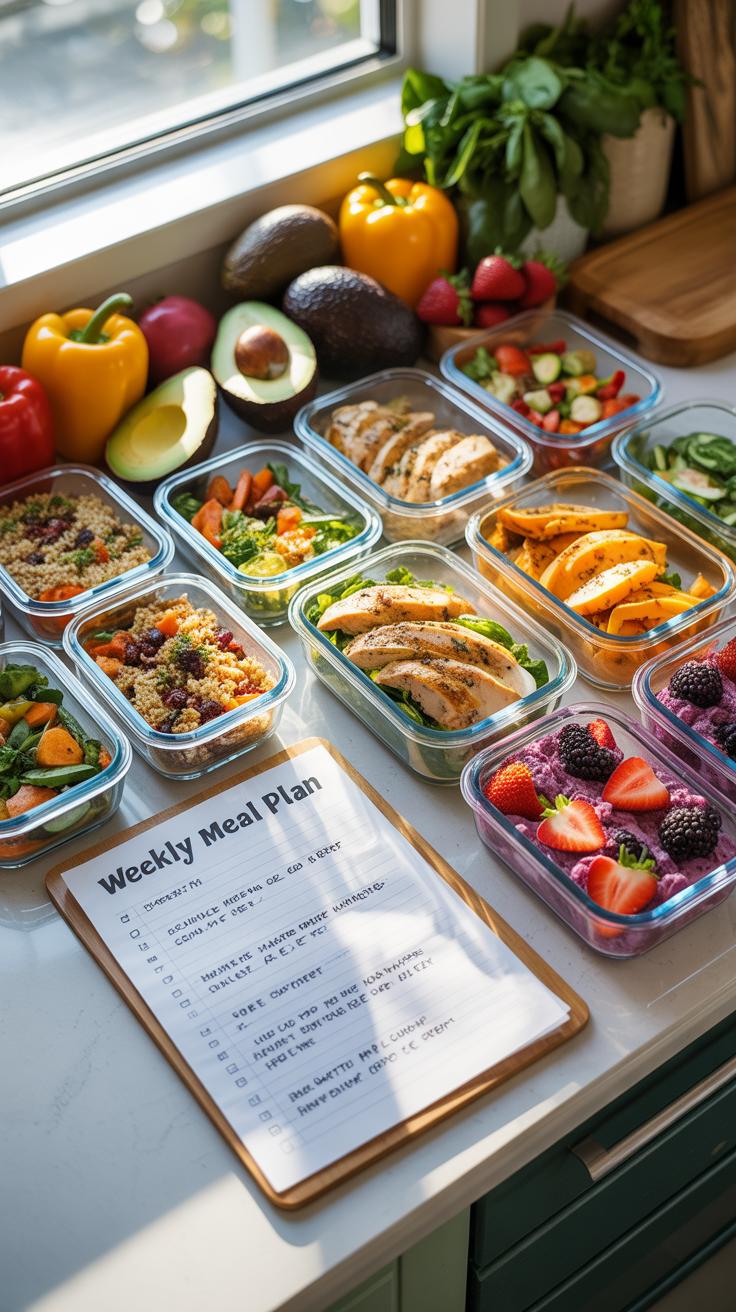
A meal prep schedule is a tactical roadmap for food production. It breaks down the process of planning, shopping, and cooking into specific time blocks. You do not just cook randomly. You assign tasks to days based on your availability. This system turns a chaotic kitchen into a controlled environment. Direct control over your food sources ensures that every meal meets your specific targets.

Effective schedules differentiate between full prep and component prep. Full prep involves cooking complete meals to reheat later. Component prep focuses on preparing individual ingredients like grains, proteins, and chopped vegetables. A disciplined schedule prevents decision fatigue at the end of the day. You follow the plan instead of reacting to hunger. This structure is the foundation of high-performance nutrition and consistent time management.
The Real Life Benefits Of Planning Meals Ahead Of Time
Planning meals ahead eliminates the daily question of what to eat. This saved mental energy translates to better focus in other areas of your life. You buy only what you need, which stops impulse purchases at the grocery store. Precise lists reduce food waste and lower your monthly food costs. A schedule forces you to be honest about your actual time constraints each week.

Consistency is the primary driver of physical health. When you prepare meals in advance, you control every gram of sodium, sugar, and fat. You bypass the processed additives found in quick takeout options. Reliable meal access prevents blood sugar crashes that lead to poor work performance. A rigorous schedule builds a habit that sustains long-term body composition goals. Control your schedule to control your health outcomes.
How To Use Meal Planning Templates To Build Your System

Choosing The Right Meal Planning Template For Your Lifestyle
Select a template based on your specific decision-making style. A calendar-based grid works best if you eat different meals every day. This layout tracks breakfast, lunch, and dinner across a seven-day span. Digital templates allow for quick edits and automated grocery list generation. Paper templates favor tactile learners who need a physical visual cue on the refrigerator to stay on track during busy evenings.
Prioritize function over design aesthetics when picking your layout. Your template must include a dedicated space for an inventory check. This prevents you from buying ingredients you already own. Advanced users should look for templates that separate prep tasks from meal times. This distinction helps you manage your time during the actual cooking phase. The right tool reduces cognitive load and eliminates the daily question of what to cook.
How To Customize A Template To Fit Your Weekly Routine
Adapt your chosen template to match your actual energy levels throughout the work week. Mark days with late meetings or heavy gym sessions as low-effort nights. Assign simple leftovers or quick fifteen-minute meals to these slots. Hard-coding these constraints into your template prevents ambitious planning that leads to takeout orders. Use a color-coding system to differentiate between prepped components and fully assembled meals for better visual clarity.
Integrate a “buffer day” into your weekly schedule to handle unexpected changes. Most rigid plans fail because they do not account for social invitations or spoilage. Leave one or two slots empty or marked as flexible. This approach ensures your meal prep schedule remains resilient. Adjust the template layout every few weeks as your routine shifts. A static document is useless if it no longer reflects your current professional and personal obligations.
Setting Up Your Meal Planner Week By Week

How To Organize Your Weekly Meal Planner For Maximum Efficiency
Efficient meal planning requires a fixed anchor day for inventory and selection. Use Friday for this task. Review your pantry and fridge before you buy anything new. This prevents waste and saves money. Match your meal choices to your calendar. Assign fast meals to busy nights. Place complex recipes on days when you have more time to cook.
Structure your planner by protein type to simplify grocery shopping. Grouping chicken or beef meals together allows for bulk purchasing and faster prep. Map out your snacks and breakfasts to avoid decision fatigue during the week. A rigid plan reduces the brain power you need after work. Stick to the schedule to keep your kitchen running like a lean operation.
Balancing Variety And Repetition In Your Weekly Meal Plan
Total variety kills efficiency in the kitchen. Repeating base ingredients across different meals saves time. Use roasted chicken for salad on Monday and tacos on Tuesday. This tactic limits the number of recipes you must learn. You become faster at prep when you repeat familiar tasks. Aim for two signature base components each week to keep your workflow simple.
Balance your palate by changing sauces and spices instead of proteins. This provides the sensation of variety without the logistical burden. Use one stable breakfast and one rotating lunch for the entire week. This strategy cuts down on decision making and grocery costs. High repetition on basic meals allows for more creative energy on dinner. Consistency is the primary driver of meal prep success.
Essential Meal Planning Steps To Follow Every Week
Step By Step Guide To Building Your Weekly Meal Prep Schedule
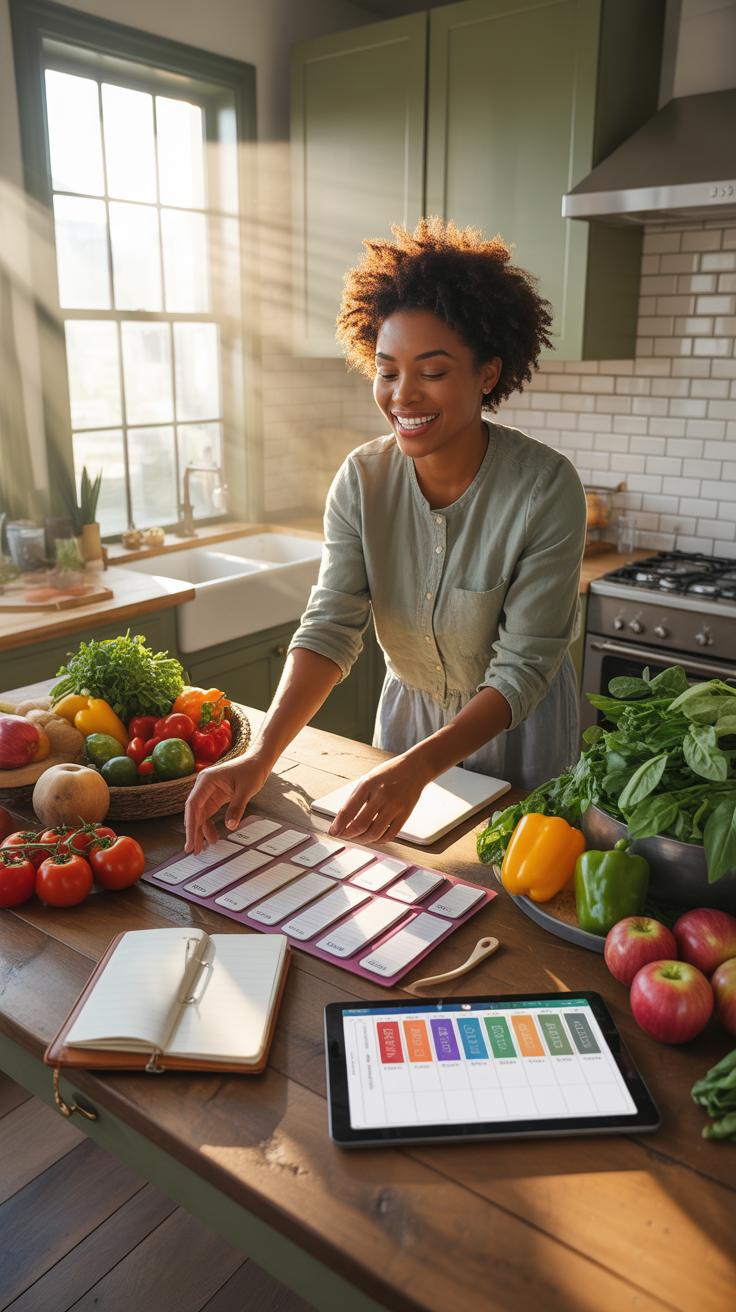
A functional meal prep schedule requires a fixed timeline to prevent decision fatigue. You must audit your current inventory before buying new items. Check your pantry, fridge, and freezer to identify proteins and grains already on hand. This practice reduces waste and lowers weekly grocery costs. Map your meals against your actual calendar to account for late work nights or social events.
- Inventory Audit: Check your storage spaces for existing ingredients. Note expiration dates and prioritize items that need immediate use. This step prevents overspending and reduces food waste in your kitchen.
- Calendar Sync: Review your weekly schedule for meetings or commitments. Match complex meals to quiet nights and quick options to busy evenings. Aligning food with your time prevents reliance on expensive takeout options.
- Batch Selection: Choose two or three core proteins and grains to cook at once. This strategy creates a modular system where you can swap components. It saves hours of active cooking time throughout the work week.
- Grocery Routing: Organize your shopping list by store aisle layout. This tactical approach reduces time spent in the market. Stick to the list to avoid impulse purchases that derail your nutritional goals and weekly budget.
- Component Prep: Focus on washing and chopping vegetables immediately after shopping. Prepped produce is more likely to be consumed than whole items buried in the crisper drawer. This simple action accelerates the cooking process for every nightly meal.
Set a specific time for execution. Sunday afternoon is a standard choice for a reason. It provides a fresh start for the Monday morning rush. Focus on high-impact tasks like boiling eggs, roasting vegetables, and portioning snacks. Use clear containers to make your progress visible. Organized storage ensures you grab healthy options when you are tired or stressed during the week.
Common Meal Planning Mistakes And How To Avoid Them
Overcomplicating the menu is the fastest way to fail. Beginners often try to cook five new recipes in one day. This leads to burnout and a messy kitchen. Stick to a rotation of proven meals that use similar ingredients. Professional chefs use this cross-utilization strategy to keep kitchens efficient. Limit yourself to one new recipe per week to maintain a manageable pace.
Ignoring portion sizes leads to food shortages or excessive leftovers. Use a scale or measuring cups to ensure accuracy during the packing phase. Proper storage is also vital for food safety and taste. Glass containers keep food fresh longer than cheap plastic. Label every container with the date and contents. This eliminates confusion and ensures you eat the oldest meals first to maintain quality.
Creating A Home Meal Planner That Works For Your Household

Tailoring Your Home Meal Planner To Different Family Sizes And Diets
A meal prep schedule must match your specific household headcount. Large families require bulk cooking and massive storage containers. Single individuals should focus on ingredient modularity to avoid flavor fatigue. You must calculate serving sizes before buying groceries. This prevents waste and ensures everyone has enough food. Planning for five people is different than planning for one. Efficiency depends on total volume.
Dietary restrictions dictate your cooking order. Always prep allergen-free meals first to prevent cross-contamination. Use separate cutting boards for meat and vegetables. Group similar recipes together to save time. If one person eats low-carb and another eats plant-based, share the base ingredients. Roast a large batch of vegetables for both. Adjust only the protein source for each specific person. This saves energy.
How To Involve The Whole Household In The Meal Prep Process
Shared labor improves your meal prep schedule. Assign specific tasks based on skill level. Children can wash produce or set timers. Adults should handle the knife work and heat. Giving everyone a job reduces the total time spent in the kitchen. It also ensures the workload does not fall on one person. Everyone eats, so everyone helps. This makes the system sustainable.
Communication is the foundation of a working planner. Hold a five-minute meeting every Sunday. Review the calendar and note late work nights or school events. Let each person choose one meal. This increases the chance they will actually eat it. Post the final schedule on the refrigerator. Visibility keeps the household accountable. Clear expectations prevent daily stress about what is for dinner tonight.
Using A Food Planner Weekly System To Stay Consistent
How A Food Planner Weekly Routine Reduces Stress And Food Waste
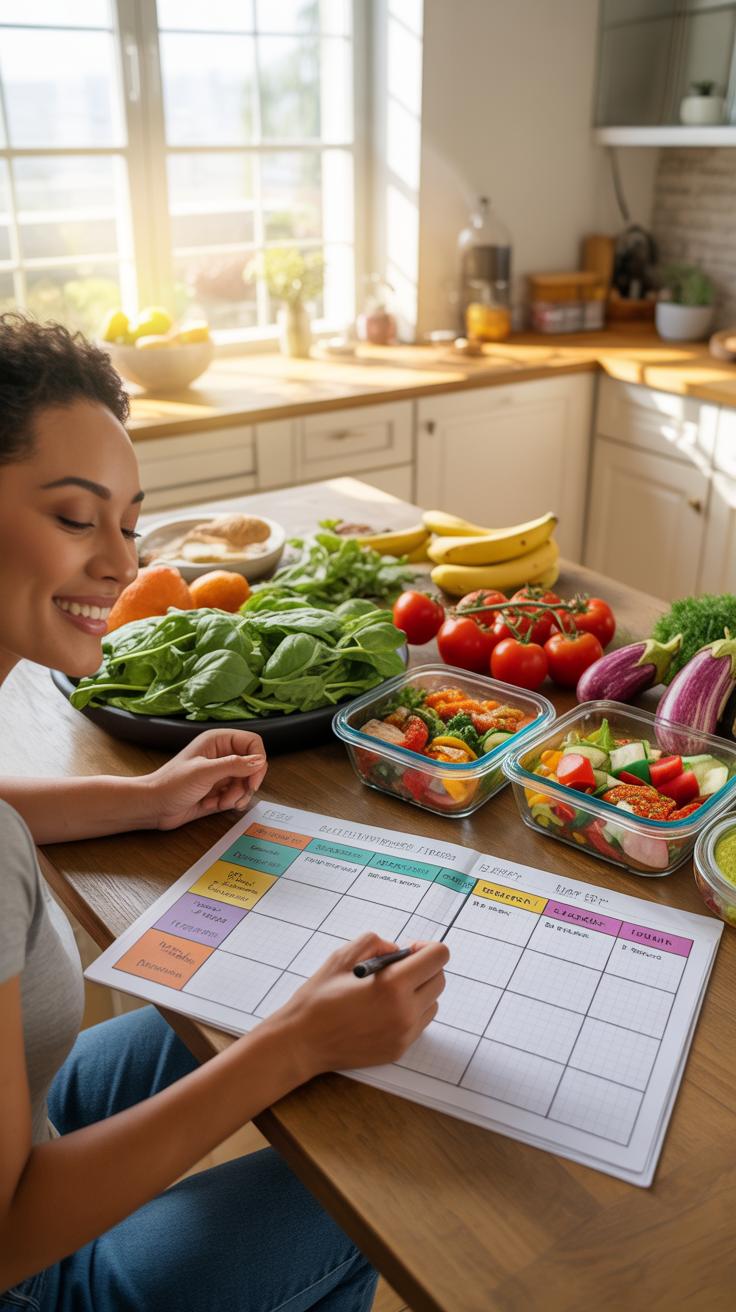
Decision fatigue kills consistency. A weekly food planner eliminates the daily struggle of choosing what to eat after work. You make all high-level decisions during a single session when your mind is clear. This strategy prevents impulse spending on takeout. It ensures you have the right fuel ready when your schedule gets tight. Planning creates a mental roadmap that simplifies your entire week.
Waste occurs when you buy ingredients without a specific purpose. A structured planner forces you to audit your fridge before you shop. You only purchase what each recipe requires. This method lowers your grocery bill and keeps fresh produce from rotting in the crisper drawer. Professional kitchens use this same inventory management to maintain high efficiency. You must apply these tactical protocols to your home kitchen immediately.
Tools And Apps That Support A Weekly Food Planning Habit
Digital tools provide the infrastructure for a successful meal prep schedule. Mobile apps allow you to sync grocery lists with your meal calendar in real time. This keeps your data organized and accessible during store runs. Many platforms offer cloud sharing so family members can see the plan. Automation reduces the time you spend on manual data entry. Use these technologies to offload your mental load.
Analog tools like magnetic dry-erase boards provide high visibility in the kitchen. Physical planners work best for those who need a constant visual reminder of their daily goals. High-end apps like Paprika or Plan to Eat automate recipe scaling and nutritional tracking. Choose one system and stick to it for at least thirty days. Mastery of the tool is more important than the specific brand you select for your workflow.
Building Healthy Meal Plans Into Your Prep Schedule
Key Nutritional Principles To Guide Your Healthy Meal Planning
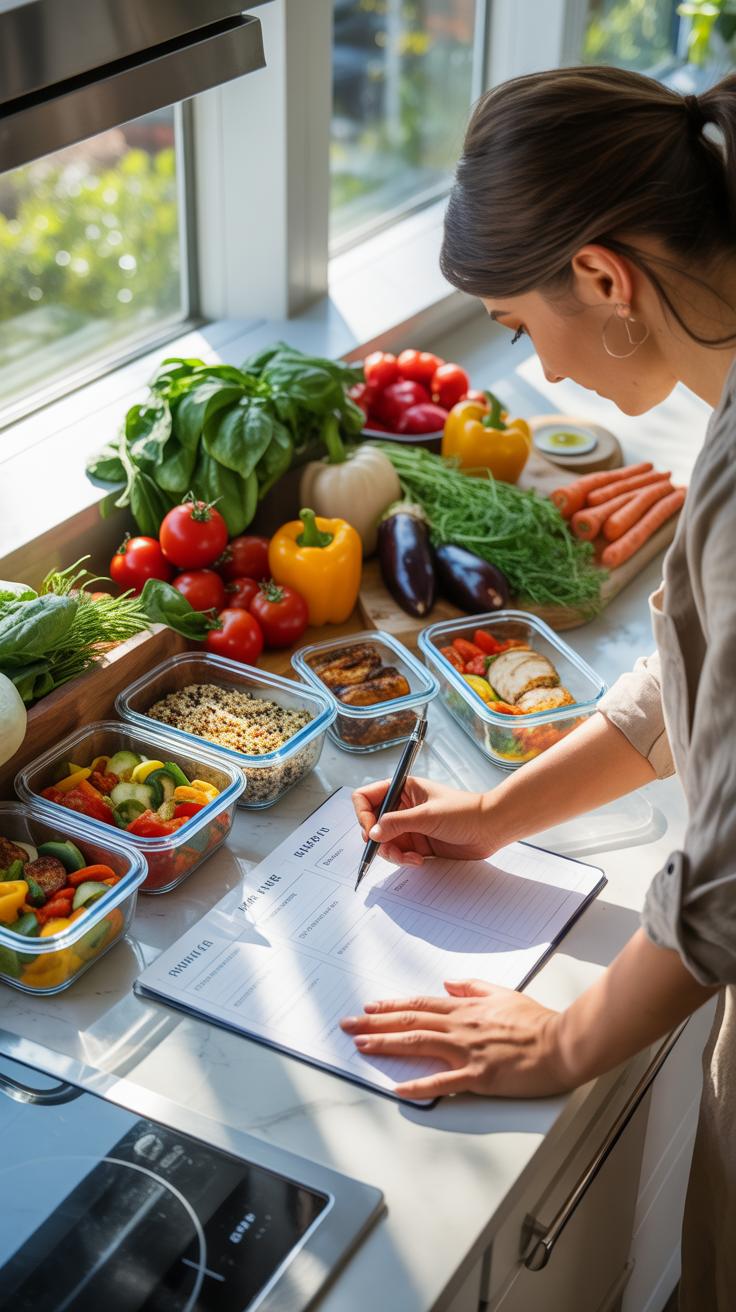
Effective meal planning requires a focus on macronutrient balance. You must prioritize high quality protein sources to ensure muscle maintenance and satiety. Combine these proteins with complex carbohydrates like brown rice or quinoa for sustained energy levels. Do not skip healthy fats found in olive oil or nuts because they assist with nutrient absorption. This strategic balance prevents mid day energy crashes.
Portion control is the second pillar of your meal prep schedule. Use standardized containers to measure your exact intake before the week begins. Focus on high volume vegetables to fill your plate without adding excessive calories. This method eliminates the need for daily calculations or guesswork. Accurate measurement ensures your nutritional goals stay on track even during your busiest hours of work.
The smells of home-cooked meals should never be lost to the rush of the world. A little bit of planning on Sunday ensures that the warmth of the kitchen table stays with you all through the week.
Sample Healthy Meal Plan Ideas For A Full Busy Week
For a high efficiency week, prepare large batches of roasted chicken breast and seasoned ground turkey. Use these proteins as the base for different flavor profiles like Greek salad bowls or spicy taco salads. This approach reduces cooking time while providing variety in your daily meals. Roast several trays of broccoli and sweet potatoes at once to cover your fiber and micronutrient needs.
Breakfast and snacks require the same tactical planning as main dinners. Prepare overnight oats with chia seeds on Sunday night to handle five morning meals at once. Portion out small containers of raw almonds or hard boiled eggs for quick protein hits between meetings. Clear scheduling of these smaller meals prevents you from reaching for processed snacks when your willpower is low during the afternoon.
Very Simple Meal Prep Ideas For When Time Is Tight
Easy No Fuss Meals You Can Prep In Under 30 Minutes
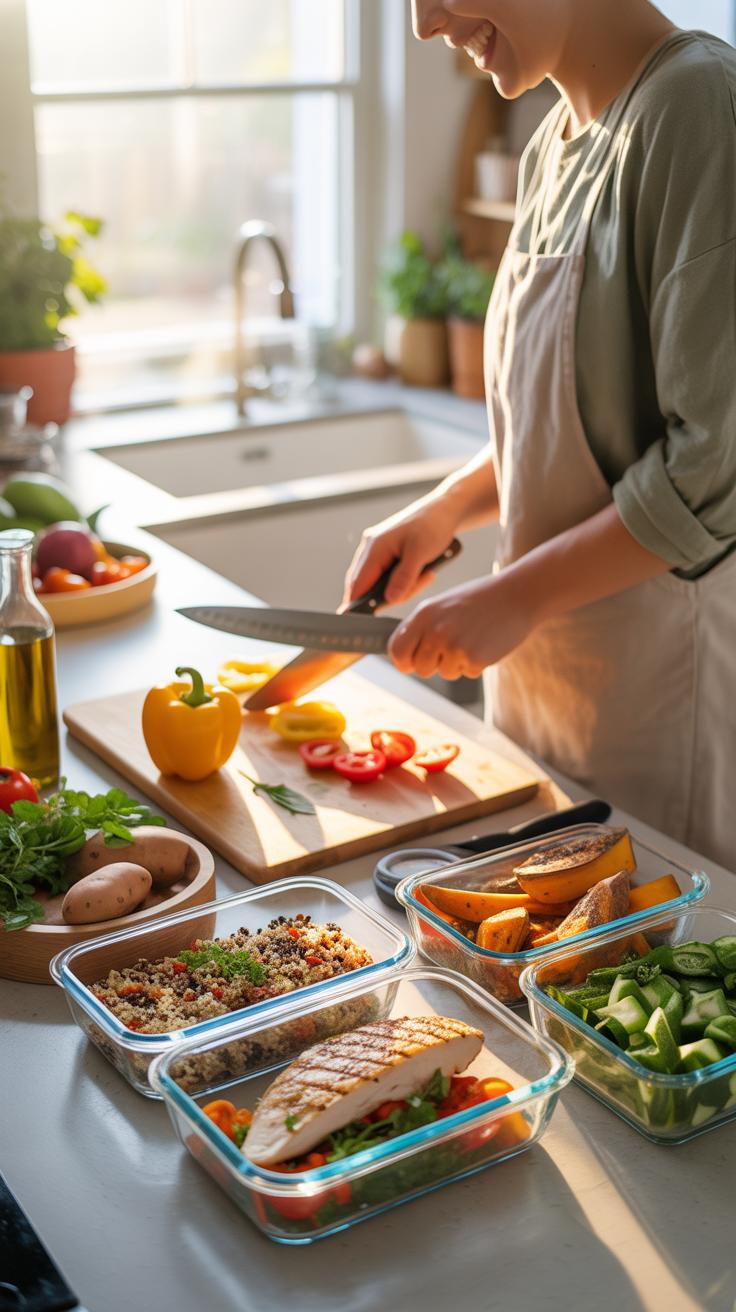
Low-effort meal prep relies on assembly rather than intense cooking. You must choose recipes that require fewer than five ingredients to minimize labor. Cold assembly meals like Greek yogurt bowls or tuna salad wraps eliminate the need for heat. This strategy reduces your total active kitchen time. Focus on high-protein bases that stay stable in the refrigerator for at least three days.
Speed requires you to use pre-cut vegetables and pre-washed greens. Buying bagged spinach or sliced bell peppers saves ten minutes of knife work. Use canned beans or chickpeas to add fiber without soaking or boiling. These small choices allow you to build five lunch portions in one session. Efficiency comes from removing the obstacles of cleaning and chopping raw produce during your work week.
Batch Cooking Basics That Make Very Simple Meal Prep Possible
Batch cooking creates a foundation of versatile ingredients for multiple meals. You cook one large protein or grain to use in different ways later. This method stops you from cooking an entire recipe from scratch every night. Professional kitchens use this technique to ensure fast service. You can apply this same logic to manage a busy home schedule effectively.
- Sheet Pan Proteins: Roast three pounds of chicken breast or tofu at once using high heat over twenty minutes. This provides the primary protein for salads, bowls, or sandwiches throughout the entire week. It minimizes cleanup to a single pan.
- Large Scale Grains: Boil a massive pot of quinoa or brown rice on Sunday afternoons. Store the cooked grains in airtight containers to prevent drying. These serve as a neutral base for stir-frys, power bowls, or side dishes on demand.
- Roasted Root Vegetables: Chop sweet potatoes and carrots into uniform cubes and roast them together. These hardy vegetables maintain their texture when reheated in the microwave. They offer a reliable source of complex carbohydrates for sustained energy levels.
- Hard Boiled Eggs: Boil a dozen eggs to keep in the refrigerator for quick snacks or salad toppings. They are shelf-stable for seven days and provide immediate protein without any further preparation. This is the fastest way to add nutrients to a meal.
- Universal Sauce Prep: Blend one large batch of vinaigrette or peanut sauce to flavor your dry ingredients. Having a prepared sauce prevents bland meals and stops you from reaching for unhealthy processed dressings. It binds disparate ingredients into a cohesive dish.
Standardize your containers to make storage and portioning faster. Using the same size glass or plastic bins allows for easy stacking in the refrigerator. This organization helps you see exactly what you have left at a glance. You will spend less time searching for lids or matching sets. Uniformity is the secret to a streamlined and functional prep system.
Good Protein Meal Preps To Power You Through The Week
Why Protein Is A Key Component Of Any Strong Meal Prep Schedule
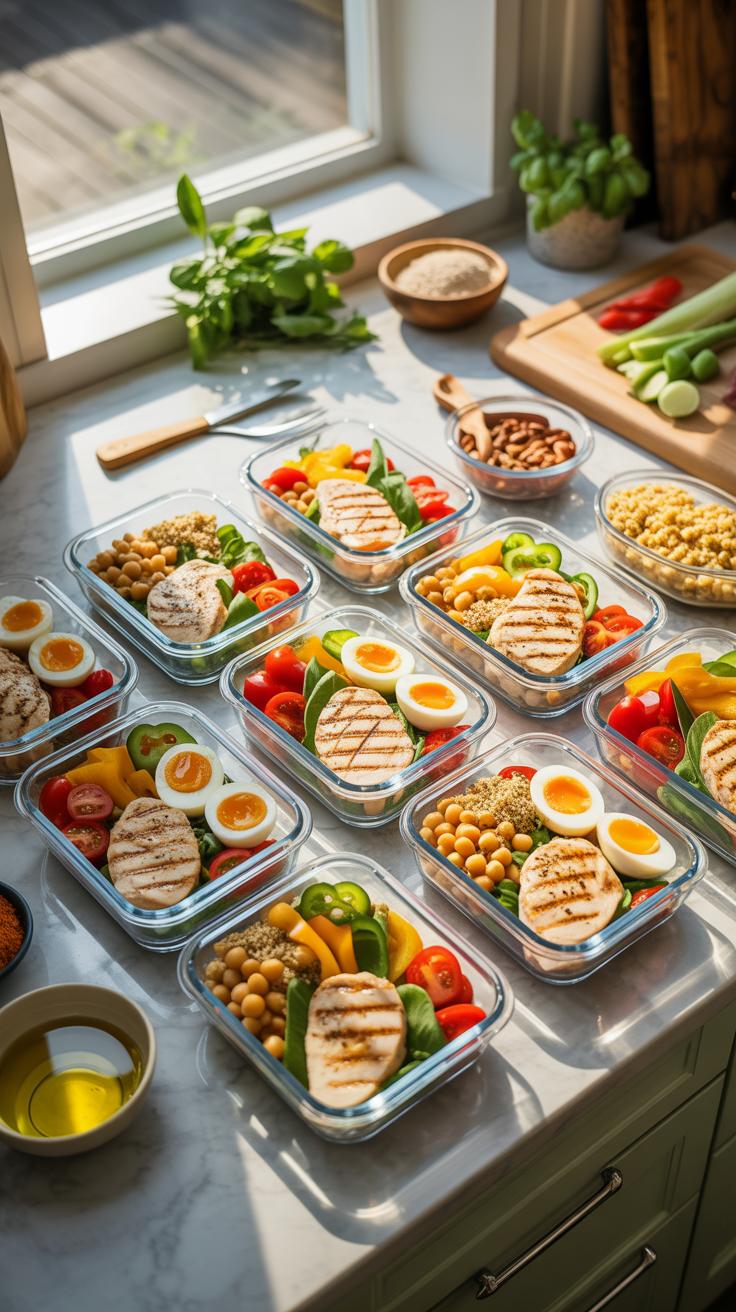
Protein serves as the structural foundation for your meal prep schedule. It provides satiety and repairs muscle tissue after physical exertion. Carbohydrates give quick energy but protein keeps you full for longer periods. You must prioritize protein to avoid hunger spikes during a busy workday. Proper planning ensures you hit your daily macronutrient targets without relying on expensive and processed convenience foods.
A consistent protein source simplifies your decision making process. You can prep a single bulk protein and pair it with different sides to prevent flavor fatigue. This strategy reduces the time you spend in the kitchen. Efficient meal prepping requires you to cook your proteins first because they often take the longest to prepare. Secure your protein supply to ensure your energy levels remain stable throughout the week.
Top Protein Rich Foods That Store And Reheat Well For Meal Prep
Success in meal prep depends on selecting proteins that maintain their texture after reheating. Chicken thighs outperform chicken breasts because they contain more fat. This extra fat prevents the meat from becoming dry and rubbery in the microwave. Ground meats like turkey or beef also hold moisture well. Lean cuts of pork and hard boiled eggs provide reliable options that stay fresh for several days in airtight containers.
Plant based proteins like lentils and chickpeas offer excellent shelf life in the refrigerator. These legumes do not lose their structure when you heat them multiple times. Firm tofu also holds its shape and absorbs sauces effectively during storage. Avoid delicate seafood like shrimp or white fish for long term prep. These items develop off odors and tough textures quickly. Stick to resilient proteins to ensure your meals remain edible on Friday.
Frequently Asked Questions

How do I start a meal prep routine if I have never done it before?
Starting a meal prep schedule doesn’t have to be overwhelming. Begin by choosing just two days a week to focus on—typically Sunday for bulk cooking and Wednesday for a quick refresh. Focus on versatile proteins and grains that can be used in different dishes. By following a consistent meal prep schedule, you reduce decision fatigue during your busiest workdays and ensure you always have a nutritious option ready to grab.
What is the most efficient way to organize a meal prep session?
Efficiency comes down to multitasking and grouping similar tasks together. Start by preheating your oven and getting long-simmering grains on the stove first. While those cook, prepare your fresh vegetables and proteins. Utilizing a structured meal prep schedule allows you to maximize your time in the kitchen by tackling all chopping and portioning in one go, which keeps your kitchen cleaner and your week running much more smoothly.
Can I maintain a meal prep routine on a tight monthly budget?
Absolutely! Meal prepping is actually one of the best ways to save money and reduce food waste. To stay under budget, plan your meals around seasonal produce and pantry staples like beans, oats, and rice. Scaling your recipes for the entire week allows you to buy in bulk, which significantly lowers the cost per serving while ensuring you aren’t tempted by expensive, spontaneous takeout orders on hectic nights.