
What Is Seasonal Eating And Why Does It Matter
Defining Seasonal Eating And Its Roots In Food History
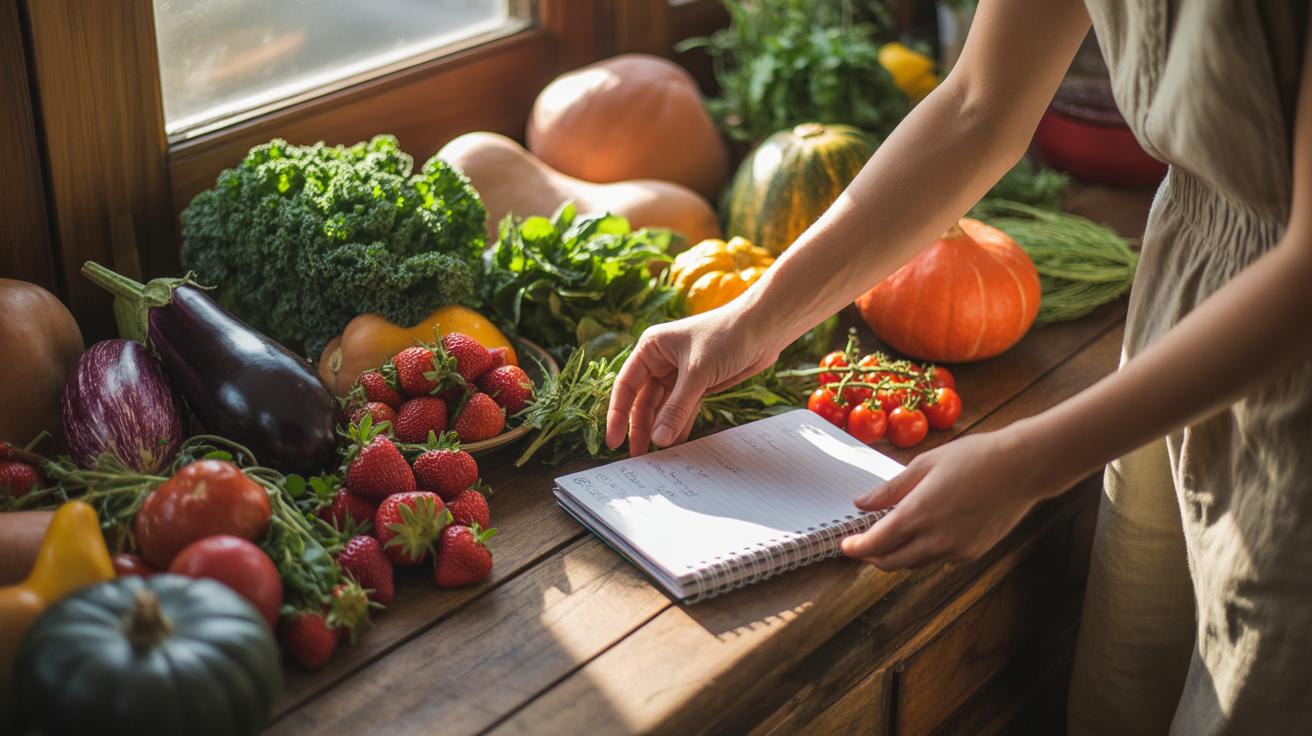
Seasonal eating means consuming crops at the specific time they reach peak maturity in their local environment. Historically, humans had no other choice. Before refrigeration and global logistics, diets changed every few months based on the local harvest cycle. Farmers grew crops that aligned with the soil temperature and daylight hours of their specific region. This method ensured food density and freshness.

Ancient agricultural calendars dictated the human diet for millenia. Societies relied on storage techniques like root cellaring and fermentation to survive the winter months. During the spring and summer, people consumed high volumes of fresh greens and stone fruits. Fall brought starches and grains intended for long-term storage. This cycle matched human caloric needs to the energy demands of each season. It remains the most natural eating pattern.
Why Modern Diets Have Drifted Away From Seasonal Food Patterns
Industrialization broke the link between the harvest and the plate. The invention of mechanical refrigeration in the late 19th century allowed food to travel long distances without spoiling immediately. Global shipping networks then expanded. This infrastructure enables grocery stores to stock tomatoes in January and apples in July. Consumers now prioritize convenience over freshness. Most people no longer know when local crops actually peak.

Corporate agriculture favors high-yield varieties that withstand long transport times. These crops often lack the flavor and nutrients of local versions. Artificial ripening methods, such as using ethylene gas, trick the fruit into changing color while it sits in a shipping container. Large-scale monocropping also depletes soil health over time. We have traded nutritional variety and environmental health for year-round availability. Reclaiming seasonal patterns requires a conscious choice.
The Real Benefits Of Eating Seasonally For Your Health And Budget
How Seasonal Produce Supports Better Nutrition And Flavor
Plants lose nutrients as soon as farmers harvest them. Long transport times cause vitamins like Vitamin C to break down quickly. Local seasonal crops reach your plate faster. This speed preserves the dense nutrient profile needed for optimal health. You get more antioxidants and minerals from food that grows in its natural cycle. This makes every bite more effective for your body.
Flavor depends on sugar content and ripeness. Out of season produce grows in greenhouses or travels thousands of miles. Distant shipping requires early picking before flavor compounds fully develop. Seasonal items ripen on the plant under natural sun. This process creates the best taste and texture. You do not need heavy sauces or salt when the base ingredient has its own strong and natural flavor profile.
The Cost Savings That Come With Buying In Season Ingredients
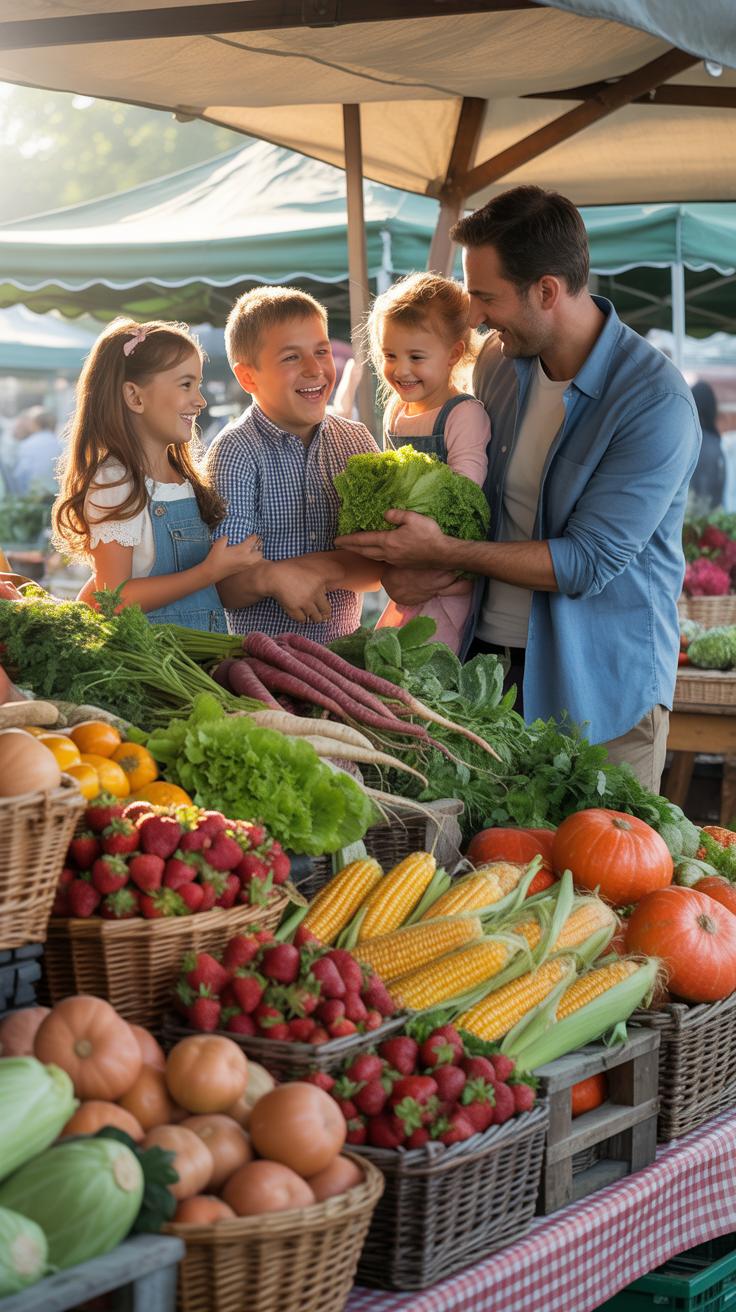
Supply and demand drive food prices at the grocery store. Farmers harvest massive amounts of specific crops during their peak season. This creates a surplus in the market. Retailers lower prices to move this inventory before it spoils. You pay less for a pound of strawberries in June than in January. Buying during peak harvest allows you to purchase premium food at the lowest possible price point.
Logistics also impact your total bill. Shipping food from other continents requires expensive fuel and cold storage. These middleman costs disappear when you buy what grows nearby. Local seasonal food has a shorter supply chain. You stop paying for the boat, plane, or truck that moved the produce. This tactical shift in buying habits keeps more money in your wallet while improving the quality of your meals.
How To Eat Seasonally A Practical BeginnerS Guide
Simple First Steps To Shift Toward A More Seasonal Way Of Eating
Begin your transition by auditing your current grocery habits. Most consumers buy the same five vegetables year-round regardless of quality or price. Stop relying on global supply chains that ship flavorless produce across oceans. Use local resources to identify what grows in your specific region right now. Small changes in your shopping list reduce your carbon footprint and improve the nutrient density of your meals.
- Consult a Seasonal Calendar: Get a regional crop chart to see what farmers harvest each month. These charts show the peak window for flavor and nutrition. Using a map prevents you from buying imported goods that sit in cold storage for weeks.
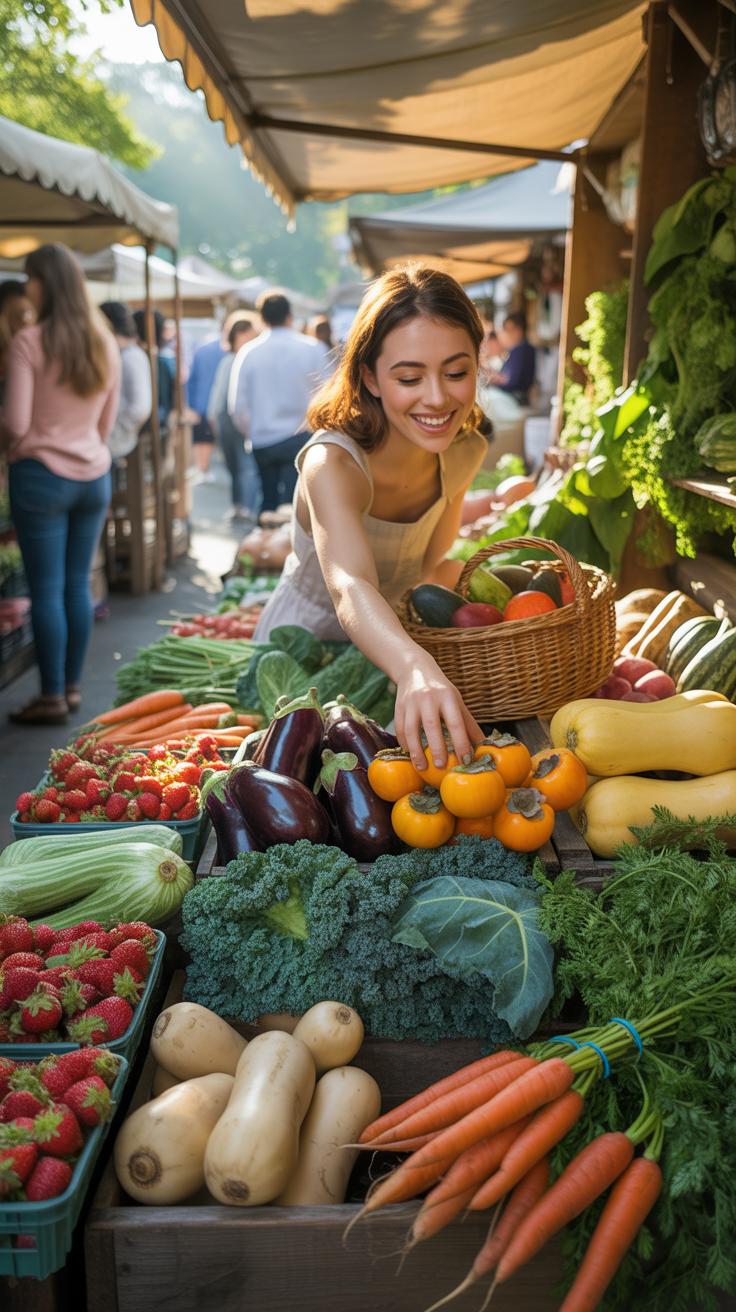
- Visit Local Farmers Markets: Farmers sell what they pick that morning. This eliminates the middleman and ensures you get the freshest possible inventory. Direct interaction allows you to ask about growing methods and upcoming crop rotations.
- Join a CSA Program: Community Supported Agriculture delivers a box of diverse produce directly to your door. You pay a subscription fee to support a local farm. This forces you to cook with whatever the soil produces during that specific timeframe.
- Shop the Sales Cycles: Grocery stores lower prices when a crop is in surplus. High volume and low cost usually indicate that a fruit or vegetable is in its natural peak. Watch for bulk displays near the front of the produce department.
- Start with One Ingredient: Do not overhaul your entire diet in a single day. Choose one seasonal fruit or vegetable every week to replace a staple item. Mastering one new plant at a time prevents overwhelm and builds your culinary knowledge gradually.
Shift your cooking techniques to match the ingredients available in your area. Use high-heat roasting for winter root vegetables to bring out natural sugars. Switch to raw preparations and light steaming for crispy spring greens and tender stalks. Learning these basic methods ensures you can handle any seasonal abundance. Focus on simplicity to let the natural flavors of high-quality produce lead your meal planning.
How To Read Produce Labels And Identify What Is Truly In Season
Check the Country of Origin Label on every piece of produce. Stores must list where the food grew by law. If you live in North America and see berries from South America in January, they are not seasonal. These items travel thousands of miles in refrigerated containers. Long transit times degrade vitamins and dull the taste. Buy produce grown within your own state or neighboring regions.
Identify seasonal items by inspecting the physical condition and price of the inventory. Out-of-season produce often looks dull or feels woody because growers pick it early for transport. In-season crops saturate the shelves and feature vibrant colors and firm textures. Look for lower price points on bulk items. High supply during harvest drives costs down. Use your eyes and your wallet to confirm what is truly fresh.
A Season By Season Guide To WhatS Eating In Season All Year

Spring And Summer Produce: What To Look For And How To Use It
Spring marks the arrival of tender greens and stalks. Look for asparagus, peas, and radishes during this transition. High moisture content defines these crops. Use quick cooking methods like steaming or blanching to preserve their texture. These plants signal the end of dormancy and provide immediate freshness. Focus on vibrant colors and firm stems to ensure you get the best nutrient density available.
Summer heat shifts production to stone fruits and nightshades. Focus on tomatoes, peppers, and berries during peak humidity months. These crops require high sun exposure to develop natural sugars. Eat them raw or lightly grilled to maximize flavor profiles. High water content in summer produce helps with hydration during hot weather. Select heavy fruits with deep scents for the best quality at the market.
Fall And Winter Produce: Root Vegetables, Squash, And Cold Weather Greens
Fall brings hearty crops designed for long storage. Root vegetables like carrots and beets become sweeter after the first frost. Starches in these plants convert to sugar as temperatures drop. Focus on hard-shelled squashes like butternut and acorn. These vegetables provide dense calories for cooler months. Use roasting and stewing techniques to break down tough fibers and release concentrated flavors for your meal plan.
Winter relies on brassicas and storage crops. Kale, collards, and Brussels sprouts thrive in cold air. These greens hold their structure better than delicate spring varieties. Citrus fruits also reach peak ripeness during this period in warmer climates. Use these acidic elements to balance heavy winter fats. Focus on dense vegetables that feel heavy for their size. This ensures they have retained enough moisture during the dry season.
Where To Shop And How To Find The Best Places To Eat Seasonal Produce

Farmers Markets, CSA Boxes, And Local Co Ops As Seasonal Shopping Hubs
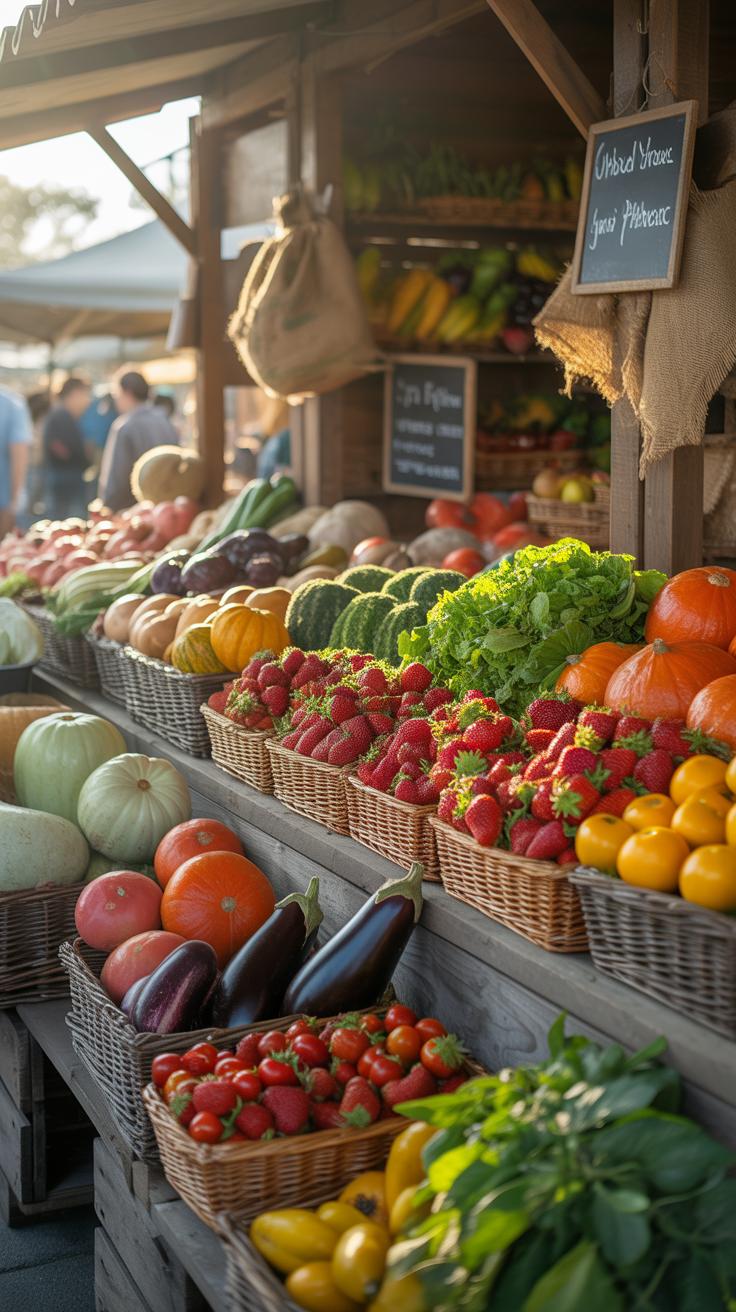
Farmers markets provide the most direct access to seasonal produce. These venues eliminate long supply chains. Vendors usually pick crops within forty-eight hours of sale. You see exactly what grows in your region right now. Prices often drop during peak harvest because supply is high. Talk to the growers to learn which items will end or begin next week. Use this data to plan future meals.
Community Supported Agriculture or CSA boxes offer a subscription to a local farm. You pay upfront for a share of the harvest. The farmer selects the items based on what is ripe. This model guarantees seasonal variety and supports local land. Food co-ops also prioritize local growers. These member-owned stores often label the origin of every vegetable. This makes it easy to identify items grown nearby during their natural cycle.
Cooking with the rhythms of the earth allows us to savor the fleeting sweetness of each month exactly as nature intended. By planning our meals around the harvest, we reconnect with the soulful flavors of our ancestors and the changing light of the seasons.
Navigating Grocery Stores To Find Locally Grown And In Season Options
Major grocery stores stock produce from around the globe year-round. You must look at the country of origin labels required by law. Produce from distant countries is often picked underripe to survive transport. Focus on items labeled with your state or a neighboring region. These products spend less time in trucks. They retained more nutrients and flavor. Check the front of the produce department for prominent seasonal displays.
Price signals help you identify peak seasons. Grocery stores lower prices on items with high availability. If berries are cheap and plentiful, they are in season locally. If they are expensive and come from another hemisphere, avoid them. Look for signs indicating local partnerships. Many chains now highlight specific local farms. These displays help you skip the out-of-season imports. Stick to the perimeter of the department for the freshest stock.
Building Balanced Seasonal Meals Around Fresh Available Produce
How To Structure A Plate Using Whatever The Current Season Offers
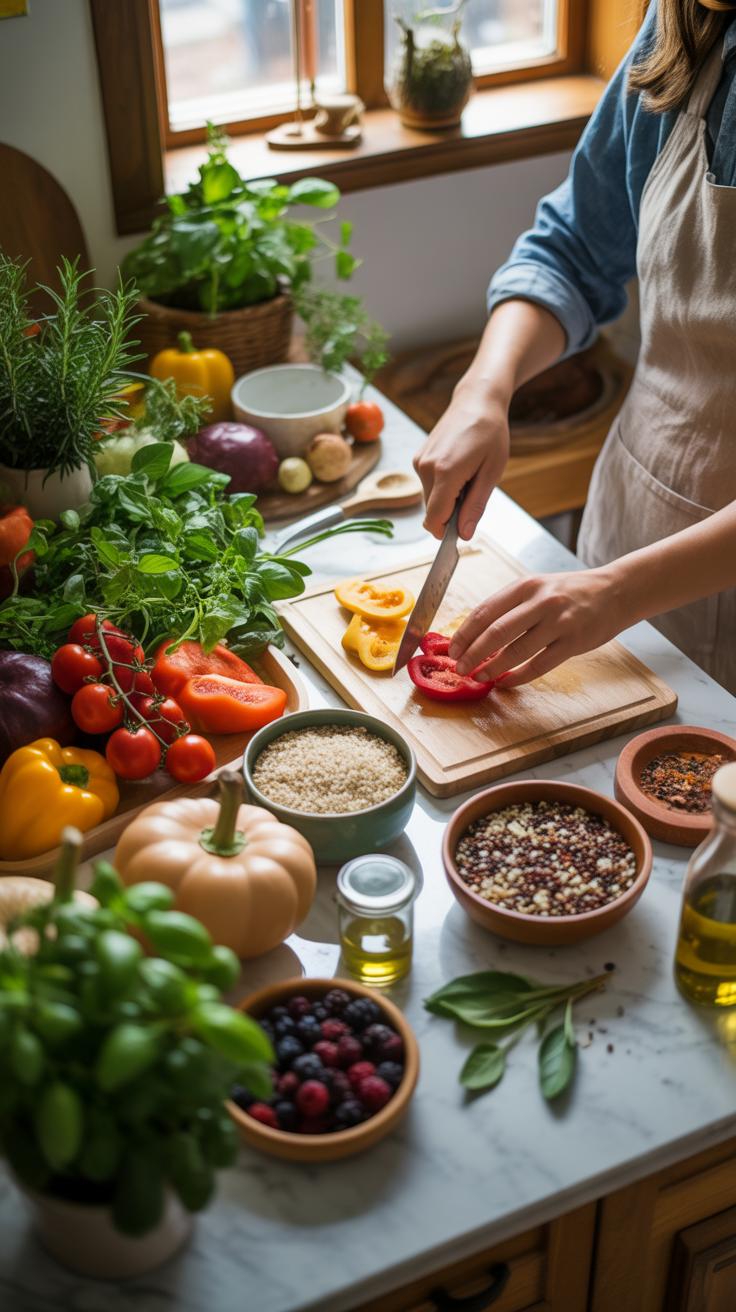
Effective meal construction starts with produce selection rather than protein. Look at the local harvest first to determine the texture and moisture of the meal. Summer crops like zucchini or tomatoes provide natural hydration and light profiles. Winter crops like squash or parsnips offer starch and density. Use the seasonal harvest to dictate the cooking method. Roast hard vegetables and serve raw greens.
Balance the plate by filling half with the current crop. Heavy root vegetables require acidic counters like vinegar or citrus to cut through the starch. Water-rich summer vegetables need salt and high heat to concentrate their flavor. Aim for a mix of textures on every plate. Combine soft roasted tubers with crisp fresh radishes or greens. This approach ensures nutritional variety and culinary balance every month.
Pairing Seasonal Ingredients With Pantry Staples For Complete Satisfying Meals
Combine fresh produce with stored grains, legumes, and fats to create a full meal. Pantry staples provide the caloric foundation that seasonal produce often lacks. Use rice, farro, or pasta to bulk out light spring greens. Utilize dried beans or lentils to add protein to heavy autumn stews. These dry goods stay shelf-stable for months. They allow you to adapt to any harvest fluctuations without stress.
Select fats that compliment the specific season. Use olive oil for raw spring salads and bright summer sautés. Switch to butter or tallow for hearty winter roasts and braises. Acid is your most important pantry tool for seasonal cooking. Lemon juice elevates fresh peas in May. Apple cider vinegar brightens a heavy cabbage slaw in December. Keep these basics on hand to transform any garden harvest into a meal.
Meal Planning Tips For Eating For The Season Without The Stress

How To Build A Flexible Weekly Meal Plan Based On Seasonal Availability
Stop planning meals before you see the inventory. Standard meal planning fails because it relies on static grocery lists. Seasonal eating requires a reverse approach. Go to the market first to identify what is at its peak. Buy the best produce available. Only then do you assign those ingredients to specific dishes. This strategy ensures you use the freshest food while it costs the least.
Design your menu around interchangeable base recipes. Use templates like grain bowls, stir fries, or roasted sheet pans. These structures work with almost any vegetable. If you find asparagus, it goes in the stir fry. If you find squash, it goes on the sheet pan. This flexibility eliminates the stress of missing ingredients. You stop hunting for specific items and start cooking with what exists in the current season.
Batch Cooking And Preserving Seasonal Produce To Reduce Waste And Save Time
Massive harvests require immediate action to prevent spoilage. You must process high volumes of produce during their peak window. This reduces your long-term food costs and cuts down on daily prep time. Use high-heat roasting for root vegetables and blanching for leafy greens or florets. These methods stabilize the food for storage. Proper processing allows you to maintain a seasonal diet during dormant winter months.
- Blanching and Freezing: Submerge vegetables in boiling water for two minutes then immediately ice them. This stops enzyme activity that causes decay. It preserves the color and texture for months in the freezer.
- Quick Pickling: Use a simple brine of vinegar, water, and salt to extend the life of crunchy vegetables. This method works for radishes, cucumbers, and carrots. It adds acidity to future meals without additional cooking time.
- Making Base Sauces: Turn surplus tomatoes or herbs into large batches of sauce or pesto. Freeze these in small portions using ice cube trays or silicone molds. They provide a high-flavor foundation for fast weeknight dinners throughout the year.
- Dehydrating: Remove moisture from fruits or herbs using low heat to create shelf-stable snacks and seasonings. This traditional method concentrates flavors and saves significant pantry space. It is the most efficient way to store large herb harvests.
- Component Prepping: Roast large quantities of seasonal vegetables at 400 degrees Fahrenheit on your prep day. Store these in airtight containers to use as quick additions to salads or proteins. This tactic eliminates the need to cook every single night.
Preservation is a tool for efficiency, not just a hobby. Historically, humans survived by capturing nutrients at their peak. Modern batch cooking scales this concept for a fast-paced schedule. Divide your processed goods into ready-to-use portions. This prevents the need to thaw more than you can eat. Strategic preservation ensures your kitchen stays stocked with high-quality ingredients even when the local growing season ends.
How Learning To Eat With The Seasons Supports Long Term Wellness And Sustainability
The Environmental Impact Of Choosing Locally Grown, Seasonal Foods
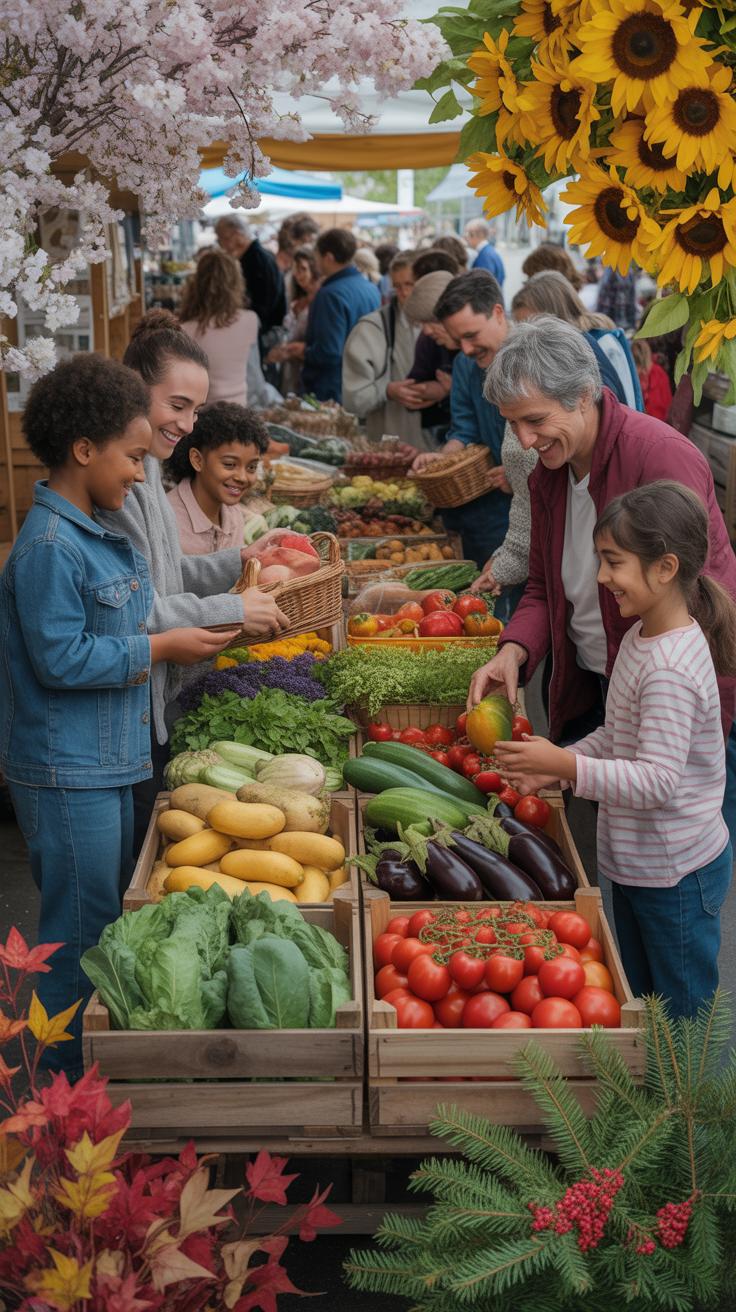
Eating seasonal produce reduces the energy required for food transport. Out-of-season crops often travel thousands of miles via planes or refrigerated trucks. These methods burn massive amounts of fossil fuels and increase carbon emissions. Choosing local food minimizes this travel distance. You lower your carbon footprint by supporting short supply chains. Efficient transport preserves the planet and ensures fresher food for your table.
Seasonal farming works with biology rather than against it. Out-of-season plants require heavy chemical fertilizers and energy-intensive greenhouses. These practices deplete soil health and pollute local water supplies over time. Natural growth cycles allow the land to recover between harvests. Local farming also protects biodiversity by maintaining various plant species. Sticking to nature’s schedule preserves the environment for future generations while reducing industrial waste and chemical use.
Building A Lifelong Habit Of Eating With Seasons For A Healthier Future
Seasonal eating creates a diverse diet that improves long-term health. Plants harvested at their peak contain the highest levels of vitamins and minerals. Your body receives a rotating variety of nutrients throughout the year. This variety prevents nutritional gaps common in repetitive modern diets. Constant access to nutrient-dense food strengthens your immune system. You build a foundation for wellness by matching your intake to the harvest.
Consistency is the key to mastering this habit. Start by shopping at local farmer markets to learn what grows nearby. This practice connects you to your local climate and geography. Knowing your food source reduces reliance on processed goods. It also saves money because surplus produce costs less at peak harvest. Developing these skills ensures you maintain a high-quality diet for life. You control your health through intentional, seasonal choices.
Frequently Asked Questions

What exactly is seasonal eating and why should I start?
Seasonal eating is the practice of consuming fruits and vegetables during the specific time of year they are naturally harvested in your local region. Transitioning to a lifestyle focused on seasonal eating ensures you enjoy produce at its peak flavor and nutritional density. By choosing ingredients grown in their natural climate, you reduce the carbon footprint associated with long-distance shipping while supporting your local farming community and environment.
How do I create a weekly meal plan based on what is in season?
Start by identifying what is currently hitting the shelves at your local farmers market or grocery store. Once you know your core ingredients, build your recipes around those specific items rather than deciding on a dish first. For instance, if squash is abundant, plan a week of soups and roasts. Successful seasonal eating involves staying flexible and letting the freshest available produce dictate your protein pairings and overall kitchen creativity.
Is eating seasonally more expensive than buying year-round staples?
Actually, it is often much cheaper. When a certain fruit or vegetable is in its peak harvest season, the abundance of supply typically drives prices down. You can save money by buying in bulk during these windows and preserving extras for later. Even if you live in a climate with limited winter growth, focusing on hardy root vegetables and stored grains keeps your budget balanced while you maintain your commitment to seasonal eating.