What Are Low Calorie High Volume Foods And Why They Matter For Weight Loss
Understanding The Science Behind Volume Eating And Satiety
Volume eating relies on mechanoreceptors located in the stomach lining. These sensors detect physical stretching as food enters the gut. When the stomach expands, it sends signals to the brain through the vagus nerve. This process triggers the release of satiety hormones like cholecystokinin. You feel full because your stomach is physically stretched, regardless of the total calories consumed during the meal.
Satiety is not just about the energy content of food. It depends on the bulk of the bolus in the digestive tract. High volume foods provide this bulk without excess energy. This allows you to eat large portions while maintaining a calorie deficit. By focusing on food mass, you can manage hunger signals effectively. Biological fullness stops the drive to overeat and stabilizes your daily intake.
How Calorie Density Works And Why It Changes The Way You Eat
Calorie density measures the amount of energy per gram of food. Water and fiber increase weight and volume but provide zero or few calories. Most high volume foods have high water content or complex structures. Choosing foods with low energy density means you can consume a higher weight of food for the same energy. This shift prevents the deprivation often felt on traditional restricted diets.
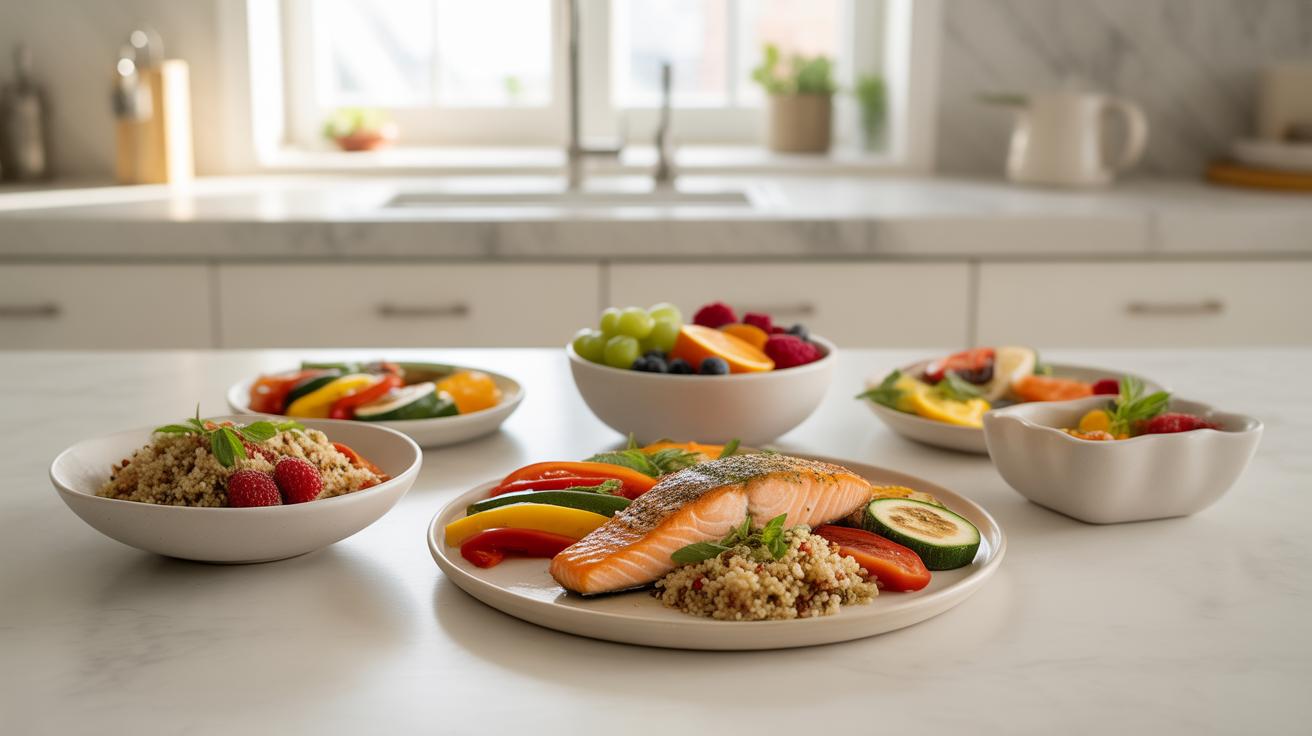
Switching to low density foods alters your eating behavior permanently. You no longer have to eat tiny portions to lose weight. Instead, you swap energy-dense items for water-rich alternatives. This creates a sustainable strategy for long term weight management. You maintain a high volume of food intake while reducing total energy. This tactical approach removes the psychological stress of eating small, unsatisfying meals throughout the day.
The Best Low Calorie High Volume Foods To Add To Your Diet Today

Top Vegetables That Deliver Maximum Volume For Minimal Calories
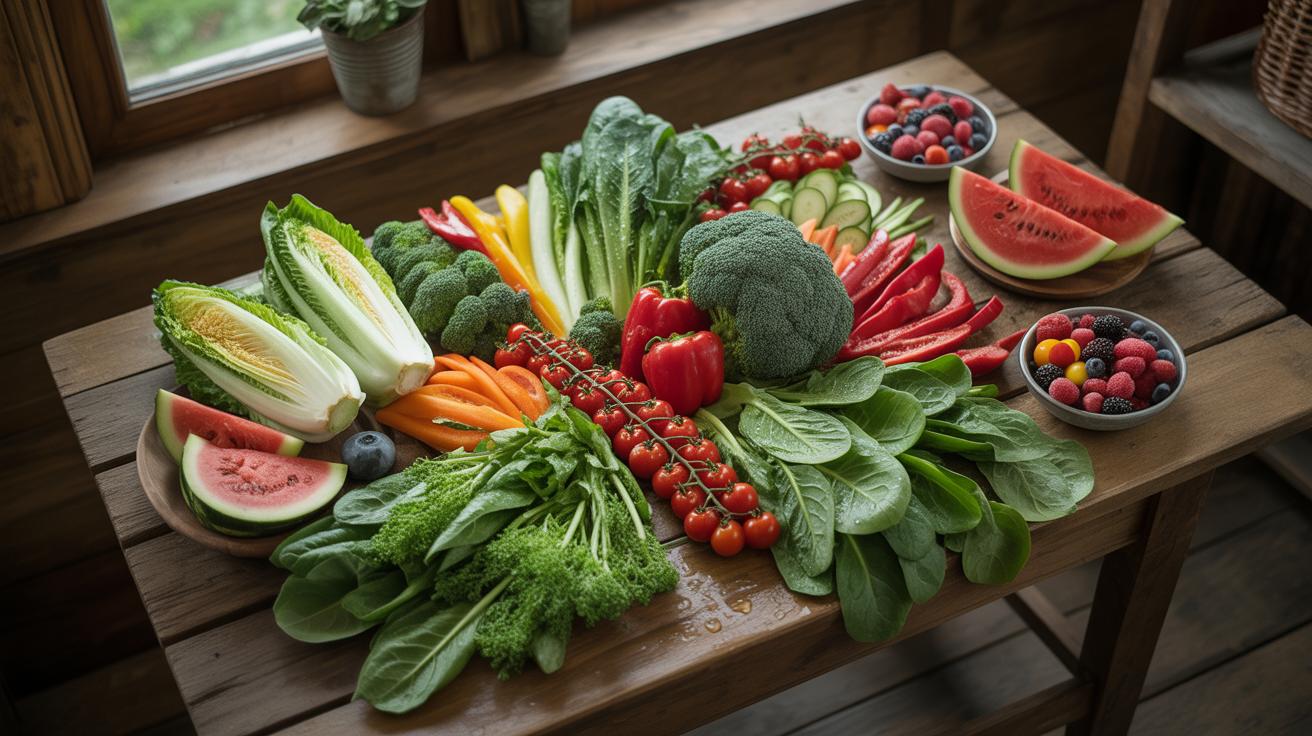
Vegetables form the foundation of high volume eating because of their high water and fiber content. These structural components provide physical bulk in the stomach without adding significant energy density. Most non starchy vegetables contain fewer than thirty calories per cup. This allows you to eat large portions that trigger stretch receptors in the stomach wall to signal fullness to your brain.
- Zucchini: This squash acts as a versatile base for many meals due to its high water content and neutral flavor. You can shred it into noodles or slice it into rounds to add physical weight to your plate for negligible calories.
- Spinach: Leafy greens like spinach offer incredible density when eaten raw in large salads. You can consume several cups of these leaves to fill your stomach while only consuming a small fraction of your daily caloric limit.
- Cauliflower: This cruciferous vegetable serves as a strategic replacement for grains like rice or flour. Its dense fiber structure slows digestion and takes up significant space in the gut compared to traditional starch based sides or energy dense toppings.
- Cucumber: Consisting of over ninety-five percent water, cucumbers provide immediate volume with almost zero calorie impact. They add crunch and weight to meals which increases chewing time. This mechanical process helps the body register satiety more effectively during a meal.
- Celery: Known for being extremely low in energy, celery requires more effort to chew than it provides in calories. The tough cellulose fibers remain in the digestive tract longer which helps maintain a feeling of fullness long after you finish eating.
Strategic vegetable selection focuses on structural integrity. Fibrous vegetables require more mastication which slows down the rate of ingestion. Slower eating speeds allow hormonal signals like cholecystokinin to reach the brain before you overconsume. Focus on raw or steamed preparations to keep the calorie count low. Avoid adding oils or heavy fats that negate the high volume benefits of these specific plant foods.
Fruits That Keep You Full Without Spiking Your Calorie Count
Selecting the right fruits depends on water content and fiber ratios. Water heavy fruits provide immediate weight in the stomach while fiber slows the transit of food through the small intestine. This combination prevents the rapid hunger pangs often associated with liquid calories or processed snacks. You must choose whole fruits over juices to ensure you consume the necessary structural fibers that manage hunger.
Berries and melons represent the peak of high volume fruit options. Strawberries and watermelon contain high amounts of water which increases the physical size of the portion. A large bowl of berries contains significantly fewer calories than a single concentrated fat source like peanut butter. Use these fruits as snacks or meal toppers to increase the total mass of your food intake while keeping your daily energy totals low.
High Volume Food Choices That Are Rich In Protein And Fiber
Why Protein And Fiber Are The Two Pillars Of Effective Volume Eating
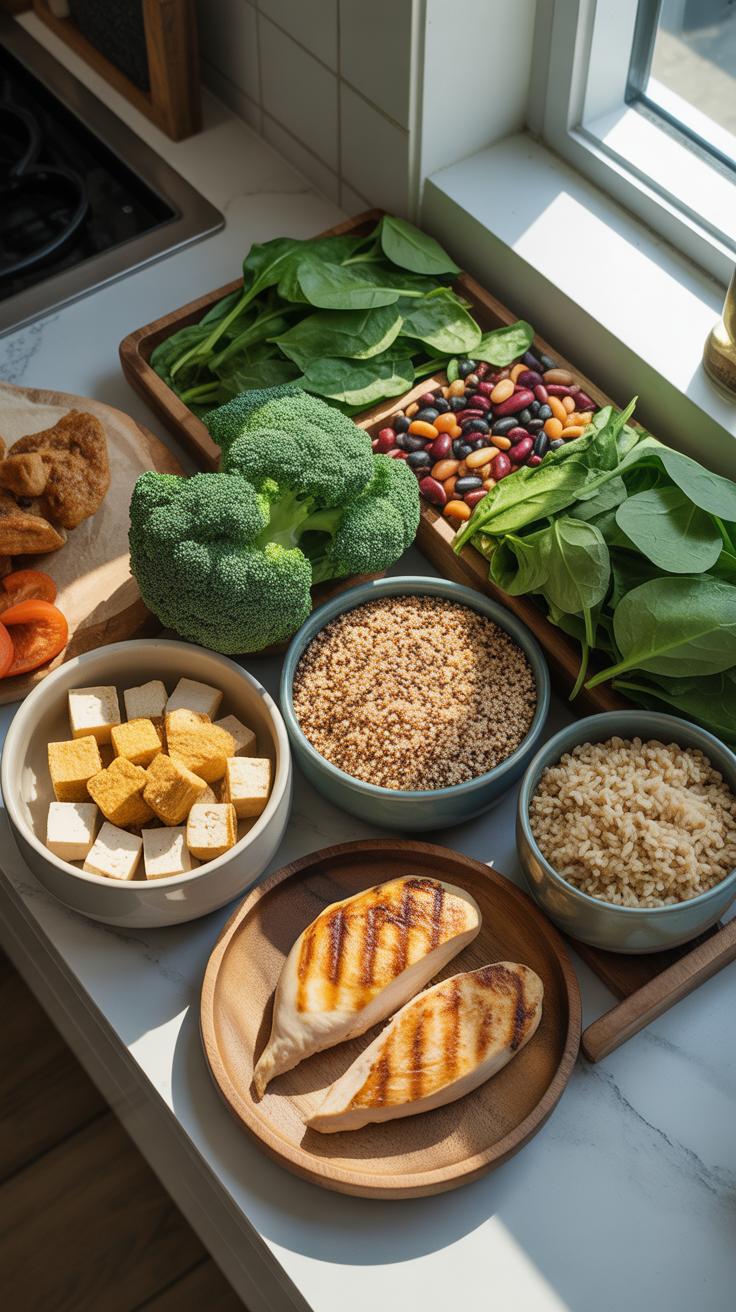
Protein and fiber dictate how long you stay full between meals. Protein triggers the release of satiety hormones like cholecystokinin and glucagon-like peptide-1. These signals tell your brain to stop eating. Fiber adds physical weight and bulk to your stomach contents. This stretching of the stomach wall sends immediate signals to your nervous system that you are full.
Eating these two nutrients together creates a powerful metabolic synergy. Fiber slows down the rate of digestion and sugar absorption in your bloodstream. This prevents post-meal energy crashes that lead to binge eating. Protein has the highest thermic effect of food. Your body burns more energy processing protein than fat or carbs. Combining them ensures you stay lean while maintaining high energy levels.
Best High Protein Low Calorie Foods That Support Muscle Retention During Weight Loss
Muscle tissue is metabolically expensive for your body to maintain. During a calorie deficit, your body may try to burn muscle for energy. High protein intake prevents this catabolic state. Egg whites and skinless chicken breast provide high-quality amino acids with minimal fat. These lean sources allow you to eat larger portions without exceeding your daily calorie limits or sacrificing your muscle mass.
White fish and non-fat Greek yogurt are also elite tactical choices for volume eaters. They contain very few calories per gram compared to beef or pork. You can consume twice the weight of these foods for the same caloric cost as fatty meats. This volume keeps your stomach physically occupied. Choosing these foods ensures you lose fat while keeping the muscle that drives your resting metabolic rate.
Healthy Food Dishes Built Around Low Calorie High Volume Ingredients

How To Build A Satisfying Meal Using Low Calorie Dense Whole Foods
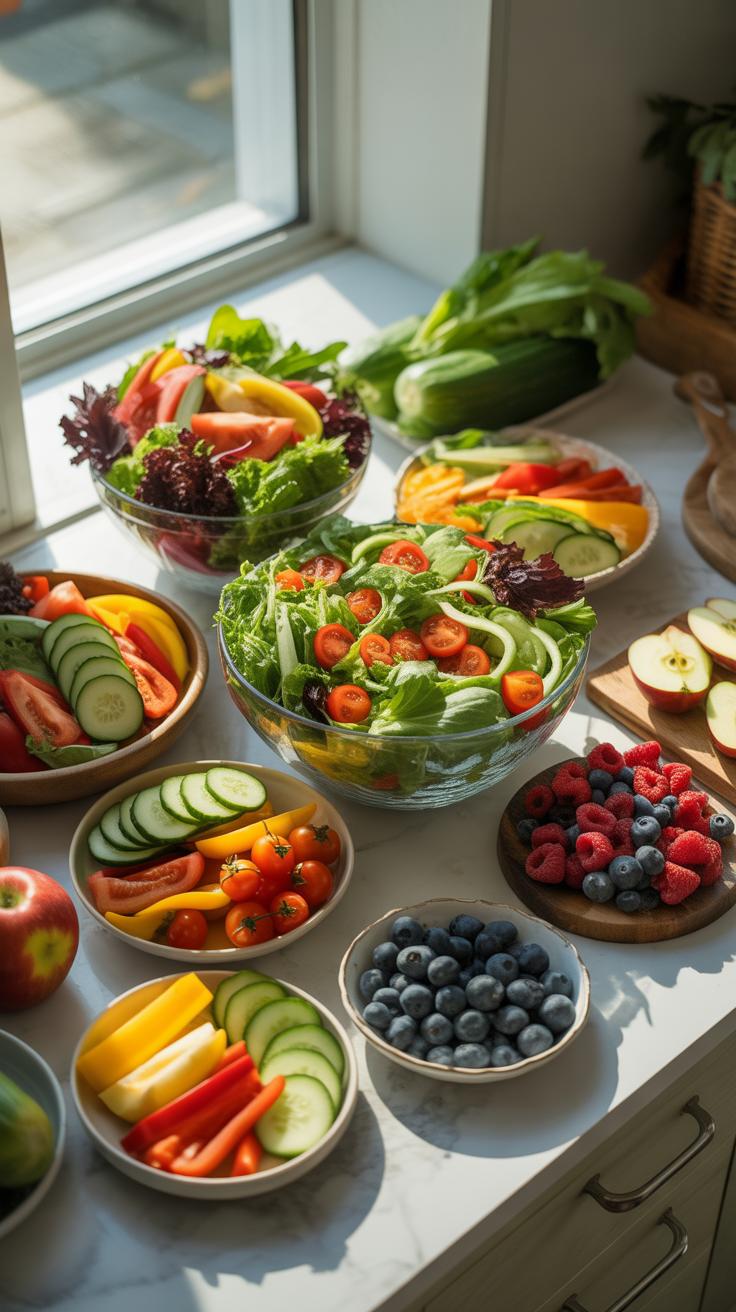
Effective meal construction starts with fiber. Fill half your plate with non-starchy vegetables like spinach, peppers, or broccoli first. These items provide massive physical volume with minimal energy density. This strategy triggers stretch receptors in the stomach to signal fullness to the brain early. Prioritizing these greens ensures you consume fewer total calories while maintaining a high total weight of food.
Add lean protein and water-rich complex carbohydrates next. Chicken breast, white fish, or egg whites provide essential amino acids without excess fats. Pair these with potatoes or squash instead of pasta or bread. Potatoes rank high on the satiety index because they contain water and resistant starch. This combination keeps you full for longer periods. Avoid calorie-dense oils or butter that add invisible energy.
Simple Healthy Food Dishes That Prove Eating Light Does Not Mean Eating Less
Make a huge stir-fry using cabbage and zucchini noodles as your base. These ingredients mimic the texture of traditional grains but at a decimal of the caloric cost. Use soy sauce and ginger for flavor instead of sugar-heavy glazes. You can eat a massive bowl of this mixture for under three hundred calories. This volume prevents the physiological hunger often associated with standard dieting methods.
Prepare a large salad using romaine lettuce or kale to maximize surface area. Add cucumbers and radishes for crunch and extra hydration. Use a vinegar-based dressing or lemon juice to keep the calorie count low. Top the dish with a lean protein source to ensure muscle maintenance. This meal provides high visual and physical satisfaction. It allows you to eat a large quantity without exceeding your daily energy limits.
Easy Low Calorie Recipes That Use High Volume Foods For Maximum Fullness

Low Cal Recipes You Can Meal Prep In Under 30 Minutes
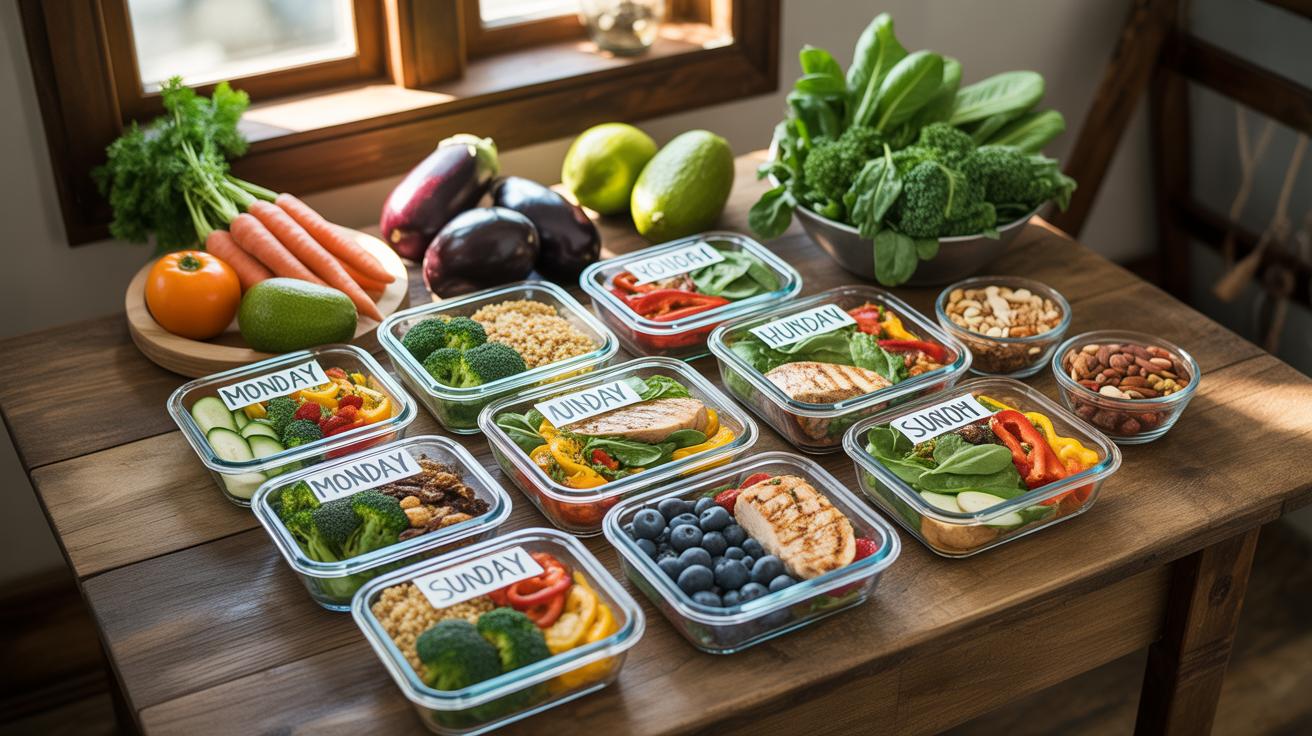
Focus on lean protein and fiber to ensure lasting satiety. Prepare a large batch of shredded chicken breast seasoned with salt and lime. Combine this with bulk quantities of cauliflower rice and chopped bell peppers. Sauté these ingredients in a nonstick pan to avoid adding oil calories. This method creates multiple meals that occupy significant space in your stomach for very few total calories.
Cold salads offer the fastest preparation time for high volume dieting. Chop large amounts of cucumber, celery, and cabbage into a massive bowl. Add a lean protein source like canned tuna packed in water or grilled tofu. Use vinegar or lemon juice as a dressing instead of oil based liquids. This strategy allows you to eat a massive physical quantity of food while keeping caloric density low.
How To Swap High Calorie Ingredients For Low Calorie High Volume Alternatives In Everyday Recipes
Identify calorie dense ingredients and replace them with watery or fibrous substitutes. Trade traditional pasta for spiralized zucchini or shirataki noodles. These options provide a similar texture and volume for a fraction of the carbohydrate load. Replace heavy cream or mayonnaise with fat free Greek yogurt in sauces and dressings. This swap maintains creaminess while significantly increasing the protein to calorie ratio of your meal.
Use mushrooms or riced cauliflower to extend ground meat dishes like tacos or bolognese. This technique increases the physical weight of the serving without adding substantial energy. Switch from whole eggs to egg whites in your breakfast scrambles to double the portion size for fewer calories. These tactical changes allow you to maintain your usual eating habits while inducing a deeper caloric deficit through increased food volume.
The Role Of Soups And Broths As Volume Eating Foods That Curb Hunger
Why Water Rich Foods Like Soups Help Reduce Overall Calorie Intake
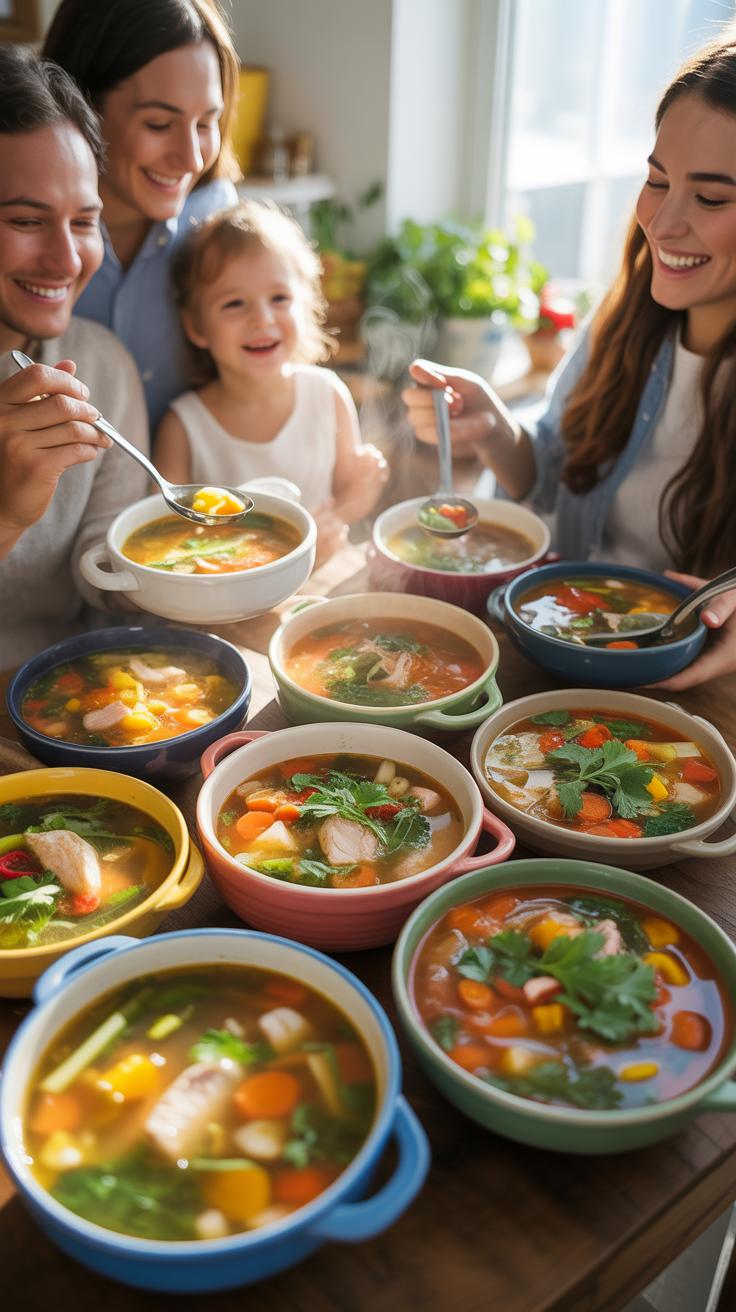
Liquids blended into food stay in the stomach longer than water consumed alone. This process slows gastric emptying and maintains a physical feeling of fullness. Research shows that eating a soup before a meal reduces the total calories consumed during that sitting. The high water content increases the weight and volume of the food without adding energy density or extra calories.
Strategic volume eating relies on the stretch receptors in your stomach wall. These sensors signal the brain to stop eating when the stomach physically expands. Clear broth soups provide this expansion at a minimal caloric cost. You can consume a large bowl of liquid for under one hundred calories. This method forces your body to recognize fullness earlier in the meal than dry foods.
To eat is a necessity, but to eat intelligently is an art. There is a simple, old-fashioned joy in filling your plate with the colors of the earth and savoring every abundant bite.
— Francois de La Rochefoucauld
Best Broth Based Soup Recipes That Are Low In Calories But High In Volume
Effective low calorie soups use beef, chicken, or vegetable stock as a primary base. Avoid creams, flours, and heavy oils. Focus on adding fibrous vegetables like cabbage, celery, spinach, and zucchini. These ingredients maintain their structure in heat and provide significant chew factor. Adding lean proteins like shredded chicken breast or white fish increases the thermic effect of the meal while keeping density low.
Traditional recipes like miso soup or classic vegetable minestrone without pasta offer high nutrition for few calories. Spicing these liquid bases with chili, ginger, or garlic adds flavor without adding fat. High volume soup prep allows you to consume two to three times the physical weight of a standard meal. This strategy stabilizes blood sugar levels and prevents the hunger spikes common with small portion dieting.
Smart Low Calorie Snacks That Keep Hunger At Bay Between Meals
Why Choosing The Right Low Calorie Snacks Prevents Overeating At Mealtimes
Strategic snacking stabilizes blood glucose levels throughout the day. When you allow your stomach to empty completely, hunger hormones like ghrelin increase. High ghrelin levels trigger urgent cravings for calorie dense foods. Eating high volume snacks keeps the stomach distended. This mechanical stretch sends signals to your brain that you are full. You avoid the physiological desperation that leads to binge eating.
Smart snacking maintains your metabolic rate and decision making power. Choosing snacks with high water and fiber content provides a steady energy supply. This prevents the late afternoon energy crash that usually causes poor food choices at dinner. You regain control over your portions by arriving at your next meal satisfied. Consistent caloric intake prevents the body from entering a protective state that slows down fat loss.
Best Low Cal High Volume Snack Options Backed By Nutritional Value
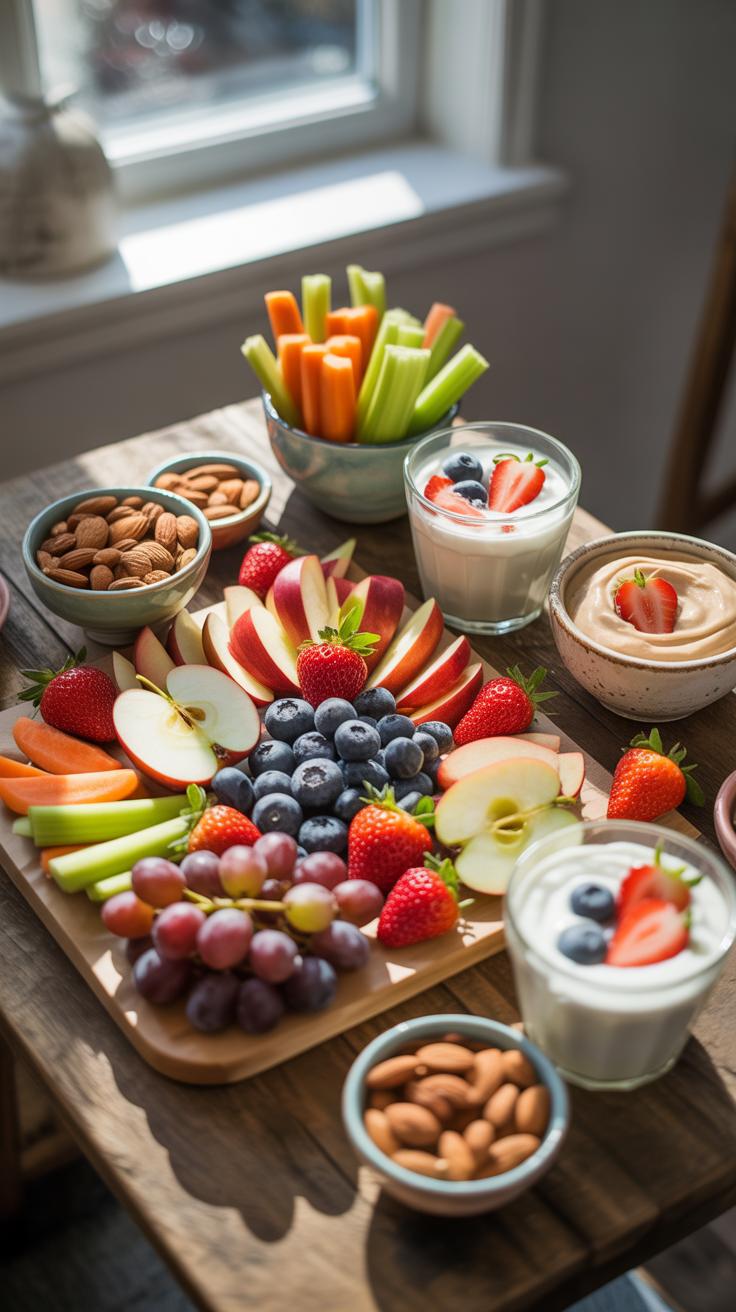
High volume snacks maximize the physical weight of food while minimizing energy density. These options rely on high water and air content to fill your digestive tract. This physical mass triggers satiety receptors without adding significant fat or sugar to your daily total. You can consume larger portions of these specific foods compared to processed alternatives. This strategy satisfies the psychological need to eat.
- Air Popped Popcorn: This whole grain provides significant volume due to its trapped air structure. It contains fiber which slows digestion and keeps you full. Avoid adding butter or oil to keep the calorie count low while maintaining a high physical mass for your stomach.
- Cucumber Slices with Vinegar: Cucumbers consist of over ninety five percent water. This makes them one of the lowest calorie dense foods available. Adding vinegar provides flavor and may help regulate blood sugar levels. You can eat several entire cucumbers for fewer calories than a small handful of nuts.
- Egg Whites: Steaming or boiling egg whites provides pure protein with very few calories. Protein has the highest thermic effect of food and promotes long term fullness. Removing the yolk eliminates most of the fat and calories while leaving the filling structural protein intact for your muscles.
- Raw Celery Stalks: Celery is a classic high volume food because of its rigid cellulose structure and high water content. The body spends energy breaking down the tough fibers. It provides a crunch that satisfies the sensory need for snacking. It contains almost no usable calories per serving.
- Watermelon Cubes: Watermelon offers a high volume to calorie ratio because of its extreme liquid content. It provides essential electrolytes and hydration which can often be mistaken for hunger. The natural sweetness satisfies sugar cravings without the caloric load of traditional desserts or processed snack bars.
Nutritional density ensures your body receives vitamins while staying within a caloric deficit. These snack choices focus on micronutrients and fiber rather than empty calories. Use these items to bridge the gap between your main meals. This tactical approach eliminates the need for willpower by physically filling your stomach. You achieve a sustainable weight loss process by managing your hunger cues through high volume food selection.
How To Use Volume Eating Foods To Build A Sustainable Weight Loss Meal Plan
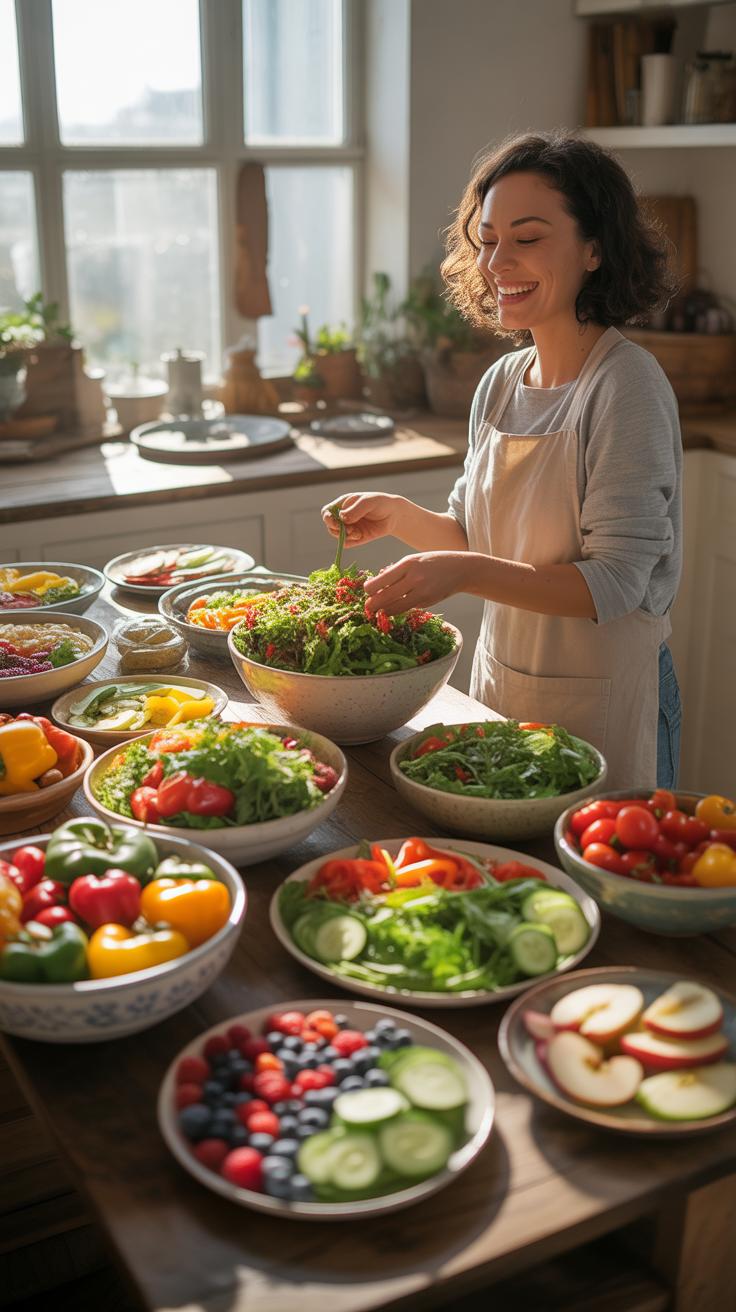
Structuring Your Daily Meals Around Low Calorie High Volume Foods For Long Term Success
Start every meal by selecting a high volume base. Use leafy greens or cruciferous vegetables to fill at least half of your plate. This strategy triggers physical fullness sensors in your stomach before you consume denser calories. Add a lean protein source like chicken breast or white fish. These choices provide satiety through high protein content and low fat density.
Consistency depends on preparation. Chop large quantities of fibrous vegetables once per week. Store them in clear containers for quick access during busy periods. Use water or broth for cooking instead of oils to keep calorie counts low. Drink a full glass of water before eating to assist with gastric stretching. This methodical approach ensures you stay within your daily energy limits.
Common Volume Eating Mistakes To Avoid When Planning Your Weekly Menu
Many people ignore the caloric density of condiments and sauces. Adding oil based dressings to a large salad can triple the total calories. This mistake negates the benefit of eating high volume foods. Always read labels to avoid hidden sugars and fats in processed toppings. Use vinegar or lemon juice instead. Stick to spices and herbs to add flavor without adding calories.
Another error involves neglecting essential macronutrients and micronutrients. Eating only low calorie vegetables leads to energy crashes and muscle loss. Your body requires healthy fats and proteins to function. Do not cut these out entirely to chase higher volume. Balance your plate to include necessary nutrients while keeping total calories low. Track your intake to ensure you meet your basic metabolic requirements every day.
Healthy Food Motivation Strategies To Stay Consistent With Low Cal Eating
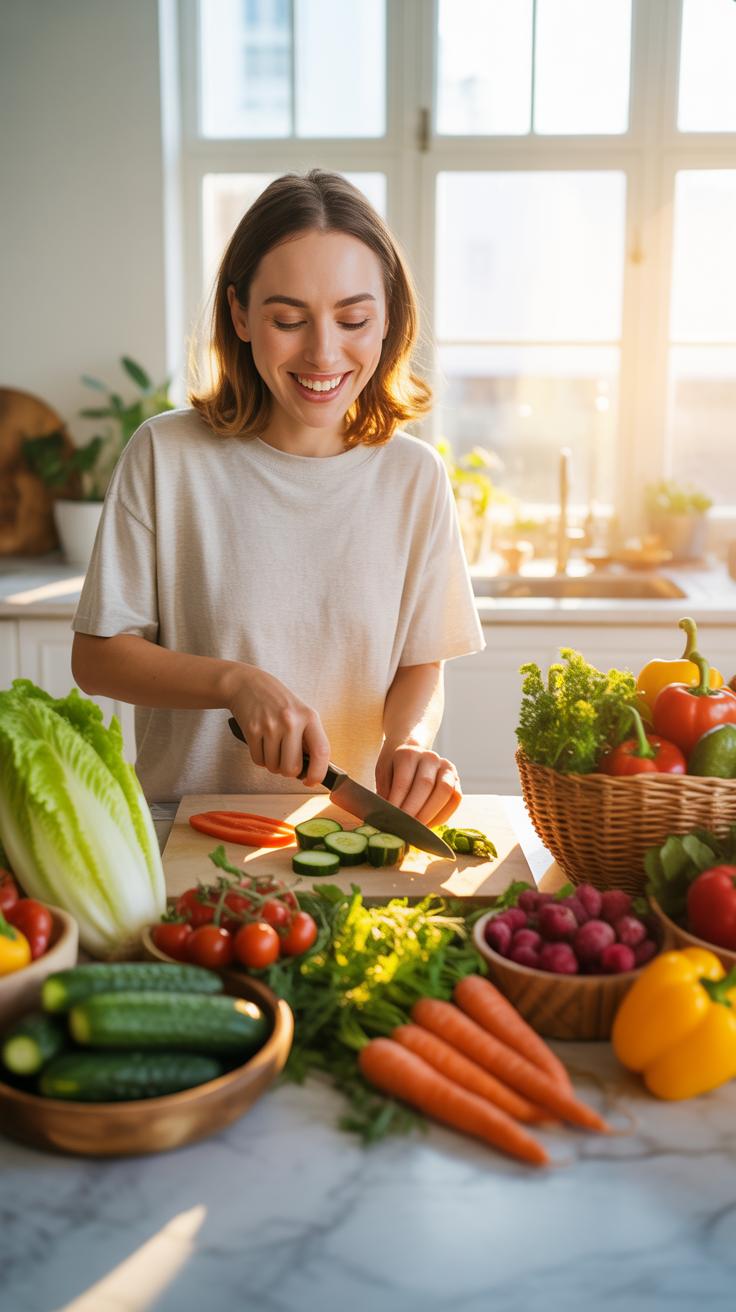
How To Build A Positive Mindset Around Low Calorie Eating Without Feeling Restricted
Shift your focus from what you remove to what you add. Volume eating relies on adding massive amounts of fibrous vegetables to every plate. This strategy tricks your brain into seeing abundance rather than scarcity. You do not skip meals or shrink portions to extreme levels. You choose ingredients that occupy physical space in your stomach. This neurological feedback loop reduces the stress of dieting.
View low calorie high volume foods as a tactical tool for performance. High volume eating stops the biological drive to binge by maintaining physical fullness. Stop using the word diet as a temporary fix for weight loss. Approach your meals as a permanent engineering change to your lifestyle. Use data to track how certain foods impact your hunger. Control your environment to make compliance the easiest path forward.
Practical Healthy Food Motivation Tips That Help You Stay On Track Week After Week
Master the art of pre-loading meals with water and fiber. Eat a large salad or clear broth soup before touching calorie-dense proteins or fats. This physical barrier slows down your eating pace. It gives your hormones time to signal satiety to your brain. Consistency comes from repeatable systems rather than raw willpower. Prepare your high volume vegetables in bulk every Sunday to remove decision fatigue.
Track your success through non-scale victories like energy levels and sleep quality. Relying solely on the scale creates emotional instability. Use objective metrics like waist circumference or clothing fit to measure progress accurately. Keep high volume snacks visible and accessible at all times. If you have to work for healthy food, you will choose junk instead. Set your kitchen up for automatic success by hiding calorie-dense temptations.
Frequently Asked Questions About Low Cal High Volume Foods And Weight Loss
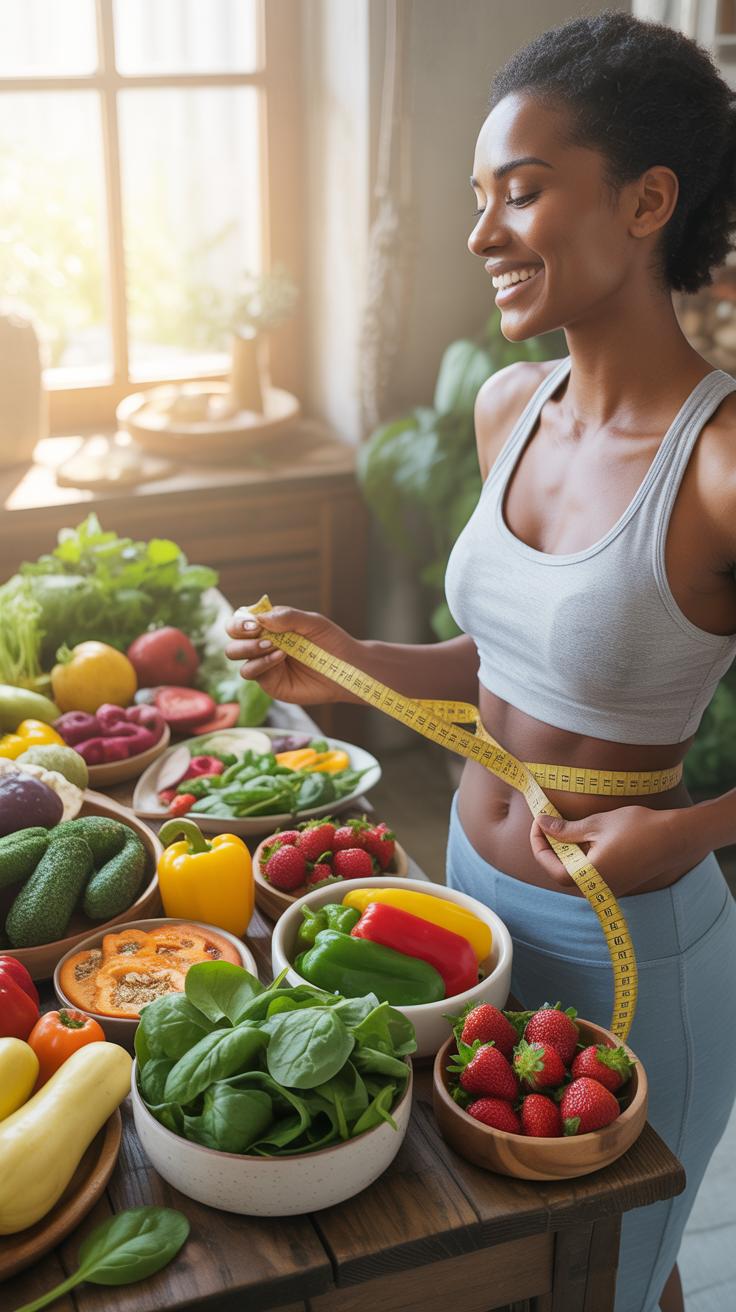
Can You Really Lose Weight By Eating More Food If It Is Low In Calories
Weight loss depends on a caloric deficit. You lose fat when your body burns more energy than you consume. High volume foods allow you to eat a large physical mass of food while keeping total energy intake low. This strategy triggers mechanoreceptors in the stomach wall. These sensors signal the brain that you are full. You feel satisfied without the high energy cost.
Eating more physical food reduces the psychological stress of dieting. Traditional restriction often leads to hunger and binge eating. By filling your plate with water-rich vegetables and lean proteins, you maintain a full stomach. This approach stabilizes blood sugar levels and prevents energy crashes. You stay in a deficit longer because the physical bulk of the food slows down the digestion process effectively.
How Long Does It Take To See Results When Switching To A Volume Eating Approach
You will notice immediate changes in your hunger levels and daily energy. The scale usually reflects water weight loss within the first week. Fat loss follows as you consistently maintain your caloric deficit. Most people see visible body composition changes after four to six weeks of adherence. Consistency is the primary factor. Results depend on your total daily movement and the accuracy of your tracking.
Switching to volume eating shifts your metabolic baseline quickly. Reduced bloating and improved digestion often occur in the first fourteen days. High fiber intake from vegetables improves gut health and transit time. Physical changes become more obvious as your body burns through stored glycogen and starts tapping into fat reserves. Stay disciplined with your portions of high density foods to ensure the deficit remains intact for long term success.
Frequently Asked Questions

What exactly are low calorie high volume foods and how do they help with weight loss?
Low calorie high volume foods are items that have a large physical size or weight but contain relatively few calories. Often referred to as “volume eating,” this strategy focuses on fiber-rich and water-dense ingredients like leafy greens, zucchini, and melons. By filling your stomach with these nutritious options, you can trigger stretch receptors that signal fullness to your brain, making it much easier to maintain a calorie deficit without feeling deprived.
How can I easily incorporate more volume into my current daily meals?
The simplest way to start is by using the “half-plate rule,” where you fill fifty percent of your dish with non-starchy vegetables. You can also bulk up favorite comfort foods by swapping half of your pasta for spiralized noodles or mixing cauliflower rice into your standard grains. These low calorie high volume foods allow you to enjoy a massive, satisfying portion of food while keeping your total energy intake surprisingly low for the day.
Is eating for volume expensive or difficult to manage on a tight budget?
Not at all! Focusing on volume is actually one of the most budget-friendly ways to eat. Staples like cabbage, carrots, potatoes, and large bags of frozen spinach offer incredible nutritional value for just a few dollars. Buying seasonal produce or choosing canned beans and lentils provides excellent bulk for your meals. This approach proves that prioritizing low calorie high volume foods is an accessible, cost-effective strategy for anyone looking to improve their health.