

What Is A Calorie Deficit And Why Does It Matter

Understanding The Science Behind A Calorie Deficit
A calorie deficit occurs when you provide your body with less energy than it consumes. Energy enters through food and drink. Your body burns energy through basic life functions, physical movement, and digestion. This creates a mathematical gap. Thermodynamics governs this process strictly. Matter and energy cannot vanish. When you create this gap, your body must find a secondary source of fuel.
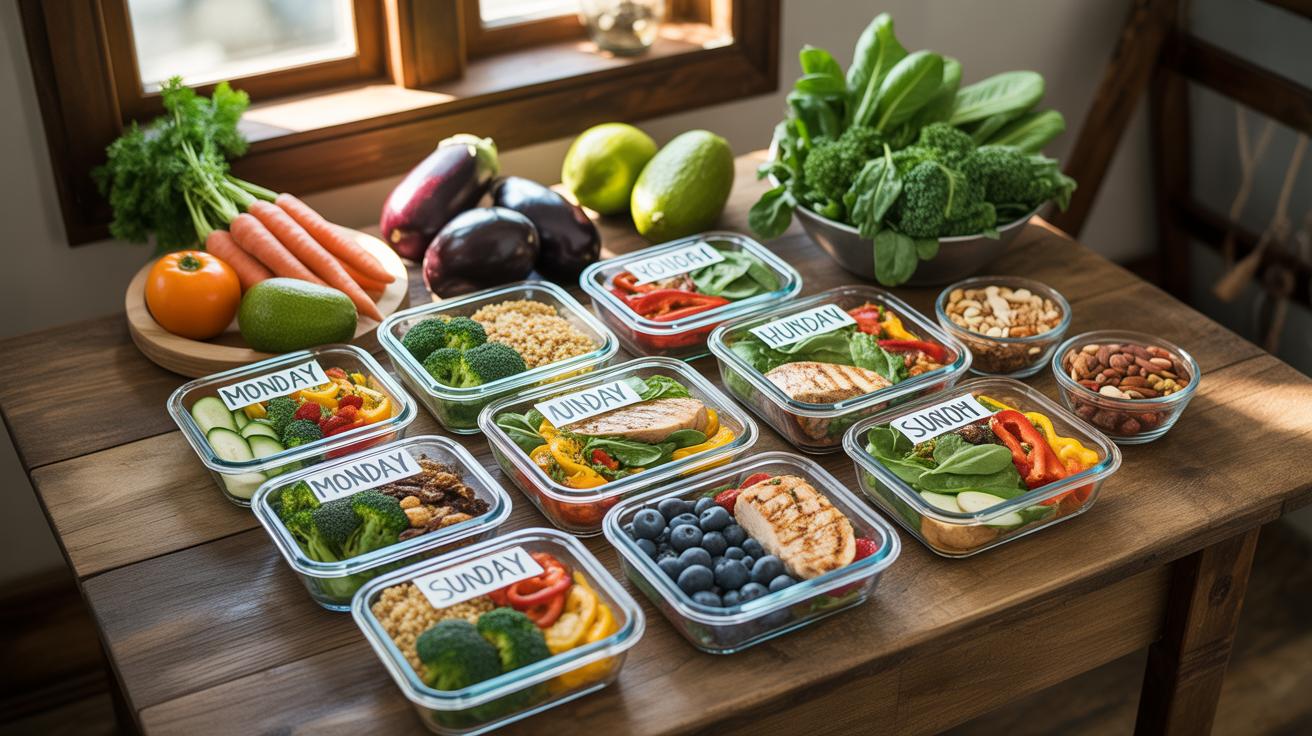
The body stores excess energy as adipose tissue for future use. This is a survival mechanism rooted in human biology. When external fuel sources drop below your daily requirements, the endocrine system signals the breakdown of these fat stores. Your body converts stored lipids into usable energy to keep your organs functioning and your muscles moving. This biochemical shift is the only way to reduce body mass.
How A Calorie Deficit Leads To Sustainable Weight Loss
Sustainable weight loss relies on a modest and consistent energy gap. Aggressive deficits often trigger muscle loss and metabolic adaptation. Small deficits allow the body to maintain lean muscle mass while oxidizing fat. This approach preserves your basal metabolic rate. Keeping your metabolism high makes it easier to maintain your new weight. Constant progress matters more than rapid but temporary results.

Consistency determines your long-term success. You must track your energy intake and expenditure accurately. Modern studies show that precision prevents the common trap of underestimating calories. High protein intake and resistance training support this process by protecting your physical structure. Focus on the data. Adjust your intake based on weekly averages rather than daily fluctuations. Use math to remove guesswork from your health strategy.
How To Calculate Your Personal Calorie Deficit

Finding Your Total Daily Energy Expenditure (TDEE)
Your Total Daily Energy Expenditure represents the total number of calories your body burns in twenty four hours. You calculate this by first determining your Basal Metabolic Rate. This is the energy required to keep your organs functioning at rest. Accurate formulas like the Mifflin St Jeor equation use your age weight height and sex to establish this baseline. Most medical professionals consider this the gold standard for estimation.
Once you have your baseline you must apply an activity multiplier. This factor accounts for physical movement and the thermic effect of food. You categorize your lifestyle from sedentary to highly active based on your weekly habit. Multiplying your baseline by this number provides your maintenance calories. This figure is the specific threshold where you neither gain nor lose weight. Knowing this exact number is vital for your next step.
Setting A Safe And Realistic Calorie Deficit Target
A calorie deficit means consuming fewer calories than your TDEE requires. Most clinical guidelines suggest a daily reduction of five hundred calories to lose one pound per week. This level is sustainable and preserves lean muscle mass while targeting body fat. Dropping calories too low triggers metabolic adaptation where your body slows down to save energy. Avoid extreme cuts that exceed twenty five percent of your total maintenance needs.
Long term success requires a balance between speed and health. You must ensure you still consume enough micronutrients and protein to support recovery. Track your progress over two weeks before making further adjustments to your intake. Minor tweaks are more effective than drastic changes. Consistency with a moderate deficit yields better results than erratic periods of starvation. Focus on a target that you can maintain for several months without failure.
How To Do A Calorie Deficit Diet Without Feeling Hungry

Why Hunger Happens On A Deficit Calorie Diet And How To Combat It
Hunger is a biological signal from your endocrine system. When you lower food intake, your body increases ghrelin levels. This hormone signals the brain to seek food for survival. Fat cells also release less leptin during a calorie deficit. This drop tells the brain that energy stores are falling. You feel hungry because your biology is fighting to maintain its current weight.
Combat hunger by choosing foods with high volume but low energy density. Fibrous vegetables and lean proteins take longer to digest. This slow digestion keeps the stomach distended for a longer period. Distension signals the vagus nerve to suppress hunger hormones. Prioritizing protein is the most effective tactic. Protein triggers the release of satiety hormones faster than fats or carbohydrates do.
The Role Of Meal Timing And Portion Control In Reducing Hunger
Meal timing does not change how many calories you burn. It does change how you manage your appetite. Distributing protein evenly across the day prevents large spikes in hunger. Stable blood sugar levels reduce the urge to binge on high calorie snacks. Some find success with windows of fasting to limit total eating time. Others prefer small frequent meals to keep the stomach active.
Portion control works through visual and physical cues. Using smaller plates tricks the brain into feeling satisfied with less food. Drink water before every meal to increase stomach volume without adding calories. Focus on chewing slowly to give your brain time to receive fullness signals. These tactics reduce the chance of overeating during your calorie deficit. Controlled portions ensure you stay within your daily energy budget consistently.
Best Calorie Deficit Foods To Keep You Full And Energized

High Volume Low Calorie Foods That Satisfy Hunger
Volume eating relies on energy density to trick your stomach. You consume a large physical mass of food for very few calories. This stretches the stomach lining and sends signals to the brain that you are full. Leafy greens and cruciferous vegetables provide this bulk without the caloric load. They allow you to maintain large portions while keeping the daily energy count low.
Water content plays a critical role in this strategy. Foods like cucumbers and melons contain mostly water. This increases the weight of your meal but adds almost zero energy. You can eat three times the amount of these items compared to processed snacks. This prevents the psychological fatigue of small portions. Focus on weight over caloric density to master hunger during a deficit.
Nourishing yourself is a slow dance with nature, for it is not about how little we can live on, but how much we can enjoy with a simple, wholesome plate.
— Alice Waters
High Protein And High Fiber Foods For A Calorie Deficit Diet
Protein and fiber are the two most important tools for appetite control. Protein has the highest thermic effect of food. Your body burns more energy digesting it than fats or carbohydrates. Fiber slows down gastric emptying. This keeps food in your stomach longer and prevents blood sugar spikes. Combining these two elements ensures you stay full for hours after eating.
- Lean Poultry: Chicken breast and turkey provide high bioavailable protein with minimal fat. This helps maintain muscle mass while you lose body fat. It is the most efficient way to hit daily protein goals without overshooting your calorie budget.
- White Fish: Cod and tilapia offer extremely high protein-to-calorie ratios. You can consume large quantities for very little energy. This makes fish a staple for aggressive fat loss phases where satiety is a constant struggle.
- Legumes: Lentils and beans provide a dual hit of plant protein and soluble fiber. This combination stabilizes insulin levels and promotes long term fullness. They are cost effective and serve as a dense source of essential micronutrients and minerals.
- Greek Yogurt: Plain non-fat Greek yogurt contains high amounts of casein and whey protein. Casein digests slowly which provides a steady release of amino acids. This makes it an ideal food for preventing hunger during long gaps between your scheduled daily meals.
- Cruciferous Vegetables: Broccoli and cauliflower contain indigestible cellulose that adds significant bulk to the digestive tract. They require more chewing which correlates with increased satiety signals. These vegetables provide essential structural fiber that helps move food through the gut efficiently.
Tactical food selection eliminates the need for willpower. If you choose foods with low nutrient density you will fail. High protein sources protect your metabolic rate by sparing lean muscle tissue. Fiber ensures your digestive system functions correctly while on reduced intake. Aim for at least thirty grams of fiber and one gram of protein per pound of lean mass daily.
Calorie Deficit Snack Ideas To Curb Cravings Between Meals

Why Smart Snacking Supports Your Calorie Deficit Goals
Snacking maintains steady blood sugar levels throughout the day. This prevents the sharp insulin drops that trigger intense hunger. When you let hunger become extreme, your executive function fails. You then make poor food choices at your next meal. Strategic snacking keeps your physiological drive to overeat under control. It ensures you stay within your daily caloric limits without feeling deprived.
High-protein and high-fiber snacks increase satiety through specific hormonal signals. These snacks trigger the release of peptide YY and cholecystokinin in your gut. These hormones tell your brain that you are full. Using snacks as a tactical tool prevents the metabolic slowdown associated with accidental fasting. You maintain a consistent energy supply. This keeps your physical activity levels high and protects your lean muscle mass.
Top Calorie Deficit Snacks That Are Satisfying And Nutrient Dense
Effective snacks prioritize volume and protein density to fill the stomach. You want foods that take a long time to chew or have high water content. This physical bulk triggers stretch receptors in the stomach wall. These receptors send immediate fullness signals to the brain. Choosing the right snacks allows you to eat more food while consuming fewer total calories.
- Greek Yogurt: This dairy product provides a high concentration of casein and whey proteins. These proteins digest slowly to keep you full for hours. It contains probiotics that support gut health and minerals like calcium. Choose plain versions to avoid added sugars that spike insulin.
- Hard Boiled Eggs: Eggs are a complete protein source containing all essential amino acids. They are portable and provide healthy fats that slow down digestion. One large egg contains roughly seventy calories. This makes it an ideal unit for precise calorie tracking and hunger management.
- Edamame: These young soybeans offer a balance of plant-based protein and dietary fiber. Fiber adds bulk to the stool and slows gastric emptying. The act of shelling the beans also slows down the pace of eating. This gives your brain time to process satiety signals.
- Cottage Cheese: This curdled milk product is very high in protein but low in total calories. It contains phosphorus and B vitamins which support cellular energy metabolism. Pairing it with fibrous vegetables creates a high-volume snack. It provides a steady release of amino acids into the bloodstream.
- Apple Slices with Nut Butter: Apples provide pectin which is a soluble fiber that creates a gel in the stomach. Adding a small amount of fat from nut butter slows sugar absorption. This combination prevents the energy crashes often caused by eating fruit alone. Monitor portions to stay within your deficit.
Focus on unprocessed whole foods to maximize the thermic effect of food. Your body burns more energy digesting protein and fiber than simple carbohydrates. Avoid pre-packaged snacks that contain refined oils and hidden sugars. These ingredients bypass your fullness cues and lead to passive overconsumption. High-quality snacks function as a bridge between meals. They protect your deficit and ensure long-term dietary adherence.
Calorie Deficit Tips To Stay Consistent Without Burning Out

Practical Habits That Help You Maintain A Calorie Deficit Long Term
Consistency relies on environmental control rather than raw willpower. High volume eating allows you to consume large amounts of low calorie foods like leafy greens and cruciferous vegetables. These foods stretch the stomach lining and signal fullness to your brain. You must prioritize protein intake to preserve lean muscle mass and increase satiety. Protein has a high thermic effect which burns more energy during digestion.
Prepare your meals in advance to eliminate decision fatigue during high stress moments. Set fixed meal times to regulate hunger hormones like ghrelin and leptin. Sleep deprivation increases cravings for high calorie carbohydrates so aim for seven to nine hours of rest. Hydration is also vital because the brain often confuses thirst with hunger. Drink water before every meal to reduce your total caloric consumption naturally.
How To Track Your Intake Without Obsessing Over Every Calorie
Shift your focus toward weekly averages instead of daily perfection. One high calorie day will not ruin your progress if your total weekly intake remains in a deficit. Use hand portions to estimate serving sizes when tracking tools are unavailable. A palm represents protein and a fist represents vegetables. This method provides enough accuracy to see results without requiring a digital scale for every single meal.
Focus on tracking the most calorie dense items like fats and carbohydrates. You do not need to log every leaf of spinach or stalk of celery to stay on track. Focus on big wins like reducing liquid calories and controlling portion sizes at dinner. Consistency beats temporary intensity every time. Listen to internal hunger cues and adjust your portions based on your energy levels and physical performance throughout the week.
How Exercise Fits Into A Calorie Deficit Diet Plan

Using Physical Activity To Widen Your Deficit Without Eating Less
Exercise changes your energy balance by increasing total daily energy expenditure. You create a calorie deficit by burning more fuel than you consume. Adding movement allows you to maintain a higher food intake while still losing body fat. This prevents the metabolic slowdown often caused by extreme calorie restriction. It also provides a buffer for days when your nutrition is not perfect.
Focus on Non Exercise Activity Thermogenesis for the best results. Walk more and stay active throughout the day to burn extra energy without increasing hunger. High intensity workouts often spark appetite and lead to overeating. Consistent low impact movement burns significant calories over time without taxing your central nervous system. This strategy keeps your deficit sustainable and protects your energy levels for daily tasks.
Balancing Cardio And Strength Training On A Calorie Deficit
Strength training is mandatory during a calorie deficit to preserve lean muscle mass. Body weight or resistance exercises signal the body to keep muscle while burning fat stores for energy. Losing muscle slows your metabolism and makes weight maintenance harder in the future. Aim for at least two full body sessions per week. Heavy lifting provides the stimulus needed to protect your strength.
Use cardio as a tool rather than a primary driver for weight loss. Too much steady state cardio can cause your body to become overly efficient at burning calories. This means you have to work harder for the same results over time. Keep cardio sessions moderate and prioritize recovery. Balance your routine to keep stress hormones low. High cortisol levels from overtraining can stall fat loss progress.
Common Mistakes To Avoid On A Calorie Deficit Diet

Why Cutting Too Many Calories Can Backfire On Your Progress
Extreme calorie restriction triggers a metabolic slowdown. Your body senses a fuel shortage and decreases your basal metabolic rate to conserve energy. This biological shift makes further weight loss difficult despite eating very little. You will experience fatigue and brain fog. These symptoms often lead to binge eating or quitting the plan entirely. Sharp drops in intake also cause significant muscle loss.
A massive deficit forces the body to break down muscle tissue for energy. Muscle is metabolically active and burns calories at rest. Losing muscle reduces your total daily energy expenditure over time. This creates a rebound effect where you regain weight quickly once you eat normally again. You must maintain a moderate deficit to preserve lean tissue and keep your metabolism high for long term success.
Nutritional Pitfalls That Undermine A Deficit Calorie Diet
Focusing only on numbers while ignoring food quality ruins your health and satiation. High sugar and processed foods digest rapidly and cause insulin spikes. These spikes lead to energy crashes and intense hunger shortly after eating. You will find it impossible to stick to your targets when you are always hungry. Low protein intake also makes the deficit feel much harder than it actually needs to be.
Liquid calories represent a major trap for most people. Sodas and energy drinks provide no bulk to make you feel full. They add hundreds of calories to your daily total without providing any nutritional value. Many people fail because they do not track oils or condiments used in cooking. These small additions provide hidden energy that can eliminate your entire deficit. Strategic eating requires tracking every single gram of intake.
Frequently Asked Questions

What exactly is a calorie deficit and how does it work for weight loss?
A calorie deficit occurs when you consume fewer calories than your body burns for energy throughout the day. Instead of relying on restriction, think of it as finding a healthy balance. When your body doesn’t get enough energy from food, it begins to use stored fat as fuel. This process allows you to lose weight sustainably over time without having to resort to extreme or uncomfortable hunger.
How can I maintain a calorie deficit while still feeling full and satisfied?
The secret to maintaining a calorie deficit without starving is focusing on volume eating and high-protein foods. Prioritize lean proteins, leafy greens, and fibrous vegetables that take up more space in your stomach for fewer calories. By choosing nutrient-dense whole foods over processed snacks, you can eat larger portions that keep you energized and satisfied, making your wellness journey feel like a lifestyle shift rather than a temporary diet.
Is it possible to reach my health goals on a tight budget?
Absolutely! Achieving your goals doesn’t require expensive organic superfoods or specialized supplements. You can easily stay on track by purchasing pantry staples like dried beans, lentils, brown rice, and oats in bulk. Frozen vegetables and canned proteins like tuna are also cost-effective ways to manage your daily intake while ensuring you get the nutrients you need. Planning your meals ahead of time is the best way to save money and stay consistent.