
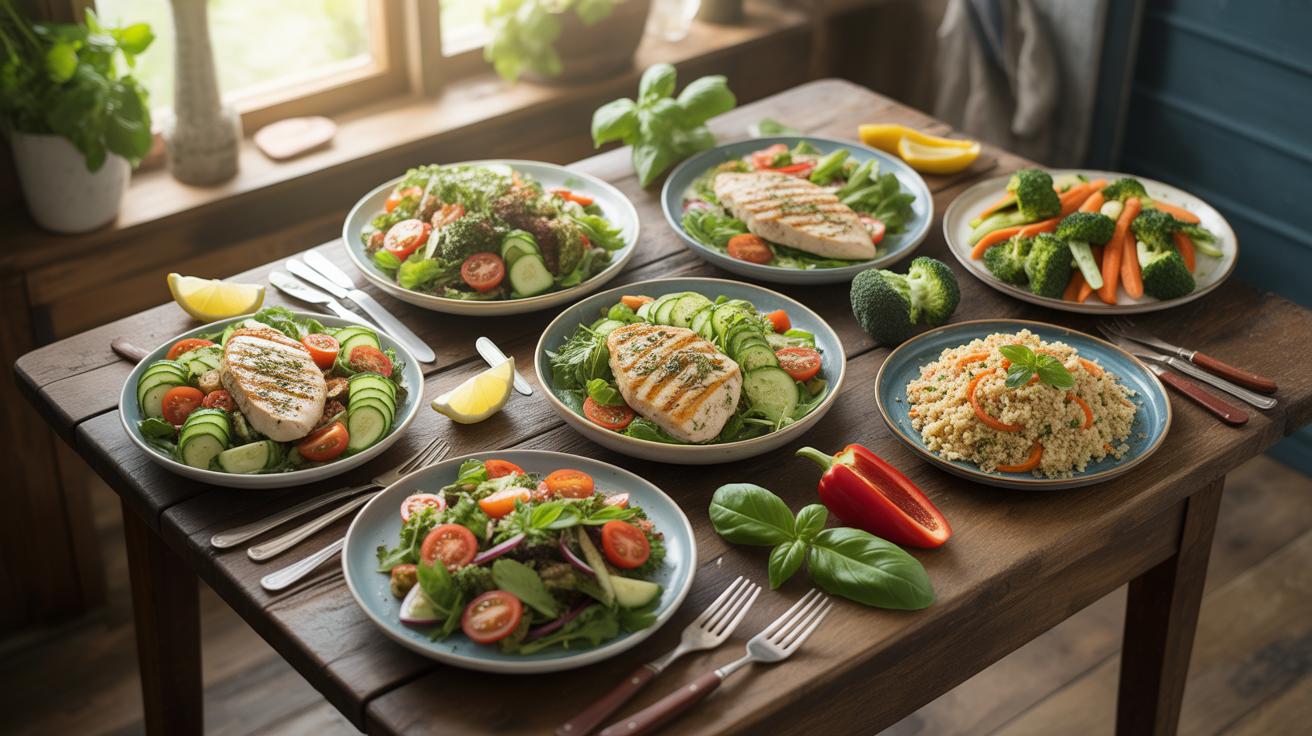
Why Healthy Weight Watchers Recipes Make Dinner Something To Look Forward To

The Philosophy Behind WW’S Points Based Eating System
Weight Watchers shifted from calorie counting to the PersonalPoints or SmartPoints system to prioritize nutritional value. The algorithm assigns higher points to sugar and saturated fats. Protein and fiber lower the point value. This tactical approach forces the user to choose lean proteins and vegetables over processed foods. You learn to manage a daily budget while fueling your body with efficient energy sources.
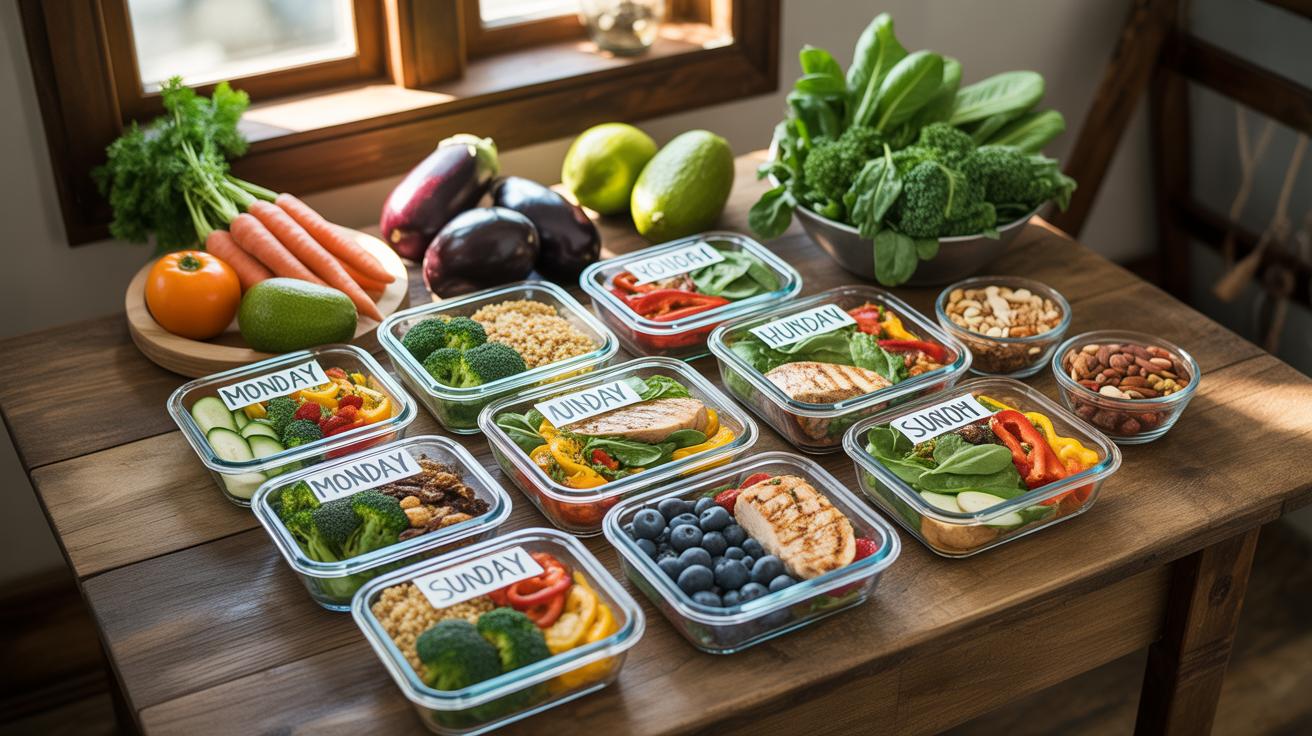
The system relies on ZeroPoint foods to prevent hunger and eliminate the need for constant weighing. These foundational foods include fruits, vegetables, and lean proteins like chicken breast. By building meals around these staples, you maximize volume without hitting your daily point limit. This framework creates a deficit without the psychological burden of restrictive dieting. It teaches you how to eat properly for the long term.
How Nutrient Dense Dinners Support Sustainable Weight Loss
Nutrient density measures the vitamins and minerals relative to the total calories in a meal. High-density dinners provide satiety and stop late-night cravings. When you eat meals rich in fiber and protein, your blood sugar remains stable. This stability prevents the energy crashes that lead to overeating. Strategic dinner planning ensures you finish the day feeling full and satisfied rather than deprived.
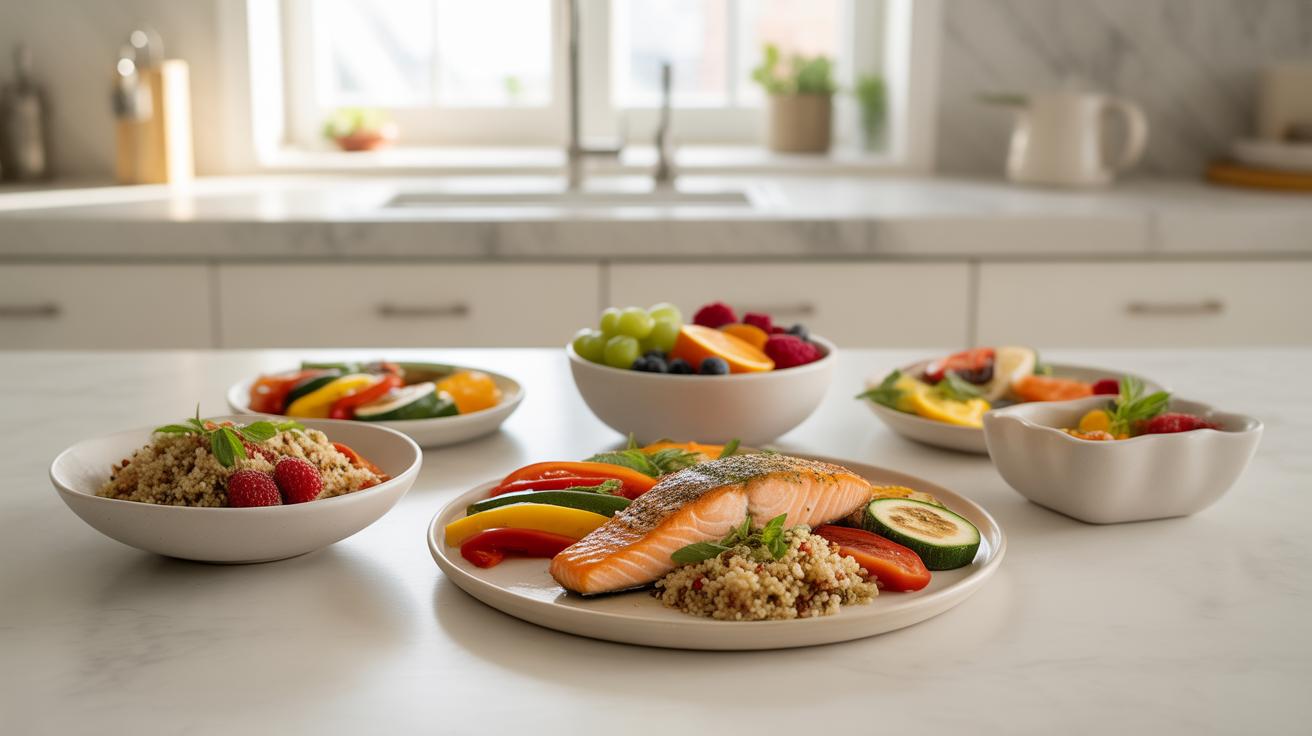
Sustainable weight loss requires consistency over many months. Dinners that feature whole foods promote better digestion and metabolic health. You avoid the hidden sodium and chemicals found in pre-packaged diet meals. Making these recipes at home gives you total control over every ingredient. This shift in habit builds a permanent lifestyle change. It moves you away from temporary fixes and toward a healthier baseline.
Recipes For Weight Watchers That Fit Into Your Busy Weeknight Routine
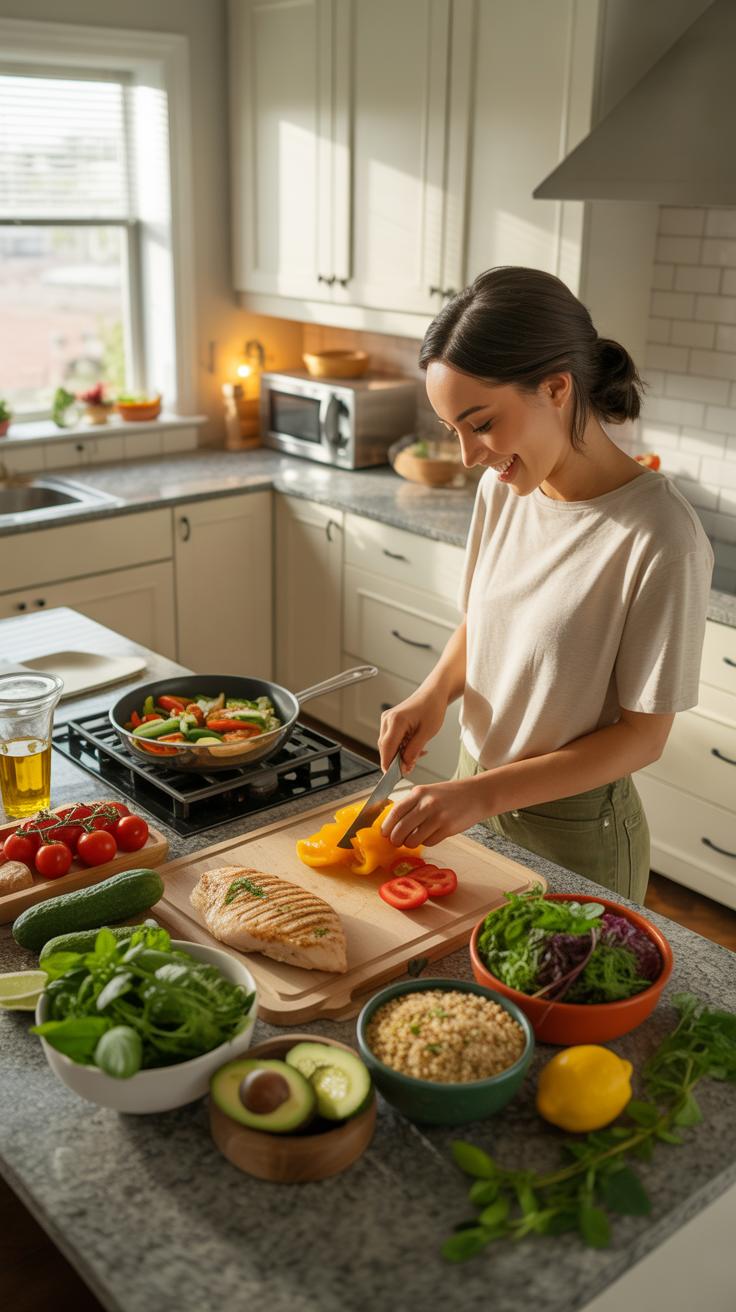
Quick Prep Meals You Can Have On The Table In Under 30 Minutes
Focus on lean proteins that cook fast. Shrimp and ground turkey are the best choices for speed. These proteins take less than ten minutes to reach a safe internal temperature. Use frozen vegetables to skip the chopping phase. High heat cooking methods like pan-searing or stir-frying maximize flavor without adding excess fat. This keeps your point count low and your energy high.
Preparation speed depends on your pantry setup. Keep canned beans and pre-washed greens ready for immediate use. These ingredients allow you to assemble a high-fiber meal in minutes. Use acid like lemon juice or vinegar to brighten flavors instead of heavy sauces. Rapid cooking requires constant attention but delivers the best texture. You save time and stay on track with your nutritional goals every night.
Sheet Pan And One Pot Dinners That Minimize Cleanup Time
Efficiency requires using a single heat source for the entire meal. Sheet pan roasting allows you to cook protein and fiber at the same time. Use parchment paper to prevent sticking and simplify the washing process. Line your pans carefully to protect the metal surface from charred juices. This tactical approach reduces your kitchen labor. You spend less time at the sink and more time recovering.
One-pot cooking relies on layering ingredients based on density. Put heavy root vegetables at the bottom and delicate greens or seafood on top. This ensures every component reaches the correct texture simultaneously. Use low-sodium broth as your liquid base to keep the points value at zero. Controlled heat prevents burning and locks in natural nutrients. Smart logistics in the kitchen lead to consistent dieting success.
Weight Watchers Meals For Dinner With Points Made Simple To Track
Understanding How SmartPoints Are Assigned To Common Dinner Ingredients
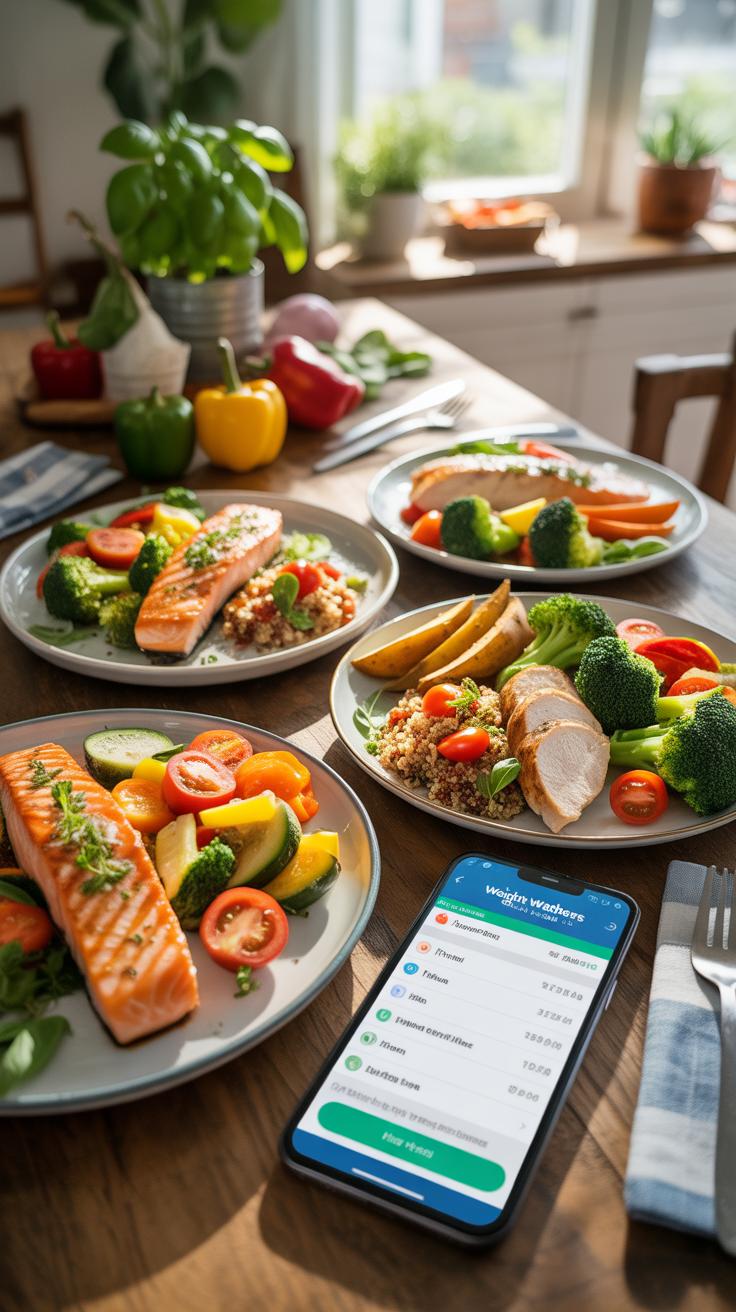
The Weight Watchers system uses a specific formula to assign point values to food items. This calculation ignores total calories alone. Instead, it prioritizes high protein and fiber content while penalizing added sugars and saturated fats. Foods high in sugar spike blood glucose and increase hunger quickly. Saturated fats provide dense energy but can lead to heart health issues over time.
Strategic diners focus on the underlying data of their ingredients. Lean meats like skinless chicken breast or turkey ground thin have lower values because they offer high protein density. Processed carbohydrates and heavy sauces carry high point costs because they lack fiber and contain hidden sugars. You must read labels to identify these drains on your daily budget. Successful tracking requires verifying every ingredient used.
Low Point Protein And Vegetable Combos That Keep You Full Longer
Volume eating is the most effective tactic for dinner success. You achieve this by pairing zero point proteins with non-starchy vegetables. Fiber from vegetables slows down your digestion process. This keep your blood sugar stable throughout the evening. High protein sources require more energy for your body to break down. This combination ensures physical fullness without consuming your entire daily point allowance at once.
Effective dinner combinations rely on preparation methods that avoid added oils. Roasting vegetables in an air fryer or steaming them preserves nutritional value without adding fat. Lean fish paired with dark leafy greens provides essential nutrients and high satiety. Avoid heavy dressings or butter based sauces. Use citrus juices or vinegars to add flavor without increasing the point count. This keeps your meals functional and highly efficient.
WW Zero Point Recipes Worth Adding To Your Weekly Dinner Rotation

What Makes A Food Zero Points On The WW Program
The Weight Watchers Points Program assigns zero point values to specific nutrient dense foods. These foods serve as the foundation of your daily eating plan. The system selects items that are high in protein and fiber but low in saturated fats and added sugars. These nutritional profiles reduce the risk of overeating. You do not need to weigh, measure, or track these specific items.
Weight Watchers designates over 200 foods as zero point options. This list includes beans, peas, lentils, and most fruits and vegetables. Nonfat plain Greek yogurt and eggs also carry zero points. These items provide essential vitamins and minerals without depleting your daily point budget. Using these ingredients allows you to stay full while maintaining a calorie deficit. This strategic approach ensures long term weight loss success.
Zero Point Dinner Recipes Built Around Lean Proteins And Vegetables
Effective dinner strategies rely on skinless chicken breast and turkey breast as primary proteins. These lean meats contain minimal fat and zero points. You can grill, bake, or poach these proteins to maintain their zero point status. Season them with dry spices or citrus juices instead of oil or butter. Pairing these meats with roasted non starchy vegetables creates a high volume meal that keeps hunger away.
Fish and shellfish offer another versatile zero point base for your evening meals. White fish like cod and tilapia cook quickly and take on the flavor of your herbs. You can create a hearty soup by simmering beans, tomatoes, and leafy greens in a vegetable broth. These combinations provide high fiber and lean protein. They ensure your dinner remains satisfying and compliant with the program rules. Use these staples to build a repeatable weekly meal plan.
Zero Point Meals WW Recipes For Satisfying And Flavorful Dinners

Top Zero Point Foods To Stock In Your Kitchen For Dinner Success
Successful weight management relies on available inventory. Keeping specific zero point staples in your pantry ensures you never face a points crisis at mealtime. These ingredients form the foundation of high volume meals that trigger satiety without increasing your daily total. Focus on lean proteins and hearty vegetables to maintain energy levels and muscle mass while following the program.
- Skinless Chicken Breast: This lean poultry is a primary protein source for zero point meals. It provides high protein density which aids in muscle repair and long term fullness. You can grill, poach, or roast it to fit many different flavor profiles without adding extra fat.
- Non Starchy Vegetables: Leafy greens, broccoli, and peppers add massive volume to your dinner plate for zero points. These foods are rich in essential fiber and micronutrients. Eating a large portion of these vegetables physically fills the stomach to prevent overeating during the meal later.
- Eggs: Large eggs serve as a versatile base for breakfast for dinner or quick protein additions. They contain healthy fats and high quality protein that stabilize blood sugar levels. Keep a dozen on hand for rapid meal preparation when time is limited.
- Legumes And Beans: Black beans, lentils, and chickpeas offer significant plant based protein and fiber. These staples provide a heavy texture that mimics denser foods. Use them to bulk up soups and stews to ensure you stay full until the next morning.
- Fat Free Greek Yogurt: Use this ingredient as a high protein substitute for sour cream or heavy mayo. It adds a creamy texture to sauces and dressings while keeping the point count at zero. It also provides probiotics that support digestive health during weight loss.
Strategic shopping reduces the friction of daily food choices. When your kitchen contains these specific items, you spend less time calculating and more time eating. Prioritize quality and freshness to ensure the flavors remain high. Use these building blocks to create a rotation of quick dinners that support your goals. Stocking these essentials stops poor decisions before they happen.
How To Build A Filling Zero Point Dinner Plate Without Feeling Deprived
Building a zero point plate requires a tactical focus on volume and texture. Start by filling at least half of your plate with roasted or steamed non-starchy vegetables. This adds visual bulk and physical weight to the meal. Add a palm-sized portion of lean protein like fish or chicken to provide the structural foundation. This combination ensures your body receives necessary nutrients while keeping points available for other snacks.
Texture variety prevents the feeling of restriction often found in dieting. Combine crunchy vegetables with soft beans or silken sauces made from yogurt. Use bold spices and acidic elements like lime or vinegar to enhance flavor without adding calories or points. A well-seasoned meal satisfies the palate even when it lacks fats or sugars. Focus on heavy seasoning and high-volume fiber to trick the brain into total satisfaction every night.
Weight Watchers Recipes For Beginners The Best Place To Start Your Journey

Essential Tips For Getting Started With WW Dinner Meal Planning
Success in the Weight Watchers program requires a strategic approach to your evening meal. You must prioritize high-volume foods that carry low point values to ensure satiety. Planning your week in advance eliminates the risk of impulsive eating when hunger peaks. Focus on protein and fiber to manage your blood sugar levels. Clear preparation reduces the mental load of tracking during busy weeknights.
- Inventory Your ZeroPoint Foods: Identify the specific foods on your plan that cost zero points. Lean proteins like chicken breast and most vegetables form the foundation of your dinner. Use these items to bulk out meals without increasing your daily point total or sacrificing portion size.
- Batch Prep Lean Proteins: Cook large quantities of grilled chicken or ground turkey at the start of the week. Having pre-cooked protein allows you to assemble dinners in under ten minutes. This tactic prevents you from choosing high-point convenience foods when you are tired or short on time.
- Measure Your Healthy Fats: Oils and butter carry high point values even in small amounts. Use a tablespoon or a spray bottle to control exactly how much fat you add to the pan. Small measurement errors can lead to a significant point surplus that stalls your weight loss progress.
- Utilize Frozen Vegetables: Keep bags of frozen broccoli and green beans in your freezer at all times. They have the same nutritional value as fresh produce but require zero chopping or prep work. Adding these to any dinner provides fiber and volume for zero points and minimal effort.
- Standardize Your Favorites: Create a list of three go-to meals that you know the point values for by heart. Rotating these reliable dinners reduces decision fatigue and ensures you stay within your budget. Consistency beats variety when you are first learning the mechanics of the points system.
Smart meal planning integrates your social life and personal preferences into the system. Look at your calendar and identify nights where you will likely have less time to cook. Assign your lowest-effort recipes to those specific days to maintain consistency. Always keep a backup plan in the pantry for emergencies. Rigid planning provides the discipline needed to build long-term habits and see measurable results.
Simple Beginner Friendly Dinner Swaps That Cut Points Without Cutting Taste
Trading high-point ingredients for lower alternatives is the fastest way to lower your daily tally. Replace traditional pasta with zucchini noodles or spaghetti squash to save nearly all the points in a dish. Use Greek yogurt instead of sour cream to maintain a creamy texture with added protein. These tactical changes allow you to eat the same styles of food while staying in a deficit.
Focus on the texture and seasoning of your swaps to ensure satisfaction. Ground turkey breast replaces 80/20 beef in tacos or meatloaf with minimal flavor impact when seasoned properly. Air frying instead of deep frying removes heavy oils while keeping the crunch you want. High-impact flavor additions like citrus juice and hot sauce provide intensity without adding points. Mastering these substitutions makes the program sustainable for the long term.
Delicious Weight Watchers Meals The Whole Family Will Actually Enjoy

Family Style WW Dinners That Satisfy Both Kids And Adults At The Table
Successful family meals require high volume and familiar textures. You must focus on lean proteins like ground turkey or chicken breast. These ingredients mimic traditional high point meats while significantly reducing the saturated fat content. Use sheet pan methods to cook vegetables and proteins simultaneously. This strategy saves time and ensures everyone eats the same meal. Your family will appreciate the consistency in flavor and presentation.
Avoid short order cooking for different dietary needs. Instead, build meals around customizable bases like taco bars or pasta stations. Use whole wheat noodles or hearts of palm to keep points low for yourself. Offer standard toppings for children while you choose zero point additions like fresh salsa and leafy greens. This tactic eliminates the psychological barrier of dieting. It creates a unified dining experience that supports long term weight management goals.
Cooking with love provides food for the soul, especially when a simple meal shared at the table feels like a warm embrace. Real food doesn’t have to be complicated to nourish your body and your heart.
— Oprah Winfrey
Comfort Food Makeovers That Keep Classic Flavors And Lower The Points
Classic comfort foods usually rely on heavy creams and refined flours. You can replicate these textures using Greek yogurt and pureed cauliflower. These swaps provide the creamy mouthfeel of a roux without the high caloric density. Use nutritional yeast or small amounts of sharp cheddar to deliver intense cheese flavor. A small amount of high quality cheese goes further than large quantities of mild processed varieties.
Reconstruct fried favorites by using an air fryer or high heat roasting. Coating chicken in seasoned panko crumbs provides the crunch people crave. This technique eliminates the need for oil baths that spike point values. Monitor sodium levels by using fresh herbs and citrus juices for seasoning. These adjustments maintain the soul of the dish while aligning with your nutritional targets. You get the flavor without the typical weight gain.
How To Cook Weight Watchers Meals Without Feeling Restricted Or Bored
Cooking Techniques That Maximize Flavor While Keeping Points Low
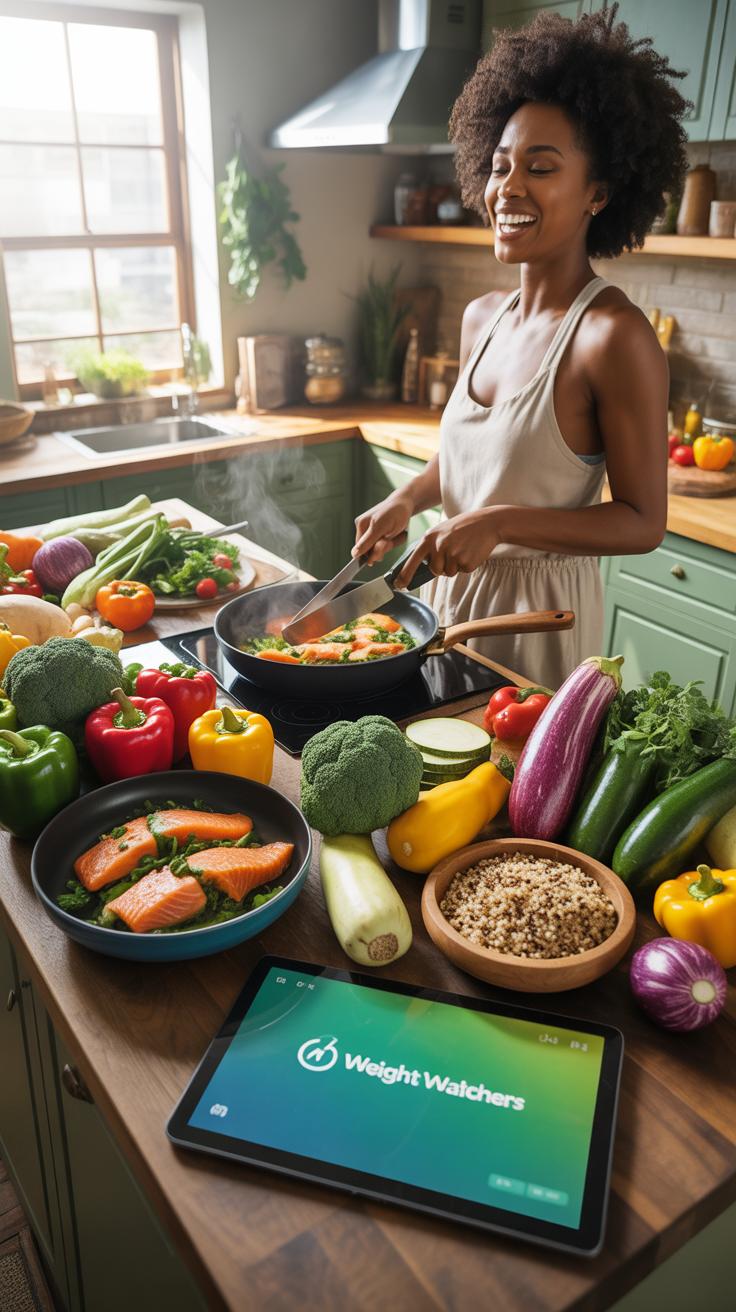
Master heat control to build flavor without adding fats. High-heat roasting caramelizes natural sugars in vegetables and proteins. This chemical process creates a savory crust that mimics the taste of frying. Use parchment paper or silicone mats to prevent sticking. This allows you to skip heavy oils or butter. Air frying uses rapid air circulation to achieve crisp textures with minimal oil spray.
Deglazing is a critical skill for low-point cooking. Use water, vinegar, or fat-free broth to lift browned bits from the pan. These bits contain concentrated flavor that forms a rich sauce without cream. Steaming preserves nutrients but requires finishing steps to avoid blandness. Always shock greens in ice water to maintain color. Precise cooking times prevent the mushy texture that often makes healthy food unappealing.
Seasoning And Ingredient Swaps That Transform Everyday WW Dinners
Switch heavy ingredients for high-impact acidic or fermented substitutes. Use fresh citrus juice or high-quality vinegars to brighten heavy dishes. Acid cuts through salt and mimic the mouthfeel of fat. Greek yogurt replaces sour cream or mayonnaise in sauces and dressings. It provides protein and a creamy texture for zero or low points. Nutritional yeast adds a nutty, cheesy flavor to roasted vegetables and popcorn.
Implement dry rubs instead of sugary marinades. Combine smoked paprika, cumin, and garlic powder for a deep profile without added calories. Use fish sauce or soy sauce to add umami to lean ground turkey or chicken. These ingredients provide the savory depth usually found in red meat. Fresh herbs like cilantro or basil should be added at the very end. This preserves their volatile oils and maximum flavor impact.
Frequently Asked Questions

How do I choose the best recipes when just starting the program?
When you are a beginner, look for weight watchers dinner ideas that lean heavily on “ZeroPoint” foods like skinless chicken breast, fish, and legumes. These ingredients provide a solid foundation for your meals without using up your daily budget. Starting with simple sheet-pan recipes or slow cooker soups is an excellent way to build confidence while ensuring your meals remain both satisfying and compliant with your health goals.
How can I make my nightly meals more flavorful without adding extra points?
The secret to flavorful weight watchers dinner ideas lies in your spice cabinet and fresh aromatics. Instead of using heavy oils or sugars, rely on fresh herbs, garlic, citrus juices, and high-quality vinegars to brighten your dishes. Roasting vegetables at high temperatures also caramelizes their natural sugars, providing deep flavor and satisfying textures that make your healthy home-cooked meals feel indulgent without requiring any additional points for the day.
Can I still eat healthy dinner meals if I am on a tight grocery budget?
Absolutely! Healthy eating does not have to be expensive if you focus on versatile staples like brown rice, dried beans, and frozen vegetables. Buying seasonal produce or purchasing lean proteins in bulk when they go on sale can significantly lower your grocery bill. Many of the most affordable pantry items are naturally low in points, making it easy to create nutritious, filling meals that respect both your waistline and your wallet.