

Understanding Belly Fat Why Fat Burning Foods Target This Area Differently

The Difference Between Visceral And Subcutaneous Belly Fat
Belly fat exists in two distinct forms. Subcutaneous fat sits directly under your skin. You can pinch it with your fingers. While it affects your appearance, it is not the primary health threat. Visceral fat is the real enemy. This type of fat hides deep inside your abdomen. It wraps around your liver, kidneys, and intestines. This placement makes it biologically active and dangerous.
Visceral fat acts like an extra organ. It pumps out inflammatory cytokines and interferes with your hormones. High levels of visceral fat increase your risk for type 2 diabetes and heart disease. Subcutaneous fat stays relatively stagnant and safe. You must prioritize losing visceral fat to improve your health. Targeted nutrition focuses on shifting your internal chemistry to burn this deep, stubborn fat first.
How Certain Foods Influence Fat Storage Around The Midsection
Your diet directly dictates where your body stores energy. High sugar intake spikes insulin levels. Insulin is a storage hormone. When insulin remains high, your body stops burning fat and starts storing it in the abdominal cavity. Refined carbohydrates trigger this process rapidly. You must eat foods that keep insulin low to access stored belly fat. Stable blood sugar is the key to a lean midsection.
Specific nutrients change how your cells handle fat. Protein increases your metabolic rate and keeps you full. Fiber binds to bile acids and slows down sugar absorption. These actions prevent the hormonal signals that tell your body to expand its waistline. Choosing the right foods forces your body to use visceral fat for fuel. This tactical shift in eating turns your metabolism into a fat burning machine.
Top Fat Burning Foods You Should Add To Your Plate Starting Today
Whole Foods Vs. Processed Foods: What Research Consistently Shows
Whole foods maintain their natural fiber and nutrient structures. Your body spends more energy breaking down these complex molecules. This process is called the thermic effect of food. Processed items lose these structures during manufacturing. They digest too quickly and cause sharp insulin spikes. High insulin levels signal your body to store fat rather than burn it for fuel.
Sustained weight loss requires stable blood sugar levels. Whole foods provide the slow energy release needed to prevent hunger crashes. Ultra processed foods often contain hidden sugars and seed oils that drive systemic inflammation. Chronic inflammation makes it harder for the body to access stored fat cells. Transitioning to a whole food diet creates a chemical environment that favors fat oxidation over storage.
The Best Nutrient Dense Foods Scientifically Linked To Reduced Body Fat
Targeting belly fat requires foods that prioritize satiety and metabolic efficiency. Your choices must trigger the right hormonal responses to unlock stored energy. Protein rich sources and high fiber greens are the primary tools for this task. These foods reduce the hunger hormone ghrelin while increasing the hormones that tell your brain you are full. Use these specific options to rebuild your metabolism.
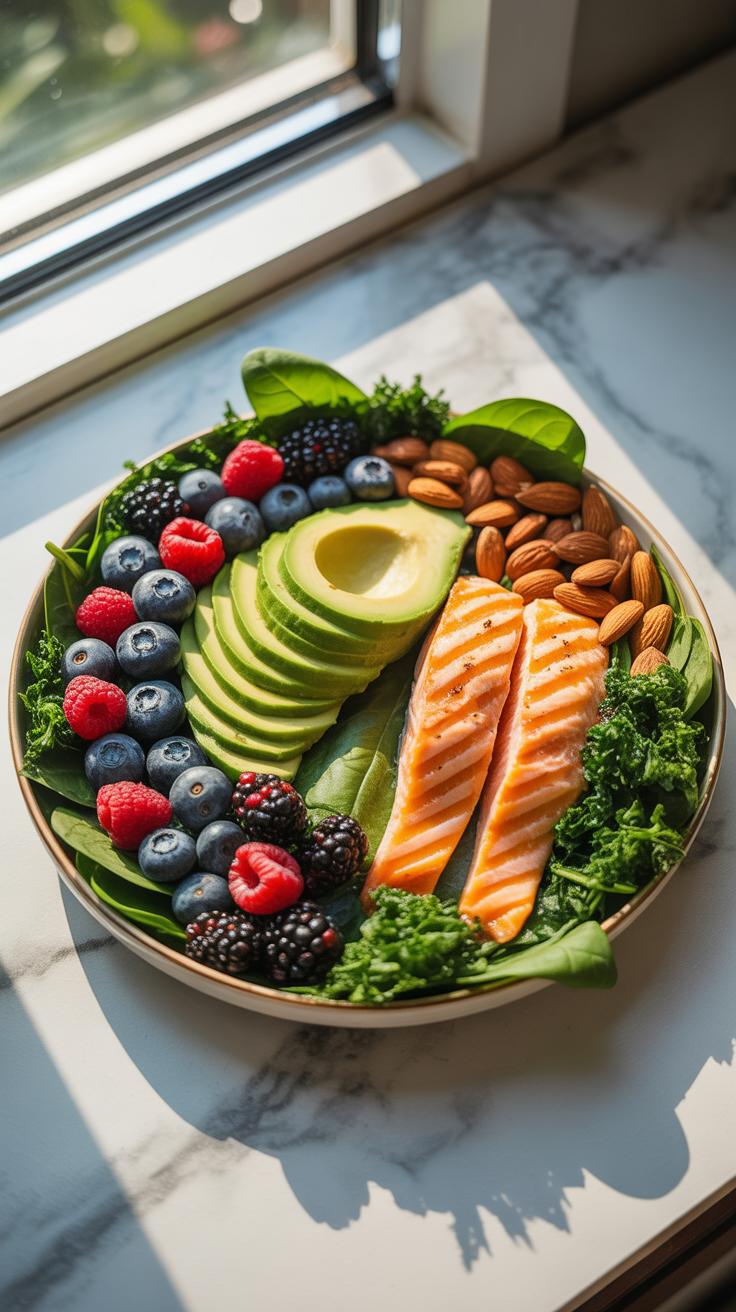
- Salmon: This oily fish provide high quality protein and omega 3 fatty acids. These healthy fats reduce inflammation and help lower cortisol levels. Lower cortisol is essential because high levels of this hormone directly cause the body to store dangerous visceral fat around your midsection.
- Leafy Greens: Spinach and kale contain very few calories but massive amounts of fiber. Fiber slows down digestion and keeps you full for longer periods. These greens also provide essential minerals like magnesium which helps regulate glucose levels and improves insulin sensitivity across all your muscle tissues.
- Greek Yogurt: High protein dairy increases your metabolic rate through the thermic effect of food. It also contains probiotics that improve gut health. Research shows that a healthy gut microbiome is linked to lower levels of abdominal fat and better overall weight management over long periods.
- Eggs: Choline found in eggs helps the body process fat more effectively. Starting your day with eggs provides a complete amino acid profile that preserves lean muscle mass. Maintaining muscle is vital because muscle tissue burns more calories at rest than fat tissue does every single day.
- Avocados: These fruits contain monounsaturated fats that satisfy hunger without spiking insulin. They help your body absorb fat soluble vitamins from other vegetables. Replacing saturated fats with these healthy fats can help reduce the accumulation of fat in the abdominal cavity and improve your heart health.
Consistency with these food choices yields the best results. You cannot spot reduce fat but you can lower your overall body fat percentage. These nutrient dense options force your body to use its own fat stores for energy. Eliminate empty calories and focus on these building blocks. Proper nutrition is the only way to sustain a lean physique and improve your long term metabolic health.
The Role Of Protein In Belly Fat Loss And Why It Keeps You Fuller Longer
How High Protein Foods Boost Metabolism And Reduce Caloric Intake
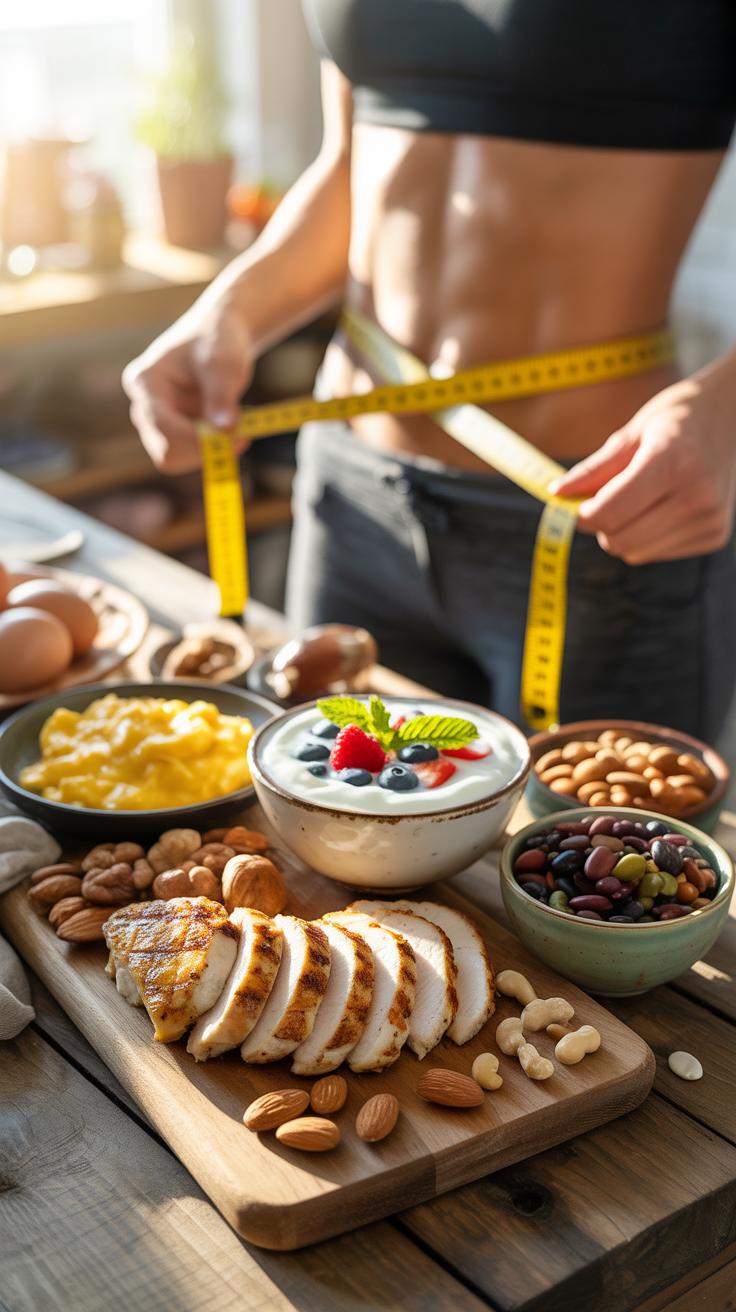
Protein has a high thermic effect of food. Your body burns more calories digesting protein than it does processing fats or carbohydrates. This metabolic spike happens every time you eat protein. It forces your system to work harder during digestion. This process turns your meal into a calorie burning event. Sustained protein intake keeps your resting metabolic rate higher throughout the entire day.
Protein also regulates hunger hormones like ghrelin and GLP-1. High protein meals signal your brain that you are full. This prevents overeating and late night snacking. You consume fewer total calories without feeling restricted or hungry. Balancing your blood sugar is another benefit. Protein prevents the insulin spikes that lead to fat storage around your midsection. It is a tactical tool for appetite control.
Best Lean Protein Sources To Incorporate Into Your Daily Meals
Selecting the right protein sources determines your success. You must prioritize lean options to maximize nutrient density. Chicken breast, turkey, and white fish provide high protein with minimal fat. These foods help you maintain a caloric deficit while building muscle. Egg whites and Greek yogurt also offer excellent protein ratios. Use these staples to keep your meals functional and effective for fat loss.
Plant based proteins provide additional fiber for digestion. Lentils, chickpeas, and tofu support muscle retention and gut health. Fiber slows down digestion further to prolong the feeling of fullness. You should aim for a variety of these sources to get a full amino acid profile. Consistency is the primary factor here. Eat lean protein at every meal to protect your lean mass and target abdominal fat.
Nutrition Tips For Choosing The Right Fats That Help Not Hurt Your Waistline
Why Healthy Fats Like Avocado And Olive Oil Support Fat Reduction
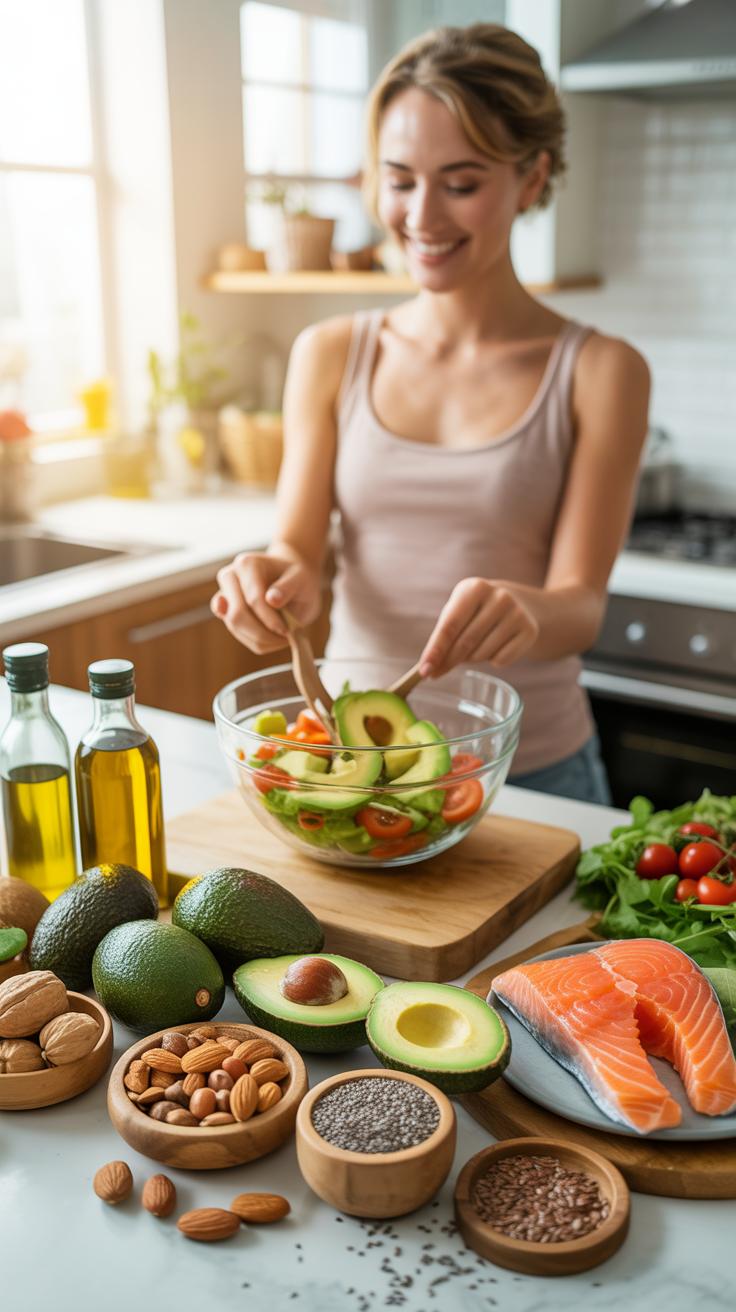
Monounsaturated fats found in avocados and olive oil improve metabolic health. These fats help the body maintain stable insulin levels. Stable insulin prevents the body from storing excess energy as visceral fat around your midsection. These fats also signal the brain to stop eating. This satiety effect reduces total calorie intake throughout the day. Choosing these fats fuels your body without causing inflammation.
Healthy fats provide a steady source of energy for your cells. Unlike carbohydrates, they do not cause rapid blood sugar spikes. High blood sugar leads to fat storage in the abdominal cavity. Replacing processed oils with olive oil protects your heart and liver. This switch helps your body reach a state where it burns stored fat for fuel. Use these natural fats to drive long-term weight loss.
Let food be thy medicine and medicine be thy food. Choosing wholesome gifts from the earth is the simplest way to nourish your body back to its natural balance.
— Hippocrates
Trans Fats And Refined Oils: The Dietary Fats That Actively Promote Belly Fat
Trans fats and refined seed oils trigger systemic inflammation. Manufacturers create trans fats by adding hydrogen to liquid vegetable oils. This process makes the oil solid and shelf-stable. However, these artificial fats migrate directly to the abdomen. They redistribute fat from other parts of the body to the belly. This creates a dangerous layer of fat around your internal organs. Avoid all partially hydrogenated oils.
Refined oils like soybean and corn oil contain high levels of omega-6 fatty acids. Modern diets contain too many of these oils. This imbalance causes the body to hold onto fat. It also slows down your metabolism and damages your gut health. Inflammation from these oils makes losing weight nearly impossible. Focus on removing deep-fried foods and packaged snacks from your diet to see immediate results.
Fiber Rich Foods To Eat To Lose Belly Fat And Improve Gut Health

How Soluble Fiber Specifically Targets Visceral Fat Around The Abdomen
Soluble fiber mixes with water to create a thick gel in your gut. This gel slows down the speed at which food leaves your stomach. This process keeps you full for longer periods and prevents overeating. It also blunts the insulin spike after you eat a meal. Lower insulin levels signal your body to stop storing fat and start burning it.
This specific type of fiber feeds the beneficial bacteria in your lower intestine. These bacteria produce short-chain fatty acids like butyrate during the fermentation process. Research links these fatty acids directly to a reduction in visceral fat. Visceral fat is the dangerous type that wraps around your internal organs. Increasing your daily intake of soluble fiber effectively shrinks this stubborn midsection fat.
Top Fruits, Vegetables, And Legumes High In Belly Fat Fighting Fiber
Legumes and specific produce items offer the highest concentration of soluble fiber per serving. These foods provide the bulk necessary to improve digestion and regulate blood sugar. Selecting these options over processed grains ensures you get the most metabolic benefit from every calorie. Incorporate these staples into your daily meal plan to see measurable changes in your waistline and overall gut function.
- Black Beans: These legumes provide a massive dose of soluble fiber and plant protein. They help stabilize blood sugar levels and keep your appetite under control for several hours. High fiber content promotes the growth of healthy gut microbes.
- Avocados: This fruit contains a unique mix of soluble fiber and healthy monounsaturated fats. This combination improves nutrient absorption and promotes satiety. Eating half an avocado daily can reduce the systemic inflammation that leads to belly fat accumulation.
- Oats: Whole oats contain beta-glucan, a potent soluble fiber that lowers cholesterol and improves insulin sensitivity. This fiber forms a thick gel in the digestive tract to slow glucose absorption. It is a reliable tool for consistent weight management.
- Brussels Sprouts: These cruciferous vegetables are dense in fiber and low in calories. They provide the roughage needed to sweep the digestive tract and improve waste elimination. Regular consumption helps shift the body into a more efficient fat-burning state.
- Berries: Raspberries and blackberries offer high fiber content with very little sugar. The seeds and skin provide the necessary bulk to slow digestion and prevent insulin spikes. They are the most effective fruit option for those targeting abdominal fat loss.
Consistency with these food choices yields the best results for abdominal fat loss. You must eat these fiber sources every day to maintain a healthy gut environment. Aim for at least twenty-five to thirty grams of total fiber daily. Most people eat less than half of that amount. Tracking your intake ensures you hit the threshold required to trigger significant fat loss in the midsection.
Simple Nutrition Swaps That Make Your Everyday Diet A Weight Losing Strategy

Replacing Refined Carbohydrates With Whole Grains And What It Does To Fat Storage
Refined grains like white bread and white rice spike insulin levels quickly. This hormone tells your body to store energy as fat. The refining process removes fiber and essential nutrients. Without fiber, your body digests these foods too fast. This causes a rapid rise in blood glucose. High glucose levels lead directly to increased visceral fat storage around your midsection and organs.
Switching to whole grains like oats or quinoa changes your metabolic response. These complex carbohydrates contain intact fiber. Fiber slows down digestion and keeps insulin levels stable. This stability allows your body to access stored fat for fuel instead of adding to it. You stay full for longer periods after eating. This simple swap reduces caloric intake and prevents the biological triggers that create belly fat.
Smart Drink Choices: Cutting Liquid Sugars That Silently Add To Belly Fat
Liquid sugars are the primary drivers of excess abdominal weight. Drinks like soda and sweetened coffee contain high amounts of fructose. Your liver processes fructose differently than other sugars. When the liver receives too much fructose, it converts the sugar into fat cells. Many of these fat cells settle in the abdomen. These liquid calories do not trigger fullness signals in your brain.
Replacing sugary beverages with water or unsweetened tea stops this fat production cycle. Water helps your kidneys function and supports metabolic processes. Green tea contains catechins that help your body break down fat more efficiently. Eliminating liquid sugar is the fastest way to reduce your daily calorie count. This change forces your body to use its fat reserves for energy. High water intake also reduces bloating and improves digestion.
Belly Fat Foods To Avoid What Your Diet Should Minimize Or Eliminate
Sugar, Alcohol, And Ultra Processed Foods And Their Direct Link To Abdominal Fat
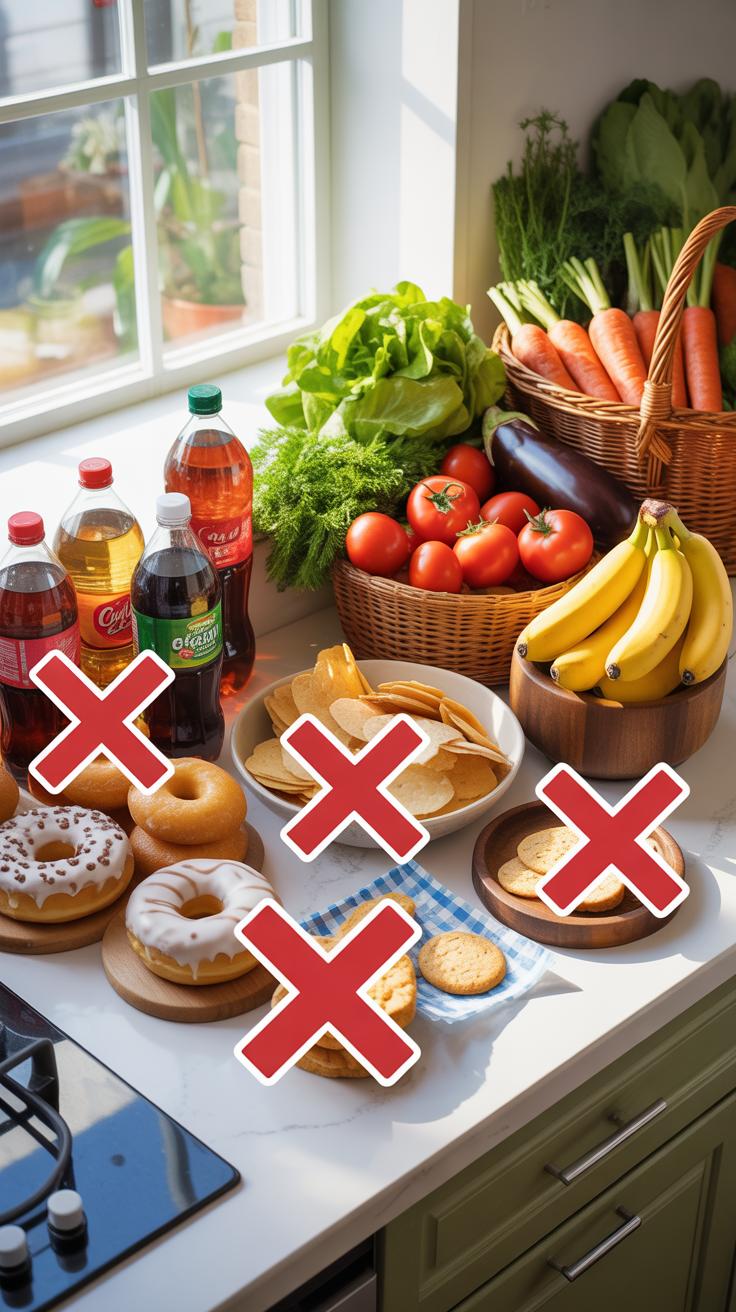
Liquid sugar and refined carbohydrates spike insulin levels immediately. High insulin stops your body from burning stored fat and signals the liver to store energy as visceral fat. Alcohol compounds this issue by pausing fat oxidation. Your liver prioritizes processing toxins over burning lipids. This metabolic stall forces your body to store excess calories directly in the abdominal cavity as high risk fat.
Ultra processed foods lack fiber and contain synthetic additives that disrupt satiety signals. You eat more because your brain does not register these calories effectively. These products often contain trans fats or high fructose corn syrup. Both ingredients are scientifically linked to increased waist circumference. Eliminating these items stabilizes blood sugar and forces the body to access belly fat stores for energy instead.
How Inflammatory Foods Trigger Hormonal Responses That Increase Fat Deposits
Chronic inflammation drives cortisol production. Cortisol is a stress hormone that tells your body to accumulate fat around your vital organs. Foods like soybean oil and refined flour trigger this immune response. When your system stays in a constant state of irritation, your metabolism slows down. This hormonal shift creates a cycle where your body resists weight loss despite a calorie deficit.
Inflammation also causes leptin resistance. Leptin is the hormone that tells you when you are full. When your brain ignores leptin, you overeat inflammatory foods that further increase belly fat. This biological feedback loop makes abdominal weight gain almost inevitable. Reducing inflammatory triggers restores hormonal balance. Proper hormone function is the only way to ensure your body targets midsection fat during exercise.
Building A Sustainable Belly Fat Diet Around Meals You Actually Enjoy
How Meal Timing And Eating Patterns Affect Belly Fat Accumulation Over Time
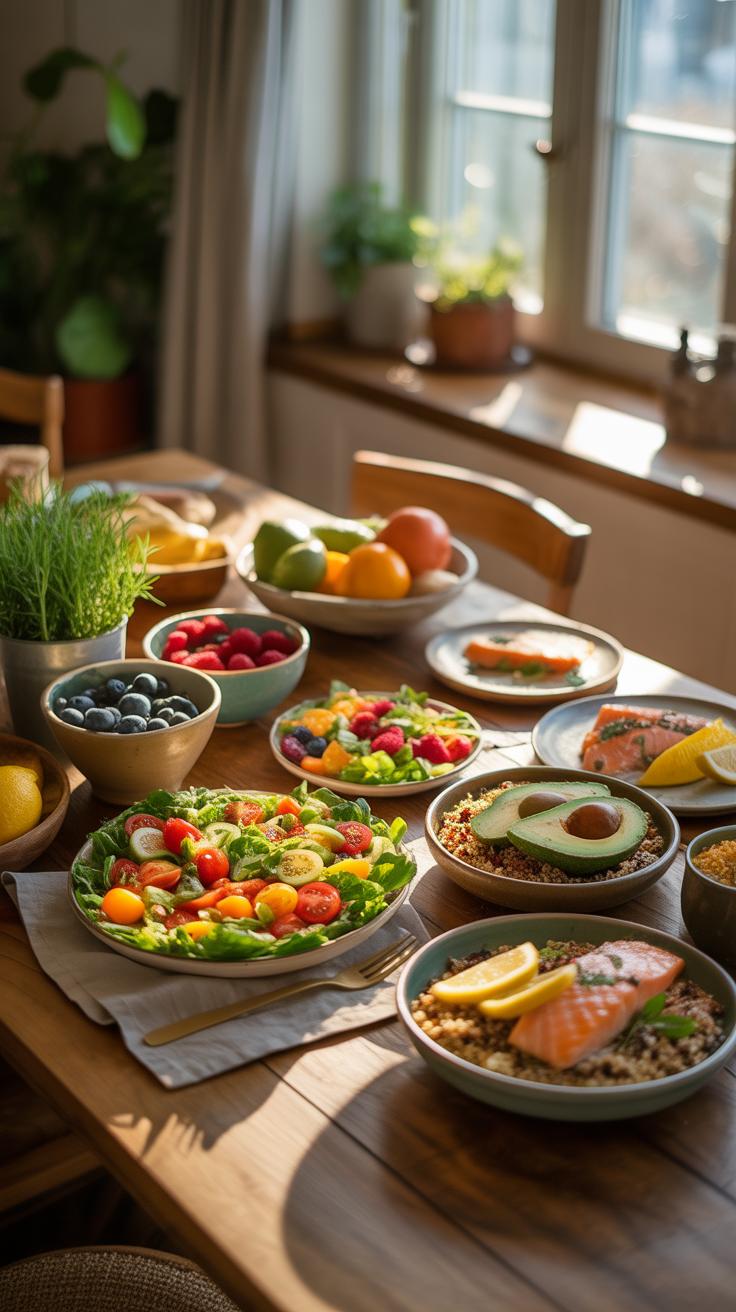
Meal timing influences insulin sensitivity and fat storage. Consistently eating late at night raises blood glucose levels when your metabolism slows down. High insulin levels signal the body to store fat instead of burning it for fuel. Restricting your food intake to a specific window helps keep insulin low. This window allows the body to access stored visceral fat for energy throughout the day.
Consistency matters more than perfection in your eating schedule. Erratic eating patterns can increase cortisol levels which leads to fat accumulation in the abdominal area. Maintaining a regular cadence helps regulate hunger hormones like ghrelin and leptin. These hormones control your appetite and prevent overeating. Stable blood sugar prevents the energy crashes that lead to sugar cravings and poor food choices.
Practical Meal Planning Principles That Keep You Consistent Without Deprivation
Effective meal planning focuses on high protein and fiber density. You must prioritize satiety to stay in a caloric deficit without feeling hungry. Scale your plate by filling half with fibrous vegetables and one quarter with lean protein. This strategy reduces the overall caloric density of your meals. It allows you to eat large portions while still targeting belly fat reduction through hormonal balance.
Eliminate the mindset of total restriction to maintain long term adherence. Rigid diets often fail because they trigger a psychological rebound effect. Incorporate whole food versions of meals you enjoy to stay on track. Swap refined grains for ancient grains or root vegetables to improve nutrient density. Focus on making small sustainable shifts that you can maintain for years rather than weeks.
Lifestyle Habits That Complement Your Efforts To Burn Belly Fat Through Food

How Sleep Quality And Stress Levels Directly Undermine Belly Fat Reduction
Sleep deprivation raises cortisol levels and disrupts hunger hormones like ghrelin and leptin. When you lack sleep, your brain seeks quick energy from sugar and processed fats. This hormonal imbalance makes it biologically harder to resist cravings. High cortisol tells your body to store fat specifically in the abdominal cavity. Poor sleep habits effectively cancel out the benefits of a clean diet.
Chronic stress triggers a survival mechanism that protects visceral fat stores. This reaction dates back to periods of famine when the body stored belly fat for energy. Modern stress from work or life creates the same chemical response. High cortisol levels mobilize glucose but prevent fat oxidation. You must manage stress and prioritize seven hours of sleep to allow your metabolic processes to function correctly.
Pairing Consistent Physical Activity With Your Nutrition Plan For Faster Results
Diet controls your caloric intake but exercise dictates how your body uses that energy. Resistance training builds lean muscle mass which increases your resting metabolic rate. Muscle tissue burns more calories at rest than fat tissue does. Combining strength training with high protein intake prevents muscle loss during a deficit. This ensures the weight you lose comes from body fat rather than lean tissue.
Cardiovascular exercise improves insulin sensitivity and helps the body move glucose into the muscles. High intensity interval training is particularly effective for targeting visceral fat deposits. Consistent movement keeps your lymphatic system active and reduces systemic inflammation. You cannot out train a bad diet but you can accelerate fat loss through movement. Focus on compound lifts and daily walking to maximize your nutritional efforts.
Frequently Asked Questions

Can specific foods really help you lose weight around your midsection?
While you cannot spot-reduce fat, incorporating specific foods that burn belly fat into a balanced diet can significantly boost your metabolic rate. Nutrient-dense options like lean proteins, leafy greens, and fiber-rich legumes help regulate insulin levels and keep you full longer. By focusing on whole foods rather than processed sugars, you create a thermogenic effect that encourages your body to utilize stored energy more efficiently, leading to a slimmer waistline over time.
How should I structure my daily meals to prioritize fat loss?
To see real results, aim to include high-quality protein and healthy fats in every meal. Start your morning with eggs or Greek yogurt to jumpstart your metabolism, and fill half your plate with non-starchy vegetables at lunch and dinner. Consistently eating foods that burn belly fat, such as avocados, berries, and green tea, helps stabilize blood sugar. This prevents the energy crashes and cortisol spikes that often lead to increased abdominal fat storage.
Is it possible to eat for a flatter stomach without spending a lot on superfoods?
Absolutely! Many of the most effective items for weight loss are budget-friendly pantry staples. Oats, dried beans, lentils, and seasonal cruciferous vegetables like cabbage or broccoli are incredibly affordable and packed with the fiber necessary to reduce bloating and melt fat. You don’t need expensive supplements or exotic powders; sticking to simple, whole ingredients from the produce aisle is the most sustainable and cost-effective way to achieve your fitness goals.