
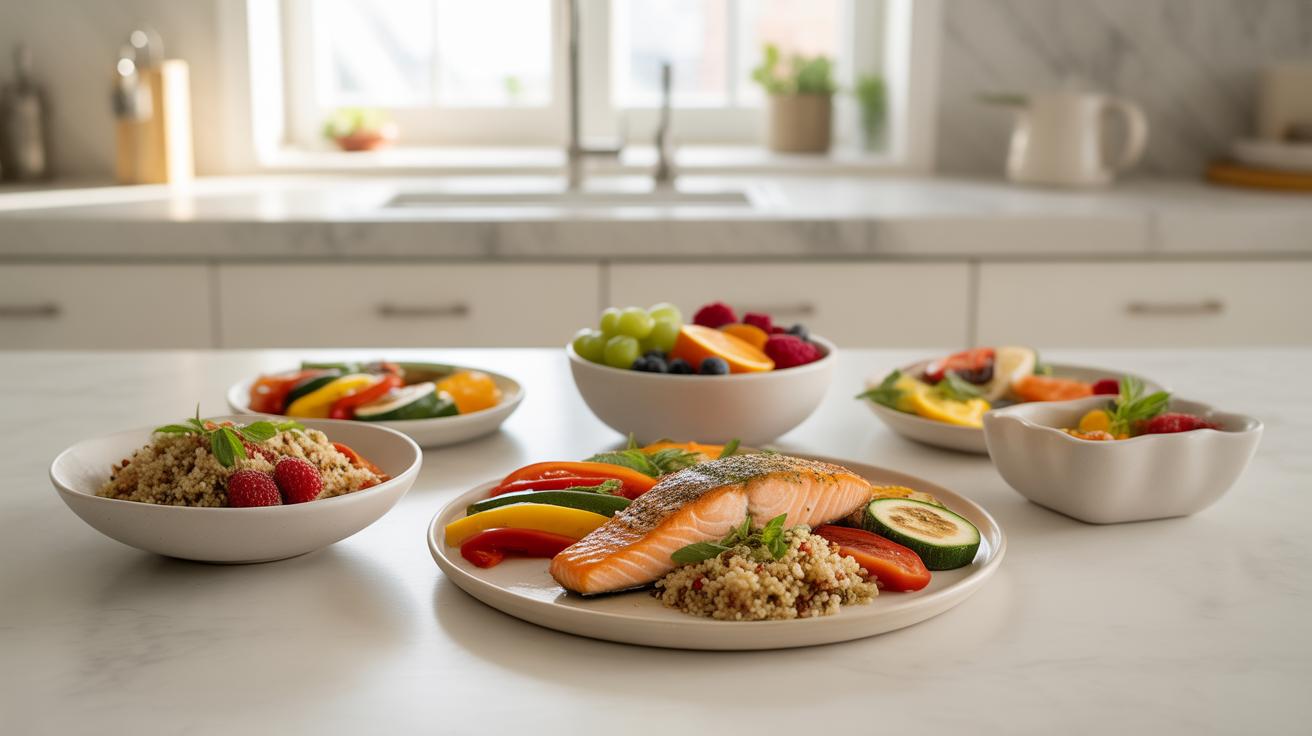
What Is A 1500 Calorie Meal Plan And Why It Works For Women
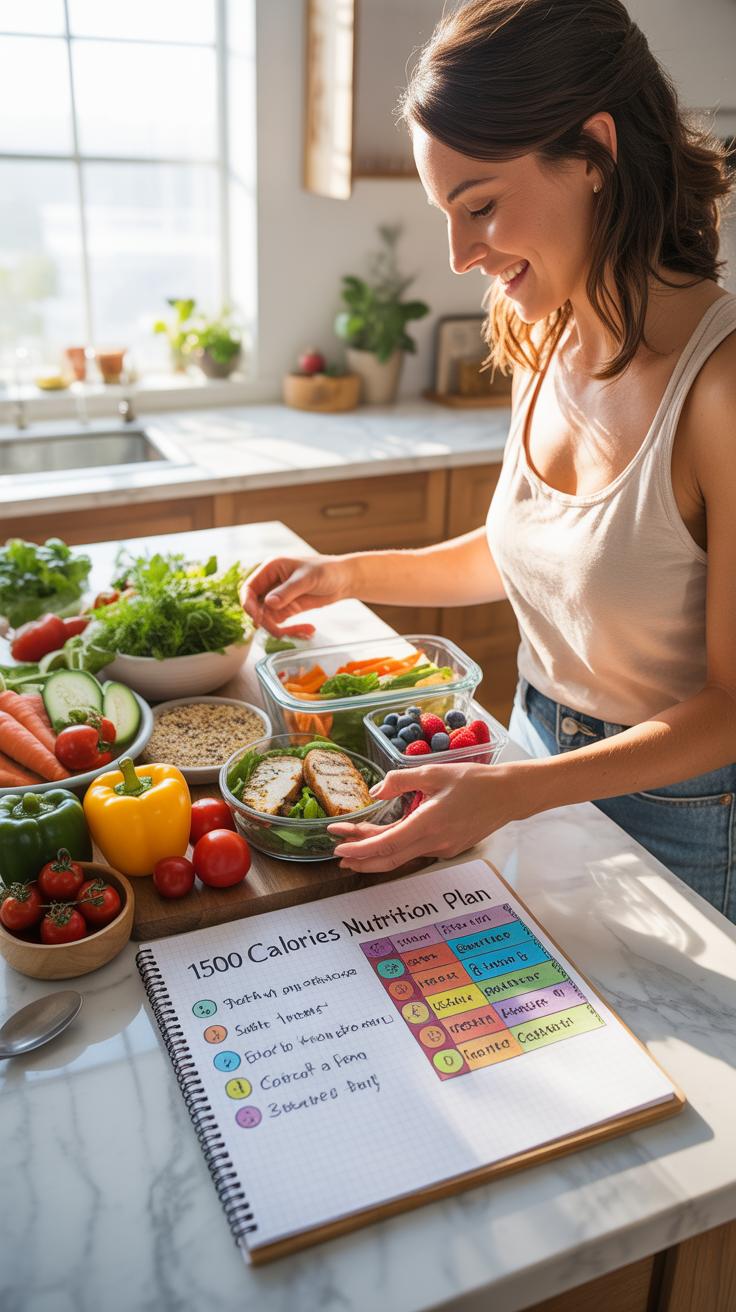
The Science Behind A 1500 Calorie Diet For Female Weight Loss
A 1500 calorie meal plan creates a metabolic deficit for most women. Weight loss occurs when energy output exceeds energy intake. This specific number often sits below a woman’s Total Daily Energy Expenditure. It forces the body to burn stored adipose tissue for fuel. This process follows the first law of thermodynamics. Consistency with this intake level ensures a predictable and steady reduction in total body mass.
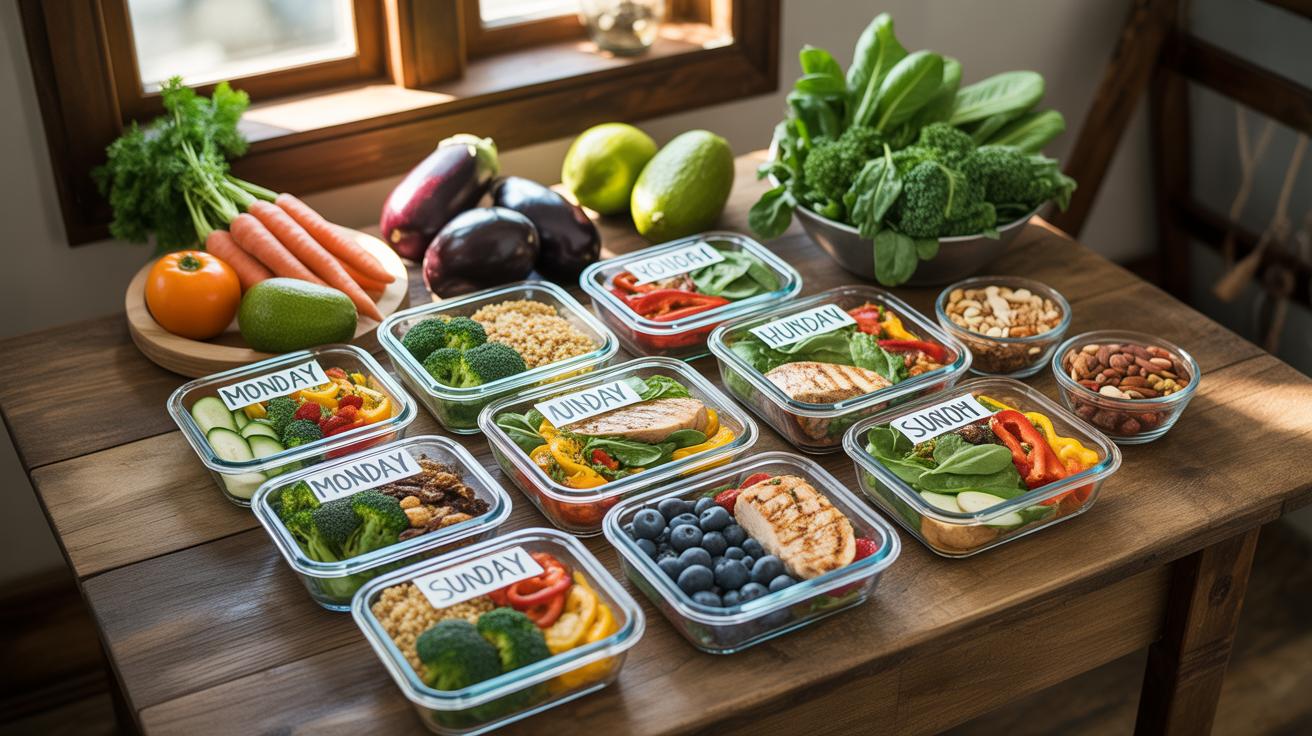
Choosing 1500 calories provides enough volume to maintain muscle mass and hormonal health. Extreme deficits often trigger a starvation response which slows the metabolism. This moderate approach preserves the basal metabolic rate while inducing fat loss. It allows for adequate macronutrient distribution including protein, fats, and carbohydrates. Women can sustain this level of intake without facing the severe fatigue or nutrient deficiencies common in more restrictive diets.
How Daily Caloric Needs Differ For Women Based On Age And Activity Level
Age significantly impacts how many calories a woman requires daily. Younger women typically have more muscle mass and higher metabolic rates. As women age, their basal metabolic rate naturally declines. This change occurs due to hormonal shifts and a decrease in lean tissue. A 1500 calorie target becomes more effective as a woman enters her thirties or forties. It aligns with the lower energy demands of an aging body.
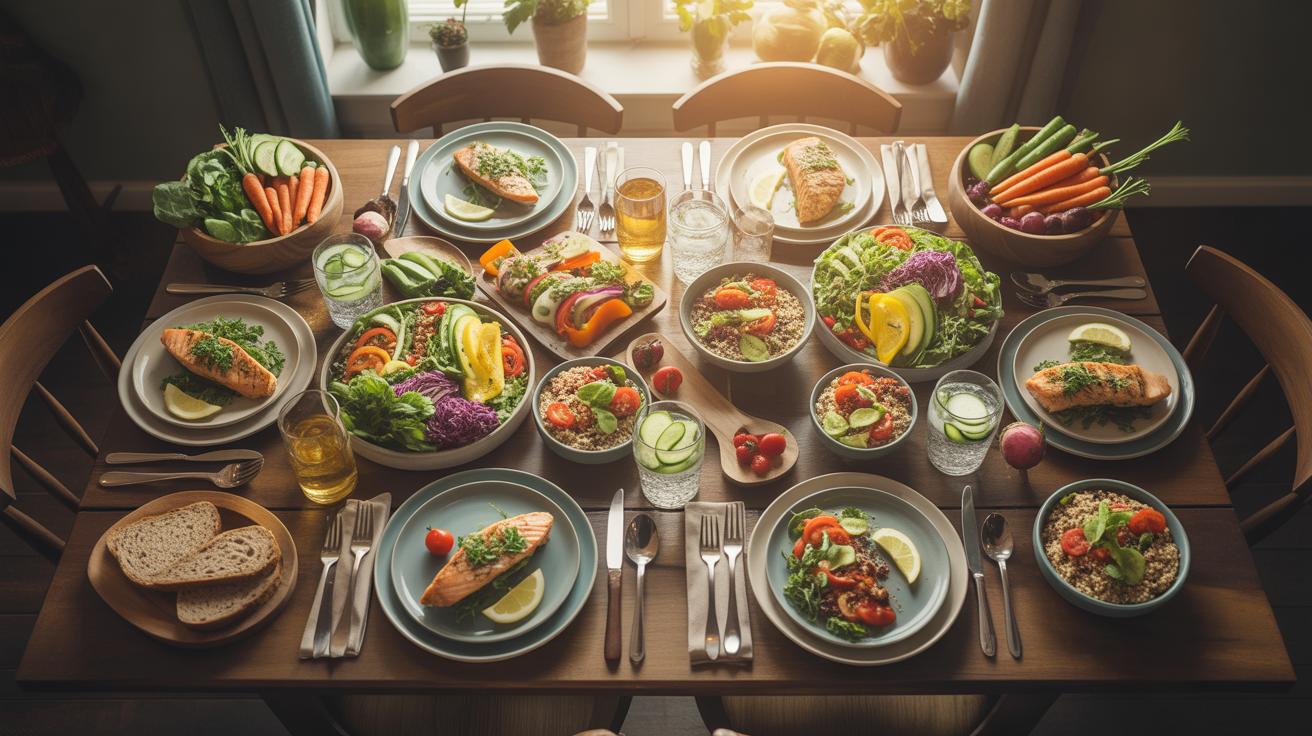
Activity level determines the exact size of the caloric deficit. Sedentary women burn fewer calories than those with physically demanding jobs or intense exercise routines. A woman who sits at a desk all day will find 1500 calories creates a sharp deficit. An athlete might find this number too low for recovery. Adjusting the plan based on physical movement ensures the deficit remains safe. Proper calibration prevents plateaus and keeps energy levels high.
Understanding Calorie Deficit And How It Drives Fat Loss

What Is A Calorie Deficit And How Much Is Needed To Lose Weight
A calorie deficit occurs when you consume fewer calories than your body burns for energy. This forces your system to tap into stored body fat for fuel. Weight loss is a biological math problem. You must burn more than you eat to see results. Science shows that a deficit of 500 calories per day leads to losing roughly one pound of fat per week.
Consistency determines your success rate. A small deficit sustained over months works better than a massive deficit held for three days. You calculate your needs based on Basal Metabolic Rate and activity levels. If your body requires 2000 calories to stay the same weight, eating 1500 creates the gap. This gap is the only way your body physically removes fat cells.
Cooking is like love; it should be entered into with abandon or not at all, even when we are mindful of our portions. A shared meal around the table is where the heart finds its home and the body finds its strength.
— Harriet Van Horne
Why 1500 Calories Strikes The Right Balance Between Deficit And Nutrition
A 1500 calorie meal plan serves as a strategic floor for most women. Dropping below 1200 calories often triggers metabolic adaptation. This slows your heart rate and reduces energy output to protect vital organs. 1500 calories provide enough volume to include lean proteins, fiber, and healthy fats. This level of intake preserves your muscle mass while you burn through the fat stores.
Sustainability is the target. Most people fail because their diet is too restrictive. 1500 calories allow for three solid meals and snacks. This prevents the hunger spikes that lead to binge eating. You get enough micronutrients to keep your hair, skin, and nails healthy. It is a tactical intake that supports high energy for workouts while maintaining a steady rate of fat loss.
How To Build Balanced Meals On A 1500 Calorie Meal Plan
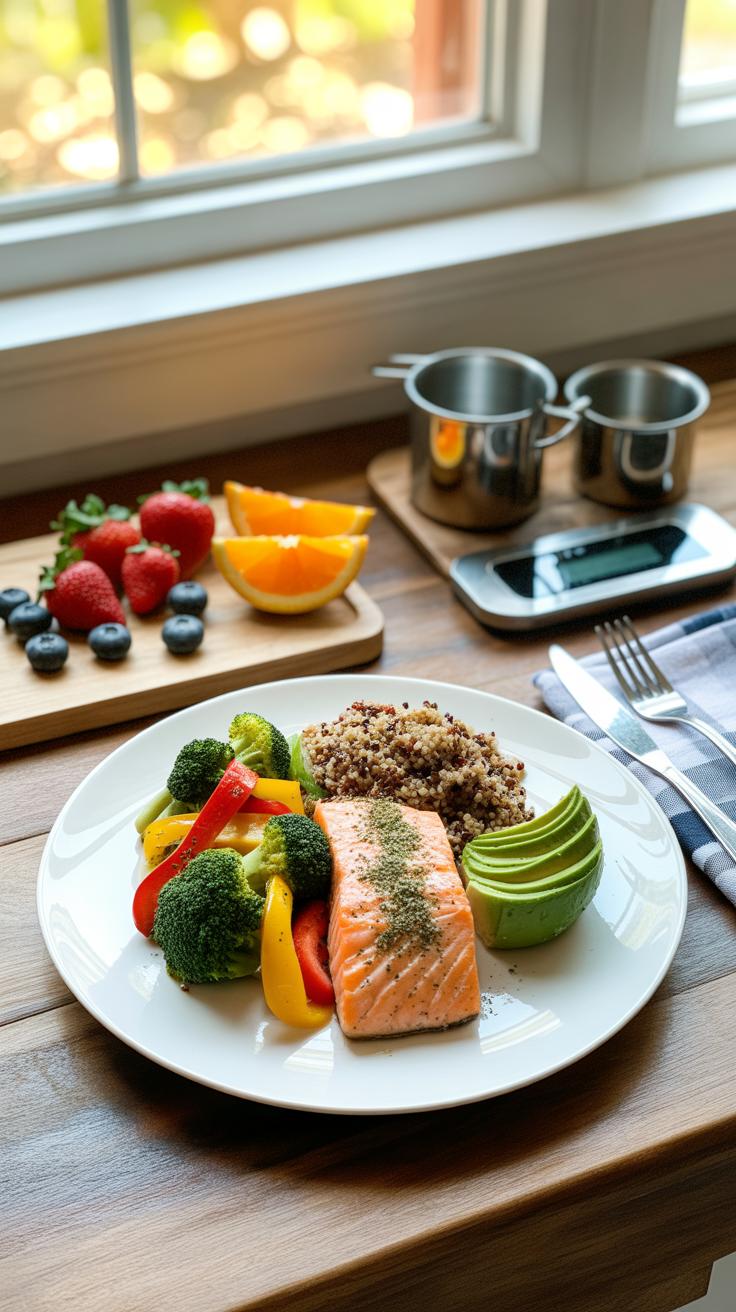
Macronutrient Breakdown: Protein, Carbs, And Fats For Balanced Meals
A 1500 calorie meal plan requires a strict focus on macronutrient ratios to prevent muscle loss and manage hunger. Aim for 30 percent protein, 40 percent carbohydrates, and 30 percent fats. This balance stabilizes blood sugar and provides sustained energy. High protein intake is non-negotiable because it has the highest thermic effect of food. You burn more calories digesting lean protein than fats or carbs.
Select complex carbohydrates like oats, quinoa, or sweet potatoes for slow digestion. Avoid simple sugars that cause insulin spikes and subsequent energy crashes. Integrate healthy fats like olive oil or avocado to ensure hormone health and nutrient absorption. Every meal must contain all three macros to keep you satiated. If you skip one, you will likely overeat later in the day when your willpower fades.
How To Portion Your Plate To Hit 1500 Calories Without Tracking Every Bite
Visual portioning serves as a tactical shortcut for weight loss. Divide a standard nine-inch plate into specific zones. Fill half the plate with non-starchy vegetables like spinach, broccoli, or peppers. These provide volume and fiber with minimal caloric impact. High-volume eating tricks the brain into feeling full. Proper plate architecture eliminates the need for a scale at every single meal during the day.
Dedicate one quarter of the plate to lean protein and the remaining quarter to complex starches. Limit added fats to a portion the size of your thumb. This method naturally restricts calories while ensuring you get the nutrients you need. Focus on consistency rather than perfection. If you maintain these spatial ratios, you will stay within the 1500 calorie limit without the stress of constant digital tracking.
Easy 1500 Calorie Meal Plans A Full 7 Day Sample Week
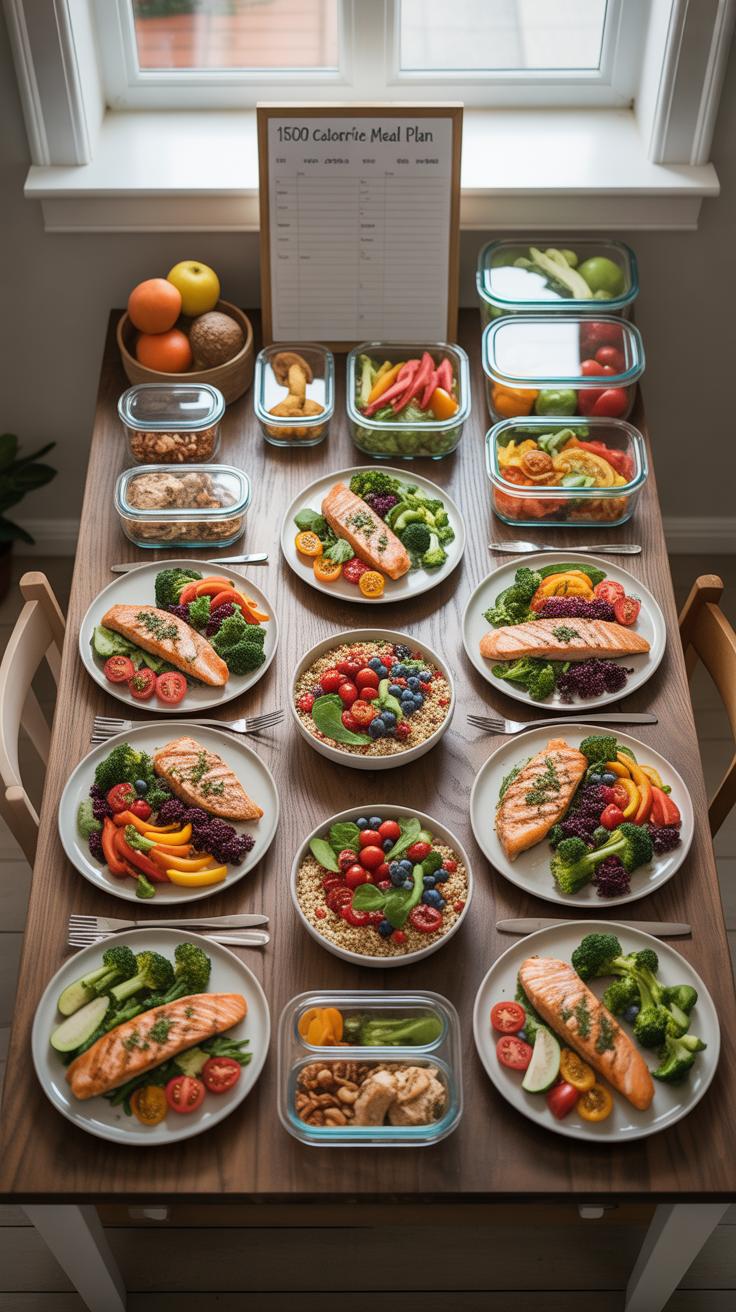
Day By Day Meal Ideas That Keep You Full And On Track
Standardize your breakfast at 350 calories using high protein sources like eggs or Greek yogurt. This stabilizes blood sugar immediately. Allocate 400 calories for lunch and 500 calories for dinner to manage hunger during peak evening hours. Use the remaining 250 calories for high fiber snacks. Fiber and protein are the primary tools for appetite control. Focus on lean meats and leafy greens to maximize food volume.
Structure your week around repeatable meal templates. On Monday and Tuesday, use grilled chicken and roasted vegetables to hit your targets. Switch to salmon or beans on Wednesday for healthy fats and varied textures. High volume foods like cauliflower rice and zucchini noodles allow for larger portions without exceeding the daily limit. Success requires weighing ingredients to ensure accuracy. Guessing portion sizes leads to calorie creep and stalls progress.
How To Rotate Meals Throughout The Week To Prevent Boredom
Rotate proteins and spices instead of entire recipes to save time and mental energy. Use three core base ingredients like quinoa, spinach, and chicken for multiple days. Change the flavor profile on day three using citrus or hot sauce. This prevents palate fatigue without requiring new shopping lists. Efficient meal planning relies on slight variations of a proven framework. Keep the logistics simple to ensure long term consistency.
Prepare bulk batches of complex carbohydrates and proteins every three days. This allows you to mix and match components based on daily preference. Swap sweet potatoes for brown rice to change the nutrient profile and mouthfeel. Variety comes from the seasoning and the vegetable pairings you choose. Prioritize high nutrient density in every rotation. Reliable weight loss depends on your ability to eat similar meals without feeling deprived or bored.
Top Nutrition Recipes That Fit Perfectly Into A 1500 Calorie Diet
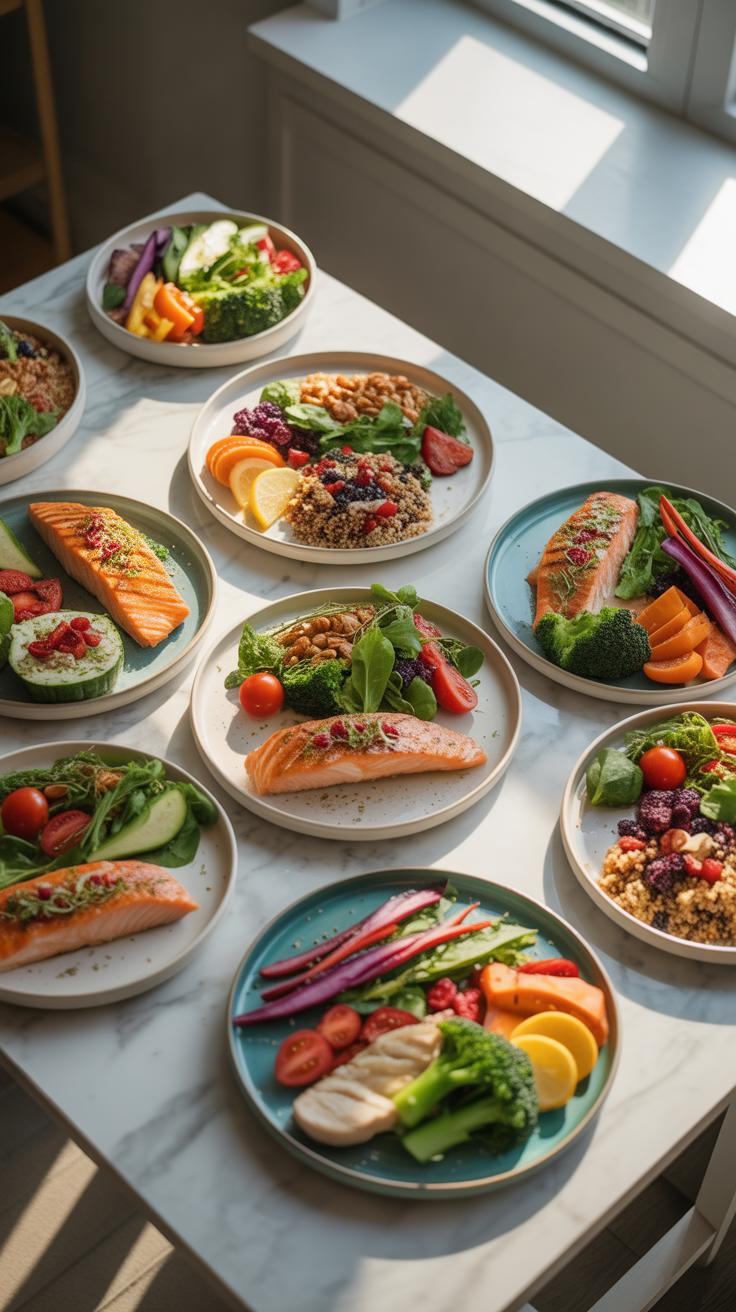
High Protein Breakfast Recipes Under 400 Calories To Start Your Day Right
Protein prevents muscle loss during a calorie deficit. Start with three large eggs and a side of spinach. This combination provides twenty grams of protein for three hundred calories. You stay full longer because protein slows digestion. Avoid sugary cereals or pastries. These spike insulin and cause hunger crashes by mid-morning. Stick to whole foods that offer high volume and low density.
Overnight oats also work well when you use Greek yogurt. Mix half a cup of dry oats with six ounces of plain yogurt. Add a handful of berries for fiber. This meal stays under four hundred calories and delivers twenty-five grams of protein. Proper breakfast timing regulates your blood sugar for the rest of the day. Consistent protein intake keeps your metabolism active during weight loss.
Satisfying Lunch And Dinner Nutrition Recipes That Support Weight Loss
Lunch must prioritize volume to prevent afternoon snacking. A large kale salad with five ounces of grilled chicken is ideal. Use lemon juice and one tablespoon of olive oil as dressing. This meal offers lean protein and essential fats for four hundred calories. The fiber in the greens triggers stretch receptors in your stomach. These signals tell your brain that you are full.
Dinner should follow a similar structure of protein and vegetables. Bake six ounces of white fish with roasted asparagus and half a sweet potato. This plate totals four hundred fifty calories. Choosing white fish like cod or tilapia keeps fats low while maximizing protein density. Avoid heavy sauces or butter. Use dry spices and herbs to add flavor without adding empty calories to your daily total.
1500 Calorie Meal Plan Simple Strategies For Busy Women

Meal Prep Tips To Make Your 1500 Calorie Plan Easier Every Week
Effective meal prep eliminates daily decision fatigue and ensures you hit your 1500 calorie target. Planning fails when meals require complex assembly during work hours. You must focus on batch cooking versatile components rather than isolated recipes. This approach allows for quick mixing and matching. Stocking specific staples ensures you never reach for high calorie convenience foods when hunger strikes unexpectedly.
- Batch Cook Proteins: Roast three pounds of chicken breast or lean turkey on Sunday. Weigh these portions into five ounce servings to track macros accurately. High protein intake preserves muscle mass while you maintain a caloric deficit throughout the week.
- Pre Slice Vegetables: Chop peppers, broccoli, and onions immediately after grocery shopping. Raw vegetables provide volume and fiber without adding significant calories. Keeping them visible in clear containers encourages you to add them to every plate for increased satiety.
- Portion Complex Carbohydrates: Cook large batches of quinoa, brown rice, or sweet potatoes in advance. Use a kitchen scale to divide these into half cup servings. Controlled carb portions prevent accidental calorie surplus while providing the glucose needed for brain function and energy.
- Standardize Healthy Fats: Measure oils, nuts, and seeds into small containers before the week begins. Fats are calorie dense and easy to overeat if you pour them directly from the bottle. Pre portioning ensures you get essential fatty acids without exceeding your daily limit.
- Prepare Low Calorie Sauces: Blend Greek yogurt with herbs or use vinegar based dressings for flavor. Most commercial sauces contain hidden sugars and fats that sabotage a 1500 calorie plan. Homemade options give you total control over the nutritional profile of your meals.
Consistency comes from preparation, not willpower. Use transparent glass containers to organize your fridge. This visual cue simplifies your morning routine and prevents mindless snacking. If your meals are ready, you will stick to your plan. Successful weight loss depends on your ability to make the healthy choice the easiest choice. Tactical preparation is the only way to win.
How To Stay Consistent With A Simple Calorie Meal Plan On A Hectic Schedule
High stress environments often lead to poor nutritional choices. You must develop a default menu for days when your schedule collapses. A 1500 calorie meal plan requires a backup list of three ingredient meals. These meals should use shelf stable items or pre cooked proteins. Stop relying on motivation to carry you through a twelve hour workday. Rely on a system.
Keep a log of your hunger cues to identify high risk times. If you feel cravings at four in the afternoon, schedule a high protein snack. Avoid the trap of skipping meals to save calories for later. This behavior leads to binge eating in the evening. Eat consistent volumes at set times to regulate your metabolism. Precision and timing are your most effective tools for long term success.
What To Eat And What To Avoid On A Meal Plan 1500 Calories A Day
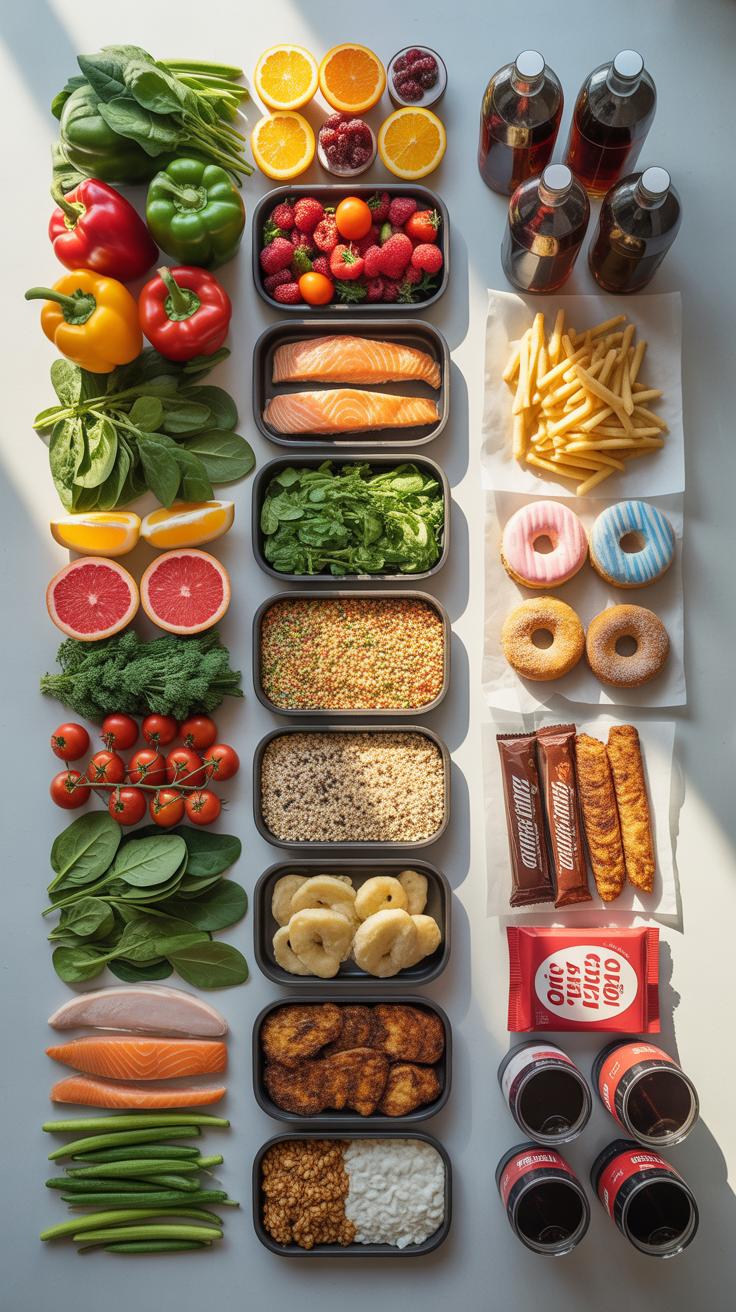
Best Whole Foods To Prioritize When Following A 1500 Calorie Diet
Volume eating is the only way to sustain a 1500 calorie meal plan without constant hunger. You must select foods with low caloric density but high nutrient profiles. This strategy fills the stomach and triggers satiety signals in the brain. Prioritize lean proteins and fibrous vegetables to preserve muscle mass and slow down your overall digestion process every single day.
- Lean Poultry and Fish: Chicken breast and white fish provide high protein with very few fats. This allows you to eat larger portions while staying under your daily limit. Protein requires more energy for your body to digest compared to fats or carbohydrates.
- Cruciferous Vegetables: Broccoli, cauliflower, and cabbage offer massive volume for negligible calories. These vegetables contain high fiber levels that physically distend the stomach. This mechanical process signals to your brain that you are full and should stop eating immediately.
- Leafy Greens: Spinach and kale are almost calorie-free but dense in micronutrients. You can use these as a base for every meal to add significant bulk. They provide essential vitamins without impacting your daily energy budget in any meaningful or negative way.
- Legumes and Beans: Lentils and black beans deliver a dual punch of fiber and plant-based protein. They stabilize blood sugar levels and prevent energy crashes. Steady blood sugar is critical for avoiding the mid-afternoon hunger spikes that often ruin strict 1500 calorie diets.
- Whole Grains: Oats and quinoa provide slow-releasing energy through complex carbohydrates. These grains take longer for the body to break down than refined flours. They keep you fueled for workouts and daily tasks without causing the insulin spikes associated with processed white bread.
Smart sourcing ensures you get the most out of every bite. Focus on the perimeter of the grocery store where whole foods live. Avoid the middle aisles where manufacturers strip nutrients from food. High-quality inputs yield high-quality weight loss results. Your body needs these specific building blocks to function at peak metabolic efficiency during a caloric deficit.
Foods And Habits That Can Silently Sabotage Your Calorie Goals
Liquid calories are the most common reason people fail their 1500 calorie meal plan. Sugary coffees, sodas, and even fruit juices add hundreds of calories without providing any physical fullness. Your brain does not register liquid energy the same way it registers solid food. Stop drinking your calories if you want to see actual progress on the scale each week.
Hidden fats in cooking oils and dressings also destroy your progress. One tablespoon of olive oil contains nearly ten percent of your daily calorie allowance. Most people pour without measuring and double their intended intake. Use non-stick pans or measured sprays to control these invisible additions. Precise measurement is the difference between losing weight and staying stuck in a frustrating plateau.
How To Track Progress And Adjust Your 1500 Calorie Meal Plan Over Time

How To Monitor Weight Loss Results Without Becoming Obsessed With Numbers
Track your progress by measuring trends rather than daily fluctuations. Focus on weekly averages to account for water retention and glycogen shifts. Use a morning weigh-in after using the bathroom for the most consistent data. Record these numbers in a simple log. Look for a downward trend over a fourteen day period. This method removes the emotional impact of a single high reading.
Incorporate non scale victories to gauge success accurately. Take monthly body measurements at the waist, hips, and thighs. Notice how your clothing fits and monitor your energy levels during workouts. Documenting physical changes provides proof of fat loss even when the scale stalls. These data points confirm that your body composition is improving. Consistent tracking keeps your strategy objective and prevents unnecessary panic during natural weight plateaus.
When And How To Adjust Your Calorie Meal Plan As Your Body Changes
A 1500 calorie meal plan requires updates as your body mass decreases. A smaller body requires less energy to function. You must reassess your intake after losing ten percent of your starting weight. If your weight remains stagnant for three consecutive weeks, your current intake likely matches your new maintenance level. You must then increase activity or slightly reduce calories to continue seeing results.
Do not drop calories too low or too quickly. Significant hunger or a sharp decline in gym performance indicates a need for a diet break. Increase your intake to maintenance levels for one week to stabilize your hormones. This recovery period prevents metabolic adaptation from halting your progress. Return to the deficit once your energy stabilizes. Smart adjustments ensure long term adherence and protect your muscle mass during the fat loss process.
Common Mistakes Women Make On A 1500 Calorie Meal Plan And How To Fix Them

Why Skipping Meals Can Work Against Your Weight Loss On A 1500 Calorie Diet
Skipping meals creates a metabolic trap. Your body senses a calorie deficit and reacts by increasing hunger hormones like ghrelin. This biological response often leads to binge eating later in the day. You might save five hundred calories at lunch but consume an extra thousand at dinner. Consistent fuel delivery keeps blood sugar stable and prevents your brain from triggering emergency hunger signals.
Extreme calorie restriction triggers a survival mechanism known as adaptive thermogenesis. Your body compensates by reducing your non-exercise activity thermogenesis or NEAT. You move less without realizing it because your energy levels drop. This lowers your total daily energy expenditure. Eating regular portions on a 1500 calorie meal plan ensures you have the energy to stay active. Proper fueling maintains a higher metabolic rate through movement.
How To Overcome Plateaus And Keep Losing Weight On Easy 1500 Calorie Meal Plans
Weight loss plateaus happen when your body reaches a new equilibrium. As you lose mass, your calorie needs decrease. A 1500 calorie meal plan might cause rapid weight loss initially but slow down as you get smaller. You must track every gram of food accurately using a digital scale. Small errors in portion sizes like oils or nut butters can add hundreds of uncounted calories that stall your progress.
Increasing protein intake is the most effective way to break a stall. Protein has a high thermic effect meaning your body burns more energy to digest it. Aim for thirty grams of protein at every meal to preserve lean muscle tissue. Muscle burns more calories at rest than fat does. If progress stops for two weeks, increase your daily walking or resistance training before you try to drop calories further.
Frequently Asked Questions

Is a 1500 calorie meal plan effective for weight loss in women?
Yes, a 1500 calorie meal plan is generally considered a highly effective and sustainable approach for many women looking to shed pounds. This caloric range allows for a significant deficit while still providing enough energy for daily activities and exercise. It strikes a healthy balance between seeing measurable progress on the scale and maintaining your metabolism without feeling the extreme hunger often associated with more restrictive, low-calorie diets.
How can I successfully prep a 1500 calorie meal plan for a busy week?
Consistency is key to success, so start by choosing protein-rich recipes that can be easily portioned into containers. Focus on batch-cooking staples like grilled chicken, quinoa, and roasted vegetables. Using a 1500 calorie meal plan helps remove the guesswork; simply divide your total daily allowance into three 400-calorie meals and two 150-calorie snacks. This organization ensures you always have a healthy, pre-measured option ready whenever hunger strikes during the day.
Can I follow this type of weight loss plan on a tight budget?
Absolutely! Achieving your fitness goals doesn’t require expensive specialty superfoods or luxury ingredients. You can easily build an affordable 1500 calorie meal plan by focusing on versatile, low-cost staples like dried beans, lentils, eggs, and seasonal frozen vegetables. Buying in bulk and cooking at home rather than eating out naturally reduces costs while giving you full control over your nutritional intake and helping you stay on track financially.