
The Illusion Of Convenience Why Easy Undermines You

Quick Fixes Kill Momentum
You want meal prep to feel effortless because you’re afraid consistency is actually hard work. Here’s the mechanism: convenience culture teaches you that simple equals sustainable, when it actually equals abandonment. Nutrition is an economics problem. You’re trading short-term friction (planning, shopping, cooking) for long-term returns (energy, body composition, performance). Skip the friction and you bankrupt yourself three weeks in.
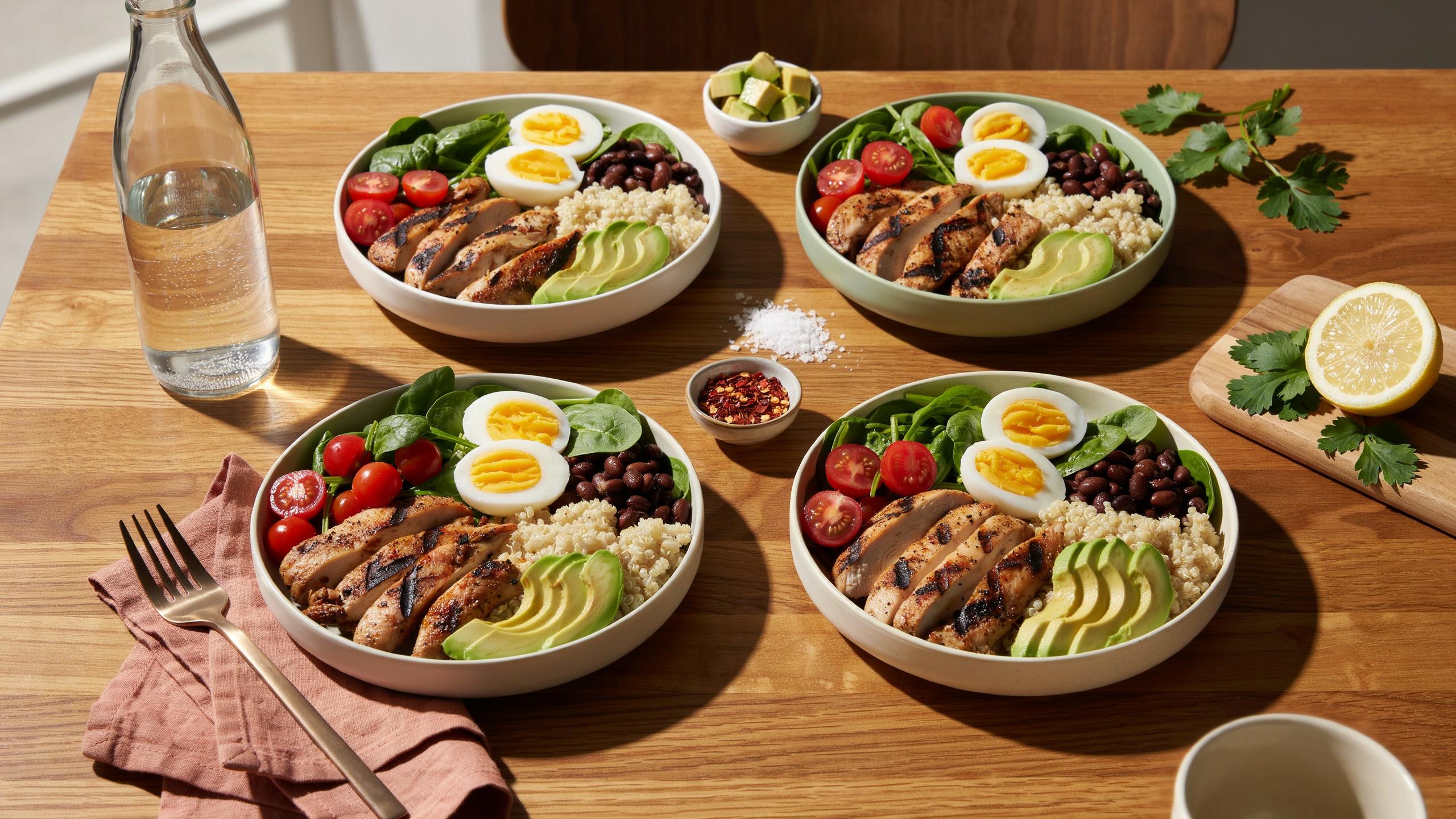
The “dump and go” bowl trend sells you a false premise. Throw some rotisserie chicken, rice, and broccoli in a container and you’re done, right? Wrong. That bowl fails because it ignores satiety, macronutrient balance, and flavor fatigue. You’ll eat it twice, feel bored, and revert to takeout. Real meal prep isn’t about speed. It’s about designing a system that survives contact with your actual life, your taste preferences, and your willpower limits.
The Hidden Tax Of Oversimplification
Pre-made protein bowl services and minimal-effort recipes carry costs nobody mentions upfront. You pay inflated prices for mediocre quality and zero customization. You also pay in opportunity cost: the time you save vanishes when you abandon the system and restart from scratch. That’s not efficiency. That’s subscription to failure.
Oversimplified approaches hide a critical variable: protein timing and source matter more than you think. Cheap rotisserie chicken dries out by day three. Canned tuna oxidizes and tastes like regret. Egg-based prep turns rubbery. You need to understand cooking technique, storage science, and protein quality to build bowls that stay edible and nutritious through day five. The real work isn’t cooking. It’s understanding why certain combinations work and others don’t. Build that knowledge first, then automate the execution.
The Bio Rhythmic Optimization Protocol For Protein Intake

When To Eat Protein For Peak Performance
You want to feel sharp at 2 PM instead of fighting your eyelids, and you think timing doesn’t matter because protein is protein. It does. Your blood glucose and amino acid availability directly control neurotransmitter production and sustained attention. This is biochemistry, not motivation. Eating protein at lunch isn’t about feeling full—it’s about preventing the cognitive collapse that hits when carbohydrates spike without protein to stabilize them.
Most people eat carbs alone at lunch and wonder why they crash. Protein slows gastric emptying and blunts glucose spikes, keeping your dopamine and norepinephrine steady for hours. A high protein lunch bowl eaten between noon and 1 PM delivers amino acids when your body needs them most—mid-workday, when mental demand peaks. The mechanism is simple: amino acids enter circulation, cross the blood-brain barrier, and become precursors for focus neurotransmitters. Skip this timing and you’re leaving four hours of productivity on the table.
How Much Protein Your Body Actually Needs
The common advice is one size fits all—0.8 grams per kilogram of body weight. That’s baseline survival math, not performance math. Your actual protein needs depend on three variables nobody mentions: your body composition, your daily activity level, and whether you’re trying to build or maintain muscle. A desk worker and a construction worker need different amounts even at identical weights.
For lunch bowls specifically, use this calibration: eat 30 to 40 grams of protein if you weigh under 150 pounds and do light activity, 40 to 50 grams if you weigh 150 to 200 pounds or exercise regularly, and 50 to 60 grams if you’re over 200 pounds or strength train. This isn’t theoretical—it’s the threshold where amino acid uptake maximizes without excess that your body simply excretes. Your lunch bowl protein portion should scale to your actual demand, not an arbitrary recommendation.
Deconstructing The Healthy Bowl Beyond Instagram Aesthetics
Nutrient Density Over Visual Appeal
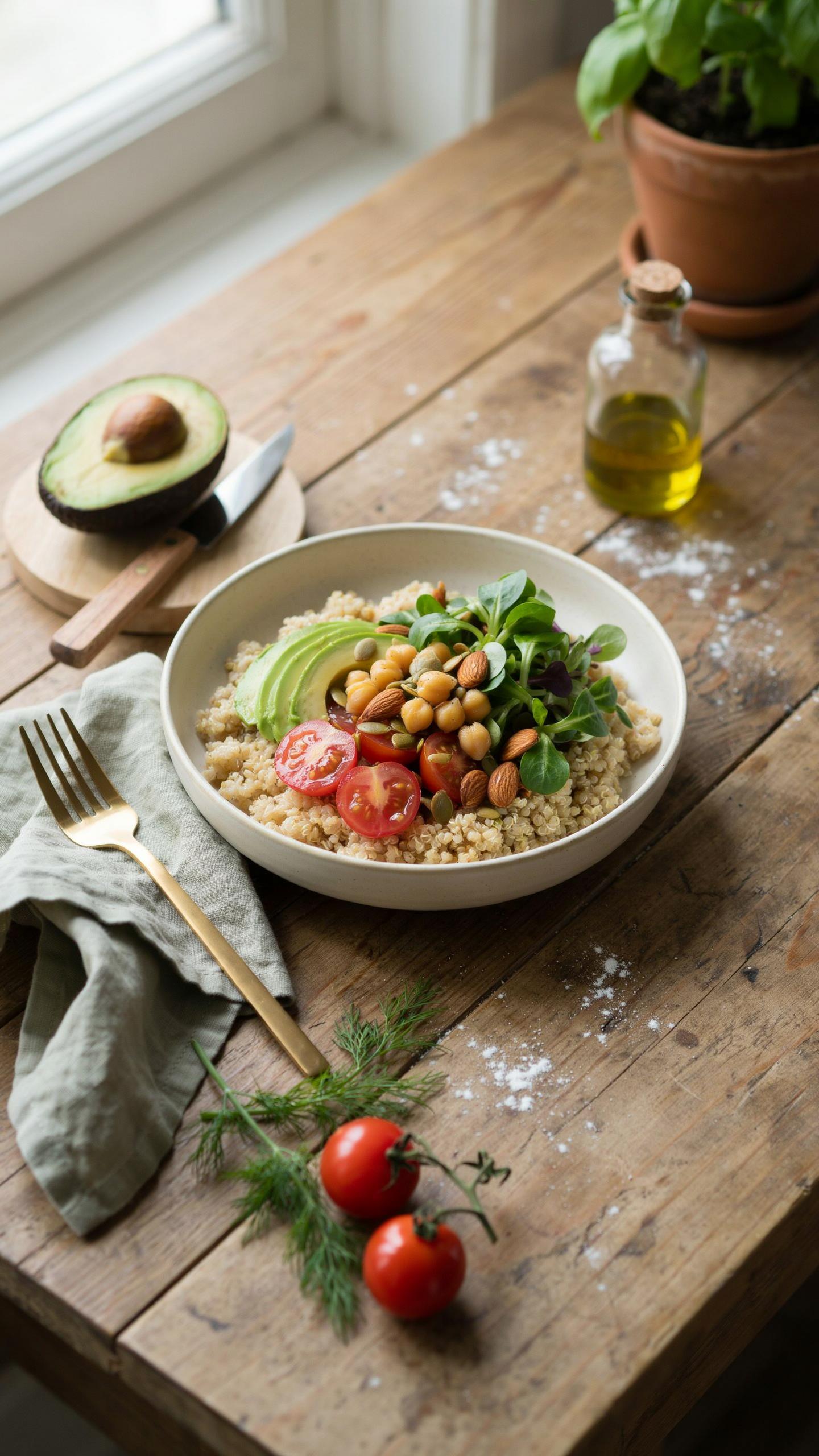
You’re drawn to this section because you want proof that your lunch choice signals something about your discipline. Here’s the mechanism: perceived healthiness and actual nutrient density operate on different scales. A bowl looks healthy when it has color contrast and volume. It IS healthy when it delivers protein, micronutrients, and satiety per calorie spent. These almost never align. Most meal prep bowls prioritize the first while cutting corners on the second.
Nutrient density is borrowed from nutritional biochemistry: the ratio of micronutrients and macronutrients to total calories consumed. Your lunch bowl’s nutrient density depends entirely on protein quality and quantity, not on whether it contains quinoa or kale. Two identical-looking bowls can differ by 8 grams of protein because one uses chicken breast while the other uses seasoned tofu. That difference compounds across 250 work days annually. The visual is irrelevant. The composition is everything.
The Hidden Cost Of “Clean” Ingredients
Common advice says to buy organic, use whole grains, and avoid processed ingredients. That’s incomplete. You can build an unhealthy bowl using only whole foods. Store-bought dressing hides 200 calories and 15 grams of sugar in a two-tablespoon serving. Granola and mixed nuts are calorie-dense traps. Even olive oil, drizzled casually, adds 40 calories per teaspoon without proportional satiety. The mechanism is simple: you’re optimizing for ingredients, not macronutrient ratios.
Build your bowl backward from protein target first. If you need 35 grams and chicken provides 31, you’ve used your protein budget. Everything else fills remaining calories. This means less room for the fluffy carbs and oil-based sides that feel healthy because they’re “natural.” Measure your dressing. Cap nuts at one ounce. Verify carbs on grain labels match your total calorie target. The bowl doesn’t fail because the ingredients aren’t clean. It fails because you never quantified what clean actually requires.
The First Principles Of High Protein Meal Prep A Systems Approach
What Actually Matters In Your Bowl
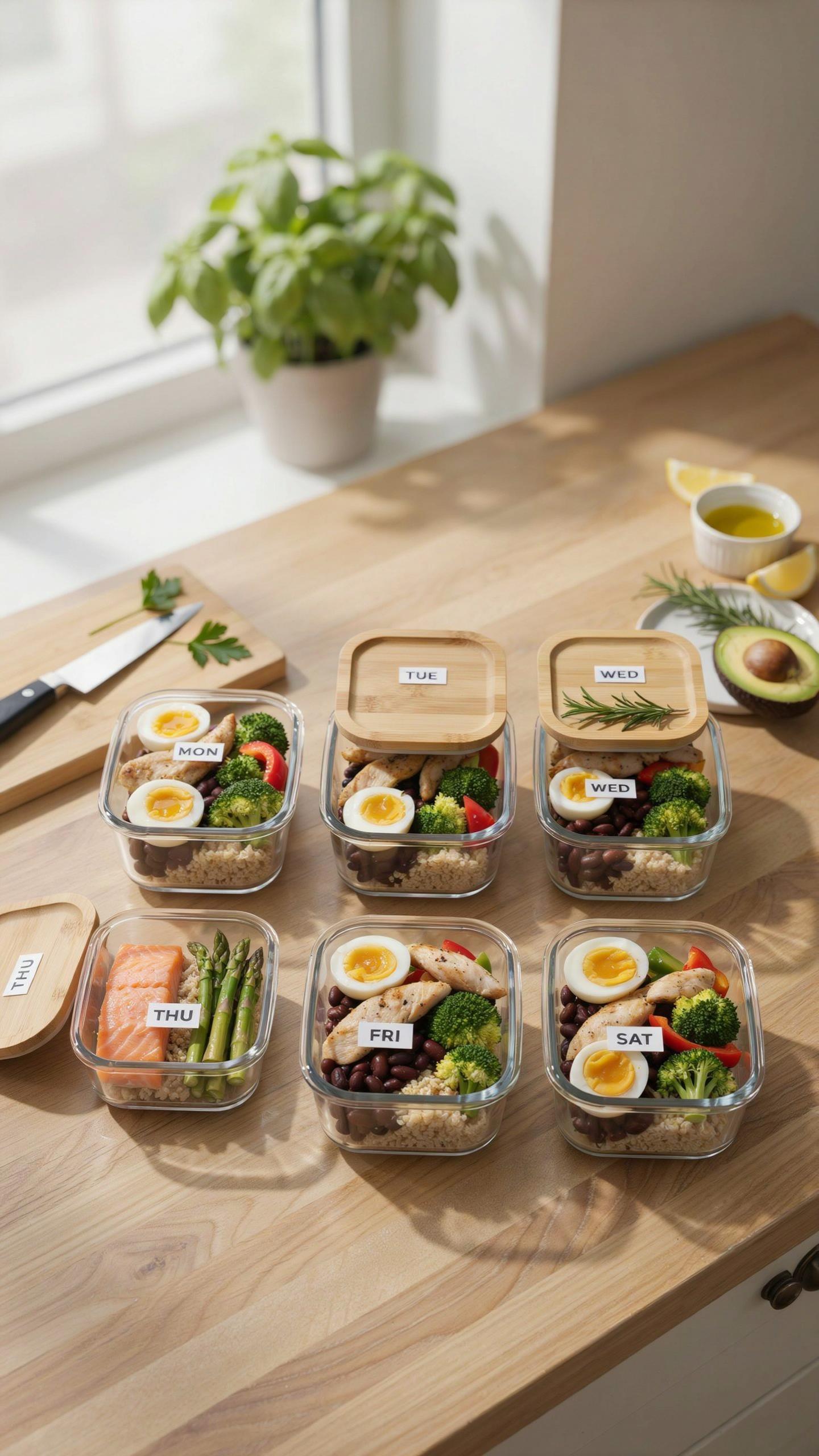
You want meal prep to feel effortless so you stop thinking about lunch and start thinking about yourself. The truth is simpler: meal prep only works when you stop treating it as cooking and start treating it as assembly. Most people fail because they try to make restaurant-quality food five days in advance. They’re solving the wrong problem. The irreducible truth of protein meal prep is this: protein + carb + vegetable + fat, in measured quantities, stored separately until eating. That’s the entire mechanism. Everything else is logistics.
The constraint isn’t flavor or creativity. It’s the rate at which your ingredients degrade. Cooked chicken lasts four to five days refrigerated. Cooked rice lasts the same window. Raw spinach wilts in three days; cooked greens last longer. Your bowl’s design must work backward from spoilage timelines, not forward from recipe ideas. You pick ingredients that have overlapping shelf lives, or you accept that day-five lunch tastes different from day-one lunch. Most people never name this trade-off. They just end up eating something stale and blame meal prep itself.
How Each Component Talks To The Others
Systems thinking borrowed from engineering applies directly here: every subsystem affects the others, and the output quality depends on how well they coordinate. Your protein choice (chicken, ground turkey, canned tuna) determines your storage window. That window determines when you can eat day-five meals. Your carbohydrate choice (rice, quinoa, potatoes) affects moisture levels in the container and whether your vegetables absorb excess liquid and get soggy. Your vegetable selection impacts nutrient density but also water content. Fat sources (olive oil, nuts, seeds) can either stabilize the bowl or make it separate into layers depending on temperature and packing order.
The packing sequence matters more than people admit. Wet ingredients on the bottom, dry on top, protein in the middle. This isn’t tradition. It’s pressure distribution. Heavy, moist ingredients compress lighter ones and accelerate breakdown. Separate your dressing or oil in its own compartment if your container allows it, or mix it right before eating. You can’t optimize one element without accounting for how it changes the other four. Most meal prep fails because people optimize for taste in isolation and ignore how temperature, time, and stacking affect everything else by Friday.
Strategic Sourcing Curating Your Protein And Produce Arsenal
Protein Source Selection Criteria
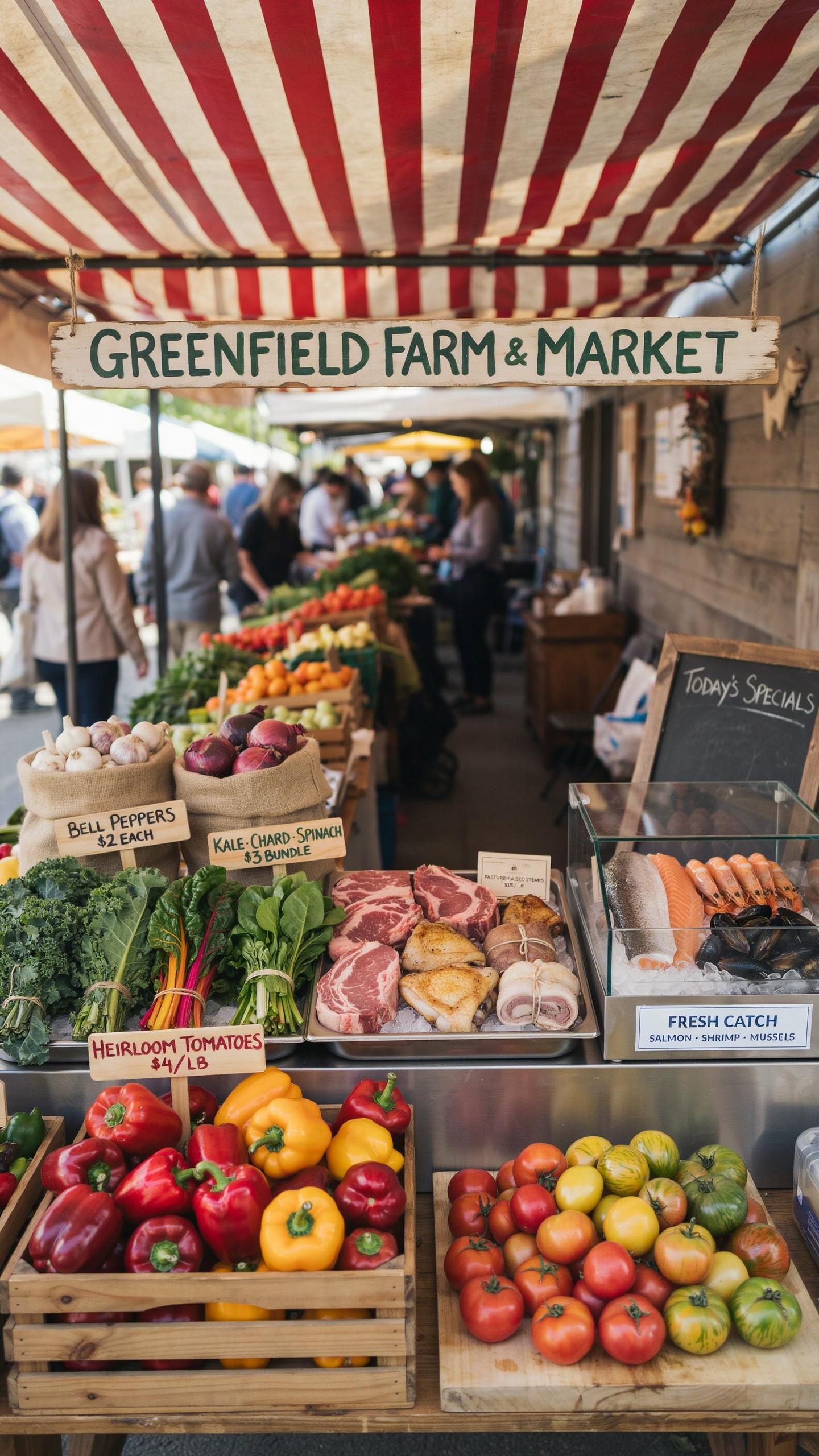
You want to believe buying the cheapest protein keeps your costs down while you stay disciplined. The mechanism is different: cheap protein sources force you to compensate with volume or flavor additives, which tanks adherence and eats into your prep time. Quality protein selection isn’t about ethics or trends. It’s about cost per gram of usable protein, shelf stability, and how little processing work you need to do on Sunday.
Ground beef at 80/20 costs less per pound than chicken breast but delivers fewer grams per dollar when you account for fat loss during cooking. Greek yogurt holds protein density without requiring heat or seasoning. Canned fish trades freshness for convenience and costs a fraction of frozen alternatives. The math determines your choice, not marketing. Select proteins that minimize prep steps and maximize the protein-to-time ratio you can actually execute weekly.
Fresh Versus Frozen Nutrient Dynamics
Frozen produce outperforms fresh on nutrient retention, yet most meal preppers treat it as a fallback. This comes from biology’s concept of enzymatic degradation: the moment you harvest produce, oxidation begins breaking down vitamins. Freezing halts this process immediately at peak ripeness. Fresh produce sitting in your fridge for three to five days loses B vitamins and vitamin C faster than frozen alternatives stored for months.
The practical split is this: buy frozen broccoli, spinach, and berries for their nutrient stability and cost efficiency. Buy fresh produce only for items you’ll consume within two days or elements that require texture you can’t replace frozen, like lettuce or raw vegetables for crunch. Pre-cut fresh produce accelerates nutrient loss through increased surface area exposure to oxygen. Whole frozen vegetables outlast and outperform cut fresh produce every time. Freeze your lunch bowls immediately after assembly to lock in remaining nutrients and extend your weekly prep window to eight days instead of five.
The Minimum Viable Effort Meal Prep Bowls Strategy
Batch Cooking Efficiencies That Actually Work
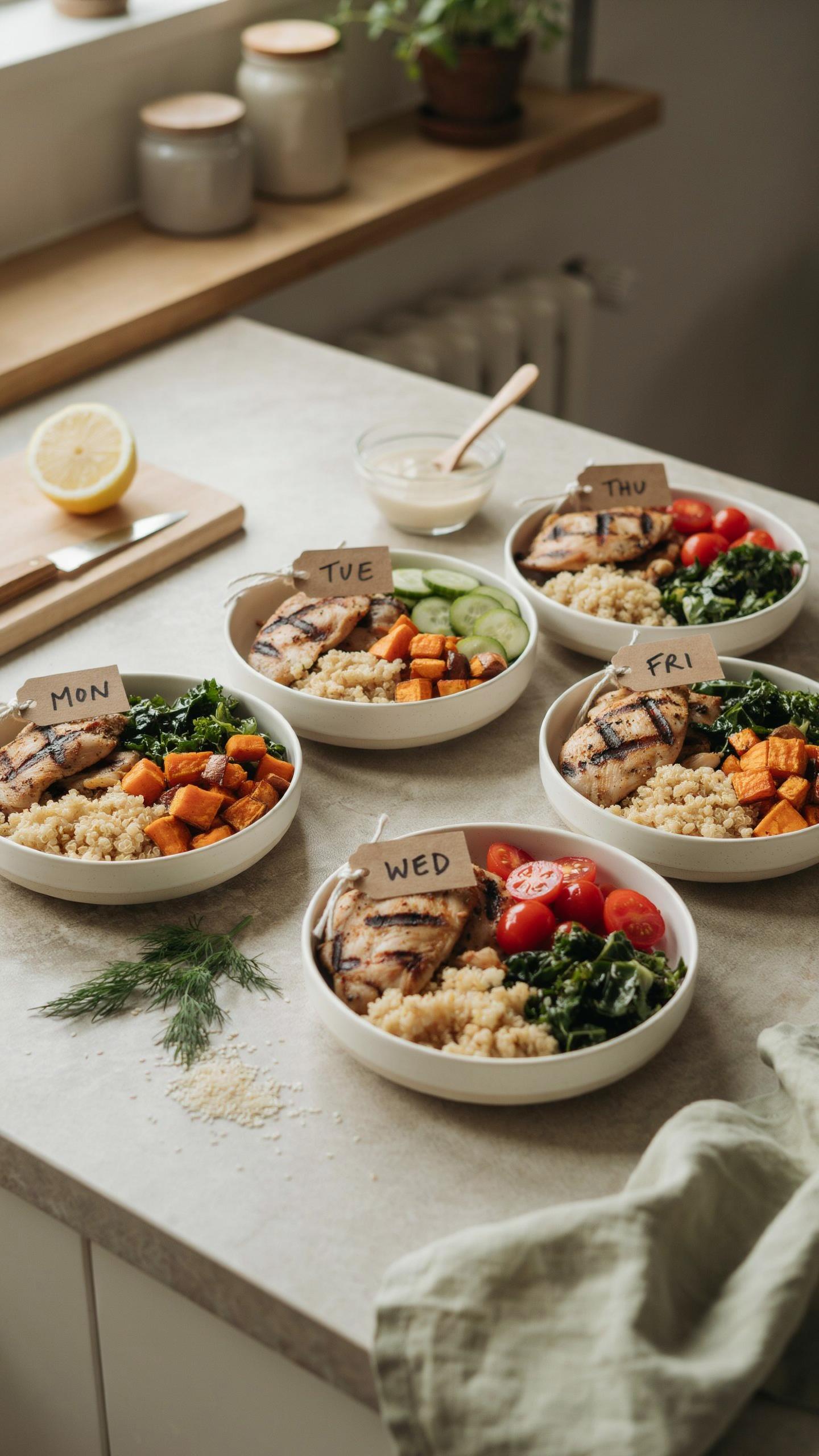
You want to feel productive without actually doing the work. Here’s what matters: batch cooking is supply chain optimization, and your kitchen is the factory. You’re not cooking five meals five times. You’re cooking one ingredient five times, then assembling. The mechanism is constraint stacking. One heat source. One pot or sheet pan. One cleanup cycle. Repeat for proteins, then grains, then vegetables. This isn’t revolutionary. It’s just honest about what saves time and what doesn’t.
The math is straightforward. Cook a five-pound chicken breast batch once instead of reheating individual portions. Roast three sheet pans of vegetables simultaneously instead of rotating them. Cook rice or quinoa in bulk in one large pot. You cut active cooking time by 60 to 70 percent while keeping quality consistent. Here’s what actually scales without failure:
- Proteins in volume: Roast whole chicken breasts or thighs on one sheet pan for 25-30 minutes at 400°F instead of cooking portions daily. Let them cool completely before portioning to prevent bacterial growth.
- Grains in one vessel: Cook rice, quinoa, or farro in a single large pot with a 2:1 or 3:1 water ratio depending on grain type. Store cooled grains in airtight containers for up to five days.
- Sheet pan vegetables: Arrange multiple vegetable types on two to three pans with consistent oil coating and salt. Roast at 425°F for 20-25 minutes. Different vegetables have different cook times, so group accordingly.
- Legume prep: Cook dried beans or lentils in bulk using a pressure cooker or slow cooker. Room temperature storage lasts three to four days in sealed containers.
- Sauce bases in batches: Make dressing or sauce components like tahini vinaigrette or miso-based liquids in a single batch. These keep for one to two weeks refrigerated and transform identical components into different meals.
The real efficiency gain comes from reusing equipment and heat. You’re not doing five separate cooking projects. You’re running a production line where each station handles one component type. This removes decision fatigue and eliminates the friction that kills meal prep compliance.
Component Prep Builds Real Flexibility
Most people get this backwards. They obsess over recipe variety and end up with 12 half-empty containers gathering mold. The actual strategy is to prep components, not finished bowls. This creates flexibility without waste. A grilled chicken breast tastes different with Greek yogurt dressing versus tahini versus chimichurri. Same protein. Three bowls. No additional cooking.
The component system works because you’re solving for the constraint that actually matters: not boredom, but friction. Cooked proteins need 15 seconds of reheating. Raw vegetables need 30 seconds of plating. A grain base needs 60 seconds of portioning. That’s your entire assembly time. You build different bowls from the same components because you prepped for flexibility, not for a specific recipe. Cook chicken, cook rice, roast broccoli and sweet potato, and you’ve already created 8 to 10 valid combinations. Add two dressing options and you’ve doubled the perceived variety without adding a single cooking step. Keep components in separate, clearly labeled containers and pull exactly what each bowl needs on the day you eat it.
Beyond Hunger The Psychology Of Protein Bowls Lunch Meal Prep
Habit Formation Through Environmental Design
You want this to feel effortless because effort signals failure. The real mechanism here is behavioral psychology’s cue-routine-reward loop. Your brain doesn’t care about nutrition goals. It cares about triggering the same sequence until it becomes automatic. The cue isn’t hunger. It’s the time on your clock or the sight of containers in your fridge. That’s what you’re actually engineering.
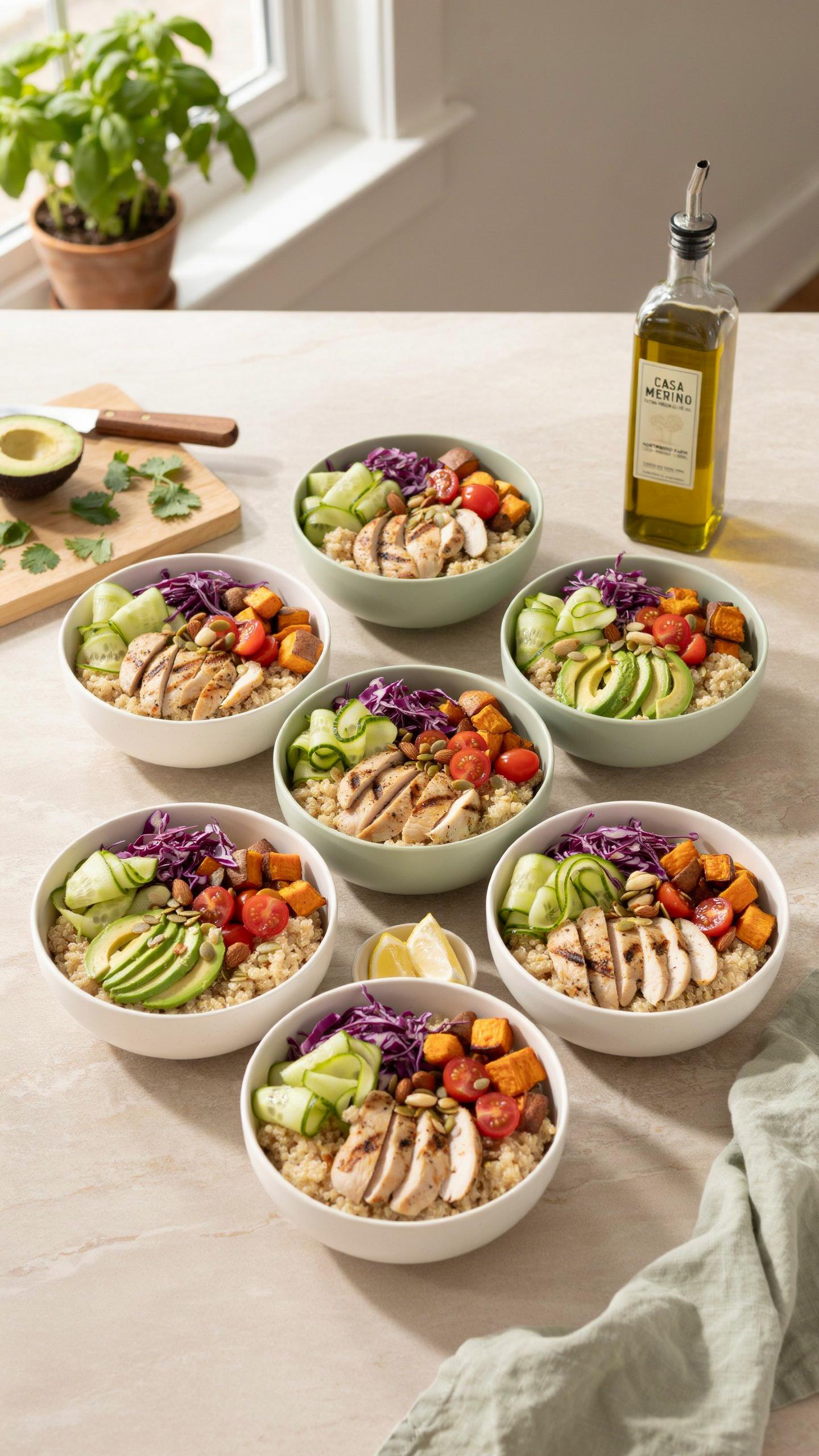
Sunday meal prep works because you’re collapsing decision points into one session. You prep five identical bowls. Monday through Friday, the cue fires at lunch, your routine executes without negotiation, and the reward arrives as sustained energy and muscle preservation. The protein content becomes secondary to the behavioral slot you’ve created. Your brain stops generating resistance once the pattern solidifies, usually within two to three weeks of consistent repetition.
Automating Choices To Preserve Mental Bandwidth
The common advice says meal prep saves time. That’s incomplete. Meal prep saves cognitive capital, which is the actual scarce resource. Decision fatigue is real and compounds throughout the day. Every food choice you make at work depletes the same mental reservoir you use for actual work. Removing the lunch choice entirely preserves that bandwidth for decisions that generate revenue or output.
When your protein bowl is already in your bag, you eliminate the 11 AM negotiation with yourself about whether to grab something else. No willpower required. No browsing menus. No justification. The structure does the work. This is why standardization matters more than variety. Pick one base formula, one protein, one vegetable rotation, stick it for a month. Your brain treats it as a non-decision. The cost of that automation is far lower than the cost of making the same choice repeatedly.
Scaling Your Success From Single Bowl To Lifestyle
The Feedback Loop That Actually Works
You want to know if meal prepping will stick because you’re tired of starting systems that collapse. Here’s the mechanism: iteration isn’t about motivation. It’s about reducing friction between what you do and what you measure. Start with one bowl recipe. Track one variable for two weeks: prep time, cost, or how full you feel at 3pm. Change one element. Measure again. This compounds.
Most people skip the measurement phase and wonder why their system fails. They prep randomly, feel good for three days, then quit. Your job is to create a feedback mechanism that tells you what’s actually working. Write down prep time on Sunday. Note your energy on Wednesday. One number per week. That number becomes your baseline for the next iteration.
Meal Prep As System Design, Not Task Management
Systems theory calls this “input optimization”: you’re increasing output by decreasing the variability of inputs. Your high protein lunch bowls are the output. The inputs are your ingredients, your containers, your prep schedule, your storage method. Most people optimize for taste or calories and ignore the system. You need to do the opposite. Make the system so predictable that your brain stops fighting it.
The real integration point isn’t between meal prep and your calendar. It’s between meal prep and your decision-making architecture. When you remove the “what should I eat” question by having bowls ready, you recover 15 minutes of cognitive load daily. That time goes to work, to thinking, to actual priorities. Prep your bowls on the same day you plan your week. Use the same Sunday block for both. Your bowl sitting in the fridge becomes the proof that your system works.
The real obstacle isnt your diet its your undisciplined approach to selfmanagement

You don’t fail at meal prep because the recipes are complicated. You fail because you never commit to a single Sunday afternoon. Pick one day this week. Spend two hours cooking four bowls. That’s it. The discipline muscle you build matters more than the protein you consume. Most people won’t do this because it requires showing up when motivation vanishes. You’re not most people, or you wouldn’t be here. Your lunch bowl isn’t the goal. Your ability to follow through on what you decide is everything.