
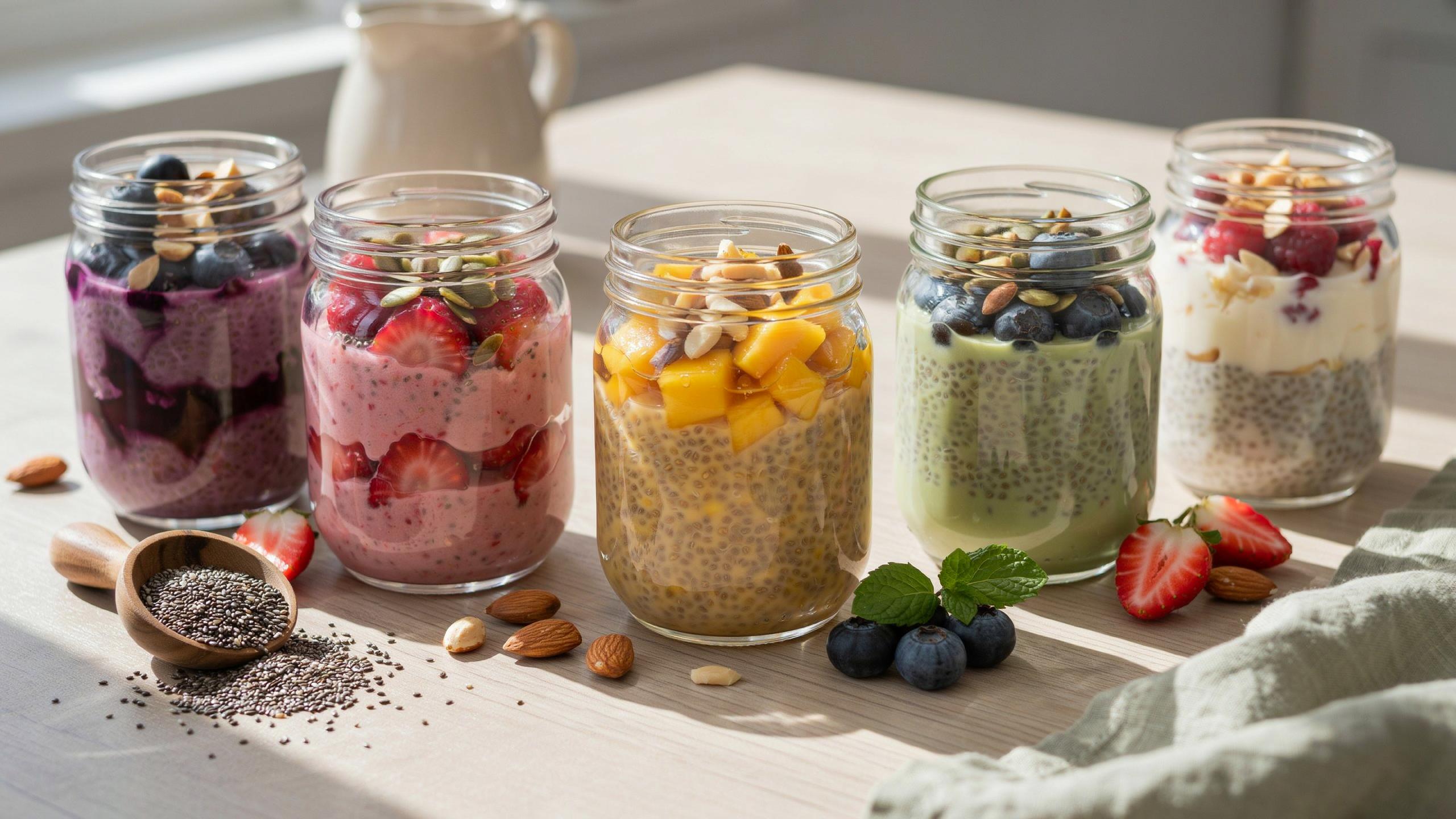
Beyond The Hype Why Most Chia Pudding Recipes Fail You
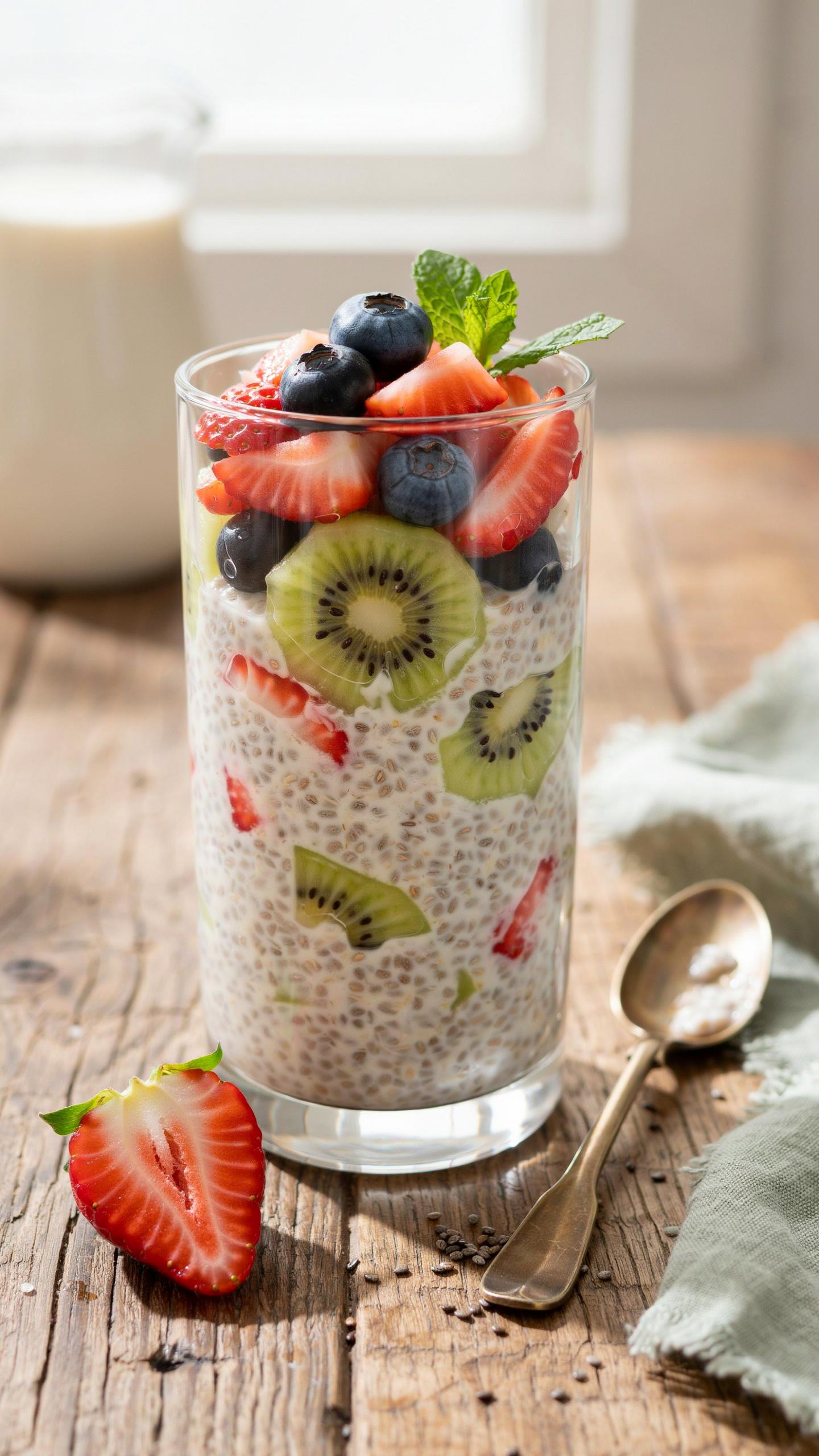
The Protein Math Everyone Gets Wrong
You want to believe a mason jar of chia pudding counts as a real meal because that’s easier than admitting most recipes are undershooting protein by half. Here’s the mechanism: chia seeds contain roughly 3 grams of protein per ounce, but the typical recipe calls for 2-3 ounces mixed into a large volume of liquid. That yields 6-9 grams total. Add Greek yogurt or milk and you might hit 15-20 grams if you’re generous with portions. Most people don’t notice because they’re chasing the texture trend, not the nutrition.
The second problem sits in ingredient selection, not mathematics. Plant-based milk alone delivers almost no protein. Coconut milk has less than 1 gram per cup. Almond milk sits around 1 gram. If you’re prepping five days of pudding and relying on these liquids as your base, you’re building a carbohydrate vehicle with minimal amino acid content. The fix is non-negotiable: use milk concentrate, collagen powder, or protein isolate as your liquid anchor, not as an afterthought topping.
The Storage Trap Nobody Names
Convenience is an economics term, and in meal prep it means shifting effort from cooking time to planning cost. The hidden cost here is separation. Chia seeds absorb liquid over time, but they don’t absorb it evenly. After three days in the refrigerator, the bottom becomes a dense paste while the top stays grainy. You’ll stir it and think it’s fine. It isn’t. The texture degradation makes the pudding harder to eat consistently, which means you’ll either skip it or add more liquid mid-week, diluting your protein target.
Temperature stability compounds this. Chia pudding keeps for five days, but separation accelerates on days four and five. The settled seeds compress, releasing liquid to the top. Your meal becomes unpalatable before the week ends, which defeats the entire purpose of prepping. The solution is portioning into individual containers with the proper liquid-to-seed ratio locked in from day one, then limiting your prep window to three days maximum if you’re using thin bases like almond milk or four days with thicker bases like full-fat Greek yogurt.
The Alpha Fuel Protocol High Protein Chia Pudding Meal Prep
Macronutrient Ratios That Actually Work
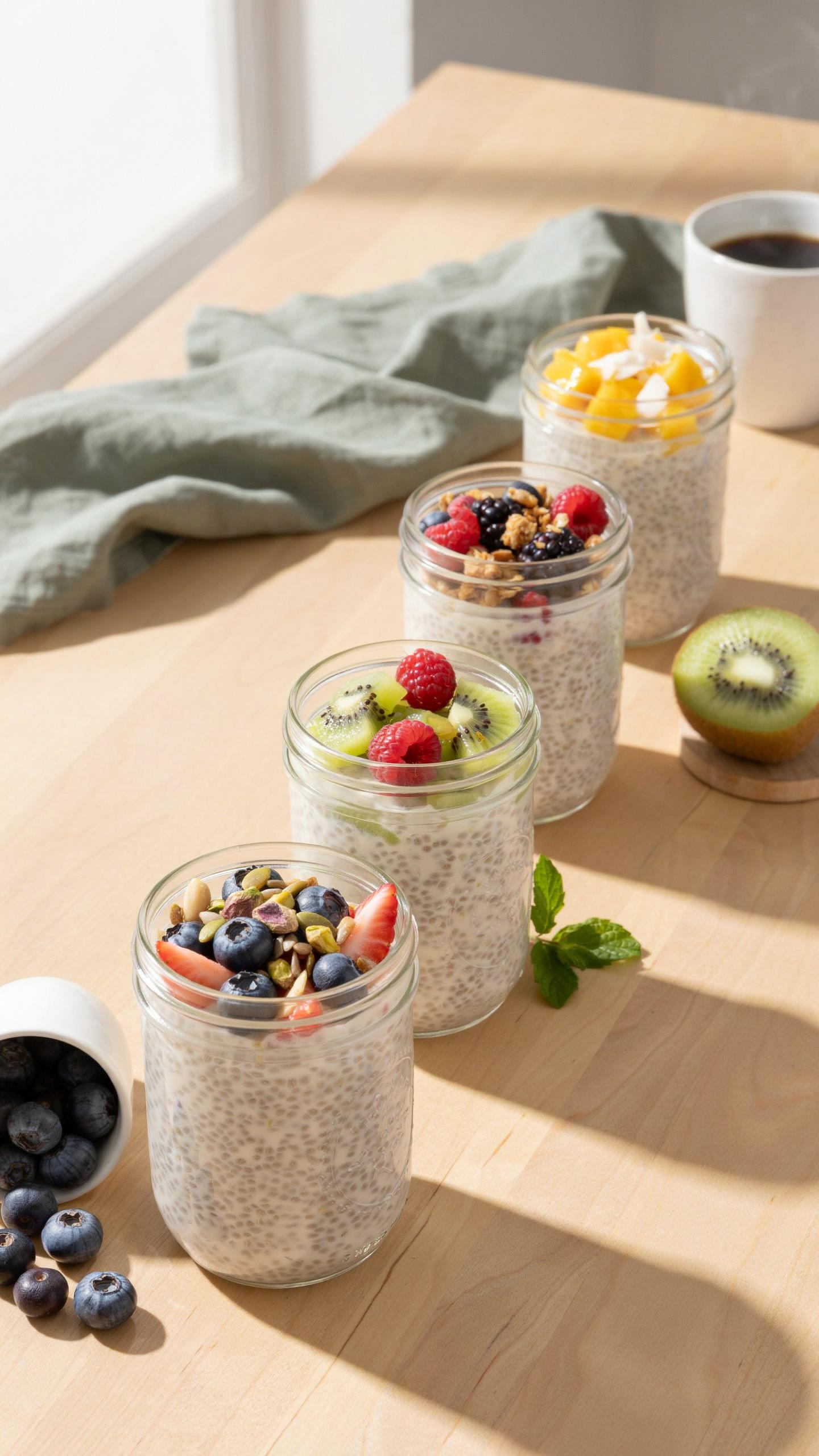
You want to believe a magic ratio exists so you stop thinking about food. Here’s the mechanism: protein timing matters less than total weekly intake, but chia pudding’s structure lets you hit both leverage points simultaneously. Treat macronutrients like leverage in physics—you’re not adding force, you’re multiplying the effect of each calorie consumed. Most recipes undershoot protein badly, landing at 10-15 grams per serving when 25-30 grams changes the satiety curve.
The ratio that survives five days of fridge storage without texture collapse is 30 grams protein, 15-20 grams fat from chia seeds, and 35-45 grams carbs from liquid and mix-ins. Chia seeds absorb roughly 10 times their weight in liquid, which means they stabilize the pudding’s structure while delivering complete amino acid profiles. Protein powder selection shifts the math: whey isolate adds minimal carbs and keeps the ratio lean; plant-based options require 5-10 grams more powder per serving to match amino acid density. Adjust liquid volume by 10-15 percent if you’re using casein instead of whey—casein thickens faster and turns the mixture concrete by day four if you don’t account for it.
Source Your Ingredients Like You’re Building Equipment
Generic protein powder from big retailers is often oxidized before it reaches your kitchen, which degrades branched-chain amino acids and makes the powder clump in liquid-based preparations. Buy from suppliers with fast turnover and cold-chain logistics, not from shelf inventory that’s sat three months. Chia seeds lose potency after nine months on shelves because their fat content goes rancid slowly, affecting both nutrient bioavailability and taste—check harvest dates when possible, or source from companies that post batch information online.
Milk base matters tactically: whole milk creates viscosity faster than almond milk and provides additional protein for zero extra effort. Coconut milk adds 5 grams of fat per serving, which extends satiety but requires proportional adjustment to other fat sources. Greek yogurt adds structure and probiotic bacteria that survives five days refrigerated, but it accelerates separation if you use more than one part yogurt to three parts liquid. Store all prepped containers at temperatures below 40 degrees Fahrenheit, and rotate older batches to the front of your fridge weekly so you consume them first and don’t waste preparation work.
The Biological Advantage How Protein Chia Pudding Powers Your Day
Why Blood Sugar Stability Beats The Energy Crash
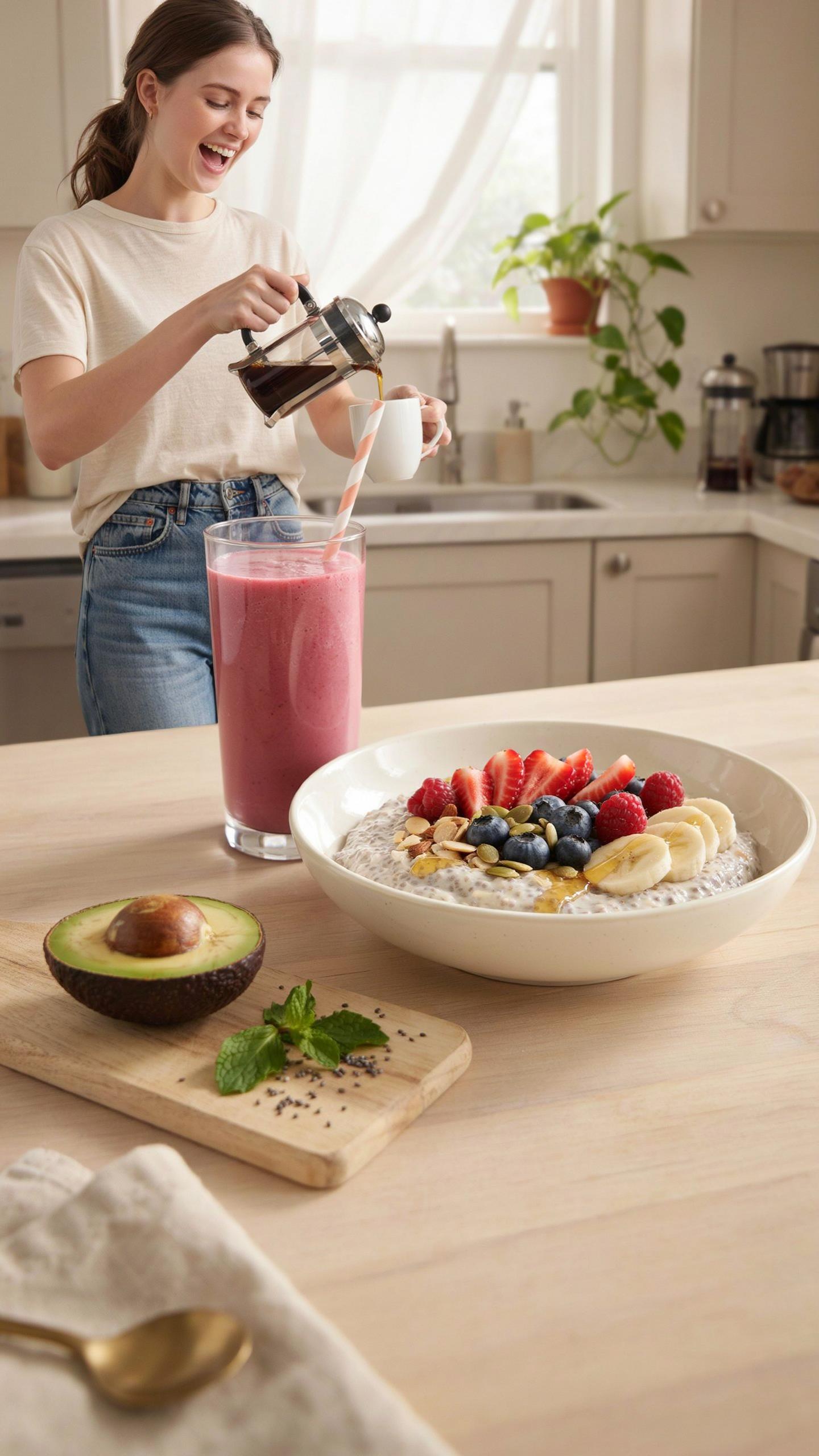
You want to feel sharp at 3pm without the collapse that follows a carb spike. Here’s the mechanism: protein and fat in chia pudding slow glucose absorption into your bloodstream. Your pancreas releases insulin gradually instead of flooding your system. This is basic glycemic biology. Stable blood glucose means stable cognitive function. When you mix protein powder with chia seeds and fat, you’re controlling the rate at which your body processes carbs.
The pudding sits in your stomach longer than plain oatmeal or toast. Chia seeds absorb liquid and expand, creating viscosity that physically slows digestion. Your brain runs on glucose, but it runs better on steady glucose. Five-day meal prep guarantees you never default to a sugar-spiking snack when hunger hits at 2pm. The consistency compounds over time. After three days of stable energy, your afternoon focus becomes predictable.
Protein Drives Muscle Retention Between Workouts
Building muscle requires constant protein synthesis, which happens during recovery, not during the lift itself. If you space your protein intake poorly, you leave recovery windows undersupplied. High protein chia pudding fills those gaps without requiring you to think about meal timing every single day. Prep five puddings and you’ve eliminated the most common reason people undershoot their daily protein targets: convenience friction.
The math is simple. Protein powder adds 20-30 grams per pudding. Greek yogurt adds another 10-15 grams. That’s 30-45 grams in one grab-from-the-fridge meal. Most people eat three times daily plus snacks, so strategic pudding placement means muscle tissue repairs faster and you retain more of what you build. Recovery compounds on itself. Better recovery on day two makes day three’s workout productive. Skip the protein in those meals and you’re training in a deficit.
The Decision Fatigue Firewall Chia Pudding Breakfast System
Eliminate The Morning Choice Trap
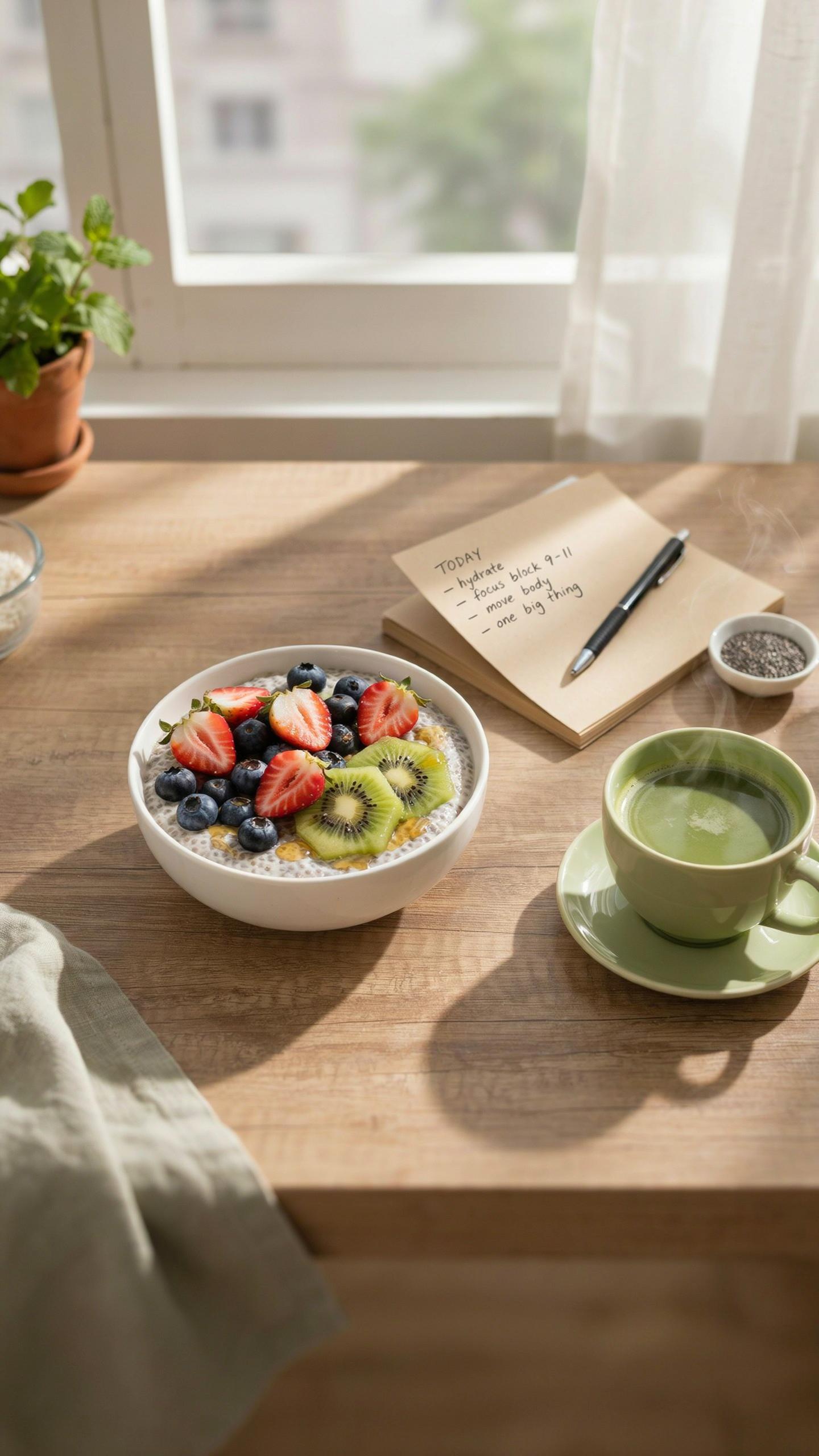
You want breakfast solved so you stop burning willpower before 9am. Here’s the mechanism: decision fatigue is a real cognitive tax. Neuroscience shows each choice depletes your prefrontal cortex’s glucose supply, leaving you weaker for actual work. Five identical chia pudding containers bypass this entirely. You open the fridge, grab the jar, eat. No deliberation. No negotiation with yourself about oatmeal versus eggs versus skipping food.
The common advice says “meal prep saves time.” Wrong frame. Meal prep saves cognitive currency. When you remove breakfast from the daily decision queue, you’ve freed roughly 60 to 90 seconds of mental processing and multiple micro-choices that compound throughout the day. That’s not motivation. That’s design. Stack five containers on Sunday. You’re done thinking about breakfast until Friday.
Redirect Mental Energy To Output
Your brain runs on limited bandwidth. Economics calls this scarcity principle. Apply it here: each decision you don’t make is processing power you allocate elsewhere. Chia pudding meal prep functions as a cognitive bottleneck that funnels your thinking toward what actually generates income or impact.
When breakfast is automatic, you notice your mind stays sharper through the morning. You’re not cycling back to food choices. You’re not experiencing the willpower drain that makes afternoon decisions sloppier. Five pre-made containers remove the variable entirely. The protocol is simple: Sunday prep, five jars, refrigerate, grab one daily. Execute this, and you stop leaking focus before your workday begins.
Mastering The Meal Prep High Protein Chia Pudding Recipes
How To Batch Without Wasting Time
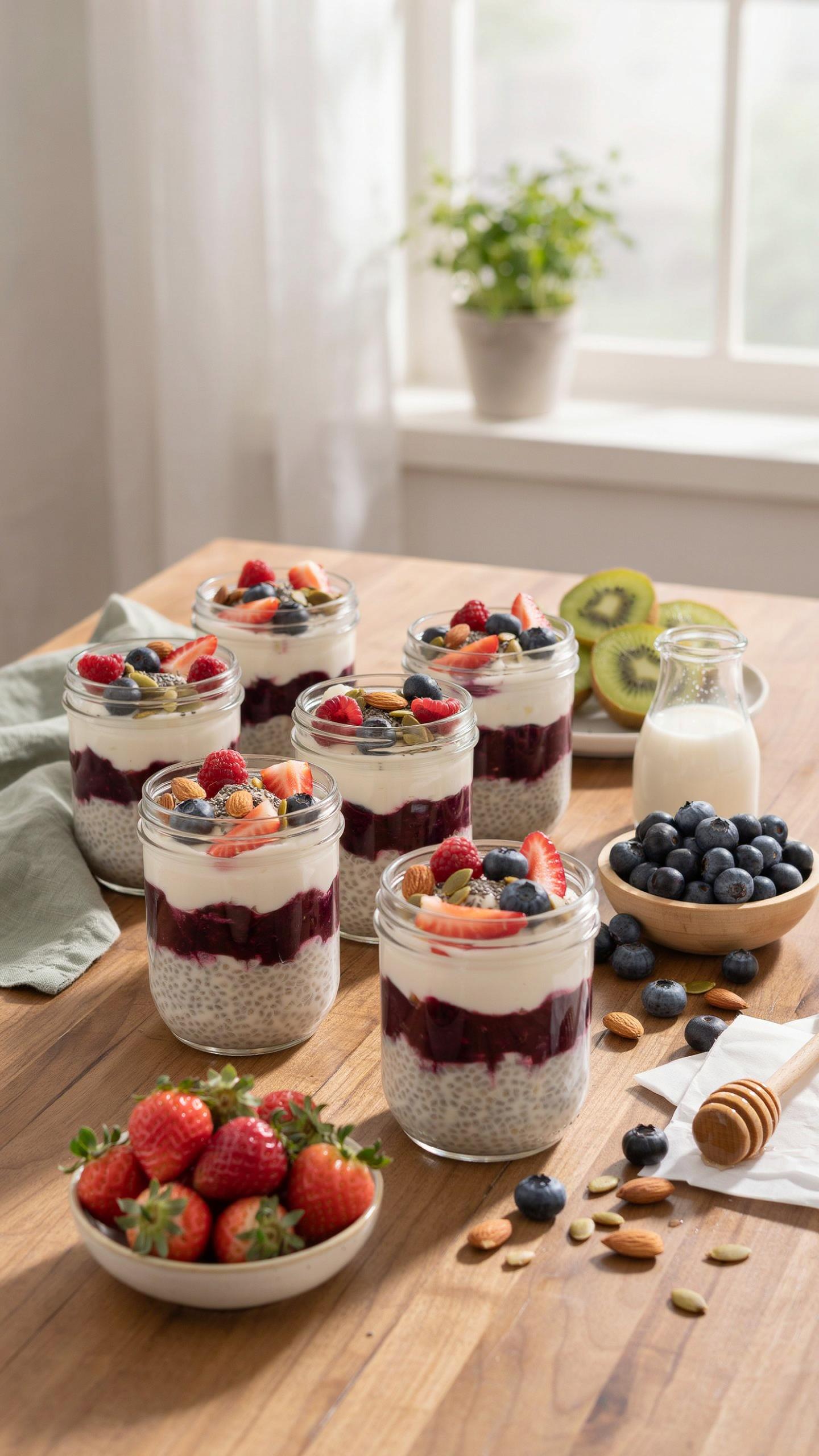
You want to feel productive without actually spending your Sunday in the kitchen for three hours. The mechanism is batching efficiency from manufacturing: you’re minimizing setup and teardown cycles by grouping identical tasks. Mix all dry ingredients first, then all wet ingredients, then combine. This cuts your cognitive load and keeps your workspace clean between steps.
- Measure all dry components together: Combine chia seeds, protein powder, and any cocoa or vanilla in one bowl. This eliminates repetitive measuring and reduces cleanup between batches.
- Prepare liquid base in bulk: Mix yogurt, milk, and any sweetener in a large pitcher. Pour the same amount into each container without remeasuring five times.
- Layer assembly line style: Arrange five containers in a row. Add dry mix to each, then wet mix, then toppings. One motion per container eliminates back-and-forth movement.
- Chill containers together: Stack prepped puddings on one shelf in the fridge. Temperature stabilizes uniformly across all five servings within two to three hours.
- Use a kitchen scale for consistency: Weigh protein powder and chia seeds. Consistency prevents one pudding from being too thick while another separates.
The real win is container choice: use identical jars or containers. Your brain recognizes the pattern instantly, and you move faster without mentally adjusting each time. Identical containers also stack efficiently and take up less fridge space than mismatched vessels.
The Real Storage Rules Nobody Follows
Everyone says chia pudding lasts five to seven days. That’s incomplete. Chia seeds absorb liquid continuously, so pudding texture changes daily. Day one is creamy. Day three is thicker. Day five borders on gel. This isn’t spoilage, it’s hydration.
The actual mechanism: sealed containers prevent moisture loss to the air, but they cannot stop chia seeds from absorbing the surrounding liquid. Temperature matters more than most assume. Chia pudding stored at 35 to 38 degrees Fahrenheit stays safer longer than at 40 degrees because bacterial growth slows at lower temperatures. If your pudding smells sour or develops mold, discard it immediately. Add toppings only on the morning you eat, not during prep. Crunchy granola, nuts, and fresh fruit stay intact and don’t turn soggy when added just before eating. Store liquid and solids separately if texture consistency matters to you: keep prepped pudding bases in jars, then stir in thick yogurt or cream the morning of consumption.
The Biofeedback Loop Tuning Your Chia Seed Recipes
Monitor How Your Body Actually Responds
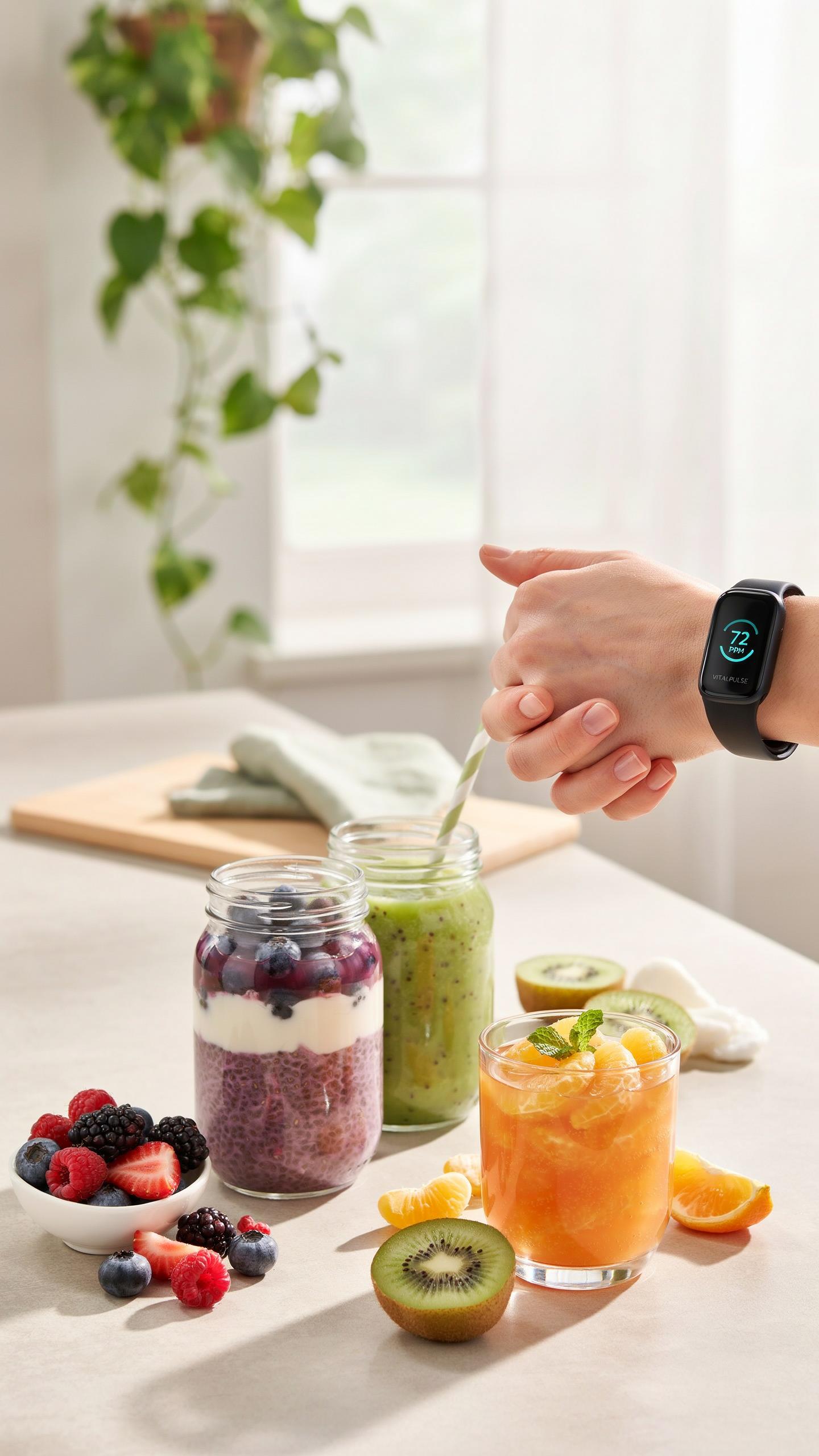
You want to believe meal prep is a set-it-and-forget-it system. It’s not. Cybernetics, the study of feedback and control in systems, teaches us that stable output requires constant input monitoring. Your chia pudding prep is a control system: you adjust based on measurable signals your body sends back, not on generic macros.
Track three variables for 5 days: energy levels 2 hours post-consumption, hunger return time, and digestion comfort. Record them daily in a notes app or spreadsheet. Most people skip this step because it feels tedious, but it’s the only way to know if your protein ratio, liquid ratio, or seed soak time actually works for your metabolism. Without data, you’re guessing.
Calibrate Recipe Variables Against Real Results
The common advice is to hit a number, like 20 grams of protein per serving. That’s incomplete. Your real output metric is sustained satiety and stable blood glucose response, which you measure through how you feel, not a label.
If energy crashes at hour 3, you need more fat or slower-digesting carbs, not more protein powder. If you stay full for 6 hours, you’ve found your ratio. If bloating occurs, your liquid-to-seed ratio is wrong. Adjust one variable per batch: protein source, liquid type, or chia seed ratio. Wait 5 days before changing a second variable. This isolates cause from effect and prevents wasteful recipe cycling.
Beyond Breakfast Versatile Chia Recipe Applications
Chia As Post Workout Recovery Tool
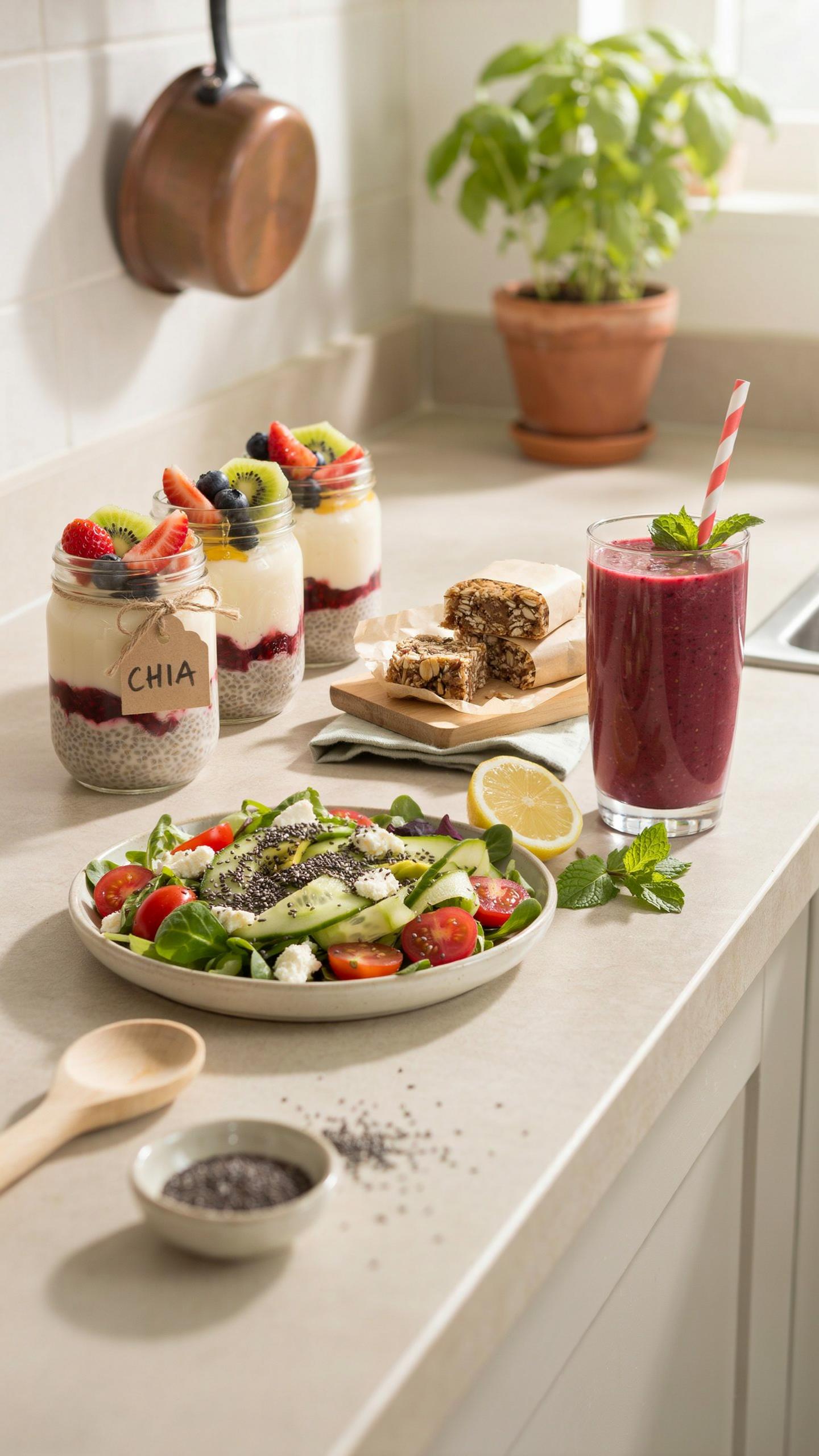
You want to believe a single meal fixes your training. It doesn’t, but recovery operates on the same principle as a bank account—nutrient timing determines whether you deposit or withdraw. Post-workout, your muscles need protein and carbs within a narrow window to stop the catabolic spiral. Chia pudding delivers both simultaneously because the chia seeds sit suspended in liquid, slowing gastric emptying and creating steady amino acid availability instead of the spike and crash you get from shakes alone.
The mechanism everyone misses: chia seeds contain both soluble and insoluble fiber, which delays glucose absorption and keeps insulin elevated long enough to drive amino acids into muscle tissue. Mix your pre-made pudding with 25-30 grams of whey or plant protein powder, add a banana or dates for carbs, and consume within 45 minutes of finishing your session. This beats a protein shake because the seed matrix keeps your digestive system processing nutrients for two to three hours instead of flushing everything through in 60 minutes.
Strategic Snack Deployment Between Meals
Most people treat snacks as emergency food when they’re actually strategic weapons for controlling hunger and total daily protein intake. A 150-calorie chia pudding cup contains 8-12 grams of protein depending on your ratio, which means you can hit 100+ grams daily without forcing yourself through five chicken breasts. The real play: portion your pudding into smaller containers and eat one before your energy crashes, not after. This prevents the decision fatigue that kills diets.
Time your chia pudding snack 2-3 hours before your next meal, never after you’ve already eaten. The fiber and fat content trigger satiety hormones while the protein prevents muscle breakdown during the fasted period. You’re not fighting hunger—you’re managing it before it shows up. Make your portions consistent: 4-ounce containers work better than grazing from one large tub because you control the caloric and protein load without overthinking it.
Common Pitfalls What To Avoid In Your Chia Pudding Journey

Where Your Calories Actually Hide
You think you’re being disciplined, but you’re probably funding a sugar habit you don’t see. Most people fail at chia pudding meal prep because they can’t track what kills the math. The mechanism is simple: liquid sweeteners and flavored yogurts hide calories in plain sight. A tablespoon of honey looks innocent. A cup of flavored Greek yogurt seems like protein. Together they add 200 calories you didn’t budget for, and five days of that compounds into a 1000 calorie surplus nobody admits to.
Read the nutrition label on every ingredient before mixing anything. Unsweetened almond milk has 30 calories per cup. Sweetened versions have 90. That shift matters across five servings. Plain full-fat Greek yogurt is 100 calories per 100 grams. Honey-flavored versions run 120 to 130. Your brain wants to believe the pudding tastes good because the ingredient list is short. Your scale tells the real story. Buy plain ingredients and sweeten with stevia or monk fruit if you need sweetness, or skip it entirely and let the natural flavor of chia and milk speak.
When Cheap Ingredients Cost You Results
Most advice says protein is protein and an ingredient is an ingredient. That’s wrong. The quality of your base ingredients determines whether your pudding stays stable across five days and whether your body actually processes what you consume. Low-grade chia seeds absorb less liquid and separate more easily. Conventional dairy has higher inflammatory markers. Budget protein powders contain fillers that bloat you without adding satiety.
Buy whole food chia seeds from a supplier with turnover, not from a shelf that’s been sitting for months. Store them in an airtight container away from heat. Use grass-fed Greek yogurt if your budget allows it, or plain full-fat yogurt from a local dairy. Pick a protein powder with five ingredients or fewer. The cost difference is 15 to 20 percent higher per serving. Across five days, you’re spending an extra dollar fifty. That’s the price of not wasting three days of prep on pudding that separates and leaves you hungry.
The Long Game Sustaining Your Chia Breakfast Ritual
When Momentum Stalls
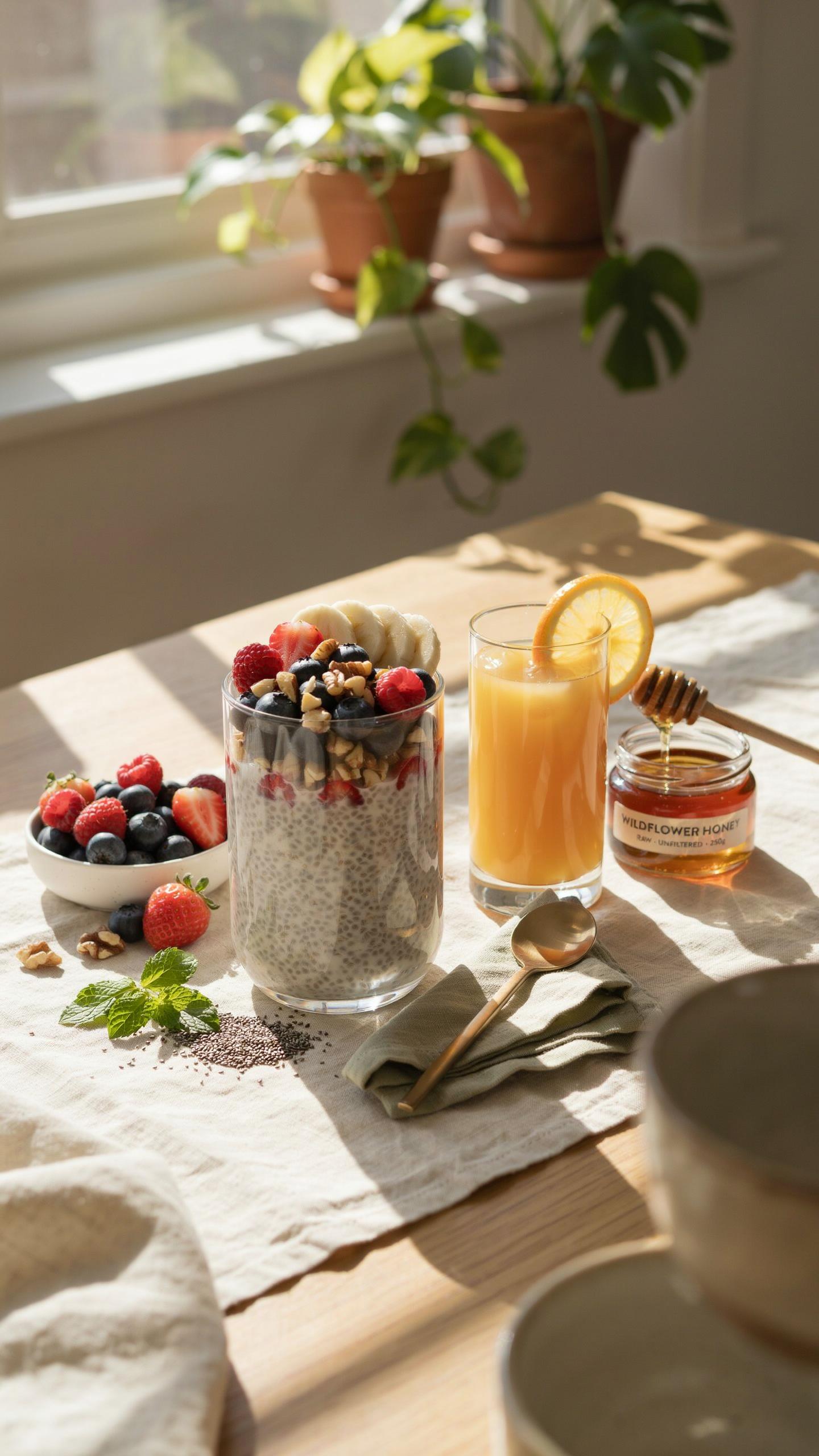
You want this to work because you’re afraid consistency will fail you like every other system has. The mechanism that kills most meal prep isn’t forgetting to prep—it’s decision fatigue eroding your threshold for friction. You prep five days of chia pudding, but by day three the spoon feels heavier, the flavor tastes the same, and your brain starts negotiating alternatives. The fix isn’t motivation. It’s lowering the activation energy required to eat what you already made by removing all decisions from the morning equation.
Store your five prepped containers at eye level on the middle shelf. Remove the lid the night before and leave it sitting. Your morning brain doesn’t negotiate with objects already exposed. The ritual becomes mechanical: grab, eat, done. No opening the fridge and reconsidering. No “maybe I’ll try something else.” You’ve engineered the path of least resistance to be the prepared path.
Recalibrating When Your Body Changes
Common advice says rotate your recipes to stay interested. That’s incomplete. The real pressure point is physiological adaptation, not boredom. Your protein needs shift with training volume. Your digestion changes with season and stress. Your satiety signals drift. Chia pudding’s benefit isn’t that it’s exciting—it’s that it’s a consistent delivery mechanism you can adjust by moving one variable at a time.
Track what actually happened, not what you think should happen. If you’re still hungry by 10am on week three, the protein dose was wrong from the start. Increase your protein powder by 10 grams and test for five days. If your digestion gets sluggish, reduce chia seeds by a tablespoon. If your energy drops, check your total carbs in the pudding versus your activity that week. Make one change per week. Record it. Adapt to the signal, not to a calendar.
Unlocking Your Potential Why Chia Pudding Recipes Healthy Is A Misnomer
The Compound Effect Of Protein Timing
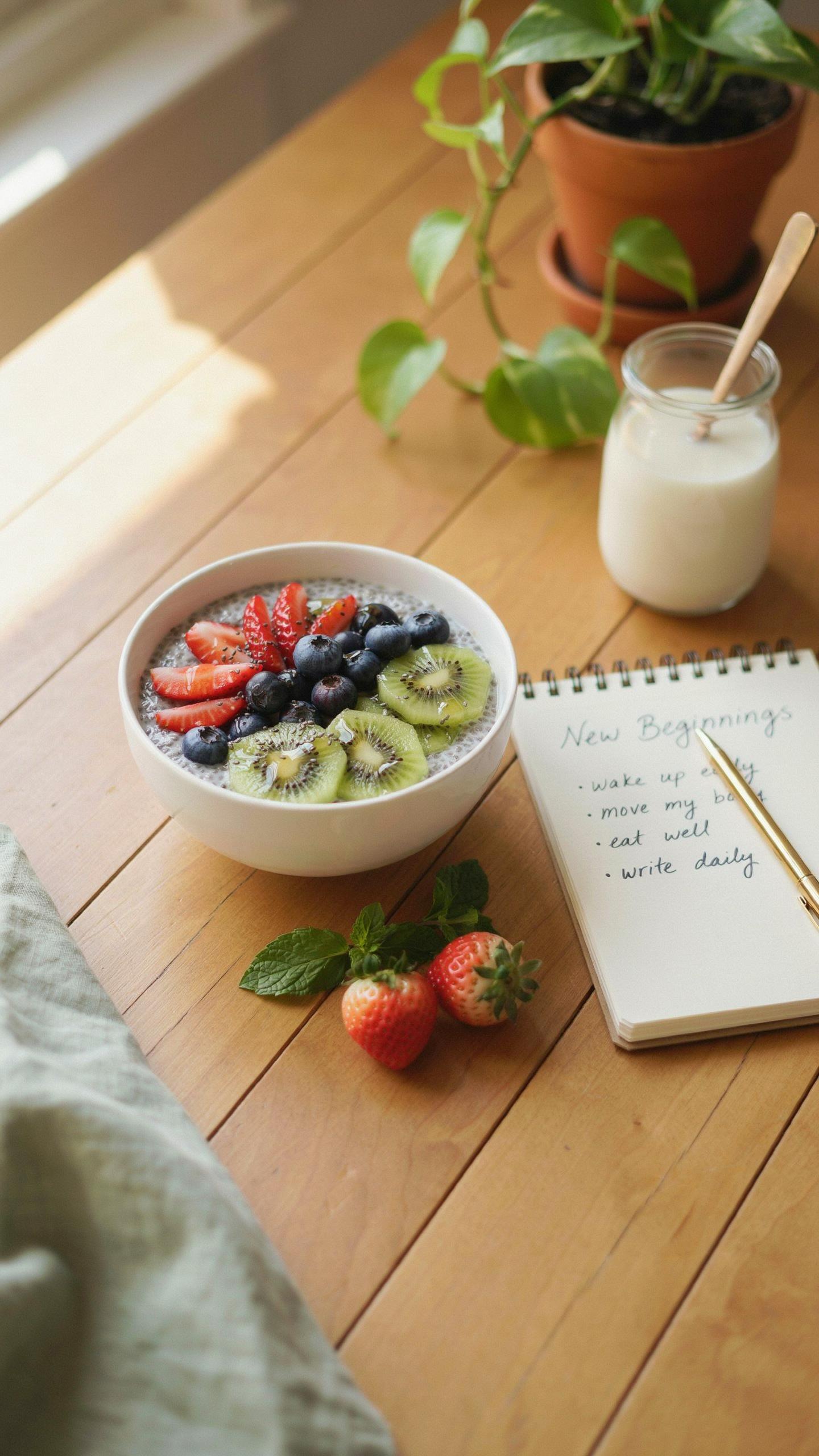
You want to believe chia pudding is healthy because admitting the real work matters feels harder than trusting a superfood. Here’s the mechanism: biology treats meal timing like economics treats compound interest. A single chia pudding sitting in your fridge gains value only when protein triggers muscle protein synthesis within a metabolic window. Chia seeds alone don’t create this response. The pudding is a delivery vehicle, nothing more. The health emerges from the system, not the ingredient.
Most people miss this because they optimize for the pudding instead of the protocol. You prep five days of chia pudding, but you skip the timing that makes protein actually work. You eat one at 11 AM when your body already burned through breakfast. The protein sits unused. Swap to eating one post-workout or within two hours of resistance training, and the same pudding produces measurable muscle retention. The pudding didn’t change. The context did everything.
The Satiety Trap Nobody Names
“Healthy” usually means low calorie and nutrient dense. Chia pudding meets those optics. The problem is simpler than you think: satiety is a neurological signal, not a moral achievement. High protein chia pudding keeps you full because of protein’s thermic effect and fiber volume, not because it’s virtuous. That fullness lasts four to five hours if you consume it with enough total protein per sitting, roughly 25 to 30 grams minimum.
The trap is treating fullness as the goal instead of consistent calorie control across the week. People prep five days of chia pudding, feel satisfied after each one, then eat additional meals because they miscalculated total daily intake. The pudding didn’t fail. The counting did. Prep works only when you anchor it to a calorie target and protein target first, then build the pudding as the tool that hits both numbers. Track your total protein intake across the five days before you make a single batch.
The real obstacle isnt finding the perfect food its your inability to implement simple powerful systems
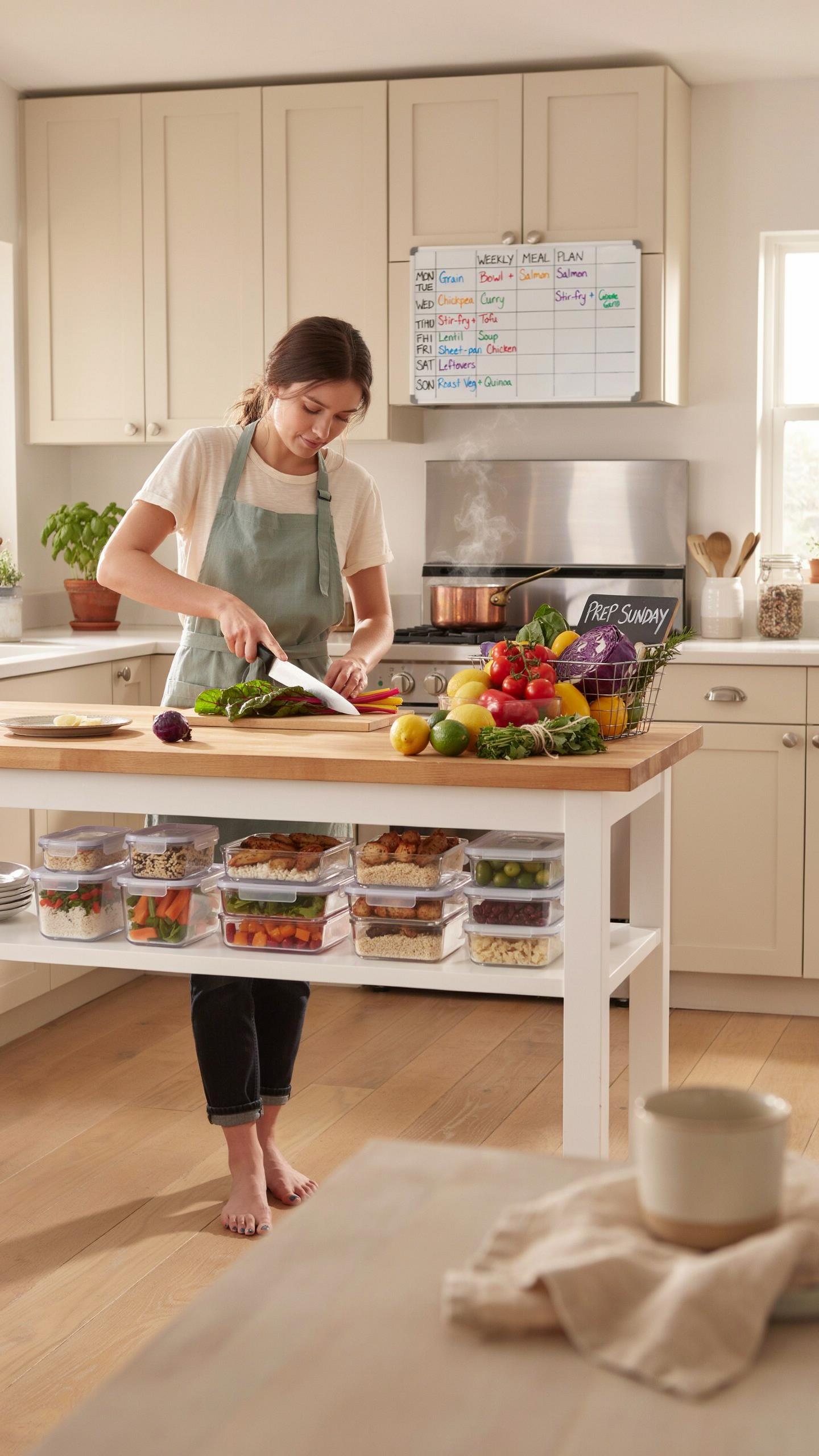
You already know chia pudding works. You know protein matters. What you don’t know is how to stop sabotaging yourself with perfectionism. Make one batch this Sunday. Five containers. Vanilla protein powder, almond milk, chia seeds, berries. That’s it. Stop researching and start eating. The version you actually make beats the ideal version gathering dust in your head.