
What Is Dietary Fiber And Why Does Your Body Need It

The Science Behind Dietary Fiber: Soluble Vs. Insoluble Explained
Dietary fiber is a carbohydrate found in plants that humans cannot digest. Unlike fats or proteins, your body does not break it down for energy. It passes through your system mostly intact. This material comes in two primary forms known as soluble and insoluble fiber. Each type performs a specific mechanical function within your digestive tract to maintain your internal health and efficiency.

Soluble fiber turns into a gel-like substance when it mixes with water. This process slows down digestion and helps manage nutrient absorption. Insoluble fiber does not dissolve and remains solid. It adds bulk to your stool and helps waste move through your intestines quickly. You need a balance of both types to keep your metabolic and digestive systems running at peak performance levels.
How Fiber Supports Digestion, Blood Sugar, And Heart Health
Fiber acts as a natural regulator for your entire body. It prevents constipation by keeping waste moving through the colon consistently. This mechanical action reduces pressure on the intestinal walls and lowers the risk of digestive tract issues. Regular fiber intake ensures that your gut microbiome stays healthy. These beneficial bacteria thrive on fiber and produce short chain fatty acids that protect your gut lining.

Strategic fiber intake also manages your blood chemistry. Soluble fiber traps sugars and fats to slow their entry into your bloodstream. This prevents rapid insulin spikes after you eat. It also binds to cholesterol particles and carries them out of the body before they can clog your arteries. These functions directly reduce your risk of developing type 2 diabetes and chronic heart disease over time.
How Much Fiber Do You Actually Need Each Day
Daily Fiber Recommendations By Age Gender And Life Stage
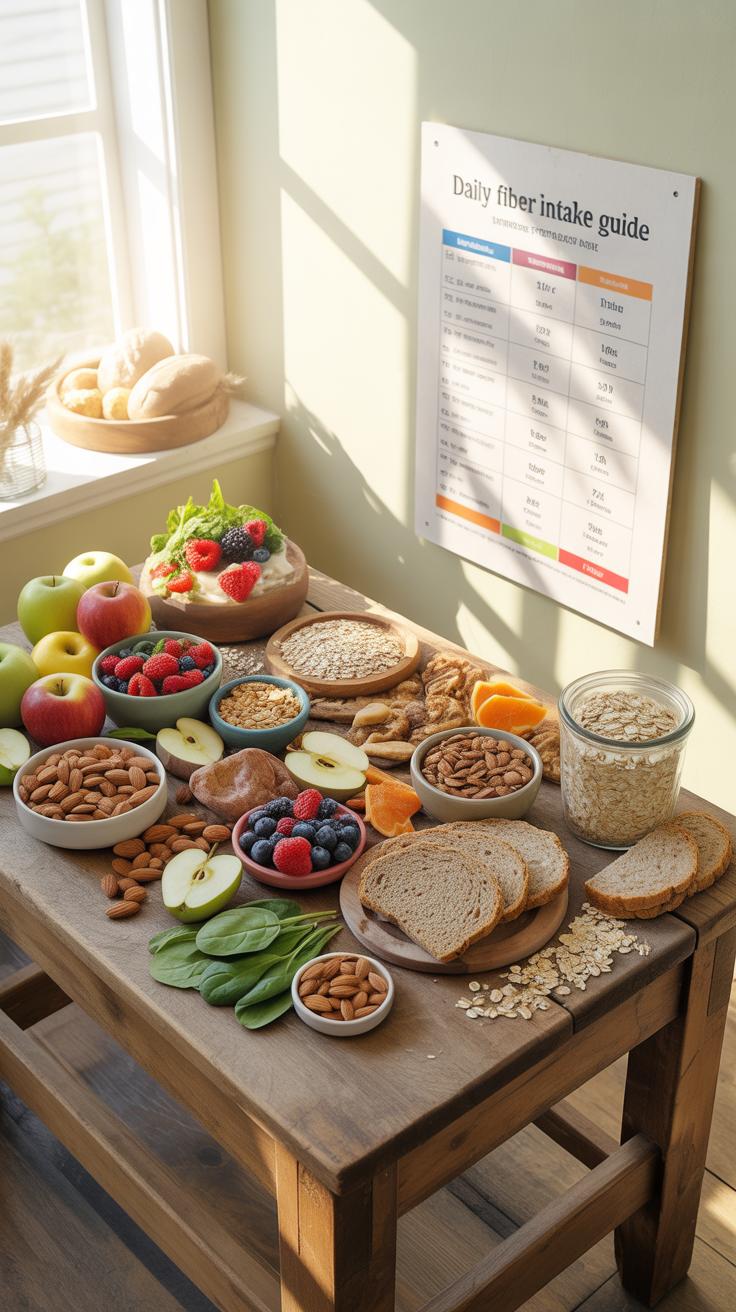
Official guidelines set specific targets based on physiological needs. Men under age 50 require 38 grams of fiber daily to maintain optimal gut health. Women in the same age bracket need 25 grams every day. After age 50, these requirements drop slightly to 30 grams for men and 21 grams for women. Most adults currently fail to reach even half of these recommended numbers.
Pregnancy and breastfeeding change these metrics significantly. Expecting mothers should aim for 28 grams while nursing mothers require 29 grams daily. Children need less fiber but still require consistent intake starting at 14 grams for toddlers. You must match your intake to your specific life stage to ensure body systems function correctly. Use these targets as baseline metrics for your daily meal planning.
Signs You Are Not Getting Enough Fiber In Your Diet
Physical symptoms signal a fiber deficiency immediately. Irregular bowel movements and hard stools are the most common indicators of low intake. You might also experience constant hunger shortly after eating meals. Fiber slows down digestion and keeps you full. Without it, your blood sugar spikes and crashes quickly. This process leads to low energy levels and frequent cravings for sugar.
Long term deficiency creates more serious health markers. High cholesterol levels often result from a lack of soluble fiber in the diet. You may also notice persistent bloating or a heavy feeling in your abdomen. These signs indicate that waste is moving too slowly through your digestive tract. Correcting these issues requires a steady increase in high fiber foods list items over several weeks.
The Ultimate High Fiber Foods List Best Sources From Every Food Group
Top Fruits, Vegetables, And Legumes Ranked By Fiber Content
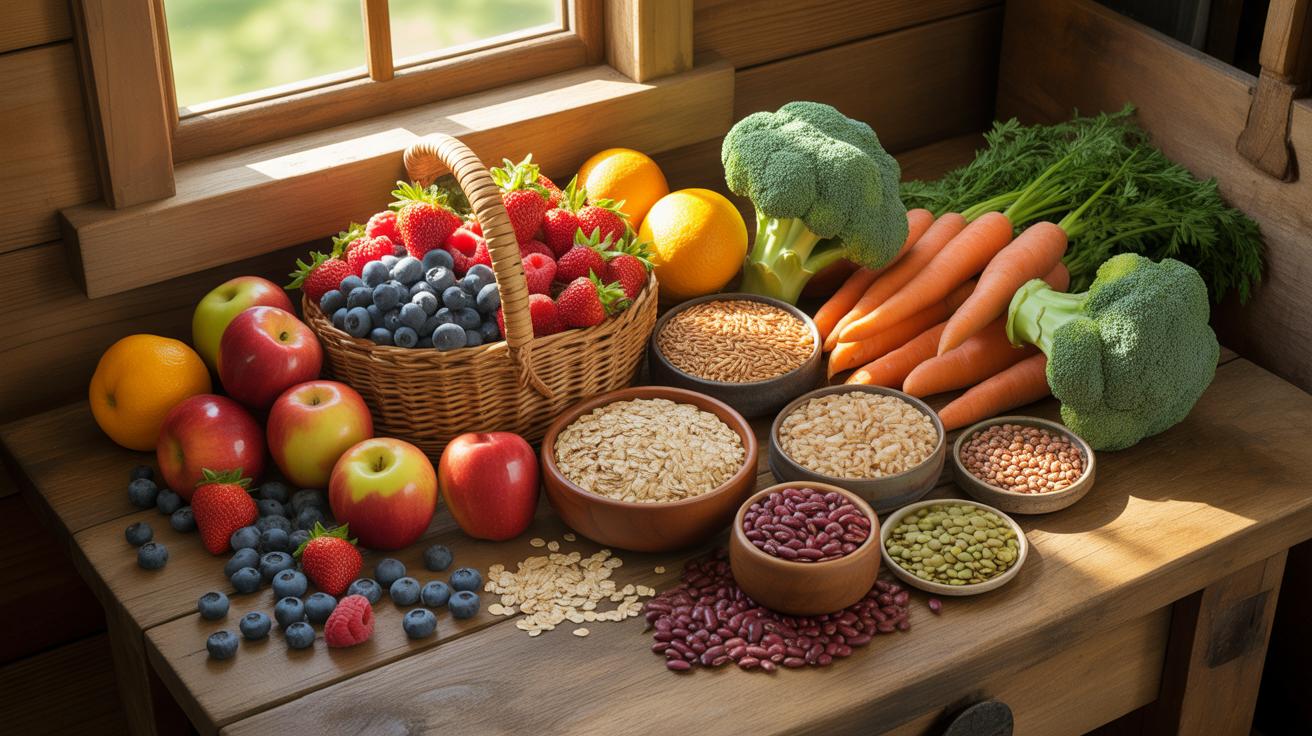
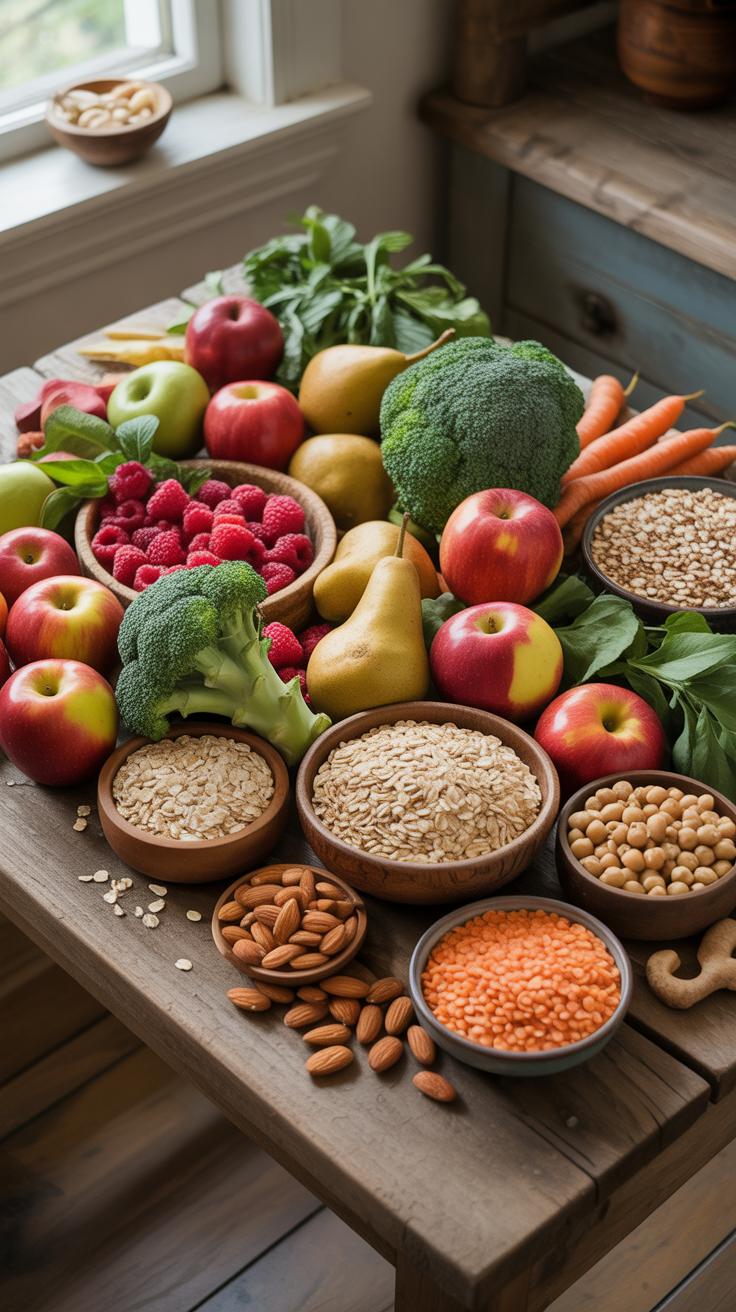
Plant-based foods offer the highest density of dietary fiber per calorie. Legumes sit at the top of this category due to their high concentration of resistant starch. Vegetables and fruits provide essential roughage and water-soluble fibers. Strategic selection of these items ensures maximum digestive efficiency and steady blood sugar levels. Focus on skins and seeds where fiber density remains the most concentrated.
- Split Peas: These legumes provide roughly 16 grams of fiber per cooked cup. They are a staple in traditional European soups and stews. Use them to provide bulk to meals without adding excessive fat or sodium.
- Lentils: Cooked lentils contain about 15 grams of fiber per cup. They serve as a primary protein and fiber source in South Asian cuisine. They cook faster than most dried beans and stabilize glucose levels effectively.
- Black Beans: These beans deliver 15 grams of fiber per cup and are central to Latin American diets. The dark skin contains antioxidants and insoluble fiber. They improve gut motility and provide a dense source of plant protein.
- Artichokes: One medium artichoke provides about 7 grams of fiber. This vegetable is a significant source of inulin, a prebiotic fiber that feeds beneficial gut bacteria. They are historically significant in Mediterranean diets for promoting gall bladder health.
- Raspberries: These berries contain 8 grams of fiber per cup. The tiny seeds provide significant insoluble fiber compared to other fruits. They offer a high fiber-to-sugar ratio, making them an ideal choice for low-glycemic load diets.
Legumes provide significant satiety due to their combined protein and fiber profiles. Regularly eating these foods reduces the risk of chronic metabolic issues. Vegetables like broccoli and carrots add necessary volume to the diet with minimal caloric impact. Diversifying these sources ensures you get both soluble and insoluble fibers. This combination is critical for optimal gut health and regular bowel movements.
Whole Grains, Nuts, And Seeds That Deserve A Spot In Your Diet
Whole grains retain the bran and germ layers where fiber resides. Refined grains strip these layers away and remove nearly all nutritional value. Bulgur and barley offer higher fiber counts than brown rice or whole wheat. Ancient grains like farro and quinoa also provide reliable texture and nutrients. Tactical grain selection ensures you hit daily fiber targets without consuming empty carbohydrates.
Nuts and seeds offer concentrated fiber in small servings. Chia seeds and flaxseeds provide high levels of mucilaginous fiber which aids digestion. Almonds and pistachios serve as portable high-fiber snacks that suppress hunger between meals. Always choose raw or roasted varieties without added sugars to maintain the health benefits. Integrating these fats and fibers into daily meals supports long-term heart health and weight management.
Fiber Food Chart A Visual Breakdown Of Fiber Content Per Serving
Reading A Fiber Food Chart: What The Numbers Actually Mean
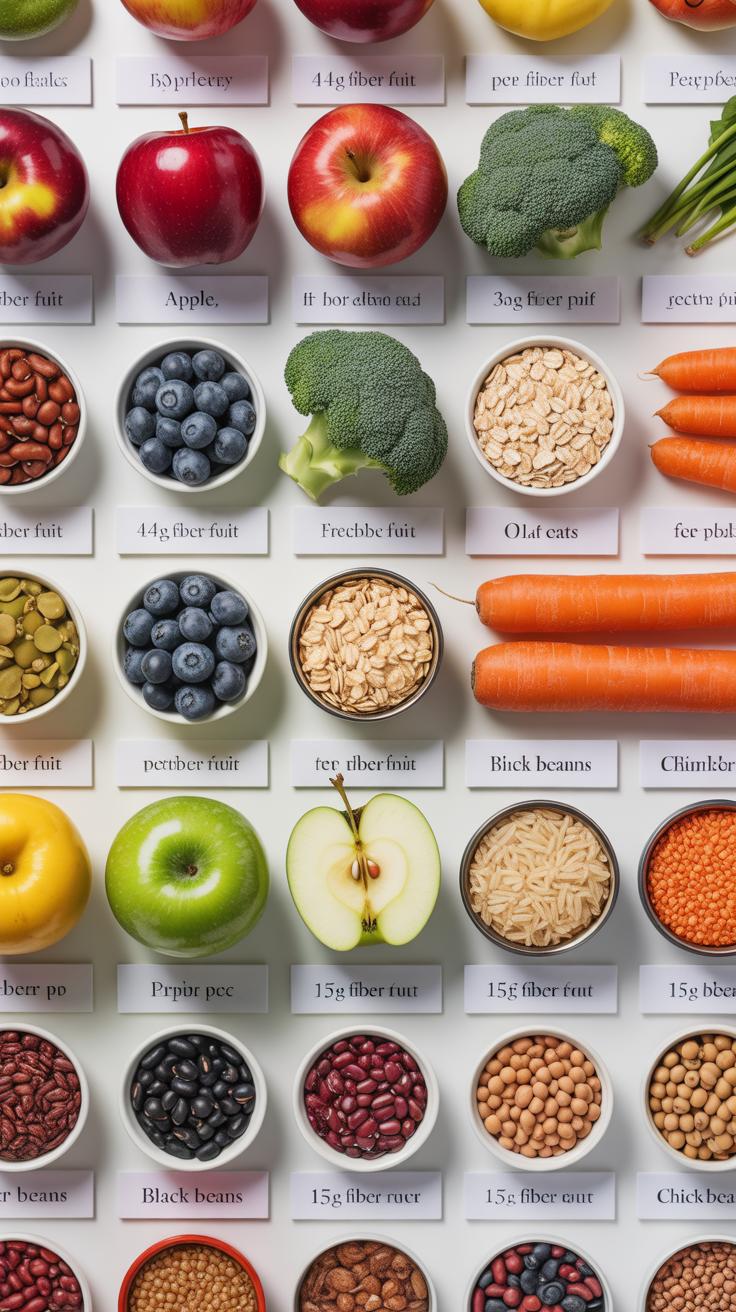
A high fiber foods list displays numbers based on standard serving sizes. These measurements involve weight in grams and volume in cups. You must distinguish between total fiber and net carbs. Soluble and insoluble fiber types often appear as one combined figure. This total represents the structural parts of plant foods your body cannot digest. Focus on the grams per serving to assess density.
Labeling laws require manufacturers to list fiber content clearly. Most charts use standard cooked or raw measurements. Look for the fiber density relative to calories. High density means more nutrients for less energy intake. Ignore marketing claims on the front of packages. Check the chart for the specific gram count. This data provides the only objective way to compare different grains, legumes, and vegetables.
Nature’s bounty of whole grains and garden greens remains the simplest way to nourish the body and soul. Choosing real, fiber-rich foods reflects a timeless wisdom that keeps our hearts full and our lives vibrant.
How To Use A Fibre Chart To Hit Your Daily Fiber Goals
Use a chart to plan your meals around high density anchors. Select one item providing at least five grams per serving for every meal. This strategy ensures you reach thirty grams daily without constant tracking. Most adults currently consume less than half of their requirement. A chart reveals which swaps provide the biggest impact. Replace white rice with lentils to triple your intake instantly.
Tracking requires consistency for the first two weeks. Use the chart to identify hidden low fiber items in your current diet. Swap these for high fiber alternatives listed on the reference sheet. Proper hydration must accompany any increase in fiber intake shown on the chart. Fiber absorbs water to move waste through your system. Increase your volume slowly to avoid digestive distress while hitting your target numbers.
Foods High In Fiber You Can Easily Add To Any Meal
High Fiber Breakfast Ideas That Keep You Full Until Lunch
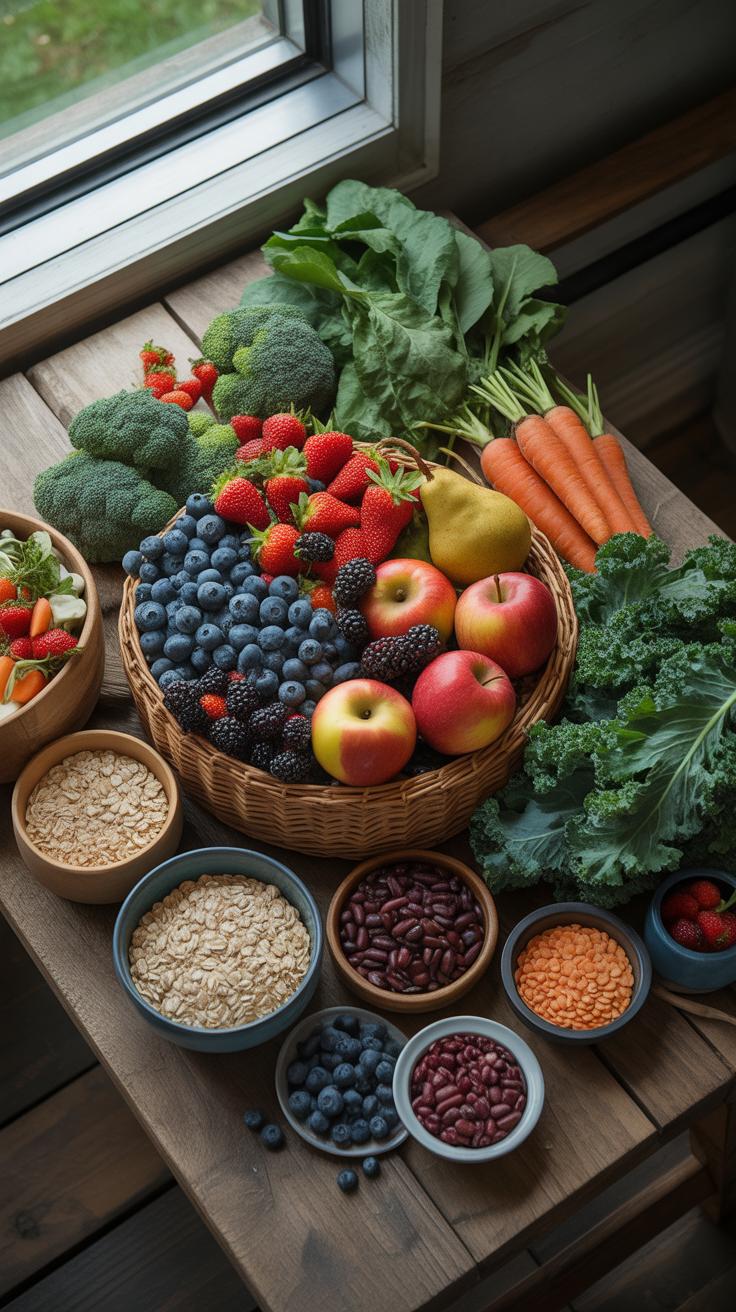
Start your day with steel cut oats instead of instant varieties. These oats undergo less processing and retain more of the bran. Add one tablespoon of chia seeds to your bowl. These seeds expand in your stomach and provide heavy doses of soluble fiber. This strategy slows down your digestion. It prevents the mid morning energy crash common with sugary cereal choices.
Berries offer a high fiber count with low sugar impact. Raspberries and blackberries contain roughly eight grams of fiber per cup. Mix these into plain Greek yogurt to balance protein and roughage. Avoid fruit juices because the juicing process removes the essential pulp and skin. You need the whole fruit to get the structural benefits. Consistent morning fiber intake regulates your blood sugar levels.
Simple Lunch And Dinner Swaps To Increase Your Fiber Intake
Replace white rice with pearled barley or farro during dinner. These ancient grains have a chewy texture and contains significantly more fiber per serving. Use lentils as a meat extender in taco fillings or pasta sauces. Lentils provide bulk without adding unhealthy fats. This simple switch increases the nutrient density of your meal. It also helps you feel satisfied with smaller portions.
Keep the skin on your vegetables when cooking. Potatoes and carrots hold most of their fiber in their outer layers. Swap traditional flour tortillas for corn or whole wheat versions. Use hummus as a spread instead of mayonnaise to add legume based fiber to sandwiches. These tactical changes require no extra time but improve your daily totals. Small swaps create a massive cumulative effect on your health.
Fiber Rich Foods List For Specific Health Goals
Best Fiber Foods For Weight Management And Appetite Control
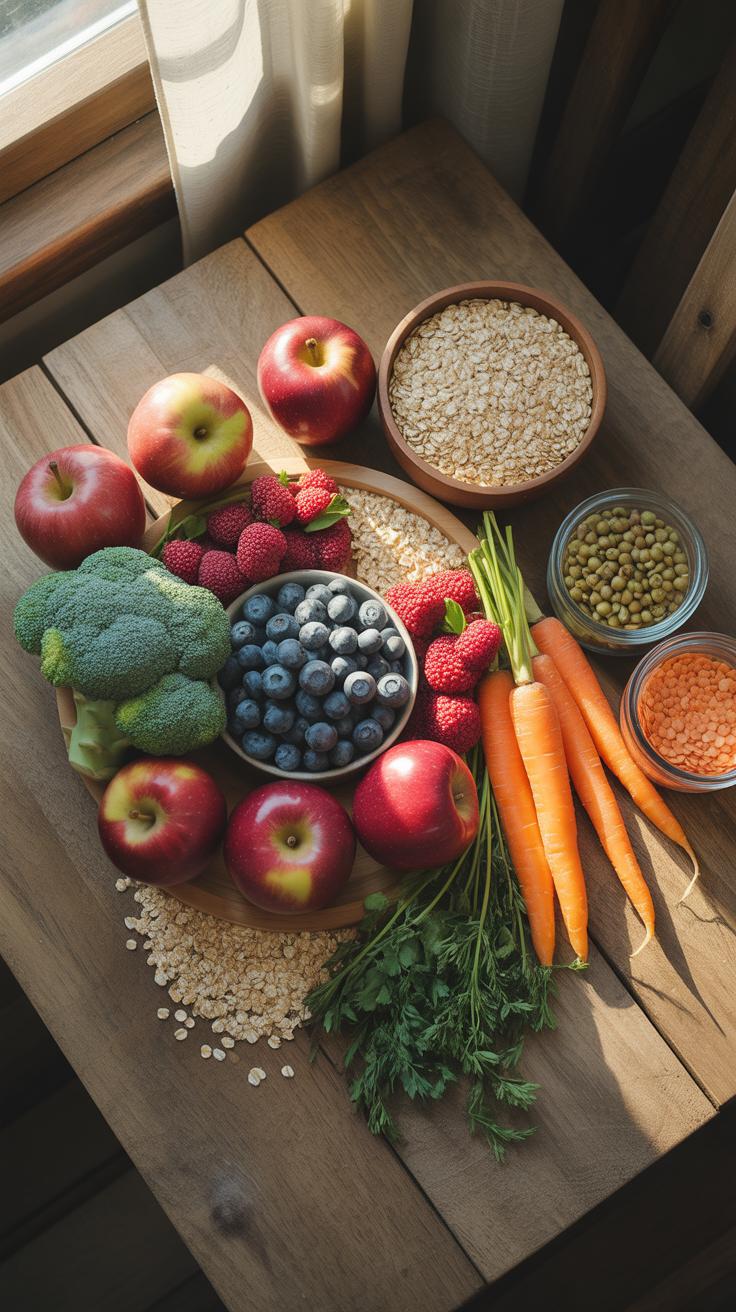
Soluble fiber slows down your digestion process. This keeps you full for a longer time after you eat. It forms a gel in your gut that blocks the quick absorption of sugar. This action prevents the insulin spikes that drive hunger. Use these foods to reduce your total calorie intake without feeling hungry between your meals. It is a simple tool for fat loss.
Viscous fiber specifically targets belly fat over time. Research shows that increasing this fiber intake leads to lower body weight. Focus on legumes and oats to get these results. These foods provide bulk without high calories. You get more food volume for less energy. This strategy helps you stick to a diet plan. It removes the need for willpower by managing your physical hunger signals effectively.
High Fibre Food Choices That Support Gut Health And Regularity
Insoluble fiber acts like a broom for your intestines. It adds bulk to your stool and speeds up the movement of waste. This prevents constipation and lowers your risk of colon issues. You find this fiber in the skins of fruits and whole grains. Consistent intake ensures your digestive tract stays clean and functional. It is the most effective way to maintain daily regularity.
Prebiotic fibers feed the good bacteria in your microbiome. A healthy gut needs these specific fuel sources to thrive. When bacteria ferment this fiber, they produce short-chain fatty acids. These acids protect your gut lining and reduce inflammation throughout your body. Choose diverse plant sources to support a wide range of beneficial microbes. This improves your overall immune system and long-term digestive health.
Common Mistakes People Make When Eating More Foods With Fiber

Why Increasing Fiber Too Quickly Can Cause Discomfort
Aggressive jumps in fiber intake overwhelm the digestive system. Your gut bacteria need time to adapt to the increased fermentation load. If you add too much roughage overnight, the bacteria produce excess gas during the breakdown process. This leads to immediate bloating, sharp abdominal cramps, and flatulence. The sudden bulk also taxes the muscles in the intestinal wall before they strengthen.
Rapid changes frequently lead to constipation if you ignore hydration. Fiber absorbs water to move waste through the colon. Without extra fluids, the fiber hardens and creates a blockage instead of passing smoothly. This mistake turns a healthy habit into a painful medical issue. You must treat fiber as a tool that requires specific operational conditions to function correctly within the human body.
Practical Tips For Transitioning To A High Fiber Diet Without Side Effects
Success requires a deliberate and measured escalation of fiber intake over several weeks. Start by swapping one refined grain for a whole grain option daily. This allows your microbiome to adjust its population ratios to handle the new substrate. Monitor your physical response before adding more volume. Slow progress prevents the common inflammatory responses that derail most people during the first week.
- Hydration Increase: Drink at least eight ounces of water for every five grams of fiber added. Water softens the stool and allows fiber to glide through the digestive tract. Without fluids, high fiber intake causes fecal impaction and severe discomfort.
- Incremental Loading: Add only five grams of fiber to your daily total every three days. This slow pace gives your gut enzymes time to catch up with the increased workload. Fast tracking this process almost always results in avoidable gastric distress and bloating.
- Cooked Over Raw: Steam or sauté high fiber vegetables to break down tough cellulose fibers before eating. Cooking predigests some of the plant matter, making it easier on your stomach during the transition phase. Raw vegetables require significantly more mechanical and chemical energy to process.
- Probiotic Support: Consume fermented foods like yogurt or kimchi to bolster beneficial gut bacteria. These microorganisms assist in breaking down complex carbohydrates and fibers that human enzymes cannot process alone. This synergy reduces the amount of gas produced during the fermentation stage of digestion.
- Standardized Timing: Distribute fiber intake evenly across all your daily meals. Loading all thirty grams of fiber into a single dinner creates a massive digestive bottleneck. Spreading the load ensures the intestines can process the material at a steady and manageable operational rate.
Consistency matters more than total volume during the initial transition period. Your body operates on biological cycles that prefer predictable inputs. Sudden spikes or drops in fiber supply confuse the digestive system and lead to irregular bowel movements. Maintain a steady baseline of whole foods and utilize the list above to scale your intake safely. Reliability ensures long term gut health.
Fiber Foods List For Special Diets Vegan Gluten Free And Low Carb
Plant Based And Vegan Fiber Sources That Cover Your Daily Needs
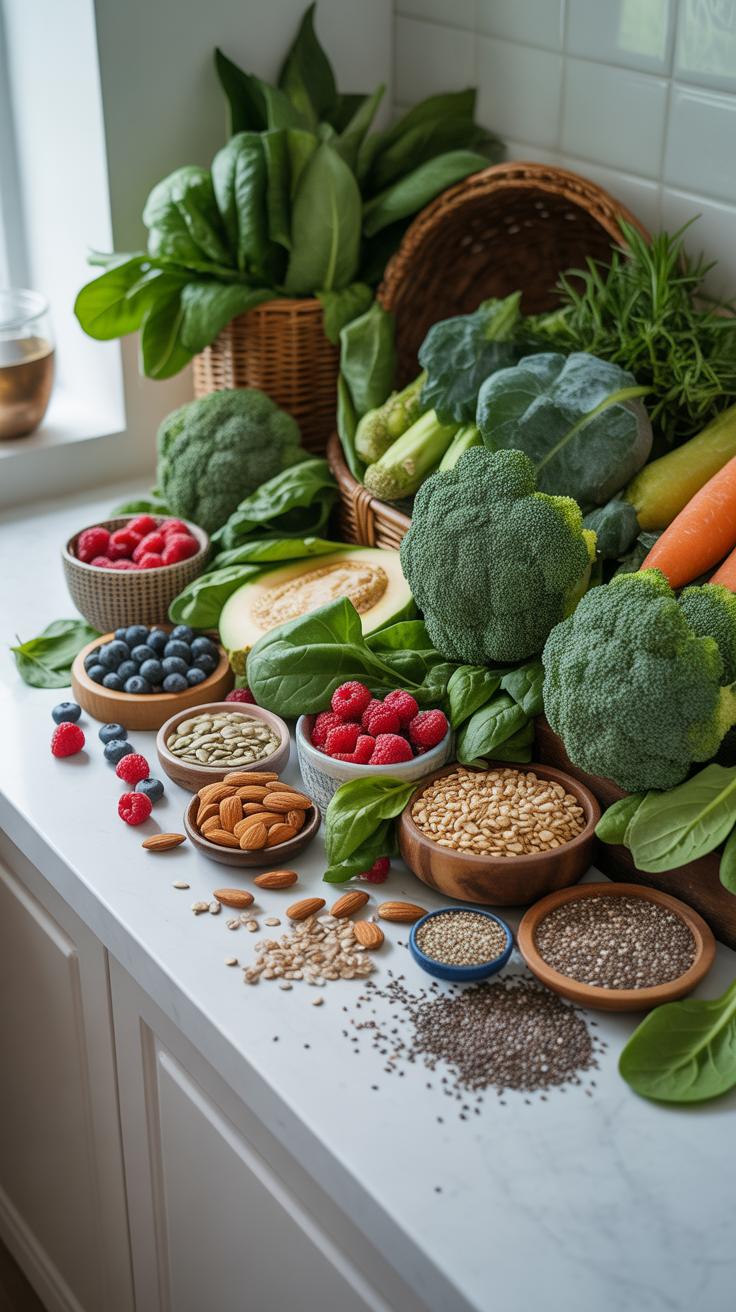
Vegan diets rely on legumes and seeds to meet daily fiber targets. Lentils and split peas offer high density per cooked cup. These staples provide soluble fiber to stabilize blood sugar levels. You must prioritize these whole plant sources over processed vegan substitutes. Processed items often strip away the natural husk. This loss reduces the overall digestive benefits you need for gut health.
Strategically combine different plant groups to ensure a complete nutrient profile. Use chia seeds and flaxseeds as easy toppers for every meal. These small seeds pack a massive fiber punch without requiring large volume consumption. They also provide essential fats that support heart health. Focus on consistency to maintain steady digestion. Every meal is a chance to hit your twenty-five to thirty gram daily goal.
Gluten Free And Lower Carb Foods High In Fiber Worth Knowing
Gluten-free diets often lack fiber because many flour replacements are highly refined. You must choose ancient grains like amaranth or quinoa to bridge this gap. These seeds offer more fiber than standard white rice or corn. Berries also serve as an excellent tool for fiber without excess sugar. Raspberries and blackberries contain high seed counts. This structure ensures you get maximum roughage in every single bite.
Low-carb strategies require high-density fiber from non-starchy vegetables. Avocado and leafy greens are the primary tools for this task. They keep net carb counts low while keeping your digestive tract moving. Avoid relying on synthetic fiber additives in keto products. Real food sources provide better mineral absorption and long-term satiety. Use cruciferous vegetables like broccoli and cauliflower to add bulk to your plates without adding significant calories.
Frequently Asked Questions

What are the main benefits of adding more fiber to my daily diet?
Fiber is essential for maintaining a healthy digestive system and supporting long-term wellness. By incorporating items from a high fiber foods list, you can improve heart health, stabilize blood sugar levels, and achieve a lasting feeling of fullness. This makes it much easier to manage your weight while ensuring your gut microbiome remains balanced and thriving. Starting slowly helps your body adjust to these positive nutritional changes without discomfort.
How can I easily increase my fiber intake throughout the day?
The best way to boost intake is by making small, intentional swaps during your regular meals. Try trading white bread for whole-grain varieties or adding a scoop of chia seeds to your morning yogurt. Consulting a comprehensive high fiber foods list can help you identify simple additions like raspberries or almonds for snacking. Remember to drink plenty of water as you increase fiber to help your system process the extra bulk smoothly.
Is it possible to eat more fiber if I am on a tight grocery budget?
Absolutely! Increasing fiber is very affordable when you focus on pantry staples rather than expensive supplements. Dried beans, lentils, and chickpeas are incredibly cheap protein sources that are packed with roughage. Additionally, buying oats in bulk and choosing frozen vegetables can keep costs down while significantly improving your nutrition. You don’t need specialty health products to meet your daily goals; simple, whole foods from the produce aisle work perfectly.