
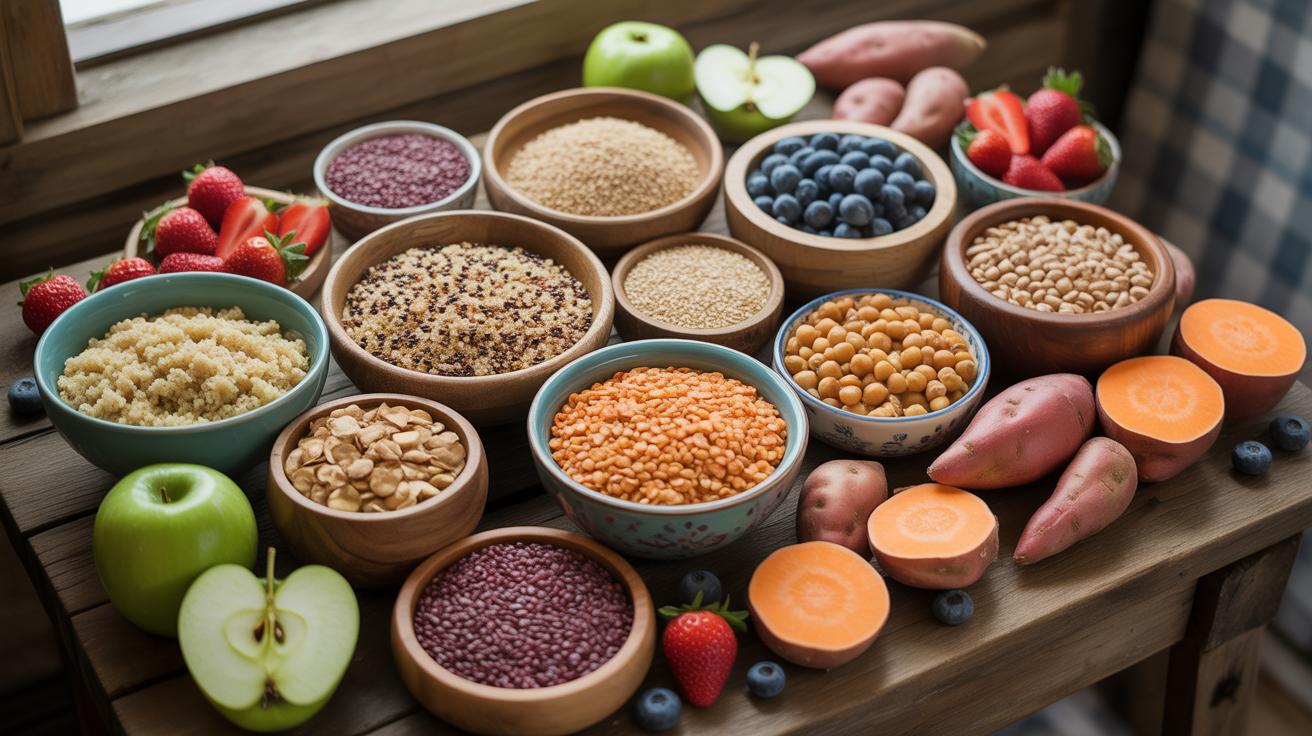
Understanding Good And Bad Carbs Why Not All Carbs Are Created Equal

How Simple And Complex Carbohydrates Differ In The Body
Simple carbohydrates consist of short molecular chains. Your body breaks these down fast. This process triggers a sudden spike in blood glucose levels. High blood sugar forces the pancreas to release heavy doses of insulin. Insulin tells your body to store excess energy as fat. You feel a quick energy burst followed by a sharp crash. This cycle increases hunger and leads to overeating.

Complex carbohydrates have long, branched molecular structures. They take much more time for your digestive system to process. This slow breakdown provides a steady stream of energy to your muscles and brain. Your blood sugar stays stable throughout the day. Stable sugar levels prevent the insulin spikes that cause fat storage. Choosing complex options helps you maintain a healthy metabolic rate and controls your daily appetite.
Why The Source Of Your Carbs Matters More Than The Amount
Total carbohydrate counts often mislead people. The physical structure of the food determines how your body reacts. Whole foods like root vegetables and grains contain fiber. Fiber acts as a physical barrier during digestion. It slows down the absorption of sugar into your bloodstream. This natural packaging makes it difficult for your body to convert the energy into body fat quickly.

Processed carbohydrates lack the original nutrients found in nature. Manufacturers strip away the fiber and bran during production. This leaves behind pure starch that behaves like sugar. Your body processes these refined foods instantly. Even if two foods have the same carb count, the whole food source supports weight loss while the refined source blocks it. Focus on the quality of the food source to manage your weight.
The Good Carbs Vs Bad Carbs List You Need To Know Before Changing Your Diet
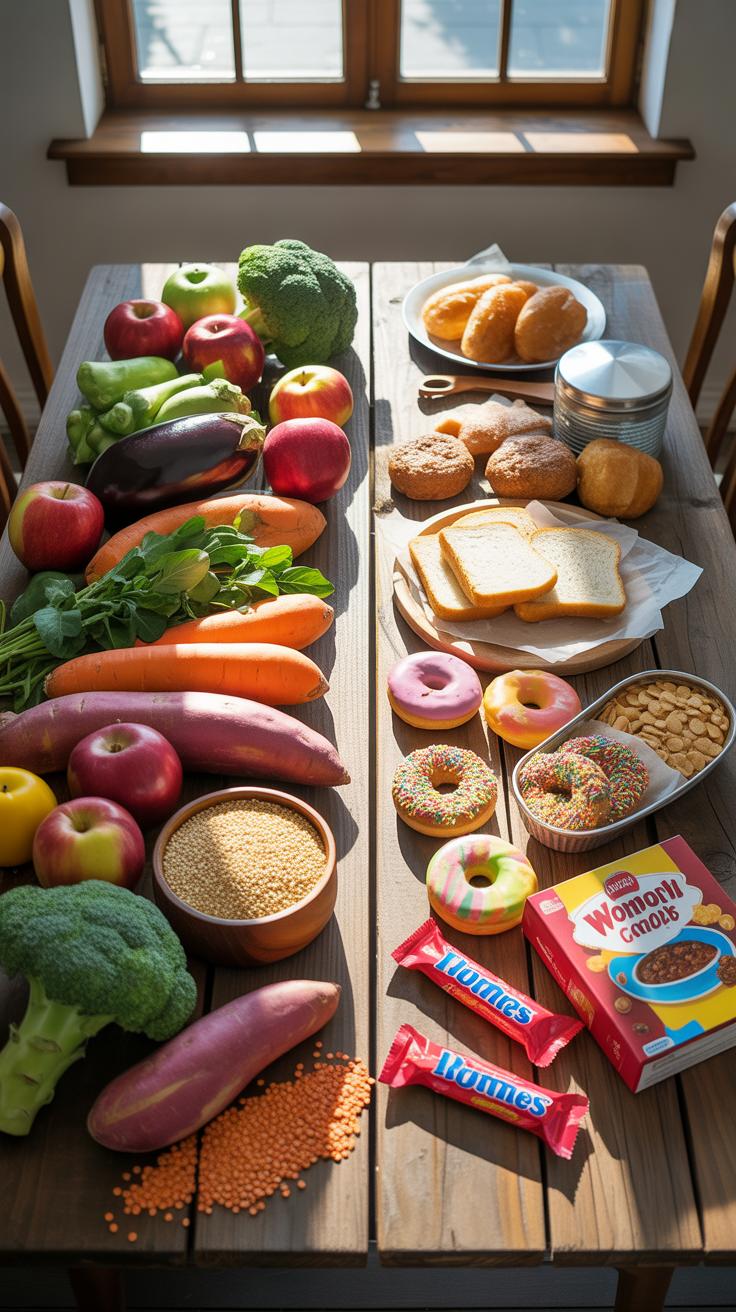
Common Bad Carbs That Contribute To Weight Gain And Blood Sugar Spikes
Bad carbs consist of simple sugars and refined grains. Manufacturers strip the bran and germ from these foods during processing. This removal eliminates essential fiber and nutrients. Your body digests these items quickly. This rapid digestion causes a sharp rise in blood glucose levels. High glucose levels force the pancreas to release large amounts of insulin. Insulin acts as a storage hormone that promotes fat accumulation.
Chronic consumption of refined carbohydrates creates a cycle of energy crashes and hunger. These foods provide empty calories without satiety. You feel hungry shortly after eating because your blood sugar drops fast. Consistent insulin spikes lead to insulin resistance over time. This metabolic state makes weight loss nearly impossible. Avoiding white bread, sugary cereals, and processed snacks is necessary to maintain a stable metabolism and reduce body fat.
Good Carbs That Fuel The Body And Support A Healthy Weight
Good carbs are complex carbohydrates found in whole, unprocessed plants. These sources contain intact fiber structures. Fiber slows down the breakdown of starch into glucose. This process ensures a steady release of energy into the bloodstream. It prevents the massive insulin surges that cause fat storage. Your gut bacteria also ferment certain fibers. This fermentation produces short-chain fatty acids that improve your overall metabolic health and heart function.
Prioritize whole grains, legumes, and tubers to stay full longer. These foods take up more physical space in your stomach. They trigger stretch receptors that signal fullness to your brain. You naturally eat fewer calories when your diet includes high-fiber carbohydrates. Eating these foods also provides vital minerals and vitamins. Focus on quality over quantity to fuel your muscles. Complex carbs provide the necessary glucose for brain function and high-intensity physical activity.
Good Carbs To Eat Top Whole Food Sources That Promote Fat Loss
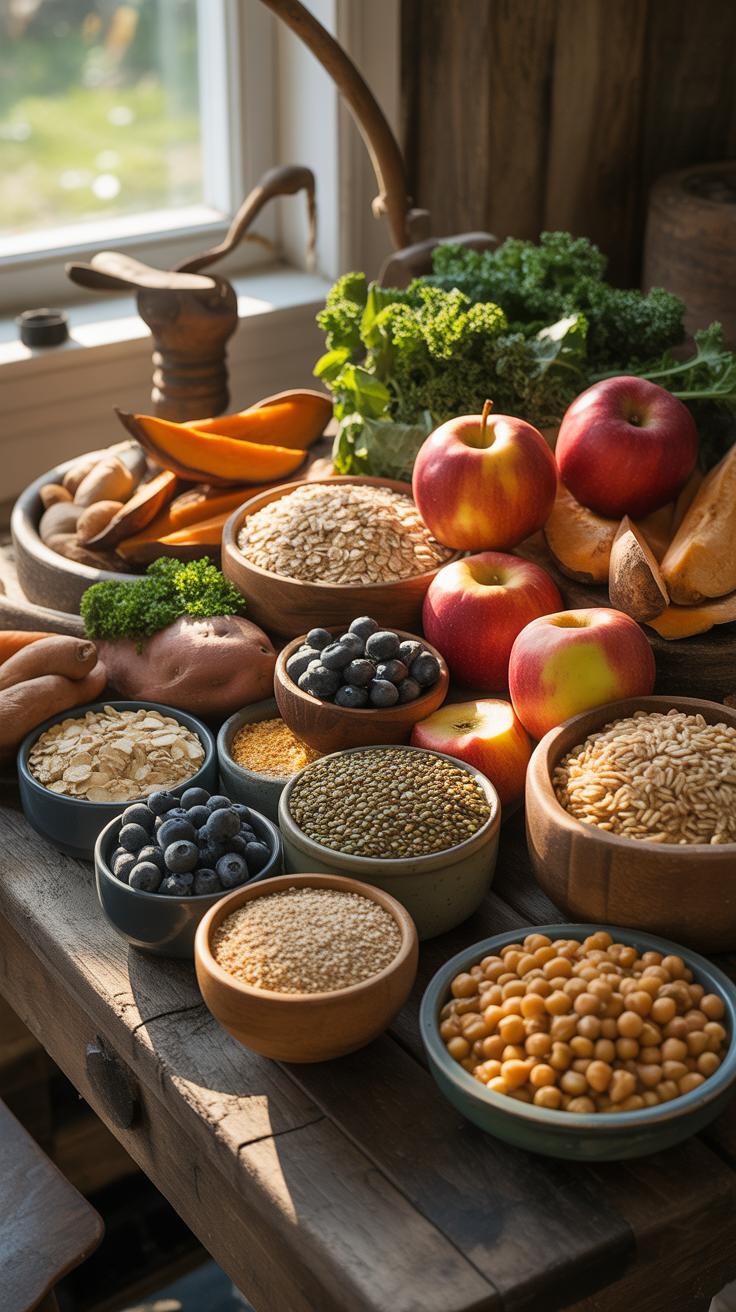
Legumes, Oats, And Sweet Potatoes As Nutrient Dense Carb Sources
Legumes provide high levels of plant protein and complex carbohydrates. Beans and lentils stabilize blood sugar levels due to their low glycemic index. These foods require more energy for your body to digest than simple sugars. This metabolic process helps you burn more calories during digestion. Legumes also contain essential minerals like iron and magnesium that support energy production during intense physical training.
Oats and sweet potatoes offer sustained energy for daily activities and workouts. Steel cut oats contain beta glucans that slow glucose absorption into your bloodstream. Sweet potatoes provide vitamin A and potassium while delivering a steady supply of fuel. These whole foods replace processed grains that cause insulin spikes. Choosing these sources ensures your body uses carbohydrates for functional energy rather than storing them as fat.
How Fiber Content In These Foods Helps You Stay Full Longer
High fiber content creates physical bulk in your stomach. Soluble fiber mixes with water to form a gel like substance. This gel slows down the emptying of your stomach after a meal. You feel full for a longer duration which prevents overeating and unnecessary snacking. Fiber keeps your insulin levels steady. Stable insulin prevents the hunger crashes that lead to poor food choices.
Fiber also improves your gut health by feeding beneficial bacteria. A healthy gut microbiome correlates with better weight management and lower systemic inflammation. These complex carbohydrates pass through the upper digestive tract without being fully absorbed. This means you consume fewer net calories compared to low fiber foods. High fiber intake is a tactical requirement for anyone serious about sustaining a caloric deficit without constant hunger.
Smart Carb Choices How To Pick The Right Carbs At Every Meal
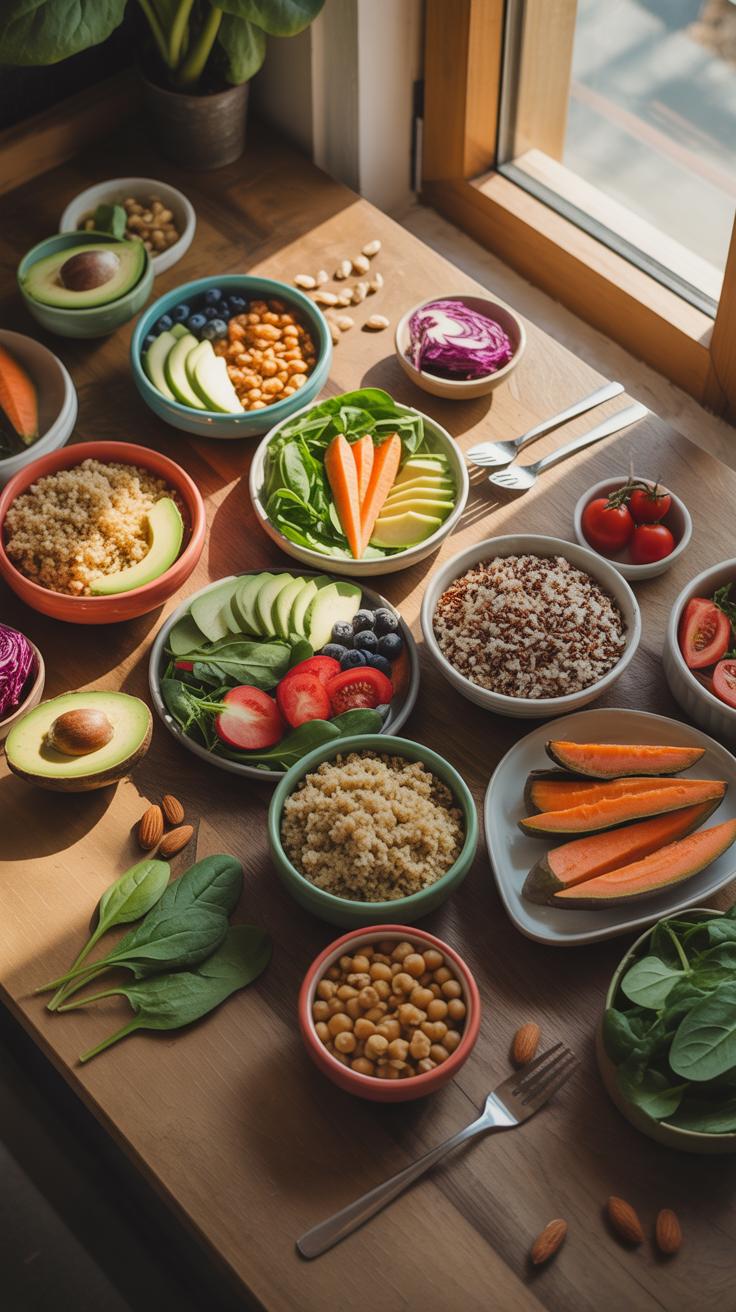
Reading Nutrition Labels To Identify Quality Carbohydrates
Locate the Total Carbohydrate section on the nutrition label immediately. Superior carb choices contain high fiber levels and minimal added sugars. Look for at least three grams of fiber per serving for grain products. This fiber slows glucose absorption into your bloodstream. High fiber counts usually indicate the food remains close to its natural state. Processed items strip fiber away during manufacturing.
Check the ingredient list for the word whole before any grain name. Manufacturers often use terms like enriched or wheat flour to disguise refined grains. These refined options lack the germ and bran found in whole versions. Avoid products where sugar appears in the first three ingredients. Real food does not require complex chemical additives. Focus on short ingredient lists to ensure you consume high-quality energy sources.
Practical Meal By Meal Carb Swaps For Weight Loss Success
Strategic carb replacement reduces your total caloric load without sacrificing volume. Traditional diets often fail because people remove food instead of upgrading it. Swapping refined grains for complex alternatives keeps your insulin levels stable. This stability prevents the hunger crashes that lead to overeating. You can maintain high energy levels by choosing slow-burning fuels over fast-burning sugars.
- Cauliflower Rice: Replace white rice with grated cauliflower to slash calories and carbohydrates. This swap provides a similar texture while adding essential vitamins and fiber. It works well in stir-fry or as a side dish for lean proteins.
- Steel Cut Oats: Swap instant oatmeal packets for steel cut oats to avoid added sugars. Steel cut varieties have a lower glycemic index because they take longer to digest. This choice keeps you full until your next scheduled meal.
- Zucchini Noodles: Use a spiralizer to turn zucchini into noodles instead of using traditional wheat pasta. This change removes gluten and significantly lowers the energy density of your meal. You can consume a larger volume of food for fewer calories.
- Sweet Potatoes: Choose baked sweet potatoes over white potatoes or French fries for better nutrient density. Sweet potatoes contain more fiber and Vitamin A than standard white potatoes. They provide a steady release of energy throughout the afternoon.
- Greek Yogurt: Replace sweetened fruit yogurt with plain Greek yogurt to eliminate added cane sugars. Plain Greek yogurt contains more protein and fewer carbohydrates than flavored versions. Add fresh berries for natural sweetness and additional antioxidants if needed.
Implement these swaps one meal at a time to build lasting habits. Start with breakfast by replacing white toast with sprouted grain bread or oats. Move to lunch and dinner by substituting greens or tubers for pasta and flour tortillas. Consistent small changes create a massive caloric deficit over several months. Focus on the density of the food to ensure you feel satisfied after every single meal.
Healthy Carbs To Eat For Sustained Energy Without The Weight Gain
The Role Of The Glycemic Index In Choosing Weight Loss Friendly Carbs
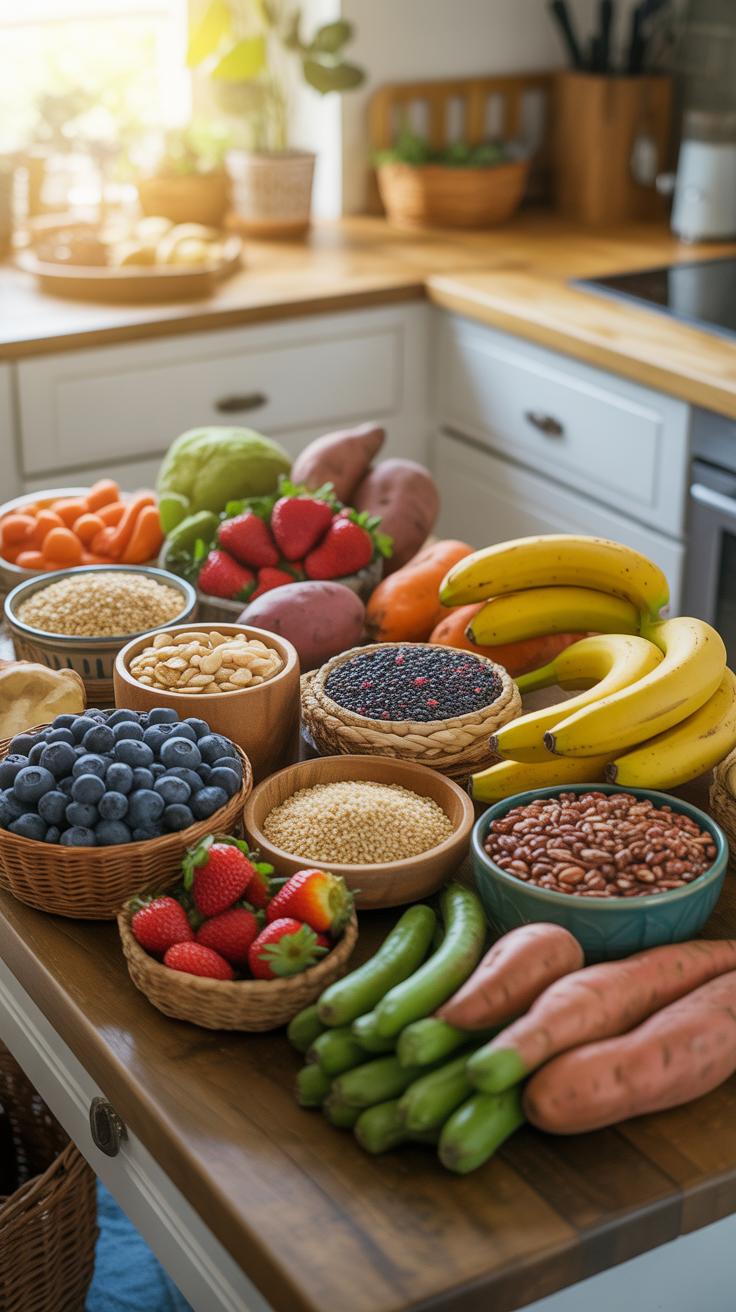
The Glycemic Index ranks how fast foods raise blood glucose levels. High ranks trigger insulin spikes. Insulin is your primary fat storage hormone. When insulin stays high, your body stops burning stored fat for fuel. You must choose carbs with a low rank to keep insulin levels low. This shift forces your body to use body fat for daily energy needs instead.
Strategic weight loss requires metabolic stability. Low glycemic carbs take longer for your gut to break down. This slow process provides a steady stream of glucose to your brain and muscles. You avoid the energy crashes that lead to sugar cravings and overeating. Mastering the index allows you to eat carbs while keeping your metabolic rate high and your hunger low.
Low Glycemic Carb Options That Keep Blood Sugar Stable Throughout The Day
Steel cut oats and lentils represent the gold standard for slow burning fuel. These foods contain heavy fiber loads that physically slow down digestion. Legumes also provide high protein content which increases satiety. By eating these specific carbs, you ensure your blood sugar remains in a tight range. This prevents the hormonal signals that tell your brain to store calories as belly fat.
Berries and sweet potatoes offer essential nutrients without the high glycemic load of white breads or tropical fruits. These choices contain polyphenols and resistant starch. Resistant starch acts like fiber because it resists digestion in the small intestine. This process improves insulin sensitivity over time. Better insulin sensitivity makes weight loss easier by allowing your cells to use sugar more efficiently for physical work.
Good And Bad Carbs List Fruits And Vegetables Worth Adding To Your Plate
Which Fruits Are High In Natural Fiber And Low In Added Sugar
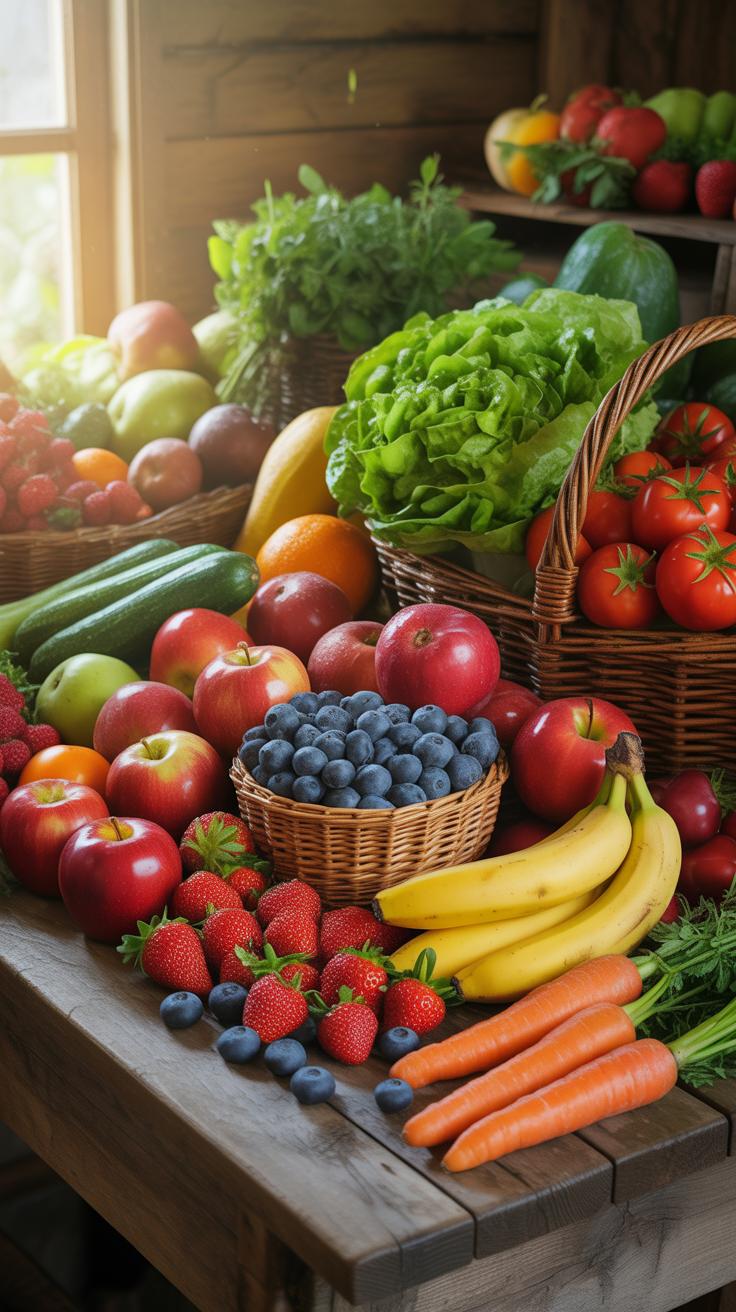
Berries and stone fruits provide high fiber content with a low glycemic load. Raspberries and blackberries contain roughly eight grams of fiber per cup. This fiber slows glucose absorption into your bloodstream. It prevents insulin spikes that trigger fat storage. You stay full longer because these fruits take more time to digest. Prioritize these over dried fruits or juices that lack structural fiber.
Apples and pears offer pectin which is a specific type of soluble fiber. This substance forms a gel in your gut to improve satiety. Eat the skin to get the full nutrient profile and roughage. Avoid peeling these fruits if you want to lose weight. The crunch requires more chewing which signals fullness to your brain earlier. Choose whole fruit over processed snacks for better caloric control.
Non Starchy Vegetables As Low Calorie Carb Sources For Weight Management
Non-starchy vegetables provide the lowest calorie density of all carbohydrate sources. Leafy greens, broccoli, and peppers contain high water content and essential micronutrients. You can consume large volumes of these foods without exceeding your daily calorie limit. This volume eating strategy physical stretches the stomach to suppress hunger hormones. It is a tactical way to maintain a deficit while feeling satisfied throughout the day.
Cruciferous vegetables like cauliflower and cabbage also support metabolic health. These plants contain fiber that feeds beneficial gut bacteria. A healthy microbiome assists with weight regulation and reduces systemic inflammation. Use these vegetables as the base for every meal to crowd out calorie-dense foods. Replace simple starches with greens to lower your total net carb intake. This shift forces the body to utilize stored fat for energy.
Good Healthy Carbs Found In Whole Grains And How They Support Weight Loss
Why Whole Grains Like Quinoa, Brown Rice, And Barley Outperform Refined Grains
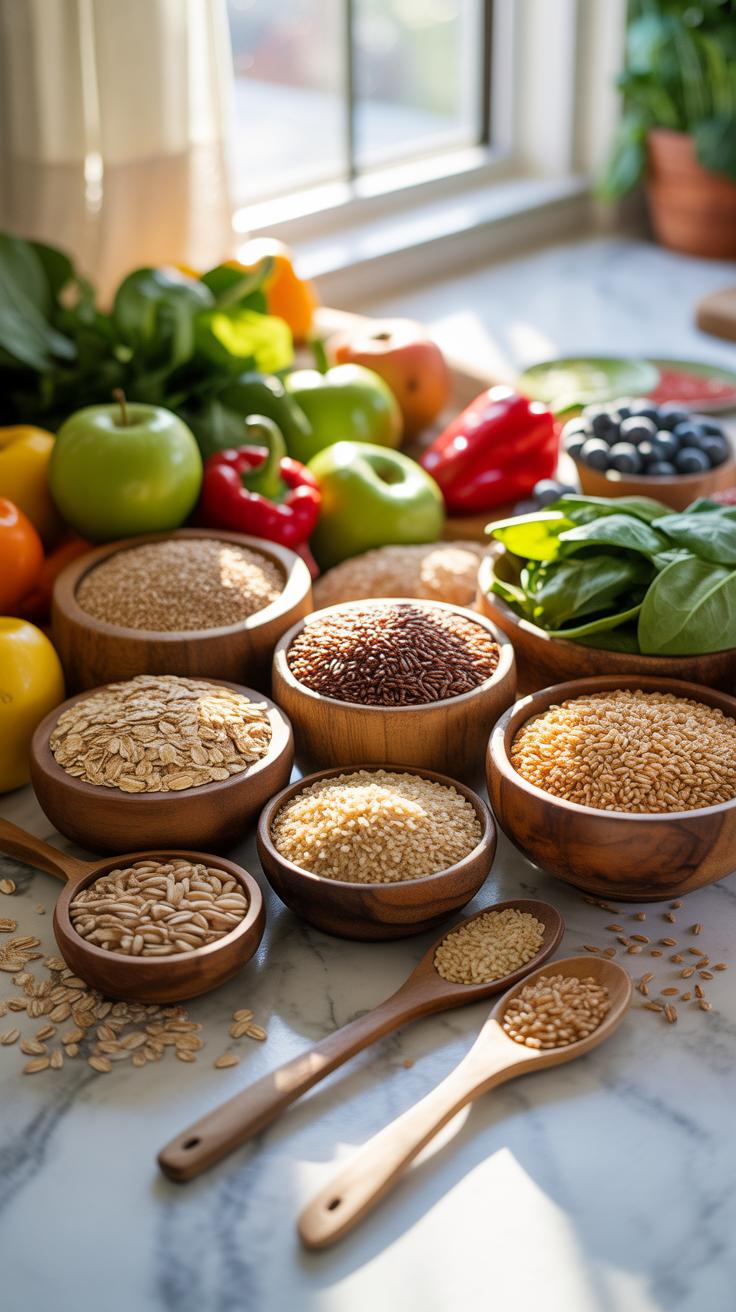
Whole grains contain the entire grain kernel including the bran, germ, and endosperm. Refined grains lose the bran and germ during processing. This stripping process removes essential fiber and B vitamins. Fiber creates bulk in the stomach and slows down the digestion of sugar. This mechanism prevents insulin spikes that lead to fat storage. High insulin levels stop your body from burning stored fat.
Quinoa and barley offer complex structures that take longer for enzymes to break down. This slow breakdown provides steady energy over several hours. You avoid the energy crashes that trigger sugar cravings. Refined grains like white flour hit the bloodstream quickly and cause hunger soon after eating. Choosing whole grains reduces your total calorie intake by keeping you full. This physical fullness is a primary tool for weight loss.
How Resistant Starch In Whole Grains Boosts Metabolism And Reduces Fat Storage
Resistant starch acts like a prebiotic fiber in your digestive system. It passes through the small intestine without being digested. When it reaches the large intestine, it undergoes a fermentation process. This process produces short-chain fatty acids like butyrate. These acids tell your body to burn fat instead of storing it. They also improve your sensitivity to insulin. Stable insulin levels are critical for losing weight.
This specific starch type increases the thermic effect of food. Your body burns more calories to process whole grains than it does for simple sugars. Fermentation in the gut also releases hormones that signal fullness to your brain. You naturally eat less when these hormones are active. Adding barley or brown rice to your diet shifts your metabolism. This shift promotes the oxidation of fats and supports long-term weight management.
Healthy Carbs And The Keto Diet Chart Where Low Carb And Healthy Carbs Overlap
What The Keto Diet Allows And How It Defines Acceptable Carbohydrate Intake
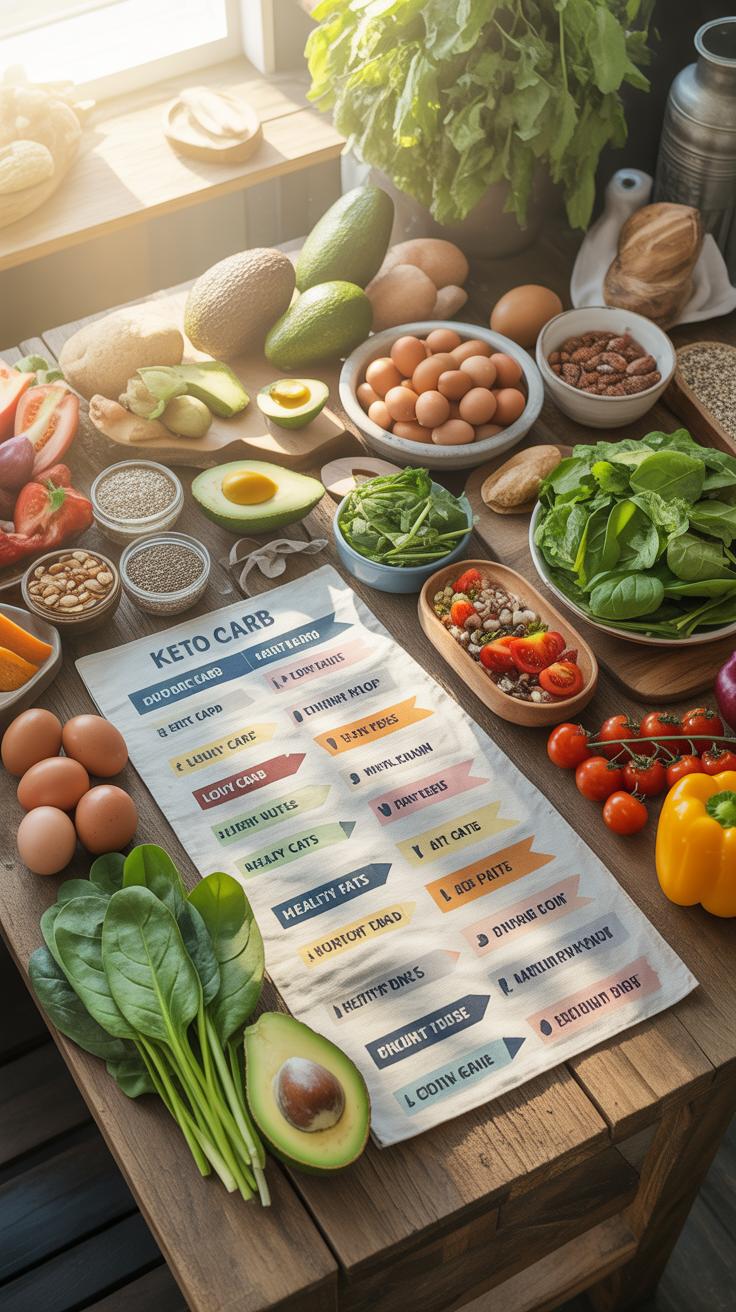
The ketogenic diet mandates a drastic reduction in carbohydrate consumption to trigger ketosis. This metabolic state forces the body to burn fat for fuel instead of glucose. Standard protocols limit net carbs to roughly five percent of total daily calories. This usually means consuming fewer than twenty to fifty grams of net carbs per day. Success depends on tracking these numbers strictly to maintain fat-burning efficiency.
Keto defines acceptable carbs by their impact on blood sugar and insulin levels. High glycemic foods cause spikes that kick the body out of ketosis. Therefore, practitioners prioritize fibrous sources over sugary or starchy ones. Net carb calculations subtract fiber from total carbohydrates because fiber does not raise blood glucose. This strategy allows for specific healthy carbs while maintaining the rigid fat loss goals of the diet.
Keto Friendly Carb Sources That Still Qualify As Healthy Carbs For Weight Loss
Selecting the right carbohydrates on keto ensures you get micronutrients without stalling your weight loss progress. These specific foods bridge the gap between traditional healthy carbs and low-carb requirements. They provide essential vitamins, minerals, and antioxidants while fitting within the strict daily carb limits. Focusing on high-fiber options creates satiety and supports gut health even while the body remains in a deep fat-burning state.
- Leafy Greens: Spinach and kale offer high fiber and negligible net carbs. They provide essential magnesium and potassium, which are critical for preventing the keto flu. These greens add bulk to meals without triggering an insulin response that stops fat loss.
- Cruciferous Vegetables: Broccoli and cauliflower contain complex fibers and sulfur compounds. You can process them into rice or mash substitutes to replace high-carb grains. These vegetables support liver detoxification and provide significant satiety for very few calories or net carbohydrates.
- Avocados: This fruit is a unique carb source because it is mostly healthy fats and fiber. One avocado contains very few net carbs and provides high levels of potassium. Its nutrient density makes it a staple for maintaining energy levels during aggressive weight loss.
- Berries: Raspberries and blackberries have the lowest sugar content of all fruits. They are rich in polyphenols and antioxidants that protect cells from oxidative stress. Use these sparingly to satisfy cravings for sweetness while keeping your total daily glycemic load low.
- Chia Seeds: These seeds are almost entirely fiber and healthy omega-3 fatty acids. They expand in the stomach to create a feeling of fullness and slow down digestion. Adding them to meals provides a steady release of energy without spiking blood sugar levels.
Strategically timing these carbohydrate sources helps maintain metabolic flexibility while adhering to keto rules. Eating these fibers early in the day or around workouts can improve performance. Always measure portions to ensure you do not exceed your daily net carb threshold. Using these nutrient-dense options ensures your weight loss is sustainable and your body receives the raw materials it needs for optimal function.
Healthy Carbs How Portion Size And Timing Affect Weight Loss Outcomes

The Best Times Of Day To Consume Carbohydrates For Optimal Fat Burning
Strategic carbohydrate timing maximizes insulin sensitivity and energy use. Eat most carbs early in the day or around your workouts. Morning intake provides the brain and muscles with glucose for daily tasks. This timing allows the body to burn through glycogen stores before sleep. Early consumption matches your natural circadian rhythm. Research shows people process glucose better in the morning than at night.
Target your largest carb intake shortly after intense physical activity. Exercise moves glucose transporters to the surface of muscle cells. This process allows your body to store carbs as muscle glycogen rather than body fat. Avoid heavy carb loads right before bed. High insulin levels at night can interfere with growth hormone release and fat oxidation. Focus on fibrous vegetables during evening hours to maintain stable blood sugar levels.
The wholesome grains and fruits of the earth are nature’s old-fashioned remedy for a weary spirit and a healthy body. When we eat the food provided by the sun, we find our natural balance once again.
How Overeating Even Healthy Carbs Can Stall Your Weight Loss Progress
Weight loss requires a caloric deficit regardless of food quality. Even healthy carbs like sweet potatoes and quinoa contain significant calories. Eating too many slow digesting carbs will still spike your insulin levels. High insulin stops your body from burning stored fat for fuel. You must manage your total daily intake to ensure your body accesses fat stores. Excessive fuel intake always leads to fat storage.
Portion control is the most critical factor for success with healthy carbs. A single cup of cooked grains can provide over forty grams of carbohydrates. Many people eat double this amount without realizing the impact. You must measure your servings to stay within your metabolic limits. High fiber content does not cancel out the energy density of the food. Discipline in portion sizes keeps your hormones balanced and fat loss consistent.
Good Carbs And Bad Carbs List Building A Long Term Eating Plan That Actually Works
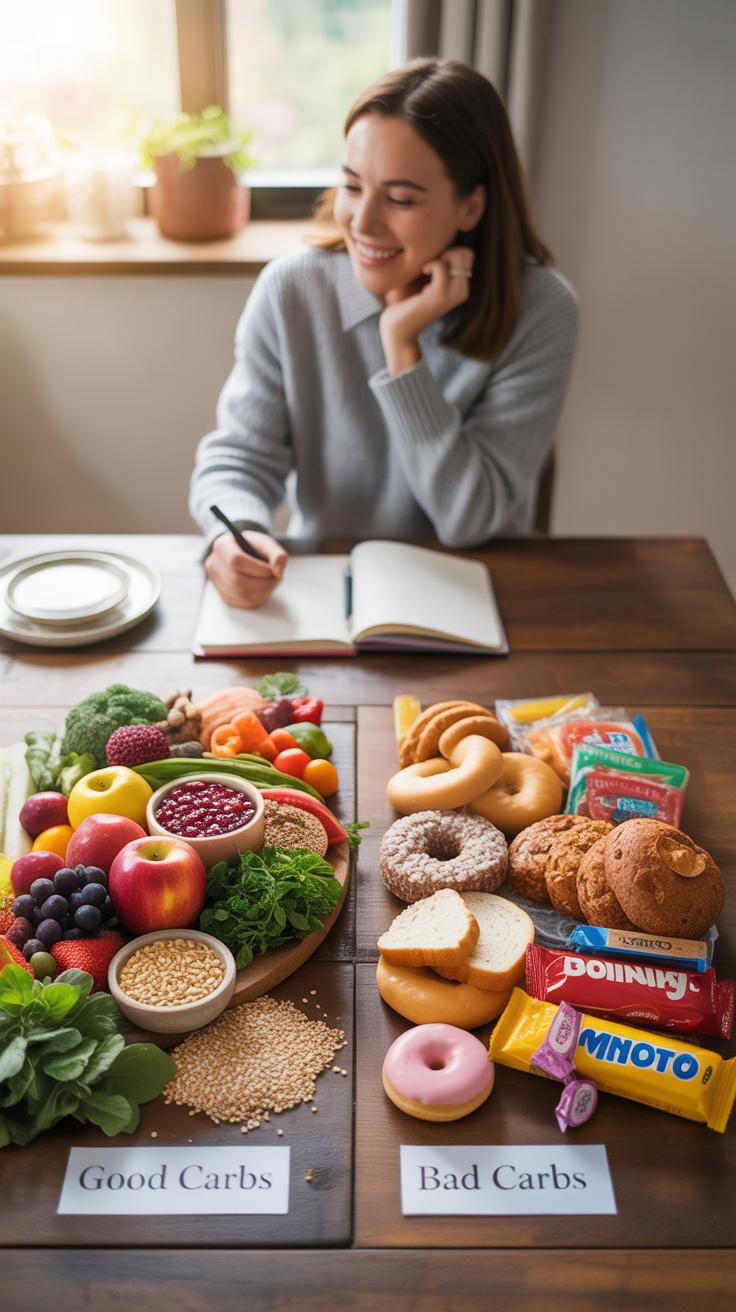
How To Gradually Replace Bad Carbs With Good Carbs Without Feeling Deprived
Stop cutting carbs cold turkey. This tactic fails because it triggers intense hunger and metabolic slowdown. Instead, use a simple displacement strategy. Replace refined white flour with whole grains one meal at a time. Start with breakfast by swapping sugary cereal for steel cut oats. This shift stabilizes your blood sugar early in the day. You will experience fewer energy crashes and reduced cravings by noon.
Focus on volume and fiber content to maintain satiety. High volume carbs like cauliflower or berries take up more space in your stomach for fewer calories. Trade white rice for riced vegetables or quinoa to increase your fiber intake. Fiber slows digestion and keeps you full longer than processed starches. This gradual transition prevents the deprivation mindset. It builds a sustainable habit through consistent and small nutritional wins.
Combining Healthy Carbs With Protein And Healthy Fats For Balanced Weight Loss Meals
Never eat carbohydrates in isolation. Plain carbs spike your insulin levels and promote fat storage. You must pair every carb source with a lean protein and a healthy fat. This combination lowers the glycemic load of the entire meal. Protein provides the building blocks for muscle while fat slows the absorption of glucose. This tactical approach ensures a steady release of energy instead of a sharp spike.
Construct your plate using a specific ratio for maximum fat loss. Fill half your plate with fibrous vegetables and one quarter with complex carbs like sweet potatoes. Reserve the remaining quarter for high quality protein. Add a small portion of healthy fats like avocado or olive oil. This structure regulates your hunger hormones like ghrelin and leptin. Proper meal timing and composition turn your diet into a reliable tool for weight management.
Frequently Asked Questions

What are healthy carbs and how do they help with shedding pounds?
Healthy carbs, often called complex carbohydrates, are fiber-rich foods like whole grains, legumes, and starchy vegetables. Unlike refined sugars, these options digest slowly, providing sustained energy and keeping you full longer. Incorporating healthy carbs for weight loss is effective because the high fiber content stabilizes blood sugar levels, which prevents insulin spikes and reduces the likelihood of overeating throughout the day while nourishing your body.
How can I easily incorporate more quality carbohydrates into my daily meal plan?
Start by swapping refined white grains for nutrient-dense alternatives like quinoa, brown rice, or sweet potatoes. A practical way to include healthy carbs for weight loss is to fill a quarter of your plate with these items at each meal. You can also mix beans into salads or use oats for breakfast. This simple shift ensures you get essential nutrients and steady energy without feeling deprived or hungry.
Are there affordable options for someone trying to eat better on a tight budget?
Absolutely! Eating well doesn’t have to be expensive. Staple items like dried lentils, chickpeas, oats, and brown rice are among the most budget-friendly foods available at any grocery store. Purchasing these in bulk ensures you always have access to nutritious fuel. Additionally, frozen vegetables like corn or peas are affordable, long-lasting alternatives to fresh produce that still provide the fiber and vitamins needed for a balanced diet.