
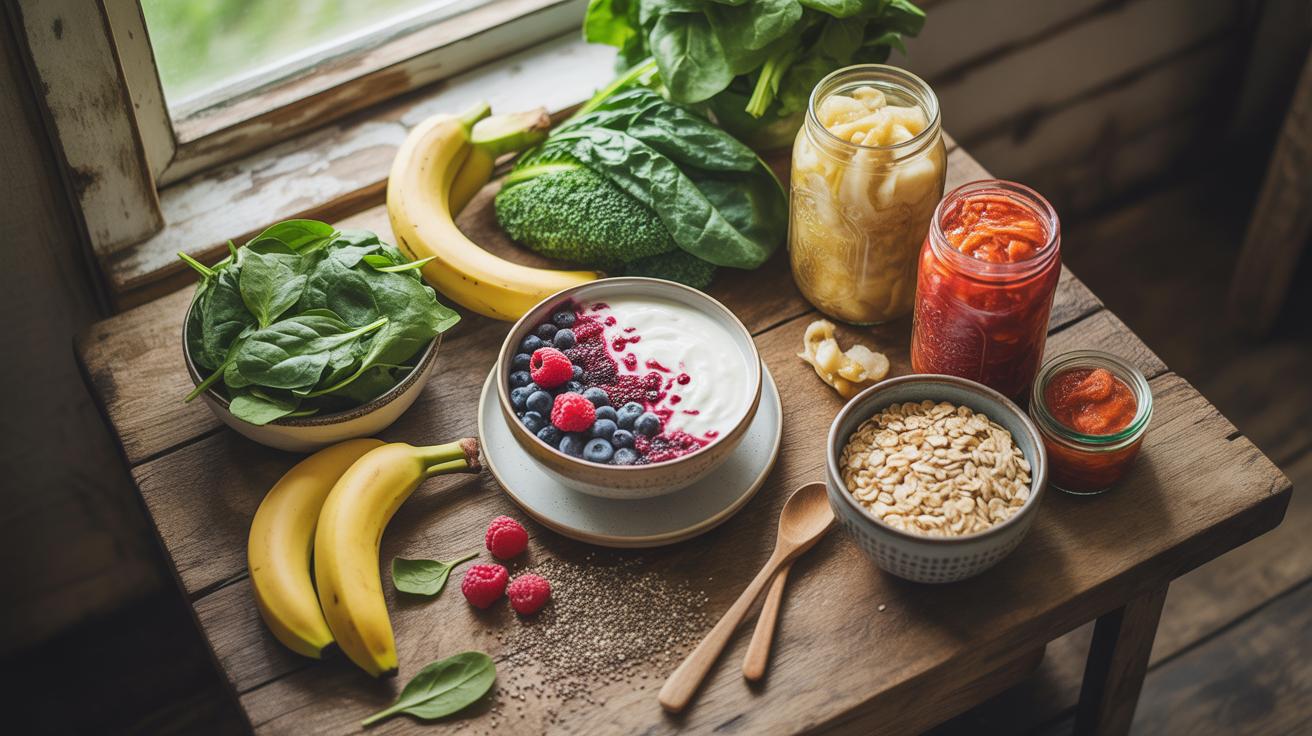
Understanding Your Gut Why Digestive Health Begins With What You Eat
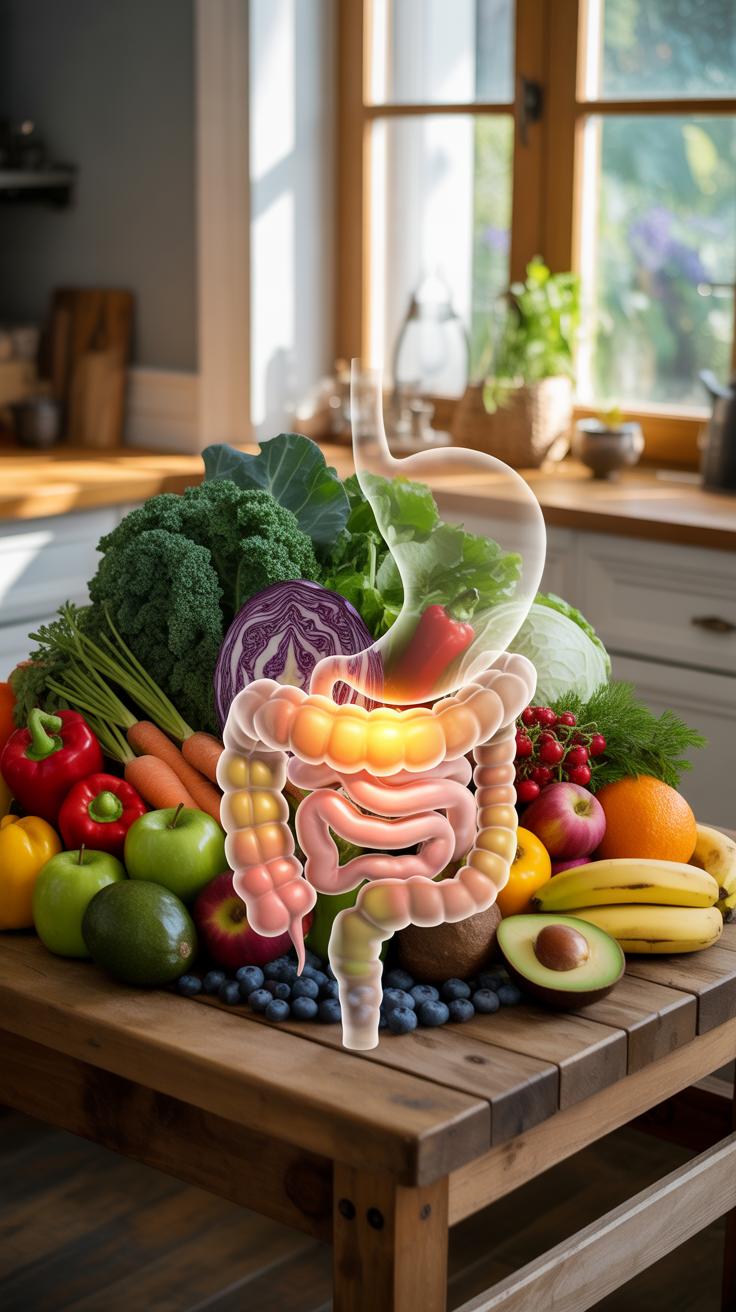
What Is The Gut Microbiome And Why Does It Matter
The gut microbiome consists of trillions of bacteria, viruses, and fungi living in your digestive tract. These microorganisms perform critical tasks that your body cannot do alone. They break down fiber, produce vital vitamins, and train your immune system to recognize threats. A diverse microbiome acts as a biological shield. It prevents harmful pathogens from taking root and ensures your metabolism functions at peak efficiency.

Scientific research confirms that your gut health dictates your overall well-being. These microbes communicate directly with your brain through the vagus nerve. This connection influences your mood, hunger signals, and cognitive clarity. When you eat the right foods, you feed the beneficial bacteria. This process creates a stable environment that supports long-term health. Ignoring your microbiome leads to systemic failure and chronic illness over time.
How Poor Diet Disrupts Gut Balance And Triggers Inflammation
A diet high in processed sugars and artificial additives destroys microbial diversity. These substances act as toxins that kill beneficial bacteria while feeding harmful strains. This imbalance creates a state called dysbiosis. When bad bacteria dominate, they weaken the intestinal wall. This allows undigested food and toxins to leak into your bloodstream. Your immune system views these particles as invaders and attacks them immediately.

Restricted diets and heavy antibiotic use also compromise your internal defenses. Lack of dietary fiber starves your microbes, forcing them to eat the protective mucus lining of your gut. This process triggers chronic inflammation throughout your entire body. High inflammation levels lead to joints pain, skin issues, and persistent fatigue. You must choose specific gut health foods to repair this damage and restore a functional biological barrier.
The Science Behind Gut Healing How Food Repairs Your Intestinal Lining
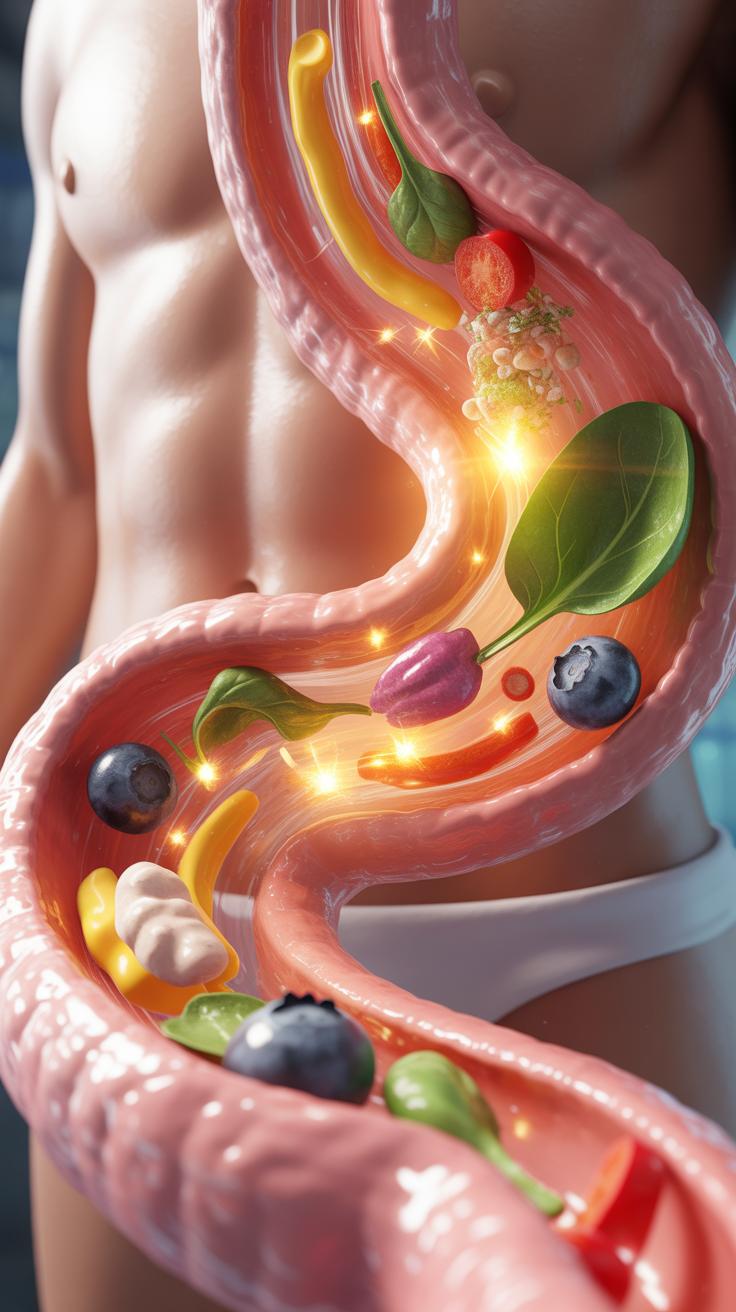
What Happens Inside The Gut When Healing Foods Are Consumed
Healing foods initiate a complex biological process upon entering the digestive tract. Specific fibers and polyphenols interact with the mucosal layer that protects your intestinal wall. These compounds signal the body to produce more mucus. This thickens the protective barrier between your waste and your bloodstream. A strong barrier prevents harmful bacteria and undigested food particles from leaking into your system.
Once the barrier strengthens, the body shifts from a state of defense to repair. Amino acids like glutamine fuel the rapid turnover of epithelial cells. These cells form the actual wall of your gut. They replace themselves every few days to maintain integrity. Consuming the right nutrients ensures these new cells are strong and tightly packed. This cellular regeneration is the foundation of long term gut health.
Let your kitchen be your pharmacy and nourishing broths your medicine, just as the grandmothers of old once knew. Healing begins within when we return to the wisdom of the earth and the comfort of real food.
The Role Of Short Chain Fatty Acids In Gut Repair And Barrier Function
Short chain fatty acids or SCFAs result from the fermentation of prebiotic fibers in the large intestine. Butyrate is the most critical SCFA for gut repair. It acts as the primary energy source for the cells lining your colon. Without enough butyrate, these cells starve and the gut lining weakens. Regular intake of fiber ensures a steady supply of this vital cellular fuel.
SCFAs also regulate the pH levels within the colon. This creates an acidic environment that kills pathogens while helping good bacteria thrive. They manage the tight junction proteins that act like glue between your intestinal cells. By keeping these junctions tight, SCFAs prevent systemic inflammation. This process effectively seals the gut and protects your immune system from unnecessary triggers.
Best Foods For Gut Health The Probiotic Powerhouses You Should Know
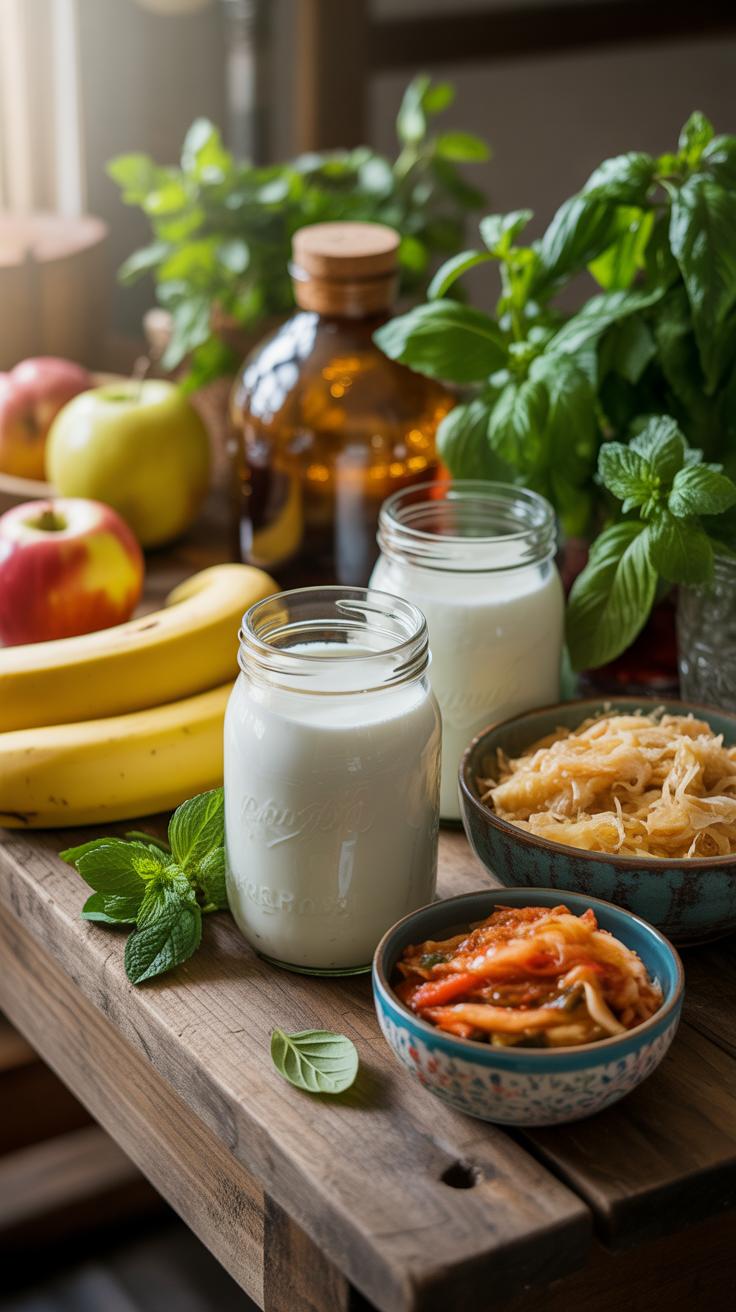
Fermented Foods Like Yogurt, Kefir, And Kimchi And Their Probiotic Benefits
Fermented foods contain live microorganisms that improve your gut microbiome. Yogurt and kefir provide lactobacillus and bifidobacterium strains through milk fermentation. These bacteria break down lactose and produce lactic acid. This process preserves the food and creates a sour environment. Regular intake populates the digestive tract with beneficial bacteria. These microbes help break down nutrients that your body cannot digest alone.
Kimchi and sauerkraut offer plant-based probiotics through brine fermentation. These vegetables carry natural bacteria that thrive in salty environments. This ancient preservation technique keeps food safe without heat. Heat kills the beneficial bacteria you need. Eating these foods raw ensures the microbes reach your gut alive. These strains strengthen the intestinal barrier. They also outcompete harmful bacteria for resources and space.
How To Choose Quality Probiotic Foods That Deliver Live Active Cultures
Success depends on finding products with live and active cultures. Many commercial products undergo heat treatment or pasteurization after fermentation. This process kills the bacteria to extend shelf life. You must check the label for specific strain counts. Look for foods stored in the refrigerated section of the store. Shelf-stable fermented products often contain zero living microbes. Without live cultures, you lose the primary benefit.
Avoid products loaded with sugar or artificial sweeteners. High sugar intake feeds bad bacteria and causes inflammation. This cancels out the benefits of the probiotics. Choose plain versions and add your own fruit for flavor. Check the ingredients list for short, recognizable names. If the label lists vinegar, the food was likely pickled rather than fermented. True fermentation relies on salt and time to grow healthy bacteria.
Gut Healthy Foods Rich In Prebiotics Feeding The Good Bacteria Already Inside You
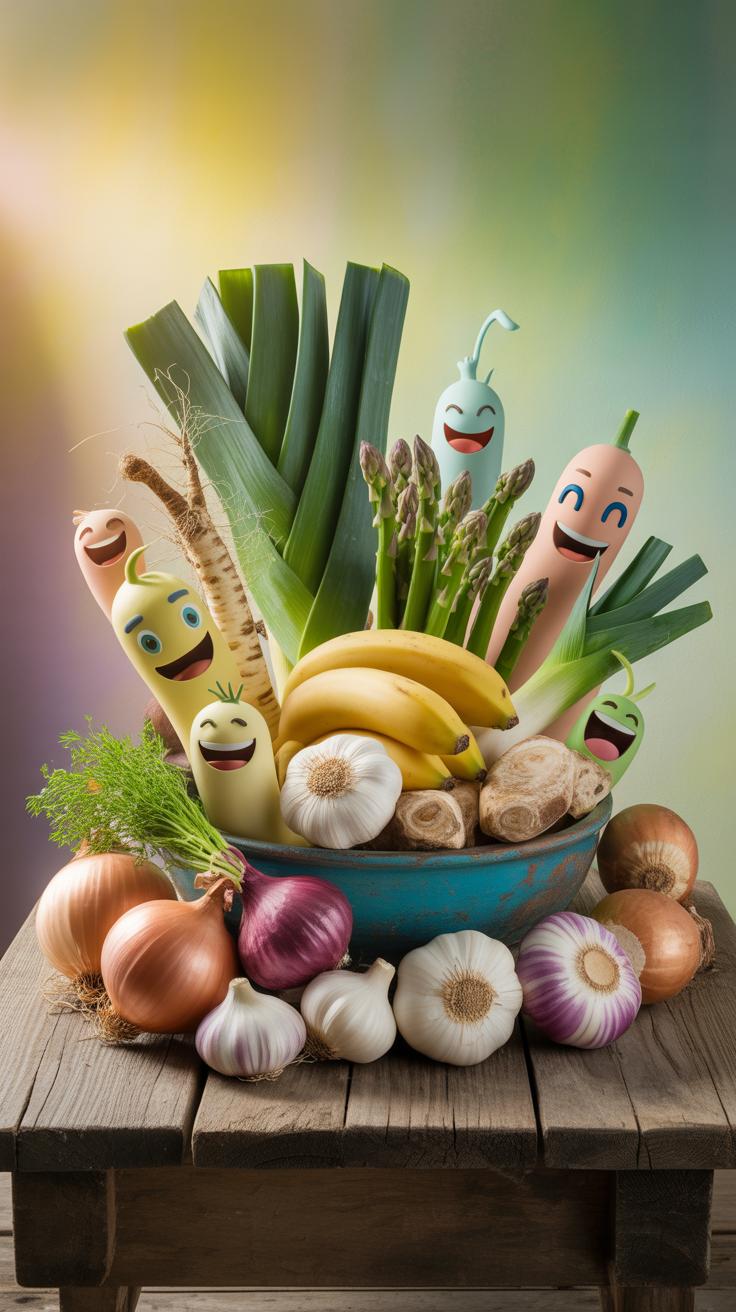
Top Prebiotic Foods Including Garlic, Onions, Bananas, And Asparagus
Prebiotics are non-digestible fiber compounds that remain intact as they pass through the upper gastrointestinal tract. They serve as the primary fuel source for beneficial microbes in the colon. Without a consistent supply of these fibers, your existing gut colony cannot reproduce or maintain dominance over harmful pathogens. Consuming these specific foods ensures your internal ecosystem has the raw materials needed for survival.
- Garlic: This root vegetable contains high levels of inulin and fructooligosaccharides. These fibers act as a specialized fertilizer for Bifidobacteria. Raw garlic provides the highest concentration of these prebiotic compounds compared to cooked versions.
- Onions: Onions provide a dense source of inulin and quercetin. Inulin breaks down into short-chain fatty acids that protect the gut lining. This vegetable supports healthy digestion by promoting the growth of beneficial flora across the entire intestinal tract.
- Bananas: Under-ripe bananas are rich in resistant starch. This type of fiber bypasses the small intestine and ferments in the large intestine. It fuels healthy bacteria while reducing bloating and improving the overall efficiency of your digestive system.
- Asparagus: This vegetable offers a high concentration of indigestible fiber. These fibers specifically target and increase the population of friendly bacteria associated with improved immune function. Regular consumption helps maintain a stable environment within the gut microbiome over time.
- Dandelion Greens: These greens are a potent source of soluble fiber. They increase the diversity of microbes in the gut and help reduce constipation. Adding these to a diet provides a strong foundation for a resilient and active bacterial community.
Focus on consistency over volume when introducing these prebiotic foods to your diet. Rapidly increasing fiber intake can cause temporary digestive discomfort as your microbiome shifts. Start with small servings of garlic and onions to build tolerance. Achieving a healthy gut requires steady fueling of your bacterial population. Choose fresh, whole food sources to maximize the prebiotic density of every meal.
Why Prebiotics And Probiotics Work Better Together For Gut Health
Probiotics introduce new beneficial bacteria into your system while prebiotics provide the nutrition they need to thrive. Think of probiotics as the seeds and prebiotics as the fertilizer. If you take probiotics without eating prebiotic fiber, the new bacteria may starve and fail to colonize. Combining both ensures that the live cultures you ingest can actually survive and perform their intended metabolic functions.
This synergy creates a biological environment known as synbiotics. Working together, these components improve the integrity of the intestinal wall and boost nutrient absorption. This partnership reduces inflammation throughout the body by keeping the gut barrier strong. You must balance your intake of both to achieve a stable and diverse microbiome. Relying on just one half of this equation limits your long-term digestive health potential.
Healing Food Spotlight Anti Inflammatory Ingredients That Soothe The Gut
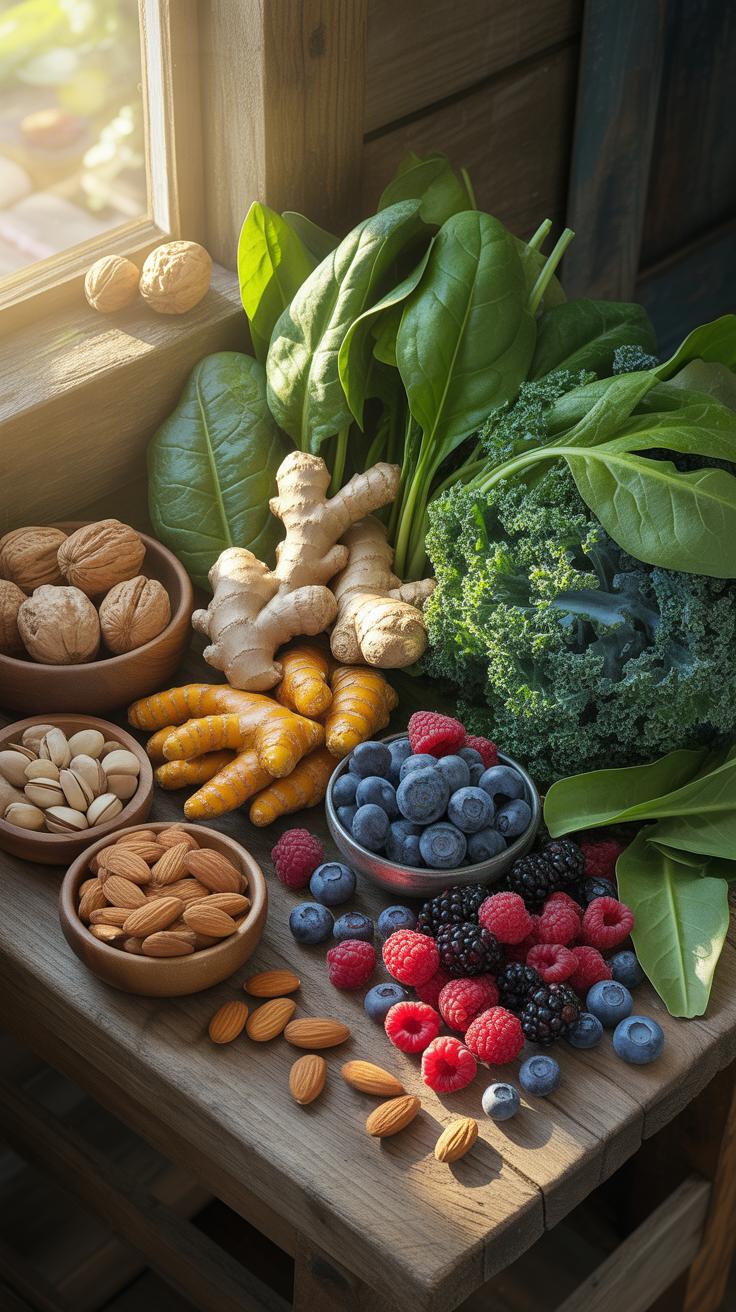
Turmeric, Ginger, And Omega 3 Rich Foods That Calm Gut Inflammation
Turmeric contains curcumin which stops inflammatory pathways in the gut lining. You must consume it with black pepper to increase absorption by two thousand percent. Ginger works by accelerating gastric emptying and reducing intestinal cramping. These roots act as physical tools to lower swelling in the digestive tract. They provide a direct chemical defense against the irritants found in processed modern diets.
Omega-3 fatty acids from wild fish and walnuts strengthen the intestinal barrier. These healthy fats produce compounds called resolvins that shut down active inflammation. Strong cell membranes prevent leaks in the gut wall. You should prioritize fatty fish like sardines or mackerel twice per week. Consistent intake of these specific fats keeps the gut lining flexible and resilient against daily environmental stress.
How Chronic Inflammation In The Gut Is Linked To Systemic Health Conditions
Chronic gut inflammation breaks the tight junctions of the intestinal wall. This allows bacteria and toxins to enter the bloodstream directly. This process triggers a full-body immune response. The liver and heart face increased stress as they deal with these escaped particles. Your immune system stays on high alert which causes fatigue and brain fog. A damaged gut influences every major organ.
Persistent gut irritation correlates with autoimmune diseases and skin issues like psoriasis. Scientists find that an inflamed microbiome sends signals that disrupt metabolic health. This can lead to insulin resistance and weight gain over time. Fixing the gut is the first step to fixing the body. You cannot achieve peak physical performance if your internal system stays in a state of constant war.
Gut Health Recipes Simple Meals That Make Gut Healing Eating Enjoyable
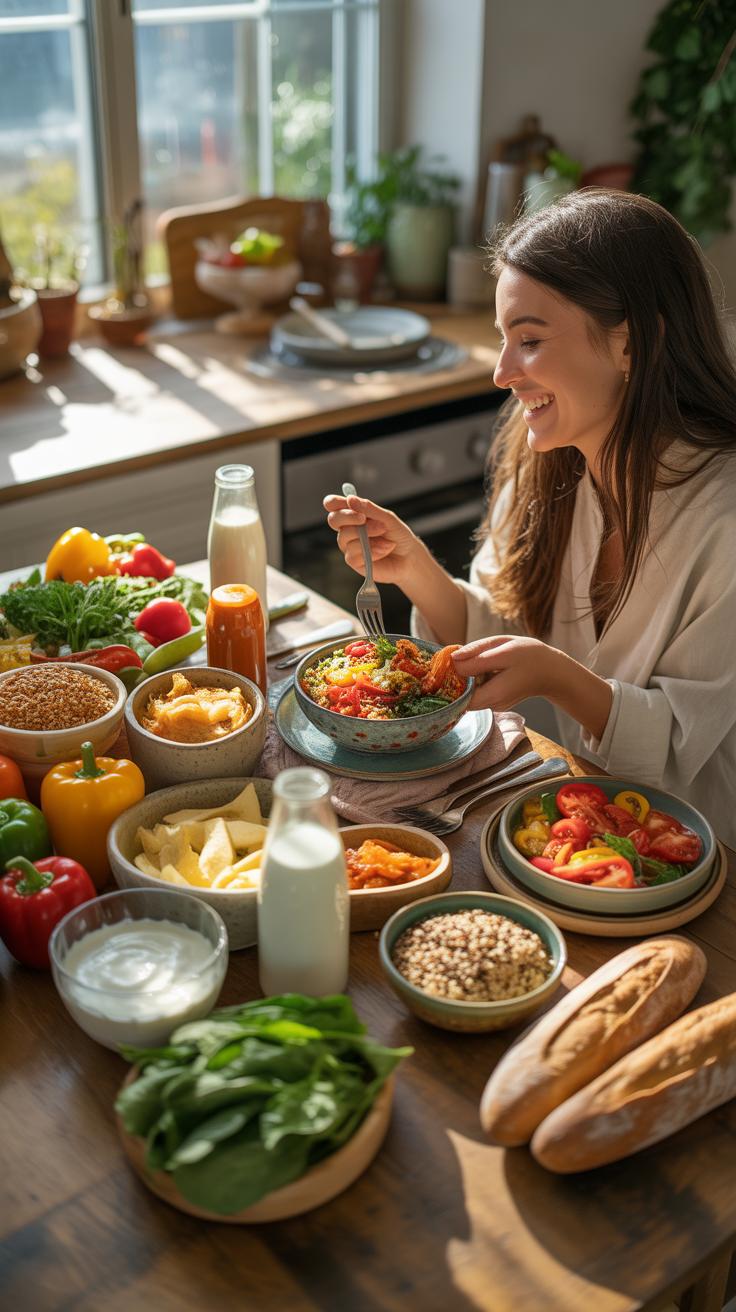
Easy Breakfast Ideas Built Around Fermented And Fiber Rich Gut Health Foods
Effective breakfast strategies focus on high fiber content and active probiotic cultures. Start with overnight oats using rolled oats and chia seeds. These provide resistant starch and mucilage that feed beneficial bacteria. Add unsweetened Greek yogurt or kefir to introduce live strains like Lactobacillus. Fiber acts as the fuel for these microbes. This combination stabilizes blood sugar and promotes regular bowel movements early in the day.
Traditional miso soup offers another tactical breakfast option. Miso is a fermented soybean paste containing Aspergillus oryzae. Combine it with seaweed and silken tofu for a savory start. Seaweed provides unique polysaccharides that support the intestinal lining. This meal avoids the sugar spikes common in Western breakfasts. It delivers hydration and electrolytes alongside essential probiotics. Simple preparation involves whisking paste into warm water without boiling to preserve live enzymes.
Nourishing Lunch And Dinner Recipes Designed To Support A Healthy Gut Daily
Lunch and dinner must prioritize diverse plant fibers and polyphenols. Build bowls using a base of quinoa or farro. Add roasted cruciferous vegetables like broccoli or Brussels sprouts. These contain glucosinolates that reduce inflammation in the gut. Incorporate fermented sides like unpasteurized sauerkraut or kimchi. These foods provide a concentrated dose of lactic acid bacteria. They assist in breaking down complex carbohydrates during the digestion process.
Focus on lean proteins paired with prebiotic-rich aromatics. Use garlic, onions, and leeks in every cooked meal. These ingredients contain inulin which specifically feeds Bifidobacteria. Prepare stews with lentils or chickpeas to maximize soluble fiber intake. These legumes strengthen the gut barrier and improve transit time. Avoid processed additives that disrupt the microbiome. Use extra virgin olive oil for healthy fats. This approach ensures a consistent supply of nutrients for microbial health.
Gut Healing Recipes Bone Broth Soups And Slow Cooked Meals Worth Making
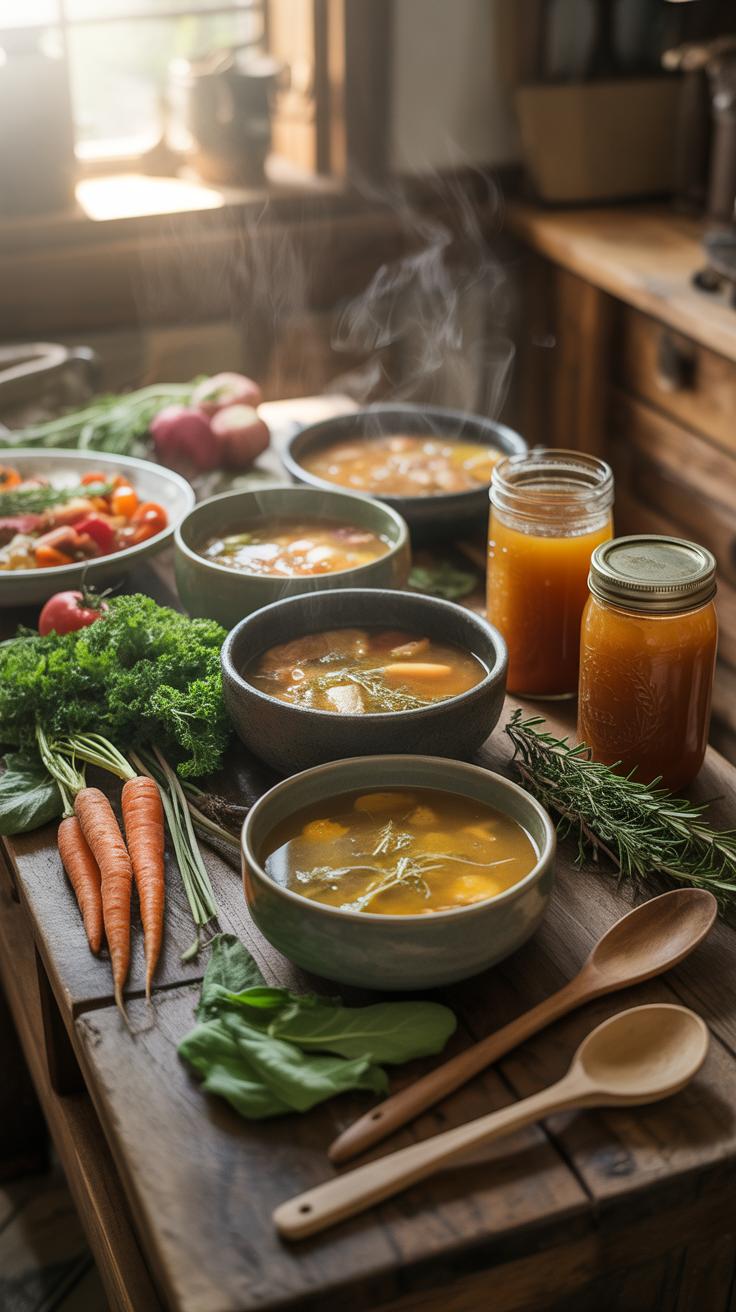
Why Bone Broth Has Been Used As A Gut Healing Food Across Cultures And History
Bone broth is a staple in traditional medical systems like Chinese medicine and Ayurvedic practice. These cultures used animal bones and connective tissue to create nutrient dense liquids. They discovered that long simmering times release amino acids like glycine and glutamine. These compounds support the structural integrity of the intestinal lining. Modern science shows these building blocks help maintain a healthy mucosal barrier in the human gut.
Historical records show that nearly every global culture utilized some form of bone soup for recovery. They relied on gelatin to soothe the digestive tract and improve nutrient absorption. This practice was a tactical use of animal parts that were otherwise hard to eat. Bone broth remains a primary recommendation for gut health because it delivers high concentrations of minerals and collagen in a form that the body can process quickly.
How To Build A Gut Healing Soup Using Whole Food Ingredients At Home
Building a gut healing soup requires a strategic selection of anti inflammatory ingredients. You must start with a base of high quality stock or bone broth to provide essential amino acids. Add fibrous vegetables like leeks or onions to give your beneficial bacteria the fuel they need to thrive. Using slow cooking methods breaks down tough plant fibers. This makes the nutrients more accessible and easier for your digestive system to handle.
- Mirepoix Base: Use onions and leeks to provide prebiotic fiber. These ingredients serve as the primary food source for your gut microbes. Sauté them lightly to release sulfur compounds before adding your liquid base.
- Root Vegetables: Include carrots or parsnips for easy to digest carbohydrates. These provide energy for the body without causing significant digestive stress. They soften deeply during the cooking process to ensure maximum nutrient bioavailability.
- Ginger and Turmeric: Add these roots to manage inflammation within the digestive tract. Ginger specifically aids gastric emptying and helps move food through the system. Turmeric works to stabilize the gut environment and support immune function.
- Cruciferous Greens: Stir in chopped kale or chard during the final minutes of cooking. These greens provide sulforaphane and magnesium. These nutrients support the liver and help the gut wall stay strong against potential irritants.
- Liquid Fats: Finish your soup with a spoon of ghee or olive oil. Healthy fats are necessary for absorbing fat soluble vitamins like A and K. These vitamins play a critical role in repairing the lining of the stomach.
Avoid processed additives or thickeners like cornstarch that can irritate the gut lining. Stick to sea salt and fresh herbs for flavor to keep the meal clean. Large batch cooking allows you to have these healing meals ready for immediate consumption throughout the week. Consistency is the key to seeing changes in your digestive health. Use these whole food components to create a predictable environment for your internal microbiome.
Foods To Avoid For A Healthy Gut What Undermines Your Gut Healing Progress

How Ultra Processed Foods Artificial Sweeteners And Alcohol Harm The Gut Microbiome
Ultra-processed foods contain emulsifiers and stabilizers that break down the protective mucus layer in your intestines. These chemicals allow harmful bacteria to reach the gut lining. This process triggers chronic inflammation and weakens your immune system. High sugar intake feeds opportunistic pathogens like yeast. This creates an imbalance called dysbiosis. You lose the beneficial bacteria needed for proper digestion and nutrient absorption.
Artificial sweeteners like aspartame and saccharin change the composition of your microbiota. These substances favor the growth of bacteria linked to glucose intolerance. Alcohol further damages the gut by increasing intestinal permeability. This condition lets toxins leak into your bloodstream. Heavy alcohol use also reduces the production of essential digestive enzymes. You must limit these substances to maintain a stable and diverse microbial environment.
Recognizing Hidden Gut Disruptors In Common Everyday Foods
Many everyday foods contain hidden ingredients that stall gut repair. Food dyes and synthetic preservatives often appear in snacks marketed as healthy. These additives can kill off specific strains of beneficial bacteria. Vegetable oils high in omega-6 fatty acids promote systemic inflammation when consumed in excess. Most people eat these daily without realizing the damage. You must read labels to identify these silent gut disruptors.
Conventional dairy and grains can cause issues for people with sensitive gut linings. Modern processing methods often remove the natural enzymes that help you digest these foods. High levels of glyphosate residue on non-organic crops also impact microbial health. This chemical acts as an antibiotic in the digestive tract. It targets the pathways used by good bacteria. Choose whole and organic options to avoid these chemical interference patterns.
Building A Long Term Gut Health Diet Sustainable Habits For Lasting Digestive Health
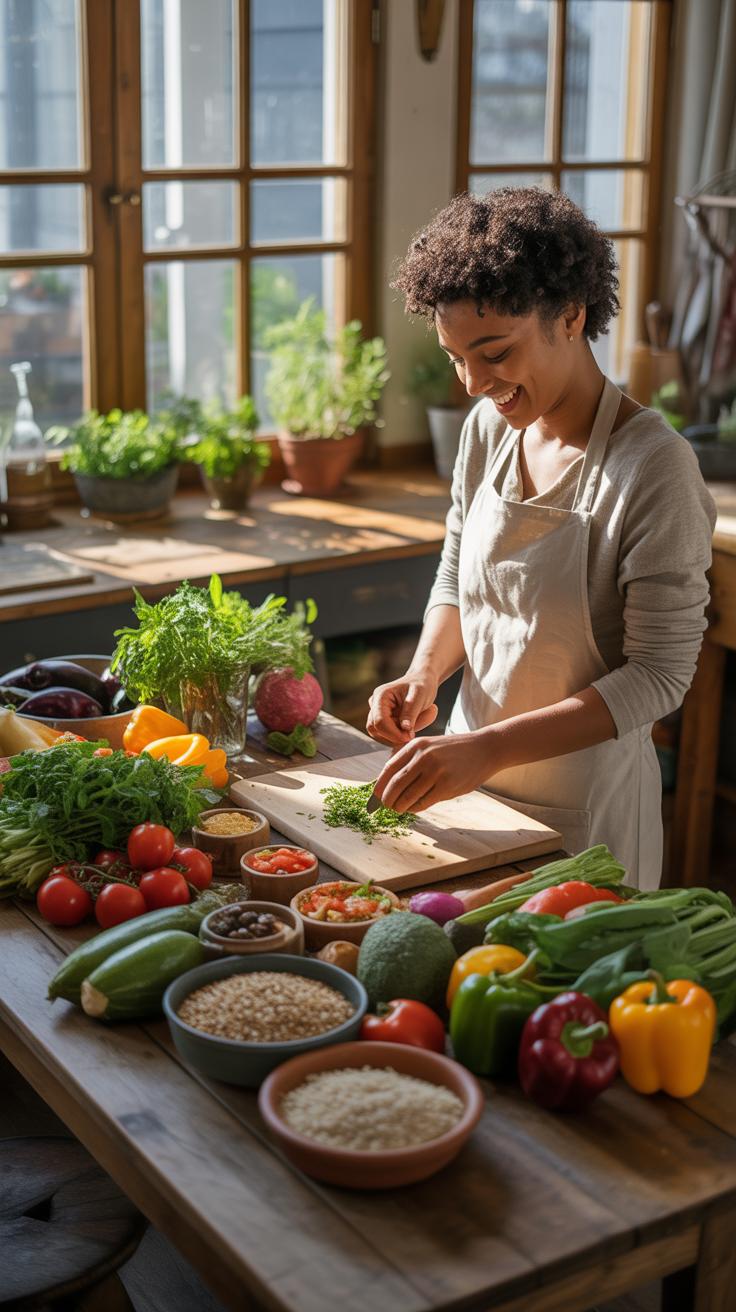
How To Gradually Transition Your Diet Toward More Gut Healthy Foods Without Overwhelm
Do not change your entire diet in one day. Rapidly increasing fiber intake causes gas and bloating. Start by adding one serving of fermented food daily. Monitor your digestive response for three days before adding more. This slow pace allows your microbiome to adapt to new bacteria. Slow changes prevent the physical discomfort that often leads people to quit new diets.
Focus on adding foods instead of removing them. Incorporate diverse plant sources like leeks and asparagus to feed existing good bacteria. Drink more water as you increase fiber to keep waste moving. Consistency matters more than perfection in the first month. Once your system stabilizes, replace processed snacks with whole food alternatives. Strategic pacing ensures your gut stays balanced throughout the transition process.
Lifestyle Factors Beyond Food That Support And Sustain Gut Health Over Time
Sleep quality directly impacts your microbiome. High stress levels also damage the gut lining and change bacterial composition. You must manage cortisol to protect your digestive tract. Short periods of intense exercise improve microbial diversity. These habits provide the foundation for your diet to work. Without proper rest and stress management, even the best gut health foods lose their effectiveness.
Limit use of unnecessary antibiotics and NSAIDs. These medications can disrupt the delicate balance of your internal ecosystem. Circadian rhythms also control your digestive enzymes and transit time. Eat during daylight hours to align with your body natural clock. Regular movement stimulates the muscles in your colon. These tactical lifestyle choices reinforce the gains you make through nutrition and ensure long-term success.
Frequently Asked Questions

What are the best gut health foods for someone just starting out?
If you are new to improving your digestion, focus on incorporating a mix of fiber-rich plants and fermented options. Excellent beginner gut health foods include bananas, oats, and yogurt with live active cultures. These staples help nourish your beneficial bacteria without overwhelming your system. Start slowly by adding one new item every few days to allow your microbiome to adjust comfortably while building a stronger, more resilient digestive tract.
How can I easily incorporate more gut health foods into my daily meals?
Consistency is key when healing your system from the inside. You can easily boost your intake by stirring ground flaxseeds into morning oatmeal or swapping your afternoon soda for a refreshing kombucha. Adding a small side of sauerkraut to your lunch or tossing leafy greens into a smoothie are also effortless ways to consume more gut health foods daily. Small, intentional swaps make maintaining a diverse and healthy microbiome much more manageable.
Is it possible to improve my digestion on a budget without expensive supplements?
Absolutely! You do not need pricey powders to see results. Many affordable staples like canned beans, lentils, onions, and garlic serve as powerful prebiotics. Additionally, making your own quick-pickled vegetables or buying store-brand kefir is often much cheaper than high-end specialty products. Investing in these accessible whole foods allows you to heal your body naturally while keeping your grocery bill low and your nutrition levels high throughout the week.