

Why Healthy Chicken Dinner Recipes Are A Smart Choice For Weight Management
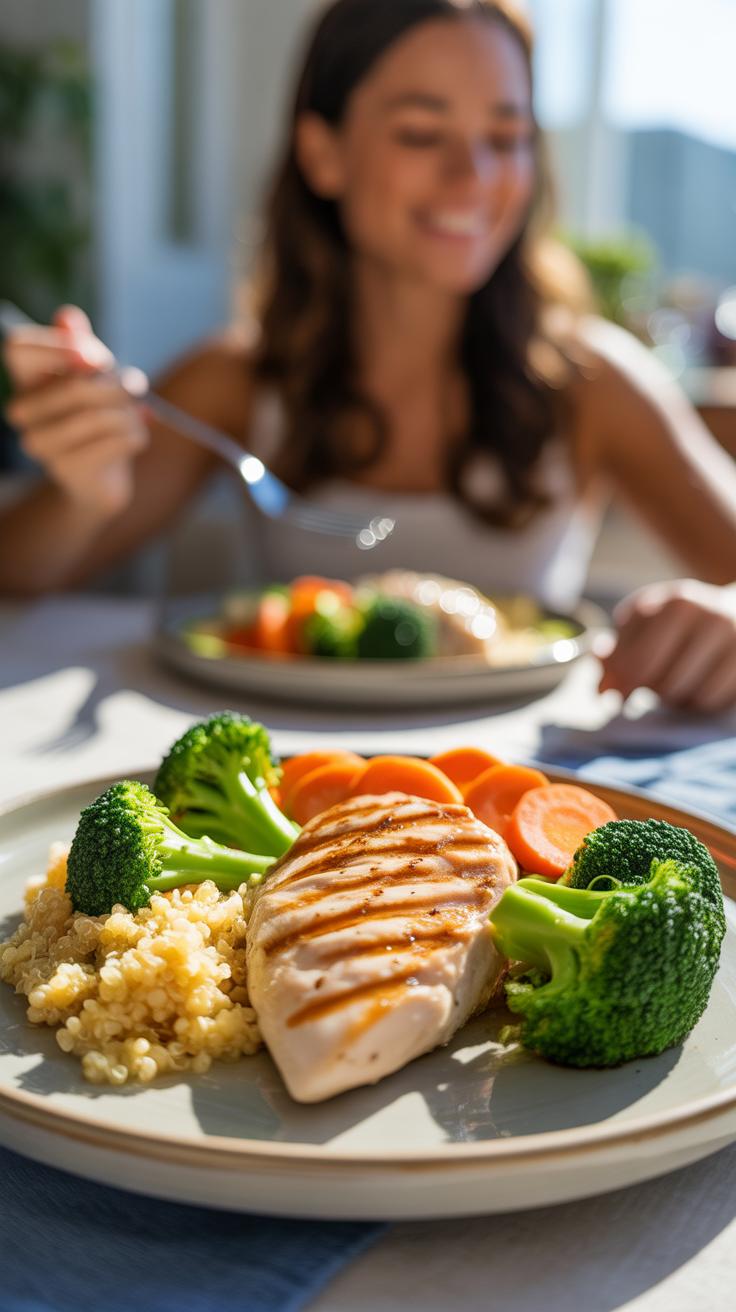
The Nutritional Profile Of Chicken And Why It Supports A Calorie Conscious Diet
Chicken breast is the industry standard for lean tissue growth. This meat provides high protein density with very little fat. A three ounce serving contains roughly 140 calories. This efficiency allows you to eat larger volumes of food without exceeding daily energy limits. You get essential vitamins like B6 and B12 which help your body process energy from food effectively every day.

Smart cooking keeps the calorie count low. Removing the skin eliminates excess saturated fat immediately. Using dry heat methods like roasting or grilling prevents the need for heavy oils. This makes chicken a primary tool for anyone tracking macronutrients. It offers a neutral base that accepts spices without adding sugar. This profile ensures your dinner remains under the 500 calorie limit while providing maximum nutrition.
How Protein In Chicken Helps You Stay Fuller For Longer
Protein takes longer to digest than carbohydrates or fats. This slow processing keeps your stomach full for several hours after a meal. Lean chicken triggers the release of satiety hormones in your gut. These signals tell your brain to stop eating. This biological response prevents late night snacking. Frequent protein intake helps stabilize your blood sugar levels and stops energy crashes throughout the night.

High protein meals protect your muscle mass during a calorie deficit. Your body burns more energy digesting protein than it does digesting fats. This is the thermic effect of food. Eating chicken increases your metabolic rate slightly during digestion. Constant satiety makes it easier to stick to a weight loss plan. You feel satisfied while your body works efficiently to burn stored fat for fuel.
Understanding Calories In Chicken The Foundation Of Healthy Chicken Recipes Low Calorie
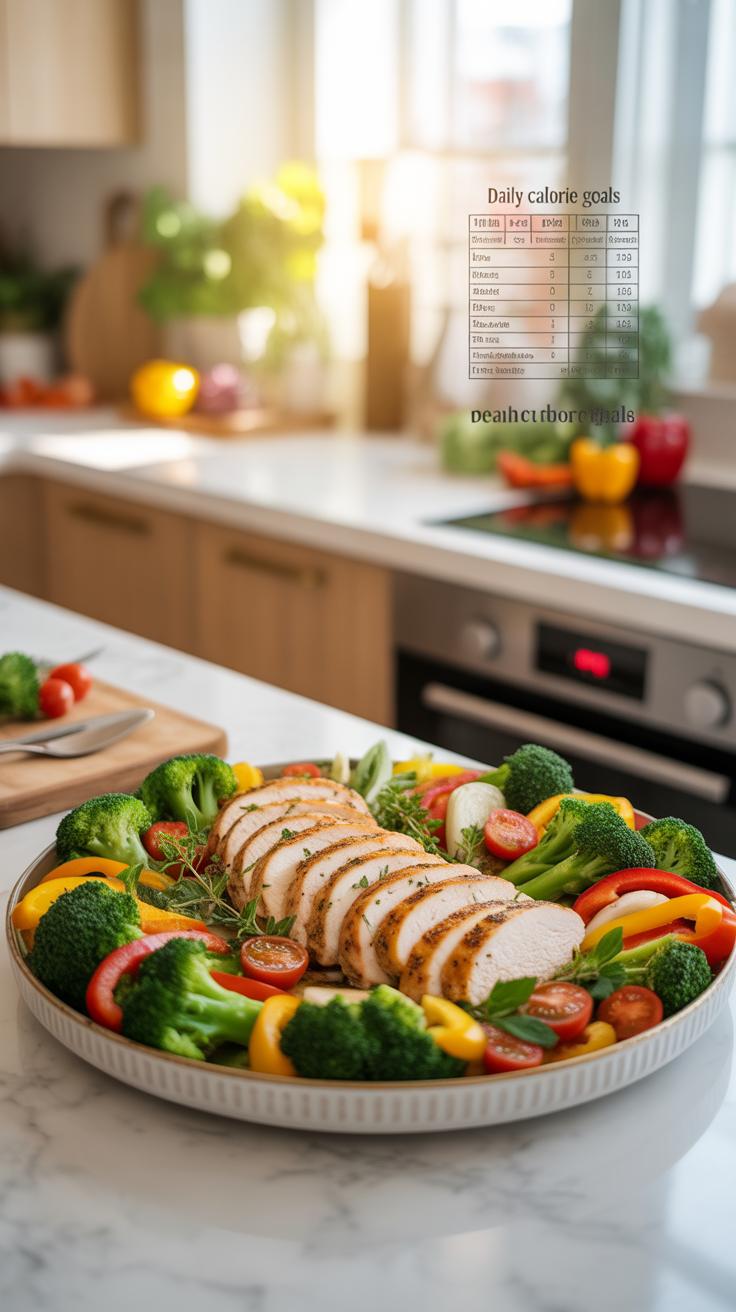
Breaking Down Calorie Counts: Chicken Breast Vs. Thigh Vs. Drumstick
Chicken breast is the leanest option for weight loss. A standard four-ounce raw serving contains roughly 120 calories. Most of these calories come from protein with very little fat. This cut allows for larger portions while maintaining a low calorie count. It stays the primary choice for strict caloric deficits. You must remove the skin to keep these numbers accurate and effective.
Chicken thighs and drumsticks contain more fat and more calories. Dark meat averages 170 to 210 calories per four-ounce serving. This increase happens because dark meat has higher fat content between the muscle fibers. Thighs offer more moisture and flavor but require tighter portion control. You must calculate these extra calories before cooking to stay under a 500 calorie limit for your dinner.
How Cooking Methods Directly Impact The Calorie Content Of Your Chicken
Cooking methods change the final energy density of your meal. Poaching and steaming add zero calories to the meat. Grilling and roasting are also effective if you use dry rubs instead of oil. These techniques preserve the lean nature of the protein. You maintain control over the total caloric load. This control is vital for successful healthy chicken dinner recipes that work long term.
Frying and heavy oil use destroy your calorie budget immediately. One tablespoon of oil adds 120 calories to the pan. Breading adds refined carbohydrates that soak up even more fat during the cooking process. You can double the calorie count of a chicken breast just by frying it. Stick to dry heat or moisture-based methods to keep the chicken within your daily target ranges.
Essential Cooking Techniques For Poultry Recipes Under 500 Calories
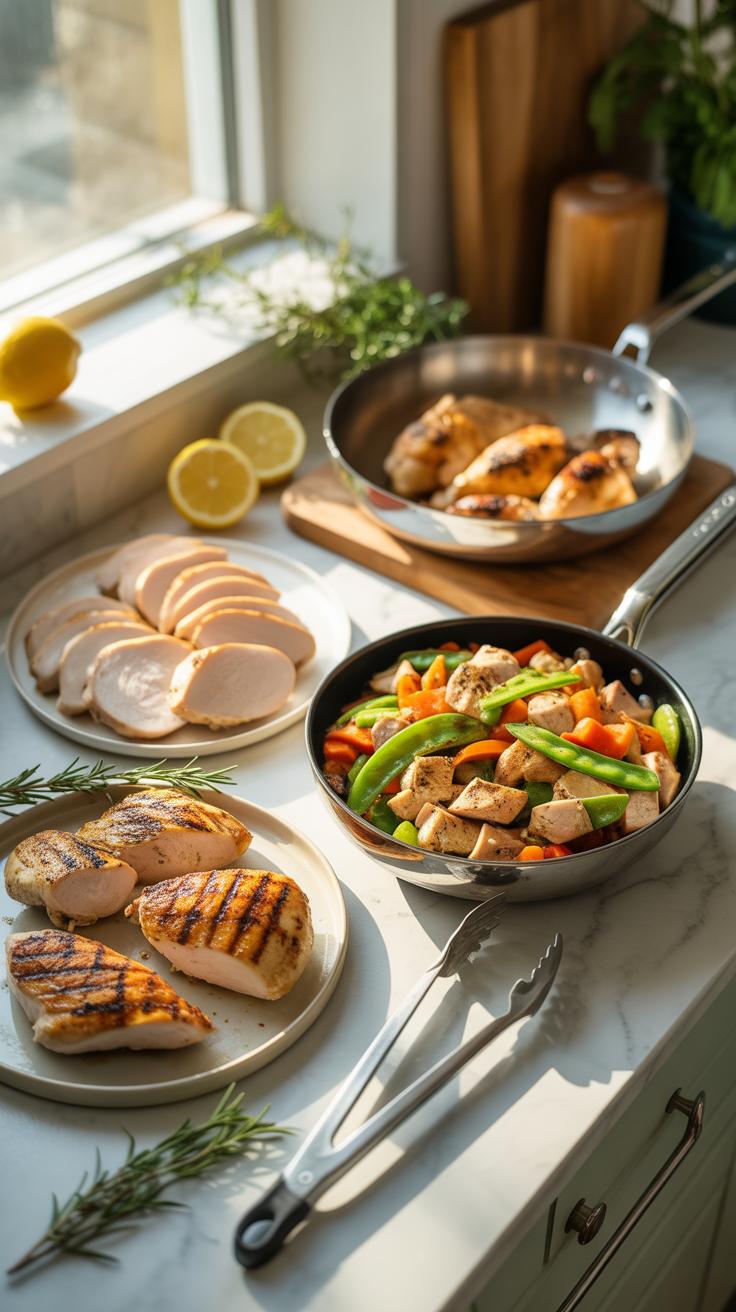
Low Calorie Cooking Methods That Lock In Flavor Without Adding Fat
Mastering dry heat and moist heat methods without heavy oils is the foundation of calorie control. Searing meat in a non-stick pan or using an air fryer creates a Maillard reaction. This chemical process browns the surface and develops complex savory notes. You achieve high-end culinary results by managing temperature rather than adding fats. Correct heat application prevents the chicken from becoming dry or tasteless.
- Poaching: Submerge chicken in simmering liquid like chicken stock or water with aromatics. This gentle method keeps the meat moist without any added oils. Keep the temperature between 160 and 180 degrees Fahrenheit to ensure the protein remains tender and does not become rubbery.
- Grilling: Use direct high heat to cook chicken quickly while allowing excess fat to drip away from the meat. This method provides a smoky profile that reduces the need for heavy sauces. Clean your grates and preheat the grill to prevent the lean meat from sticking.
- Air Frying: Circulate hot air around the poultry to create a crispy exterior texture similar to deep frying. This technique uses up to 80 percent less oil than traditional frying methods. It works best for skinless cuts like breasts or tenders to keep the total calorie count under the limit.
- Roasting: Place chicken on a wire rack over a baking sheet to allow heat to reach all sides evenly. The rack prevents the meat from sitting in its own rendered fat or juices. High-temperature roasting at 400 degrees Fahrenheit seals in moisture while developing a deeply browned and flavorful outer crust.
- Steaming: Use a steamer basket over boiling water to cook chicken gently with zero added fat. This method is common in traditional Chinese medicine and cuisine for its health benefits. Enhance the steam by adding ginger, scallions, or lemon peels to the water to infuse the meat with subtle flavors.
Steam and precision poaching provide the most reliable moisture retention for lean white meat. These methods work well for meal prep because the chicken stays juicy when you reheat it later. Always use a digital meat thermometer to check for an internal temperature of 165 degrees Fahrenheit. Reaching this exact mark ensures food safety while preventing the overcooking that ruins low-fat poultry dishes.
Seasoning And Marinades That Elevate Poultry Recipes Without Extra Calories
Acid and salt are your primary tools for building flavor in lean chicken dishes. Citrus juices like lemon or lime break down tough muscle fibers and brighten the overall taste profile. Vinegar options such as apple cider or balsamic add depth without the caloric density of oil-based dressings. Apply these acidic components thirty minutes before cooking to change the protein structure and improve the final texture.
Dry rubs offer another tactical advantage for maintaining a low calorie count. Use a base of smoked paprika, garlic powder, and onion powder to create a crust on the meat. Fresh herbs like rosemary, thyme, and cilantro provide intense aromatics with negligible caloric impact. Avoid pre-packaged seasoning blends that contain hidden sugars or starches. Control your ingredients to ensure every gram of the recipe serves your nutritional goals.
Top Chicken Dishes Recipes That Pack Flavor Without The Extra Calories
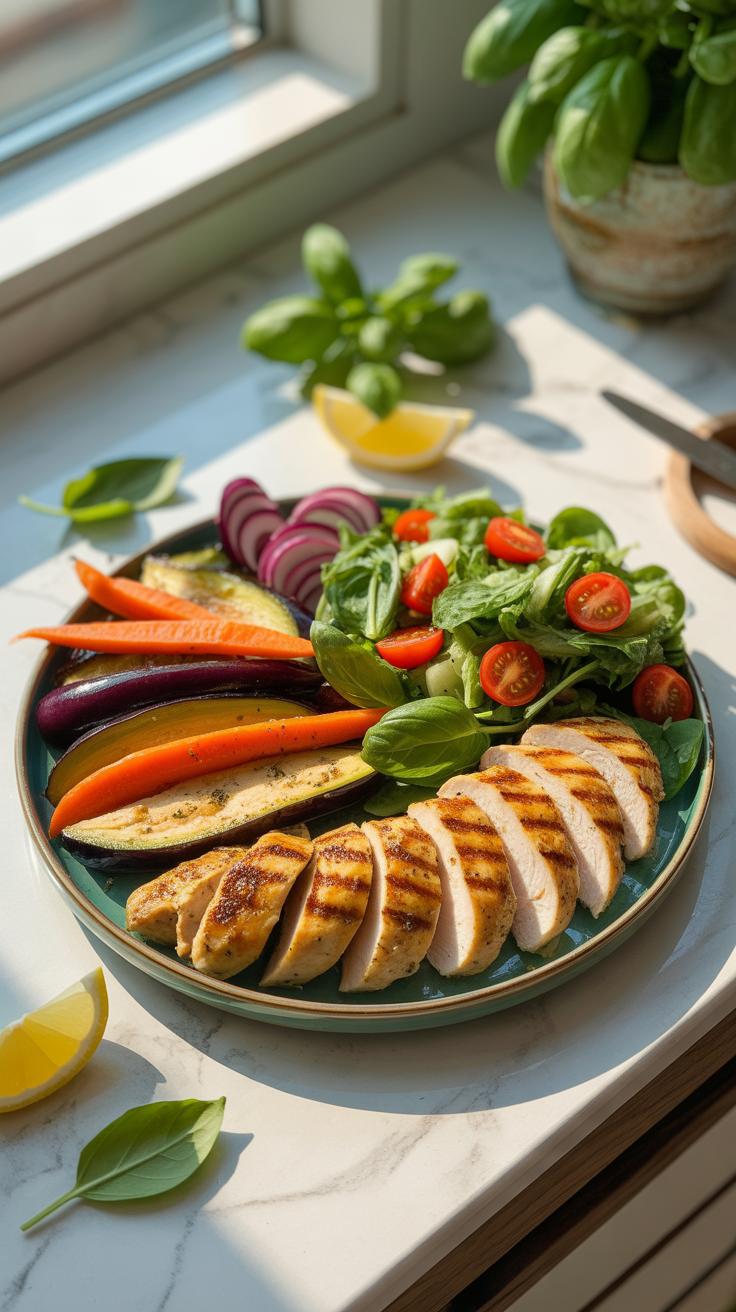
Light And Satisfying Sheet Pan Chicken Dishes Recipes For Busy Weeknights
Sheet pan cooking maximizes heat efficiency and minimizes cleanup time. You place lean chicken breasts and high-fiber vegetables on a single tray. Use parchment paper to prevent sticking without adding heavy fats or oils. Roast at 400 degrees Fahrenheit to trigger the Maillard reaction. This chemical process browns the meat and develops deep flavor without using high-calorie sauces or breading.
Select vegetables with similar cook times like broccoli, bell peppers, or asparagus. Use dry spice rubs instead of oil-based marinades to keep the calorie count low. Cumin, smoked paprika, and garlic powder provide high impact with zero added fat. This method ensures the chicken stays moist while the vegetables caramelize. You get a complete, balanced meal that fits strict caloric goals in under thirty minutes.
One Pot Chicken Meals That Deliver Bold Taste With Minimal Calories
One-pot methods like poaching or braising build complex flavors in a single vessel. Use low-sodium chicken stock or aromatic liquids to cook the meat. This technique preserves moisture better than dry heat methods. It also allows the chicken to absorb the essence of herbs and spices directly. You avoid the hidden calories found in traditional frying or heavy butter-based sautéing techniques.
Focus on building a flavor base with aromatics like onions, ginger, and celery. These ingredients add bulk and nutrients for very few calories. Simmering chicken with diced tomatoes or vinegar creates a built-in sauce that requires no thickeners. This approach keeps the meal light while providing high protein density. You control every ingredient, ensuring the final dish remains well under the 500-calorie threshold.
Meal Planning Made Easy With Chicken Dinner Recipes

Batch cooking chicken requires a focus on versatile base proteins. Roast several pounds of chicken breast or thighs at once using neutral seasoning like salt and black pepper. This method ensures you have cooked meat ready for various healthy chicken dinner recipes throughout the week. Store the cooked chicken in airtight containers to maintain moisture. Proper storage prevents spoilage and keeps the texture firm for reheating.
Efficiency comes from using different cooking methods simultaneously. Use your oven for sheet pan roasting while your stovetop handles poaching or browning. This strategy cuts your active kitchen time by half. Portion the chicken into individual containers immediately after cooling. Weighing your portions ensures you stay under the 500 calorie limit. Preparation reduces the urge to order takeout when you are tired or busy.
There is no sight in the world more comforting than a golden chicken roasting in the oven, a simple promise of health and home. To eat well is to live well, finding nourishment that warms the heart without weighing down the spirit.
A balanced plate requires a specific ratio of protein to fiber. Fill half of your plate with non-starchy vegetables to increase volume without adding many calories. Broccoli, spinach, and roasted peppers provide essential nutrients and help you feel full. Avoid heavy cream sauces or excessive butter during preparation. These additions drive up the calorie count quickly. Choose steamed or sautéed options to keep the meal lean.
Smart side pairings include complex carbohydrates with a low glycemic index. Small portions of quinoa, brown rice, or roasted sweet potatoes provide long-lasting energy. These foods prevent blood sugar spikes and keep you satisfied until your next meal. Use vinegars or citrus juices to add flavor instead of high-calorie dressings. This approach keeps your total meal under the 500 calorie threshold while maximizing the nutritional density of your food.
Healthy Clean Eating Chicken Recipes For A Nourishing Weeknight Meal
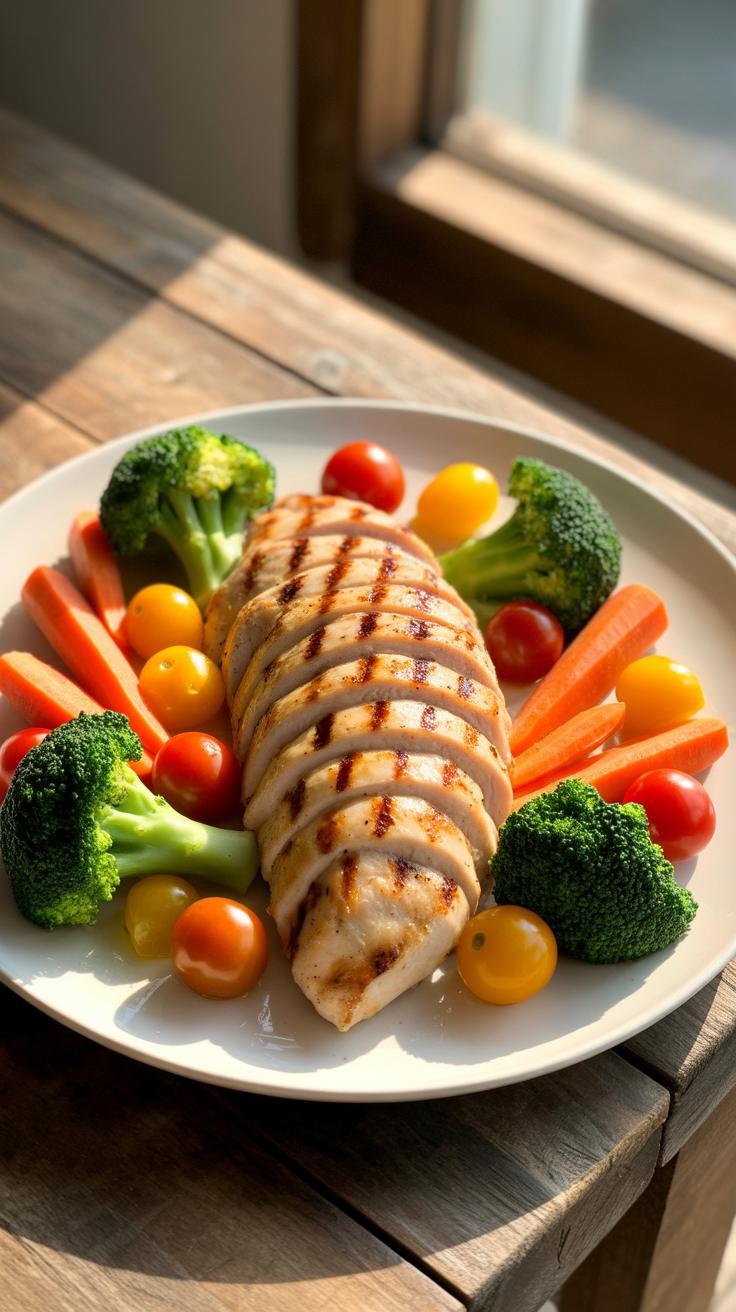
What Clean Eating Means And How It Applies To Your Chicken Dinner
Clean eating focuses on consuming foods in their most natural state. This approach rejects highly processed items and chemical additives. You prioritize whole foods that provide maximum nutrition. When preparing chicken, this means choosing lean cuts like breasts or thighs. You avoid breading, heavy creams, and refined sugars. Use simple cooking methods like roasting or grilling to maintain the integrity of the protein.
Applying these principles ensures your meal stays under the 500 calorie limit. You must eliminate hidden calories found in bottled sauces and spice rubs with fillers. Focus on short ingredient lists where you recognize every item. Control your salt intake by using fresh herbs for flavor instead. This strategy improves your heart health and aids digestion. Clean eating creates a sustainable foundation for long term weight management and energy.
Whole Food Ingredients To Use In Healthy Clean Eating Chicken Recipes
Successful clean eating relies on high quality pantry staples. Use extra virgin olive oil or avocado oil for healthy fats. These oils withstand heat well and provide essential fatty acids. Fresh garlic and onions build a flavor base without adding extra calories. Choose complex carbohydrates like quinoa or sweet potatoes to serve alongside your chicken. These fibrous sides keep you full and prevent blood sugar spikes after your dinner.
Vegetables should occupy half of your plate to keep total calories low. Use dark leafy greens, broccoli, or bell peppers for volume and nutrients. Acids like lemon juice or organic apple cider vinegar brighten the meat while acting as a natural tenderizer. Avoid pre-packaged marinades that contain corn syrup or artificial colors. Stick to dry spices like cumin, paprika, and black pepper. Simple ingredients ensure your body processes the meal efficiently.
Building Your Healthy Chicken Recipes List For The Week
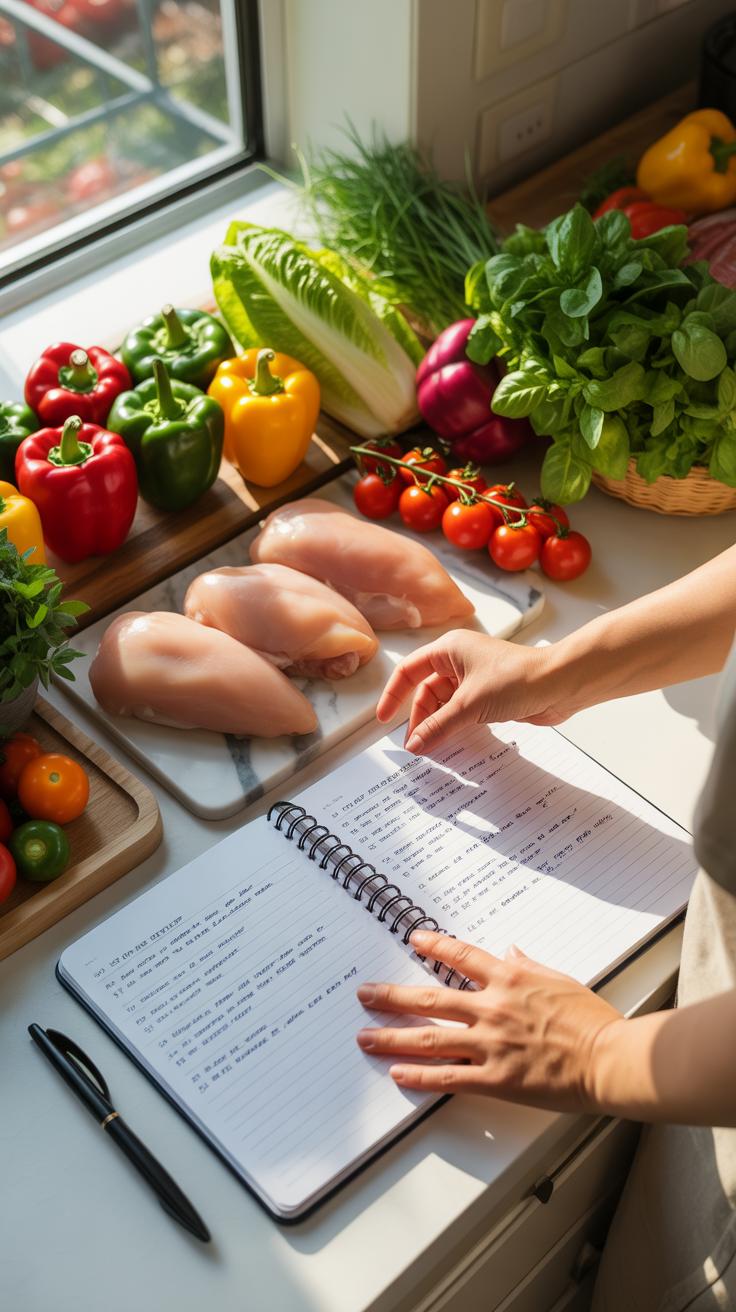
A Ready To Use Healthy Chicken Recipes List Organized By Cooking Style
Efficiency in the kitchen starts with categorizing your healthy chicken dinner recipes by cooking technique. This strategy allows you to choose meals based on your available time and energy levels. Using dry-heat methods like roasting or wet-heat methods like poaching changes the nutrient profile and flavor. Structured lists reduce decision fatigue and ensure you stay under your daily calorie limits.
- Sheet Pan Roasting: Place chicken breasts and seasonal vegetables on one tray. Season with dry herbs and a small amount of olive oil. Bake at four hundred degrees until the meat reaches an internal temperature of one hundred sixty-five degrees. This method minimizes clean-up while maximizing fiber intake from roasted greens.
- Poaching and Shredding: Submerge chicken breasts in simmering water or low-sodium chicken stock. Add peppercorns and garlic for flavor without adding fat or calories. Once cooked, shred the meat for use in salads or clear soups. This technique keeps the lean protein moist and tender without using extra oils.
- Cast Iron Searing: Use a heavy skillet to sear chicken thighs over medium-high heat. Flip the meat only once to create a deep brown crust through the Maillard reaction. Use a small amount of avocado oil because it has a high smoke point. Searing provides intense flavor that reduces the need for heavy, high-calorie sauces.
- Slow Cooking: Combine chicken thighs with diced tomatoes, onions, and peppers in a slow cooker. Cook on low for six to eight hours to break down connective tissues. This method creates a built-in sauce from the vegetable juices. It is a passive cooking style that fits a busy professional schedule while controlling portion sizes.
- Stir Frying: Cut chicken into small, uniform cubes for rapid cooking in a wok or large pan. Use a high-heat oil and toss constantly with snap peas and broccoli. This technique preserves the crunch of vegetables and the nutrients within them. It delivers a high-volume meal that feels satisfying while remaining well under five hundred calories.
Organizing your list by hardware and time helps you execute your plan. If you have only twenty minutes, you choose the stir-fry option. If you are away all day, the slow cooker becomes your primary tool. This tactical approach removes the friction from healthy eating. It ensures that you always have a path to a lean, high-protein meal regardless of your schedule.
How To Rotate Recipes On Your Weekly Healthy Chicken List To Avoid Meal Fatigue
Rotate your flavor profiles every three days to keep your palate engaged. Use different acid sources like lemon juice, balsamic vinegar, or lime to transform the base protein. Changing the regional spices prevents the boredom that leads to high-calorie takeout choices. Switch between Mediterranean profiles using oregano and Mexican profiles using cumin. This tactical rotation keeps your diet sustainable and repeatable for the long term.
Vary the texture of your chicken to maintain interest throughout the month. Alternate between whole roasted pieces, sliced strips, and ground chicken breast. Texture shifts trick the brain into perceiving variety even when the primary ingredient remains the same. Use crunchy raw vegetable sides one night and soft steamed greens the next. These simple changes in mouthfeel prevent the psychological burnout often associated with repetitive healthy eating plans.
Chicken And Broccoli Recipes Whole 30 Style Simple Clean And Satisfying
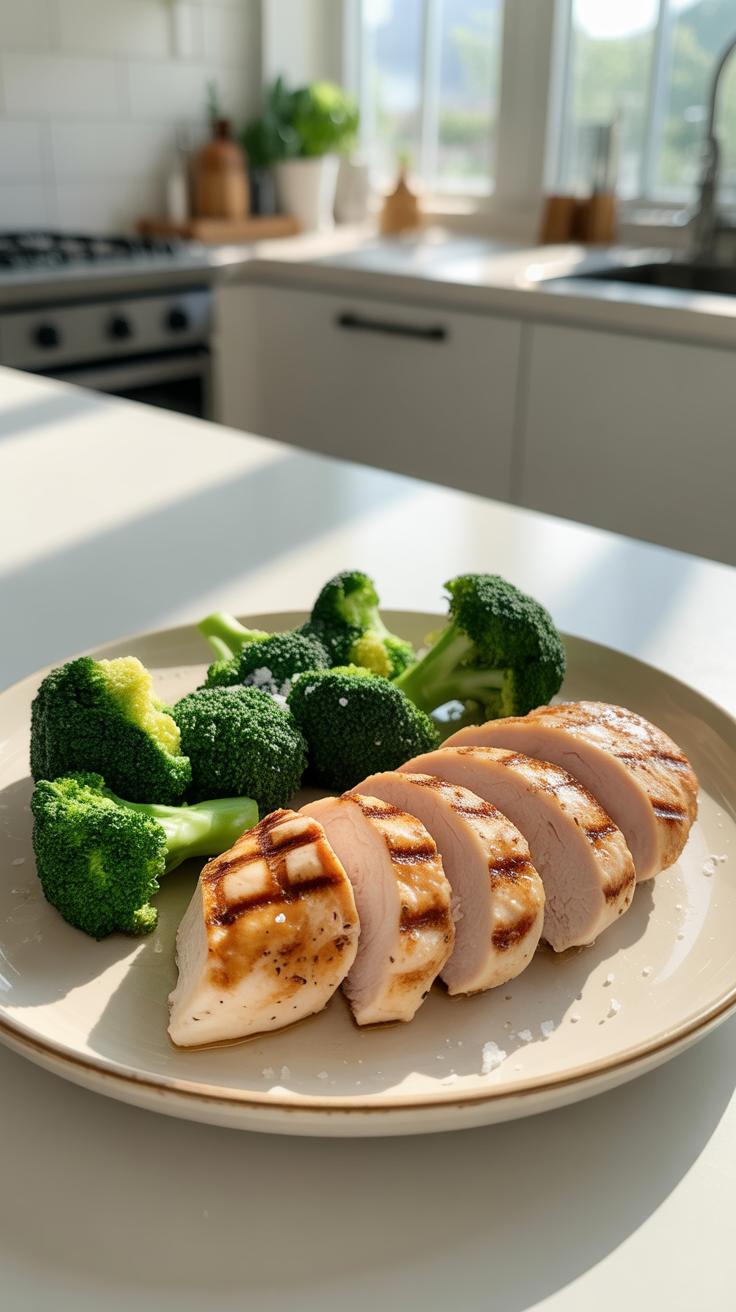
What Makes Whole 30 Chicken And Broccoli A Nutritionally Complete Low Calorie Meal
Whole 30 chicken and broccoli meals provide high protein and fiber without added sugars or grains. This combination keeps you full and stabilizes your blood sugar. Lean chicken breast delivers essential amino acids for muscle repair. Broccoli offers vitamin C, vitamin K, and folate. You eliminate inflammatory additives by removing soy and dairy. This creates a high volume dish with low caloric density.
A standard serving fits easily under 500 calories because it avoids refined carbohydrates. Most traditional stir fry sauces use cornstarch and brown sugar for texture and taste. Whole 30 versions swap these for coconut aminos and arrowroot powder. These swaps provide a similar profile without the processed calories. You get dense micronutrients from the vegetables and clean fuel from the poultry. This strategy ensures long term satiety.
How To Prepare Chicken Broccoli Whole 30 Meals With Maximum Flavor And Minimum Effort
Efficiency starts with high heat and proper knife work. Cut the chicken into uniform pieces to ensure even cooking. Searing the meat in a hot skillet creates a crust through the Maillard reaction. This adds a deep savory flavor without extra fat or sugar. Use high smoke point oils like avocado oil or ghee. These fats remain stable during the intense heat of a quick stir fry.
Steam the broccoli separately for two minutes before adding it to the pan. This technique preserves the bright green color and crisp texture. For the sauce, whisk coconut aminos with ginger, garlic, and red pepper flakes. Pour the mixture over the hot ingredients at the very end. The residual heat thickens the sauce and coats the food quickly. This method delivers a restaurant quality meal in less than twenty minutes.
Smart Swaps And Tips To Keep Your Chicken Dinners Under 500 Calories
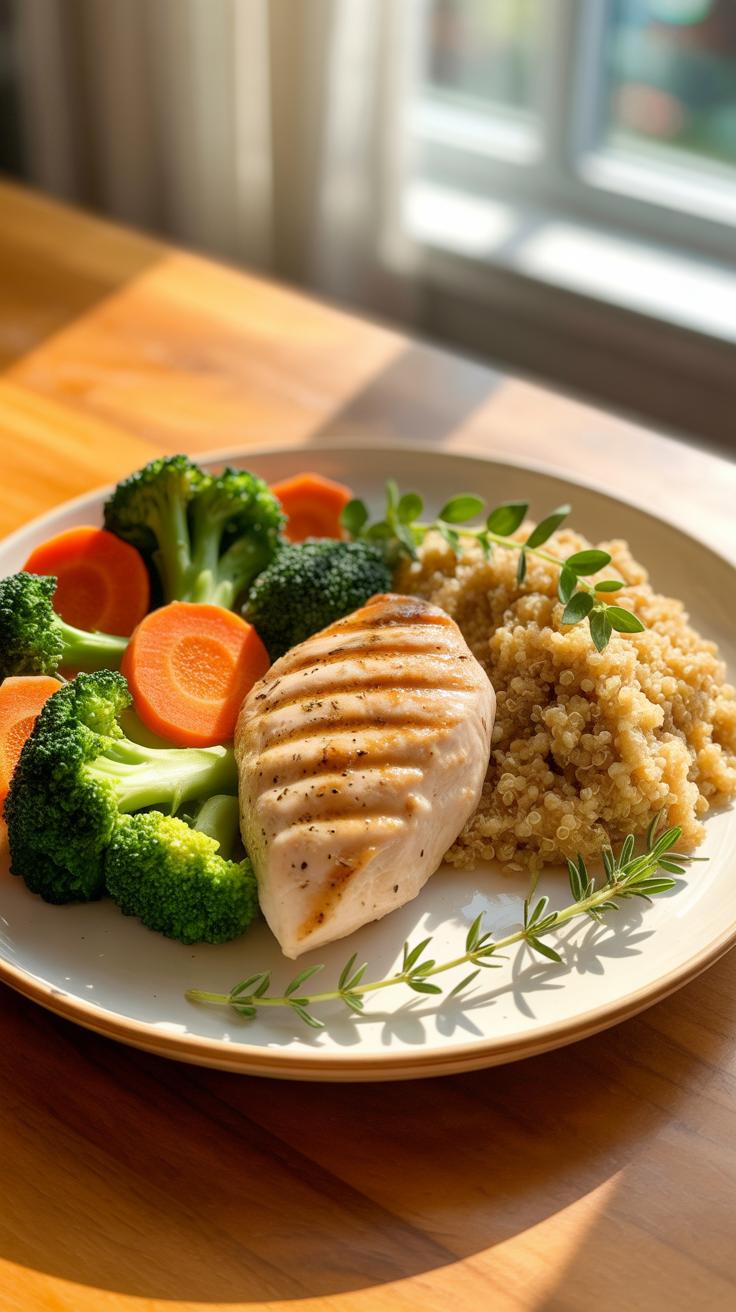
Ingredient Substitutions That Dramatically Cut Calories Without Sacrificing Taste
Fat contains nine calories per gram while protein and carbohydrates have four. Replacing heavy cream with Greek yogurt or blended silken tofu slashes calorie density instantly. Use chicken thighs for flavor but trim all visible skin and fat before cooking. Use acidic components like lemon juice or high quality vinegar to brighten flavors without adding oil. These tactical shifts maintain meal volume while reducing energy.
Swap refined grains for fibrous vegetables to lower the total glycemic load. Zucchini noodles or riced cauliflower provide plates with bulk for a fraction of the calories found in pasta or white rice. Use non-stick pans or high-heat cooking sprays to eliminate the need for pooled butter or oil. These methods ensure that moisture remains in the chicken without rely on added fats for texture.
Portion Control Strategies That Help You Stay Within Your 500 Calorie Goal
Standardize your chicken portions to four or five ounces of raw weight. This amount provides enough protein to trigger satiety without exceeding your caloric budget. Use a digital kitchen scale to remove guesswork from your tracking process. Measuring by weight is the only way to guarantee accuracy. Visual estimates often lead to significant calorie creep that stalls progress over long periods.
Fill half of your plate with leafy greens or cruciferous vegetables before adding the chicken. High volume foods with low energy density satisfy physical hunger cues through gastric stretching. Drink a full glass of water before you start eating to improve metabolic signaling. Eat slowly to give your brain time to receive fullness signals from the gut. Controlled environments lead to successful weight management through consistent habits.
Frequently Asked Questions

What defines a chicken dinner as both healthy and low in calories?
A healthy chicken dinner focuses on lean protein sources, such as boneless skinless chicken breasts, paired with a high volume of fiber-rich vegetables. By limiting heavy creams, excessive oils, and refined sugars, you can keep the meal under 500 calories. These healthy chicken dinner recipes emphasize natural flavors through herbs and spices rather than caloric fats, ensuring you stay satisfied while meeting your nutritional goals without feeling restricted.
How can I keep low-calorie chicken from drying out during cooking?
The secret to moisture in low-calorie cooking is using acidic marinades like lemon juice or balsamic vinegar. You can also try techniques like poaching or using a meat thermometer to ensure chicken reaches exactly 165°F. Many healthy chicken dinner recipes suggest “sealing” the meat quickly in a hot pan or roasting it with high-moisture vegetables like zucchini and tomatoes to create a natural steam that keeps every bite tender and flavorful.
Is it expensive to prepare fresh, low-calorie chicken meals every night?
Not at all! You can save money by purchasing family-sized packs of chicken and utilizing affordable staples like frozen broccoli, brown rice, and seasonal tubers. Meal prepping large batches of healthy chicken dinner recipes is a great way to reduce food waste and lower your grocery bill. Focusing on bulk dry spices and pantry basics allows you to create gourmet-level, nutritious meals that are much cheaper than processed frozen dinners or takeout.