
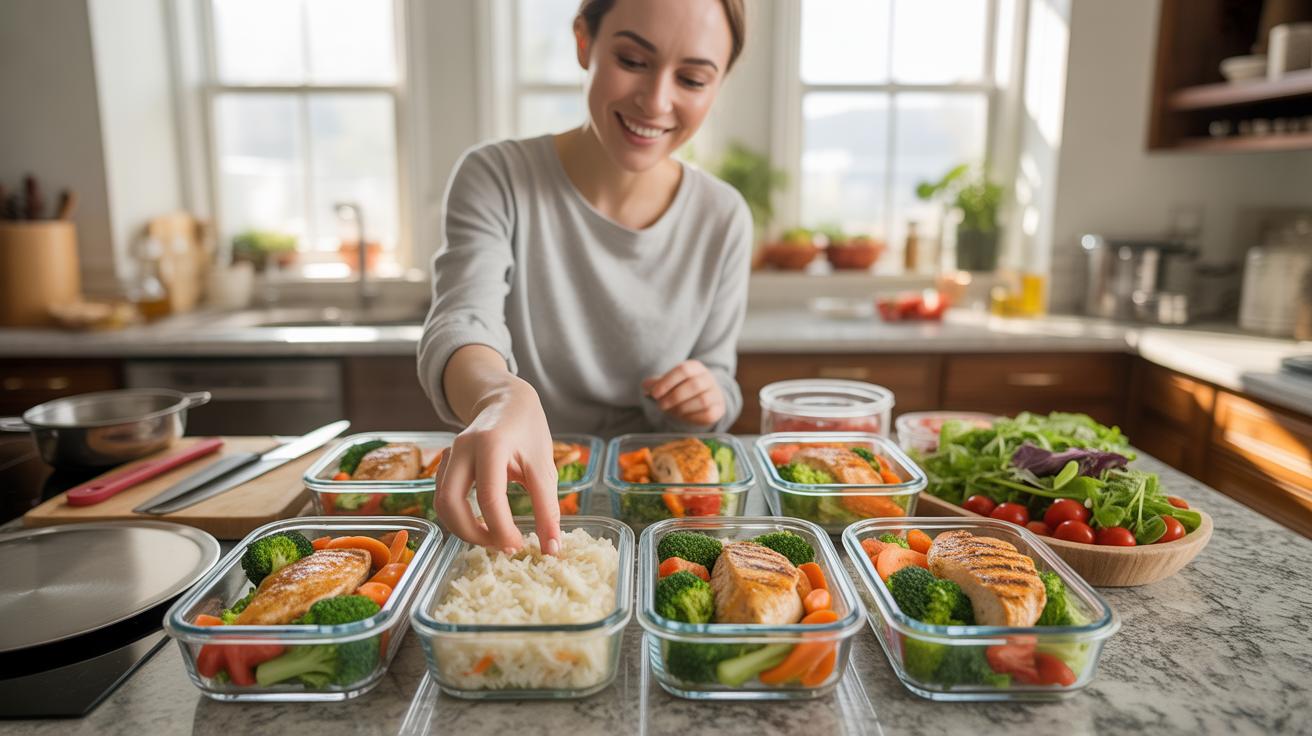
What Are Batch Cooking Ideas And Why They Work So Well
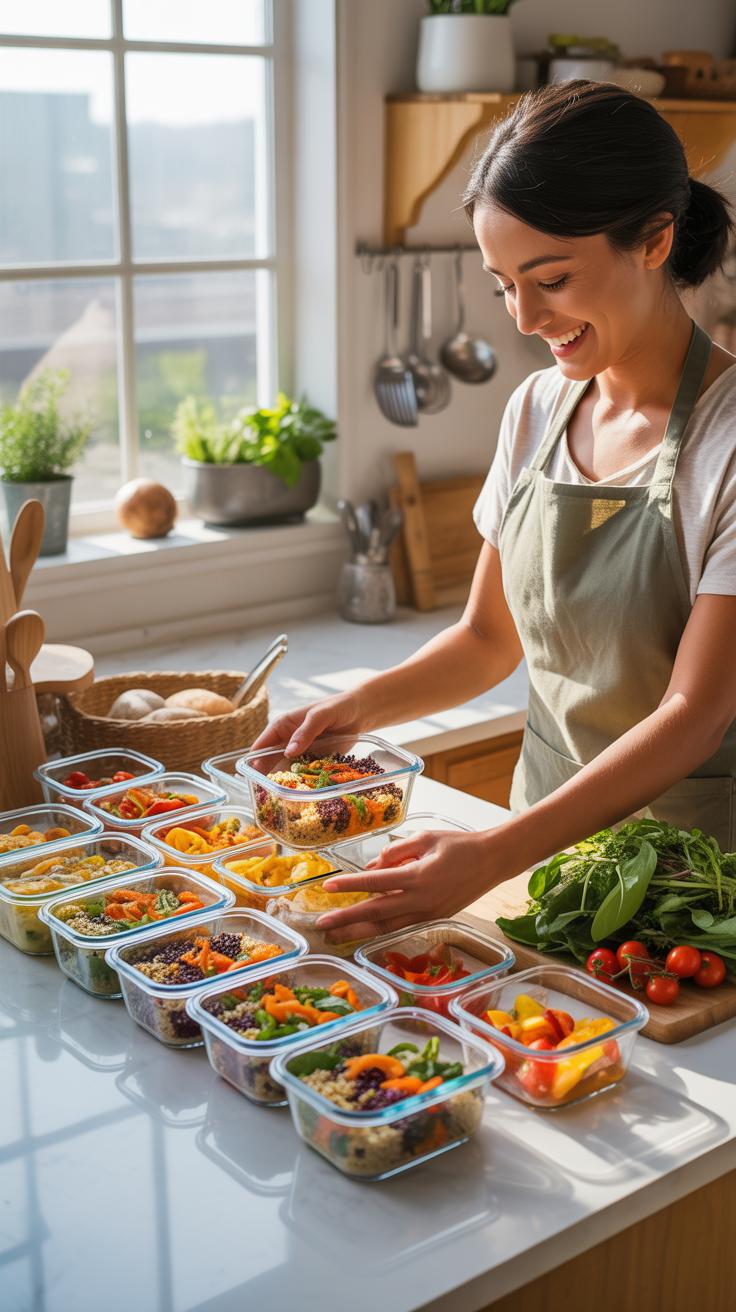
Understanding The Core Concept Behind Batch Cooking For The Week
Batch cooking is a production strategy used to maximize kitchen output. You prepare large quantities of specific components or full meals during one focused session. This method treats home cooking like a professional food line. You do not cook small meals every night. Instead, you process bulk ingredients at once to create a ready supply of food for the upcoming week.
This approach creates a centralized inventory of nutrition. Successful batch cooking relies on modularity and repeatability. You focus on high-volume tasks like roasting vegetables, boiling grains, and searing proteins in massive amounts. By decoupling the act of cooking from the act of eating, you gain total control over your schedule. You transform your kitchen into an efficient assembly plant for the home.
The Proven Time And Cost Benefits Of Cooking In Large Batches
Efficiency drives the financial and temporal success of batch cooking. Preparing five pounds of chicken takes nearly the same active time as preparing one pound. You reduce total cleanup time because you wash heavy cookware only once. Professional chefs use this mise en place technique to eliminate redundant movements. Standardizing your cooking process minimizes energy waste and maximizes your available leisure time.
Buying ingredients in bulk significantly lowers the unit price of your groceries. Larger packages of meat, grains, and frozen produce cost less per ounce than small portions. You also reduce food waste by utilizing every part of the ingredients you purchase. Predictable consumption patterns prevent expensive last-minute takeout orders. This tactical shift directly improves your monthly budget and ensures consistent food quality every day.
How To Start Batch Cooking Without Feeling Overwhelmed
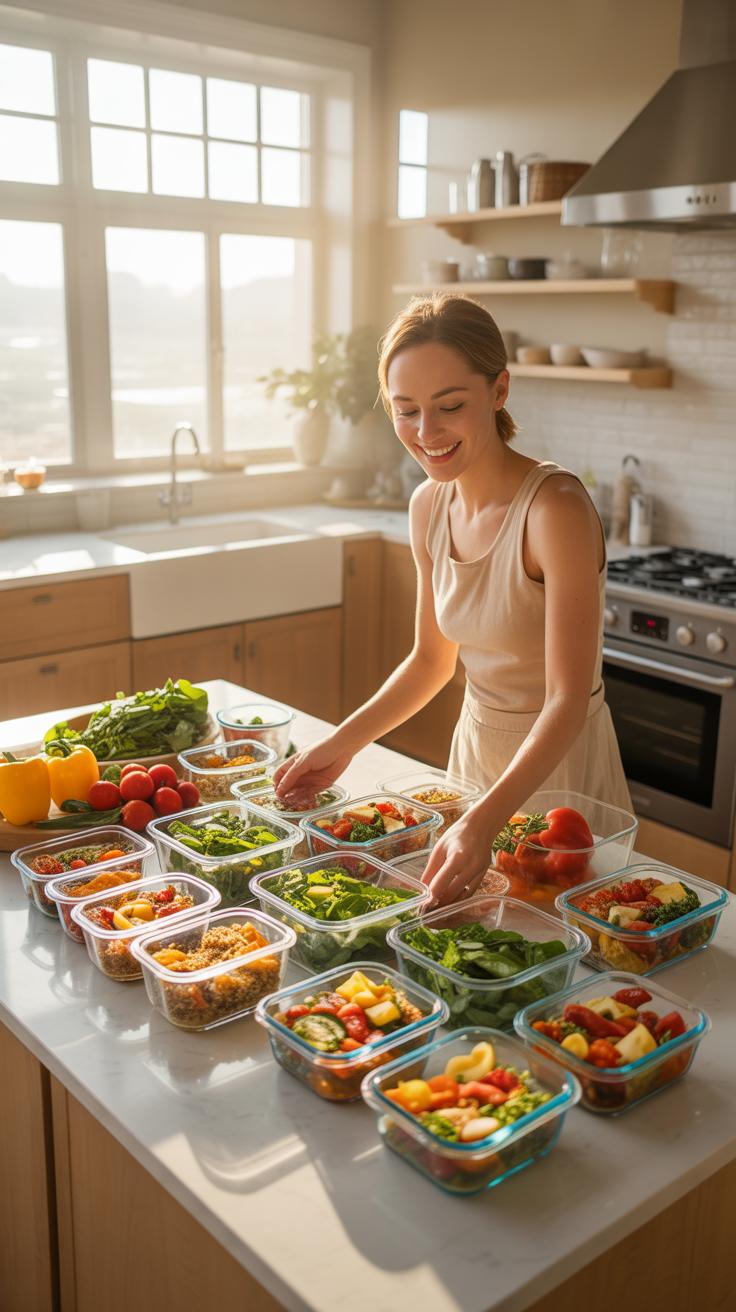
Setting Realistic Goals For Your First Batch Cooking Session
Beginners often fail because they attempt complex menus immediately. Limit your first session to two main proteins and one base grain. Focus on versatile ingredients that work in multiple dishes. This strategy reduces decision fatigue and keeps your kitchen time under two hours. Master the workflow before you increase the variety of recipes. Prioritize efficiency over culinary complexity during these initial sessions.
Success in batch cooking for the week relies on preparation rather than talent. Write a specific menu and buy every ingredient before you start. Do not search for tools or spices mid-cook. Clear your counters to create a functional workspace. Track your time to see where you lose focus. Small wins build the habit faster than one large and exhausting marathon session.
The best way to show your future self some love is to fill the kitchen with the scent of a Sunday simmer. Preparing your meals ahead of time is like gifting yourself a week of calm and a seat at the family table.
Essential Kitchen Tools And Storage Containers You Will Actually Need
Invest in professional-grade tools to speed up production. You need a sharp eight-inch chef knife and a large cutting board. High-yield cooking requires heavy-duty rimmed baking sheets and a six-quart dutch oven. These tools distribute heat evenly and prevent scorching. Avoid cheap pans that warp under high heat. Reliable equipment ensures consistent results when you cook large volumes of food at once.
Storage choice determines the shelf life of your meals. Use tempered glass containers with airtight locking lids. Glass does not leach chemicals or retain odors from previous meals. Choose uniform sizes so they stack easily in your refrigerator. This saves space and keeps your inventory visible. Label every container with the date and contents. Proper storage prevents food waste and maintains texture throughout the week.
How To Batch Cook For Beginners A Simple Step By Step Approach

How To Plan Your Cook Day From Start To Finish
Effective batch cooking requires a logical sequence to maximize kitchen throughput. You must align your cooking tasks based on equipment availability and total cook time. Start with items that require the longest oven or slow cooker cycles. This allows you to work on active tasks like chopping or sautéing while the primary proteins or grains cook without direct supervision.
- Inventory Check: Audit your pantry and fridge before shopping to avoid buying duplicates. Verify you have enough storage containers and lids for the total volume of food planned. Check your supply of basic fats, spices, and acids to ensure you can flavor every dish properly.
- Prep Organization: Group all ingredients by their processing method rather than by final dish. Peel and chop all onions, garlic, and root vegetables at once to save time on knife work. Use large bowls to hold prepped items before they go into the pans or pots for cooking.
- Staggered Cooking: Start the longest-running tasks first like roasting whole chickens or boiling large pots of brown rice. Utilize every heat source including the oven, stovetop burners, and electric pressure cookers simultaneously. Set multiple timers to track different components to prevent overcooking or burning batches.
- Cooling Protocol: Spread cooked food out on flat baking sheets to speed up the cooling process before storage. Placing hot food directly into deep containers traps heat and encourages bacterial growth. Move items to the refrigerator only after they reach room temperature to maintain food safety and equipment efficiency.
- Cleanup Integration: Wash prep tools and cutting boards during the hands-off cooking phases. Keep your sink clear to manage high-volume dishwashing at the end of the session. A clean workspace reduces mental fatigue and allows you to transition quickly between different recipe stages.
Finalize your day by portioning meals into airtight containers immediately after cooling. Label every container with the contents and the date prepared to ensure you use them before they spoil. Standardize your container sizes to make stacking in the refrigerator more efficient. Clear organization at this stage prevents food waste and makes grabbing a daily meal simple and fast.
Common Beginner Mistakes To Avoid When Starting Out
Beginners often fail by attempting too many complex new recipes in a single session. This leads to exhaustion and creates a chaotic kitchen environment. Start by scaling up familiar meals you already know how to cook. Focus on mastering the logistics of large volumes before introducing exotic ingredients or technical culinary methods that require your full attention and constant monitoring.
Another major error involves inadequate storage soulutions and poor portions. Low-quality plastics can leak chemicals or break when frozen. Match your container size to your actual appetite to prevent half-eaten meals from cluttering the fridge. Ensure you have enough vertical space in your refrigerator before you start cooking. Failure to plan for storage results in wasted effort and spoiled food products.
Building A Batch Cooking Menu Ideas Plan That Covers The Whole Week
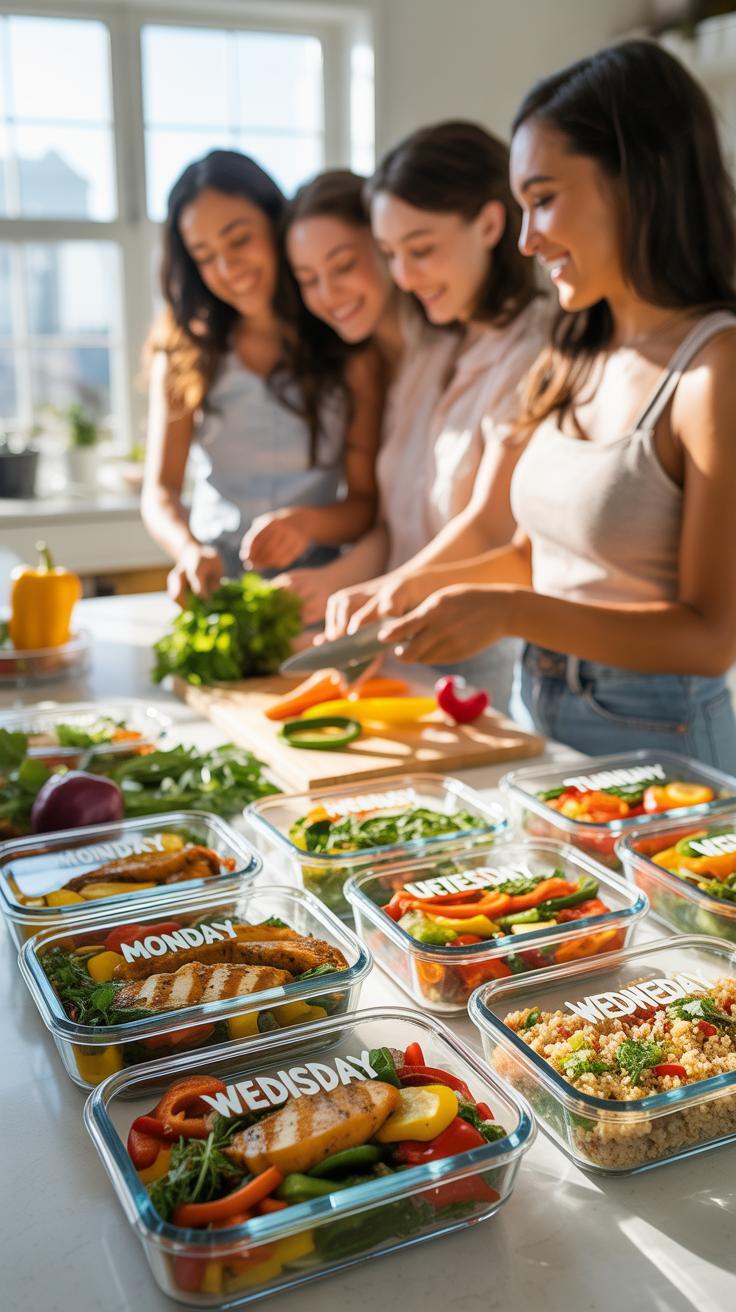
How To Map Out Breakfasts, Lunches, And Dinners In One Session
Successful planning requires a fixed grid. You must identify the number of meals needed for seven days. Account for social obligations or late work nights that reduce requirements. Focus on high-volume recipes that share thermal requirements. Grouping oven-baked items saves energy and time. Use a calendar to visualize transitions between fresh and frozen portions. This prevents waste and ensures meal availability.
Strategy dictates that you prioritize items with the longest shelf life for later in the week. Prepare delicate salads for Monday and Tuesday. Save hearty stews or frozen portions for Thursday and Friday. This logical sequence maintains food quality and safety standards. Always plan for leftovers as intentional components rather than accidents. This mindset reduces the total number of unique recipes you must execute during your session.
Mixing And Matching Base Ingredients To Create Varied Meals All Week
Efficient batch cooking relies on component preparation rather than finished dishes. Cook large quantities of neutral proteins and grains. Use roasted chicken or boiled quinoa as your foundation. These bases adapt to different flavor profiles through sauces and spices. This method avoids flavor fatigue throughout the week. You gain flexibility to pivot your menu based on daily cravings or energy levels without extra labor.
Maintain separate storage for each component to extend freshness. Combining ingredients too early leads to moisture transfer and texture degradation. Keep vegetables, starches, and proteins in isolated containers. Assemble your meals immediately before consumption or when packing your daily lunch. This tactical approach mirrors professional kitchen prep systems. It maximizes variety while minimizing the total active cooking time required to sustain a healthy diet.
The Best Batch Cooking Recipes Healthy Families Will Actually Enjoy
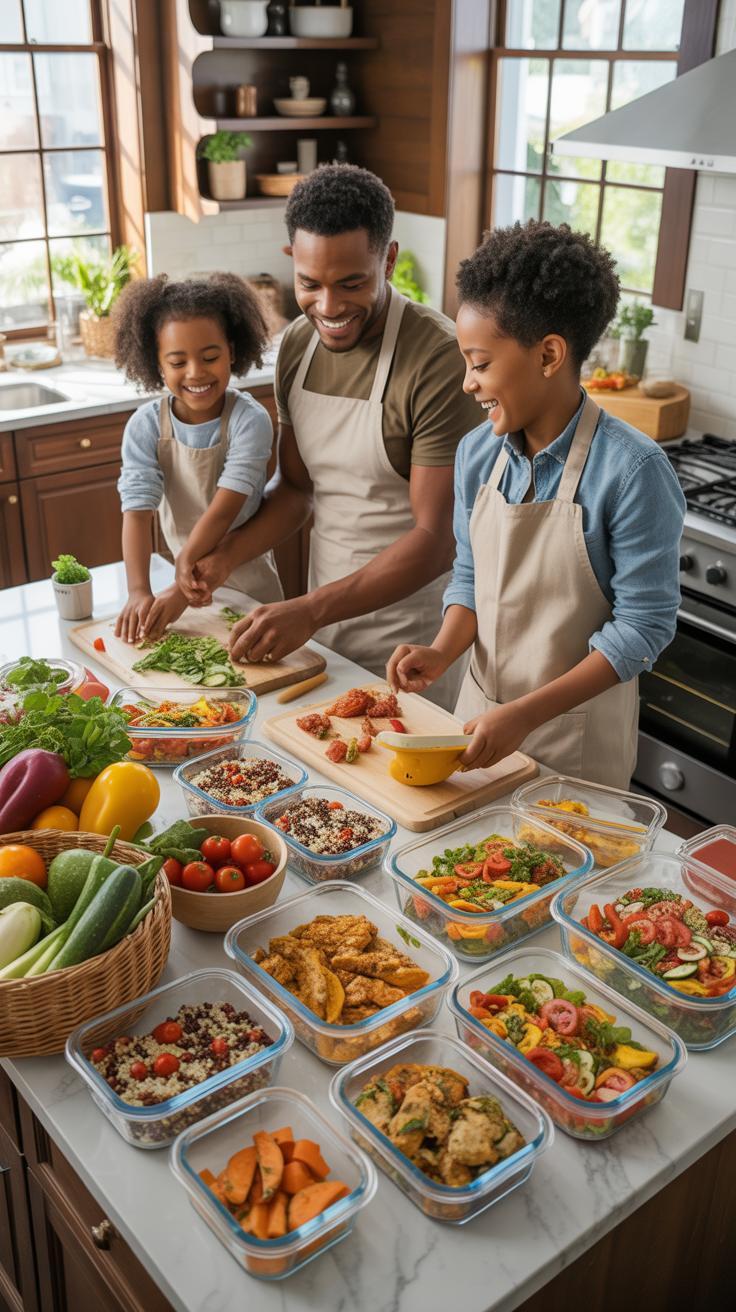
Nutritious High Volume Recipes That Hold Up Well In The Refrigerator
Successful batch cooking requires recipes that maintain structural integrity during storage. Fiber-dense legumes and lean proteins serve as the foundation for these meals. Lentil stews and beef chilis offer high nutritional value and improve in flavor after twenty-four hours. These dishes do not degrade when reheated. They provide consistent energy levels for active families. Avoid delicate greens or cream-based sauces that separate in the cold.
Sturdy grains like farro and quinoa function as excellent bases for refrigerated bowls. These complex carbohydrates do not turn mushy like white pasta or white rice. Combine them with roasted root vegetables and a dense protein like chicken breast or baked tofu. Use airtight glass containers to prevent moisture loss and flavor transfer. Proper storage ensures your prepped meals taste fresh through the fifth day of the work week.
How To Adapt Batch Cooking Recipes To Suit Dietary Needs And Preferences
Modular cooking allows one base recipe to satisfy multiple dietary requirements. Prepare a large volume of unseasoned protein and roasted vegetables first. Divide these components into smaller batches before adding specific sauces or spices. This method accommodates gluten-free, low-carb, or dairy-free needs without extra labor. It prevents the exhaustion of eating the exact same flavor profile every day. Use individual seasoning packets to customize each portion.
Texture management is vital for family satisfaction during the week. Some family members may prefer crunchy toppings while others want softer textures. Store dry garnishes like seeds, nuts, or crushed crackers in separate bags. Add these elements only at the moment of consumption. This strategy keeps meals interesting and prevents the soggy texture that ruins meal prep. Small adjustments ensure that children and adults remain engaged with healthy eating habits.
Smart Batch Cooking Tips For Families Feeding Multiple People Daily
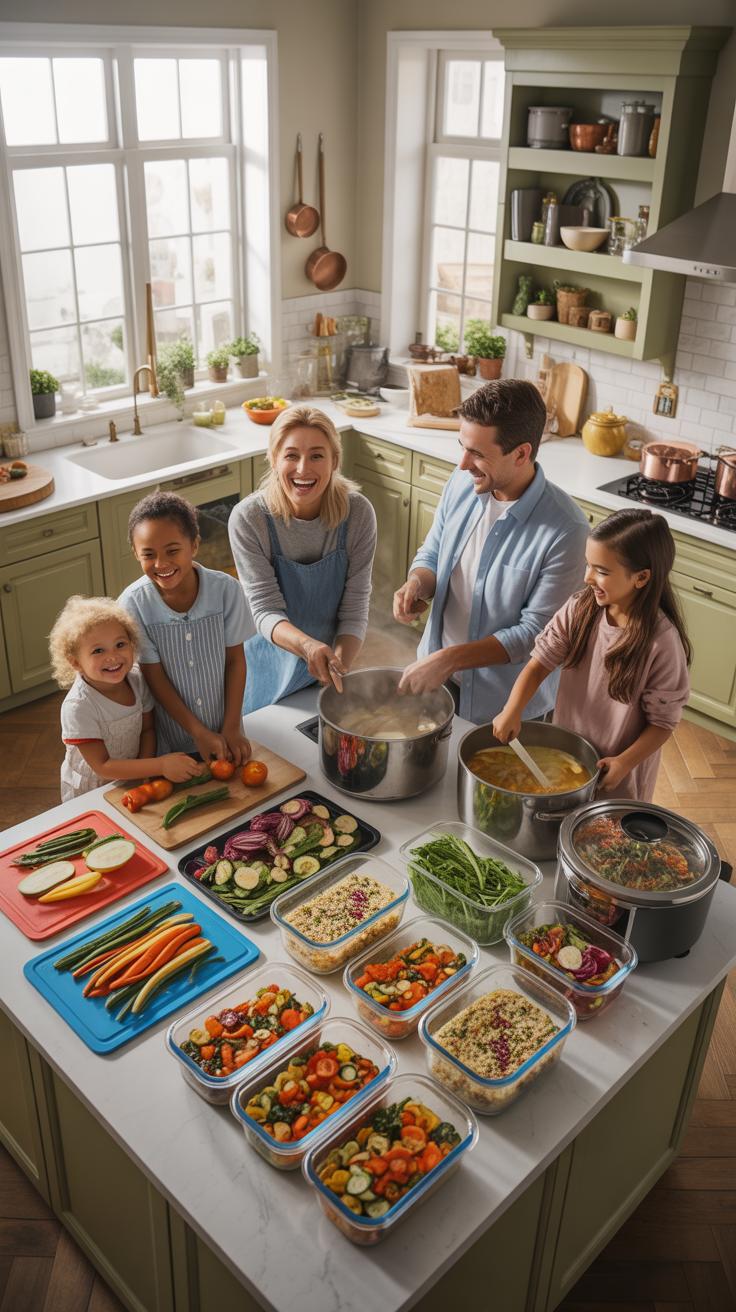
Scaling Recipes Up Without Compromising Flavor Or Texture
Scaling recipes requires precision rather than simple multiplication. When you double or triple a dish, do not automatically triple the spices or salt. Large volumes of food retain heat longer. This change in thermal mass affects how dry spices hydrate and release oils. Start with one and a half times the seasoning. Taste the food at the end of the simmering process to adjust.
Texture often suffers when you overcrowd pans. Large batches release more steam which leads to soggy vegetables instead of seared ones. Use multiple sheet pans or cook in batches to maintain high heat contact. Liquid ratios also shift in larger pots because evaporation happens slower relative to the volume. Reduce added water or stock by ten percent to keep sauces from becoming thin and watery.
Practical Storage And Labeling Strategies To Keep The Whole Family Organized
Organization prevents food waste and household confusion. Use uniform containers to maximize your vertical fridge space. Clear glass or plastic allows everyone to see the contents immediately. This transparency reduces the time the fridge door stays open. Every container needs a specific location based on consumption priority. Put the oldest meals at eye level to ensure the family eats them first.
- Uniform Container Sets: Standardized sizes stack efficiently and use every inch of shelf space. This prevents containers from tipping over and creates a clear visual system for inventory management. It also ensures lids are interchangeable and easy to find when packing.
- Painter’s Tape Labels: Use blue painter’s tape and a permanent marker for labeling. This tape stays on through freezing but peels off without leaving sticky residue. It provides a high-contrast surface that is easy for children and adults to read quickly.
- Contents and Date Coding: Mark every lid with the dish name and the preparation date. This data removes guesswork about food safety and freshness. It helps family members identify meals without opening every container and exposing the food to room temperature air.
- Individual Portion Sections: Divide a portion of the batch into single-serve containers for grab-and-go lunches. This stops family members from digging into large bulk containers and introducing bacteria through cross-contamination. It simplifies portion control for busy weekdays and reduces evening cleanup.
- Color-Coded Lids: Assign specific lid colors to different meal types or dietary needs. For example, use red for spicy dishes and green for vegetarian options. This visual shorthand allows family members to identify safe or preferred meals in seconds during a rush.
Inventory tracking prevents you from buying duplicate ingredients. Keep a dry-erase board on the freezer door to list what is inside. Cross off items as the family consumes them throughout the week. This tactic ensures you never lose leftovers at the back of the shelf. An updated list helps you plan the next cooking session based on what remains in your current stock.
Mastering Batch Cooking Techniques Used By Professional Home Cooks
The Importance Of Mise En Place And Parallel Cooking For Maximum Efficiency
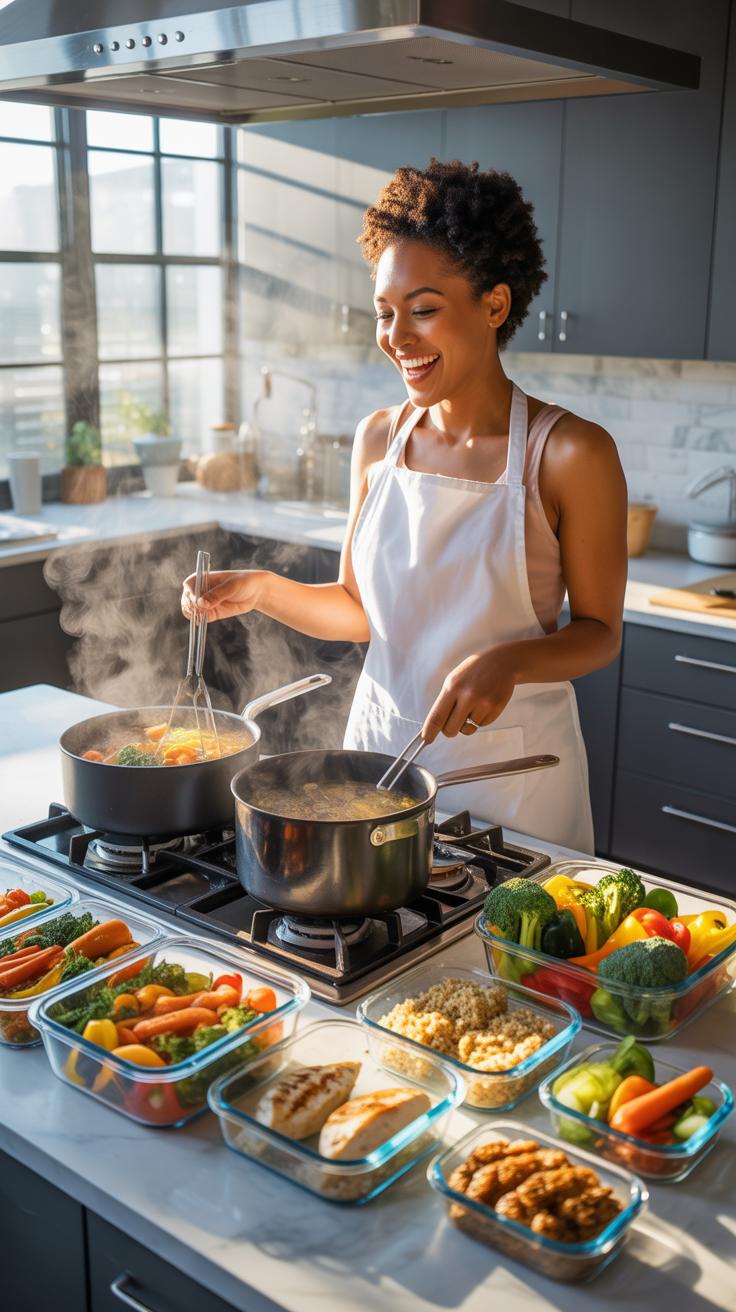
French chefs perfected mise en place to eliminate wasted motion in high pressure kitchens. This technique requires you to wash, peel, chop, and measure every ingredient before turning on a burner. You clear your workspace of clutter to prevent mental fatigue. Organization ensures you never stop mid process to hunt for a spice. Preparation is the only way to maintain a high speed during your cooking session.
Parallel cooking means you perform multiple tasks at the exact same time. While one vegetable roasts in the back of the oven, you sauté aromatics for a soup on the stovetop. Strategic cooks group tasks by equipment rather than by recipe. You process all onions for the entire week in one session. This approach slashes total active time and keeps your workflow moving toward the finish line.
How To Use Your Oven Stovetop And Slow Cooker Simultaneously
You must treat your kitchen appliances like a production line to increase output. Use the oven for high volume roasting and baking tasks that require little supervision. Place sheet pans on different racks to maximize heat distribution. Reserve the stovetop for active cooking tasks like searing meat or boiling pasta. This division of labor prevents a logjam at the stove and keeps your kitchen temperature manageable.
The slow cooker and pressure cooker provide extra cooking surfaces without using your heating elements. These tools handle tough proteins and grains while you focus on delicate vegetables. Use the slow cooker for stews that need eight hours of low heat. Use the pressure cooker for dry beans or brown rice to save time. Using every available heat source allows you to finish five recipes in two hours.
Sustaining Your Batch Meal Prep Routine Long Term Without Burnout
Rotating Your Batch Cooking Recipes To Keep Meals Fresh And Exciting
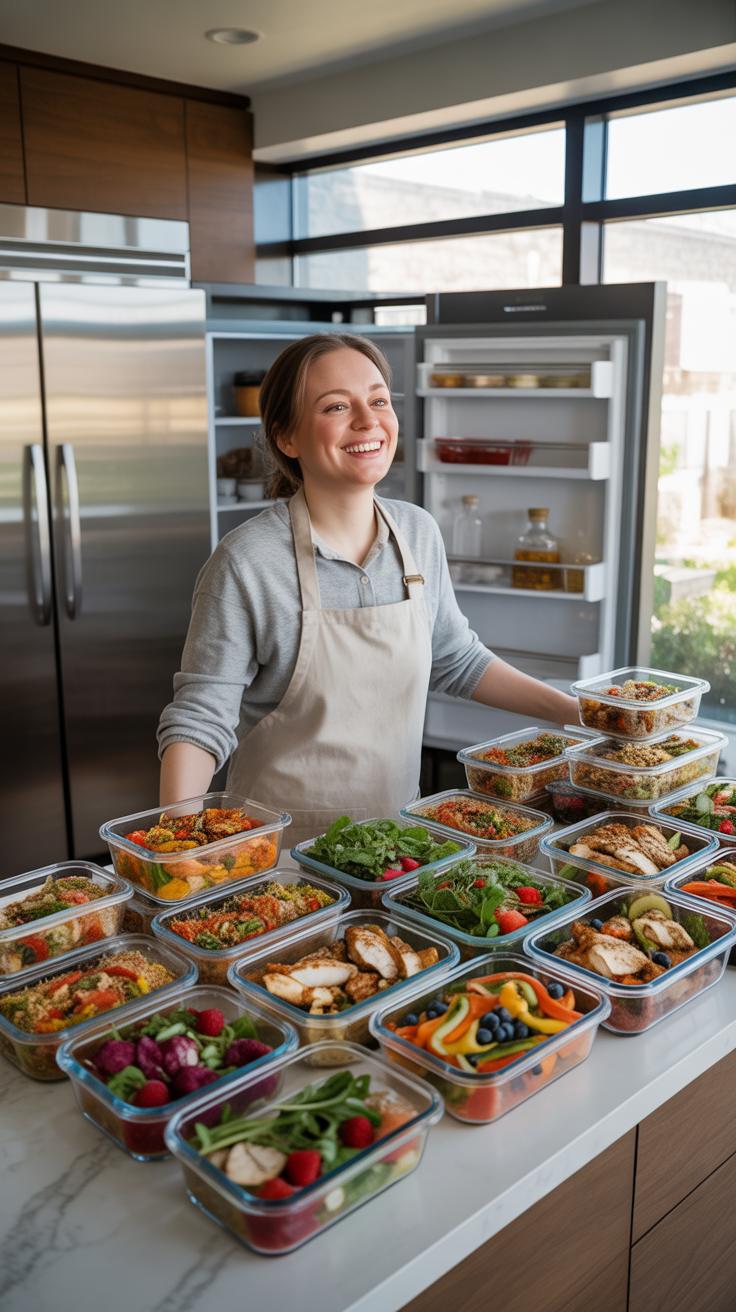
Strategic recipe rotation prevents palette fatigue and reduces the urge to order takeout. You must alternate between flavor profiles every week to maintain interest. Combine one staple protein with two different sauce bases to create variety without extra work. Use a three week menu cycle to ensure you do not repeat the same exact meals too often. This keeps your taste buds engaged and your diet balanced.
Focus on seasonal produce to lower costs and improve food quality. Winter months favor hearty braises and root vegetables. Summer demands lighter grains and roasted peppers. Swap your primary starches between rice, quinoa, and potatoes to change the texture of your containers. This approach utilizes the same cooking techniques while delivering a different eating experience. Efficiency comes from mastering the method while varying the ingredients.
Building A Weekly Batch Cooking Habit That Fits Your Real Lifestyle
Consistency beats intensity when establishing a new kitchen routine. You do not need to cook twenty meals on Sunday to be successful. Start by prepping only your lunches or just your busiest weeknight dinners. Match your cooking schedule to your energy levels. If Sunday is for rest, move your session to Saturday morning. Aligning tasks with your natural rhythm ensures you stick to the plan long term.
Audit your kitchen setup to remove friction from the process. Sharp knives and clear containers save time and reduce frustration. Keep your pantry stocked with bulk spices and oils so you never stop mid-prep for missing items. Track your results to see how much money and time you save each month. Visual proof of success reinforces the habit. Adjust your volume as your schedule changes to avoid wasting food.
Frequently Asked Questions

What is the best way for a beginner to start batch cooking for the week?
The easiest way to start batch cooking for the week is to begin with “component prepping” rather than full meals. Instead of spending hours on complex recipes, roast a large tray of seasonal vegetables, boil a pot of grains like quinoa, and grill several chicken breasts or tofu blocks. This allows you to mix and match fresh bowls throughout the week without feeling overwhelmed by a single, repetitive flavor profile.
How do I store my prepared meals to ensure they stay fresh until Friday?
Proper storage is the secret to successful batch cooking for the week. Use airtight glass containers to maintain flavor and prevent leaks. As a general rule, most cooked proteins and vegetables last safely in the refrigerator for three to four days. If you are prepping for a full seven days, place the meals intended for Thursday and Friday in the freezer immediately, then move them to the fridge twenty-four hours before eating.
Can I batch cook on a tight budget without buying expensive kitchen gadgets?
Absolutely! You do not need fancy slow cookers or vacuum sealers to succeed. Focus on affordable, shelf-stable staples like dried beans, lentils, and brown rice as your base. Buying seasonal produce in bulk and opting for frozen vegetables can significantly lower your costs. By utilizing basic sheet pans and a large stockpot already in your kitchen, you can prepare nutritious, high-volume meals that save money and reduce mid-week grocery runs.