

Why Family Meal Prep Is The Smartest Way To Save Money On Groceries
The Real Cost Savings Behind Planning And Prepping Meals In Advance
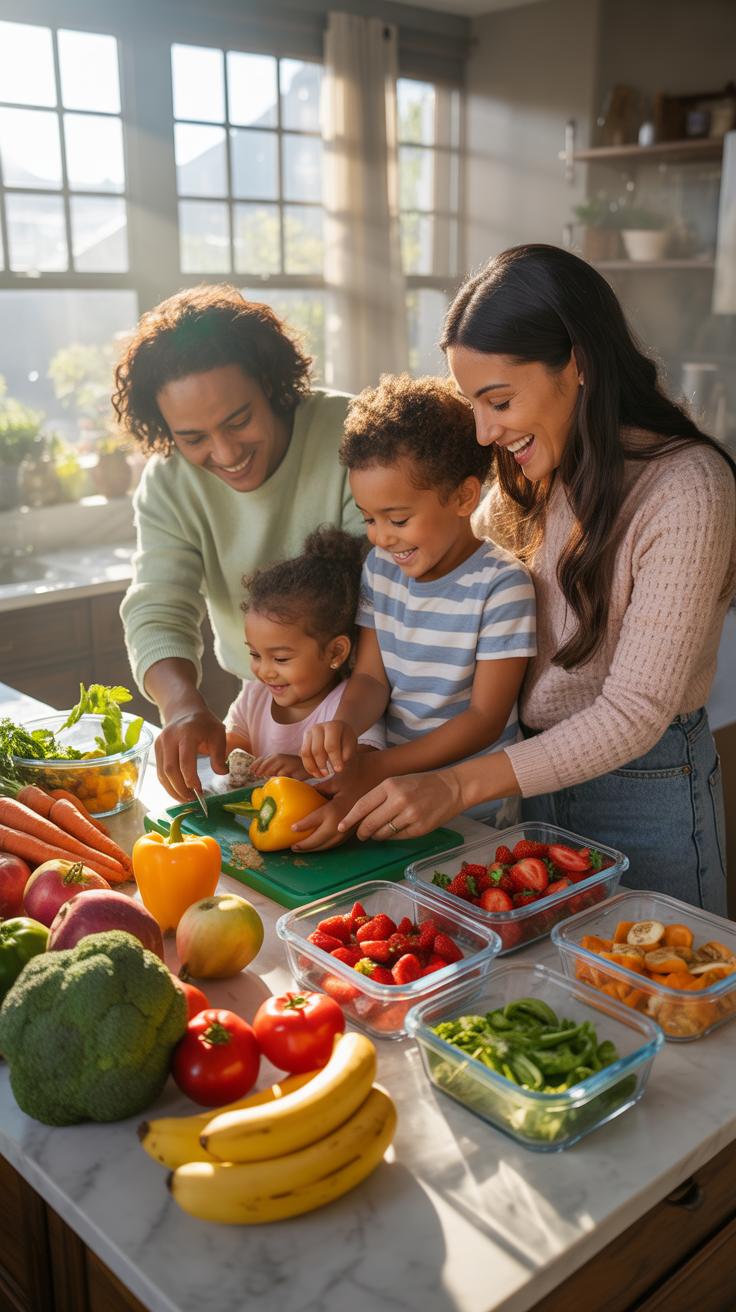
Family meal prep forces you to buy groceries with a specific purpose. You stop buying random items that do not create a full meal. Bulk purchasing becomes your primary tool for lowering costs. When you buy large quantities of staples like grains or proteins, the price per unit drops significantly. This strategy eliminates high-margin convenience foods from your weekly shopping list.

Prep work prevents expensive last-minute decisions. Most families overspend when they lack a clear dinner plan. This leads to ordering takeout or buying prepared meals at a premium price. By spending time on Sunday to prep, you lock in your costs for the week. You control every cent spent on ingredients. This systematic approach turns grocery shopping into a calculated business expense.
How Meal Prep Reduces Food Waste And Stretches Your Weekly Grocery Budget
Standard grocery shopping often leads to spoiled produce and expired meats. Meal prep solves this by assigning every ingredient to a specific dish. You process fresh items immediately after purchase. This extends the shelf life of your food. Cutting, blanching, or cooking vegetables prevents them from rotting in the crisper drawer. You maximize the utility of every dollar spent at the store.

Effective prep allows you to repurpose components across multiple meals. One large batch of roasted chicken serves as a main dish, taco filling, and salad topper. This cross-utilization ensures you use every scrap of food. You stop throwing money into the trash bin. Reducing waste effectively increases your food volume without increasing your spending. It is the most direct way to stretch a limited budget.
How To Build A Weekly Family Meal Prep Plan That Actually Works
Choosing The Right Meal Prep Day And Time Block For Busy Families
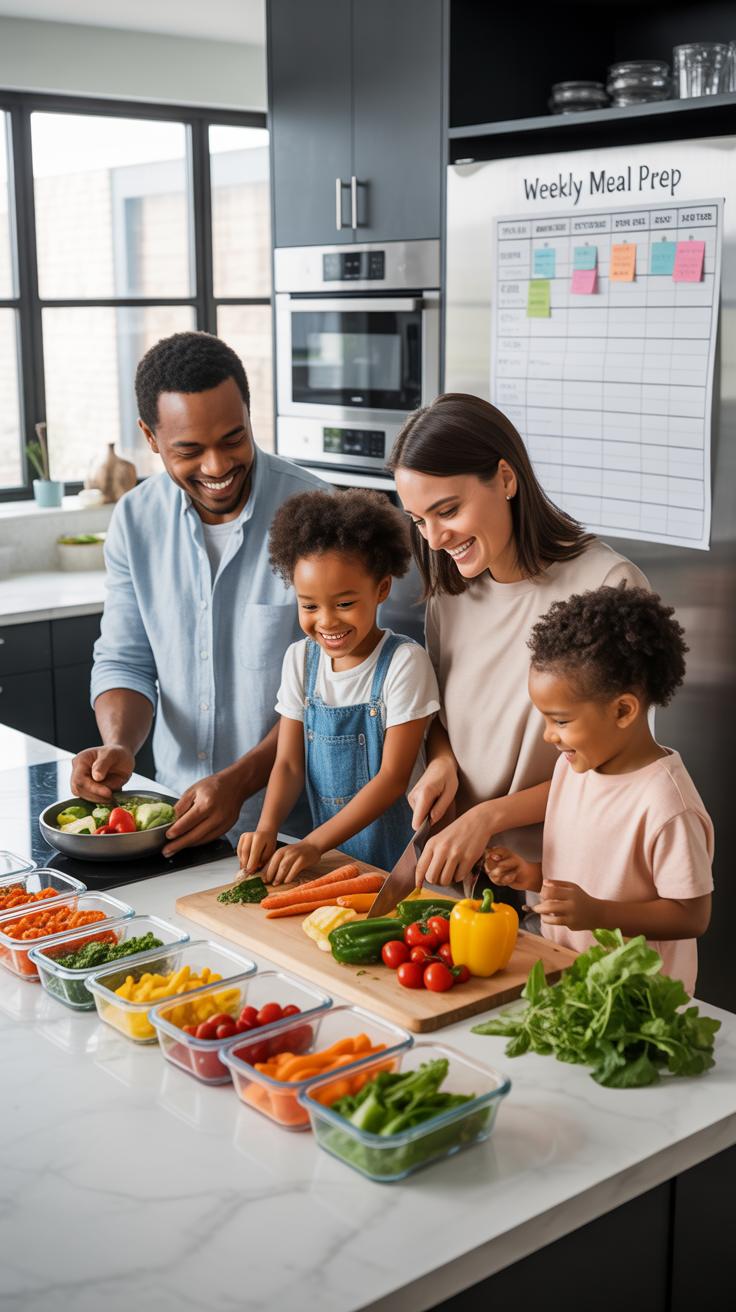
Effective family meal prep requires a fixed schedule. Most successful households select Sunday afternoons for bulk cooking. This timing prevents food from spoiling early in the work week. You should block exactly two to three hours for this task. Do not try to cook every meal. Focus on proteins and grains that take the longest to cook on busy weeknights.
Consistency builds a habit that reduces decision fatigue. If Sunday is busy, Saturday mornings offer a viable alternative. Early morning sessions avoid the distractions of mid-day family activities. Use this time for high-impact tasks like chopping vegetables or simmering sauces. Clear your counter space before you begin. A clean workspace speeds up your manual labor and prevents cross-contamination during the process.
How To Map Out A Full Week Of Family Meals Before You Shop
Strategic planning starts with a kitchen inventory. Check your pantry and freezer for existing staples before writing a list. Use these items as the foundation for your weekly menu. This method prevents duplicate purchases and lowers your total grocery bill. Plan for five main dinners and allow two nights for leftovers or simple pantry meals. This flexibility prevents food waste.
Write your plan based on your family calendar. Assign quick meals to nights with sports or late meetings. Save more complex recipes for evenings when you have extra help. Match your grocery list to the layout of your local store to save time. Group items by produce, meat, and dairy sections. This tactical approach ensures you buy only what you need to execute the plan.
Crockpot Food Prep Why The Slow Cooker Is A Budget FamilyS Best Friend
How Crockpot Food Prep Saves Energy, Time, And Money Compared To Stovetop Cooking
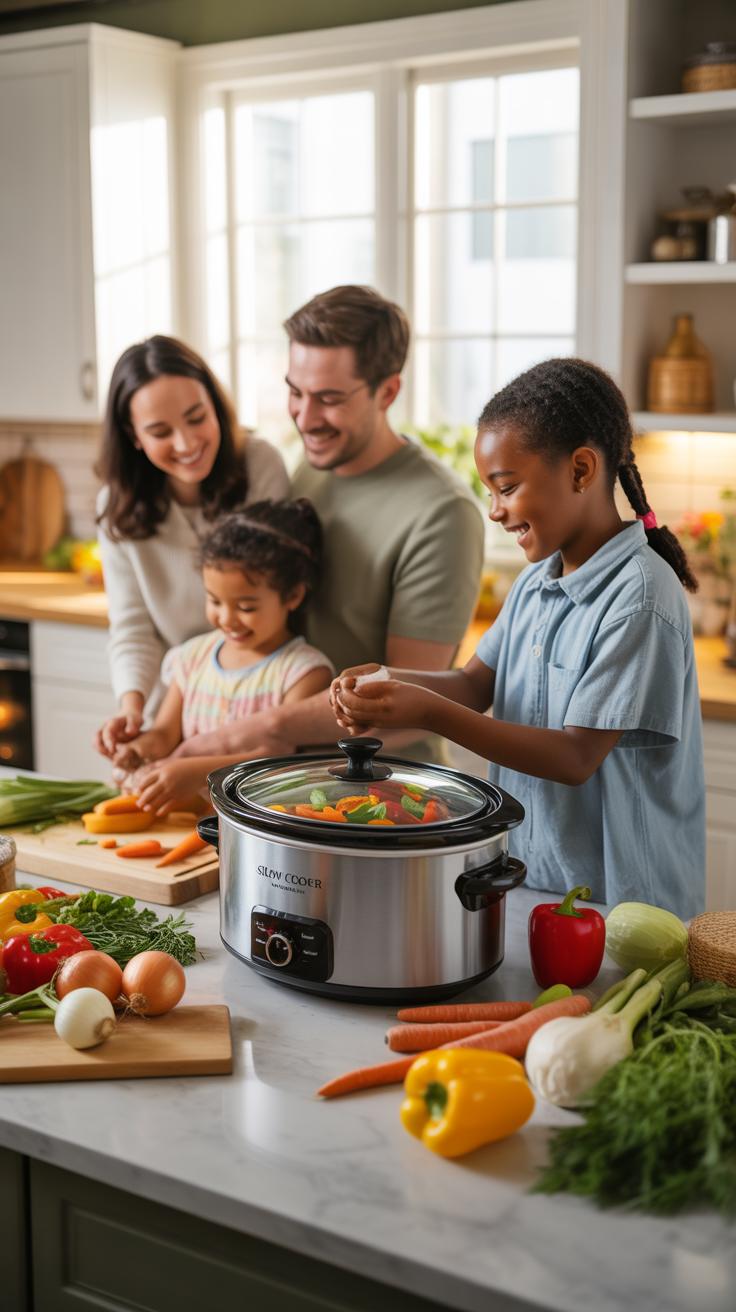
Slow cookers use less electricity than standard electric ovens or stovetops. A typical unit pulls about the same wattage as a few light bulbs. This lower draw reduces your monthly utility bill significantly over a year. You also avoid heating up your kitchen during the summer months. This keeps your air conditioning costs down while you prepare large batches of food.
Active labor time drops to nearly zero once you finish the initial chopping. You set the timer and walk away for several hours. This allows you to work or manage your family while the meal cooks itself. Consistency is a major financial benefit. Low heat prevents burning and scorching. You waste less food because the machine maintains a steady temperature that prevents human error.
What Types Of Budget Ingredients Work Best In A Slow Cooker For Large Families
Tough, cheap cuts of meat thrive in a slow cooker. Select pork shoulder, beef chuck roast, or chicken thighs for the best results. These cuts contain connective tissue that breaks down during the long cooking process. This turns inexpensive, chewy meat into tender protein that feeds many people. Buying these items in large packs further reduces your price per pound at the grocery store.
Dry beans and root vegetables are the most cost-effective additives for bulk cooking. Carrots, potatoes, and onions hold their shape well over eight hours. Dry beans require no pre-soaking in modern slow cookers, which saves you hours of preparation. These ingredients provide fiber and calories at a fraction of the cost of processed sides. Use them to stretch your protein further and fill up large families.
Meal Prep For The Week Family Crock Pot Recipes That Feed Everyone
Hearty Slow Cooker Soups And Stews That Serve Six Or More On A Tight Budget
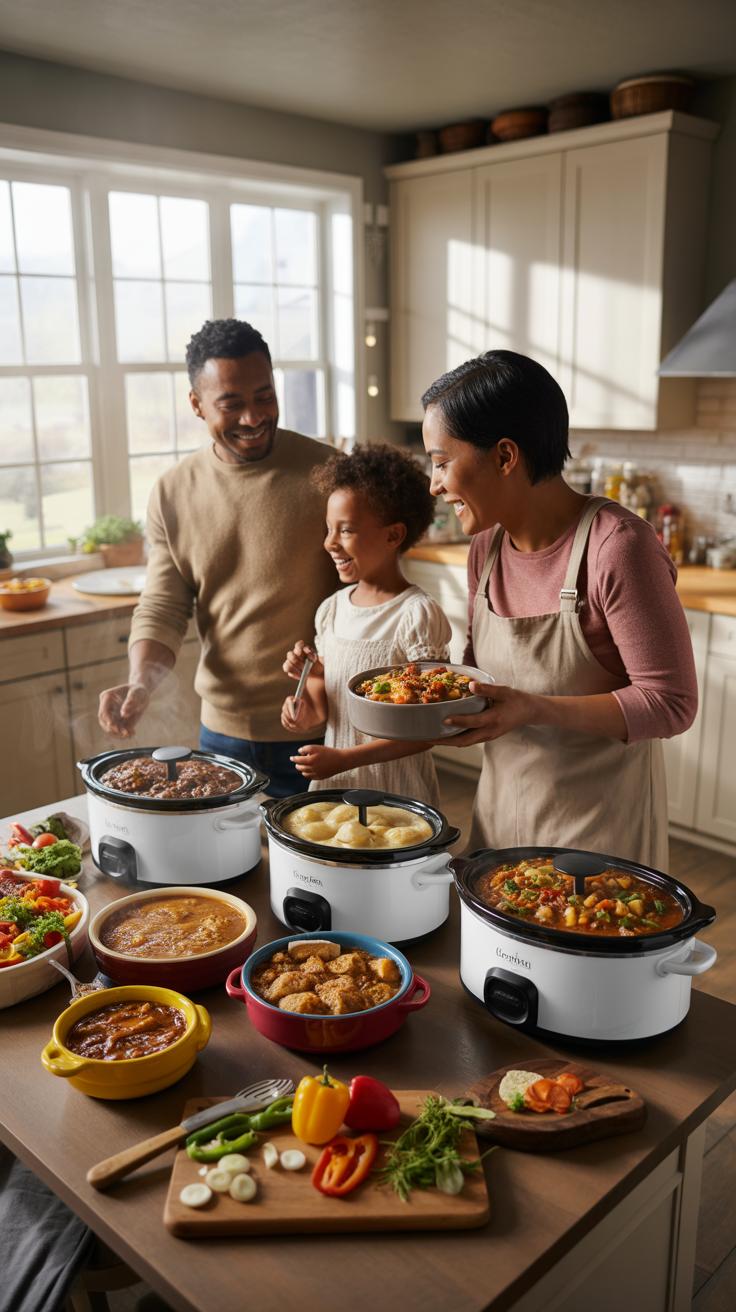
Slow cooker soups rely on cheap root vegetables and dried legumes to add bulk. Use potatoes, carrots, and onions as your structural base. These ingredients cost little per pound and withstand long cook times without losing texture. Dried beans provide high protein for pennies per serving compared to meat. Precise liquid ratios prevent thin results. Start with dry ingredients and add stock until covered.
Low heat settings preserve the nutritional integrity of the vegetables over eight hours. Searing cheap cuts of beef or pork before adding them to the pot improves the flavor profile through the Maillard reaction. This chemical process creates complex sugars that deepen the broth. Always deglaze your pan to capture these flavors. This method ensures six or more people eat well on a single bag of produce.
One Pot Crockpot Dinners That Double As Next Day Lunches For The Whole Family
Efficiency requires making more food than the family can eat in one sitting. Large batch recipes like chili or pulled pork utilize the full six-quart capacity of most standard slow cookers. These dishes maintain their quality when reheated the next day. The fat content in these meals keeps the protein moist during storage. Use airtight glass containers to prevent the food from drying out in the fridge.
Strategic meal prep uses the same base protein for different lunch configurations. Shredded chicken from the crock pot works for tacos at dinner and salad toppings for lunch. This approach eliminates the need for mid-week cooking. It reduces your total labor hours in the kitchen. Focus on high-yield recipes that fill the pot to the brim. This maximizes your energy use and your grocery budget for the entire week.
1 Hour Crockpot Meals Fast Family Dinners Without The Fuss
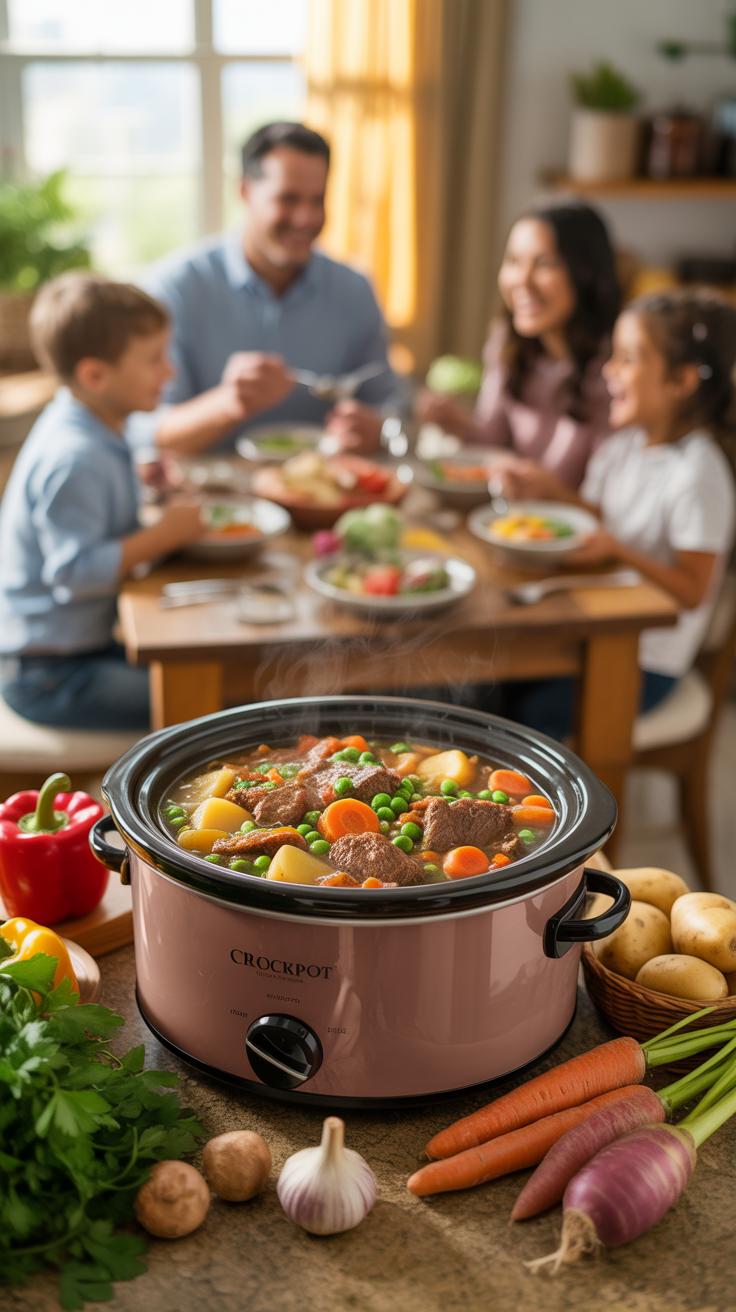
How To Use The High Heat Setting To Create 1 Hour Meals That Taste Slow Cooked
High heat on a crockpot reaches approximately 209 degrees Fahrenheit. This temperature mimics a gentle simmer on a stovetop. Most modern slow cookers reach this peak temperature within twenty to thirty minutes. To cook in one hour, you must preheat the ceramic insert. Pour boiling liquid directly into the pot to jumpstart the heat transfer process immediately. This tactical move saves critical time.
Cut ingredients into small, uniform pieces to maximize surface area. Small cubes of meat and thinly sliced vegetables absorb heat quickly. Keep the lid closed to trap steam and maintain constant pressure. Every time you lift the lid, the internal temperature drops drastically. Maintaining this seal ensures the food reaches a safe internal temperature within sixty minutes. This method delivers tender results similar to long braising.
The most beautiful things are not associated with money; they are memories and the smell of savory stews simmering on the stove.
Best Protein Rich Ingredients That Cook Quickly In A Slow Cooker For Budget Dinners
Ground meats and thin poultry cuts work best for sixty-minute sessions. Lean ground beef or turkey breaks down rapidly under high heat. These proteins provide essential amino acids for family nutrition at low prices. Avoid thick roasts or bone-in cuts which require four to eight hours for collagen breakdown. Stick to proteins that cook through fast. This strategy keeps your energy bill low and your schedule intact.
Red lentils and canned beans offer a cheaper alternative to animal proteins. These items are shelf-stable and heat up in minutes. They thicken sauces without the need for expensive creams or starches. Use canned tuna or salmon for quick seafood stews at the very end of the cycle. These budget-friendly options provide high protein density. Managing your ingredient choice is the fastest way to reduce cooking time and total cost.
Crockpot 3 Hour Meals The Sweet Spot For Weeknight Family Cooking
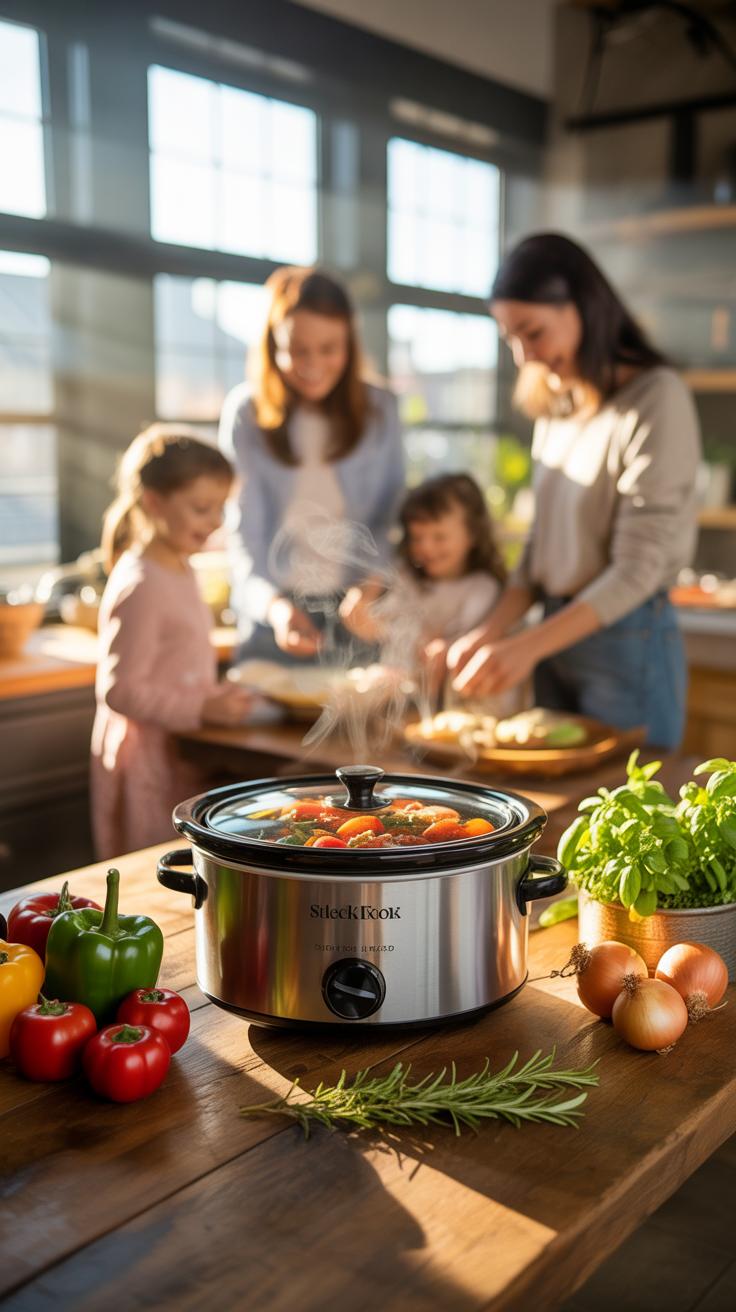
Why Crockpot 3 Hour Meals Are Ideal For After School Family Dinner Routines
Modern slow cookers feature a high heat setting that reaches simmering temperatures in roughly ninety minutes. This thermal efficiency allows for a three hour cooking window. Most families return home between four and five in the evening. Starting the crockpot immediately upon arrival ensures dinner is ready by seven. This timeframe fits perfectly between the end of the workday and the final evening meal.
Longer cook times of eight hours often turn lean proteins and vegetables into mush. The three hour window preserves the structural integrity of ingredients while ensuring food safety. It eliminates the need to prep ingredients at six in the morning before work. This abbreviated cycle works best for poultry and smaller cuts of meat. It provides a tactical advantage for busy parents managing tight weeknight schedules.
Affordable Crockpot 3 Hour Meal Ideas Using Pantry Staples And Seasonal Vegetables
Maximize your food budget by focusing on high volume ingredients like legumes and root vegetables. These items cost less per pound and provide essential fiber for growing families. Use the high heat setting to break down tough fibers without overcooking delicate sauces. Canned tomatoes and dried herbs serve as a low cost base for flavor. This strategy reduces reliance on expensive pre-made spice packets.
- Lentil and Root Vegetable Stew: Combine dry brown lentils with chopped carrots and potatoes in a vegetable broth base. This meal uses low cost staples that provide significant protein and complex carbohydrates. High heat over three hours fully softens the lentils while maintaining the bite of the root vegetables.
- Chicken Thighs with Cabbage: Place bone-in chicken thighs over a bed of shredded green cabbage and sliced onions. Cabbage is one of the most affordable seasonal vegetables available year-round. The chicken fat renders down to season the vegetables, creating a complete meal with minimal salt or expensive oils.
- Black Bean and Corn Chili: Use canned black beans, frozen corn, and diced tomatoes to build a filling vegetarian base. These pantry items stay shelf-stable for months and cost pennies per serving. The three hour window is sufficient to marry the flavors and thicken the sauce through natural starch release.
- Salsa Verde Chicken Tacos: Submerge chicken breasts in a jar of affordable salsa verde and diced green peppers. This two-ingredient base provides enough moisture to prevent the lean meat from drying out on high heat. Shred the meat after three hours for a high protein filling that feeds a large family.
- Pork Shoulder with Apples: Utilize smaller cuts of pork shoulder paired with seasonal apples and onions for a sweet and savory profile. Apples provide natural sugars that caramelize quickly during the short cooking cycle. This method turns a budget-friendly, tough cut of meat into a tender main dish by dinner.
Inventory your pantry before shopping to avoid duplicate purchases of spices and grains. Buy seasonal produce in bulk to lower the cost per serving for these recipes. Frozen vegetables offer the same nutritional value as fresh and often cost less during off-seasons. Proper portioning ensures that these three hour meals provide leftovers for lunch. This approach cuts your total weekly food spend while maintaining high nutritional standards.
Crockpot Food Prep Recipes Budget Friendly Dishes The Whole Family Will Eat
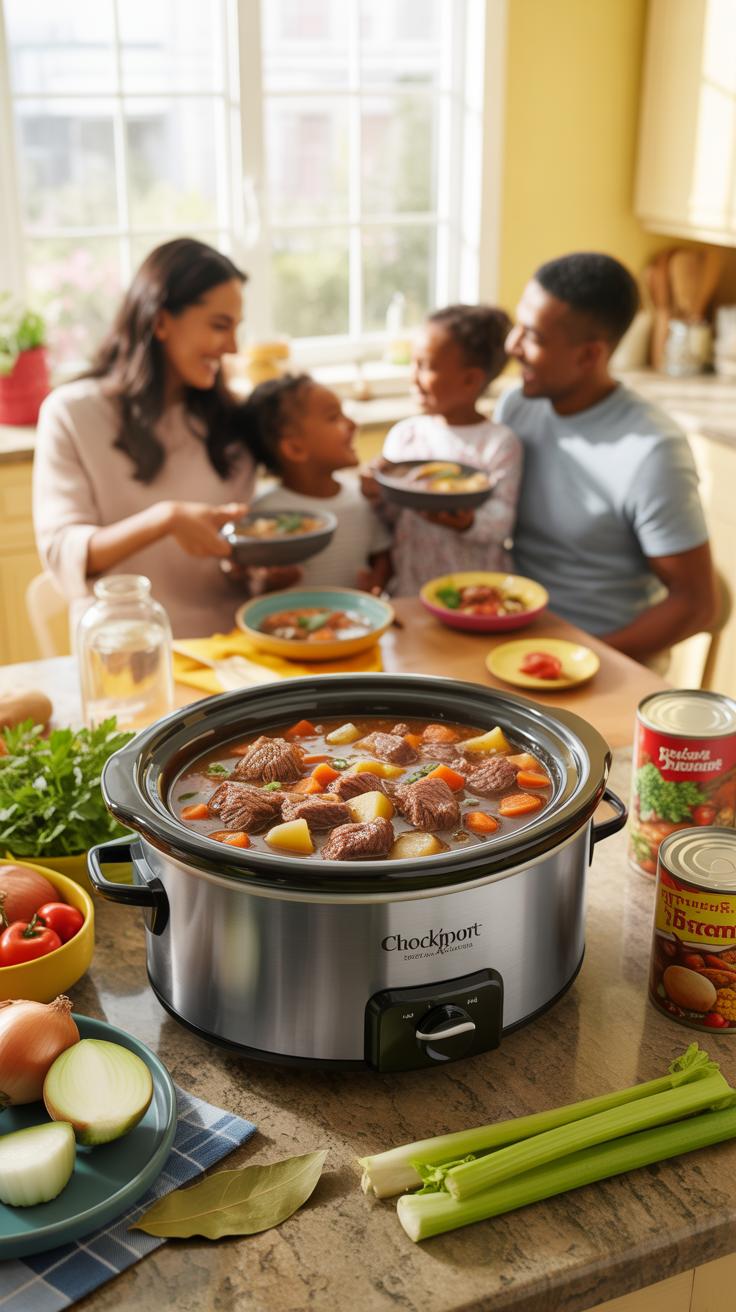
Slow Cooker Chicken And Rice: A Versatile Base Recipe That Feeds A Crowd Cheaply
Chicken thighs provide more fat and flavor than chicken breast at a lower cost per pound. Place four pounds of trimmed thighs into the pot with three cups of long grain white rice and six cups of chicken stock. Add salt, pepper, and garlic powder for a neutral flavor profile. Set the cooker to low for six hours to ensure the meat shreds easily.
This base allows for rapid meal customization throughout the week. Divide the finished batch into glass containers for storage. Add frozen peas or broccoli during the final thirty minutes of cooking to increase fiber without extra work. You can transform portions into burrito bowls by adding salsa or into a stir-fry by adding soy sauce. This method reduces food waste and ensures consistent nutrition for large families.
Bean Based Crockpot Food Prep Recipes That Are Nutritious, Filling, And Inexpensive
Dried beans offer the lowest cost per gram of protein available to consumers. Soak one pound of dried black beans or pinto beans overnight to reduce cooking time and improve digestion. Combine the soaked beans with one diced onion, three cloves of minced garlic, and seven cups of water. Cook on low for eight hours until the beans reach a creamy texture that satisfies heavy appetites.
Properly cooked beans serve as a foundational element for chili, stews, or tacos. Use a heavy hand with cumin and chili powder to build depth without expensive sauces. Batch cooking beans in the crockpot replaces high-sodium canned versions and saves significant money over a monthly budget. Store the cooked beans in their own liquid to prevent them from drying out during refrigeration or freezing.
Freezer Friendly Meal Ideas To Maximize Your Family Meal Prep Efforts
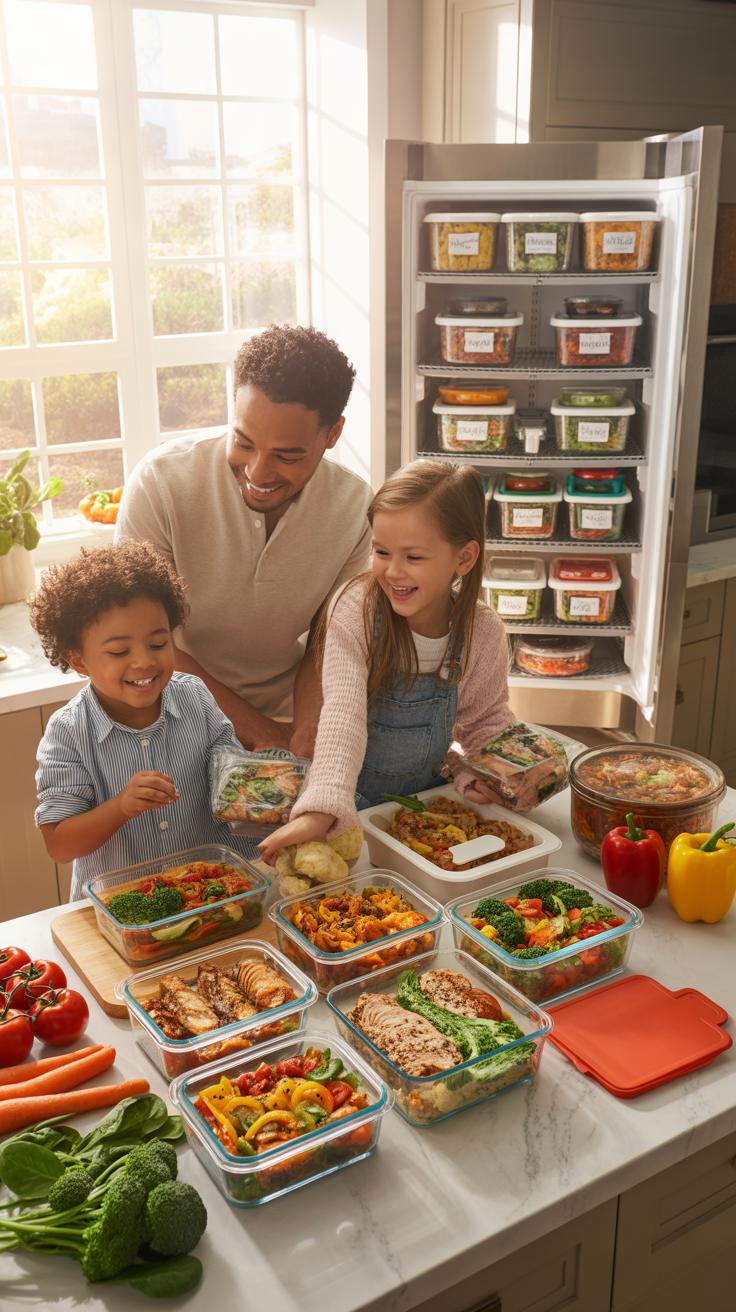
How To Safely Freeze Crockpot Meals And Maintain Quality For Up To Three Months
Raw ingredients in freezer bags save time and preserve texture. Place proteins at the bottom of the bag to ensure they stay submerged in liquid during the thaw. Squeeze out all excess air before sealing to prevent ice crystals from forming on the food surfaces. Label every bag with the specific date and cook time. These steps prevent freezer burn and keep flavors sharp.
Thaw your frozen bags in the refrigerator for twenty four hours before cooking. Never put rock solid frozen meat directly into a slow cooker because it stays in the bacterial danger zone too long. This temperature range between forty and one hundred forty degrees allows pathogens to grow. Maintain a consistent freezer temperature of zero degrees Fahrenheit. This practice preserves the structural integrity of vegetables and meats for ninety days.
Top Freezer Friendly Meal Ideas That Reheat Well For Busy Weeknight Dinners
Efficient meal prep requires choosing recipes that do not degrade when frozen. Starchy components like pasta and rice often turn mushy if overcooked before freezing. Underbake casseroles slightly so they finish cooking during the reheating process. Focus on high moisture dishes like stews and sauces. These items act as insulators and protect the proteins from drying out. Use heavy duty foil or vacuum seals for protection.
- Meat Lasagna: This dish uses thick pasta layers and heavy cheese to maintain structure. The sauce prevents the noodles from drying out during the second bake. It provides a dense calorie count for a low cost.
- Beef Chili: High liquid content and beans make this an ideal candidate for long term storage. The flavors often improve as they sit in the freezer. Reheat it on the stove to maintain the correct consistency and heat.
- Enchiladas: Corn tortillas hold up better than flour options when soaked in sauce. Freeze them in a single layer to prevent sticking. Use disposable aluminum pans to save time on cleanup and keep your glass bakeware free.
- Chicken Soup: Freeze the base liquid and vegetables but add fresh noodles during the final reheat. This method prevents the pasta from absorbing all the broth. It ensures a high quality texture that mimics a freshly made meal.
- Shepherds Pie: Mashed potatoes create a natural seal over the meat and vegetable filling. This barrier protects the lower layers from air exposure. It reheats evenly in the oven and provides a complete meal in one single container.
Portion control is the final step in successful freezing. Divide large batches into individual or family sized servings before they hit the ice. This tactic reduces waste because you only thaw what you intend to eat. Use square containers to maximize every inch of your freezer shelf space. Stackable bins allow for better airflow and faster freezing. Faster freezing creates smaller ice crystals and better food quality.
Smart Grocery Shopping Strategies To Support Your Family Meal Prep Budget

How To Shop In Bulk For Crockpot Prep Meals Without Overspending At The Store
Bulk buying only saves money when you stick to high-volume staples. Focus on proteins and hardy vegetables that survive the slow cooker environment. Buy large packs of chicken thighs, pork butts, or beef chuck when they hit their lowest price cycle. Divide these into portion-sized bags immediately after purchase. This prevents waste and ensures you only use what the specific crockpot recipe requires for that day.
Warehouse clubs lure shoppers into buying unnecessary items. Limit your bulk purchases to dry goods like lentils, beans, and rice that serve as meal bases. Check the unit price on the shelf tag to confirm the larger package actually costs less per ounce. Avoid buying perishable items in bulk unless you have a clear plan to process them within forty-eight hours. Discipline in the aisles protects your meal prep budget from impulse drain.
Using Seasonal Produce And Store Brands To Cut Weekly Food Costs For Families
Seasonal shopping reduces your grocery bill because supply is high. Farmers harvest crops like squash and root vegetables in fall, lowering their market price. Use these items for hearty stews and side dishes. Out-of-season produce carries high transportation costs that stores pass to you. Check the circular for loss leaders. These are items sold at a loss to get you into the store. Build your prep plan around them.
Store brands offer the same nutritional value as name brands for a fraction of the cost. Manufacturers often produce house brands in the same facilities as premium labels. Switch to generic canned beans, tomatoes, and frozen vegetables. These items are staples for family meal prep and offer significant savings over time. Audit your pantry to identify name brand items you can replace. Cutting these costs allows you to buy higher quality proteins.
Beginner Tips For Getting Started With Family Meal Prep On Any Budget
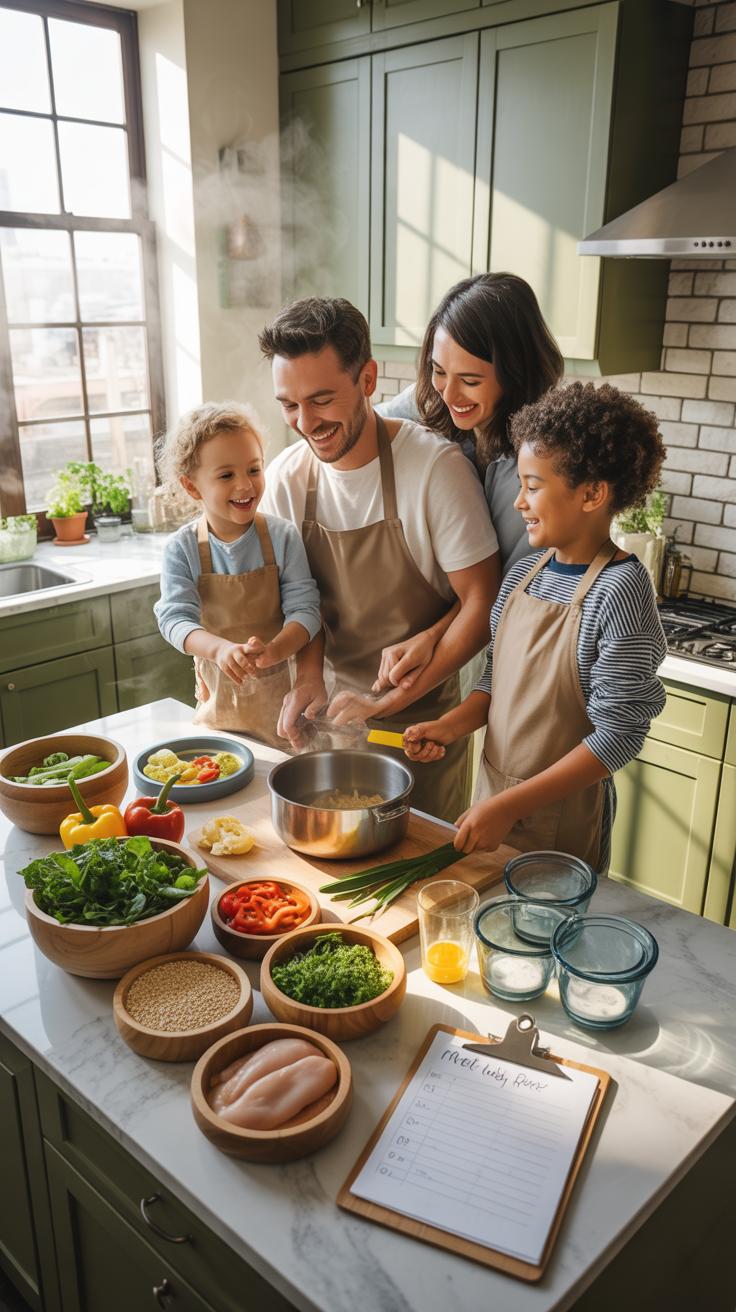
Essential Kitchen Tools That Make Budget Family Meal Prep Easier And More Efficient
Efficiency requires the right hardware to handle high volumes of food. A sharp chefs knife and a large cutting board are the most critical assets. High quality steel retains its edge and prevents fatigue during heavy chopping sessions. You also need uniform storage containers. Matching sets stack better in the fridge and save space. Glass containers last longer than plastic and work in the oven.
A large sheet pan and a heavy stockpot enable batch cooking. Roasting multiple vegetables at once saves time and electricity. Large pots allow you to double or triple recipes for soups and stews. These items are durable investments that reduce the need for expensive convenience foods. Look for cast iron or stainless steel for longevity. Proper tools reduce friction and ensure your meal prep remains a sustainable habit.
How To Gradually Build A Meal Prep Routine That The Entire Family Can Stick To
Start small to avoid burnout. Most families fail because they try to prep a full week of meals on day one. Begin by prepping just one category like breakfast or school lunches. This builds muscle memory and proves the value of the system without overwhelming your schedule. Routine relies on consistency over intensity. Master one small win before adding more complexity to the plan.
Involve the family in the selection process to ensure buy in. Use a shared digital calendar or a physical board to display the weekly menu. This removes the mental load of daily decision making. Assign specific tasks like washing produce or portioning snacks to children. When everyone participates the workload decreases and the routine becomes a shared household standard. Stick to a set time each week for maximum success.
Frequently Asked Questions

How do I start family meal prep if I have a busy schedule?
Starting is simpler than it seems. Begin by choosing just two or three recipes to prepare in bulk over the weekend. Focus on versatile proteins and grains that you can mix and match throughout the week. This initial step into family meal prep reduces daily kitchen stress and ensures everyone has a nutritious dinner ready, even on your most hectic weeknights when cooking from scratch feels impossible.
What is the best way to keep prepped meals fresh all week?
Consistency in storage is the secret to success. Invest in a set of airtight glass or BPA-free plastic containers to maintain flavor and texture. For effective family meal prep, portion out individual servings immediately after cooking. Store heartier items like stews in the freezer and keep crisp salads or roasted vegetables in the coldest part of your refrigerator, ensuring your hard work stays delicious for up to five days.
Is it possible to meal prep for a large family without overspending?
Absolutely. The key is prioritizing seasonal produce and buying pantry staples like beans, rice, and oats in bulk. Plan your menu around what is currently on sale at your local grocery store and embrace “meatless Mondays” to lower costs. By focusing on whole, unprocessed ingredients and minimizing food waste through careful planning, you can feed a crowd nutritious, homemade meals while staying well within your monthly household budget.