
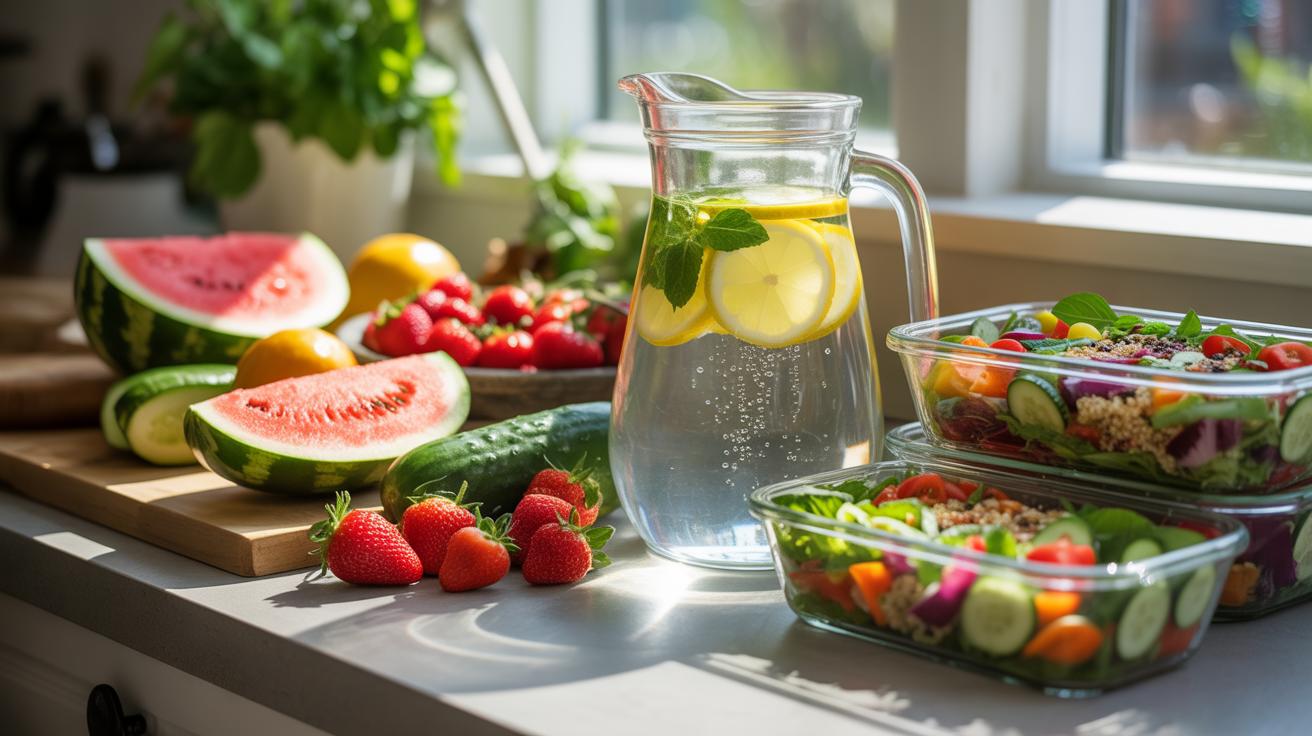
Why Summer Meal Prep Ideas Are The Secret To A Healthy Summer
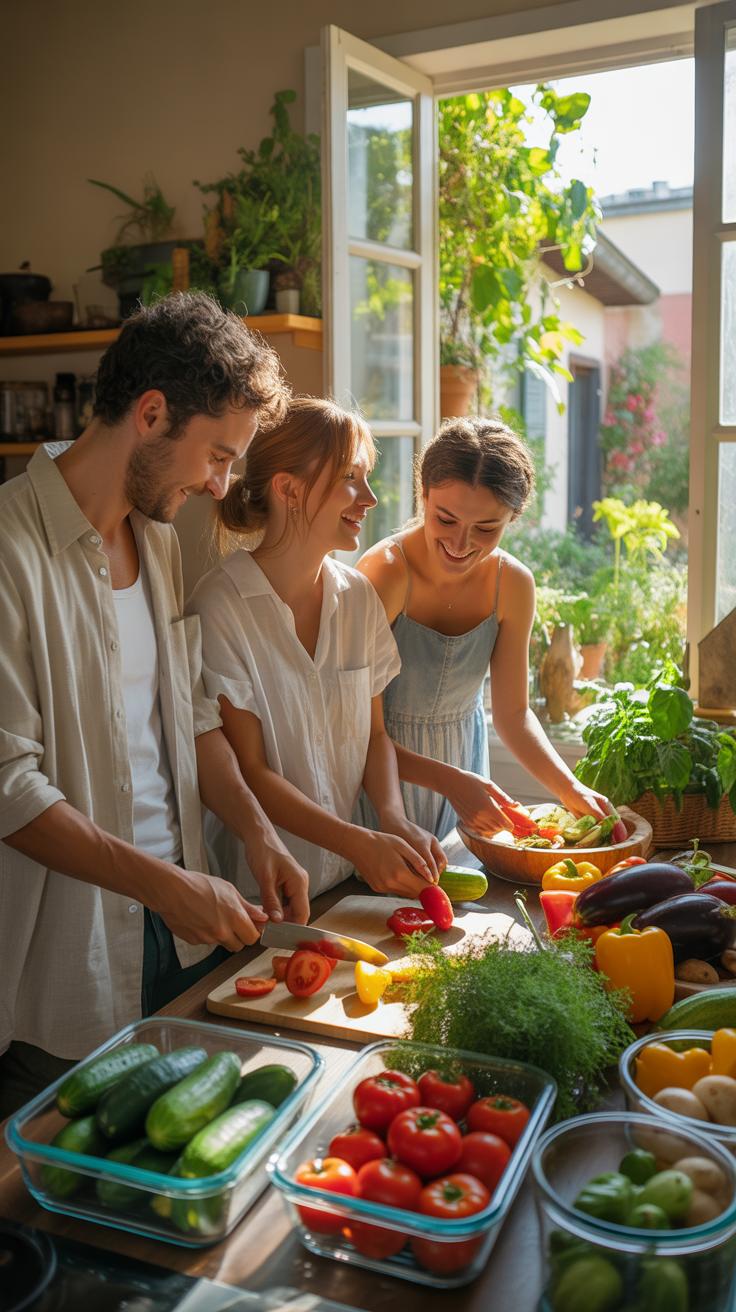
How Meal Prepping Helps You Avoid Unhealthy Convenience Foods In The Heat
High temperatures reduce your desire to cook over hot stoves. This physical discomfort often leads to an overreliance on processed convenience foods or salt-heavy takeout. These options provide immediate relief but sabotage your nutritional goals. Effective summer meal prep ideas eliminate this decision fatigue. You remove the temptation to order fast food by having chilled, nutrient-dense meals ready in your refrigerator.
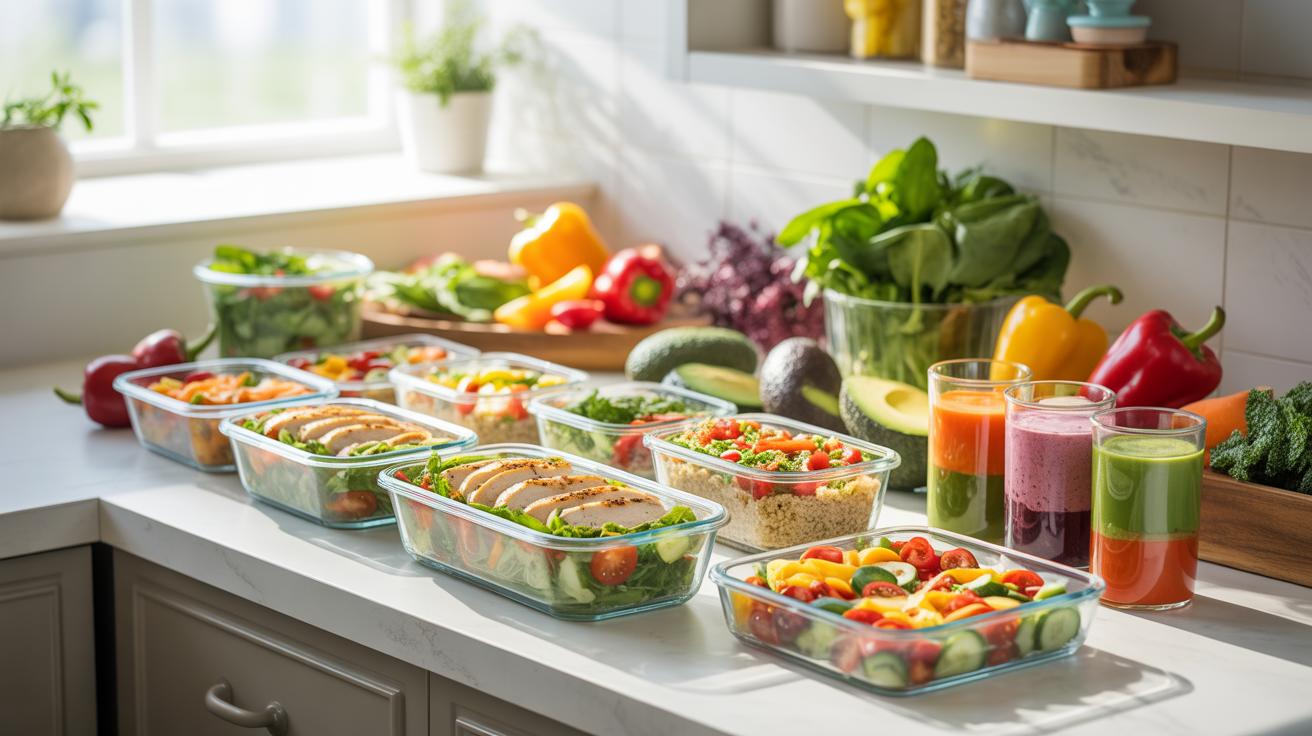
Strategic preparation focuses on ready-to-eat proteins and raw vegetables. These ingredients require zero heat during the final assembly. By preparing food during cooler morning hours, you maintain a consistent diet without heating your living space. This control over your environment and food source prevents the common cycle of summer weight gain. You stick to your health plan because the easiest option is also the healthiest.
The Time And Energy You Save By Planning Meals Around Summer Schedules
Summer schedules are unpredictable and often favor outdoor activities or travel. You waste valuable daylight hours when you decide what to eat at the last minute. Batching your food preparation into a single session recovers hours of personal time every week. You stop spending every evening in the kitchen. This efficiency allows you to focus on rest and recovery during long, hot days.
Planning your meals around seasonal availability also reduces the energy spent on grocery trips. You buy what you need in bulk and process it immediately. This tactical approach saves physical energy by minimizing frequent store visits in high heat. You optimize your kitchen workflow and reduce food waste simultaneously. Efficient planning ensures you spend your peak summer hours enjoying the season instead of managing your pantry.
Building A Healthy Summer Meal Prep Plan That Actually Works
How To Choose Ingredients That Stay Fresh Longer In Warm Weather
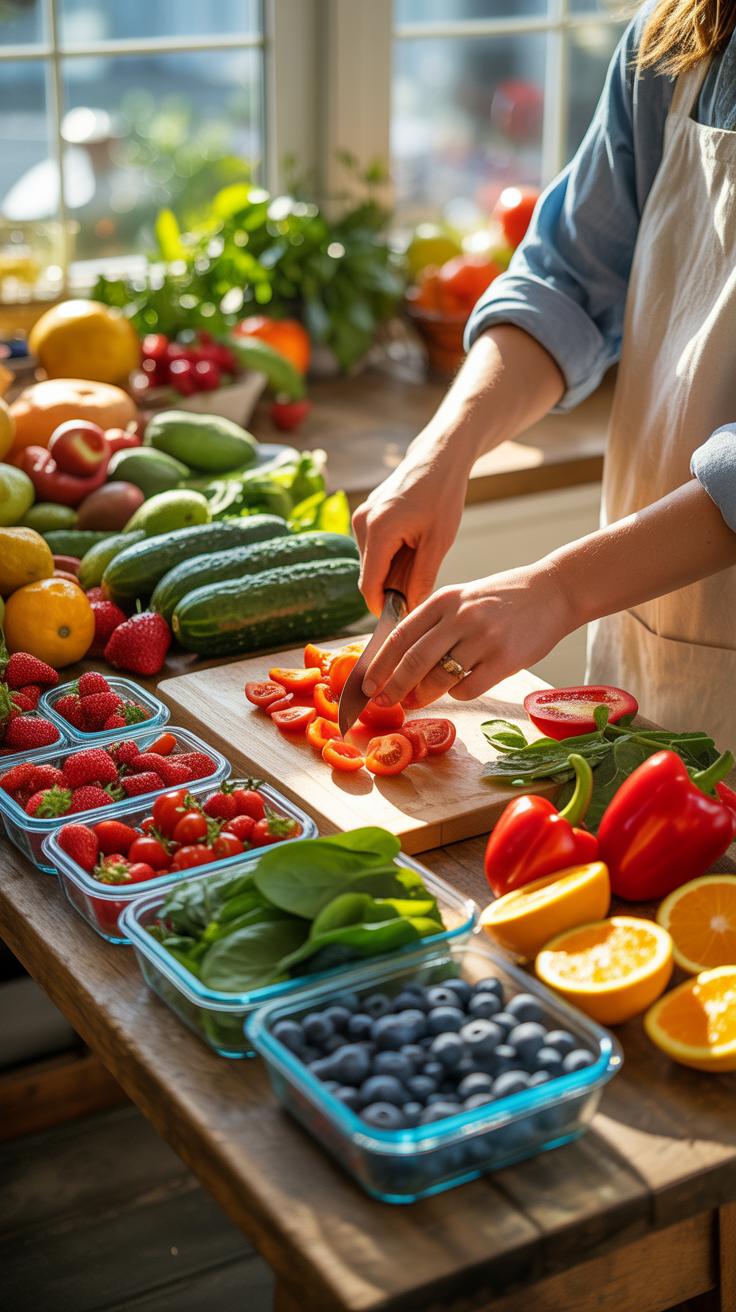
Temperature and moisture control determine the shelf life of summer foods. Choose sturdy vegetables like bell peppers, carrots, and cabbage over delicate leafy greens. These items resist wilting and maintain structural integrity in high humidity. Select proteins with low water content to prevent rapid bacterial growth. Dry-aged cheeses and cured meats last longer than soft varieties. Hardier fruits like citrus and apples outperform berries and stone fruits during transport.
Storage techniques must match your ingredient choices to stop spoilage. Use vacuum-sealed containers to remove oxygen and slow oxidation. Keep acidic dressings separate until consumption to prevent produce from softening. Store root vegetables in cool, dark spots rather than direct sunlight. Research confirms that refrigeration below forty degrees Fahrenheit is critical for safety. High-water content foods like cucumbers require rapid rotation to avoid texture loss in heat.
Setting Up A Weekly Prep Schedule That Fits Your Summer Lifestyle
Efficiency requires a rigid schedule that accounts for rising temperatures. Complete all heavy cooking during the early morning hours to keep your living space cool. Heat generation from ovens and stove tops peaks by midday. Focus on thermal efficiency by preparing bulk batches of grains like quinoa or farro once per week. This approach limits energy use and keeps your kitchen temperature stable during the hottest afternoon hours.
Organize your preparation by shelf life rather than meal type. Process highly perishable items like seafood and berries for consumption within the first forty-eight hours. Reserve robust items like roasted poultry and root vegetables for later in the week. Check your inventory every three days to rotate stock. This tactical review prevents waste and ensures you always eat the freshest items. Consistency in your routine eliminates decision fatigue.
No Cook Summer Recipes To Minimize Kitchen Heat
Cold Protein Packed Dishes You Can Assemble Without Turning On The Stove
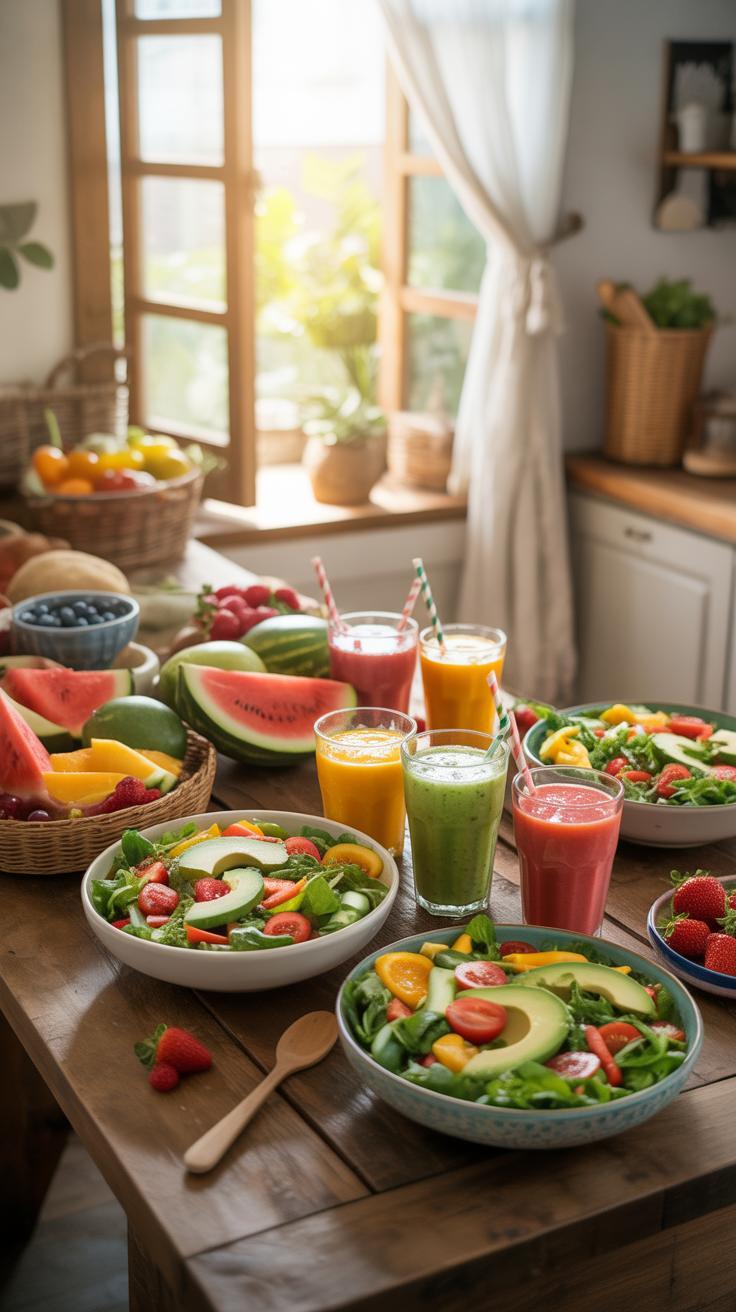
Strategic meal prep requires utilizing pre-cooked or cured proteins to avoid stove heat. Rotisserie chicken, canned legumes, and smoked fish offer immediate nutrition without temperature increases. You must focus on high-density proteins that hold texture while chilled. These ingredients allow for rapid assembly during peak heat hours. Professionals use these components to maintain a cool internal environment while hitting daily macro goals.
Combine these proteins with acidic dressings to prevent spoilage and enhance flavor profiles. Use Greek yogurt or tahini for creamy bases instead of egg-based dressings in extreme heat. These stable fats provide satiety and keep the kitchen temperature low. You should portion these components into airtight glass containers immediately. This workflow ensures food safety and preserves the textural integrity of the meat and plant proteins.
The simple act of preparing cooling summer salads is a way of holding onto the sun while keeping the kitchen’s warmth at bay. Meal prep is the art of making time for more golden hours under the evening sky.
— Alice Waters
Refreshing Grain Bowls And Wraps That Require Zero Cooking
Zero-cook grain bowls utilize parboiled or precooked grains available in vacuum-sealed pouches. Canned chickpeas, pre-steamed lentils, and soaked couscous serve as the structural base for these meals. You save time and energy by removing the boiling process entirely. Focus on moisture-rich vegetables like cucumbers and radishes to add crunch. These ingredients provide hydration and essential nutrients without requiring any thermal processing or kitchen stovetop use.
Large collard greens or whole-grain tortillas serve as functional vessels for cold fillings. Use hummus or nut butters as a moisture barrier to prevent soggy wraps during storage. This technique keeps the meal portable and fresh for several days. Roll these wraps tightly and store them in parchment paper to maintain structural tension. This method is the most efficient way to prepare high-volume meals while keeping your living space cool.
Healthy Lunch Meal Prep Containers And Storage Tips For Summer

Best Containers For Keeping Prepped Meals Fresh And Safe In The Heat
High temperatures accelerate food spoilage and bacterial growth. Selecting the right storage material determines how long your summer meal prep ideas stay edible. Glass and high-grade silicone offer the best thermal stability and chemical safety. These materials do not leach toxins when exposed to heat or sunlight. You need airtight seals to prevent moisture loss and cross-contamination during transport.
- Borosilicate Glass: This material withstands extreme temperature changes better than standard soda-lime glass. Use it for meals that require reheating or moving from a cold fridge to a hot environment. It is non-porous and will not absorb odors from pungent summer ingredients like onions or garlic.
- Stainless Steel Tiffin Boxes: These containers provide superior durability for outdoor use and transit. They block light completely which preserves light-sensitive vitamins in fresh produce. While not microwave-safe, they conduct cold efficiently when placed inside an insulated bag with ice packs to maintain safe temperatures.
- BPA-Free Plastic with Latched Lids: Lightweight plastic is ideal for dry snacks or cold salads. Ensure the lids have silicone gaskets and snap-latches to create a true airtight environment. This prevents oxygen from wilting leafy greens or oxidizing sliced fruits like apples and avocados during the day.
- Vacuum Sealed Bags: Removing air is the most effective way to stop oxidation and freezer burn. Use these for bulk protein prep like grilled chicken or steak. This method extends the life of cooked meats by several days and saves significant space in crowded refrigerators or coolers.
- Insulated Silicone Pouches: These flexible containers are perfect for snacks and small portions. They are leak-proof and can move from the freezer to a lunch bag easily. The thick walls provide an extra layer of insulation against ambient heat compared to thin disposable plastic bags.
Organization within the container also impacts food quality. Use bento-style dividers to keep wet ingredients away from dry components. Stacking heavy items at the bottom prevents delicate greens from crushing. Ensure all containers are completely dry before filling them to prevent mold growth. Smart container choices turn a basic lunch into a tactical advantage against the summer heat and humidity.
How Long Summer Meal Preps Safely Last In The Refrigerator
Standard food safety guidelines dictate a strict timeline for refrigerated leftovers. Most cooked proteins and grains stay safe for three to four days at 40 degrees Fahrenheit or lower. Raw vegetables and fruits have varying lifespans depending on their water content. You must track storage dates to avoid foodborne illness. Bacterial counts double every twenty minutes in the danger zone between 40 and 140 degrees.
Proper cooling techniques extend the shelf life of your summer meals. Never put steaming hot food directly into a sealed container. This creates condensation that leads to soggy textures and rapid spoilage. Spread hot items on a sheet pan to cool quickly before portioning them into containers. Use a thermometer to verify your refrigerator stays at the correct temperature. Consistent cold is your primary defense against summer food waste.
Lunch Salad Recipes To Work That Hold Up All Week Long
How To Layer Salads So They Stay Crisp And Fresh For Days
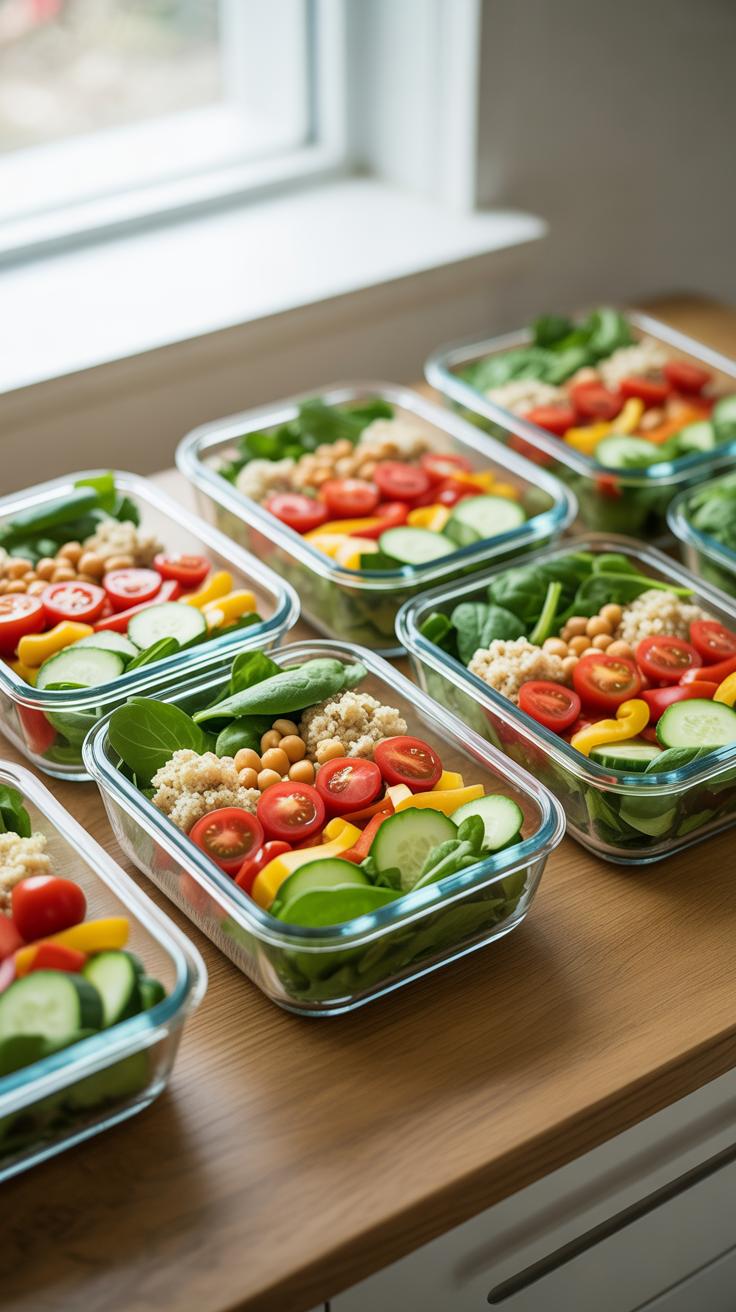
Vertical layering prevents moisture from ruining leaf texture. Use glass quart jars for the best seal and structural integrity. Place heavy liquid dressing at the very bottom. Add hard vegetables like carrots, cucumbers, or radishes next. These act as a waterproof barrier. They can sit in the dressing without losing their crunch or flavor during the work week.
Stack softer items above the hard vegetable layer. Add grains, beans, or pasta next to absorb any stray moisture. Place protein in the middle section to keep it cool and separate from the greens. Pack leafy greens like spinach or kale at the very top. Ensure the greens remain far from the dressing. This method extends shelf life for five full days.
Protein And Dressing Combinations That Make Work Salads Satisfying And Nutritious
Pair dense proteins with acidic dressings to maintain food safety and flavor. Use grilled chicken breast with a lemon herb vinaigrette for classic lean energy. Swap chicken for chickpeas or black beans to increase fiber content. These plant proteins resist spoilage better than meat in high summer heat. Acid in the dressing acts as a mild preservative for the cut vegetables.
Balanced salads require healthy fats to ensure nutrient absorption. Combine sliced steak or hard-boiled eggs with a tahini or olive oil base. Avoid cream-based dressings like ranch or blue cheese for long-term storage. These often separate or spoil quickly when out of refrigeration. Use high-protein Greek yogurt as a stable substitute if you prefer a creamy texture. This keeps your lunch safe and filling.
Healthy Food Dishes That Are Perfect For Summer Batch Cooking
Light And Nutritious Dishes You Can Cook Once And Eat Throughout The Week
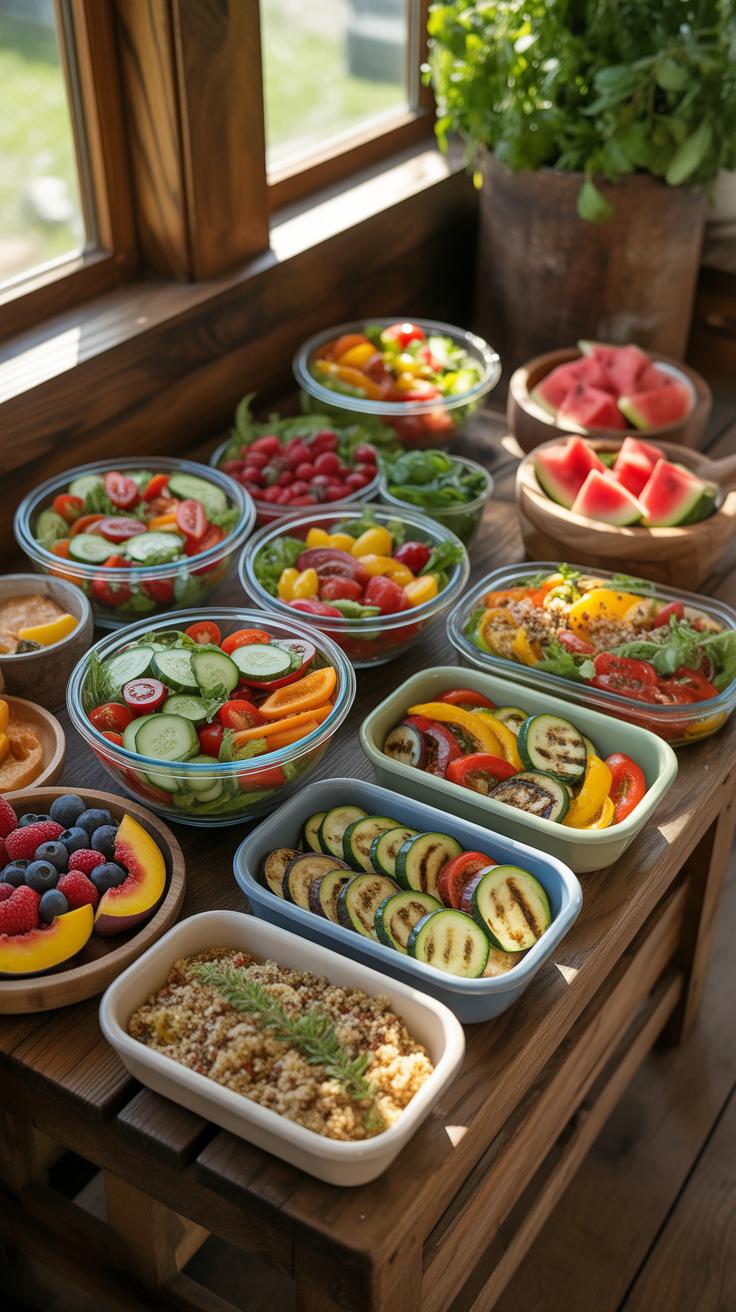
Smart summer meal prep centers on proteins that remain palatable when served cold or at room temperature. Poached chicken breast and grilled shrimp offer lean protein without heavy fats that congeal in the fridge. Consuming these items cold avoids using the microwave, which keeps your kitchen temperature low. These proteins integrate easily into salads or wraps later in the week to maintain variety.
Focus on hardy grains like farro, quinoa, or brown rice for your base. These grains hold their structural integrity better than pasta when stored in vinaigrettes. Prepare a large batch on Sunday evening and store it in airtight containers. You can mix these grains with beans or lentils to increase fiber content. This strategy ensures you have a reliable foundation for quick assembly during high-heat days.
How To Use Seasonal Summer Produce To Maximize Flavor And Nutrition
Summer produce reaches its peak nutrient density during the solstice months. Tomatoes, cucumbers, and bell peppers contain high water content to assist with hydration. Harvest these vegetables at their peak to ensure natural sugars are fully developed. This reduces the need for added sweeteners in your dressings. Raw preparation preserves heat-sensitive vitamins like Vitamin C and various antioxidants that degrade during cooking.
Maximize efficiency by processing all raw vegetables immediately after purchase. Slicing and dicing produce for the entire week reduces total kitchen time. Store cut vegetables with a damp paper towel to maintain crispness and prevent oxidation. Use acidic components like lemon juice or apple cider vinegar to keep fruits and vegetables from browning. These small tactical adjustments extend the shelf life of your prepared summer meals.
Summer Lunch Ideas That Keep You Energized Without Weighing You Down
Why Lighter Midday Meals Help You Stay Productive During Hot Summer Days
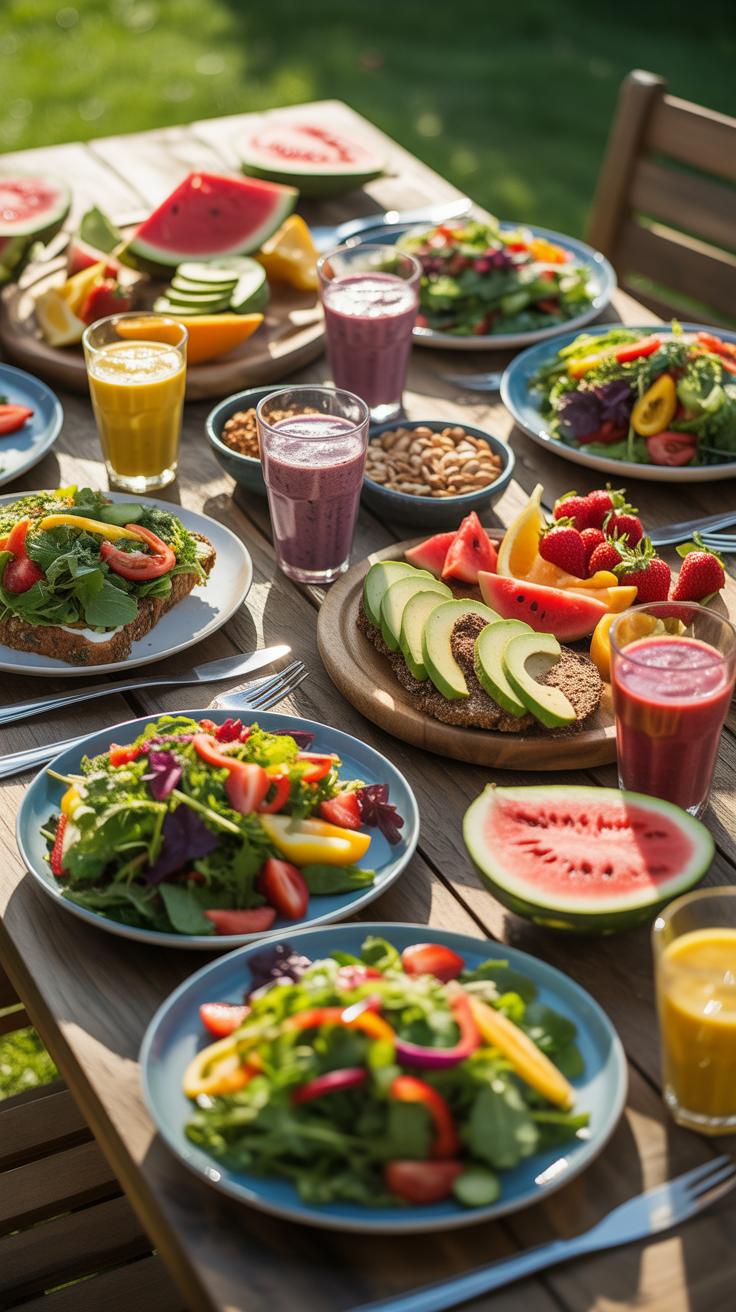
High temperatures force the body to work harder to maintain its internal temperature. Heavy meals require significant blood flow to the digestive system. This process diverts energy away from the brain and muscles. Large amounts of fat and complex proteins generate thermic heat during breakdown. This internal heat increases your physical discomfort. Staying productive requires minimizing this digestive strain during peak afternoon heat.
Lighter meals stabilize blood sugar levels throughout the afternoon. Heavy lunches often cause an insulin spike followed by a crash. This crash leads to brain fog and fatigue. By choosing lean proteins and raw vegetables, you keep your metabolism efficient. You avoid the lethargy common in tropical climates or summer heatwaves. Focus on portion control and easy to digest ingredients to maintain high mental alertness and physical speed.
Hydrating Foods To Incorporate Into Your Summer Lunch Meal Prep Routine
Hydration involves more than drinking plain water. Many fruits and vegetables possess water content exceeding ninety percent. These foods provide essential electrolytes and minerals that stabilize your hydration levels. Incorporating cucumbers, celery, and radishes into your meal prep adds necessary fluids to your diet. These ingredients require zero cooking time. This prevents you from heating up your kitchen during the preparation process.
Strategic meal prep focuses on high moisture produce to offset sweat loss. Zucchini and bell peppers offer crisp textures while delivering vitamins. These items store well in airtight containers for several days. Using these ingredients ensures you maintain peak physical performance without feeling bloated. Effective summer lunch strategies replace heavy starches with water dense plants. This approach maximizes nutrient intake while keeping your body cool and functional.
Meal Prep For The Week A Complete Summer Day By Day Breakdown
How To Structure A Full Week Of Summer Meals From A Single Sunday Prep Session
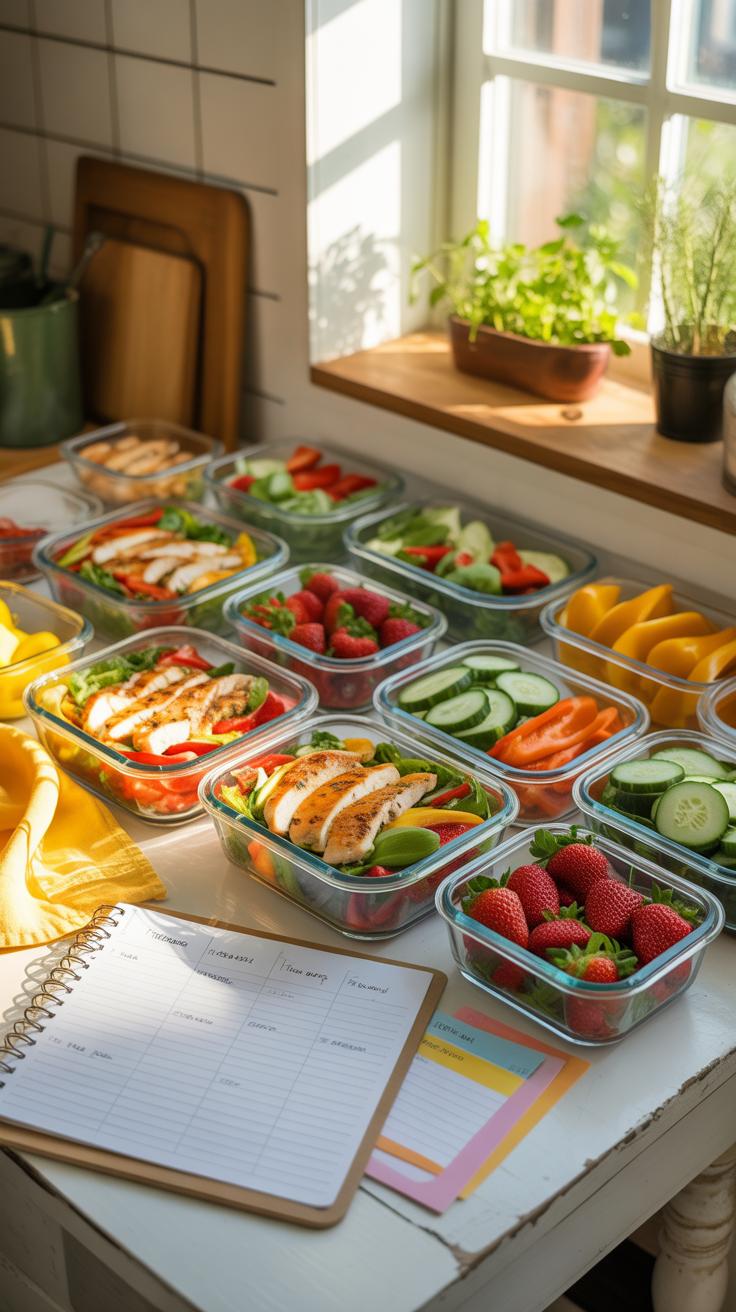
Maximize efficiency by front-loading all heat-heavy tasks on Sunday morning. You must boil grains, grill proteins, and roast any hearty vegetables before the midday sun peaks. Using your stove once reduces cumulative kitchen heat throughout the week. Wash and dry all greens immediately to prevent rot. Store cleaned produce in airtight containers with dry paper towels to manage moisture levels effectively.
Strategic cooling is the next step for food safety and flavor retention. Transfer cooked items to shallow containers so they reach safe temperatures quickly. Label every container with the date and contents to eliminate midweek decision fatigue. Organizers should place the most perishable items, like berries and seafood, at the front for early consumption. This system ensures you only use the microwave or assembly methods on workdays.
Mixing And Matching Prepped Ingredients To Avoid Eating The Same Meal Every Day
Strategic prep relies on modular components rather than fixed recipes. You create five distinct meals from three main protein and grain bases. This method prevents palate fatigue while maintaining nutritional consistency. It also reduces food waste because you use every scrap of prepped produce. Adjusting the flavor profile through different cold sauces allows the same ingredient to fit multiple global cuisines throughout the week.
- Acid-Based Dressings: Use lemon, lime, or vinegars to brighten prepped proteins like chicken or shrimp. These acids break down tough fibers and provide a refreshing contrast to heavy summer heat. Keep these in separate jars until the moment of service to maintain vegetable crunch.
- Grain Base Rotation: Alternate between quinoa, farro, and cold rice noodles to change the texture of your bowls. Quinoa works for Mediterranean flavors while rice noodles support cold Asian salads. This variety ensures your mouthfeel changes even if your vegetable mix stays the same.
- Crunchy Toppings: Store toasted seeds, nuts, and dry chickpeas in a cool pantry. Adding these at the last second orients the dish toward a fresh experience. These fats provide satiety and prevent the meal from feeling like a standard, soggy leftover container.
- Fresh Herb Finishing: Keep parsley, cilantro, and mint in a glass of water like a bouquet. Do not chop them until you are ready to eat. Freshly torn herbs release volatile oils that mask the muted flavors common in refrigerated foods.
- Pickled Elements: Prepare quick-pickled onions or radishes on Sunday to add sharp bites to any meal. The vinegar and salt content acts as a palate cleanser between bites of dense protein or starchy grains. This technique adds professional-level complexity with very little active labor.
Balance your macros by pairing cold starches with high-moisture vegetables like cucumbers and bell peppers. This hydration helps regulate body temperature during high heat months. If a meal feels repetitive, change the physical format instead of the ingredients. Turn a Mediterranean bowl into a wrap or a chopped salad into a cold soup base. These tactical pivots keep your summer diet sustainable without requiring additional cooking time.
Healthy Lunch Swaps And Smart Substitutions For A Lighter Summer Menu
Simple Ingredient Swaps That Cut Calories Without Sacrificing Taste Or Satisfaction
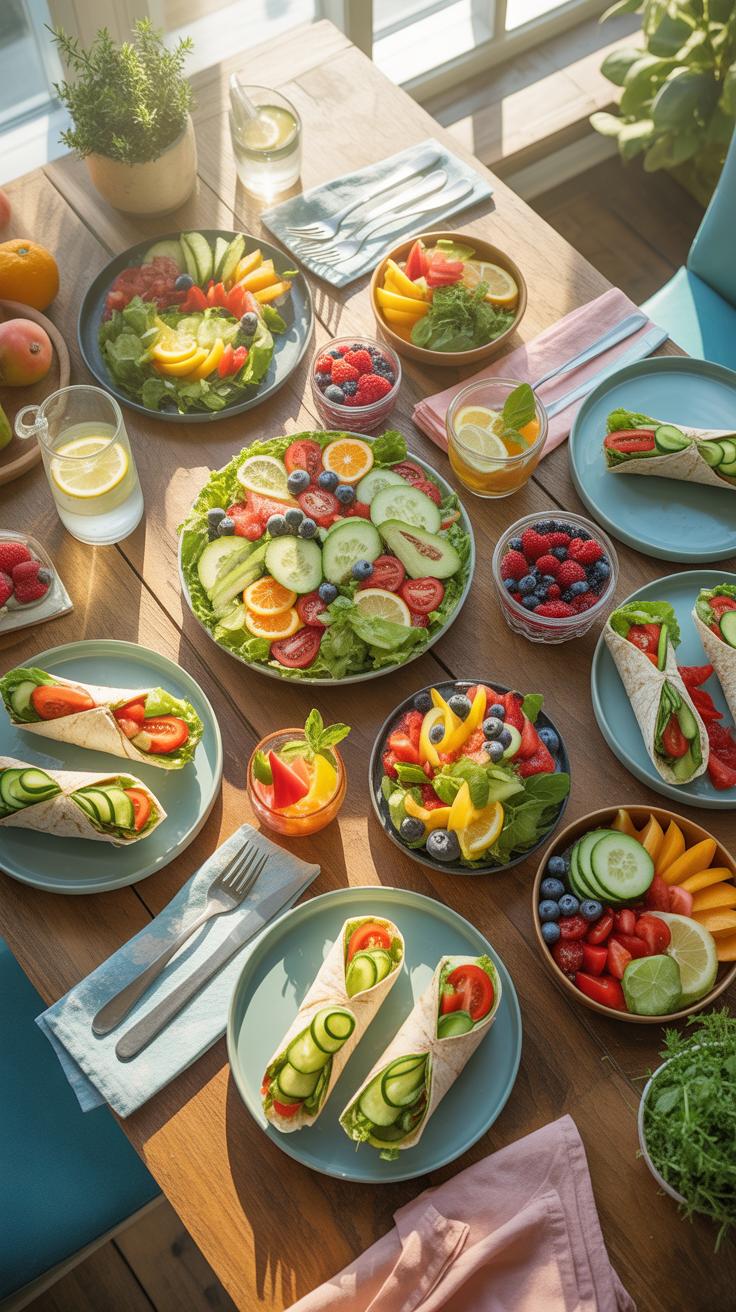
Replace heavy mayonnaise and sour cream with plain Greek yogurt or avocado spreads. These options provide essential fats and proteins without the excess saturated fat found in traditional dressings. Use citrus juices and vinegars to add brightness to grains and proteins. High acidity tricks the palate into feeling satisfied by enhancing flavors. This strategy reduces the need for heavy oils and salts.
Swap refined pastas and white breads for fiber-rich alternatives like quinoa, farro, or cauliflower rice. These complex carbohydrates digest slowly and provide sustained energy during high temperatures. Use large leafy greens or thinly sliced cucumbers to replace flour tortillas and bread slices. This change lowers the total caloric load of your meal prep. It also increases your daily water intake through produce consumption.
How To Adapt Your Favorite Comfort Foods Into Refreshing Summer Friendly Versions
Deconstruct heavy hot meals into chilled grain bowls or hearty salads. Traditional beef stews or roasted chicken dishes translate well into cold proteins served over arugula or kale. Use quick-pickled vegetables to mimic the acidity and crunch of fried toppings. This method retains the flavor profile of comfort food while removing the heat. It saves time by eliminating the reheating process.
Transform creamy pasta dishes by using zucchini noodles or cold rice noodles. Switch out thick dairy sauces for herb-based pestos or light vinaigrettes. Incorporate seasonal fruits like watermelon or peaches to add natural sweetness to savory protein dishes. This approach balances salt and smoke without the weight of processed sugars. You maintain the core identity of the dish while optimizing it for summer.
Frequently Asked Questions

What are the best summer meal prep ideas for someone just starting out?
If you are a beginner, focus on no-cook options like mason jar salads, deli wraps, or cold pasta dishes. These summer meal prep ideas minimize time spent over a hot stove while ensuring you have refreshing, ready-to-eat lunches in the fridge. Start by prepping two types of protein and a variety of pre-washed greens to keep your assembly simple, stress-free, and perfectly chilled during the warmest months of the year.
How can I keep my prepped meals fresh and crisp during high temperatures?
To maintain food quality, invest in airtight glass containers that trap coolness better than plastic. Always allow cooked ingredients to cool completely before sealing them to prevent condensation and sogginess. When following your favorite summer meal prep ideas, store dressing separately and add it just before serving. This technique keeps your produce crisp and prevents leaves from wilting, ensuring your healthy meals taste garden-fresh even after three days in storage.
Is it possible to meal prep for summer on a tight budget?
Absolutely! You can save money by focusing on seasonal produce like zucchini, tomatoes, and corn, which are much cheaper during the sunnier months. Bulk-buying staples like dried chickpeas, lentils, or rice serves as a cost-effective base for many Mediterranean-style bowls. Using these affordable ingredients allows you to create nutritious, cooling meals for the entire week without overspending on expensive specialty items or high-priced, out-of-season imported grocery store products.