
Why Healthy School Lunches Matter For Your Childs Growth And Focus
The Link Between Nutrition And Academic Performance
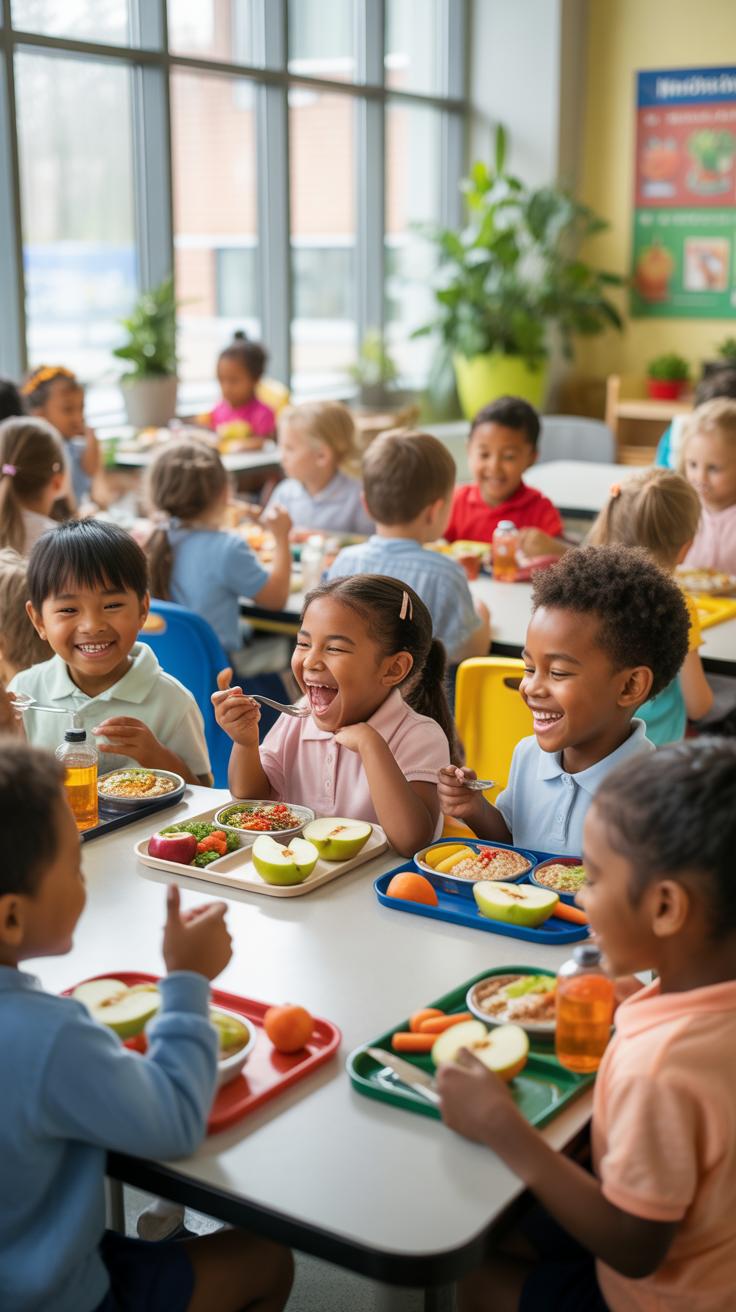
Nutrition directly impacts brain function and classroom behavior. Blood sugar levels dictate how well a child concentrates during afternoon lessons. Complex carbohydrates provide a steady stream of glucose to the brain. This prevents the energy crashes caused by sugary snacks. Stable energy allows students to stay on task. Proper nutrition reduces irritability and improves emotional regulation in the classroom.
The brain consumes about twenty percent of the body’s daily energy. When a child misses key nutrients at lunch, cognitive processing slows down. Memory retention suffers and reaction times increase. Research shows a strong correlation between high quality diets and better test scores. Schools that implement strict nutritional standards see higher grade point averages. Healthy food is a tactical tool for academic success.
Key Nutrients Every School Age Child Needs At Lunchtime
Protein is the most critical building block for a growing body. It supports muscle development and tissue repair. Healthy lunches must include lean meats, beans, or dairy to keep children full. Fiber is also essential for digestive health and sustained satiety. Without enough fiber, children feel hungry shortly after eating. This distraction pulls their focus away from the teacher and their work.
Healthy fats support long term brain health and nerve function. Omega three fatty acids are vital for cognitive development in school age children. Iron carries oxygen to the brain and prevents fatigue. Vitamin C helps the body absorb iron from plant sources. A balanced lunch box combines these elements to ensure physical growth. Providing consistent nutrients every day builds a foundation for lifelong health and wellness.
Top Lunch Box Healthy Ideas That Keep Kids Energized All Afternoon
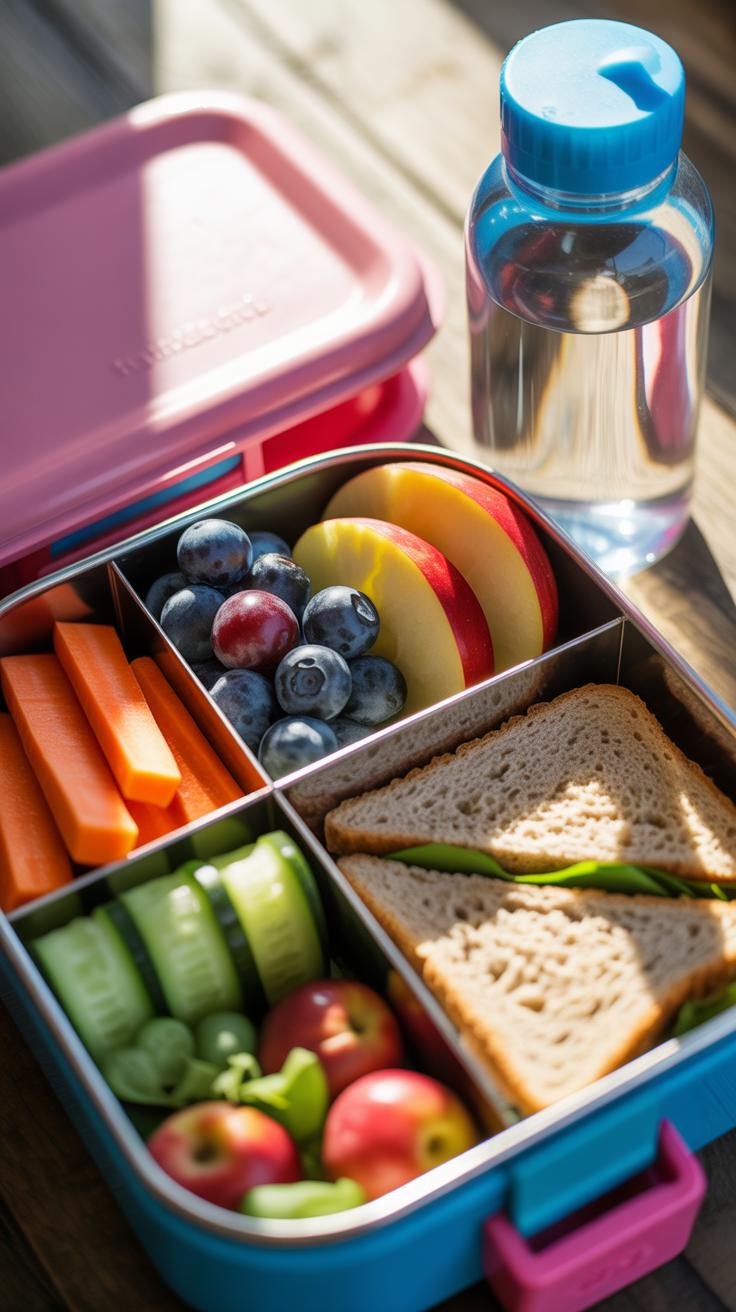
Balancing Protein Carbohydrates And Healthy Fats In The Lunch Box
A successful school lunch relies on three pillars for sustained energy. Proteins provide the building blocks for growth and keep children full. Carbohydrates serve as the primary fuel source for brain function and physical activity. Healthy fats support nutrient absorption and steady hormone production. Omitting any of these three components leads to blood sugar crashes. This results in poor focus and irritability during afternoon classes.
Tactical assembly requires a specific ratio of these macronutrients. Focus on complex carbohydrates like whole grains to ensure a slow release of glucose. Pair these with lean proteins such as turkey, beans, or Greek yogurt. Include healthy fats through seeds, avocado, or olive oil dressings. This combination stabilizes insulin levels. It prevents the mid-afternoon lethargy often caused by sugar-heavy processed snacks. Balance is the key to classroom performance.
How To Keep Lunch Box Foods Fresh Safe And Appealing Until Noon
Food safety and texture maintenance are critical for lunch consumption. Perishable items must remain below forty degrees Fahrenheit to prevent bacterial growth. Use insulated bags and at least two cold sources for maximum thermal retention. Place stainless steel containers against ice packs to transfer cold efficiently. Thermal mass keeps the internal temperature stable for many hours. This ensures that dairy and meat products remain safe for eating.
Moisture control preserves the texture and appeal of the meal. Keep wet and dry ingredients separate until the child eats. Use airtight containers to stop crackers or bread from becoming soggy. For hot meals, preheat vacuum-insulated flasks with boiling water before adding food. This technique maintains heat until the lunch bell rings. Crisp vegetables and firm proteins are more likely to be eaten than wilted or warm counterparts.
Bento Box Lunch Healthy Why The Bento Format Works So Well For Kids
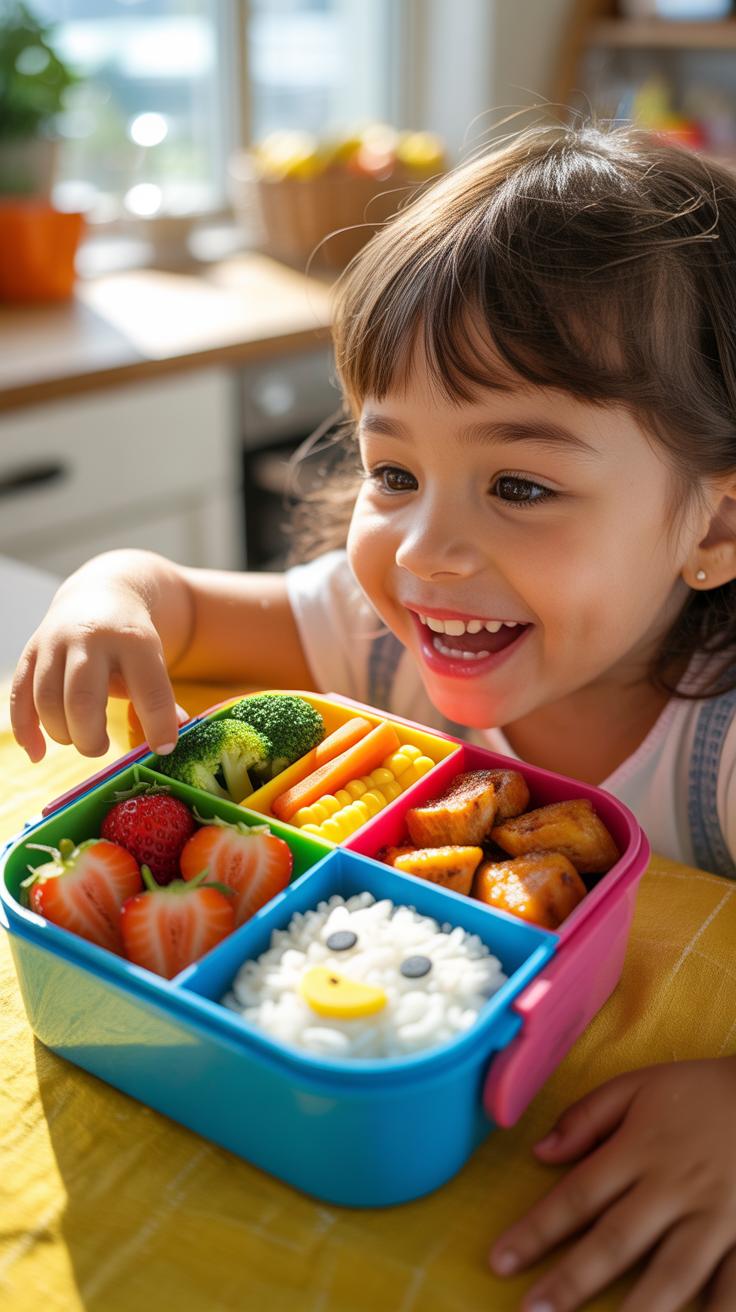
What Is A Bento Box And Why Is It A Smart Choice For School Lunches
The bento box originated in Japan during the Kamakura period as a portable meal container. Modern versions use stainless steel, silicone, or BPA free plastic to create a single unit with several compartments. This design eliminates the need for multiple plastic bags or separate containers. It provides a durable shell that protects food from getting crushed in a backpack during the school day.
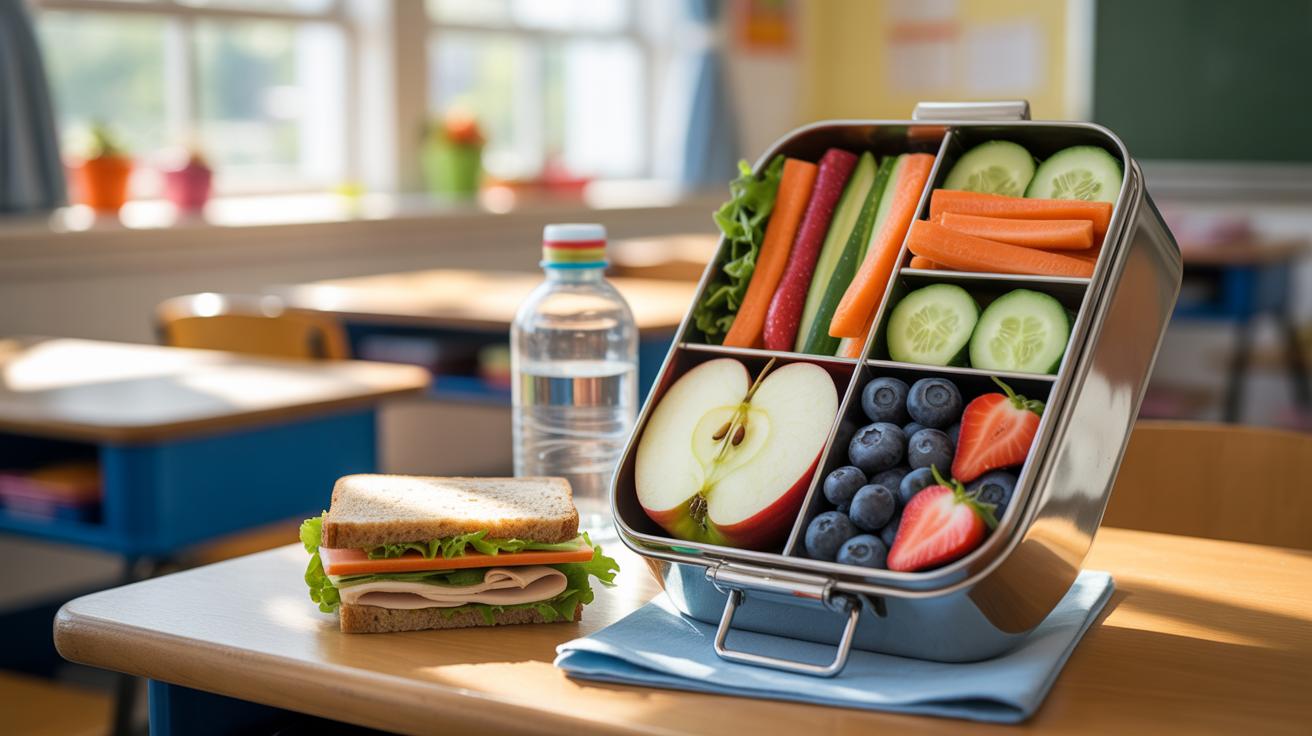
Bento boxes simplify the packing process for parents and the eating process for students. They provide a clear visual guide for meal assembly and require less space on crowded cafeteria tables. Kids open one lid and see their entire meal at once. This visibility encourages them to eat more of their food. It reduces the time spent struggling with difficult packaging or searching for lost items.
How Portion Dividers In Bento Boxes Help Kids Eat A Balanced Meal
Portion dividers serve as a structural blueprint for the five main food groups. These physical walls keep different textures and flavors separate. Many children avoid meals when foods touch or mix. Dividers prevent moisture from fruit or vegetables from making crackers or sandwiches soggy. This preservation of food quality ensures that the lunch remains appetizing and edible several hours after you pack it.
The size of each compartment naturally limits portion sizes to age appropriate amounts. Smaller sections are ideal for calorie dense items like dips or cheese. Larger sections fit proteins and complex carbohydrates. Using these pre set zones forces you to include more variety in every meal. This structural approach makes it easier to meet nutritional standards without measuring every ingredient. It turns healthy packing into a fast and repeatable habit.
Easy Lunch Ideas School Healthy Options You Can Prep The Night Before
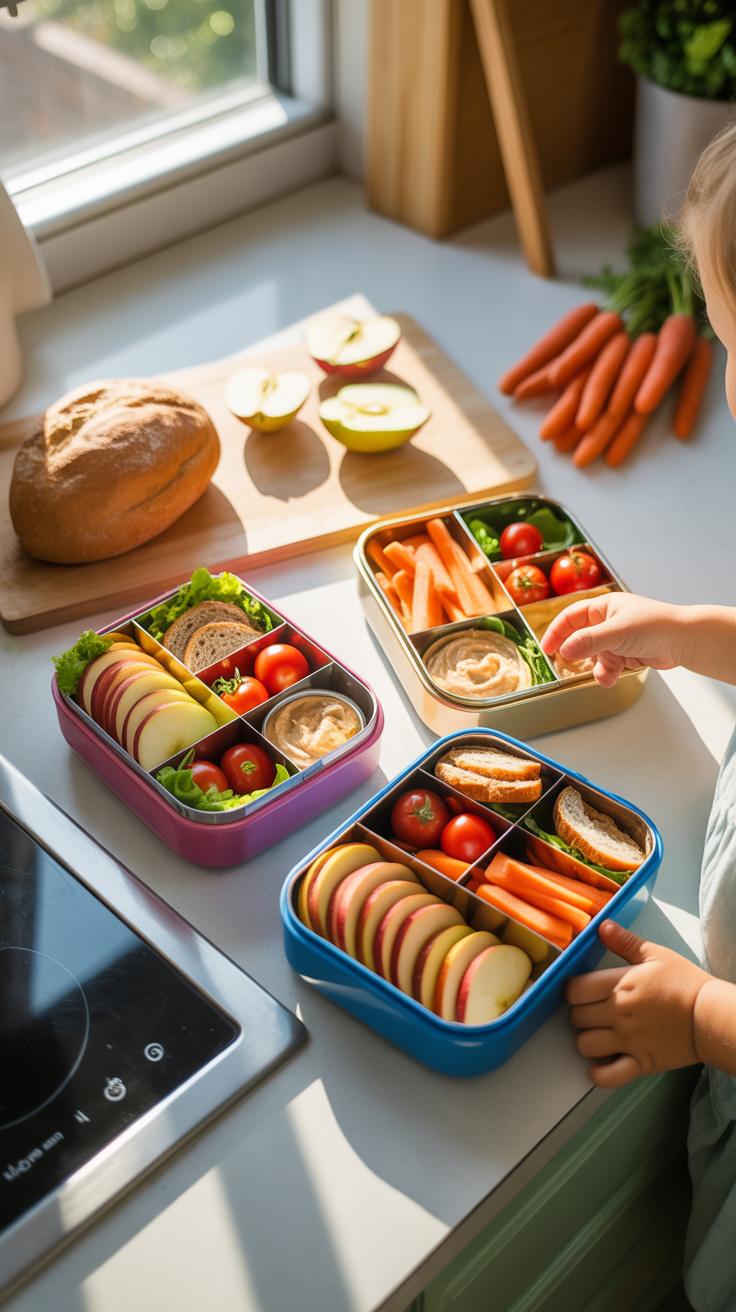
Quick And Nutritious Sandwich And Wrap Combinations Kids Love
Whole grain breads provide complex carbohydrates for sustained energy. High-quality protein sources like roasted turkey breast or lean chicken prevent mid-day energy crashes. Use mashed avocado instead of mayonnaise to add healthy monounsaturated fats. Prepare these fillings the night before to save time. Keep the bread separate until morning if the filling has high moisture levels to prevent soggy textures.
Whole wheat tortillas work well for wraps because they resist tearing. Spread a thin layer of hummus or nut-free butter to create a moisture barrier. Roll the wrap tightly and wrap it in parchment paper or foil. This keeps the shape intact until lunchtime. Standard sandwich builds should prioritize lean meats and leafy greens. These combinations provide the fiber and protein essential for cognitive function.
Feeding the soul begins with the simple love we pack into a child’s lunchbox. Good food and a warm heart are the best ingredients for a bright future.
Make Ahead Healthy Sides: Veggie Sticks, Hummus, Fruit Cups, And More
Prepare sides in bulk to streamline the morning routine. Pre-cutting vegetables like carrots and celery the night before keeps them crisp when stored in airtight containers. Portion out dips into small, leak-proof jars to ensure consistent serving sizes. Healthy sides should balance the main meal by adding micronutrients and fiber. Focus on items that maintain their texture and flavor when served cold.
- Carrot and Cucumber Sticks: Slice these vegetables into uniform batons for easy handling. Store them in cold water or sealed bags to maintain crunch. These provide vitamin A and hydration without added sugars or fats.
- Portioned Chickpea Hummus: Use small containers to hold two tablespoons of hummus. This dip offers plant-based protein and fiber. It pairs well with vegetables or whole-grain crackers to create a filling and savory snack side.
- Fresh Fruit Medley: Mix hardy fruits like grapes, melon, and pineapple into reusable cups. Avoid sliced apples or bananas unless treated with lemon juice to prevent oxidation. Natural sugars in fruit provide a quick energy boost for students.
- Greek Yogurt Cups: Transfer plain Greek yogurt into small jars and top with berries. This side delivers calcium and probiotics for gut health. Avoid pre-packaged flavored versions to reduce the intake of processed corn syrup and artificial dyes.
- Air-Popped Popcorn: Pop corn kernels in advance and store them in dry, airtight bags. Popcorn is a whole grain that offers a high volume of food for low calories. Skip the butter and use light sea salt for flavor.
Organize these sides in a dedicated refrigerator bin for quick assembly. Use bento-style boxes to keep different food groups separate. This prevents flavor transfer and keeps the meal visually appealing. Consistency in preparation reduces executive fatigue for parents. Effective meal prep ensures that every lunch contains a balance of vitamins and minerals. Control the ingredients to eliminate hidden sodium and preservatives found in pre-packaged snacks.
Lunches To Pack For School When You Are Short On Time And Budget
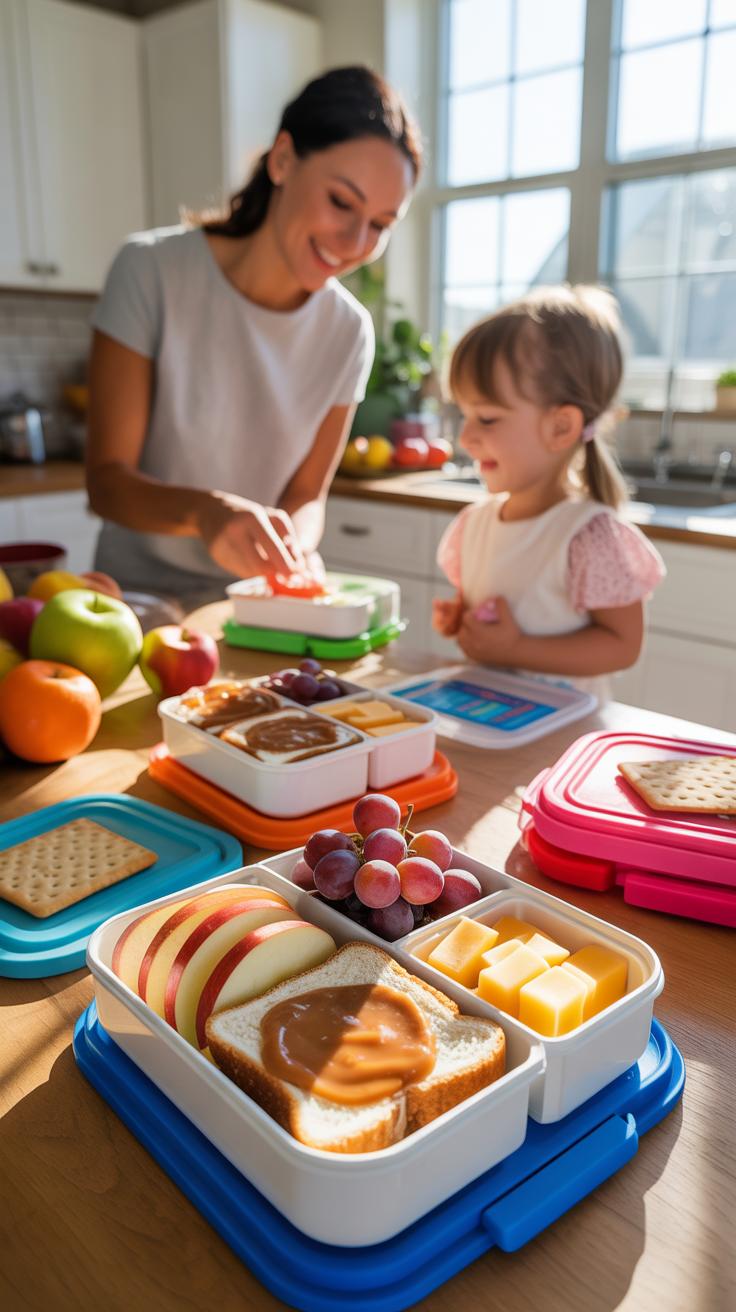
Affordable Whole Foods That Stretch Your Weekly Lunch Budget
High-volume staples reduce the cost per serving for healthy school lunches. Dry beans, brown rice, and lentils provide dense nutrition and fiber at a low price point. Bulk bags of apples and carrots withstand refrigeration for several weeks without spoiling. These items eliminate the heavy markup found in pre-packaged convenience foods. Buying seasonal produce ensures peak nutrient density and the lowest market price.
Protein costs consume the largest portion of a food budget. Hard-boiled eggs and canned tuna offer high protein density for minimal investment. Greek yogurt purchased in large tubs costs significantly less than individual flavored cups. Use these base ingredients to create multiple lunch variations throughout the week. Strategic purchasing focuses on versatile goods that serve as foundations for various recipes. This approach minimizes waste and stabilizes weekly expenses.
Five Minute Morning Lunch Packing Routines That Actually Work
Efficiency requires a standardized assembly system. Keep all lunch containers, lids, and utensils in one dedicated spot. Group cold items in the refrigerator so you can grab them in one motion. Use divided containers to eliminate the need for individual plastic bags. A repeatable workflow prevents decision fatigue during busy mornings. Prepare core components like grains or proteins during weekend meal prep to maximize your speed.
- Pre-Portioned Containers: Wash and cut all fruits and vegetables immediately after purchase. Store them in clear, accessible containers at eye level in the fridge. This allows you to fill lunch boxes in seconds without using a knife or cutting board on weekday mornings.
- Batch-Cooked Proteins: Boil a dozen eggs or roast a tray of chicken breasts on Sunday evening. These proteins stay safe for several days when refrigerated properly. You can quickly add these cold to salads, wraps, or bento boxes throughout the school week.
- Dedicated Snack Station: Create a bin in the pantry for non-perishable items like nuts, seeds, and whole-grain crackers. Assign kids the task of choosing one item from this bin each morning. This shifts responsibility and speeds up the overall packing process for the parents.
- Thermal Food Prep: Pre-heat insulated thermoses with boiling water for two minutes before adding hot food. This technique keeps leftovers like soups or beans at a safe temperature until lunchtime. Using leftovers eliminates the need to cook a separate meal specifically for the school day.
- The Night-Before Stage: Place non-perishable items and water bottles inside the lunch bags the evening before. Lay out the empty main containers on the counter. Reducing the number of steps required in the morning ensures you stay on schedule even when running late.
Standardizing your routine removes the pressure of daily planning. Use a simple formula consisting of one protein, one fruit, one vegetable, and one complex carbohydrate. This structure ensures nutritional balance without requiring complex recipes. Effective routines rely on preparation rather than morning inspiration. Consistency in your method leads to faster execution. Fast packing allows you to prioritize sleep and maintain a stress-free morning environment for your family.
Kids Lunch Ideas That Tackle Picky Eating Without The Mealtime Battles
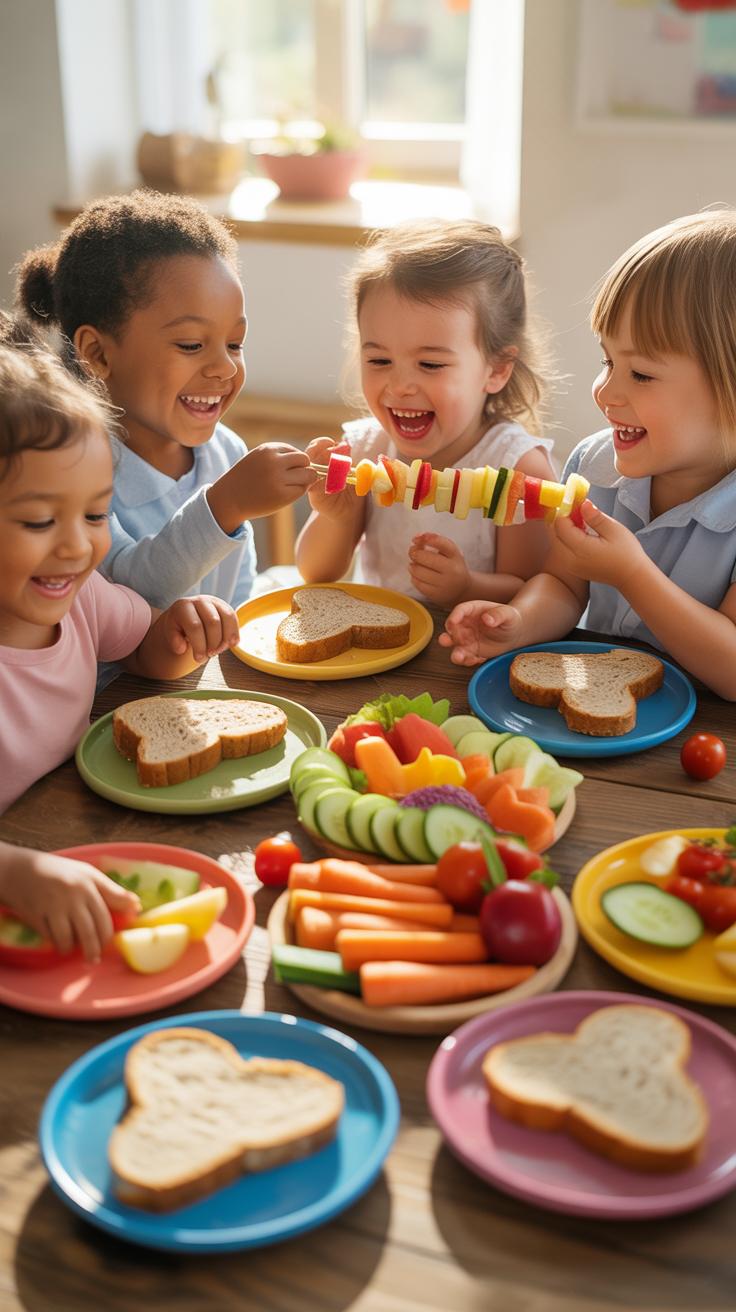
How To Introduce New Foods Gradually Through Fun Lunch Presentations
Picky eating often stems from neophobia or the fear of new foods. You counter this by using familiar shapes and colors to bridge the gap. Use small cookie cutters to turn standard sandwiches into recognizable shapes. This reduces the intimidation factor of new ingredients. Keep portions of new items small to avoid overwhelming the child. Exposure matters more than volume in the early stages.
Visual appeal triggers interest and lowers psychological barriers. Arrange colorful vegetables like peppers or carrots into patterns or smiling faces. Contrast textures by pairing a soft fruit with a crunchy cracker to build sensory tolerance. Consistent exposure through visual play helps children accept healthy school lunches over time. Do not force consumption. Simply placing the new food in the lunchbox builds the familiarity required for future eating.
Letting Kids Help Choose And Build Their Own Lunch To Boost Acceptance
Autonomy drives cooperation in children. Give your child two healthy options for their main protein or vegetable. This limited choice prevents decision fatigue while granting them a sense of control. When children participate in selecting contents, they feel a sense of ownership over the meal. This psychological investment significantly reduces the likelihood of trade-offs or waste. They are more likely to eat what they helped pick.
Assembly is as important as selection. Use bento-style containers so kids can assemble their own bites at the lunch table. Provide separate compartments for crackers, cheese, and lean meats. This interactive element turns eating into a constructive task rather than a chore. Engaged children focus on the mechanics of the meal instead of their dislike for specific colors. Practical involvement creates a positive association with nutritious food choices and self-regulation.
Bento Healthy Lunch Inspiration Lunch Ideas Bento Adults And Kids Can Share
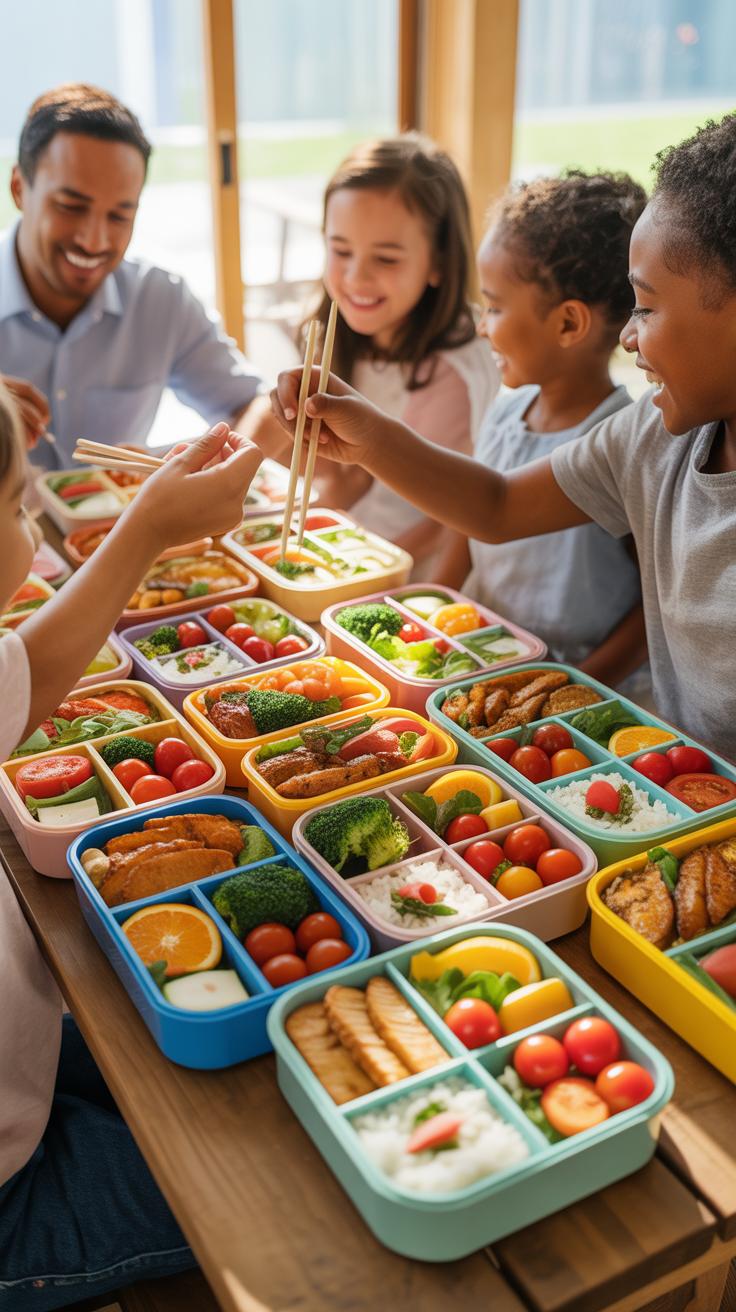
Family Friendly Bento Combinations That Work For Both Adults And Children
Strategic bento prep focuses on modular ingredients that satisfy different palates. Use a base of lean proteins like grilled chicken or hard-boiled eggs. These items provide necessary amino acids for muscle growth in children and satiety for adults. Add complex carbohydrates such as brown rice or quinoa. These grains offer sustained energy levels throughout the school and work day without causing insulin spikes.
Diversify the vegetable components by using raw, crunchy options like bell peppers or cucumbers. These require zero cooking time and retain maximum micronutrients. Adults can add chili flakes or balsamic glaze to their portions for flavor depth. Kids prefer the natural sweetness of the vegetables. This method allows one bulk preparation session to meet the nutritional requirements of the entire household without extra labor.
How Sharing Lunch Prep Between Adults And Kids Builds Healthy Eating Habits
Involving children in meal assembly reduces food neophobia. When kids help pack bento boxes, they feel a sense of ownership over the contents. This participation increases the likelihood that they will finish their meal. It also teaches them about portion control and food groups. Constant exposure to whole foods helps set a baseline for their future dietary choices and metabolic health.
Standardizing lunch components for the whole family simplifies the grocery list and reduces waste. Adults model positive eating behavior by consuming the same nutrient-dense foods as their children. This consistency reinforces the idea that healthy school lunches are a standard, not a chore. Practical kitchen skills learned during prep sessions help children gain independence. Efficient systems like this ensure everyone receives high quality fuel daily.
Healthy Lunch Ideas Pregnancy Safe And Nourishing School Lunch Swaps For Expecting Moms Packing For Kids
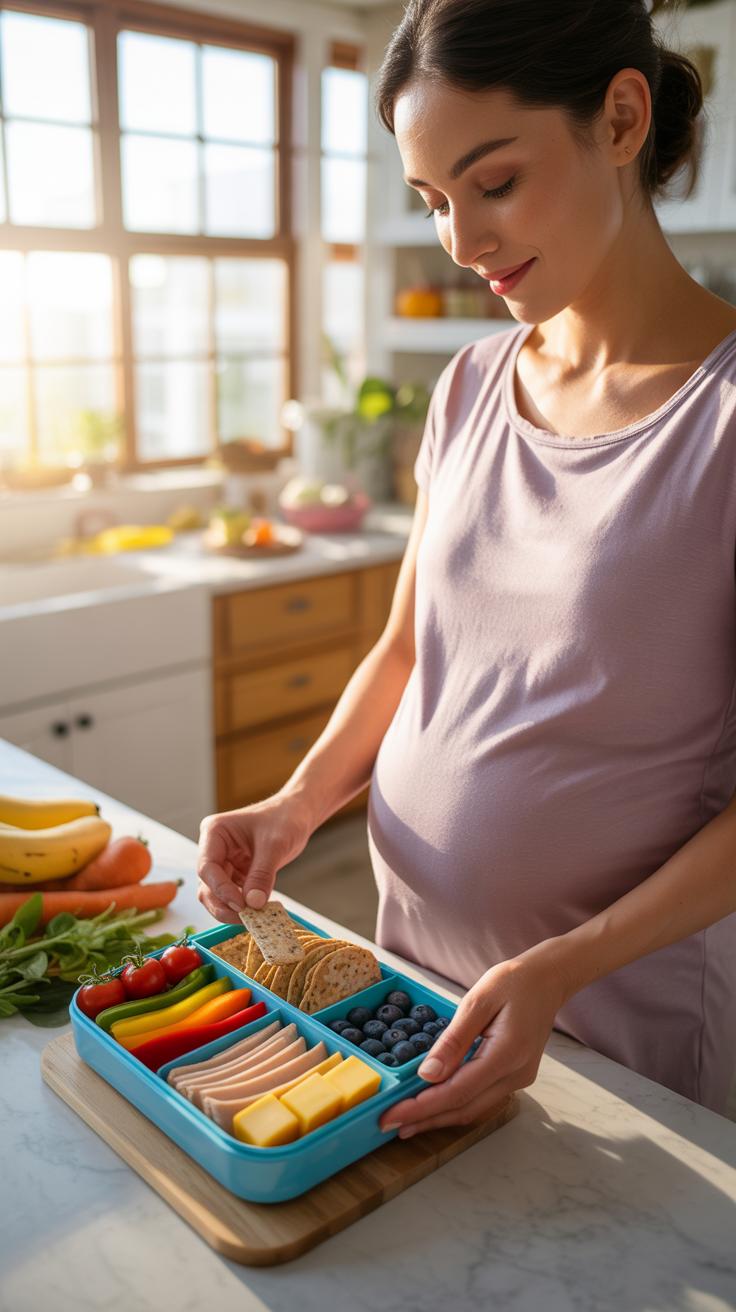
Foods To Prioritize And Avoid When Packing Lunches During Pregnancy
Pregnant parents must focus on food safety while packing school lunches. Cold cuts and deli meats often carry Listeria risks. Skip these entirely or heat them until steaming. Swap processed meats for hard-boiled eggs or thoroughly cooked chicken breast. These options provide safe protein for both the child and the mother. Avoid unpasteurized juices and soft cheeses made with raw milk to prevent bacterial infections.
Focus on folate and iron during this period. Dark leafy greens and fortified grains support fetal development. Include oranges or strawberries to help the body absorb iron from plant sources. These foods improve energy levels for the parent and provide essential vitamins for the child. Consistency in food safety ensures a healthy pregnancy. Always use clean surfaces and wash all produce thoroughly before packing lunch boxes.
How Pregnant Parents Can Use School Lunch Prep Time To Meet Their Own Nutritional Needs
Efficiency is vital during pregnancy-related fatigue. Prepare extra portions of child-friendly snacks to fuel the parent throughout the day. When slicing cucumbers or peppers for a child, double the amount for a quick prenatal snack. Use this time to hydrate with water or milk instead of sugary drinks. Small, frequent meals help manage morning sickness and maintain steady blood sugar levels while performing morning chores.
Batch cooking saves time and energy during the third trimester. Roast sweet potatoes or prepare quinoa on Sundays for both school lunches and prenatal bowls. These complex carbohydrates provide lasting energy for the parent. Use shared ingredients like beans and seeds to add fiber to every meal. This strategy ensures the parent eats high-quality food without extra effort. Healthy habits at the prep station benefit the entire family.
Frequently Asked Questions

What exactly makes a school lunch considered healthy for a child?
A balanced meal typically includes a mix of lean protein, whole grains, colorful vegetables, and fresh fruit. The goal of healthy school lunches is to provide sustained energy throughout the afternoon while avoiding heavy processed sugars. Focusing on fiber-rich ingredients and healthy fats ensures that children feel full and focused, supporting both their physical growth and their cognitive development during the busy school day.
How can I pack healthy meals that my picky eater will actually enjoy?
The secret is involving your child in the process and using creative presentations. Try using cookie cutters to turn sandwiches into fun shapes or offering “deconstructed” meals, like a bento box with separate meats, cheeses, and crackers. When preparing healthy school lunches for picky eaters, include at least one familiar “safe” food alongside new items to encourage them to explore different flavors without feeling overwhelmed or hungry.
Is it possible to prepare nutritious school meals on a tight monthly budget?
Absolutely! You can save money by purchasing seasonal produce, buying pantry staples like oats and brown rice in bulk, and utilizing leftovers from dinner. Planning your menu around weekly sales at the grocery store helps reduce costs significantly. Healthy eating doesn’t require expensive organic brands; prioritizing whole, unprocessed foods and prepping snacks at home instead of buying pre-packaged bags is a great way to stay within your budget.