
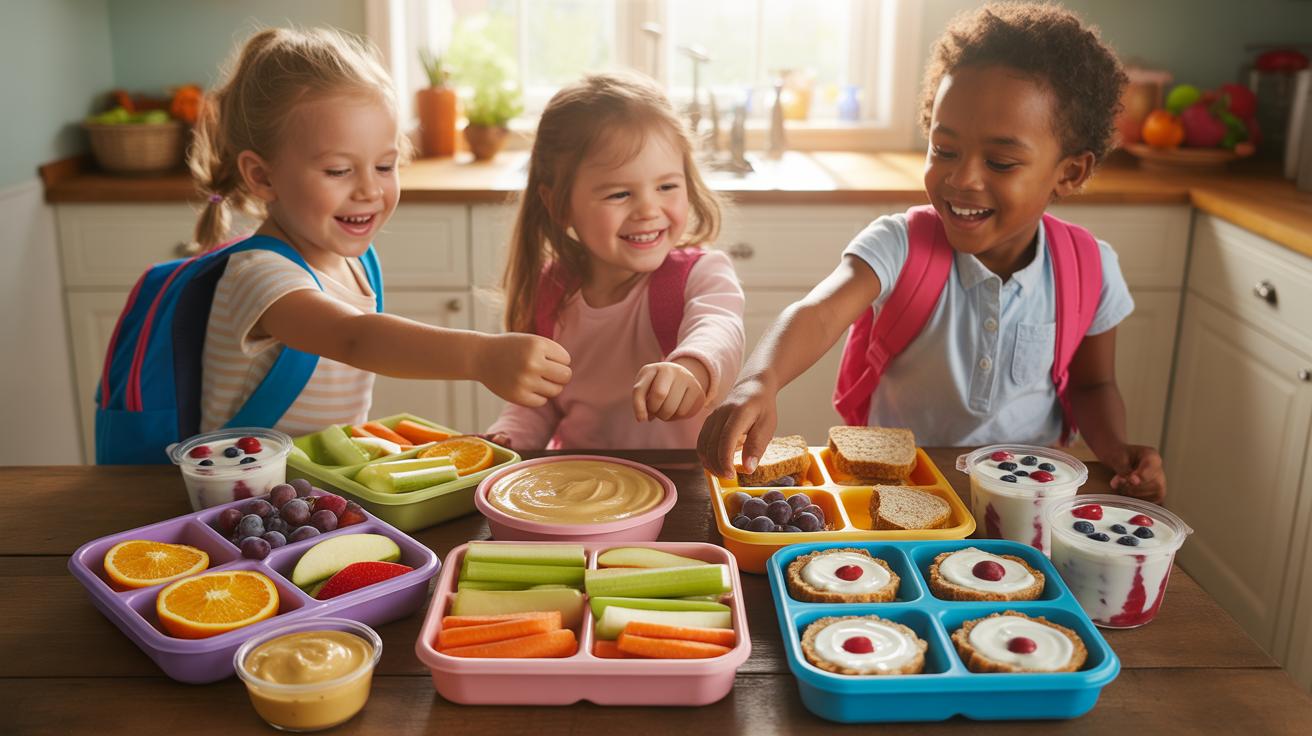
Why Meal Prepping After School Snacks Makes A Real Difference For Busy Families
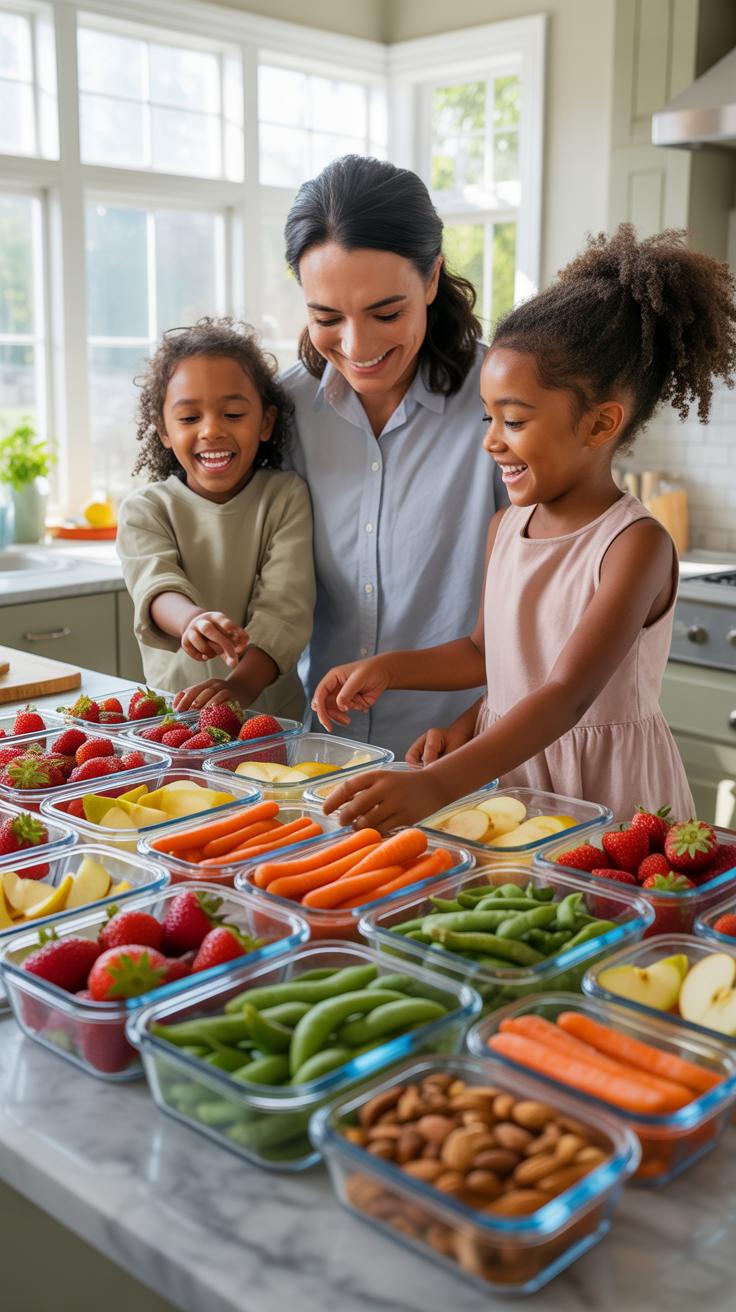
How Prepped Snacks Reduce Stress During The After School Rush
The period between school dismissal and dinner creates a high-pressure gap for parents. Decision fatigue peaks during these hours. When you do not have a plan, you rely on low-quality convenience foods. Meal prepping removes the need for active decision-making. It ensures that food is ready for consumption the moment children walk through the door. This efficiency prevents arguments and reduces household chaos.
Prepped snacks provide a tactical advantage by controlling the kitchen environment. You eliminate the mess associated with mid-afternoon cooking and ingredient prep. This allows you to focus on managing homework or evening logistics instead of cleaning. Ready-to-eat portions also teach children autonomy. Kids can serve themselves from designated bins without adult intervention. This system creates a predictable routine that lowers anxiety for the entire family.
The Nutritional Window Why Kids Need To Eat Shortly After School
Children experience a significant biological energy dip by mid-afternoon. Metabolism remains high during growth phases yet their glycogen stores are often depleted by 3:00 PM. Most school lunches occur early in the day. This creates a long gap without fuel. Providing a snack shortly after school stabilizes blood sugar levels. It prevents the irritability and cognitive fatigue commonly known as the after-school crash.
A strategic snack window supports better dietary choices for the rest of the day. Proper afternoon fueling prevents overeating at dinner. It provides a vital opportunity to introduce fiber and micronutrients missed during school hours. Focus on complex carbohydrates and proteins to sustain energy. This biological requirement is not about indulgence. It is a necessary refueling step that supports physical recovery and mental focus for evening tasks.
Best Snack To Make Ahead Of Time For A Full Week Of After School Eating
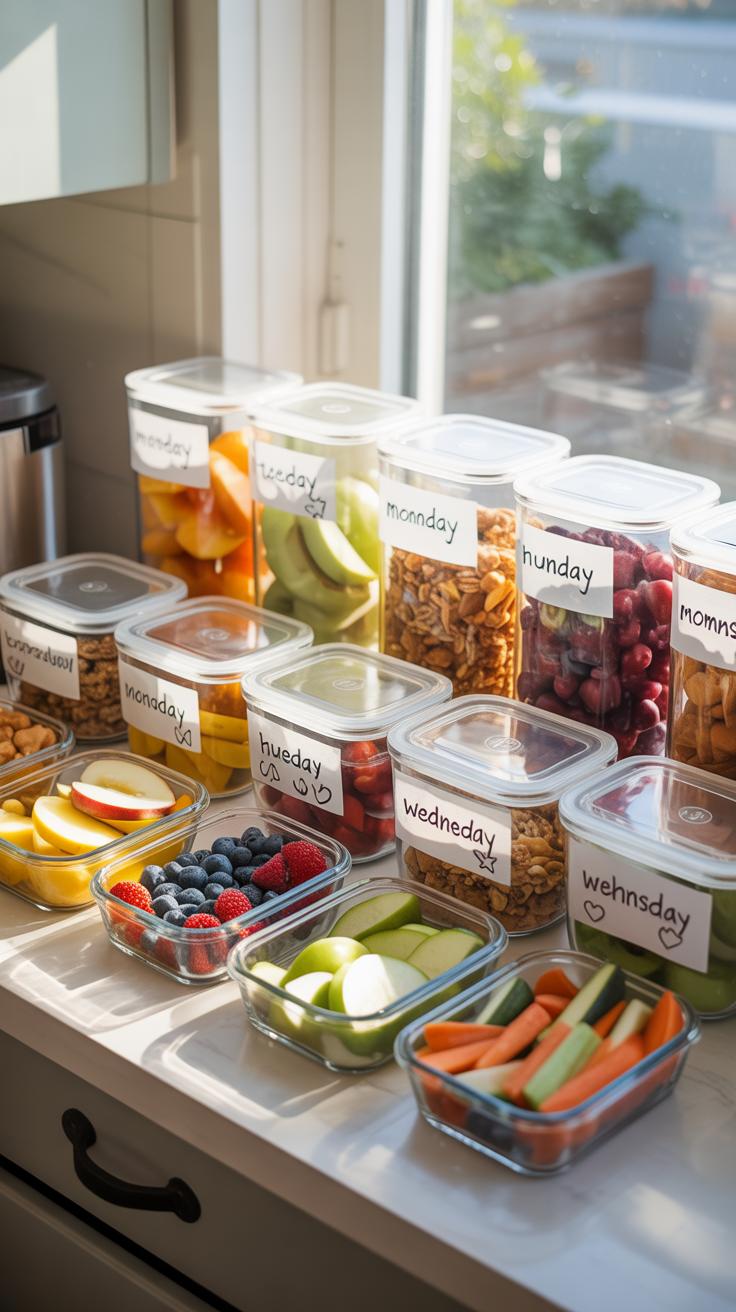
Which Snacks Hold Up Best When Prepped Two To Five Days In Advance
Hard-boiled eggs and dense proteins maintain structural integrity over five days. These foods resist moisture loss when stored in airtight containers at forty degrees Fahrenheit. You must keep shells on eggs to prevent sulfur odors from leaching into other items. Proper refrigeration stops bacterial growth and preserves the texture of the protein. This strategy ensures the snack remains safe and edible for the entire school week.
Firm vegetables and thick-skinned fruits work best for long-term storage. Carrots, celery, and bell peppers do not wilt quickly after slicing. You should avoid soft fruits like berries or sliced apples which oxidize and soften within forty-eight hours. Sturdier produce maintains its crunch and nutrient profile throughout the week. Select produce based on water content to prevent your prep containers from becoming soggy or unappealing.
Simple Batch Cooking Methods That Keep Snacks Fresh And Ready To Grab
Batch-baking oatmeal bars or muffins provides a shelf-stable energy source. Use dense binders like honey or nut butters to prevent the snacks from crumbling. Once baked, allow the items to cool completely on a wire rack before packaging. Trapped steam creates moisture which leads to rapid mold growth. Portion these items into individual silicone bags to simplify the grab-and-go process for children.
Vacuum sealing or tight glass jars extend the lifespan of prepared snacks. Reducing oxygen exposure prevents fats from turning rancid and keeps dry snacks crisp. You should organize the refrigerator by expiration date to ensure older snacks disappear first. Clear labeling allows kids to identify their food without opening every container. This organizational system reduces the time spent searching for food and maintains a consistent eating schedule.
Snack Food Ideas That Balance Protein Fiber And Natural Energy For Growing Kids
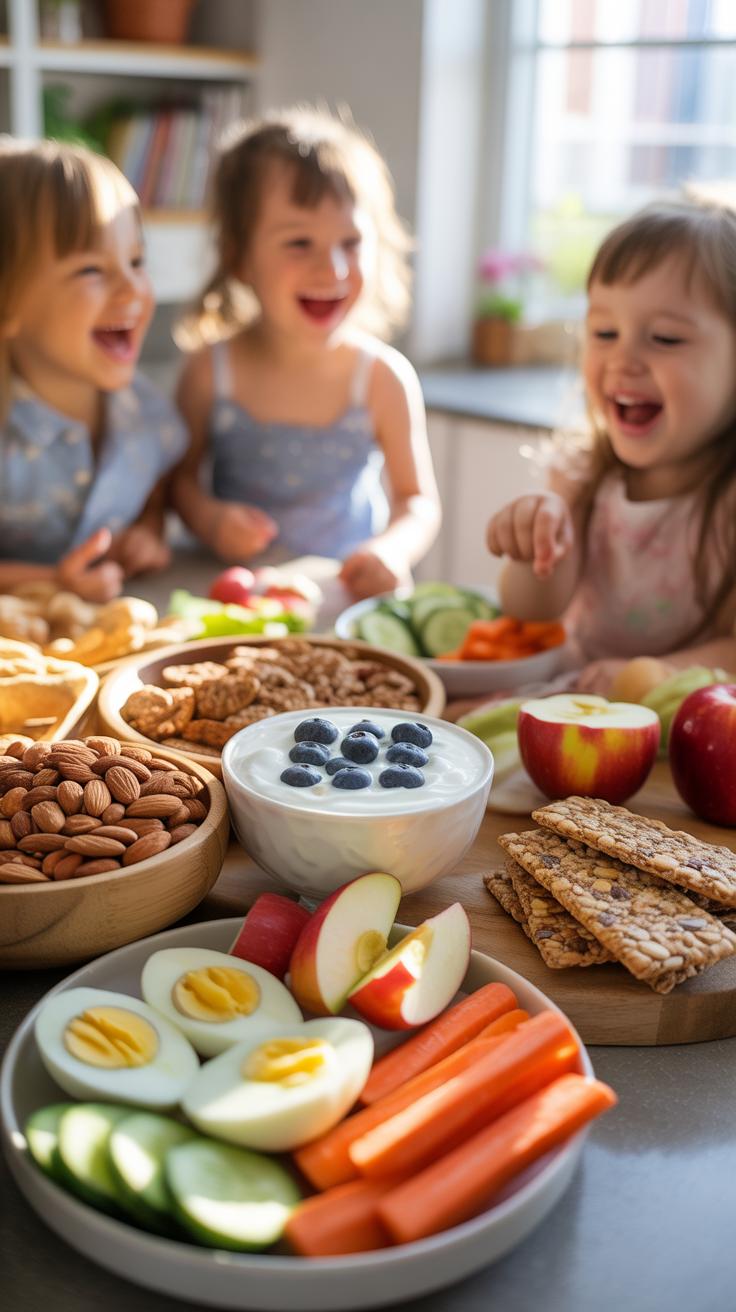
Why Protein And Fiber Together Help Kids Stay Full Until Dinner
Protein and fiber serve as the primary chemical anchors for satiety. Protein triggers the release of hormones that tell the brain the stomach is full. Fiber slows down the rate of gastric emptying. This combination prevents the rapid digestion of carbohydrates. When kids eat these nutrients together, they avoid the metabolic spikes and dips that usually cause hunger or irritability.
Reliable energy levels depend on stable blood glucose. Simple sugars enter the bloodstream quickly and cause a rapid insulin response. This leads to an energy crash shortly after eating. Fiber acts as a physical barrier to slow sugar absorption. Protein provides the structural building blocks for growth and repair. Together, they ensure that the body processes energy at a slow and steady pace.
Top Ingredient Combinations That Deliver Sustained Energy Without A Sugar Crash
Strategic snacking requires pairing a slow-burning carbohydrate with a dense protein source. This tactic ensures the brain receives glucose for focus while the muscles receive amino acids. Focusing on whole foods reduces the intake of processed additives that disrupt steady energy. The goal is to provide nutrients that support both physical activity and cognitive function during homework hours without interfering with sleep.
- Greek Yogurt and Berries: Greek yogurt contains double the protein of standard yogurt varieties. Berries provide essential fiber and antioxidants. This combination offers a creamy texture that satisfies hunger while kept sugar levels low.
- Apple Slices and Almond Butter: Apples are high in pectin which is a soluble fiber. Almond butter provides monounsaturated fats and plant-based protein. This pairing is portable and provides a crunchy texture kids often enjoy.
- Hummus and Raw Vegetables: Chickpeas are a dual source of fiber and protein. Serving them with carrots or bell peppers adds volume and hydration. This savory option avoids the pitfalls of sweet processed snacks.
- Hard Boiled Eggs and Whole Grain Crackers: Eggs are a complete protein source containing every essential amino acid. Whole grain crackers add complex carbohydrates. This duo is easy to prep in bulk for the entire school week.
- Cottage Cheese and Chopped Walnuts: Cottage cheese is rich in casein protein which digests slowly over several hours. Walnuts provide omega-3 fatty acids for brain health. This snack is highly effective for kids with late dinner times.
Avoid snacks that rely on refined flour or high fructose corn syrup. These ingredients provide temporary fuel but fail to sustain the metabolic needs of a growing child. Choose dense, minimally processed foods to maintain focus. Proper portioning of these combinations prevents overeating before the main evening meal. High quality ingredients ensure that every calorie serves a specific biological purpose for the body.
Kids School Snack Ideas That Are Easy To Portion And Ready In Minutes
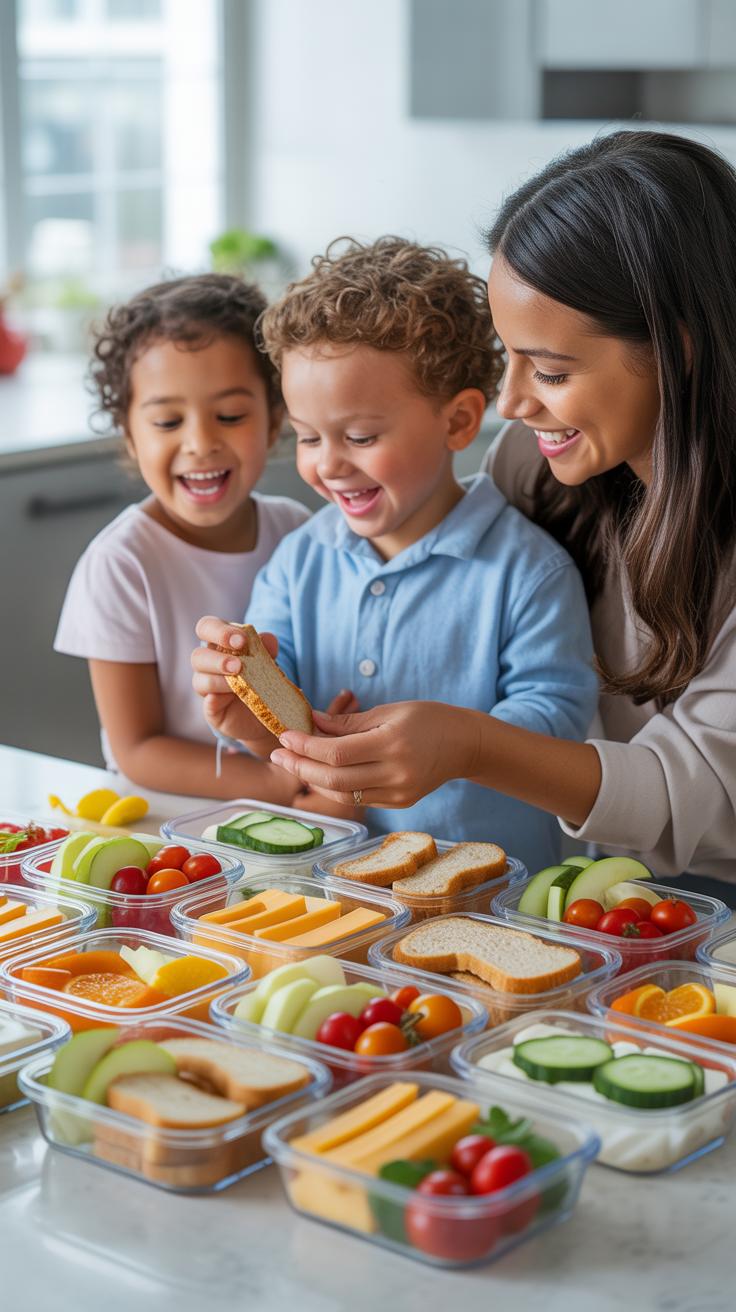
How To Use Portioning Containers To Speed Up Your Weekly Snack Prep Routine
Standardized containers remove the guesswork from daily nutrition. Use clear, BPA-free plastic or tempered glass units to maintain visibility of contents. This allows for immediate inventory checks during busy afternoons. Fixed volumes prevent over-serving and ensure consistent caloric intake. Use square or rectangular shapes to maximize shelf space in the pantry or refrigerator. Modularity is the foundation of an efficient kitchen workflow.
Dedicated zones in your fridge or pantry organize these containers by snack type. Group proteins, fruits, and grains into color-coded bins to streamline the selection process. This system reduces decision fatigue for both parents and children. Pre-filling these units on Sunday nights saves thirty minutes of labor during the week. Efficiency depends on high-quality seals that preserve food texture and prevent premature spoilage of perishable items.
The smell of a home-cooked snack is a memory that stays with a child long after the kitchen is quiet. Preparing these small bites is like tucking a little bit of love into their afternoon.
Quick Assembly Snack Ideas Kids Can Even Grab And Eat On Their Own
Self-service stations empower children to manage their own hunger cues. Stock lower shelves with pre-washed produce and individual protein packs. Hard-boiled eggs and string cheese provide rapid satiety without any cooking requirements. Nut butter packets paired with pre-sliced apples offer a balance of healthy fats and fiber. These combinations require zero preparation time during the critical hour immediately following the school dismissal.
Strategic placement of dry goods ensures snacks remain accessible and organized. Store whole-grain crackers and portioned trail mix in easy-open canisters at eye level. This setup eliminates the need for adult intervention or the use of sharp kitchen tools. Direct access to prepared portions reduces the likelihood of kids reaching for processed sugar options. Simple systems create a repeatable routine that supports long-term healthy eating habits.
Snack Box Ideas For Kids That Make After School Eating Fun And Organized
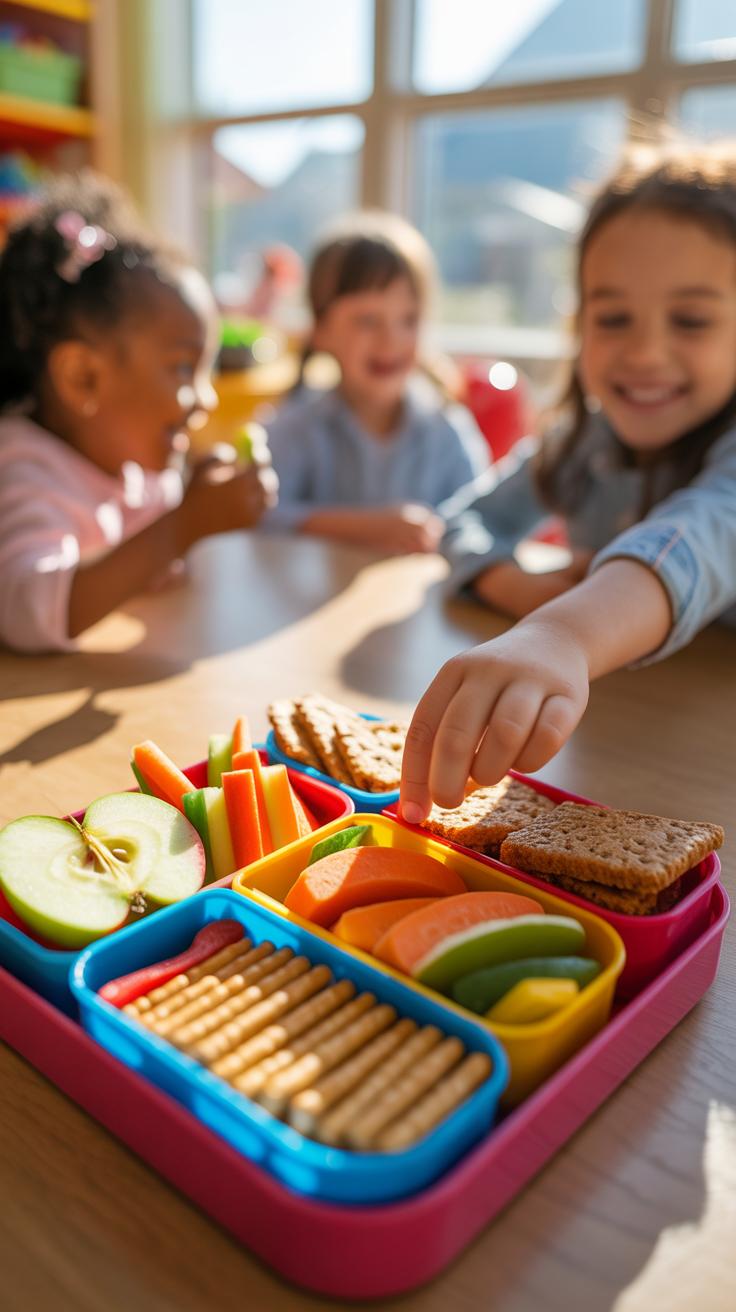
How To Build A Balanced Snack Box Using The Four Food Group Approach
A balanced snack box prevents the blood sugar spikes that lead to late afternoon irritability. You must include a protein, a complex carbohydrate, a fruit, and a vegetable. Protein sources like hard-boiled eggs or Greek yogurt provide satiety. Complex carbohydrates from whole grains offer sustained energy. This tactical combination keeps kids full until dinner. Avoid processed sugars that offer no nutritional value or lasting energy.
Structure the box using physical dividers to prevent food contact and maintain texture. Place heavy items like apples or carrots at the base. Position delicate items like crackers or berries in separate compartments. This organization ensures the snack remains appetizing after hours in a backpack. Use airtight containers to preserve freshness and prevent oxidation of sliced produce. Proper assembly reduces food waste and improves nutrient intake.
Creative Snack Box Themes That Get Kids Excited To Open Their After School Box
Themed snack boxes increase engagement without requiring extra ingredients. Use a Bento style approach to create visual interest through color and shape. A rainbow theme uses red peppers, orange carrots, yellow cheese, and green grapes. This strategy encourages kids to eat different types of produce. Categorizing food by color or origin makes the eating process interactive. This method works because it simplifies the decision making process for the child.
Regional themes offer a practical way to introduce new flavors. A Mediterranean box utilizes hummus, pita bread, cucumbers, and olives. A bistro box combines sliced ham, cheese cubes, and apple slices. These combinations rely on proven flavor profiles that appeal to young palates. Keep the portions small and manageable to avoid overwhelming the child. Consistent themes help parents plan grocery lists and speed up the meal prep process.
Healthy Snacks For Picky Eaters That Sneak In Nutrition Without The Meltdown
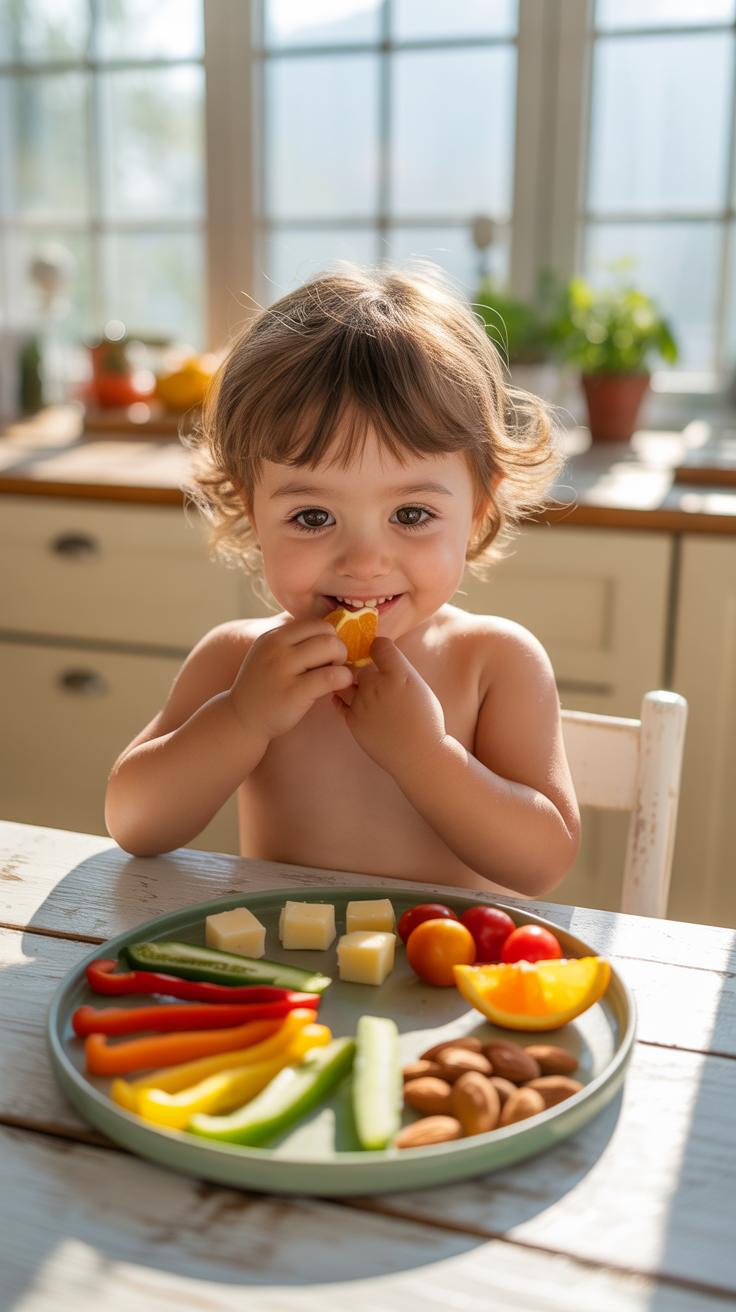
Understanding Why Kids Become Picky And How Snack Presentation Can Help
Picky eating often stems from biological survival instincts or sensory processing issues. Children frequently reject bitter flavors found in green vegetables because their taste buds favor sweet energy sources. Neophobia is the fear of new foods and peaks during toddler years. Texture often plays a bigger role than actual flavor. Slime or grit triggers an immediate gag reflex in many sensitive children.
Presentation changes the physiological response to food. High visual contrast and separation on the plate reduce anxiety. Use compartmentalized containers to prevent different food items from touching. Smaller portions look manageable and decrease the pressure to finish. Cutting food into uniform geometric shapes mimics processed snacks that children trust. Consistency in shape and color builds a sense of safety and predictability.
Tried And Tested Snack Swaps That Picky Eaters Tend To Accept More Easily
Tactical swaps focus on matching the texture of preferred processed foods while upgrading the nutrient density. Start with flavors the child already accepts. If they like salty and crunchy items, provide dehydrated or air-puffed options. If they prefer soft textures, use blended bases. These swaps maintain the sensory experience while introducing fiber, protein, and essential micronutrients into the diet.
- Frozen Yogurt Bark: Replace sugar-heavy ice cream with Greek yogurt spread thin on a baking sheet. Add small amounts of fruit or seeds before freezing. The cold temperature numbs the taste buds slightly, making new flavors easier to accept while providing high protein and calcium content.
- Chickpea Pasta Puffs: Swap traditional potato chips for roasted chickpeas or chickpea-based puffs. These provide a similar crunch and salty profile but offer significantly more fiber and plant-based protein. This helps stabilize blood sugar and prevents the energy crash common after eating refined carbohydrate snacks.
- Smoothie Fruit Pops: Transform green smoothies into frozen popsicles to bypass texture aversions. Blending spinach with dark berries masks the green color and bitter taste. The frozen format hides the slimy texture of blended vegetables. This delivers vitamins A and C in a familiar treat format.
- Blended Nut Butter Dips: Lighten thick peanut butter by blending it with white beans or silken tofu. This reduces the sticky texture that some children find overwhelming. The resulting dip maintains the familiar nutty flavor profile but adds extra creaminess and a boost of hidden vegetable protein.
- Sweet Potato Fries: Trade standard white potato fries for oven-baked sweet potato wedges. Use cornstarch to achieve a crispy exterior that mimics fast food textures. Sweet potatoes provide higher levels of beta-carotene and fiber. The natural sweetness appeals to the biological preference for high-energy sugar sources.
Introduce one new swap at a time to avoid overwhelming the child sensory system. Pair a trusted food with a small portion of the new item. Repeat exposure is necessary for acceptance. Research shows it can take fifteen attempts before a child accepts a new flavor. Stay consistent and keep the environment neutral. Removing the emotional struggle makes the nutritional transition faster and more successful.
Snacks For Kids School Days Versus Weekend Snacks How To Adjust Your Meal Prep
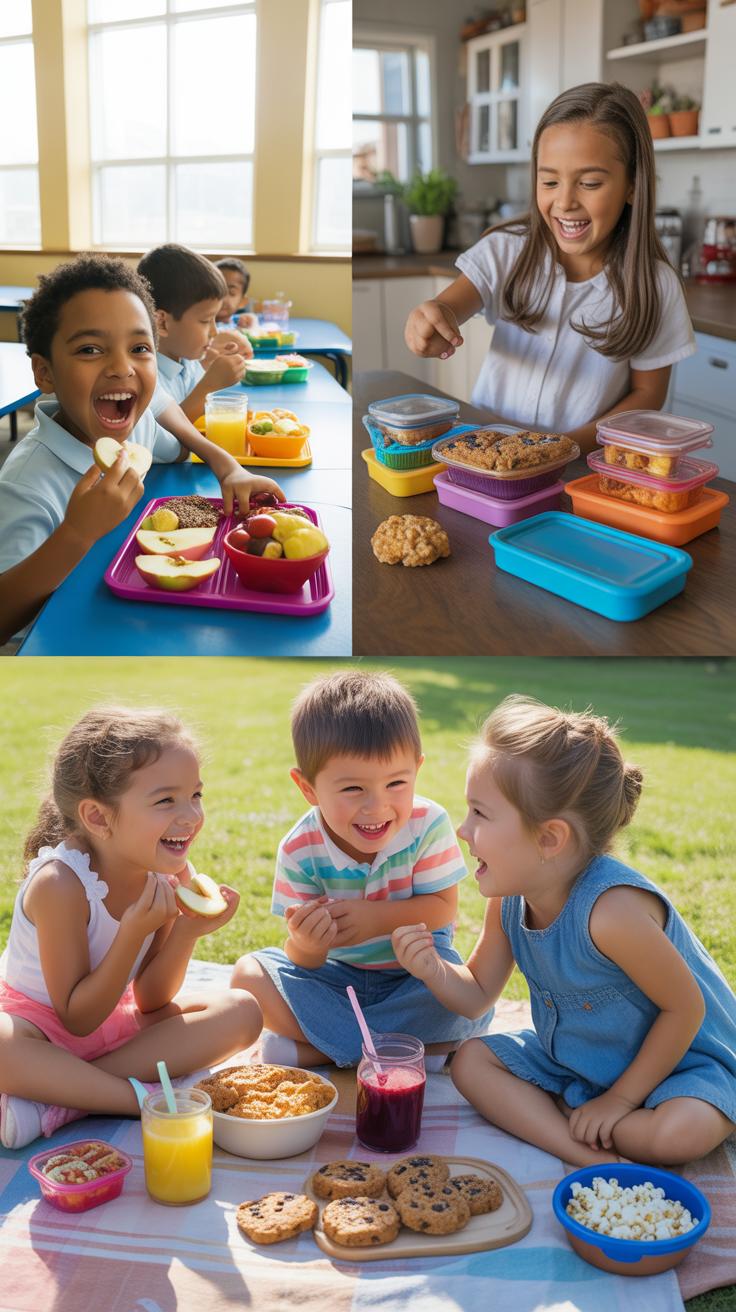
Why School Day Snack Needs Differ From Weekend Or Holiday Snacking Patterns
School day snacks require strict portability and speed. Students experience high mental fatigue after hours of structured learning. Their glucose levels drop significantly by the final bell. You must provide immediate energy through complex carbohydrates and proteins. These snacks bridge the gap between a late lunch and dinner. Without this intervention, kids face a massive energy crash that ruins evening productivity and mood.
Weekends allow for a slower pace and grazing. Kids stay more active or spend more time near the kitchen. You do not need packaged goods for the weekend. Use this time for fresh, perishable items that do not survive a backpack. This shift prevents food waste of expensive pantry staples. Focus on hydration and fiber during the weekend to balance out the higher calorie intake of school day convenience foods.
How To Plan A Flexible Weekly Snack Prep Schedule That Works For Your Family
Establish a hard prep day every Sunday to handle the school week volume. Focus on portioning dry goods and washing produce for the next five days. This creates a grab and go system that saves time during the morning rush. Consistency here prevents last minute trips to the store. High volume prep ensures you have enough food for the highest demand days when extracurricular activities run late.
Adjust your strategy on Wednesday evenings to assess weekend inventory. If your school day snacks remain uneaten, stop the next prep cycle. Use those leftovers for the weekend to save money. Save complex assembly tasks for Saturday mornings. This keeps weekend food fresh and prevents the soggy textures associated with long term storage. A two part prep schedule keeps your kitchen efficient and your food supply responsive to actual hunger.
Snacks After School That Double As Snacks For The Whole Family
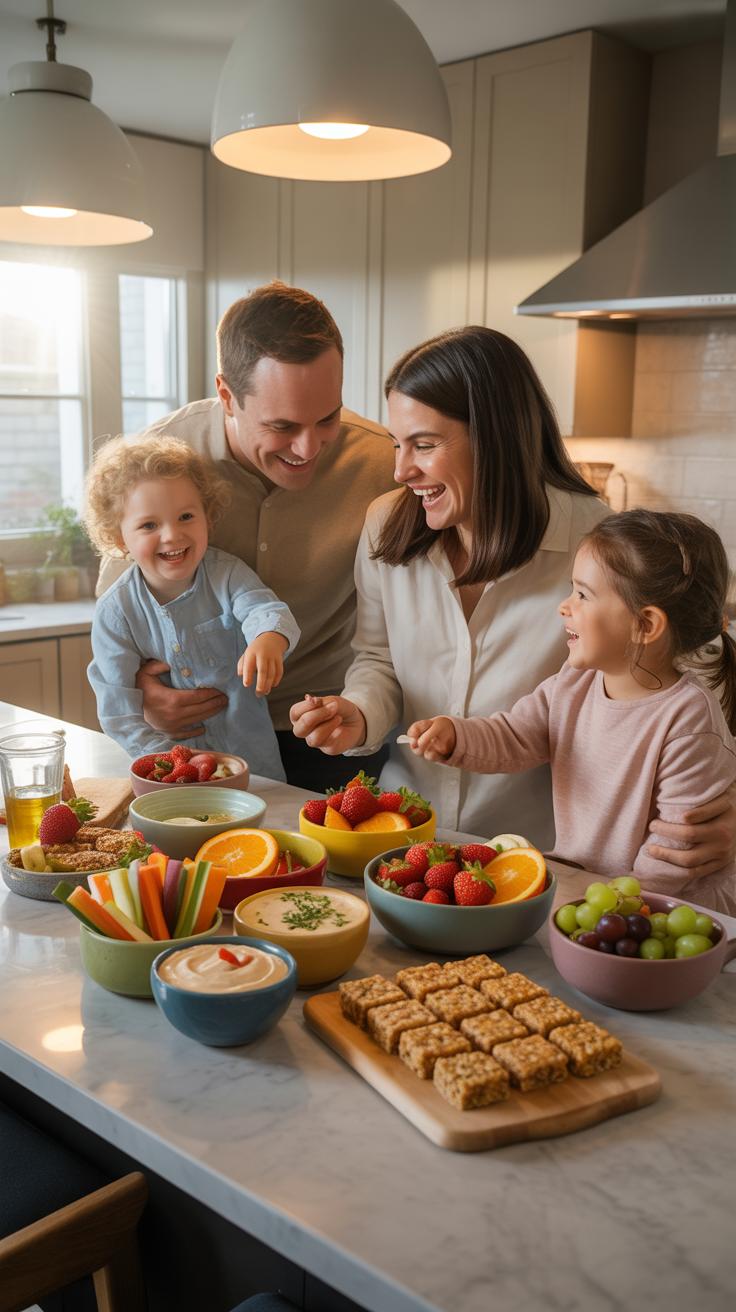
How To Scale Up Kid Friendly Snack Recipes So Everyone In The Household Benefits
Efficient meal prep requires high output with low effort. You scale snacks by choosing base ingredients that work for all ages. Focus on proteins and healthy fats like Greek yogurt or hummus. Buy these items in bulk containers rather than individual cups. This reduces waste and lowers the unit price. It also allows you to portion snacks based on caloric needs for different family members.
Standardize your preparation techniques to save time. Use commercial grade sheet pans to roast chickpeas or seeds in large batches. Prepare a single large container of dip instead of small bowls. Adults can add spices or heat to their portions later. This strategy ensures the kitchen runs like a production line. One hour of prep time yields snacks for everybody. You eliminate duplicate work and keep the inventory moving.
Building A Shared Snack Station At Home That Kids And Adults Both Reach For
A shared station increases household efficiency. Locate this area in a central spot like a pantry shelf or a dedicated refrigerator drawer. Use clear bins to organize items by category. High protein options should sit at eye level for adults. Place easy to grab items for children on lower shelves. This design promotes independence for kids and quick access for busy adults during work hours.
Stock the station with durable whole foods. Apples and citrus fruits stay fresh longer without refrigeration. Nuts and seeds provide stable energy without blood sugar spikes. Proper storage containers prevent air exposure and staling. Use airtight glass jars for dry goods to maintain quality. This setup reduces grazing on low nutrient junk food. It turns the kitchen into an organized resource. Better organization leads to better nutrition for the whole family.
Frequently Asked Questions

Why should I bother meal prepping snacks for my kids?
Preparing food in advance helps you avoid the frantic afternoon rush and ensures your children eat nutritious foods rather than processed options. When you meal prep after school snacks, you regain control over portion sizes and ingredients. Having a designated bin in the fridge or pantry allows kids to help themselves independently, which builds confidence and keeps hunger-induced irritability at bay until dinner is finally served.
How can I keep meal-prepped fruit and vegetables fresh all week?
To maintain the best texture, store sliced produce in airtight glass containers or reusable silicone bags. For items like apple slices, a quick dip in saltwater or lemon juice prevents browning. When prepping these after school snacks, wait to wash berries until the day you eat them to avoid mold. Prep harder vegetables like carrots and celery in water to keep them crisp and delicious for several days.
Can I meal prep healthy snacks on a tight monthly budget?
Absolutely! The most affordable way to provide variety is by buying in bulk and avoiding pre-packaged individual servings. Purchase large tubs of yogurt, big bags of popcorn, or blocks of cheese to portion out yourself at home. Seasonal fruits and protein-rich beans or hard-boiled eggs are incredibly cost-effective. Choosing whole ingredients over branded convenience items makes it easy to provide high-quality nutrition without overspending your grocery budget.