Why Healthy Toddler Snacks Matter For Growth And Development
The Role Of Nutrition In Toddler Development
Toddlers possess small stomachs and high energy needs. They cannot consume enough calories in three main meals to fuel their rapid physical growth. Proper snacks provide essential micronutrients like iron, calcium, and vitamin D. These nutrients build strong bones and support brain function during critical developmental windows. You must view snacks as mini-meals that fill nutritional gaps rather than treats.
Nutritional deficiencies during this stage cause long-term developmental delays. Iron deficiency remains a common problem for toddlers transitioning from formula or breast milk to solids. High-quality snacks deliver the proteins and healthy fats required for myelination in the brain. Focus on nutrient density to ensure every bite supports height, weight, and cognitive milestones. Avoid empty calories that offer no structural benefit to the growing body.
How Snack Timing Affects A Toddler’S Energy And Mood
Blood sugar stability dictates toddler behavior and cognitive focus. Long gaps between eating lead to glucose drops that trigger cortisol spikes and irritability. Consistent snack timing prevents the “hangry” cycle by maintaining steady energy levels throughout the day. Strategic refueling keeps the child or animal-like brain calm and receptive to learning. Aim for a predictable schedule to regulate the internal clock.
Proper timing also protects the integrity of main meals. Offer snacks two hours before a scheduled lunch or dinner to maintain a healthy appetite. Late snacking ruins interest in protein and vegetables served at the table. Use mid-morning and mid-afternoon slots to stabilize mood without overfeeding. This tactical approach to scheduling reduces power struggles and ensures the child remains fueled for physical play and social interaction.
Easy Toddler Snacks You Can Prep In Under Five Minutes

No Cook Snack Options That Require Zero Prep
Raw fruits and vegetables provide immediate nutrition without heat or complex assembly. Choose items like bananas, berries, or pre-washed baby spinach. These foods offer essential fiber and vitamins in their natural state. Efficiency relies on selecting items that do not require peeling or extensive slicing. Speed is the priority here. You must focus on high-yield energy sources that allow for instant consumption during transit or play.
Cheese sticks and pre-portioned yogurt cups serve as reliable protein sources. These dairy products contain calcium and vitamin D necessary for bone development. They come in sealed containers that maintain freshness and safety. Avoid any items with added sugars or artificial dyes to ensure health standards stay high. You simply open the package and serve. This method eliminates cleanup time and reduces logistical friction for the parent.
Simple Pantry Staples That Double As Quick Toddler Snacks
Dry pantry goods provide shelf-stable options for immediate use. These items stay fresh for months in airtight containers. Focus on complex carbohydrates that offer sustained energy release throughout the day. Check labels to ensure low sodium content and minimal processing. Whole grain options generally provide more dietary fiber than white flour versions. You can store these in small bags for rapid access during errands or travel.
- Whole Grain O-Shaped Cereal: These cereals provide iron and zinc which are vital for growth. The small shape helps toddlers practice their fine motor skills and pincer grasp. Choose unsweetened varieties to keep sugar intake low while providing a crunchy texture that children enjoy.
- Rice Cakes: Brown rice cakes offer a gluten-free base for various toppings. They have a neutral flavor and a firm structure that is easy for small hands to hold. You can serve them plain or with a thin layer of nut butter for added protein.
- Freeze-Dried Fruit: This process removes moisture but retains most vitamins and minerals from the original fruit. It offers a unique crunch without the mess of juice or pulp. Ensure the ingredient list contains only fruit with no added oils or sweeteners.
- Whole Wheat Crackers: These crackers deliver more fiber than standard saltines and keep children full longer. They serve as a durable snack that does not crumble easily in a bag. Look for brands that use high-quality oils and simple ingredients.
- Nut Butters: Smooth peanut or almond butter provides healthy fats and protein. Spread a thin layer on bread or crackers to prevent choking hazards associated with large globs. Always verify that the butter contains no added hydrogenated oils or sugars.
Organization of your pantry determines your success rate. Group these items in a dedicated bin at eye level. This system allows you to grab and pack snacks in seconds. Rotation ensures that nothing expires or loses its nutritional value. Use clear containers so you can see when supplies run low. A well-maintained pantry functions as your primary tool for managing caloric needs without wasting time.
Snack Ideas For Toddlers That Are As Nutritious As They Are Fun
Using Color And Shape To Make Snacks More Appealing
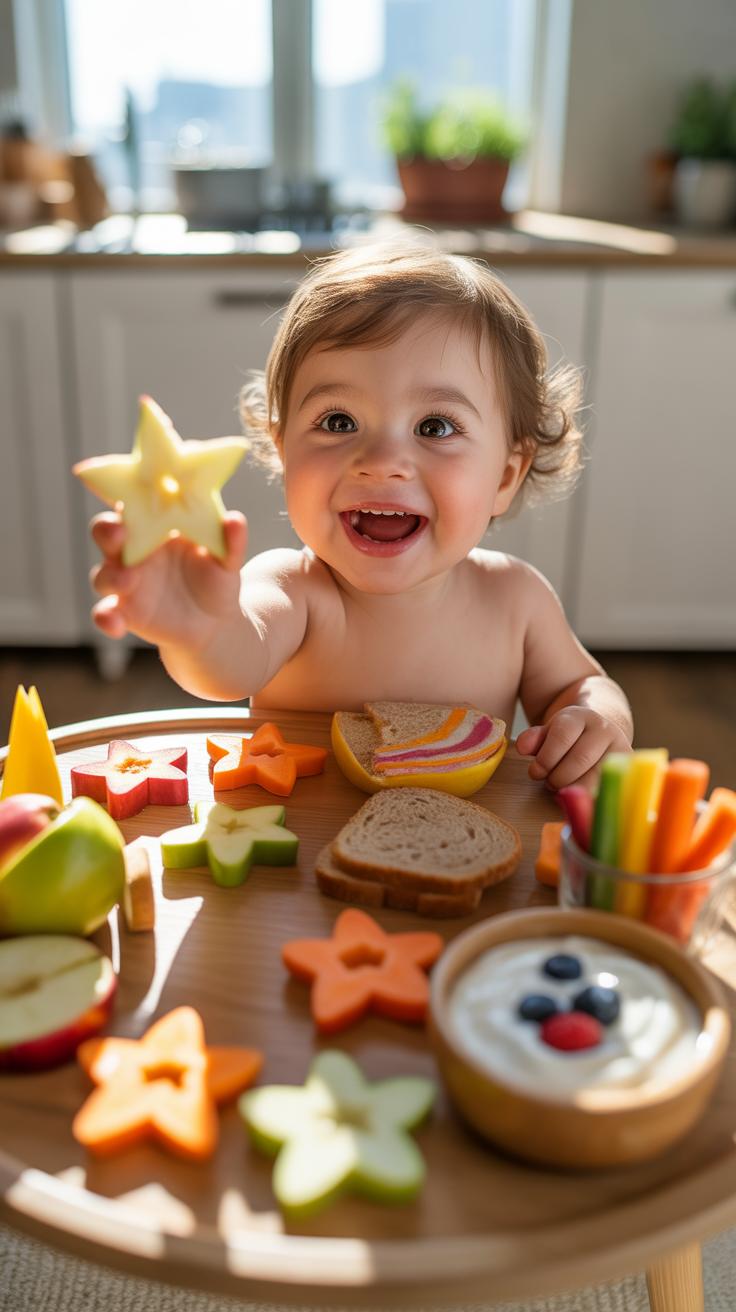
Visual interest drives consumption in early childhood development. Use high contrast colors to signal nutrient density and variety. Bright reds from bell peppers or deep greens from steamed broccoli trigger natural curiosity. Presentation overrides complex recipes. Toddlers identify food through simple geometry. Standardizing food sizes into cubes or spheres creates a predictable eating experience. This consistency reduces mealtime anxiety and increases food acceptance.
Cut food into recognizable shapes using metal molds or uniform slicing techniques. Circles and triangles mimic common toys and shapes found in the environment. This strategy turns a plate into a visual puzzle. It encourages the child to engage with the meal longer. Keep color palettes limited to three distinct hues to avoid sensory overload. Clear separation on the plate prevents flavor blending and maintains the integrity of each food item.
Finger Foods That Encourage Independent Eating
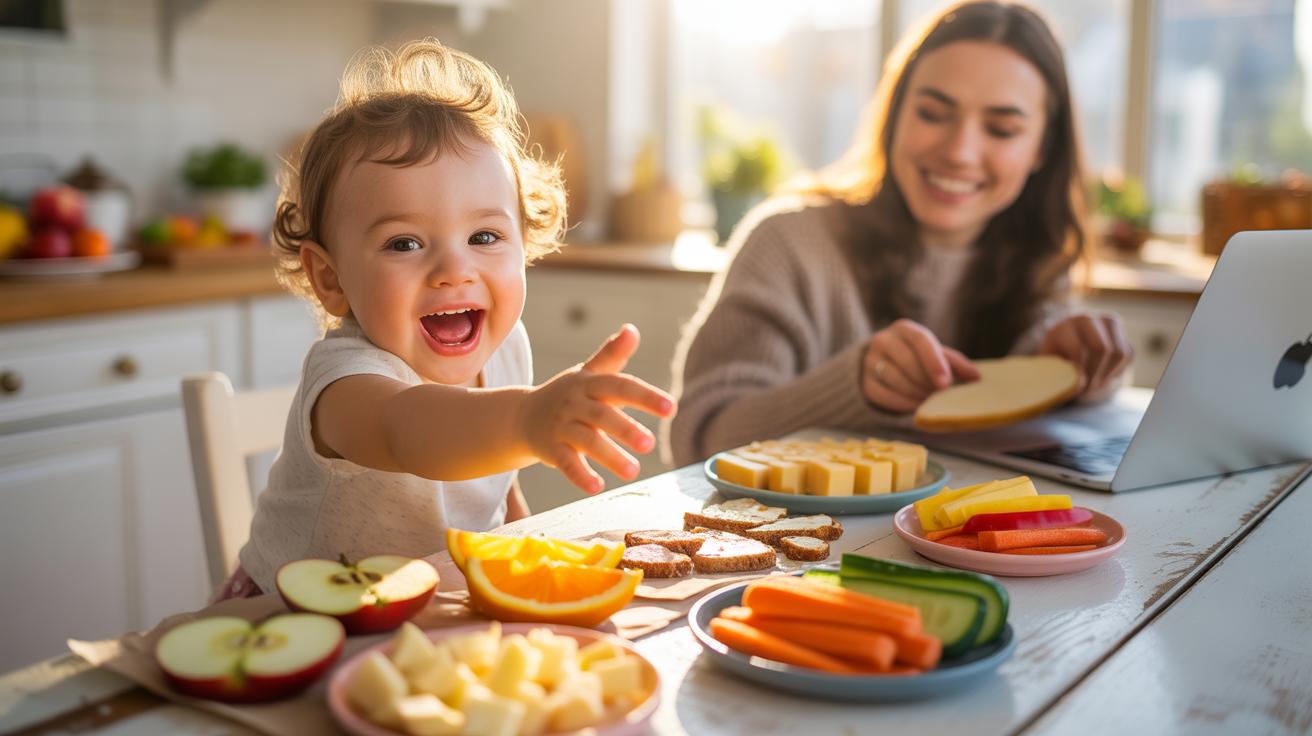
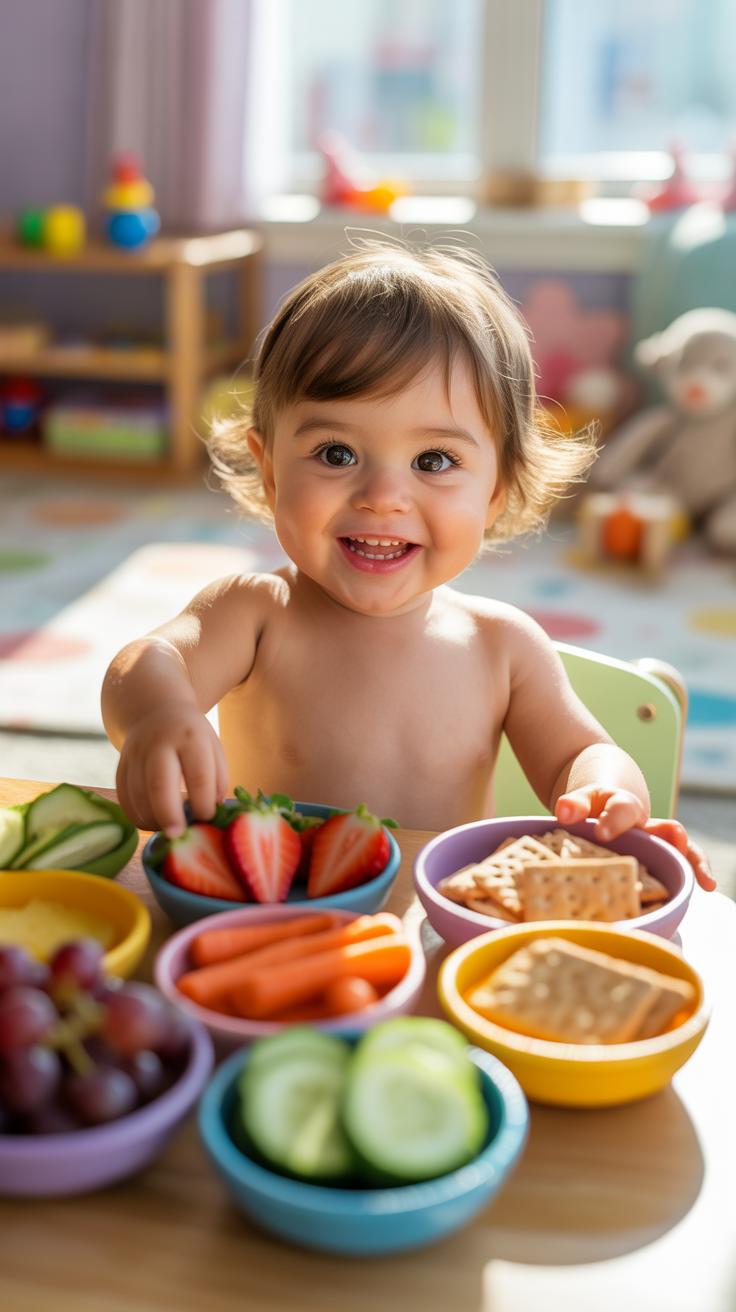
Independent eating builds fine motor skills and hand eye coordination. Provide foods that require a pincer grasp to strengthen finger muscles. Sizes must be small enough to fit in a toddler hand but large enough to pose no choking risk. Soft textures are mandatory for safety. Steamed vegetables and soft fruits provide the necessary resistance for chewing without requiring advanced molars. This approach fosters confidence during self feeding.
Strategic snack placement empowers the child to make choices. Put various finger foods on a low, accessible tray or divided plate. This setup allows the toddler to control the pace of the meal. Control reduces power struggles between parent and child. Focus on calorie dense options like avocado chunks or hard boiled egg pieces. These items provide essential fats and proteins. Reliable finger foods ensure the child stays full and focused throughout the day.
Toddler Snack Ideas Healthy Enough To Replace A Mini Meal
Protein Packed Snacks That Keep Toddlers Full Longer
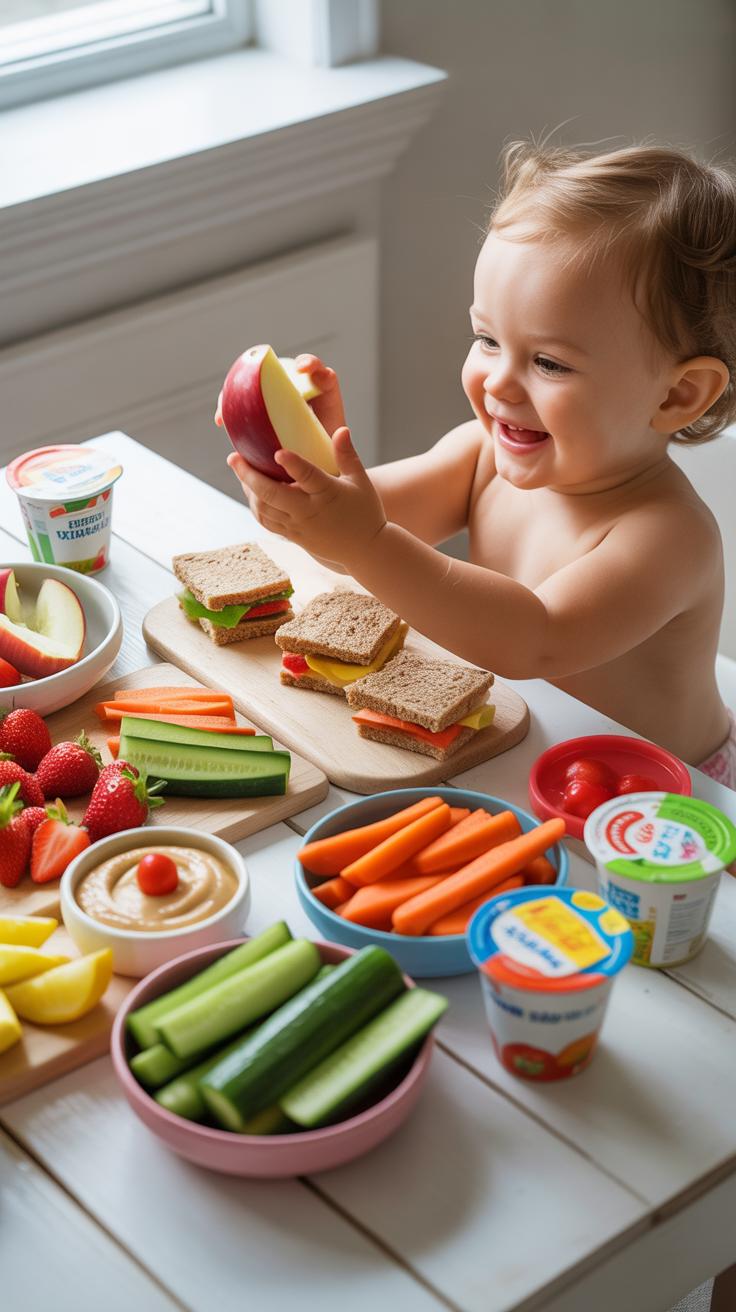
Protein stabilizes blood sugar and provides the building blocks for rapid muscle growth. Young children require consistent amino acid intake to support physical development throughout the day. High protein snacks prevent the energy crashes common with high sugar options. Focus on dense sources like Greek yogurt, eggs, or cottage cheese. These foods take longer to digest and keep hunger at bay until the next scheduled meal.
Strategic snacking requires balancing protein with healthy fats for maximum satiety. Combining a hard boiled egg with a small amount of avocado ensures the child receives essential fatty acids and minerals. Avoid processed protein bars which often contain hidden corn syrup and fillers. Stick to single ingredient sources to ensure the toddler receives high quality fuel. This approach reduces grazing behaviors and establishes a reliable eating schedule for busy households.
The simplest snacks often become the sweetest memories shared around a tiny table. To a child, a small treat given with love is a grand feast.
Whole Food Snacks That Deliver Real Nutritional Value
Whole foods provide vitamins and fiber in their most bioavailable form. Processed snacks often lose vital nutrients during high heat manufacturing. Serving raw or lightly steamed vegetables preserves the enzyme content and natural structure of the food. Iron and calcium are critical for toddlers during this growth phase. Select dark leafy greens or beans to meet these needs without using synthetic supplements found in fortified cereals.
Texture plays a vital role in dietary acceptance and jaw development. Slicing apples or bell peppers into manageable strips encourages independent feeding skills. Fiber from whole fruits regulates the digestive system and prevents constipation. Avoid fruit juices which provide sugar without the beneficial pulp. Parents must prioritize nutrient density over convenience to support long term health. True whole foods offer a complete nutritional profile that laboratory snacks cannot replicate.
Snacks For Toddlers Easy Enough For On The Go Families
Packable Snacks That Travel Well Without Refrigeration
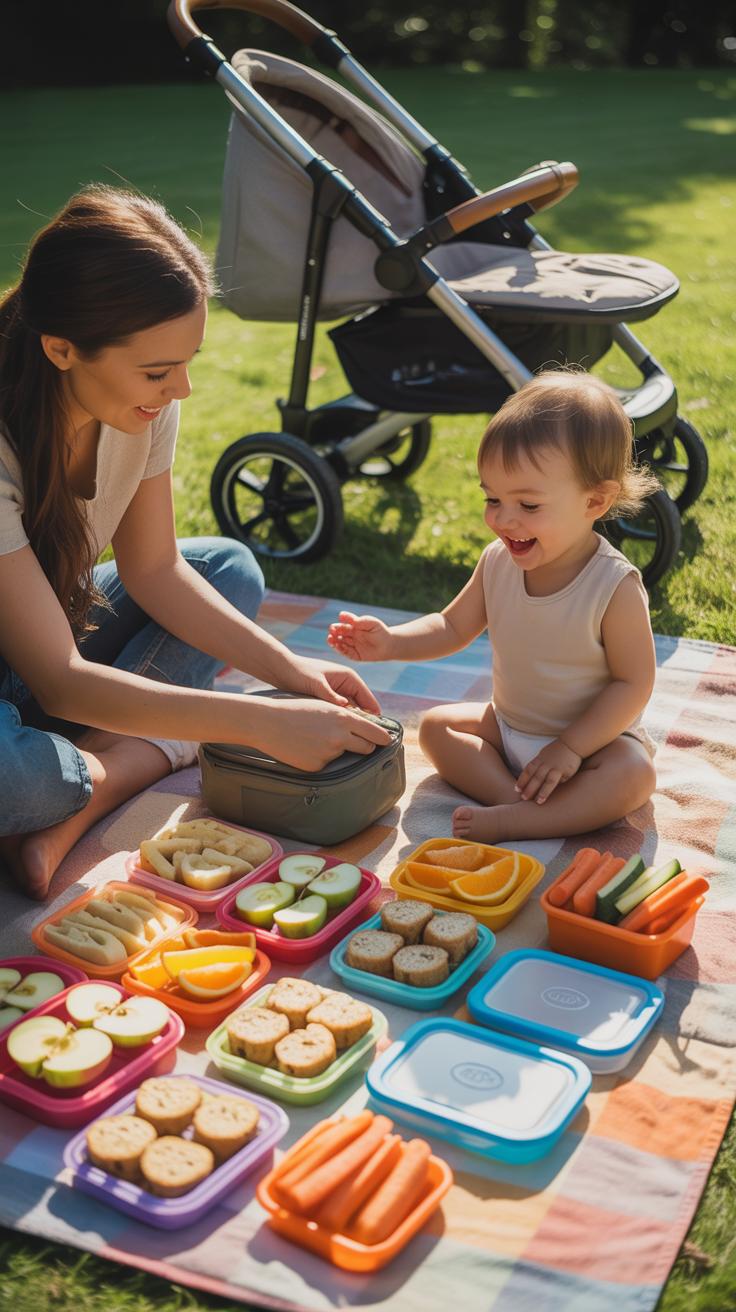
Choose snacks that resist spoilage and structural failure during transit. Freeze-dried fruits provide the vitamins of fresh produce without the sticky mess or bruising risk. Puffed grains and dry cereals offer predictable textures and easy handling for small hands. Avoid soft cheeses or cut melons that require strict temperature control to stay safe. These stable options keep the diaper bag clean and the toddler fed.
Select items with low moisture content to prevent bacterial growth. Roasted chickpeas and seed butters in squeeze pouches offer high protein density without refrigeration requirements. Check product labels for sugar levels to avoid energy crashes during travel. Standardize your inventory with items packaged in durable foils or hard plastic shells. This strategy ensures the food remains intact and edible regardless of the external environment or movement.
How To Build A Toddler Snack Bag For Outings And Errands
Divide your snack bag into functional zones based on accessibility. Place dry, non-perishable items in the primary outer pockets for quick retrieval during transitions. Use clear, reusable silicone containers to identify contents instantly. High-protein items should occupy the core of the bag to maintain a stable internal temperature. This systematic organization reduces the time spent searching for food during a high-stress hunger tantrum or public outing.
Implement a rotation system to maintain food safety and variety. Inspect all seals and expiration dates every forty-eight hours to prevent spoilage. Include a dedicated utensil kit and sanitized wipes to manage hygiene in uncontrolled settings. Stick to familiar foods to ensure intake during stressful travel periods. A well-organized bag functions as a mobile nutrition station that supports the physiological needs of the toddler while maintaining parental control over the day.
Foods For Picky Kids How To Expand Your ToddlerS Palate
Understanding Why Toddlers Develop Food Preferences
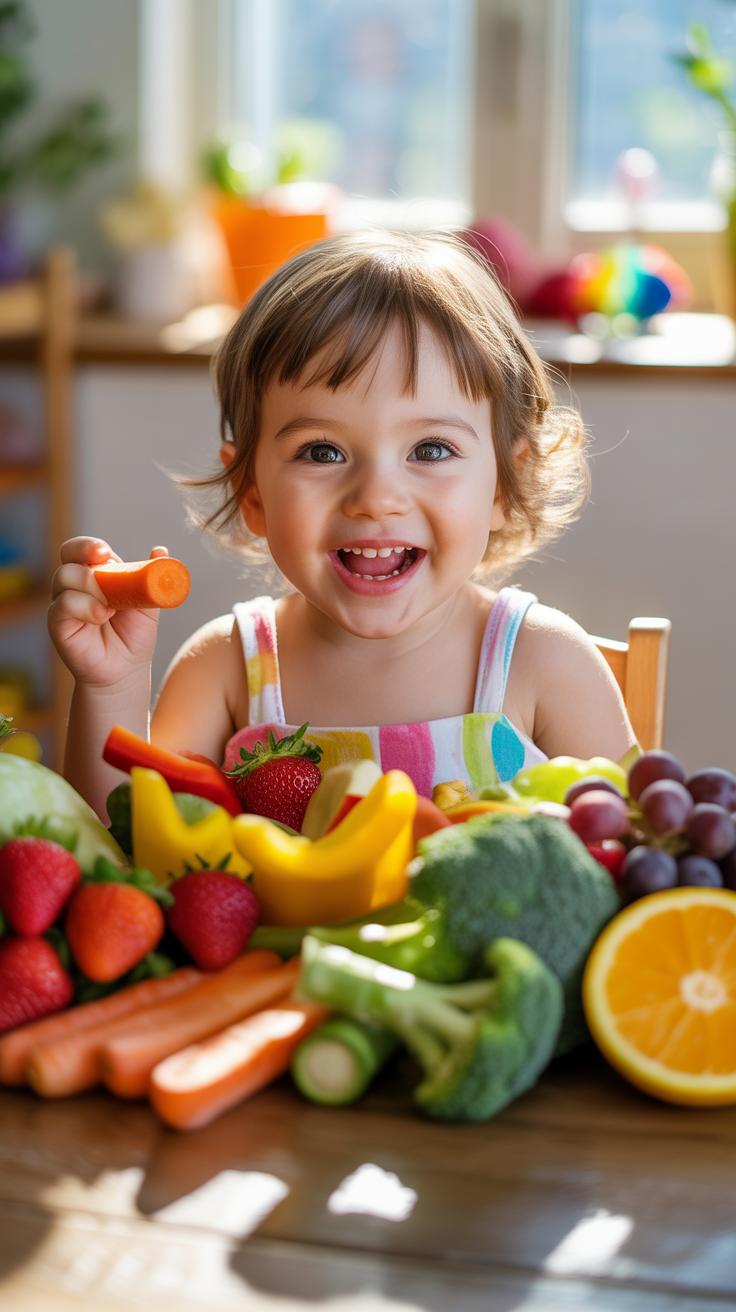
Toddlers experience a developmental phase called food neophobia. This is a survival mechanism from early human history. It prevents young children from eating potentially toxic plants when they become mobile. This fear of new things peaks between age two and six. It is a biological drive, not a behavioral defiance. Recognizing this instinct helps parents stay calm during rejected meal attempts.
Growth rates also slow significantly after the first year. Toddlers require fewer calories than infants relative to their body size. Their appetite fluctuates based on daily activity and physical development. Parents often mistake this natural drop in hunger for picky eating. Understanding these caloric shifts prevents unnecessary power struggles. You must view these changes as physiological milestones rather than personal rejections of your cooking or effort.
Strategies To Gently Introduce New Foods Without Mealtime Battles
Stop forced feeding and high-pressure tactics immediately. Scientific research shows that pressure causes children to consume less of the target food. Instead, use repeated exposure to build familiarity. A child may need to see a new snack fifteen times before they try it. Present small portions alongside familiar items to reduce the perceived threat. This method lowers anxiety and builds long-term trust.
- Food Chaining: Link successful foods to new options using similar sensory traits. Use a child’s favorite salty cracker as a base for a small piece of cheese. Match textures and temperatures to bridge the gap between known safe foods and unfamiliar ingredients.
- Mundane Exposure: Place new foods on the table without requiring the child to eat them. Let the toddler observe others eating the item. Seeing parents consume a variety of nutrients serves as a powerful non-verbal cue that the food is safe and edible.
- Deconstructed Serving: Separate mixed snacks into individual components on a plate. Many toddlers fear hidden ingredients or unexpected textures in combined dishes. Offering control over each element allows the child to inspect and test items one at a time at their own pace.
- Sensory Play: Encourage touching and smelling new snacks outside of formal mealtimes. Interaction without the pressure to swallow reduces the fear response. Let the child help wash vegetables or pour dry ingredients. Familiarity through touch often leads to eventual tasting and acceptance.
- Micro Portions: Serve new items in portions as small as a single pea. Large servings overwhelm a hesitant eater and lead to instant rejection. A tiny amount looks manageable and lowers the stakes for the child to try a single bite without a major commitment.
Consistent routine provides the structure needed for dietary expansion. Serve snacks at the same times every day to regulate hunger cues. A hungry child is more likely to experiment with new flavors than one who grazes all day. Keep the environment neutral and avoid using dessert as a bribe. Rewarding food with other food creates an unhealthy hierarchy that devalues the healthy options you want them to eat.
Easy Baby Food Recipes That Transition Beautifully Into Toddler Snacks
Purees And Soft Foods That Bridge Baby And Toddler Eating Stages
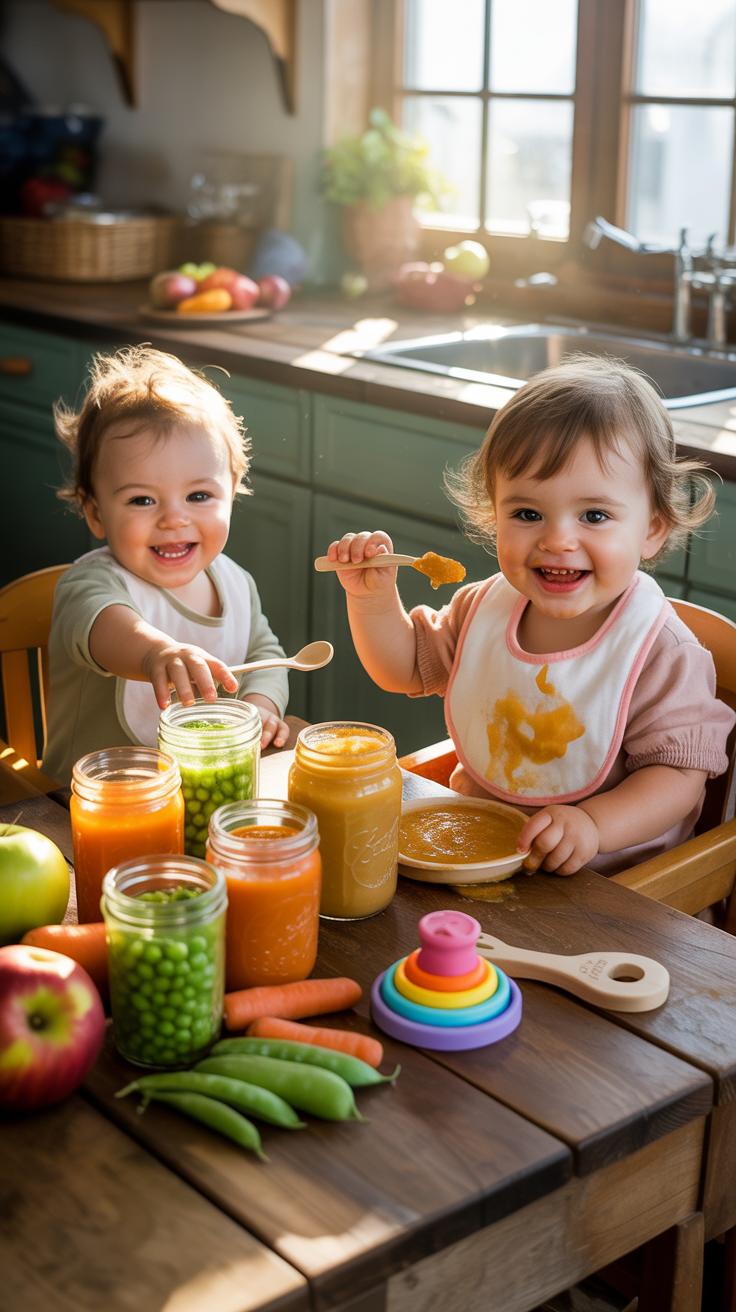
Purees serve as more than just starting meals for infants. These smooth textures provide a reliable nutritional base during the transition to solid foods. Parents can repurpose vegetable and fruit blends to create consistent snack options. Thick purees offer high nutrient density and familiar flavors. This familiarity reduces mealtime refusal while the toddler learns to manage new textures and more complex flavors.
Strategic use of soft foods bridges the gap between liquid diets and crunchy items. Greek yogurt and mashed avocado represent high quality fats and proteins essential for growth. These foods require minimal chewing but encourage tongue movement. You can use these bases to introduce spices or small food particles. This method builds caloric intake without taxing a young child’s underdeveloped chewing muscles or risking early fatigue.
How To Adapt Baby Food Staples Into Age Appropriate Toddler Bites
Transitioning from jars to finger foods requires structural changes to the food. You can transform thin vegetable purees into solid bites by adding binding agents. Use whole wheat flour, oats, or eggs to create small pancakes or fritters. Heating these mixtures creates a firm exterior that a toddler can easily grip. This process converts a spoon fed meal into a self directed snack.
Solidifying baby food staples improves fine motor skills through pincer grasp practice. Cut steamed fruits or thick pastes into uniform cubes to ensure even chewing. These smaller portions prevent choking while allowing the child to explore various food shapes. Focus on tactile feedback to help the child recognize different food groups. This tactical shift ensures you use existing pantry stock while meeting new developmental milestones.
Toddler Breakfast Ideas That Work As Snacks Any Time Of Day
Why Breakfast Foods Make Some Of The Best Toddler Snacks
Breakfast foods often contain high levels of complex carbohydrates and fiber. These nutrients provide steady energy for growing bodies. Most traditional morning meals use whole grains like oats or wheat. These ingredients digest slowly and keep blood sugar levels stable throughout the day. Using these items as snacks prevents the energy crashes often seen with processed sugary treats or simple crackers.
Many breakfast staples also offer significant amounts of protein and healthy fats. Greek yogurt and eggs are common morning ingredients that support muscle development and brain health. These foods are easy to prepare in advance and store in the refrigerator. Serving breakfast items during the afternoon gap ensures the toddler receives essential vitamins. Nutritionists recommend these dense profiles to meet daily caloric needs efficiently.
Wholesome Morning Inspired Bites To Serve Beyond Breakfast Hours
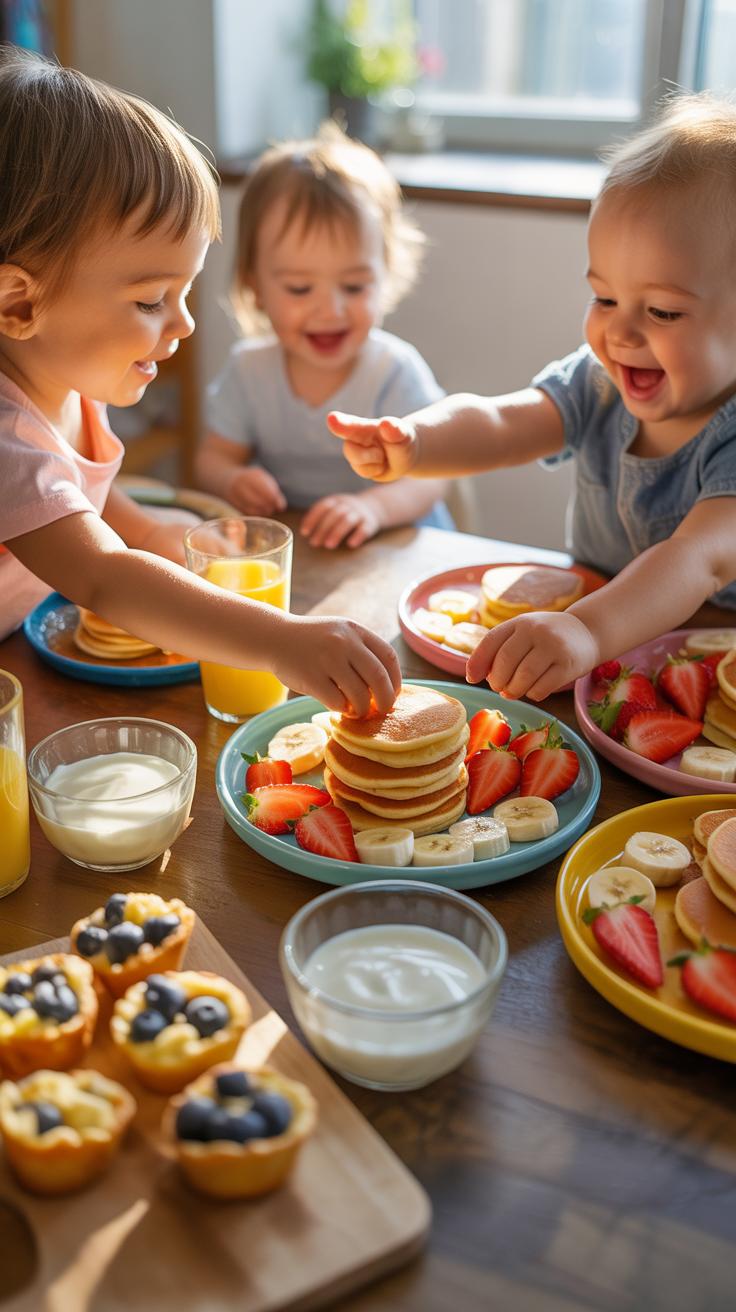
Miniature versions of breakfast classics work well for small hands. Mini pancakes or French toast strips allow toddlers to practice self-feeding skills. You can bake these items in large batches and freeze them for later use. Cold cereal served dry acts as a portable option for outings. These finger foods provide texture and variety without requiring a high level of preparation time.
Hard-cooked eggs and oatmeal bars serve as durable snacks for busy schedules. Hard-cooked eggs stay fresh in a shell for several days when refrigerated properly. Oatmeal bars made with mashed bananas utilize natural sugars instead of refined sweeteners. These options focus on nutrient density and physical portability. Parents choose these items because they bridge the gap between main meals while maintaining a high nutritional standard.
Easy Toddler Meals And Snack Routines That Bring Calm To Busy Days
Building A Consistent Snack Routine That Works For Your Family
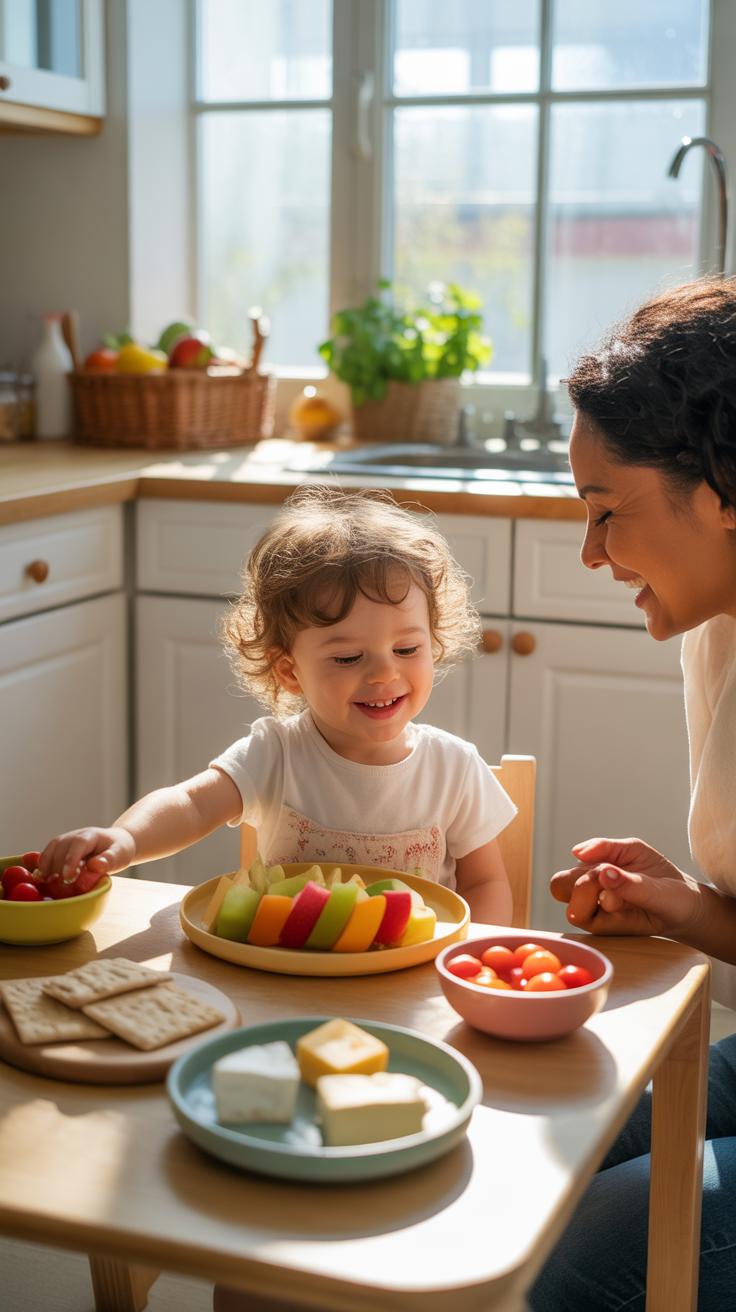
Toddlers operate on internal biological clocks that thrive on predictability. Establish two fixed snack windows between main meals. Aim for mid-morning and mid-afternoon timings. This prevents grazing and protects hunger for lunch and dinner. Use a designated seating area for all eating. Physical boundaries reduce mess and improve focus. Consistency reduces decision fatigue for the parent and tantrums for the child.
Balance every snack with a protein and a fiber source. This combination stabilizes blood sugar levels and prevents energy crashes. Use small portions to avoid overwhelming the child. Offer water as the primary beverage to maintain hydration without adding sugar. A structured routine eliminates the constant demand for food. It teaches the child to recognize physical hunger cues rather than eating out of boredom.
Batch Prepping Toddler Snacks To Save Time During The Week
Efficiency requires a systemic approach to food preparation. Dedicate one hour on Sunday to wash, peel, and chop raw produce. Store these items in clear, airtight containers at eye level in the refrigerator. Portions should be ready for immediate service. This strategy eliminates the need for knife work during high-stress hours. Pre-portioning also allows for quick inventory checks before shopping.
Utilize the freezer for long-term snack management. Bake healthy muffins or oat bars in large quantities. Freeze them on a flat tray before transferring to bags to prevent sticking. This method provides high-quality food options that require seconds of microwaving. Efficient batch prepping reduces the impulse to reach for highly processed packaged goods. It ensures your toddler receives nutrient-dense fuel even on your busiest days.
Frequently Asked Questions

What makes a snack healthy and safe for a toddler?
When choosing toddler snacks, aim for a balance of protein, healthy fats, and fiber to keep energy levels stable. Focus on whole foods like soft fruits, steamed vegetables, or yogurt while avoiding added sugars and excessive salt. Safety is also paramount, so ensure all items are cut into bite-sized, age-appropriate pieces to prevent choking hazards and provide a stress-free eating experience for your little one.
How can I quickly prep snacks for a busy week ahead?
Successful meal prepping starts with portioning. Spend twenty minutes on Sunday washing large batches of grapes or berries and slicing cheese cubes. Storing these prepared toddler snacks in airtight containers or reusable silicone pouches makes them easy to grab as you head out the door. Having pre-cut veggies like cucumbers or carrots ready in the fridge ensures you can provide a nutritious mini-meal even during your most hectic weekday mornings.
Are there affordable snack options that don’t require expensive specialty brands?
Absolutely! You don’t need fancy packaging to provide high-quality nutrition. Buying pantry staples like oats, bananas, and large tubs of plain yogurt is much more cost-effective than purchasing individual processed packs. Homemade options like stove-top popcorn for older toddlers or DIY trail mixes with cereal and raisins are budget-friendly alternatives. These simple choices prove that providing healthy snacks can be both accessible and easy on your monthly grocery budget.