
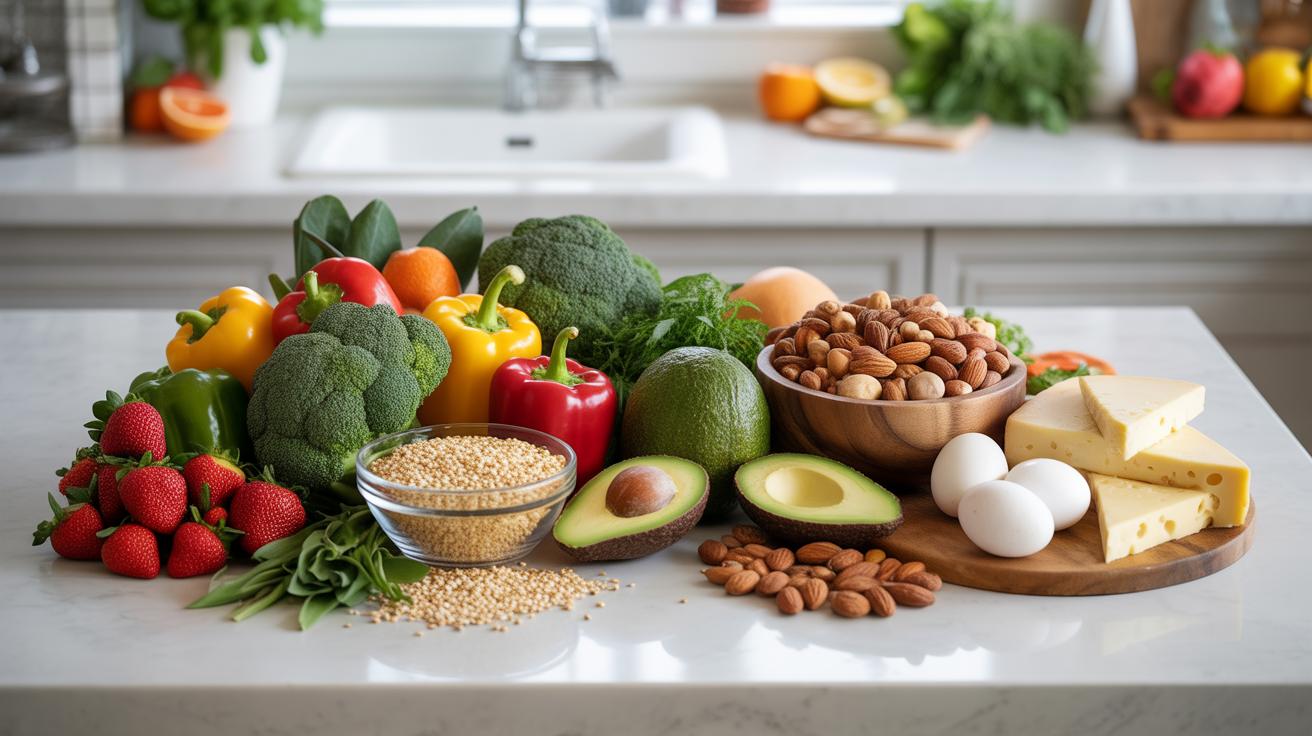
What Is Clean Eating Understanding The Core Principles Behind This Whole Food Lifestyle

Defining Clean Eating: Whole Foods, Minimal Processing, And Balanced Nutrition
Clean eating is a nutritional strategy focused on consuming foods in their most natural state. It rejects highly engineered products and artificial additives. Success depends on choosing items that come from the earth or animals with little intervention. This approach prioritizes nutrient density over strict calorie counting. It centers on the quality of fuel you put into your body to improve long-term health outcomes.

The core principle involves transparency in ingredients and sourcing. You avoid chemicals, preservatives, and synthetic enhancers found in boxed goods. Clean eating does not restrict specific macronutrients like carbohydrates or fats. Instead, it demands a balance of whole grains, lean proteins, and healthy fats. This method stabilizes blood sugar levels and reduces systemic inflammation. It creates a sustainable framework for eating without the stress of rigid deprivation.
What Foods Are Allowed And Avoided On A Clean Eating Plan
Adherence to this plan requires a shift toward fresh produce and unrefined sources. You prioritize vegetables, fruits, and legumes as the foundation of your diet. Grass-fed meats and wild-caught fish provide necessary protein without added hormones or antibiotics. You choose complex carbohydrates like brown rice or quinoa over white flour products. The goal is to maximize fiber intake and micronutrient absorption through diverse and colorful food choices.

You must eliminate ultra-processed items and refined sugars to see results. This means cutting out soda, candy, and pre-packaged snacks that contain long ingredient lists. Avoid hydrogenated oils and excessive sodium found in restaurant or frozen meals. Clean eating forces you to prepare meals at home using raw ingredients. This control ensures you know exactly what enters your system. You trade convenience for better digestion and consistent energy throughout the day.
What Is The Keto Diet How The Ketogenic Diet Works For Weight Loss
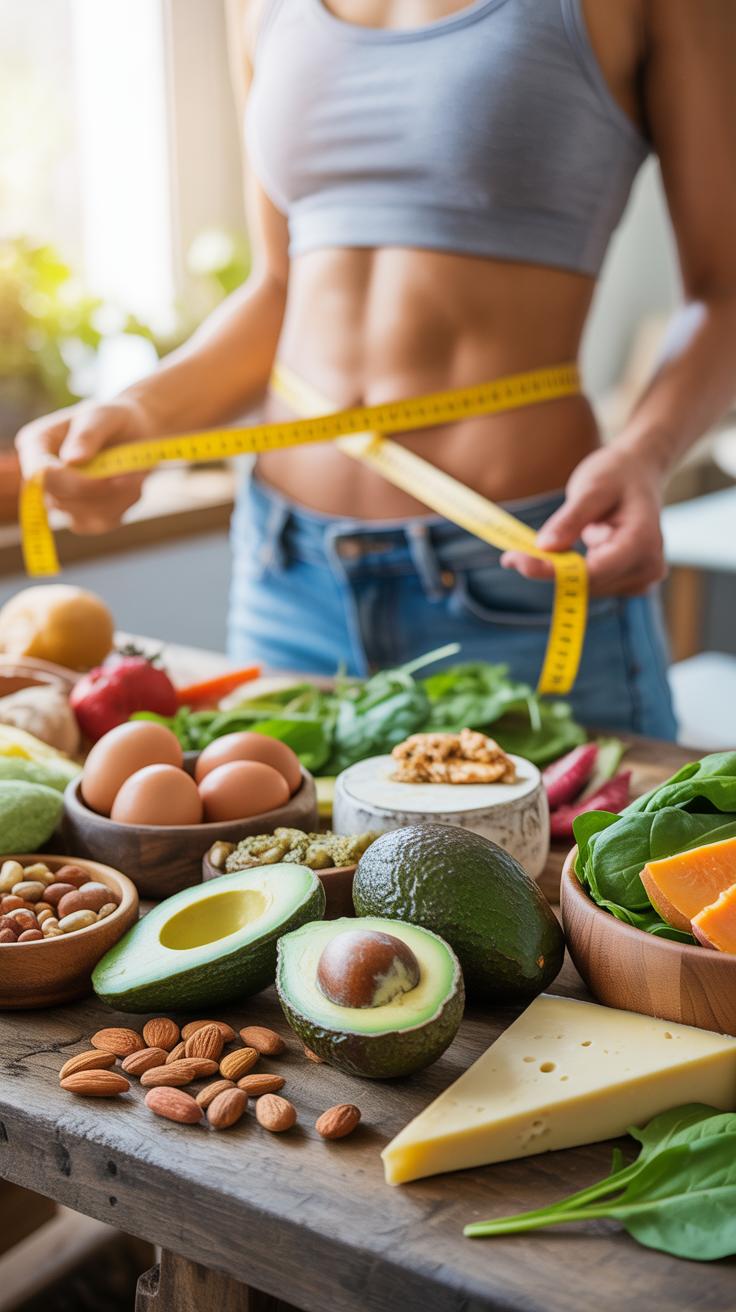
The Science Of Ketosis: How Your Body Burns Fat For Fuel Instead Of Carbohydrates
The ketogenic diet forces a metabolic shift. Normally, your body burns glucose from carbohydrates for energy. When you stop eating carbs, your liver converts stored fat into molecules called ketones. These ketones replace glucose as the main fuel source for your brain and muscles. This biological state is called ketosis. It changes how your cells access and utilize energy stores.
Ketosis targets body fat directly. In this state, insulin levels stay low and stable. High insulin prevents fat burning, but low insulin allows the body to release fat cells for energy. This process mimics the metabolic state of fasting without total calorie deprivation. You become efficient at burning body fat because your system no longer relies on frequent sugar intakes for daily performance.
Standard Keto Macros Explained: Fat, Protein, And Carbohydrate Ratios
Strict macronutrient ratios define the standard ketogenic diet. Most people consume 70 to 75 percent of their daily calories from fat. Protein intake stays moderate at 20 to 25 percent. Carbohydrates are restricted to roughly 5 to 10 percent of total calories. This specific balance is necessary to maintain ketosis. If you eat too many carbs, the metabolic shift stops immediately.
Precision is critical for success with these ratios. Tracking grams of fat and protein ensures the body stays in a fat-burning mode. You must limit net carbs, which are total carbs minus fiber, to under 50 grams per day. Most practitioners target 20 grams to guarantee results. This aggressive restriction forces the body to deplete glycogen stores. Once glycogen is gone, weight loss from fat stores begins.
Clean Eating Vs Keto Key Differences In Dietary Rules Food Choices And Structure
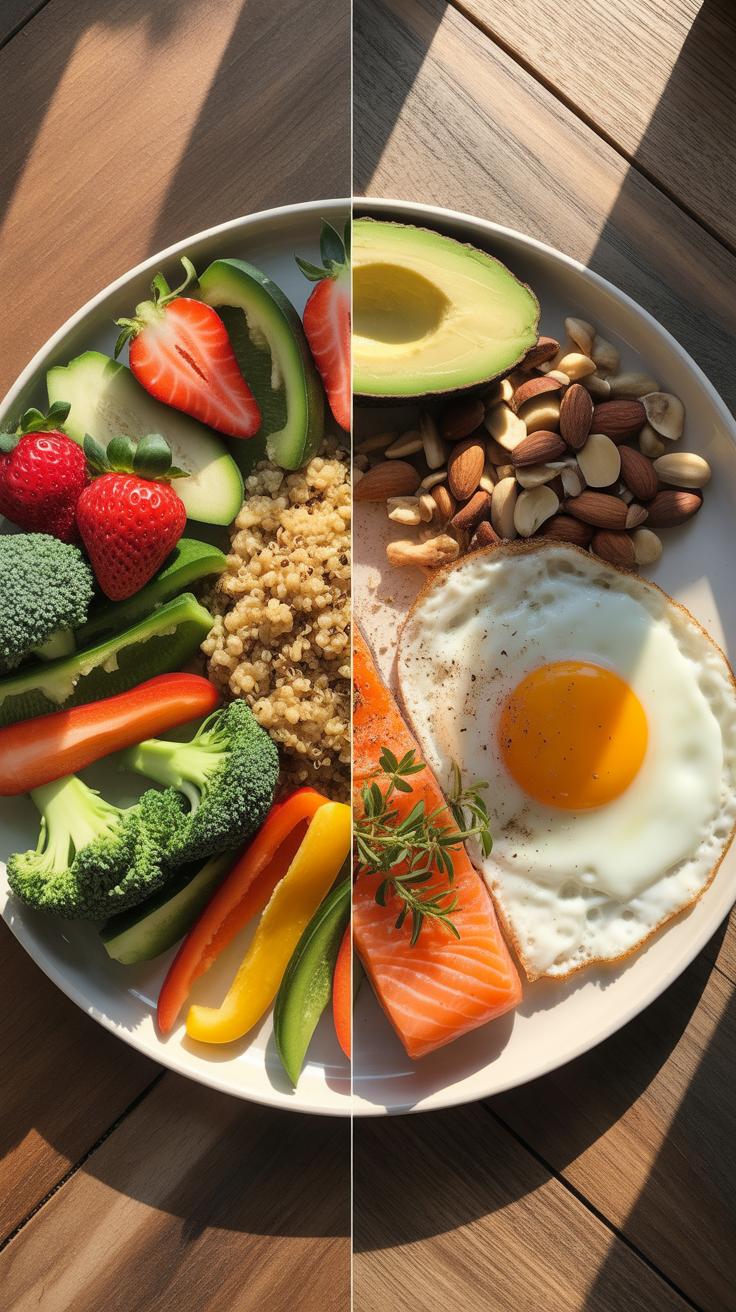
How Clean Eating And Keto Differ In Their Approach To Carbs, Fats, And Food Quality
Keto prioritizes specific macronutrient ratios to force the body into ketosis. You must consume high fats and very low carbohydrates to switch your fuel source from glucose to ketones. This medical approach ignores food processing levels if the macros fit the criteria. Clean eating focuses on food quality and sourcing rather than strict math. It emphasizes whole foods over refined products.
Clean eating allows complex carbohydrates like brown rice, fruit, and sweet potatoes. It rejects additives, preservatives, and artificial sweeteners common in many keto snacks. Keto restricts most fruits and grains to keep insulin levels low. While clean eating improves health through nutrient density, keto achieves metabolic changes through biological restriction. One manages the source of food while the other manages the metabolic state.
Flexibility Vs. Restriction: Which Diet Is Easier To Follow Long Term
Clean eating offers high flexibility because it does not ban entire food groups. You can eat out more easily and participate in social events without breaking a physiological cycle. The lack of rigid metrics makes it sustainable for years. You focus on simple habits like reading labels and avoiding chemicals. This approach adapts to your lifestyle without requiring constant blood testing or tracking.
Keto demands extreme precision and consistency to maintain results. One high-carb meal can knock you out of ketosis and stall your progress for days. This creates a high barrier to entry and makes long-term adherence difficult for many people. The restrictive nature often leads to social isolation or nutrient deficiencies if not planned carefully. Most users find clean eating more manageable for permanent lifestyle changes.
Difference Between Keto And Low Carb Where Clean Eating And Low Carb Diets Intersect
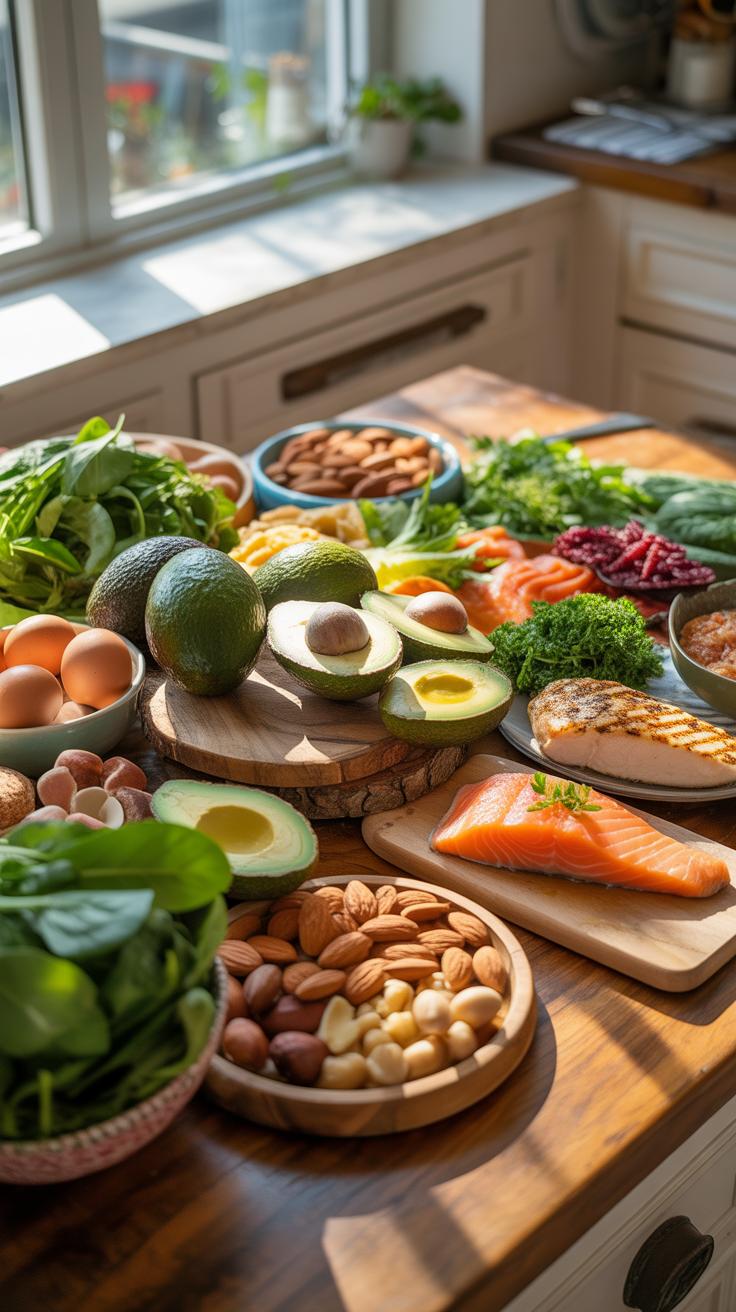
Low Carb Vs Keto Diet: Understanding The Carbohydrate Thresholds That Set Them Apart
The primary difference lies in the metabolic state of ketosis. A standard low-carb diet typically limits carbohydrate intake to between 50 and 150 grams per day. This range reduces insulin spikes and encourages weight loss but rarely forces the body to switch fuels. Users focus on protein and fiber while avoiding refined sugars and grains. It provides more flexibility for fruit and root vegetables.
Ketogenic diets require a much stricter limit to reach a state of ketosis. You must keep net carbs under 50 grams, and often below 20 grams, to force the liver to produce ketones. This shift changes how your body uses energy. Keto focuses on a high fat intake to maintain this metabolic state. If you cross the carb threshold, your body exits ketosis immediately.
The best path back to your truest self is the one that allows your body to feel at home and nourished every single day. Whether you choose the harvest of the earth or the strength of healthy fats, the right way is simply the one you can keep in your heart forever.
— Alice Waters
Can Clean Eating Be A Low Carb Diet? How Whole Foods Fit Into A Reduced Carb Lifestyle
Clean eating and low-carb diets intersect through the elimination of processed foods. A clean diet focuses on food quality rather than specific macronutrient ratios. However, you can easily adapt it into a low-carb framework by choosing specific whole foods. This means removing white flour, added sugars, and processed snacks. You replace these items with leafy greens, lean proteins, and healthy fats from natural sources.
This hybrid approach prioritizes nutrient density while managing blood sugar levels. You avoid the “dirty keto” trap of eating processed meats or artificial sweeteners. Instead, you get your limited carbs from berries, nuts, and non-starchy vegetables. This strategy combines the weight loss benefits of low-carb eating with the long-term health gains of a clean diet. It creates a sustainable system for fat loss without chemical additives.
Atkins Vs Keto Diet How These Low Carb Heavyweights Compare To Clean Eating

Atkins Vs Keto Diet: Phase Based Carb Restriction Versus Sustained Ketosis
Atkins and Keto both target carbohydrate reduction to trigger fat burning. Atkins uses a phased approach. It starts with a strict induction phase to spark weight loss. You then slowly reintroduce specific carbohydrates over several months. This method tests your personal carb threshold. It focuses on finding a balance where you can maintain weight while eating more variety than the initial phase allows.
The Keto diet requires constant metabolic ketosis. You keep your carbohydrate intake below fifty grams every day. Unlike Atkins, Keto does not have phases for adding carbs back. It forces the body to use ketones for fuel indefinitely. Keto emphasizes high fat intake to maintain this state. Atkins allows more protein as you move through its stages. This makes Keto a more rigid metabolic tool.
Where Clean Eating Stands Against Atkins And Keto For Sustainable Weight Loss
Clean eating focuses on food quality instead of macronutrient ratios. It eliminates processed items and added sugars. This approach does not require you to track grams of fat or carbs. You eat whole foods like vegetables, lean proteins, and ancient grains. This strategy builds healthy habits that last years. It lacks the strict biological triggers found in Keto but offers much higher dietary flexibility.
Atkins and Keto provide faster initial weight loss through water depletion and fat oxidation. However, clean eating wins on long term adherence. Many people struggle with the restrictive nature of sustained ketosis or the phased complexity of Atkins. Clean eating removes heart-clogging trans fats and chemical additives. It provides a stable path for fat loss without the risk of the metabolic crash often seen in low-carb diets.
Keto Vs Paleo Difference How Paleo And Clean Eating Share Common Ground Against Keto
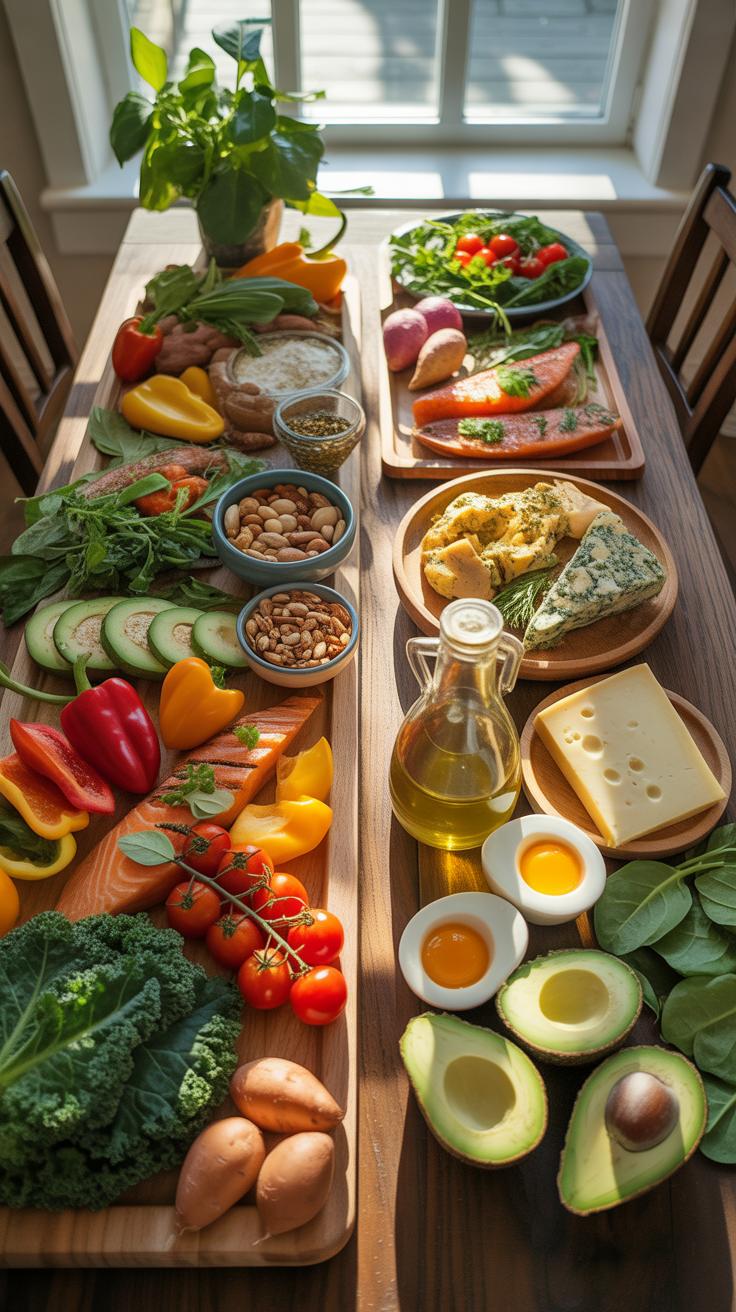
Difference Between Paleo And Keto: Food Quality Focus Vs. Strict Macronutrient Control
Keto prioritizes metabolic states over ingredient origins. You must track grams of fat, protein, and carbohydrates to maintain ketosis. This system allows for processed oils and artificial sweeteners if they fit your daily macros. Efficiency is the primary goal here. You force the body to burn fat for fuel by depriving it of glucose through rigid mathematical limits on every meal.
Paleo and clean eating focus on the source and quality of the food. These methods ban processed chemicals and refined sugars entirely. You do not count macros or calories with the same intensity. Instead, you eat whole foods that humans consumed before the industrial revolution. Quality dictates the results. You lose weight by removing inflammatory toxins and high-glycemic grains from your daily diet.
Paleo Vs Atkins Vs Clean Eating: Which Ancestral Or Whole Food Diet Wins For Weight Loss
Atkins serves as the bridge between ancestral eating and modern keto. It uses phases to reintroduce carbohydrates. This differs from clean eating, which keeps healthy complex carbs in the rotation from day one. Paleo wins for those who want a permanent lifestyle change without tracking every bite. It removes dairy and legumes to lower inflammation. Reduced inflammation leads to faster fat loss and better metabolic health.
Clean eating offers the most flexibility for long-term maintenance. You focus on minimally processed foods but allow for more variety than Paleo or Atkins. This prevents the burnout often seen with restrictive dieting. Weight loss happens because you naturally lower your caloric intake by eating nutrient-dense meals. For sustainable results, choosing whole foods beats temporary carb restriction. High-grade fuel ensures your body functions at peak performance levels.
Paleo Vs Keto Vs Mediterranean Comparing Three Major Diet Philosophies With Clean Eating

How The Mediterranean Diet Aligns More Closely With Clean Eating Than Keto
The Mediterranean diet prioritizes whole foods like vegetables, fruits, legumes, and whole grains. It mirrors clean eating by removing processed sugars and refined flours. Keto diverges from this path by restricting fiber-rich carbohydrates and healthy grains. While keto focuses on metabolic ketosis through high fat intake, both clean eating and the Mediterranean model focus on nutrient density and sustainable food sources. This makes them more compatible for long-term health.
Clean eating and Mediterranean protocols both allow for natural sugars found in fruit. Keto labels most fruits as off-limits due to their glycemic load. By choosing the Mediterranean approach, you maintain a balanced intake of all three macronutrients. This reduces the need for the intense tracking required by keto. These two philosophies share a common goal of reducing systemic inflammation. They achieve this by avoiding industrial seed oils and additives.
Whole 30 Vs Keto Vs Banting: Elimination Based And High Fat Diets Stacked Against Clean Eating
Whole 30 and Banting represent strict elimination frameworks that intersect with clean eating. Whole 30 functions as a temporary reset to identify food sensitivities. It shares the clean eating ban on soy, dairy, and legumes. However, clean eating is a lifestyle rather than a thirty-day challenge. Banting, a precursor to modern keto, emphasizes high fat and low carb. Like keto, it prioritizes fat over the broader nutritional variety found in clean eating.
Clean eating remains less restrictive than keto or Banting because it does not require specific macronutrient ratios. It focuses on the quality of the ingredient rather than the grams of fat or carbs. Whole 30 aligns with clean eating by forcing the consumer to read every label. Keto often permits “dirty” processed foods if they fit within a carbohydrate limit. Clean eating rejects these processed options regardless of their low sugar content or fat levels.
Weight Loss Results What The Research Says About Clean Eating Vs Keto Effectiveness

Short Term Vs Long Term Weight Loss: How Keto And Clean Eating Perform Over Time
Keto produces rapid weight loss in the first three months. This occurs because the body burns through glycogen stores and sheds water weight. Research shows keto often outperforms low-fat diets during this initial phase. The high fat and protein intake suppress appetite effectively. This makes it easier to maintain a calorie deficit without constant hunger. Keto provides a clear advantage for immediate visual results.
Clean eating offers slower and more consistent weight loss progress. It focuses on whole foods like vegetables, lean proteins, and complex carbohydrates. You will not see the massive initial water drop found in keto. However, data indicates that at the twelve-month mark, weight loss totals between clean eating and keto often equalize. Clean eating is easier to sustain long-term because it does not require strict metabolic tracking.
Health Benefits Beyond The Scale: Metabolic, Cardiovascular, And Energy Impacts Of Each Diet
Keto provides specific metabolic advantages for blood sugar control and insulin sensitivity. By removing carbohydrates, the body stops producing large insulin spikes. This helps people with type 2 diabetes manage their glucose levels effectively. Some users report stable energy because they avoid the mid-day crashes caused by sugar. However, keto requires careful monitoring of saturated fat intake to protect heart health and maintain healthy cholesterol levels.
Clean eating improves cardiovascular health through high fiber intake and micronutrients. Whole plant foods reduce systemic inflammation and support gut health. This approach provides steady energy from complex carbohydrates which fuels high-intensity physical activity better than fats. You get a broad spectrum of vitamins without needing supplements. Clean eating builds a sustainable foundation for overall longevity and organ function rather than focusing only on fat oxidation.
How To Choose Between Clean Eating And Keto Practical Tips For Your Weight Loss Journey

Key Factors To Consider When Deciding Between Clean Eating And Keto For Your Lifestyle
Selection depends on your metabolic health and social flexibility. Keto requires strict biological compliance to maintain ketosis. If you have insulin resistance or type 2 diabetes, the metabolic shift often justifies the restriction. However, keto limits social dining and travel eating. Evaluate if you can handle permanent restriction of fruit and grains. Total compliance determines your results on this high fat path.
Clean eating offers a broader sustainable framework for general health. You prioritize whole food sources over processed junk without tracking precise macros. This approach suits people who want long term habits without extreme calculation. It focuses on ingredient quality rather than chemical ratios. Choose clean eating if you want a balanced lifestyle. It works best for active people who need carbohydrate energy for high intensity training.
Actionable Tips To Get Started On Either Clean Eating Or Keto Today
Before starting either protocol, audit your current pantry and remove all ultra processed items. Clear out seed oils, refined sugars, and packaged snacks immediately. This step eliminates temptation and creates a clean environment for your new habits. Deciding your path requires a firm commitment to one specific set of rules. Half measures on keto cause metabolic stalling. Success starts with a clear plan for your first week of meals.
- Audit Your Pantry: Remove all hidden sugars and refined flours from your kitchen immediately. Check labels for dextrose, corn syrup, and soybean oil. A clean environment prevents impulsive snacking on junk. You cannot succeed if your house contains processed triggers that undermine your new metabolic goals.
- Source Quality Proteins: Buy grass fed beef, wild caught fish, or organic eggs to ensure high nutrient density. Protein serves as the foundation for both clean eating and keto strategies. High quality sources provide essential amino acids without the inflammatory additives found in processed deli meats or low grade factory farm products.
- Track Your Macros: Use a digital tool to log every bite of food for the first fourteen days. Keto followers must monitor net carbs to ensure they reach ketosis efficiently. Clean eaters use tracking to identify hidden calories in healthy foods like nuts and oils. Accurate data removes guesswork from your weight loss progress.
- Hydrate With Electrolytes: Increase your intake of water mixed with sodium, magnesium, and potassium. Keto causes the body to flush water and essential salts rapidly. Clean eating also changes how your body holds fluids as inflammation drops. Proper mineral balance prevents headaches and maintains your physical energy levels during the initial transition period.
- Batch Prep Meals: Cook large portions of vegetables and proteins every Sunday to save time. Having prepped food in the fridge prevents poor choices when you are tired or busy. This tactical preparation ensures you always have a plan that fits your macros. Consistency is the only way to achieve measurable fat loss results.
Focus on consistency over perfection during the first month of your chosen program. Your body requires time to adapt to different fuel sources or higher fiber loads. Treat your diet as a tactical operation with specific daily targets. Avoid social pressure to deviate from your plan until you reach your goal weight. Real results come from strict adherence to the fundamental principles of your selected nutritional strategy.
Frequently Asked Questions

What is the main difference between clean eating vs keto for someone starting out?
The primary difference lies in restriction versus food quality. Keto is a high-fat, very low-carb medical diet designed to put your body into ketosis for fat burning. Clean eating focuses on eliminating processed foods and additives while embracing whole grains, fruits, and lean proteins. When comparing clean eating vs keto, beginners should decide if they prefer the strict carb-counting of keto or the flexible, nutrient-dense approach of a “clean” lifestyle.
How can I transition to a healthier diet without feeling overwhelmed by rules?
Start by swapping one processed item for a whole-food alternative each day. If you choose clean eating, focus on filling your plate with colorful vegetables and unrefined grains. If you opt for keto, prioritize healthy fats like avocado and olive oil while gradually reducing sugar. Comparing clean eating vs keto shows that both paths succeed when you simplify meal prep and focus on high-quality ingredients rather than obsessing over complex calorie tracking.
Which of these dietary lifestyles is more affordable for families on a budget?
Generally, clean eating is more budget-friendly because it encourages versatile staples like beans, lentils, brown rice, and seasonal produce, which are inexpensive when bought in bulk. Keto can become costly due to the high demand for quality meats, specialty fats, and almond-based substitutes. By prioritizing local, whole foods, you can sustain a healthy lifestyle without the premium price tag often associated with specialized low-carb products and processed keto snacks.