
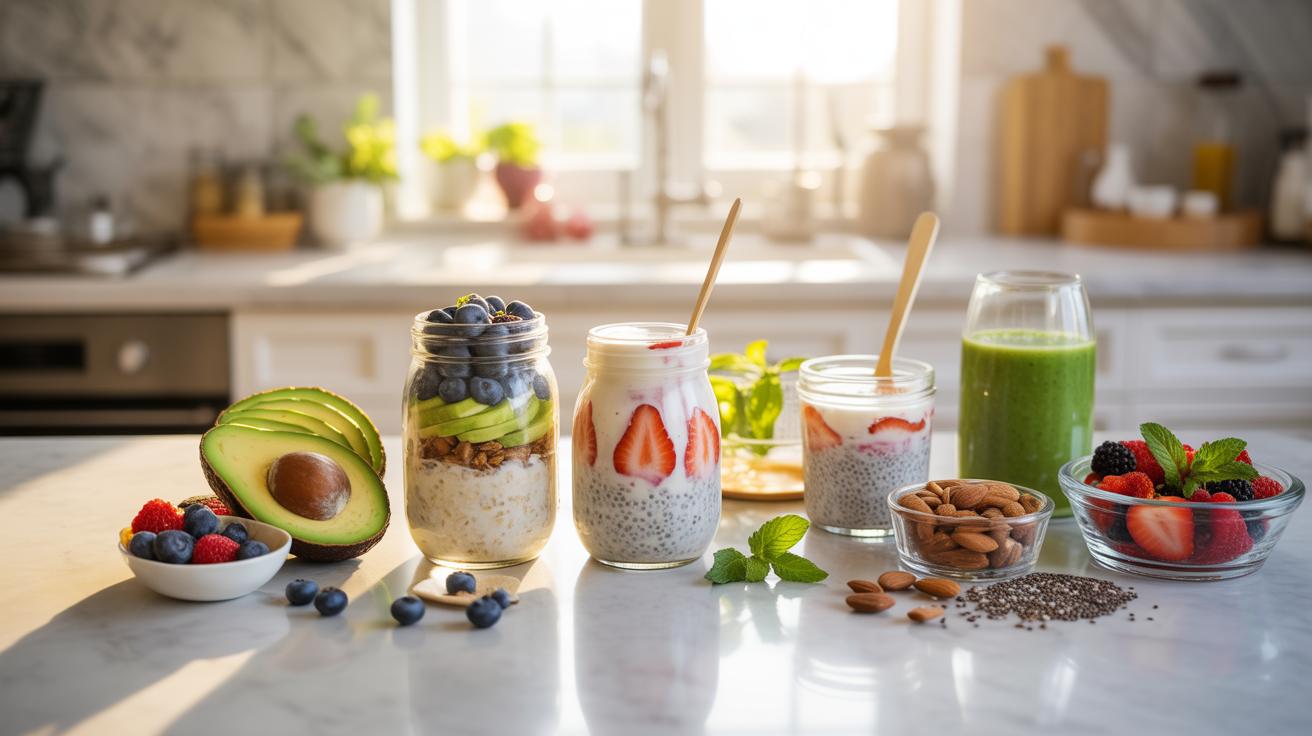
Why Morning Breakfast Recipes Built On Whole Foods Set The Tone For Your Day
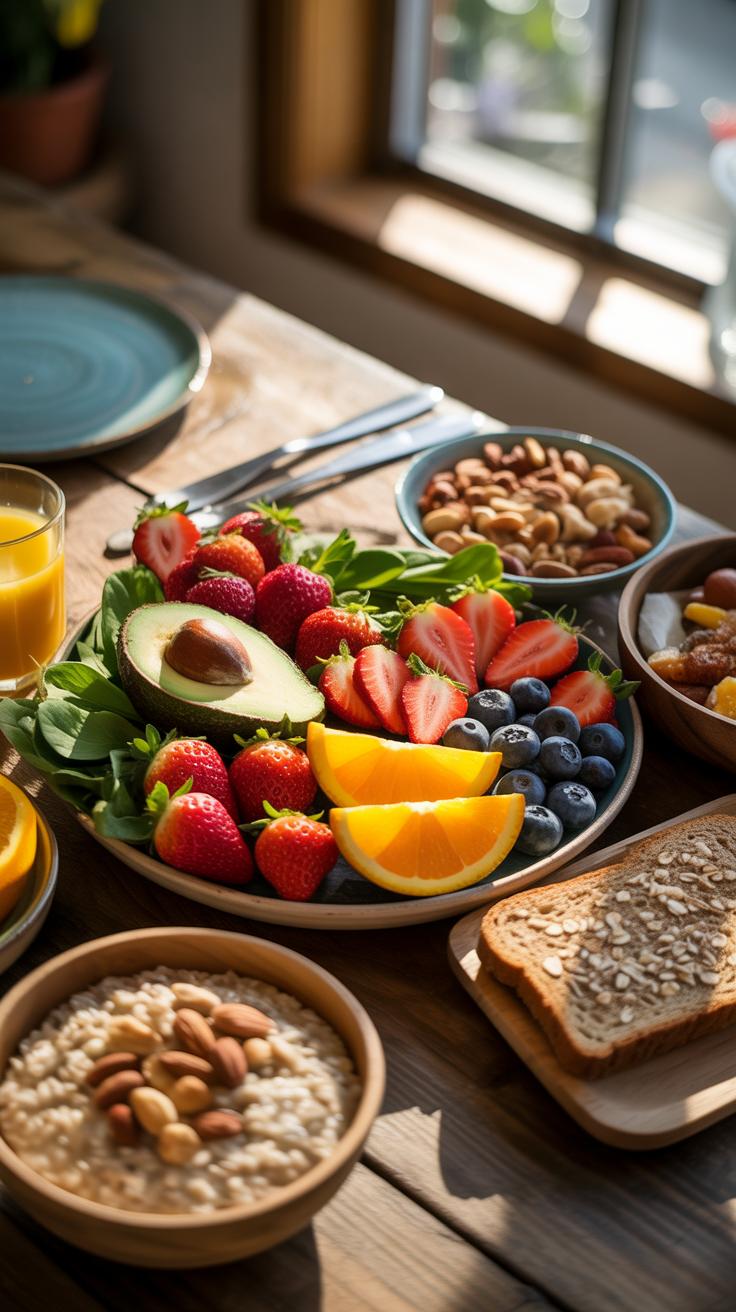
The Science Behind Eating A Nutritious Breakfast Every Morning
Eating breakfast initiates metabolic processes that regulate your internal clock. Nutritious food signals your brain to stop producing cortisol and start utilizing glucose for brain function. This meal breaks the fasted state to provide necessary glycogen for muscle activity. Choosing clean eating breakfast ideas ensures these biological signals remain clear. You avoid the chemical interference found in many processed cereal and pastry options.
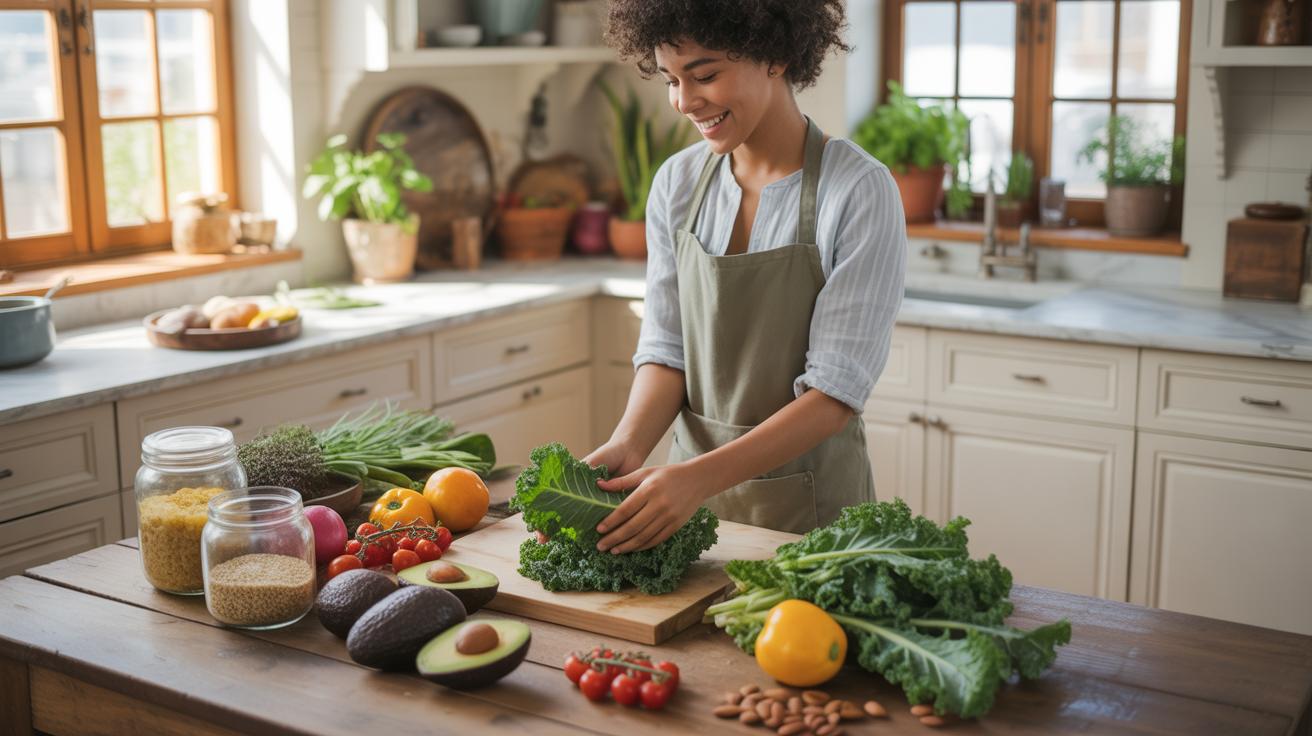
Nutrient dense meals stabilize blood sugar levels from the start of your shift. This stability prevents the mid morning brain fog that ruins productivity. When you skip breakfast or eat refined sugar, your body enters a stress response. This triggers cravings for high calorie snacks later in the day. Proper nutrition early in the clock cycle helps maintain a consistent hormonal balance for better mental clarity.
How Whole Food Ingredients Fuel Sustained Energy Without Crashes
Whole food ingredients provide fiber and complex carbohydrates that slow digestion. This steady breakdown ensures a slow release of glucose into your bloodstream. Unlike refined flour, fiber rich foods like oats and nuts provide a long burn. This process keeps you full for hours. You avoid the sharp spikes and sudden drops in insulin associated with processed food. This is tactical fueling for high performance.
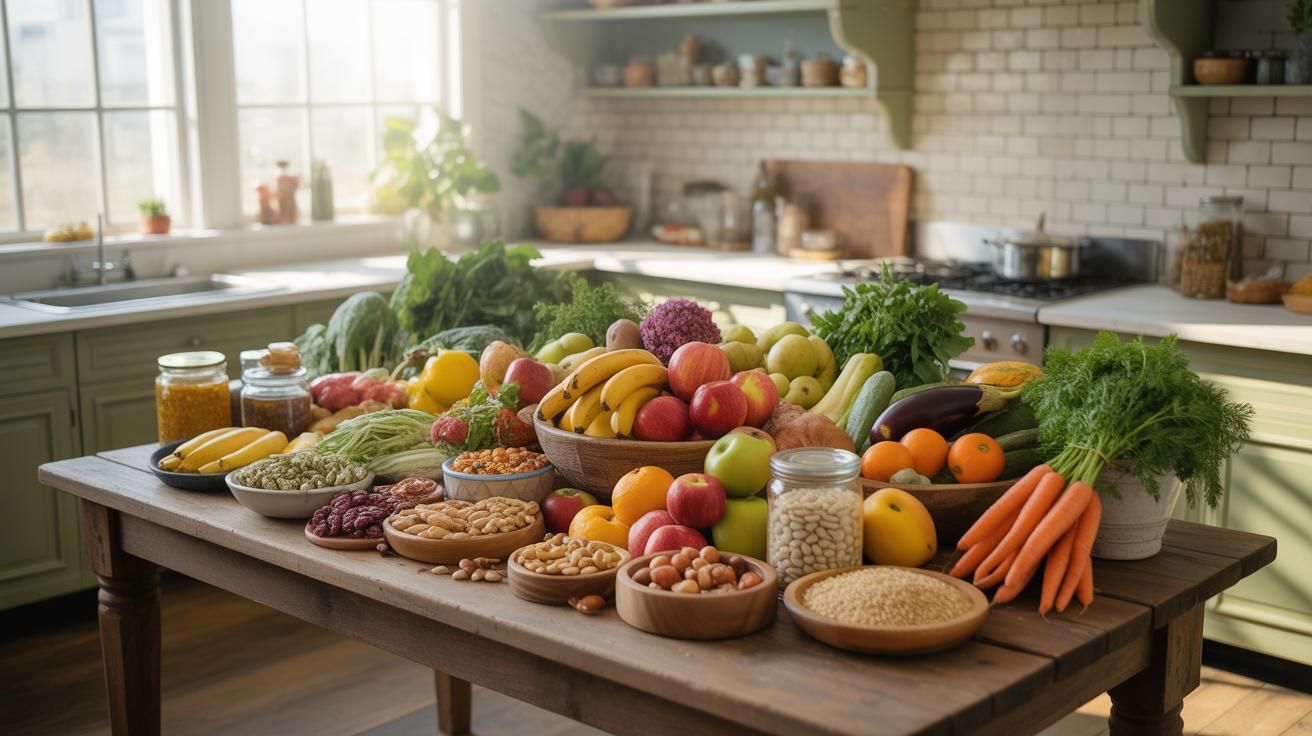
Protein and healthy fats are essential for long term satiety. These macronutrients take longer to process than simple sugars. They provide the physical building blocks for neurotransmitters that manage focus. High quality protein sources keep your muscles in an anabolic state throughout the morning. By prioritizing whole ingredients, you ensure your body has a reliable energy source. This strategy eliminates the need for caffeine or sugar boosts before lunch.
What Makes A Breakfast Count As Easy Clean Eating Breakfast
Defining Clean Eating: Minimally Processed, Nutrient Dense Choices
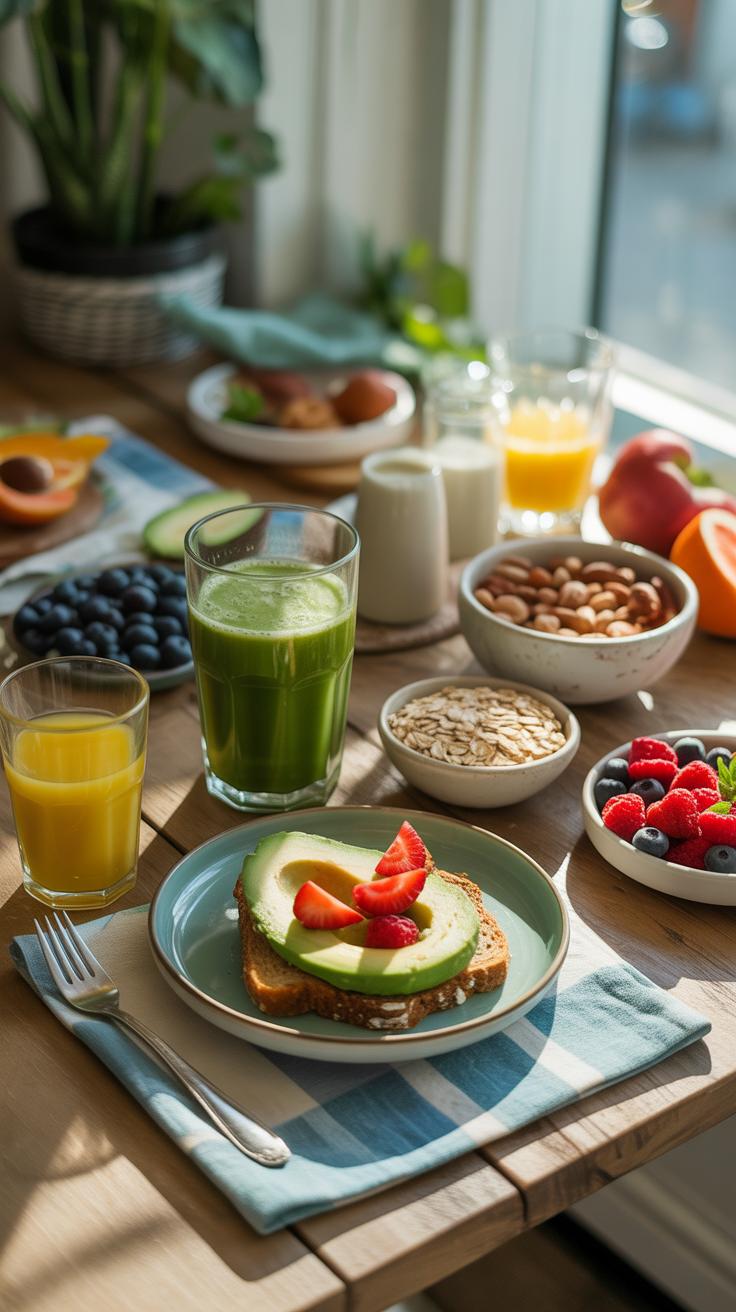
Clean eating focuses on whole foods that remain close to their natural state. This approach eliminates refined sugars, synthetic additives, and heavy preservatives. You prioritize ingredients with a short list of recognizable components. Mechanical processing is acceptable if it does not strip away vital fiber and minerals. Focus on high-quality proteins, healthy fats, and complex carbohydrates to stabilize blood sugar levels early.
Nutrient density measures the vitamins and minerals relative to the total calorie count. A clean breakfast provides sustained energy rather than a quick spike and crash. You must select foods that offer high biological value to the body. This means choosing organic produce and pasture-raised proteins when possible. Tactical nutrition requires avoiding empty calories found in boxed cereals and frozen syrups. Every bite must serve a specific metabolic purpose.
Simple Swaps To Turn Ordinary Breakfast Staples Into Clean Meals
Transforming standard recipes requires replacing industrial ingredients with functional alternatives. Swap white flour for almond meal or sprouted grains to increase fiber and protein content. Replace refined table salt with sea salt to gain trace minerals. Use raw honey or real maple syrup instead of high fructose corn syrup for sweetness. These changes remove inflammatory triggers while maintaining the structural integrity of your favorite morning dishes.
Shift from refined vegetable oils to stable fats like ghee, avocado oil, or coconut oil. These fats withstand heat without oxidizing and damaging your cells. Ditch flavored non-dairy creamers for full-fat coconut milk or unsweetened nut milks. Commercial creamers often contain thickeners and artificial flavors that disrupt gut health. Simple swaps move your diet from chemical-heavy products to energy-rich fuel. These adjustments ensure your meal meets strict clean eating standards.
Healthy Breakfast Recipes That You Can Batch Prep On Sunday
Overnight Oats Variations That Stay Fresh For Up To Five Days
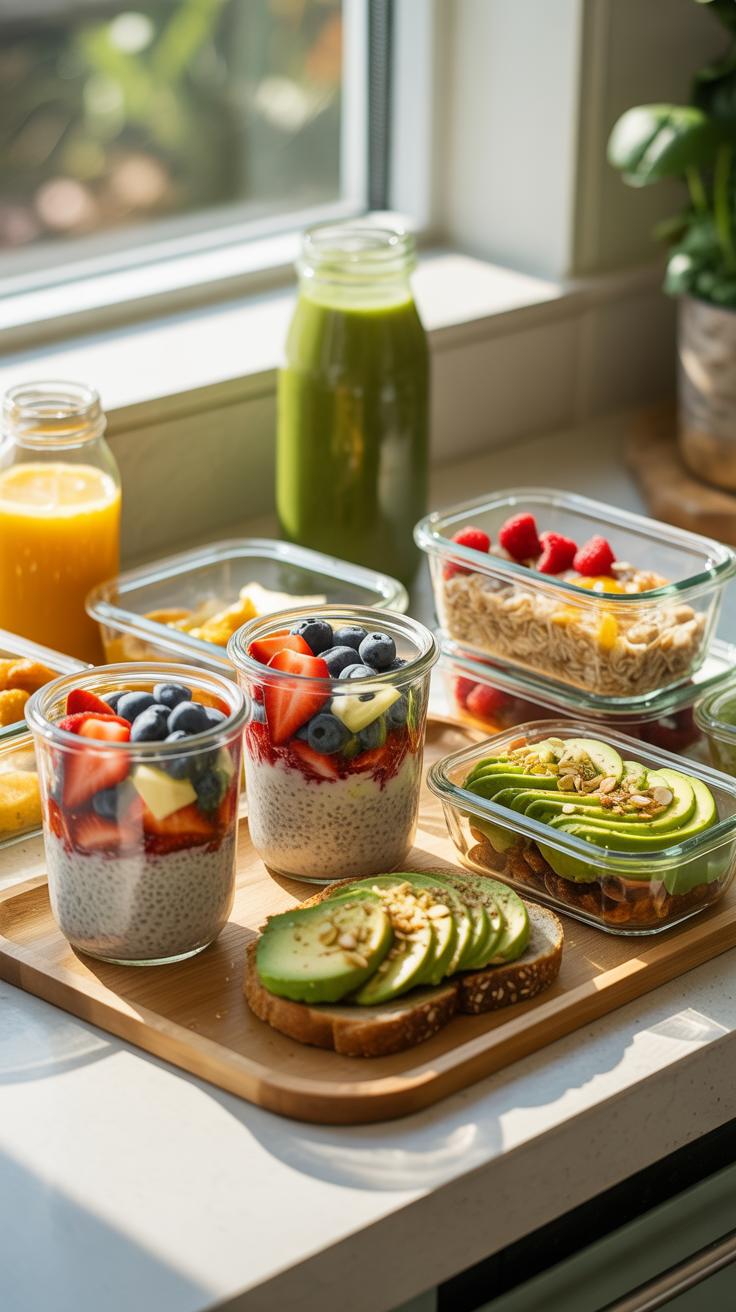
Overnight oats rely on a simple soaking process to soften raw grains without heat. Use a one to one ratio of rolled oats to liquid. Glass jars provide the best seal for long term storage. Add chia seeds to absorb excess moisture and create a thick texture. This method preserves the fiber and nutrients found in the whole grain.
Keep your flavor profiles simple to prevent spoilage during the week. Add dry spices like cinnamon or ginger during the initial prep phase. Save fresh fruit and nuts for the morning of consumption to maintain texture. Store these jars in the coldest part of your refrigerator. Properly sealed oats remain safe and palatable for five full days after your Sunday prep.
One of the very best ways to remember your future self is to take a little time in the evening to prepare a wholesome meal for the morning. When you wake to a breakfast made with real ingredients, you are honoring the childhood tradition of starting the day with love and care.
— Alice Waters
Whole Grain Muffins And Energy Bites You Can Bake In Bulk
Whole grain muffins provide a portable source of complex carbohydrates. Use oat flour or sprouted wheat to avoid refined sugars and bleached flours. Large batches bake quickly and freeze for several months. Thaw individual portions overnight or heat them in a toaster oven. This strategy ensures you have a clean fuel source ready for busy mornings without extra cooking.
Energy bites require no baking and use nut butters as a binder. Combine raw oats with seeds and a small amount of honey or maple syrup. Roll the mixture into small rounds and chill them to set the shape. These bites stay firm at room temperature for several hours. They offer a dense source of healthy fats and protein for immediate energy.
Healthy Tasty Breakfast Recipes That Never Feel Like A Compromise

Greek Yogurt Parfaits Layered With Berries, Honey, And Granola
High protein Greek yogurt serves as a dense nutritional foundation for meal prepping. You must select plain varieties to avoid the refined sugars found in flavored options. Straining methods used in Greek yogurt production increase protein density compared to regular yogurt. This creates lasting satiety and stabilizes blood sugar levels. Prep these in glass jars to maintain texture and prevent rapid dairy oxidation.
Berries provide essential antioxidants and fiber without excessive fructose loads. Add honey sparingly as a natural antimicrobial sweetener rather than a primary calorie source. Choose grain-free or sprouted nut granolas to ensure the meal remains compliant with clean eating standards. Layering ingredients prevents the granola from absorbing moisture and becoming soft. These containers stay fresh in the refrigerator for up to three days of easy access.
Banana Oat Pancakes: A Naturally Sweet Two Ingredient Base
Banana oat pancakes rely on the chemical bond between mashed fruit and complex carbohydrates. Ripe bananas provide natural sugars and acts as a binder when mixed with pulverized oats. This combination removes the need for processed white flour or chemical rising agents. You get a low glycemic index meal that provides steady glucose release. These pancakes store well in the freezer for rapid morning reheating.
Maximize nutrition by using steel cut oats processed into a fine flour consistency. This adds manganese and phosphorus to your breakfast profile. Avoid adding vegetable oils to the pan by using a high quality non-stick surface or small amounts of clarified butter. You can batch cook twenty pancakes in thirty minutes. This efficiency ensures you have a high fiber breakfast ready every day of the work week.
Healthy Meals For Breakfast Building A Balanced Plate Every Morning
The Protein, Fiber, And Healthy Fat Formula For A Satisfying Breakfast
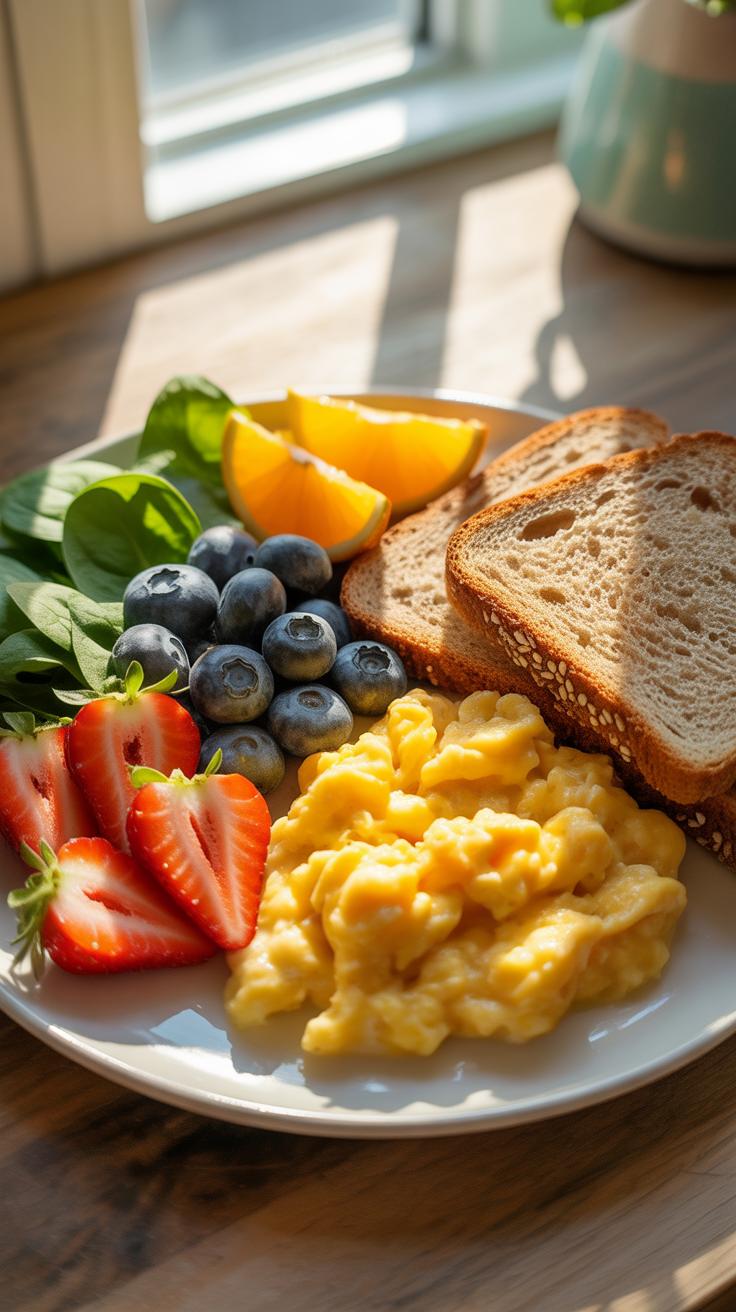
Clean eating breakfast ideas require a specific chemical balance to function. You must combine protein, fiber, and healthy fats to regulate blood sugar and suppress hunger hormones. Protein repairs muscle tissue and provides satiety. Fiber slows down digestion to prevent energy crashes. Healthy fats support brain function and hormone production. Skipping any of these three pillars leads to mid-morning fatigue and sugar cravings.
Effective meal planning focuses on nutrient density over calorie counting. Choose whole food sources like eggs or Greek yogurt for protein requirements. Use berries or leafy greens to hit fiber targets. Add nuts or avocado for essential fatty acids. This tactical approach ensures your metabolism stays steady throughout the day. It removes the need for processed convenience foods that cause inflammation. Build your plate with intention to maintain peak performance.
Prepping Balanced Breakfast Bowls With Grains, Greens, And Seeds
Prep these bowls on Sunday to save time during the work week. Use durable glass containers to maintain freshness and prevent chemical leaching from plastics. Start with a solid base of complex carbohydrates like quinoa or steel cut oats. These grains provide a steady release of glucose for your brain. Layer your ingredients by density to ensure the textures remain palatable after several days.
- Quinoa Base: Cook large batches of this ancient grain to provide a complete protein source. It contains all nine essential amino acids that your body cannot produce on its own. It stays firm when stored in the refrigerator for five days.
- Leafy Greens: Use hardy greens like kale or Swiss chard rather than spinach. These varieties resist wilting when dressed or stored with other moist ingredients. They offer high levels of Vitamin K and magnesium for bone health and muscle function.
- Chia Seeds: Add these seeds to provide a concentrated source of Omega 3 fatty acids and soluble fiber. They absorb liquid to create a gel-like texture that aids digestion. They help stabilize blood sugar levels throughout the morning hours.
- Hemp Hearts: Sprinkle these on top for a nutty flavor and a boost of plant-based protein. They contain high amounts of Vitamin E and potassium. They require no cooking and add a necessary crunch to soft grain bowls.
- Roasted Pumpkin Seeds: Use these for a source of zinc and healthy fats. Roasting them enhances the flavor profile without adding unnecessary oils or sugars. They provide a structural contrast to the grains and greens in your meal prep container.
Assemble the bowls by placing heavier grains at the bottom and seeds on top. This organization prevents the seeds from getting soggy before you eat. Keep dressings in separate small containers until you are ready to consume the meal. This strategy preserves the integrity of the fresh vegetables. Cold breakfast bowls offer a portable and efficient way to maintain a clean diet while managing a busy schedule.
Healthy Egg Breakfast Ideas You Can Prep And Reheat With Ease

Make Ahead Egg Muffins Packed With Vegetables And Lean Protein
Egg muffins act as portable mini-frittatas. You mix whisked eggs with chopped greens and cooked meats in a standard muffin tin. Bake at 350 degrees until the centers set. This method allows for precise portion control. You can store these in the fridge for up to four days. They reheat in sixty seconds without losing their texture or nutritional value.
Focus on fiber by adding spinach or bell peppers. Lean proteins like ground turkey or smoked salmon increase satiety. Use silicone liners to prevent sticking and reduce clean up time. These muffins provide a dense source of leucine for muscle repair. They stabilize blood sugar levels throughout the morning. This strategy eliminates the need for processed cereal or refined flours during busy work weeks.
Sheet Pan Baked Eggs: A Hands Off Method For Feeding The Whole Family
Sheet pan eggs optimize oven space for high-volume meal prep. Use a rimmed baking sheet lined with parchment paper. Pour a dozen whisked eggs evenly across the surface. Add salt and black pepper for basic seasoning. Bake at 375 degrees for roughly fifteen minutes. This technique creates a uniform thickness. It is the most efficient way to prepare multiple servings at once.
Once cooled, cut the egg slab into squares. Use these squares for clean breakfast sandwiches on sprouted grain bread. You can also stack them for high-protein snacks. Wrap individual portions in foil for quick reheating. This method provides consistent results every time. It saves you from standing over a stove flipping individual omelets. You get back twenty minutes of your morning with this approach.
Fresh Breakfast Ideas Using Seasonal Fruits And Vegetables
Smoothie Packs: Pre Portioned Frozen Bags Ready To Blend In Seconds
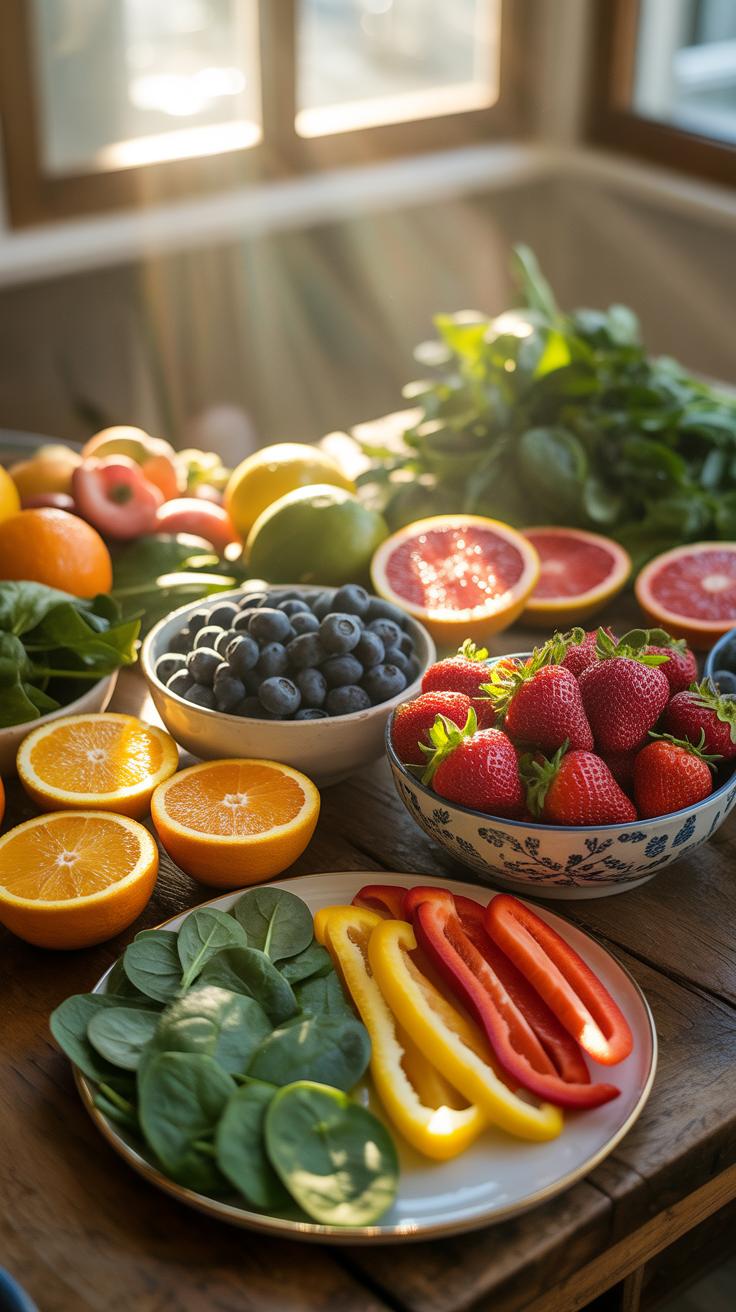
Preparation eliminates morning friction. Group frozen berries, sliced bananas, and spinach into individual silicone bags or glass jars. This method locks in nutrients at their peak and prevents produce waste. Do not add liquid until you are ready to drink. Use seasonal greens like kale or Swiss chard for fiber. This creates a repeatable process for hitting daily micronutrient goals without thinking.
High-speed blenders require a specific loading order for efficiency. Place your frozen solids in the bag first and keep them at the back of the freezer. When ready, pour the contents into the blender and add a clean liquid base like water or unsweetened nut milk. This tactical approach saves ten minutes every morning. It ensures you consume raw plants before you start your workday.
Avocado And Fresh Vegetable Toast Combinations Worth Trying
Swap processed spreads for dense vegetable fats. Use sprouted grain bread or sweet potato slices as a base for healthy carbohydrates. Mash ripe avocados with lemon juice to prevent oxidation and maintain color. Top the base with sliced radishes, cucumbers, or heirloom tomatoes depending on the current season. High-quality fats provide sustained energy and keep blood sugar levels stable throughout the morning.
Texture variety improves satiety. Use red pepper flakes or hemp seeds to add crunch and essential fatty acids. Avoid pre-packaged guacamole which often contains preservatives and excess sodium. Prepare your vegetable toppings on Sunday by slicing hardy items like carrots or onions. Store them in airtight containers to maintain freshness. This system allows you to build a nutrient-dense meal in less than five minutes.
Healthy Colorful Breakfast Plates That Are As Beautiful As They Are Nutritious
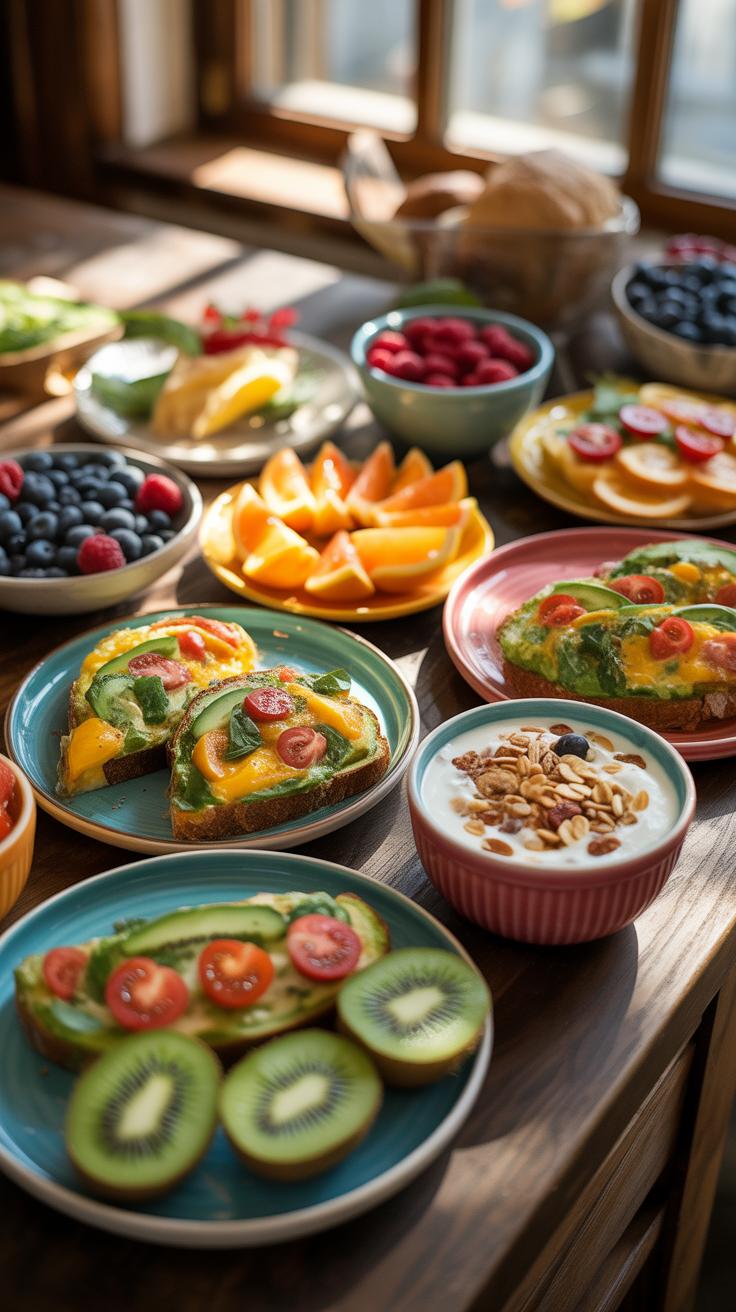
Why Eating A Rainbow Of Colors At Breakfast Supports Micronutrient Variety
Phyto-nutrients provide plants with their specific colors and protect them from environmental threats. When you consume these pigments, you ingest specific antioxidants that target different physiological needs. Red plants often contain lycopene for heart health. Green plants provide chlorophyll and isothiocyanates for liver function. A monochrome breakfast limits your chemical intake. Diversifying colors ensures your body receives a full spectrum of essential vitamins and minerals.
Strategizing breakfast around color forces better food choices. Most processed foods are beige or brown. Naturally vibrant foods like berries, spinach, and sweet potatoes are nutrient dense and low in calories. This approach eliminates the need for complex calorie counting. By filling half your plate with colorful produce, you automatically increase fiber and reduce sugar. This creates a stable energy release that prevents mid-morning hunger spikes or energy crashes.
How To Arrange Prepped Ingredients Into Eye Catching Morning Bowls And Platters
Professional plating relies on contrast and structural integrity. Start with a solid base like cooked quinoa or steel-cut oats. Place your heaviest prepped items first to create a foundation. Use containers to keep wet and dry ingredients separate until the moment of assembly. This prevents color bleeding and keeps textures distinct. A logical layout allows you to see every component, which improves the psychological satisfaction of the meal.
- Geometric Separation: Group each prepped ingredient in its own section of the bowl rather than mixing them. This technique, used in traditional Japanese bento, highlights individual textures and prevents the dish from looking muddy. It makes the meal visually organized and appetizing.
- Color Blocking: Place complementary colors next to each other to create high visual impact. Put orange sweet potatoes next to dark leafy greens or purple cabbage. This contrast makes the plate look more professional and signals a high variety of micronutrients to your brain.
- Textural Layering: Place soft bases at the bottom and crunchy elements like seeds or nuts on top. This protects thin ingredients from moisture and maintains the structural height of the dish. Building upward creates a modern aesthetic and ensures every bite has a consistent crunch.
- Garnish Placement: Add fresh herbs or sprouts at the very end as a final layer. These small additions provide a concentrated burst of chlorophyll and flavor. Keep these stored in damp paper towels during your prep week to ensure they stay crisp and bright green.
- Sauce Drizzling: Apply dressings or nut butters in a thin line rather than a large glob. This controls portion sizes and adds a clean finish to the platter. Use a squeeze bottle for precision to keep the edges of your bowl or plate clear.
Effective platter construction turns meal prep into a fast assembly line. Pre-cut your vegetables into uniform shapes like matchsticks or cubes during your Sunday session. Use clear glass jars to store these items so you can see your color palette immediately. This system reduces decision fatigue in the morning. You simply grab your components and build. Speed and aesthetics work together to support long-term clean eating habits.
Healthy Breakfast At Home Building A Prep Friendly Kitchen Routine
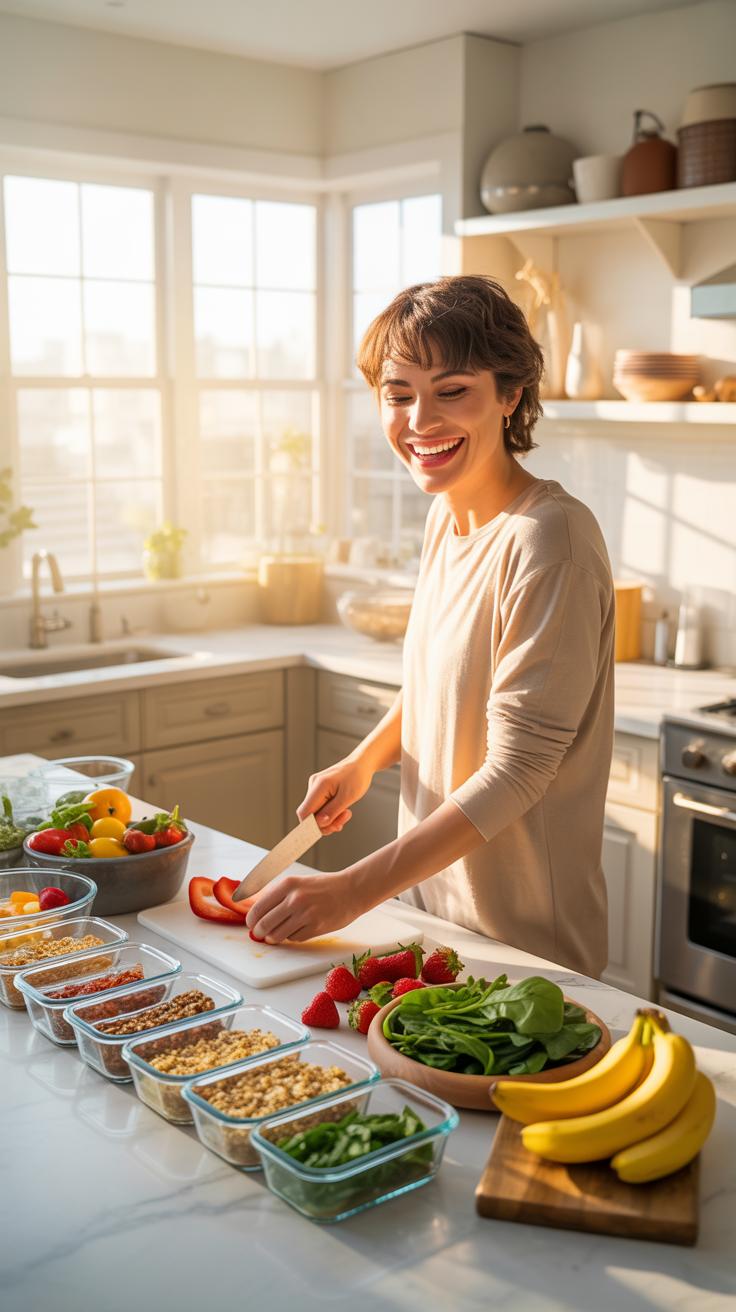
Essential Storage Containers And Tools That Make Meal Prep Seamless
Success in clean eating depends on the integrity of your storage. Use tempered glass containers with airtight silicone seals. Glass resists odors and does not leach chemicals into your food during reheating. Standard wide-mouth mason jars serve best for overnight oats and chia puddings. These tools ensure your prepped meals stay fresh for five days without losing texture or nutritional value.
Efficiency requires specific mechanical tools. A high-speed blender processes nut milks and smoothies quickly. Use a cast-iron skillet for batch-cooking sweet potato hash or vegetable frittatas. Metal baking sheets lined with parchment paper allow for easy roasting of large quantities of protein. Invest in a digital scale for precise portion control. High-quality tools reduce active cooking time and minimize kitchen friction during busy mornings.
Creating A Weekly Breakfast Prep Schedule That Fits Your Lifestyle
A sustainable routine requires a fixed time slot for preparation. Spend ninety minutes on Sunday afternoon to cook bulk proteins and grains. Wash and chop all fruits and vegetables immediately. Store them in clear containers at eye level in the refrigerator. This visual cue increases the likelihood of choosing healthy options. Batching tasks reduces the total mental load of daily decision-making throughout the week.
Mid-week maintenance prevents food waste and boredom. Take ten minutes on Wednesday evening to assess your remaining supplies. Refresh your greens or soak a new batch of oats if inventory is low. Adjust your plan based on your energy levels and upcoming schedule. Consistency triumphs over intensity in every meal prep strategy. High-performers treat this schedule as a non-negotiable appointment to ensure they meet their nutritional goals.
Clean Eating Breakfast Ideas For Special Dietary Needs And Lifestyles
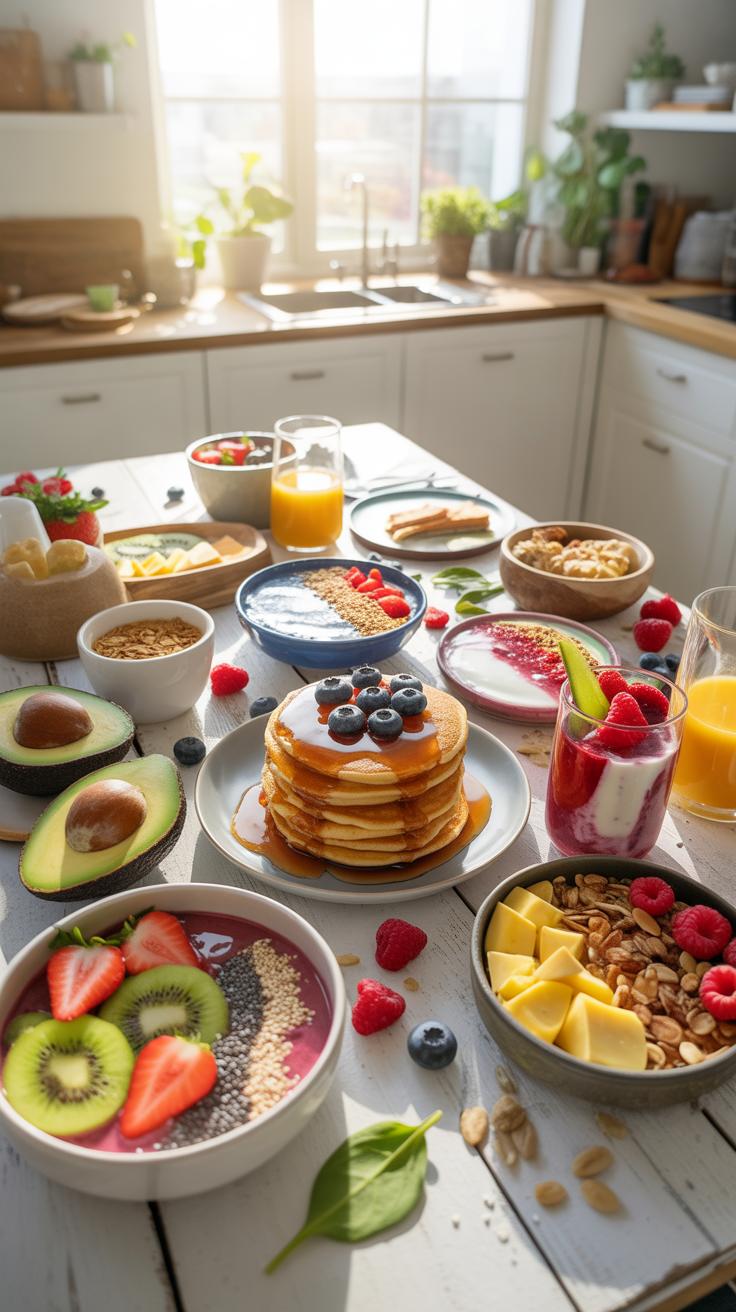
Gluten Free And Dairy Free Breakfast Prep Options That Still Satisfy
Gluten-free and dairy-free meal prep focuses on whole food substitutes to ensure nutritional density. Replace processed flour with oats or almond meal to maintain structural integrity in baked goods. Use coconut milk or cashew cream to replicate the mouthfeel of traditional dairy. These swaps prevent systemic inflammation and support gut health while providing the necessary fuel for intense morning workflows.
Standardize your prep by using glass containers to maintain ingredient freshness. Soak overnight oats in nut milk to break down phytic acid for better digestion. Prepare sweet potato hash with avocado oil for stable fat sources that do not smoke at high temperatures. These methods ensure your meals survive the refrigeration process without losing texture. Consistent prep eliminates the risk of choosing processed convenience foods.
High Protein Plant Based Breakfasts For Active And Busy Mornings
Plant-based protein requires strategic pairing to achieve a complete amino acid profile. Combine legumes with whole grains like quinoa or brown rice to fuel muscle recovery and brain function. Use silken tofu to create high-protein scrambles that mimic the texture of eggs without the cholesterol. This approach provides a steady release of energy and prevents the mid-morning glucose crashes common with sugary cereals.
Maximize your efficiency by batch-cooking components like seasoned chickpeas and hulled hemp seeds. Hemp seeds deliver high concentrations of omega-3 fatty acids and protein with zero prep time. Store these items in individual portions to grab on your way out the door. High-fiber ingredients like chia seeds also help manage hunger signals. You gain total control over your macros while adhering to a strict clean eating protocol.
Frequently Asked Questions

What exactly qualifies as a clean eating breakfast for beginners?
A clean eating breakfast focuses on whole, unprocessed foods that are as close to their natural state as possible. Instead of sugary cereals or refined pastries, focus on complex carbohydrates, lean proteins, and healthy fats. Incorporating fresh fruits, vegetables, and whole grains ensures your morning meal is nutrient-dense. These clean eating breakfast ideas prioritize real ingredients, helping you avoid artificial additives and preservatives while fueling your body with sustainable energy for the day ahead.
How can I meal prep breakfast without things getting soggy or unappealing?
Success lies in the storage method and separating wet and dry components. For overnight oats or chia puddings, use airtight mason jars to maintain freshness. If you are preparing egg muffins or breakfast burritos, allow them to cool completely before freezing to prevent condensation. By organizing your clean eating breakfast ideas into individual portions, you can quickly reheat or grab-and-go throughout the week while maintaining the desired texture and vibrant, fresh flavor.
Is it possible to eat a clean breakfast on a tight budget?
Absolutely! Clean eating does not require expensive “superfoods” or specialty health store products. You can save money by purchasing staples like dry oats, bags of frozen fruit, and eggs in bulk. Seasonal produce is often more affordable and packed with peak nutrition. Planning your meals around these versatile, low-cost foundations allows you to enjoy high-quality nutrition without overspending, proving that healthy, home-cooked morning meals are accessible for every household budget.