

What Clean Eating Really Means And Where Most People Go Wrong

The True Definition Of Clean Eating And Its Core Principles
Clean eating focuses on consuming whole foods in their most natural state. You prioritize items that undergo minimal processing or refinement. This approach emphasizes quality over quantity by choosing foods free from synthetic additives and preservatives. Common staples include fresh vegetables, fruits, lean proteins, and whole grains. You avoid chemicals and industrial manufacturing methods to ensure you get more nutrients from every bite.

Modern clean eating stems from 1960s health food movements and early 2000s fitness culture. It rejects the heavy sugar and sodium found in modern factory diets. The core goal involves reducing the toxic load on your body. You shift away from packaged convenience goods toward raw ingredients. This strategy simplifies your nutrition by removing hidden ingredients that disrupt your metabolism or cause inflammation during your weight loss journey.
How Misunderstanding Clean Eating Leads To Common Clean Eating Mistakes
Many people treat clean eating as a free pass to eat unlimited quantities. They assume that because a food is natural, it contains no calories. This logic fails because your body still stores excess energy as fat regardless of the source. Nutritious foods like nuts or olive oil are dense in calories. Overconsumption of these healthy items stops weight loss progress. You must track your intake even with whole foods.

Labeling foods as purely good or bad creates a psychological trap. Most people buy expensive products marketed as clean but ignore the total nutritional profile. High sugar content in organic snacks still spikes insulin levels. This misunderstanding makes you ignore portion sizes and caloric density. Successful weight loss requires more than just high quality ingredients. You must balance your total energy expenditure with the physical reality of what you consume.
Ignoring Portion Sizes Even With Clean Recipes And Clean Eating Recipes

Why Healthy Foods Can Still Cause A Calorie Surplus
Clean eating focuses on food quality but often ignores energy density. Your body obeys the laws of thermodynamics regardless of food source. High calorie counts in healthy foods like nuts, avocados, and olive oil can easily exceed your daily energy needs. If you consume more fuel than you burn, your body stores that excess energy as fat. Quality does not negate quantity in weight loss.
Weight loss requires a consistent caloric deficit. Many people assume clean ingredients allow for unlimited consumption. This logic fails because even nutrient-dense foods contain significant calories. A meal made of organic salmon, quinoa, and sweet potatoes can still total over one thousand calories. You will gain weight if your total intake surpasses your metabolic rate. Accuracy in measurement is the only way to ensure progress.
How To Practice Portion Control Without Giving Up Clean Eating Recipes
Smart portion control starts with visual cues and measurement tools. Use smaller plates to trick your brain into feeling satisfied with less food. Weigh high-density fats and grains on a digital scale for accuracy. Standard kitchen spoons are not precise enough for calorie tracking. You must know exactly how much energy you put into your body. This data allows you to make necessary adjustments.
Strategic meal timing and water intake also help manage volume. Drink water before your meals to increase satiety. Fill half of your plate with fibrous green vegetables to add bulk without many calories. Save the smaller portions for energy-dense proteins and fats. This method keeps your hunger low while maintaining a calorie deficit. Consistent tracking ensures your clean eating efforts actually result in fat loss.
Misreading Labels The Difference Between Healthy And Unhealthy Food

How Food Marketing Blurs The Line Between Healthy Vs Unhealthy Foods
Food manufacturers use specific visual cues to trigger a health halo effect. They use green packaging, kraft paper textures, and images of farms to imply freshness. These design choices suggest a product is natural even when it contains highly processed ingredients. Marketers know consumers associate these aesthetics with clean eating. They exploit these psychological shortcuts to sell products that do not align with weight loss goals.
Front-of-package claims like organic or gluten-free often distract from poor nutritional profiles. A product can be organic but still contain high amounts of cane sugar and empty calories. These labels do not guarantee a food is low in calories or high in nutrients. Relying on marketing buzzwords leads to consuming hidden sugars. You must ignore the decorative front and look at the technical data on the back.
Key Nutrition Label Red Flags That Expose The Difference Between Healthy And Unhealthy Food
The ingredient list provides the most accurate data about what you are eating. Manufacturers list ingredients by weight from highest to lowest. If a form of sugar or refined oil appears in the first three slots, the food is processed. You must look past the bold fonts and large numbers. Identifying specific red flags helps you separate tactical fuel from industrial junk that stalls your progress.
- Added Sugars: Look for words like maltodextrin, high fructose corn syrup, or rice syrup. Manufacturers often use multiple types of sugar to keep them lower on the list. These hidden sugars spike insulin and stop fat burning.
- Hydrogenated Oils: These industrial fats increase inflammation and damage heart health. Even if the label says zero trans fats, the ingredient list might show partially hydrogenated oils. These synthetic fats have no place in a clean diet.
- Artificial Thickeners: Ingredients like carrageenan or xanthan gum improve texture but can cause gut irritation. Chemical additives often signal a highly processed product. Clean foods usually have short ingredient lists that contain recognizable whole food components.
- High Sodium Content: Salt acts as a preservative and flavor enhancer in low-quality foods. Excessive sodium causes water retention and hides your actual weight loss progress. Compare the sodium milligrams to the total calories to find the right balance.
- Fractionated Grains: Terms like enriched wheat flour mean the bran and germ are gone. This process removes fiber and essential nutrients. You want true whole grains that provide slow-releasing energy and keep you full for longer periods.
Serving sizes are a common trap for those tracking their intake. A small bag of snacks often contains two or three servings rather than one. This trick makes the calorie and sugar counts look much lower than they are. You must multiply the numbers by the actual amount you consume. Total transparency with your data is the only way to ensure your clean eating remains effective.
Eliminating Entire Food Groups Instead Of Making Smart Healthy Food Swaps
Why Cutting Out Carbs, Fats, Or Dairy Can Backfire On Weight Loss
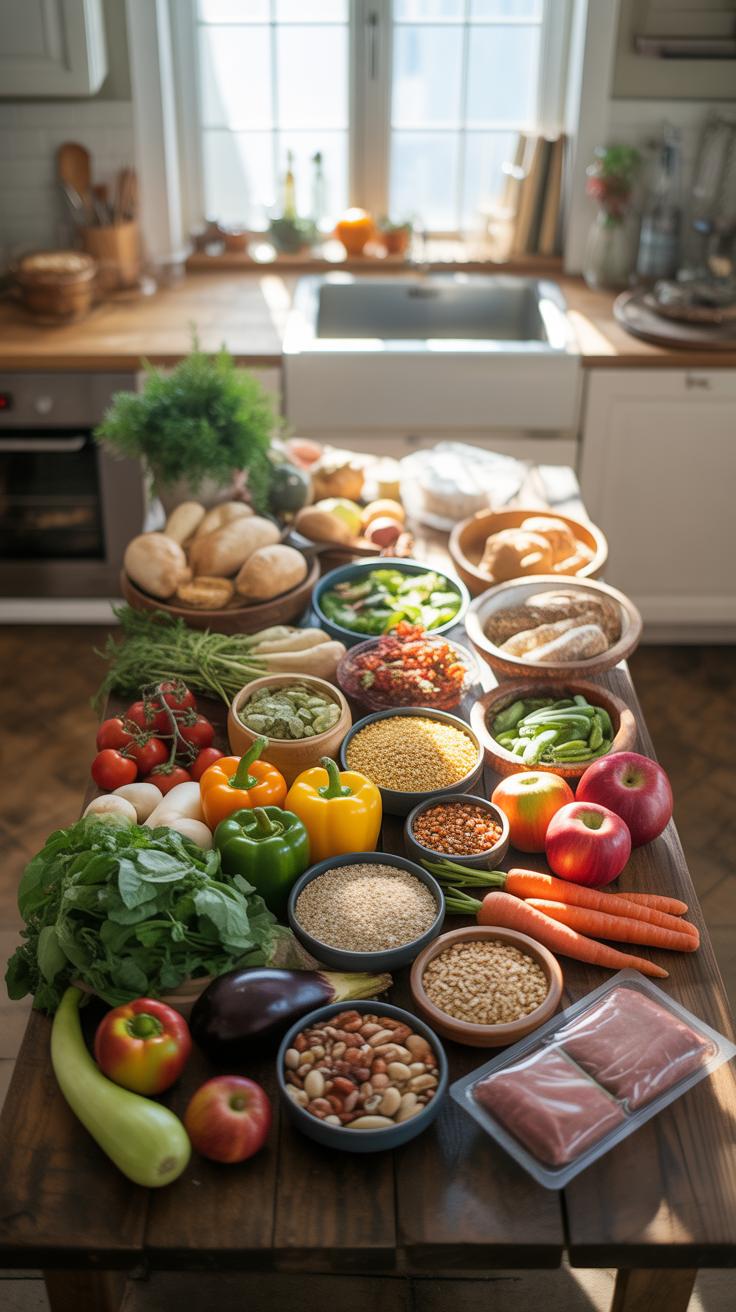
Total restriction triggers biological alarms that stall weight loss. When you cut carbs entirely, your body loses glycogen and water quickly. You think you lost fat, but you just lost water. This leads to intense cravings and eventual binge eating. Your brain requires glucose to function properly. Depriving yourself of fuel causes brain fog and high stress levels. High stress stops your body from burning stored fat efficiently.
Eliminating fats or dairy without a medical reason removes vital nutrients. Healthy fats regulate hormones and keep you full. Removing them makes you feel hungry all day. Dairy provides calcium and protein that support muscle mass. Muscle burns more calories than fat at rest. If you lose muscle because of a restricted diet, your metabolism slows down. Long-term restriction is impossible to maintain and usually leads to weight regain.
Practical Healthy Food Swaps That Keep Your Diet Balanced And Sustainable
Strategic swaps allow you to enjoy food while reducing total calorie intake. You do not need to quit bread or pasta to see results. You simply need to choose versions that contain more fiber and fewer processed sugars. Fiber slows down digestion and prevents blood sugar spikes. This keeps your energy stable and stops the body from storing excess sugar as fat.
- Whole Grains over Refined Flours: Replace white bread and pasta with oats, quinoa, or brown rice. These options contain fiber that keeps you full longer and provides steady energy for workouts. Refined grains digest too fast and cause hunger.
- Greek Yogurt over Sour Cream: Use plain Greek yogurt in place of high-fat creams or dressings. It provides a similar texture with significantly more protein and lower fat content. This simple change supports muscle recovery and keeps calories low.
- Avocado over Corn Oil: Switch processed seed oils for avocado or olive oil in your cooking. These fats contain monounsaturated fatty acids that improve heart health. They help you absorb vitamins from vegetables while providing a sense of satiety.
- Zucchini Noodles over Heavy Pasta: Trade some pasta portions for spiralized vegetables to lower carbohydrate density. This trick increases your food volume so you feel like you are eating more. You get more micronutrients and fewer calories in every single bite.
- Berries over Processed Sweets: Eat raspberries or blueberries when you crave sugar instead of reaching for cookies. Berries have a high fiber-to-sugar ratio and packed with antioxidants. This prevents the insulin spikes that lead to increased fat storage around your midsection.
Consistency beats intensity every time in weight loss. Small changes are easier to repeat than total bans. When you swap ingredients, you keep your favorite meals in your routine. This prevents the psychological burnout that kills most diets. True success comes from managing your insulin and hunger through better choices. Focus on adding quality nutrients instead of just subtracting food groups from your daily plate.
Overdoing Natural Sugars And Missing Hidden Calories In Clean Eating

The Truth About Natural Sugars In Honey Fruit And Agave Syrup
Your body does not distinguish between white table sugar and expensive organic honey during digestion. All sugar molecules break down into glucose or fructose once they enter your bloodstream. Fructose goes directly to the liver for processing. If your liver is full of glycogen, it converts that extra fructose into fat immediately. Clean eating does not grant you immunity from basic human metabolic pathways or caloric density rules.
Agave syrup often contains higher fructose levels than high fructose corn syrup. This drives insulin resistance and metabolic dysfunction when consumed in large amounts. Fruit provides fiber to slow sugar absorption, but modern fruit breeds are much sweeter than wild historical varieties. You must treat these natural sweeteners as concentrated energy sources. Consuming them without limits creates a massive caloric surplus that negates every other healthy food choice you make.
How Excess Natural Sugar Intake Stalls Fat Loss Despite Clean Eating Efforts
High sugar intake triggers frequent insulin spikes. Insulin is the primary fat storage hormone in your body. When insulin levels stay elevated, your body cannot access stored body fat for fuel. You remain in a storage state rather than a burning state. This biological wall prevents weight loss even if you eat organic produce. Constant spikes also lead to energy crashes and increased hunger throughout the day.
Excess sugar converts to triglycerides in the liver and promotes visceral fat accumulation. This dangerous fat sits around your internal organs and slows your metabolism further. Many clean eaters consume several servings of fruit or raw desserts daily. This provides more energy than their body needs for activity. Unless you burn this fuel through intense physical movement, your body stores it. You cannot bypass the laws of thermodynamics with clean labels.
Neglecting Digestive Health While Following A Clean Eating Plan
How Poor Digestive Health Affects Nutrient Absorption And Weight Management
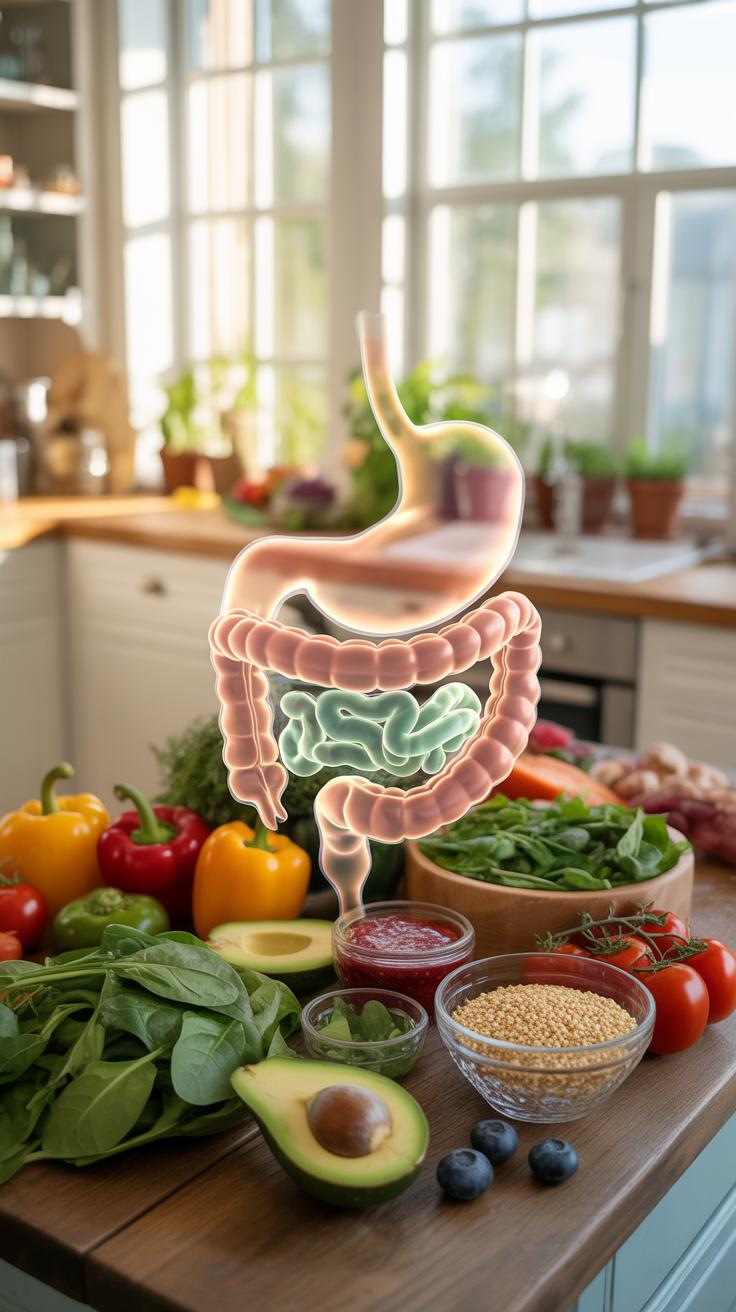
Poor gut health stops weight loss by blocking nutrient uptake. You can eat high quality food, but your body cannot use the fuel if your gut lining is inflamed. This leads to internal stress and rising cortisol levels. High cortisol signals the body to store fat instead of burning it. Chronic inflammation also causes systemic insulin resistance which disrupts normal metabolic cycles.
Inefficient digestion causes waste to sit in the colon too long. This creates bloating and slows down your metabolic rate. When your gut microbiome is out of balance, bad bacteria can trigger intense sugar cravings. These cravings sabotage even the strictest clean eating plans. You end up eating more calories than you realize because your brain thinks it is still hungry.
Quality is not an act, it is a habit, yet we must remember that even the most wholesome honey can overflow the jar if we forget to listen to our body’s quiet whispers of fullness.
— Aristotle
Clean Eating Adjustments That Support A Healthier Gut And Better Digestion
Fixing your gut requires a shift in how you consume fiber. Sudden increases in raw vegetable intake can overwhelm your digestive system. Cook your vegetables to break down tough plant fibers before eating. This makes nutrients easier to absorb and reduces gas. Rotating your protein sources also prevents the development of food sensitivities that cause hidden inflammation and weight stalls.
Add fermented foods like sauerkraut or kimchi to your daily meals. These provide natural probiotics that rebuild your gut flora. Stop drinking large amounts of water during meals to keep your stomach acid strong. Strong acid is necessary to break down proteins efficiently. Focus on chewing your food until it is liquid to start the digestive process in the mouth.
Being Too Rigid Instead Of Embracing Flexible Dieting Principles

Why An All Or Nothing Mindset Is One Of The Biggest Clean Eating Mistakes
Strict adherence to food purity creates a psychological trap. If you label foods as only good or bad, you set yourself up for failure. One small slip leads to a total collapse of your diet. This mindset causes the what the hell effect. You eat one cookie and then decide to eat the whole box because you already ruined your day.
Rigidity also impacts your social life and stress levels. Chronic stress raises cortisol. High cortisol makes it harder to lose fat, especially around your midsection. If your diet makes you miserable, you will eventually quit. Sustainability is the only way to see long term results. Most people fail because their rules are too tight for real life. You must prioritize consistency over perfection.
How Flexible Dieting Allows Room For Balance Without Derailing Weight Loss
Flexible dieting focuses on total caloric intake and macronutrient targets. It removes the moral labels from food. This approach allows you to eat a variety of meals while staying in a deficit. You can fit small treats into your daily plan without stalling your progress. This control prevents the binge and restrict cycle that ruins most clean eating attempts.
You win by hitting your numbers, not by eating perfectly clean every hour. This method teaches you how much energy your body actually needs. You learn to manage your hunger and energy levels through data. When you stop fearing specific ingredients, you find a rhythm you can maintain for years. Total weekly calories determine your weight loss speed, not a single meal.
Underestimating Protein Intake In Your Healthy Vs Unhealthy Food Choices

Why Adequate Protein Is Essential For Fat Loss And Muscle Preservation
Protein has a high thermic effect of food. Your body burns more energy digesting protein than fats or carbohydrates. This metabolic spike helps you maintain a caloric deficit without extra effort. High protein intake also signals your brain to reduce hunger hormones. This keeps you full longer and stops you from snacking on calorie dense clean foods like nuts or dried fruit.
Muscle tissue is metabolically active and burns calories at rest. When you lose weight, your body often breaks down muscle for energy. Eating enough protein prevents this muscle loss. This keeps your basal metabolic rate high during your weight loss journey. Consistent protein intake ensures that the weight you lose comes from fat stores rather than your lean functional tissue.
How To Spot The Difference Between Healthy Vs Unhealthy Food Protein Sources
Not all protein sources support weight loss. Many people choose plant based proteins that are actually high in carbohydrates or fats. Quinoa and beans provide protein but pack significant starch. Processed meats often contain hidden sugars and sodium that cause water retention. You must look at the macro-nutrient ratio to determine if a source is efficient for your specific fat loss goals.
Whole food sources provide the highest density of amino acids with the lowest caloric load. Lean meats, eggs, and white fish are superior for rapid fat loss. Avoid breaded or fried options as these add unnecessary fats and refined flours. Check labels for additives like corn syrup or soy protein isolate in packaged health foods. Real protein should be the primary ingredient without fillers.
Not Tracking Progress Beyond The Scale When Practicing Clean Eating

Why Weight Alone Is A Misleading Measure Of Clean Eating Success
The scale fails to distinguish between body fat and lean muscle mass. Clean eating focuses on nutrient density which supports muscle growth and bone density. You might lose fat while gaining muscle at the same rate. This process is called body recomposition. It means your weight stays the same even though your body is changing. Relying only on the scale leads to frustration and premature abandonment of your plan.
Water retention also skews daily scale readings. High fiber intake and increased hydration levels change your total body weight. These shifts are temporary and do not reflect fat gain. Weight fluctuates based on glycogen storage and inflammation levels. If you only look at the number on the scale you will miss these biological shifts. You must understand that weight is just one data point in a complex system.
Better Metrics To Evaluate Your Progress On A Clean Eating Plan
Body measurements provide a more accurate picture of fat loss. Use a tape measure to track changes in your waist, hips, and chest. These numbers prove you are shrinking even when the scale stays still. Clothing fit is another reliable indicator of success. If your jeans feel loose your body composition is improving. This feedback is more valuable than a daily weight measurement.
Track your energy levels and sleep quality as primary success markers. Nutrient dense foods improve metabolic function and hormonal balance. You will notice better focus and consistent energy throughout the day. Document these changes in a daily log to see long term trends. Performance in the gym also signals progress. If you are getting stronger your body is utilizing your clean diet effectively to build tissue.
Frequently Asked Questions

Why am I not losing weight even though I am eating healthy whole foods?
Many beginners fall into common clean eating mistakes by assuming that “healthy” means “low calorie.” For example, while avocados, nuts, and olive oil are nutrient-dense staples, they are also very high in energy. If you ignore portion sizes and consume more calories than your body burns, your weight loss will stall. Focus on balancing these nutritious fats with plenty of high-fiber vegetables to keep your total intake in check.
How can I avoid overeating processed “clean” snacks during the day?
To prevent these clean eating mistakes, start reading labels more closely rather than trusting marketing buzzwords. Many packaged “paleo” or “organic” snacks are loaded with honey, dates, or coconut sugar, which can spike your insulin and trigger cravings. Instead, prep whole-food snacks like boiled eggs or sliced cucumbers. Planning your meals ahead of time ensures you reach for satisfying, fiber-rich options that keep you full until your next main meal.
Is it possible to follow a clean eating lifestyle on a tight monthly budget?
Absolutely! You do not need expensive “superfoods” or name-brand organic products to see results. Stick to affordable staples like dried beans, lentils, brown rice, and seasonal frozen vegetables, which are often flash-frozen at peak nutrition. Buying in bulk and cooking at home are the best ways to nourish your body without overspending. Focus on simple, single-ingredient foods to keep your grocery bill low while achieving your health goals.