
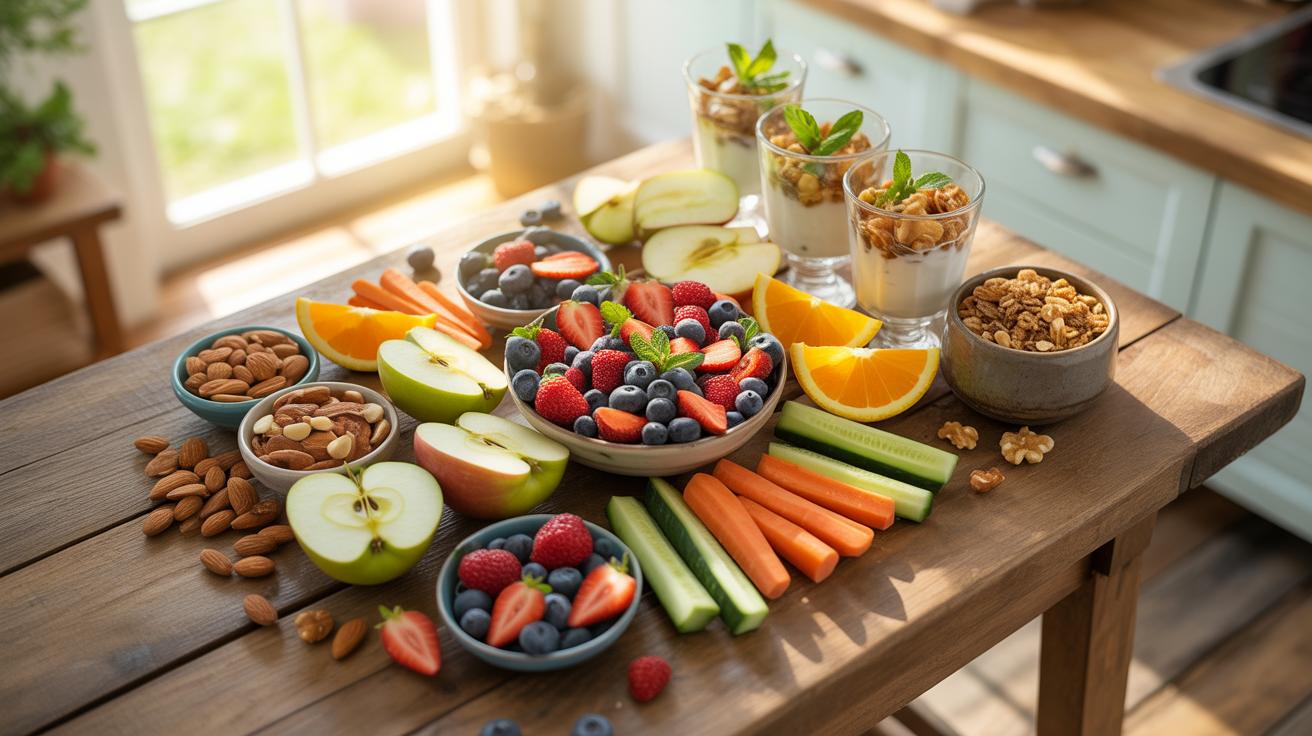
What Are 200 Calorie Snacks And Why They Matter For Clean Eating
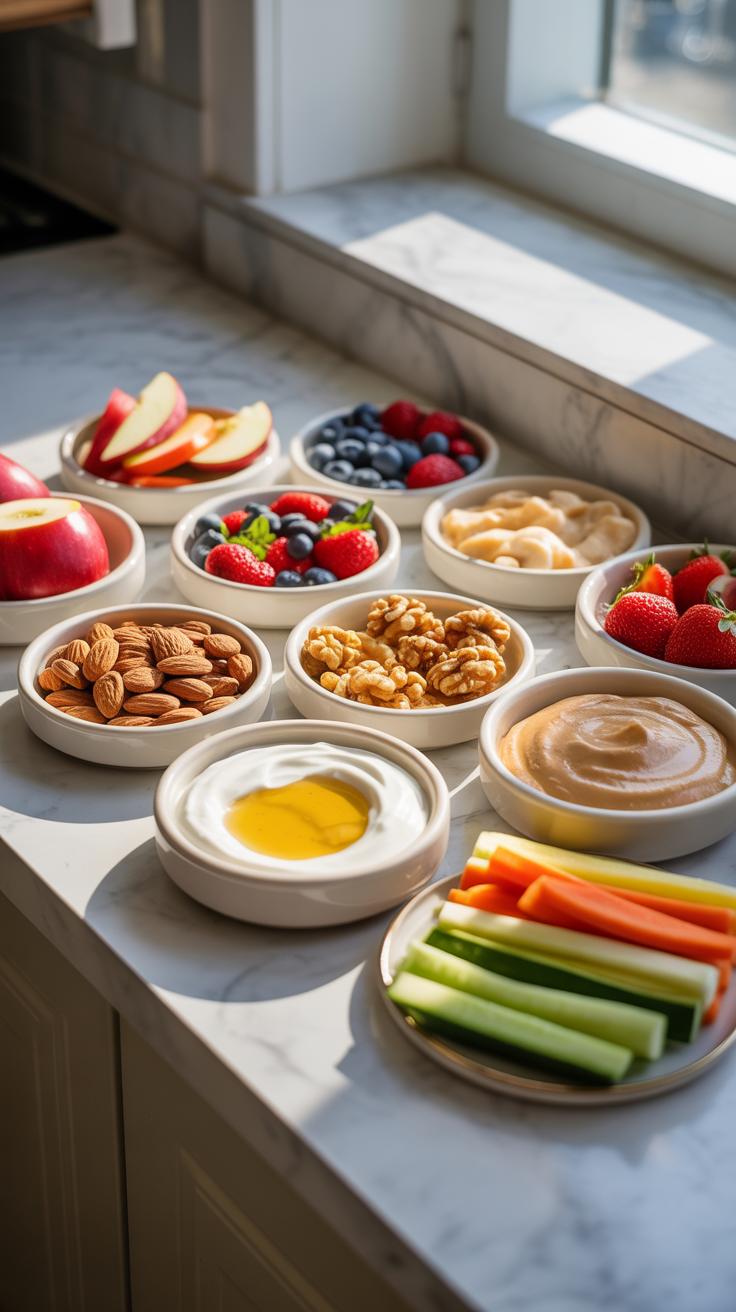
Defining Clean Eating And How Calorie Conscious Snacking Fits In
Clean eating focuses on whole foods in their natural state. You avoid processed items with added sugars and synthetic chemicals. This approach prioritizes nutrient density over empty calories. Every food choice must provide vitamins, minerals, or healthy fats. This strategy removes toxins and fillers from your diet. It forces you to look at labels and choose ingredients that come directly from the earth.
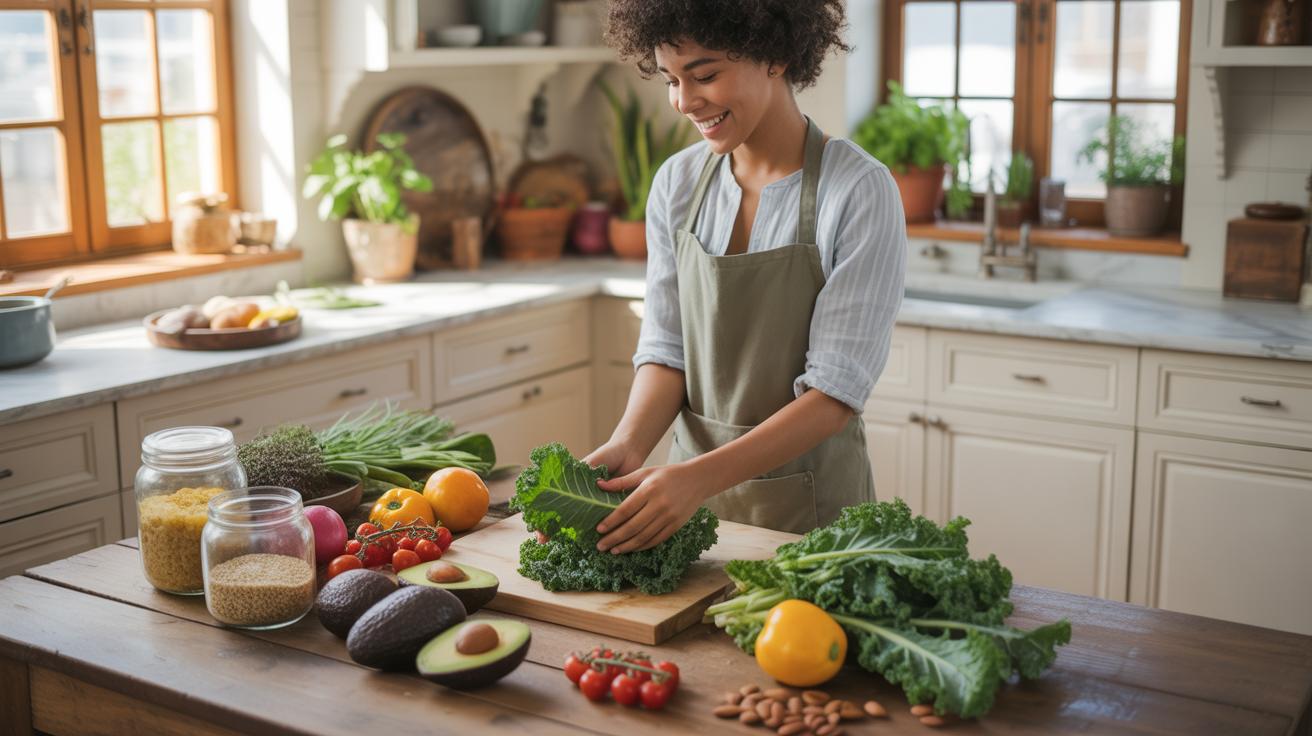
Calorie conscious snacking bridges the gap between major meals. Low calorie counts do not justify poor quality ingredients. You must select snacks that align with clean principles while strictly controlling portions. Keeping these snacks simple ensures you stay within your daily limits. This tactical approach prevents blood sugar spikes and crashes. You gain more energy by eating clean foods that your body can easily digest and utilize.
How Staying Under 200 Calories Per Snack Supports Your Daily Nutrition Goals
A 200 calorie limit provides a hard boundary for weight management. Most adults consume excess calories through mindless grazing. A strict cap forces you to be intentional with every bite. This limit allows for three small snacks alongside three main meals without exceeding daily energy needs. It creates a predictable structure for your metabolism. You stop overeating because you have a clear mathematical target.
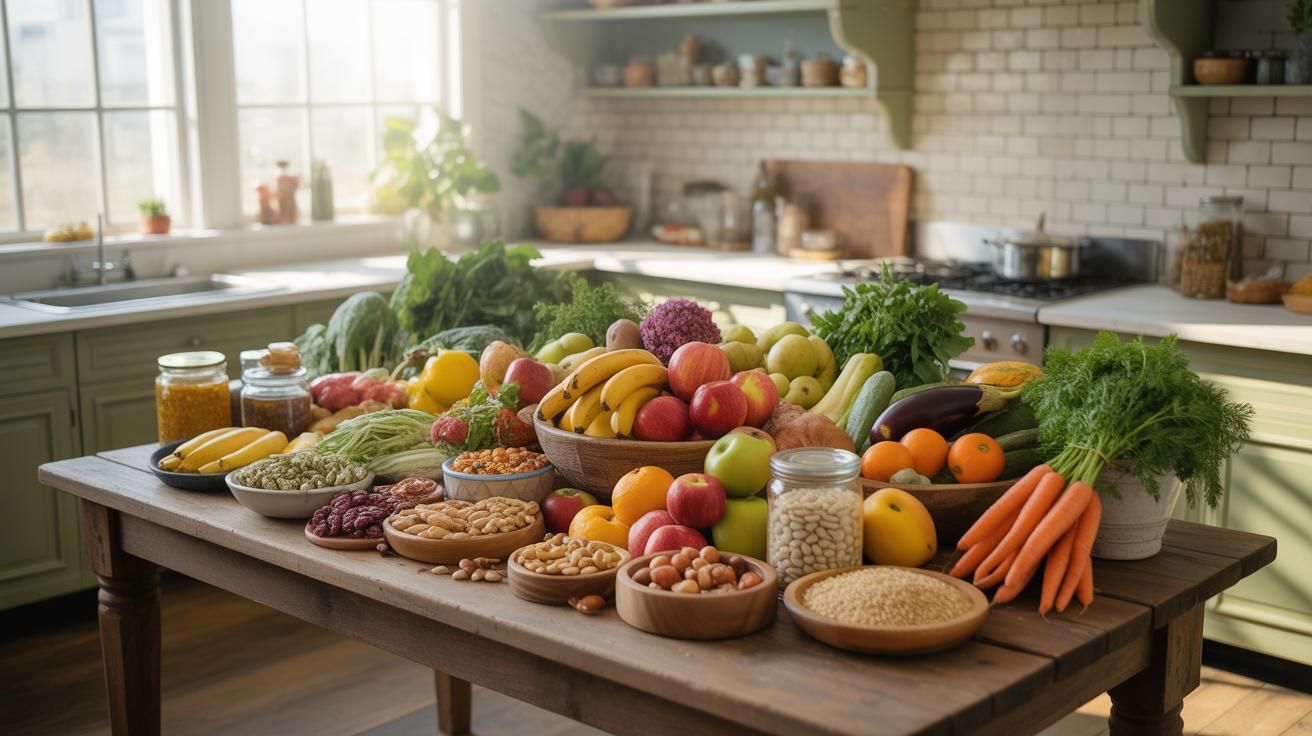
Balanced nutrition requires specific macronutrient ratios within your daily budget. Small snacks provide the perfect opportunity to fill nutritional gaps. You can add fiber or protein without a heavy caloric load. This prevents hunger while maintaining a lean physique. High volume foods like leafy greens or berries fit perfectly under this threshold. This method keeps your digestive system moving and your brain focused on your primary daily tasks.
The Best Low Calorie Snacks You Can Buy Or Prep In Minutes
Whole Food Store Bought Picks That Keep Ingredients Clean And Simple
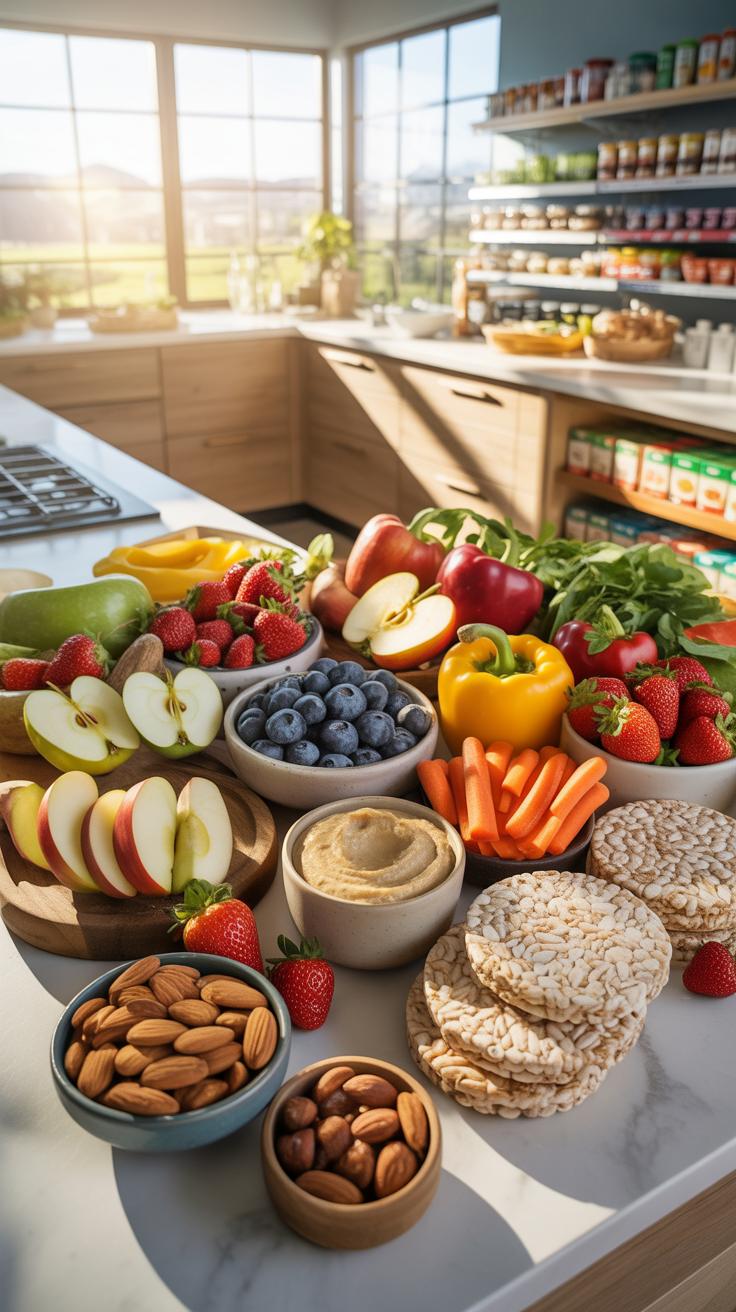
Smart grocery shopping requires reading labels for hidden additives. Avoid processed bars with long ingredient lists. Look for single ingredient items like dry roasted nuts or seeds. These provide healthy fats and protein without added sugars. Choose items packaged in their natural state whenever possible. Stick to raw almonds or walnuts to control sodium intake. Fiber content helps maintain fullness throughout the day.
Pre packaged vegetables like baby carrots or sugar snap peas offer high volume for low energy density. Many brands now offer steamed beets or olives in portable pouches. These options satisfy the urge to chew without triggering blood sugar spikes. Check the back of the package for refined oils. High quality snacks use olive oil or no oil at all. Clean eating requires simple chemistry and recognizable food.
Quick No Cook Low Cal Snacks You Can Assemble At Home Right Now
Fast assembly at home relies on high protein staples and fresh produce. Combine half a cup of low fat cottage cheese with sliced cucumbers. This pair provides twenty grams of protein for under one hundred calories. The high water content in the vegetables improves hydration. You can also smear one tablespoon of almond butter onto celery sticks. This classic combination delivers crunch and satisfaction.
Greek yogurt serves as a primary base for many clean snacks. Mix a small portion with cinnamon to manage insulin response. Avoid flavored versions that contain corn syrup or artificial sweeteners. Hard boiled eggs are another shelf stable option for the refrigerator. One large egg contains roughly seventy calories and six grams of protein. These foods provide immediate fuel without requiring any heat or complex prep.
Protein Snacks Under 200 Calories To Keep You Fuller For Longer
Why Protein Is The Most Satiating Macronutrient For Between Meal Snacking
Protein reduces hunger by suppressing the hormone ghrelin. It also stimulates the release of peptide YY which signals fullness to the brain. This process creates a lasting sense of satiety that carbohydrate-heavy snacks lack. You stop grazing when your body feels physiologically full. Selecting high-protein options ensures you stay satisfied until your next scheduled meal without experiencing energy crashes.
Digesting protein requires more energy than processing fats or carbohydrates. This thermic effect means your body burns more calories during metabolism. Consuming protein between meals stabilizes blood glucose levels and prevents insulin spikes. Stable blood sugar stops the cycle of cravings and overeating. Smart snacking relies on this metabolic efficiency to maintain a caloric deficit while preserving lean muscle mass during weight loss.
Top High Protein Clean Snack Ideas Including Greek Yogurt, Eggs, And Edamame
Strategic clean eating requires portable and high-density protein sources. These foods provide maximum nutrition with minimal processing. Focus on whole food options that deliver amino acids without added sugars or industrial seed oils. Utilizing these specific snacks allows for precise calorie control while hitting daily protein targets. These items represent the gold standard for efficient, clean snacking that supports metabolic health and steady energy.
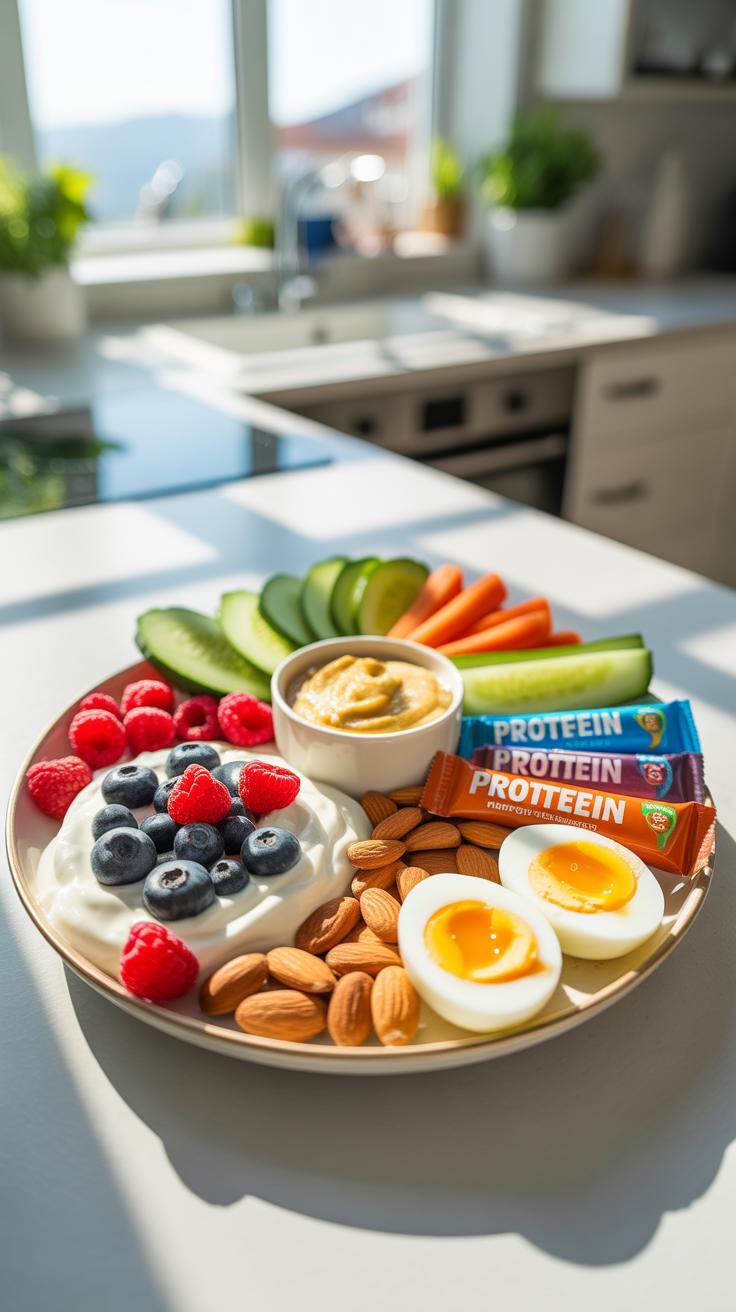
- Greek Yogurt: Plain non-fat Greek yogurt contains nearly double the protein of regular yogurt. A 170-gram serving provides roughly 17 grams of protein for 100 calories. Avoid flavored versions to skip added cane sugar.
- Hard-Boiled Eggs: One large egg contains six grams of complete protein and essential vitamins like B12. At 78 calories per egg, they are the most cost-effective protein source available. They are easy to prep in bulk.
- Edamame: These young soybeans offer a rare plant-based complete protein. One cup of steamed edamame in pods contains 18 grams of protein and eight grams of fiber. This combination provides dual-action satiety for under 190 calories.
- Cottage Cheese: Low-fat cottage cheese is rich in casein protein which digests slowly over several hours. A half-cup serving delivers 12 grams of protein for 80 to 90 calories. It pairs well with black pepper or cucumbers.
- Turkey Breast: Sliced roasted turkey breast is a lean animal protein with almost no fat. Three ounces of skinless turkey contain about 24 grams of protein for 135 calories. Ensure the meat is nitrate-free and minimally processed.
Portion control remains the critical factor when consuming these protein sources. Measure servings accurately to keep the total count under 200 calories per snack session. Combine these proteins with fibrous vegetables if you require more volume without adding significant caloric weight. Consistent intake of these snacks prevents the metabolic slowdown often associated with calorie restriction. Choose one or two options daily to maintain nutritional variety.
Snacks For Losing Weight Healthy Eating Habits Built Around Smart Choices

How Strategic Snacking Prevents Overeating At Main Meals During Weight Loss
Strategic snacking manages your blood sugar levels between large meals. When you go too long without food, your glucose drops. This trigger forces your brain into survival mode. You then make poor choices at dinner because you feel starving. Eating small amounts of protein and fiber keeps your hunger stable. This control allows you to make logical food decisions later.
Smart snacking also stops the hormonal urge to binge. High hunger levels increase ghrelin, the hormone that signals hunger. If ghrelin stays high, you will likely eat more than you need. A clean snack under 200 calories dampens this signal. This tactic ensures you arrive at your next meal feeling calm. You eat for fuel instead of reacting to intense cravings or physical shells.
Portion Control Tips To Make Every Low Calorie Snack Work Harder For You
Portion control transforms a simple snack into a weight loss tool. Never eat directly from the original package or container. This habit leads to mindless overconsumption of calories. Instead, move a single serving to a small plate or bowl. Seeing the food spread out signals to your brain that you are eating a full meal. This visual cue helps you feel full faster.
Use high volume foods to increase your satisfaction levels without adding many calories. Pair small amounts of fats like nuts with large portions of raw vegetables. This combination slows down your digestion process. It keeps you full for a much longer period than processed snacks. Focus on chewing slowly to give your stomach time to signal your brain. Consistent portioning prevents accidental calorie surplus during your daily routine.
Healthy Food Dishes Reimagined As Light Snacks Under 200 Calories
Mini Versions Of Nutritious Meals That Double As Satisfying Between Meal Bites
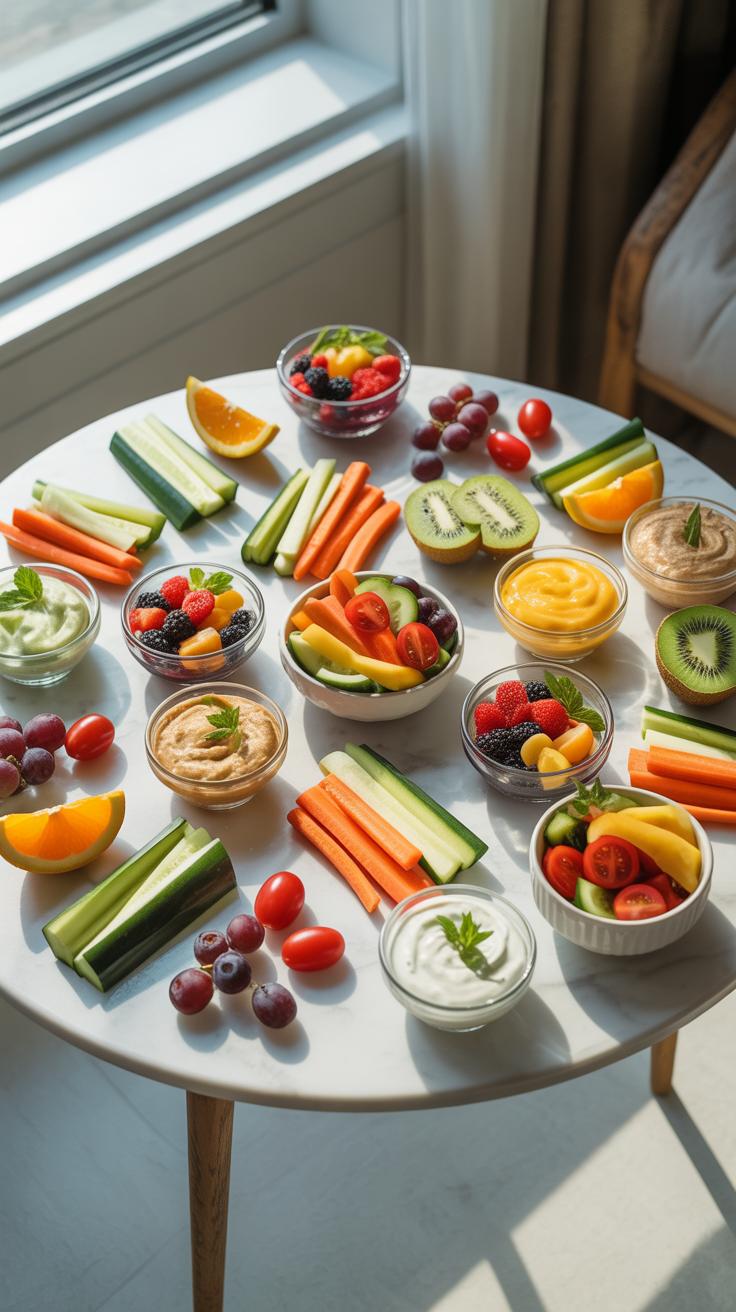
Downsizing full meals into bite sized portions preserves nutritional balance while controlling caloric load. This strategy focuses on macronutrient density in small packages. You can recreate complex flavors using single servings of protein and fiber. A small turkey slider on a cucumber slice provides the same taste profile as a sandwich without the refined carbohydrate peak. This prevents blood sugar spikes.
Precision in portioning is the key to maintaining the calorie limit. Use muffin tins or small ramekins to bake mini vegetable frittatas or crustless quiches. These items offer high satiety due to their protein content. A three ounce serving of poached salmon on a bed of greens stays well under the limit. These micro meals satisfy hunger better than processed snacks because they use whole ingredients.
How To Transform Dinner Leftovers Into Smart And Wholesome Low Calorie Snacks
Repurposing dinner leftovers requires a tactical shift in how you view volume. Cold grilled chicken or roasted vegetables become ideal snacks when you limit the serving size to a half cup. This method eliminates food waste and ensures you eat clean, home cooked food during the day. Avoid adding heavy sauces or oils during the reheating process. Focus on dry heat to keep textures firm.
Turn leftover taco fillings into a quick snack by using lettuce leaves as wraps. Use three ounces of lean ground beef or black beans to stay within the caloric target. Cold roasted cauliflower or sweet potato wedges work as excellent finger foods when seasoned with dry spices. These options provide complex carbohydrates and fiber. They keep your energy stable and prevent mid afternoon crashes without the need for prep.
Low Carb Snack Ideas That Align With Clean Eating Principles
Understanding Why Reducing Refined Carbs Supports Cleaner Snacking Choices
Refined carbohydrates undergo heavy industrial processing. Manufacturers strip away fiber and nutrients to increase shelf life. This process leaves behind simple sugars and starches. These ingredients cause rapid spikes in blood glucose levels. Clean eating requires a focus on whole foods. Minimizing refined carbs eliminates hidden additives and fillers common in ultra-processed snacks. This strategy stabilizes energy throughout the day.
Choosing whole food sources over processed carbs improves satiety. High fiber content in vegetables and healthy fats in nuts slow digestion. This prevents the frequent hunger pangs associated with sugary snacks. Lowering carb intake forces a shift toward nutrient-dense options. You consume more vitamins and minerals per calorie. This approach aligns with the core goal of eating clean and staying under 200 calories.
Choosing real food is a way of honoring the simple, wholesome flavors that nourish both the body and the soul. A piece of fruit or a handful of nuts is nature’s perfect gift to keep you glowing from the inside out.
— Alice Waters
Delicious Low Carb Clean Snack Combinations With Vegetables, Nuts, And Cheese
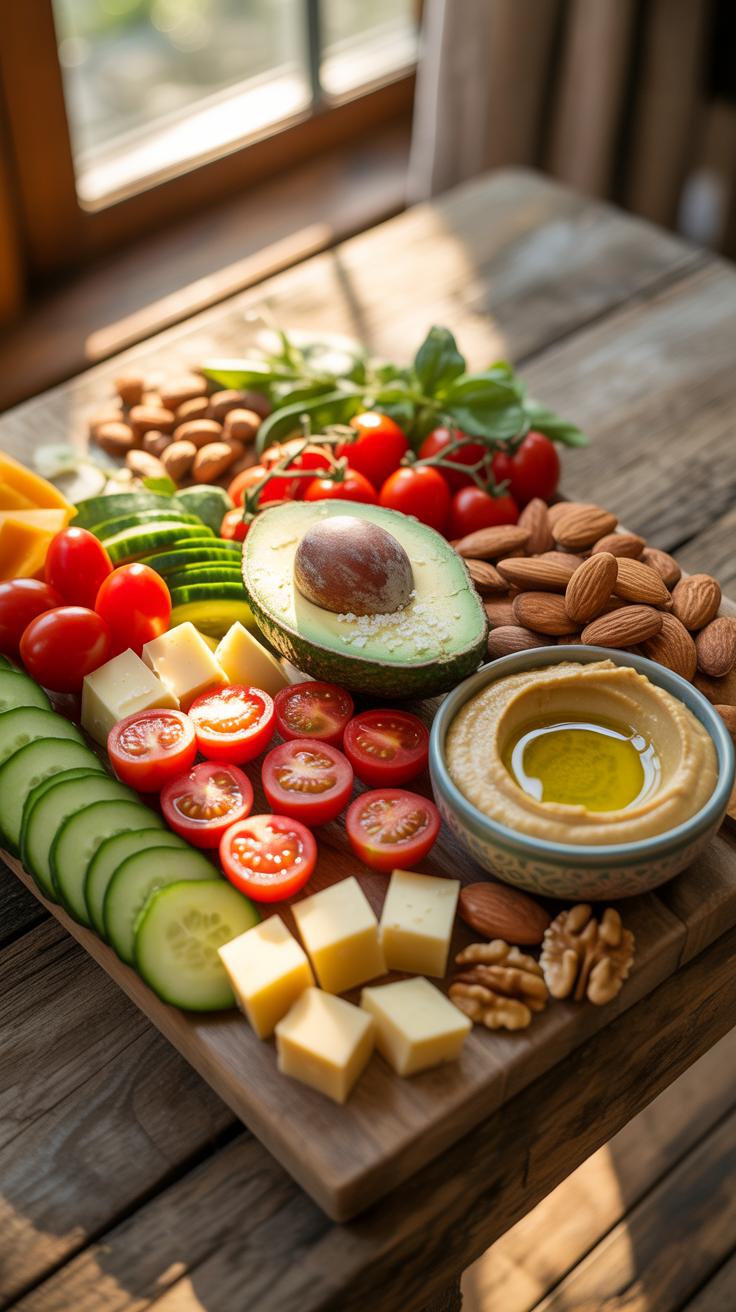
Strategic pairing of protein and fiber creates a superior snack. Combining raw vegetables with high-quality fats ensures nutrient absorption. Portion control remains critical for staying under the 200 calorie threshold. These combinations rely on mechanical textures and natural flavors rather than chemical enhancers. Selecting organic produce and grass-fed dairy further elevates the quality of your clean eating regimen.
- Cucumber and Turkey Roll-ups: Slice half a cucumber into thin strips and wrap them around two ounces of nitrate-free turkey breast. This provides lean protein and high water content for hydration. It contains approximately seventy calories total.
- Celery and Almond Butter: Fill two medium celery stalks with one level tablespoon of raw almond butter. This snack delivers crunch and monounsaturated fats. The fiber in the celery keeps the net carb count very low for the day.
- Hard Boiled Egg and Radishes: Pair one large hard-boiled egg with five sliced radishes. The egg provides high-quality protein and essential choline. Radishes add a peppery bite and fiber without adding significant calories or sugars to your snack.
- Walnuts and Berries: Combine ten walnut halves with a quarter cup of fresh raspberries. Walnuts offer omega three fatty acids for brain health. Raspberries have the lowest sugar content of most common fruits and provide a high fiber count.
- String Cheese and Bell Peppers: Eat one organic mozzarella string cheese with one sliced medium bell pepper. The cheese provides calcium and protein while the pepper supplies a massive dose of vitamin C. This combination is portable and very filling.
Focus on the quality of ingredients within these pairings. Avoid pre-packaged vegetable dips that contain soybean oil or added sugars. High-quality fats from nuts and cheese provide lasting satiety. Measure your portions to ensure you do not exceed caloric limits. These snacks provide necessary micronutrients while keeping glucose levels flat. This consistency supports better metabolic health and successful clean eating habits.
Healthy Snack Ideas For Every Lifestyle On The Go At Work And At Home

Portable Clean Snacks That Travel Well And Require Zero Refrigeration
Mobile snacks must survive temperature shifts and physical impact. Whole nuts and seeds offer shelf stability due to their low moisture content. Dry roasted chickpeas provide high fiber and protein without the need for cooling. These options prevent blood sugar spikes while remaining edible for weeks. Check labels for added oils or sugars that compromise clean eating standards. Select dry goods with minimal processing.
Portability requires durable packaging and dense nutrition. Beef jerky made without nitrates or sugar serves as a high protein option for long trips. Seaweed snacks offer minerals with almost zero caloric impact. Dried fruit works well but requires strict portion control to stay under the limit. Stick to single ingredient items to avoid hidden fillers. Measure portions beforehand to ensure your intake stays beneath two hundred calories.
Desk Friendly And Home Ready Healthy Snack Ideas That Fit Any Routine
Workplace snacking demands low odor and minimal mess. Rice cakes topped with thinly spread almond butter provide crunch and healthy fats. Hard boiled eggs prepared at home offer a complete protein source that is easy to eat quickly. Keep these items at your desk to avoid vending machine traps. Proper preparation ensures you maintain energy levels throughout the afternoon. Focus on snacks that provide a steady release of glucose.
Home snacking allows for fresh ingredients and assembly. Greek yogurt paired with fresh berries stays well under the calorie threshold. Sliced cucumbers with a dash of sea salt provide hydration and crunch. Use small bowls to control servings and prevent mindless eating. These habits build a sustainable routine for long term health. Tactical snacking at home reduces the urge for high calorie processed foods during dinner preparation.
How To Build A Weekly Clean Snack Plan Around Low Calorie Snack Goals
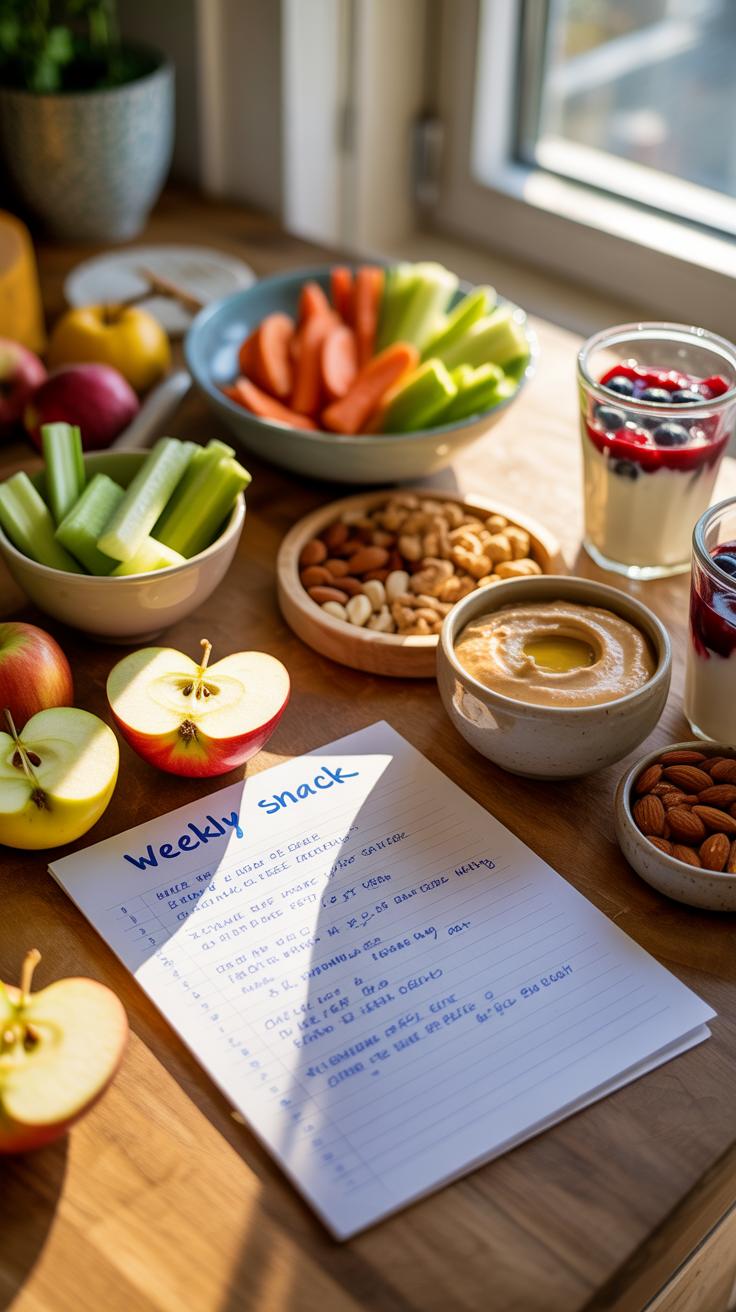
Meal Prepping Your Snacks In Advance To Stay Consistent With Clean Eating
Strategic snack preparation eliminates impulsive decisions that lead to high calorie intake. You must portion ingredients into individual containers immediately after purchase. Modern food storage technology uses airtight seals to maintain freshness and prevent nutrient oxidation. Use clear glass or BPA free containers to keep inventory visible. This tactical approach ensures you always grab a compliant option when hunger strikes during high stress periods.
Consistency requires a fixed schedule for batch processing ingredients. Wash and chop raw vegetables once per week to reduce daily friction. Pre weight energy dense items like nuts or seeds using a digital scale to ensure they remain under the 200 calorie threshold. Accurate measurement is the only way to verify caloric density. High volume prep reduces the mental load of decision making throughout the work week.
Balancing Variety And Nutrition Across Your Weekly Low Calorie Snack Rotation
A successful rotation prevents micronutrient deficiencies and diet boredom. You must alternate between protein heavy snacks and fiber rich produce. Rotate your fat sources between avocados, walnuts, and seeds to get a full spectrum of fatty acids. High fiber options like berries or celery provide volume without excessive calories. This balance regulates blood sugar and prevents energy crashes during your afternoon tasks.
Track your consumption to identify which snack combinations provide the most sustained satiety. Switch your flavors between savory and sweet profiles every two days. Use various spices and sea salt to modify taste without adding processed sugars or oils. Sticking to a rigid list of three to five core snacks simplifies shopping and budgeting. Refine your list based on seasonal availability to get the highest nutrient density.
Frequently Asked Questions

What exactly defines a snack as being “clean” and low-calorie?
Clean snacks focus on whole, minimally processed ingredients that are free from artificial additives, refined sugars, and preservatives. When looking for healthy clean snacks under 200 calories, the goal is to find nutrient-dense options like raw nuts, Greek yogurt, or fresh fruit. These choices provide sustained energy and vital fiber without the “empty” calories found in traditional processed snack bags, helping you feel satisfied while maintaining your wellness goals.
How can I prep these snacks ahead of time to stay on track during a busy week?
Successful snacking starts with organization. Spend time on Sundays portioning out healthy clean snacks under 200 calories into reusable glass containers or silicone bags. You can pre-slice bell peppers for hummus, boil a batch of eggs, or measure out small servings of almonds. Having these grab-and-go options ready in your refrigerator prevents the temptation of reaching for unhealthy convenience foods when you are pressed for time or feeling hungry.
Is it possible to eat clean snacks on a tight budget?
Absolutely! Clean eating doesn’t require expensive specialty brands. You can save money by purchasing versatile staples in bulk, such as oats, large tubs of plain yogurt, or seasonal fruits and vegetables. Making your own popcorn on the stovetop or roasting chickpeas at home are incredibly cost-effective ways to enjoy wholesome treats. Focus on simple, single-ingredient foods from the produce aisle to keep your grocery bill low while eating nutritiously.