
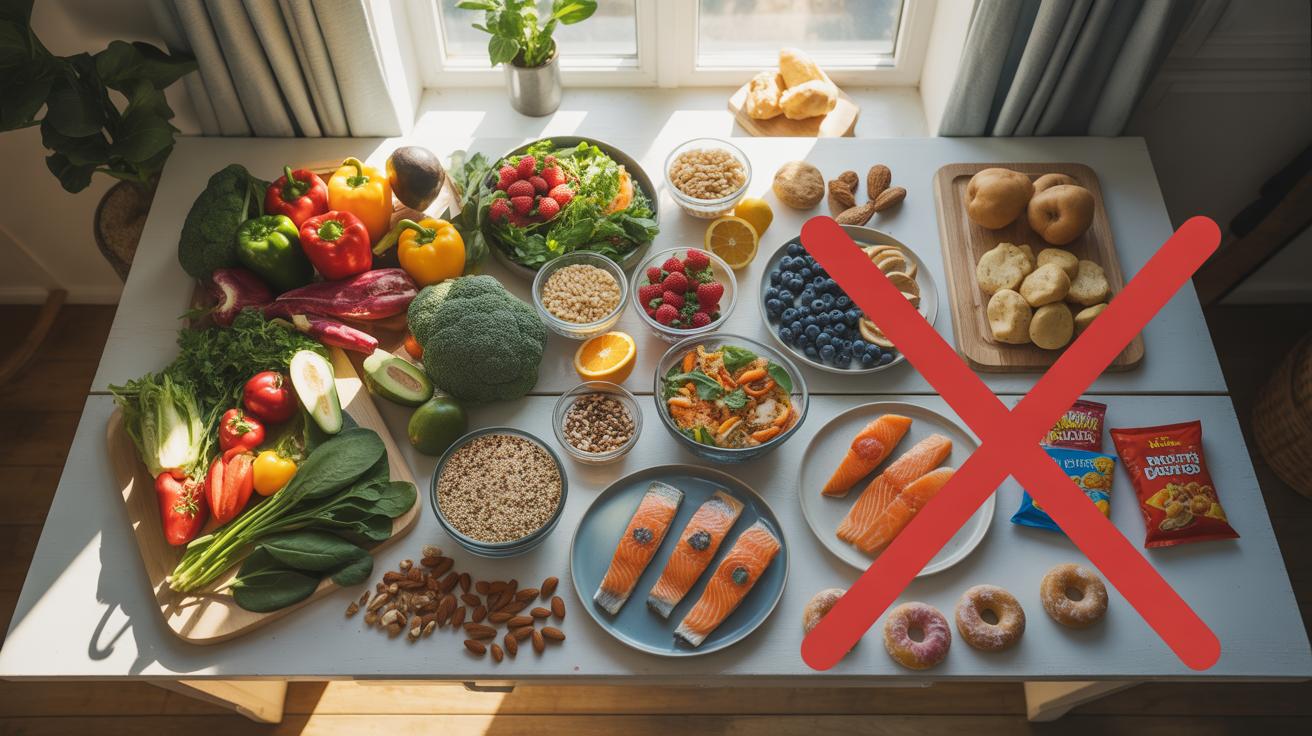
What Is A Belly Fat Diet Plan And Why Does It Matter For Fat Loss Diet

Understanding Visceral Fat Vs. Subcutaneous Fat
Subcutaneous fat sits directly under your skin. You can pinch it with your fingers. While it affects your appearance, it is not the primary health threat. Visceral fat is different and more dangerous. It stores deep inside your abdominal cavity. This fat wraps around your liver, kidneys, and intestines. High levels of visceral fat lead to chronic inflammation and metabolic disease.
You must differentiate between these two types of fat to succeed. A belly fat diet plan specifically targets the metabolic activity of visceral fat. This fat releases hormones and inflammatory markers into your bloodstream. These substances disrupt your natural insulin processing. Reducing visceral fat lowers your risk for type 2 diabetes and heart disease. Focus on internal health to see external results in your midsection.
Why Diet Is The Most Powerful Tool For Reducing Belly Fat
You cannot out-train a poor diet. Exercise burns calories, but food controls your hormones. High sugar intake spikes insulin levels. Insulin is a storage hormone that tells your body to hold onto fat. A strategic diet plan lowers insulin levels. This shift allows your body to access and burn stored energy. Nutrition drives eighty percent of your fat loss results.
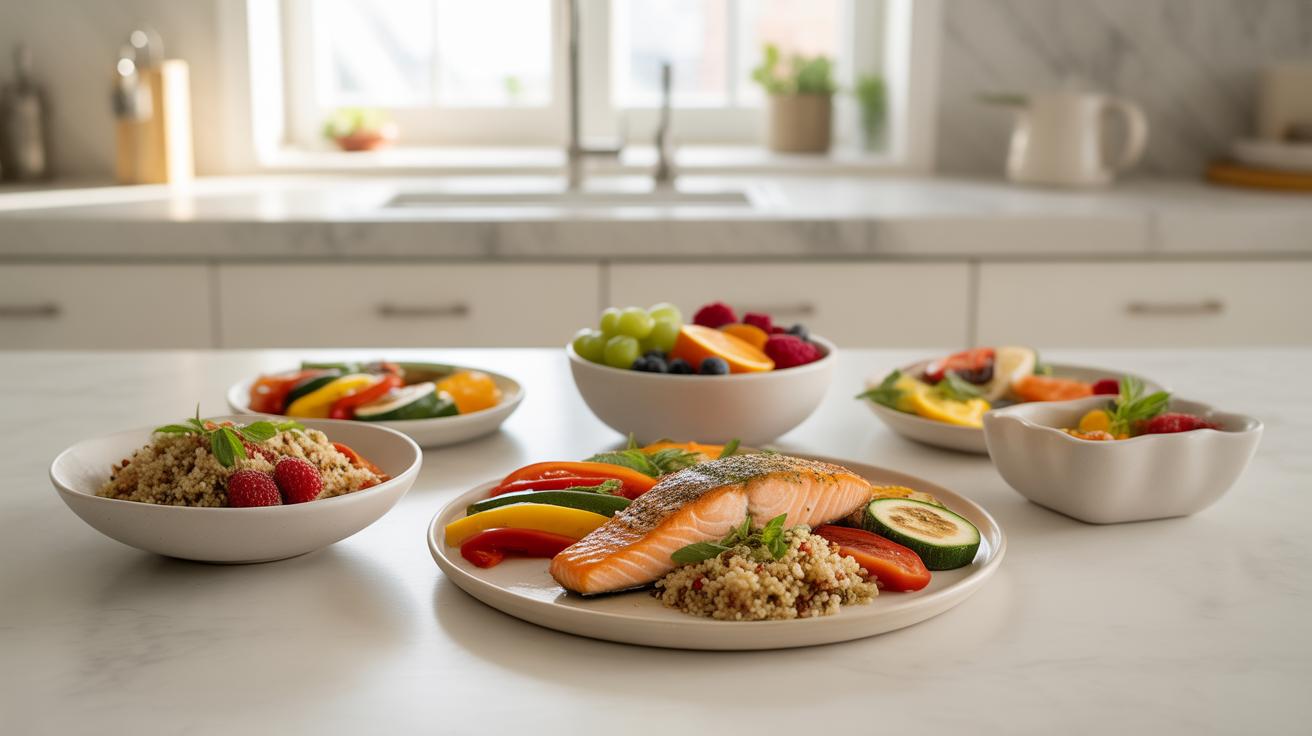
Specific foods trigger different chemical reactions in your gut. Refined carbohydrates cause rapid fat storage in the midsection. High-fiber foods and lean proteins increase your metabolic rate. They also help you stay full for longer periods. Consistent nutritional discipline removes the fuel for new fat cells. Strategic eating creates the caloric deficit needed to shrink existing fat stores. Control your plate to control your waistline.
How To Build A Weight Losing Diet Chart That Targets Abdominal Fat
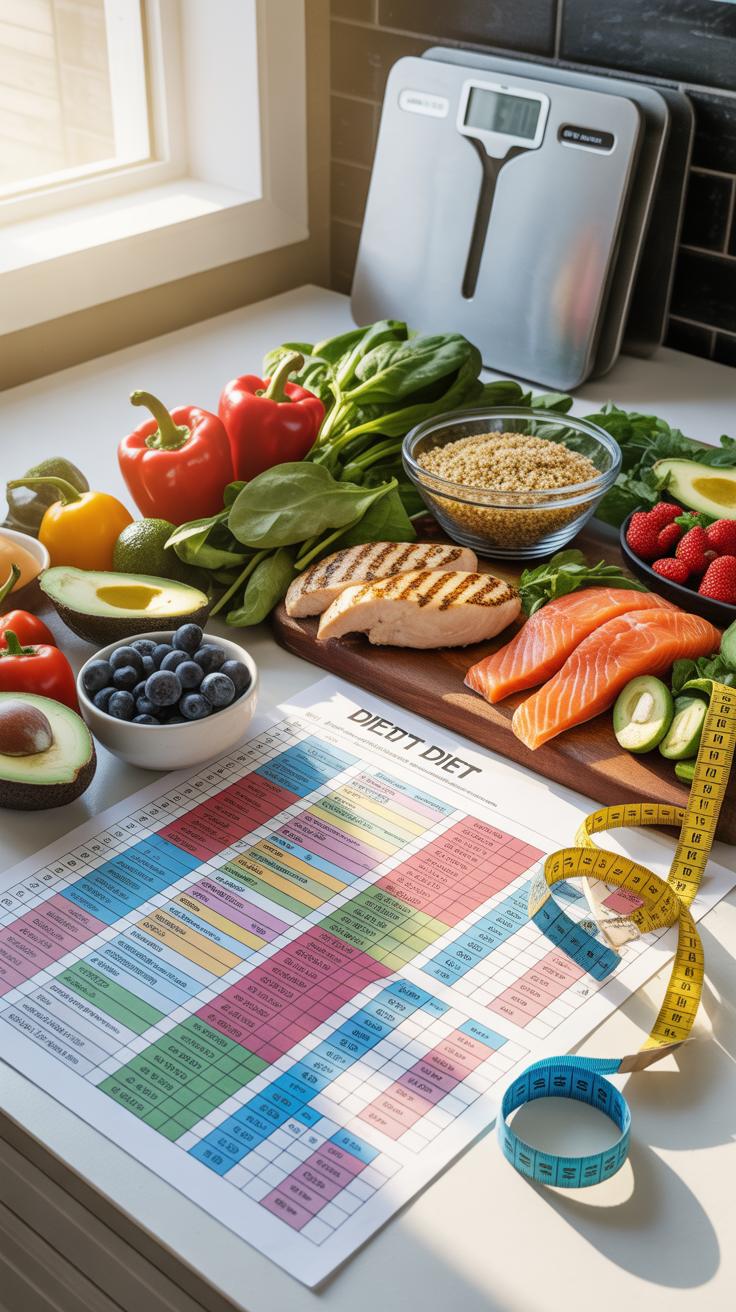
How To Calculate Your Daily Caloric Deficit For Steady Fat Loss
Effective fat loss requires a net energy deficit. You must burn more energy than you consume. Calculate your Total Daily Energy Expenditure first. Use your age, weight, and activity level to find this baseline number. Shave five hundred calories from this total every day. This creates a safe deficit. Aim for one pound of fat loss per week. High deficits cause muscle loss.
Consistency matters more than quick results in any belly fat diet plan. Track your intake using a digital scale. Guessing portions leads to failure and stalled progress. Monitor your weight for two weeks before adjusting numbers. If the scale does not move, reduce calories by another ten percent. Keep protein intake high to protect lean tissue during this restrictive phase.
Structuring Your Meals: Timing Portions And Macronutrient Balance
Prioritize protein and fiber in every meal. Protein increases fullness and preserves muscle. Fiber slows digestion and levels out blood sugar spikes. Divide your plate into specific zones. Half the plate should contain leafy greens or cruciferous vegetables. One quarter belongs to lean protein. The final quarter holds complex carbohydrates. Control fats by using thumb sized portions. Excessive healthy fats still stall fat loss.
Meal timing should support your activity levels. Eat most of your carbohydrates around your workouts. This strategy fuels performance and aids recovery. Limit late night snacking to prevent unwanted insulin spikes before sleep. High insulin levels stop fat burning processes. Stick to three main meals or two meals with one snack. Constant grazing prevents the body from tapping into stored abdominal fat for energy.
Food To Eat To Lose Belly Fat The Best Whole Foods To Include Daily
High Fiber Foods That Keep You Full And Support Gut Health
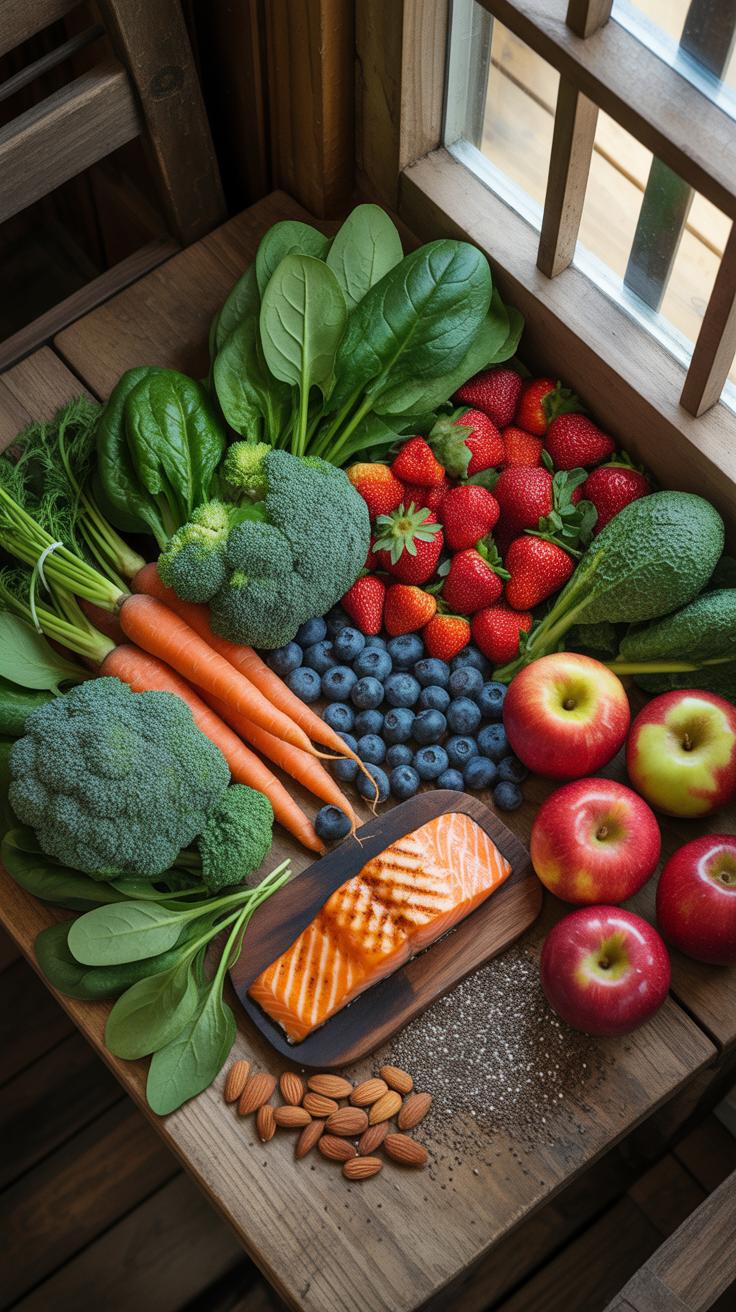
Visceral fat responds directly to high fiber intake. Soluble fiber mixes with water to form a gel in your digestive tract. This slows food absorption and triggers fullness signals in your brain. You eat less without tracking every calorie. Fiber also feeds beneficial gut bacteria. Healthy gut microbes produce short-chain fatty acids that help reduce systemic inflammation and shrink fat cells around your midsection.
Consistent fiber intake prevents rapid spikes in blood glucose. Stable blood sugar stops the body from overproducing insulin. High insulin levels signal the body to store calories as fat rather than burning them for fuel. Prioritize vegetables and legumes to reach daily fiber targets. These foods provide bulk without high energy density. Focus on hitting thirty grams of fiber per day to see measurable changes in waist circumference.
Lean Proteins That Preserve Muscle While Burning Belly Fat
Protein has a high thermic effect of food. Your body burns more calories processing protein than it does for fats or carbohydrates. Eating enough protein protects your lean muscle mass while you remain in a caloric deficit. Muscle tissue actively burns energy even at rest. Increasing your protein intake ensures that weight loss comes from body fat stores rather than from your metabolic engine.
Lean protein sources help regulate appetite hormones like ghrelin. These proteins keep you satisfied for several hours after a meal. This prevents the late-night snacking that often stalls a belly fat diet plan. Aim for twenty to thirty grams of protein at every meal. Focus on chicken breast, white fish, and egg whites to maximize protein density. High protein diets promote fat oxidation and help maintain a higher metabolic rate during weight loss.
Fat Burning Foods Science Backed Ingredients That Boost Your Metabolism

How Green Tea Chili Peppers And Coffee Support Fat Oxidation
Green tea contains catechins like EGCG that trigger fat release from cells. These compounds inhibit the enzyme that breaks down norepinephrine. Higher levels of this hormone signal the nervous system to burn fat for energy. Caffeine in the tea further enhances this process. Drink it without sugar to maintain its metabolic benefits. Steady consumption increases the rate of fat oxidation during daily activities.
Chili peppers contain capsaicin which generates heat in the body. This process is called thermogenesis and consumes extra calories. Coffee provides caffeine which stimulates the central nervous system to increase metabolic output. Caffeine also helps mobilize fatty acids from adipose tissues to be used as fuel. Using these ingredients consistently offers a minor but documentable edge in managing total body fat levels.
True healthcare begins in the kitchen with the simple, wholesome foods our ancestors thrived upon. Choose what nourishes your center and leave behind the rest to find your most vibrant self.
— Andrew Weil
The Role Of Healthy Fats Like Avocado And Olive Oil In Fat Burning
Healthy fats regulate hunger by slowing digestion and triggering satiety hormones. Avocados provide monounsaturated fats that help reduce systemic inflammation. Lower inflammation levels improve insulin sensitivity which is critical for losing belly fat. Eating these fats ensures the body does not enter a starvation state. This prevents the metabolic slowdown often associated with low fat diets. Consistent intake keeps blood sugar levels stable.
Extra virgin olive oil contains oleic acid that activates a lipid signaling molecule inside the gut. This molecule tells the brain the stomach is full. This prevents overeating and reduces the total caloric load. High quality fats also assist in the absorption of fat soluble vitamins. Proper nutrient uptake ensures the metabolism functions at a peak level. Replace processed seed oils with these healthy alternatives to improve metabolic health.
Foods To Avoid On A Flat Belly Diet What Drives Abdominal Fat Gain

Why Refined Carbohydrates And Added Sugars Contribute To Belly Fat
Refined carbohydrates lack fiber and essential nutrients. These processed grains cause rapid spikes in blood glucose levels. High blood sugar triggers a heavy release of insulin. Insulin acts as a primary fat storage hormone in your body. It directs excess energy straight to the abdominal region. Frequent insulin spikes lead to insulin resistance. This condition makes it harder for your body to burn stored fat.
Added sugars like high fructose corn syrup are particularly dangerous. The liver processes fructose differently than other sugars. Excess fructose intake forces the liver to create new fat cells. Science calls this process de novo lipogenesis. Much of this new fat settles around your internal organs. This visceral fat creates a toxic environment. Reducing these sugars lowers inflammation and helps your body access fat stores for energy.
Hidden Culprits: Alcohol, Trans Fats, And Ultra Processed Foods
Modern food production relies on ingredients that sabotage your metabolic rate. Trans fats are artificial fats created by adding hydrogen to vegetable oils. They increase inflammation and promote fat redistribution to the belly. Alcohol provides empty calories and halts the fat burning process. Your liver prioritizes clearing alcohol toxins over metabolizing fats. This metabolic pause allows dietary fats to accumulate in the midsection easily.
- Liquid Calories: Sugary sodas and fruit juices lack fiber to slow digestion. These drinks hit the bloodstream instantly and force the liver to store excess energy as visceral fat. They do not trigger fullness signals in the brain.
- Artificial Trans Fats: Manufacturers use partially hydrogenated oils to extend shelf life in baked goods. These fats cause systemic inflammation and lead to insulin resistance. Research shows they specifically increase the amount of fat stored in the abdominal cavity.
- Excessive Alcohol: Heavy drinking suppresses fat oxidation and lowers testosterone levels. Testosterone helps maintain lean muscle mass which burns calories. Without it, your body stores more energy as fat. It also increases cravings for high calorie salty foods.
- Refined Vegetable Oils: Many processed snacks contain oils high in omega 6 fatty acids. While necessary in small amounts, an imbalance causes chronic inflammation. This inflammation makes cells less responsive to insulin. Poor insulin response leads directly to weight gain.
- Ultra Processed Snacks: Crackers and chips contain high sodium levels and chemical additives. These ingredients cause water retention and bloating. They also disrupt your gut microbiome. A damaged gut sends signals to the body to store more fat around the organs.
Eliminating these drivers is the fastest way to reduce your waistline. You cannot out train a diet high in processed chemicals. Every gram of trans fat or excessive alcohol triggers a biological response that prioritizes fat storage. Focus on whole foods to reset your hormones. Consistent avoidance stops the cycle of inflammation. This shift allows your metabolism to function at its peak efficiency during the day.
A Practical Belly Fat Loss Meal Plan Sample Day By Day Diet Guide
Sample 7 Day Belly Fat Diet Plan Breakfast Lunch And Dinner Ideas
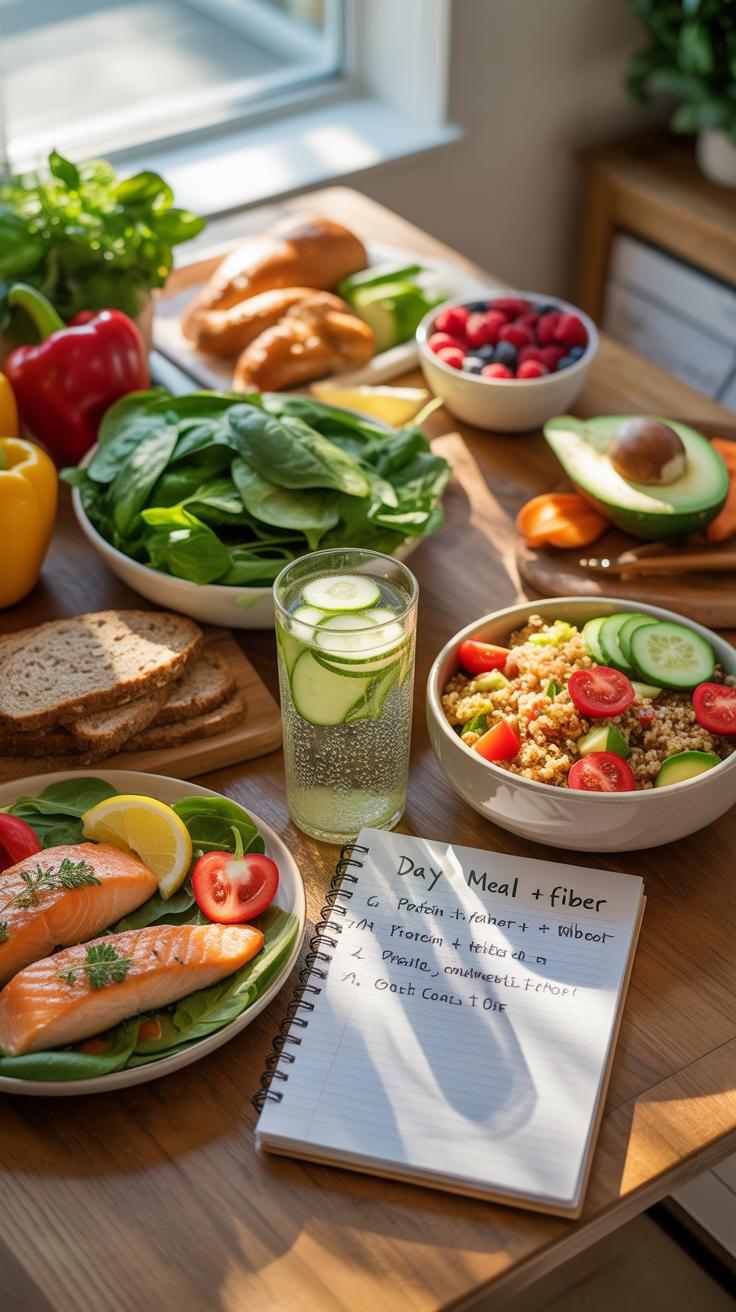
This meal plan prioritizes high protein intake and fiber to stabilize blood sugar levels. You must eliminate liquid calories and processed sugars to see results. Each meal centers on a lean protein source combined with fibrous vegetables. This approach forces the body to utilize stored fat for energy. Consistency across these seven days creates the necessary caloric deficit for visceral fat reduction.
- Greek Yogurt With Berries: Combine plain non fat Greek yogurt with a half cup of blueberries. This meal provides high protein and antioxidants while keeping sugar low. It supports muscle maintenance and gut health throughout the morning hours.
- Grilled Chicken Salad: Use four ounces of chicken breast over mixed greens and olive oil dressing. Avoid creamy dressings that add hidden calories. The lean protein preserves metabolic rate while the greens provide essential micronutrients and volume.
- Baked Salmon And Asparagus: Roast a salmon fillet with a side of steamed asparagus and lemon. Salmon delivers omega three fatty acids which help reduce systemic inflammation. Asparagus acts as a natural diuretic to help reduce bloating quickly.
- Egg White Vegetable Omelet: Mix three egg whites with spinach, peppers, and onions for a low calorie breakfast. This combination offers high satiety without the heavy fat content of whole eggs. It jumpstarts your metabolism without causing a massive insulin spike.
- Lean Turkey And Quinoa Bowl: Mix ground turkey with half a cup of cooked quinoa and sautéed kale. Quinoa provides a complex carbohydrate source that releases energy slowly. Turkey offers a dense protein profile to keep you full until your next meal.
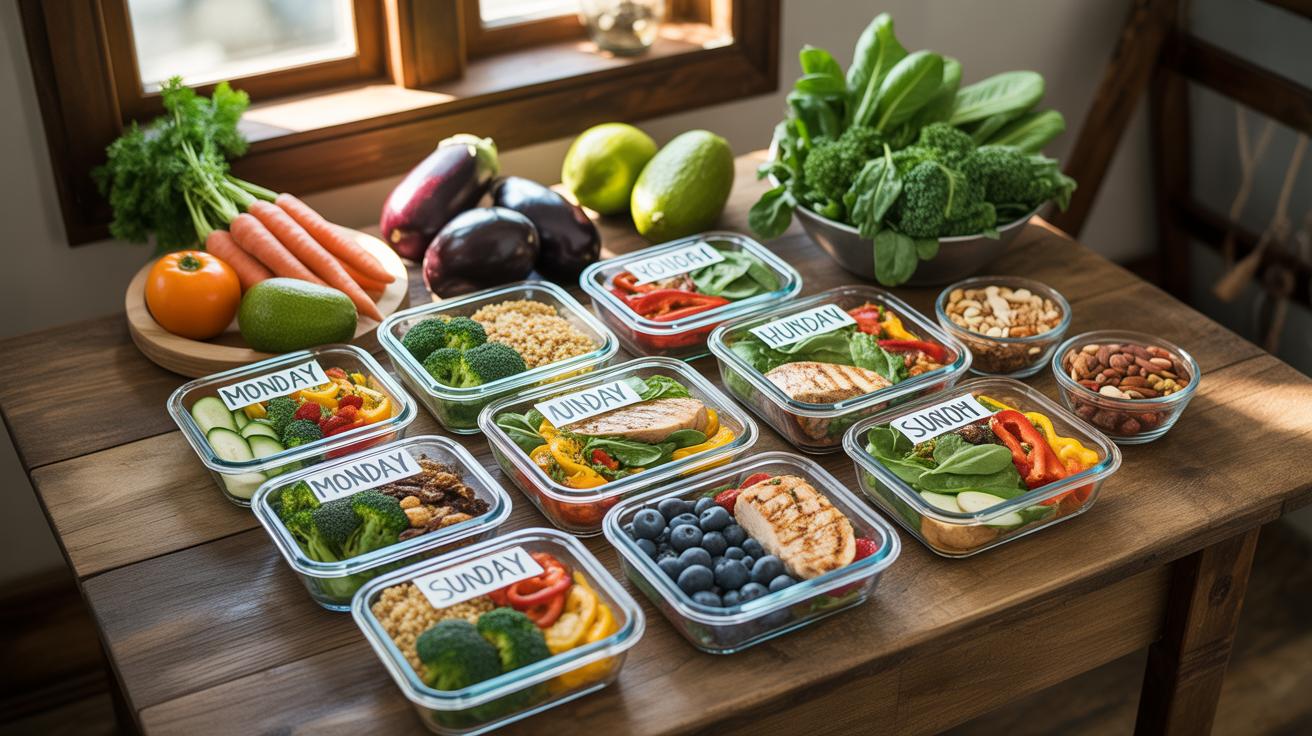
Successful execution requires prepping these meals in advance to avoid impulsive eating. Measure your portions to ensure you stay within your daily caloric limits. Drink at least eight glasses of water daily to assist with digestion and nutrient absorption. If you miss a meal, do not double the portion size at your next sitting. Stay disciplined to see measurable changes.
Smart Snacking Low Calorie Options That Curb Cravings Between Meals
Smart snacking prevents the blood sugar crashes that lead to overeating during primary meals. You should choose snacks that combine protein and fiber for maximum satiation. Avoid pre packaged bars that often contain hidden corn syrup or artificial sweeteners. A handful of raw almonds or a hard boiled egg provides the necessary fuel to maintain your energy levels without stalling fat loss.
Keep your snacks under two hundred calories to maintain a steady caloric deficit. Timing is critical so eat your snack midway between lunch and dinner. This prevents the evening hunger spikes that often lead to poor decision making at night. Focus on whole foods that require chewing as this process sends fullness signals to your brain more effectively than liquid snacks or protein shakes.
The Role Of Protein In A Healthy Diet For Reducing Belly Fat

How Adequate Protein Intake Reduces Appetite And Increases Thermogenesis
Protein impacts weight loss through metabolic efficiency. It has a high thermic effect compared to fats or carbohydrates. Your body burns more calories digesting protein than any other macronutrient. This process increases your daily energy expenditure automatically. Using protein as a primary energy source forces the body to work harder. This metabolic shift is critical for any effective belly fat diet plan.
Protein also controls hunger by regulating specific hormones. It spikes levels of appetite-reducing hormones like GLP-1 and cholecystokinin. Simultaneously it lowers levels of ghrelin which is the hormone responsible for hunger signals. These chemical changes help you feel full for longer periods. You consume fewer calories without the mental stress of starvation. Consistent protein intake prevents overeating and late-night snacking.
Best High Protein Foods To Prioritize On Your Belly Fat Diet Plan
Prioritize lean animal proteins to maximize nutrient density. Chicken breast and turkey offer high protein counts with very low fat content. Wild-caught fish provides essential omega-3 fatty acids which reduce systemic inflammation. Eggs remain a gold standard for protein bioavailability and contain choline for fat metabolism. These sources ensure your muscles receive necessary amino acids while maintaining a strict caloric deficit.
Plant-based options also serve a strategic purpose in fat loss. Lentils and chickpeas provide fiber along with protein to improve gut health. This fiber slows digestion and stabilizes blood sugar levels. Greek yogurt and cottage cheese offer casein protein which digests slowly over several hours. Choosing these diverse sources keeps your metabolism active throughout the day. High-quality protein sources are the foundation of visceral fat reduction.
Nutrition Tips To Accelerate Belly Fat Loss Without Extreme Dieting

The Importance Of Hydration And How Water Intake Influences Fat Loss
Water drives every metabolic reaction in the body. Dehydration slows your metabolism and impairs the liver from processing stored fat effectively. Proper hydration ensures your kidneys function at peak capacity. This shift allows the liver to focus on mobilizing fat cells for energy rather than filtering waste. Drinking water before meals also increases satiety and reduces the total caloric intake per sitting for most adults.
Cold water forces the body to burn extra calories to maintain its internal temperature. This thermogenic effect provides a minor but consistent boost to daily energy expenditure. Replacing sugar-heavy drinks with water removes liquid calories that directly contribute to visceral fat gains. Constant fluid intake also flushes out excess sodium which reduces bloating. Aim for consistent consumption throughout the day to keep your metabolic rate stable and efficient.
How Mindful Eating And Reducing Stress Hormones Help Shrink Belly Fat
Chronic stress triggers the adrenal glands to release cortisol. High cortisol levels signal the body to store fat specifically in the abdominal region. This hormonal response is a survival mechanism from earlier human eras when food was scarce. Today, constant work stress creates a permanent state of fat storage. Managing your nervous system is as critical as tracking your macros for losing midsection weight.
Mindful eating forces you to acknowledge internal hunger cues over external triggers. You must chew slowly and eliminate distractions like phones or television while eating. This practice gives the brain time to receive chemical signals that the stomach is full. Most people overeat because they consume food too fast to register satiety. Controlling your eating pace lowers caloric intake without requiring a restrictive or low-calorie diet plan.
Carbohydrates Insulin And Their Direct Connection To Belly Fat Diet Planning
Understanding The Glycemic Index And Its Impact On Abdominal Fat Storage
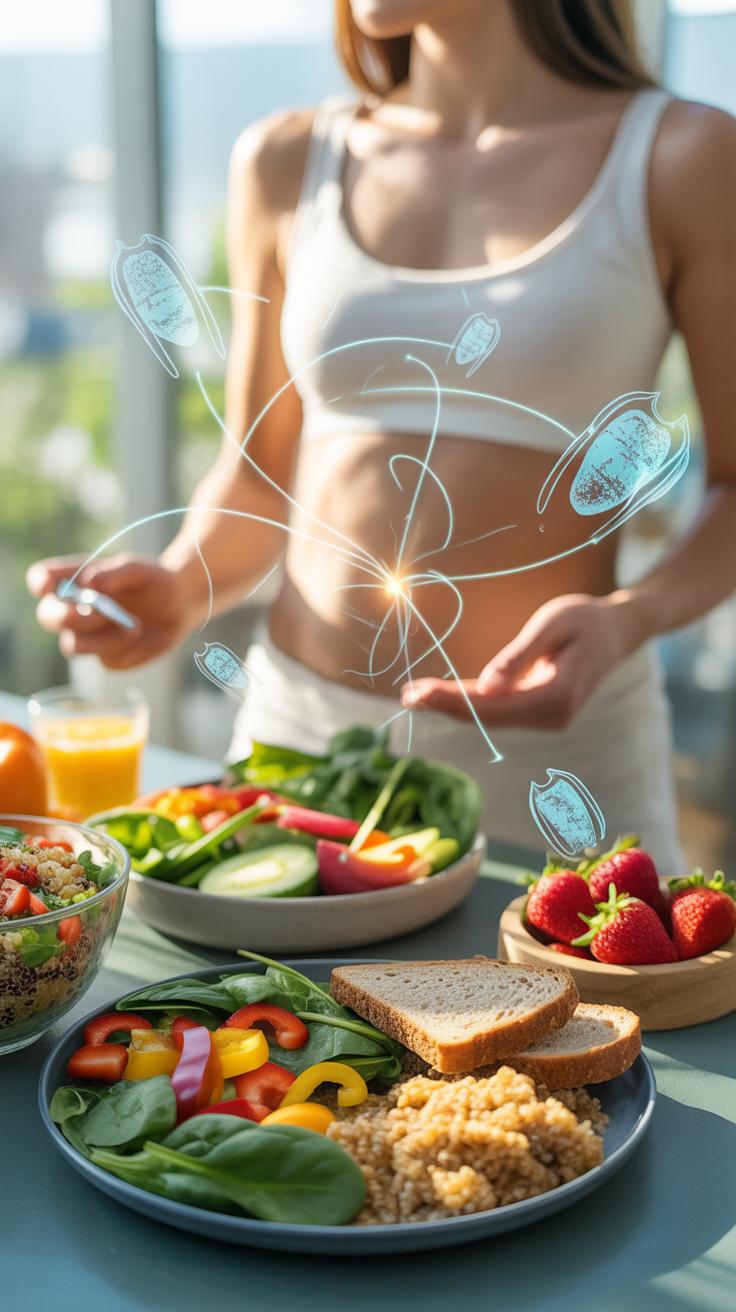
The Glycemic Index measures how quickly foods raise blood glucose levels. High-GI foods cause rapid spikes in blood sugar. These spikes trigger a massive release of insulin from the pancreas. Insulin is your primary fat-storage hormone. When insulin levels stay high, your body stops burning fat for fuel. Instead, it shuttles excess energy directly into visceral fat cells located around your midsection.
Visceral fat is biologically active and responds aggressively to insulin signals. Chronic consumption of high-GI carbohydrates creates a cycle of insulin resistance. This condition makes it harder for cells to use glucose. The body reacts by producing even more insulin. High baseline insulin levels lock fat inside your tissues. You cannot lose belly fat while your insulin remains chronically elevated from high-sugar and refined starch intake.
Why Low Glycemic And Complex Carbs Are Better Choices For A Flat Belly
Low-glycemic carbohydrates digest slowly and provide a steady energy stream. These foods prevent the sharp insulin spikes that drive abdominal fat accumulation. Complex carbs contain fiber which slows down glucose absorption in the gut. This steady state allows your body to maintain metabolic flexibility. When insulin stays low between meals, your system can access and burn stored belly fat for energy more effectively.
Fiber-rich carbohydrates also improve gut health and increase satiety. You feel full longer and avoid the energy crashes that lead to overeating. Tactical carbohydrate selection focuses on nutrient density rather than just calorie counting. Stable blood sugar reduces systemic inflammation. This is critical because inflammation often correlates with high visceral fat levels. Choosing whole grains and legumes over white flour products directly supports a leaner midsection.
Lifestyle Habits That Complement Your Belly Fat Diet Plan For Long Term Success

How Quality Sleep And Cortisol Management Affect Belly Fat Accumulation
Sleep deprivation triggers a metabolic crisis that ruins your diet. Lack of rest spikes ghrelin levels and lowers leptin. This imbalance increases hunger and drives cravings for high calorie foods. Poor sleep also impairs insulin sensitivity. When your body cannot process insulin correctly it stores more energy as visceral fat. You must prioritize seven to nine hours of rest to maintain a stable metabolic rate.
High stress levels produce excessive cortisol. This hormone signals your body to protect its energy stores by depositing fat in the abdominal cavity. Chronic stress creates a feedback loop that makes losing midsection weight nearly impossible regardless of calorie intake. Manage stress through brief periods of deep breathing or tactical downtime. Lowering your systemic cortisol levels is a direct requirement for a successful belly fat diet plan.
Combining Exercise With Your Diet Plan To Maximize Belly Fat Reduction
Diet alone cannot optimize body composition. You must combine caloric restriction with physical activity to preserve lean muscle mass. Resistance training is the most effective tool for this goal. Lifting weights increases your resting metabolic rate. This means you burn more fuel even when you are not moving. Strong muscles demand more energy than fat cells. Focus on compound movements to see the best results.
High intensity interval training also targets stubborn visceral fat. Short bursts of maximal effort followed by brief recovery periods create an oxygen debt. Your body burns extra calories for hours after the workout ends to recover. This effect is known as excess post exercise oxygen consumption. Regular movement improves glucose uptake in the muscles. This prevents excess sugar from being stored as fat around your internal organs.
Frequently Asked Questions

What are the basic principles of a belly fat diet plan for beginners?
Starting a belly fat diet plan involves shifting your focus toward whole, unprocessed foods that stabilize blood sugar. Beginners should prioritize lean proteins, healthy fats, and high-fiber vegetables while significantly reducing added sugars and refined carbohydrates. By eating nutrient-dense meals that promote satiety, you help your body shift from storing fat to burning it for energy, setting a manageable foundation for long-term weight loss and improved metabolic health without feeling deprived.
How can I effectively structure my daily meals to target abdominal fat?
To see real results, structure your day around three balanced meals or smaller, frequent portions that emphasize protein and fiber. Start your morning with eggs or Greek yogurt to curb cravings, and ensure every plate is half-filled with leafy greens. Incorporating a consistent belly fat diet plan means planning ahead to avoid convenience foods; try prepping grilled chicken, quinoa, and roasted vegetables in bulk to ensure you always have a healthy option ready.
Is it possible to follow a lifestyle change for losing weight on a tight budget?
Absolutely! You don’t need expensive “superfoods” or boutique supplements to see progress. Focus on affordable staples like dried beans, lentils, canned tuna, and seasonal frozen vegetables, which are often just as nutritious as fresh ones. Buying in bulk and cooking at home are the most cost-effective strategies. A successful nutritional strategy is more about the consistency of choosing whole ingredients over processed snacks rather than the price tag of your groceries.