
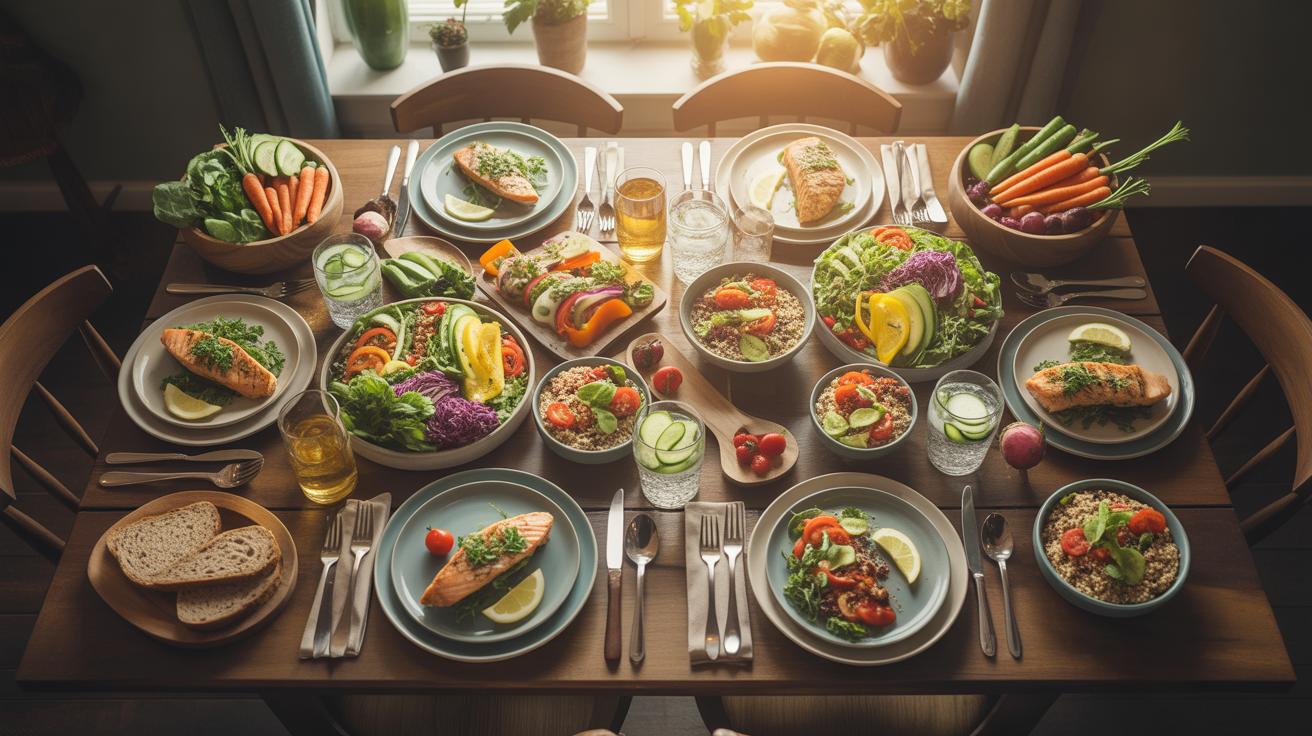
The Science Behind Satiety In Low Calorie Meals

How Protein And Fiber Work Together To Keep You Full
Protein is the most satiating macronutrient. It triggers hormones like peptide YY that signal the brain to stop eating. This process slows down gastric emptying. When you digest food slowly, you feel full for longer periods. High protein intake also prevents muscle loss during caloric restriction. This keeps your metabolic rate higher. You burn more energy even while you are resting.
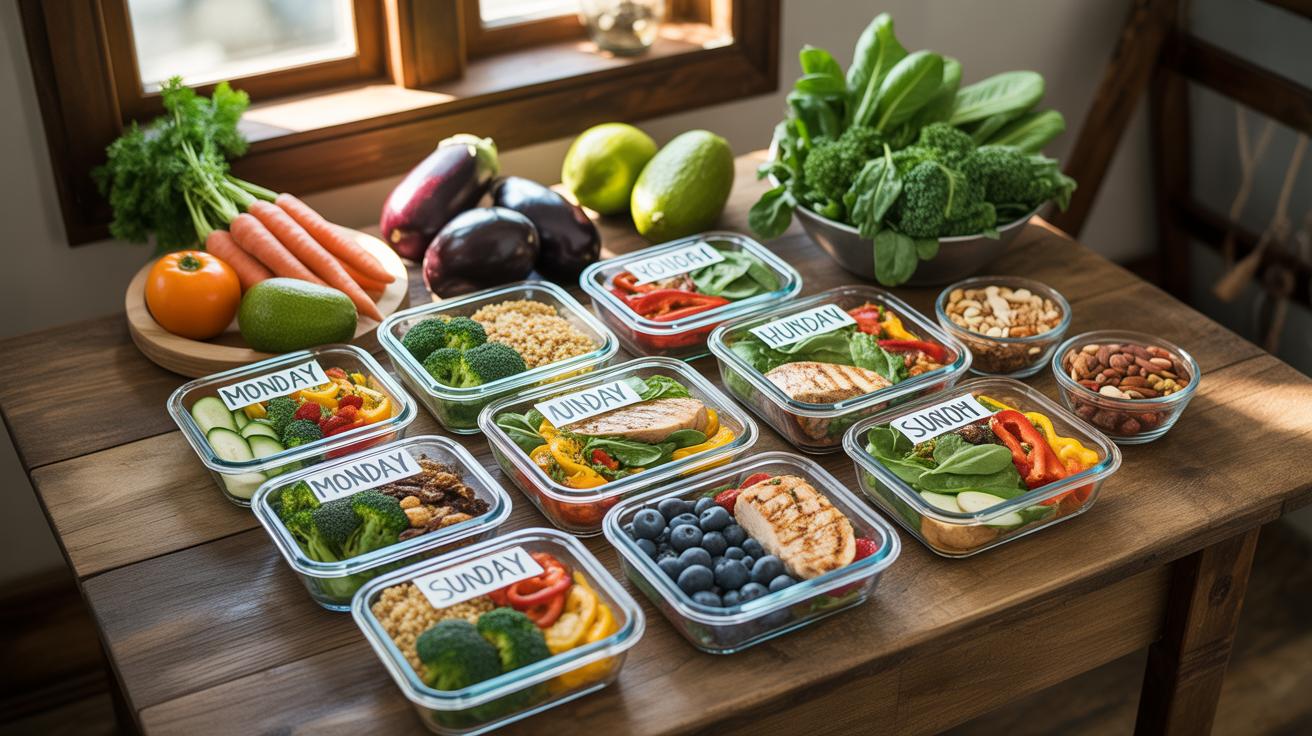
Fiber adds physical bulk to the stomach without adding many calories. Soluble fiber regularizes blood sugar levels to prevent energy crashes. Insoluble fiber moves food through the digestive tract efficiently. Combining these two elements creates a powerful synergy. Protein manages hunger signals in the brain while fiber creates physical fullness in the gut. This dual approach is essential for any successful weight loss plan.
Why Volume Eating Is A Proven Strategy For Low Calorie Dinners
Volume eating focuses on the energy density of food. Human hunger is often a physical response to the stretching of the stomach walls. Mechanoreceptors in the stomach detect this expansion and send signals to the brain. By choosing foods with high water and air content, you can eat a large amount of food. This satisfies the physical urge to eat without exceeding calorie limits.
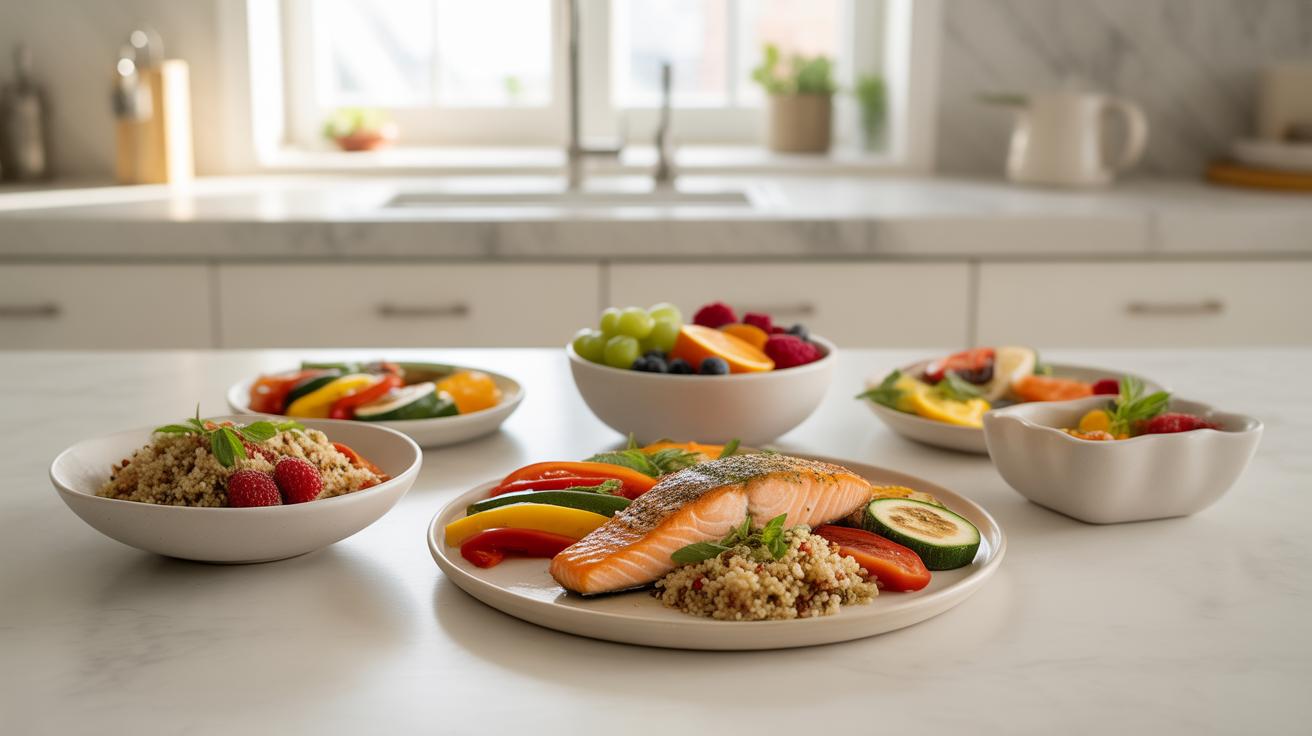
Vegetables like eggplant, zucchini, and leafy greens are the primary tools for this strategy. These foods allow you to increase portion sizes by three or four times. You get to chew more and spend more time eating. This psychological satisfaction is just as important as the physical fullness. Volume eating makes a calorie deficit sustainable. It stops the feeling of deprivation that causes many people to quit.
Best Food Ideas Low Calorie Eaters Should Always Have On Hand

Pantry And Fridge Staples That Support A Low Calorie Lifestyle
A stocked kitchen prevents poor decision making. You need foods with high water content and fiber to trigger satiety signals in your brain. Focus on items that provide bulk without adding significant energy density. Physical volume in the stomach slows down the production of hunger hormones. Keeping these essentials ready allows you to assemble a meal in minutes rather than ordering high calorie takeout.
- Egg Whites: This protein source contains almost no fat or carbohydrates. One cup provides about 26 grams of protein for only 125 calories. Use them to increase the volume of whole egg dishes or as a base for lean omelets.
- Cruciferous Vegetables: Broccoli, cauliflower, and cabbage stay fresh in the fridge longer than Leafy greens. These vegetables require more chewing and take up significant space in the gut. They provide essential fiber that helps regulate blood sugar levels after eating.
- Greek Yogurt: Nonfat plain Greek yogurt serves as a high protein base for both sweet and savory dishes. It contains probiotics that support gut health and muscle retention. Use it to replace sour cream or heavy mayo in dressings and dips.
- Canned Legumes: Beans and lentils provide a combination of plant protein and resistant starch. This combination keeps you full for several hours. Store them in the pantry for quick additions to soups, salads, or lean meat dishes to stretch the serving size.
- Konjac Noodles: These traditional East Asian noodles consist mostly of water and glucomannan fiber. They contain nearly zero calories per serving. They absorb the flavors of your sauces and provide the mechanical sensation of eating pasta without the heavy carbohydrate load.
Smart shopping focuses on caloric density. You want the most weight for the fewest calories. This strategy is called volume eating. Protein and fiber are your primary tools for hunger management. Storing these items ensures you stay within your daily energy limits. Consistency depends on your environment. Build a kitchen that makes the right choices the easiest choices to execute every single day.
How Smart Ingredient Swaps Transform Everyday Meals Into Lighter Options
Replacing high calorie fats with moisture rich alternatives reduces total energy without ruining the eating experience. Use vinegar, citrus juices, or mustard instead of heavy oils and creams. These ingredients provide sharp flavors that stimulate the palate while keeping the calorie count low. Strategic swaps allow you to enjoy familiar textures while maintaining a caloric deficit. You must prioritize taste to maintain this lifestyle long term.
Texture plays a vital role in food satisfaction. Replace traditional pasta with spiralized zucchini or spaghetti squash to cut hundreds of calories. Use riced cauliflower instead of white rice to increase your vegetable intake. These substitutions provide the same mouthfeel and bulk as the original ingredients. You can eat a larger portion of the meal for a fraction of the energy. Volume is the secret to sustainable weight management.
Slim Dinner Recipes That Deliver Big Flavor Under 400 Calories

Herb Roasted Chicken Thighs With Steamed Vegetables: A Balanced Plate
Chicken thighs provide more satiety than breasts due to their fat content and mineral density. Remove the skin to cut excess saturated fat while keeping the meat moist during roasting. Use fresh rosemary and thyme to add flavor without adding sodium or liquid calories. High heat roasting creates a charred exterior that mimics frying. This technique preserves the internal juices of the poultry.
Pair the protein with fibrous vegetables like broccoli or snap peas. Steaming these greens preserves their structural integrity and water-soluble vitamins. Fiber adds significant bulk to the stomach, which triggers stretch receptors that signal fullness to the brain. A six-ounce portion of chicken with two cups of vegetables stays comfortably under the 400 calorie limit. This meal balance prevents blood sugar spikes.
Spiced Lentil Soup: A Hearty Slim Dinner Recipe Packed With Plant Protein
Lentils offer a high thermic effect of food. This means the body burns significant energy just to process the legumes. They contain a mix of soluble and insoluble fiber that slows digestion. Use a base of mirepoix and low-sodium vegetable stock to build flavor depth. Cumin and turmeric provide anti-inflammatory benefits and earthy notes. This soup provides a dense nutrient profile for very low density.
One cup of cooked lentils provides roughly eighteen grams of protein for minimal fat. The high water content in the soup increases volume in the gut. This volume helps you feel full faster and for longer periods. Avoid adding heavy creams or coconut milk to keep the calorie count low. Squeeze fresh lemon juice over the final dish to brighten the flavors and enhance iron absorption.
Healthy Recipes Calories You Can Track Without Complicated Math
Understanding Calorie Density And Why It Matters For Meal Planning
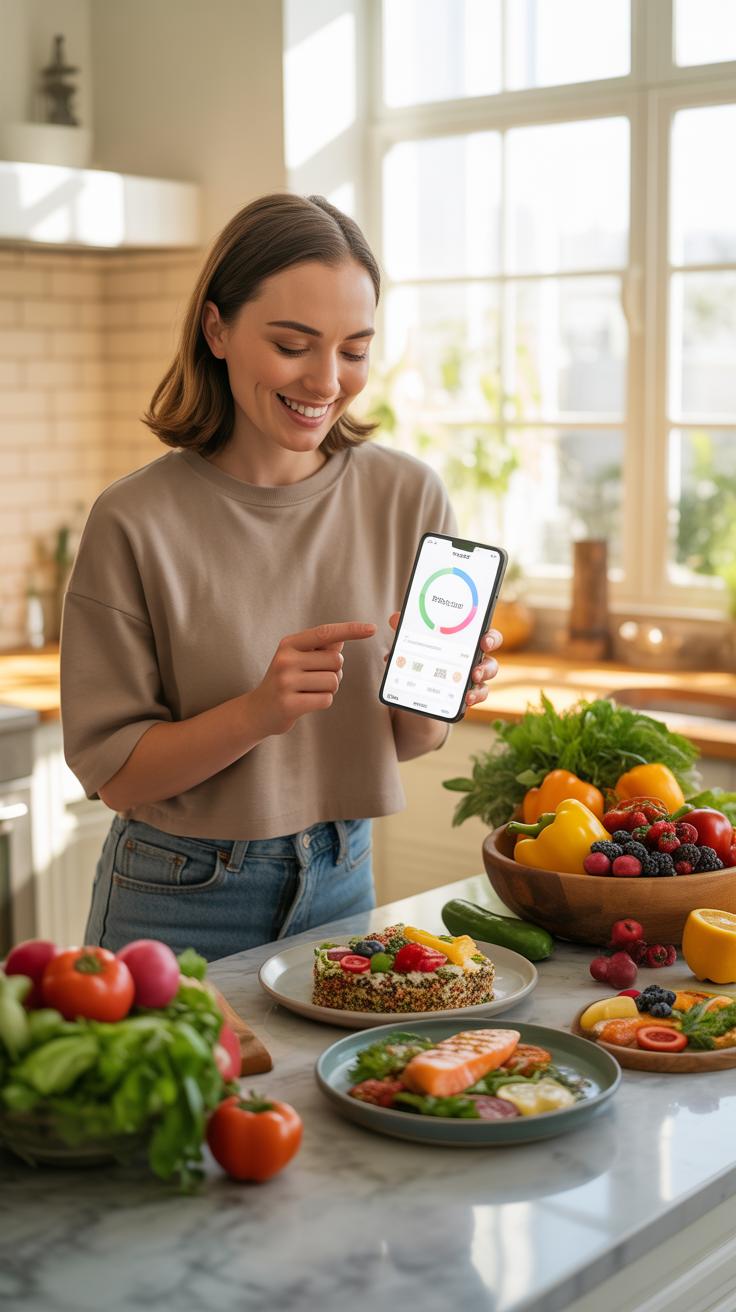
Calorie density measures the number of calories per gram of food. Foods with high water and fiber content have low calorie density. These foods allow you to eat larger physical portions while consuming fewer total calories. This strategy triggers stretch receptors in your stomach. These receptors send signals to your brain that you are full. Using this method prevents the hunger common with small portions.
Strategic meal planning focuses on adding bulk without adding energy. Vegetables like spinach and zucchini provide significant volume for minimal caloric cost. Fats and sugars contain high energy in small packages. You must prioritize high volume ingredients to maintain a caloric deficit. This approach makes low calorie meals sustainable for long periods. It replaces strict willpower with biological satiety through smart ingredient selection and plate composition.
Simple Portion Control Methods That Make Calorie Tracking Effortless
Visual cues provide a reliable way to manage portions without scales. Use your hand as a rough measurement tool for different food groups. A palm sized portion of protein and a fist sized portion of vegetables work well. This method standardizes your intake across different meals. It eliminates the need for constant math during a busy day. Consistency in portion sizing leads to predictable weight loss results.
Switching to smaller plates also influences how much you eat. A full small plate tricks the brain into feeling satisfied. Larger plates often lead to overserving and accidental calorie surpluses. Focus on filling half your plate with non starchy vegetables first. This leaves less room for calorie dense sides. These tactical shifts simplify tracking by creating a repeatable structure. You control your intake by changing the environment rather than counting every grain.
300 Calorie Recipes That Are Surprisingly Satisfying
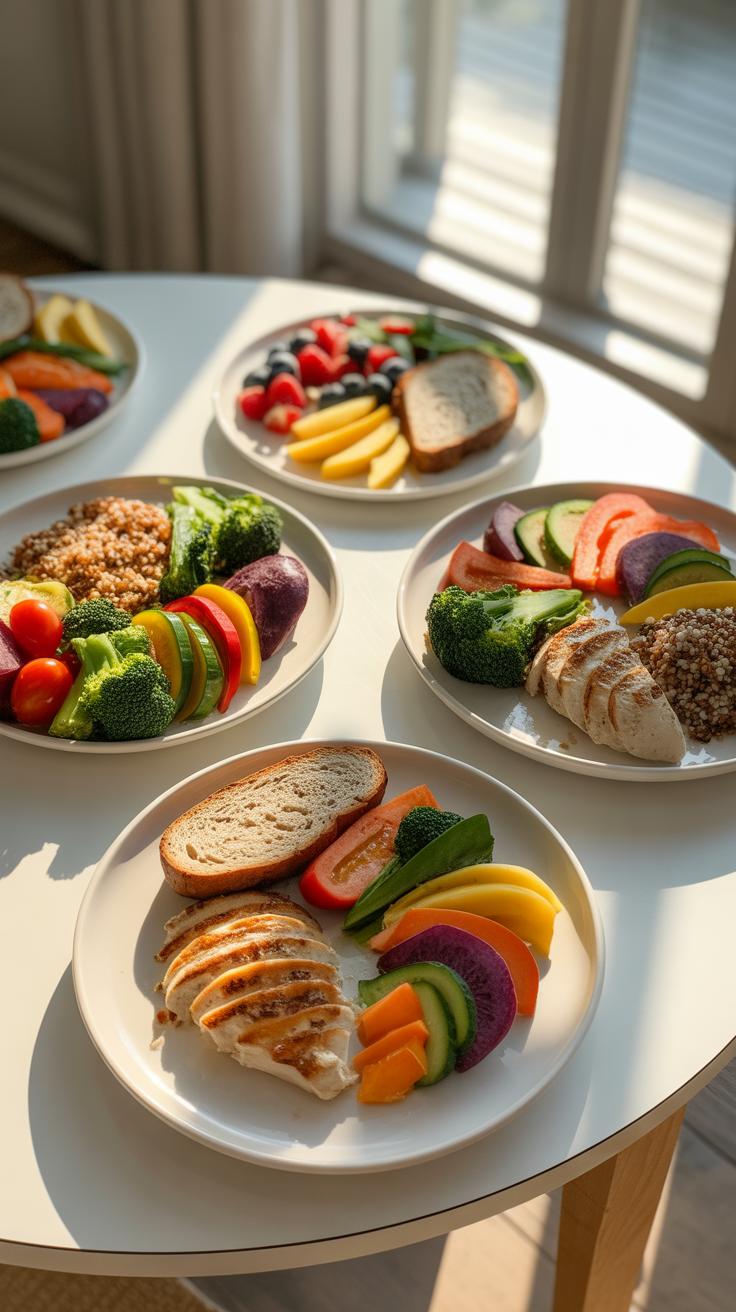
Zucchini Noodles With Turkey Bolognese: A 300 Calorie Comfort Meal
Traditional pasta contains high calorie density and minimal fiber. You swap wheat noodles for spiralized zucchini to drop the carbohydrate load. Use lean ground turkey with 93 percent fat content to provide high protein without the saturated fats found in beef. Sauté the zucchini briefly to maintain a firm texture. Overcooking creates excess water and ruins the structural integrity of the meal.
Simmer the meat in a tomato based sauce with garlic and herbs. Tomatoes provide lycopene and volume with very few calories. A large portion of this meal stays under 300 calories because the noodles are mostly water. You get the sensation of eating a heavy pasta dish while maintaining a strict caloric deficit. This strategy relies on volume eating to trigger gastric stretch receptors.
Greek Yogurt Chicken Salad Wraps: Creamy, Filling, And Under 300 Calories
Mayonnaise adds unnecessary fat and calories to standard chicken salad. You replace it with plain Greek yogurt to increase total protein and reduce total fat. Use boiled or roasted chicken breast for the leanest protein source. Mix in celery and onion to provide crunch and essential micronutrients. This swap preserves the creamy texture while improving the overall nutritional profile of the dish.
Place the mixture inside large lettuce leaves or a high fiber low carb tortilla. Lettuce wraps eliminate refined sugars and flours entirely. This meal works because protein and fiber take longer to digest than simple carbohydrates. You feel full for several hours which prevents mid afternoon snacking. Focus on spices like paprika or dill to add flavor without adding sodium or calories.
200 Calorie Dinner Recipes For Light Yet Nourishing Evening Meals

Miso Soup With Tofu And Seaweed: A Traditional 200 Calorie Dinner
Miso soup provides a high volume of liquid which triggers physical fullness signals in the stomach. The base consists of fermented soybean paste known as miso and dashi stock. One tablespoon of miso contains about 35 calories and offers probiotics for gut health. Adding 100 grams of firm tofu provides approximately 80 calories and essential amino acids. This combination creates a savory profile without high fat content.
Seaweed like wakame adds minerals such as iodine and fiber without significant caloric impact. Traditional Japanese preparation involves simmering the dashi before whisking in the miso paste. Do not boil the miso as heat destroys beneficial bacteria. This soup is a staple because it delivers rapid satiety through warmth and umami flavors. It serves as a functional dinner that keeps total intake well under the 200 calorie limit.
Egg White Veggie Scramble: A Protein Rich 200 Calorie Dinner Recipe
An egg white scramble is a strategic tool for high protein volume. One cup of liquid egg whites contains roughly 125 calories and 26 grams of protein. Protein has the highest thermic effect of food and promotes long term satiety. Using a non stick pan eliminates the need for oil or butter. This saves 100 calories per tablespoon. This meal focuses on nutrient density while maintaining an extremely low energy profile.
Volume comes from adding high fiber vegetables like spinach, peppers, and onions. Two cups of raw spinach add only 15 calories but increase the meal size significantly. Fiber slows digestion and prevents blood sugar spikes. Season with hot sauce or dry spices instead of heavy sauces to control caloric density. This meal works for dinner because it is quick to prepare and easy for the body to process before sleep.
Healthy Dinner Recipes 500 Calories For A More Substantial Evening Meal
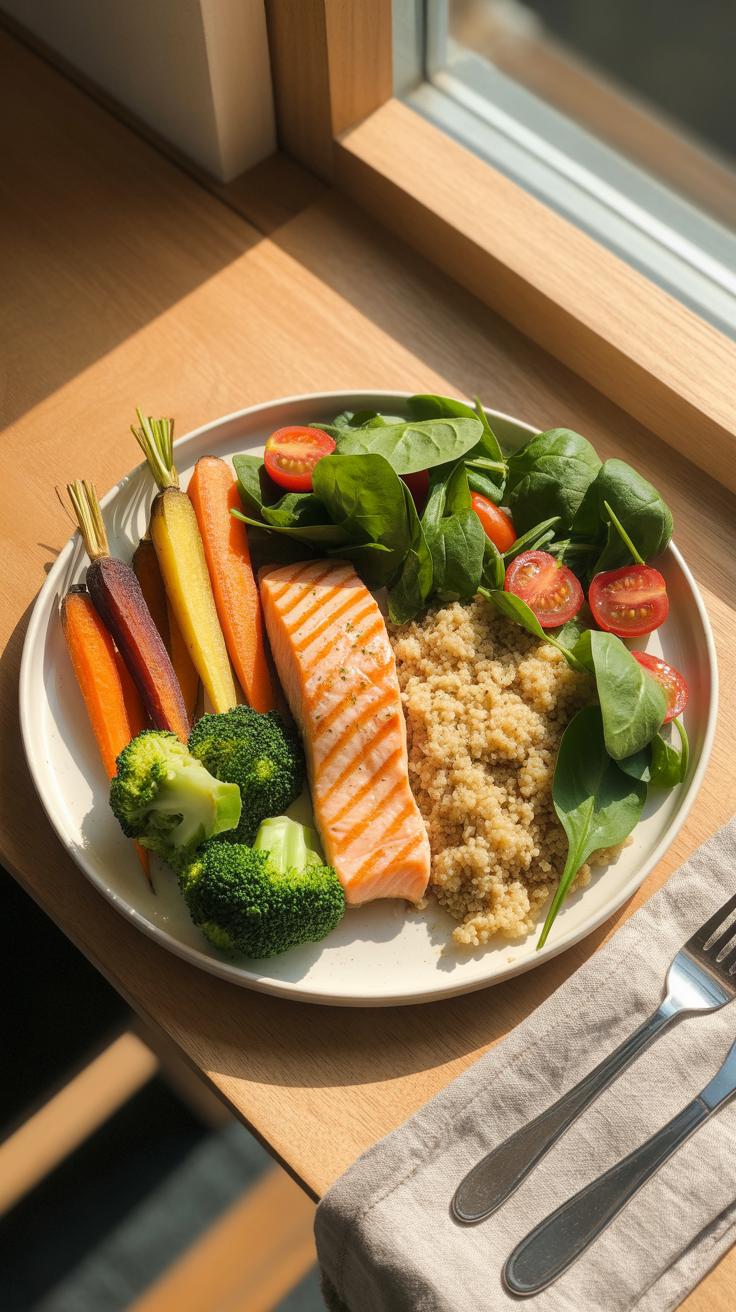
Grilled Salmon With Quinoa And Roasted Asparagus: A 500 Calorie Powerhouse
Salmon provides essential omega-3 fatty acids and high protein levels. A six-ounce fillet serves as the structural base for this meal. You must grill the fish to keep fat content controlled. Quinoa acts as a complex carbohydrate with a low glycemic index. This grain provides more fiber than white rice. Fiber slows digestion to keep you full for several hours after eating.
Asparagus adds necessary volume without adding significant calories. One cup of roasted asparagus contains only forty calories. Drizzle the vegetables with minimal olive oil and lemon juice to enhance flavor. This combination hits the five hundred calorie target precisely. It balances macronutrients to prevent late-night hunger. The high protein and fiber content stabilize your blood sugar levels throughout the rest of the night.
Cooking is all about the layers of flavor that satisfy the heart, proving that a bowl full of garden nutrients can be as comforting as a Sunday memory.
— Alice Waters
Black Bean And Sweet Potato Tacos: A Plant Based 500 Calorie Dinner Option
Black beans offer a rich source of plant protein and resistant starch. Combining beans with roasted sweet potatoes creates a complete amino acid profile. Use corn tortillas instead of flour versions to reduce processed sugar and gluten intake. Sweet potatoes provide beta-carotene and sustained energy. This meal avoids the heavy saturated fats found in beef tacos. It relies on fiber to achieve satiety.
Portion control remains vital for staying within the calorie limit. Use half a cup of beans and one medium sweet potato across three tortillas. Top with fresh cabbage slaw and lime rather than cheese or sour cream. Cabbage adds crunch and micro-nutrients for very few calories. This tactical substitution allows for a larger serving size. You get a filling dinner that supports metabolic health and muscle recovery.
500 Calorie Recipes That Cover A Full Balanced Macronutrient Profile

What A Balanced 500 Calorie Plate Actually Looks Like Nutritionally
A 500 calorie plate must prioritize nutrient density to ensure long term satiety. You achieve this by allocating forty percent of the energy to lean proteins. Protein has the highest thermic effect of food and keeps you full. Thirty percent should come from complex carbohydrates for steady blood sugar. The remaining thirty percent must consist of healthy fats. Fats slow down gastric emptying to prevent hunger spikes soon after eating.
Structure your plate using the volume eating method. Fill half the surface area with fibrous non-starchy vegetables. These provide essential micronutrients and bulk without adding significant calories. Use the other half for your protein and grain portions. This specific ratio creates a meal that satisfies physical hunger and hormonal signals. Strategic macronutrient distribution prevents the metabolic slowdown often associated with low calorie meals. You get sustained energy instead of a crash.
Stir Fried Shrimp With Brown Rice And Broccoli: Macro Balanced At 500 Calories
Stir-fry techniques allow for high volume meals with minimal added fats. Use six ounces of jumbo shrimp as your primary protein source. Shrimp is incredibly lean and provides nearly forty grams of protein. Sauté the shrimp in one tablespoon of sesame oil for essential fatty acids. Add two cups of fresh broccoli florets to the pan. Broccoli adds fiber and cruciferous compounds that support detoxification and increase meal weight.
Combine the protein and vegetables with one half cup of cooked brown rice. Brown rice provides manganese and fiber to assist with digestion. Season the dish with low sodium soy sauce and ginger to avoid excess water retention from salt. This meal hits the 500 calorie target while providing a complete amino acid profile. It fuels your muscles and maintains your energy levels for hours. Tactical ingredient selection ensures you stay within your daily caloric limits easily.
High Calorie Pasta Options Vs Low Calorie Alternatives Worth Knowing
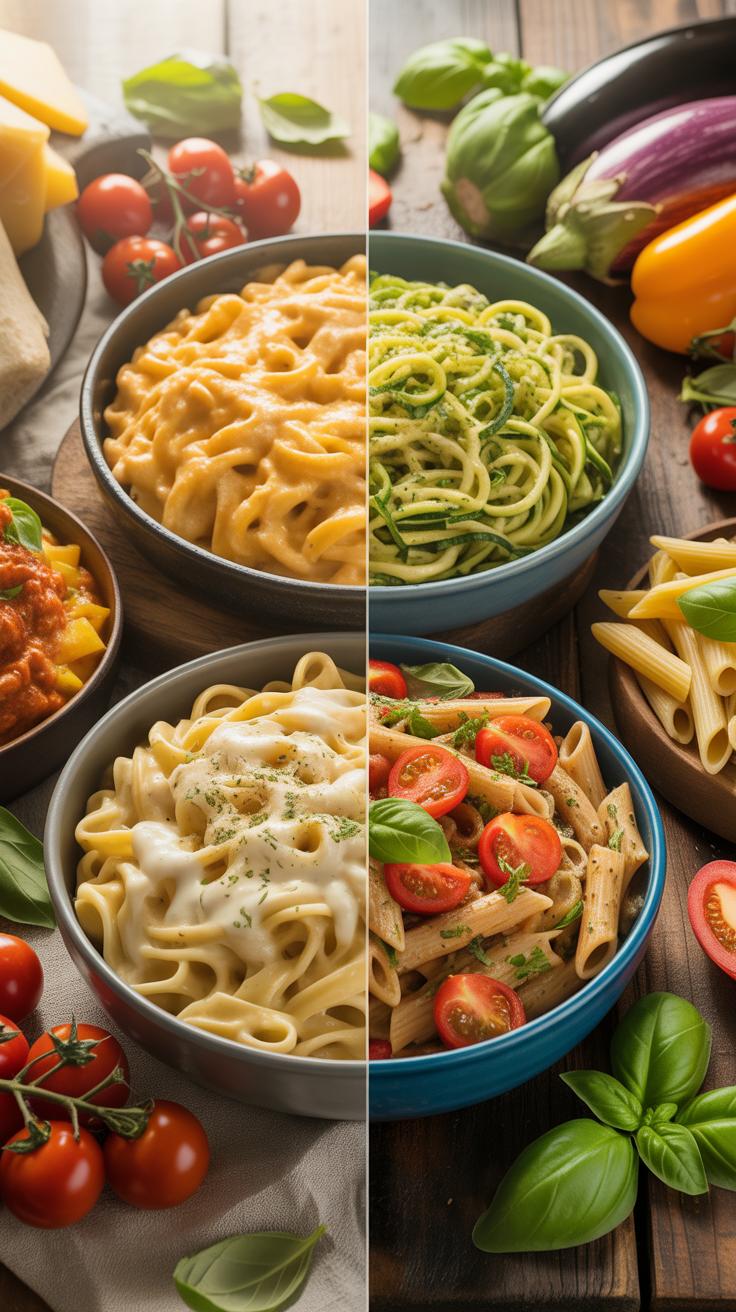
Why Traditional High Calorie Pasta Options Can Derail A Low Calorie Diet
Traditional pasta consists mainly of refined durum wheat flour. This makes it extremely energy dense but low in total volume. A single standard serving contains roughly two hundred calories but takes up very little physical space in the stomach. Most people consume three times the recommended portion size without realizing it. This massive caloric load happens before you even add heavy sauces or fats.
The refined carbohydrates in wheat pasta digest quickly and cause rapid spikes in blood glucose levels. Your body responds with insulin to manage the sugar. This process often leads to a sharp energy crash and premature hunger. You feel empty shortly after finishing a large meal. This cycle makes it difficult to maintain a calorie deficit. Strategic eaters must swap these high density grains for high volume options.
Low Calorie Pasta Swaps: From Shirataki Noodles To Chickpea Pasta
Smart substitutions allow you to eat a much larger volume of food for a fraction of the calories. These alternatives use different fibers and proteins to mimic the texture of traditional wheat. Selecting the right base depends on your specific goals for satiety and texture. Some options focus on fiber while others prioritize protein content to keep you feeling full for several hours.
- Shirataki Noodles: These translucent noodles consist of konjac yam fiber and water. They contain almost zero calories and zero net carbs. They provide physical bulk in the stomach without adding energy. You must rinse them thoroughly to remove the natural scent before cooking in a hot pan.
- Zucchini Noodles: Using a spiralizer transforms fresh produce into long vegetable strands. These contain high water content and very few calories per cup. They cook in under three minutes and work best with light oil or tomato based sauces. This swap increases your daily vegetable intake significantly.
- Spaghetti Squash: This natural alternative separates into thin ribbons after you roast the vegetable. It offers a slightly sweet flavor and a crunchy texture. One large squash provides several servings for the same caloric cost as a handful of wheat pasta. It is a whole food option with no processing.
- Hearts of Palm Pasta: Producers cut these from the inner core of specific palm trees. They have a firm texture that holds up well under heavy heat and thick sauces. They are much lower in carbohydrates than wheat and contain beneficial minerals. They come pre packaged for quick meal preparation.
- Chickpea Pasta: This option provides more protein and fiber than traditional white pasta. While it contains more calories than vegetable noodles, it offers superior satiety. Use this when you need a more substantial meal that keeps you full during long periods of work or exercise.
Texture and preparation techniques determine the success of these swaps. Many low calorie noodles require specific drying or pre cooking steps to avoid a watery dish. Do not treat them exactly like dried wheat pasta or the results will disappoint. Master the preparation of these alternatives to enjoy massive portions while staying under your daily calorie limits. Strategic cooking creates sustainable long term weight loss.
How To Build A Weekly Meal Plan Around Low Calorie Meals
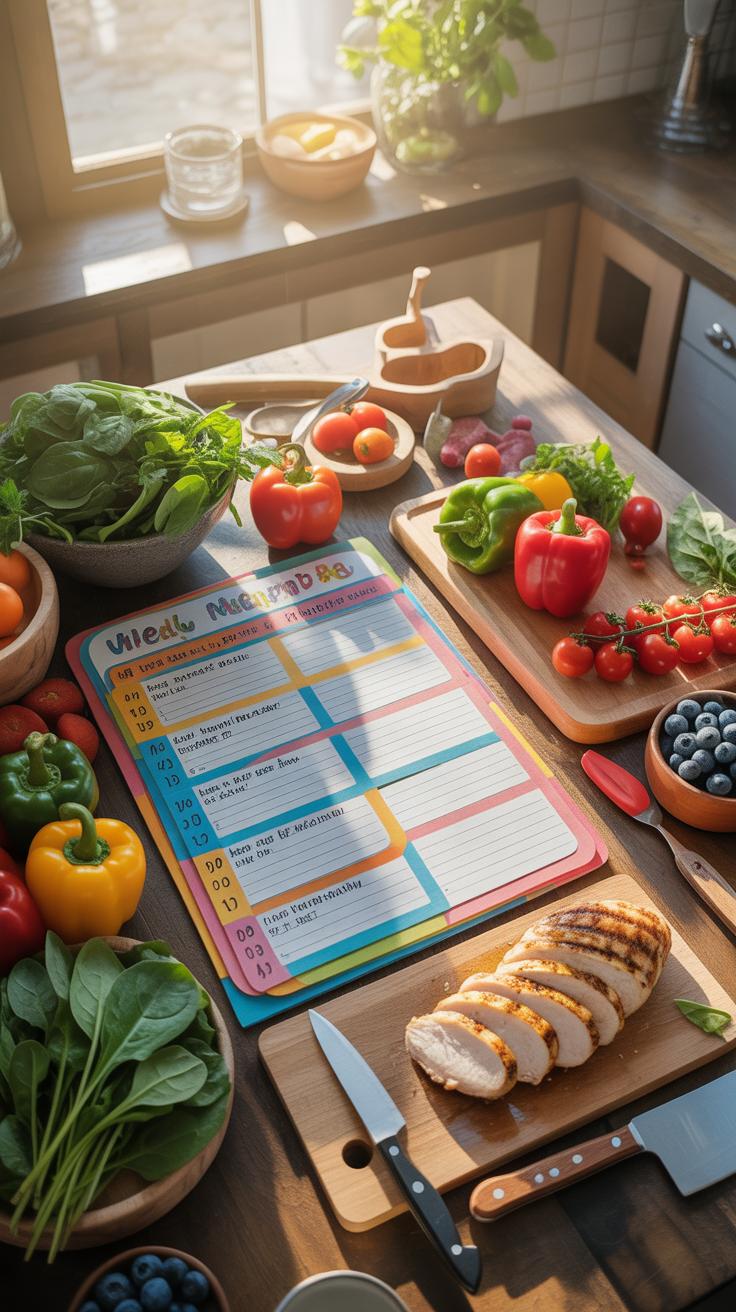
Key Principles For Structuring A Sustainable Low Calorie Weekly Menu
Build your weekly menu around high volume ingredients first. Use vegetables as the primary base for every meal to increase physical satiety. Prioritize lean proteins such as chicken breast or white fish to manage hunger hormones effectively. Schedule your highest calorie meals during your most active hours. This ensures your body utilizes energy when needed most. Tactical planning prevents impulsive eating decisions.
Rotate flavors every three days to prevent sensory boredom. Use acidic components like vinegar or citrus to enhance taste without adding fat. Map out your caloric targets before you go to the grocery store. Buying in bulk helps maintain consistency throughout the week. Prep your proteins in advance to save time during busy evenings. Accurate planning is the only way to ensure weight loss success.
How To Avoid Common Pitfalls That Make Low Calorie Eating Feel Restrictive
Stop cutting out entire food groups to save calories. This strategy triggers psychological stress and leads to binge eating. Incorporate small amounts of healthy fats to maintain brain function and hormone health. Use spices and herbs to make simple food taste better. Restriction fails when the food lacks flavor. Variety protects against the urge to deviate from your planned healthy menu.
Focus on water intake to distinguish between true hunger and thirst. People often mistake dehydration for a need for food. Do not skip meals to save calories for later. This habit causes extreme hunger and poor decision making at dinner. Eat at consistent times to regulate your metabolism. Stable energy levels make it easier to stick to your low calorie meal plan long term.
Frequently Asked Questions

What exactly makes a meal low calorie yet satisfying enough to keep me full?
The secret to success lies in nutrient density and high volume. To create effective low calorie meals, you must prioritize foods rich in fiber and protein, such as leafy greens, cruciferous vegetables, and lean meats. These components slow down digestion and signal to your brain that you are physically full. By increasing the physical volume of your plate with water-rich vegetables, you can eat larger portions while maintaining a significant calorie deficit.
How can I increase the portion size of my meals without significantly adding calories?
A practical strategy is “volume eating,” which involves swapping dense carbohydrates for high-fiber alternatives. For example, try using cauliflower rice or zucchini noodles instead of traditional grains. This technique allows you to enjoy massive servings of your favorite low calorie meals without the guilt. Adding extra bulk with mushrooms, peppers, or spinach helps stretch your recipes further, ensuring you feel satisfied and energized throughout the day without reaching for extra snacks.
Is it possible to prepare filling, low-calorie dishes on a tight monthly budget?
Absolutely! You don’t need expensive specialty health foods to eat well. Affordable staples like dried lentils, beans, oats, and frozen vegetables are incredibly satiating and cost-efficient. Buying seasonal produce or bulk-sized bags of brown rice and potatoes provides a solid foundation for many nutritious recipes. By centering your diet on these whole-food basics, you can easily maintain a healthy lifestyle and enjoy hearty portions without overspending at the grocery store.