
What Is A Weekly Meal Planner Template And Why Does It Matter
Defining The Purpose Of A Weekly Meal Planner Template In Everyday Life
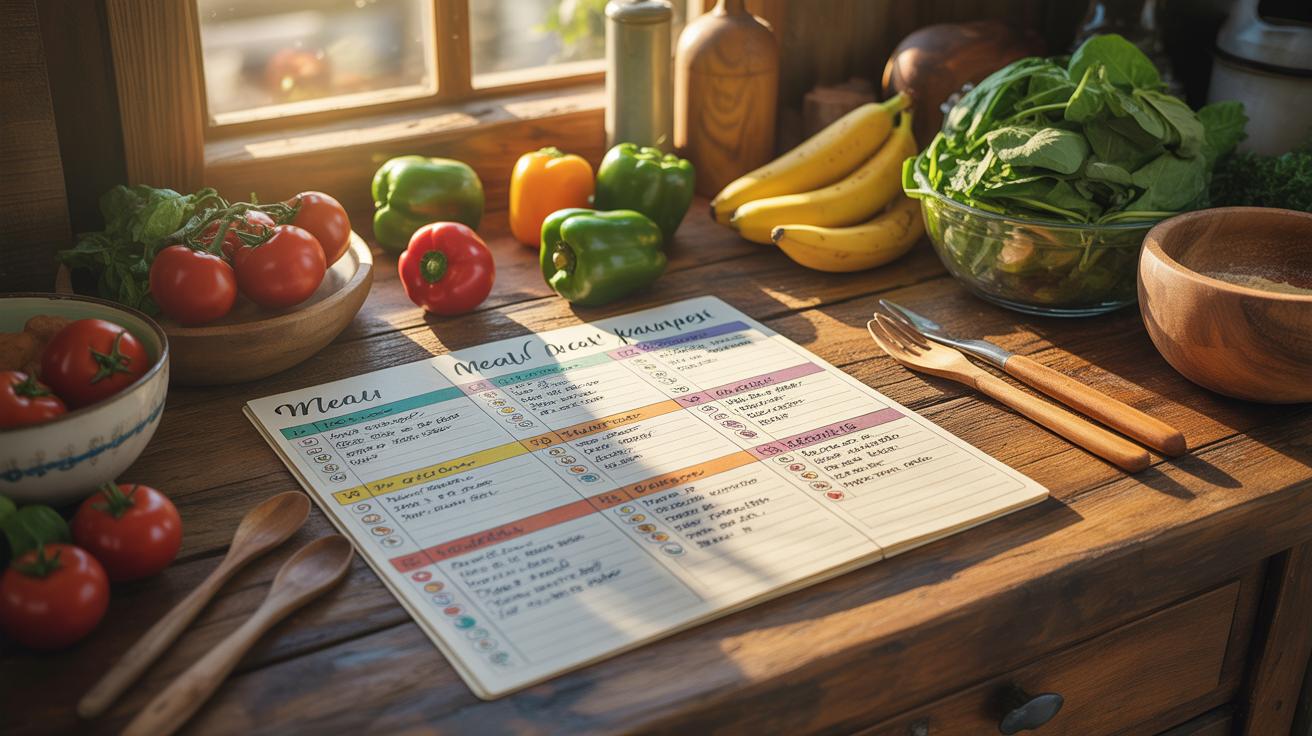
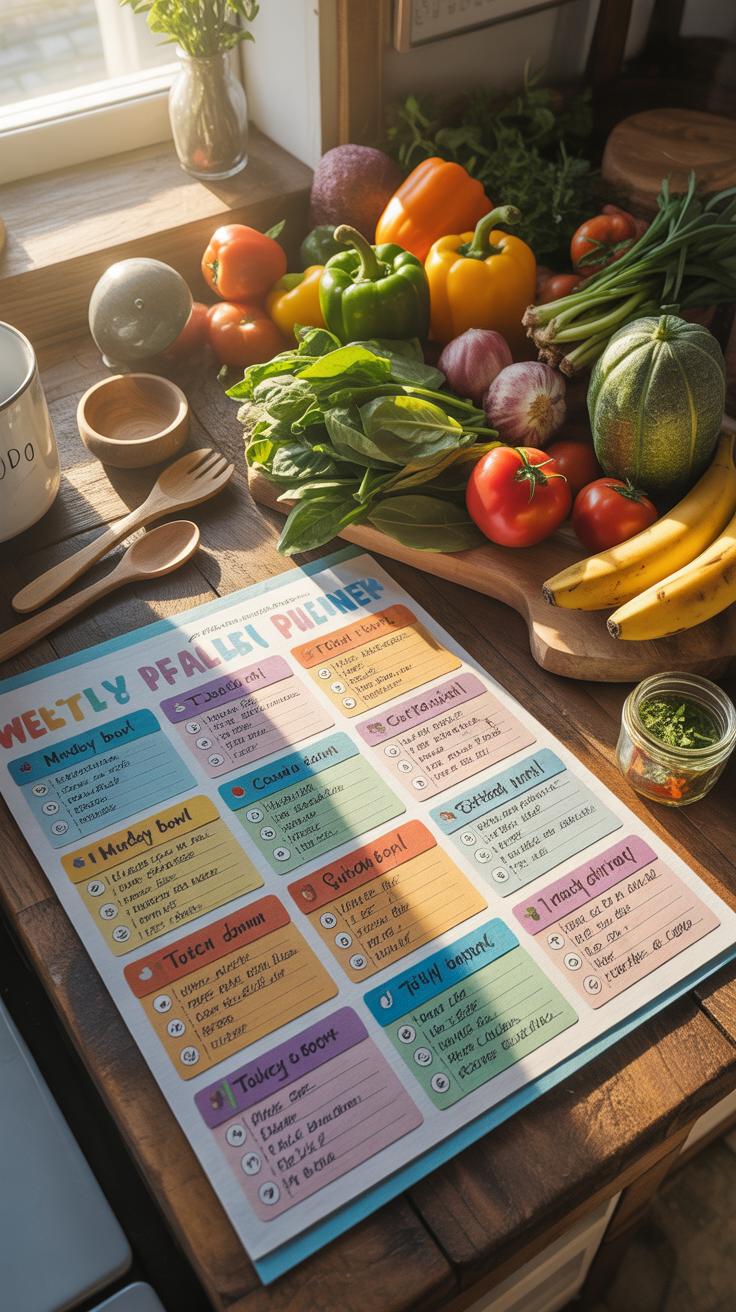
A weekly meal plan template is a structured framework used to organize food consumption over seven days. It functions as a tactical roadmap for procurement and preparation. Users document specific dishes for breakfast, lunch, and dinner to eliminate daily decision fatigue. This tool transforms a chaotic approach to nutrition into a repeatable system. It ensures that every ingredient purchased serves a specific intent.

Modern templates draw from industrial efficiency principles to streamline domestic output. They provide a visual overview of nutritional balance and caloric intake. Strategic use of a template allows for better time management during busy work weeks. By pre-determining meals, you remove the cognitive load of last-minute choices. This consistency leads to habitual success in maintaining dietary goals and optimizing kitchen workflows.
How Meal Planning Reduces Food Waste And Saves Households Money
Financial efficiency in the kitchen relies on precise inventory management. A meal plan template forces you to buy only what you will actually consume. This practice prevents the purchase of redundant items and perishable goods that eventually go to waste. Data shows that households without a plan discard a high percentage of fresh produce. Using a template aligns your spending with your actual hunger.

Lowering grocery costs requires a reduction in impulse buys and emergency takeout orders. A template acts as a restrictive guardrail against these expensive habits. It allows you to buy bulk staples with a clear plan for their use. You maximize your existing pantry stock by building meals around what you already own. This tactical approach ensures that every dollar spent on food provides a measurable return.
Key Components Every Meal Planner Template Should Include

Essential Sections To Build An Effective And Practical Meal Planner Template
A functional meal plan template requires a clear daily grid. This grid must separate breakfast, lunch, dinner, and snacks. Most users fail because they leave out the grocery list section. A direct link between the planned recipe and the required ingredients reduces shopping errors. You must include a dedicated notes area for tracking food inventory already in your pantry or freezer.
The layout needs a specific slot for prep tasks. High-performing templates designate time on Sundays for washing or chopping vegetables. Use a vertical orientation for printed sheets to maximize writing space. Digital versions should support clickable links to external recipes. Logic dictates that if the template is hard to read, you will stop using it within two weeks of starting.
How To Customize Your Meal Template To Fit Your Household’S Unique Needs
Standard templates often ignore the reality of human schedules. Effective customization requires you to mark busy nights where no cooking can happen. You should add a column for leftovers to prevent food waste. Families with children need space for school lunch requirements. Adjusting the template for these specific demands ensures the plan remains realistic when your work schedule becomes unpredictable.
Dietary restrictions demand their own sidebar in your layout. If you track macros or calories, add a small box at the bottom of each daily slot. Historical data from professional kitchens shows that prep lists save more time than the actual cooking. Modify your template to include a quick-thaw reminder for frozen proteins. Personalizing these minor details turns a generic document into a tactical execution plan.
How To Use A Weekly Meal Template To Plan Balanced Nutritious Meals

Understanding Macronutrient Balance When Filling Out Your Weekly Meal Template
A meal plan template works best when you divide every meal into three core pillars. Protein builds and repairs muscle tissue. Carbohydrates provide the glucose necessary for brain function and physical energy. Healthy fats support hormone production and nutrient absorption. You must assign a specific source for each pillar within your template blocks. This structure prevents decision fatigue and ensures biological needs.
Precision in your meal plan template eliminates guesswork during the week. Aim for a plate composition of one quarter protein and one quarter complex carbohydrates. Fill the remaining half with fiber-rich vegetables to slow digestion and manage insulin spikes. Use your template to track these ratios daily. Consistent tracking confirms you hit your metabolic targets. Strategic planning here dictates your physical performance and recovery.
Incorporating Dietary Guidelines Into Your Weekly Meal Planning Routine
Effective meal plan templates follow established health standards like the USDA MyPlate model. This historical framework replaced the outdated food pyramid to simplify portion control. Your template should prioritize whole foods over processed items to limit sodium and added sugars. Use the planning phase to verify that each day includes variety. Diverse food groups ensure you get a full spectrum of essential vitamins.
Tactical planning requires you to account for micronutrients and hydration alongside caloric intake. Mark specific slots in your template for leafy greens and colorful produce to meet daily mineral requirements. Align your schedule with these guidelines to reduce chronic disease risks. High-quality templates force you to confront nutritional gaps before you shop. Use this tool as a roadmap for long-term health and consistent energy levels.
Free Meal Template Options What To Look For In A Quality Layout

Comparing Digital Vs. Paper Based Meal Templates For Weekly Planning
Digital templates offer superior speed and accessibility. You can sync these files across devices like phones or tablets. High end digital layouts use cloud storage to update changes in real time. This ensures every family member sees the same grocery list immediately. Digital tools also allow for easy copy and paste functions. You save time by reusing previous meal schedules without rewriting a single word.
Paper templates remove the distraction of notifications and screens. Research shows that writing by hand improves memory retention for specific tasks. Many users prefer physical layouts because they can post them on a refrigerator. This creates a visual anchor in the kitchen for all household members. Paper does not require battery power or internet access. It remains the most reliable method for quick reference during active cooking sessions.
Top Features That Make A Free Meal Template Worth Downloading And Using
A high quality meal plan template must streamline your workflow. It should offer clear sections for breakfast, lunch, dinner, and snacks. The design needs to be clean with plenty of white space. Good layouts prioritize function over style to ensure you can read notes from a distance. Look for templates that align with your specific shopping and cooking habits.
- Categorized Grocery List: The layout must group ingredients by grocery store aisle. This prevents you from walking back and forth across the shop. It saves time and minimizes impulse purchases during your weekly errands.
- Prep Note Section: Quality templates include a dedicated space for advance preparation tasks. You can note which vegetables to chop or which meats to marinate on Sunday. This keeps the work organized and predictable.
- Portion Control Column: This feature helps you track serving sizes for each family member. It ensures you buy the correct amount of protein and produce. Using this column prevents food waste and keeps your budget on track.
- Inventory Checklist: A built-in section for pantry staples prevents you from buying items you already own. You should check off flour, oil, and spices before leaving the house. This makes the entire planning process more cost effective.
- Date and Week Labels: Clear headers for dates keep your records organized for future reference. You can look back at past weeks to see what meals worked well. This turns your template into a valuable historical data set.
Avoid templates that use heavy graphics or dark colors. These layouts use too much printer ink and distract from the actual data. A minimalist aesthetic is more tactical because it highlights the information you need. The best free options allow for slight customization to fit your dietary requirements. Efficiency is the goal. Choose a layout that demands the least amount of time to manage.
Meal Planning Template Strategies For Busy Families And Individuals
Batch Cooking And Meal Prep Techniques That Work Alongside Your Meal Planning Template
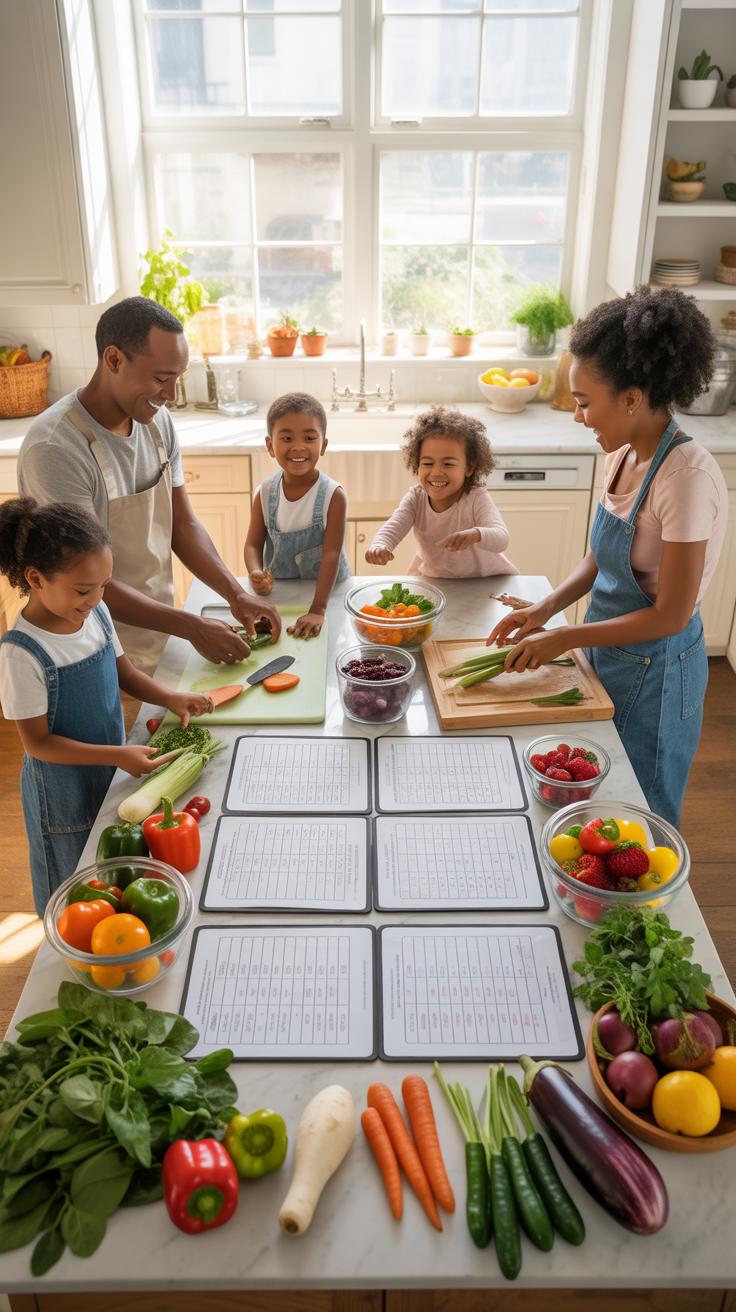
Batch cooking relies on volume to save time. You cook large quantities of base proteins or grains once to use across several days. A functional meal plan template tracks these components rather than just individual recipes. You prepare chicken or beans in bulk on Sunday. This eliminates active cooking time during the work week. Use airtight glass containers to maintain food quality for up to five days.
Successful meal prep requires specific zones in your template for prepped items. You must label containers with dates and contents to avoid waste. Chop all vegetables for the week in one session to reduce daily cleanup. This systematic approach ensures your template stays accurate and actionable. It turns a static list of meals into a practical execution guide. Efficiency comes from doing repeated tasks in one single block of time.
How To Plan A Full Week Of Family Meals Without Spending Hours In The Kitchen
Speed in planning comes from using a standard rotation. Busy families should repeat successful meals every two weeks. This reduces the mental load of choosing new recipes. Your meal plan template should feature a section for recurring favorites. Use the same core ingredients for different dishes to simplify shopping. A taco night can share ingredients with a salad the next day. This strategy cuts decision time.
A streamlined planning session takes fifteen minutes if you use a template. Check your pantry before writing any new items down. Focus on meals that require under thirty minutes of active time. Assign a theme to each day to narrow your choices. This structure prevents overthinking and keeps the process fast. Stick to simple cooking methods like roasting or slow cooking. These techniques work while you handle other family responsibilities.
How A Meal Plan Template Supports Specific Health And Diet Goals
Adapting Your Meal Plan Template For Weight Management And Calorie Awareness
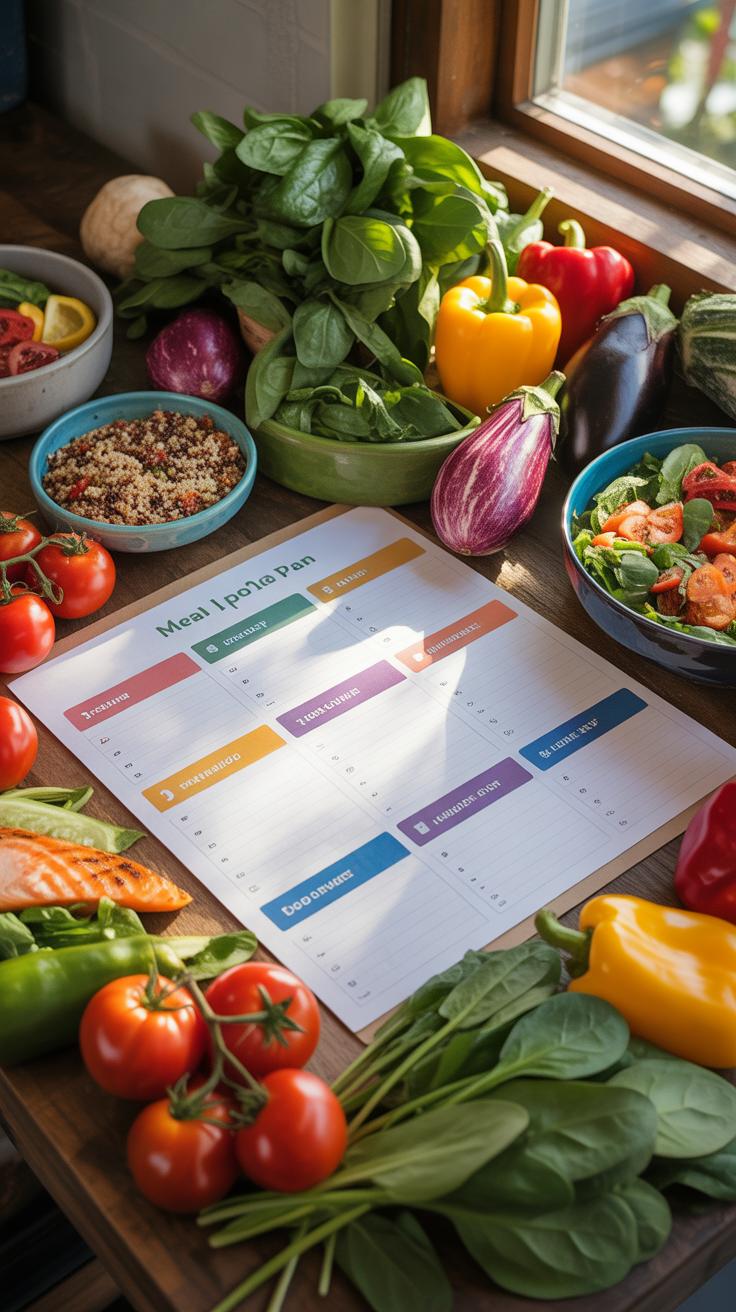
A meal plan template forces accountability in calorie tracking. You must write down every meal before you eat. This proactive step prevents impulsive eating and overspending your daily calorie budget. You can pre-calculate portion sizes and total energy intake for the whole week. Map out proteins and healthy fats first to ensure satiety. This structure eliminates late-night grazing and high-calorie convenience choices.
Standard templates allow you to visualize volume and density. Fill your grid with high-fiber vegetables and lean meats to maximize food volume while lowering total calories. This visual record highlights hidden liquid calories or snacks that stall weight loss progress. Precise planning creates a predictable routine for the body. Use the template to schedule regular meal times. Consistent timing helps regulate hunger hormones and prevents blood sugar spikes.
Using A Meal Plan Template To Manage Special Dietary Needs Such As Gluten Free Or Vegetarian
Specialty diets require strict ingredient control to avoid cross-contamination or nutritional gaps. A meal plan template serves as a safety checklist for these requirements. You can verify that every meal meets your specific restrictions before you go shopping. This prevents the frustration of realizing a key ingredient is missing mid-recipe. It also allows you to audit your variety to ensure you get enough plant-based protein.
Managing a restricted diet is more expensive if you buy specialty items on a whim. The template organizes your grocery list around specific substitutes like almond flour or meat alternatives. This reduces food waste by ensuring you use every specialized ingredient across multiple meals. You can track reactions to specific foods by noting how you feel next to each entry. This creates a data-driven approach to managing food sensitivities and long-term health.
Weekly Meal Plan Template Ideas For Breakfast Lunch And Dinner

Building A Well Rounded Weekly Meal Plan Template Across All Three Daily Meals
Strategic meal planning requires a framework that balances macronutrients across every session. You must design your template to account for protein, fiber, and healthy fats at each interval. This approach prevents blood sugar spikes and sustains energy levels throughout the workday. Successful templates categorize meals by preparation time. Allocate quick options for busy mornings and reserve complex recipes for evenings when you have more bandwidth.
Efficiency depends on ingredient crossover between your breakfast, lunch, and dinner slots. Use shared base components to reduce grocery costs and prep labor. For example, roasted vegetables from dinner serve as a fiber source for next day lunches. Your template should dictate these transitions to avoid waste. This logic ensures every meal serves a purpose. It moves you from reactive cooking to a controlled, disciplined nutritional system that works.
The most indispensable ingredient of all good home cooking is love for those you are cooking for. A simple plan turns a busy week into a series of warm memories gathered around the table.
Snack And Hydration Planning: Completing Your Weekly Meal Plan Template
Standard meal plans often fail because they ignore the gaps between primary sittings. You must treat snacks as functional bridge meals rather than random indulgences. Integrate specific slots for these items into your template to prevent impulsive eating. This discipline keeps your caloric intake within target ranges while maintaining metabolic momentum. Proper planning turns these small additions into strategic tools for continuous performance throughout the day.
- Pre-Portioned Nuts: Raw almonds or walnuts provide essential fats and protein. Keeping these in thirty-gram containers prevents overconsumption. This habit ensures you have a shelf-stable option ready for meetings or travel without relying on vending machines.
- Greek Yogurt: This high-protein snack supports muscle recovery and promotes fullness. Use plain versions to avoid added sugars that cause energy crashes later. It works as an excellent mid-afternoon bridge between lunch and your final meal of the day.
- Fibrous Vegetables: Sliced cucumbers, bell peppers, or carrots offer volume without high caloric density. These choices provide necessary crunch and hydration. They serve as a low-impact way to satisfy hunger cues while contributing to your daily micronutrient and fiber requirements.
- Water Tracking: Your template should include a checklist for daily fluid intake goals. Aim for consistent consumption throughout the morning and afternoon. Proper hydration improves cognitive function and prevents the brain from misinterpreting thirst signals as hunger pangs during the day.
- Hard-Boiled Eggs: These are a cost-effective and portable protein source. You can prepare a batch during your weekly meal prep session for zero-effort access. They provide a dense nutrient profile that stabilizes your blood sugar during long gaps between your main meals.
Hydration is the final component of a professional meal plan template. Fluid intake directly impacts digestion and nutrient absorption. Documenting your water goals alongside your food choices creates a complete health log. This data allows you to track how different liquids affect your satiety. Consistency here reduces physical fatigue and sharpens mental clarity. Use these metrics to refine your template and achieve peak physical efficiency every week.
How To Use A Printable Meal Planner To Stay Organized And On Track
The Benefits Of A Printable Meal Planner For Visual Learners And Busy Households
Printable meal planners provide a physical focal point for the kitchen. Digital apps often hide information behind notifications and passwords. A paper template stays visible on a refrigerator or command center. This visibility helps visual learners process the weekly schedule at a glance. It reduces decision fatigue because the plan is always in plain sight. Every family member knows what to expect.
Shared households need central coordination to function efficiently. A physical template allows multiple people to contribute to the week’s food strategy. It eliminates constant questions about dinner plans. This method creates accountability and reduces the urge to order takeout. You save money by sticking to the established plan. Tactical visibility ensures the entire household remains aligned with nutritional and financial goals.
How To Pair Your Printable Meal Planner With A Weekly Grocery Shopping List
Effective meal planning requires a direct link to your procurement strategy. You must translate the meals on your template into a categorized shopping list. Do not shop without a list derived from your plan. Check your pantry and fridge before writing anything down. This prevents buying items you already own. Focus on ingredients that serve multiple meals to minimize waste and cost.
Inventory management is the core of successful meal planning. Group your list by grocery store aisle to save time. Aligning your printable planner with a specific list ensures you have every necessary component for each recipe. This removes the risk of mid-week store runs. Mid-week trips lead to impulse buys and budget overruns. A tight link between the plan and the list secures your schedule.
Where To Find The Best Meal Plan Template Printable Free Resources Online
Trusted Platforms And Sources For Downloading A Meal Plan Template Printable Free
Government health agencies provide the most reliable meal plan template resources. The USDA via MyPlate offers evidence-based layouts that track food groups accurately. These documents prioritize nutritional balance over aesthetic trends. Specialized medical sites like the Mayo Clinic also host free PDF downloads. They design these tools for clarity and high-contrast printing. Professional dietitians often vet these corporate and government files.
Graphic design platforms like Canva offer high-quality digital templates for personal customization. Users can modify these layouts to fit specific dietary constraints or grocery store aisles. Pinterest remains a primary visual search engine for finding independent creator uploads. Many fitness blogs provide direct links to Google Sheets or PDF files. Ensure the source uses standard document formats to avoid formatting errors during the final printing process.
How To Evaluate And Choose The Right Free Printable Template For Your Lifestyle
Efficiency depends on picking a layout that matches your grocery shopping habits. Determine if you need a template with a built-in shopping list section. Single-page designs save paper but might lack space for specific recipe notes. Analyze the visual hierarchy to ensure the most important information stands out. A good template uses a clean grid system. Avoid cluttered designs that distract from your daily data entry.
Check the technical specifications of the file before downloading. Most home printers handle 8.5 by 11 inch paper sizes best. Ensure the document has sufficient margins for hole punching or fridge mounting. Black and white designs save ink costs over long-term use. Test the readability of the fonts from a distance. A functional template must withstand the high-traffic environment of a kitchen and remain legible.
How To Build A Long Term Habit Around Your Weekly Meal Plan Template
Simple Weekly Routines That Help You Stay Consistent With Your Meal Planning Template
Consistency relies on a fixed schedule. Assign specific days for inventory, planning, and shopping. Most successful planners check their pantry every Thursday and fill their meal plan template by Friday morning. This timing allows for weekend prep without the stress of last-minute decisions. You must treat these time slots like non-negotiable appointments. If you miss a planning session, the entire week usually fails.
Effective routines eliminate decision fatigue by limiting your options. Use your template to standardize breakfast and lunch while rotating only five dinner recipes. This tactical approach reduces the mental load required to keep the habit alive. Focus on the process of writing it down rather than seeking variety every single day. A completed template serves as a visual contract that holds you accountable for your nutritional and financial goals.
Reviewing And Refreshing Your Weekly Meal Plan Template Month After Month
Over time, any fixed meal plan template requires a hard audit to remain useful. Analyze your previous four weeks to identify recipes you skipped or found too difficult to prepare. Remove the friction points that caused you to order takeout. Replace these failed entries with reliable staples that fit your current energy levels. A monthly refresh ensures the template evolves with your seasonal schedule and changing food preferences.
Archive your best performing templates to create a rotating library of meal plans. You do not need to invent a new schedule every month. Reuse successful weeks to save time and reduce planning effort. Check for ingredient overlap to keep your grocery costs low and your kitchen operation lean. Strategic updates prevent boredom and stop the template from becoming a chore. Keep your system simple to ensure it lasts for years.
Frequently Asked Questions

What exactly is a meal plan template and how does it help beginners?
A meal plan template is a structured layout that helps you organize your breakfast, lunch, and dinner selections for the entire week. For beginners, using a pre-made guide removes the decision fatigue that often leads to unhealthy takeout choices. By visualizing your week ahead of time, you can ensure a balanced diet, reduce daily stress in the kitchen, and gain complete control over your home’s nutritional goals and personal cooking schedule.
How can I effectively organize my weekly groceries using a template?
To get the most out of your meal plan template, start by auditing your pantry for ingredients you already own. Once you have mapped out your dishes, translate those requirements directly into a categorized shopping list. This systematic approach ensures you only buy exactly what you need for each recipe. Mapping your ingredients alongside your planner prevents multiple trips to the store and keeps your kitchen running with professional-level efficiency.
Can using a free meal planner actually help me save money on groceries?
Absolutely! Utilizing a free meal plan template is one of the most effective ways to lower your monthly grocery bill. By planning meals around seasonal produce and sales, you avoid expensive impulsive purchases at the supermarket. Furthermore, templates help reduce food waste by ensuring every ingredient purchased has a specific purpose. It is a simple, no-cost strategy to maximize your household budget while still enjoying delicious, variety-filled home-cooked meals.