

Understanding The Alkaline Foods List And The PH Scale
What Does PH Mean And Why Does It Matter In Nutrition?
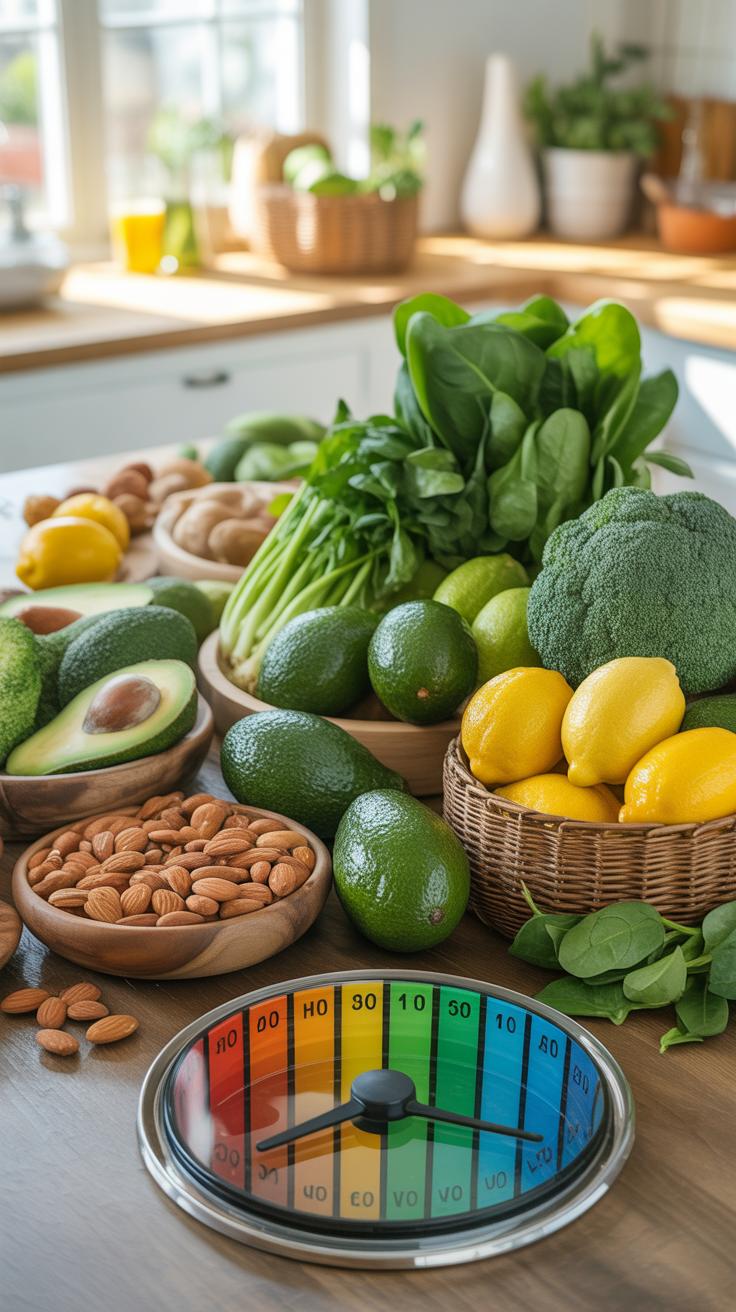
The pH scale measures how acidic or alkaline a substance is on a scale from zero to fourteen. Seven represents a neutral state. Numbers below seven are acidic while numbers above seven are alkaline. This chemical measurement determines how different substances react in specific environments. Scientists use this scale to track the hydrogen ion concentration within various solutions and organic compounds.

Your body maintains a blood pH level between 7.35 and 7.45. This tight range is critical for survival and cellular function. The kidneys and lungs work constantly to keep this balance stable regardless of what you eat. Nutrition focuses on how food byproducts interact with this system. Choosing specific foods helps manage the metabolic waste your body must process to maintain its internal equilibrium.
How Foods Are Classified As Alkaline, Neutral, Or Acidic
A food’s classification depends on the ash it leaves behind after digestion. This process is called the Potential Renal Acid Load or PRAL. You cannot judge a food by its initial state or taste. For example, lemons are acidic outside the body but leave an alkaline residue after metabolism. Experts analyze the mineral content of this residue to determine the final chemical impact.

Alkaline-forming foods contain high levels of potassium, magnesium, and calcium. Acid-forming foods typically contain high amounts of phosphorus, sulfur, and protein. Pure fats, sugars, and starches are neutral because they do not leave a mineral trace. Understanding this distinction allows you to categorize the alkaline foods list based on biological results rather than simple flavor profiles. Focus on the metabolic end product to guide choices.
The Alkaline Diet Core Principles And Health Claims

What Is The Alkaline Diet And Where Did It Come From?
The alkaline diet stems from the ash hypothesis developed in the mid-1800s. Scientists burned food in labs to analyze the mineral remains. They found that some foods leave behind acid-forming waste while others leave alkaline residues. This theory suggests that the mineral content of food changes the internal chemistry of your body. It categorizes foods based on their potential renal acid load.
Modern versions of this diet emerged in the early 2000s through alternative health literature. Proponents claim that eating specific items from an alkaline foods list prevents chronic disease and weight gain. They argue that modern processed diets create too much acid in the system. The strategy involves eating high levels of fruits and vegetables. This approach aims to reduce the metabolic workload on the body.
What The Science Says About The Alkaline Diet And Body PH
Clinical research confirms that food intake can change the pH level of your urine. However, food does not change the pH of your blood. The human body maintains blood pH between 7.35 and 7.45 through tight homeostatic controls. Your lungs and kidneys work constantly to buffer any excess acid. If your blood pH shifted significantly due to diet, you would face a medical emergency.
The benefits of the diet come from high nutrient density rather than pH manipulation. Most alkaline-heavy plans focus on whole foods and eliminate processed sugars. This shift improves potassium intake and reduces sodium levels in the blood. Research shows this mineral balance supports bone density and muscle mass. You are not changing your blood chemistry. You are simply giving your kidneys less acidic waste to process.
Alkaline Foods Chart A Visual Guide To PH Friendly Eating
How To Read And Use An Alkaline Foods Chart In Daily Meal Planning
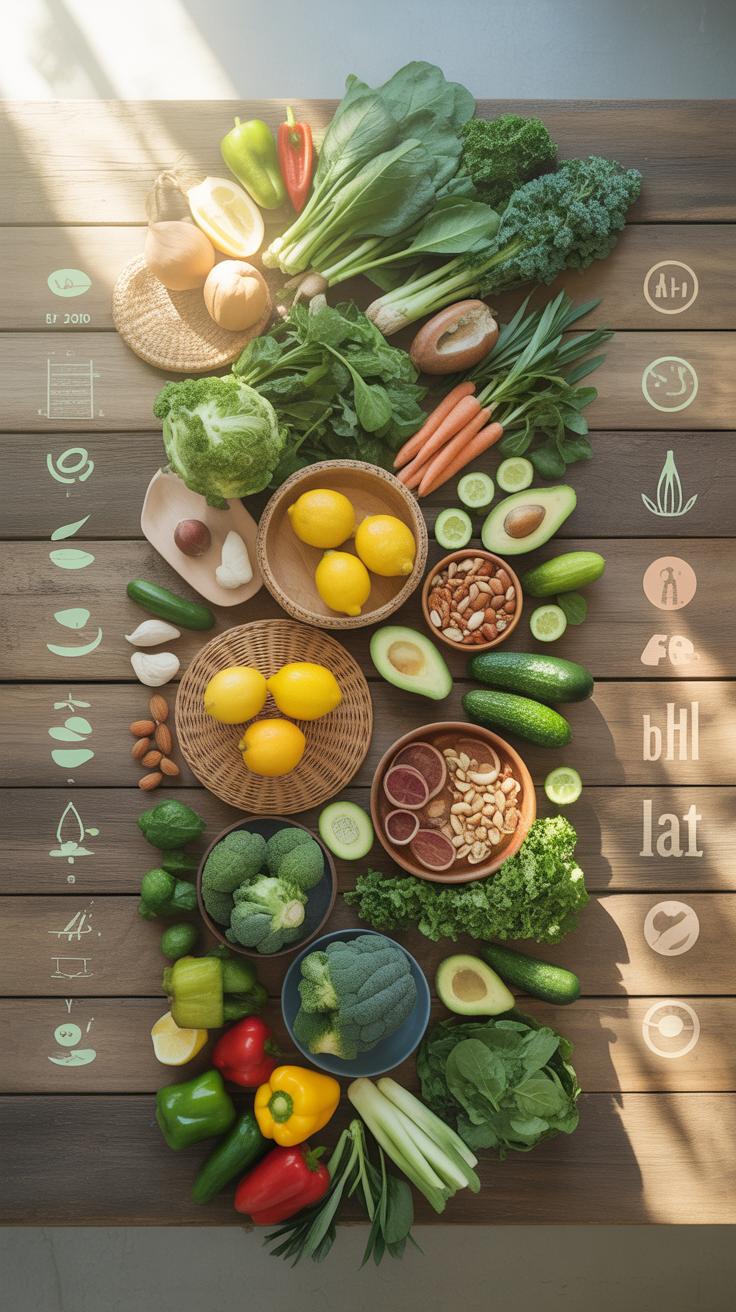
Effective meal planning requires understanding the PRAL score on a standard chart. PRAL stands for Potential Renal Acid Load. This value measures the acid or base production of a food after digestion. Low or negative scores indicate alkaline-forming foods. Higher scores signal acid-forming properties. Ignore the initial taste of the food because citrus fruits often rank as highly alkaline due to their post-metabolic mineral content.
Use the chart to balance your plate rather than eliminate entire groups. Aim for a ratio of eighty percent alkaline to twenty percent acidic foods for optimal results. Focus on leafy greens and cruciferous vegetables as your primary staples. Check the chart before grocery shopping to identify high-impact replacements. Swapping white rice for quinoa or spinach reduces your acid load instantly. Use these visual tools to simplify your daily choices.
Most Reliable Food Charts For Tracking Alkaline And Acidic Foods
Clinical researchers use the Remer and Manz PRAL scale as the benchmark for accuracy. This system relies on scientific data regarding protein and mineral absorption levels. You should avoid amateur charts that categorize foods based on raw pH levels. Raw pH does not reflect how the body processes nutrients. Look for lists that include specific milliequivalent values per one hundred grams. These provide the most precise data.
Standardized charts often group foods by botanical families or nutrient density. Reliability depends on the source material and peer-reviewed backing. Select charts from established nutritional science organizations or medical university studies. These documents provide historical context and laboratory proof for food rankings. High-quality charts distinguish between different cooking methods as heat can alter nutrient bioavailability. Stick to data-driven guides to ensure your nutritional strategy remains grounded in biological reality.
Complete List Of Alkaline Forming Foods By Category
Top Alkaline Forming Vegetables Fruits And Grains To Add To Your Diet
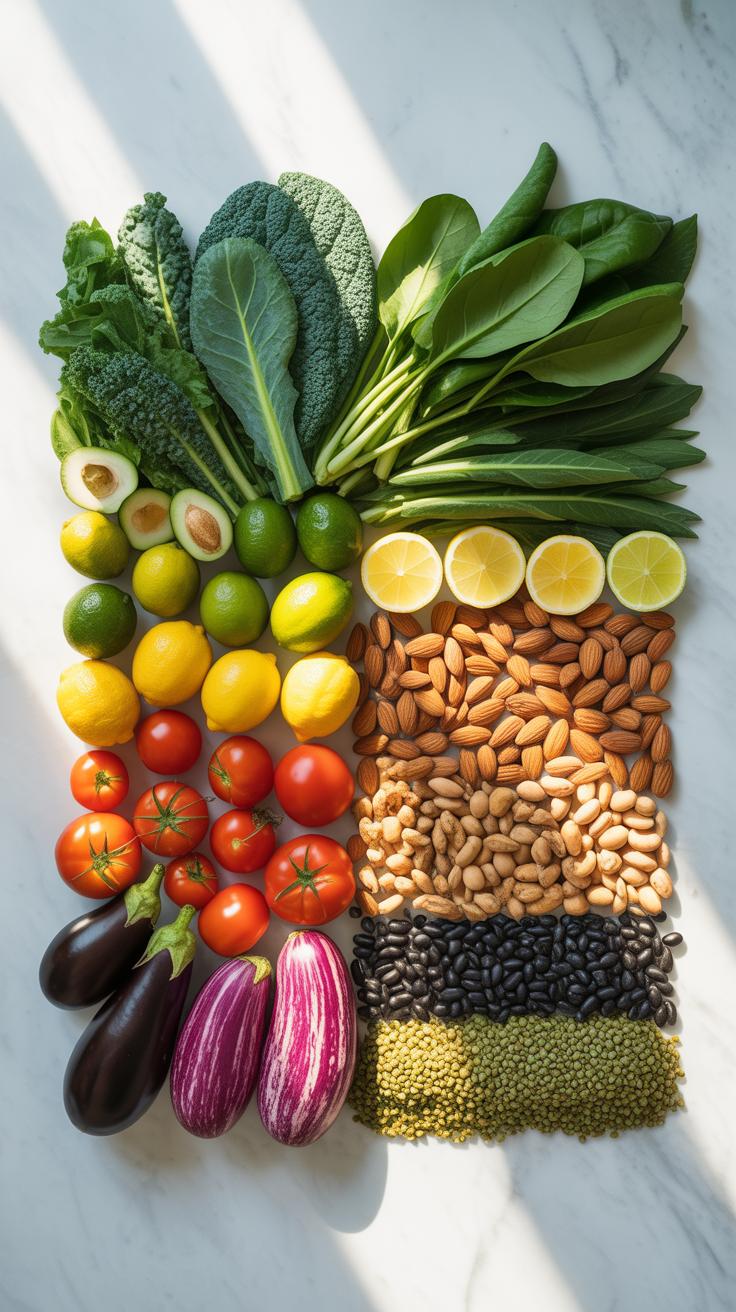
The Potential Renal Acid Load measures how foods affect urine pH after metabolism. Most green vegetables and citrus fruits leave an alkaline ash. Incorporating these items shifts the body away from a high acid load. High potassium and magnesium content drive this process. You must focus on whole foods to achieve these metabolic results. Avoid heavy processing to maintain mineral density.
- Spinach: This leafy green ranks as one of the most alkaline foods available due to its high chlorophyll and mineral content. It provides significant amounts of magnesium and potassium which directly neutralize acidic compounds in the blood and tissues during digestion.
- Kale: As a cruciferous vegetable kale offers a very low PRAL score and high antioxidant levels. It supports liver detoxification and helps maintain a balanced internal environment. Use it raw in salads or lightly steamed to preserve its mineral profile for maximum health benefits.
- Lemons: Although acidic in their natural state lemons have an alkalizing effect once metabolized by the body. The citric acid creates alkaline byproducts during the digestion process. Consuming lemon water daily helps raise systemic pH levels and improves overall metabolic function and digestive efficiency.
- Quinoa: This pseudo-grain stands out because it provides a complete protein profile while remaining alkaline forming. Most traditional grains like wheat and rye are acid forming. Quinoa offers a strategic alternative for those needing dense nutrition without increasing the total dietary acid load significantly.
- Watermelon: This fruit has a high water content and a rich concentration of alkaline minerals. It acts as an effective hydrator while flushing acidic waste from the kidneys. Its simple sugar structure digests quickly leaving behind a beneficial alkaline residue that supports cellular health and recovery.
Grains typically lean toward the acidic side of the scale. Choosing ancient grains like amaranth or millet provides a better balance. These options contain more minerals than modern wheat. This mineral density ensures the body can handle metabolic waste efficiently. Shift your plate to favor these specific vegetables and grains. Consistent intake leads to measurable changes in your internal chemistry.
Surprising Foods That Are More Alkaline Than You Might Expect
Many people assume all acidic tasting foods create acid in the body. This is a common misconception in nutrition science. Apple cider vinegar is a prime example of this paradox. It contains acetic acid but produces an alkaline environment after processing. The mineral content of the food determines its final impact on your system. Always look at the metabolic end product.
Tomatoes and grapefruits also fall into this surprising category. They contain organic acids that the body burns for energy. This leaves behind volatile minerals that raise pH levels. Do not avoid these foods based on their initial taste profile. They provide essential vitamins while supporting an alkaline state. Understanding the difference between chemical acidity and metabolic acidity is crucial for your health strategy.
Acidic Foods Explained Which Foods Lower Your BodyS PH

Common Acidic Foods Found In The Average Western Diet
Modern food processing relies on heavy refining and chemical additives. Most Western diets consist of high amounts of animal proteins, processed grains, and refined sugars. Manufacturers strip fiber and minerals from grains during production. This leaves behind simple starches that increase the metabolic acid load. These foods force the kidneys to work harder to maintain a stable internal environment.
Sugar and soft drinks pose the greatest acidic threat to the typical diet. Phosphorus and sulfur are the primary minerals found in these items. When you digest them, they leave behind acidic residues in your gut. High consumption of red meat also contributes significantly to this chemical load. Eating these foods daily shifts your internal chemistry toward a higher state of acidity.
The Difference Between Dietary Acid Load And Actual Blood PH
Dietary acid load refers to the residue left after your body metabolizes food. This is often called Potential Renal Acid Load or PRAL. It measures the effect of food on urine pH rather than blood pH. Some foods like lemons are acidic in their natural state but leave an alkaline residue. The digestion process changes the chemical impact of what you eat.
The human body maintains blood pH within a very tight range. This range stays between 7.35 and 7.45 regardless of your diet. Your lungs and kidneys work constantly to keep this balance steady. Food does not change your blood pH levels significantly. Instead, a high acid diet forces your body to pull minerals from bones to neutralize the excess acid.
Alkaline Food Benefits How Eating Alkaline May Support Your Health

Potential Benefits Of Eating More Alkaline Foods For Bone And Kidney Health
Diets rich in alkaline foods reduce the acid load on your kidneys. Modern diets high in sulfur-containing amino acids force kidneys to work harder to excrete acid. By shifting toward fruits and vegetables, you lower the net acid load. This change helps prevent the formation of calcium oxalate stones. Lower urinary acid levels also slow the progression of chronic kidney disease over time.
Bone health depends on maintaining a stable pH balance in the blood. When your diet is too acidic, the body may draw calcium carbonate from bones to neutralize the acid. Eating from an alkaline foods list provides essential minerals like potassium and magnesium. These minerals buffer systemic acidity without depleting your skeletal structure. Research suggests this dietary pattern preserves bone mineral density and prevents age-related muscle wasting.
How Alkaline Foods Support Digestive Wellness And Reduced Inflammation
Alkaline foods promote a healthy gut environment by providing high amounts of prebiotic fiber. Most items on an alkaline foods list are plant-based and minimally processed. These foods feed beneficial bacteria in your microbiome. A balanced microbiome strengthens the gut barrier and improves nutrient absorption. Rapid digestion of these fibers prevents stasis and keeps the digestive tract moving efficiently to eliminate waste products.
Chronic inflammation often stems from metabolic acidosis caused by processed sugars and refined grains. Alkaline-forming foods contain phytonutrients that neutralize oxidative stress. This process lowers the markers of systemic inflammation in your blood. Reducing inflammation helps mitigate joint pain and improves vascular function. You achieve these results by replacing acid-forming proteins with dark leafy greens and root vegetables that stabilize your internal pH levels naturally.
Dr Sebi Recipes And The Alkaline Plant Based Approach

Who Was Dr. Sebi And What Was His Nutritional Philosophy?
Alfredo Bowman, known as Dr. Sebi, was a self-taught herbalist from Honduras. He developed the African Bio-Mineral Balance theory. This philosophy claims that mucus causes all diseases. He argued that the body stays healthy in an alkaline state. His method focuses on removing acidic foods to stop inflammation. He believed that natural, electric foods harmonize with the body’s chemistry to provide lasting health.
Bowman created a specific guide called the Nutritional Guide. This list dictates which fruits, vegetables, grains, and nuts are acceptable. He strictly prohibited animal products, soy, and leavening agents. Modern followers use this list to maintain a specific pH balance in the blood. The core goal is to reach an alkaline environment where illness cannot survive. This approach emphasizes cellular regeneration through mineral-rich, non-hybrid plant sources.
Popular Dr. Sebi Inspired Alkaline Recipes You Can Try At Home
Cooking with this method requires using only approved ingredients like quinoa, wild rice, and kale. A common breakfast is a bowl of boiled fonio or amaranth seasoned with agave and sea salt. These grains provide essential minerals without creating mucus. For lunch, many prepare salads using baby plum tomatoes and cucumbers. They use key lime juice and olive oil for dressing because lemons are considered too acidic.
Dinner recipes often feature oyster mushrooms as a meat substitute. You can sauté these mushrooms with bell peppers and onions in grape seed oil. Another staple is alkaline squash soup made with butternut or chayote. These meals avoid refined sugars and processed flours. Success depends on planning meals around the specific list of approved flora. This strict dietary discipline aims to detoxify the system while boosting natural energy.
Alkaline Diet Recipes Simple And Nutritious Meals For Every Day
Easy Alkaline Breakfast And Lunch Ideas To Start Your Day Right
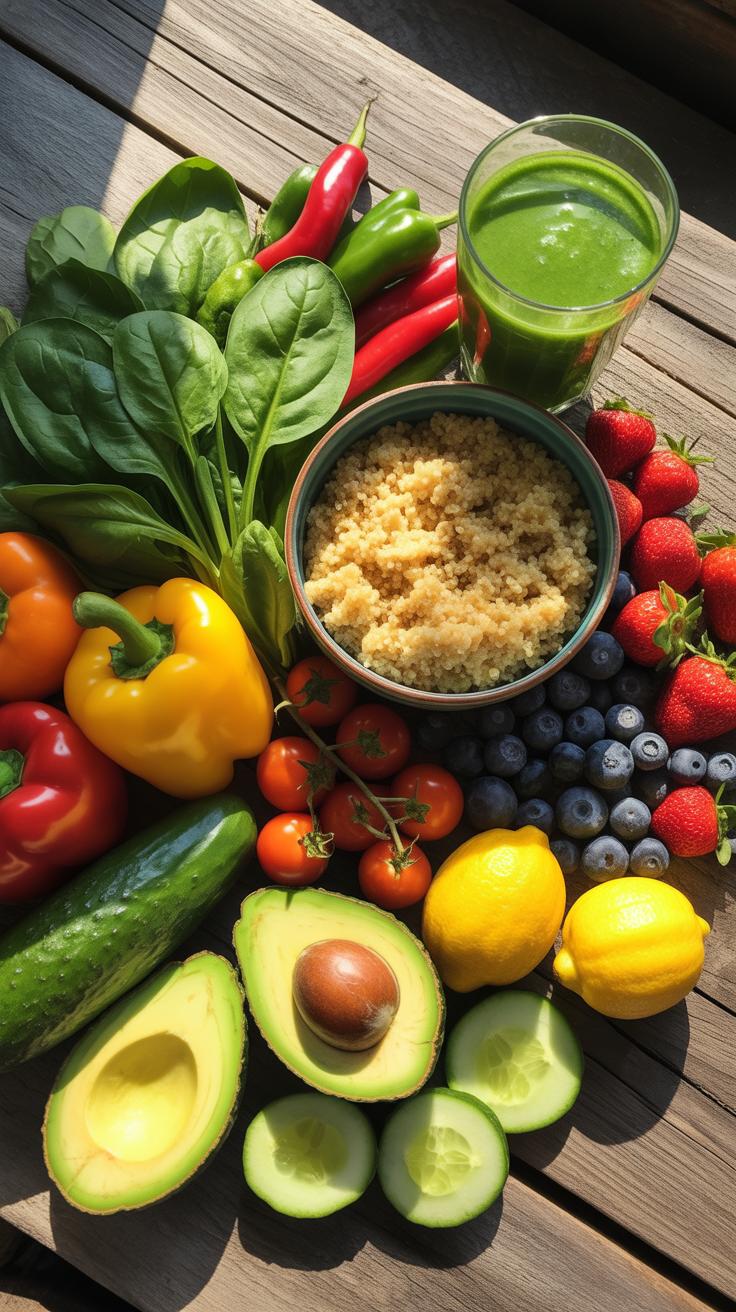
Efficient alkaline breakfasts focus on hydration and fiber. Swap traditional acidic grains for pseudocereals like quinoa or amaranth. These options provide complete proteins without triggering a high acid load. Use unsweetened almond or coconut milk as a base. Add chlorophyll rich greens like spinach to smoothies to raise the pH level. This strategy stabilizes glycemic response and provides immediate energy for the morning.
For lunch, prioritize raw leafy greens and cruciferous vegetables. A cold salad with kale, cucumber, and avocado offers high mineral content. Use lemon juice and olive oil for dressing instead of processed vinegar. This combination ensures high potassium and magnesium intake. Prepare these meals in advance to maintain consistency. Sharp preparation prevents reliance on processed acid forming convenience foods during a busy work day.
Alkaline Dinner Recipes That Are Both Satisfying And Nutrient Dense
Evening meals must balance satiety with digestive ease. Use root vegetables and legumes as the foundation for your plate. Replace white rice with cauliflower rice or roasted squash to lower the acid load. Steam or lightly sauté vegetables to preserve delicate enzymes and minerals. Focus on high volume plant foods that satisfy hunger while maintaining a favorable potential renal acid load score.
- Lentil and Vegetable Stew: This dish uses dried lentils as a high protein base. Combine with carrots, celery, and onions. These ingredients provide essential fiber and minerals. The slow cooking process breaks down starches for easier digestion and maximum nutrient absorption.
- Quinoa and Roasted Avocado Bowls: Quinoa acts as a neutral or slightly alkaline grain substitute. Roast the avocado briefly to change the texture for a warm meal. Add pumpkin seeds and fresh cilantro to increase the magnesium and potassium profile of the entire bowl.
- Zucchini Noodle Pesto: Use a spiralizer to create noodles from raw zucchini. Make a pesto using basil, walnuts, and cold pressed olive oil. This meal avoids the acidifying effects of traditional wheat pasta while delivering healthy fats and antioxidants to the body.
- Mashed Sweet Potatoes with Bok Choy: Sweet potatoes offer a dense source of energy and alkalinity. Serve them alongside steamed bok choy to add crunch and sulfur compounds. This pairing supports liver function and provides a filling alternative to meat based dinners.
- Chickpea and Spinach Curry: Use coconut milk and turmeric as the liquid base for a rich flavor profile. Chickpeas provide substance and iron. Spinach adds a boost of alkalinity at the end of the cooking process to ensure the vitamins remain intact.
Eliminate heavy seasonings and refined salts from your dinner routine. Use sea salt or liquid aminos sparingly to control sodium intake. High sodium levels can interfere with the alkaline balance and cause water retention. Focus on fresh herbs like parsley and basil to enhance flavor profile without adding acidity. This approach ensures your body transitions into a restorative state during sleep without digestive stress.
Balancing Alkaline And Acidic Foods For Optimal Nutrition
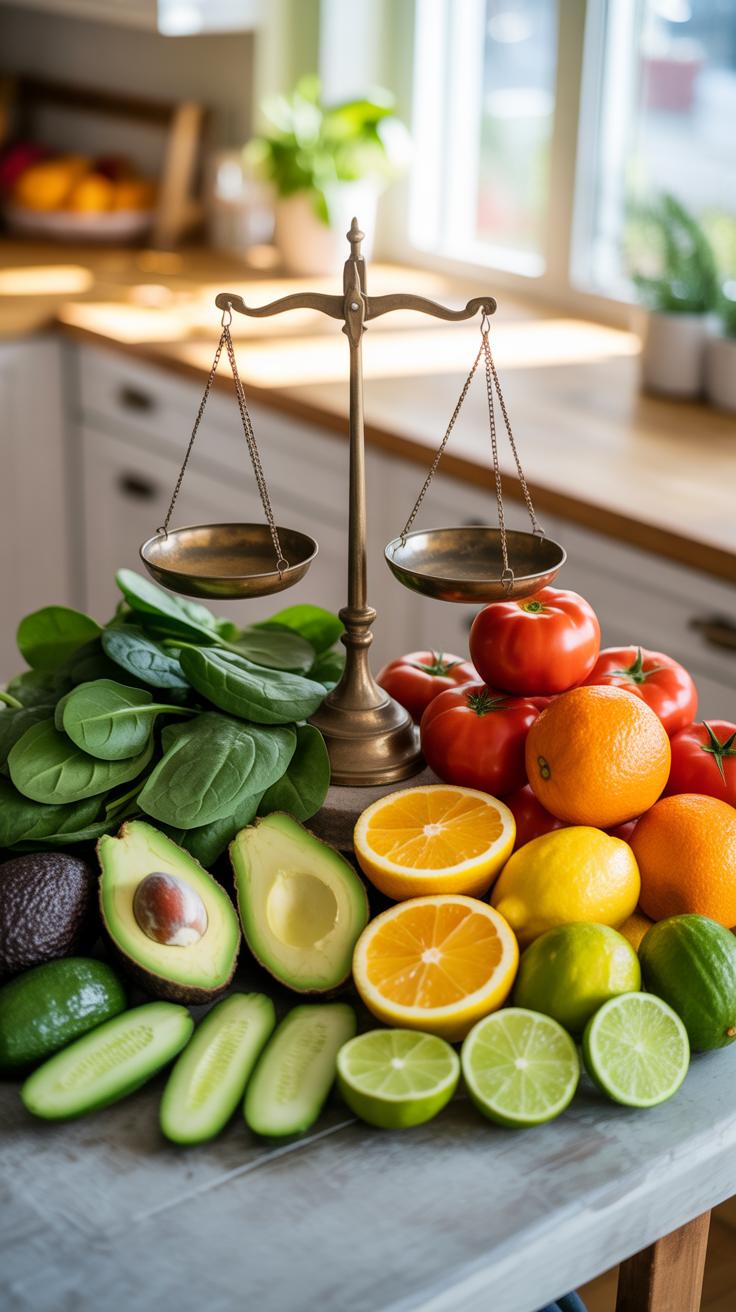
Why You Don’T Need To Eliminate All Acidic Foods From Your Diet
Total elimination of acidic foods is a strategic error. Many acidic items provide essential nutrients that alkaline foods lack. Lean meats, eggs, and walnuts have an acidic PRAL score but deliver critical proteins and healthy fats. Your body needs these building blocks for muscle repair and brain function. Removing them entirely creates nutritional gaps that compromise your long-term physical performance.
The goal is metabolic balance, not total exclusion. Your blood pH remains tightly regulated regardless of what you eat. The diet focuses on reducing the load on your kidneys and buffering systems. High-protein acidic foods are fine when you pair them with plenty of vegetables. This approach maintains your mineral stores while ensuring you get a complete range of amino acids and vitamins.
To keep the body in good health is a duty, for otherwise we shall not be able to keep our mind strong and clear. Choose the vital greens of the earth to keep your inner temple serene and balanced.
Practical Tips For Shifting Your Diet Toward A Healthier Alkaline Balance
Start by adjusting your plate ratios. Every meal should feature a large portion of leafy greens or root vegetables. These alkaline foods act as a buffer against the acid-forming proteins and grains. Aim for an eighty-twenty split between alkaline and acidic choices. This simple tactical shift reduces the net acid load on your body without requiring complex calculations or restrictive meal plans.
Swap processed snacks for mineral-dense alternatives. Replace white bread and sugary treats with seeds, nuts, or fresh fruit. Drink water with lemon or lime to add an alkalizing effect to your daily hydration. Consistency matters more than perfection. Focus on making small, repeatable changes to your shopping list. This strategy builds a sustainable habit that supports your bone health and preserves vital muscle mass.
Common Myths And Misconceptions About Alkaline Foods And The Alkaline Diet

Debunking The Claim That Eating Alkaline Foods Changes Your Blood PH
Your body tightly regulates blood pH between 7.35 and 7.45. This balance is vital for survival. The food you eat cannot change this narrow range. Your lungs and kidneys handle this task around the clock. Lungs expel carbon dioxide to manage acidity. Kidneys filter excess acid and excrete it through urine. Diet does not override these complex biological systems.
The alkaline foods list only changes the pH of your urine. Measuring urine pH does not reflect your internal health or blood chemistry. It simply shows what your body is discarding. Proponents often claim food can prevent systemic acidosis. Science proves this false for healthy individuals. Only severe medical conditions like kidney failure or lung disease disrupt blood pH. Focus on nutrition rather than chemistry.
Separating Evidence Based Benefits From Overstated Alkaline Diet Marketing Claims
The alkaline diet succeeds because it emphasizes whole foods. Most items on an alkaline foods list are vegetables, fruits, and nuts. These foods provide high fiber and essential vitamins. People feel better because they cut out processed sugar and refined flour. The health gains come from the nutrient density of the plants. Do not attribute these results to a shift in your body alkalinity.
Marketing experts often link the diet to curing serious chronic diseases. No clinical evidence supports these extreme claims. Research shows that a plant heavy diet reduces heart disease risk. It also helps manage weight and improves gut health. Use the alkaline framework to build better eating habits. Ignore the hype about balancing your internal scales. Stick to the facts of basic nutrition for real results.
Frequently Asked Questions

What is the difference between alkaline and acidic foods for my daily health?
Understanding the balance between these categories is essential for maintaining your body’s natural equilibrium. Alkaline-forming foods, such as leafy greens and citrus, help support metabolic health, while acidic foods like processed sugars and dairy can lead to inflammation if consumed in excess. By prioritizing a diverse alkaline foods list, you can provide your body with the vital minerals it needs to optimize energy levels and improve skin clarity more naturally.
How can I easily transition to an alkaline-heavy diet without feeling overwhelmed?
The best approach is to follow the 80/20 rule: fill eighty percent of your plate with items from a nutrient-dense alkaline foods list and the remaining twenty percent with your favorite proteins or grains. Start by swapping your morning coffee for green tea or adding a fresh side salad to every dinner. Small, consistent shifts are much more sustainable and effective for long-term lifestyle changes than attempting a restrictive, overnight dietary overhaul.
Can I maintain a pH-balanced diet if I am shopping on a tight budget?
Absolutely! Achieving a healthy internal balance doesn’t require expensive supplements or exotic superfoods. Many affordable staples, such as bananas, carrots, frozen spinach, and dried lentils, are highly alkalizing and budget-friendly. Shopping for seasonal produce at local farmers’ markets or buying bulk bags of lemons and root vegetables ensures you get the most nutritional value for your money. Eating for your health can be both accessible and incredibly cost-effective for everyone.