
The Myth Of Instant Gratification Protein
Why Most Protein Meal Prep Fails
You want the result without confronting why you’ve never stuck with it before. The real mechanism killing your meal prep isn’t motivation or willpower. It’s that you’re treating shrimp like a supplement instead of a system. Most people buy frozen shrimp, throw garlic at it, portion it into containers, then abandon the protocol within two weeks because nothing forced them to stay consistent. The prep itself wasn’t the problem. The absence of friction was.
Protein meal prep fails because people optimize for ease instead of compliance. Garlic shrimp is fast to cook, which sounds like an advantage until you realize speed removes the one thing that makes habits stick: commitment through effort. When something takes thirty seconds, your brain doesn’t register it as real work. You skip a day. Then three days. Then you’re back to takeout. The system needs deliberate friction built into the process, not stripped away from it.
The Hidden Cost Of Convenience
Economics calls this the substitution effect: when the price of one option drops, you’re more likely to switch to an alternative. Convenience in meal prep triggers the same response. Garlic shrimp is cheaper and faster than restaurant protein, so you think you’ve solved the problem. But convenience creates optionality. Optionality kills protocols. When you have eight dinner choices on a Tuesday night, you don’t pick the container you prepped on Sunday. You pick what feels easiest in that moment, which is rarely what you planned.

The hidden cost is this: you’re competing against your own impulses every single meal instead of removing the choice entirely. A real protocol removes decision fatigue by replacing it with mechanical repetition. You prep garlic shrimp on the same day, same time, in the same containers, then eat it on the same schedule. No variation. No “should I or shouldn’t I.” The friction of planning once destroys the friction of choosing seven times.
The Shrimp Preservation Protocol
When To Cook Your Shrimp
You want the meal-prep shortcut that makes you look disciplined without the actual work. That’s not how this works. The real mechanism comes from enzyme activity. Raw shrimp deteriorates fastest because proteases continue breaking down muscle tissue even at cold temperatures. Partial cooking denatures some enzymes and kills surface bacteria, but leaves the interior vulnerable to continued degradation. Full pre-cooking halts enzyme action entirely, extending shelf life from two days to four.
Raw shrimp lasts two days maximum in a sealed container at 40 degrees Fahrenheit. Partial cooking, where you sear shrimp for 60 seconds per side, buys you three days. Full cooking extends to four days. The tradeoff is texture. Raw shrimp holds a firm snap that reheating destroys. Partial-cooked shrimp splits the difference but requires finishing in the pan. Full-cooked shrimp turns rubbery unless you add moisture during the reheat cycle.
The Chill And Reheat Sequence
Temperature stability matters more than the temperature itself. Shrimp proteins denature when you move between hot and cold too many times. Each transition damages cell structure and releases moisture. Rapid chilling to 40 degrees stops bacterial growth without creating ice crystals that rupture tissue. Slow chilling between 50 and 60 degrees before reaching final temperature reduces texture loss.
Reheating works best in a covered skillet over medium heat with two tablespoons of water or broth per pound of shrimp. Steam trapped under the lid transfers heat evenly without drying the meat. Never use a microwave for shrimp. Never reheat above medium. The process takes five minutes and saves the texture that makes garlic shrimp worth eating.
Garlic Infusion Dynamics Beyond The Clove
Four Forms, Four Mechanisms
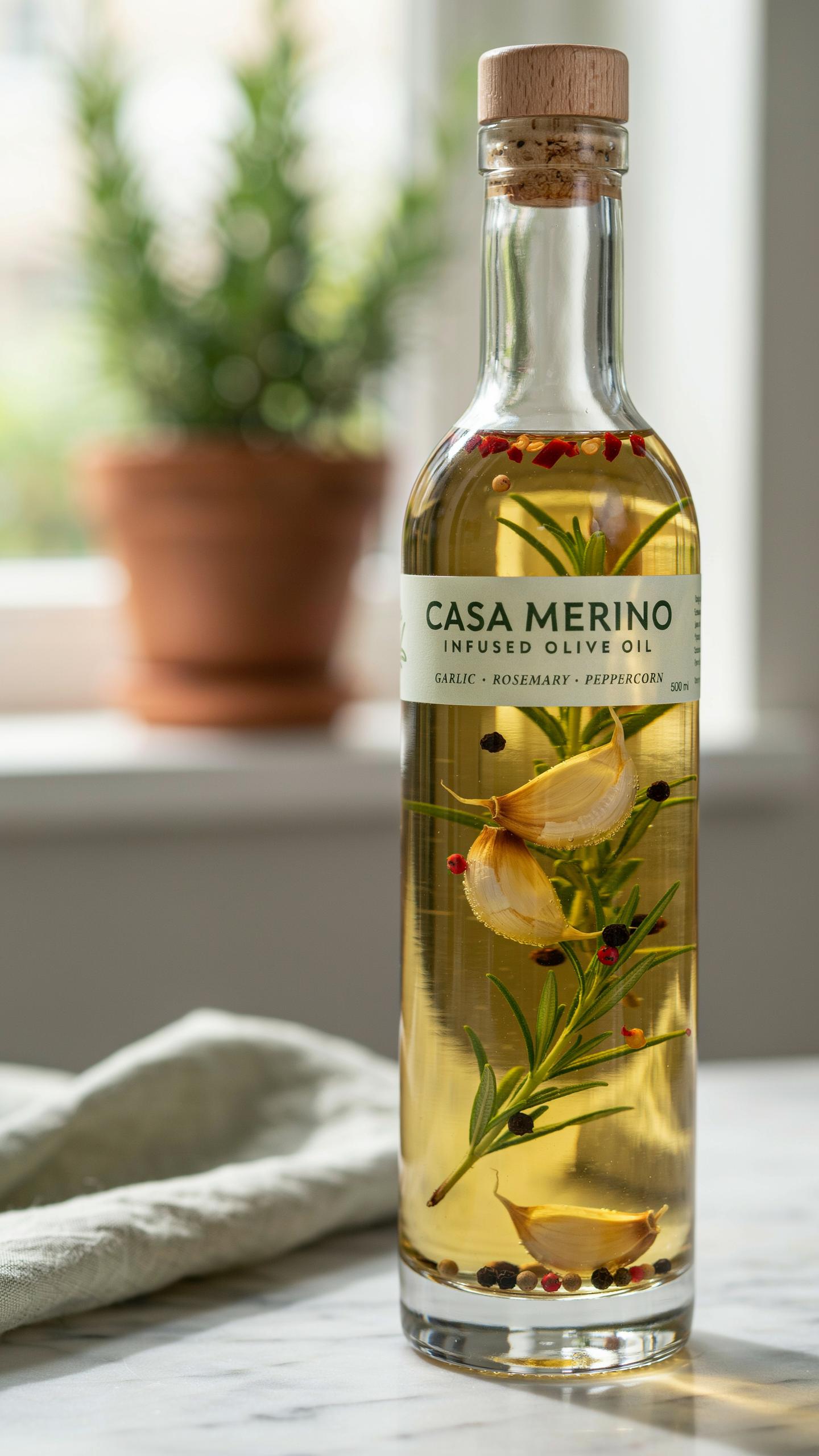
You want to know which garlic form tastes best because you’re scared your meal prep won’t taste good enough to actually eat it all week. The real problem isn’t preference, it’s that each form delivers flavor through a different chemical pathway, and they don’t stack the way most people assume. Fresh garlic contains allicin, which forms only when you cut or crush the clove, creating a sharp, volatile bite that fades fast. Roasted garlic develops sweetness through the Maillard reaction, breaking down sulfur compounds into caramel notes that persist. Granulated and garlic oil skip the fresh punch entirely, offering stability instead of intensity.
Most meal prep guides treat all garlic forms as interchangeable. They’re not. Fresh garlic loses potency after three days in the fridge because allicin degrades quickly in moisture. Roasted garlic holds its profile for five to six days because heat-induced sugars are chemically stable. Granulated garlic and oil don’t degrade at all during a week, but they also don’t build the fresh-to-cooked flavor arc that makes garlic shrimp actually taste alive. You need to pick your form based on when you’ll eat each batch, not on which one tastes good on day one.
Stacking Garlic For Week Long Impact
Layering works in cooking because flavor compounds have different solubility rates. Use this same principle in your prep: combine forms intentionally rather than doubling down on one. Add fresh minced garlic to the raw shrimp before searing so allicin hits the pan immediately and creates that initial bite. As the shrimp cooks, the heat converts some of that allicin into milder sulfur compounds that meld into the protein. This happens fast, in under four minutes at high heat. You’re not trying to preserve the fresh garlic bite. You’re converting it into something more stable.
The second layer goes into your oil or sauce right after cooking stops. Use roasted garlic here because it doesn’t break down further and sustains flavor through day five. Finish with a pinch of granulated garlic mixed into your storage container. It sits on the surface, rehydrates slightly in the container’s moisture, and creates a subtle top note when you reheat. This three-form approach means your shrimp tastes different on day one and day five, but neither day tastes bad. Each form serves a specific retention window in your meal prep cycle.
The High Protein Diet Matrix Pairing Principles
Build Around Shrimp’s Amino Acid Profile
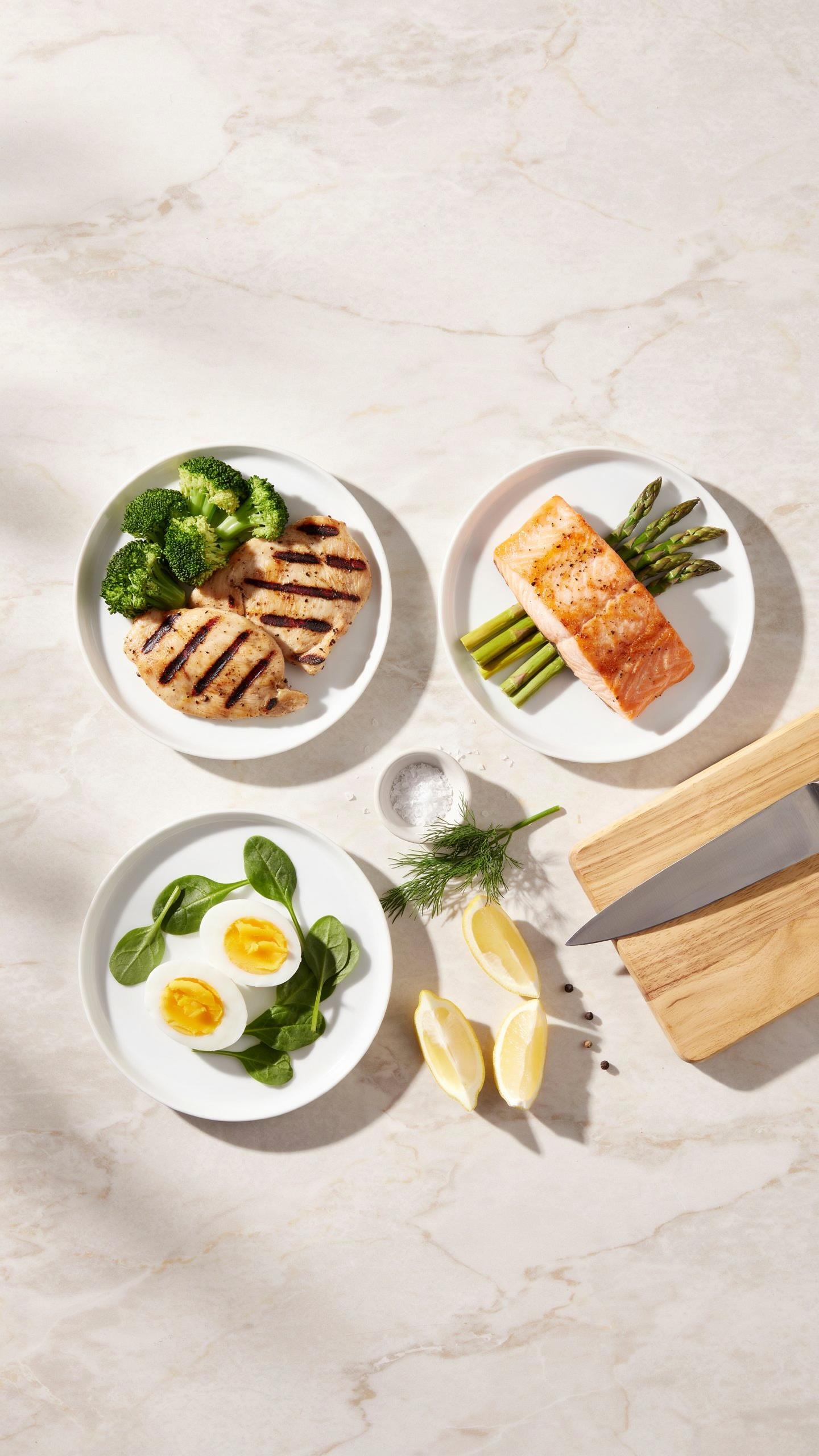
You want the meal to feel complete so you don’t snack later and sabotage your numbers. Here’s what actually matters: shrimp contains all nine essential amino acids, but it’s low in leucine relative to other animal proteins. Leucine triggers mTOR, the mechanism your body uses to build muscle. Pair shrimp with eggs, Greek yogurt, or cottage cheese to hit leucine thresholds that support adaptation. This isn’t about variety for its own sake—it’s about compensating for shrimp’s structural weakness as a standalone protein.
Garlic shrimp meal prep works best when you layer proteins intentionally. Add an egg to your shrimp and garlic base, or serve it over Greek yogurt-based rice. The combination gives you 35-40 grams of protein per meal instead of 25-28 from shrimp alone. Your body processes the full amino acid spectrum faster when multiple sources are present. This matters for recovery windows and sustained muscle protein synthesis across your day.
Carbs And Fats Determine Nutrient Timing
Most advice says eat carbs around training and fats anytime, which misses the actual lever: insulin sensitivity and meal satiety work inversely in meal prep. If you prep garlic shrimp with white rice or pasta, you spike insulin quickly and hunger returns in three hours. If you prep it with resistant starch sources like cooled potatoes or oats, digestion slows and satiety holds.
Fat placement changes how your body handles the meal. Add olive oil or butter to your garlic shrimp and you slow gastric emptying—the meal sits longer, hormones stabilize, and you stay full. Keep fat minimal if you’re eating immediately post-workout when you want fast carb absorption. Keep it moderate if you’re eating between training sessions. The protocol: use 1-2 tablespoons of fat per shrimp portion for standard meal prep, increase to 2-3 if your next meal is more than four hours away.
Textural Integrity A Culinary Engineering Approach
Why Shrimp Turns Rubbery
You want dinner to taste expensive without tasting like a mistake. That’s why this matters. Materials science calls it protein denaturation: heat forces protein molecules to bond with each other instead of water, squeezing moisture out and leaving rubber behind. Shrimp denature faster than almost any protein because they’re already so dense and low in fat. The mechanism is simple: too much heat, too long, and the structure collapses.
The real problem isn’t that you cook shrimp too long on purpose. It’s that you cook it at the wrong temperature or let carryover heat finish the job after plating. Shrimp reaches safe doneness at 145°F internal temp. It reaches rubber at 160°F. That’s a five-minute window on high heat, sometimes less. Most home cooks miss this because they don’t use a thermometer and they guess based on color change, which lags behind actual protein damage by a full minute.
Heat Transfer During Meal Prep Cycles
Heat transfer works the same way whether you’re cooking fresh or reheating from cold storage. Your shrimp starts at fridge temperature around 40°F. The pan sits at 375°F plus. The temperature gradient between the two creates the speed of cooking. Thin shrimp halves that thickness faster. Thin shrimp reach 145°F in ninety seconds. Thick shrimp take three minutes. This difference determines whether meal prep survives reheating without turning into seafood jerky.
Reheating amplifies the problem because the shrimp is already partially cooked. When you reheat from fridge temperature using conventional oven or stovetop, the exterior hits dangerous temps while the interior is still cold. Use a 275°F oven for reheating, not a hot pan. The slow, even temperature rise keeps moisture locked in. Check internal temp at sixty seconds, then every fifteen seconds after. The shrimp is done when it hits 140°F on a probe thermometer inserted at the thickest point.
Beyond Basic Garlic Shrimp Flavor Expansion Modules
When Honey And Lemon Matter
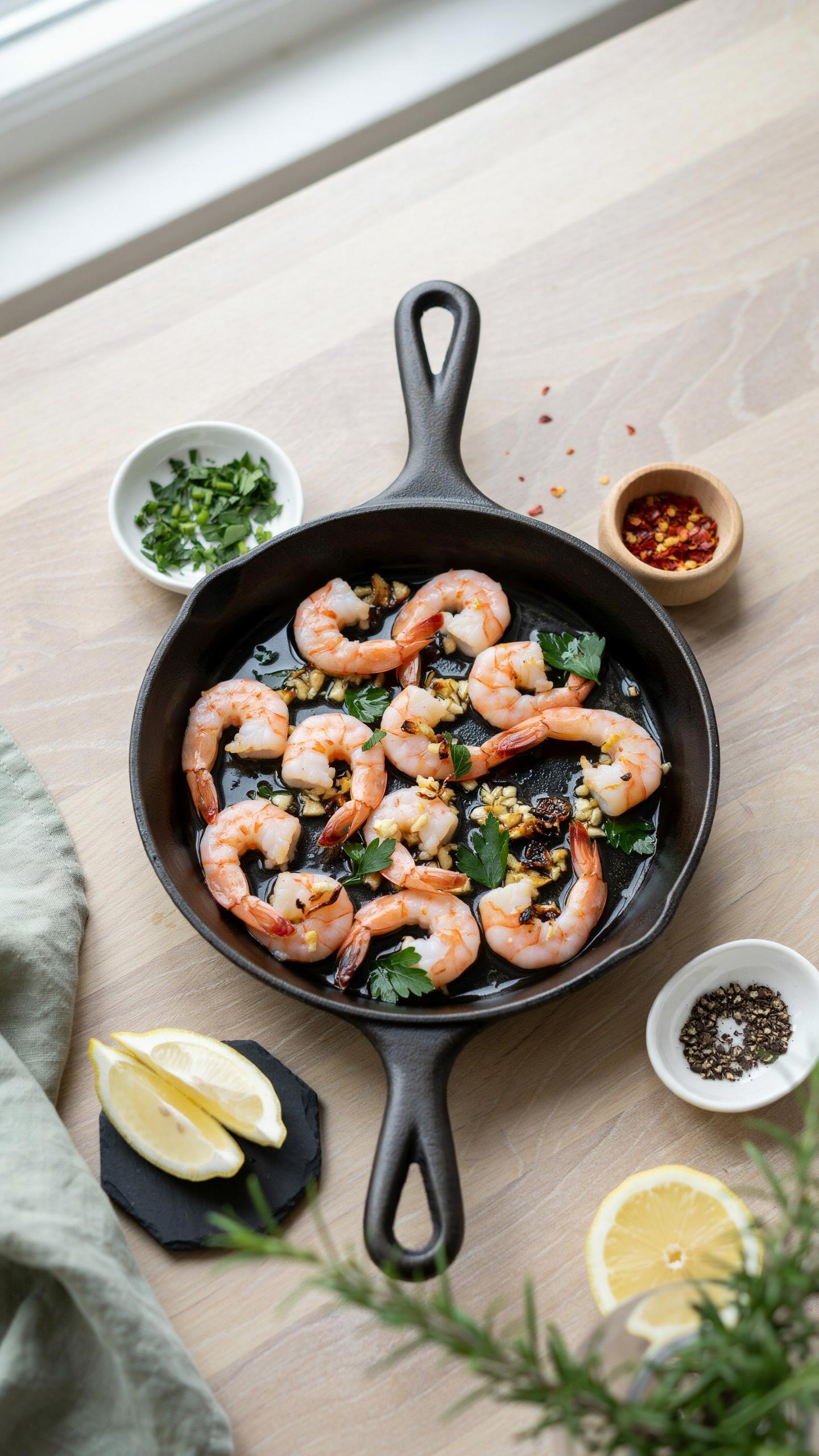
You want this to taste expensive because you think that signals nutritional sophistication. It doesn’t. But here’s what actually happens: honey and lemon are opposing forces that create depth through tension, not addition. Honey adds glycemic load and caramelization during the sear. Lemon adds acid that prevents the garlic from tasting one-dimensional and keeps the shrimp from drying out. The mechanism is balance, not complexity.
Honey garlic shrimp works because honey caramelizes at lower temperatures than sugar alone, creating a glaze that sticks to protein without burning the garlic. Lemon garlic works because citric acid denatures shrimp protein differently than heat does, keeping the meat tender even when you reheat it mid-week. You don’t need both simultaneously. Pick one based on your storage timeline: honey for eat-within-two-days batches, lemon for four-day stretches.
The Fat And Acid Equation
Chemistry matters here, not flavor ideology. Dietary fat without acid tastes greasy. Acid without fat tastes sharp and empty. The role fat plays in garlic shrimp meal prep is emulsification: it holds flavors in suspension so they don’t separate during refrigeration and reheating. Olive oil alone fails because it’s missing the acid component needed for stability across temperature changes.
The real protocol: introduce acid first (lemon juice or white wine vinegar), then fat (olive oil, butter, or both). The acid prevents the fat from separating in storage. You can shift ratios based on your shrimp size and reheating method. Larger shrimp need more acid to prevent toughening. Smaller shrimp tolerate drier preparations. Add 2 tablespoons acid per pound of shrimp, then 3 tablespoons fat, then your garlic. This order prevents the fat from coating the garlic before acid molecules can bind to the shrimp itself.
Strategic Batch Cooking For Healthy Shrimp Lunch Ideas
The Pan Method That Scales
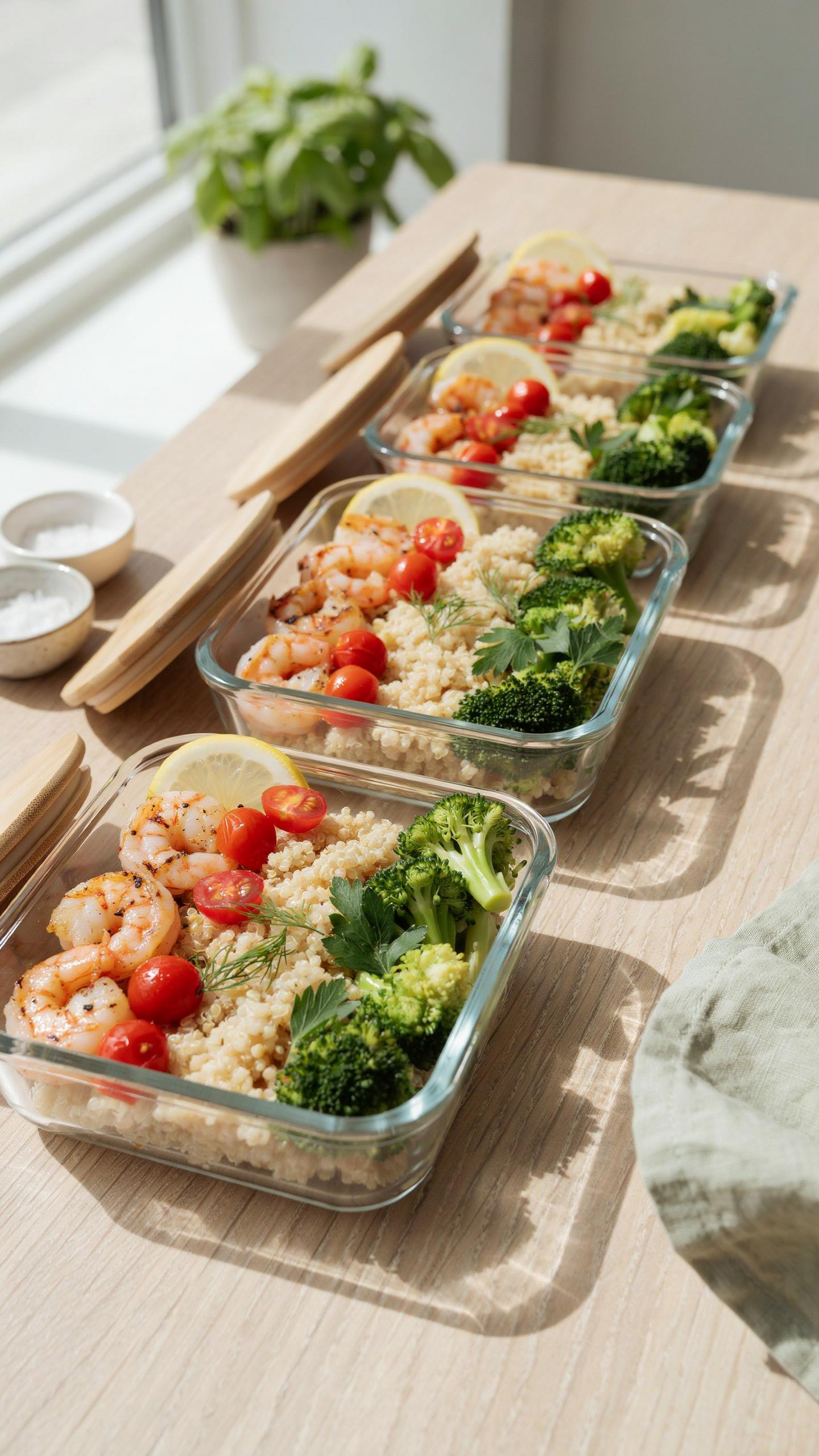
You want to believe one pan saves you time. It doesn’t. Cooking garlic shrimp with vegetables together in a single pan creates a thermal problem: shrimp needs high, direct heat for two to three minutes to cook through without rubbering out. Vegetables need lower, longer exposure to develop flavor and break down. You cannot optimize both simultaneously in the same environment.
The mechanism here borrows from manufacturing. In lean production, separation of processes beats integration when the inputs require different conditions. Cook shrimp separately on high heat for exactly two to three minutes. Cook garlic and vegetables first at medium heat for five to seven minutes. Combine only after both hit their endpoints. This takes the same total time as one-pan cooking but produces proper texture and actual flavor instead of rubbery shrimp swimming in half-cooked broccoli.
Containers That Keep Shrimp From Breaking Down
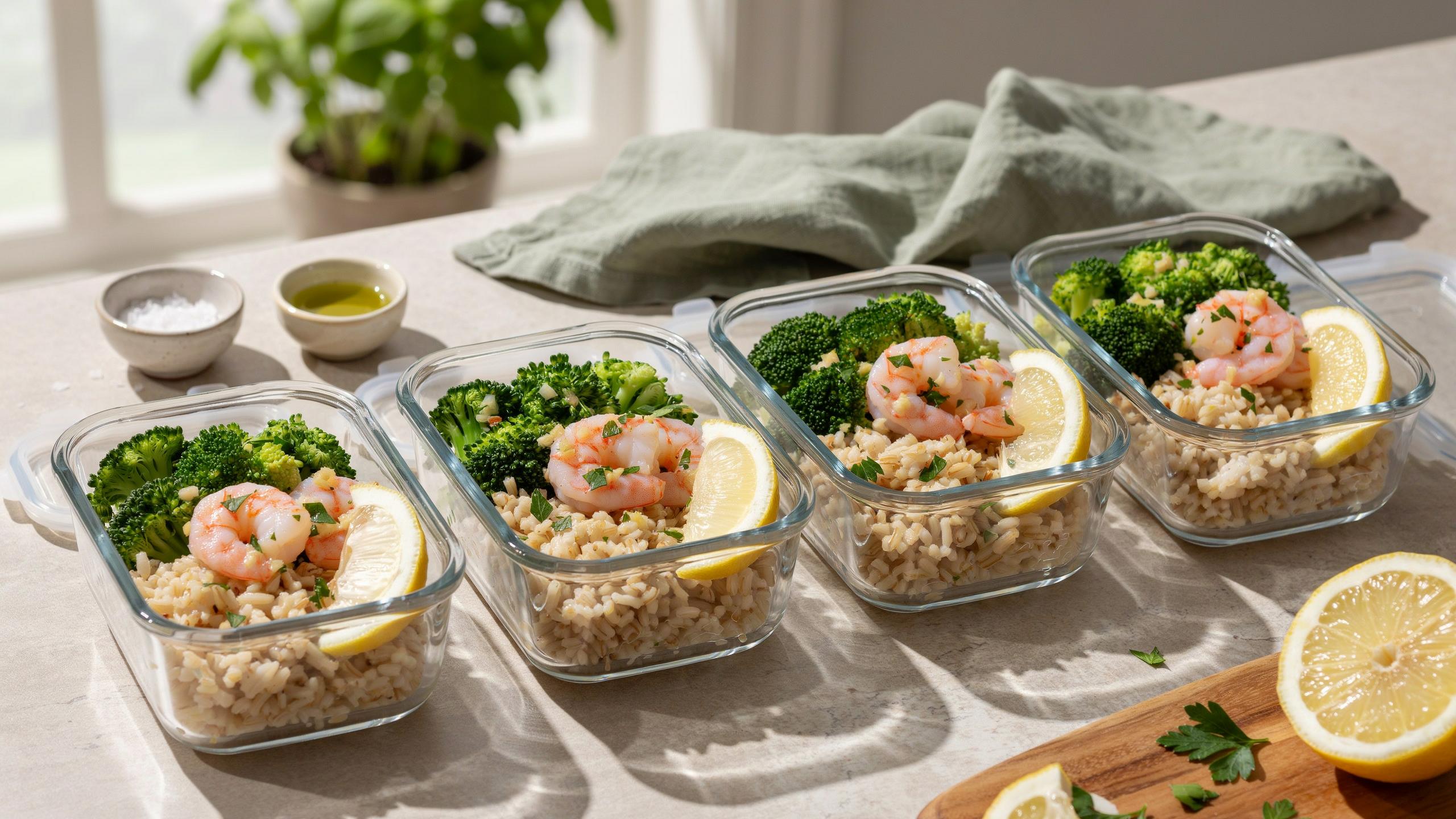
Glass containers with silicone lids outperform plastic for garlic shrimp because glass doesn’t absorb oils and odors. Shrimp proteins oxidize when exposed to air repeatedly during the work week. A tight seal matters more than material choice, but glass keeps the seal functioning longer without degrading. Most people grab whatever container is available. That inconsistency compounds across five days of meals into noticeably different quality by day five.
Portion into containers while shrimp is still warm, then refrigerate immediately. The residual heat speeds cooling through the danger zone and prevents bacterial multiplication on the surface. Stack containers vertically, not horizontally stacked on top of each other, to maintain pressure consistency and prevent moisture from pooling on one container’s lid and dripping onto the meal below. Cool shrimp to room temperature before stacking if you prep in bulk batches larger than six portions.
The Rice And Shrimp Symbiosis A Complete System

Which Rice Actually Survives Five Days
You want rice that doesn’t turn into paste by Wednesday. That’s the real question nobody asks directly. In thermodynamics, starch molecules absorb water and swell, a process called gelatinization. Short-grain rice gelatinizes faster and holds more moisture, making it your enemy in meal prep. Long-grain varieties like jasmine or basmati gelatinize slower and stay firmer when reheated because they contain more amylose, the starch component that resists water absorption over time.
Cook long-grain rice at a 1:1.5 water-to-rice ratio instead of the standard 1:2. This undershooting prevents excess moisture from lingering in the grain. Spread cooked rice on a sheet pan to cool completely before containerizing it. Cold rice firms up naturally. When you reheat it with shrimp and garlic, the moisture from the shrimp won’t turn your rice into mush because you started with a drier foundation.
Keeping Texture When Everything’s Together
The common advice about storing rice separately is incomplete. You don’t need to separate them if you understand one thing: shrimp releases moisture during storage, and that moisture migrates into rice if rice is still warm when combined. The mechanism is simple diffusion across the container boundary.
Cool your shrimp completely on a separate pan before combining it with cooled rice. Store the garlic oil separately and add it fresh every two days, or mix it in one batch if you’re eating everything within three days. Shrimp in an airtight container with rice and garlic oil will keep the rice firmer than shrimp stored warm. The cold temperature slows bacterial growth and prevents continued moisture release from the protein.
Mastering Healthy Garlic Butter Shrimp
Fat Quality Determines Satiety Duration
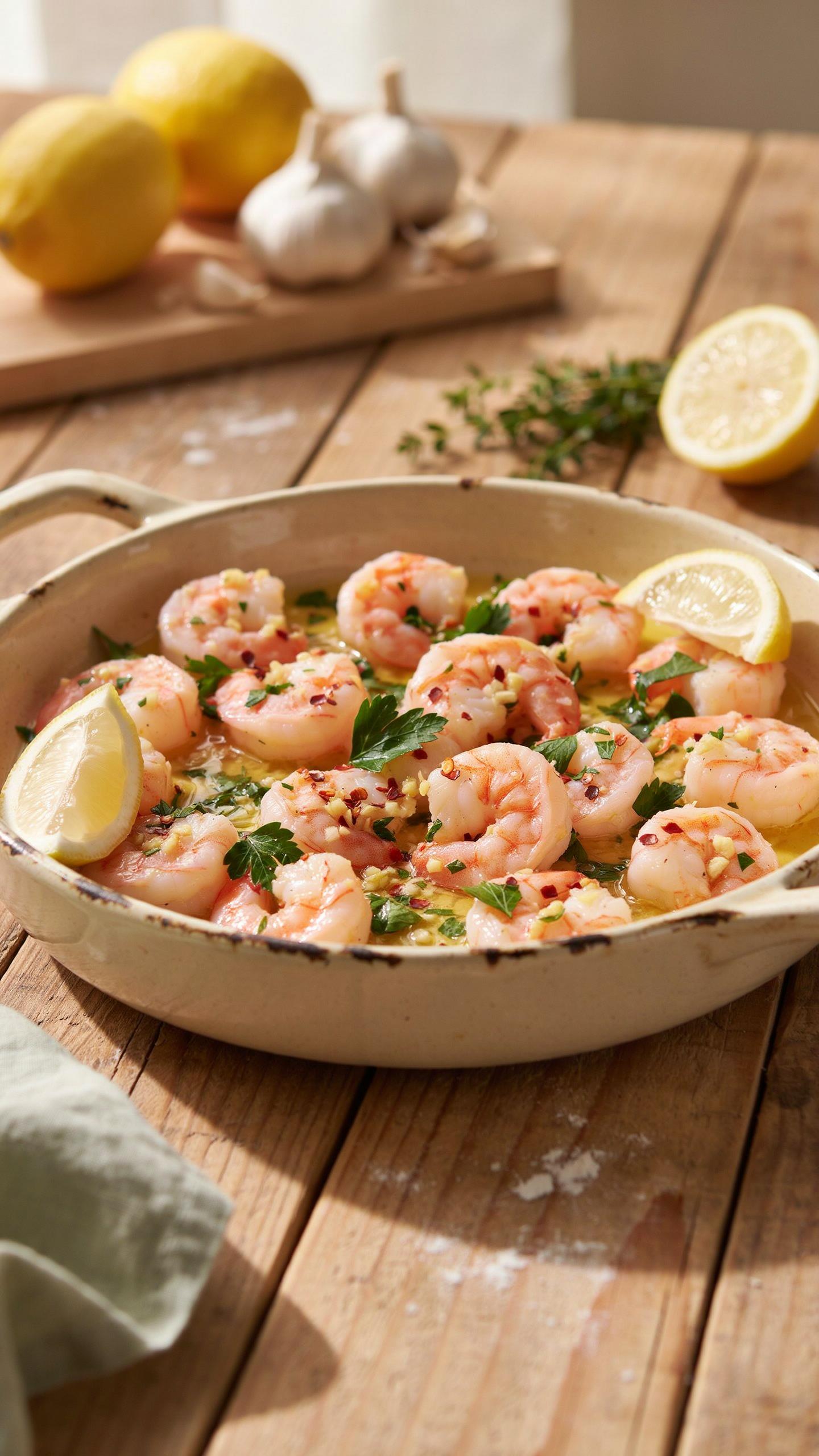
You want butter in your shrimp because it signals fullness to your brain faster than lean protein alone. Here’s the mechanism: fat triggers cholecystokinin release in your gut, which tells your central nervous system you’re satisfied. This isn’t opinion. Satiety biology is consistent. A shrimp dinner with minimal fat leaves you hungry two hours later. One with proper butter content doesn’t.
Butter brings flavor compounds that alcohol and water cannot extract from garlic. When you heat butter, its milk solids brown and create savory depth that makes the meal feel complete rather than like a diet punishment. This matters for compliance. People stick to meal prep when food tastes good enough to crave, not when it tastes like obligation. The fat carries flavor, extends satiety, and keeps your dinner from feeling like deprivation.
Emulsification Is The Real Problem
Most people wreck garlic butter shrimp by adding too much liquid or cooking at heat levels that break the sauce. The advice to just “whisk butter and garlic together” is incomplete. You need emulsification consistency, which means butter and water (from shrimp release and garlic moisture) staying bonded instead of separating into greasy puddles. This breaks your meal prep storage and makes reheating a disaster.
The fix: Cook garlic in butter over medium heat until fragrant, add shrimp, and remove everything once shrimp reaches 145 degrees internally. The carryover heat finishes cooking while the emulsion stabilizes. Never add liquid. Let the shrimp’s natural moisture create the sauce structure. Store in glass containers and reheat gently on the stovetop at low temperature, not the microwave, which accelerates separation and destroys texture.
Your real obstacle isnt time its the refusal to master the fundamentals of food science
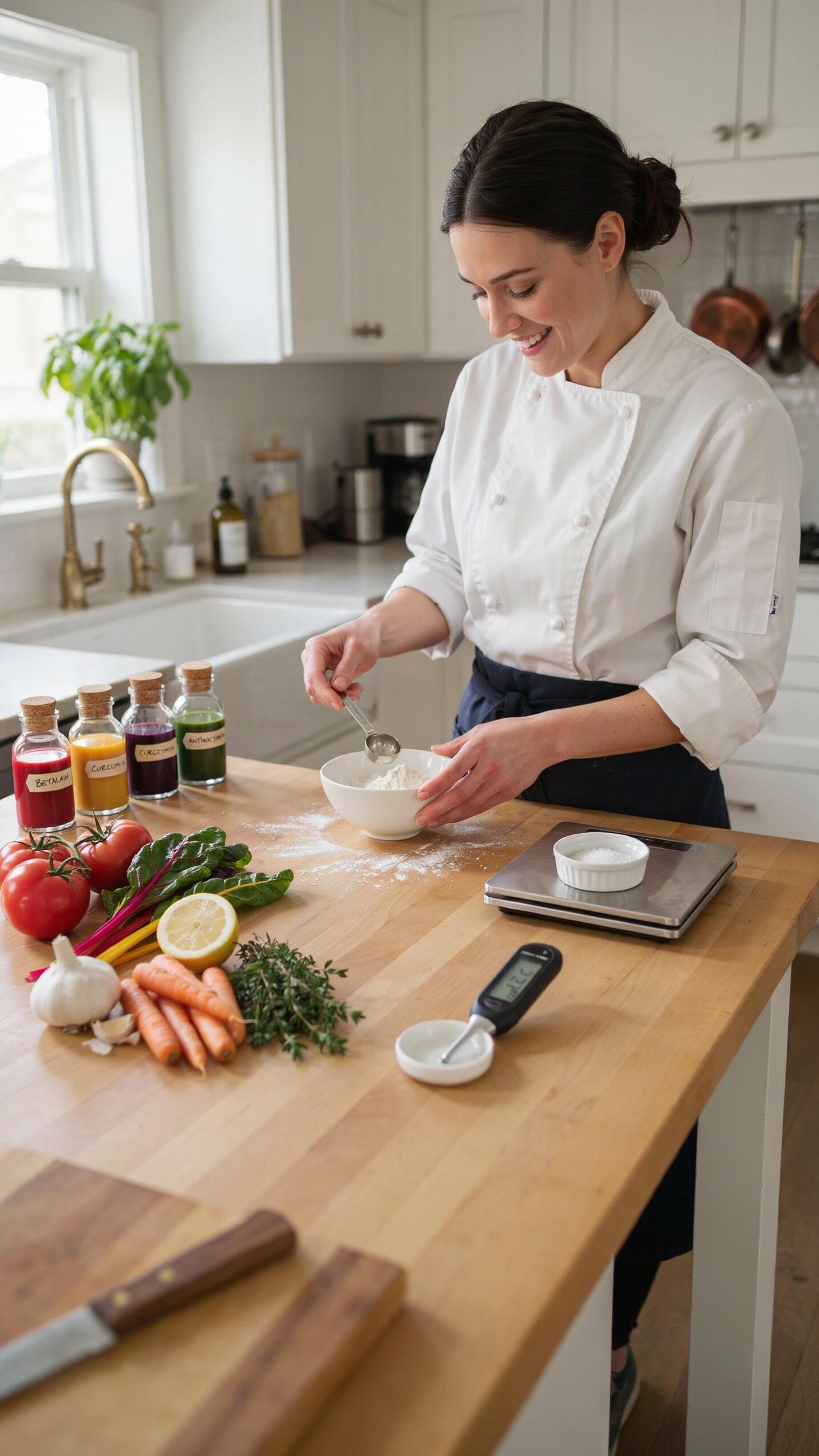
Most people fail at garlic shrimp meal prep because they treat cooking like a task instead of a system. You don’t need more recipes. You need to understand why shrimp proteins denature at 145 degrees, why garlic oxidizes differently at different temperatures, and how these facts compound your results. Stop scrolling meal prep content. Buy two pounds of shrimp today. Cook it three ways at three different temperatures. Write down what actually tastes better. Consistency beats perfection, but only if you know what you’re actually doing.