
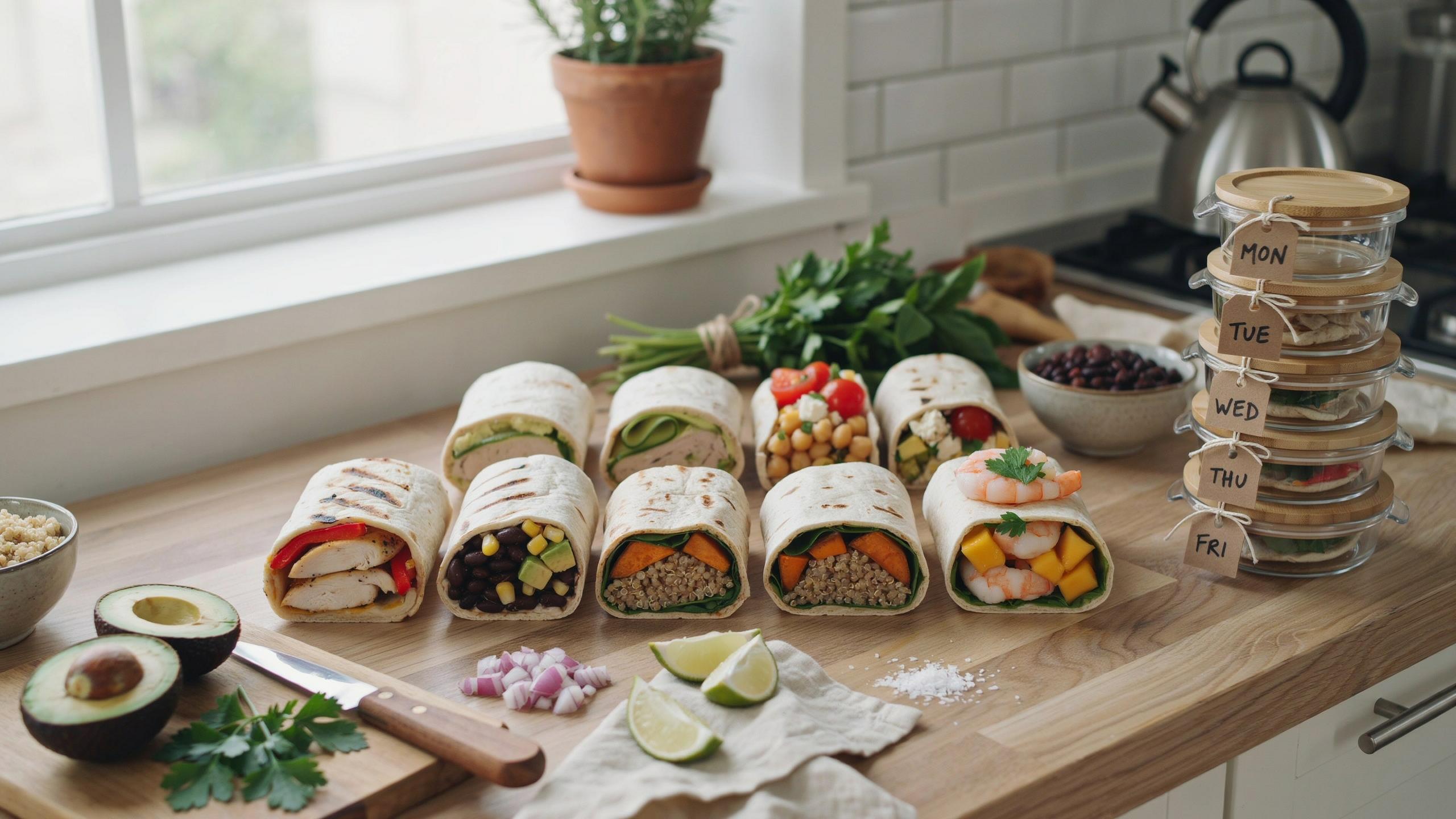
Beyond The Buzz Why Most Healthy Protein Wraps Fail You

What Store Bought Wraps Actually Are
You want to believe the label because it saves you time and mental energy. The mechanism is simple: most commercial protein wraps are engineered for shelf stability, not nutrition. They sit in warehouses and on shelves for weeks. The wrap itself, the protein filling, and the packaging all prioritize longevity over what your body processes.

The protein source in store-bought wraps is often whey protein concentrate or isolate mixed with fillers, thickeners, and binders. These aren’t problems individually, but stacked together they create a product that costs less to produce than real chicken or turkey. You’re paying premium prices for convenience while getting a commodity product designed around manufacturing efficiency, not satiety or muscle protein synthesis.
Sugar And Oil: The Invisible Damage
Biology teaches us about osmotic pressure, the force that moves water across cell membranes based on solute concentration. Refined seed oils create osmotic stress in your cells by disrupting lipid ratios, similar to how excess sodium draws water out of tissues. Store-bought wraps load both to mask the taste of cheap protein and extend shelf life.
Most commercial wraps contain between 3-8 grams of added sugar per wrap, often disguised as honey, agave, or “natural sweeteners.” Paired with soybean or canola oil, this combination spikes insulin and drives inflammation. You don’t taste the sugar because the salt and oil numb your palate. When you meal prep with whole ingredients, you control both inputs and eliminate the inflammatory byproduct that derails body composition goals weeks into your protocol.
The Bioavailability Blueprint Maximizing Nutrient Absorption

Protein Sources And Their Absorption Rates
You care about this because you want to believe your meal prep is working harder than it actually is. Here’s what matters: absorption rate is a biology term describing how much of a nutrient your body can extract and use. Not all protein sources absorb at the same speed or completeness, and most people default to whatever’s cheap without checking the actual mechanism.
Whole eggs absorb at roughly 90 percent. Chicken breast lands around 93 percent. Greek yogurt sits near 92 percent. Cottage cheese, often overlooked, hits 98 percent. Plant proteins like lentils or chickpeas drop to 70-80 percent because their cell walls contain compounds that resist breakdown. Protein powder varies wildly depending on processing, but whey isolate typically reaches 90-95 percent absorption. The gap between cottage cheese and lentils isn’t trivial when you’re meal prepping five wraps a week.
Synergistic Nutrient Pairings For Wraps
Fat slows protein digestion, which extends satiety. Vitamin C enhances iron absorption from plant sources by up to 300 percent. Stomach acid works better on protein when you pair it with acidic elements like lemon juice or vinegar. Most wrap advice ignores this and stacks protein with bread, which does nothing for absorption.
Pairing grilled chicken with red peppers and a drizzle of olive oil creates a wrap that holds longer in your system and delivers usable iron. Cottage cheese with tomatoes and black pepper works similarly. Even simple additions like hot sauce or lemon juice on your protein source shift how your body processes the wrap. The mechanism is straightforward: acidic environments denature protein faster, allowing enzymes to work more efficiently. Store your wraps with the protein and acidic element in the same compartment so they interact during the week.
The Metabolic Engine Method For High Protein Wraps

Caloric Density Versus Nutrient Density Mapping
You want to believe meal prep is simple math. It isn’t. Here’s what actually matters: cybernetics teaches us that systems need input monitoring and output correction—your wrap is a closed loop where calories and nutrients aren’t interchangeable variables. A 400-calorie wrap loaded with refined carbs and weak protein creates blood sugar spikes that tank energy two hours later. A 400-calorie wrap with 30 grams of protein, fiber, and fat sustains you through your afternoon because the macronutrient ratio determines how your body processes the calories, not the calorie count alone.
Most meal prep advice treats protein as a number to hit. Wrong frame. Protein density—grams per calorie—is the actual lever. A turkey wrap with 35 grams of protein in 420 calories burns slower than a vegetarian wrap with 15 grams in 380 calories. The second one leaves you hungry. Build your wraps by mapping protein first, then filling gaps with fats and carbs that don’t spike blood sugar. This inverts the typical “fill your plate” approach and eliminates the energy crashes that kill consistency.
Feedback Loops For Sustained Energy
Energy crashes aren’t random. They’re feedback signals your wrap composition is failing. Cybernetics defines feedback loops as corrections that stabilize systems—your body sends hunger signals and focus drops when macronutrient timing is off. Most people ignore the signal and grab snacks. Strategic wrap builders track when energy dips and adjust the wrap formula, not the willpower.
The mechanism works like this: test a wrap formula for three days. If you’re hungry at 2 PM, you need more protein or fat at lunch. If you’re nauseous after eating, your carb-to-fiber ratio is off. If your afternoon energy is stable until 4 PM but then crashes, your wrap has the right composition but the wrong calorie total for your activity level. Document what works, build five identical wraps that week, then test variations the next week. The feedback loop closes through data, not guessing. Write down hunger times and energy levels for 21 days—this data becomes your personal wrap formula.
Deconstructed Design Building Your Optimal Protein Wrap
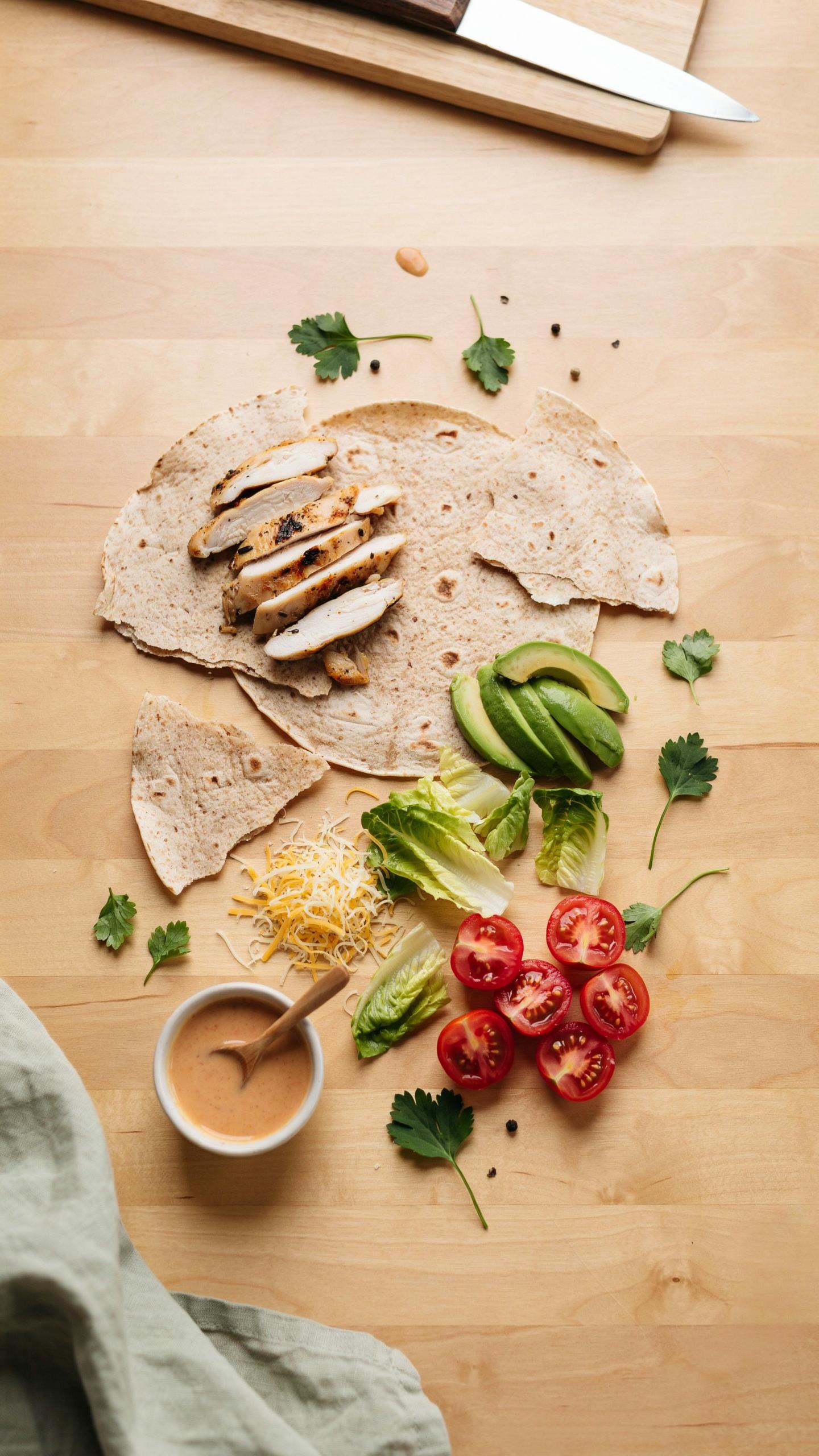
The Wrap Base That Actually Holds Up
You want the wrap that makes you look disciplined without tasting like cardboard. Here’s what matters: the wrap base determines whether your meal stays intact or falls apart by Wednesday. Structural integrity is borrowed from materials science, where tensile strength measures how much stress a material absorbs before failing. Your wrap’s tensile strength depends on its binding agents and moisture content, not brand loyalty or marketing claims.
Most people choose wraps based on calories or carbs alone. Wrong move. A wrap with inadequate gluten development or insufficient binding agents tears under the weight of dense protein fillings. Whole wheat wraps, spinach wraps, and high-protein wraps all have different tear points. Tortillas made from flour with at least 10-12% protein content and wraps with added xanthan gum hold up better through refrigeration and reheating. Test your wrap by loading it with 6-8 ounces of filling, waiting two hours, then opening it. If it shreds, switch bases.
Protein Fillings That Drive Muscle Synthesis
The filling matters more than the protein powder obsessives admit, because bioavailability isn’t just about how much protein you eat, it’s about what your body can actually extract and use. Grilled chicken breast contains roughly 31 grams of protein per 100 grams and needs zero preparation beyond seasoning and cooking. Ground turkey sits around 29 grams per 100 grams and mixes better into wrap fillings without drying out as easily. Canned tuna provides 26 grams per 100 grams and requires no cooking, cutting prep time in half.
Protein variety matters tactically. Rotate between chicken, turkey, tuna, and lean ground beef throughout the week to prevent both flavor fatigue and nutrient gaps. Greek yogurt adds 10 grams of protein per 100 grams and acts as a moisture barrier, preventing the wrap from getting soggy. Combine a primary protein source with a secondary source to hit 35-45 grams of protein per wrap without stacking it so high the wrap tears. Prep all proteins in one session, portion into 6-8 ounce servings, and store in airtight containers at 40 degrees Fahrenheit or below for maximum shelf life.
Flavor Function Making Healthy High Protein Meals Enjoyable

The Spice Stack That Actually Works
You want metabolism hacks that don’t require supplements or weird protocols. Here’s the reality: spices don’t meaningfully increase calorie burn in any measurable way. What they do is borrowed from thermodynamics—they increase the thermic effect of food, the energy cost of digestion itself. Capsaicin in chili peppers, piperine in black pepper, and compounds in ginger and turmeric require your body to work harder during digestion. The effect is real but modest: we’re talking 5 to 10 percent of total daily energy expenditure at most.
The actual mechanism that matters for meal prep is flavor density. When your wraps taste sharp and layered, you eat slower and stop earlier. You also stick to the plan across five days instead of bailing by Wednesday. Layer spices in your protein base during prep: cumin and smoked paprika in ground turkey, garam masala with chicken, chipotle powder with ground beef. Toast whole spices in a dry pan for three minutes before grinding them into your mix. This concentrates flavor and ensures every bite tastes intentional, not like an obligation.
Clean Sauces That Don’t Sabotage Macros
The conventional advice on wraps is wrong: adding flavor through bottled sauces is fine if you read labels. Most people don’t. They assume Mayo and ranch are baseline, then layer on a second sauce without checking grams. A single wrap becomes 400 calories from condiments before the protein and vegetables exist.
The real protocol is building your own sauce base in bulk. Mix Greek yogurt with mustard, lime juice, and garlic powder as your anchor. This delivers tang and creaminess without refined sugars or seed oils. Make a five-day batch in a mason jar. Separately, prepare a vinegar-forward option: balsamic or apple cider with olive oil, Dijon mustard, and dried oregano. These two bases cover 90 percent of wrap scenarios. Portion them into small containers during prep so you grab the right amount without improvising during the week.
The Post Workout Food Advantage Fueling Recovery
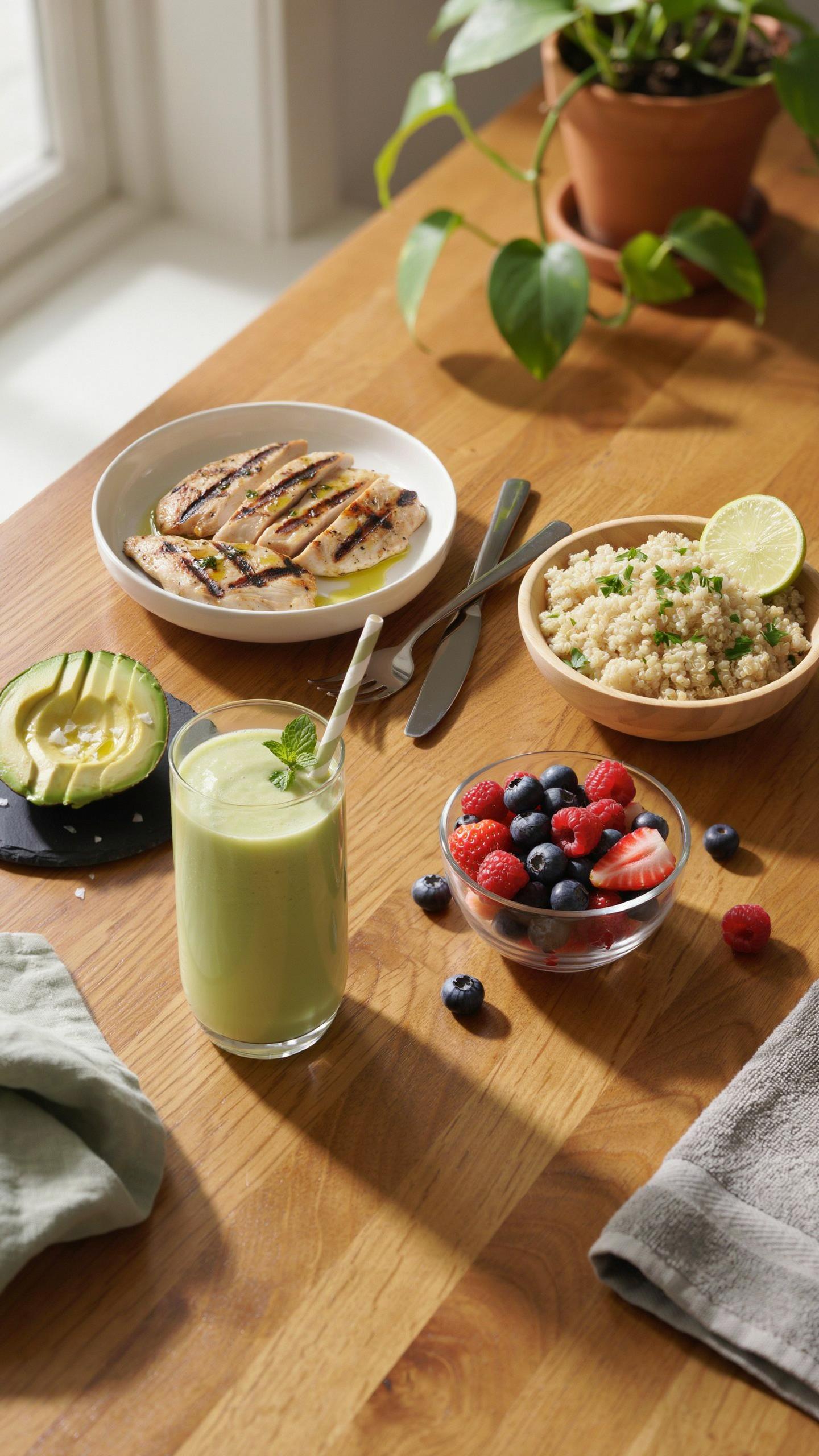
Protein To Carb Timing Matters Most
You want the muscular look without actually understanding the biochemistry behind it. Here’s what nobody says plainly: your body operates like an economy during recovery, and the currency is glucose and amino acids. Post workout, your muscles are primed to absorb both. The window isn’t magic, but the mechanism is real. Elevated insulin sensitivity and increased blood flow to muscle tissue create a legitimate metabolic advantage for nutrient uptake that lasts roughly two to three hours post exercise.
The ratio itself is less important than the total amounts and your training volume. Most guidance says 1:1 protein to carbs or 2:1 carbs to protein. The real pattern: aim for 20 to 40 grams of protein paired with 40 to 80 grams of carbs depending on workout intensity. A high protein wrap with chicken, rice or beans, and vegetables hits this range without calculation. The specificity matters only if you’re training hard enough that recovery actually limits your progress. Meal prep wraps solve this because you’re not guessing or skipping the step when you’re tired.
Micronutrient Density In Recovery
Protein and carbs get the attention, but micronutrients determine how fast your body actually repairs tissue. Magnesium, potassium, and zinc directly influence muscle protein synthesis and inflammation regulation. Your prep wraps need vegetables and ingredients that deliver these without adding prep time each day.
Spinach, bell peppers, and tomatoes in your wrap base provide folate and vitamin C, which supports collagen formation in connective tissue. Add a quality salsa or hot sauce for lycopene. The mechanism is direct: micronutrients act as cofactors in enzymatic repair pathways. You don’t need exotic supplements. You need consistency in whole food density. Wraps prepped on Sunday make the nutritionally complete recovery meal automatic by Wednesday.
Batch Prep Protocol Your Weekly High Protein Wrap Strategy
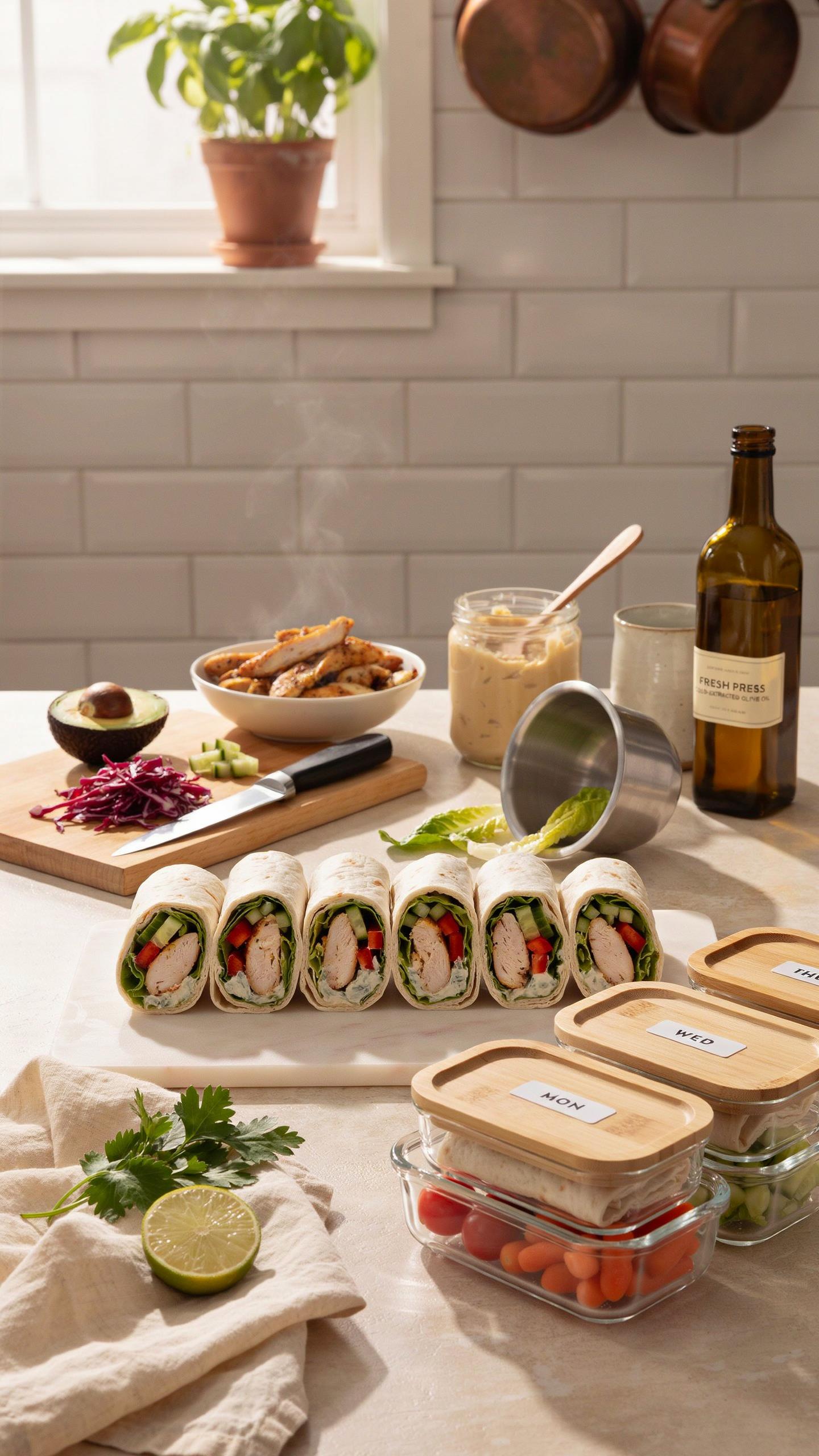
Where To Source And Store Your Ingredients
You want this to feel effortless so you actually stick with it. That’s the trap. The real mechanism is constraint: limit your ingredient sources and storage locations deliberately, or you’ll waste time hunting and decision-making all week. Sourcing isn’t about finding the “best” protein. It’s about reducing friction to zero by buying from one or two places every Sunday and knowing exactly where everything lives in your fridge.
Buy proteins in bulk from one supplier: either your local butcher, Costco, or a warehouse club. Pre-cooked rotisserie chicken cuts your prep time by half compared to cooking chicken breasts from raw. Store all proteins in airtight containers on the same shelf at eye level. Wraps go in a dedicated drawer. Vegetables get prepped and stored in clear containers so you see them first. The setup takes fifteen minutes. Execution takes none.
The Line You Never See
Most meal prep advice treats assembly like cooking. Wrong frame. Think in manufacturing terms: stations, not steps. Batch processing, not individual builds. Set up five stations on your counter: proteins here, spreads there, vegetables, wraps, and the assembly zone. Your hands move in one direction only. You don’t walk back for something you forgot.
- Protein Station: All cooked proteins, portioned into two-ounce servings in small bowls. Chicken, turkey, canned tuna, or ground beef. One protein per bowl prevents cross-flavor contamination.
- Spread Station: Hummus, Greek yogurt, pesto, or tahini in squeeze bottles. Squeeze bottles eliminate the need for utensils and reduce mess. Pre-portion into five containers if bottles feel fussy.
- Vegetable Station: Chopped lettuce, spinach, tomatoes, cucumbers, bell peppers in separate containers. Chop these the night before. Moisture ruins wraps, so pat vegetables dry with paper towels before storage.
- Wrap Station: Your chosen wraps stacked and ready. High-protein wraps from Mission or Xtreme Wellness. Room-temperature wraps lay flat and don’t tear. Cold wraps crack.
- Assembly Zone: Clear counter space where you lay wraps, fill, roll, and immediately wrap in foil. Foil, not plastic wrap. Foil maintains structure and prevents the wrap from unraveling in your bag.
Stack your five wraps on your workspace. Spread protein on the first wrap. Add vegetables. Roll tight. Wrap in foil. Move to the next wrap. Never stop. Five wraps take eight minutes total. You’re done before your coffee gets cold. Freeze two, refrigerate three.
Beyond The Wrap Integrating High Protein Wraps Lunches
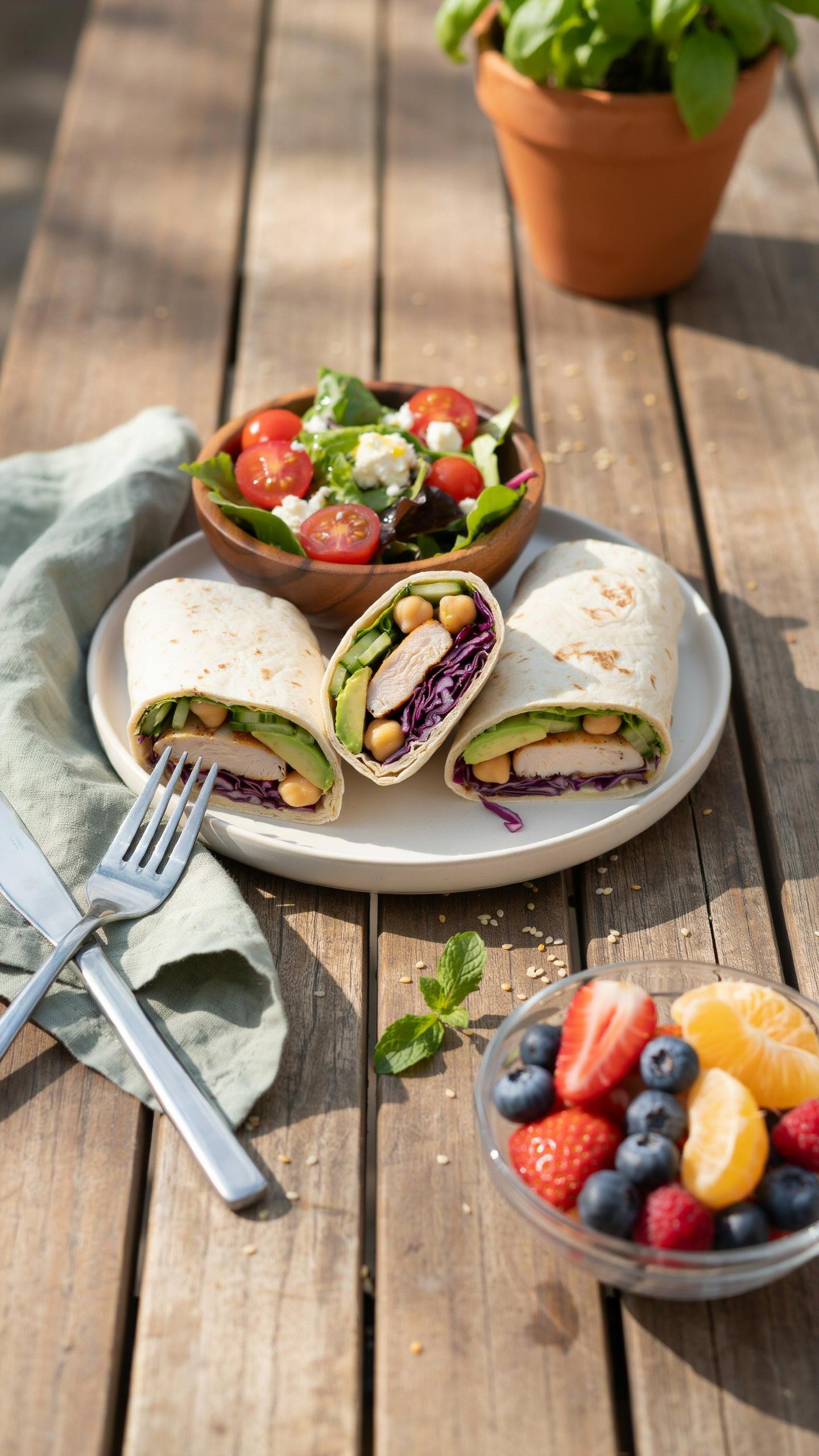
The Satiety Stacking Method
You want to believe the wrap itself is enough because buying one thing feels like a complete meal. It isn’t. Satiety works like load capacity in systems design: the wrap is your base layer, but you need distributed weight across multiple food categories to hit true fullness. Protein alone doesn’t hold hunger down past mid-afternoon.
Add raw vegetables with fiber and volume. A side of hummus or Greek yogurt with cucumber, bell pepper, and tomato costs nothing to prep and extends satiation by hours. The mechanism is straightforward: fiber slows gastric emptying, and the water content in vegetables fills stomach space without calories. Pair this with a piece of fruit or nuts for sustained energy. The wrap delivers protein concentration. The sides deliver the staying power.
Adapting Portions To Actual Requirements
Most meal prep advice assumes everyone needs the same macros. That’s wrong. A sedentary office worker needs different protein volume than someone training five days a week. Start by calculating daily protein need: 0.8 to 1 gram per pound of bodyweight, depending on activity level and goals.
Then adjust wrap composition and portion size accordingly. Someone eating at maintenance might prep wraps with 25-30 grams of protein and moderate carbs. Someone in a deficit or heavy training needs 35-40 grams per wrap and denser calorie ratios. Don’t prep ten identical wraps and hope they fit everyone’s week. Build wraps in 2-3 variations based on your actual training schedule and daily energy expenditure. This prevents waste and keeps you compliant because the meal matches what your body actually needs.
The Protein Wrap Ideas Evolution Adapting For Long Term Gains
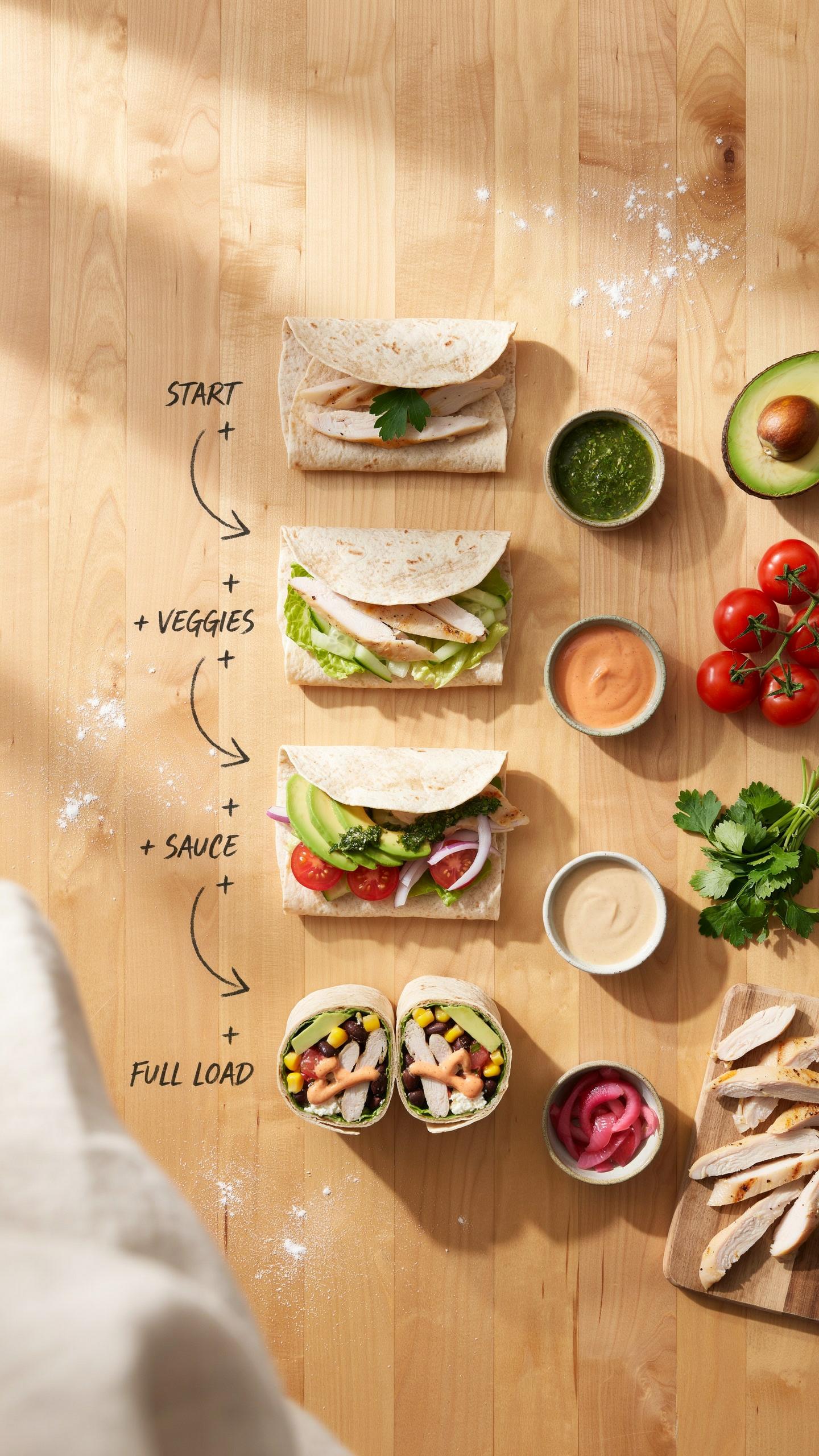
When Ingredients Stop Working
You want to believe the same wrap recipe works year-round because consistency feels like discipline. It doesn’t. Seasonal produce shifts what protein wraps actually need to function. Winter tomatoes are mealy and expensive. Summer tomatoes are ripe and cheap. That’s not opinion, that’s supply chain economics affecting your prep cost and texture.
The real mechanism here is ingredient density and water content. Summer vegetables have higher water content, winter vegetables have different fiber profiles. This matters because wet ingredients break down wraps faster during five-day storage. Swap tomato slices for roasted red peppers in winter. Use fresh cucumbers and raw bell peppers in summer. The protein stays constant. The supporting cast changes to match what’s actually fresh enough to hold structure through Thursday.
Where Most Meal Prep Plans Actually Fail
Everyone blames technique. The real problem is moisture management during storage. You wrap tightly on Sunday. By Tuesday, condensation pools at the bottom of your container. The wrap bottom softens. Wednesday it falls apart. This isn’t a you problem. You’re not wrapping wrong. You’re storing wrong.
Use paper towels between layers. Wrap each one individually in parchment, not plastic wrap. Store in a box with ventilation holes, not a sealed plastic container. If you use containers, leave the lid cracked open the first six hours after prep to let steam escape. These aren’t tips. They’re the actual protocol that separates five-day prep from three-day prep. Execute this and your wraps hold.
The only real obstacle to optimal nutrition is your unwillingness to build a repeatable system
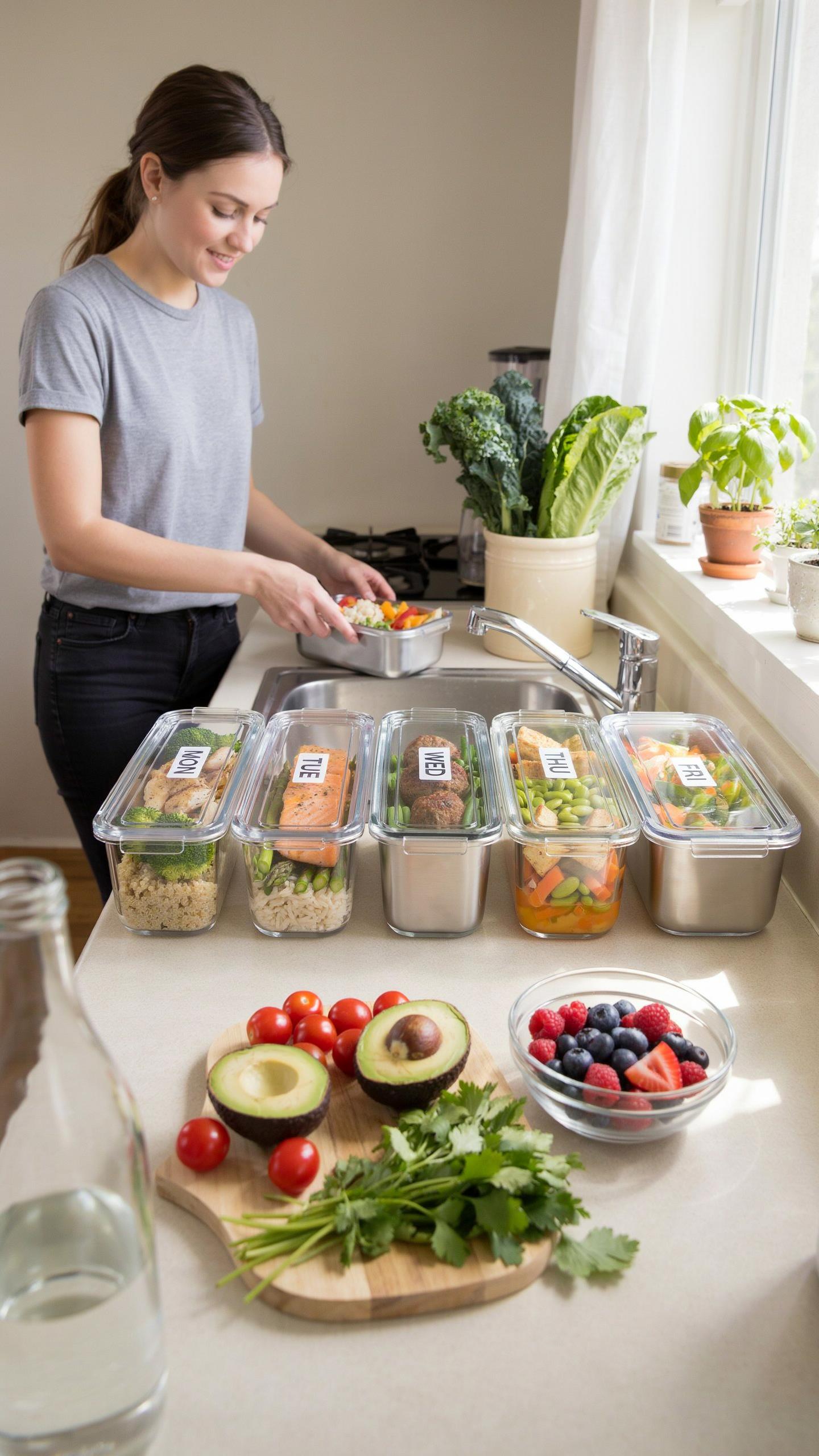
You already know wraps beat drive-thrus. You already know protein matters. What you don’t have is a Sunday ritual that removes decision-making from your week. Pick one wrap recipe today. Buy the ingredients. Make five of them. That’s it. The wraps aren’t the problem. Your refusal to systematize is.