
Beyond Convenience Why Your High Protein Lunch Box Ideas Need A Strategic Overhaul
The Hidden Price Of Speed
You want meal prep to save time, but what you’re really after is permission to stop thinking about lunch. The mechanism at work here is decision fatigue. Every morning without a prepped lunch forces a choice: skip eating, grab something random, or waste mental energy hunting for food. That friction compounds across a week. Most advice treats meal prep as a logistics problem. It’s not. It’s a willpower problem.

The cost of convenience masquerades as saved time but actually costs attention. When you don’t prep, you’re not saving thirty minutes, you’re spending that thirty minutes later making suboptimal choices under hunger and time pressure. High protein lunch boxes work because they eliminate the decision entirely, not because they’re faster to eat. The real savings happen in your prefrontal cortex, not your kitchen timer.
Eliminate The Choice To Waste Energy
Economics has a term called opportunity cost. In meal prep, it’s the gap between what you eat when you plan ahead versus what you eat when you don’t. A prepped high protein lunch box costs you one hour of Sunday work. An unprepped day costs you three unplanned food choices, each worse than the last. The math favors prep. The common advice here is wrong. People frame meal prep as a virtuous habit. It’s actually rational behavior.

When you remove the lunch decision, you redirect that cognitive load elsewhere. Your brain stops cycling through “what should I eat” loops and preserves energy for actual work. This isn’t motivational. It’s mechanical. You prep one time on Sunday. You eat that choice five days straight. No negotiation. No backup plan. No room for the worst version of yourself to show up hungry and make the fast food run.
The Anabolic Advantage Protein Lunch For Sustained Power
When Protein Hits Your Blood
You want to feel sharp at 3 PM instead of fighting your eyelids, and protein timing is the lever that makes it happen. From a biochemistry standpoint, protein digestion triggers sustained amino acid release into your bloodstream, which stabilizes blood glucose and delays gastric emptying compared to carbs alone. This mechanism is non-negotiable: a high-protein lunch doesn’t just satisfy hunger, it controls the rate at which your body processes fuel.
Most people eat protein but time it wrong, pairing it with refined carbs that spike insulin anyway. The real move is consuming 30 to 40 grams of protein at lunch alongside slower carbs like oats, sweet potato, or legumes. This combination extends satiety and prevents the glucose crash that follows a carb-only meal. Your neurotransmitter production depends on consistent amino acid availability throughout the afternoon.
The Crash Prevention Formula
Midday energy crashes are not a character flaw or a sign you need more caffeine—they’re a direct result of eating meals that raise and then rapidly drop blood sugar. Protein slows gastric transit time, meaning food stays in your stomach longer and enters your bloodstream at a controlled pace. When you pair adequate protein with fiber and resistant starch, you create a metabolic environment that resists energy spikes and subsequent crashes.
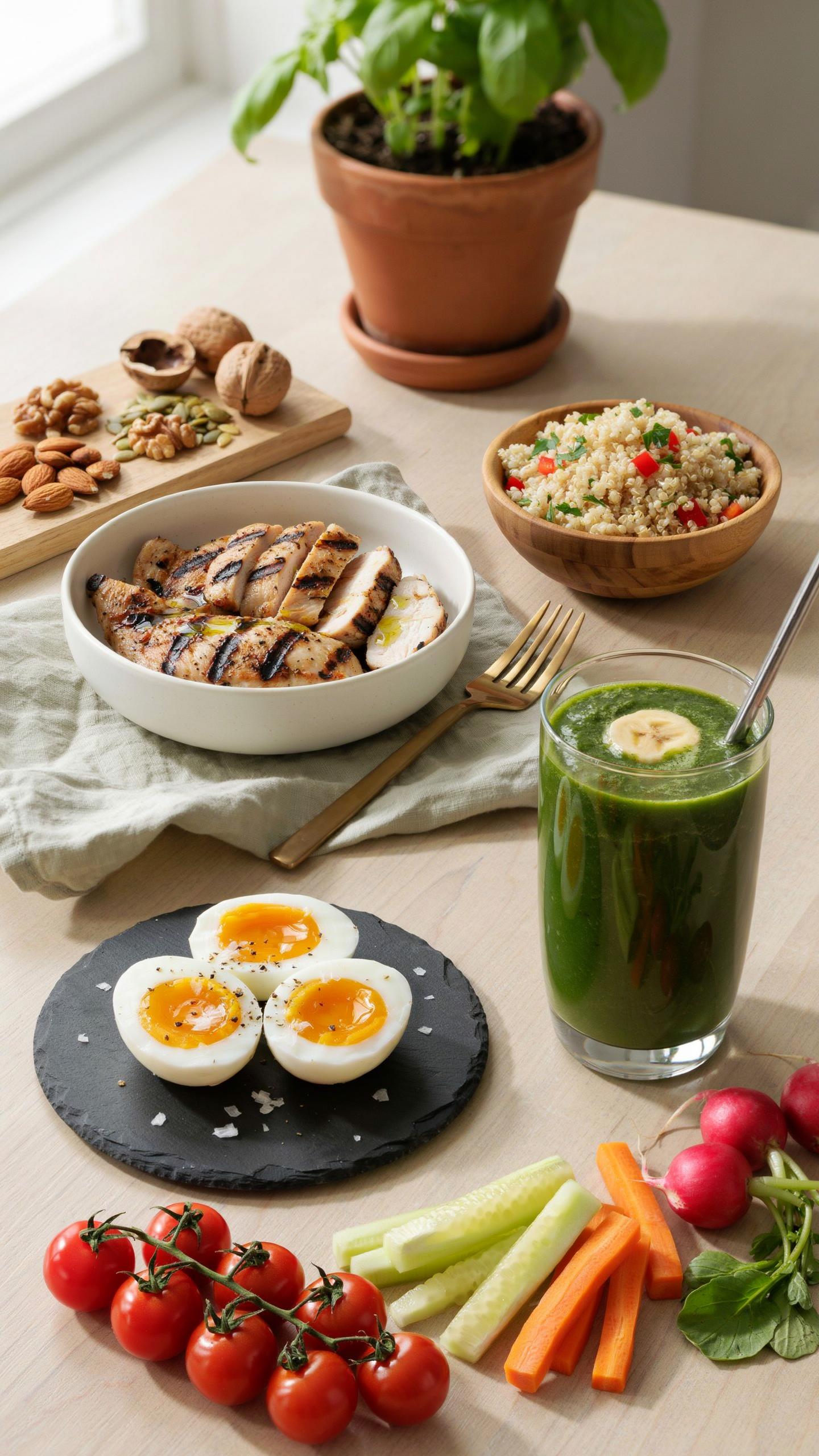
The standard advice to “eat a balanced meal” is too vague to execute. You need concrete numbers: aim for protein as your lunch’s largest macronutrient by volume, then add complex carbs second. A 200-calorie serving of grilled chicken breast with a cup of cooked quinoa and roasted vegetables will hold your energy steady for five to six hours. Pack this formula into your containers on Sunday, and your 2 PM focus becomes automatic, not aspirational.
High Protein Bento Box Lunch For Adults The Modularity Method
Prep Once, Eat Five Different Ways
You want to feel like you have choices without actually doing the work five times over. The real mechanism here is modularity, borrowed from systems design: you build independent components that snap together in different arrangements, so one prep session yields infinite combinations without redundant cooking.
Most meal prep advice treats lunch as a fixed plate. You cook chicken, rice, broccoli, box it, eat it. Boring. Modularity flips this. You prep protein sources, carb bases, vegetables, and fats as separate units. Each component holds its nutritional integrity for five days. You assemble different combos daily based on what your body needs and what your brain won’t reject from boredom.
Mix And Match For Variety
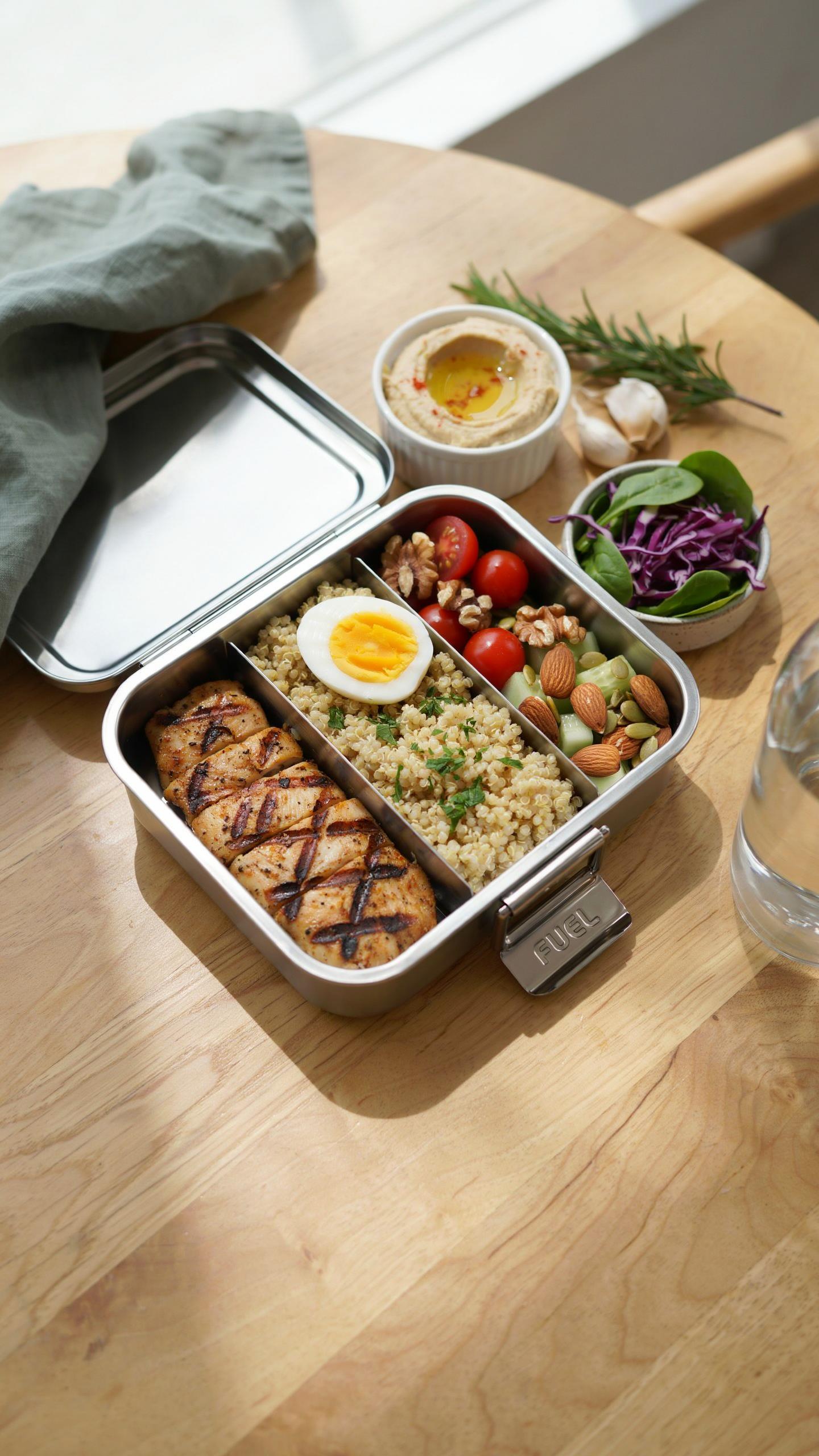
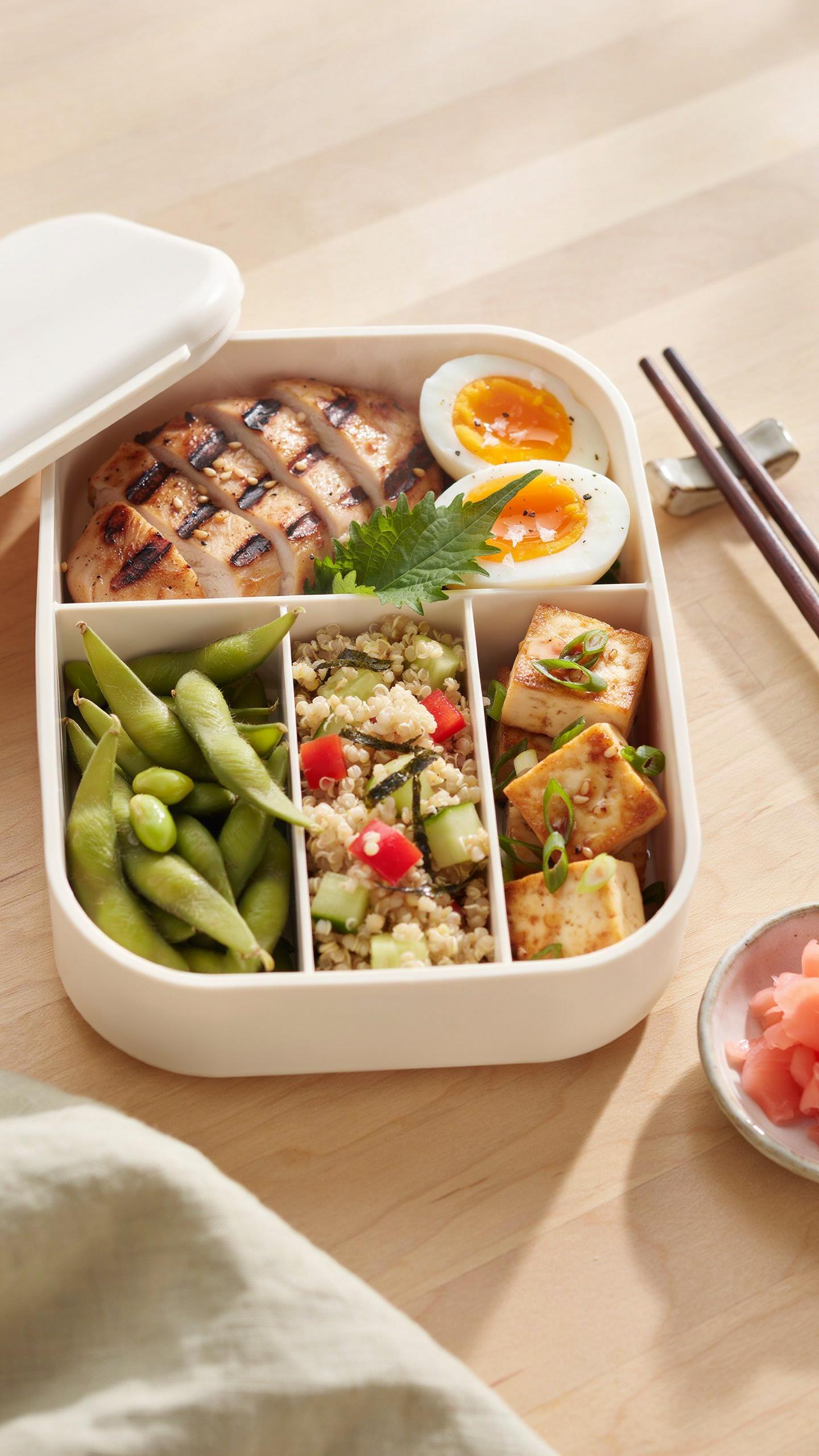
The bento approach isn’t Japanese nostalgia. It’s a physical constraint that forces portion control and prevents sauce-soaked mush. Each compartment holds a different macronutrient ratio. You prep components Sunday, then play Tetris with your containers Monday through Friday.
- Protein bases: Grill two types (ground turkey, chicken breast). Cook them plain. Seasoning happens at assembly. Stores five days at 40 degrees Fahrenheit without degradation.
- Carb anchors: Cook jasmine rice, sweet potato cubes, and farro separately. Each absorbs different flavor profiles. Mixed carbs prevent glycemic crashes and boredom simultaneously.
- Vegetable rotation: Roast broccoli, carrots, and bell peppers on separate sheet pans. Raw spinach in a separate container. Cooked vegetables last four days. Raw greens last three.
- Fat and flavor: Prepare tahini drizzle, olive oil vinaigrette, and almond butter separately. Store in small jars. These containers are your seasoning arsenal. They transform bland components into distinct meals.
- Texture additions: Toast nuts, seeds, and croutons in one batch. Store dry. Add them at lunch, not at prep. This keeps them crisp and prevents sogginess across five days.
Assembly takes ninety seconds. Grab one protein, one carb, one cooked vegetable, one raw element, add your fat, top with texture. Monday tastes nothing like Wednesday because the combinations change, not the prep burden. This is why modularity works: you satisfy the brain’s need for novelty without multiplying your actual labor.
Decoding Your Diet Essential Protein Lunch Box Recipes
The Protein Sources That Actually Work
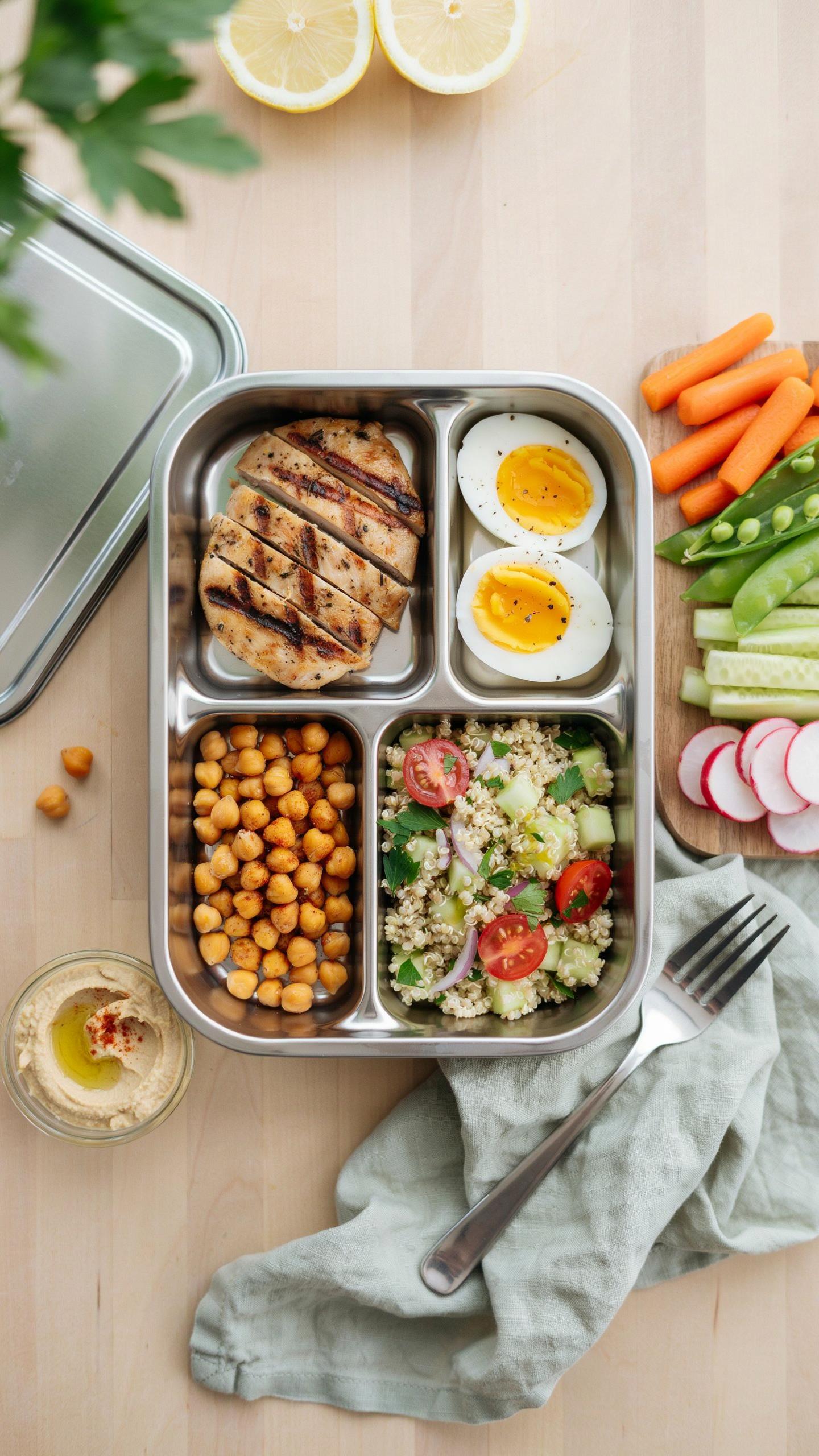
You want to feel full and avoid the 3 PM crash that makes you reach for whatever’s nearby. That’s the real mechanism: steady blood sugar and sustained satiety, not moral superiority about “clean eating.” Chicken breast, ground turkey, canned tuna, and Greek yogurt dominate meal prep because they’re protein-dense, shelf-stable, and cheap per gram. Eggs work too. What matters is bioavailability, cost, and whether you’ll actually eat it when Wednesday rolls around.
Most people rotate three proteins max, then quit from boredom. The fix is simple: buy one primary protein for the week, one backup. Grilled chicken thighs (cheaper and moister than breast) pair with ground beef tacos, canned salmon, or cottage cheese depending on the day. Variety comes from seasoning and sides, not the protein itself. Prep 1.5 to 2 pounds of your primary protein on Sunday. Portion it into your containers immediately while it’s still hot.
Macros That Keep You Stable
Nutrition science borrowed from energy systems: your body runs on substrate utilization, meaning protein intake directly determines how long your energy output stays consistent. The consensus says “balance your macros,” then gives you a meaningless range. What actually matters is hitting protein first, then filling remaining calories with carbs and fat based on your activity level.
Aim for 30 to 40 grams of protein per lunch box. Fill half your container with vegetables, a quarter with carbs (rice, potatoes, bread), and the remaining space with protein and fat source. This ratio keeps digestion steady and prevents blood sugar spikes that trigger hunger two hours later. The math is crude but effective: protein grams times four, plus carb grams times four, plus fat grams times nine. Stay within your calorie target and the macros follow.
The Logistics Of Fuel Your Weekly Lunch Meal Prep Protocol
Cook Everything At Once On One Day
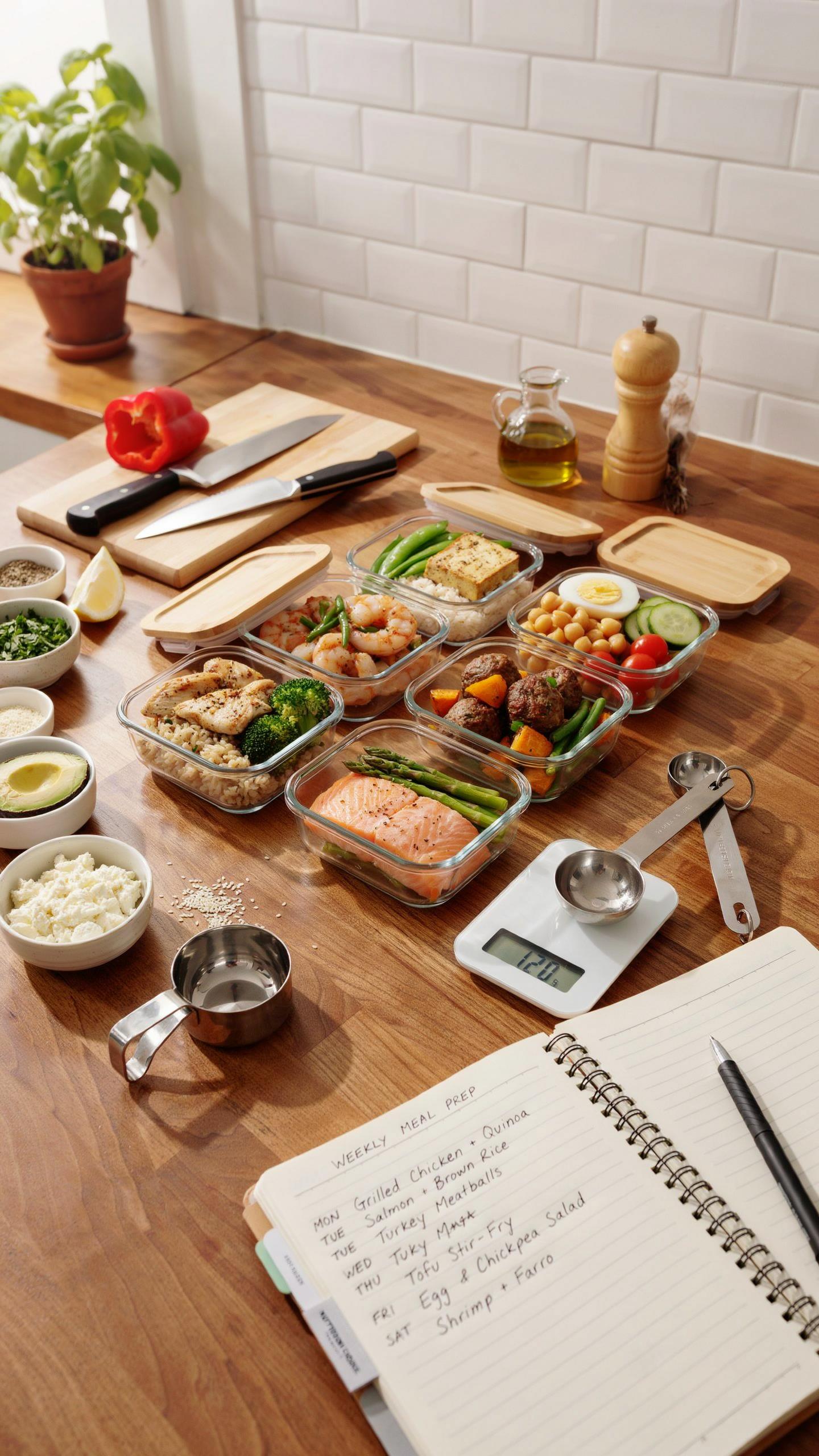
You want to believe you’ll prep lunch daily because it feels more “fresh.” You won’t. The real mechanism here is batch cooking’s supply chain principle: consolidate production into a single run to eliminate decision fatigue and execution failures. Pick Sunday or whichever day you have three uninterrupted hours. Cook all proteins together. Cook all carbs together. Cook all vegetables together. Separation of tasks beats context switching every single time.
The math is simple. One cooking session costs you time once. Daily prep costs you motivation five times. You’ll skip days, buy expensive alternatives, or settle for garbage. A single Sunday block eliminates the friction that kills consistency. Set your oven to 400 degrees and roast chicken breasts, ground turkey, and salmon on separate sheet pans for thirty-five minutes. Boil rice and sweet potatoes in separate pots simultaneously. Roast broccoli, Brussels sprouts, and bell peppers while proteins cook. Everything finishes within the same window.
Storage That Actually Works
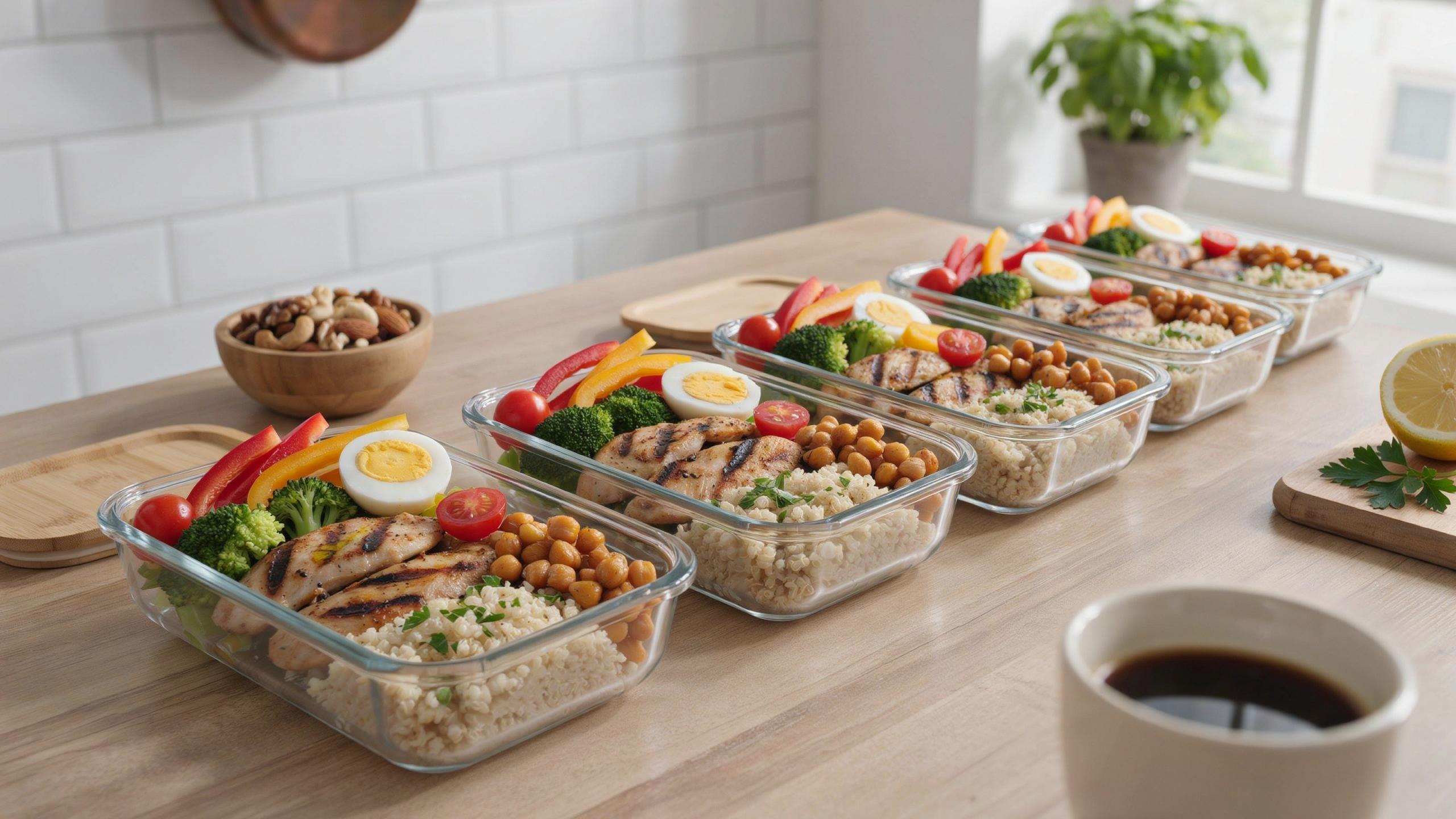
Container choice determines whether your food stays edible or turns into compost by Wednesday. Glass containers with plastic lids outperform everything else because glass doesn’t absorb oils or odors, and you can see what’s inside without opening them. Meal prep fails when you open ten containers hunting for the one with chicken. Transparent storage removes that step.
Buy containers in sets of seven minimum so you always have clean ones cycling through your week. Portion proteins and carbs separately, not mixed together, because moisture from one ruins the other. Protein sweat makes rice soggy. Vegetables stay in their own container. Sauces go in small jars added fresh at lunch. Store everything on the same shelf in your fridge at eye level so you actually grab them instead of defaulting to whatever’s easiest. Label everything with the date using a marker on masking tape.
Protein Box Lunch Ideas Maximizing Nutritional Density
The Micronutrient Strategy Behind Protein
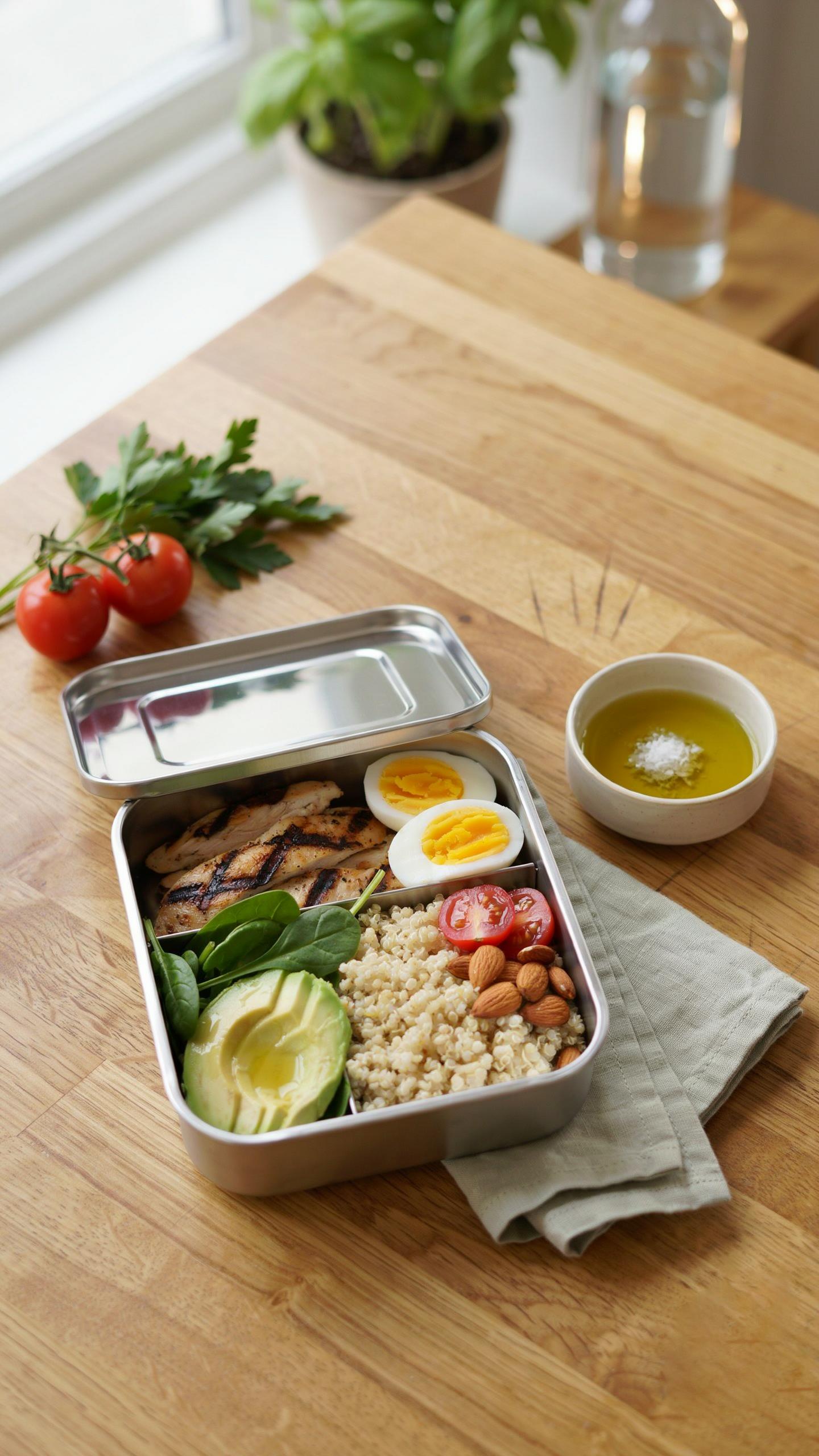
You want to feel sharp at 3pm instead of crashing, and that’s not about willpower. It’s about nutrient stacking. Borrowing from pharmacology, we call this synergy: the idea that compounds work harder together than alone. Iron absorption skyrockets when vitamin C is present. B vitamins unlock the energy your protein provides. Magnesium quiets the nervous system while you digest. Most people throw chicken in a box and call it done. They miss the actual mechanism.
Your protein box becomes a delivery system, not just a calorie container. Add red bell pepper strips with your beef for iron and C. Include leafy greens like spinach or arugula alongside eggs to maximize nutrient bioavailability. A small handful of almonds brings magnesium and zinc. This isn’t optimization theater. It’s the difference between sustained energy and the 2pm fog your coworkers normalize as inevitable.
Fiber Placement For Sustained Fullness
The satiety game isn’t about volume, it’s about digestive resistance. Fiber slows gastric emptying, which means your stomach takes longer to clear the meal. Your brain gets a longer signal that you’re fed. Most meal prep advice says add fiber and move on. That misses the placement problem entirely.
Layer your lunch box strategically: put fibrous vegetables like broccoli or Brussels sprouts on the bottom, protein in the middle, then a small starch like sweet potato or whole grain bread on top. This order matters because stomach acid and digestive enzymes hit the fiber first, slowing the entire meal’s transit. You’ll stay full until dinner without the 4pm snack hunt that kills your deficit. The mechanism is simple: obstruct the path your food takes through your system.
Fitness Lunch Box Engineering Your Performance Plateau Breaker
Timing Your Protein Around Effort
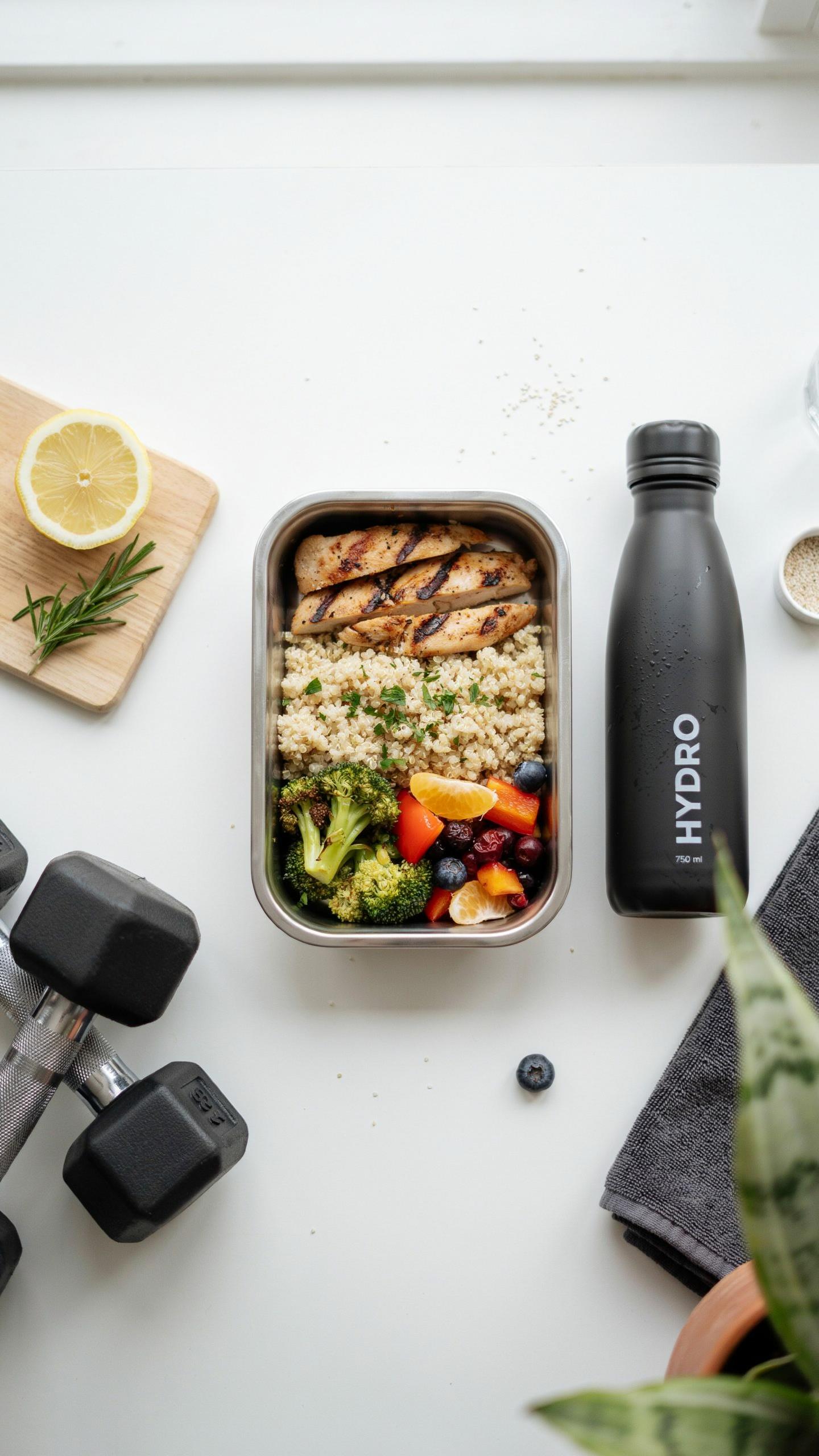
You want to believe meal timing is magic. It’s not. The mechanism is simpler: your body processes nutrients differently depending on whether you’re in a catabolic or anabolic state, and your lunch box timing either fights or leverages that biochemistry. Pre-workout and post-workout needs aren’t interchangeable. Before training, you need fuel that sustains energy without bloating you. After training, you need rapid protein delivery when muscle tissue is primed to absorb it. Most people ignore this and eat the same lunch regardless of when they train.
A pre-workout lunch needs carbs and moderate protein at least two to three hours before effort. This gives your digestive system time to work without creating intestinal distress during exertion. A post-workout lunch needs high protein and carbs within two hours after training, while muscle protein synthesis is elevated. The carbs replenish glycogen your workout depleted. The protein fills the anabolic window when your muscles are most responsive to amino acid uptake. These are not opinions. Pack accordingly based on your training schedule, not your convenience.
Carbs As Feedback Loops
Think of carbs like a thermostat in cybernetics, the study of control systems: they regulate how hard your body can work and recover. Too few carbs before training and your nervous system throttles performance to preserve energy. Too many after training and you trigger fat storage instead of glycogen replenishment. The feedback mechanism is hormonal. Carbs trigger insulin, which either shuttles nutrients into muscle or fat depending on whether your muscles need refueling or are already full. Generic advice says carbs are optional. That’s wrong.
The strategic move is matching carb type to timing. Before training, eat slower-digesting carbs like oats or sweet potato to maintain steady energy. After training, eat faster-digesting carbs like white rice or fruit to spike insulin when muscle uptake is highest. Your lunch box carb ratio should scale with training intensity. A heavy leg day followed by a 60-gram carb lunch is underfeeding recovery. The same lunch after light conditioning is overfeeding. Dial your carbs to your actual effort level, not an arbitrary total.
Beyond Healthy Lunchbox The Investment Mindset

Time As Capital You’re Already Spending
You want to feel like meal prepping is virtuous, but the real issue is you’re hemorrhaging time on food decisions you make daily. Economics treats time as a non-renewable resource with a cost attached. Your lunch decision carries the same scarcity principle: the thirty minutes you spend Sunday prepping high-protein containers is capital you extract from a week of decision fatigue. You’re not “being healthy.” You’re compounding returns on attention.
Every day without a prepared lunch, you spend cognitive load choosing, ordering, or scrambling. That’s friction. Friction costs time. Economics calls this opportunity cost, and you’re paying it whether you acknowledge it or not. A prepped protein lunch eliminates the transaction. You open the fridge, grab the container, and move. The math is binary: prep now or bleed time later. Most people choose bleeding because they don’t see the expense on a spreadsheet.
The Real Return On Protein Selection
Forget “eating healthy is an investment in your body.” That’s motivational poster talk and it doesn’t move behavior. Here’s what actually matters: protein stabilizes blood sugar, which means no 2pm energy collapse, which means you stay productive for four more hours. Those four hours compound into weeks of reclaimed output. Economics measures ROI as returns divided by cost. Your return is preserved focus. Your cost is choosing chicken thighs over pasta.
Most people calculate this wrong. They think the ROI is “losing ten pounds” or “feeling better.” Wrong. The ROI is concrete: hours of uninterrupted work, fewer context switches, no decision paralysis at noon. A high-protein lunch costs the same or less than a restaurant meal, but it returns every hour you would’ve lost to the blood sugar crash. Meal prep the protein on Sunday. Pack it Sunday night. Execute Monday through Friday with zero decisions.
High Protein Meal Prep Advanced Tactics For The Committed
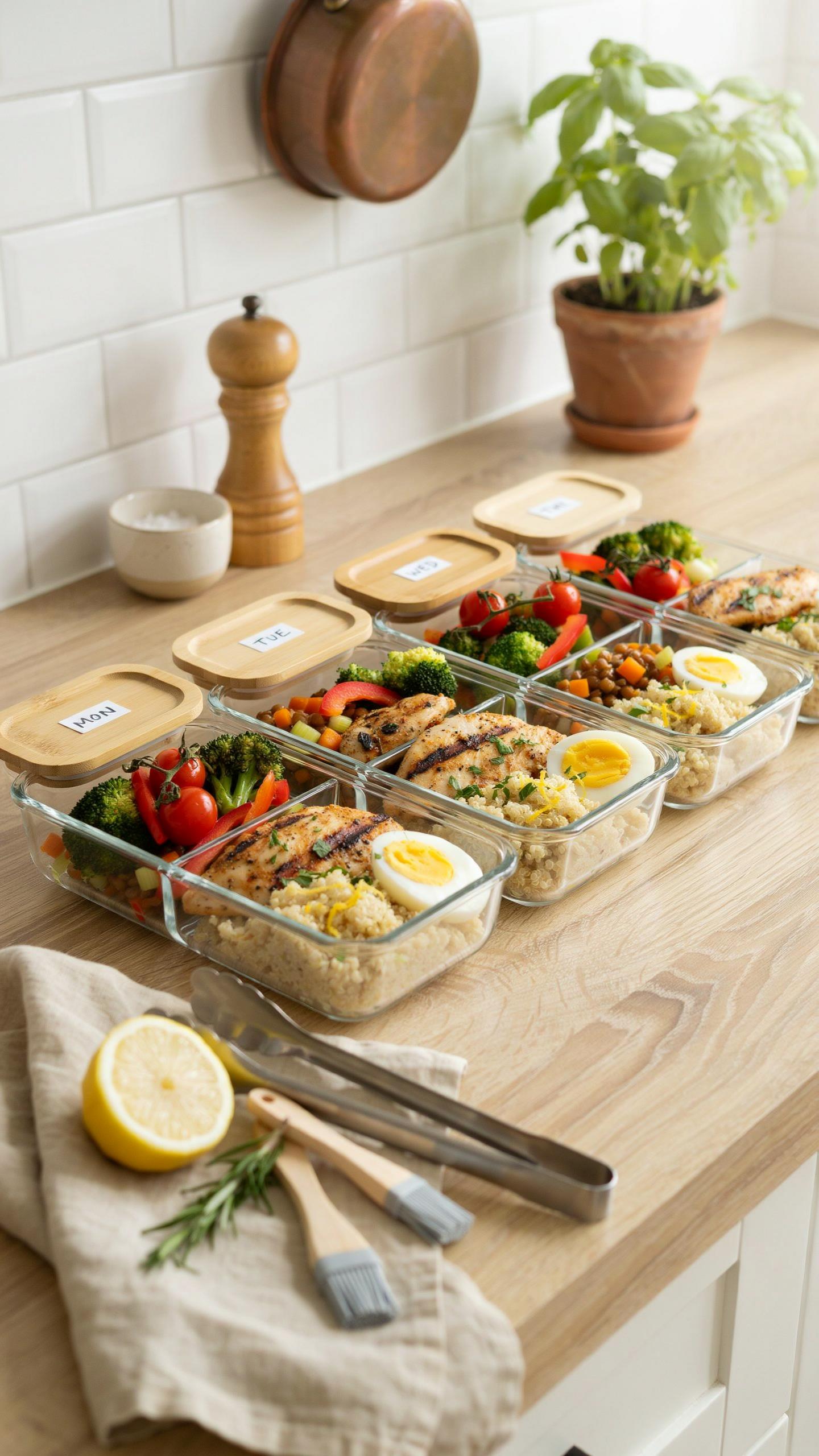
Flavor Variation Prevents Quit
You want to believe willpower carries you through a week of identical meals. It doesn’t. Boredom kills compliance faster than hunger. The mechanism is habituation: your brain stops registering the meal as a reward after three days, so you abandon the system and buy lunch instead. The fix isn’t motivation. It’s structural variation within the same protein base.
Cook one protein source each Sunday, then rotate three distinct flavor profiles across the week. Grilled chicken becomes teriyaki bowls Monday and Tuesday, then shifts to buffalo ranch Wednesday and Thursday, finishing as Italian herb Friday. Same 40 grams of protein per container. Different seasoning, sauce, and paired vegetables trigger different neural pathways, so your body doesn’t signal boredom. You finish the week without deviation because the meals don’t feel repetitive.
Portable Protein Stacking
Travel doesn’t excuse you from protein targets, but most people treat it like it does. The constraint isn’t access to food. It’s density and convenience. Jerky, Greek yogurt cups, hard-boiled eggs, and protein powder occupy minimal space and require zero preparation at the destination. These aren’t supplements to your meal. They’re standalone protein doses that stack toward your daily total regardless of restaurant quality or airport availability.
Pack individual servings in small containers that fit carry-on luggage. Two ounces of beef jerky, a 7-ounce Greek yogurt, and a shaker bottle of whey isolate deliver 50 grams of protein across three formats. You eat what you packed on schedule instead of waiting for a meal window and scrambling for suboptimal options. Discipline compounds when friction disappears.
The Future Of Fuel Permanent High Protein Lunch Systems
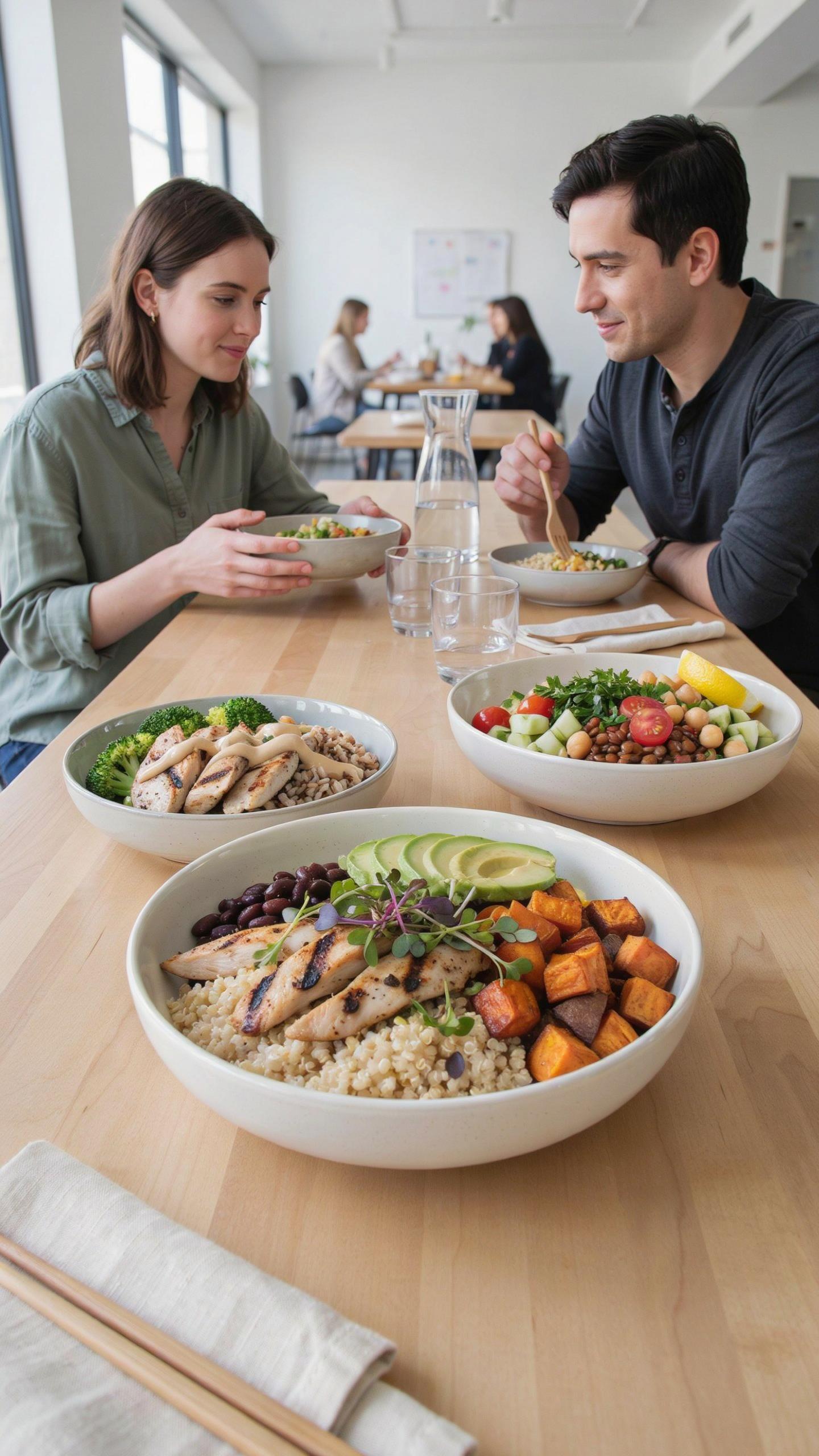
Remove Decision Points From Your Week
You think you want variety. What you actually want is to stop thinking about lunch every single day. The mechanism here comes from cognitive load theory in psychology: each small decision drains the same mental resource as a major one. Your brain doesn’t distinguish between “what protein today” and “should I change careers.” Stack enough lunch decisions and you’ve burned decision capacity before noon.
The fix isn’t complexity. It’s the opposite. Pick three protein bases that rotate on a fixed schedule: Monday and Thursday are chicken, Tuesday and Friday are ground turkey, Wednesday is tuna or salmon. Prep all three on Sunday. Your brain stops negotiating. You eat. You move forward. This removes the hidden tax that kills most meal prep systems.
Batch Prep As Load Balancing
Think of your week like a power grid: electricity distribution requires load balancing so no single point fails. Your lunch system works the same way. The common advice tells you to prep everything Sunday. That’s wrong for most people. You either prep too much and food spoils, or you prep too little and revert to takeout by Wednesday.
Instead, do a split prep: Sunday handles 60 percent of the protein and containers. Wednesday night handles the remaining 40 percent. This keeps food fresher, prevents decision fatigue from mounting mid-week, and maintains the actual compliance rate. When you restock Wednesday, you’re also resetting mental resistance. The second prep takes thirty minutes because structure already exists. You’re not starting from zero.
The real obstacle isnt knowing what to eat its your willingness to implement disciplined foresight

Most people fail at meal prep because they treat it like motivation instead of logistics. You don’t need another recipe. You need to block two hours on Sunday, buy the same five proteins every week, and stop pretending variety matters more than results. Pick one lunch formula that works. Execute it without thinking. The difference between someone with abs and someone without isn’t genetics. It’s someone who showed up with Tupperware while the other person ordered takeout. Stop waiting for the perfect plan. Cook today.