
The Decision Fatigue Detox Why Most Meal Prep Fails
Your Brain Burns Out Before Lunch
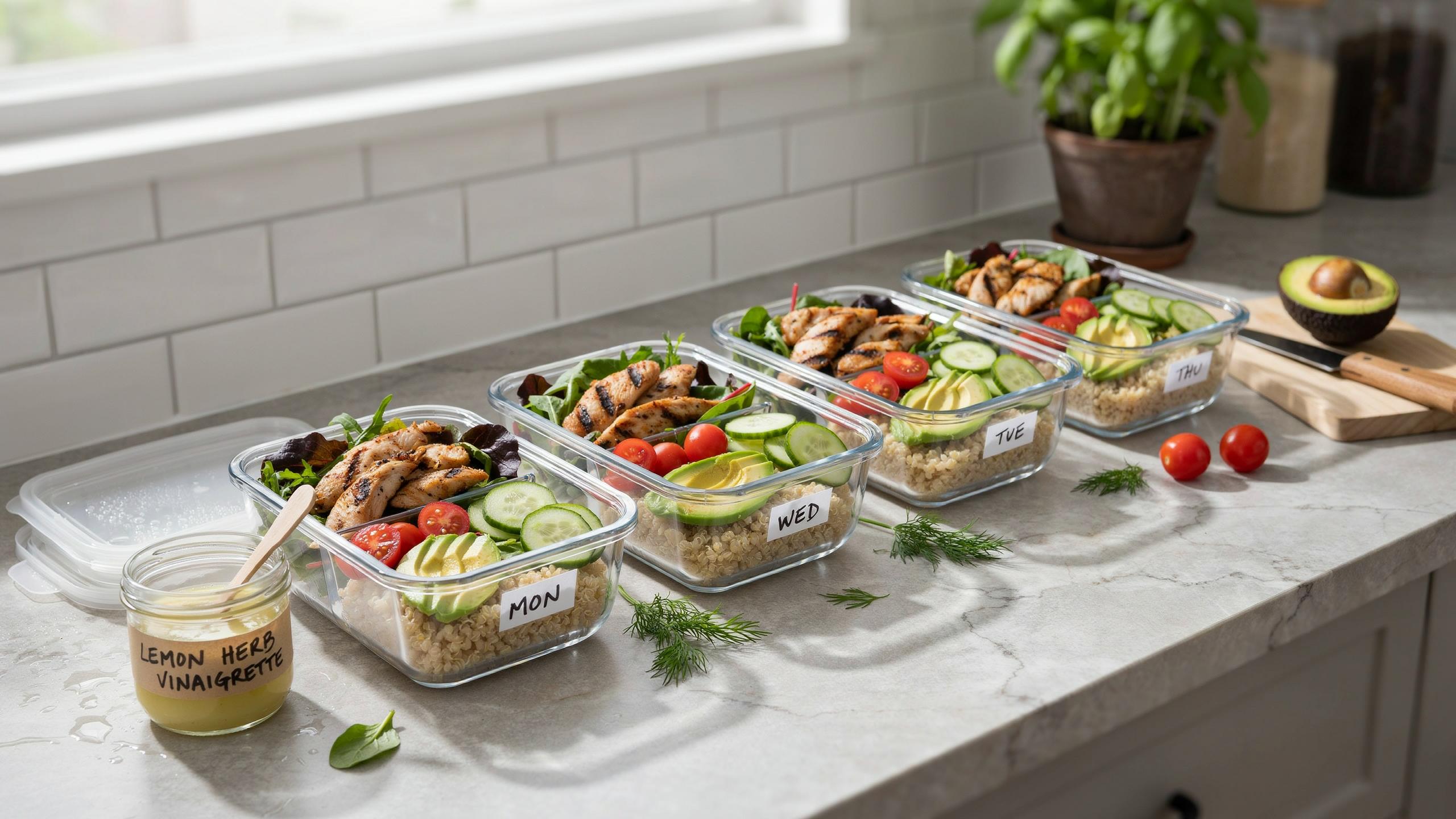
You think meal prep fails because you lack discipline. Wrong. Your brain allocates a finite pool of decision-making energy each day, and every choice drains it. By noon, you’re depleted. You grab pizza instead of the chicken salad you prepped because deciding what to eat feels harder than it should. This is cognitive load in action. The mechanism is simple: remove the decision, and compliance follows. A prepped chicken salad in a labeled container isn’t motivation. It’s a decision already made.
Most advice tells you to “stay disciplined” or “plan ahead.” That misses the point entirely. You can’t willpower your way through decision fatigue. Your willpower pool doesn’t refill until you sleep. The real leverage isn’t motivation. It’s architecture. When your lunch is already portioned, seasoned, and ready, you don’t choose healthy. You choose convenience. The salad wins not because you’re strong. It wins because choosing it costs zero mental energy.
The Default Is The Dictator
Your diet doesn’t reflect your values. It reflects what requires the least friction. Economics calls this the path of least resistance. When the default option in your environment is a prepped high-protein chicken salad in your fridge, that becomes your lunch. Not because you decided it today. But because deciding anything else demands extra work. Most people reverse this and wonder why healthy eating feels like a battle.
The salad only works if it’s the path of least resistance. That means it sits visible on the second shelf of your fridge, never hidden behind leftovers or condiments. It means the container is ready to grab in under three seconds. It means you prep enough to cover five workdays minimum, so you never hit a day where “I’ll just grab something” becomes your only option. Make the salad the default, and you’ve solved the problem. Leave it as one option among many, and you’ve solved nothing.
High Protein Chicken Salad The Fuel Density Advantage
Why Protein Controls Your Appetite
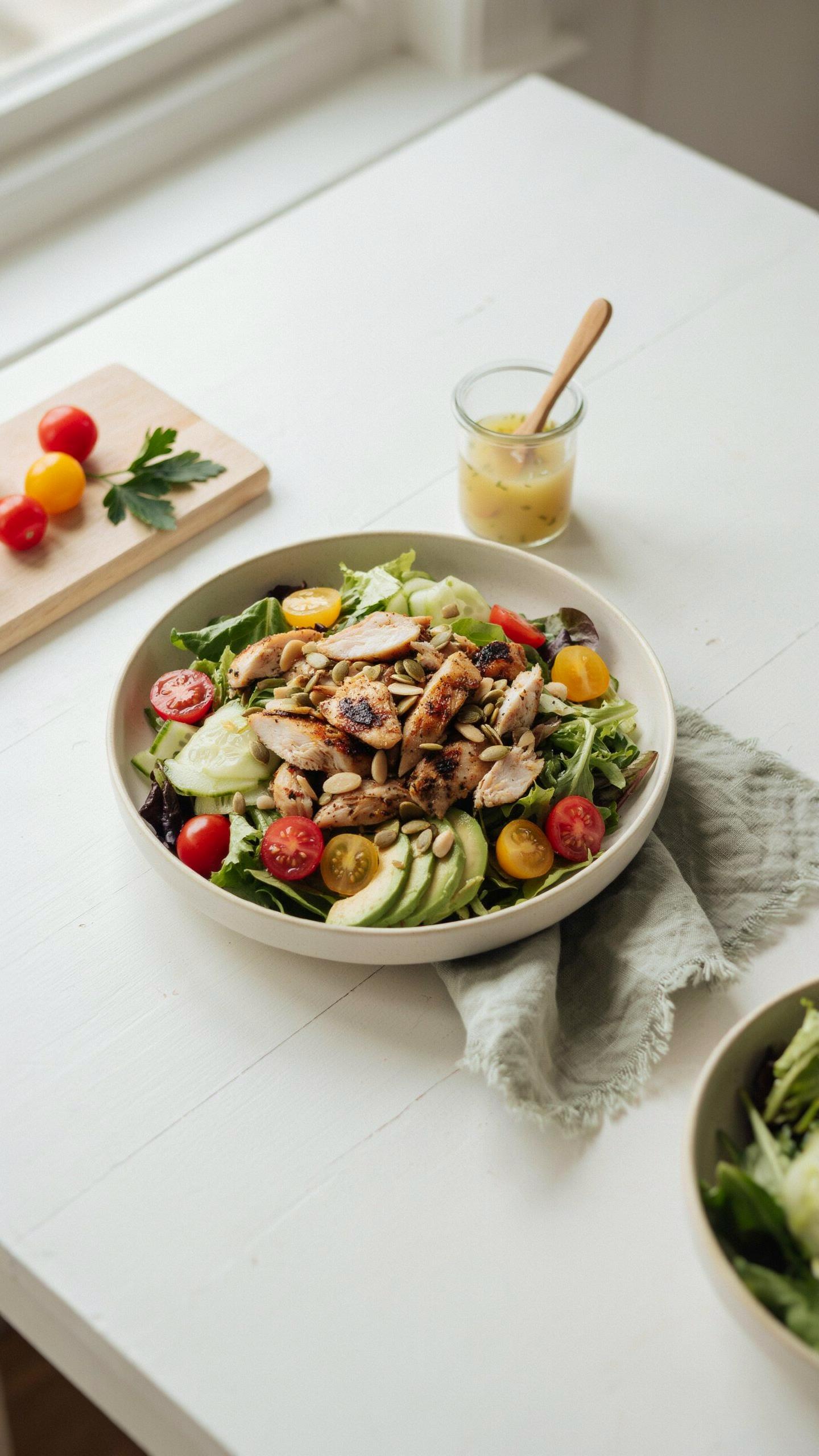
You want to eat less without feeling deprived. That’s the real reason this matters. Protein triggers satiety signals faster than carbs or fat because it activates specific receptors in your gut and brain that tell you to stop eating. When you build a chicken salad around 30 to 40 grams of protein per serving, you’re not being virtuous. You’re engineering a biological response that makes hunger disappear for hours instead of minutes.
The mechanism is straightforward: amino acids from protein stimulate cholecystokinin and peptide YY, hormones that suppress ghrelin, your hunger hormone. A chicken salad meal prepped with adequate protein reaches your satiety threshold faster than a carb-heavy alternative. This means you stop eating sooner, consume fewer total calories, and don’t experience the energy crash that follows a sugar spike. Protein retention in your stomach also slows gastric emptying, extending the time food stays with you.
Recovery And Energy That Sustains
Forget the generic line about protein building muscle. That’s incomplete. Protein does two jobs simultaneously: it repairs muscle fibers you damaged during training, and it provides a steady amino acid supply that prevents energy crashes. Your muscles store carbs as glycogen, but they store amino acids as structural protein. When you eat chicken salad with adequate protein at lunch, you’re maintaining muscle tissue while avoiding the afternoon energy dip that kills productivity.
Sustained energy comes from two sources working together: protein slows digestion, which slows glucose release, and amino acids fuel your central nervous system directly without relying on blood sugar spikes. Most meal prep advice ignores this. A high-protein chicken salad stabilizes your energy for four to six hours, not two. Build your salad with a minimum of 35 grams of protein per serving and pair it with vegetables that add fiber. Fiber further extends satiety by slowing digestion even more.
The Minimum Viable Prep Protocol

Cook Chicken Once, Eat It All Week
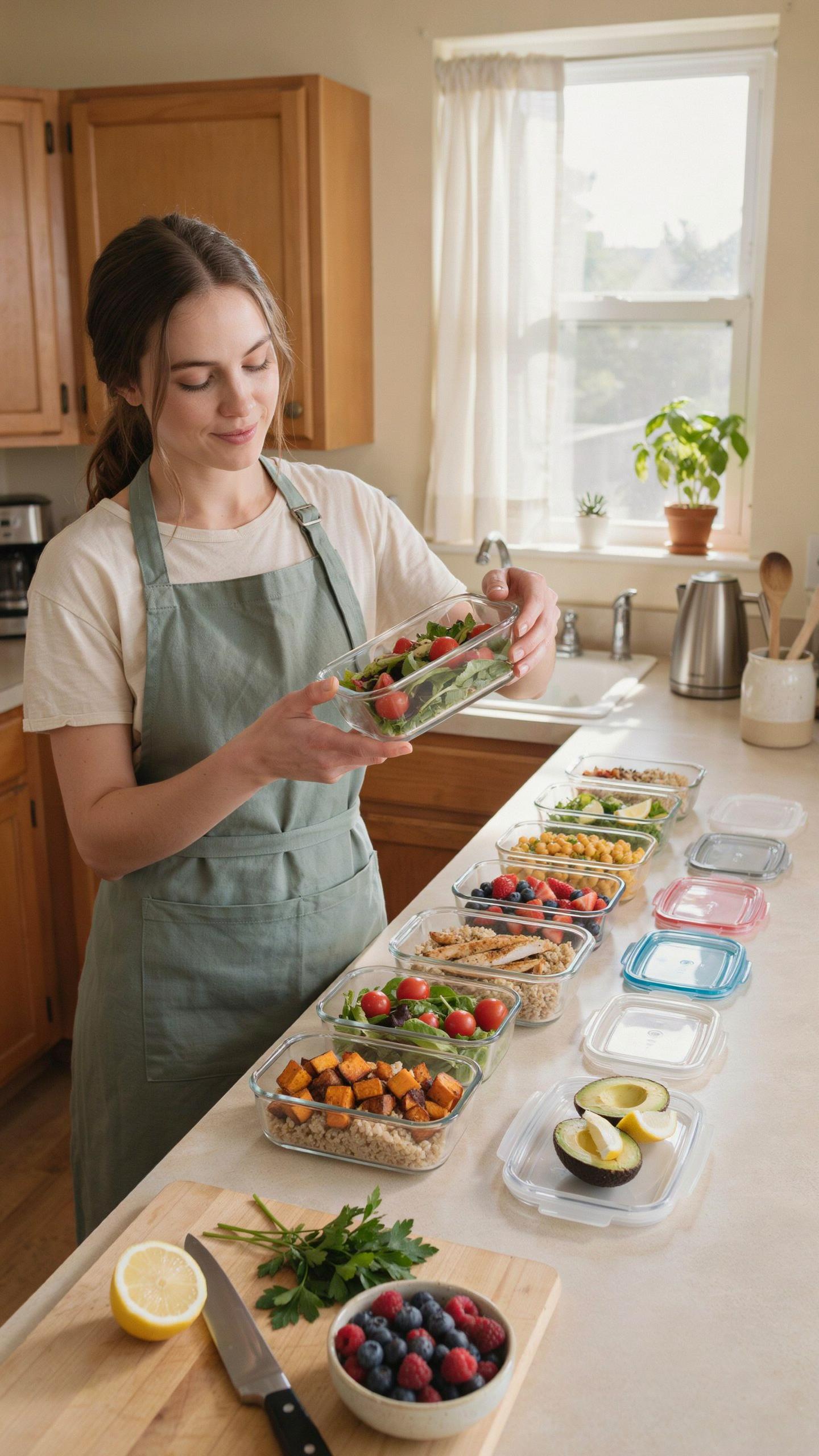
You want to feel productive without actually investing time. That’s not laziness—that’s leverage. Batch cooking chicken is thermodynamics applied to your kitchen: you generate heat once, distribute the output across multiple meals. The mechanism is simple: one cooking session removes the decision friction that kills consistency. You cook all protein at once on Sunday. It sits in the fridge. You grab it when you build the salad. No willpower required Monday through Friday.
The math is brutal if you ignore it. Cooking chicken four separate times costs you roughly two hours across the week. One session costs thirty minutes. You save ninety minutes and eliminate the moment when you’re tired at 6 PM and order takeout instead. Chicken breast cooks to safe internal temperature at 165 degrees Fahrenheit. Pound it to even thickness first so it cooks uniformly. Use a meat thermometer, not guessing. Overcooked chicken tastes like cardboard, undercooked chicken is a health risk. Neither helps you stay consistent.
What Stays Fresh For Seven Days
The salad itself won’t last a week intact. Dressing destroys greens by day three. But the components that matter do survive. You’re not prepping the finished salad. You’re prepping the stable elements that make assembly instant. Build your week around what holds: cooked protein, raw vegetables that don’t wilt, and pantry items you combine fresh.
- Chicken breast: Sealed in an airtight container, stays safe until day five. Cook it whole or in chunks. Store it dry, not in liquid, to prevent moisture breakdown and bacterial growth.
- Hard vegetables: Carrots, bell peppers, cucumbers, and radishes stay crisp all week. Chop them Sunday. Store in airtight containers separate from greens to control moisture exposure.
- Protein additions: Eggs hard boil and last seven days. Greek yogurt, cheese, and nuts don’t degrade. Keep them in sealed containers away from moisture sources.
- Dressing ingredients: Oil, vinegar, and seasoning don’t expire during the week. Mix them fresh when you eat. Never dress the greens in advance.
- Fresh greens: Spinach, arugula, and lettuce go in containers dry. Store them sealed but separate from everything else. Add them to your salad bowl the morning you eat.
The rhythm is: cooked protein plus hard vegetables plus fresh greens plus fresh dressing equals lunch. Nothing sits marinating in liquid. Nothing wilts before Wednesday. You handle greens like they’re separate from the system—because they are. Store protein and vegetables in opaque containers on the middle shelf. Keep dressing ingredients visible and accessible on a cabinet shelf. This removes the mental search tax every morning.
Beyond Mayo The Healthy Chicken Salad Matrix
Creaminess Without The Calorie Trap
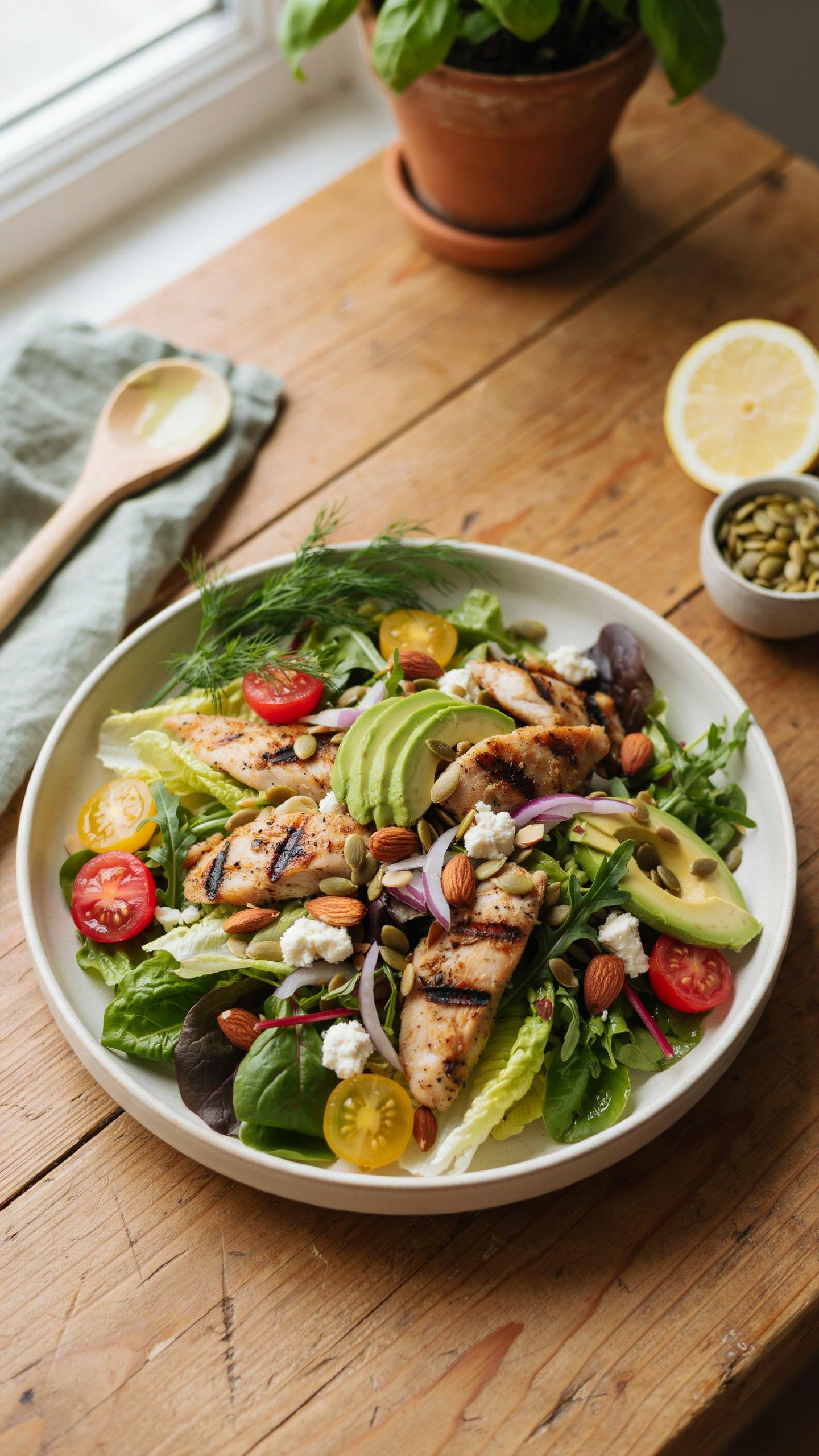
You want the texture of mayo without admitting you’re worried about fat intake. Here’s the mechanism: fat-free Greek yogurt has a protein-to-water ratio that mimics mayo’s mouthfeel while delivering 15-20 grams of protein per cup instead of zero. The acidity in yogurt also tenderizes chicken fibers slightly, making the salad taste less dense after a few hours of storage.
Replace 75 percent of traditional mayo with fat-free Greek yogurt. Use actual mayo for the remaining 25 percent to preserve flavor compounds that yogurt strips away. This ratio prevents the salad from tasting like punishment while keeping protein density high. A typical batch uses half a cup yogurt to two tablespoons mayo per three cups shredded chicken, yielding a 38-gram protein serving.
The Flavor Architecture That Survives Storage
Consensus says add salt and pepper. That’s incomplete. Flavor chemistry treats chicken salad like a stable compound that breaks down over time. Herbs and acid are your stabilizers. Fresh lemon juice or vinegar prevents oxidation and keeps chicken from tasting stale by day four. Dried herbs like tarragon and thyme penetrate protein fibers during storage rather than fading.
Build flavor in layers: add acid first to the yogurt base, then fold in dried herbs, then fresh herbs last. A working formula uses two tablespoons lemon juice, one tablespoon red wine vinegar, one teaspoon dried tarragon, and a quarter teaspoon ground black pepper per batch. Salt comes at assembly time, not prep time, because salt draws water from yogurt and breaks down texture over multiple days.
Fiber Fusion Elevating Your Chicken Salads Impact
Your Gut Microbiome Needs This More Than You Think
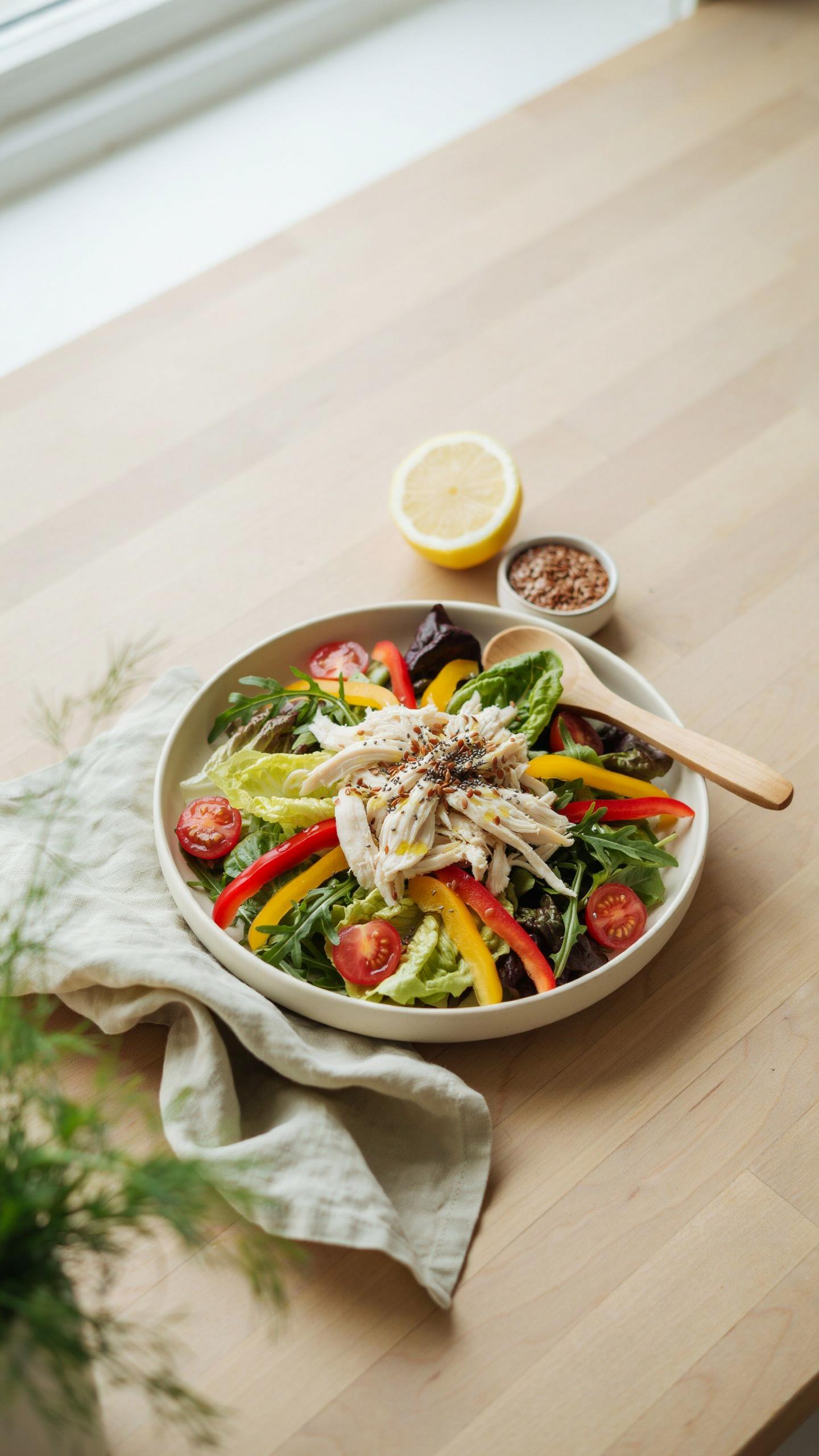
You want the metabolic advantage without feeling like you’re dieting. Here’s the mechanism: biology treats fiber like a prebiotic fuel source that feeds your gut bacteria, which then produce short-chain fatty acids that suppress hunger hormones and improve insulin sensitivity. Most people skip this because fiber seems boring, but it’s the difference between a meal that sustains you and one that leaves you hunting for snacks two hours later.
Fiber moves through your digestive system intact, feeding bacterial colonies that regulate appetite and energy expenditure. When you add raw vegetables to your chicken salad, you’re not just adding volume. You’re adding the substrate your microbiome needs to function at baseline. The result: fewer cravings, better satiety, and a metabolism that doesn’t tank mid-afternoon. This isn’t theoretical. Fiber literally changes which bacteria dominate your gut.
The Glycemic Lever You Control
People talk about “balanced meals” without understanding what balance actually does. In the field of nutrition biology, glycemic load measures how quickly carbohydrates spike your blood sugar. Your chicken salad becomes a glycemic regulator when you build in fiber-rich vegetables and healthy fats that slow carbohydrate absorption down the digestive tract.
Refined carbs alone dump glucose into your bloodstream fast, triggering an insulin spike and subsequent crash. Fiber physically interferes with this process by creating viscosity in your digestive tract, which slows glucose diffusion across your intestinal wall. Adding spinach, broccoli, or shredded carrots to your salad base creates this buffer. Layer your protein, fat, and fiber in the same meal, and your blood sugar stays flat for hours. Flat glucose means sustained energy, zero afternoon fog, and no energy rebound that forces you to eat again.
The Container Conundrum Optimize For Consumption
What You See Is What You Eat
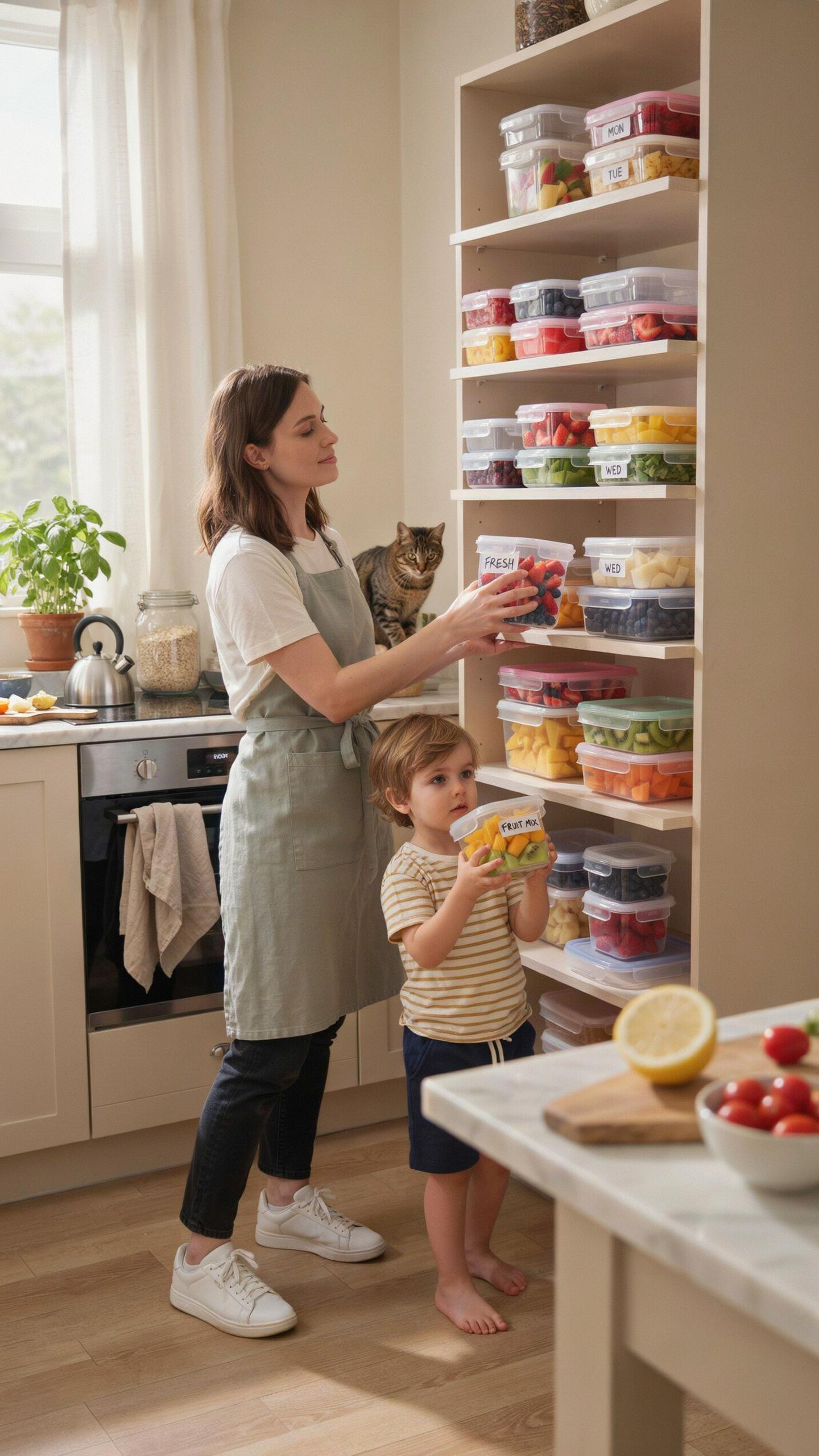
You want your meal prep to look intentional because appearance signals competence to you and everyone else watching. But here’s what actually happens: visual contrast between components determines whether you’ll finish the salad or abandon it halfway through the week. Use Gestalt psychology’s figure-ground principle. Your chicken and greens need separation. When protein disappears into dressing and lettuce, your brain stops tracking satiety cues. Keep them distinct. Use containers with dividers or layer strategically so the chicken remains visible throughout the week, not buried and forgotten.
Dull presentations trigger abandonment even when hunger exists. The mechanism is simple: monotone containers normalize indifference. Transparent containers showing protein separation, bright vegetable colors, and visible texture variety activate the reward pathway before you taste anything. This isn’t cosmetic. It’s the difference between eating your meal on day three and throwing it out because it looks like processed waste. Your eyes confirm the meal is real food. That confirmation drives consumption.
Portion Architecture For Compliance
Everyone says portion control is about willpower. They’re wrong. Portion control is about making the default action the correct action. Think in terms of mechanical advantage from engineering: you want friction to point toward eating the full meal, not leaving it half-finished. A 400-calorie serving in a container that’s 60 percent full triggers the psychology of incompleteness. Fill the container to 75 to 80 percent capacity so your brain registers completion when you finish.
The protein anchor matters most. A 5 to 6 ounce chicken portion in a 16-ounce container reads as sparse. That same portion in a 12-ounce container reads as deliberate. Your stomach doesn’t measure volume as precisely as your eyes do. Set the container size first, then build the salad inside it. Use the container as your portion enforcement tool, not your willpower. Every Monday, assemble five identical containers. The constraint removes decision fatigue on days three and four when resistance peaks.
Easy Chicken Salad Variations Avoiding Flavor Fatigue
Nuts, Seeds, And Fruit Combos
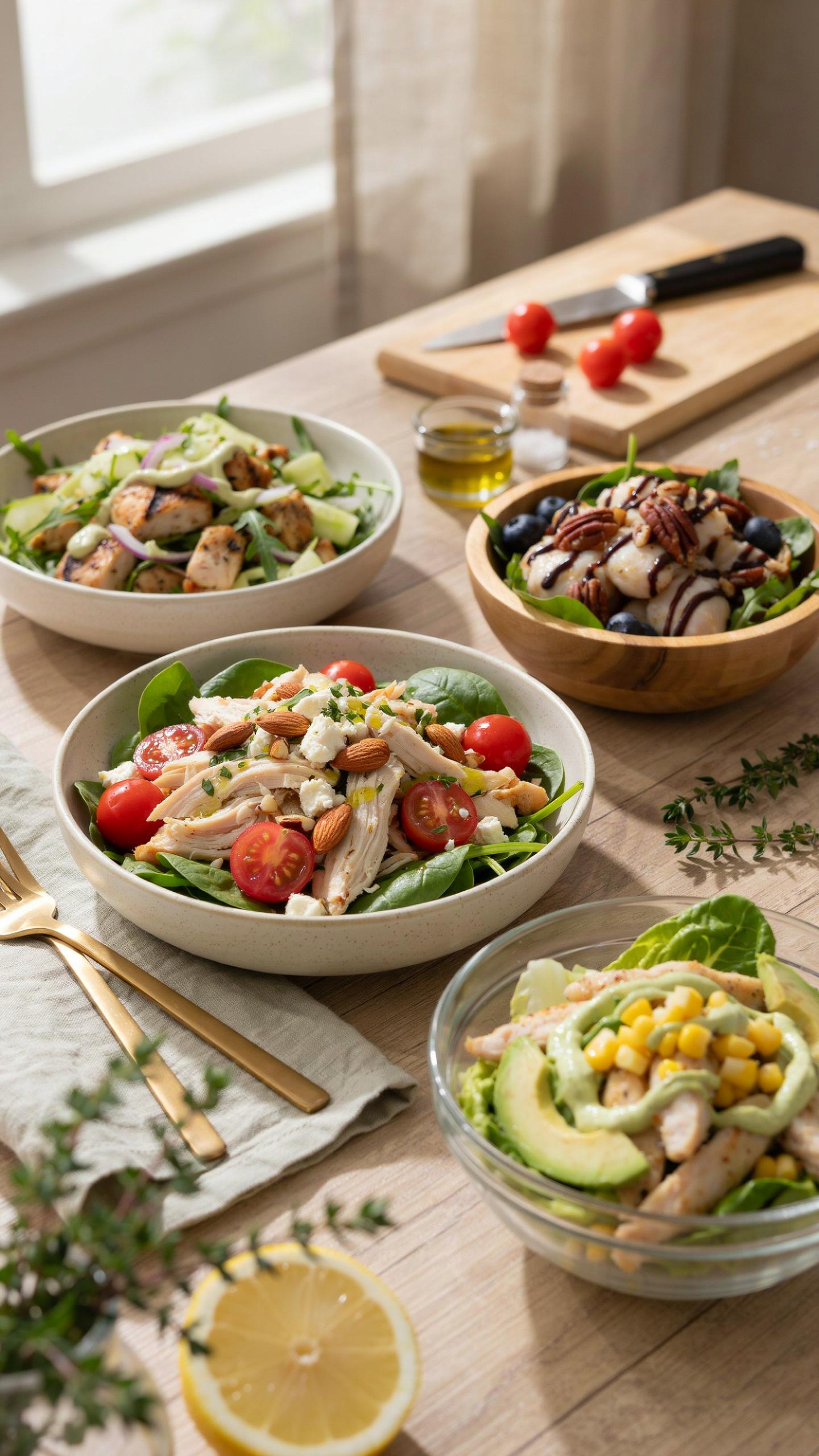
You want permission to eat the same lunch five days without feeling like you’re punishing yourself. That’s the real issue. The mechanism is textural contrast. Your brain registers sameness through monotony of texture more than flavor. Add something that cracks between your teeth and suddenly the salad feels different, even if the base chicken and dressing stay identical.
- Almonds and dried cranberries: Sliced almonds provide crunch while cranberries add tart sweetness. This pairing prevents the salad from feeling heavy and cuts through rich mayo-based dressings.
- Sunflower seeds and apple: Seeds add protein density and raw bite. Diced apple contributes subtle sweetness and moisture. The combination reads as fresher than chicken salad alone.
- Walnuts and raisins: Walnuts bring earthiness and omega-3s that complement poultry. Raisins provide concentrated sweetness without the moisture of fresh fruit, so your salad stays stable through the week.
- Pumpkin seeds and orange zest: Seeds offer mineral content and satisfying crunch. Orange zest adds brightness without adding liquid that degrades your prep.
- Pecans and diced pear: Pecans have a buttery quality that pairs with poultry naturally. Pear adds mild sweetness and holds texture better than softer fruits through four days of storage.
The real play is adding one textural element per batch, then rotating it. Don’t dump everything in at once. One crunchy component per container makes each day feel distinct while keeping prep time flat and ingredient costs low.
Rotating Spice Profiles For Weekly Variety
Most meal prep advice says “just use different seasonings” then gives you zero framework. Here’s what actually works: treat your chicken salad base like a blank canvas and swap only the aromatics and spice blend, keeping mayo and acid ratios static. This is flavor permutation through constraint, not confusion through adding random ingredients.
Day one gets curry powder with turmeric and a touch of cumin. Day two goes Mediterranean with dried oregano, garlic powder, and lemon zest mixed into the mayo. Day three uses smoked paprika with a hair of cayenne and fresh cilantro. Day four flips to Asian profile with soy sauce, ginger powder, and sesame oil substituting half the mayo. Day five goes classic dill-heavy with Dijon mustard and tarragon. You’re eating the same chicken, same salad base, but your palate resets between containers because you changed the spice layer only.
The protocol: mix your base chicken salad with mayo, acid, and salt on Sunday. Divide into five containers. Add spice blends to each container separately on Sunday night or Monday morning. This takes twelve extra minutes and eliminates the mental drag of eating identical food.
The Feedback Loop Refining Your Meal Prep System
Tracking What Actually Works
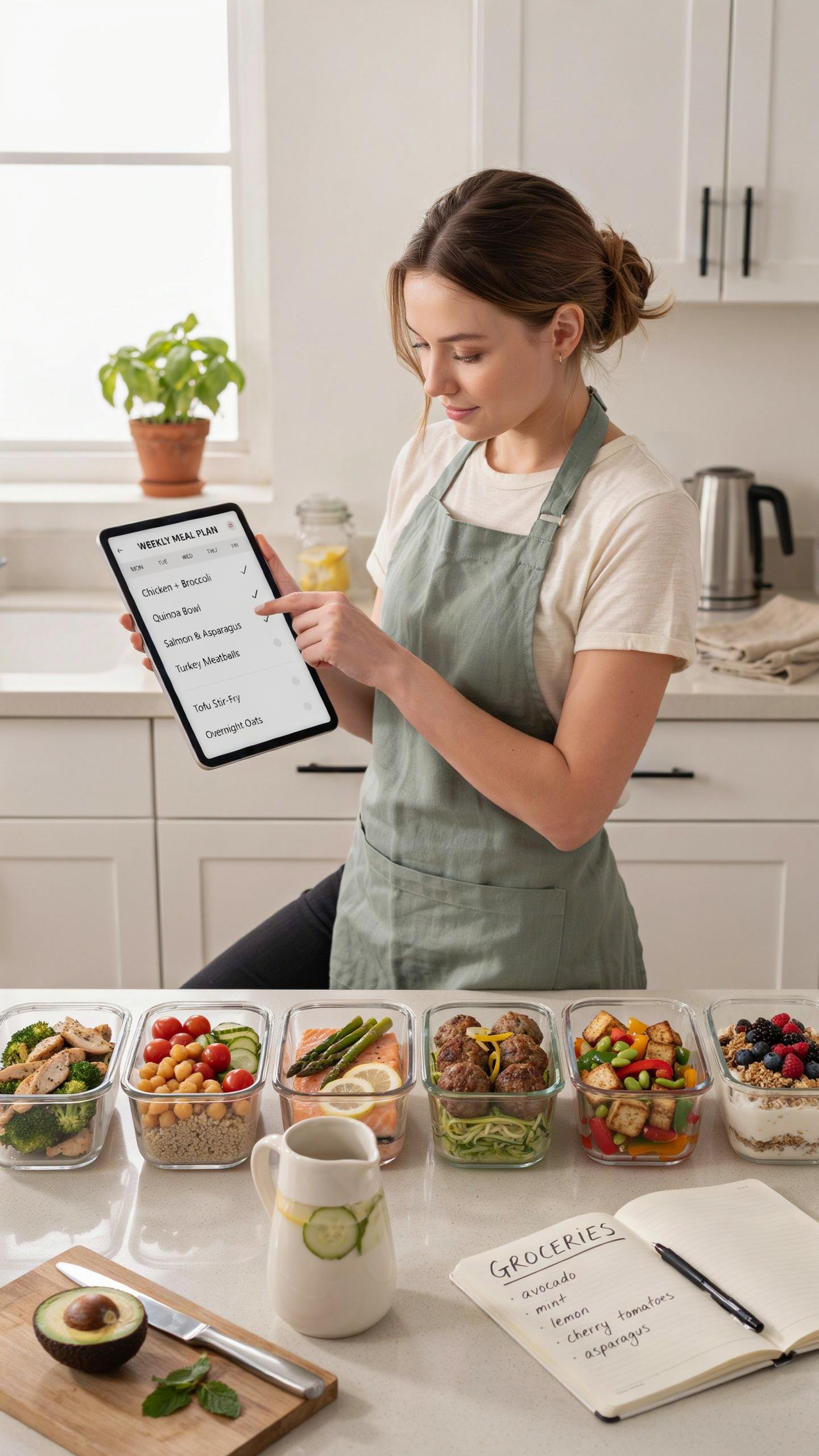
You want proof your system is working so you don’t waste another Sunday cooking food that sits in the fridge untouched. The mechanism is simple: you can’t optimize what you don’t measure. Track three variables weekly. First, how many salads you actually ate versus prepared. Second, which protein sources and dressing combinations disappeared fastest. Third, which containers held up and which leaked or degraded.
Write these down. Not in your head. A simple spreadsheet or phone note takes ninety seconds and reveals patterns you’d otherwise miss. After four weeks, you’ll see which salad variations you gravitateContinue toward and which ones you abandoned halfway through the week. This data point is worth more than any recipe recommendation because it’s yours.
Small Changes Compound Into System Mastery
Most people think meal prep improvement means reinventing the whole thing. Wrong. Systems design teaches us that small iterative changes compound faster than total overhauls. Adjust one variable at a time, then measure the result before changing anything else. One week, you swap your dressing base from mayo to Greek yogurt. Next week, you adjust protein ratios. Week three, you test different greens or container sizes.
This approach prevents the chaos of overhauling everything at once, which guarantees you’ll revert to old habits. Small wins build momentum and reveal which changes actually impact whether you finish your meals or waste them. After eight weeks of one-variable testing, your system becomes genuinely personalized instead of a generic template you’re forcing yourself into.
The only thing standing between you and consistent health is the friction you tolerate

Most people fail at meal prep because they choose complexity over consistency. A high protein chicken salad isn’t exciting. It won’t get likes on Instagram. That’s exactly why it works. You remove the decision, remove the excuse, remove the friction. Today, buy rotisserie chicken and mason jars. Make three salads tonight. That’s the move. Boring beats broken every time.