
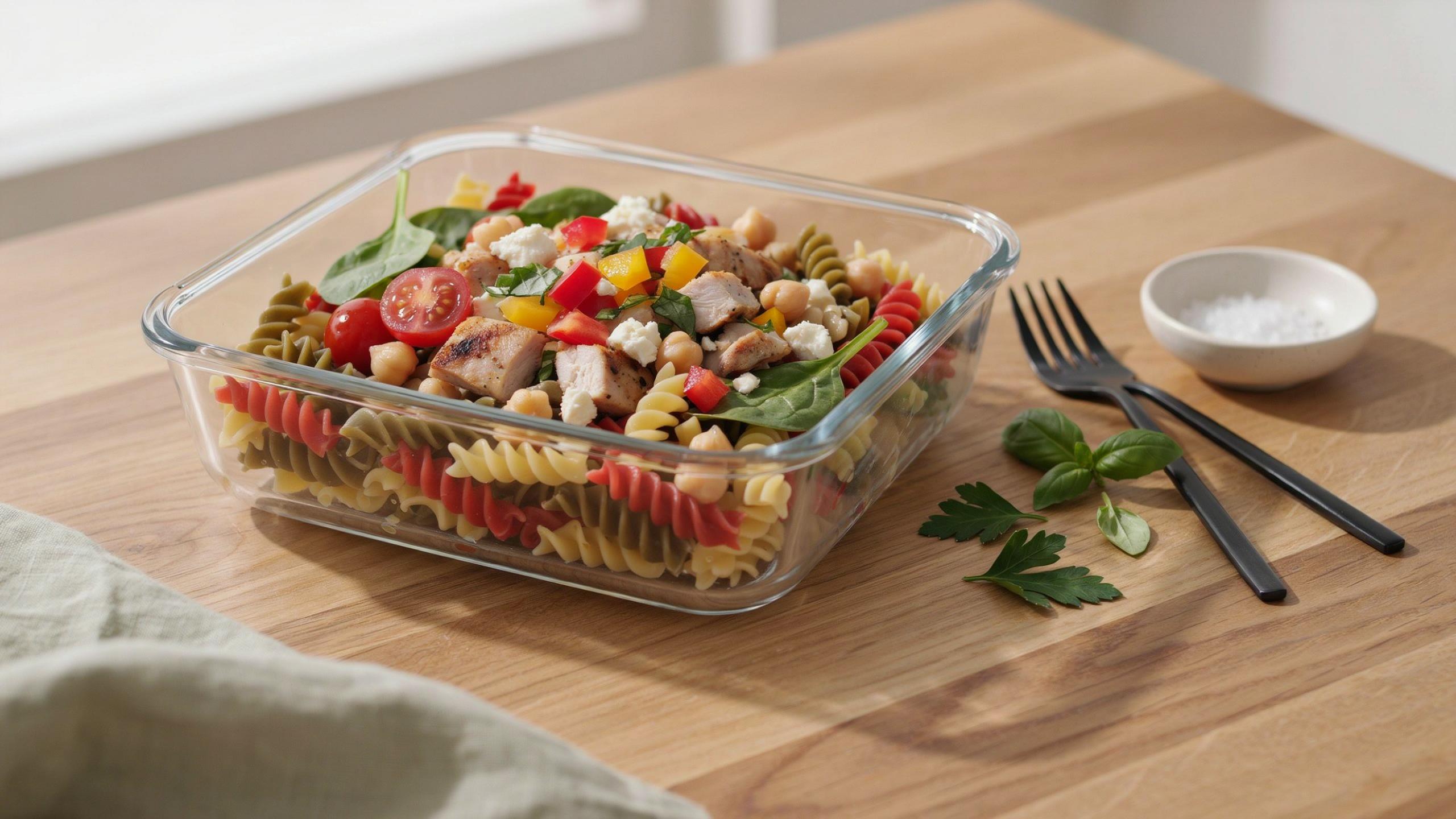
The Cognitive Load Fallacy Why Your Lunch Breaks Are Draining You

Decision Fatigue’s Real Cost
You want to believe lunch is a break, but it’s another decision taxing your willpower reserve. Every day you decide what to eat, you burn mental energy that compounds by noon. Economics calls this opportunity cost—the value of what you sacrifice when you choose one thing over another. With pasta salad meal prep, you eliminate the decision entirely. You don’t choose at lunch. You already chose Sunday night. This sounds small. It isn’t.
Research on decision fatigue shows the brain treats trivial choices the same as critical ones neurologically. By the time you pick lunch, you’ve already decided on emails, meetings, and what to wear. Your decision-making capacity depletes progressively throughout the day. A prepped high protein pasta salad removes friction at the moment you’re weakest. You don’t debate carbs versus protein. You don’t check macros. You eat what’s already portioned and grab the container. The mechanism is simple: fewer decisions at decision fatigue’s peak means more mental resources for work that actually matters.
What You Lose By Eating Randomly
The common advice says eating well saves you money and time. True but incomplete. The real damage is opportunity cost measured in attention and output. Every unoptimized lunch forces you to either skip it, waste thirty minutes sourcing food, or make a poor choice that tanks your afternoon performance. An hour of reduced focus at 2 PM compounds into lost work, missed details, or decisions you’ll regret. High protein pasta salad meal prep fronts the work, concentrating it into a single session when your brain is fresh.
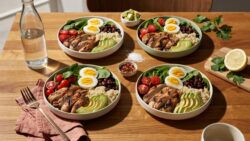
A prepped container sitting in your fridge removes the decision loop entirely. You don’t negotiate with yourself. You don’t rationalize fast food. You eat protein, carbs, and fats in balanced ratios that sustain energy for six hours. The mechanism that matters: consuming adequate protein at lunch maintains stable blood glucose and extends satiety, preventing the energy crash that triggers poor afternoon decisions. Prepare your pasta salad on Sunday with 25-30 grams of protein per serving. That single protocol step eliminates the entire decision chain for five workdays.
The Apex Predator Protocol Engineering Your Week With High Protein Pasta
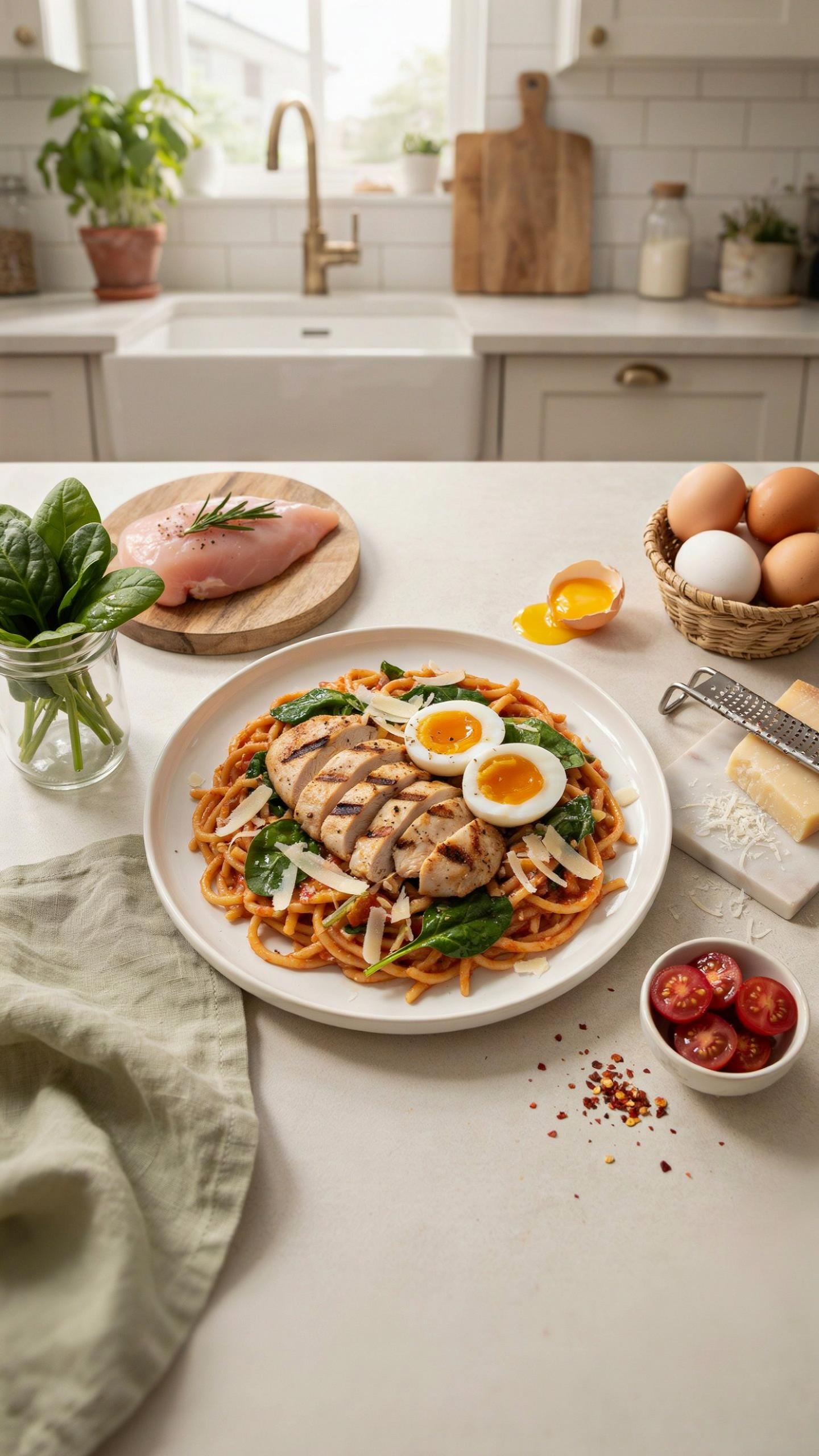
What Actually Stays Fresh
You want to believe pasta salad lasts five days untouched. It doesn’t. You’re really trying to solve the friction between wanting prepared meals and refusing to eat something that tastes like cardboard by Wednesday. Freshness in pasta salad operates like shelf life in chemistry: degradation accelerates exponentially once moisture enters the system. Pasta absorbs dressing over time, softening and separating from its structure. The mechanism that kills most meal prep is osmotic pressure. Water migrates from the dressing into the pasta, then out through oxidation and bacterial activity. You stop this by choosing pasta shapes with lower surface area and treating the salad like a constructed system rather than a mixed bowl.
Whole wheat and legume based pastas hold their texture longer than refined white pasta because their protein matrix resists moisture penetration more effectively. Cook your pasta to just under al dente, then shock it in ice water immediately. This halts the cooking process and locks the starch structure. Skip tossing pasta with oil before storage. Instead, dress individual portions the night before eating. Store pasta dry in one container and dressing in another, combining them twelve hours before consumption. This single protocol doubles your shelf life from three days to six.
The Batching Advantage
Military logistics borrowed from manufacturing: parallel processing moves faster than sequential work. Apply this to meal prep and the unit of leverage becomes your oven and stovetop running simultaneously. Most people cook pasta, then roast vegetables, then grill protein one after another. This is sequential thinking that wastes three hours. You’re instead building five days of meals in ninety minutes by running everything at once.
Set your oven to 425 degrees for roasting vegetables like chickpeas, white beans, or cubed chicken breast seasoned with salt and pepper. Boil pasta in one pot while your oven runs. Prep your greens and store them dry. The moment protein finishes roasting, shock it in ice and portion it. Your pasta finishes cooling while protein cools. By the time you finish portioning vegetables, everything is room temperature and ready for storage containers. You now have five complete bases ready for dressing variations throughout the week.
Beyond Bland Crafting High Protein Pasta Salad For Taste And Retention
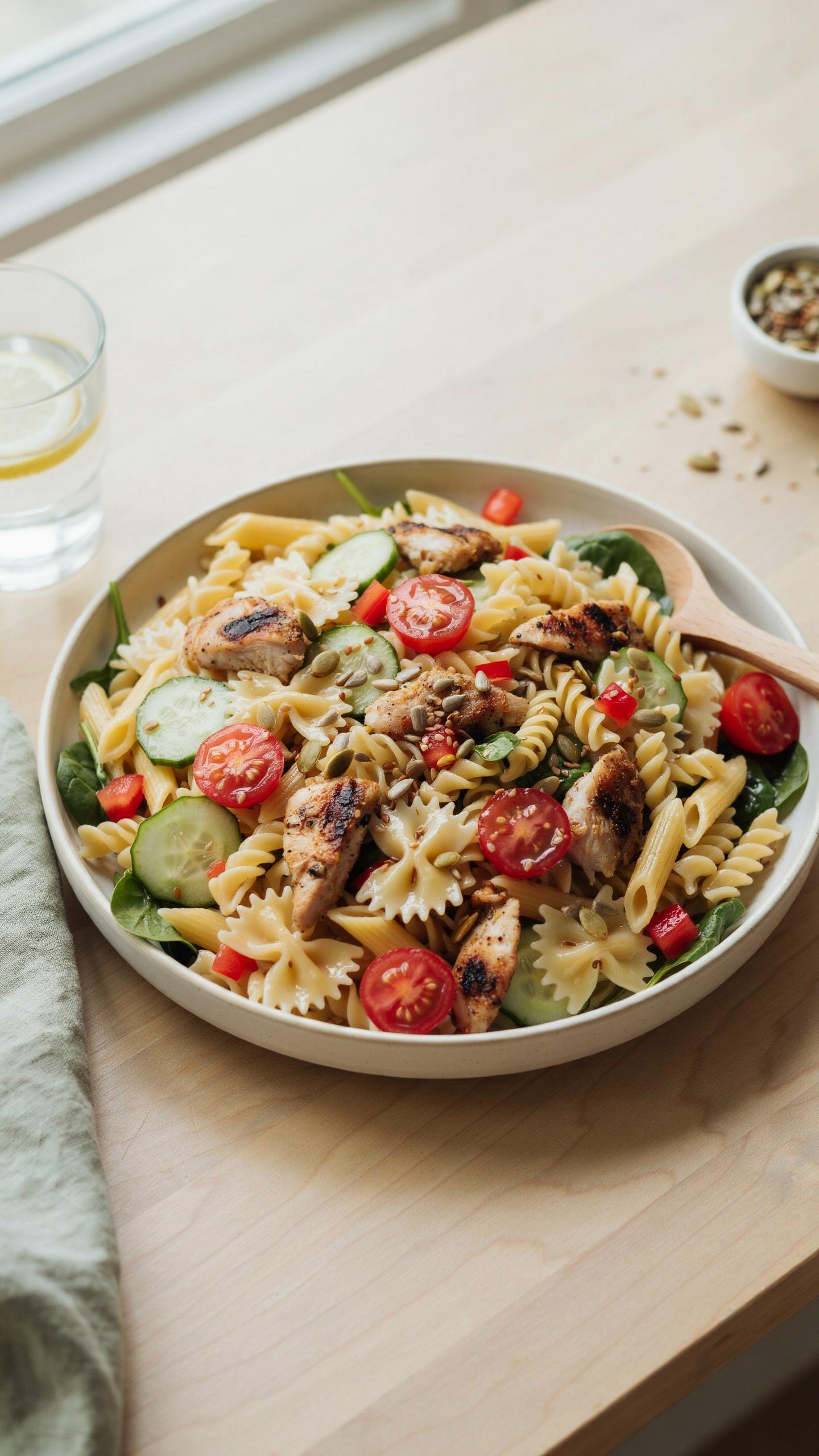
Stack Flavors, Not Just Ingredients
You’re worried that meal prepping means eating the same thing five days straight and slowly losing your mind. The real mechanism is flavor decay: a single sauce tastes identical on day one and day five, so your brain stops registering it. Borrow from chemistry. In chemistry, compounds interact and create new products. In pasta salad, you layer distinct flavor sources that don’t merge into one bland mass. This prevents sensory adaptation, the biological fact that your palate numbs to constant stimuli.
Start with an acid base—vinegar or lemon juice—then add umami through parmesan or anchovy paste, then heat through red pepper flakes or hot sauce, then herbaceousness with fresh basil or oregano. Each layer registers separately in your mouth. The dressing doesn’t sit static; the components maintain their identity across five days. Build the salad so flavors stack vertically, not horizontally.
Crunch That Stays Crisp Through Friday
Everyone says to keep crunch separate until eating. That’s incomplete. You can engineer crunch retention by understanding water displacement. Pasta absorbs dressing over time, yes, but certain vegetables shed water while others don’t. Celery, bell peppers, and radishes hold their cell structure under liquid pressure for days. Tomatoes and cucumbers collapse into mush by day three because their cell walls are thinner and contain more initial water.
Mix your crunch ingredients into the salad immediately after cooking the pasta, but add them first, then pour dressing over them. The dressing coats them and actually slows water absorption through osmosis. Protein additions like grilled chicken or chickpeas create a structural barrier that keeps vegetables from compressing against each other. Cook your pasta al dente. Soft pasta continues to absorb moisture and becomes mushy. Firm pasta maintains its bite and resists turning into a starch slurry.
The Macro Optimization Blueprint Protein Pasta Salad For Muscle Focus
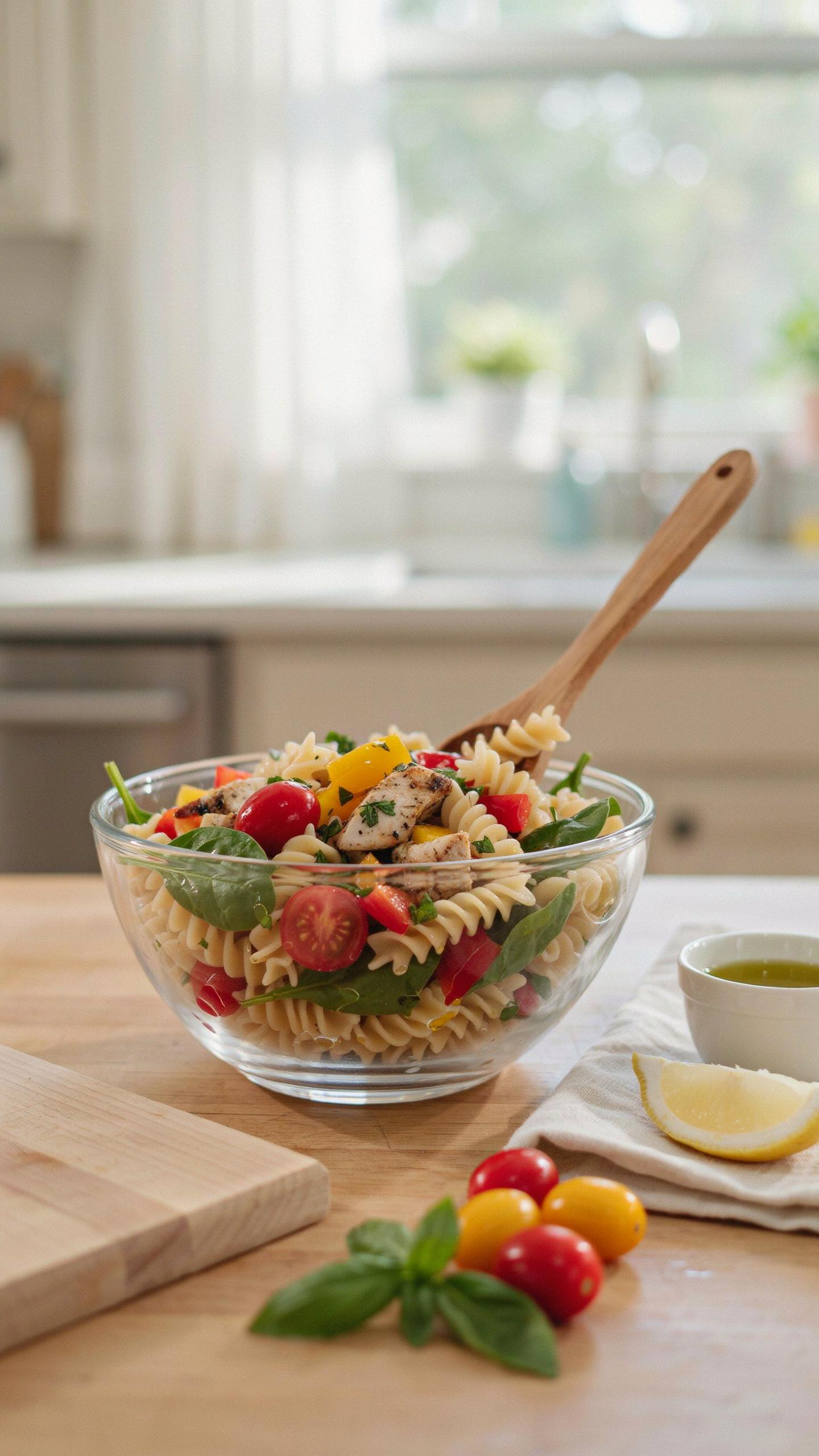
Which Proteins Actually Sustain You
You want to believe that all protein sources work the same way, but they don’t, and that’s what separates results from theater. Digestion speed matters because it controls energy stability and muscle protein synthesis timing. Greek yogurt and cottage cheese digest slowly due to casein protein, keeping you full for hours. Grilled chicken breast absorbs fast, spiking amino acids quickly after you eat. Hard boiled eggs land in the middle. Each plays a different role in sustained energy, but most people treat protein like an interchangeable commodity and wonder why they crash mid-afternoon.
The mechanism comes from biology: amino acid absorption rates trigger different hormonal responses. Slow proteins suppress hunger hormones longer. Fast proteins spike muscle-building signals immediately. In pasta salad prep, this means layering both. Use cottage cheese or Greek yogurt as your base binding agent for sustained satiety, then add grilled chicken or shrimp for the rapid amino acid hit your muscles actually use. Mix them in equal portions, and your energy stays flat instead of crashing. This isn’t optimization theater, it’s stacking actual physiology.
Carbs And Fats Stop The Hunger Signal
The common advice says “balance macros evenly,” which misses the actual lever you need to pull. Satiety isn’t about hitting percentages, it’s about triggering mechanoreceptors in your stomach and nutrient sensors in your gut. Pasta itself is mostly carbs with minimal fat. That’s why plain pasta salads leave you hungry an hour later, even with added protein. You need fat to slow gastric emptying, which tells your brain you’re full. This is biochemistry, not preference.
Your high protein pasta salad needs fat from real sources: olive oil dressing (not vinaigrette alone), avocado, or nuts mixed through the bowl. Aim for a 2:1 carb-to-fat ratio by weight, which translates to roughly two cups cooked pasta plus three tablespoons of oil-based dressing. The carbs replenish glycogen; the fat prevents the hunger spike that kills meal prep consistency. Batch this into containers on Sunday, and your satiety holds through Wednesday without adjustments.
Bean Pasta Salad The Unsung Hero Of High Protein Pasta Salad Recipes
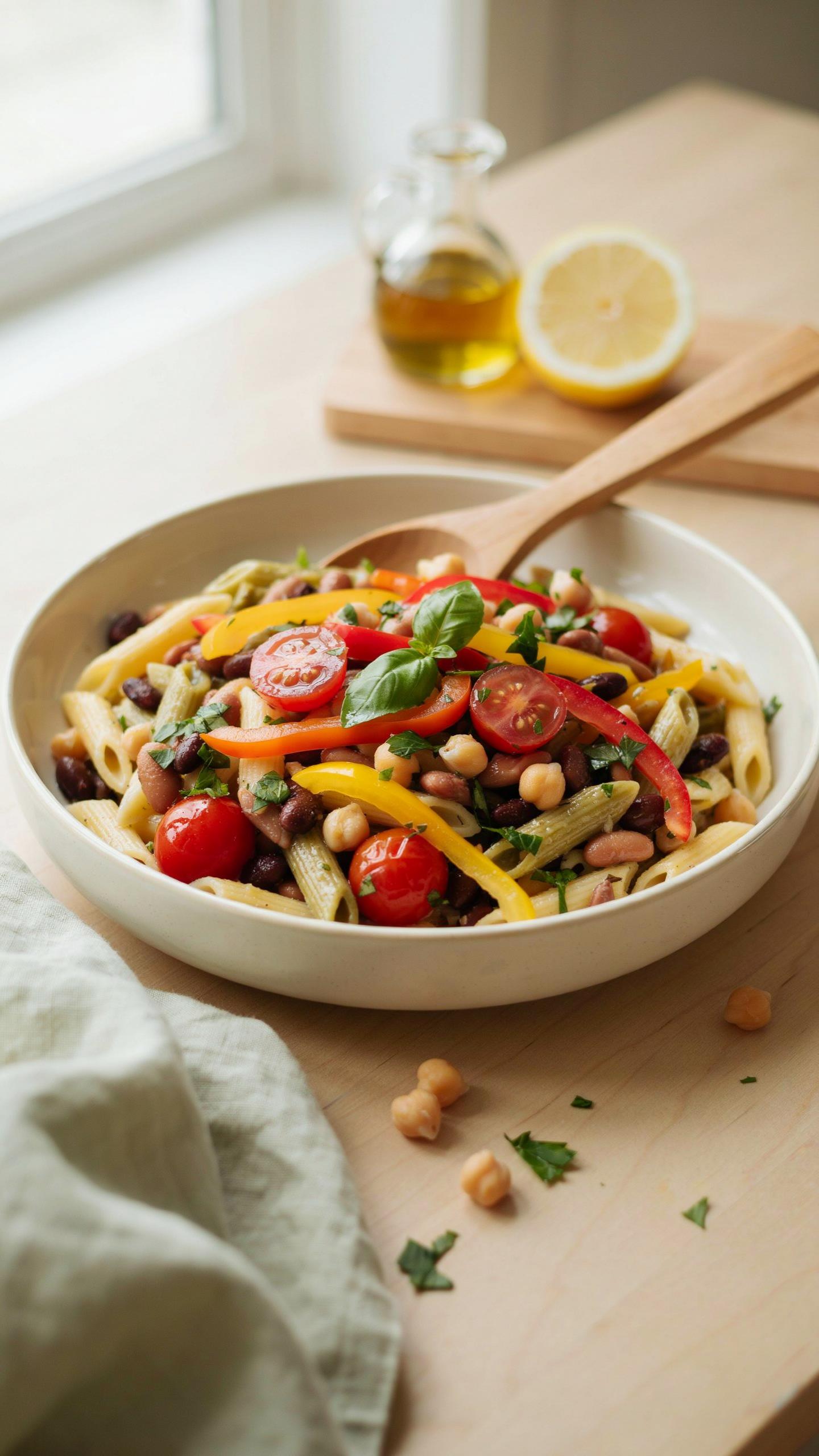
Why Bean Pasta Actually Works
You want the protein count to look impressive without eating chicken breast for the fourth time this week. Here’s the mechanism: legume-based pasta operates like a biological substitute, replacing refined carbs with complete protein chains that your body doesn’t store as excess energy. One serving of chickpea or lentil pasta delivers 10 to 14 grams of protein compared to 4 grams in regular durum wheat. The fiber content also slows digestion, meaning your blood sugar stays stable and you don’t crash two hours later. This isn’t marginal improvement—it’s a structural shift in what the meal actually does.
Bean pasta holds its shape better during meal prep than wheat-based versions because the protein matrix resists breakdown. Most people don’t notice this until day four or five when their regular pasta salad has turned into a soggy brick. You prep bean pasta salad on Sunday and eat it Wednesday without texture degradation. The starch gelatinization happens slower, which extends the window between preparation and consumption. That stability is worth every penny of the premium you pay at checkout.
Layering Flavors Without Dulling Them
Everyone tells you to add vinaigrette immediately after cooking. That advice is half-right and half-broken. Bean pasta has a distinct mineral taste from legumes that competes with acid unless you use a specific protocol: toss the hot pasta with salt and a fat first, let it cool for five minutes, then add vinegar-based dressing. The salt opens the starches, the fat coats the surface, and the cooling window prevents the acidity from stripping the pasta’s natural structure. Balsamic and red wine vinegars pair with black bean or chickpea pasta because their tannins complement the earthiness.
Versatility isn’t about throwing random ingredients into a bowl—it’s about understanding which flavors won’t compete with legume notes. Mediterranean combinations work because olive oil, lemon, and herbs don’t fight the pasta’s base profile. Asian-inspired versions require a different approach: swap vinegar for rice wine, add sesame oil, and introduce heat through chili flakes or sriracha to mask legume flavors rather than complement them. Your dressing choice determines whether the meal tastes complete or one-dimensional by day three of meal prep.
The Stoics Pantry Minimalist Ingredients Maximum Impact
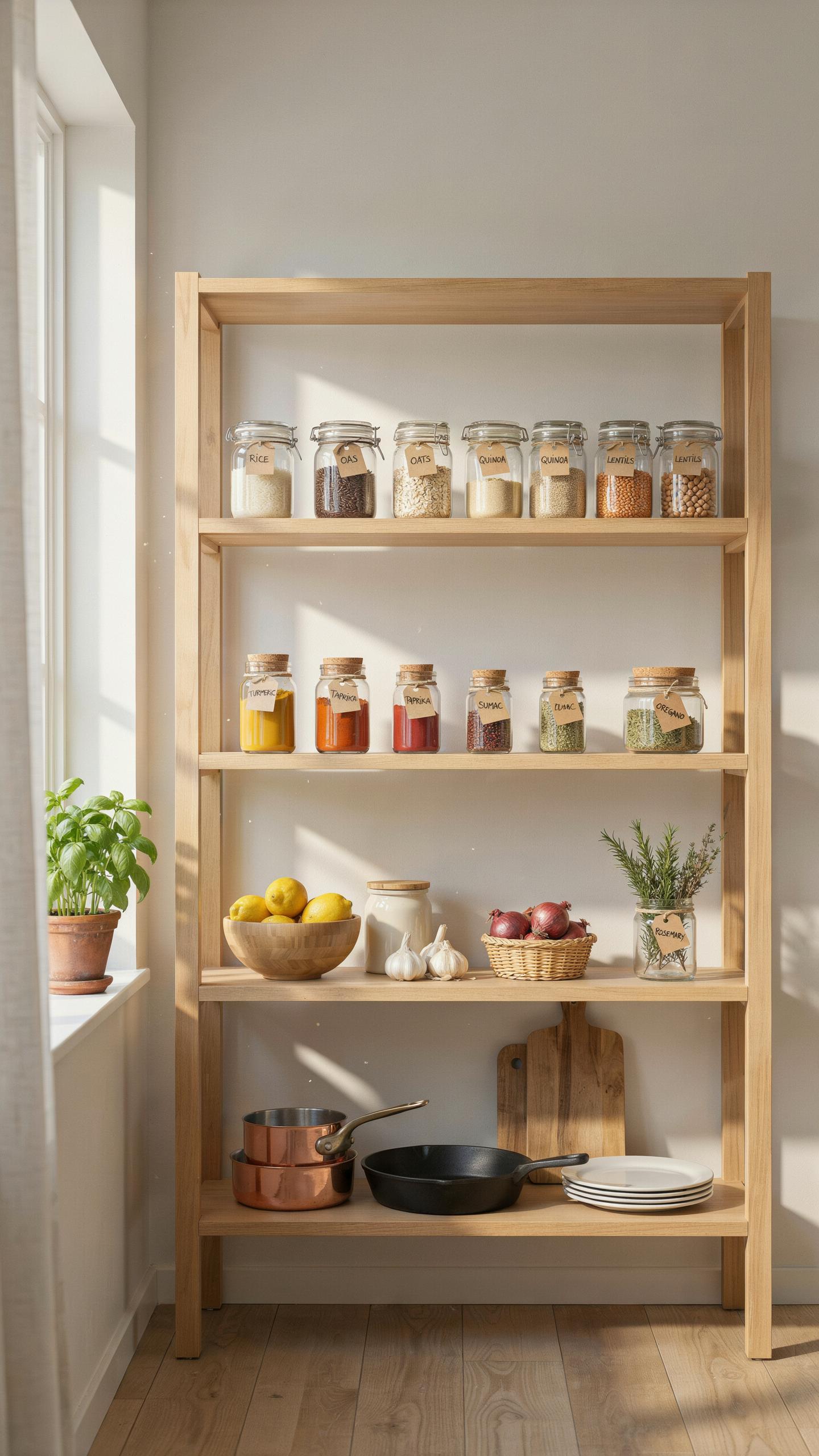
Plant Diversity Shifts Your Gut Bacteria
You want this section to validate that you’re eating “healthy” without actually changing anything. But here’s the mechanism: biology treats your gut like an ecosystem. Monocultures collapse. Pasta salad with chicken, one vegetable, and dressing creates bacterial uniformity. Your microbiome needs structural variety to produce short-chain fatty acids and regulate digestion. Each plant fiber type feeds different bacterial strains. This isn’t aspirational. It’s how fermentation works in your gut.
A high protein pasta salad that survives five days in a container needs at least three vegetable types with different fiber profiles. Bell peppers (soluble), broccoli (insoluble), and red onion (prebiotic fructans) don’t just add texture. They create competing bacterial niches that stabilize your digestion and energy levels throughout the week. Without this, your system treats meal prep like a monoculture farm: efficient short-term, fragile long-term. The diversity keeps the system resilient.
Raw Versus Cooked Changes How Your Body Uses Nutrients
Everyone says raw vegetables are better. They’re incomplete. Cooking isn’t the enemy of nutrition. It’s a tool that alters bioavailability, which is how much of a nutrient your body can actually absorb. Lycopene in tomatoes increases when heated. Beta-carotene in carrots becomes more accessible when cooked. Your digestive system doesn’t have infinite extraction power. Cooking does pre-digestion for you.
In a five-day meal prep, this matters tactically. Use raw peppers and red onion for the enzymes and crunch. Roast or blanch broccoli and carrots beforehand. Cook the pasta itself to al dente, which preserves resistant starch that feeds good bacteria. The dressing binds everything and slows oxidation. This split approach maximizes what you absorb while keeping textures distinct through day five. Cook strategically, not by default.
Healthy Pasta Salad Debunking The Carb Catastrophe
Complex Carbohydrates For Steady Fuel
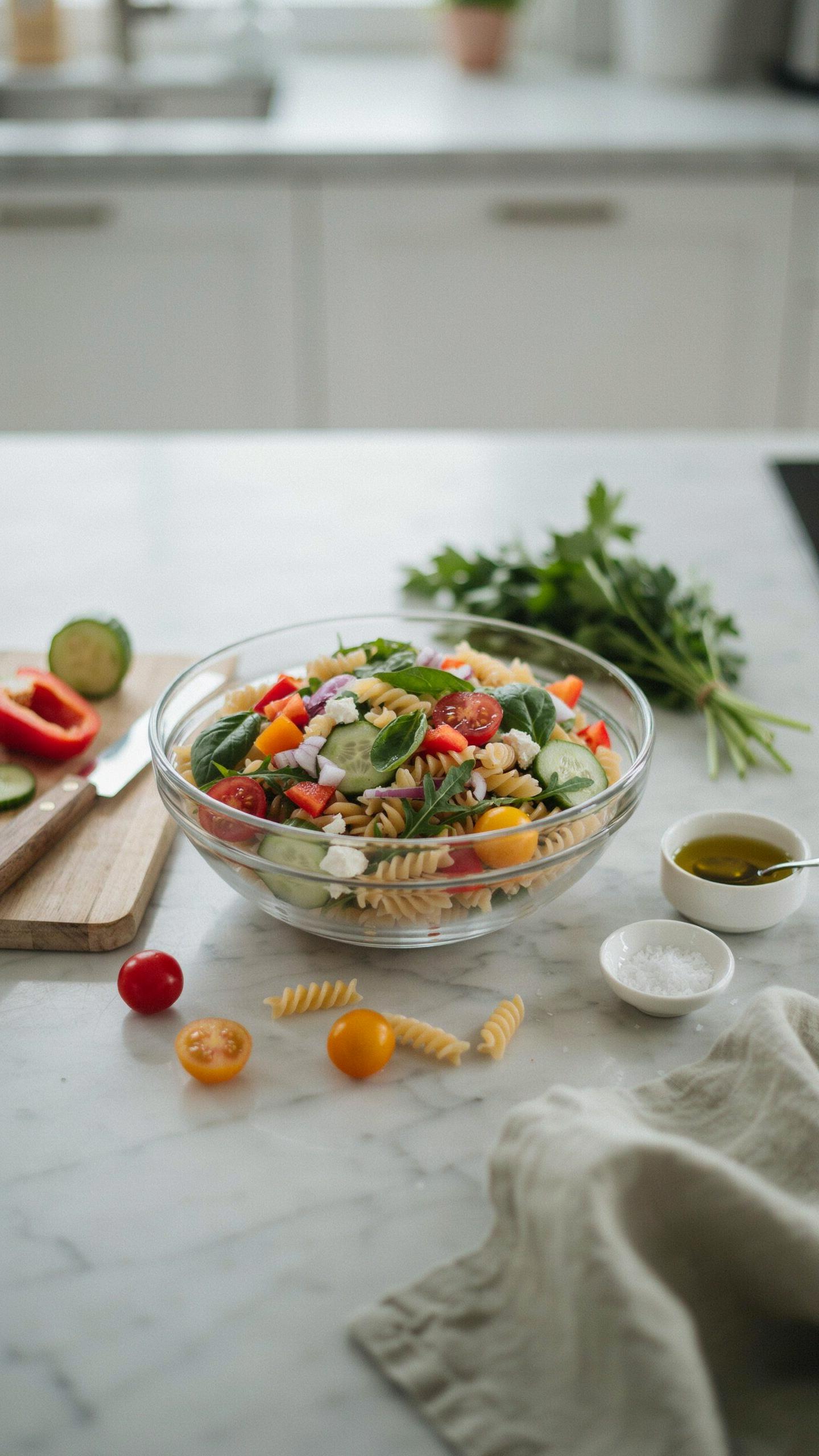
You’re worried carbs will derail your body composition goals. The real mechanism is glycemic load, not carbs themselves. Borrowing from nutrition biochemistry: pasta acts like a battery. Whole wheat or legume-based pasta releases glucose slowly, preventing the blood sugar spike that triggers fat storage and energy crashes. Refined white pasta does the opposite. Your meal prep choice determines whether you’re stable or volatile for hours after eating.
The carb catastrophe narrative sells supplements, not results. A high protein pasta salad built on legume pasta or whole grain varieties provides sustained energy without the insulin dysregulation people fear. Pair 150 grams of cooked pasta with 40 grams of protein powder mixed into the dressing, and you’re looking at a 3-to-1 carb-to-protein ratio that stabilizes blood sugar. Cook pasta to al dente consistency. This lowers the glycemic index further by keeping the starches less gelatinized.
Fiber’s Role In Digestive Health
Fiber doesn’t just move things through your system. It selectively feeds beneficial bacteria in your gut, which produce short-chain fatty acids that reduce inflammation and improve nutrient absorption. Legume-based pastas contain 8 to 10 grams of fiber per cooked serving compared to 2 grams in refined pasta. This isn’t a minor difference. The fiber content directly impacts how much protein your body actually retains and how stable your energy stays between meals.
Most meal preppers skip this calculation entirely and wonder why they feel hungry two hours after eating. Your high protein pasta salad needs 8 to 12 grams of total fiber per serving to function properly as a sustained-release meal. Add chickpeas, white beans, or lentils to your salad base in addition to legume pasta. Store the salad in airtight containers and consume within three days to preserve enzyme activity and bacterial cultures that aid digestion.
The Shelf Life Equation Mastering Meal Prep Longevity
How Storage Temperature Controls Bacterial Growth
You want your meal prep to last because buying fresh ingredients daily kills your time and money. Here’s the mechanism: bacteria multiply exponentially in the danger zone between 40°F and 140°F. A cold pasta salad at 38°F slows bacterial reproduction to near-nothing. Every degree matters. Store your protein pasta salad in the coldest part of your refrigerator, not the door where temperature fluctuates. The coldest shelf is typically the back of the bottom drawer.
Temperature consistency determines how many days your salad stays safe to eat. A properly chilled pasta salad lasts 3 to 5 days. If your fridge runs warmer than 40°F, cut that window to 2 to 3 days. Check your fridge temperature with a cheap thermometer. Most people never do this and wonder why their prep fails early. Adjust your fridge dial if needed, then verify the temperature changes.
Separating Dressing From Pasta Delays Sogginess
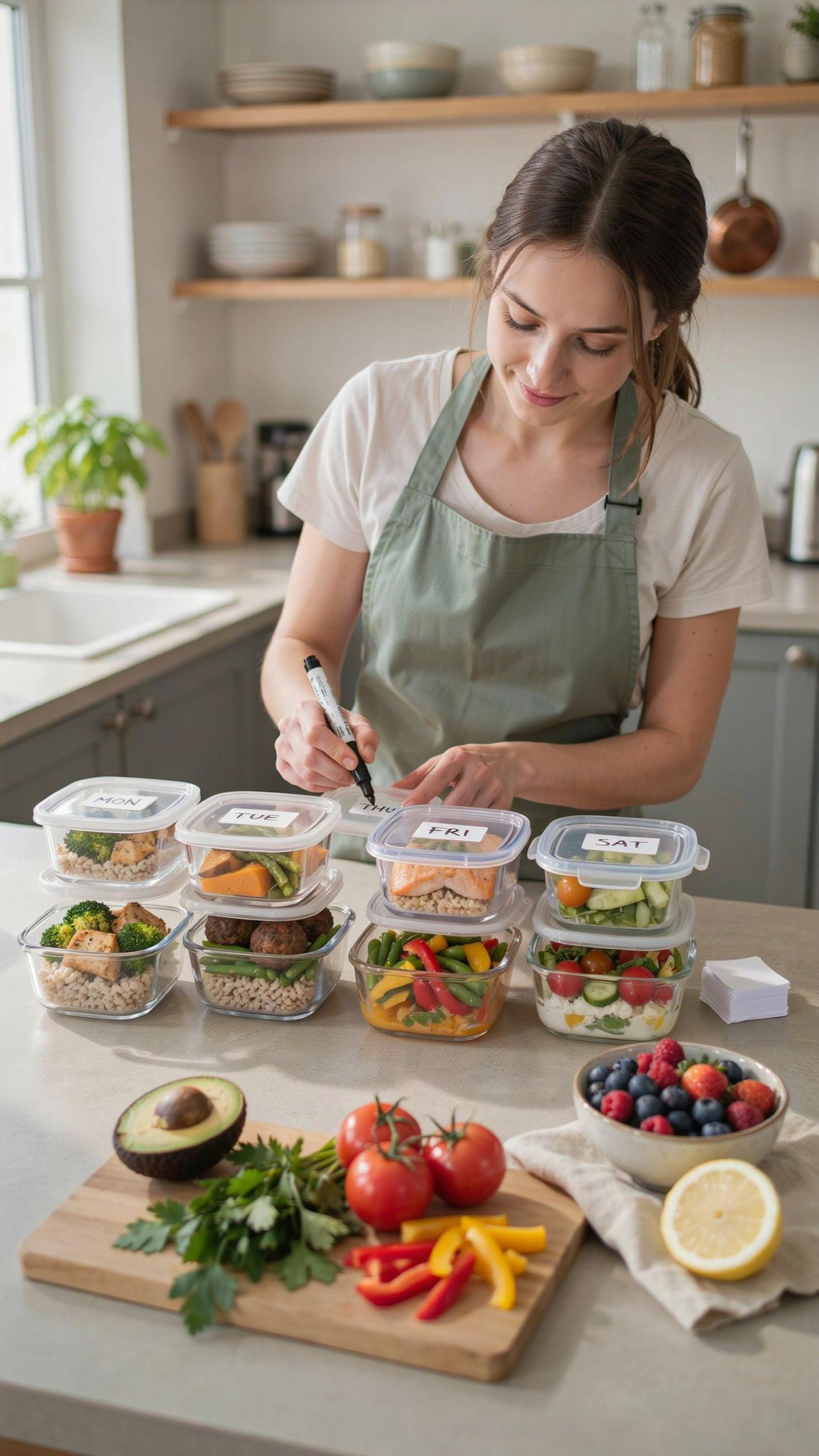
The mistake everyone makes is mixing dressing into the pasta immediately. Wet pasta absorbs liquid like a sponge, turning mushy by day two. Store your cooked pasta and vegetables in one container, your protein component in another, and your dressing in a third. This layering strategy buys you texture integrity across the entire week.
On eating days, add dressing and protein to your portion right before consumption. The pasta stays firm because the oil and acid from dressing only coat what you need. Chickpeas, white beans, or grilled chicken won’t soften from dressing exposure during storage if they’re separated. Combine components only when you’re ready to eat.
Hearty Pasta Salad Fueling The Ambitious Not Just The Hungry
Fat And Protein Create The Satiety Mechanism
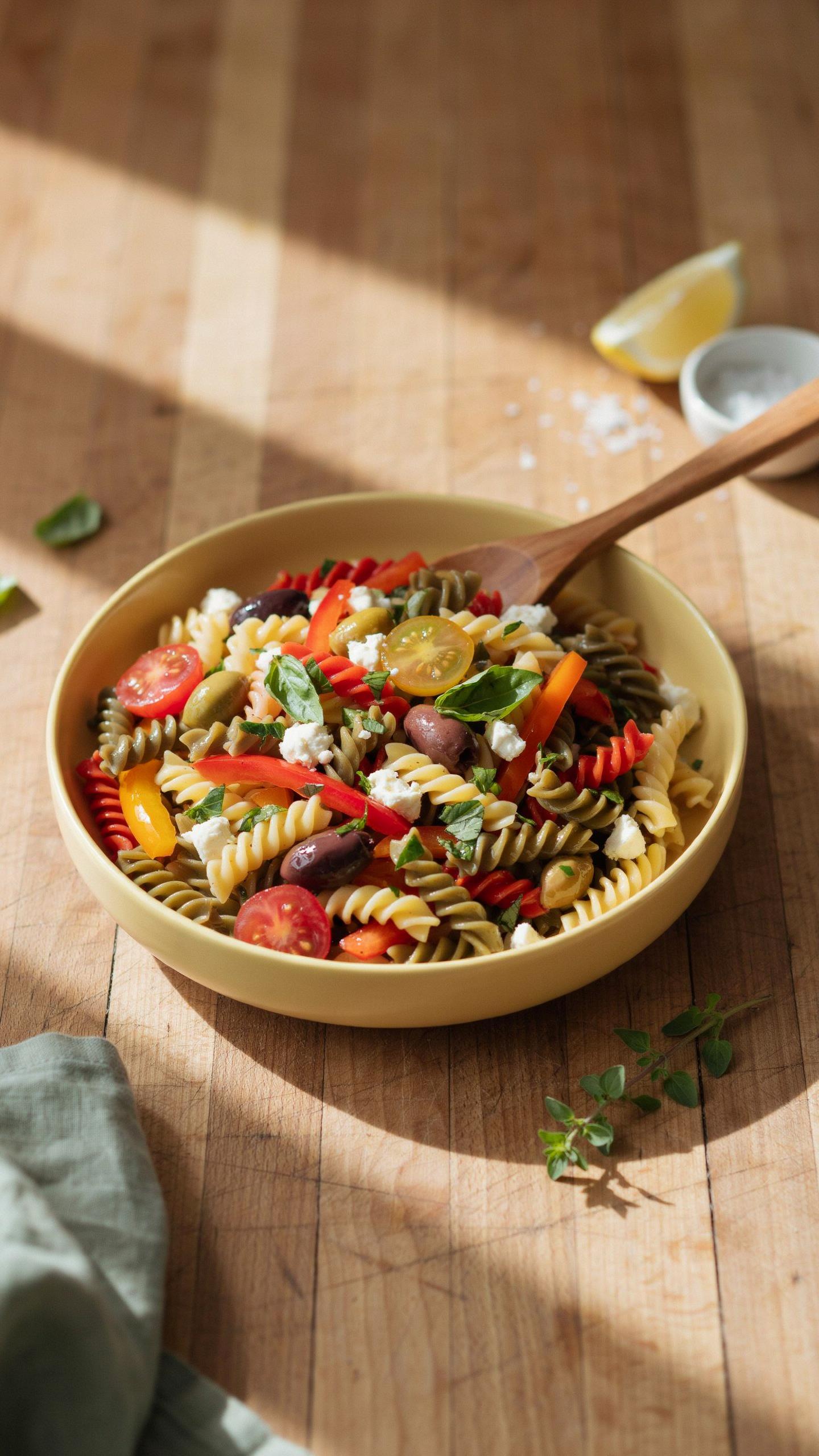
You want to feel full without thinking about food again for hours. That’s not vanity—it’s logistics. Your body’s satiety signal fires through a combination of macronutrients, and most pasta salad recipes miss the mechanism entirely by loading carbs without anchoring them in fat and protein. Think of satiety like structural load-bearing in engineering: pasta alone is the frame, but fat and protein are the foundation that keeps the whole system stable. Without them, you crash.
The math is simple. Protein triggers cholecystokinin release. Fat slows gastric emptying. Together, they extend the time your stomach signals fullness to your brain. A pasta salad loaded with grilled chicken, real cheese, and olive oil oil-based dressing holds you for six hours. One loaded with vinaigrette and vegetables alone won’t hold you past three. Distribute protein across 25 to 35 grams per serving and fat to 12 to 18 grams minimum. This is the difference between a meal and a snack pretending to be one.
Portion Architecture For Cognitive Consistency
Stop thinking about portions as restriction. Think of them as decision removal. When you prep five identical containers, you eliminate the daily question of how much to eat, which drains willpower before you even start working. The real leverage lives here: consistency in container size forces consistency in output because your brain stops negotiating.
Use containers between 32 and 40 ounces. This size holds a full serving of cooked pasta (roughly one cup), protein (4 to 6 ounces), vegetables, and dressing without spilling or feeling sparse. Prepare all containers at once rather than portioning throughout the week. This removes the friction point where meal prep fails. Store dressing separately and add it no more than 24 hours before eating to maintain texture and prevent sogginess. The protocol is the point: follow it exactly, and the system works.
The real obstacle isnt what you eat but the mental overhead of deciding it
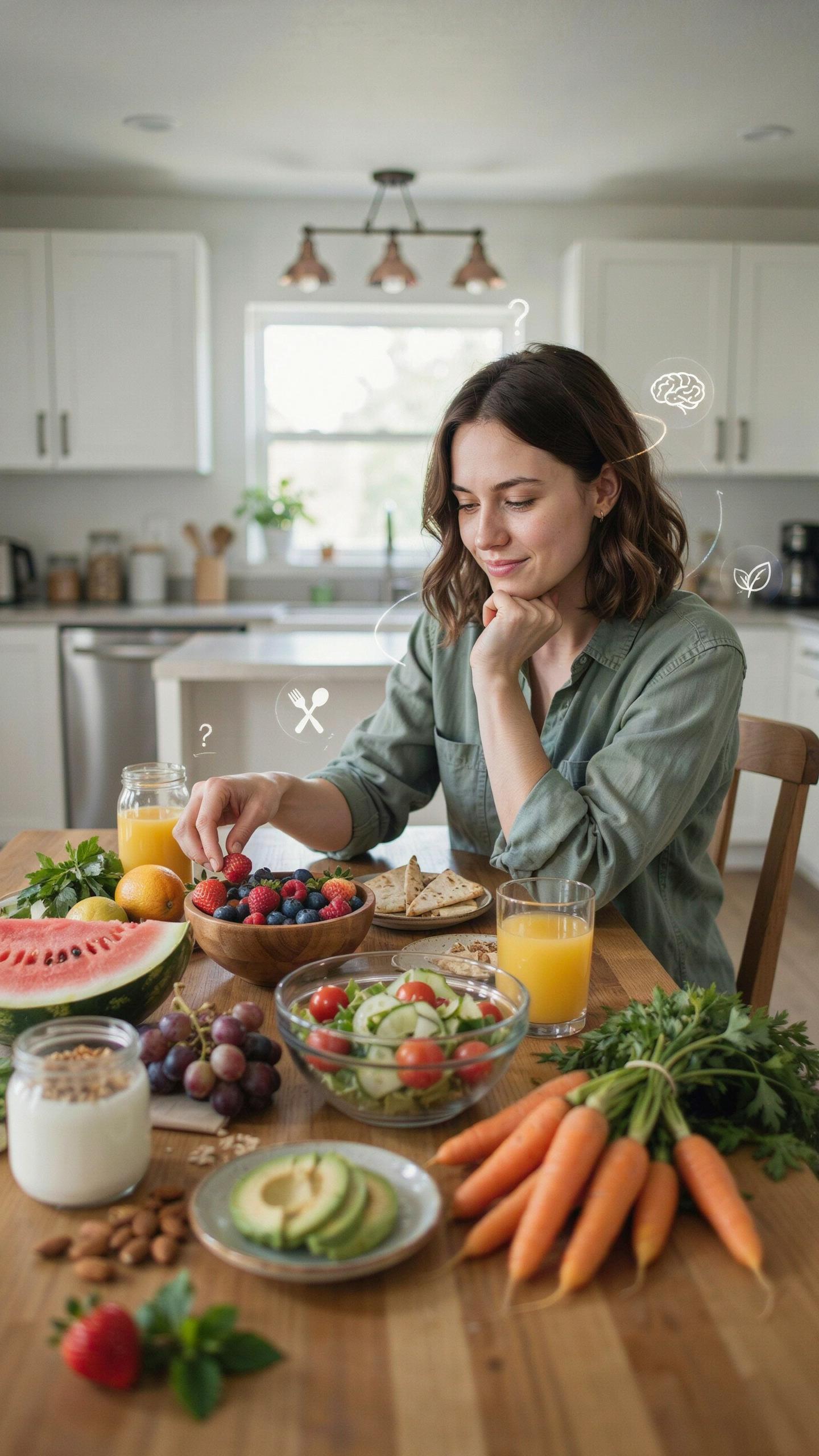
Most people fail at meal prep because they treat it like a decision they make daily. You don’t decide to brush your teeth every morning. You just do it. Make your high protein pasta salad once on Sunday. Build it the same way. Same pasta, same protein, same ratio. Your brain stops fighting you when eating well becomes automatic, not optional. Decision fatigue kills more diets than willpower ever could.