
What Is A Detox Meal Plan And Why Spring Is The Best Time To Start One

Understanding What A Detox Meal Plan Actually Means
A detox meal plan is a strategic dietary intervention. It focuses on eliminating processed foods that strain the liver and kidneys. You prioritize nutrient-dense whole foods that facilitate natural waste removal. This is not a starvation tactic. It is a biological reset. You remove refined sugars, alcohol, and caffeine to reduce systemic inflammation and improve your metabolic efficiency immediately.
The primary goal is supporting your body’s inherent filtration systems. Your liver, kidneys, and skin process toxins every day. A structured plan provides the specific micronutrients these organs need to function at peak capacity. You increase fiber intake to physically sweep the digestive tract. You also consume high levels of antioxidants to neutralize free radicals. This process stabilizes your energy levels and clears brain fog.
Why Seasonal Change In Spring Supports A Natural Body Reset
Spring offers a unique biological advantage for dietary changes. Historically, humans transitioned from heavy winter fats to lean spring greens. This shift aligns with the availability of seasonal produce like asparagus and radishes. These specific plants act as natural diuretics and liver stimulants. Your body naturally seeks lighter fuel sources as outdoor temperatures rise and physical activity levels increase across the population.
Circadian rhythms also shift as daylight hours extend during the spring equinox. This change influences your hormones and hunger signals. Longer days often lead to improved metabolic rates and better vitamin D synthesis. Starting a plan now leverages this environmental momentum. You match your internal chemistry with external cycles. This alignment makes it easier to shed the lethargy often caused by sedentary winter habits and heavy calorie consumption.
Key Principles Behind A Clean And Effective Detox Diet Meal Plan

Whole Foods, Hydration, And Fiber: The Foundation Of Any Detox Diet Meal Plan
Whole foods provide the micronutrients necessary for phase one and phase two liver detoxification. You must prioritize unprocessed vegetables, fruits, and lean proteins to reduce the metabolic load. These foods contain phytochemicals that neutralize free radicals during the filtration process. Eliminating synthetic additives allows your digestive organs to focus on clearing stored waste rather than processing new chemical compounds.
Fiber acts as a mechanical broom in the digestive tract to move waste out of the body. Soluble and insoluble fibers bind to bile acids and toxins to prevent their reabsorption into the bloodstream. Proper hydration is equally critical for renal function and cellular waste removal. You must drink enough water to maintain blood volume and support the kidneys in flushing water-soluble metabolites.
Spring is nature’s way of saying, Let’s party! It is the perfect time to shed the old and nourish your body with the vibrant colors of a fresh beginning.
— Robin Williams
Foods To Limit Or Avoid For A More Effective Spring Cleanse
Removing inflammatory triggers is the fastest way to reduce systemic stress during a cleanse. You must cut out refined sugars and artificial sweeteners that spike insulin and cause hepatic fat accumulation. Processed vegetable oils and trans fats also hinder cellular repair and trigger inflammation. Eliminating these substances allows the gut lining to heal and improves the overall efficiency of your metabolic pathways.
Alcohol and excessive caffeine place a heavy burden on the liver and dehydrate the tissues. These substances force the body to prioritize their breakdown over the removal of environmental toxins. You should also avoid high-sodium processed foods that cause water retention and bloat. Removing these triggers creates a clean slate for the body to restore its natural equilibrium and improve energy production.
3 Day Detox Meal Plan To Kickstart Your Spring Clean Eating Journey
Day By Day Breakdown Of A Simple 3 Day Detox Meal Plan
Day one focuses on liquid hydration and fiber intake. Start with warm lemon water to stimulate the digestive tract. Consume a green smoothie for breakfast containing spinach, ginger, and green apples. Lunch requires a large salad with bitter greens like arugula to support liver function. Finish the day with a vegetable based broth or pureed squash soup. This protocol removes processed sugars and heavy fats immediately.
Days two and three introduce clean plant proteins and cruciferous vegetables. Breakfast remains light with chia seed pudding or fruit. Lunch features steamed broccoli, cauliflower, and quinoa seasoned with turmeric and black pepper. Dinner includes roasted root vegetables or sautéed kale with lemon juice. Consistent hydration via herbal teas is mandatory. This cycle reduces systemic inflammation while providing necessary micronutrients for cellular repair and metabolic efficiency.
What To Expect Physically And Mentally During Your First 3 Days
The initial forty-eight hours often trigger mild withdrawal symptoms. You may experience dull headaches or fatigue as your body adjusts to the absence of caffeine and refined sugar. These physical responses indicate the transition from glucose-dependency to more stable energy sources. Muscle aches or slight skin breakouts sometimes occur as the lymphatic system processes waste. These signs confirm the metabolic shift is currently underway.
Mental clarity typically improves by the third day once blood sugar levels stabilize. You will likely notice a decrease in bloating and digestive heaviness. Focus improves as the brain stops reacting to the spikes and crashes of processed additives. Rapid water weight loss is common during this period as glycogen stores deplete. This physical lightness often leads to increased motivation and a stronger commitment to long-term clean eating habits.
5 Day Detox Meal Plan A Structured Week Of Clean Eating Inspiration
Building Your 5 Day Detox Meal Plan Around Seasonal Spring Ingredients
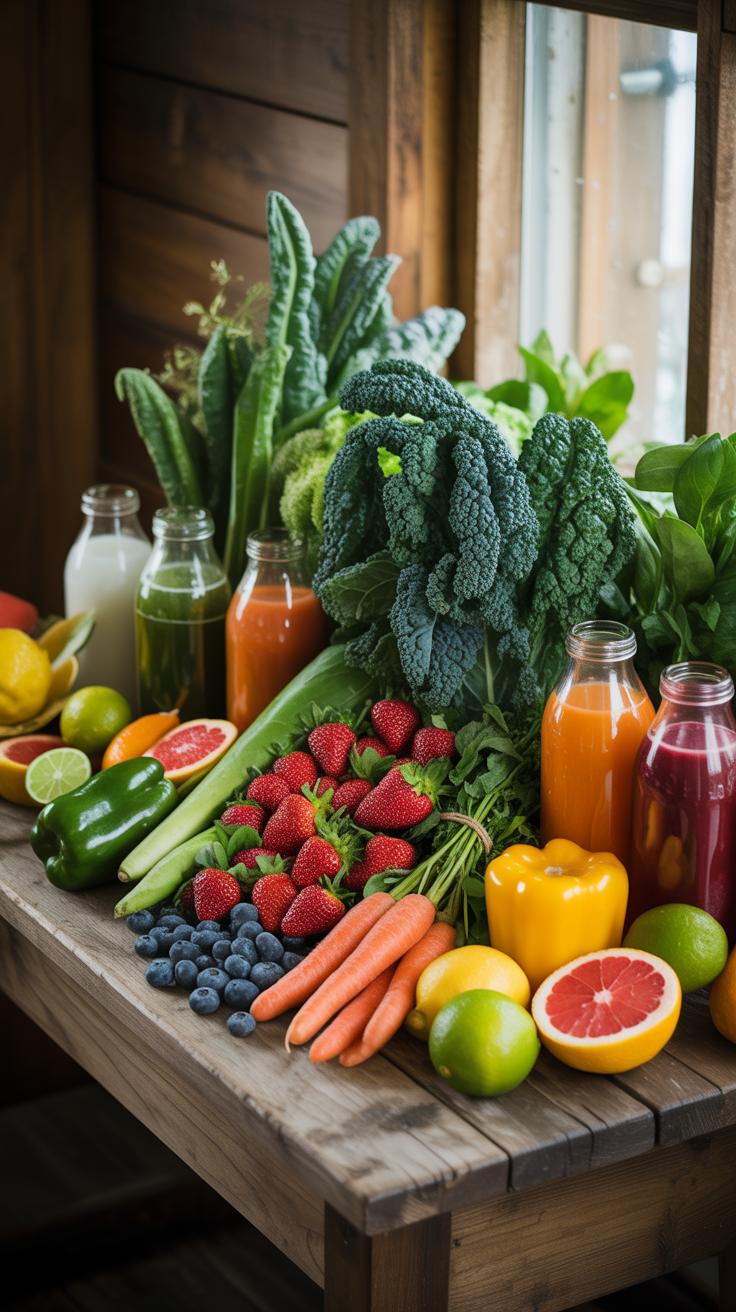
A spring detox meal plan requires ingredients that support the liver and kidneys. Focus on bitter greens like arugula and dandelion. These plants contain phytonutrients that stimulate bile production. This process aids in the digestion of fats and helps filter cellular waste. Use radishes and asparagus to provide necessary fiber. These vegetables act as natural diuretics to reduce excess water retention without depleting electrolytes.
Precision in food selection prevents metabolic sluggishness. Avoid processed sugars and flours during these five days. Replace them with high-protein seeds and lean plant proteins. This shift stabilizes blood glucose levels and prevents energy crashes. Proper hydration remains critical to transport nutrients to your cells. Drink filtered water or herbal teas between every meal. This strategy ensures the body moves waste products efficiently through the lymphatic system.
How Clean Eating Inspiration Can Help You Stay Consistent Through Day 5
Consistency depends on preparation and cognitive clarity. Most people fail because they lack a clear roadmap for their nutrition. Use a structured schedule to remove decision fatigue from your daily routine. Knowing exactly what you will eat reduces the urge to snack on junk food. High-quality fats from avocados or walnuts keep you full. Satiety is your best defense against cravings that derail progress during mid-week transitions.
A short-term detox acts as a reset for your palate. By day five, your taste buds become more sensitive to natural flavors. This adjustment makes long-term healthy eating easier to maintain. Focus on the physical benefits like improved sleep and mental focus. These tangible results reinforce your commitment to the plan. Use the final day to transition back to a balanced diet. Do not return to heavy or processed foods immediately after finishing.
Healthy Detox Cleanse Recipes To Keep Your Spring Meals Fresh And Nourishing

Top Spring Ready Healthy Detox Cleanse Recipes For Breakfast And Lunch
Spring breakfast and lunch options focus on high-fiber greens and lean proteins to jumpstart your metabolism. These meals prioritize cruciferous vegetables and low-glycemic fruits to stabilize blood sugar levels throughout the day. You must eliminate processed sugars and refined grains to allow the digestive system to recover. Tactical meal prep ensures you maintain this regimen during a busy work week.
- Green Spinach and Ginger Smoothie: Blend two cups of fresh spinach with one inch of ginger root and half a green apple. This drink provides fiber and antioxidants like vitamin C. Ginger stimulates digestion while the greens offer chlorophyll to support liver health during your spring detox meal plan.
- Lemon and Herb Quinoa Salad: Combine cooked quinoa with chopped parsley, mint, and cucumber. Dress the mixture with fresh lemon juice and cold-pressed olive oil. Quinoa acts as a complete protein source. The herbs provide essential phytonutrients that help the body manage systemic inflammation and improve overall gut motility.
- Asparagus and Soft-Boiled Egg Plate: Steam five thick asparagus spears and serve with two eggs. Asparagus contains asparagine, a natural diuretic that helps flush excess salt from the body. Eggs provide choline, which is a critical nutrient for fat metabolism in the liver. This pairing maintains lean muscle mass.
- Dandelion Green and Radish Salad: Mix bitter dandelion greens with sliced red radishes and a light vinaigrette. Bitter greens stimulate gallbladder function and bile production. Radishes add crunch and contain sulfur compounds that support phase two liver detoxification. This lunch promotes efficient waste elimination and prevents mid-afternoon energy crashes.
- Chia Seed and Berry Pudding: Soak three tablespoons of chia seeds in unsweetened almond milk overnight. Top the mixture with fresh raspberries or blueberries. Chia seeds provide high levels of omega-3 fatty acids and soluble fiber. These components slow down glucose absorption and keep you feeling full until your next scheduled meal.
Lunch serves as the bridge for sustained energy production. Focus on raw and lightly steamed vegetables to preserve heat-sensitive enzymes. These recipes use simple ingredients to reduce the chemical load on your kidneys and liver. Strategic hydration during these meals further assists the body in processing dietary fiber. Avoid heavy dressings and choose citrus-based acids to brighten flavors without adding unnecessary calories.
Nourishing Dinner Detox Recipes That Support Your Body’S Natural Cleansing Process
Evening meals must focus on ease of digestion to improve sleep quality and cellular repair. Use sulfur-rich vegetables like broccoli, cabbage, or cauliflower to assist the liver in neutralizing toxins. High-quality fats from avocados or walnuts provide the necessary fuel for overnight recovery. Keep portions moderate to prevent the body from diverting too much energy toward digestion during your primary rest period.
Avoid heavy red meats and opt for light proteins like wild-caught fish or lentils. These sources provide the amino acids required for tissue repair without causing gut inflammation. Steam or roast your vegetables instead of frying them to maintain the integrity of the nutrients. This approach ensures your body can focus on deep cleaning processes. Consistent dinner patterns help regulate your circadian rhythm and optimize your hormonal health.
The 5 Day Detox Plan How To Prep Execute And Reflect On Your Results

Meal Prep Strategies To Make Your 5 Day Detox Plan Stress Free
Success in a five day detox depends entirely on your kitchen organization. Eliminating decision fatigue prevents you from reaching for processed convenience foods when hunger strikes. You must treat preparation as a non negotiable tactical objective. Clean your environment and remove all dietary triggers before you begin. Gather every ingredient during a single shopping trip to maximize efficiency and maintain total control over your intake.
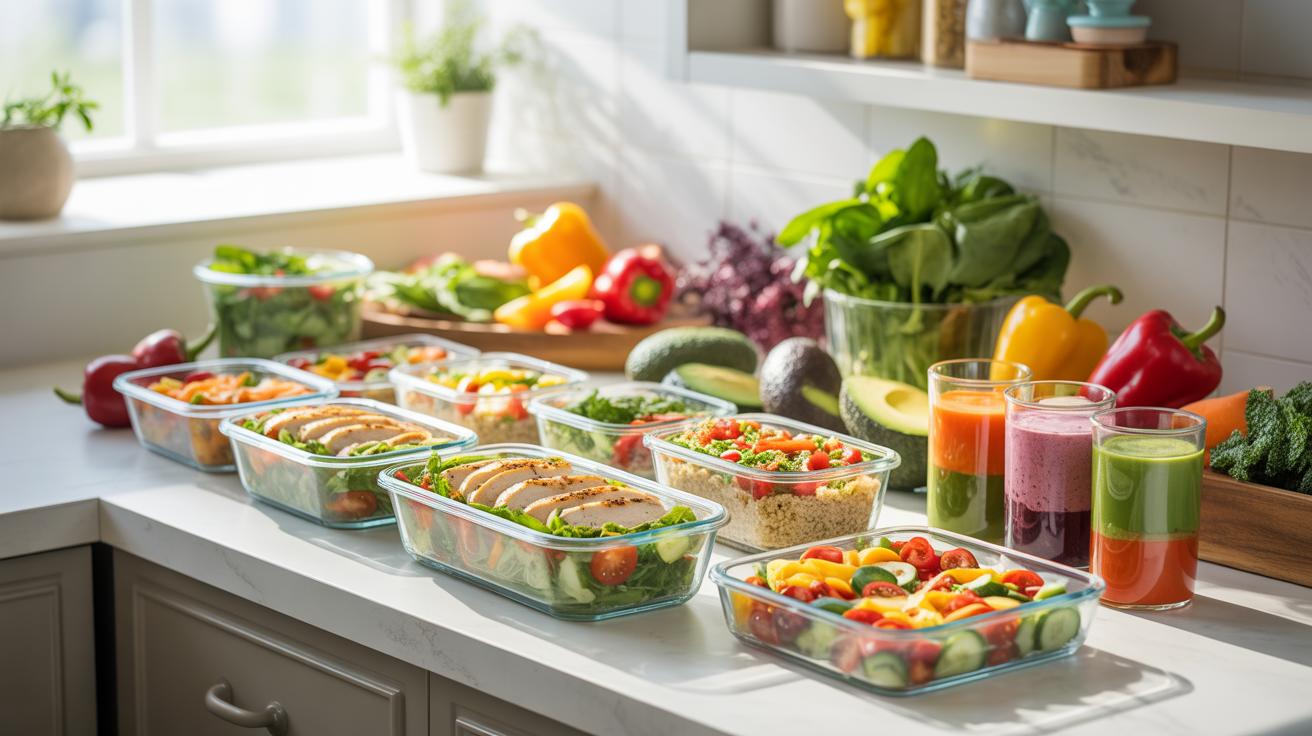
- Batch Cooking Grains: Prepare large portions of quinoa or brown rice on Sunday evening. These complex carbohydrates provide the fiber necessary for digestive health during the detox. Store them in airtight glass containers to maintain freshness and prevent chemical leaching from plastic.
- Pre Cutting Vegetables: Chop cruciferous vegetables and hearty greens immediately after purchasing. Reducing the friction of food preparation ensures you actually consume the high volume of fiber required. Keep celery and carrots in water to preserve their crisp texture and nutrient profile.
- Portioning Proteins: Divide plant based proteins like lentils or chickpeas into individual containers. Having pre measured servings allows for rapid assembly of midday meals. Proper portioning prevents overeating while ensuring you meet the protein requirements to maintain steady energy levels throughout the day.
- Liquid Foundation Prep: Wash and dry all greens intended for morning smoothies or juices. Place individual servings of spinach, kale, and ginger into silicone bags for quick access. This step removes the morning hurdle of cleaning produce and guarantees you start each day with concentrated micronutrients.
- Sauce and Dressing Assembly: Mix lemon based dressings and herbal pestos in advance using healthy fats like olive oil. Avoid store bought versions containing refined sugars or seed oils that cause inflammation. Having these flavor agents ready makes simple steamed vegetables more palatable and satisfying.
Organization transforms a challenging dietary shift into a repeatable routine. Use clear labeling on all containers to track your daily consumption without guesswork. This mechanical approach to eating ensures you follow the protocol exactly as designed. When the physical prep is complete, your only remaining task is consumption. This discipline protects your progress from the unpredictability of a busy work week.
How To Track Progress And Reflect On Your Results After The 5 Day Detox Plan
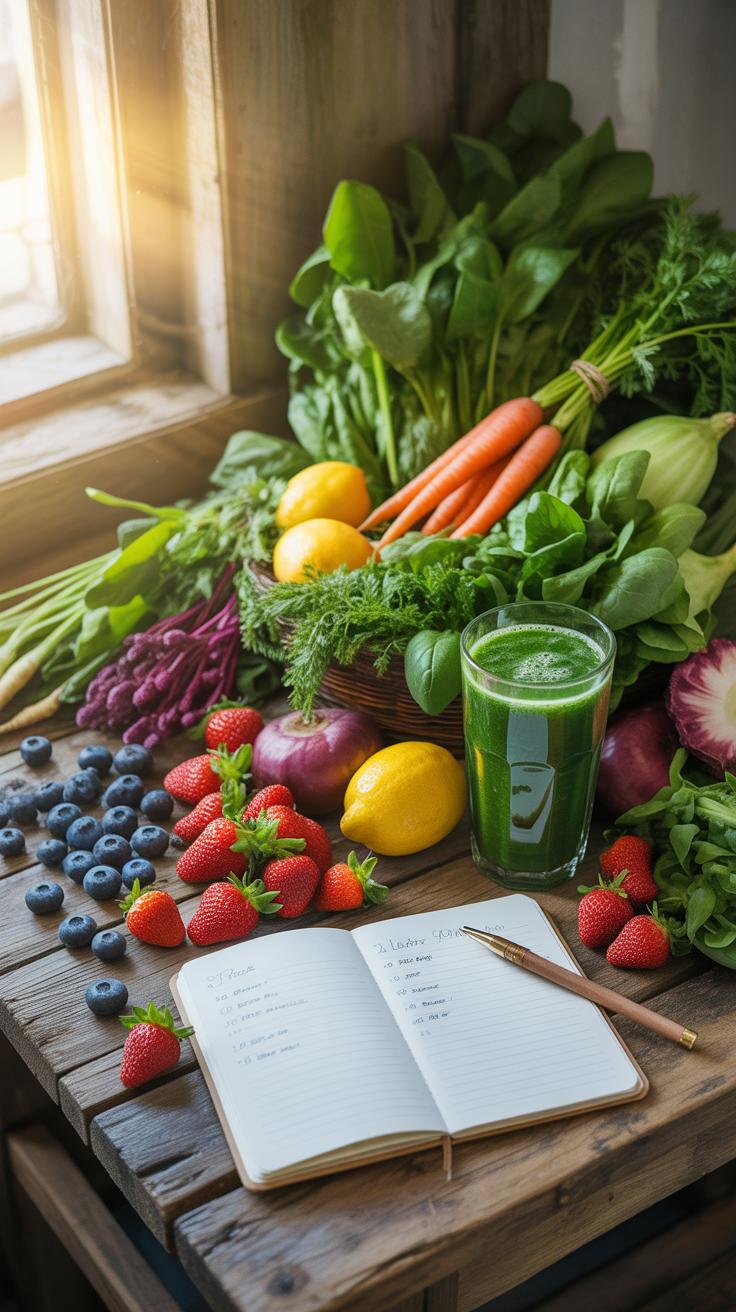
Data collection offers the only objective way to measure the impact of your dietary changes. Keep a daily log of specific biofeedback markers such as sleep quality, digestive regularity, and cognitive clarity. Note any changes in your skin texture or afternoon energy slumps. Physical sensations provide immediate evidence of how your body responds to the removal of inflammatory triggers and processed ingredients.
Review your log at the end of the five day period to identify clear patterns. Pay close attention to which meals made you feel most vital and which caused lethargy. Use these insights to decide which specific habits deserve a permanent place in your lifestyle. Successful detoxing serves as a diagnostic tool rather than a temporary fix. Apply these findings to your long term nutritional strategy.
Spring Detox Recipes That Double As Everyday Clean Eating Staples
Green Smoothies, Salads, And Soups: Versatile Spring Detox Recipes For Any Day
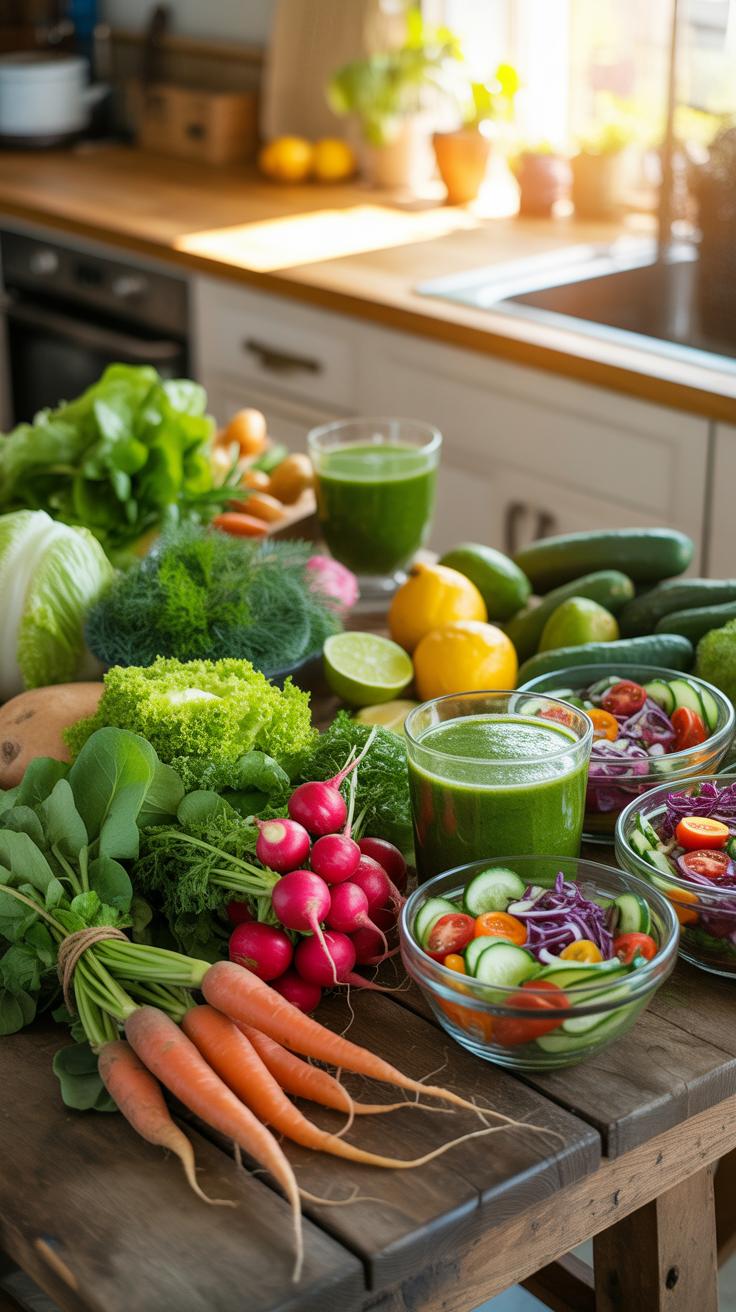
Core detox recipes rely on high nutrient density and low caloric load. A standard green smoothie uses a base of spinach or kale mixed with lemon and ginger. This combination provides fiber and vitamin C without added sugars. These drinks replace heavy breakfasts to reduce digestive strain. They work as long-term staples because they take less than five minutes to prepare and consume.
Salads and soups utilize seasonal produce like asparagus, radishes, and peas. Raw salads provide active enzymes that aid digestion. Light vegetable soups offer hydration and minerals during colder spring days. Use apple cider vinegar or cold-pressed olive oil for dressings. These ingredients support the liver and gallbladder. High-quality fats and acids make these dishes satisfying enough for consistent daily use throughout the entire year.
How To Adapt Your Detox Recipes For The Whole Family Without Sacrificing Flavor
Transitioning a family to a spring detox meal plan requires tactical adjustments. You must keep the base of the meal clean while adding dense energy sources for others. Roast large batches of root vegetables or cruciferous plants for everyone. Add a clean protein like wild-caught fish or lentils to the plate. This strategy ensures the detoxing individual sticks to the plan while the family remains satiated.
Flavor comes from fresh herbs and citrus rather than heavy salts or processed fats. Use cilantro, parsley, and mint to brighten bland dishes. These herbs serve a functional purpose by aiding heavy metal chelation and digestion. Swap traditional pastas for zucchini noodles or spaghetti squash. This move reduces the glycemic load of the meal. It allows the whole family to eat the same base components with minimal extra effort.
How To Transition Into A 30 Day Detox Meal Plan After Your Spring Reset
Scaling Up Gradually: Moving From A Short Cleanse To A 30 Day Detox Meal Plan
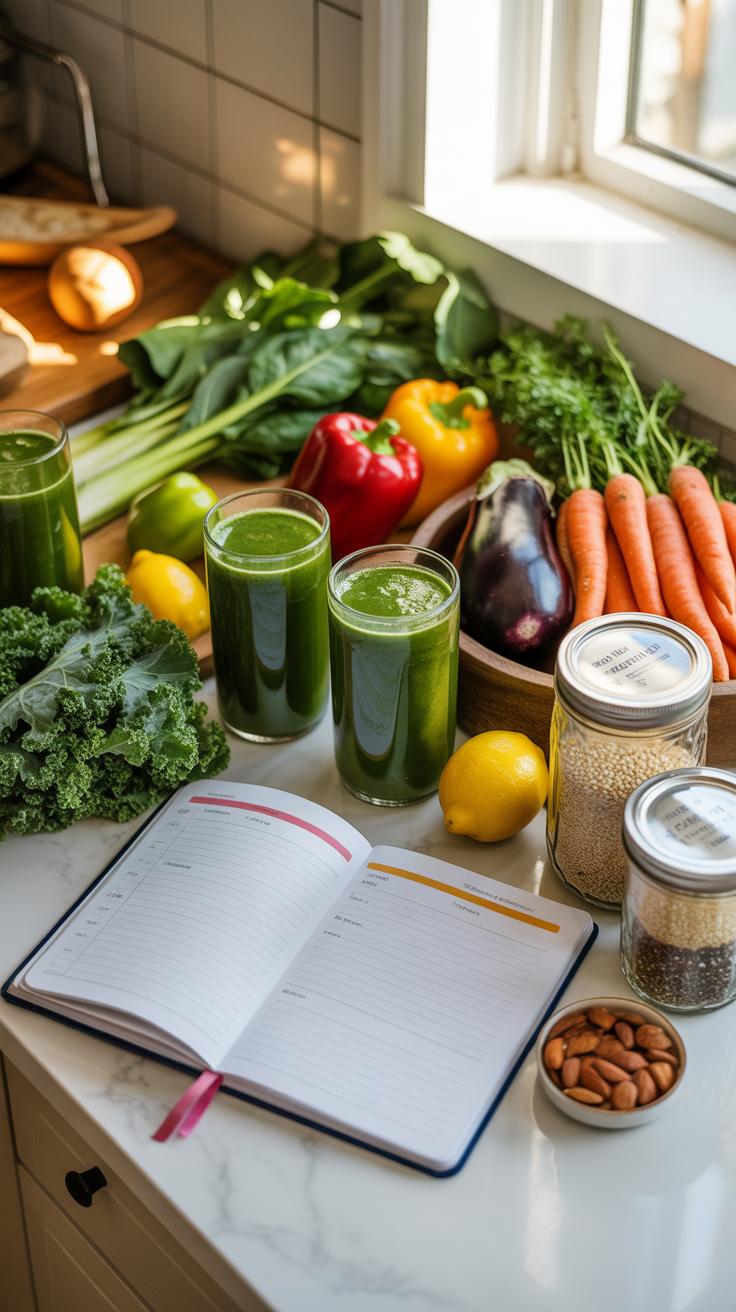
A short cleanse shocks the system into a state of high efficiency. Moving to a 30-day detox meal plan requires tactical caloric adjustments to prevent metabolic slowdown. You must reintroduce complex proteins and fiber-dense grains slowly. Sudden intake of heavy fats or processed sugars will trigger inflammatory responses. High-quality data shows that a staged reentry prevents digestive distress and helps maintain long-term weight loss goals.
Strategic volume increases fix the limit of a short-term reset. You will move from liquid-heavy phases to solid food consumption over five days. Start by adding one whole-food meal per day while keeping botanical infusions constant. This method stabilizes blood glucose levels and insulin sensitivity. Monitor your energy levels during this window to determine your ideal macronutrient ratios. Precise tracking ensures you do not regress into old eating patterns.
Sustainable Habits To Maintain The Benefits Of Your 30 Day Detox Meal Plan Long Term
Long-term success depends on environmental control and grocery procurement strategies. Remove highly processed items from your kitchen to eliminate decision fatigue. Focus on whole-food sourcing and seasonal vegetable variety to keep nutrient density high. Use bulk meal preparation to ensure high-quality food is always available. This reduces the urge to consume convenience foods during high-stress periods. Consistent habits solidify the physiological gains made during the detox.
Hydration and sleep quality determine the longevity of your detox results. Drink filtered water to support liver filtration and kidney function daily. Maintain a strict circadian rhythm to optimize natural detoxification processes that occur during deep sleep. Avoid blue light exposure before bed to protect endocrine health. These tactical lifestyle shifts ensure your body continues to process toxins efficiently. Discipline in these areas maintains your new metabolic baseline permanently.
Common Mistakes To Avoid When Following A Spring Detox Meal Plan

Over Restricting Calories: Why Balance Matters More Than Deprivation On A Detox Plan
Extreme calorie restriction halts your metabolic rate and triggers muscle loss. Many people view a spring detox meal plan as a starvation period. This approach is incorrect and dangerous. Your liver and kidneys require specific amino acids and micronutrients to process toxins effectively. Depriving the body of fuel prevents these organs from doing their jobs. You end up tired and weak instead of healthy.
Focus on nutrient density instead of calorie counting. Eat whole foods like leafy greens, lean proteins, and healthy fats. These foods provide the energy needed for cellular repair. Proper fuel helps you maintain steady blood sugar levels during the process. This prevents the crashes and cravings that ruin most detox attempts. Aim for a sustainable intake that supports daily activity while removing processed triggers.
Skipping Hydration And Sleep: Two Overlooked Pillars Of Any Effective Detox Plan
Water is the primary transport mechanism for waste removal. Most people fail their detox because they do not drink enough fluids. Dehydration causes the body to hold onto waste products in the colon and kidneys. A successful spring detox meal plan relies on high water intake to flush out bypassed materials. You should drink water consistently throughout the day to keep your systems moving.
Sleep is when the body performs its most intensive internal cleaning. The brain uses the glymphatic system to clear out metabolic waste during deep sleep cycles. Skipping rest disrupts your hormonal balance and increases cortisol levels. High cortisol makes it impossible for the body to repair tissue or burn fat. You must prioritize seven to eight hours of shut-eye to see real results from your dietary changes.
Frequently Asked Questions

What exactly is a spring detox meal plan and how does it benefit my body?
A spring detox meal plan is a structured approach to eating that focuses on whole, unprocessed foods to help reset your system after winter. Instead of restrictive fasting, it emphasizes hydrating seasonal vegetables, lean proteins, and fiber-rich grains. By following this plan, you help your body’s natural filtration organs, like the liver and kidneys, function more efficiently, resulting in increased energy levels, clearer skin, and improved digestion for the new season.
How can I successfully prepare my kitchen for a spring detox meal plan?
Preparation is the secret to success when starting your spring detox meal plan. Begin by clearing your pantry of processed sugars and refined flours that might tempt you. Stock up on glass storage containers to keep your pre-chopped vegetables fresh and vibrant. Focus on batch-cooking staples like quinoa and roasted roots early in the week. Having these nutrient-dense components ready makes it much easier to assemble healthy, clean dishes during a busy workday.
Is it possible to follow a detox program if I am on a strict budget?
Absolutely! You can easily enjoy a clean start without overspending by focusing on seasonal produce and bulk staples. Buy hearty vegetables like cabbage, carrots, and spinach, which are often more affordable and packed with nutrients. Opt for plant-based proteins such as lentils and chickpeas over expensive organic meats. Planning your meals around what is currently on sale at your local farmers’ market is a fantastic way to eat well while saving money.